If you’re planning to travel to Europe in 2025, chances are you’ll need a Schengen Visa. But one of the most confusing parts of the visa process is choosing between a Single Entry and a Multiple Entry visa.
Many travelers wonder:
-
What’s the difference between a single-entry and a multiple-entry Schengen visa?
-
Which one should I apply for?
-
How many times can I enter and exit with each visa type?
-
Does multiple-entry mean unlimited travel within the Schengen Zone?
Check your visa chancesSee your approval chances in a minute - free assessment.Check now →
This guide will give you a complete, step-by-step explanation of the difference between Schengen Single Entry and Multiple Entry visas, eligibility, benefits, limitations, fees, and tips to increase your chances of approval.
🌍 Quick Overview of the Schengen Visa
The Schengen Visa allows non-EU travelers to visit 29 European countries within the Schengen Zone. With this visa, you can:
-
Stay up to 90 days in a 180-day period
-
Travel freely between Schengen countries without border checks
-
Enter and exit depending on whether your visa is single, double, or multiple entry
The visa is categorized into three types:
-
Single Entry Visa
-
Double Entry Visa
-
Multiple Entry Visa
🔑 What is a Schengen Single Entry Visa?
A Single Entry Schengen Visa allows you to enter the Schengen Zone only once within the validity period.
-
Once you exit the Schengen Area, your visa becomes invalid, even if you still have unused days.
-
You can travel between all 29 Schengen countries during your stay, but you cannot re-enter after leaving.
Example:
If you fly from India to France on a single-entry visa, you can visit France, Germany, Switzerland, and Italy. But if you exit to the UK or Turkey and try to come back, your visa will no longer be valid.
🔑 What is a Schengen Multiple Entry Visa?
A Multiple Entry Schengen Visa allows you to enter and exit the Schengen Zone several times during its validity.
-
You can travel in and out of Schengen countries as long as you respect the 90/180 rule.
-
Multiple-entry visas are ideal for business travelers, frequent visitors, or tourists who plan to enter non-Schengen countries in between.
Example:
If you fly from India to Germany on a multiple-entry visa, you can travel to Switzerland, France, and Italy. Then you can exit to the UK or Dubai, and later re-enter Europe again, as long as your visa is valid.
⚖️ Single Entry vs Multiple Entry: Key Differences
|
Feature |
Single Entry Visa |
Multiple Entry Visa |
|---|---|---|
|
Number of Entries |
One entry only |
Unlimited entries during validity |
|
Validity |
Typically 15–90 days |
6 months, 1 year, 3 years, or 5 years (depends on travel history) |
|
Re-entry |
Not allowed |
Allowed multiple times |
|
Best For |
First-time tourists, short trips |
Frequent travelers, business trips, multiple country visits |
|
Risk |
Visa becomes invalid once you leave Schengen |
Must follow 90/180 rule |
📌 What is a Double Entry Schengen Visa?
In addition to single and multiple entry, there is also a double entry visa.
-
This allows you to enter the Schengen Zone twice during your validity period.
-
After the second exit, your visa will expire.
It’s useful for people who plan a short trip outside Schengen and return once (e.g., visiting Switzerland + UK + back to France).
⏱️ Validity of Schengen Multiple Entry Visas
Depending on your travel history, you may be granted:
-
6 months multiple entry
-
1 year multiple entry
-
3 years multiple entry
-
5 years multiple entry
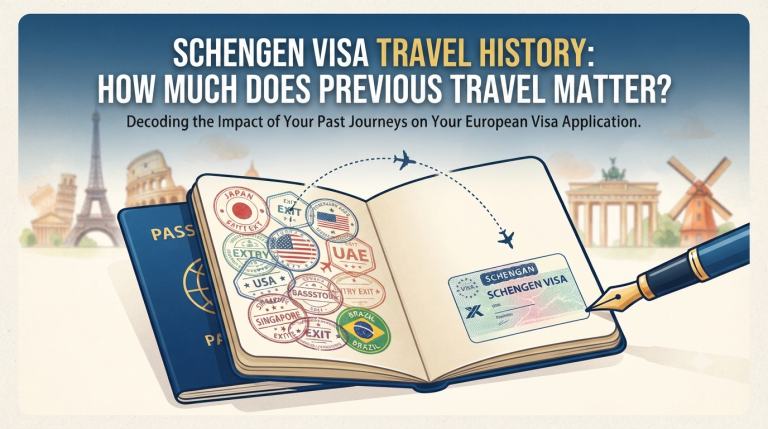
💡 Frequent travelers with a good visa history (USA, UK, Schengen, Canada) are more likely to get long-term multiple-entry visas.
✅ Which One Should You Choose?
Choose
Single Entry Visa
if:
-
You are a first-time traveler to Europe.
-
You only plan to visit Schengen countries once.
-
You do not need to travel outside Schengen and come back.
Choose
Multiple Entry Visa
if:
-
You are a frequent traveler.
-
You plan to enter and exit Schengen multiple times (e.g., visit Switzerland, then UK, then back to France).
-
You travel for business meetings, conferences, or family visits.
Also read: Schengen Visa Types Explained: Which One Should You Apply For? · New Schengen Biometric Entry Rules in 2026: What Indian Travellers Must Prepare Before Europe Trips · Schengen Visa Processing Time in 2026: Country Wise Waiting Period for Indians
💶 Schengen Visa Fees (2025)
Visa fees are the same for both single entry and multiple entry applications.
-
Adults (12+ years): €90 (~₹8,200)
-
Children (6–12 years): €45 (~₹4,100)
-
Children under 6: Free
🏦 Financial Proof Required
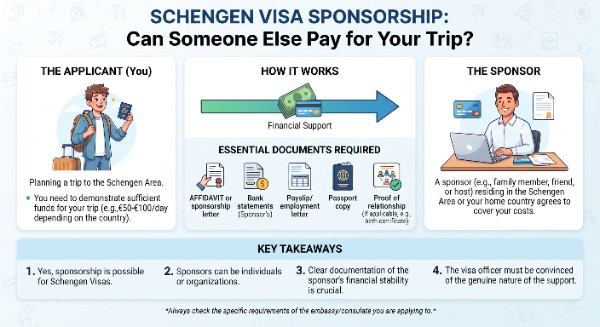
Whether applying for single or multiple entry, you need to show:
-
At least €100 per day per person for your stay.
-
For Indians: ₹2–3 lakhs bank balance maintained for the last 6 months.
-
Salary slips, ITR, or business proof if self-employed.
💡 Tip: Strong financial proof increases your chance of getting a multiple-entry visa.
📝 How to Apply for Schengen Single or Multiple Entry Visa
Step 1 – Identify Where to Apply
Apply at the embassy/consulate of the country where you will spend the most days.
Step 2 – Fill Application Form
Download the official form from VFS Global or the embassy’s website.
Step 3 – Gather Documents
-
Valid passport
-
Flight reservations
-
Hotel bookings
-
Travel insurance (€30,000 coverage)
-
Bank statements
-
Cover letter
Step 4 – Book Appointment
Schedule via VFS Global.
Step 5 – Biometrics & Submission
Submit your file, provide fingerprints, and pay the fee.
Step 6 – Wait for Processing
-
Standard: 15 working days
-
Peak season: Up to 30–45 days
Step 7 – Collect Passport
Approved visa will mention number of entries (1, 2, or MULT).
📌 How to Read Your Schengen Visa Sticker
When you receive your visa, check the number of entries:
-
“1” → Single Entry
-
“2” → Double Entry
-
“MULT” → Multiple Entry
Also check:
-
Validity period (From–Until dates)
-
Duration of stay (number of days you can remain in Schengen)
⚠️ Common Reasons for Rejection
-
Insufficient bank balance
-
Fake hotel/flight bookings
-
No proof of return to home country
-
Weak travel history
-
Overstaying in past visits
💡 If you want a multiple-entry visa, you must show strong ties to home country (job, business, property, family).
❓ FAQs
Q1. Can I convert a single entry visa to multiple entry after approval?
No, you must apply fresh for multiple entry.
Q2. Is the fee different for multiple entry?
No, fees are the same. Decision depends on embassy.
Q3. How can I increase my chance of getting multiple entry?
Show strong financials, previous travel history, and explain clearly in your cover letter.
Q4. What happens if I leave Schengen on a single-entry visa?
Your visa will expire, even if you had unused days.
Q5. Which visa type do embassies usually give first-timers?
Most first-time applicants get a single-entry visa.