
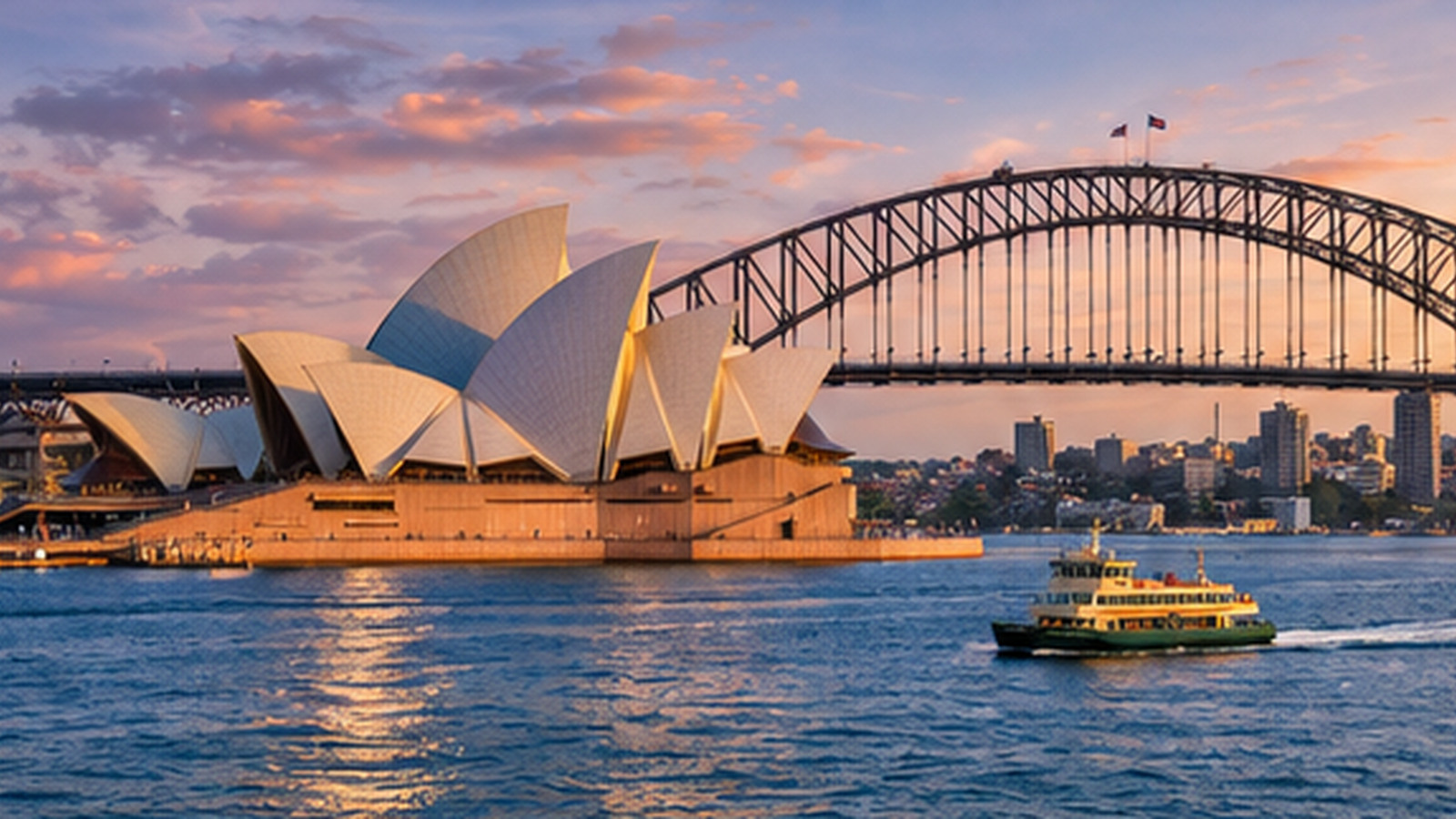
The Opera House, Harbour Bridge, Bondi Beach and the Blue Mountains nearby.
The Opera House and the Great Barrier Reef, kangaroos and the Outback, world-class cities and endless coast — Australia is a bucket-list giant, on an online visitor visa for Indians.
Australia is a bucket-list continent all of its own — a land of dazzling cities, the world’s largest coral reef, red-earth Outback, ancient rainforests and some of earth’s most unique wildlife. For Indian travellers it is a dream long-haul holiday, with a huge, welcoming Indian community, English everywhere, and a straightforward online visitor visa (subclass 600) applied before travel.
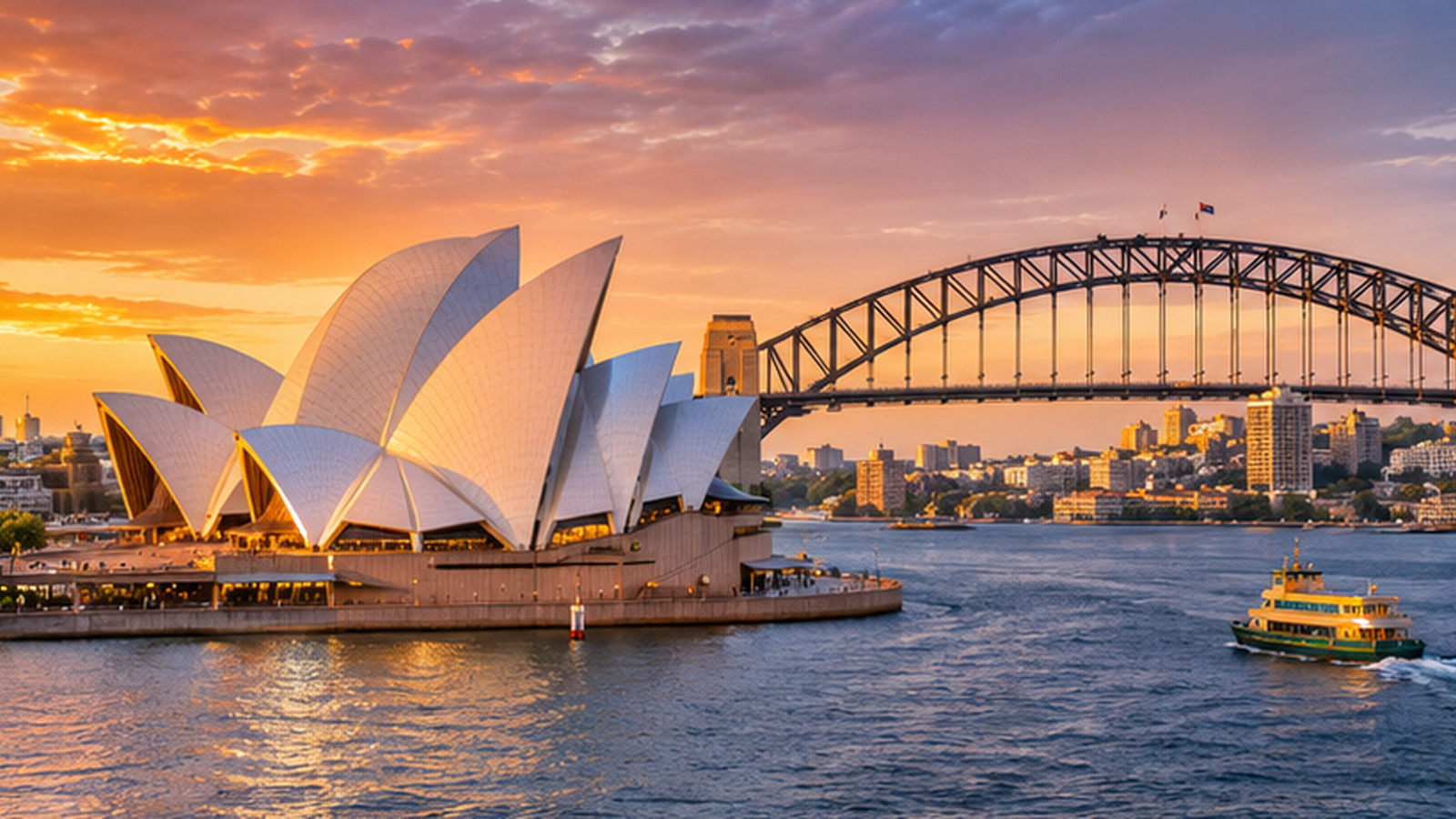
Sail beneath the Sydney Opera House and Harbour Bridge, dive or snorkel the Great Barrier Reef, drive the spectacular Great Ocean Road, watch the sun set over Uluru, and meet kangaroos and koalas up close. Add cosmopolitan Melbourne, golden beaches and warm multicultural cities, and Australia delivers an unforgettable, if far-flung, journey of a lifetime.
Australia is hugely popular with Indians — one of the largest Indian diasporas anywhere means abundant Indian food, temples and festivals, English everywhere, and an easy sense of familiarity. The online visitor visa is straightforward, cities are safe and multicultural, and it suits families, honeymooners and those with friends or relatives Down Under. It is a long, premium trip best planned over 10+ days.
💡 From our visa desk: Two things shape a great Australia trip: apply for the visitor visa early (it can take a few weeks), and respect the distances — Sydney to Cairns to Uluru to Melbourne means several internal flights, so pick three or four regions, not the whole country. Remember the seasons are flipped: our winter is their summer, so December–February suits southern beaches and May–September suits the reef and the Outback.
Online Visitor visa (subclass 600) for Indian citizens — applied before travel.
Indian passport holders apply online (via ImmiAccount) for the Australian Visitor visa, subclass 600, before travel; it typically allows stays of up to three months within a validity period. You need a passport valid for the stay, proof of funds, an itinerary and supporting documents, and processing can take a few weeks. Confirm the current entry requirement before you book.
Check your Australia entry requirement →Australia is huge and in the southern hemisphere, so timing depends on the region. September–November and March–May are great nationwide; the north (reef, Uluru) is best in the dry May–September, while the south is warmest December–February. See the month-by-month table below.
| Season | What it's like & who it suits |
|---|---|
| Sep–Nov (spring) | Excellent nationwide — mild, blooming and good for cities, the reef and the Outback. |
| Dec–Feb (summer) | Hot; perfect for southern beaches (Sydney, Melbourne) but very hot in the Outback and north. |
| May–Sep (dry north) | The best time for the Great Barrier Reef, Uluru and the tropical north (cooler, dry). |
| Mar–May (autumn) | Mild and scenic nationwide with fewer crowds — a great all-round window. |
| Month | Weather & what’s on (incl. Indian holiday windows) |
|---|---|
| January–February | Peak southern summer — hot, lively Sydney and Melbourne beaches and events; the tropical north is hot, humid and in its wet/stinger season (avoid open-water reef swims without a stinger suit). |
| March | Warm and pleasant in the south with thinning crowds; the north starts drying out. A lovely all-round month. |
| April–May | Autumn — mild, scenic and good value nationwide; the reef and Outback enter their best dry season. |
| June–August | Dry-season peak for the Great Barrier Reef, Cairns and Uluru (cool, clear); cool winter in Sydney and Melbourne (and ski season in the Alps). Overlaps the Indian summer break. |
| September–October | Spring — excellent nationwide, with mild cities, wildflowers and great reef and Outback weather. A top window. |
| November | Warm spring in the south and still-dry north; a great-value shoulder month before the summer peak. |
| December | Southern summer and festive — hot beaches and lively cities, with peak Christmas–New Year prices and crowds. |
The Opera House, Harbour Bridge, Bondi Beach and the Blue Mountains nearby.

Australia’s culture capital — laneways, coffee, sport and the Great Ocean Road gateway.
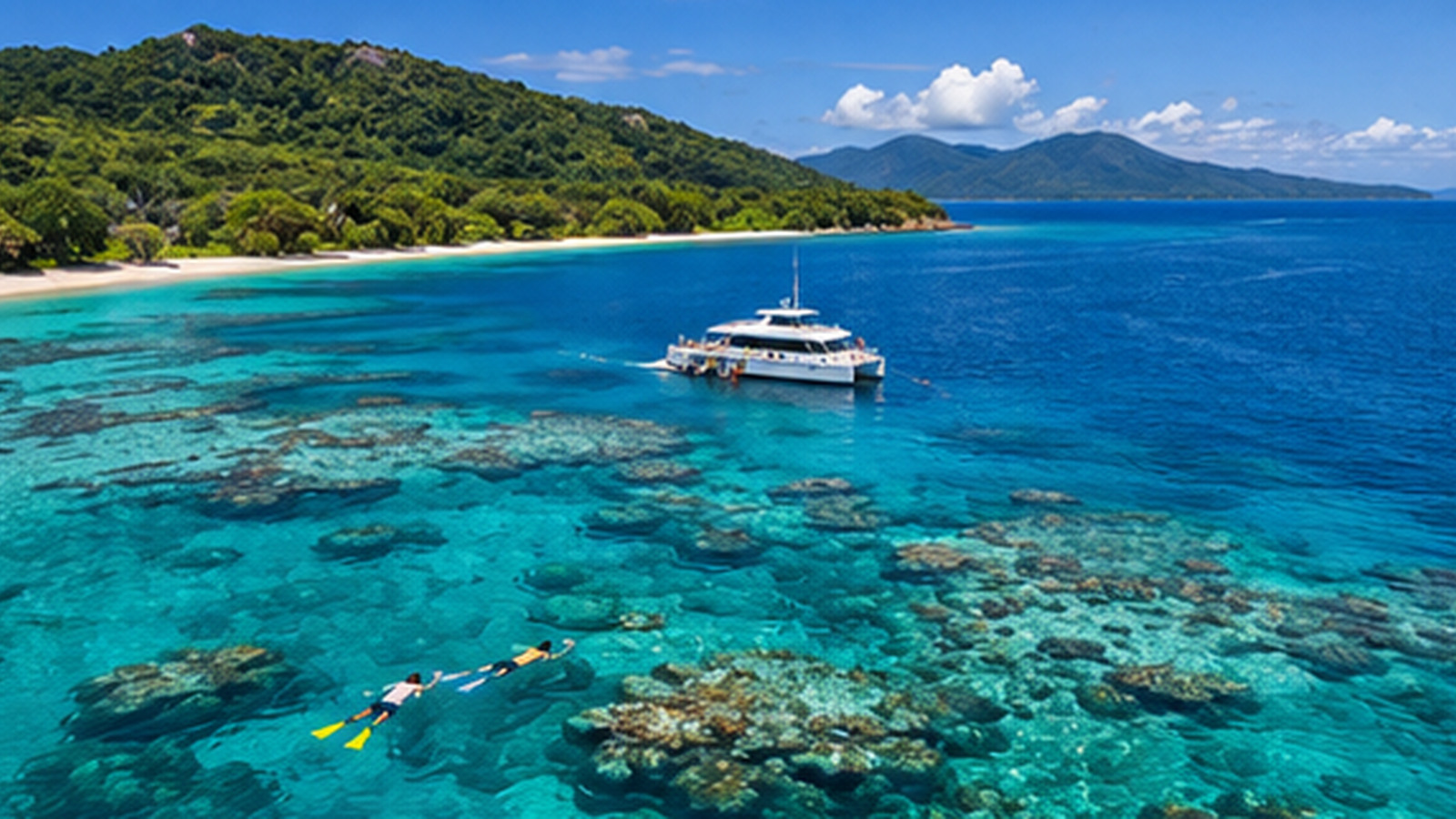
The tropical north — reef trips, rainforest and islands.
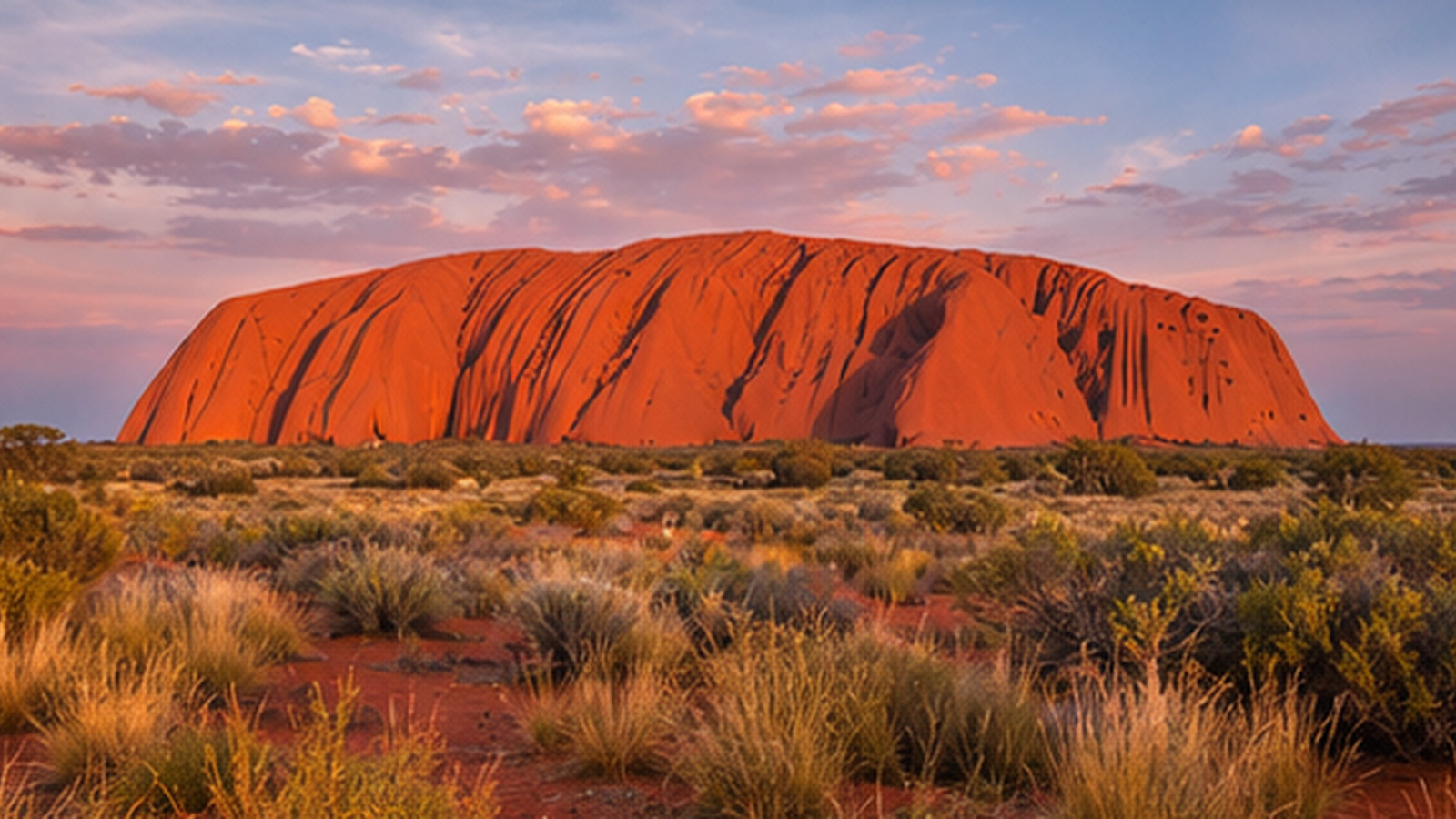
The sacred monolith and the spiritual heart of the Outback.
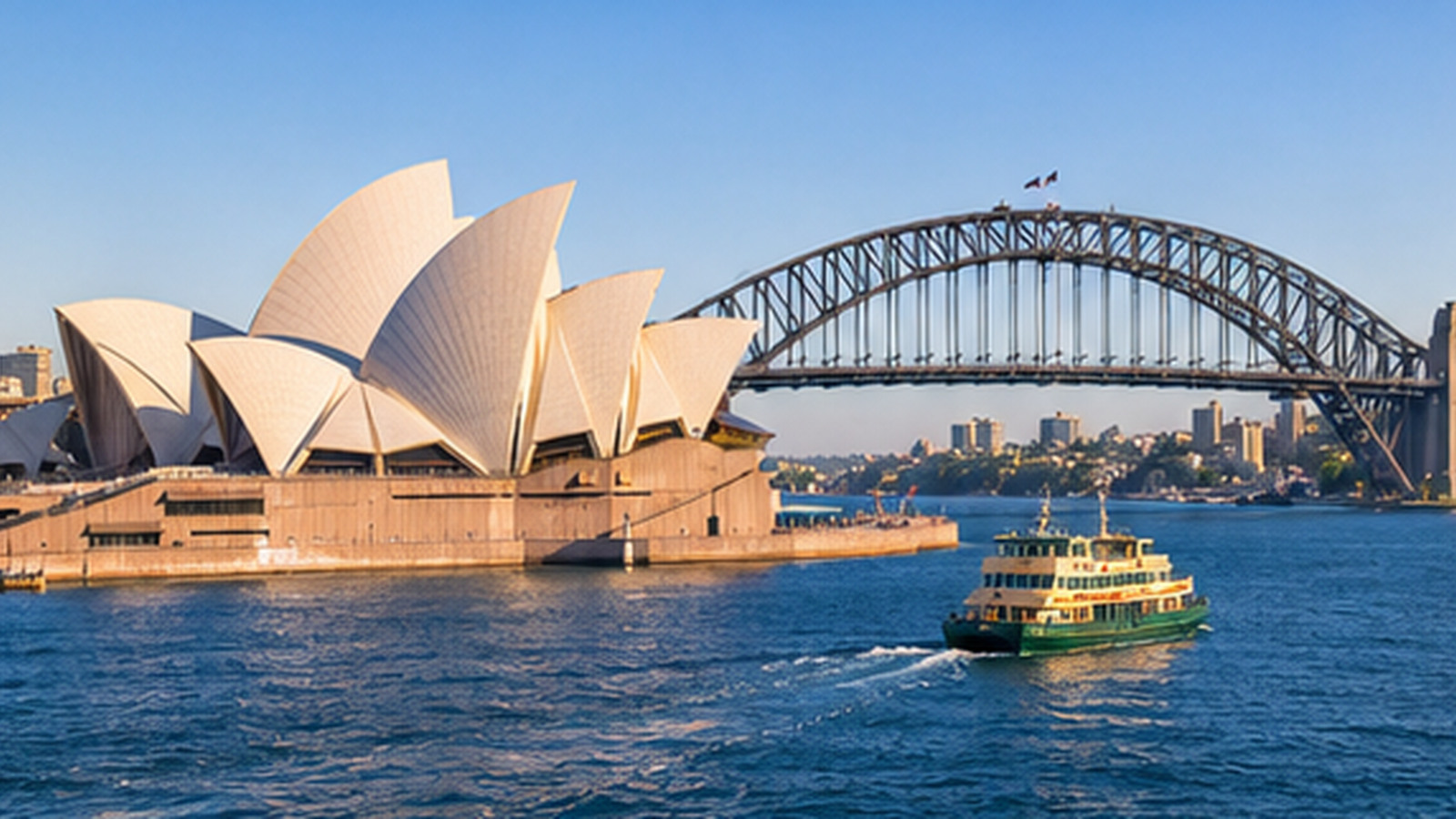
The iconic sails, the Harbour Bridge climb and ferry rides around one of the world’s great harbours.
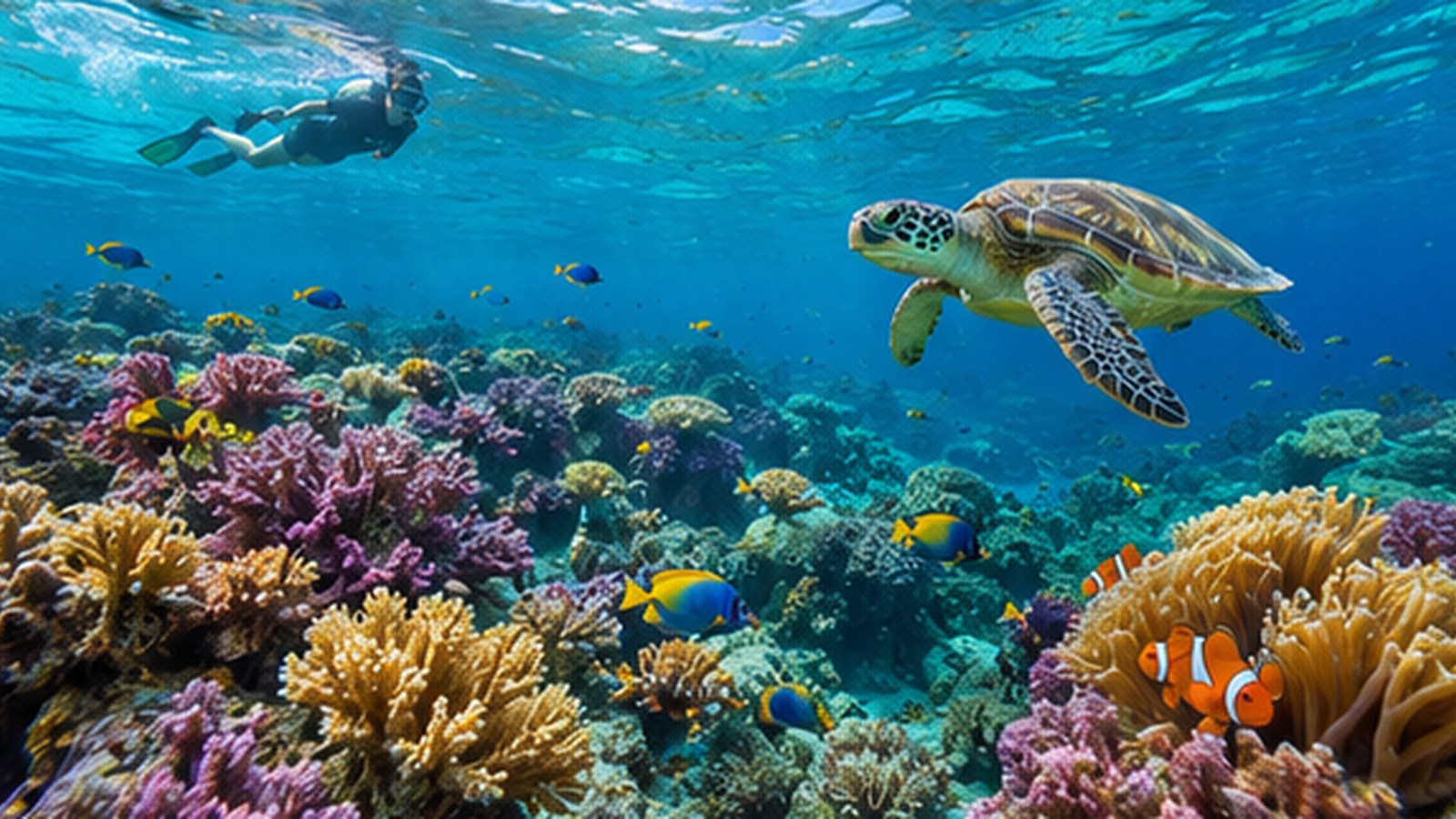
The world’s largest coral reef system — snorkel or dive among coral and marine life.
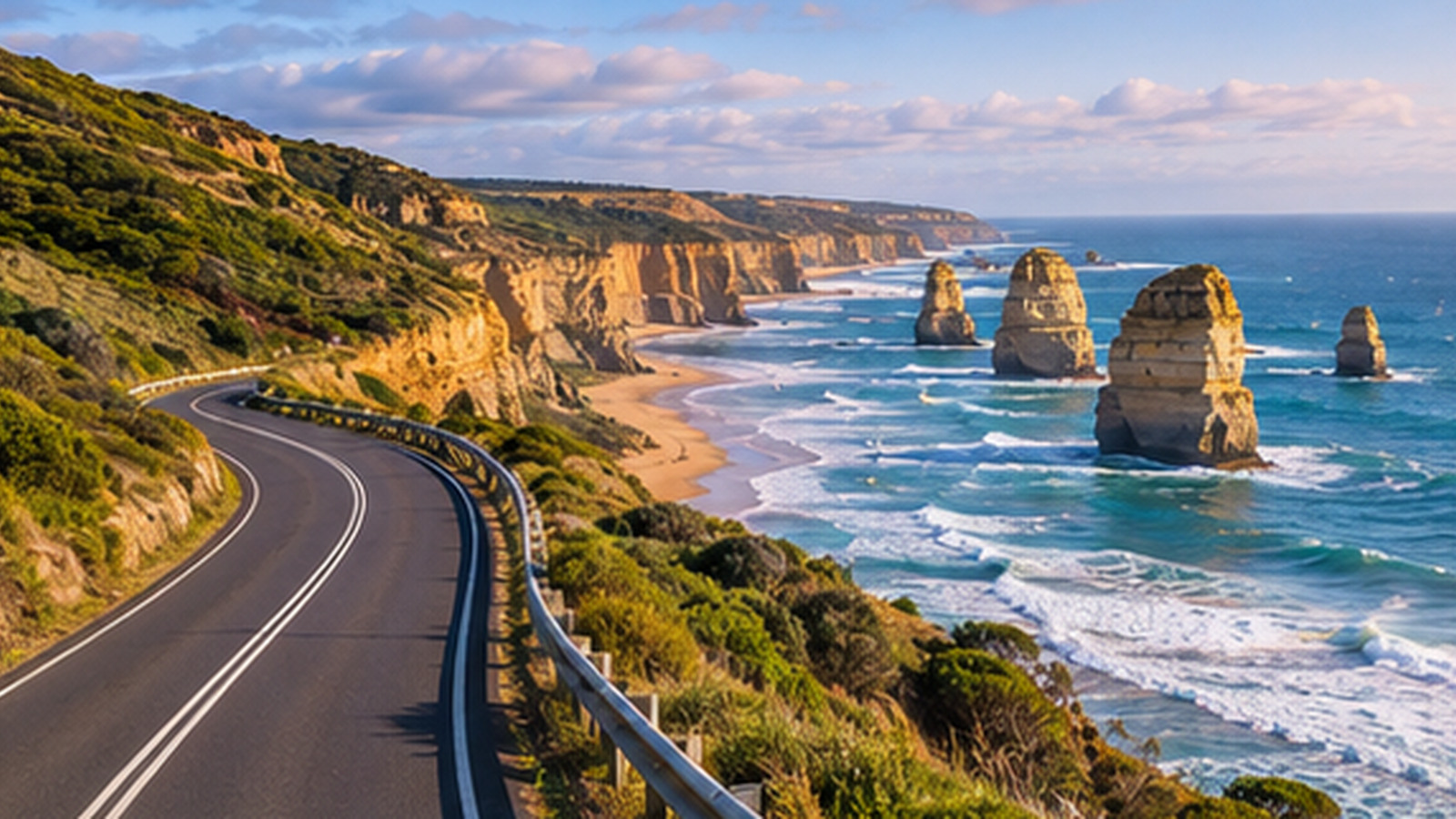
A stunning coastal drive to the Twelve Apostles sea stacks from Melbourne.
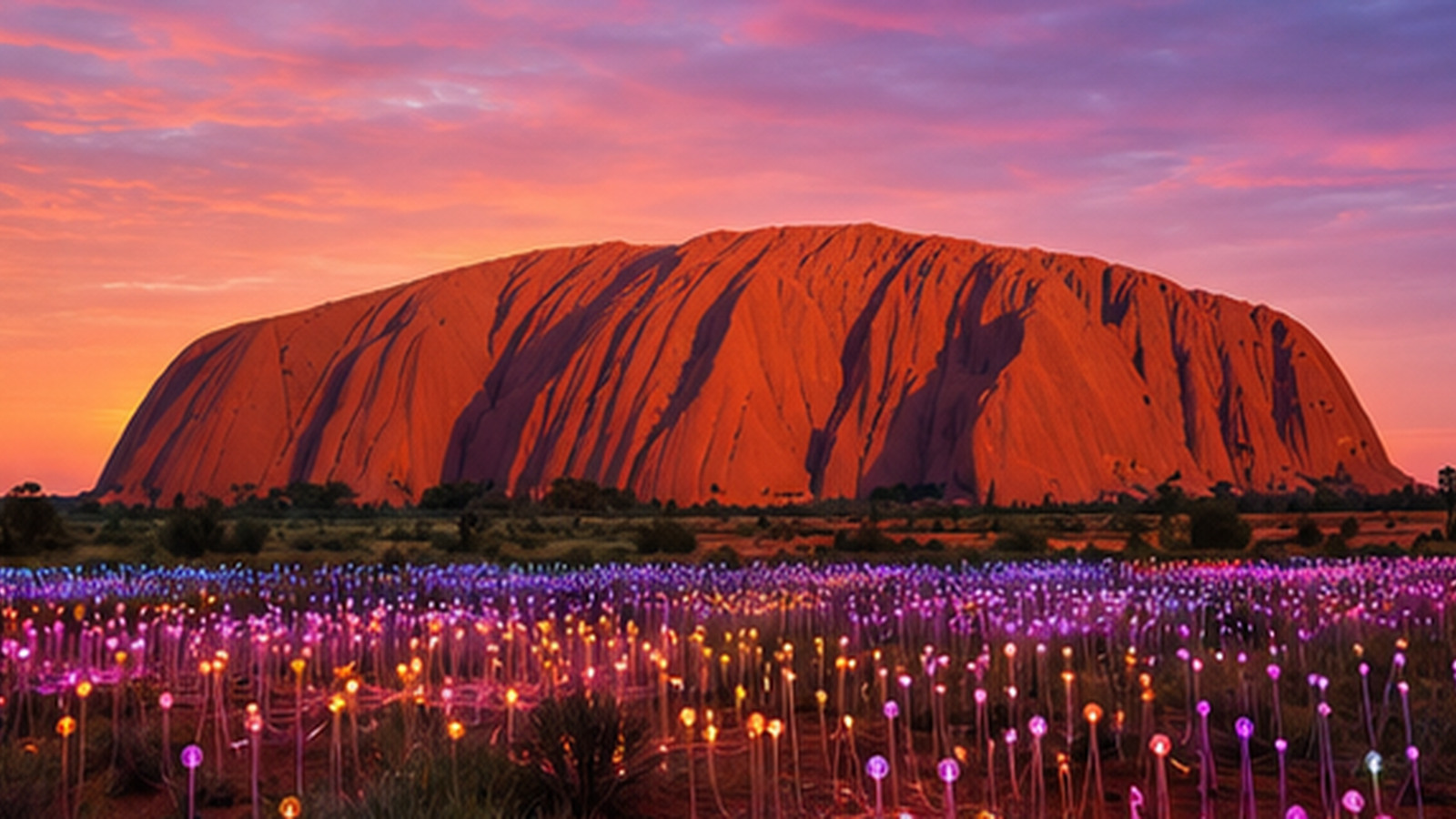
The vast red monolith at sunrise and sunset and the Field of Light art installation.
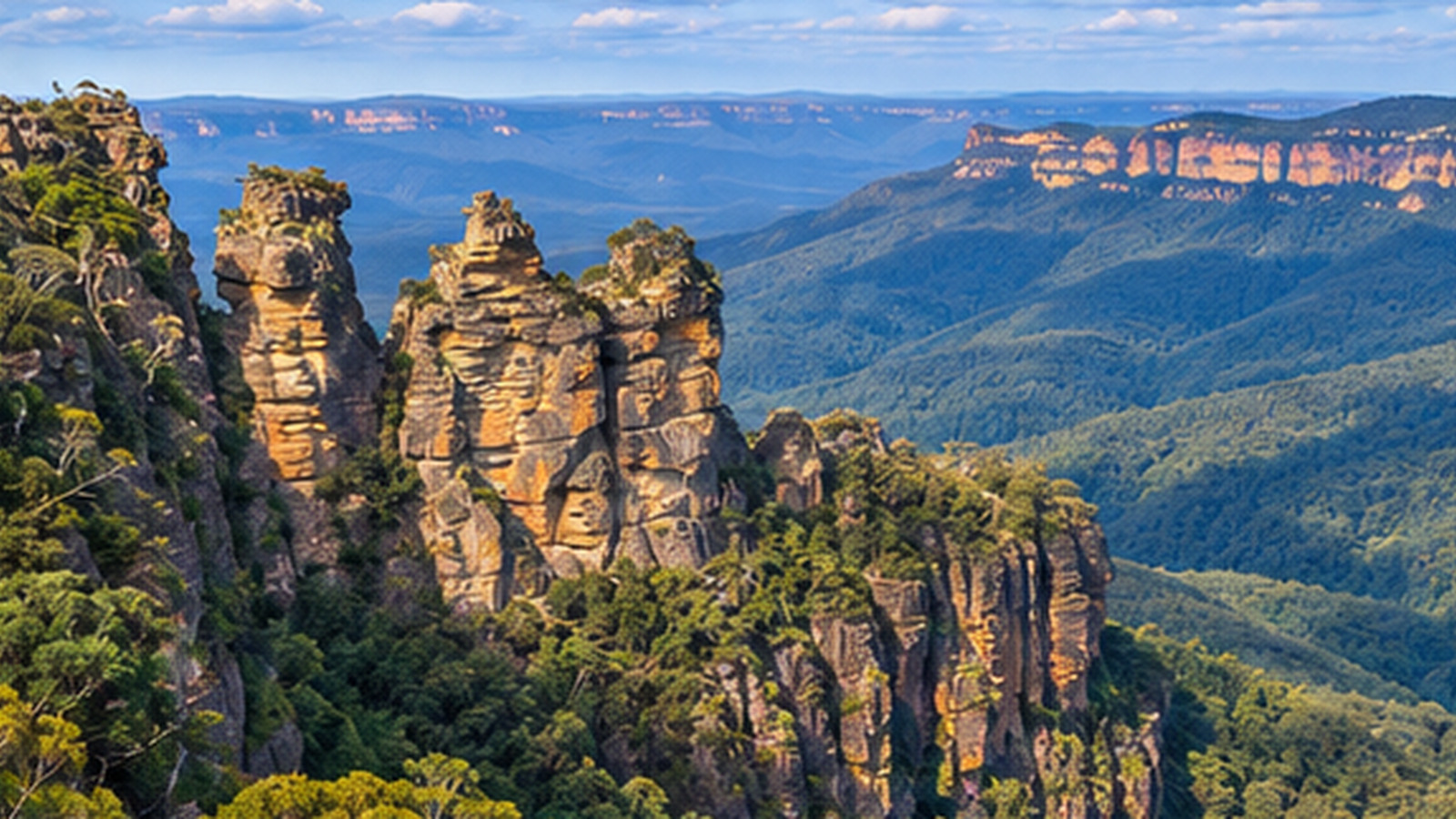
Dramatic cliffs, the Three Sisters and eucalyptus valleys near Sydney.
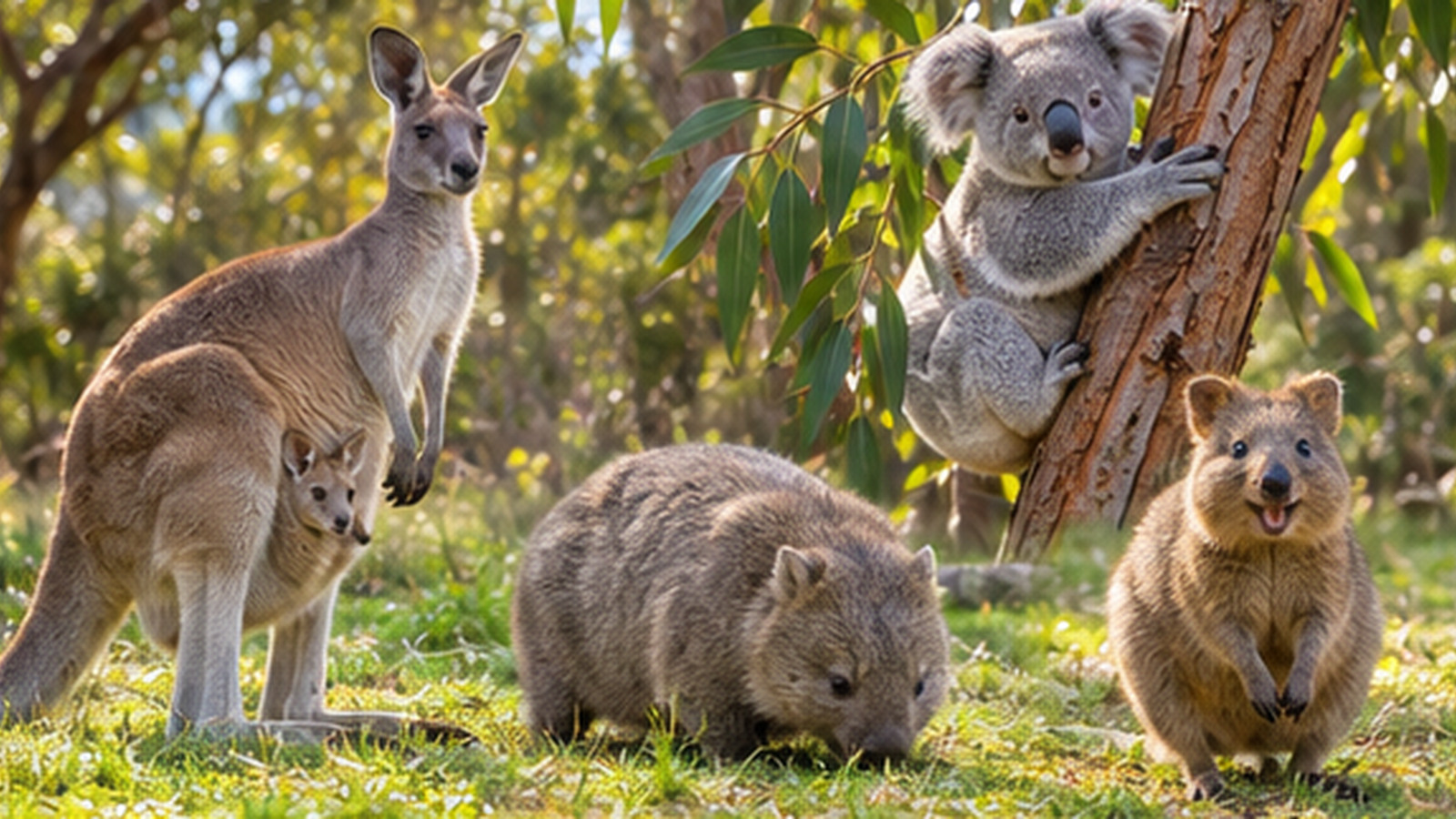
Kangaroos, koalas, wombats and quokkas in parks and on islands (Kangaroo Island, Rottnest).

Coffee culture, street art, markets and sport in Australia’s most liveable city.
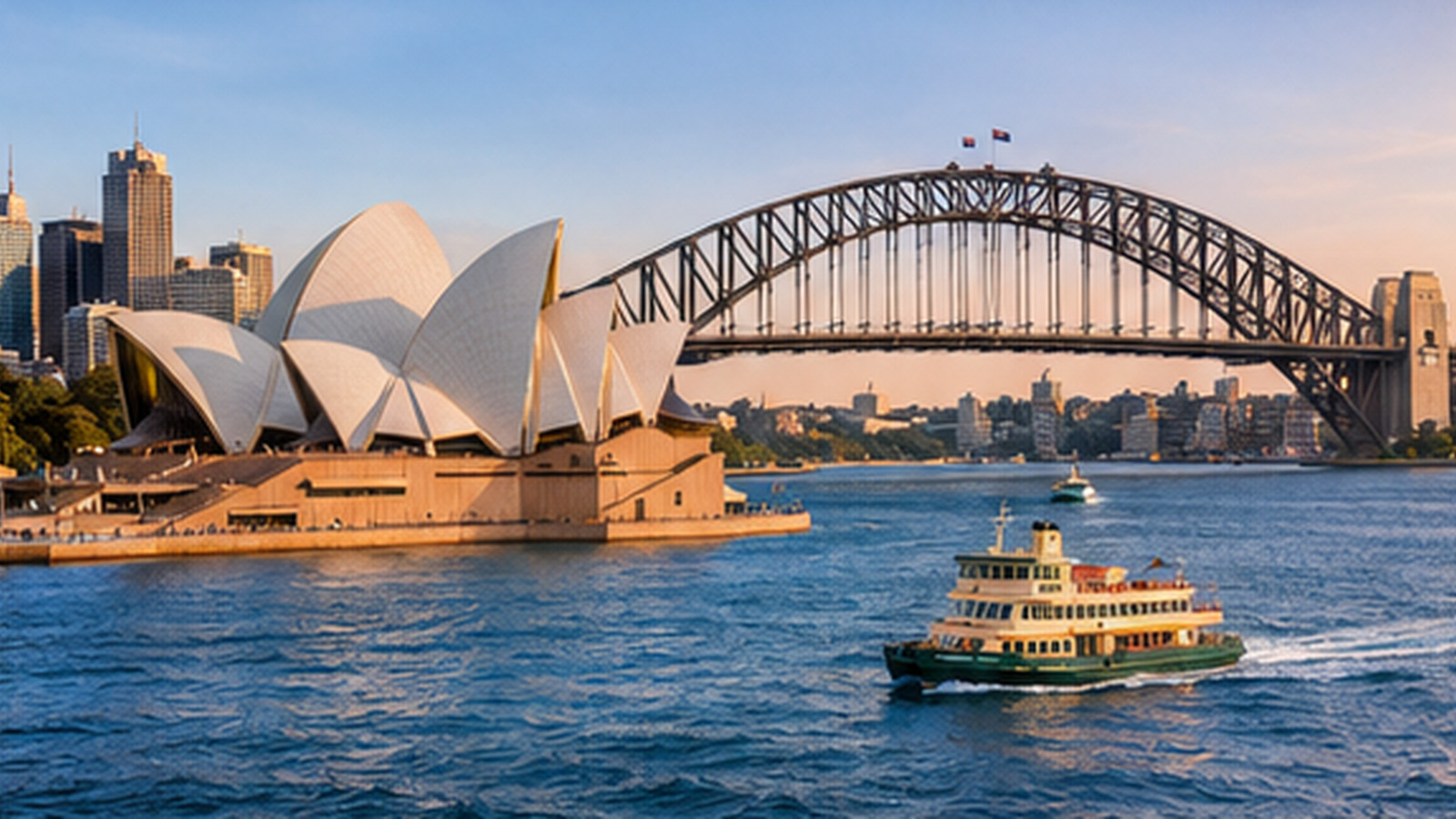
Sydney, Melbourne and their beaches, food and culture.
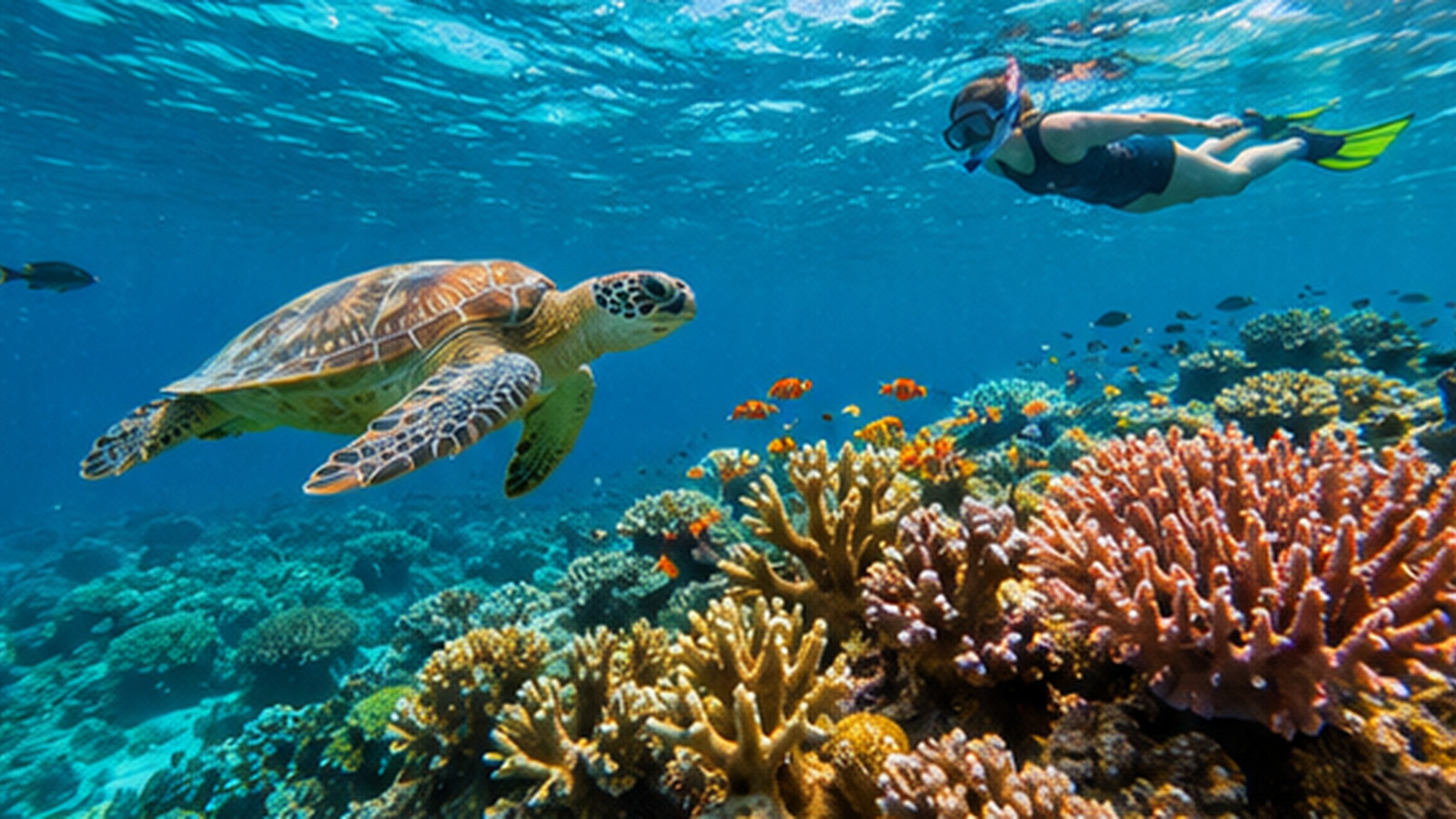
Great Barrier Reef diving, snorkelling and island trips.
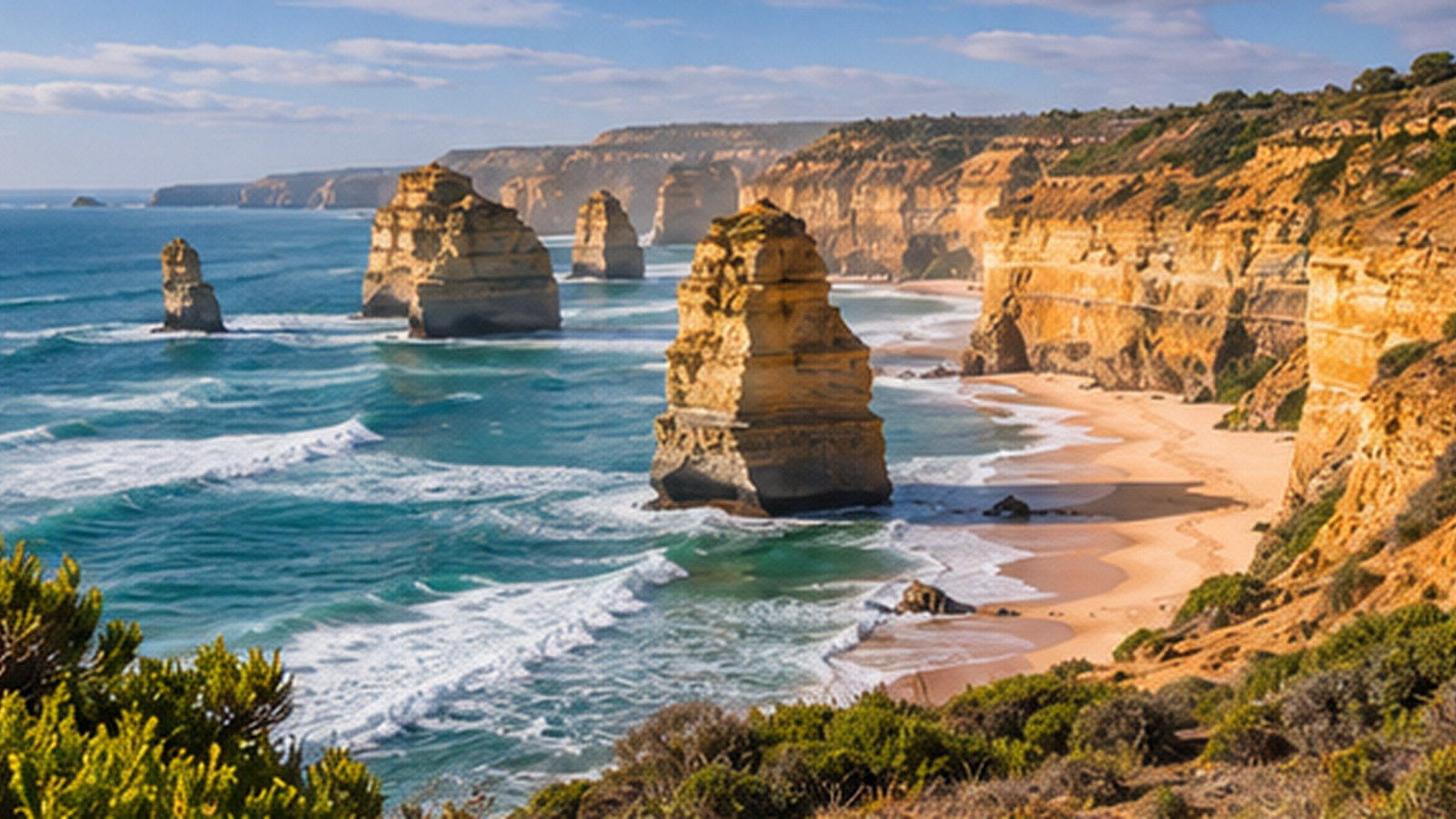
The Great Ocean Road and scenic coastal drives.
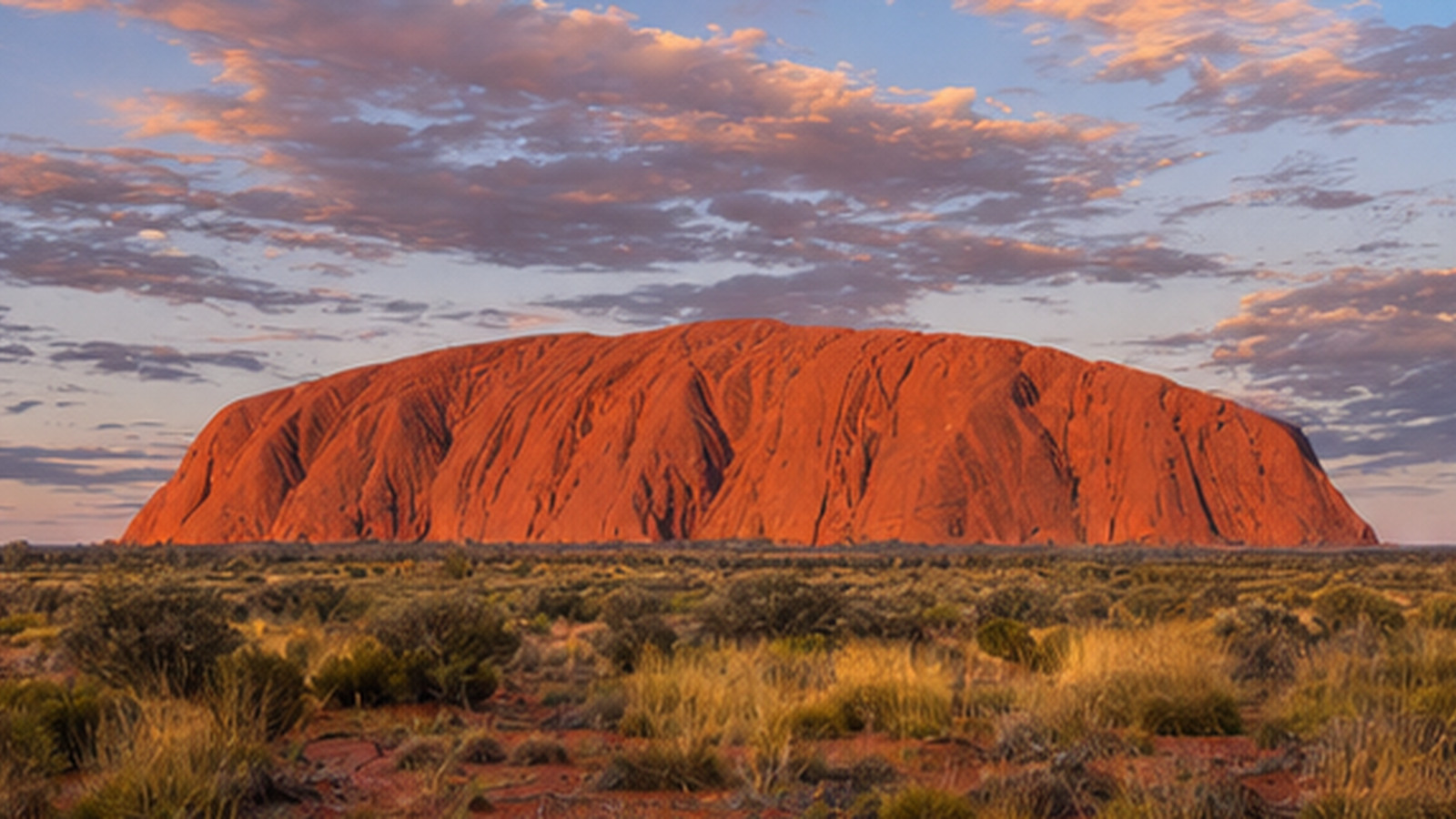
Uluru, the Blue Mountains and national parks.
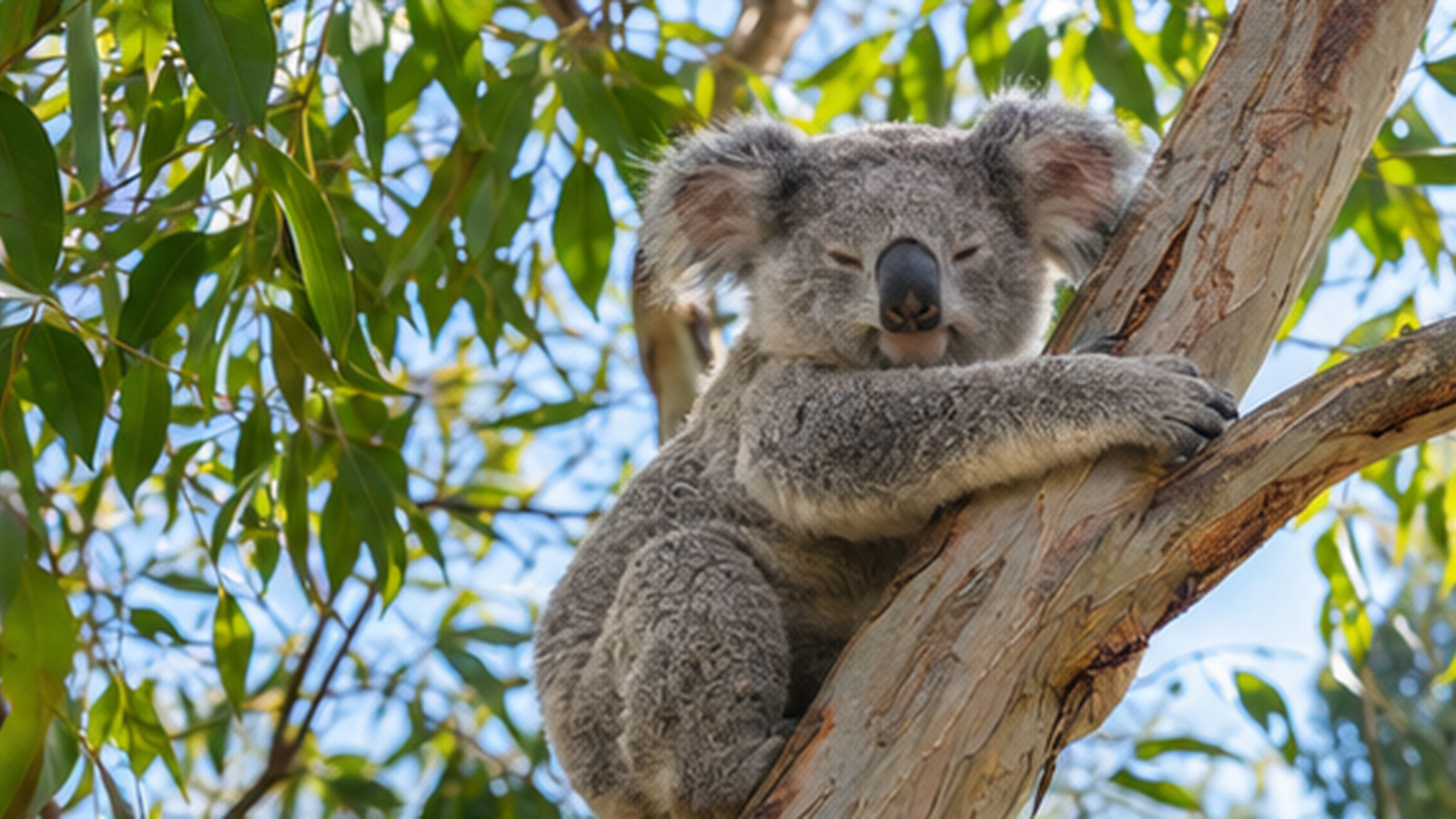
Kangaroos, koalas, quokkas and whale watching (in season).
Book tours & activities through our travel partners — see options. Bluebird Next may earn a commission from partner bookings at no extra cost to you (Affiliate Disclosure).
Australia is a premium, long-haul destination — flights, internal flights and the strong dollar make it one of the costlier trips, though hostels and self-catering help. Indicative per-person figures for a 10-day trip in 2026 (prices checked Nov 2026).
| Item | Typical cost (per person) |
|---|---|
| Return flights (ex-India) | ₹70,000 – ₹1,30,000 |
| Visitor visa (fee) | ₹11,000 – ₹13,000 |
| Hotels (per night, twin) | ₹5,000 – ₹16,000 |
| Internal flights | ₹6,000 – ₹15,000 each |
| Reef / tours / experiences | ₹8,000 – ₹18,000 each |
| Food & local transport | ₹3,000 – ₹6,000 / day |
| From | Typical return airfare |
|---|---|
| Delhi | ₹70,000 – ₹1,25,000 (direct/1-stop) |
| Mumbai | ₹72,000 – ₹1,30,000 (direct/1-stop) |
| Bengaluru | ₹75,000 – ₹1,35,000 (1-stop) |
| Chennai | ₹75,000 – ₹1,35,000 (1-stop) |
| Kolkata/Hyderabad | ₹75,000 – ₹1,35,000 (1-stop) |
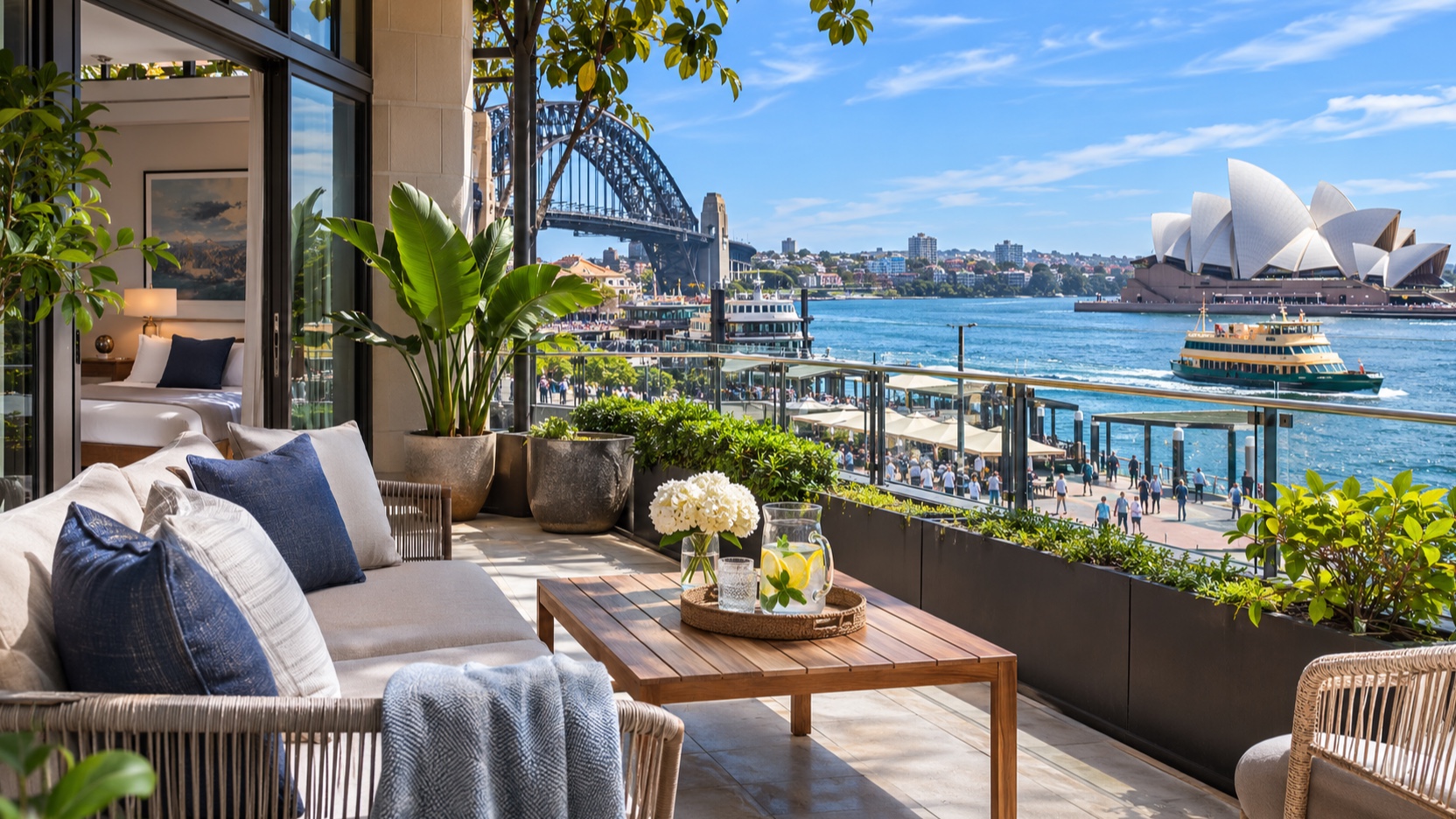
Central for the Opera House, harbour and ferries.
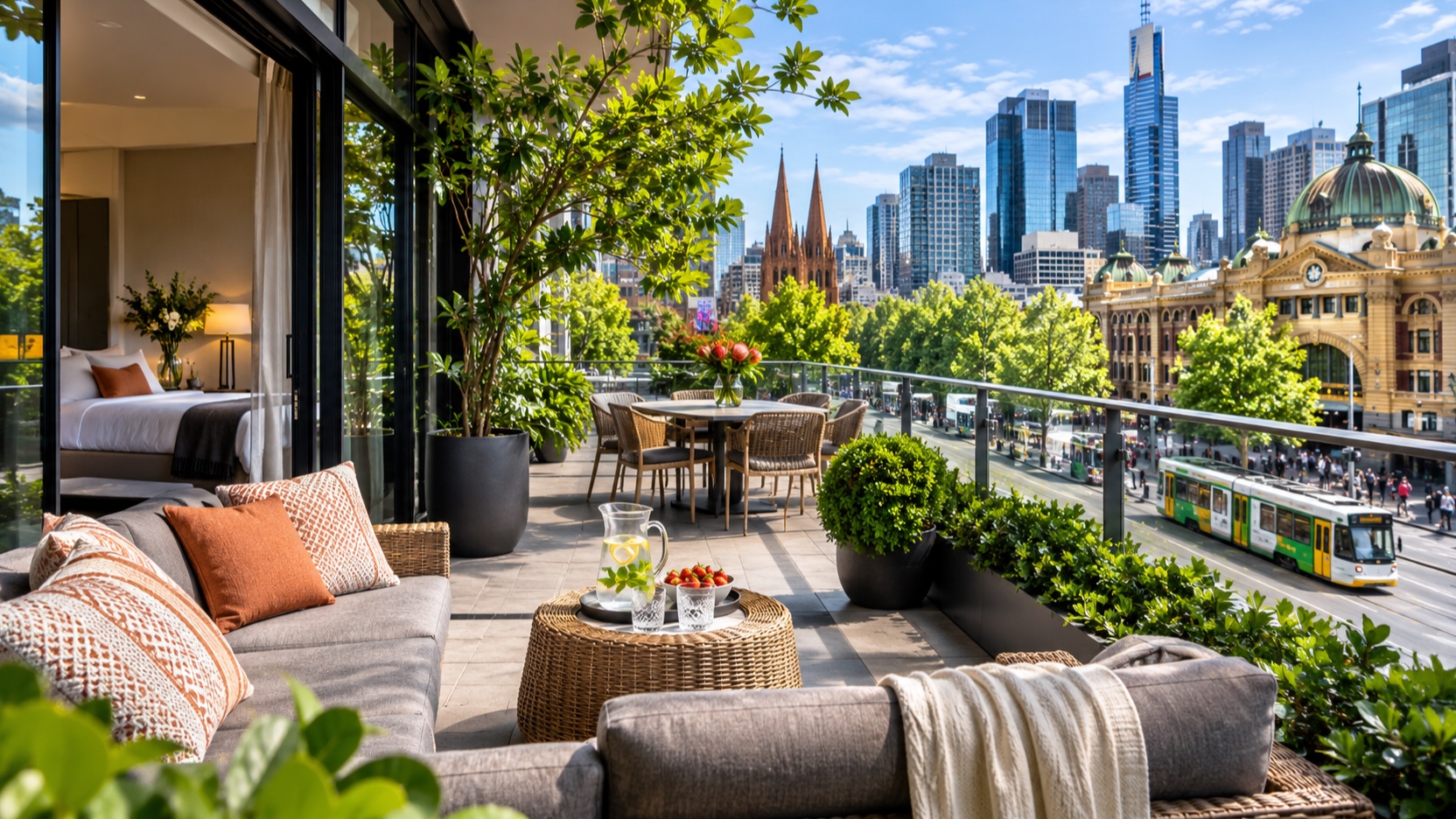
Handy for laneways, trams and the Great Ocean Road start.

A reef-and-rainforest base in the tropical north.
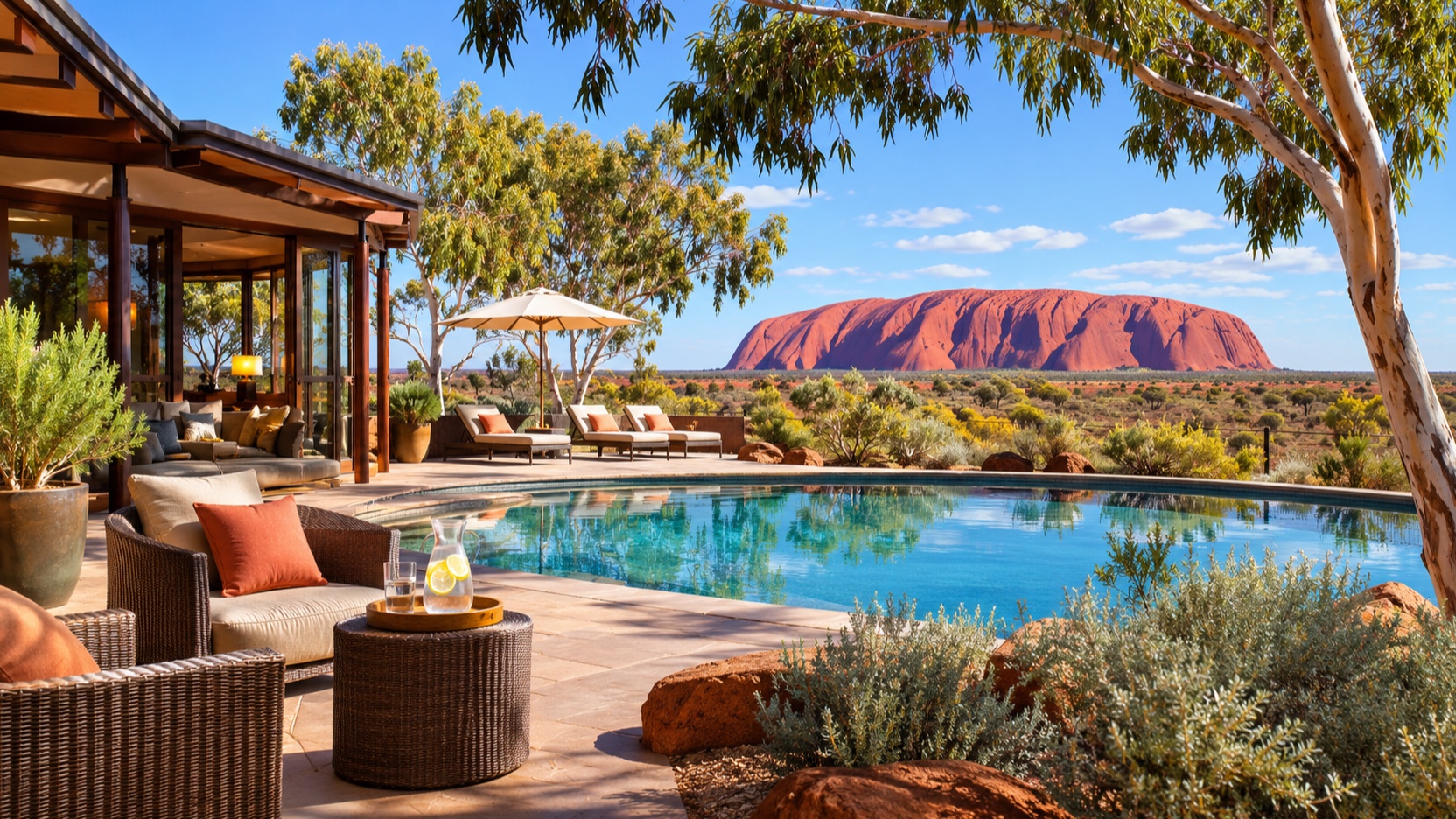
The only accommodation hub near the monolith.
Australia’s multicultural food scene is superb — fresh seafood, barbecue, brunch and coffee culture, and every world cuisine in the cities.
Vegetarians are spoilt — cafes and restaurants routinely offer veg and vegan options, fresh produce is excellent, and dietary needs are well understood.
With one of the world’s largest Indian communities, authentic Indian and pure-veg restaurants (and grocery stores) are everywhere in the cities — veg and Jain travellers are very well served.
Australia is almost cashless — cards and contactless (including your phone) work virtually everywhere, so you barely need cash. The Australian dollar is strong (AUD 1 is about ₹55), making everyday costs high. UPI is not accepted. Get a transit card (Opal in Sydney, Myki in Melbourne), or just tap a contactless card on public transport.
Australia is vast — use domestic flights (Qantas, Jetstar, Virgin) between Sydney, Melbourne, Cairns and Uluru, and book early for cheap fares. Sydney and Melbourne have excellent trains, trams and ferries; a hire car (drive on the left, like India) is ideal for the Great Ocean Road and regional touring.
Buy a Telstra, Optus or Vodafone tourist SIM at the airport, or use a travel eSIM. Download Google Maps, the Opal/Myki apps and weather apps (UV and bushfire alerts matter).
Australia uses 230V with the flat two/three-pin Type I socket — carry a universal adapter. The sun is fierce; pack strong, reef-safe sunscreen, a hat and sunglasses, and follow “slip, slop, slap” sun advice.
Swim between the red-and-yellow flags at patrolled beaches and heed rip-current warnings; wear a stinger suit for north-Queensland waters in summer; keep your distance from wildlife; and respect Uluru and Aboriginal sacred sites (follow local guidance, no climbing).
Given the vast distances, internal flights link Sydney, Melbourne, Cairns and Uluru — book ahead for deals.
Sydney and Melbourne have excellent trains, trams and ferries (use Opal/Myki cards or a contactless card).
Driving is on the left; a hire car is ideal for the Great Ocean Road and regional touring.
Australia is very safe with excellent infrastructure, so solo, family and women travellers are very comfortable. Take normal care of valuables; respect the strong sun, surf and wildlife (follow beach flags, wear a stinger suit in north-Queensland summer waters, and keep distance from animals); carry water in remote areas; drive carefully on long rural roads and watch for wildlife at dawn and dusk; and carry comprehensive travel insurance covering water sports and medical care given the distance from home.
❌ Myth: You can see all of Australia in a week.
✅ Fact: It is a continent — Sydney to Cairns to Uluru to Melbourne means several internal flights. Pick two to four regions and allow 10–14 days for a first trip.
❌ Myth: The visa is quick and easy to get at the last minute.
✅ Fact: The subclass 600 Visitor visa can take days to a few weeks and needs funds, an itinerary and documents. Apply 3–4 weeks ahead.
❌ Myth: Vegetarians struggle in Australia.
✅ Fact: The opposite — one of the world’s largest Indian communities means authentic Indian and pure-veg food everywhere, and veg/vegan options are standard in mainstream cafes.
❌ Myth: Everything is deadly and dangerous.
✅ Fact: Serious wildlife encounters are very rare for tourists. Swim between the flags, wear a stinger suit in the tropical north in summer, keep your distance from animals, and you are fine.
❌ Myth: December is the best time everywhere.
✅ Fact: Seasons are flipped — December–February is great for southern beaches but hot and wet in the tropical north; May–September is best for the reef and Uluru.
Yes — Indian passport holders apply online (via ImmiAccount) for the Visitor visa, subclass 600, before travel, typically allowing stays of up to three months. The fee is from AUD 250 (roughly ₹14,000–15,000) and processing can take a few weeks, so apply early with proof of funds and an itinerary.
A 10-day trip is roughly ₹2,80,000–₹5,50,000+ per person including flights, visa and internal flights, and about ₹5,60,000–₹9,50,000 for a couple. Two cities, shoulder-season travel and self-catering reduce it.
At least 10–14 days to combine Sydney, the Great Barrier Reef and Melbourne (plus Uluru if time allows), given the long flights and vast internal distances. Seven days suits a focused two-city trip.
September–November and March–May are great nationwide; the reef and Outback are best in the dry May–September, while southern beaches are warmest December–February. Remember the seasons are flipped from India.
Australia is almost cashless — cards and contactless (including your phone) work virtually everywhere, including public transport. UPI is not accepted, and you barely need cash.
Extremely — a very large Indian community means authentic Indian and pure-veg food everywhere, and veg and vegan options are standard in mainstream cafes and restaurants.
Direct or one-stop flights to Sydney or Melbourne take roughly 10–16 hours depending on the route.
Very — it is safe with excellent infrastructure. The main cautions are natural: the strong sun, surf (swim between the flags), and wildlife. Carry sun protection and travel insurance.
Usually yes — the distances are vast, so flights link Sydney, Melbourne, Cairns and Uluru. Book them early for the best fares, and use city transport cards within each city.
Yes — many Indians visit family in Australia on the subclass 600 Visitor visa; a family invitation or sponsorship letter supports the application. Confirm the current requirements before applying.
Strongly recommended — healthcare is excellent but expensive for visitors, and insurance also covers water sports, trip delays and the long journey home.
Sources: Australia Department of Home Affairs (visas) · Tourism Australia
A licensed team that has guided thousands of Indians to their visas and admissions.
 Jitender SinghFounder & Managing Director
 Vikram SinghHead – Quality & Operations
 SanjayHead – Tourist Visa Operations
 TejaswaniHead – Counselling Team
 MahimaHead – Visa Filing & Processing
 Pratigya DuttaHead – Student Visa Processing
Free, no-pressure guidance from a real counsellor who handles your case end to end — from documents to decision.