
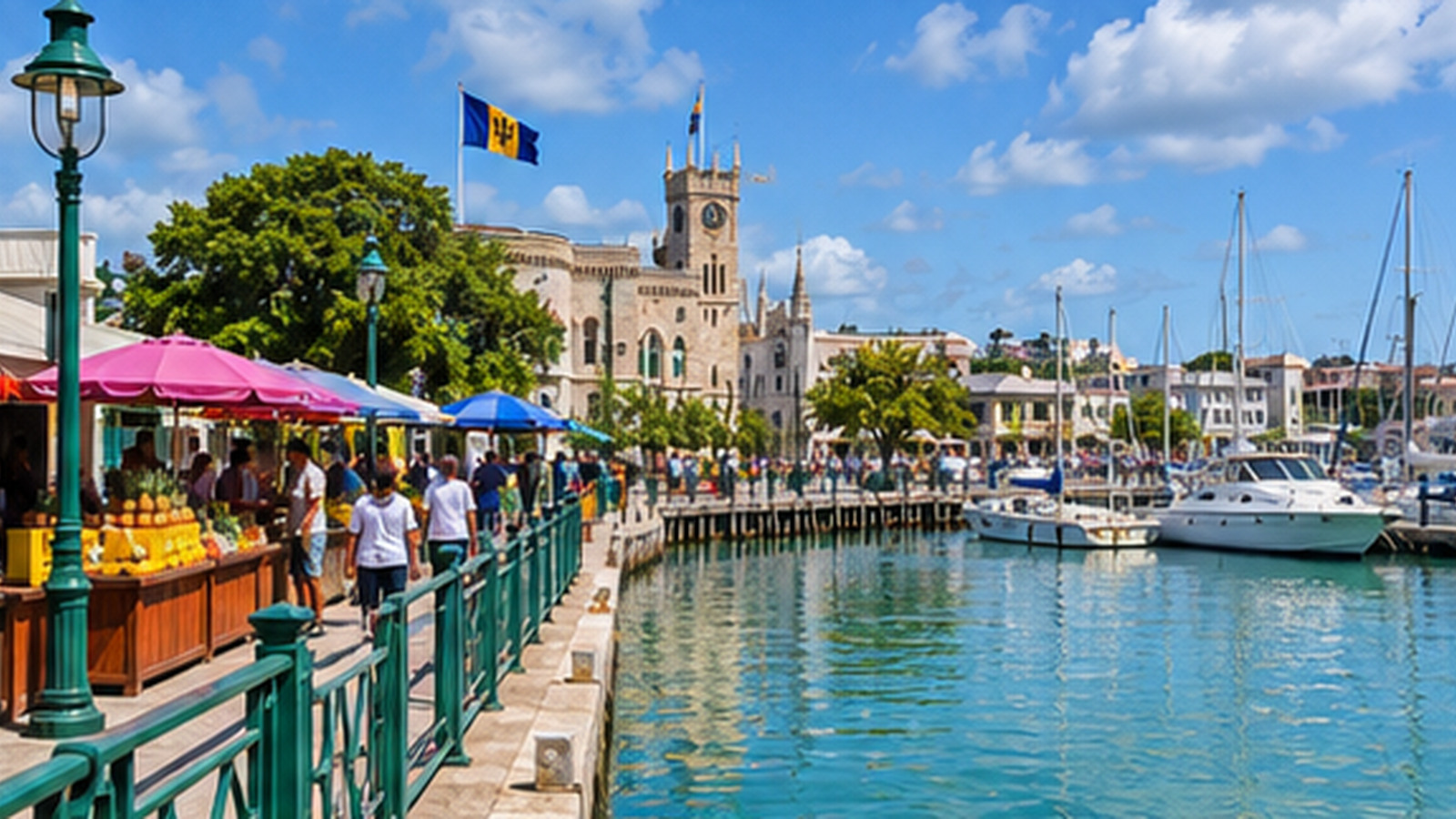
The UNESCO-listed capital — colonial architecture, Parliament, markets and the Garrison Savannah.
Pink-sand beaches, turquoise seas, world-famous rum and a cricket-mad island culture — Barbados is the Caribbean dream, and famously welcoming to Indian travellers.
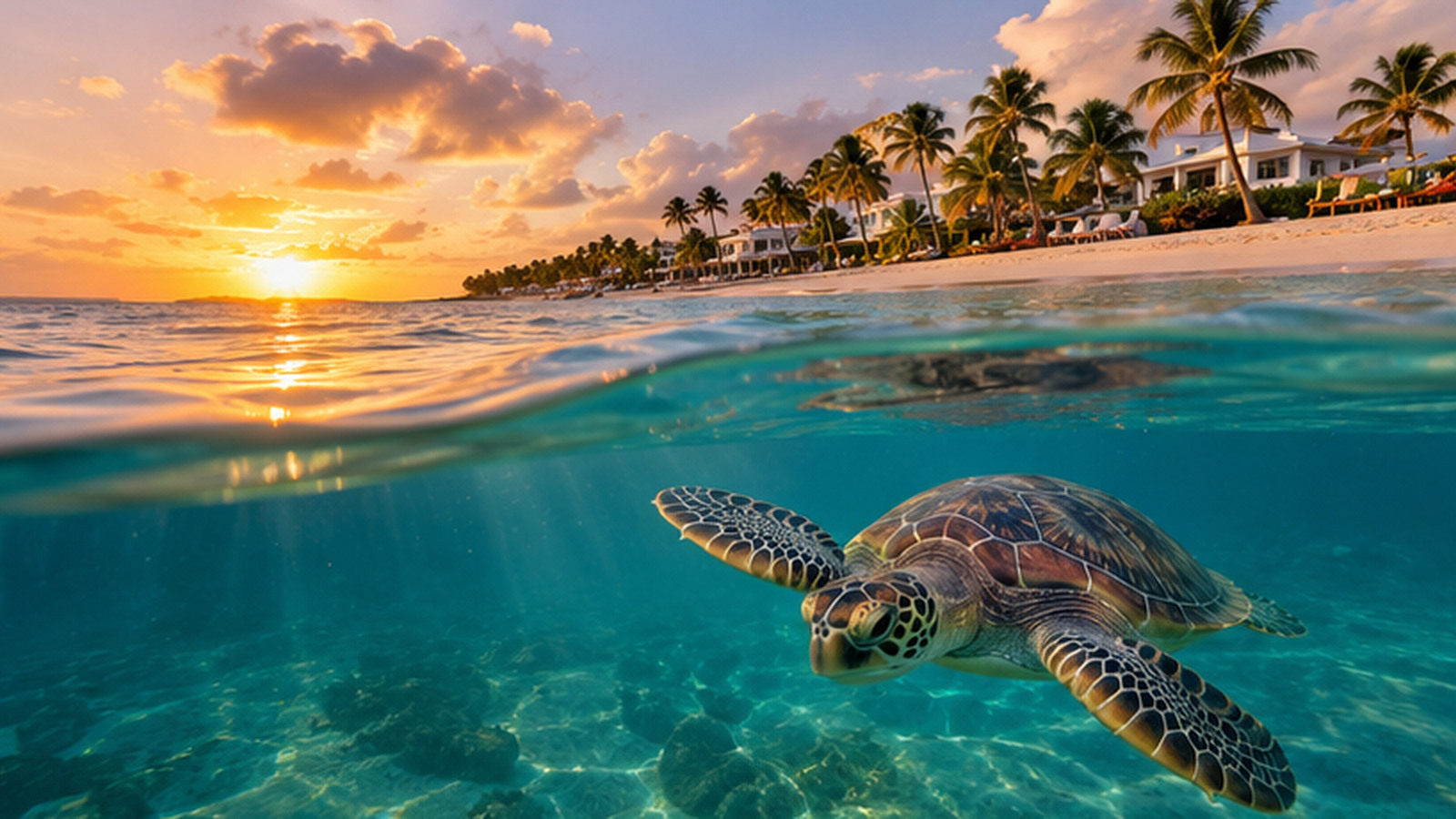
Barbados is the quintessential Caribbean dream — a sun-soaked coral island of powder-soft beaches, impossibly turquoise water, swaying palms, world-famous rum and a warm, cricket-loving culture that feels instantly familiar to Indian travellers. Compact and easy to explore, it blends classic beach bliss with British-colonial history, lively local life and some of the friendliest hospitality in the region.
Swim with sea turtles off the calm west coast, catch the surf at the dramatic Soup Bowl on the rugged Atlantic east, explore the stalactite-filled Harrison’s Cave, sip at the Mount Gay distillery (the world’s oldest rum), and feast on flying fish and grilled catch at the famous Friday-night Oistins fish fry. Add a deep cricketing bond with India and genuinely welcoming locals, and Barbados becomes a bucket-list escape that feels like home with a Caribbean beat.
This guide is written for Indian travellers: the real cost in rupees (it is far, so plan a week), the entry rules, where vegetarians and Jain travellers eat, how to balance the calm and wild coasts, and a relaxed island route.
Barbados appeals to Indians who want a classic, safe, English-speaking Caribbean beach holiday with a shared love of cricket and warm hospitality. It is ideal for honeymooners, beach lovers and bucket-list travellers happy to make a long journey for pink-sand beaches, turtles and rum — and it pairs well with other Caribbean islands.
💡 From our visa desk: Barbados is far from India (expect 1–2 stops via London, the US or the Gulf), so go for a week or more. The calm west (Platinum) coast is for swimming and turtles; the wild east is for dramatic scenery and surf. English is the official language and cricket is a shared passion, so Indians feel instantly at home. The island is small — you can tour it easily by hired car or taxi.
Visa-free entry for Indian tourists for short stays (commonly up to 90 days) — confirm the current rule before travel.
Indian passport holders can generally enter Barbados visa-free for tourism for short stays (often up to 90 days). You need a passport valid six months, a confirmed return or onward ticket and proof of funds and accommodation. Entry rules can change, so confirm the current requirement on the official source or the hub checker before you book.
Check your Barbados entry requirement →December to April (the dry season) is the best — sunny, warm and less humid, ideal for beaches. The wetter, hotter season runs June to November (with a low hurricane risk). See the month table.
| Season | What it's like & who it suits |
|---|---|
| Dec–Apr | The dry season — warm, sunny and the peak for beaches and festivals; book ahead, especially over New Year. |
| May & Nov (shoulder) | Warm with occasional showers, thinner crowds and better value. |
| Jun–Oct | Hotter and more humid with brief showers and a low hurricane risk; lush, quiet and cheaper. |
| Month | Weather & what’s on (incl. Indian holiday windows) |
|---|---|
| December–February | Peak dry season — sunny, warm and breezy, ideal for the beaches; festive and busy (New Year is premium), so book early. |
| March–April | Dry, warm and excellent, with lower crowds than mid-winter; the Holetown Festival and great sea conditions. |
| May–June | Warm and increasingly humid with short showers; good value and the colourful Crop Over season building toward its August peak. |
| July–August | Hot and humid with the lively Crop Over festival and Grand Kadooment; occasional rain and a low early-season hurricane risk. |
| September–November | Warmest, wettest and quietest, with the main (still low) hurricane risk; lush and cheap, improving to dry by late November. |
The UNESCO-listed capital — colonial architecture, Parliament, markets and the Garrison Savannah.
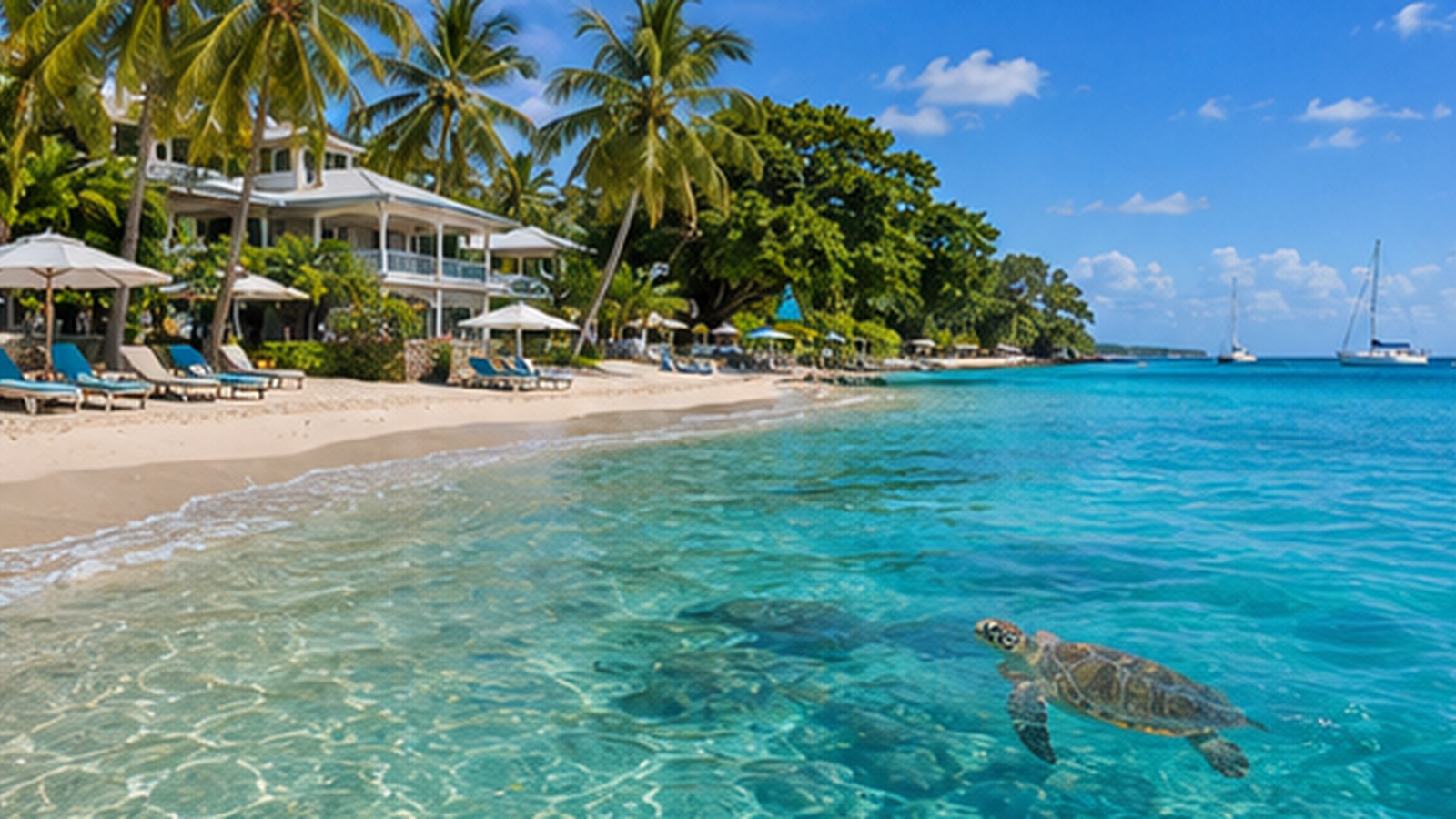
Calm, clear waters, luxury resorts, Holetown and the best swimming and turtle beaches.
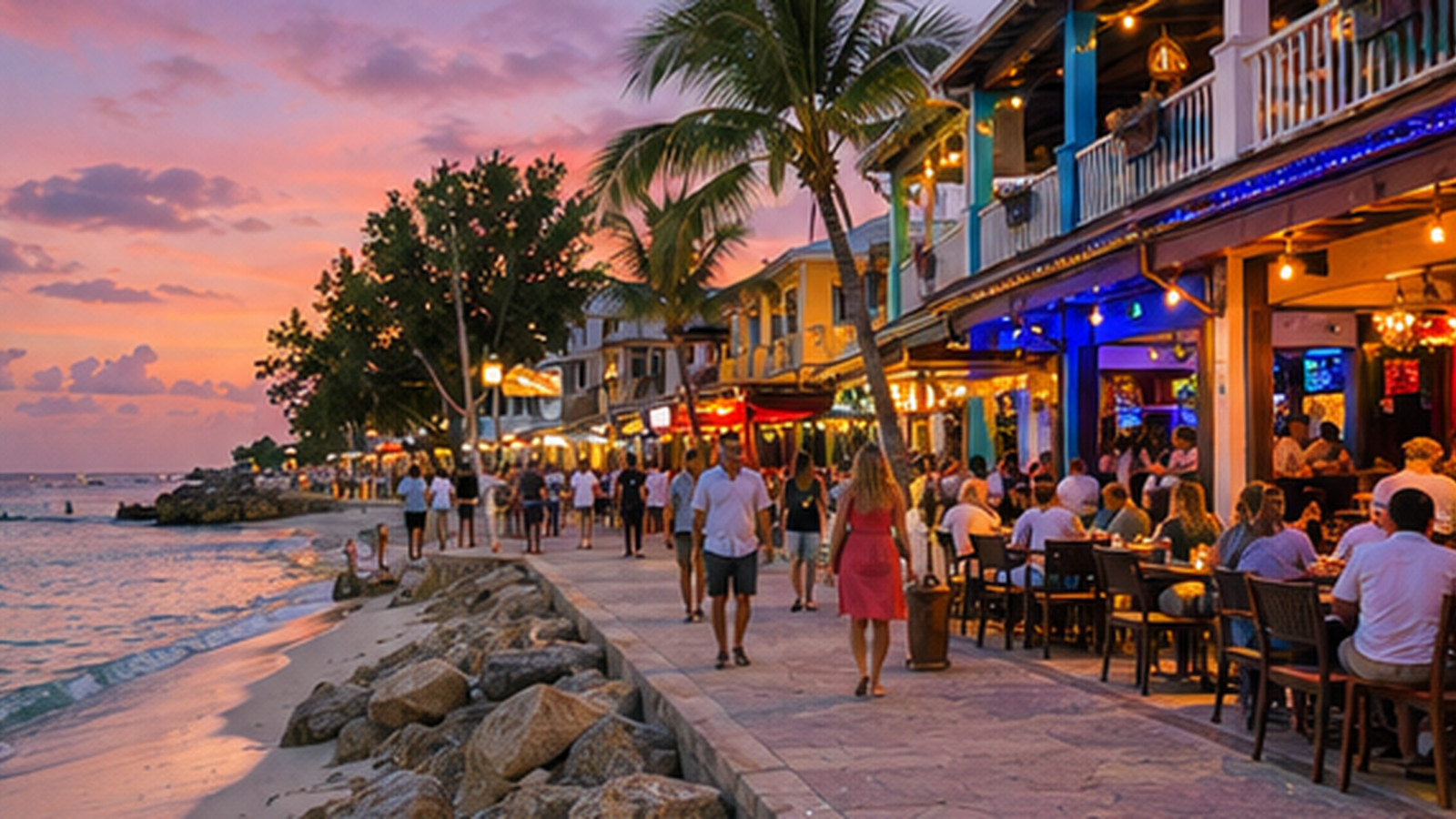
Lively St Lawrence Gap nightlife, Oistins fish fry and great-value stays.
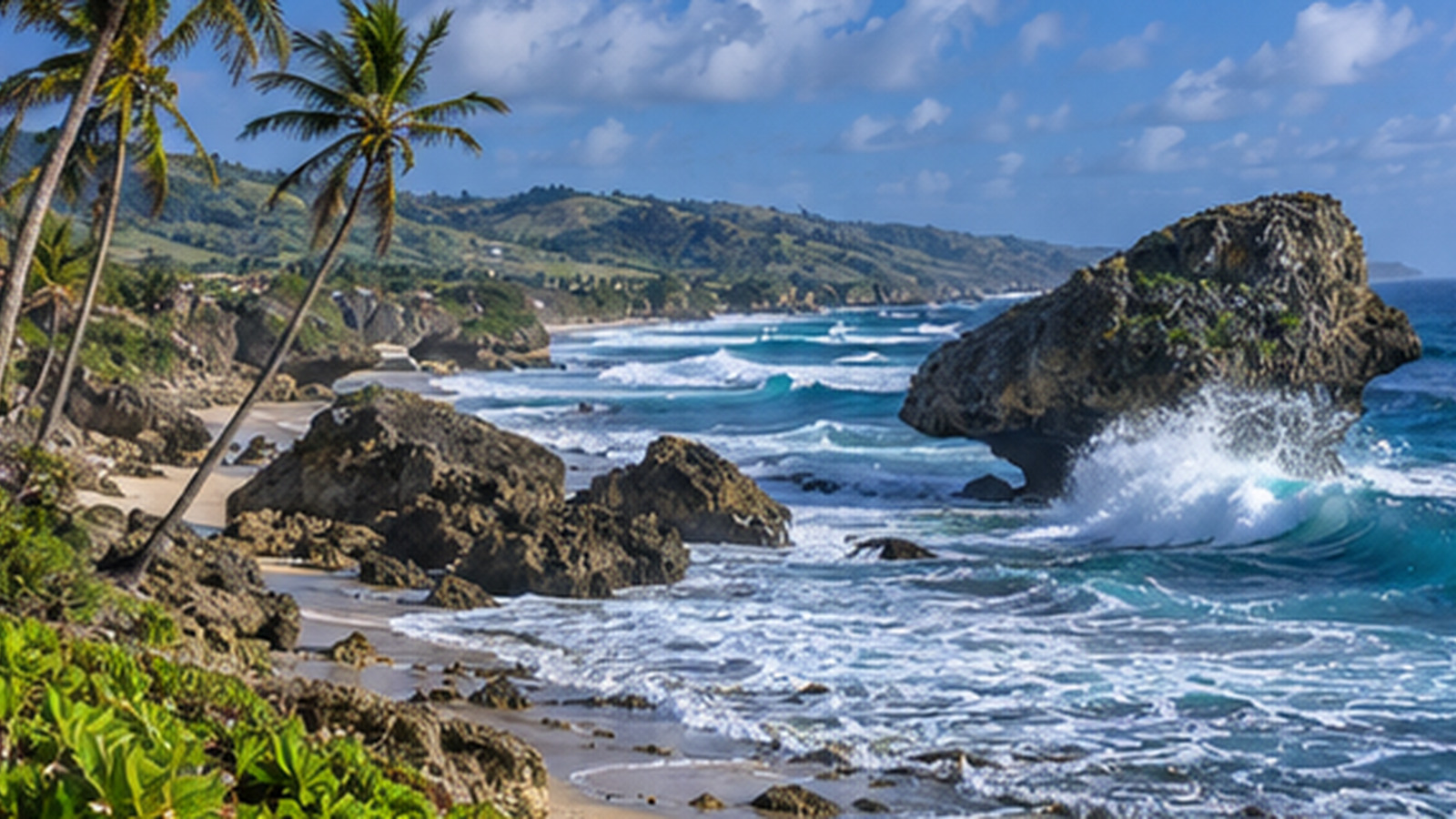
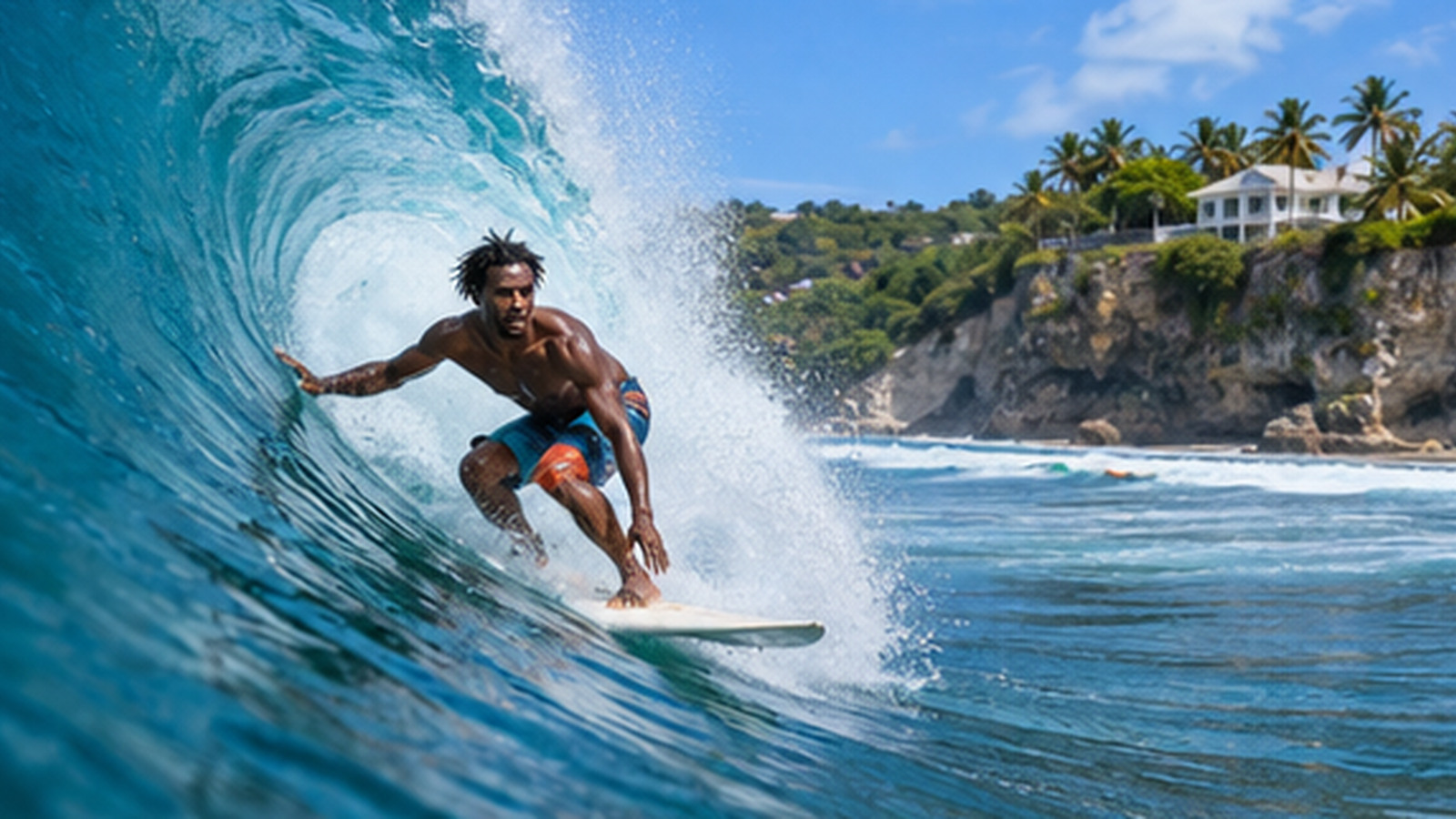
Dramatic Atlantic scenery, the Soup Bowl surf break and rugged beauty.
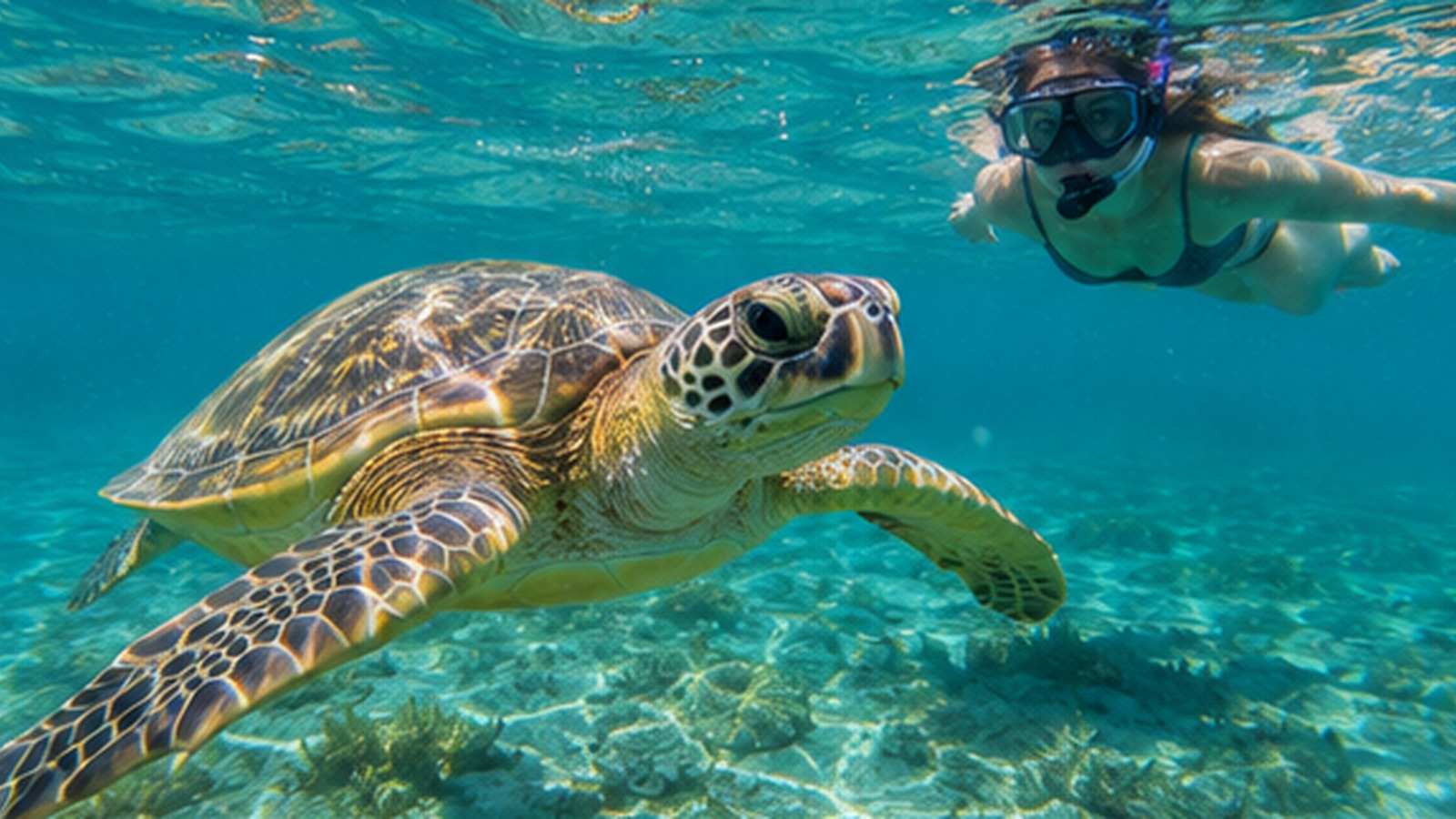
Snorkel with gentle sea turtles and shipwrecks in the calm west-coast waters.
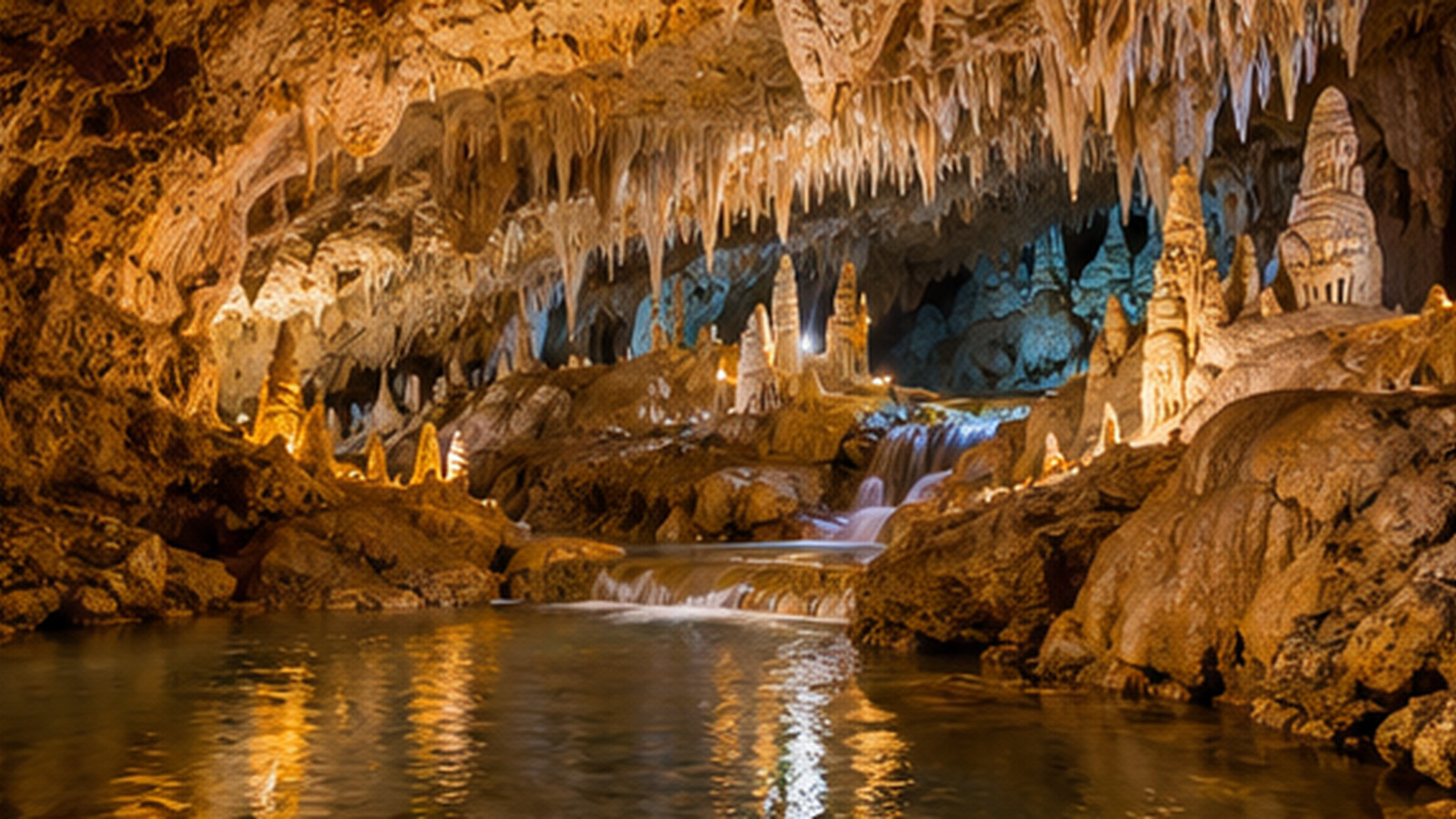
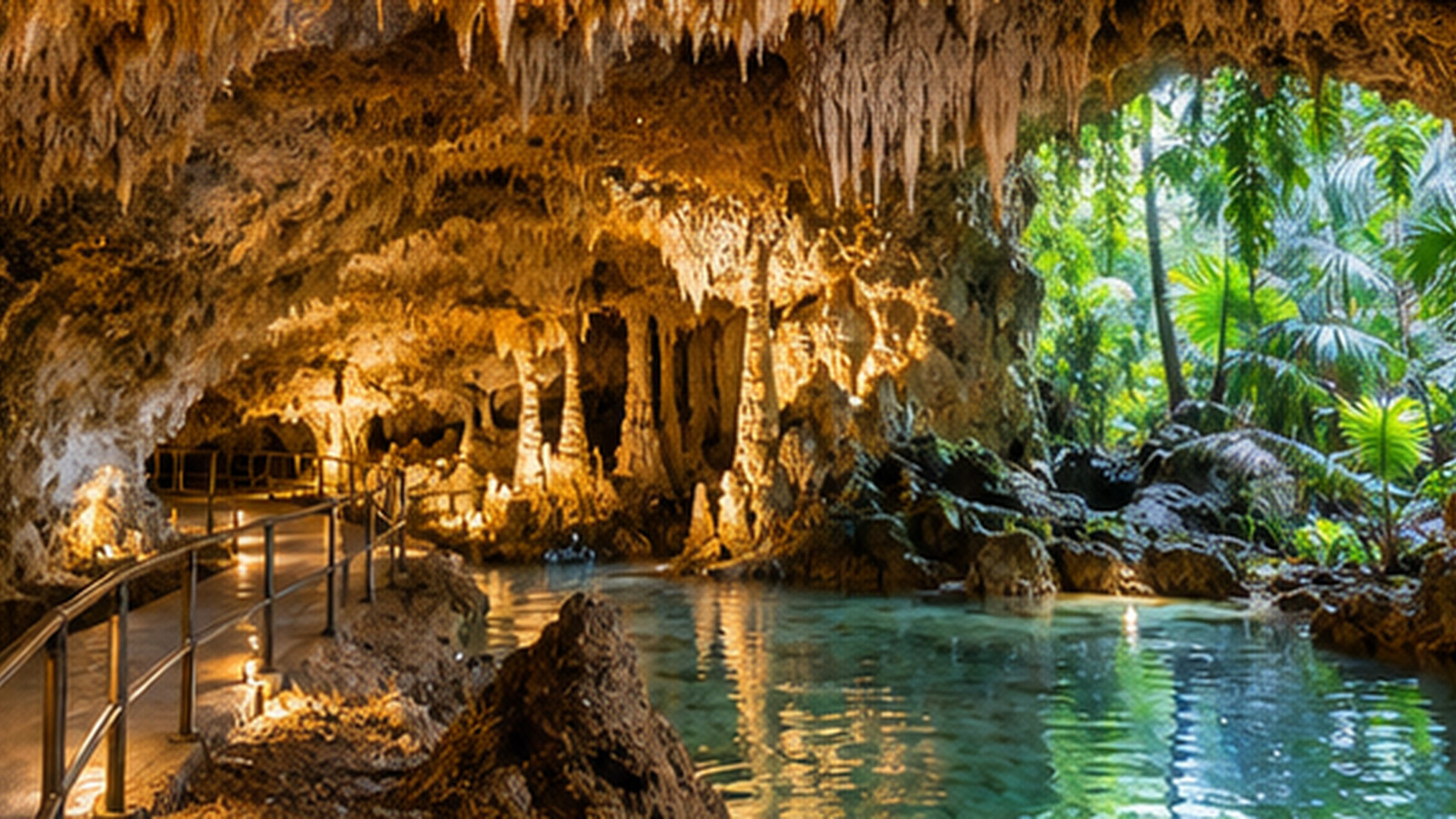
A spectacular limestone cave of stalactites, streams and pools, toured by tram.
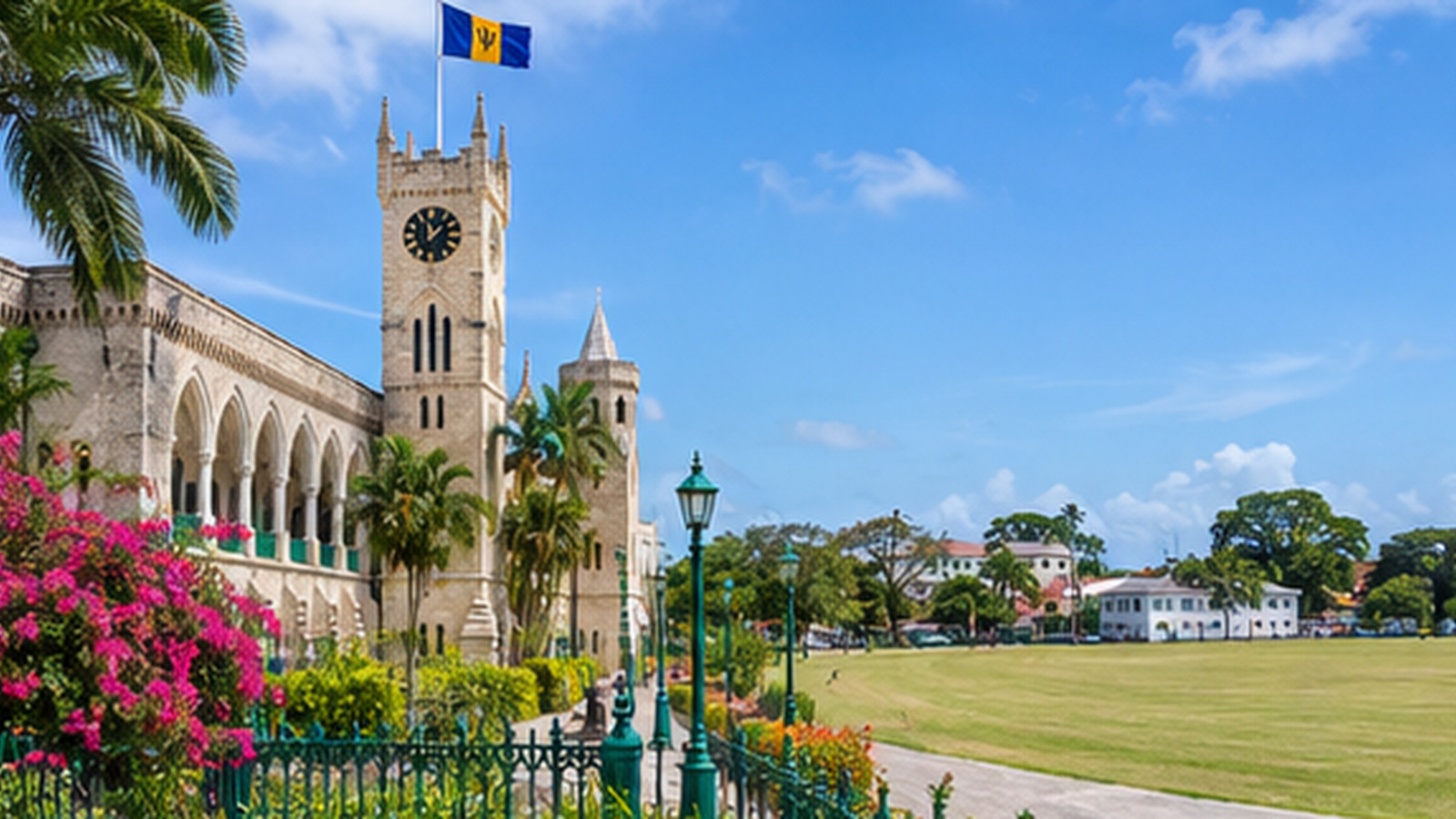
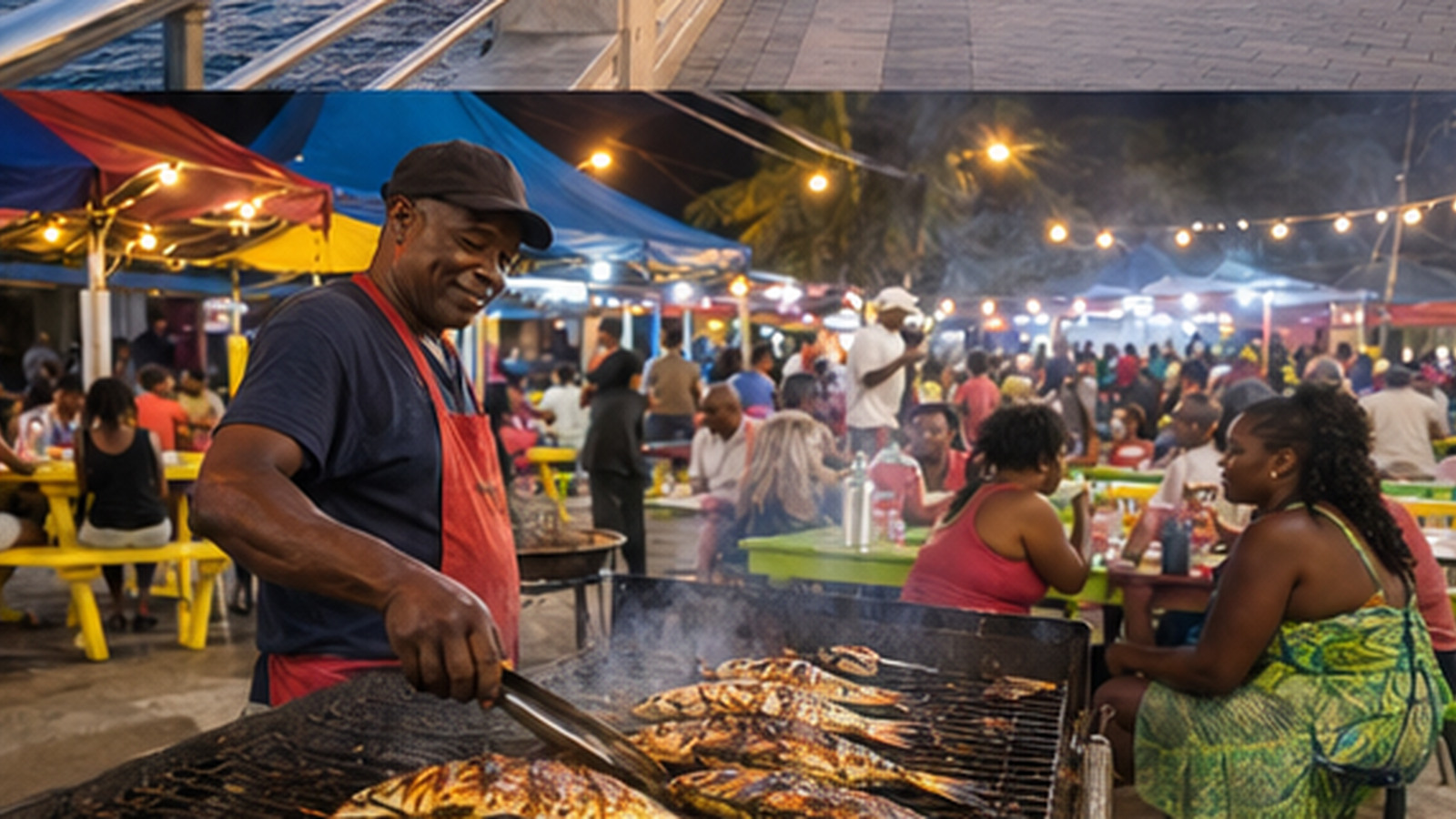
A buzzing Friday-night street party of grilled fish, music and local life.
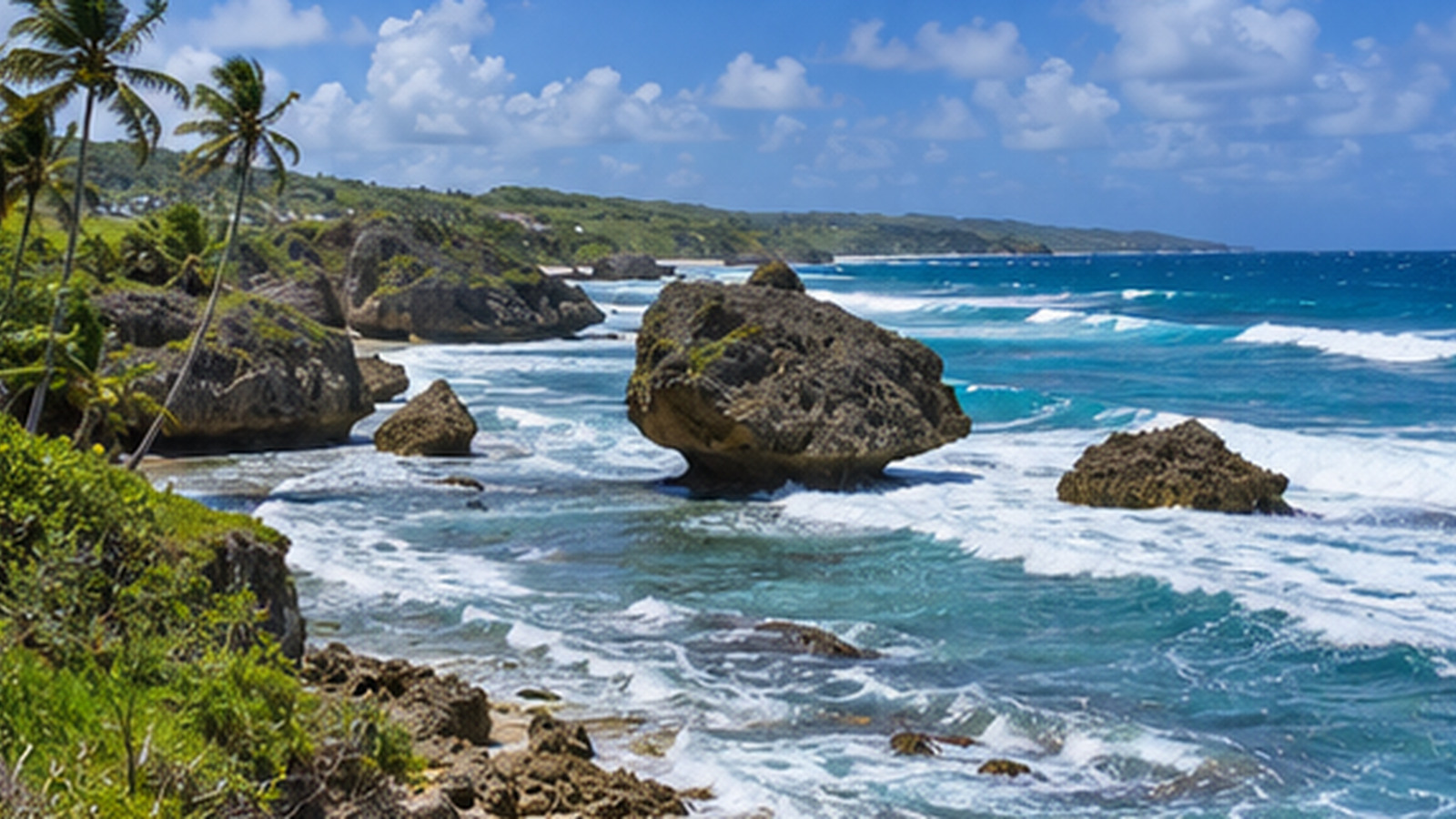
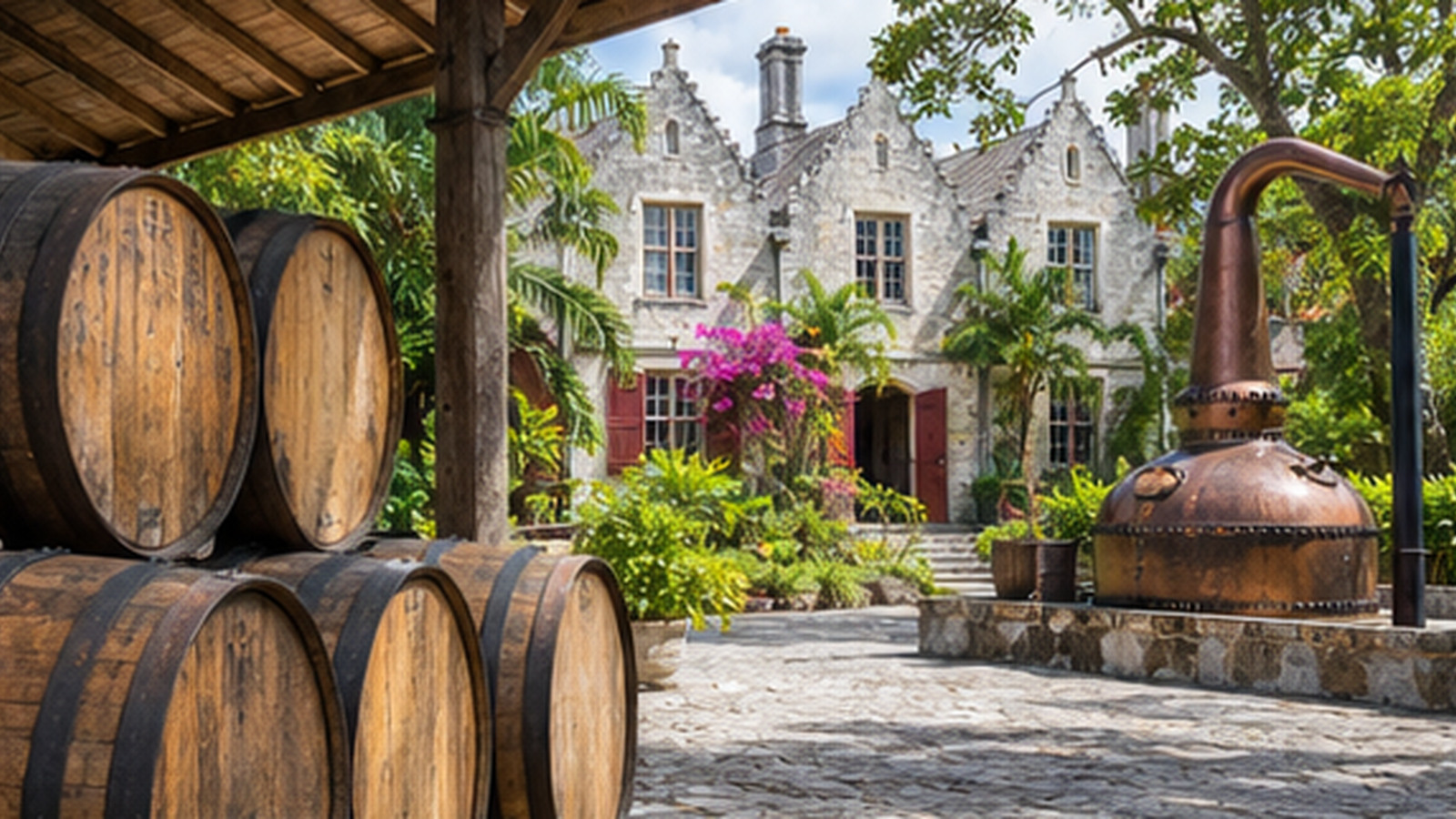
The world’s oldest rum brand, with tastings and tours.
Giant boulders and a world-class surf break on the wild Atlantic coast.
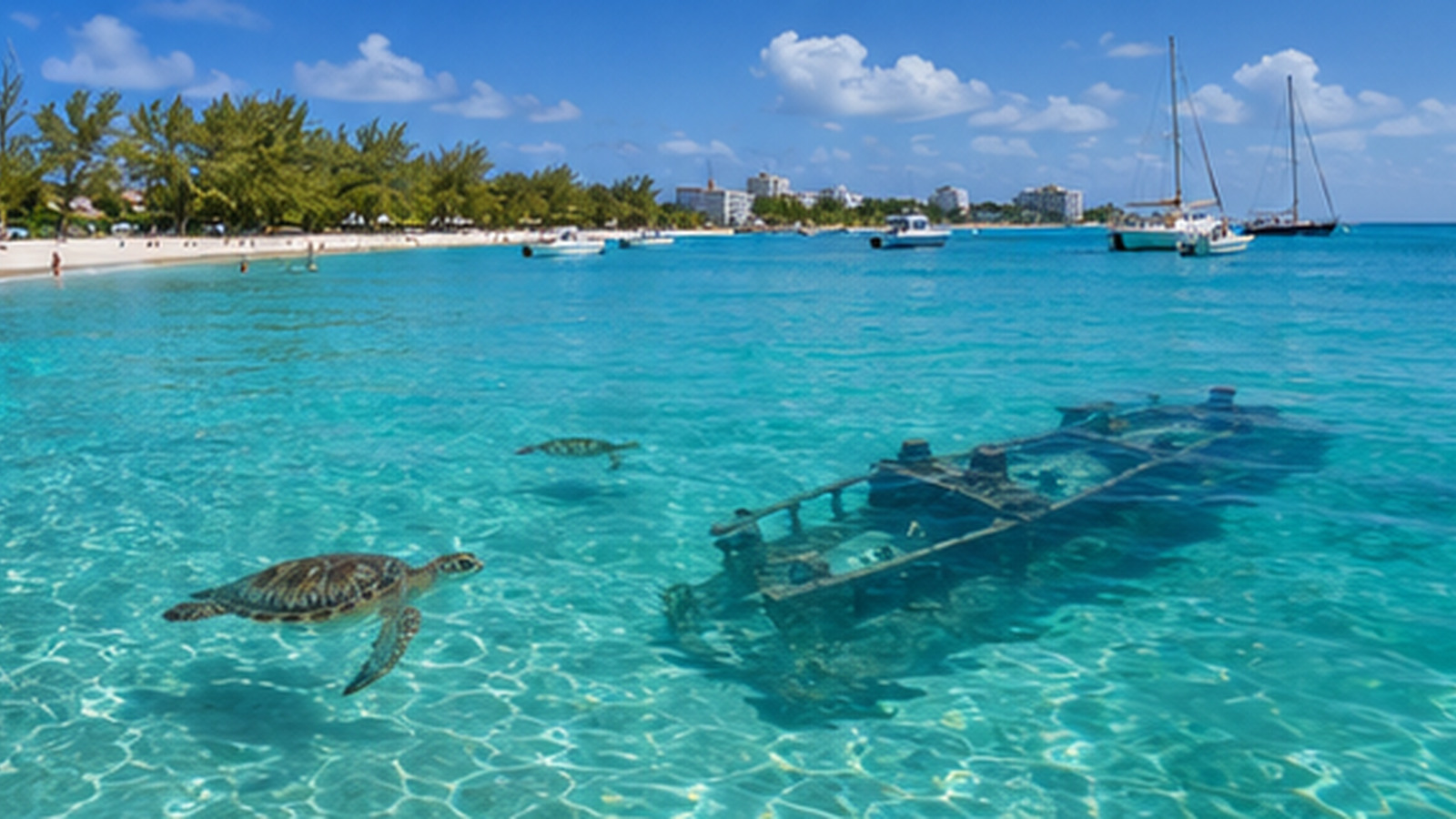
A calm turquoise bay for snorkelling and the famous pink-tinged Crane Beach.
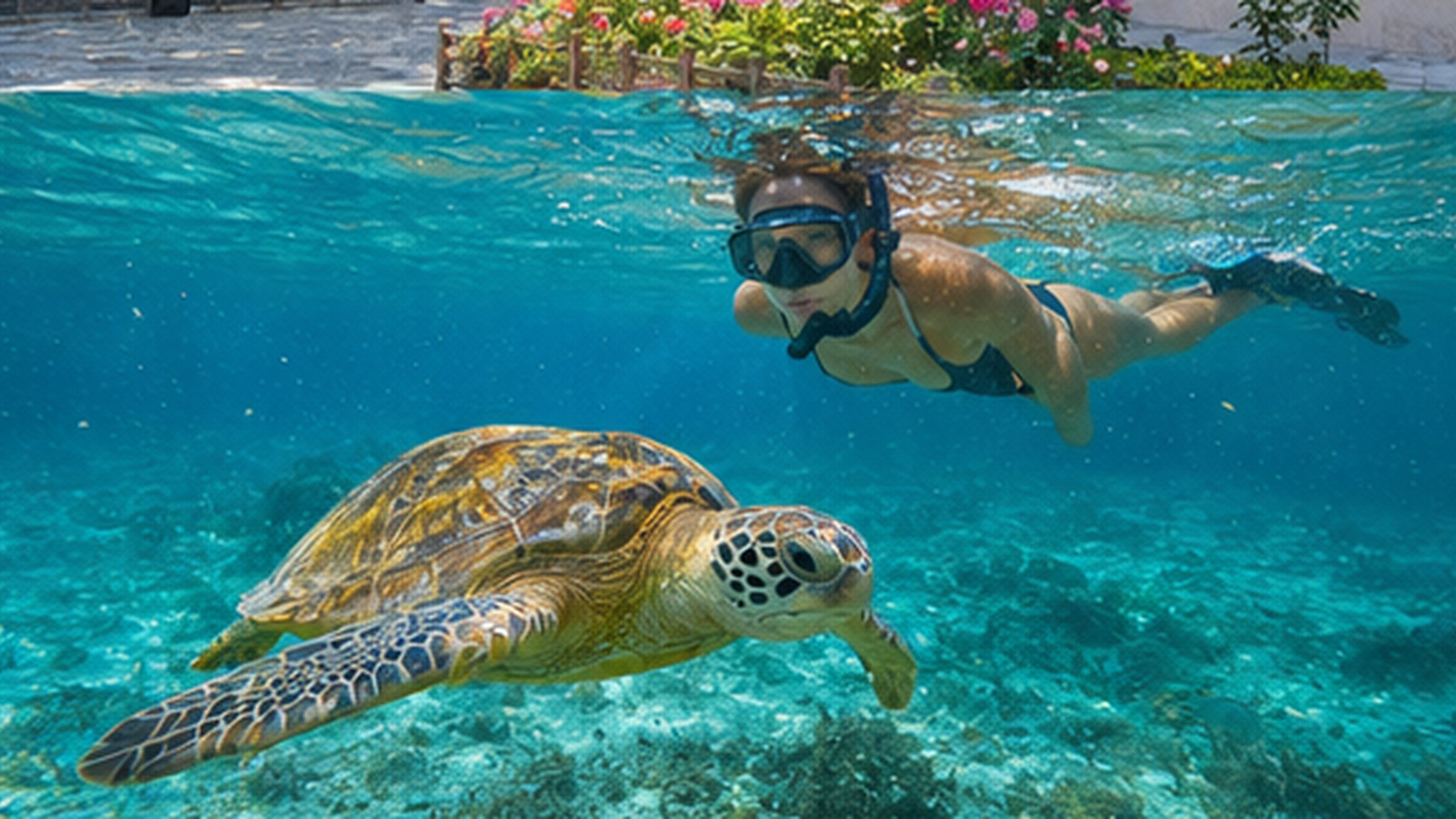
Calm west-coast swimming and dramatic east-coast scenery.
Catamaran cruises to turtles and shipwrecks.
Mount Gay tours and the Oistins fish fry.
Harrison’s Cave, botanical gardens and the interior.
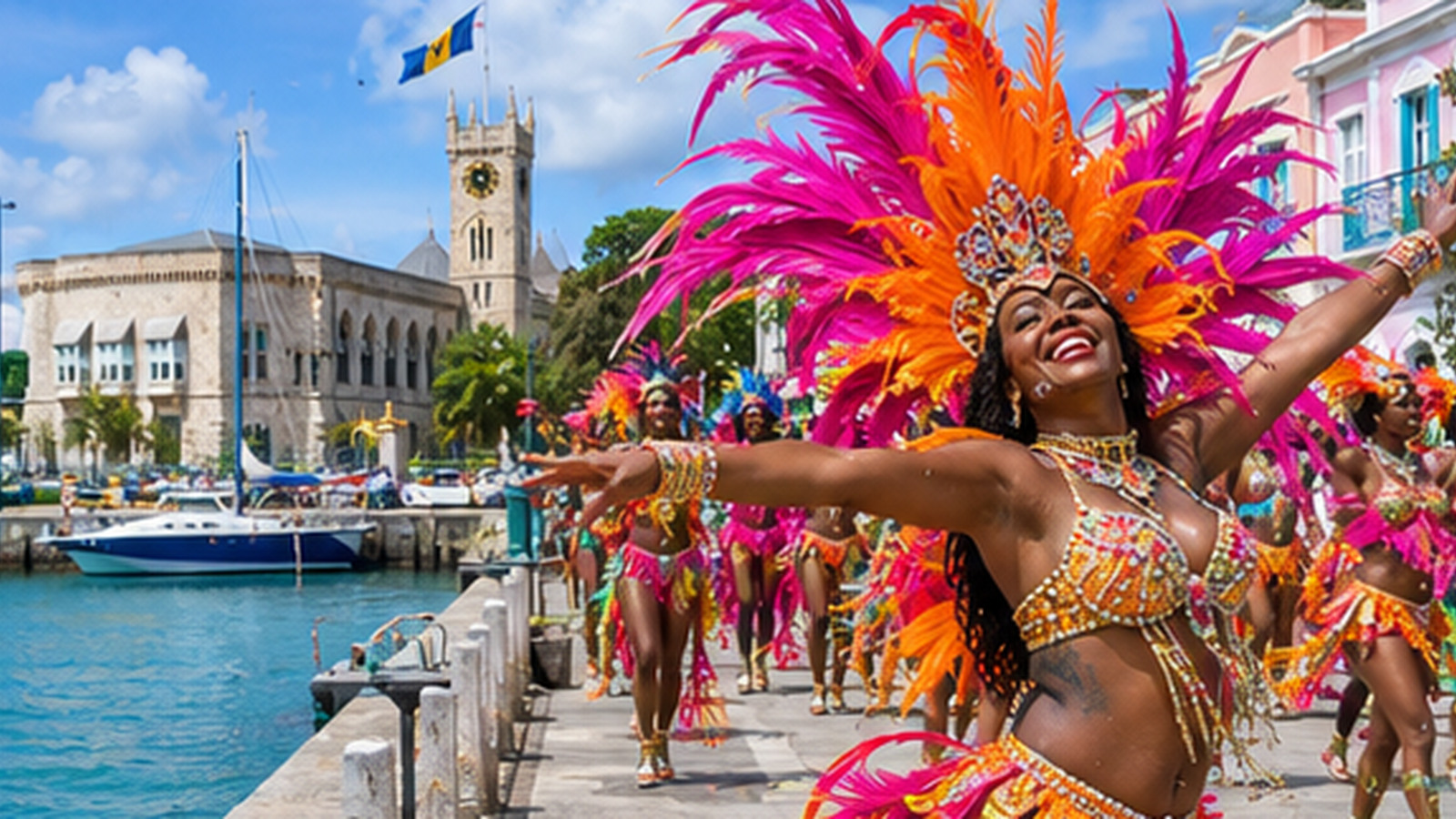
Kensington Oval, Bridgetown heritage and Crop Over.
Book tours & activities through our travel partners — see options. Bluebird Next may earn a commission from partner bookings at no extra cost to you (Affiliate Disclosure).
Barbados is a premium, far-flung destination — long flights and resorts are the main costs, though local food and buses are reasonable. Indicative per-person figures for a 6–7 day trip in 2026 (prices checked Nov 2026).
| Item | Typical cost (per person) |
|---|---|
| Return flights (ex-India, 1–2 stops) | ₹70,000 – ₹1,20,000 |
| Entry (visa-free short stay) | ₹0 |
| Hotels (per night, twin) | ₹5,000 – ₹18,000 |
| Catamaran / tours | ₹4,000 – ₹9,000 each |
| Car hire (per day) | ₹4,000 – ₹7,000 |
| Food & local transport | ₹2,500 – ₹4,500 / day |
| From | Typical return airfare |
|---|---|
| Delhi | ₹75,000 – ₹1,20,000 (1–2 stops via London/US) |
| Mumbai | ₹72,000 – ₹1,15,000 (1–2 stops) |
| Bengaluru | ₹72,000 – ₹1,15,000 (1–2 stops) |
| Chennai/Kolkata | ₹75,000 – ₹1,20,000 (1–2 stops) |
| Hyderabad | ₹75,000 – ₹1,20,000 (1–2 stops) |
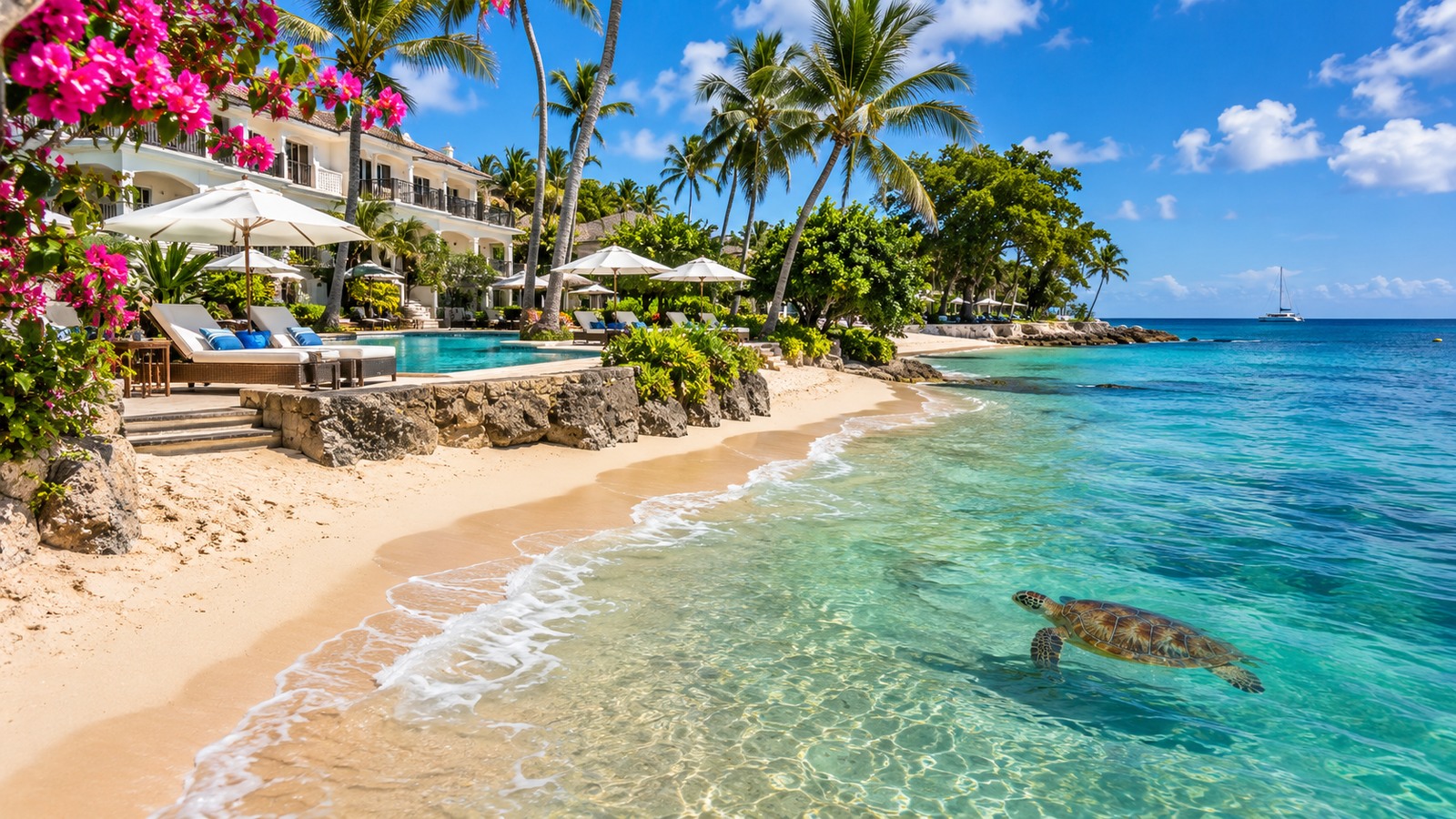
Calm beaches, luxury resorts and turtle snorkelling.
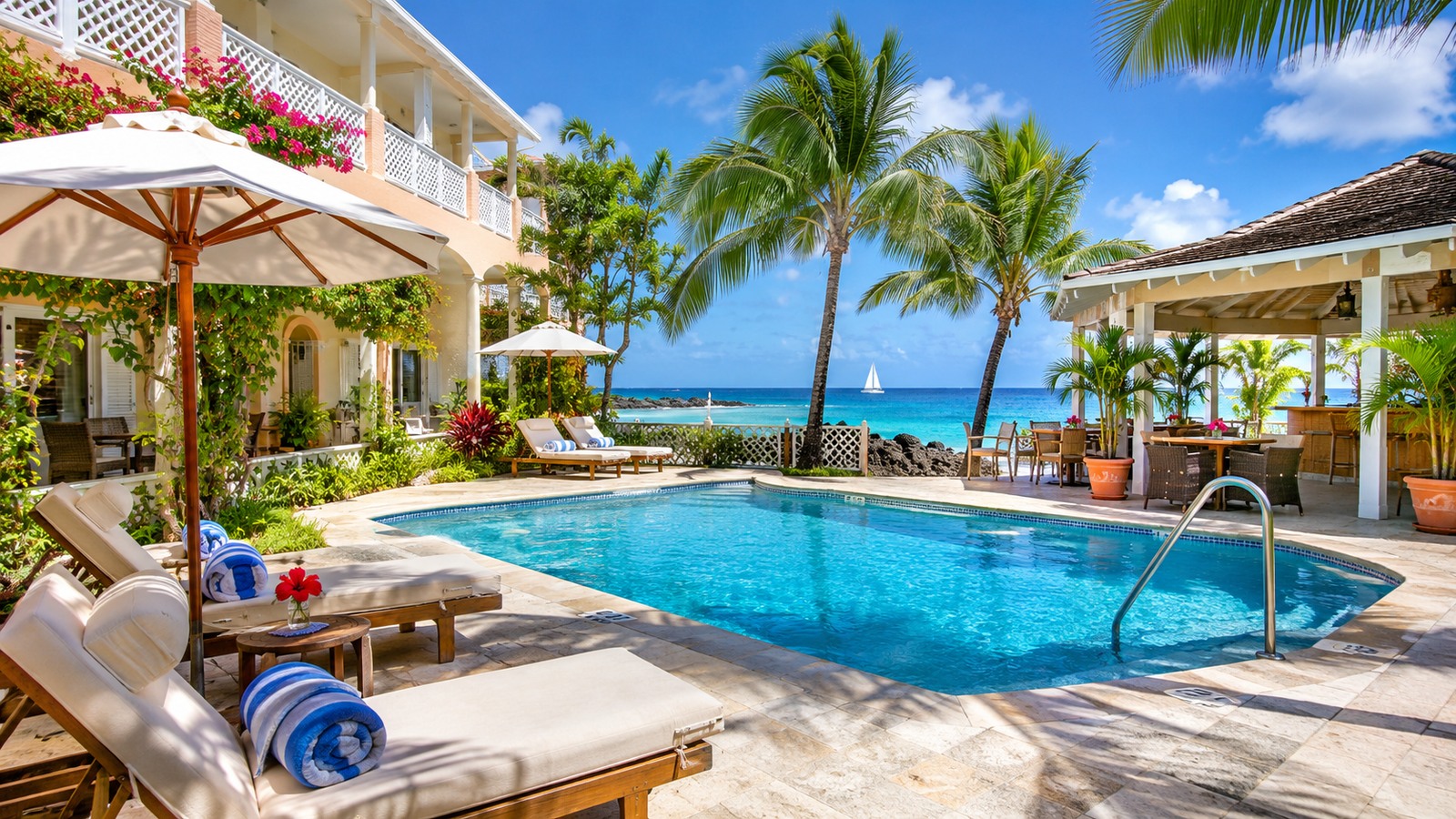
Lively, good-value stays near nightlife and Oistins.
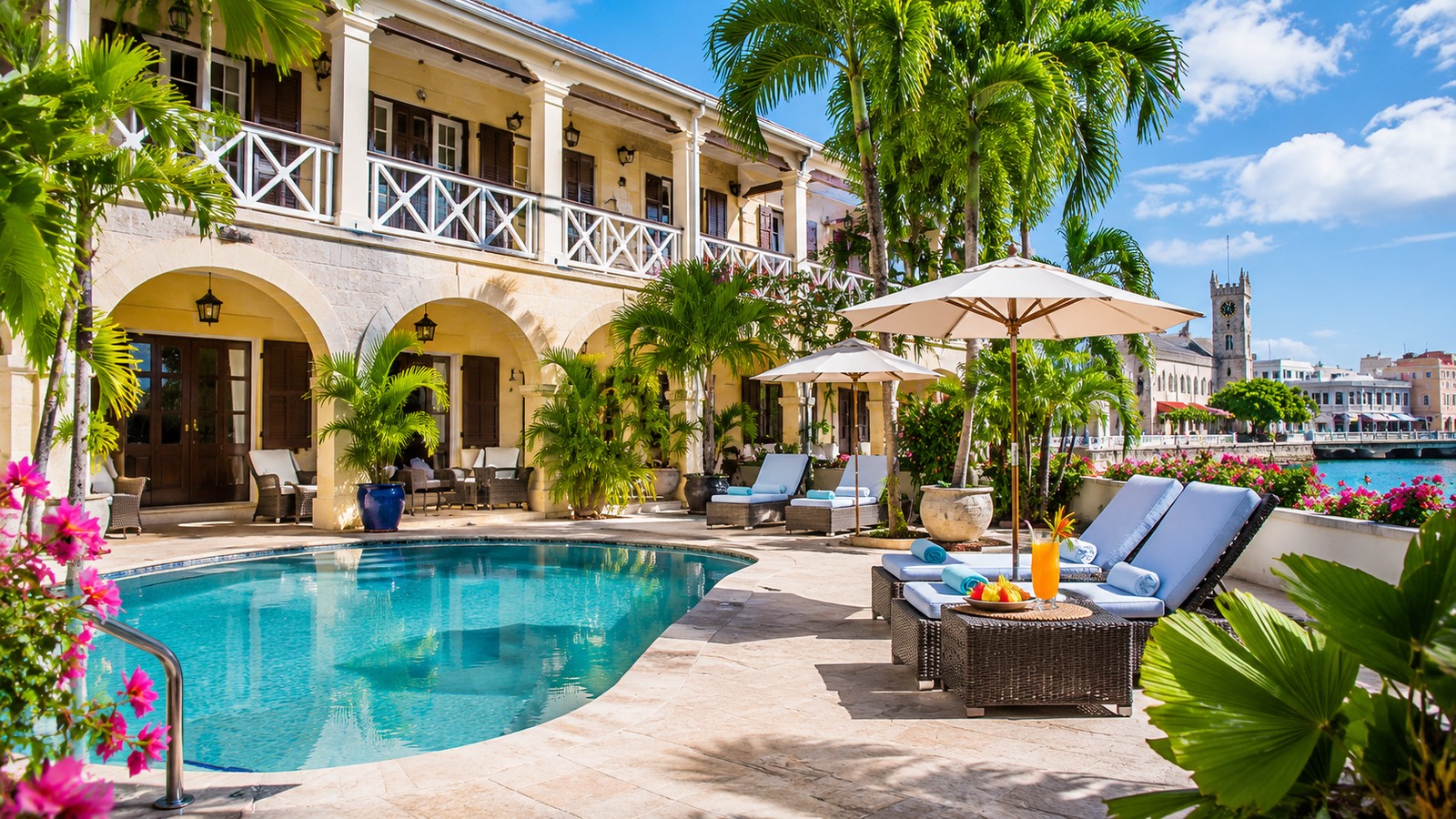
Central for heritage, Carlisle Bay and transport.
Bajan food centres on fresh seafood — flying fish, grilled catch, cou-cou and macaroni pie — with British, African and Indian-influenced flavours and plenty of fruit and rum.
Vegetarians can manage with rice and peas, salads, fried plantain, vegetable rotis, pasta and fruit, plus international restaurants in tourist areas; many dishes are fish-based, so ask. Jain travellers should pick Indian or international spots and specify no onion/garlic, and self-cater where possible.
Barbados has an Indo-Caribbean heritage and a few Indian/roti restaurants — roti (a Caribbean curry wrap) is a local staple and often vegetarian, a handy option for Indian travellers.
Indians generally enter visa-free for short stays — confirm the current rule before booking. Carry a passport valid 6+ months, a confirmed return/onward ticket and proof of funds and accommodation, and complete any required online immigration/customs form.
The Barbadian dollar is pegged to the US dollar (which is widely accepted); carry some cash for buses, markets and tips. Cards work in hotels and bigger restaurants; UPI is not accepted; use ATMs in towns.
The island is small — hire a car (they drive on the left, like India) for freedom, or use the cheap, colourful public and ZR minibuses; taxis are available but pricier. Tours cover the cruises and caves.
The calm Caribbean west coast is for swimming, snorkelling and turtles; the wild Atlantic east is for scenery and experienced surfers only. Heed flags and local advice about currents.
Buy a Flow/Digicel tourist SIM or use an eSIM. Barbados uses 115V with US-style Type A/B plugs, so carry a universal adapter (and check dual-voltage on your chargers).
The easiest way to tour; they drive on the left, as in India.
Cheap, frequent and colourful minibuses link the coasts and Bridgetown.
For turtle cruises, caves and the east coast.
Barbados is friendly, English-speaking and generally safe for tourists, including families and honeymooners. Take normal care with valuables on beaches and at night, respect the sea (currents are strong on the Atlantic east coast), use licensed taxis and tour operators, and carry travel insurance covering water sports and medical care.
❌ Myth: Barbados is unaffordable for Indians.
✅ Fact: Flights and resorts cost most, but south-coast guesthouses, cheap buses and local food (roti, Oistins) make the on-the-ground budget manageable.
❌ Myth: It’s too far to bother.
✅ Fact: It is a long haul, but a week of pink-sand beaches, turtles, rum and cricket culture makes a memorable bucket-list trip.
❌ Myth: Vegetarians will struggle.
✅ Fact: Rice and peas, vegetable rotis, salads and international restaurants help; roti (often veg) is a local staple, and Jains can self-cater and specify no onion/garlic.
❌ Myth: All Caribbean islands are the same.
✅ Fact: Barbados blends calm and wild coasts, UNESCO Bridgetown, the world’s oldest rum and a deep cricketing bond with India.
❌ Myth: You need a visa in advance.
✅ Fact: Indians generally enter visa-free for short stays — just confirm the current rule and carry the right documents.
Indian passport holders can generally enter Barbados visa-free for tourism for short stays (often up to 90 days). Carry a passport valid 6+ months, a confirmed return or onward ticket and proof of funds and accommodation, and confirm the current rule on the official source or the hub checker before booking.
A 6–7 day trip is roughly ₹1,50,000–₹2,80,000 per person, and about ₹3,00,000–₹5,20,000 for a couple. Long-haul flights and resorts are the main costs; local food and buses are more reasonable.
Barbados is far — expect 18–24 hours total with one or two stops, usually via London, a US hub or the Gulf.
Given the long journey, six to eight days make it worthwhile — enough for both coasts, turtle snorkelling, Bridgetown, Harrison’s Cave and the rum and food scene.
December to April (the dry season) is best — sunny, warm and less humid. June to November is hotter and wetter with a low hurricane risk, but quieter and cheaper.
With planning — rice and peas, vegetable rotis, salads, plantain and international restaurants help, and roti (often vegetarian) is a local staple. Jain travellers should specify no onion/garlic and self-cater where possible.
The calm Caribbean west (Platinum) coast is best for swimming, snorkelling and turtles; the lively south coast offers nightlife, Oistins and better value; the wild Atlantic east is for dramatic scenery and experienced surfers.
The island is small — hire a car (they drive on the left, as in India), or use the cheap public and ZR minibuses between the coasts and Bridgetown. Taxis and tours cover the cruises and caves.
Yes — it is friendly, English-speaking and generally safe. Take normal care with valuables on beaches and at night, respect the strong Atlantic currents, use licensed taxis and operators, and carry travel insurance.
Strongly recommended — given the long flights and water activities, it covers medical care, water sports, and trip delays and cancellations.
Yes — Barbados is a regional hub with connections to St Lucia, Grenada, Trinidad and others, so many travellers island-hop. Check each island’s own entry rules and allow travel time between them.
Very — the calm west (Platinum) coast has romantic resorts and sunset beaches, turtle snorkelling and catamaran cruises make memorable days out, and the island is safe, English-speaking and easy. Visit December to April for the driest, sunniest weather and plan a week given the long journey.
Sources: Visit Barbados (official tourism) · Barbados Immigration (official)
A licensed team that has guided thousands of Indians to their visas and admissions.
 Jitender SinghFounder & Managing Director
 Vikram SinghHead – Quality & Operations
 SanjayHead – Tourist Visa Operations
 TejaswaniHead – Counselling Team
 MahimaHead – Visa Filing & Processing
 Pratigya DuttaHead – Student Visa Processing
Free, no-pressure guidance from a real counsellor who handles your case end to end — from documents to decision.