
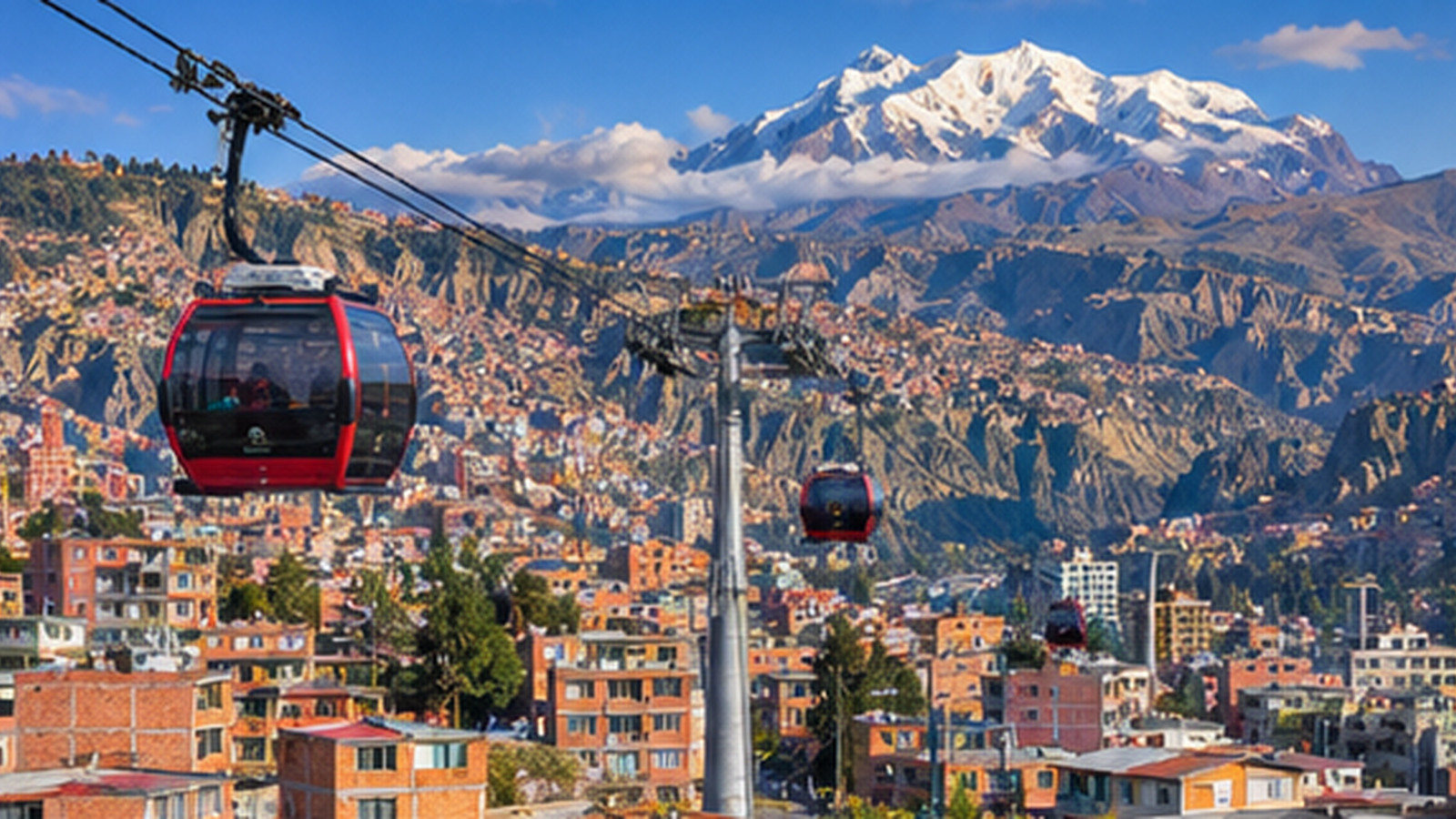
The dramatic, sky-high seat of government in a canyon, with cable cars, markets and the Moon Valley.
The mirror-like Uyuni salt flats, the world’s highest capital, Lake Titicaca and Amazon jungle — Bolivia is South America at its most surreal, dramatic and authentic.
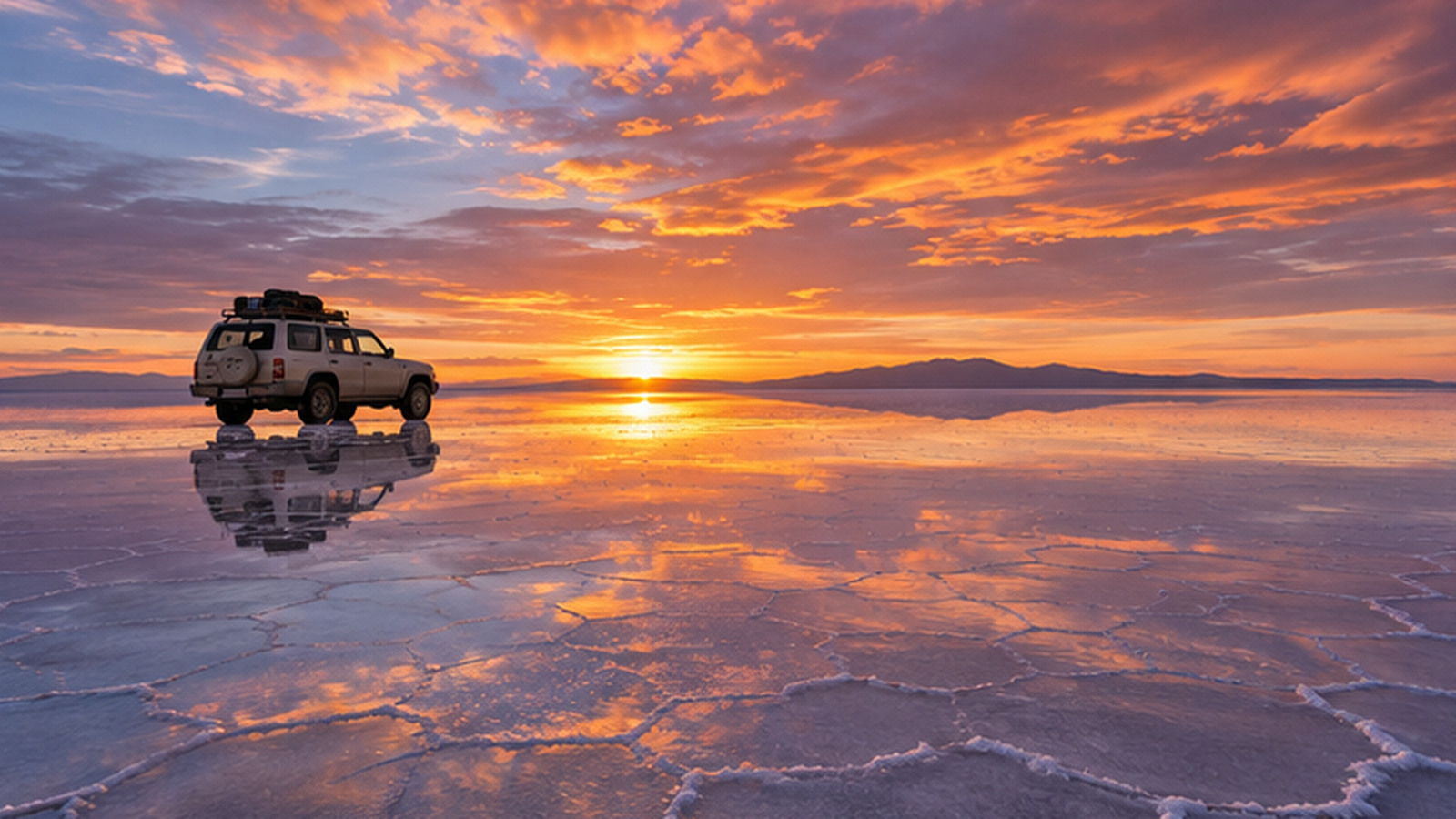
Bolivia is South America at its most surreal and authentic — a landlocked land of jaw-dropping extremes, from the mirror-like Uyuni salt flats, the largest on Earth, to the world’s highest administrative capital, the sacred blue of Lake Titicaca and steamy Amazon jungle. Less visited and less polished than its neighbours, it rewards adventurous Indian travellers with raw landscapes, vivid indigenous culture and remarkable value.
Walk across the blinding white Salar de Uyuni, where the sky reflects in a wet-season mirror and perspective-bending photos are a must; ride the cable cars over dramatic La Paz; cruise Lake Titicaca to the Isla del Sol; feel the thin air at over 3,600m; and descend into Amazon rainforest teeming with wildlife. Add colourful markets, Andean traditions and some of the continent’s friendliest people, and Bolivia becomes an unforgettable, offbeat adventure.
This guide is written for Indian travellers: the real cost in rupees (it is far, so plan 8+ days), the visa rules, where vegetarians and Jain travellers eat, how to handle the high altitude, and a route through the highlights.
Bolivia suits adventurous Indians who want South America’s most dramatic scenery — the Uyuni salt flats above all — at great value and off the usual trail. It is ideal for intrepid travellers, photographers and nature lovers happy with long flights and high altitude, and pairs well with Peru for a Andes-and-salt-flats trip.
💡 From our visa desk: Bolivia is far (expect 2 stops, ~30 hours) and high — La Paz and Uyuni sit above 3,600m, so acclimatise and take altitude seriously. The star is the Salar de Uyuni: the wet season (roughly Dec–Apr) gives the famous mirror reflections, the dry season easier travel and the hexagon patterns. Pair Bolivia with Peru (Cusco/Machu Picchu) via Lake Titicaca. Carry cash — cards are limited outside cities.
Tourist visa required for Indians — a visa on arrival is available at airports and borders (fee payable), or apply at a consulate in advance. Confirm the current rule before travel.
Indian passport holders need a tourist visa for Bolivia. A visa on arrival is available at international airports and some land borders for a fee (bring the required documents and US-dollar cash), or you can apply at a Bolivian consulate in advance. Requirements can include a yellow-fever certificate, hotel bookings and proof of funds. Confirm the current rule before you book, and carry a passport valid six months.
Check your Bolivia entry requirement →May to October (the dry season) is best for most travel — clear skies and easier road access. For the Uyuni mirror effect, visit in the wet season (roughly December to April). See the month table.
| Season | What it's like & who it suits |
|---|---|
| May–Oct (dry) | The best for general travel — clear, sunny days (cold nights at altitude) and reliable roads; peak for Uyuni’s hexagon patterns and jeep tours. |
| Dec–Apr (wet) | The famous Uyuni mirror reflections appear when the flats flood; rain can disrupt other regions and some Uyuni routes. |
| Nov & shoulder | Transitional, with a mix of conditions and fewer crowds. |
| Month | Weather & what’s on (incl. Indian holiday windows) |
|---|---|
| May–August | Peak dry season — clear, sunny days and very cold nights at altitude; the best for La Paz, Lake Titicaca and Uyuni’s dry hexagon patterns and jeep tours. Busiest and best for reliable travel. |
| September–October | Still dry and pleasant with thinner crowds; good all-round conditions before the rains. |
| November | Transitional — warming and occasional showers; the Uyuni flats may begin to flood late in the month. |
| December–February | Wet season — the Salar de Uyuni floods for its iconic mirror reflections, but rain can affect roads and other regions; green landscapes elsewhere. |
| March–April | Late wet season — often still good for Uyuni reflections early on, drying out toward the dry season; variable elsewhere. |
The dramatic, sky-high seat of government in a canyon, with cable cars, markets and the Moon Valley.
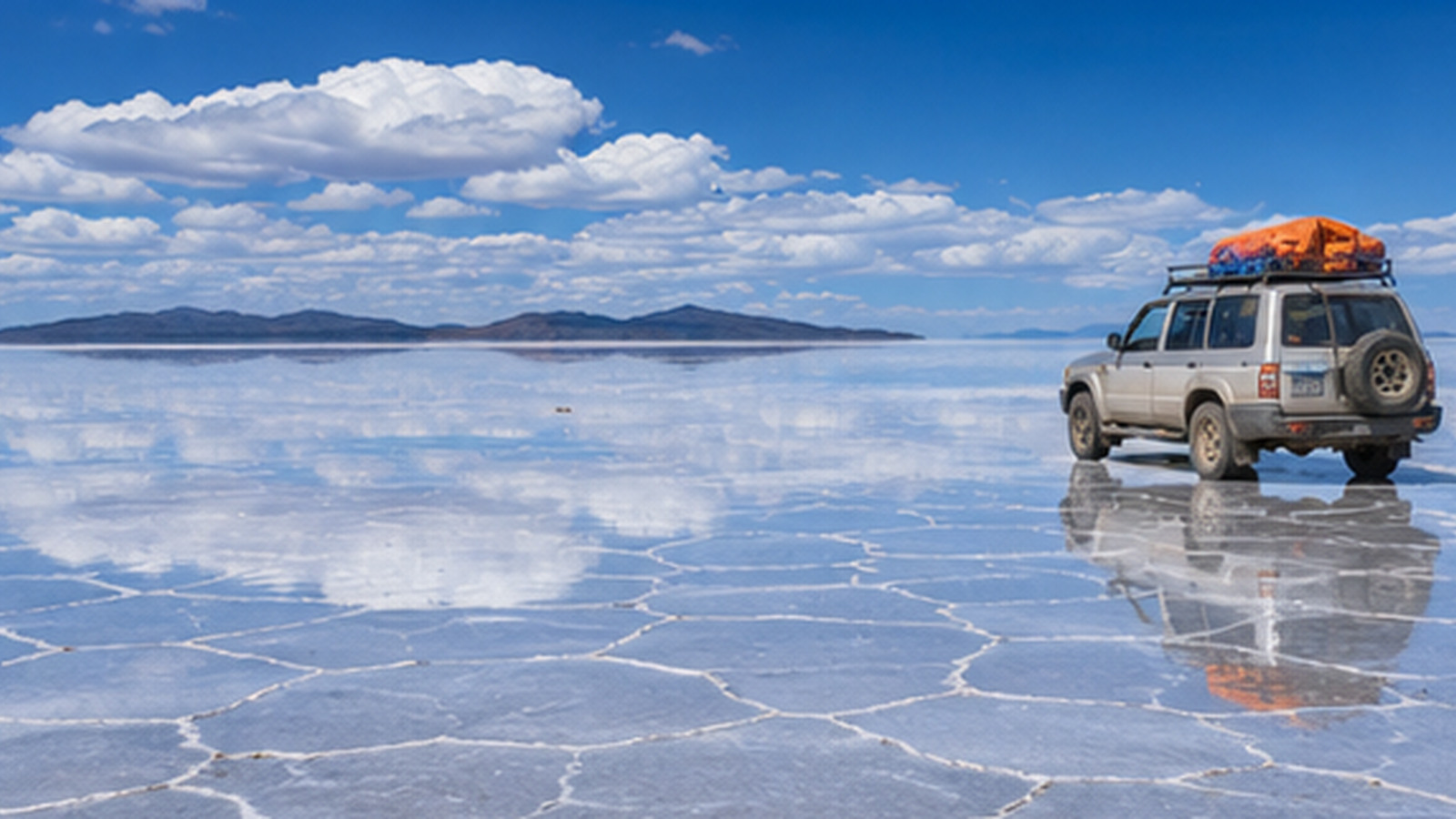
The gateway town to the Salar de Uyuni salt flats and the coloured lagoons beyond.
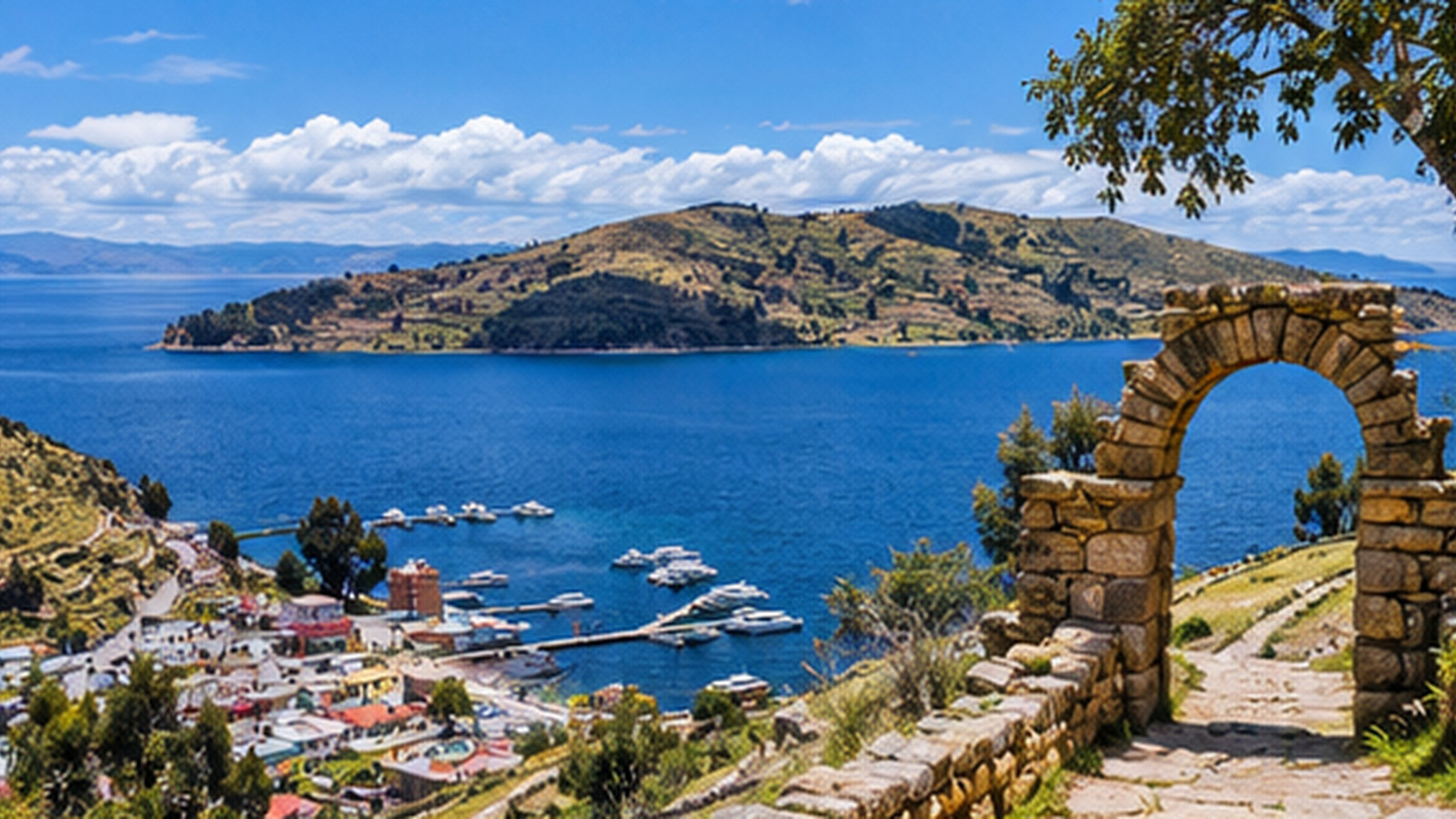
The sacred high-altitude lake and the Isla del Sol, shared with Peru.
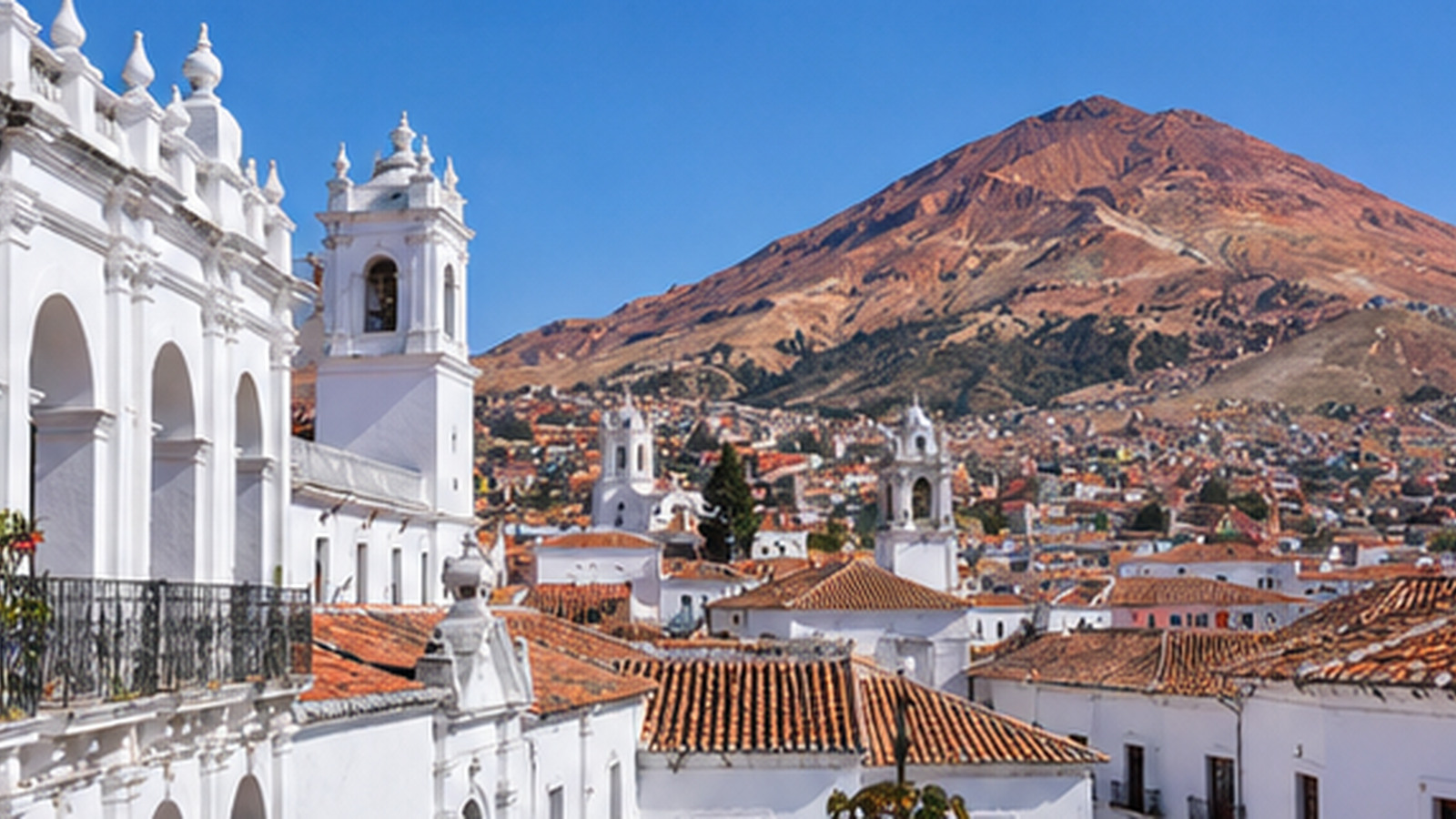
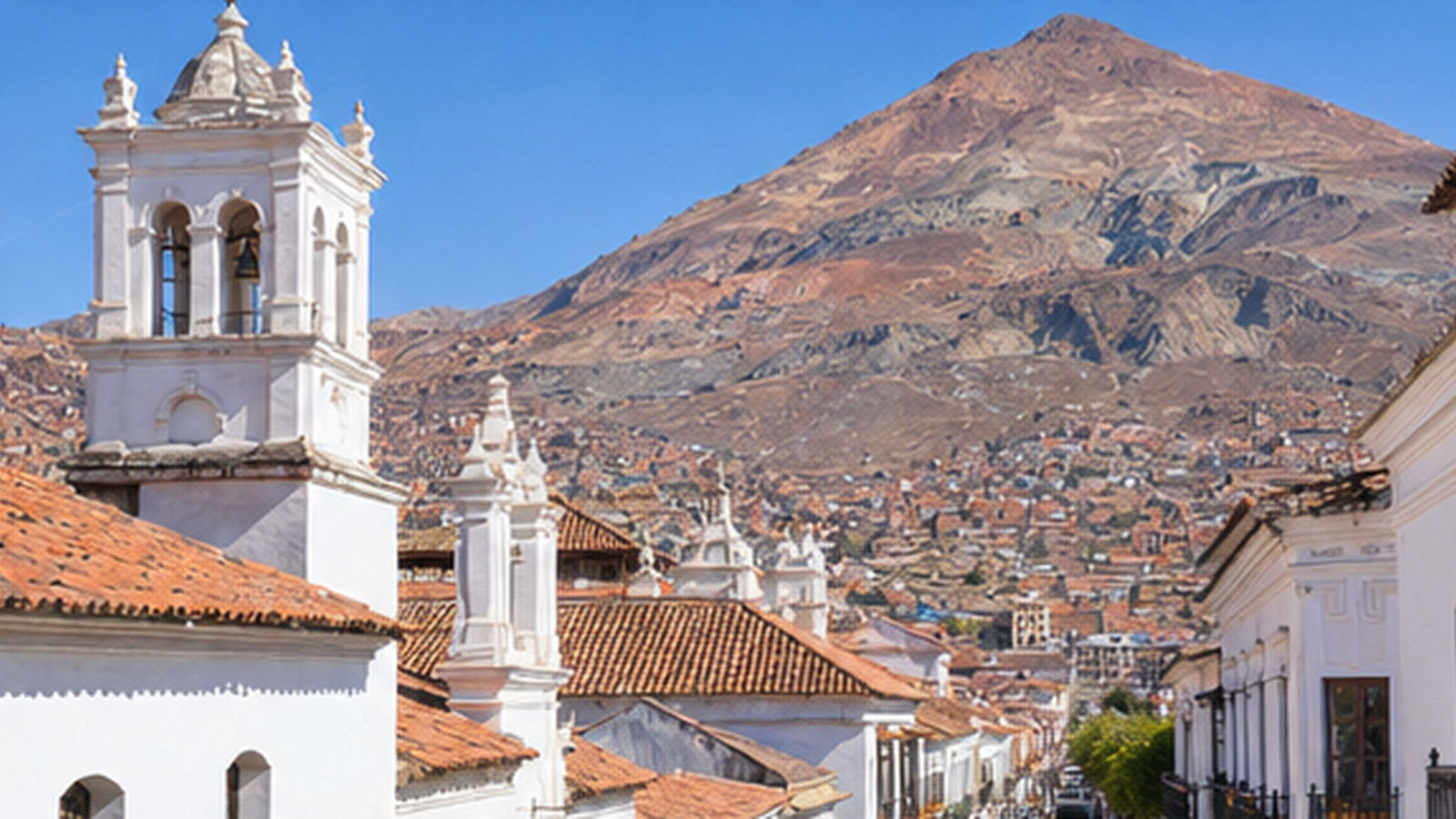
The elegant white-walled constitutional capital, a UNESCO colonial gem.
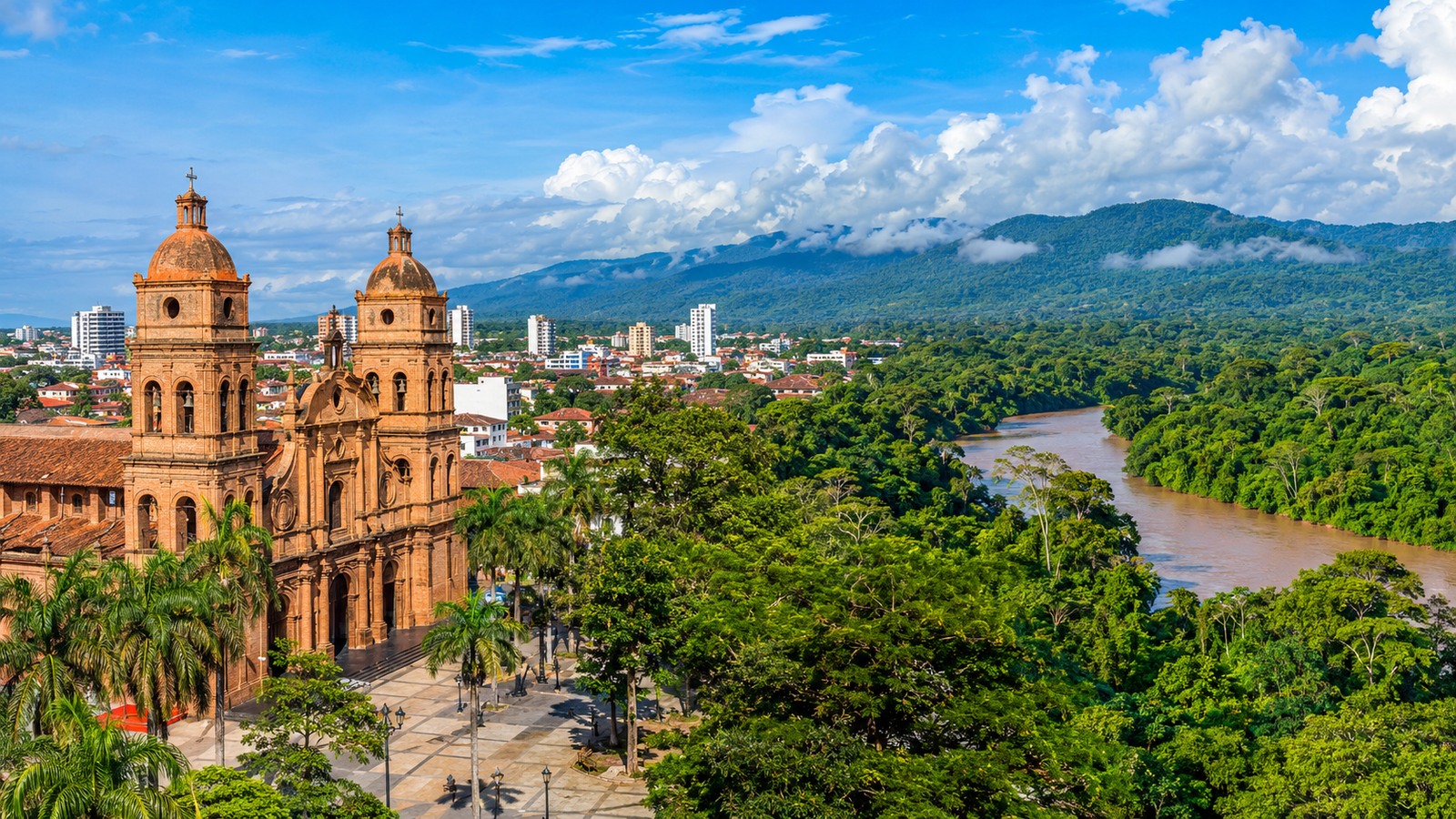
Lowland city and the gateway to Amazon jungle and the Madidi rainforest.
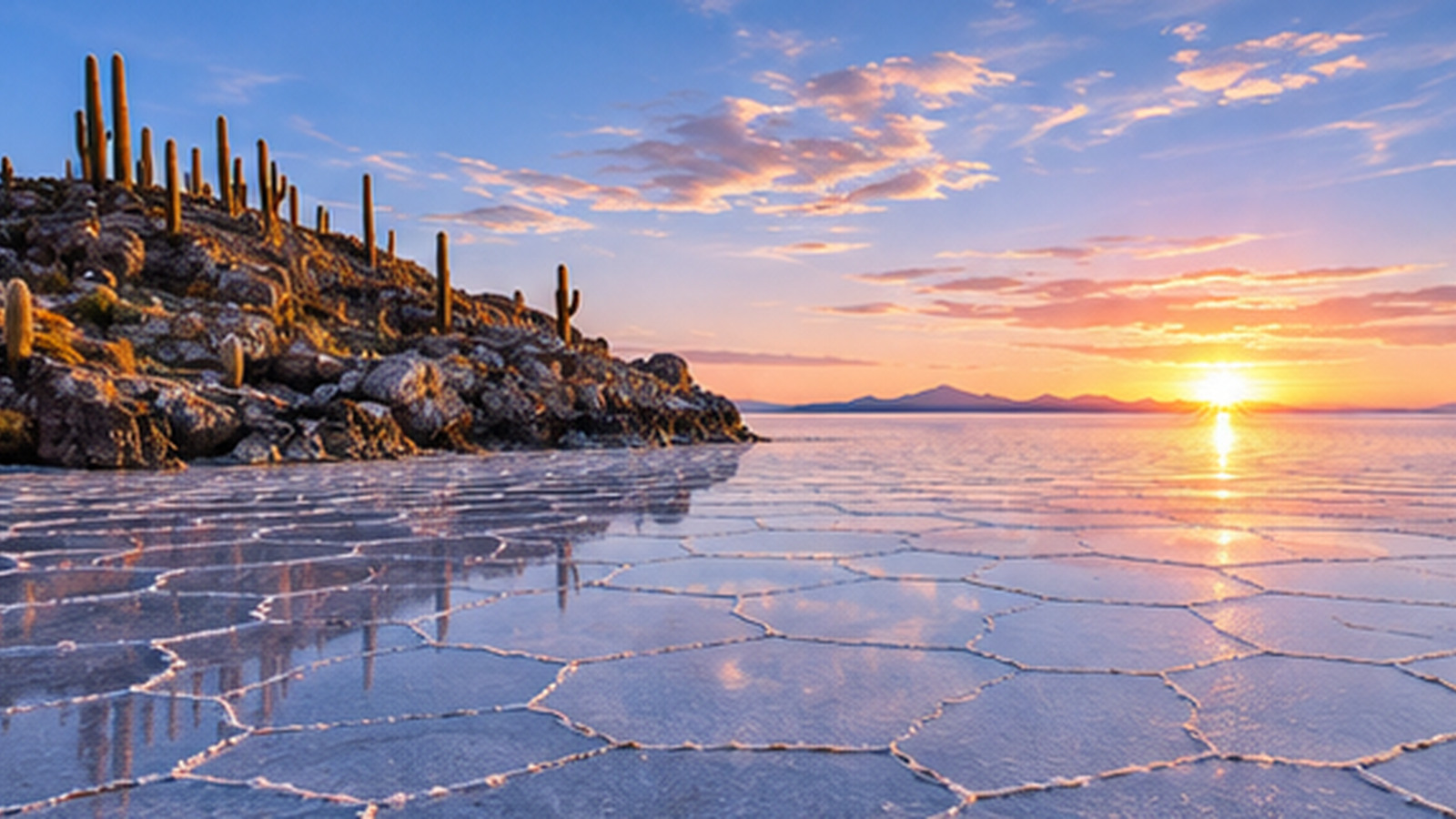
The world’s largest salt flat — a blinding white expanse that mirrors the sky in the wet season.
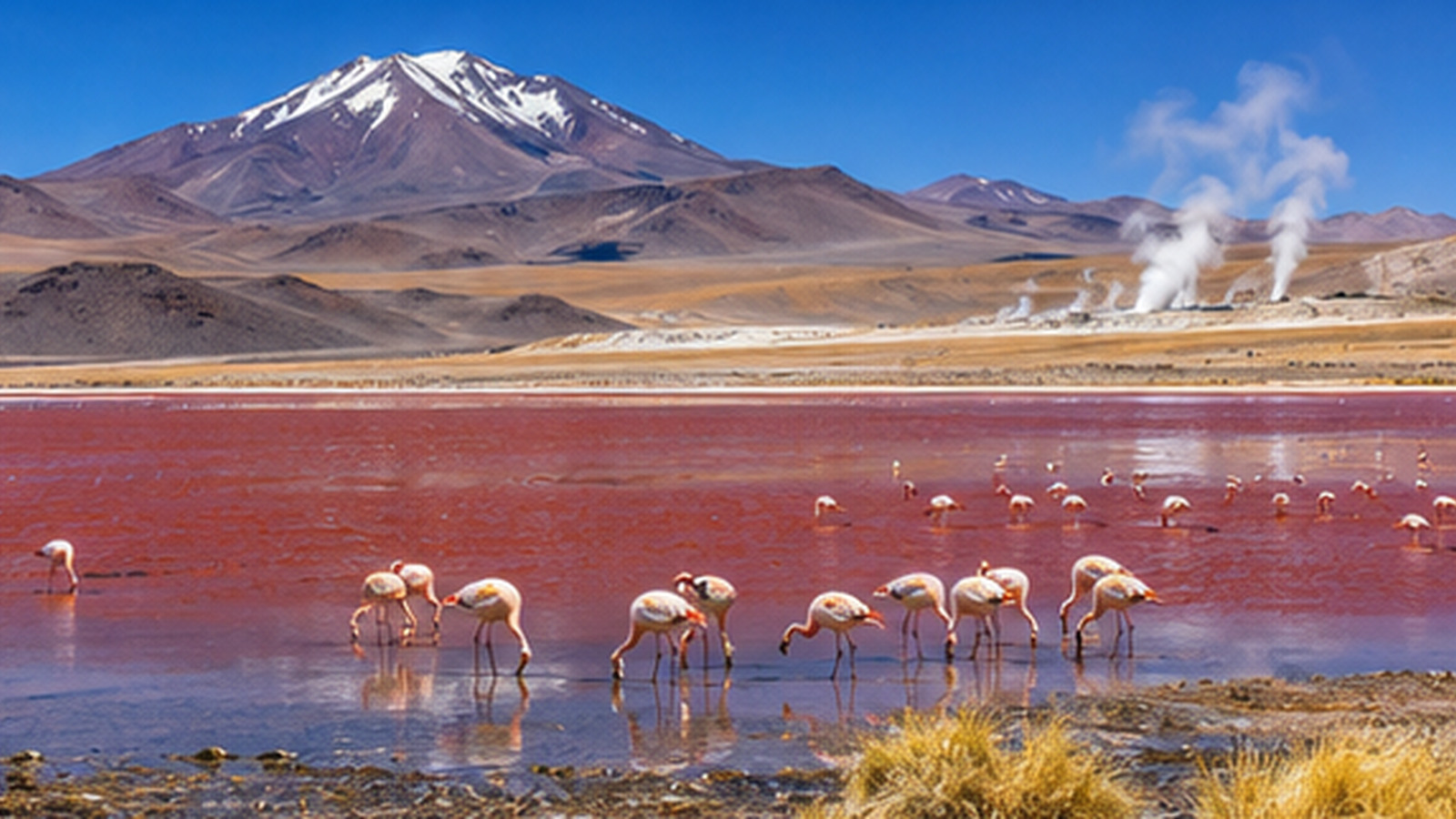
Red and green high-altitude lagoons, flamingos, geysers and deserts south of Uyuni toward Chile.
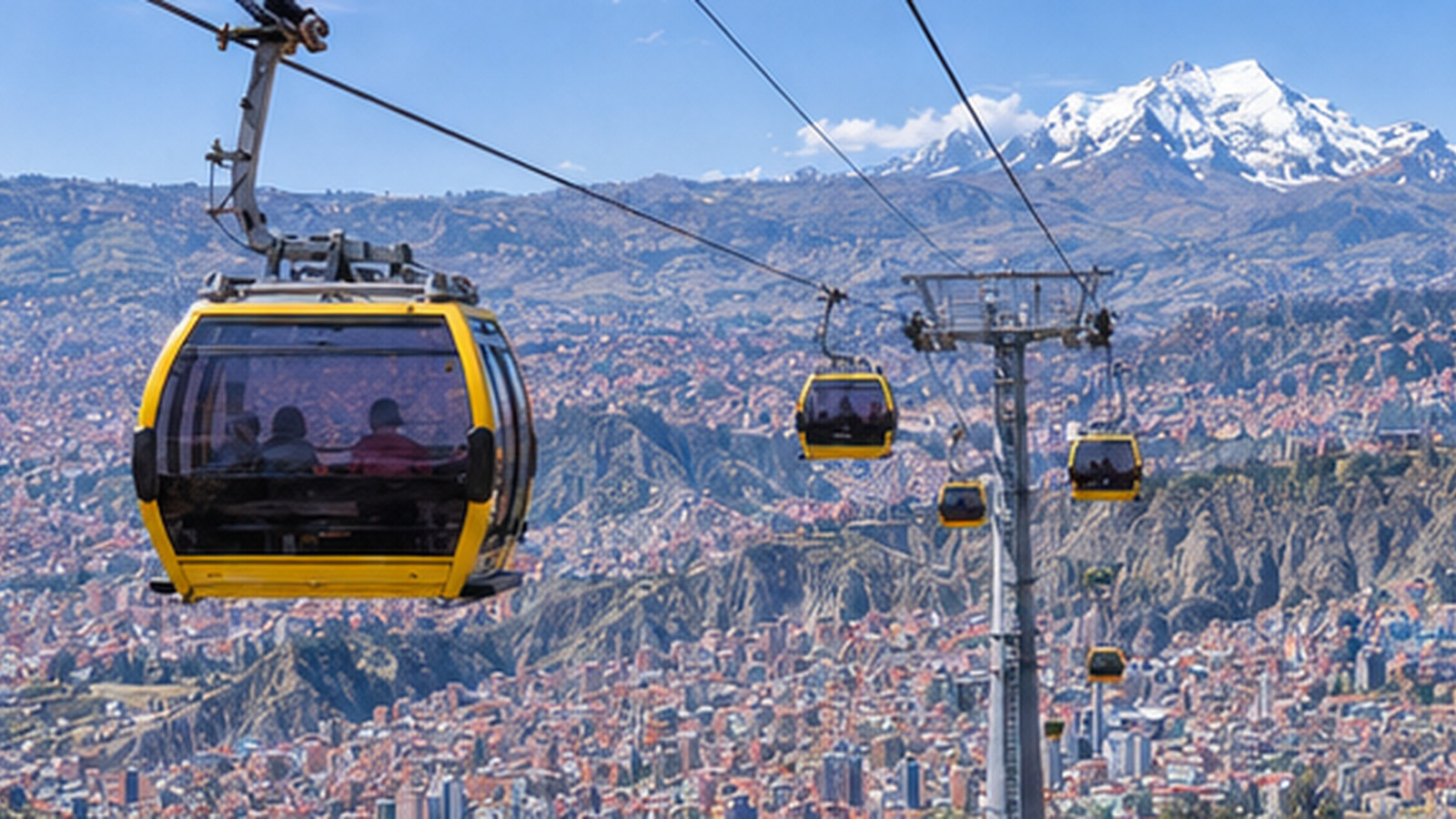
The world’s highest and longest urban cable-car network, with stunning city and mountain views.
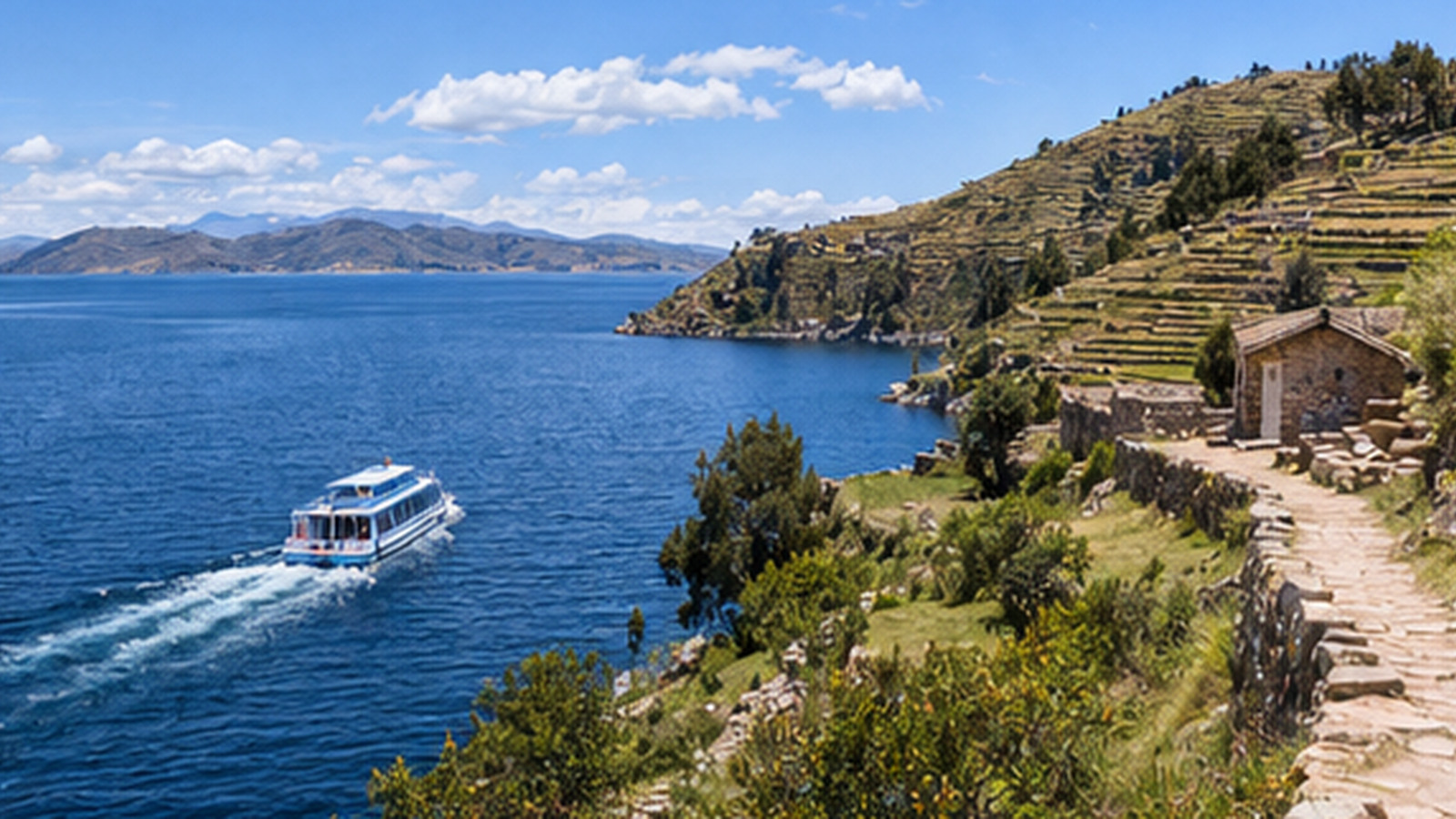
The world’s highest navigable lake and the mythical Inca birthplace island.
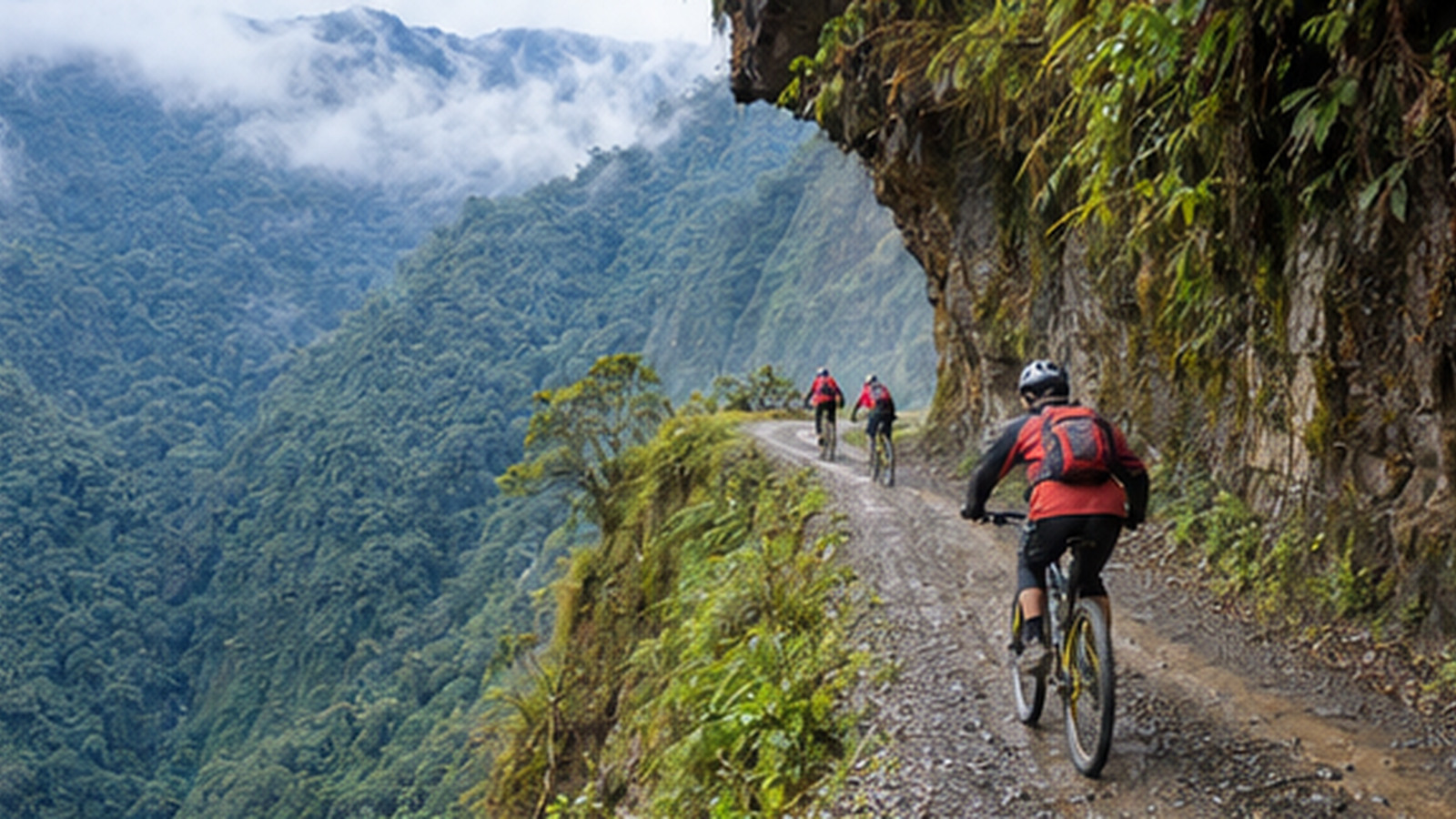
White-washed colonial Sucre and the silver-mining heights of Potosí.
Some of the planet’s most biodiverse rainforest, reached via Rurrenabaque.
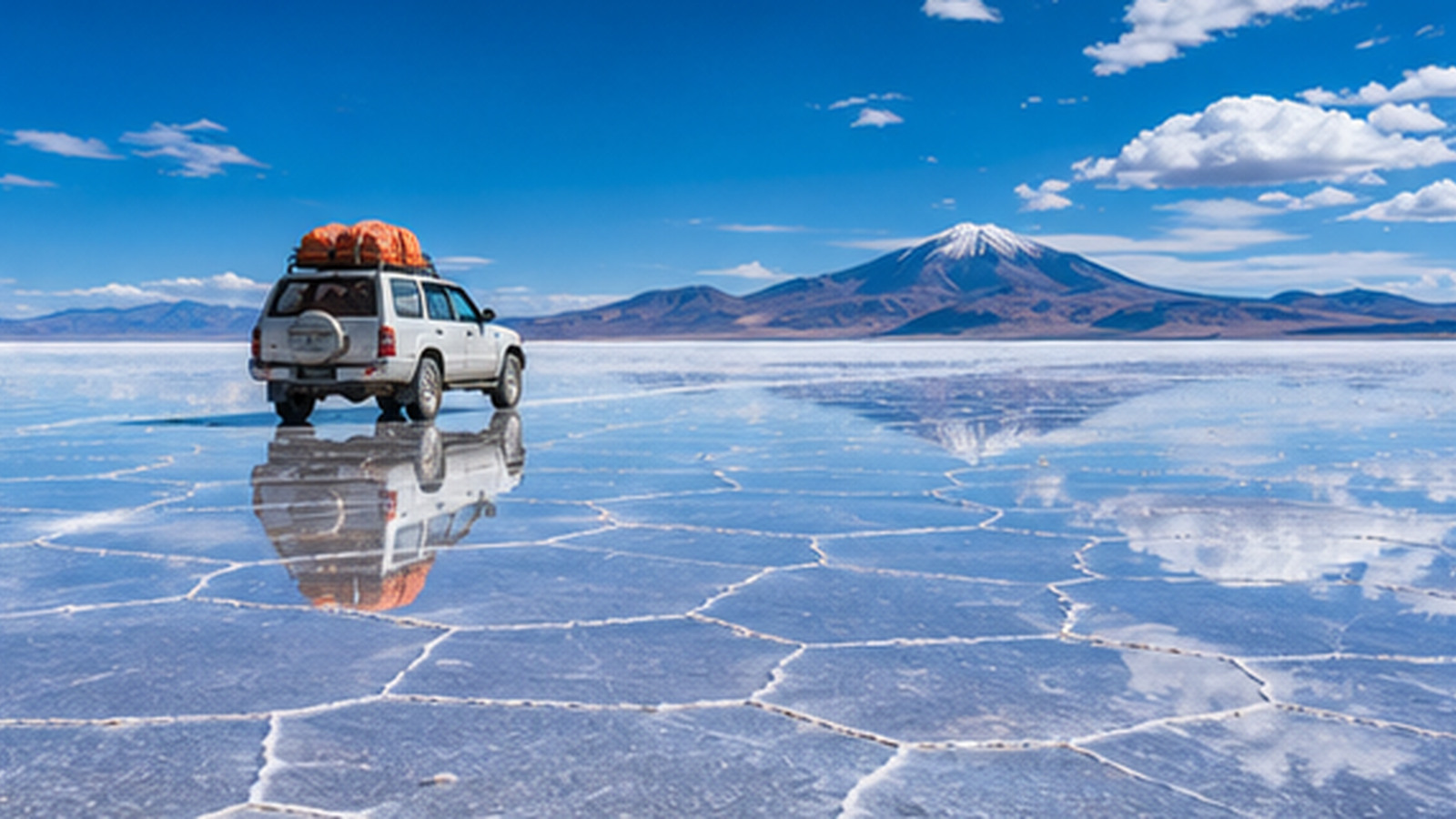
Uyuni jeep tours, mirror photos and coloured lagoons.
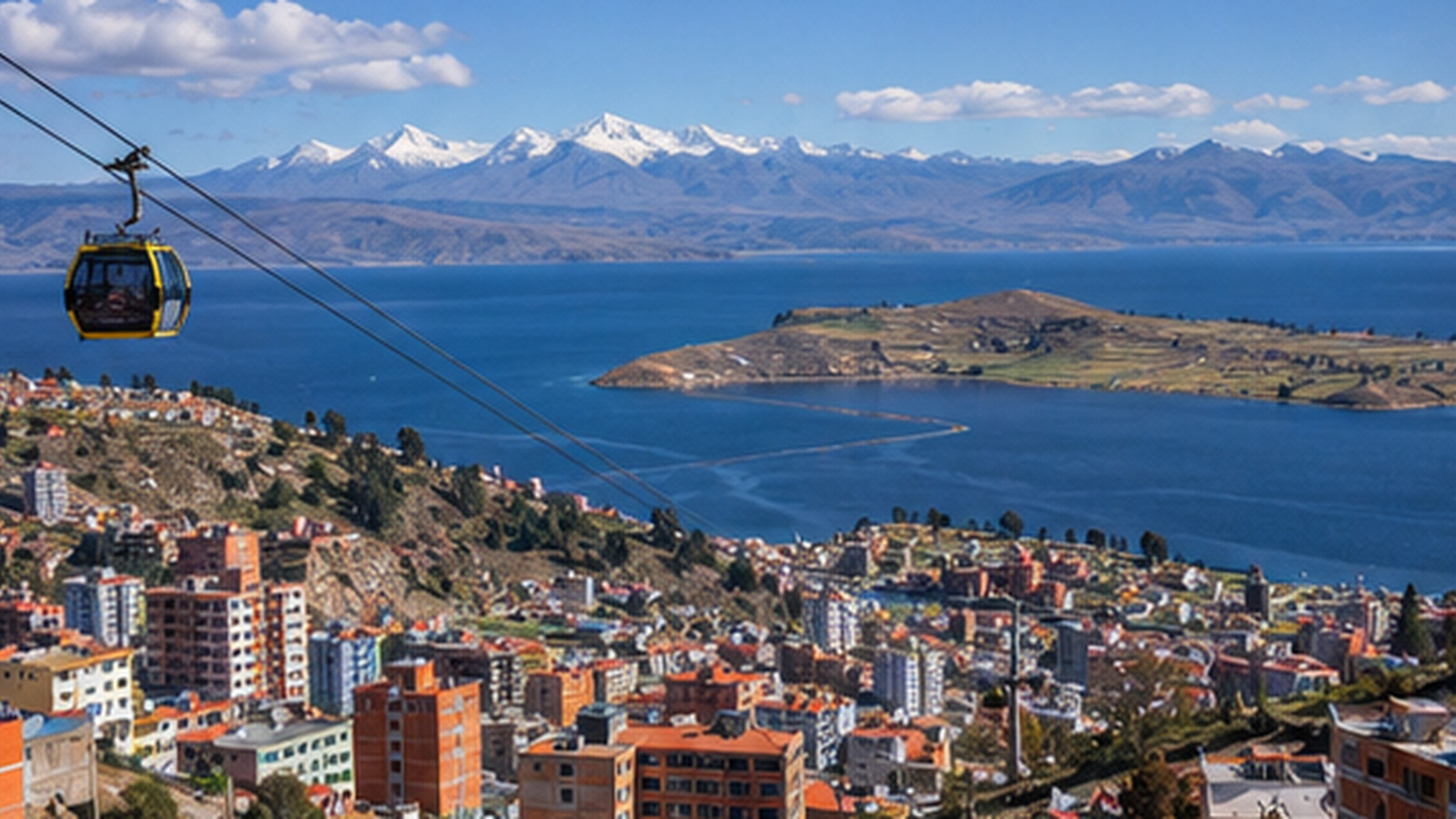
La Paz cable cars, markets and Moon Valley.
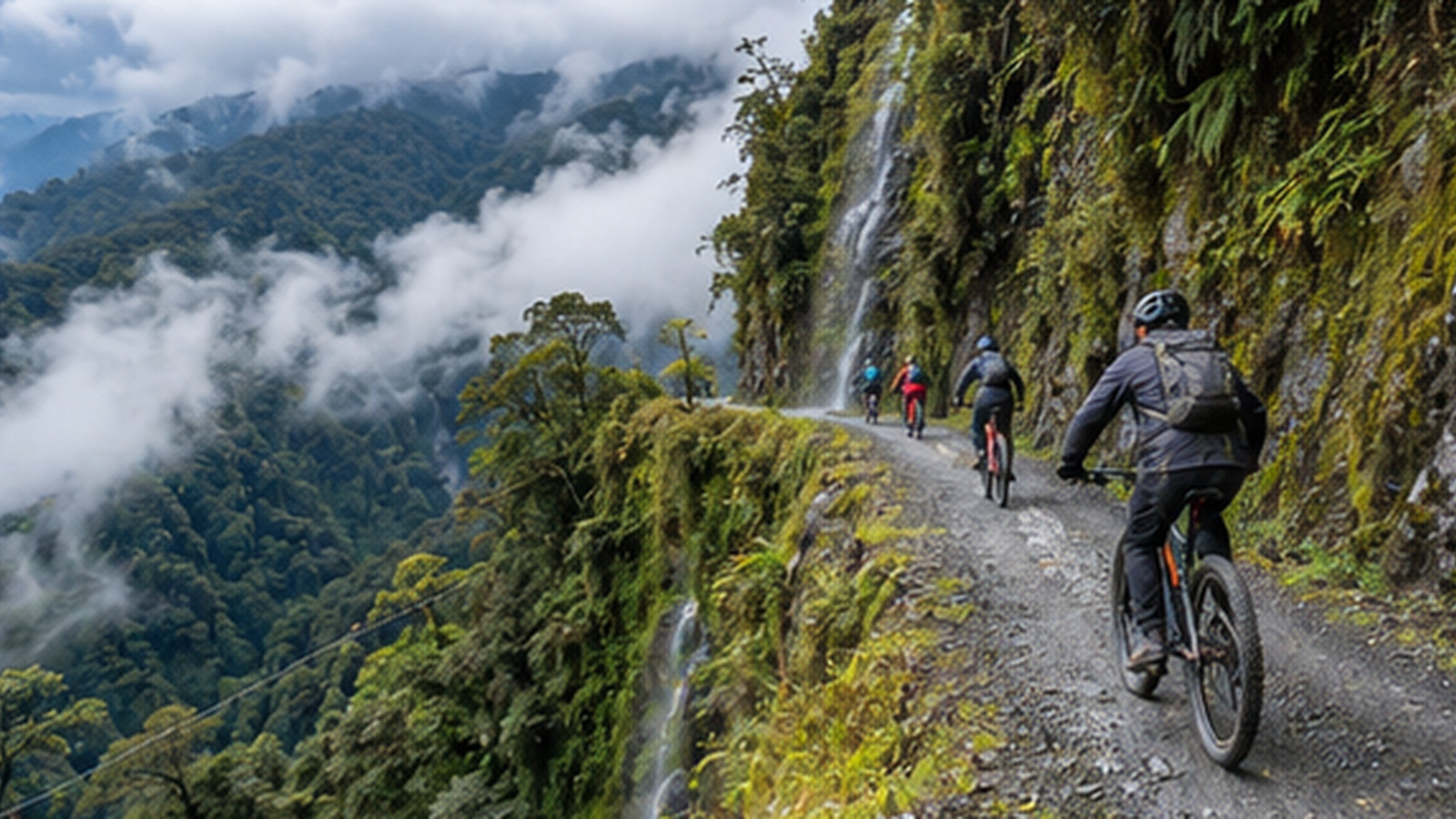
Copacabana and the sacred Isla del Sol.
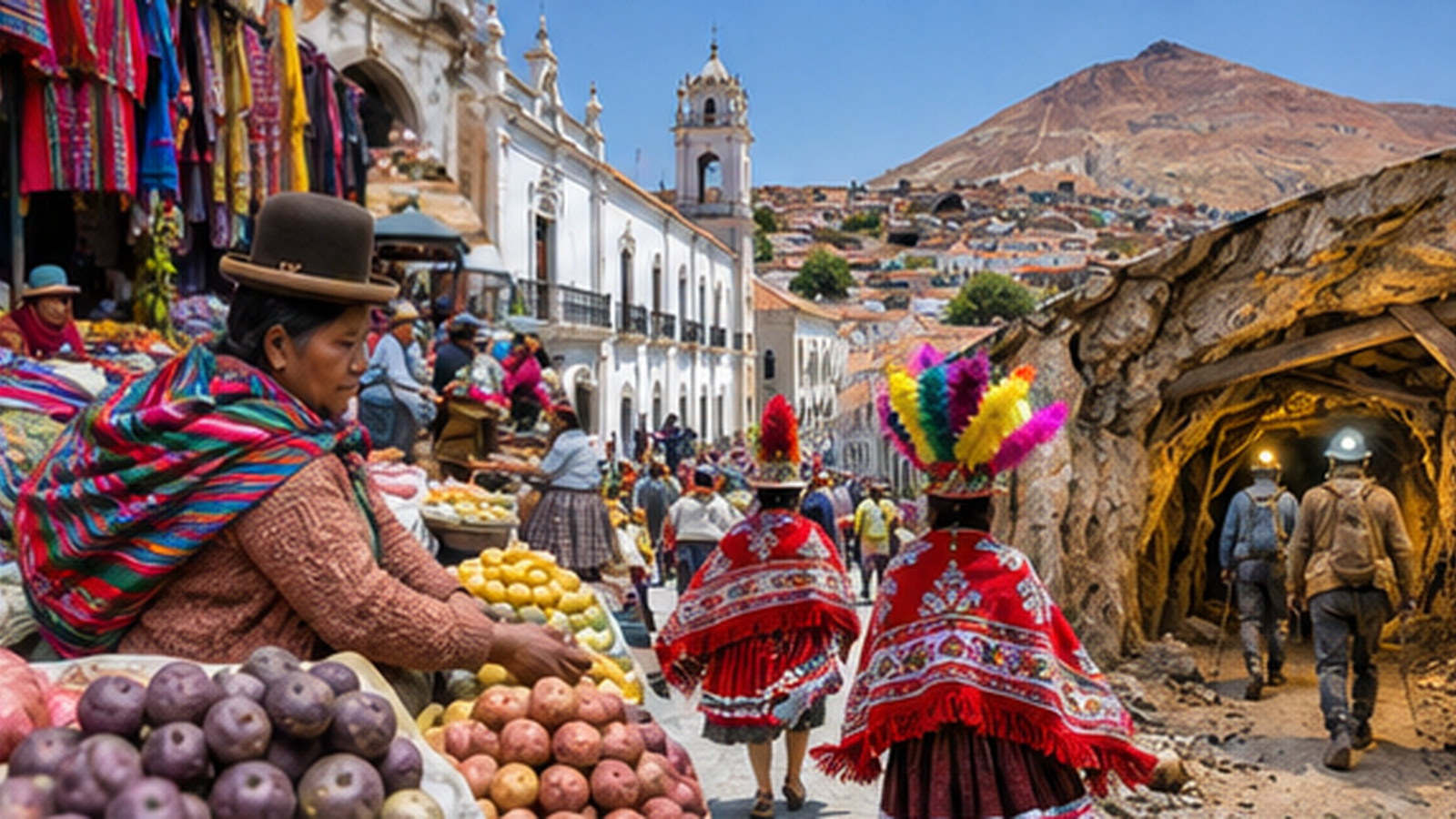
Sucre and the mines of Potosí.
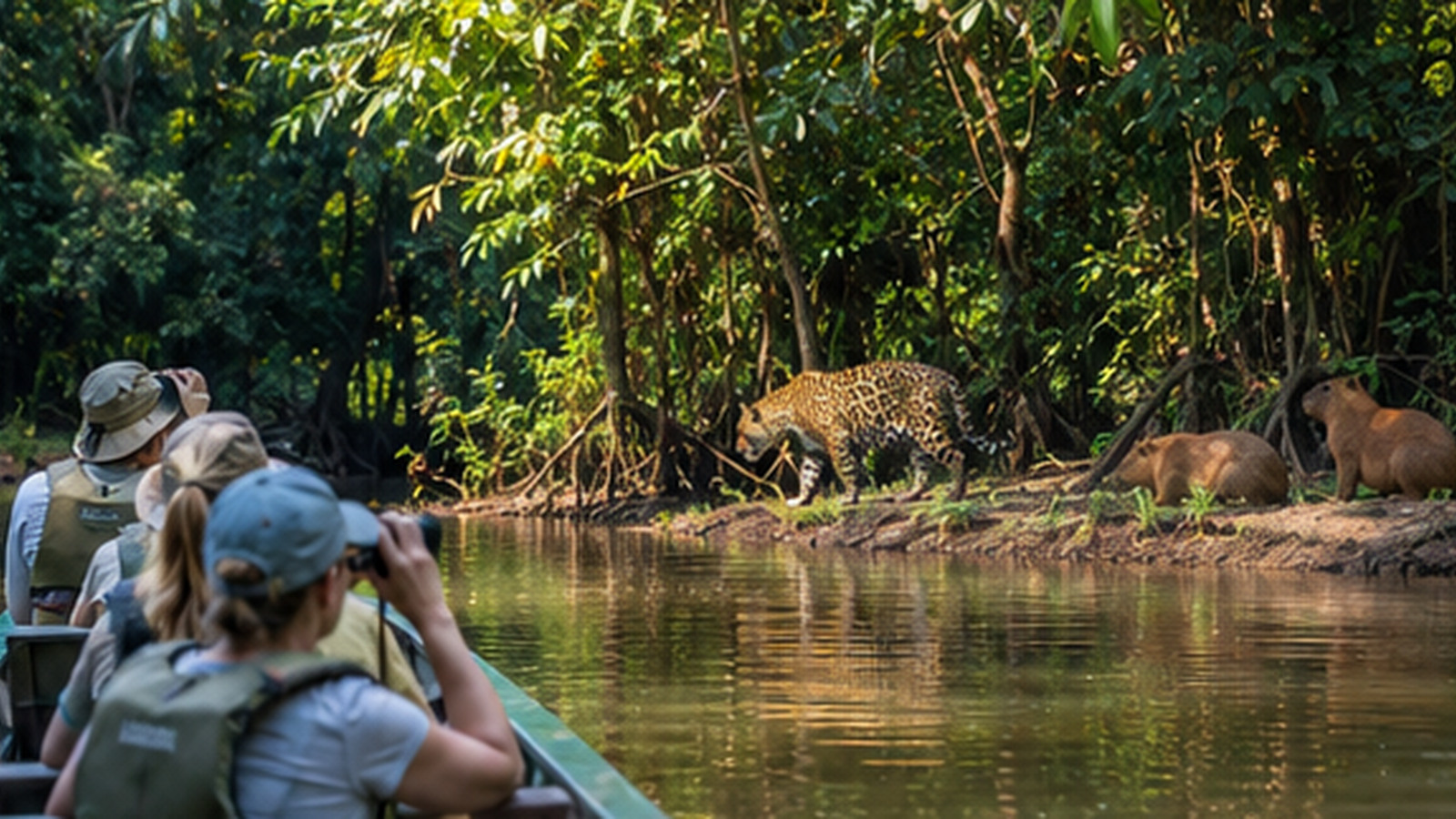
Madidi rainforest wildlife and the pampas.
Book tours & activities through our travel partners — see options. Bluebird Next may earn a commission from partner bookings at no extra cost to you (Affiliate Disclosure).
Bolivia is one of South America’s cheapest countries on the ground, so long flights are the big cost; food, transport and tours are very affordable. Indicative per-person figures for an 8-day trip in 2026 (prices checked Nov 2026).
| Item | Typical cost (per person) |
|---|---|
| Return flights (ex-India, 2 stops) | ₹90,000 – ₹1,50,000 |
| Visa (on arrival / consular) | ₹5,000 – ₹12,000 |
| Hotels (per night, twin) | ₹2,000 – ₹6,000 |
| Uyuni jeep tour (3-day, pp) | ₹12,000 – ₹22,000 |
| Domestic flights (La Paz–Uyuni etc.) | ₹6,000 – ₹12,000 |
| Food & local transport | ₹1,000 – ₹2,500 / day |
| From | Typical return airfare |
|---|---|
| Delhi | ₹95,000 – ₹1,50,000 (2 stops via Europe/US/São Paulo) |
| Mumbai | ₹90,000 – ₹1,45,000 (2 stops) |
| Bengaluru | ₹92,000 – ₹1,48,000 (2 stops) |
| Chennai/Kolkata | ₹95,000 – ₹1,50,000 (2 stops) |
| Hyderabad | ₹95,000 – ₹1,50,000 (2 stops) |
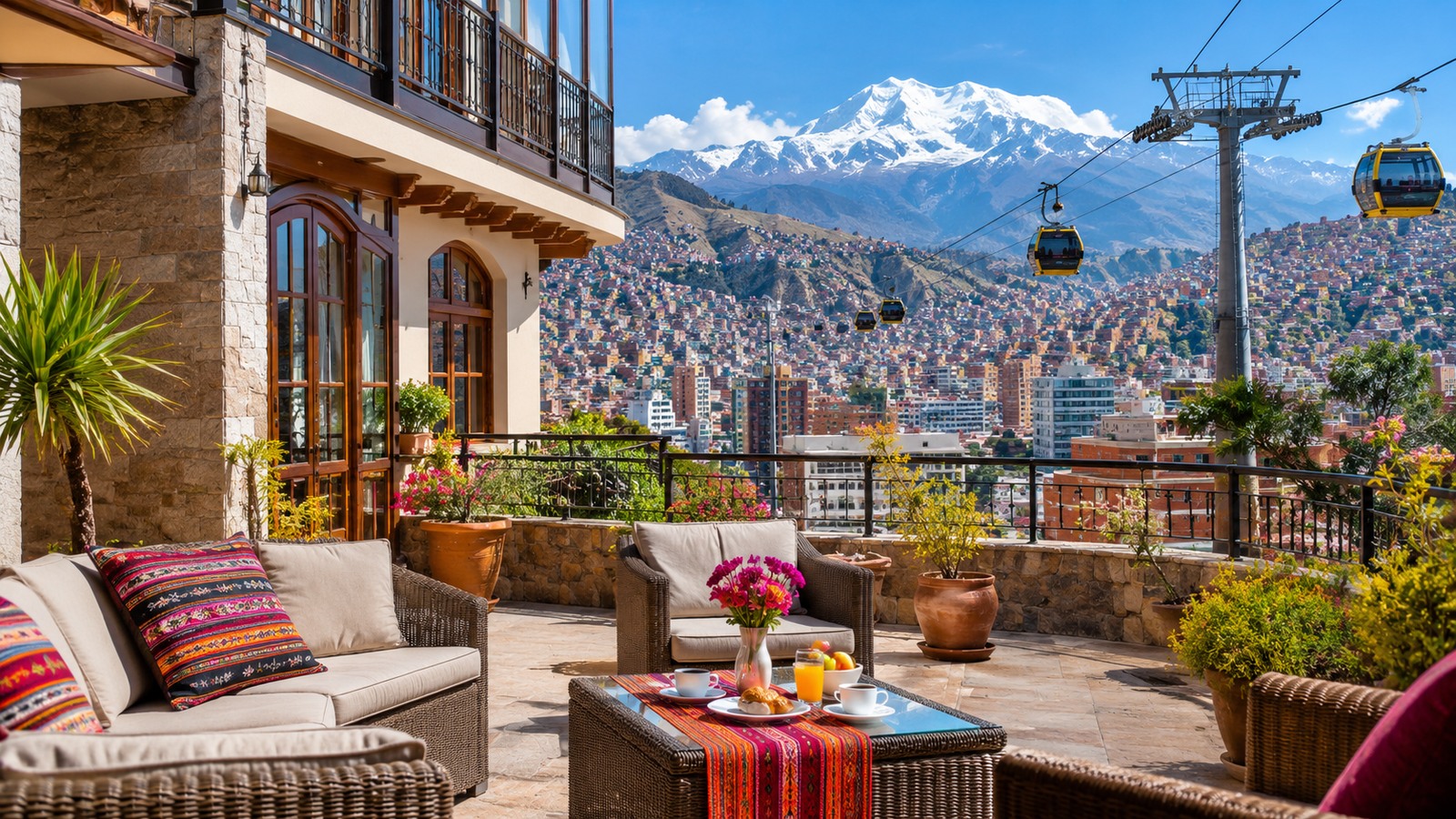
The high-altitude base for arrivals, cable cars and tours.
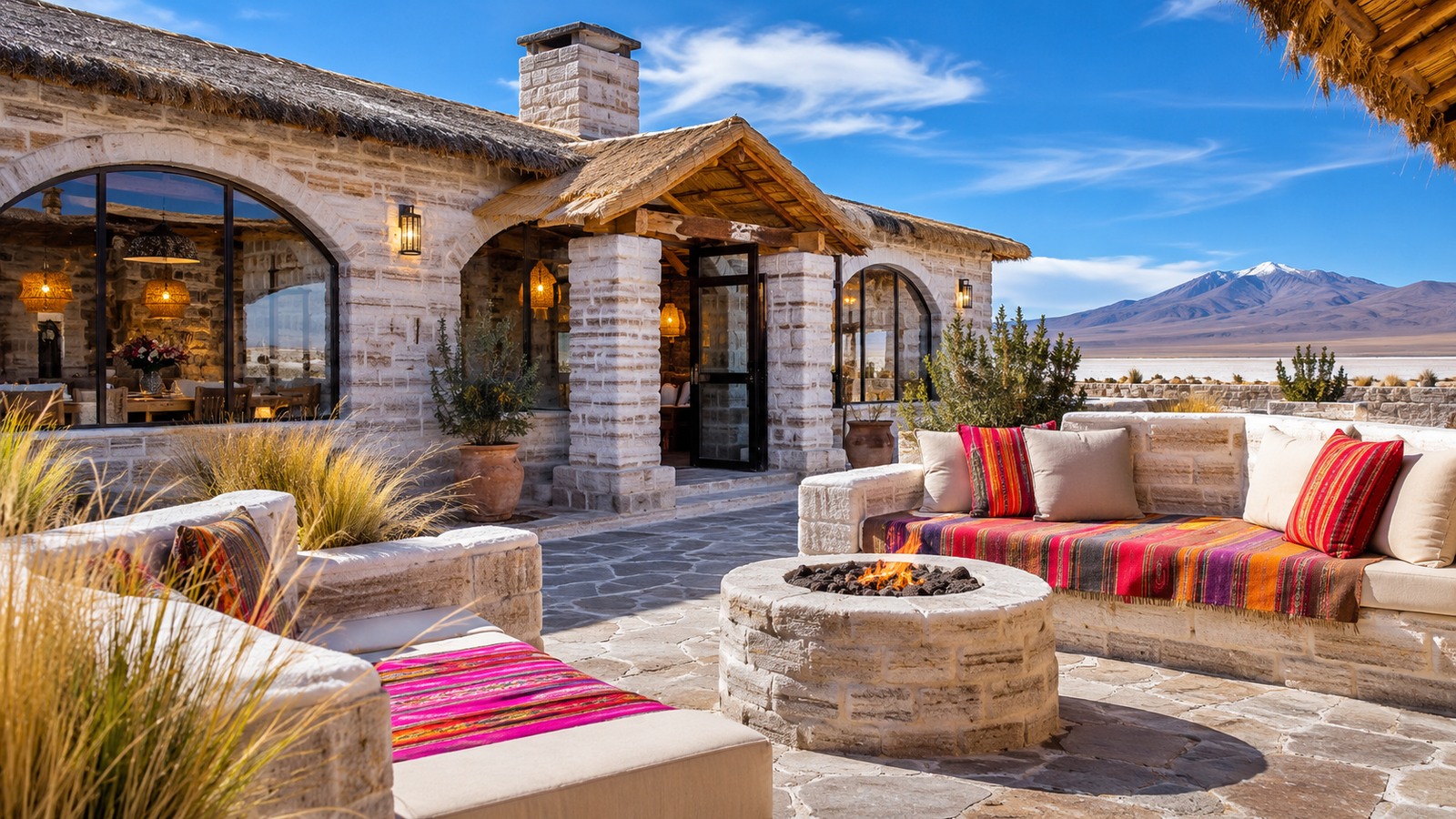
Gateway town (and famous salt hotels) for the salt-flat tours.
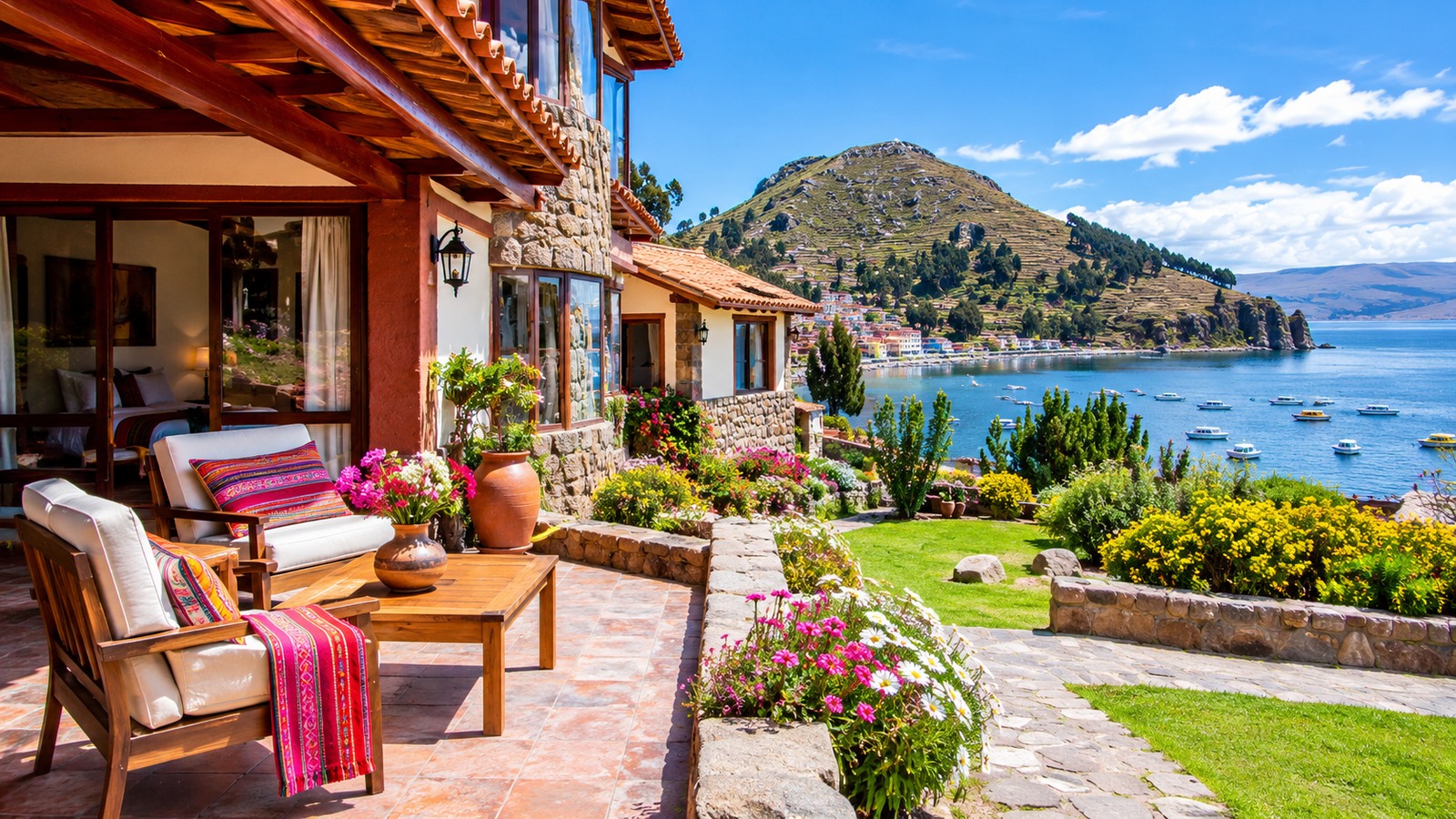
Lakeside base for Titicaca and the Isla del Sol.
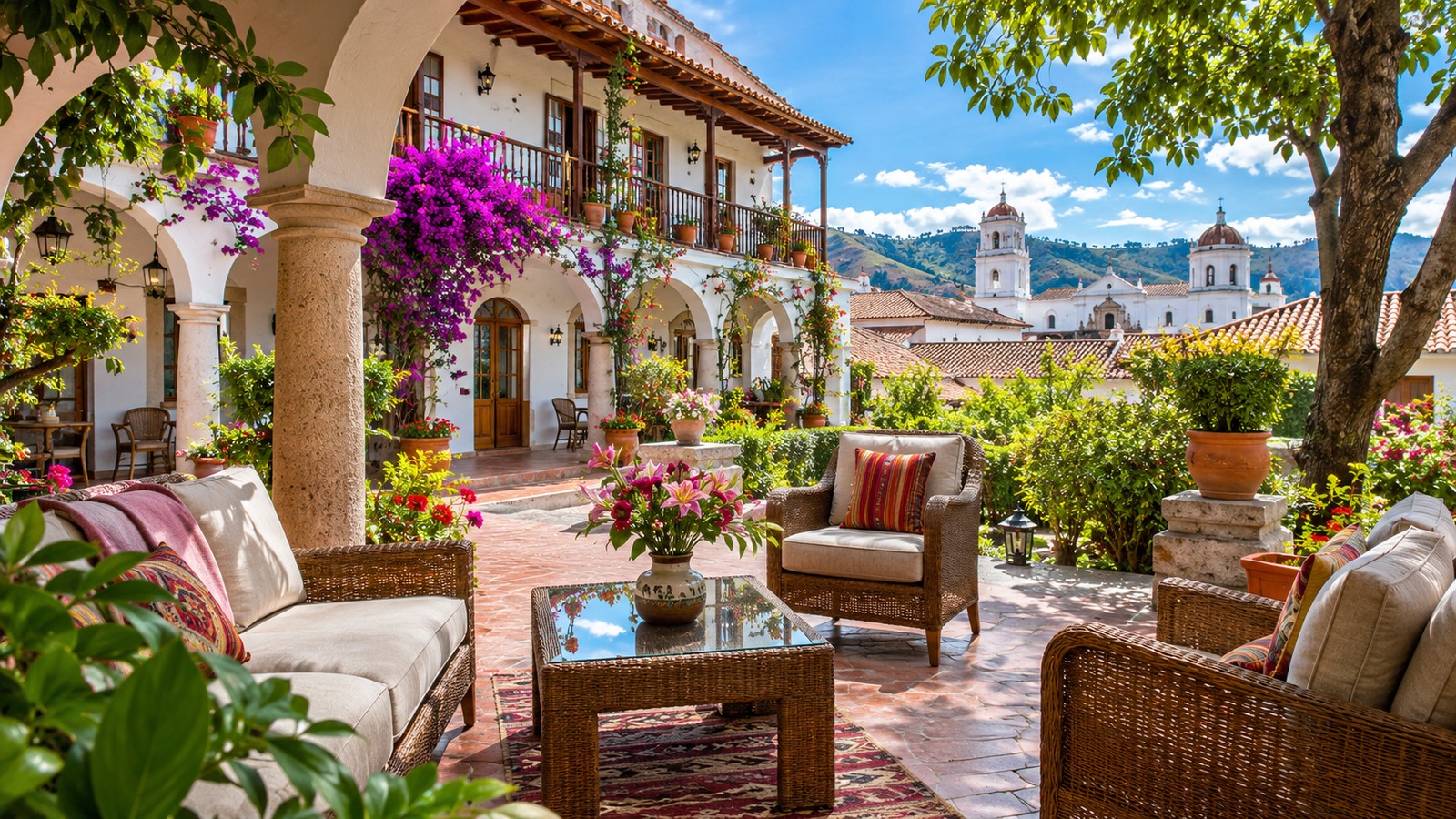
A relaxed, lower-altitude colonial city to recover and explore.
Bolivian food is hearty and Andean — soups, potatoes (hundreds of varieties), quinoa, salteñas (pastries), grilled meats and lake fish, with markets full of fruit and street snacks.
Vegetarians can manage with potato and quinoa dishes, soups, rice, salads, cheese empanadas and abundant fruit, plus veg-friendly cafes in La Paz and Sucre; many staples are plant-based. Jain travellers should choose simple vegetable, potato and rice dishes, specify no onion/garlic, and self-cater where possible.
La Paz and Santa Cruz have a few Indian/international restaurants, but options are limited elsewhere — plan around Bolivia’s naturally potato- and grain-rich vegetarian dishes and carry snacks.
Indians need a tourist visa — available on arrival at airports and some borders for a fee (carry US-dollar cash and the documents), or apply at a consulate in advance. A yellow-fever certificate may be required (especially for Amazon areas), plus hotel bookings and proof of funds. Confirm the current rule before booking.
La Paz (~3,600m) and Uyuni (~3,650m) are very high. Acclimatise on arrival, rest the first day, hydrate, avoid alcohol early, and consider coca tea or altitude medication (consult a doctor). Those with heart/lung conditions should seek medical advice; Sucre and Santa Cruz are lower for recovery.
Carry cash — the boliviano for everyday spending, plus US dollars to exchange. Cards work in some La Paz hotels and restaurants but not widely; ATMs are in cities but unreliable in remote areas. UPI is not accepted.
Domestic flights link La Paz, Uyuni, Sucre and the Amazon (saving long bus rides); long-distance buses are cheap but slow on mountain roads. Book a reputable Uyuni jeep tour operator; a little Spanish or a translation app helps, as English is limited.
Buy an Entel/Tigo SIM in La Paz or use an eSIM. Bolivia uses 220V (some 110V) with Type A/C plugs, so carry a universal adapter and check your chargers; bring a power bank for long tour days.
Link La Paz, Uyuni, Sucre and the Amazon, saving very long bus journeys.
The way to see the Salar de Uyuni and the coloured lagoons — use a reputable operator.
Cheap long-distance buses; La Paz’s cable-car network for the city.
Bolivia is generally safe for travellers who take sensible precautions, though it is a less-developed country with altitude and road risks. The biggest health concern is altitude sickness — acclimatise carefully. Use registered taxis and reputable tour operators, watch belongings in markets and bus terminals, avoid night mountain-road travel where possible, keep cash secure, and carry comprehensive travel insurance covering high altitude.
❌ Myth: Bolivia is just the salt flats.
✅ Fact: Beyond Uyuni lie sky-high La Paz, sacred Lake Titicaca, colonial Sucre, silver-mining Potosí and biodiverse Amazon jungle — a hugely varied country.
❌ Myth: Altitude is no big deal.
✅ Fact: La Paz and Uyuni sit above 3,600m — altitude sickness is real; acclimatise, rest and hydrate, and consider medical advice.
❌ Myth: Vegetarians will starve.
✅ Fact: Potatoes, quinoa, soups, rice and fruit make Bolivia manageable for vegetarians; Jains can choose simple veg dishes and carry snacks.
❌ Myth: It’s too expensive.
✅ Fact: Bolivia is one of South America’s cheapest countries on the ground — only the long flights cost much.
❌ Myth: Any time is fine for Uyuni.
✅ Fact: The famous mirror appears in the wet season (Dec–Apr); the dry season gives the hexagon patterns and easier travel — choose by the photo you want.
Yes — Indians need a tourist visa. A visa on arrival is available at international airports and some borders for a fee (bring US-dollar cash and the documents), or you can apply at a consulate in advance. A yellow-fever certificate may be required, plus hotel bookings and proof of funds. Confirm the current rule before booking.
An 8-day trip is roughly ₹1,50,000–₹2,60,000 per person, and about ₹3,00,000–₹4,80,000 for a couple. The long-haul flights dominate the cost; on the ground, Bolivia is one of South America’s cheapest countries.
Bolivia is very far — expect 28–36 hours total with two stops, usually via Europe or a US hub and then São Paulo or Lima to La Paz.
Eight to twelve days — the long journey and altitude mean it is worth staying a while. Eight days cover La Paz, the Uyuni salt flats and Lake Titicaca; twelve add Sucre and the Amazon.
For the famous mirror reflections, visit in the wet season (roughly December to April), when the flats flood. For the hexagon patterns, dry jeep tours and easier travel, come in the dry season (May to October).
La Paz and Uyuni sit above 3,600m. Acclimatise on arrival, rest the first day, hydrate, avoid alcohol early, and consider coca tea or altitude medication (consult a doctor). Those with heart or lung conditions should seek medical advice; Sucre and Santa Cruz are lower for recovery.
With planning — potatoes, quinoa, soups, rice, salads and fruit make it manageable, with veg-friendly cafes in La Paz and Sucre. Jain travellers should choose simple vegetable and grain dishes, specify no onion/garlic, and carry snacks for remote areas.
Carry cash — the boliviano for everyday spending, plus US dollars to exchange (also useful for the visa fee). Cards work in some La Paz hotels and restaurants but not widely, and ATMs are unreliable in remote areas. UPI is not accepted.
Domestic flights link La Paz, Uyuni, Sucre and the Amazon, saving very long bus rides; long-distance buses are cheap but slow. For the salt flats, book a reputable jeep-tour operator. A little Spanish or a translation app helps, as English is limited.
Generally yes with sensible precautions, though altitude and road risks matter. Acclimatise carefully (altitude sickness is the main concern), use registered taxis and reputable operators, watch belongings in markets and terminals, and carry comprehensive travel insurance covering high altitude.
Strongly recommended — it should cover high-altitude travel, remote-area medical care and evacuation, the Amazon and long-haul trip delays and cancellations.
Sources: Bolivia Tourism (official) · Bolivia Migración (immigration, official)
A licensed team that has guided thousands of Indians to their visas and admissions.
 Jitender SinghFounder & Managing Director
 Vikram SinghHead – Quality & Operations
 SanjayHead – Tourist Visa Operations
 TejaswaniHead – Counselling Team
 MahimaHead – Visa Filing & Processing
 Pratigya DuttaHead – Student Visa Processing
Free, no-pressure guidance from a real counsellor who handles your case end to end — from documents to decision.