
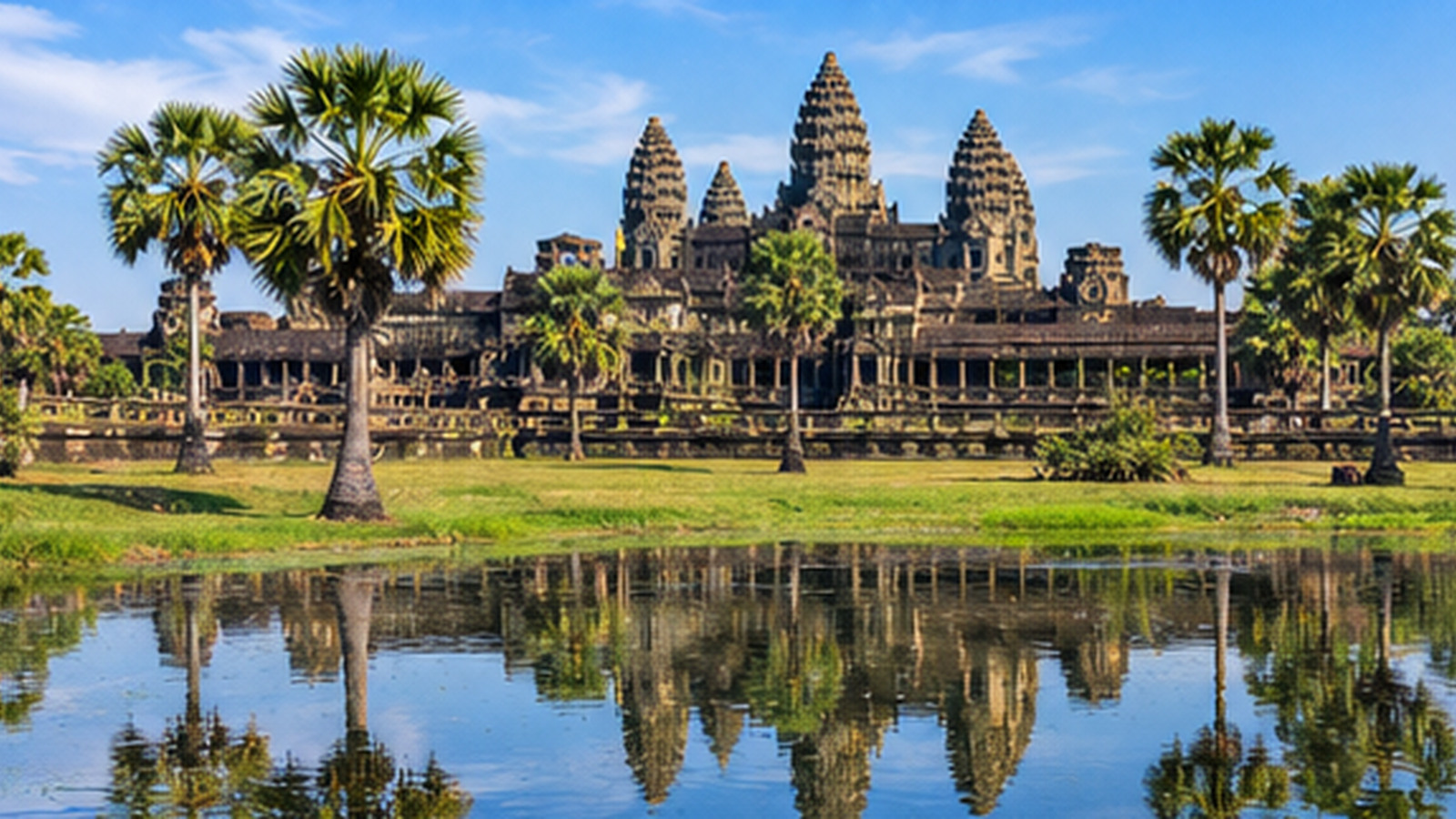
The gateway to Angkor — temples by day, Pub Street and night markets by evening.
The temples of Angkor, riverside Phnom Penh and the beaches of the south — a soulful, affordable Southeast Asian trip, with an easy e-visa for Indians.
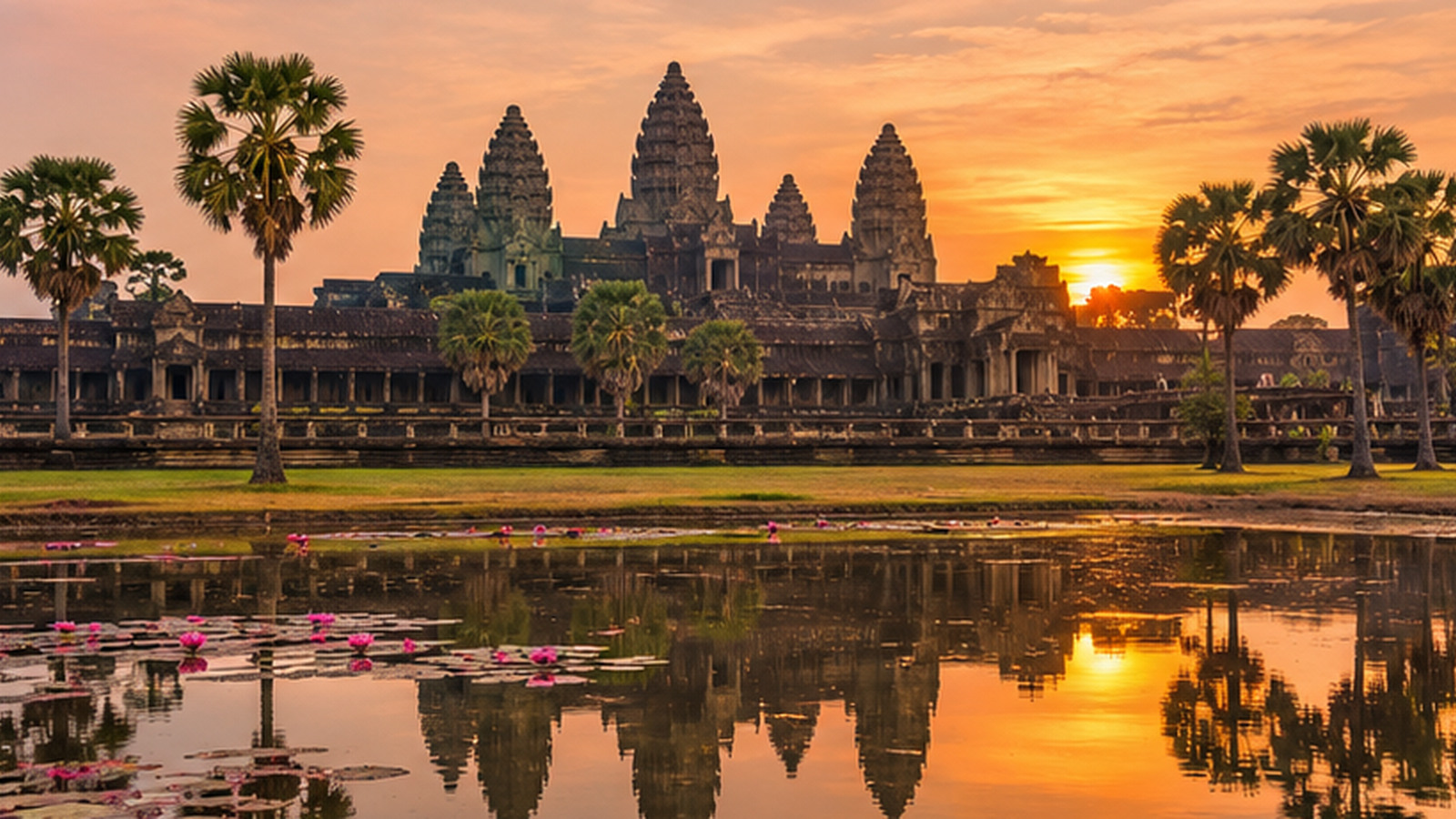
Cambodia is one of Southeast Asia’s most soulful and affordable destinations — home to the magnificent temples of Angkor, a riverside capital rich in history, laid-back island beaches and some of the friendliest people in the region. For Indian travellers it is easy and inexpensive, with a simple online e-visa and short connections from the big hubs.
The star is Angkor — the vast temple city near Siem Reap, where sunrise over Angkor Wat, the tree-strangled ruins of Ta Prohm and the giant stone faces of the Bayon leave a lasting impression. Beyond it, Phnom Penh offers the Royal Palace and moving reminders of the country’s past, while the south coast around Sihanoukville and the islands of Koh Rong promise white-sand beaches and clear water. It is a trip that moves and relaxes you in equal measure.
This guide is written for Indian travellers: the real cost in rupees, exactly how the e-visa works, where vegetarians and Jain travellers eat, how to see Angkor without exhaustion, and a route from temples to beaches.
Cambodia suits Indians who want culture, history and beaches on a budget — an easy e-visa, very low costs, the bucket-list temples of Angkor, warm people and widely spoken English in tourist areas. It works for couples, backpackers, families and history lovers, and pairs naturally with Thailand or Vietnam.
💡 From our visa desk: Give Angkor at least two days and start at sunrise — it is huge and the heat builds fast. A multi-day Angkor pass, a tuk-tuk driver and an early start make all the difference. Carry crisp US dollars: the US dollar is the everyday currency, with riel as small change. Pair Siem Reap with Phnom Penh, and add the south coast if you want beaches.
Tourist e-visa required for Indians — applied for online before travel (visa on arrival also available).
Indian passport holders need a tourist visa for Cambodia, most easily obtained as an e-visa on the official government portal before travel; a visa on arrival is also available at the main airports and some land borders. You need a passport valid six months, a passport photo and the visa fee. Apply only on the official site to avoid look-alike paid agents.
Check your Cambodia entry requirement →November to February is the best — cool, dry and ideal for the temples. March to May is very hot; the wet season (Jun–Oct) is green with afternoon showers. See the month table.
| Season | What it's like & who it suits |
|---|---|
| Nov–Feb | Peak season — cool, dry and comfortable for Angkor and the beaches. The best time; book ahead. |
| Mar–May | Very hot and humid; start temple visits at dawn and rest midday. |
| Jun–Oct | Wet season — lush, green and quieter, with short afternoon downpours and the jungle at its most photogenic. |
| Month | Weather & what’s on (incl. Indian holiday windows) |
|---|---|
| November–December | Peak season — cool, dry and clear, ideal for Angkor sunrises and the beaches. Festive and busy; book ahead. |
| January–February | Still cool and dry — excellent temple weather and pleasant on the coast; prime time. |
| March–May | Hot and humid, building to the year’s peak heat; visit temples at dawn, rest at midday, and expect fewer crowds and better deals. |
| June–August | Wet season begins — green landscapes and short, heavy afternoon showers; mornings are often fine for sightseeing. |
| September–October | Wettest months but lush and quiet, with dramatic skies; the moats around Angkor fill beautifully. Lower prices. |
The gateway to Angkor — temples by day, Pub Street and night markets by evening.
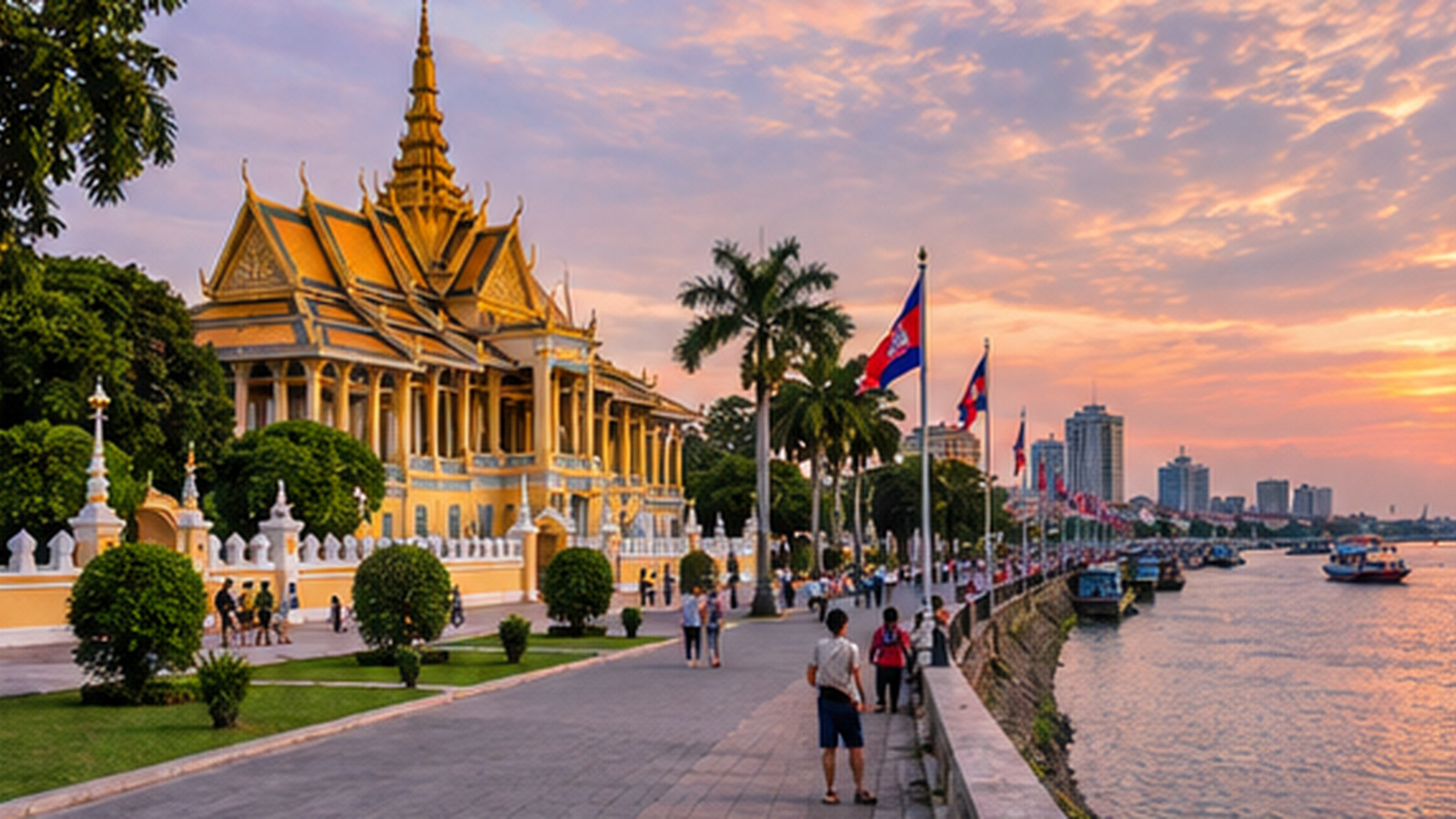
The riverside capital — the Royal Palace, Silver Pagoda and poignant history museums.
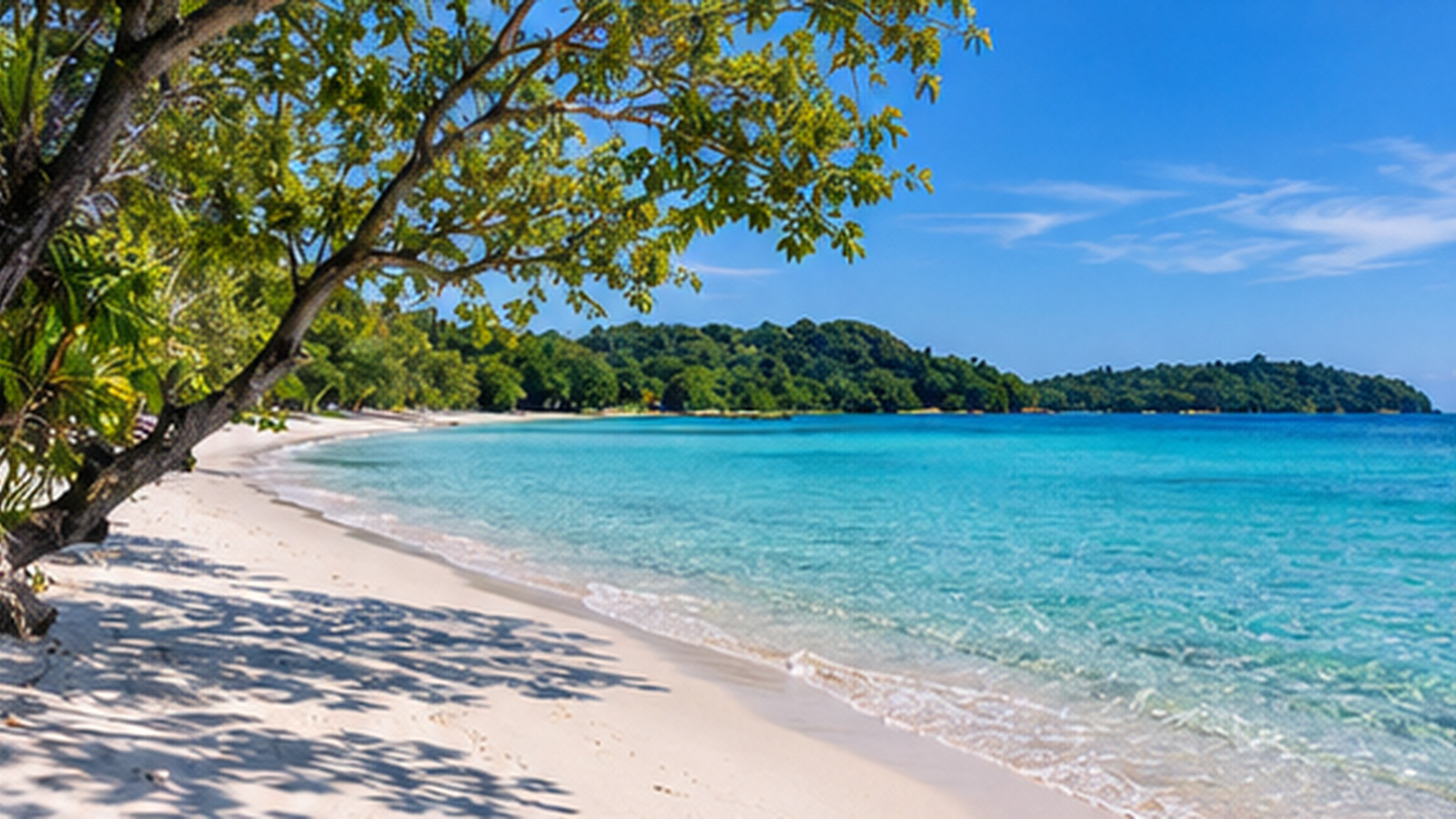
The south-coast beach hub and ferries to Koh Rong’s white-sand islands.
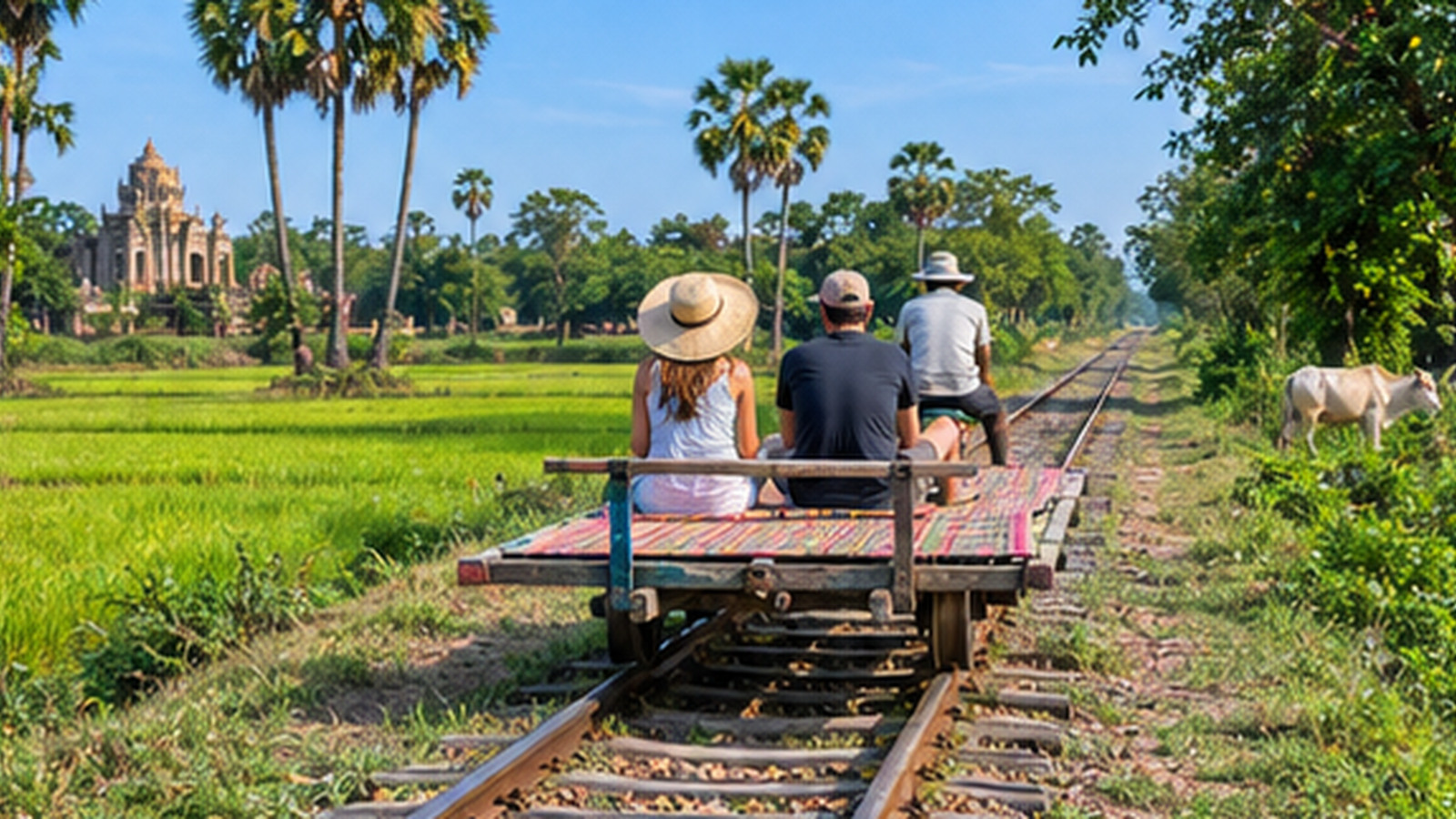
A charming, low-key town with colonial architecture and the quirky bamboo train.
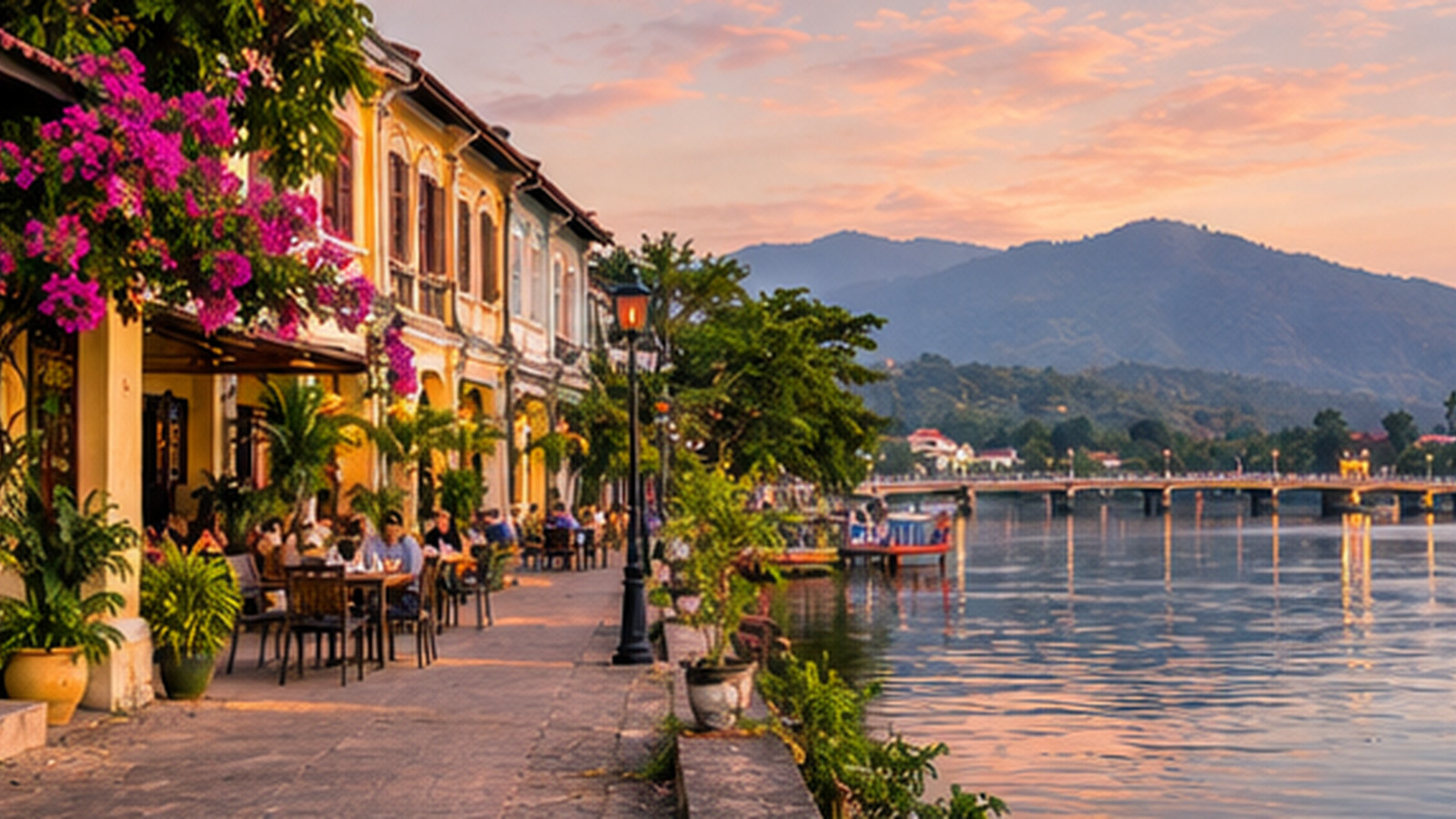
Sleepy riverside and seaside towns known for pepper farms and crab markets.
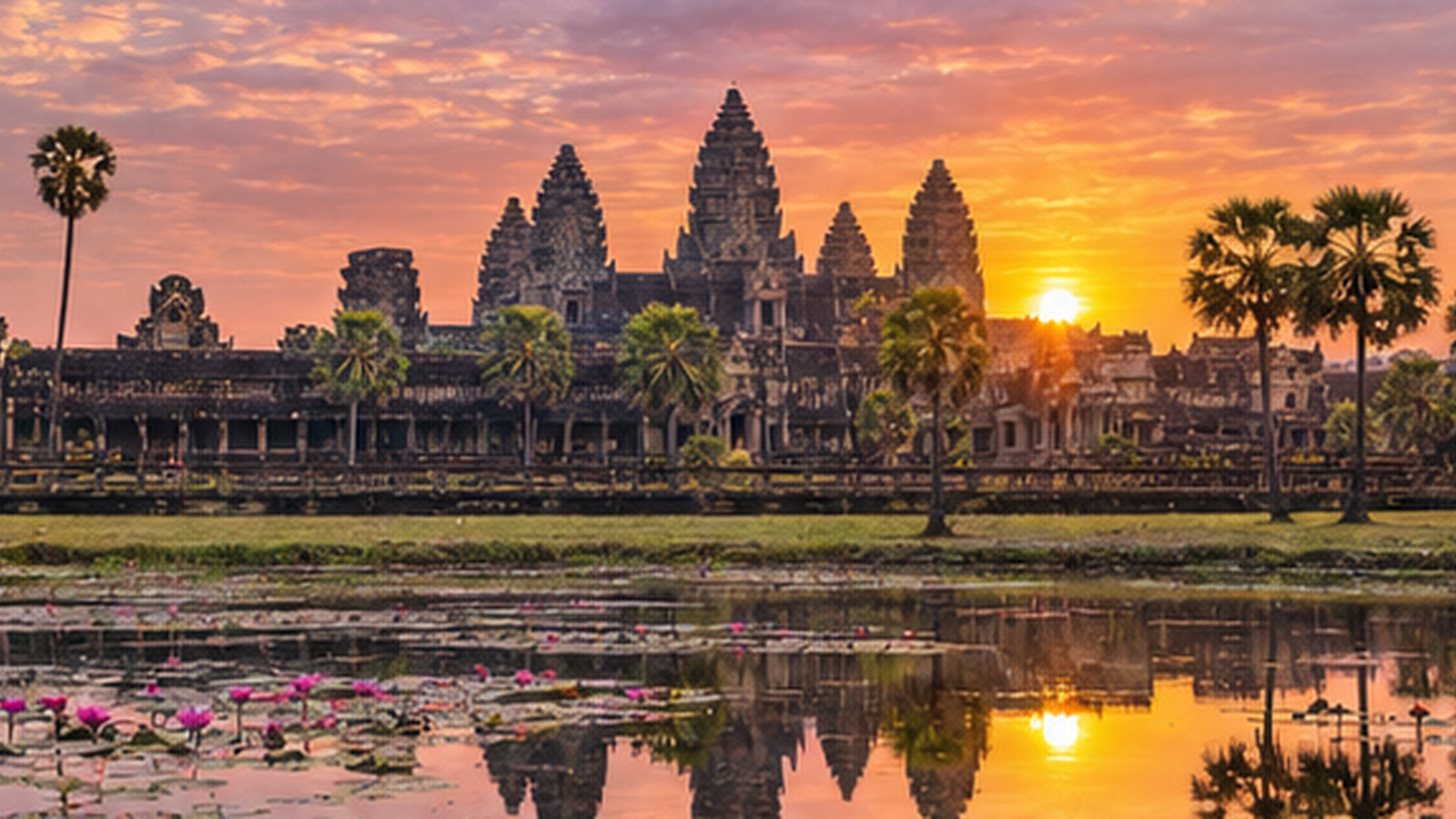
The world’s largest religious monument and Cambodia’s soul, breathtaking at sunrise.
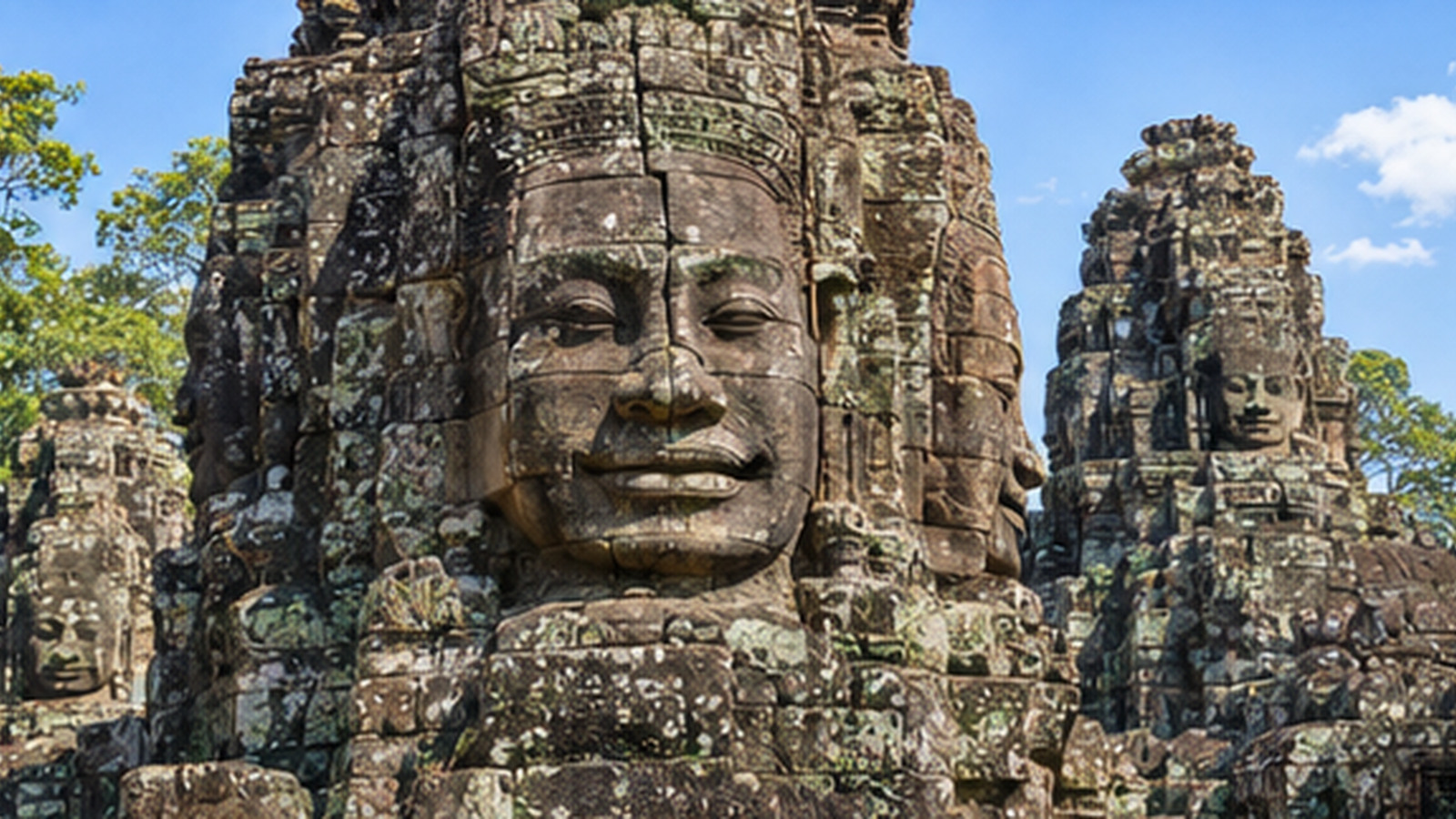
The giant serene stone faces of the Bayon within the walled city of Angkor Thom.
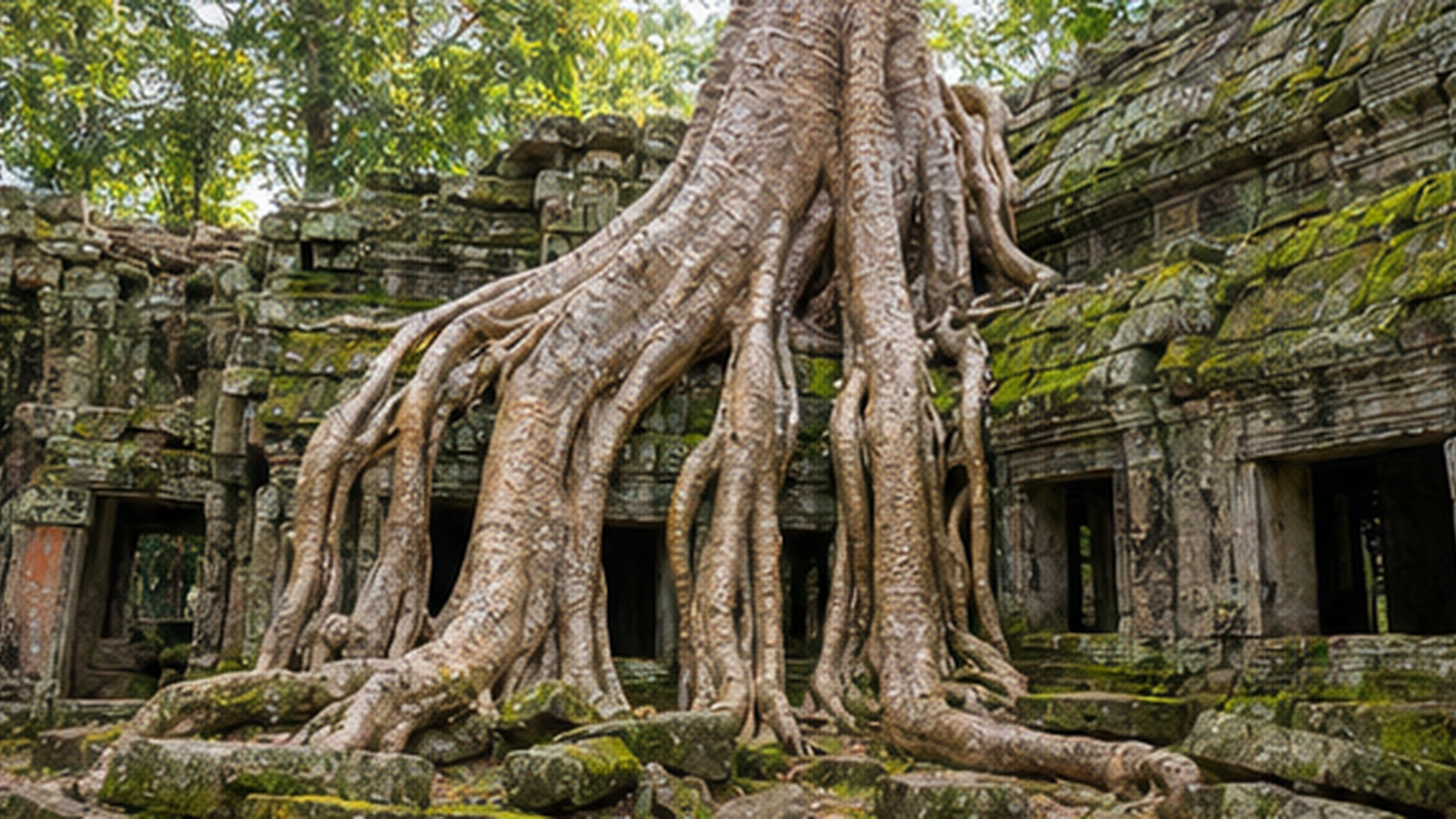
The atmospheric “jungle temple” wrapped in giant tree roots, made famous by film.
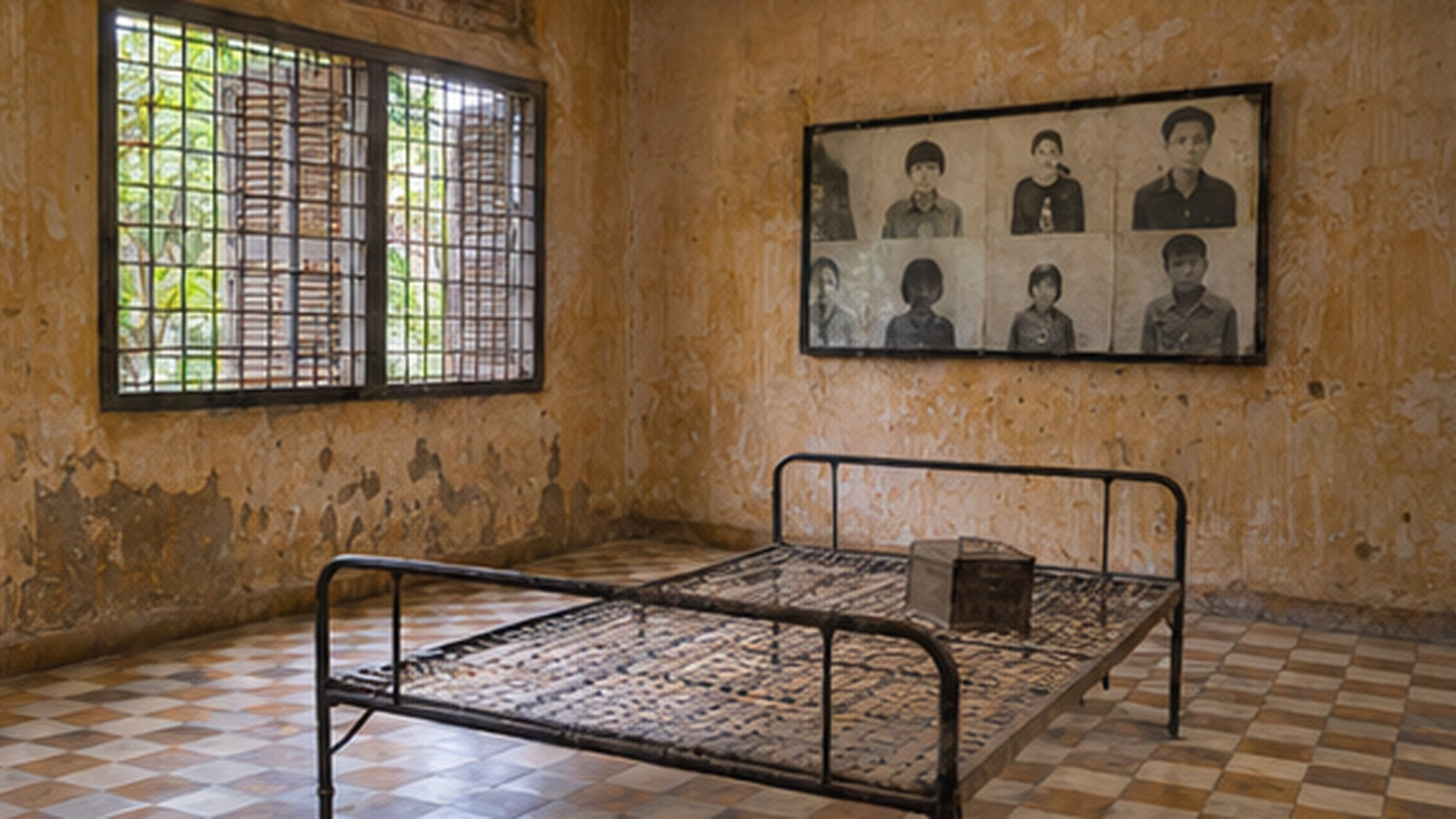
The elegant royal complex on the riverfront.
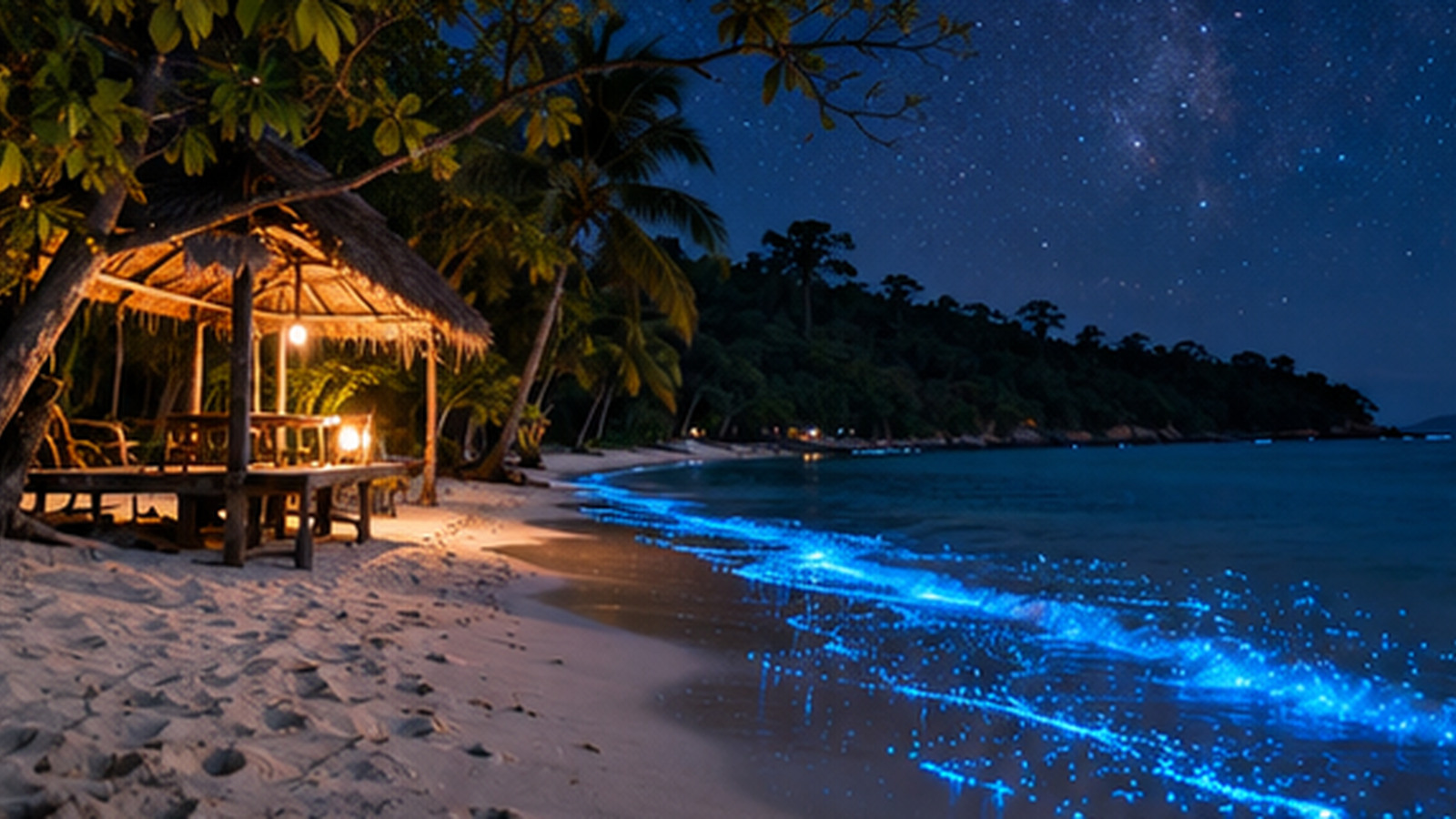
White-sand islands with turquoise water, perfect for a beach wind-down.
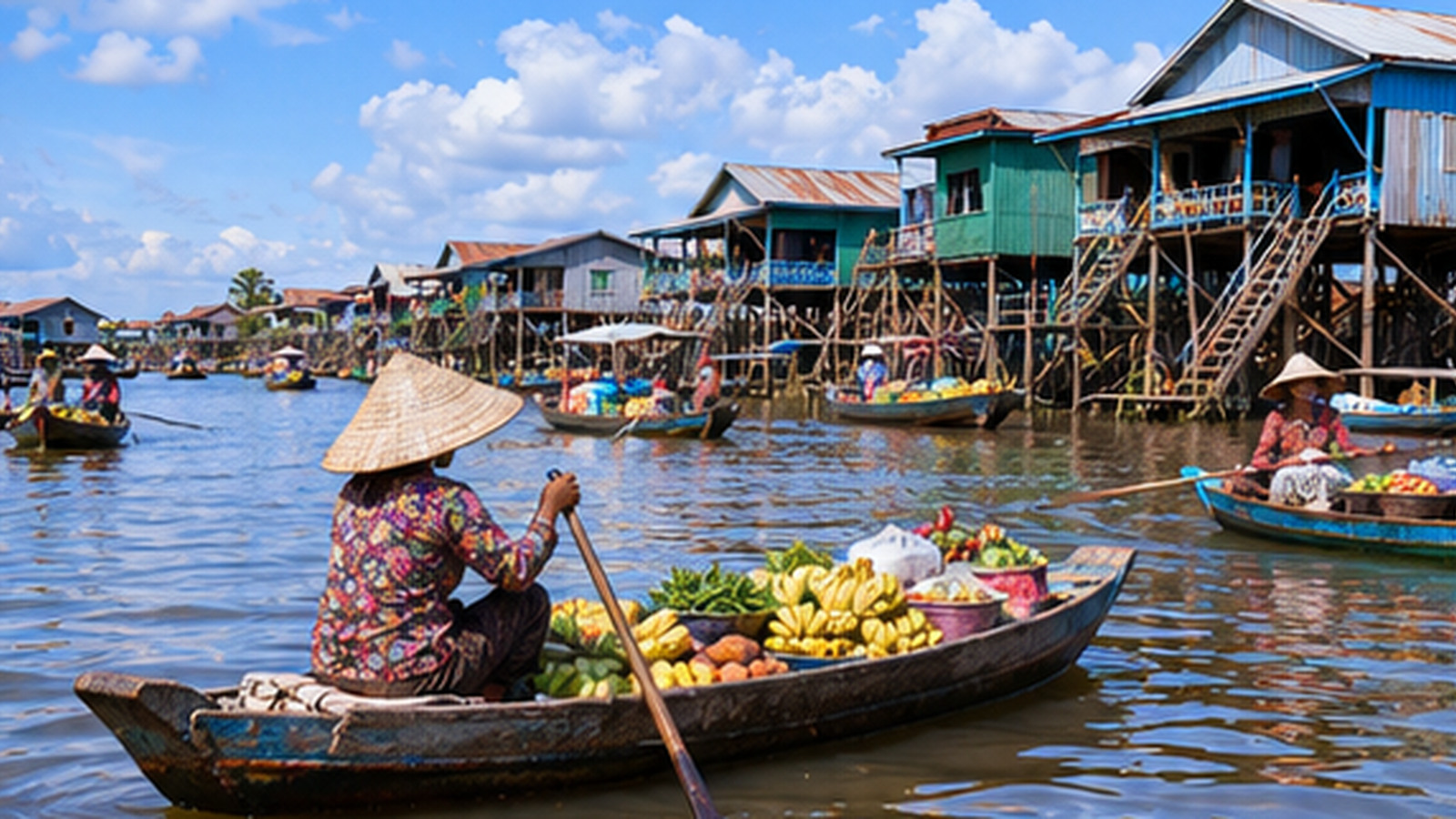
Stilt-house and floating communities on Southeast Asia’s largest lake near Siem Reap.
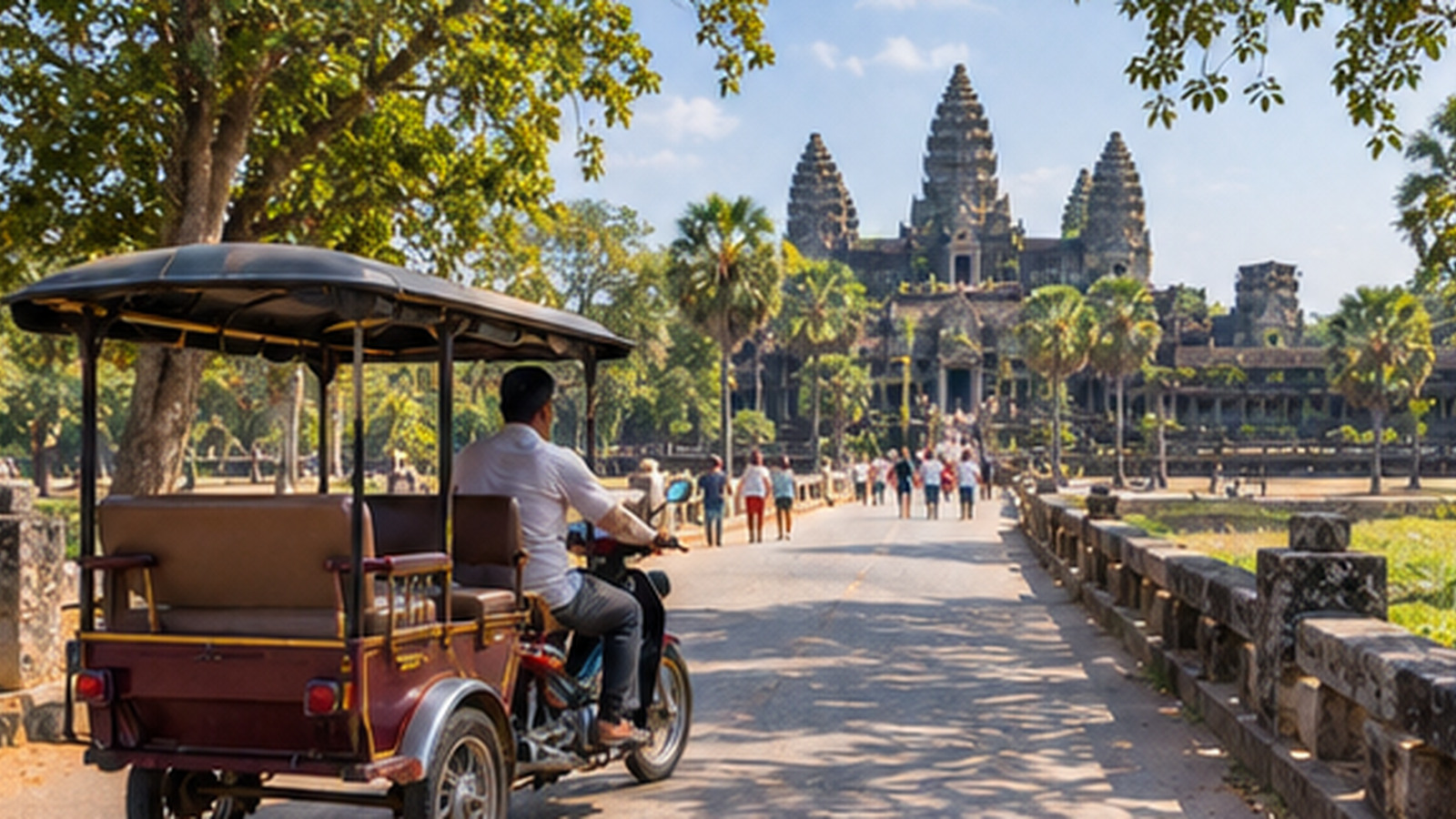
Angkor Wat, Bayon, Ta Prohm and dozens more over a multi-day pass.
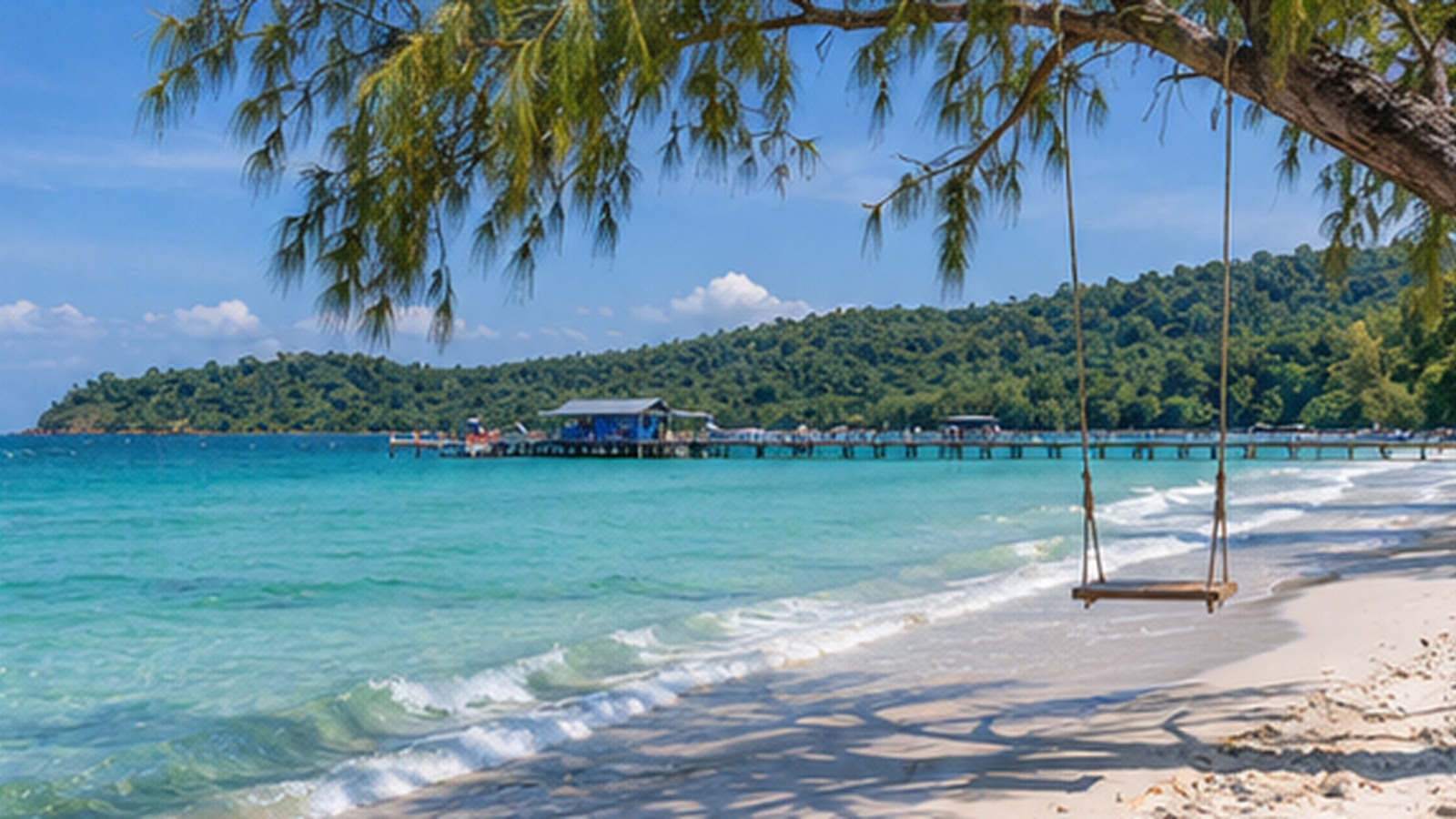
Phnom Penh’s Royal Palace and the country’s moving modern history.
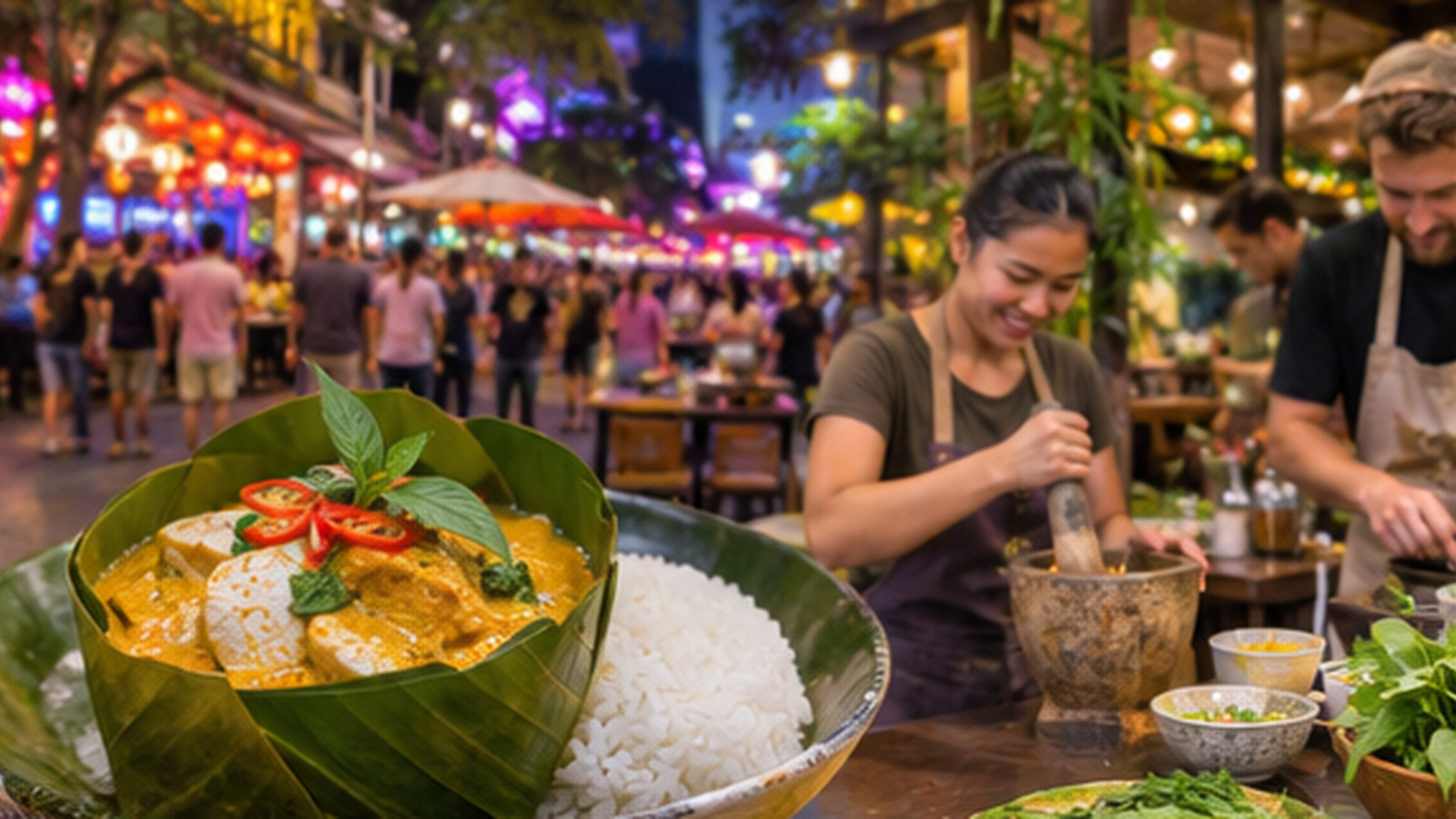
Koh Rong and the south coast for sand and snorkelling.
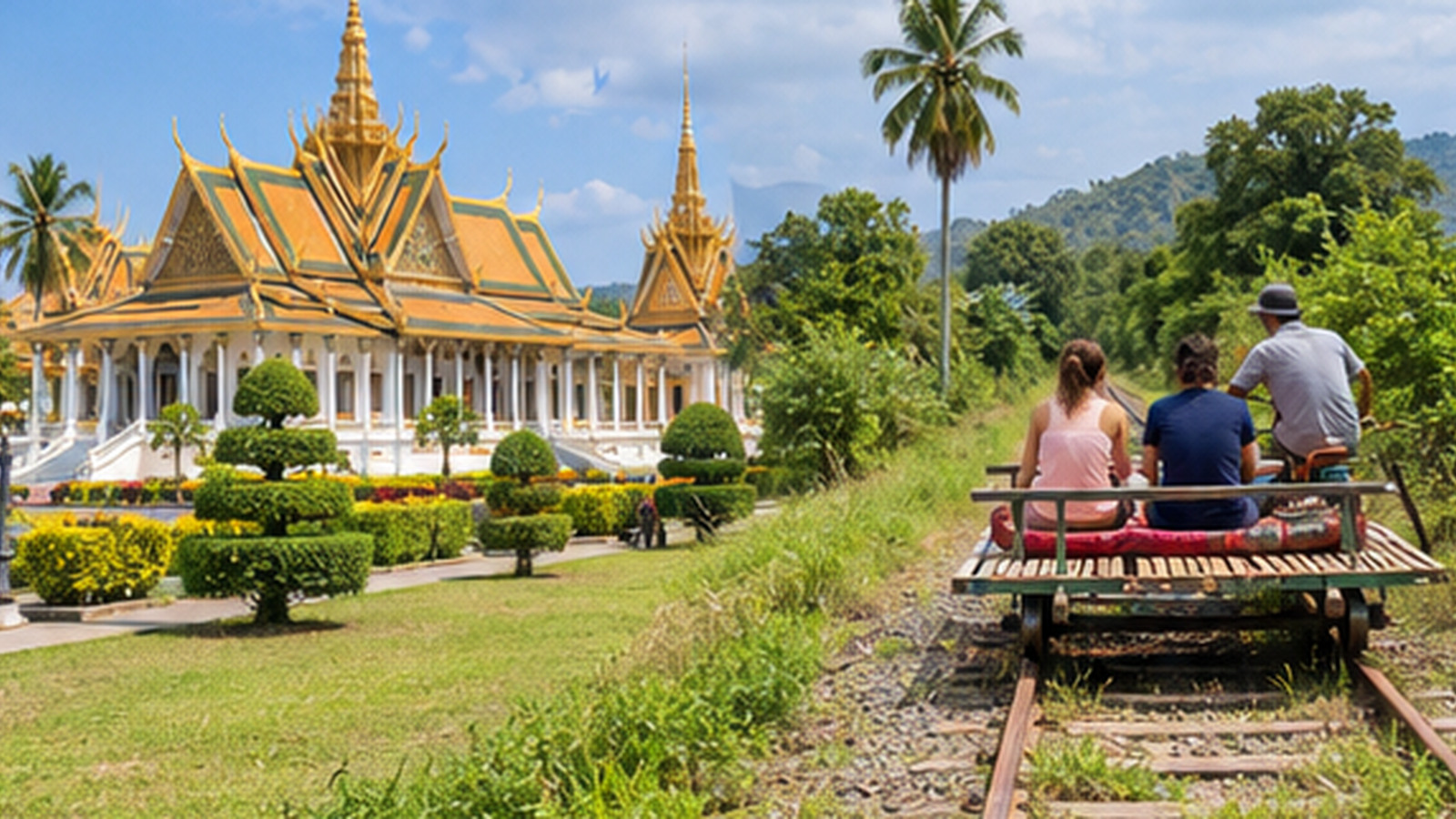
Night markets, Pub Street and Khmer cuisine.
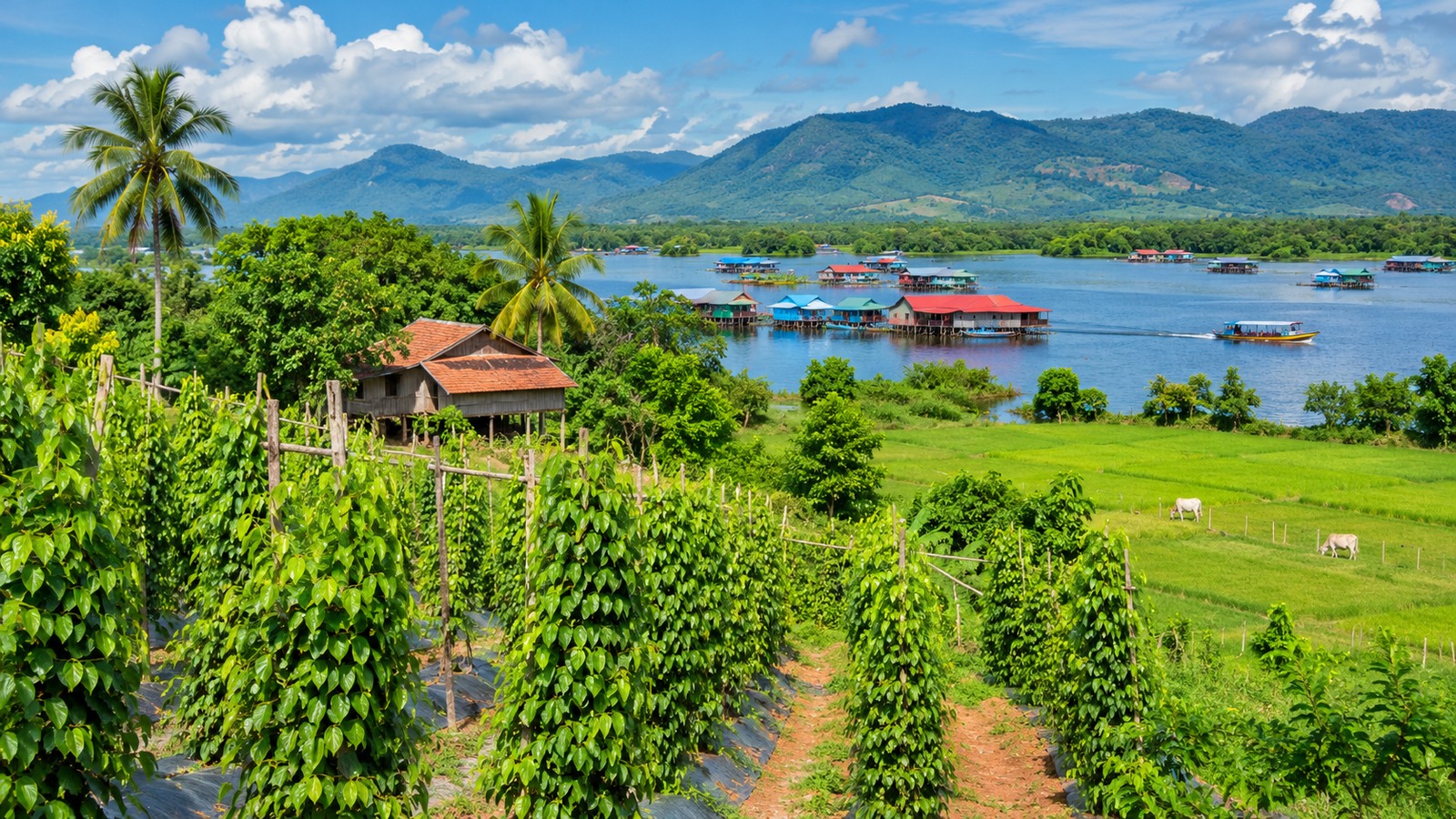
The Tonle Sap lake, Kampot pepper farms and the countryside.
Book tours & activities through our travel partners — see options. Bluebird Next may earn a commission from partner bookings at no extra cost to you (Affiliate Disclosure).
Cambodia is very affordable — cheap food, guesthouses and tuk-tuks — with the Angkor pass and flights the main costs. Indicative per-person figures for a 5–6 day trip in 2026 (prices checked Nov 2026).
| Item | Typical cost (per person) |
|---|---|
| Return flights (ex-India, 1-stop) | ₹22,000 – ₹42,000 |
| E-visa (fee + processing) | ₹3,000 – ₹3,500 |
| Angkor pass (multi-day) | ₹3,000 – ₹5,500 |
| Hotels (3★, per night, twin) | ₹2,000 – ₹5,000 |
| Tuk-tuk + guide (per day) | ₹1,500 – ₹3,000 |
| Food & local transport | ₹1,000 – ₹2,000 / day |
| From | Typical return airfare |
|---|---|
| Delhi | ₹24,000 – ₹42,000 (1-stop, ~7 hrs) |
| Mumbai | ₹24,000 – ₹42,000 (1-stop) |
| Bengaluru | ₹22,000 – ₹40,000 (1-stop) |
| Kolkata | ₹22,000 – ₹38,000 (1-stop via Bangkok) |
| Chennai | ₹23,000 – ₹40,000 (1-stop) |
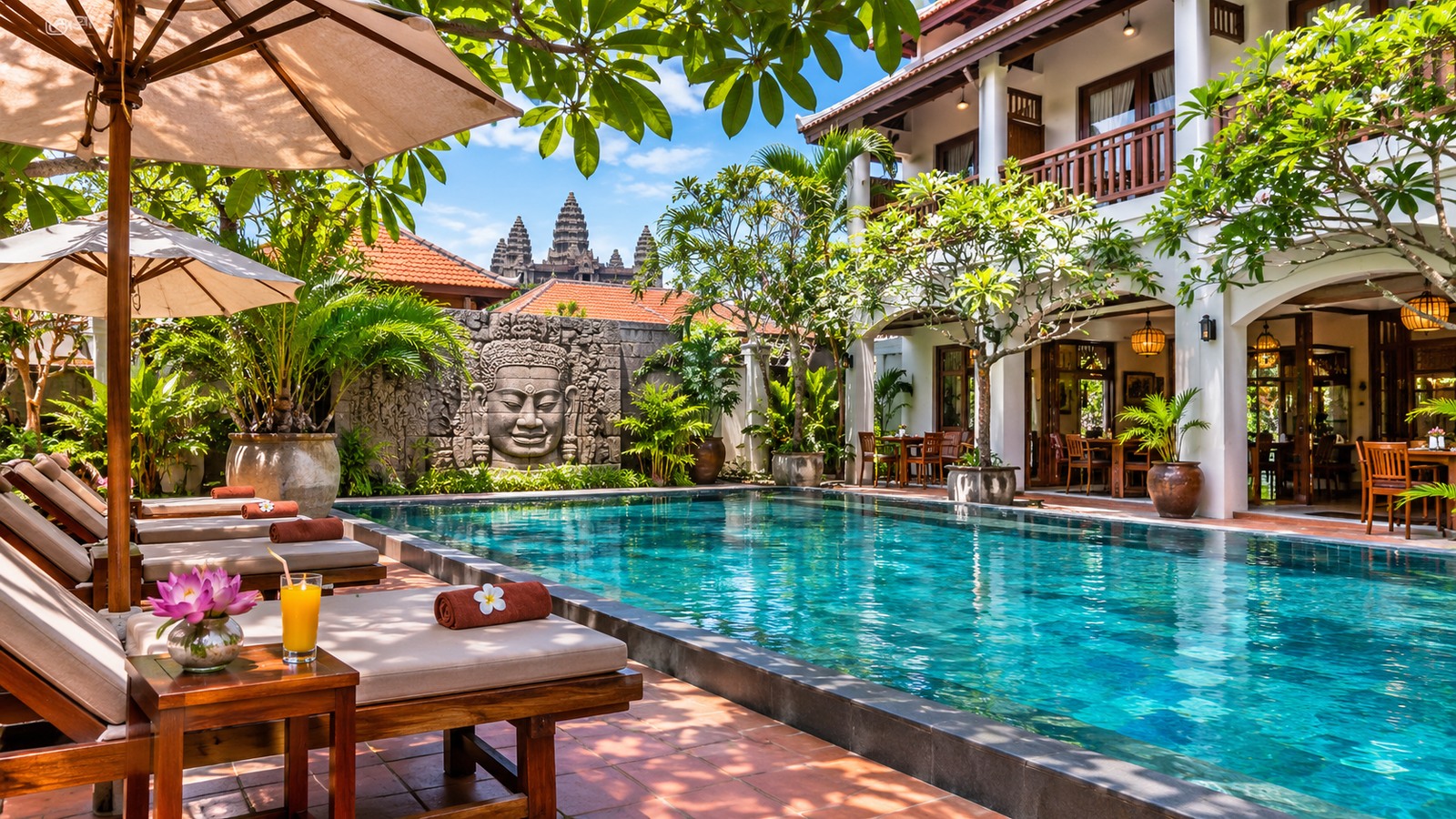
Central for Angkor tours, dining and nightlife; great value.
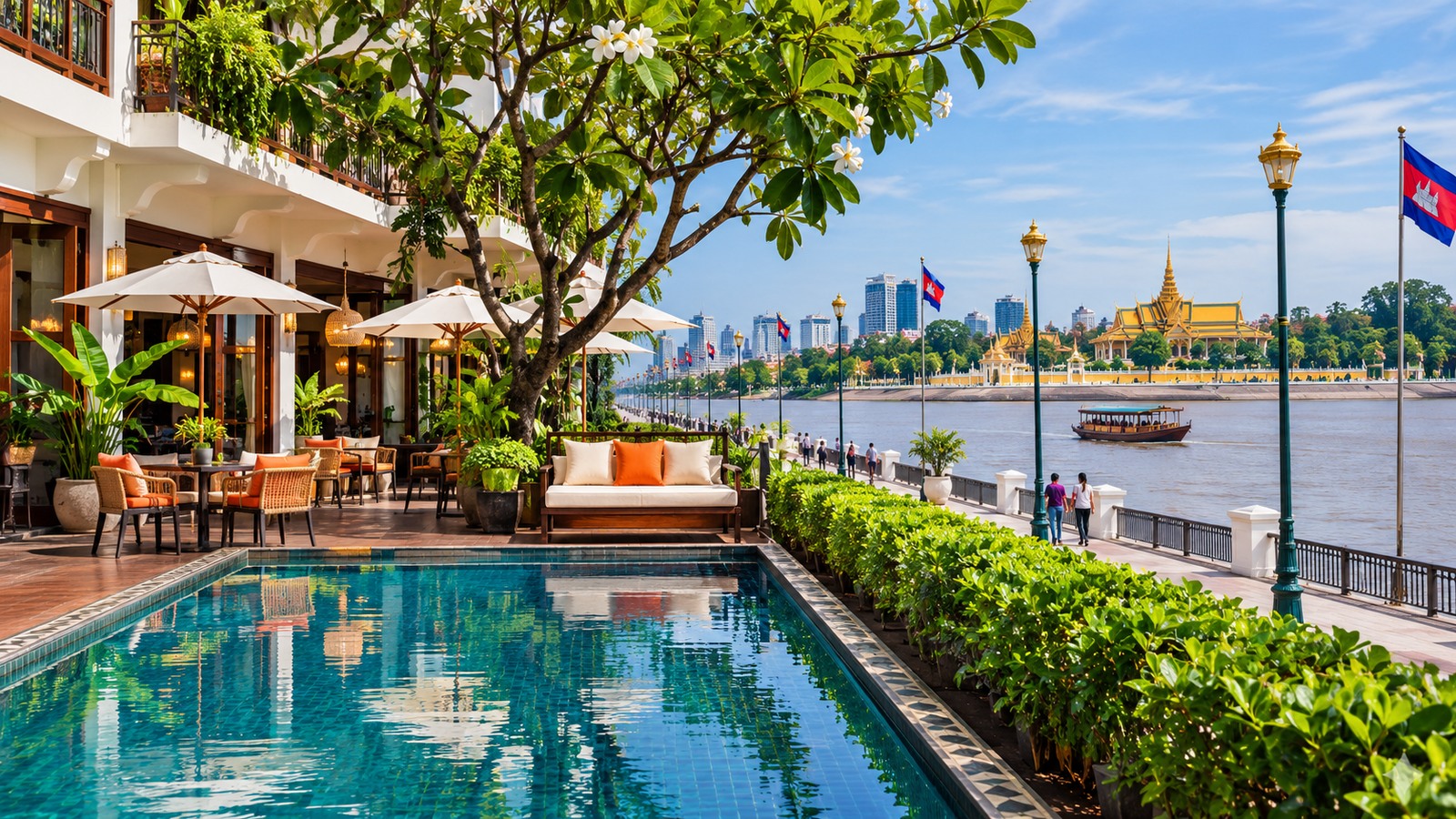
Near the palace, museums and restaurants.
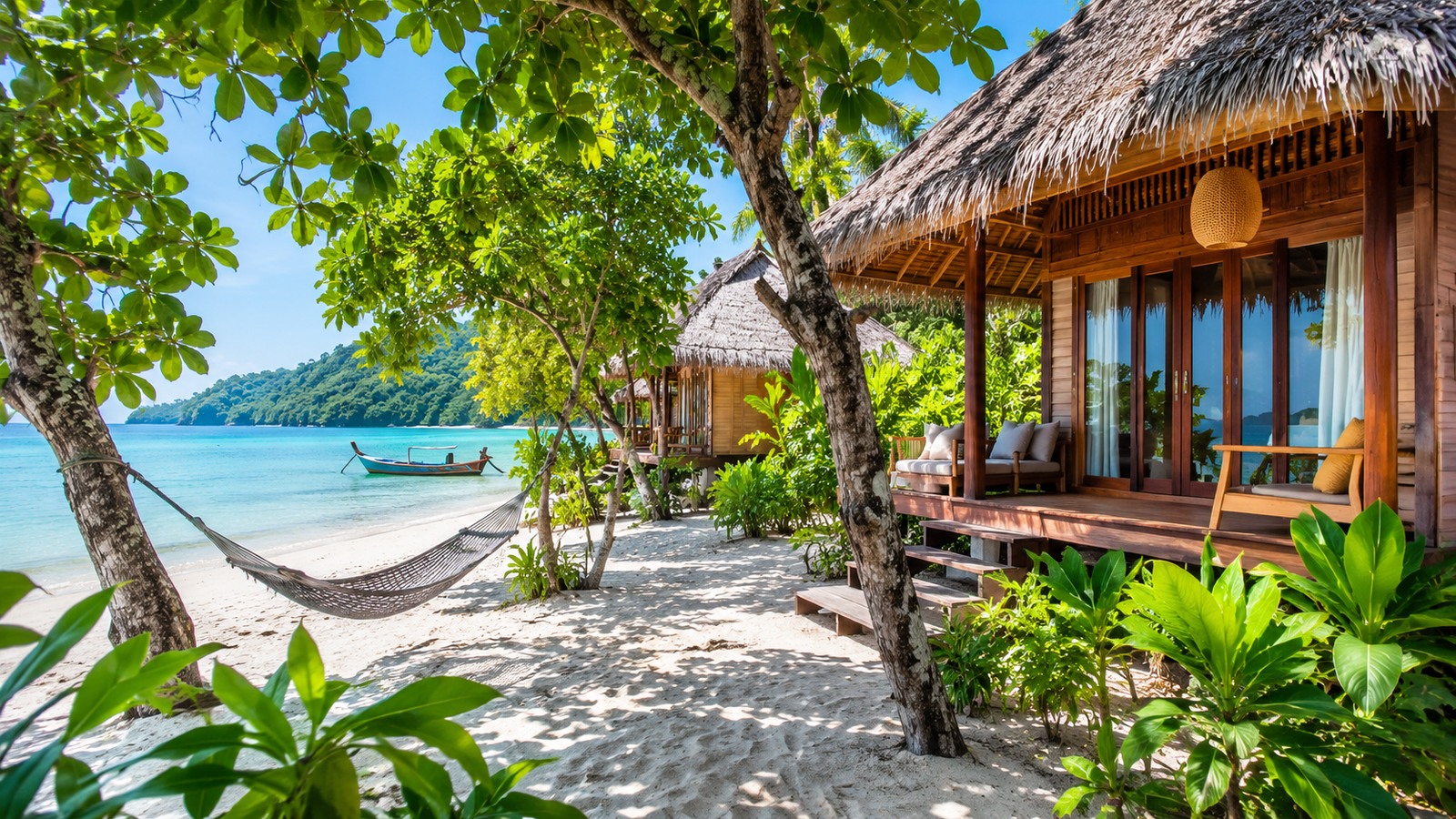
Beach bungalows for an island wind-down.
Khmer food is mild, fragrant and rice-based — fish amok, lok lak, noodle soups and tropical fruit — with plenty of international and Indian options in tourist areas.
Vegetarians can eat well with veg amok, stir-fries, noodle and rice dishes and fruit; tourist restaurants in Siem Reap and Phnom Penh cater to veg and vegan diets. Jain travellers should pick Indian restaurants and specify no onion/garlic, as fish sauce and alliums are common in Khmer food.
Indian restaurants are common in Siem Reap and Phnom Penh, with North- and South-Indian veg and Jain-friendly options — handy for specific diets and familiar comfort food.
Apply for the tourist e-visa on the official government portal before travel (single entry, 30-day stay); a visa on arrival is also available at major airports. Use only the official site to avoid overpriced look-alike agents. Carry a passport valid 6+ months and a photo.
The US dollar is the everyday currency; carry crisp, undamaged small-denomination USD notes. Riel is used for small change. Cards work in hotels and bigger restaurants; UPI is not accepted; ATMs dispense USD. Keep small notes for tuk-tuks and markets.
Buy a multi-day Angkor pass and hire a tuk-tuk driver (and optionally a guide). Start at sunrise, carry water, dress modestly (knees and shoulders covered for temples), and pace yourself in the heat.
Tuk-tuks and the PassApp/Grab apps cover the towns; cheap domestic flights and buses link Siem Reap, Phnom Penh and the coast; ferries reach the islands from Sihanoukville.
Buy a cheap Cellcard/Smart SIM on arrival or use an eSIM. Cambodia uses 230V with Type A/C/G sockets — a universal adapter covers all; carry a power bank for long temple days.
The easiest way around towns and Angkor; use PassApp/Grab or hire a driver for the day.
Cheap domestic flights and comfortable buses link Siem Reap, Phnom Penh and the coast.
Fast ferries run from Sihanoukville to Koh Rong and Koh Rong Sanloem.
Cambodia is friendly and generally safe for tourists, including families and solo women travellers. Watch for petty theft and bag-snatching in Phnom Penh, avoid unofficial money-changers, be cautious with tuk-tuks late at night, and carry travel insurance for medical care and island/boat activities.
❌ Myth: Cambodia is only Angkor Wat.
✅ Fact: Angkor is the star, but Phnom Penh’s history, the south-coast islands, Battambang and Kampot make a varied, soulful trip.
❌ Myth: The visa is complicated.
✅ Fact: The official e-visa is applied for online in minutes and emailed in a few days; a visa on arrival is also available.
❌ Myth: One day is enough for Angkor.
✅ Fact: Angkor is vast — give it at least two days with a multi-day pass and an early start to truly enjoy it.
❌ Myth: Vegetarians can’t eat Khmer food.
✅ Fact: Veg amok, stir-fries and plentiful Indian restaurants make it easy; just specify no fish sauce, onion or garlic for Jain diets.
❌ Myth: You need local currency in advance.
✅ Fact: The US dollar is used everywhere — carry crisp small notes; riel is just small change.
Yes — Indians need a tourist visa, most easily the official e-visa (single entry, 30-day stay) applied for online before travel; a visa on arrival is also available at major airports. Carry a passport valid 6+ months, a photo and the fee, and use only the official government site.
Apply on the official government e-visa portal, upload a passport photo and pay online; approval usually arrives by email within a few days. Avoid look-alike paid agents charging extra.
A 5–6 day trip is roughly ₹45,000–₹85,000 per person including flights, and about ₹90,000–₹1,55,000 for a couple. Food, hotels and tuk-tuks are cheap; flights and the Angkor pass are the main costs.
There are no direct flights; expect 5–7 hours total with one stop via Bangkok, Singapore or Kuala Lumpur to Siem Reap or Phnom Penh.
Five days cover Angkor and Phnom Penh; seven days let you add the south-coast islands. Give Angkor at least two days with a multi-day pass.
November to February is best — cool and dry for the temples and beaches. March to May is very hot; the June–October wet season is green, quiet and good value with short afternoon showers.
Yes — veg amok, stir-fries and rice dishes plus many Indian restaurants in Siem Reap and Phnom Penh make it easy. Jains should specify no fish sauce, onion or garlic.
The US dollar is the everyday currency — carry crisp, small-denomination USD notes; riel is used for small change. Cards work in hotels; UPI is not accepted, and ATMs dispense USD.
Buy a multi-day Angkor pass and hire a tuk-tuk driver (and optionally a guide). Start at sunrise over Angkor Wat, carry water, dress modestly and pace yourself through the heat.
Yes — it is friendly and generally safe. Watch for petty theft and bag-snatching in Phnom Penh, avoid unofficial money-changers, take care with late-night tuk-tuks, and carry travel insurance.
Recommended — it covers medical care, island and boat activities, and trip delays, for a small cost on a short trip.
Yes — many Indians pair Cambodia with Thailand (a short hop or overland border) or Vietnam for a two-country trip. Siem Reap is well connected to Bangkok, so an Angkor add-on to a Thailand holiday is very popular; just check each country’s own entry rules.
Sources: Tourism of Cambodia (official) · Cambodia e-Visa (official portal)
A licensed team that has guided thousands of Indians to their visas and admissions.
 Jitender SinghFounder & Managing Director
 Vikram SinghHead – Quality & Operations
 SanjayHead – Tourist Visa Operations
 TejaswaniHead – Counselling Team
 MahimaHead – Visa Filing & Processing
 Pratigya DuttaHead – Student Visa Processing
Free, no-pressure guidance from a real counsellor who handles your case end to end — from documents to decision.