
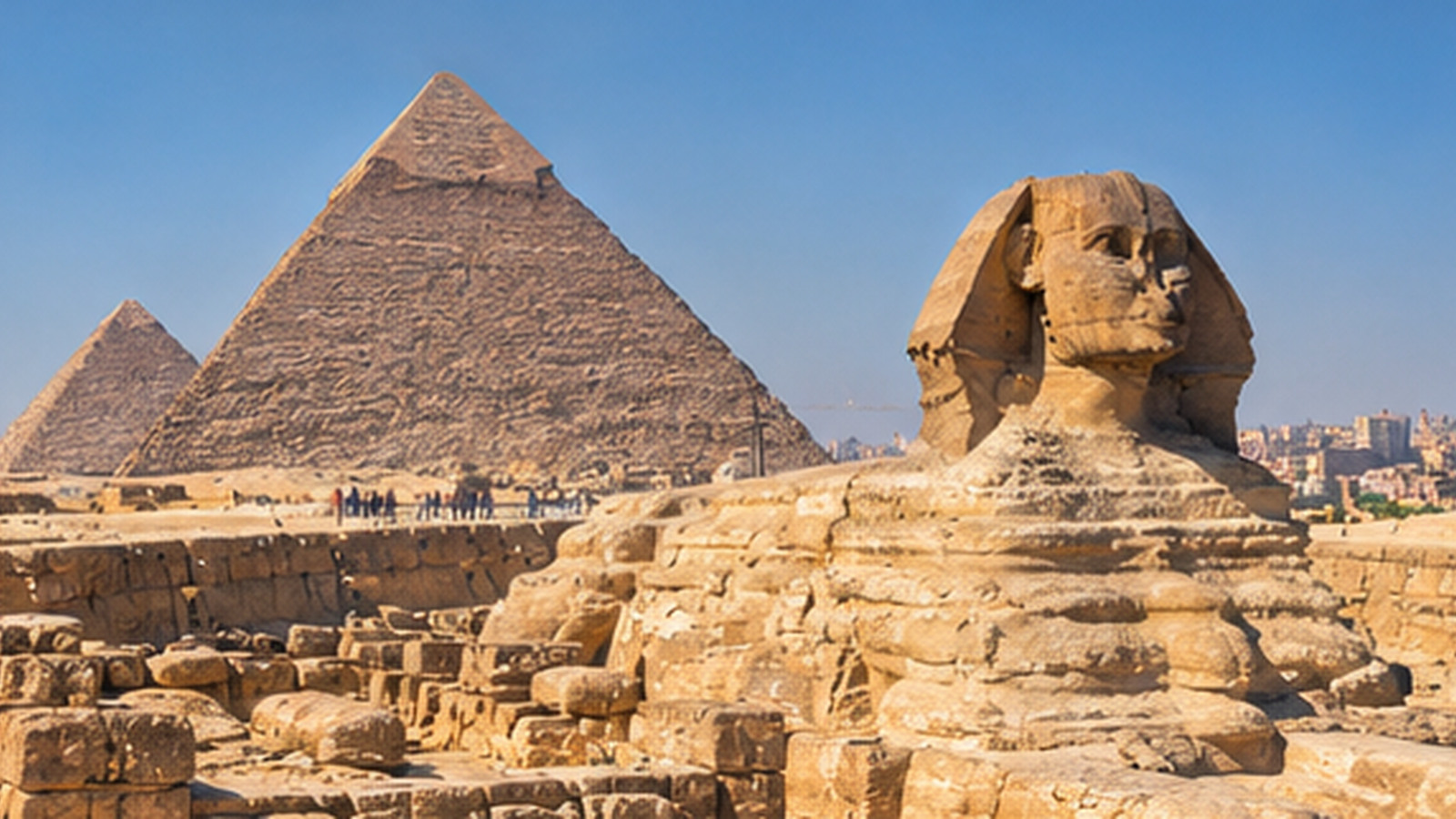
The Pyramids, the Sphinx, the Grand Egyptian Museum and medieval Islamic Cairo’s bazaars.
The Pyramids, a Nile cruise past ancient temples, Red Sea reefs and the treasures of Tutankhamun — Egypt is a bucket-list journey through 5,000 years of history.
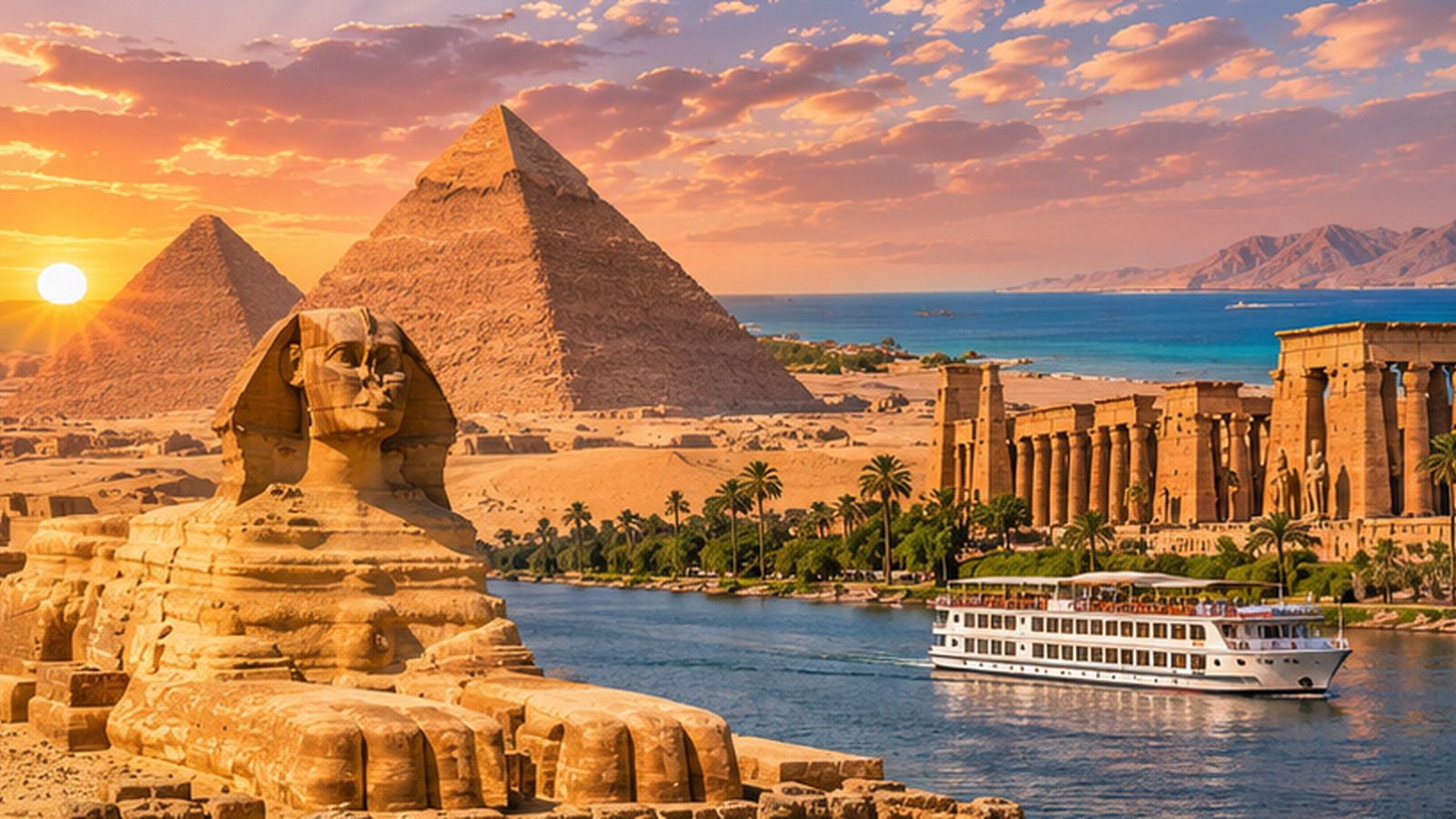
Egypt is one of the world’s great bucket-list journeys — a land where the last surviving Wonder of the Ancient World still rises from the desert, a timeless river flows past 3,000-year-old temples, and the golden treasures of the pharaohs fill grand museums. For Indian travellers it is a surprisingly easy and affordable adventure, with a simple e-visa and direct or one-stop flights.
Stand before the Pyramids of Giza and the Sphinx, explore the vast new Grand Egyptian Museum, then sail the Nile on a cruise between Luxor and Aswan, where the Valley of the Kings, Karnak Temple and Abu Simbel await. Dive or snorkel the technicolour reefs of the Red Sea at Hurghada, wander medieval Islamic Cairo’s bazaars, and feel history at every turn. It is awe-inspiring, good value and endlessly photogenic.
This guide is written for Indian travellers: the real cost in rupees, exactly how the e-visa works, where vegetarians and Jain travellers eat, how to plan the perfect Nile cruise, and a route from the Pyramids to the Red Sea.
Egypt appeals to Indians for its unbeatable history, strong value for money, warm hospitality and an easy e-visa. Direct and one-stop flights, familiar-feeling food, plenty of vegetarian options and the romance of a Nile cruise make it ideal for history lovers, couples, families and groups seeking a grand yet affordable holiday.
💡 From our visa desk: The classic trip is Cairo (Pyramids + museum) plus a Nile cruise between Luxor and Aswan — book the cruise to cover the temples efficiently. Add the Red Sea if you want beach and diving. A guide greatly enriches the ancient sites. Visit October to April to avoid the fierce summer heat, and carry cash for tips (baksheesh), which are part of the culture.
Tourist e-visa required for Indians — applied for online before travel (the official e-visa is the route to use).
Indian passport holders need a tourist visa for Egypt, most easily obtained as an e-visa on the official government portal before travel. The official e-visa costs US$30 for a single entry and US$65 for multiple entries. The single-entry tourist visa typically allows a 30-day stay. Carry a passport valid six months, a return ticket and proof of funds and hotel bookings.
Full Egypt tourist visa requirements & documents →October to April is the best — warm, pleasant days ideal for the Pyramids, Nile cruises and sightseeing. Summer (Jun–Aug) is intensely hot, especially in Luxor and Aswan. See the month table.
| Season | What it's like & who it suits |
|---|---|
| Oct–Apr | The best season — comfortable days for sightseeing and cruises; peak around Dec–Jan. |
| May & Sep (shoulder) | Hot but manageable with early starts; fewer crowds and better value. |
| Jun–Aug | Very hot, especially in Upper Egypt (Luxor/Aswan); the Red Sea stays popular for the water. |
| Month | Weather & what’s on (incl. Indian holiday windows) |
|---|---|
| October–November | Warm, clear and ideal — comfortable for the Pyramids, a Nile cruise and Luxor’s temples. One of the best windows before the winter peak. |
| December–January | Peak season — pleasant, mild days (chilly evenings and desert nights), busiest at the big sites; book cruises and hotels ahead. |
| February–April | Warm and excellent for sightseeing; spring can bring occasional dusty khamsin winds. Great all-round travel. |
| May | Hot, especially in Upper Egypt; start early and rest midday. Quieter and better value. |
| June–September | Intense summer heat inland (Luxor/Aswan can top 40°C); the Red Sea resorts stay busy for diving and beaches. |
The Pyramids, the Sphinx, the Grand Egyptian Museum and medieval Islamic Cairo’s bazaars.
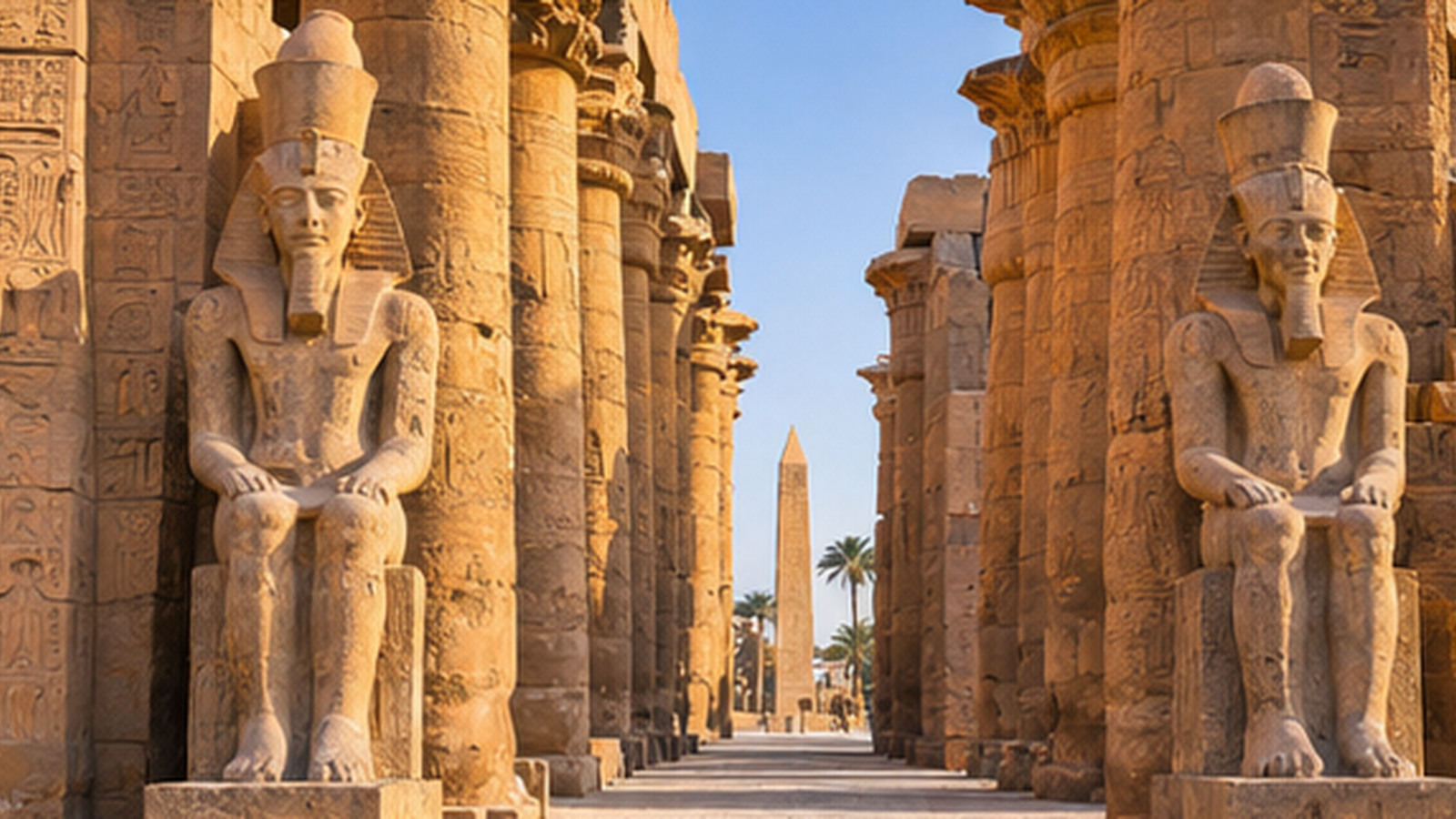
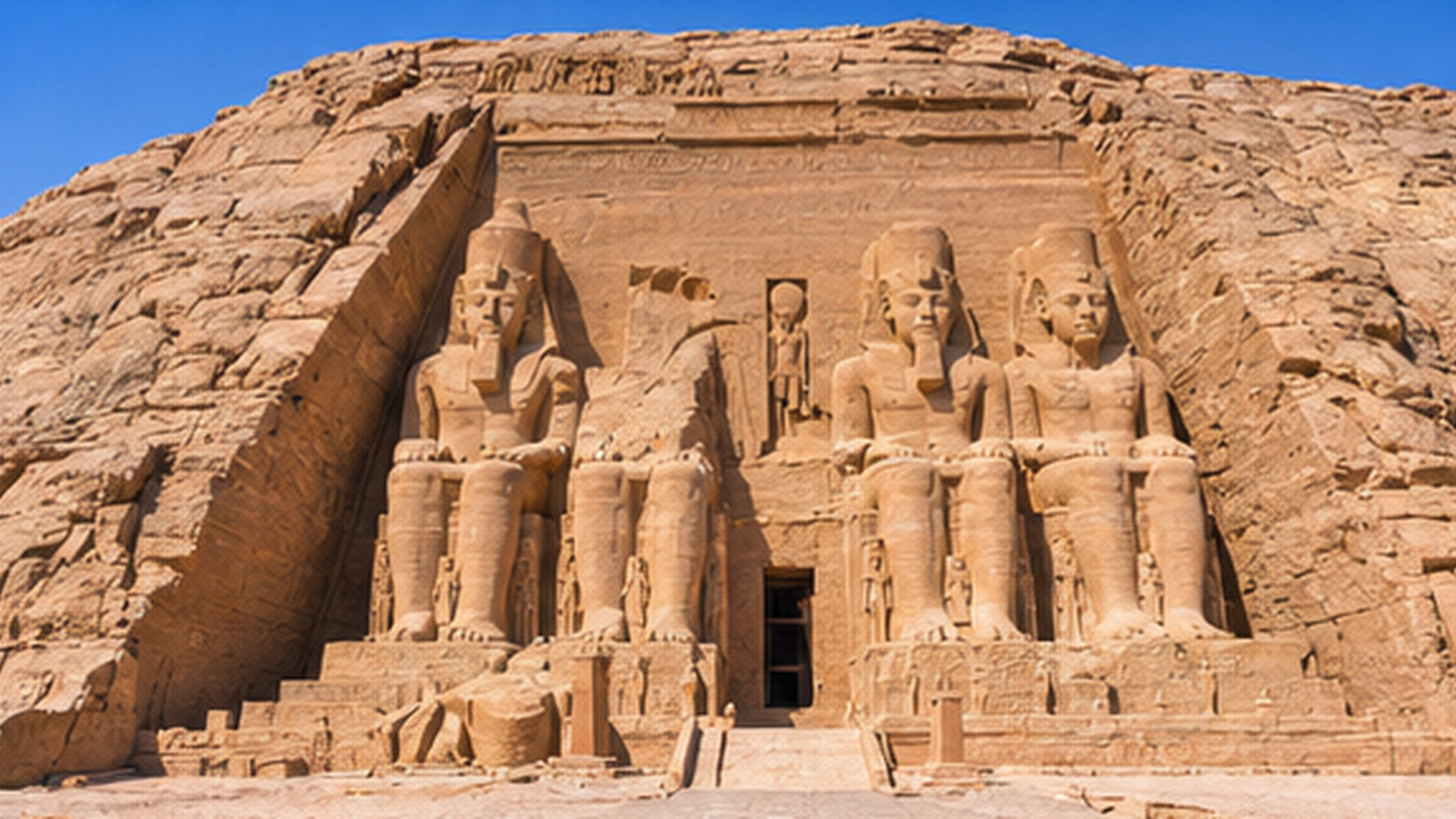
The “world’s greatest open-air museum” — Karnak, the Valley of the Kings and Hatshepsut’s temple.
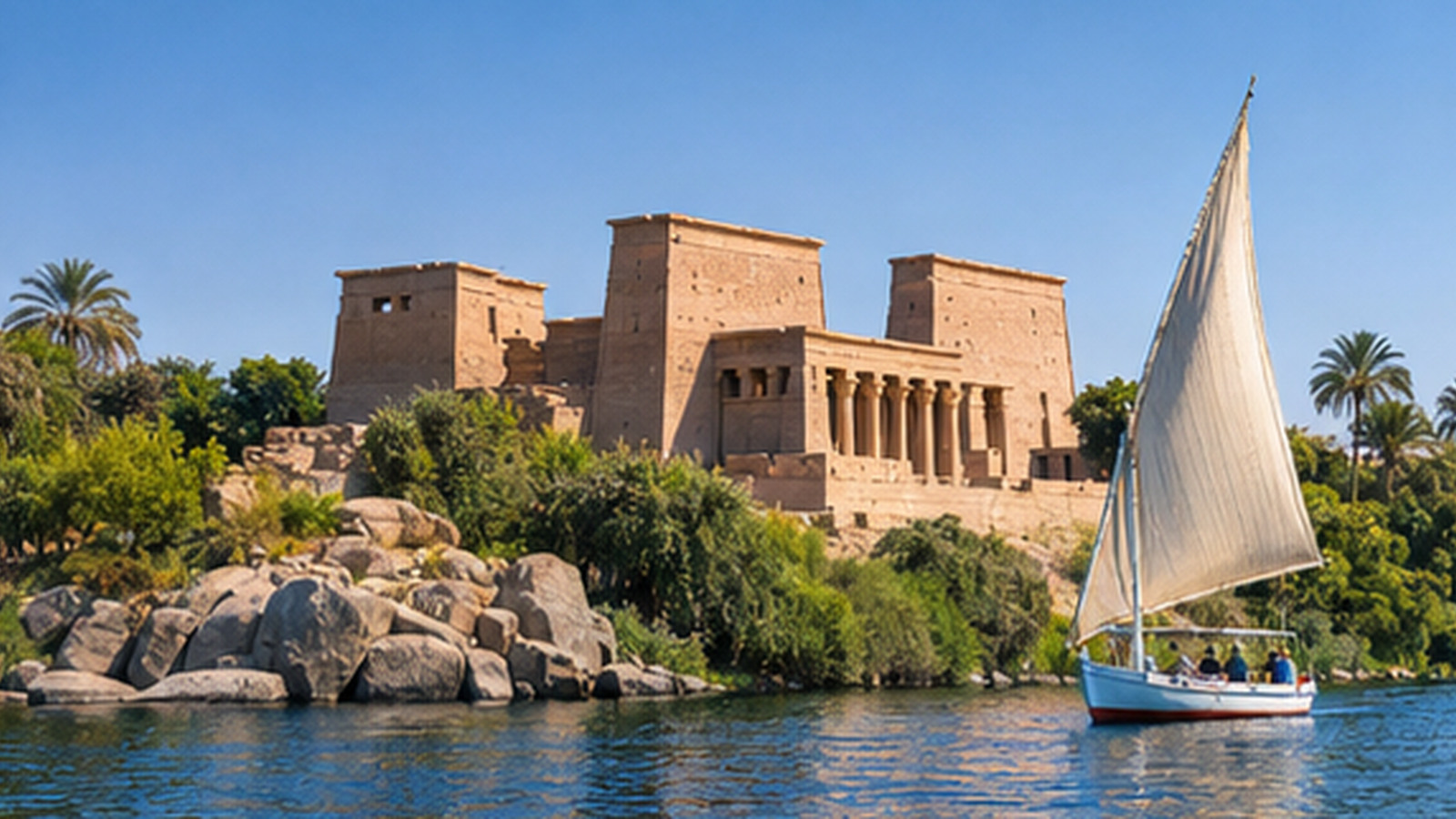
A serene Nile town with Philae Temple, Nubian villages and the gateway to Abu Simbel.
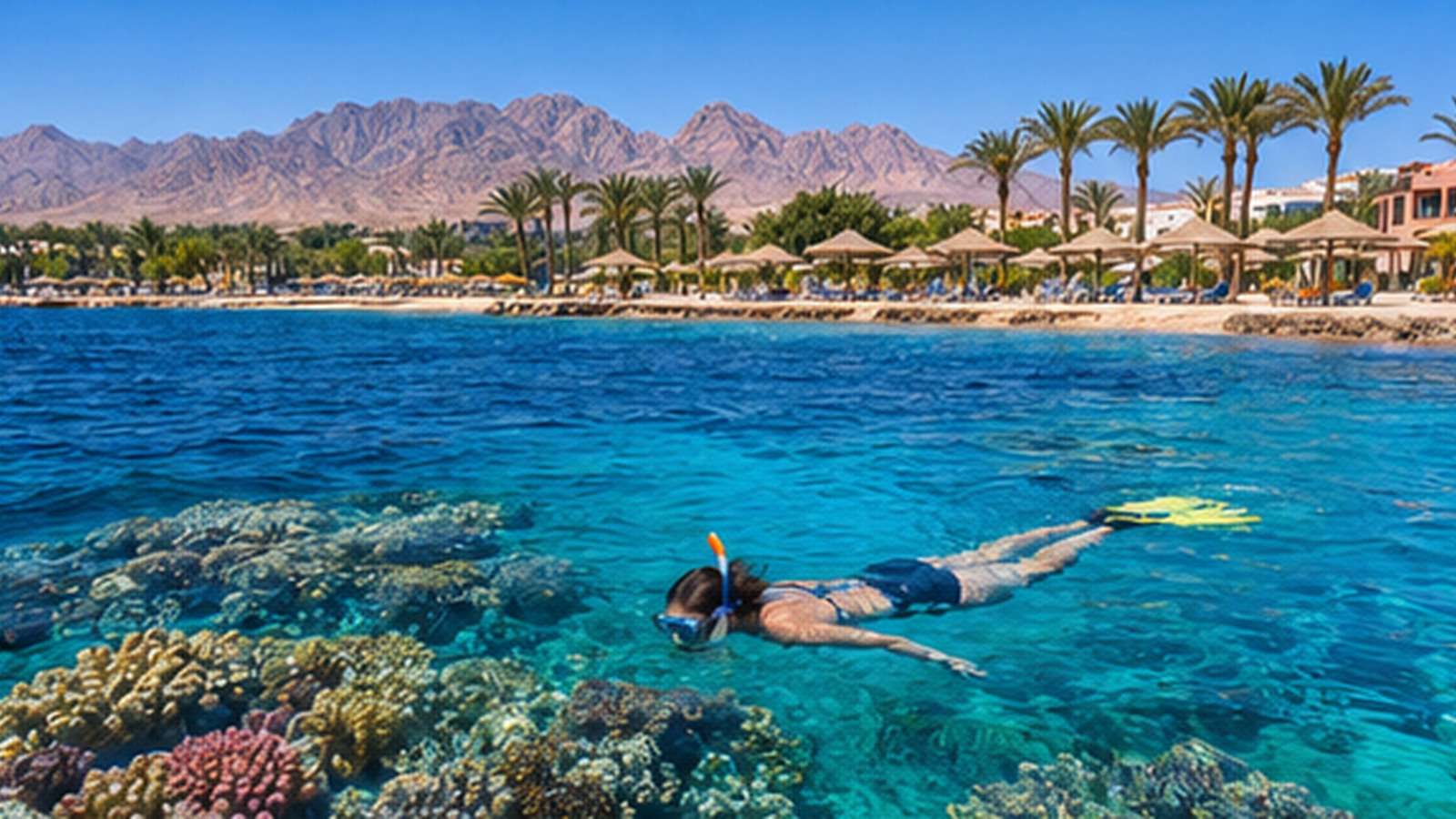
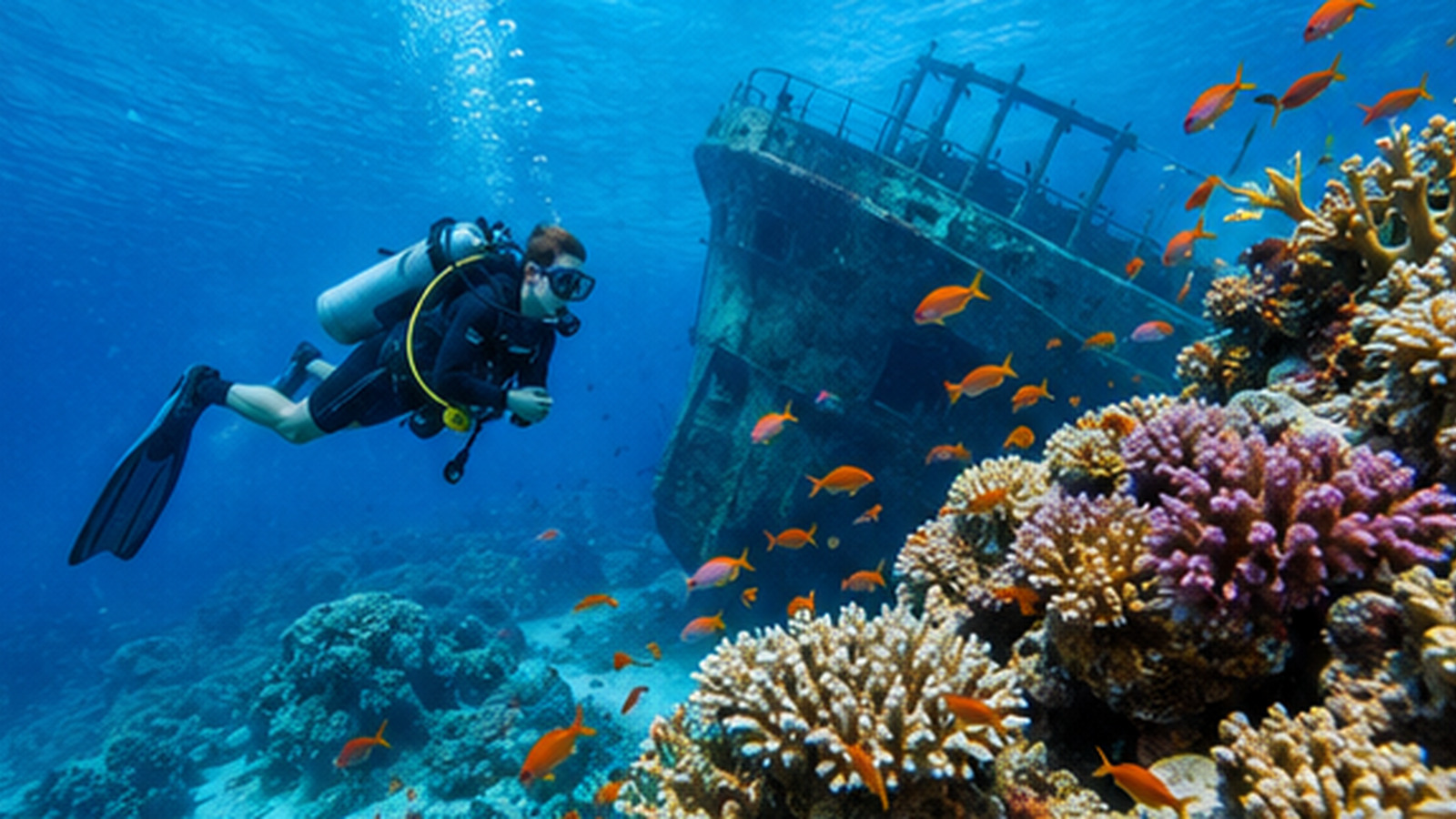
Beach resorts, snorkelling and world-class diving reefs.
The Mediterranean city with the Qaitbay Citadel and the modern Bibliotheca.
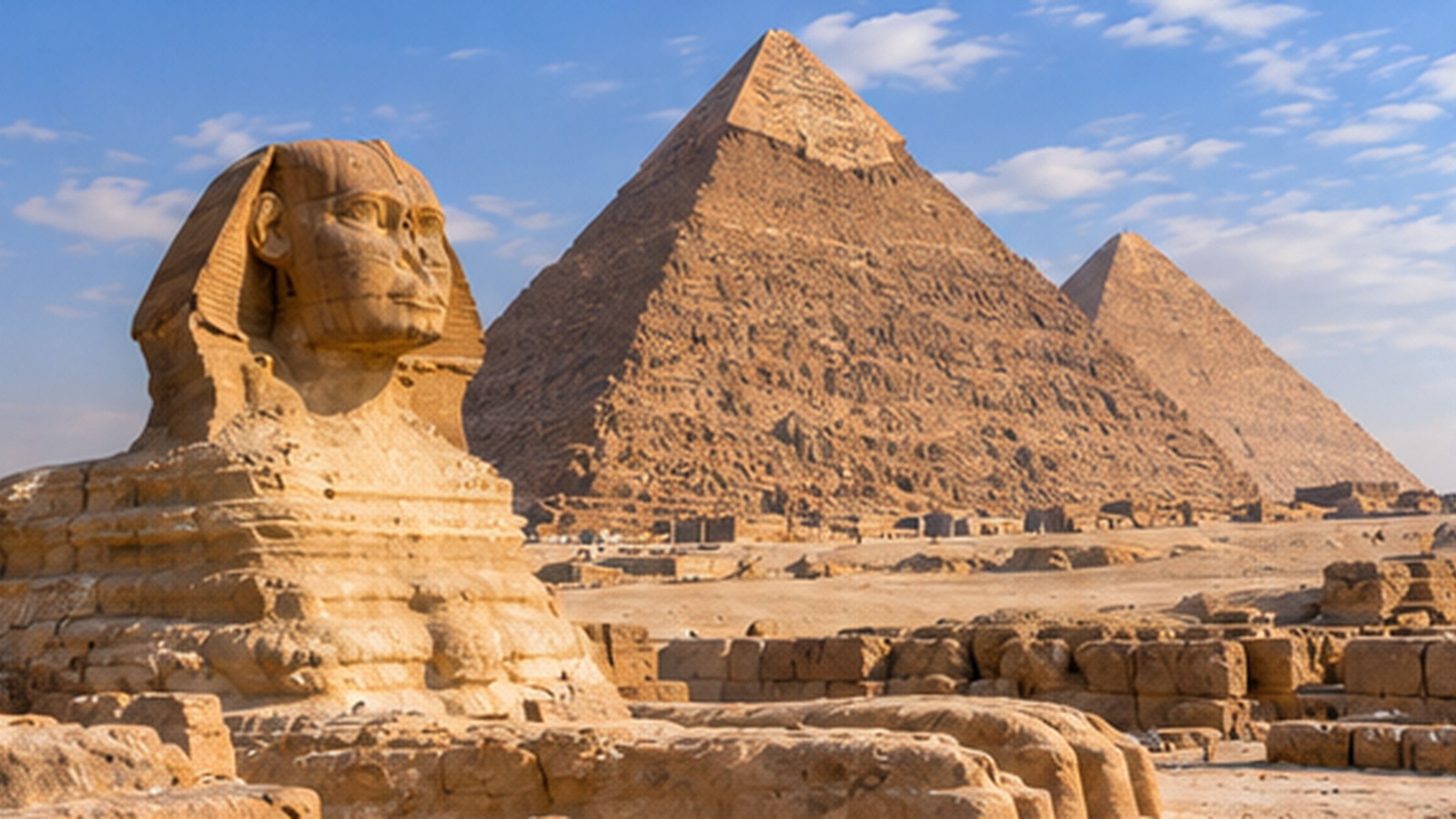
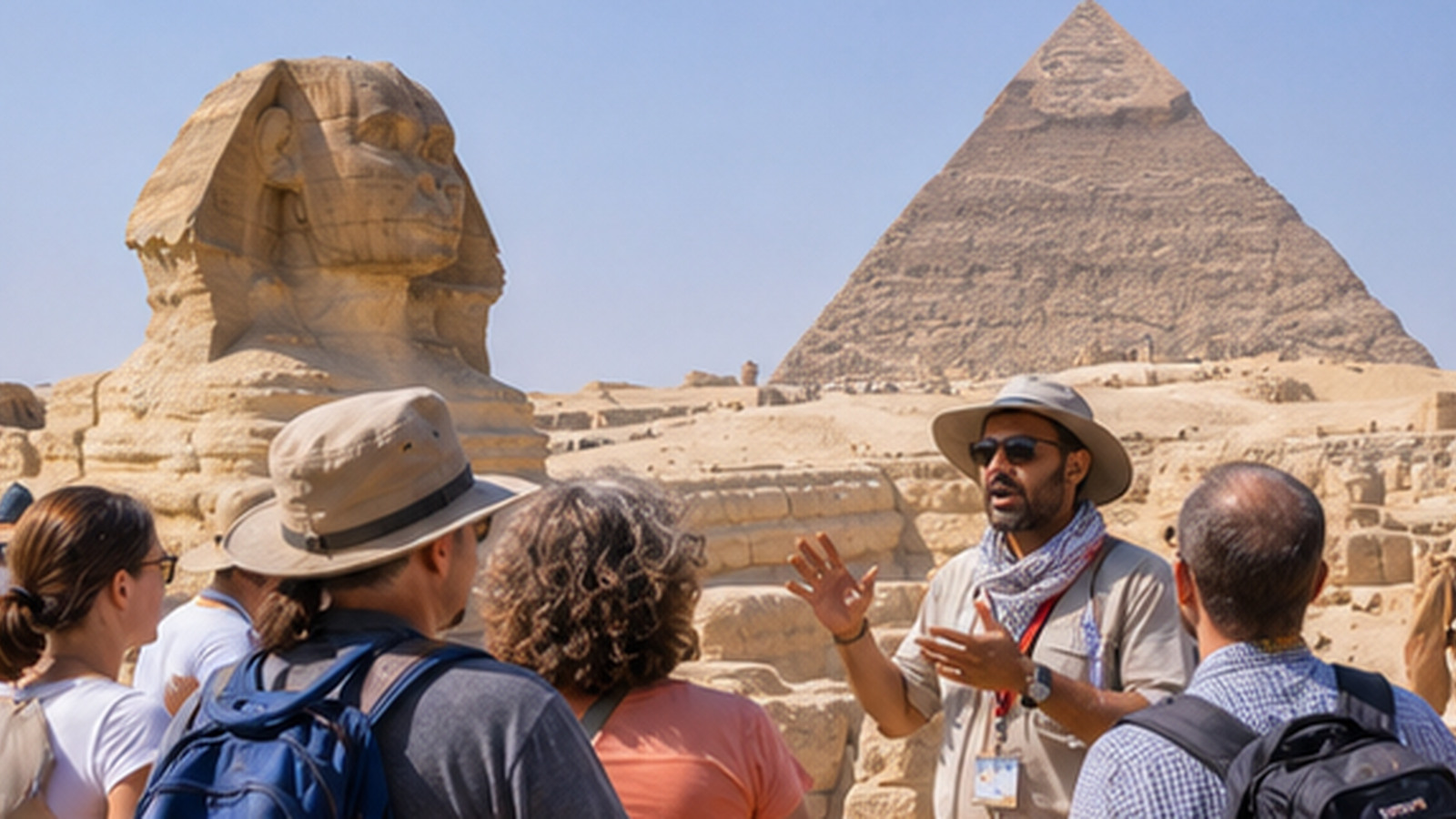
The last surviving Ancient Wonder and its guardian — awe-inspiring up close.
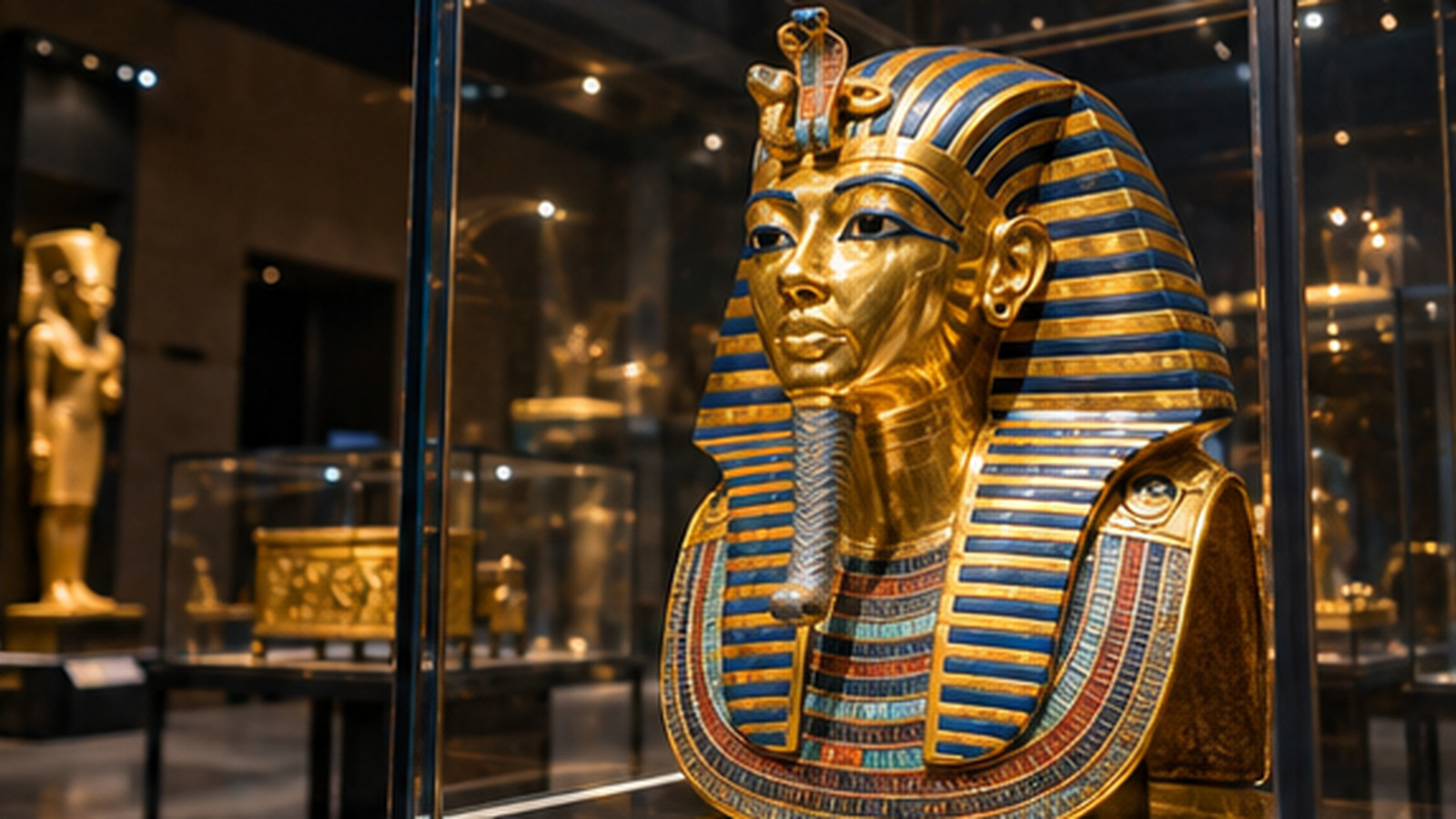
The vast new museum near Giza housing the full Tutankhamun collection and treasures.
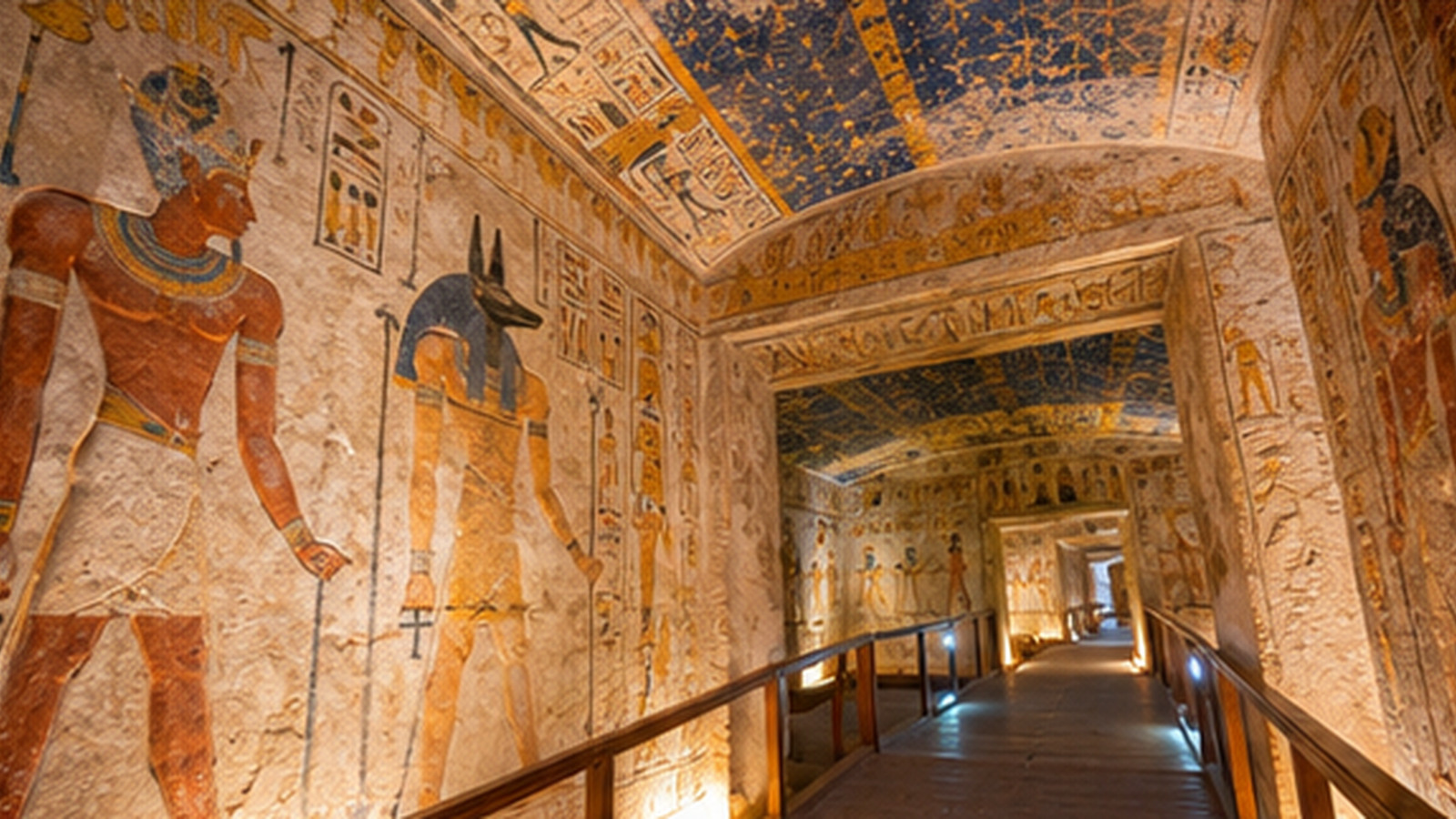
Royal tombs cut into desert cliffs, their painted walls still vivid.
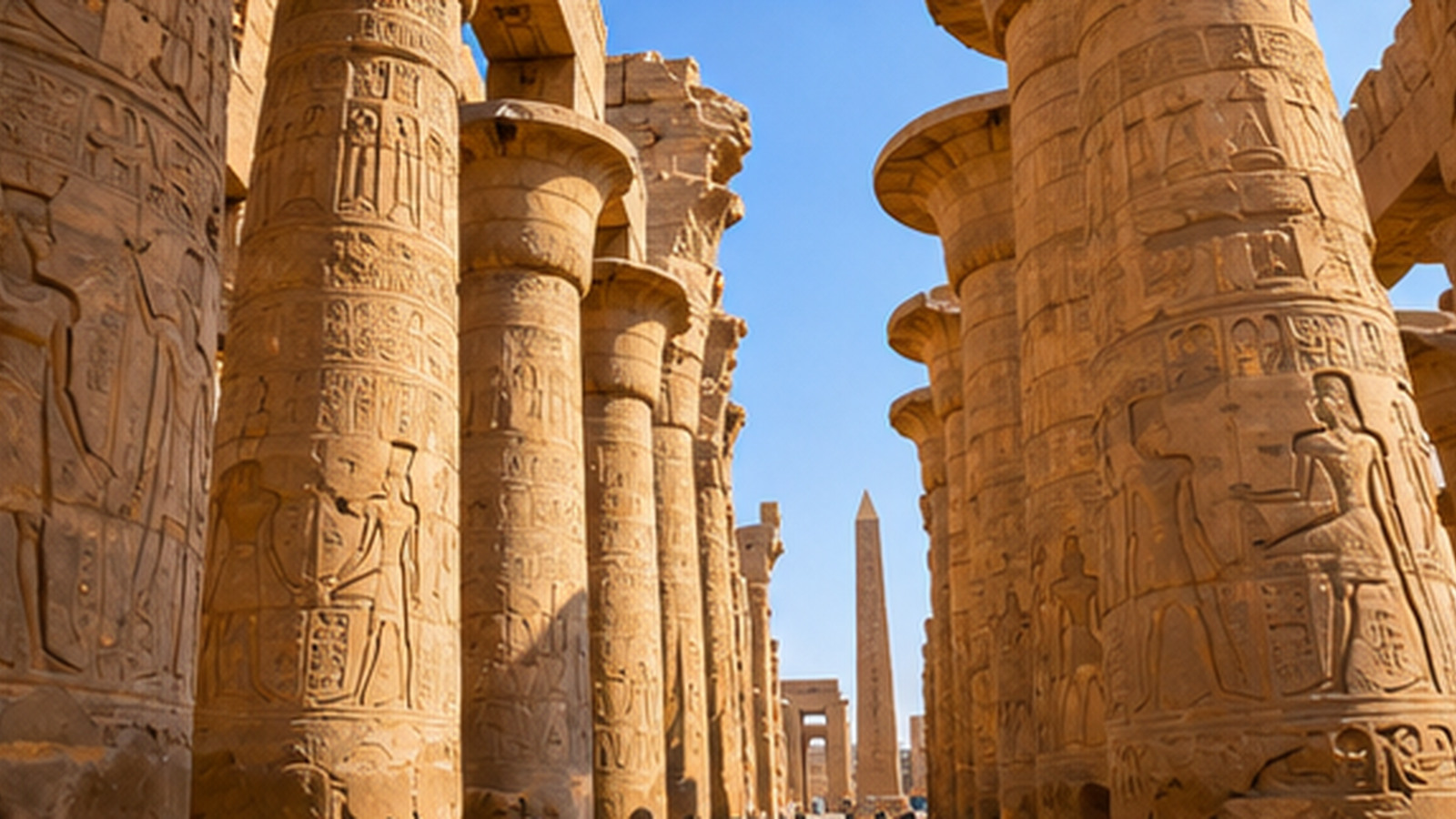
A colossal temple complex with the famous forest of giant columns.
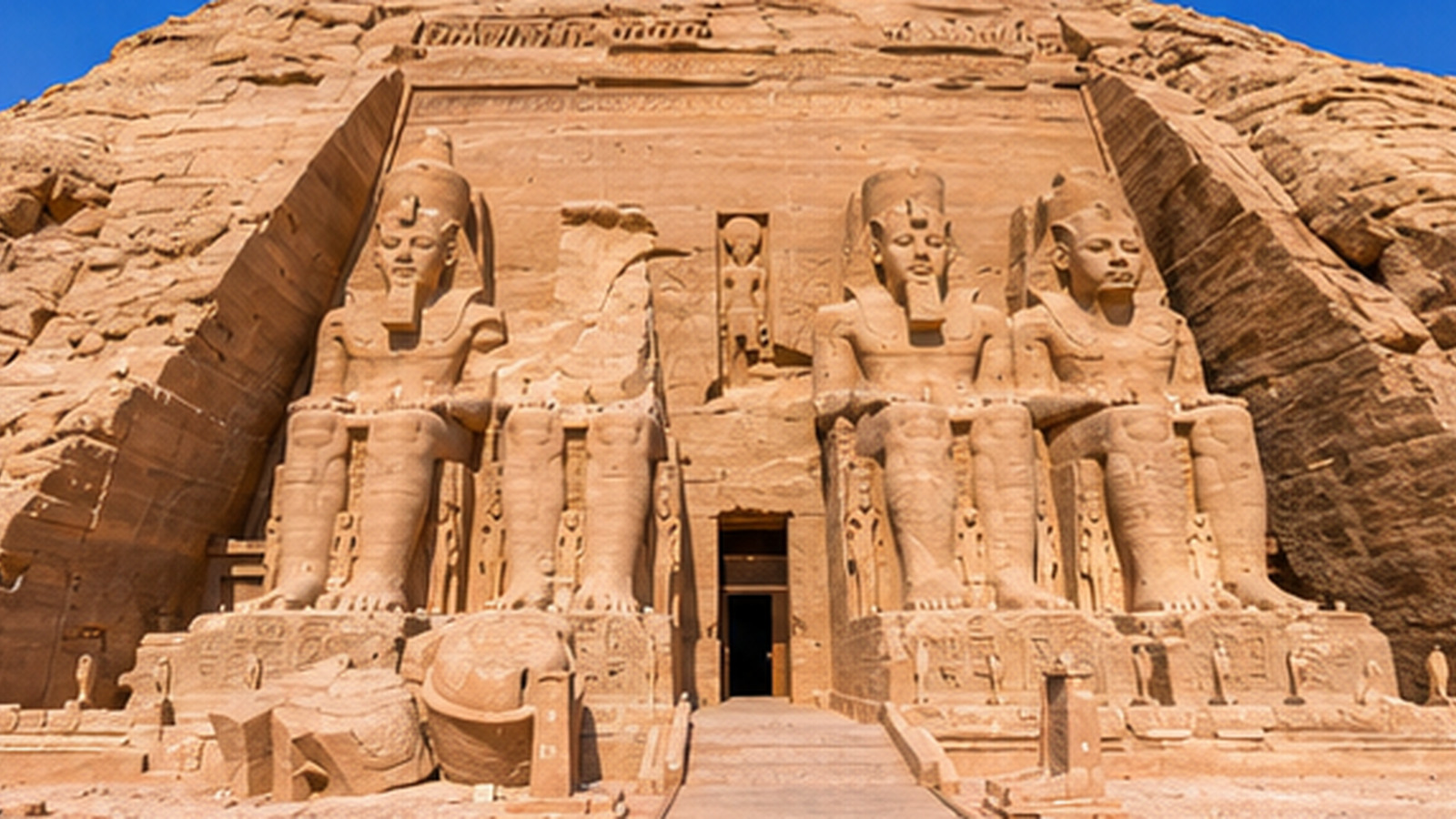
Ramses II’s giant rock-cut temples, relocated to save them from the Nile.
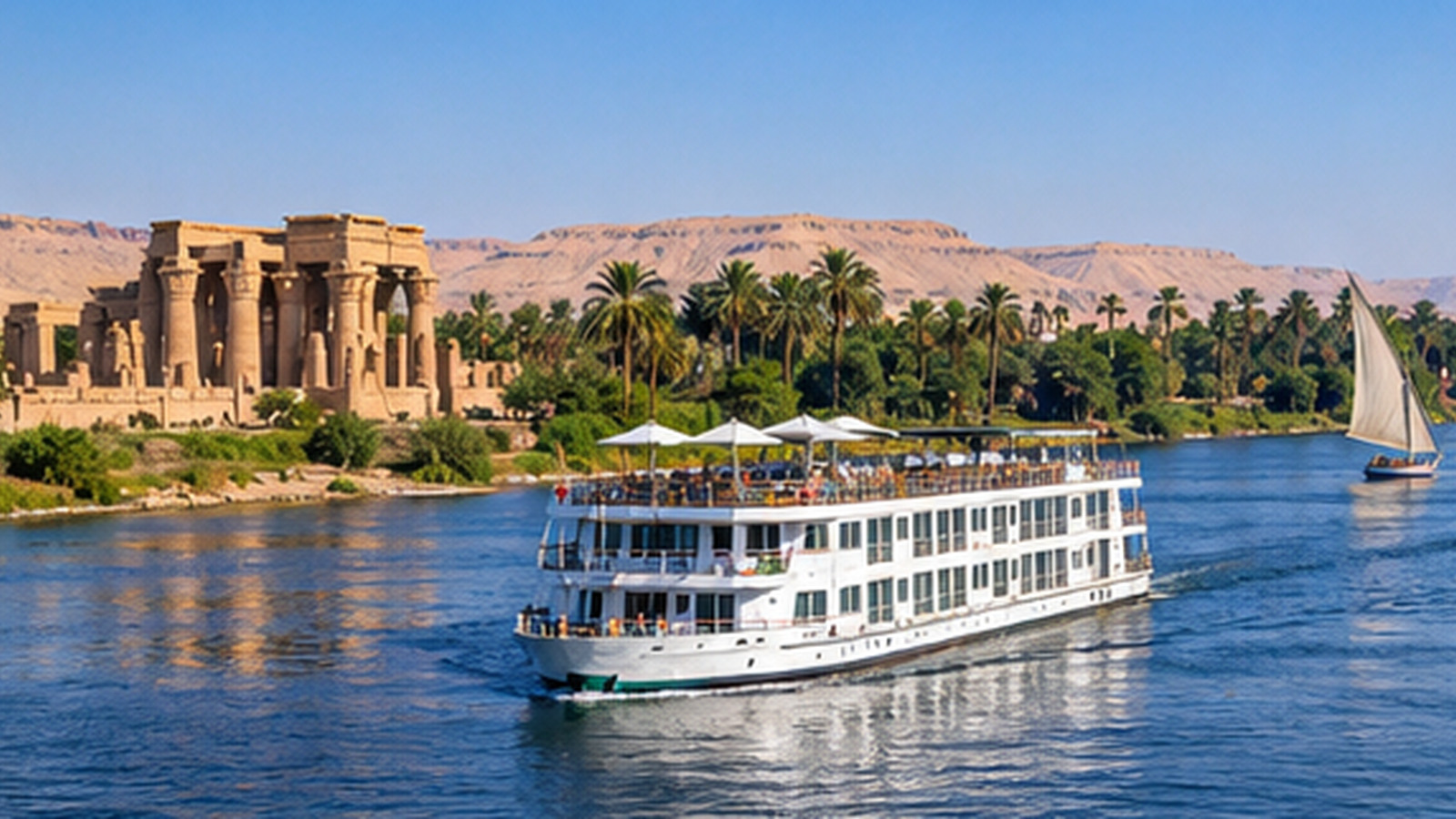
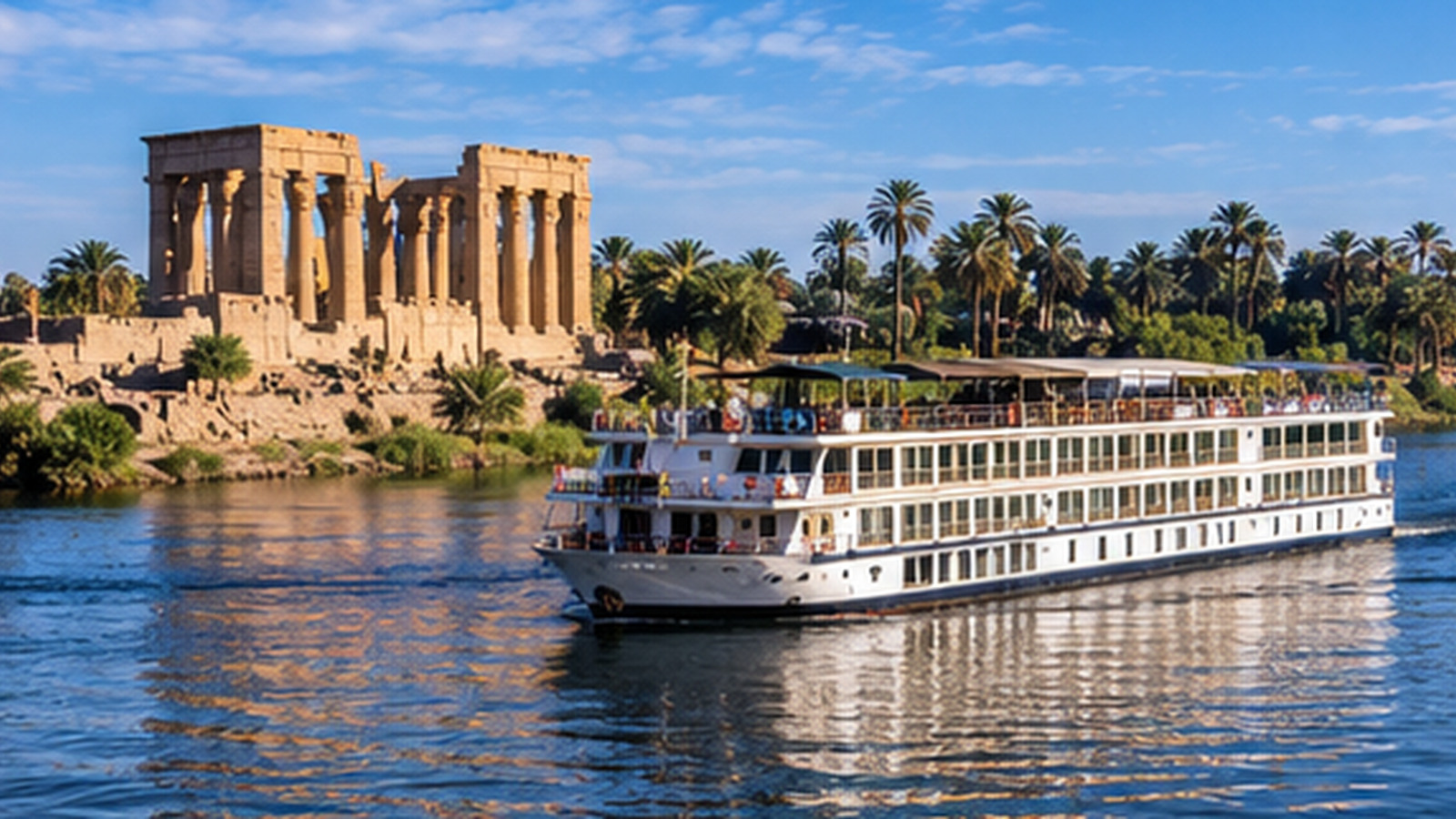
A floating hotel gliding past temples, villages and timeless riverbank scenes.
Pyramids, Sphinx, Valley of the Kings and the great temples.
Sail between Luxor and Aswan past riverside temples.
The Grand Egyptian Museum and Tutankhamun’s treasures.
Snorkelling and diving at Hurghada and Marsa Alam.
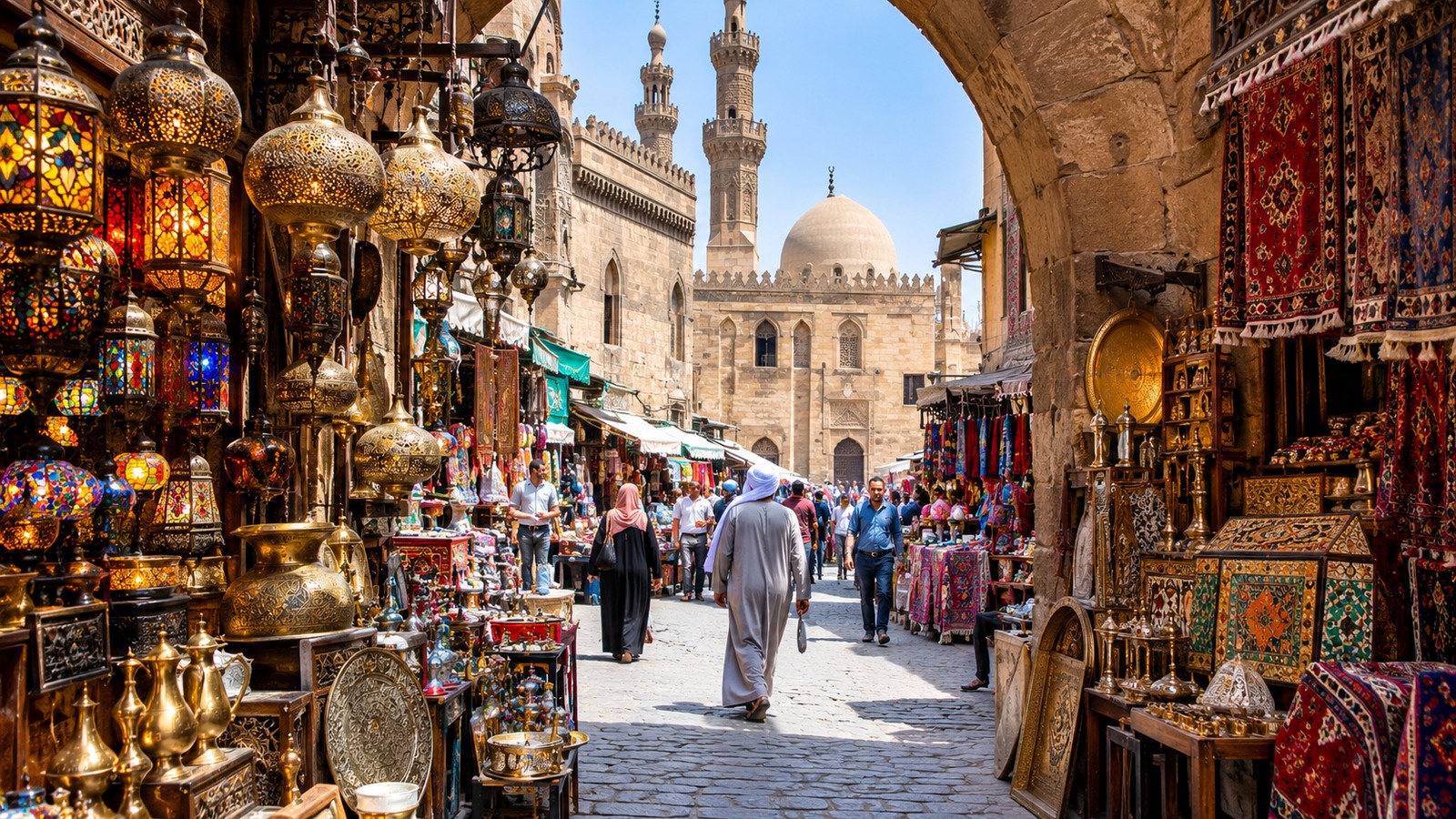
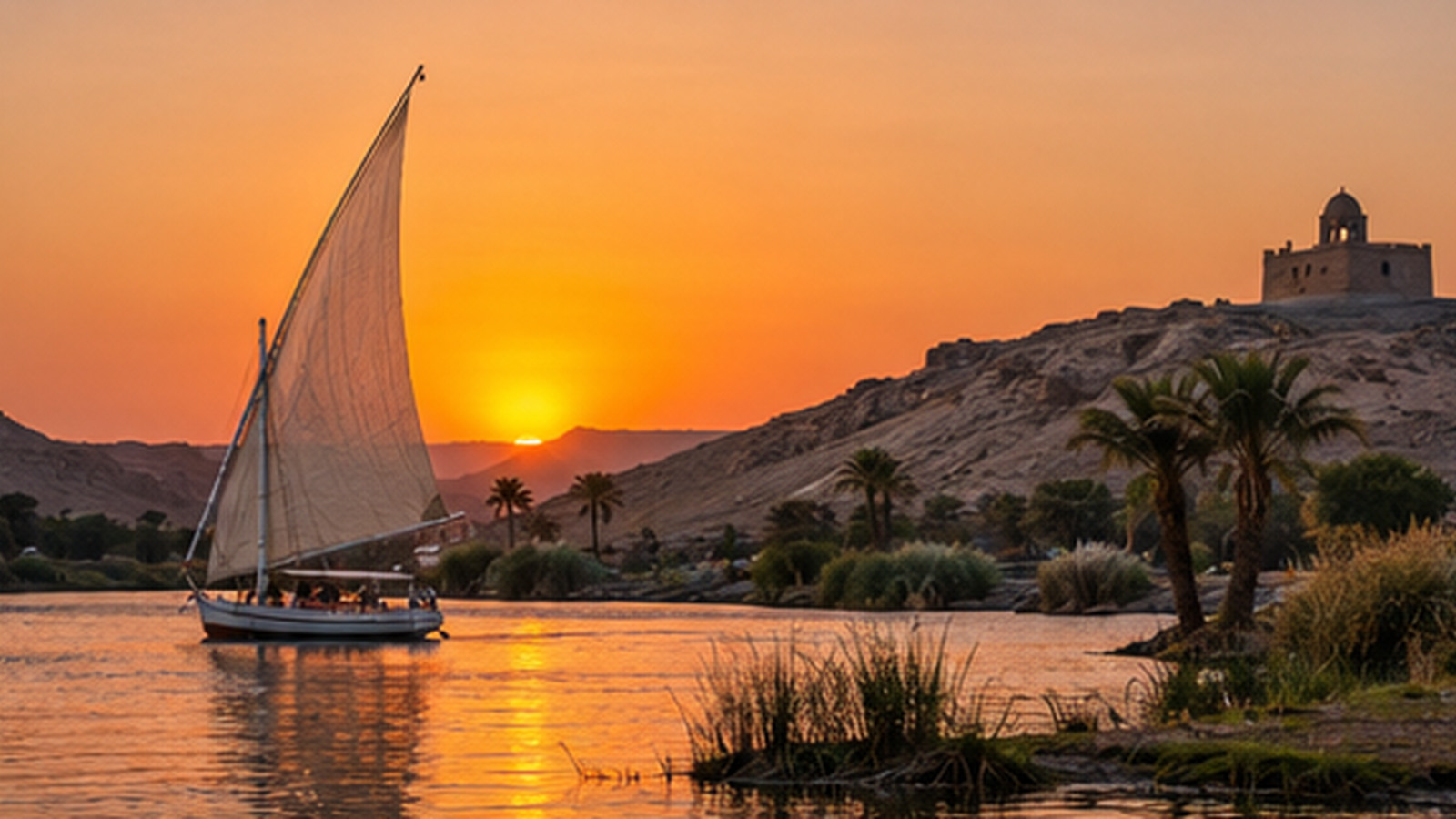
Khan el-Khalili market, Islamic Cairo and Nubian villages.
Book tours & activities through our travel partners — see options. Bluebird Next may earn a commission from partner bookings at no extra cost to you (Affiliate Disclosure).
Egypt offers great value, especially for a history-packed trip, though a good Nile cruise and guided tours lift the budget. Indicative per-person figures for a 7-day trip in 2026 (prices checked Nov 2026).
| Item | Typical cost (per person) |
|---|---|
| Return flights (ex-India) | ₹35,000 – ₹60,000 |
| E-visa | ₹2,200 – ₹2,800 |
| Nile cruise (3–4 nights, pp) | ₹25,000 – ₹55,000 |
| Hotels (per night, twin) | ₹3,500 – ₹8,000 |
| Guides, entries & tips | ₹2,000 – ₹4,000 / day |
| Food & transport | ₹1,200 – ₹2,500 / day |
| From | Typical return airfare |
|---|---|
| Delhi | ₹35,000 – ₹58,000 (direct/1-stop, ~6–8 hrs) |
| Mumbai | ₹35,000 – ₹58,000 (direct/1-stop) |
| Bengaluru | ₹38,000 – ₹60,000 (1-stop) |
| Hyderabad | ₹38,000 – ₹60,000 (1-stop) |
| Kolkata/Chennai | ₹38,000 – ₹62,000 (1-stop) |
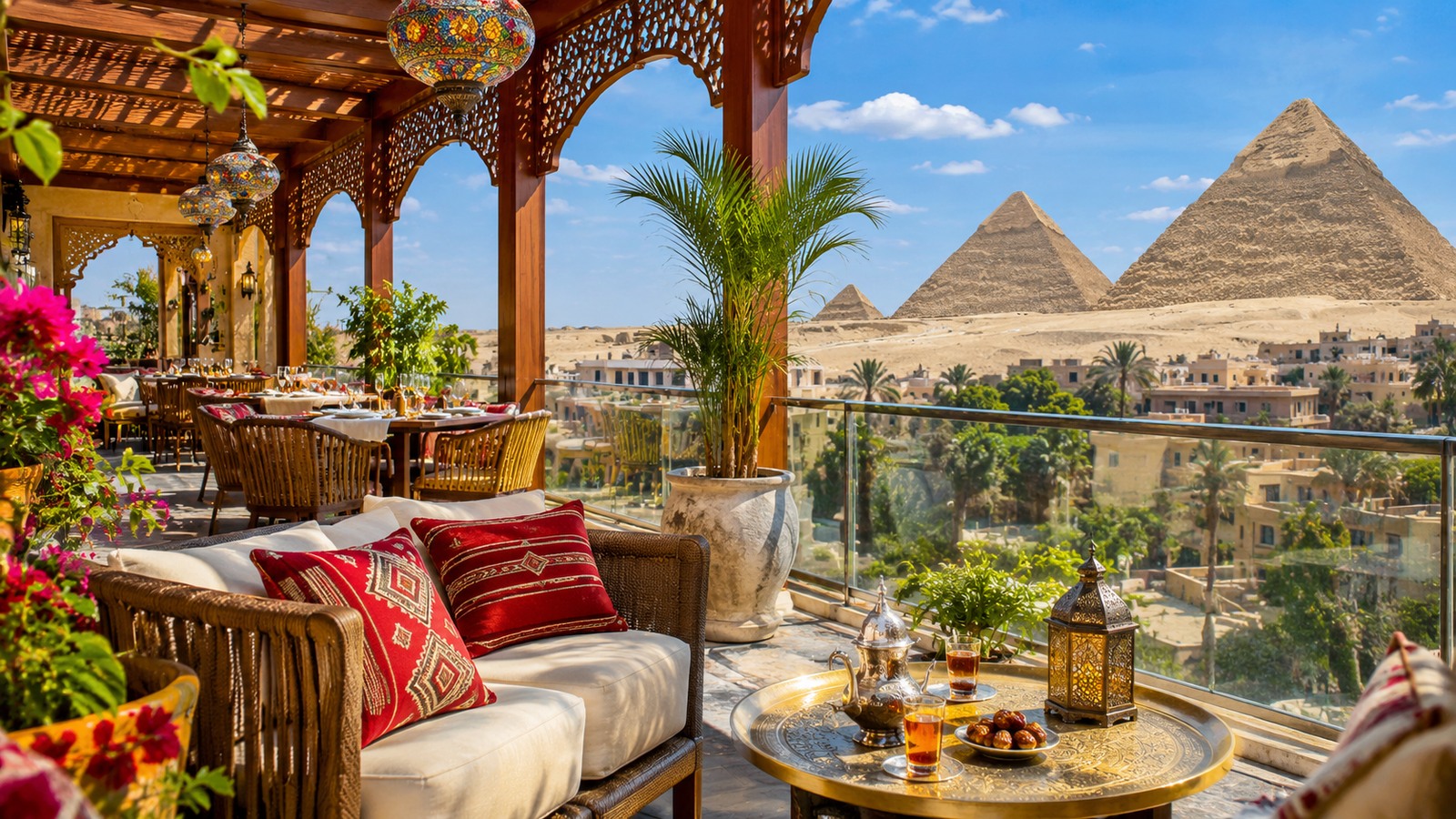
Pyramid-view hotels in Giza, or central Cairo near the museums and bazaars.
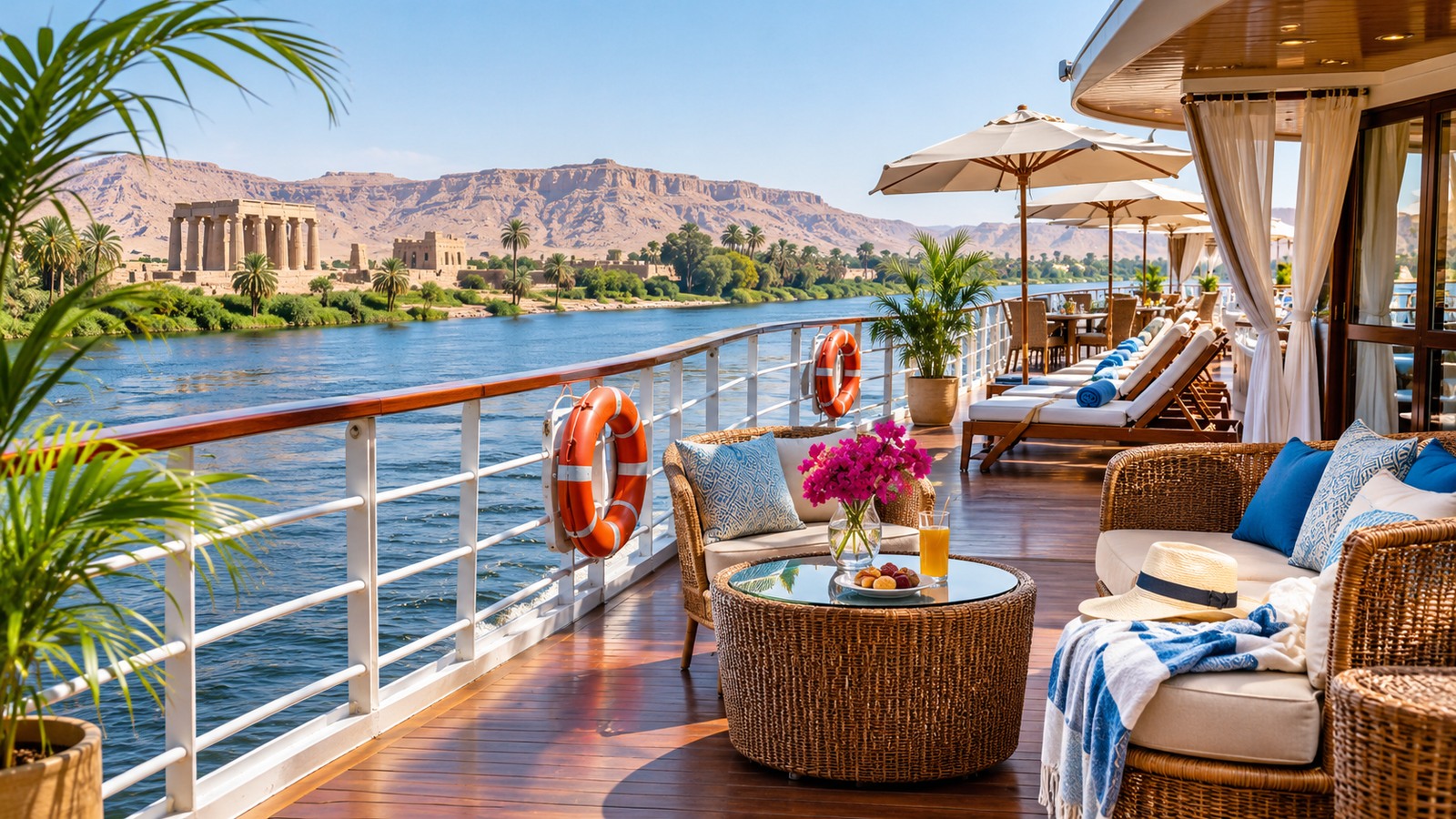
A floating hotel between Luxor and Aswan — the classic way to see Upper Egypt.
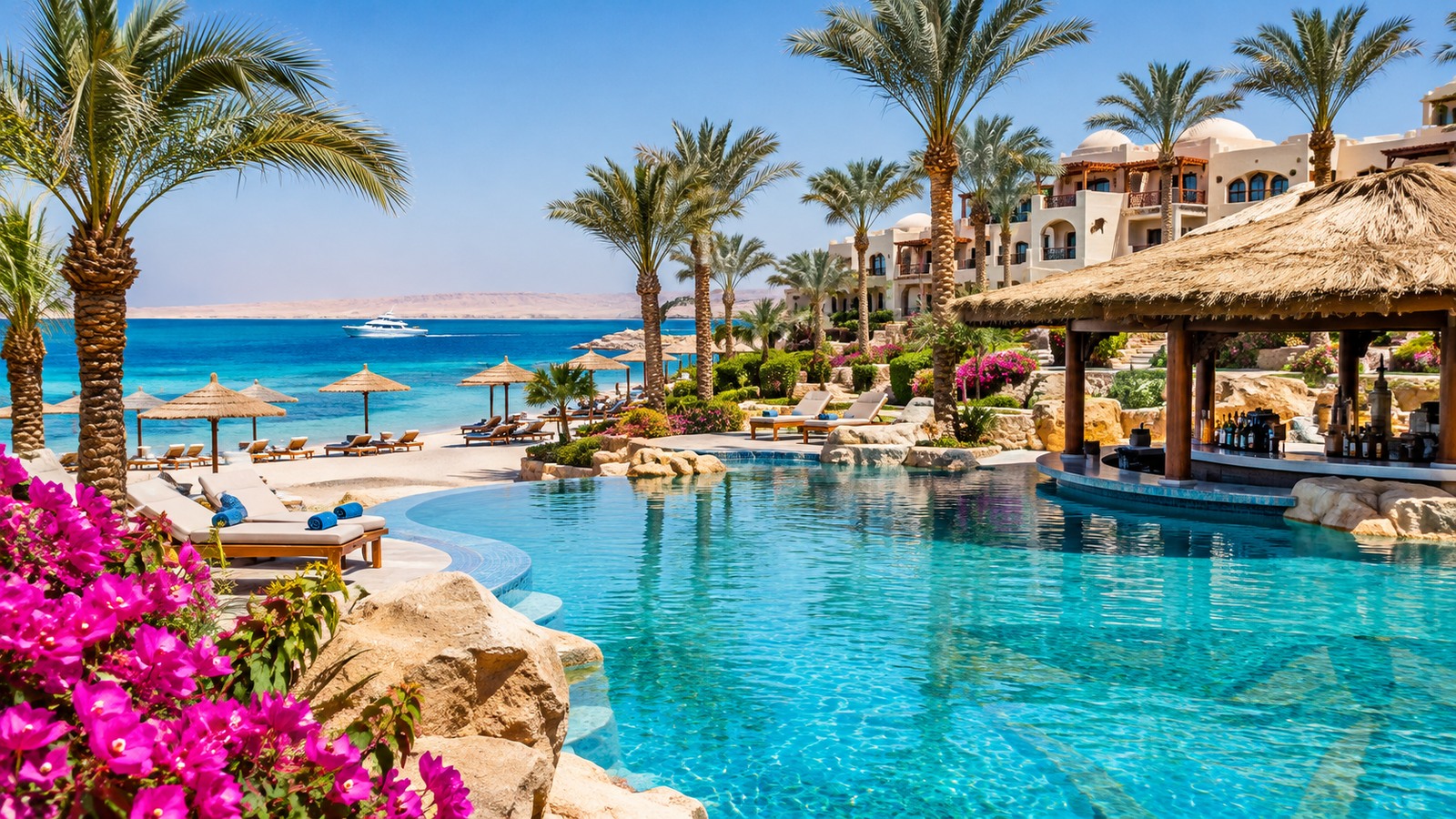
All-inclusive beach resorts for diving and relaxation.
Egyptian food is flavourful and often vegetarian-friendly — koshari (rice, pasta, lentils), ful medames, falafel (taameya), baba ganoush and fresh bread, alongside grilled meats and seafood.
Vegetarians eat very well — koshari, ful, falafel, salads, stuffed vegetables and mezze are staples, and many dishes are naturally veg. Jain travellers can find simple rice, bread and vegetable dishes; specify no onion/garlic, which are common, and seek Indian restaurants in Cairo.
Indian restaurants operate in Cairo and some resorts and cruises offer Indian meals on request — useful for Jain and specific diets; many hotels cater to Indian groups.
Apply for the tourist e-visa on the official government portal before travel (single entry, 30-day stay; US$30, or US$65 for multiple entry). Use only the official site. Carry a printout, a passport valid 6+ months, a return ticket and hotel bookings.
Carry Egyptian pound cash — tipping (baksheesh) is customary for guides, drivers, hotel and cruise staff and small services. Cards work in hotels and bigger shops; UPI is not accepted; use ATMs in cities. Keep small notes handy.
A licensed guide hugely enriches the ancient sites. Domestic flights link Cairo, Luxor and Aswan; a Nile cruise covers the Upper Egypt temples; use hotel cars or reputable apps (Uber/Careem in Cairo) rather than flagging taxis.
Dress modestly (cover shoulders and knees), especially at mosques and in towns. Carry water, a hat and sunscreen for the sun-baked sites, start early in summer, and wear sturdy shoes for the tombs and temples.
Buy a Vodafone/Orange SIM at the airport or use an eSIM. Egypt uses 220V with the European Type C/F round-pin plug, so most Indian chargers fit; carry a universal adapter and a power bank.
Quick hops link Cairo, Luxor and Aswan — a big time-saver.
The scenic, efficient way to see the Luxor–Aswan temples.
Use Uber/Careem in Cairo and hotel cars; agree fares for any street taxi.
Egypt’s main tourist areas (Cairo, the Nile valley and the Red Sea) are generally safe and heavily protected for visitors, and welcoming to families and groups. Solo women should expect some attention and dress modestly. Use licensed guides and reputable operators, agree taxi fares or use apps, be firm but polite with persistent vendors, avoid remote border/desert areas, and carry travel insurance.
❌ Myth: Egypt is just the Pyramids.
✅ Fact: Beyond Giza lie a Nile cruise, the Valley of the Kings, Karnak, Abu Simbel, Red Sea reefs and vibrant bazaars — a week barely covers it.
❌ Myth: The visa is complicated.
✅ Fact: The official e-visa is applied for online in minutes, with approval by email.
❌ Myth: Vegetarians will struggle.
✅ Fact: Koshari, ful, falafel and mezze make Egypt one of the easier countries for vegetarians; Jains can request no onion/garlic and find Indian restaurants in Cairo.
❌ Myth: It’s unsafe for tourists.
✅ Fact: The main tourist areas are heavily protected and generally safe; normal precautions and licensed operators are all that is needed.
❌ Myth: You can skip a guide.
✅ Fact: A licensed guide transforms the ancient sites, decoding the history you’d otherwise miss — well worth it.
Yes — Indians need a tourist visa, most easily the official e-visa (single entry, 30-day stay) applied for online before travel (US$30 single entry, US$65 multiple). Carry a passport valid 6+ months, a return ticket and hotel bookings, and use only the official government site.
Apply on the official government e-visa portal, pay online and receive approval by email; carry a printout. It saves an embassy trip.
A 7-day trip is roughly ₹90,000–₹1,70,000 per person including flights, a Nile cruise, hotels, guides and entries, and about ₹1,80,000–₹3,10,000 for a couple. The cruise and guided tours are the main variables.
Direct flights to Cairo take about 6 hours from Delhi/Mumbai; one-stop routes run 7–8 hours from most Indian cities.
Seven days cover Cairo and a Luxor–Aswan Nile cruise; nine days let you add the Red Sea. Five days work for a quick Cairo and Luxor highlights trip.
October to April is best — warm, pleasant days ideal for the Pyramids and cruises, peaking around December–January. Summer (June–August) is intensely hot inland, though the Red Sea stays popular.
Yes — koshari, ful medames, falafel, salads and stuffed vegetables make it very veg-friendly, and Indian restaurants operate in Cairo. Jain travellers should specify no onion/garlic and can request Indian meals on cruises.
A Nile cruise is a floating hotel sailing between Luxor and Aswan, stopping at riverside temples like Edfu and Kom Ombo. It is the classic, efficient and scenic way to see Upper Egypt’s sites — highly recommended.
Yes — tipping (baksheesh) is customary for guides, drivers, hotel and cruise staff and small services. Carry Egyptian pound cash in small notes; cards work in hotels and bigger shops, and UPI is not accepted.
The main tourist areas are heavily protected and generally safe and welcoming. Solo women should dress modestly and expect some attention; use licensed guides and reputable operators, agree taxi fares or use apps, and carry travel insurance.
Recommended — it covers medical care, Red Sea diving and activities, and trip delays, for a small cost on a longer trip.
Sources: Egypt Tourism (official) · Egypt e-Visa (official portal)
A licensed team that has guided thousands of Indians to their visas and admissions.
 Jitender SinghFounder & Managing Director
 Vikram SinghHead – Quality & Operations
 SanjayHead – Tourist Visa Operations
 TejaswaniHead – Counselling Team
 MahimaHead – Visa Filing & Processing
 Pratigya DuttaHead – Student Visa Processing
Free, no-pressure guidance from a real counsellor who handles your case end to end — from documents to decision.