
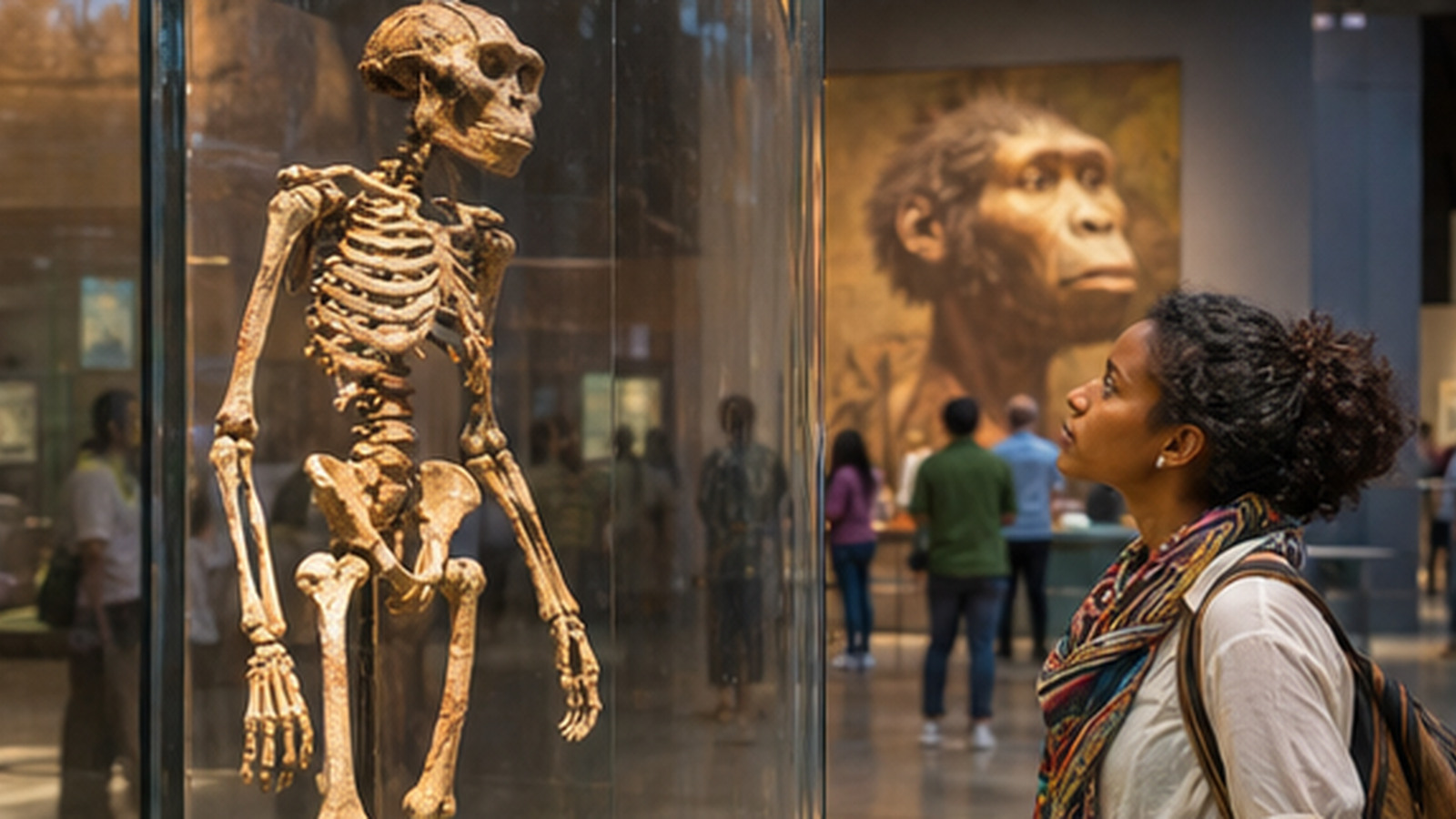
The high-altitude capital and hub — the National Museum (home to “Lucy”), markets and coffee culture.
The rock-hewn churches of Lalibela, the alien Danakil Depression, the Simien Mountains and the birthplace of coffee — Ethiopia is Africa’s most ancient, extraordinary and uncrowded adventure.
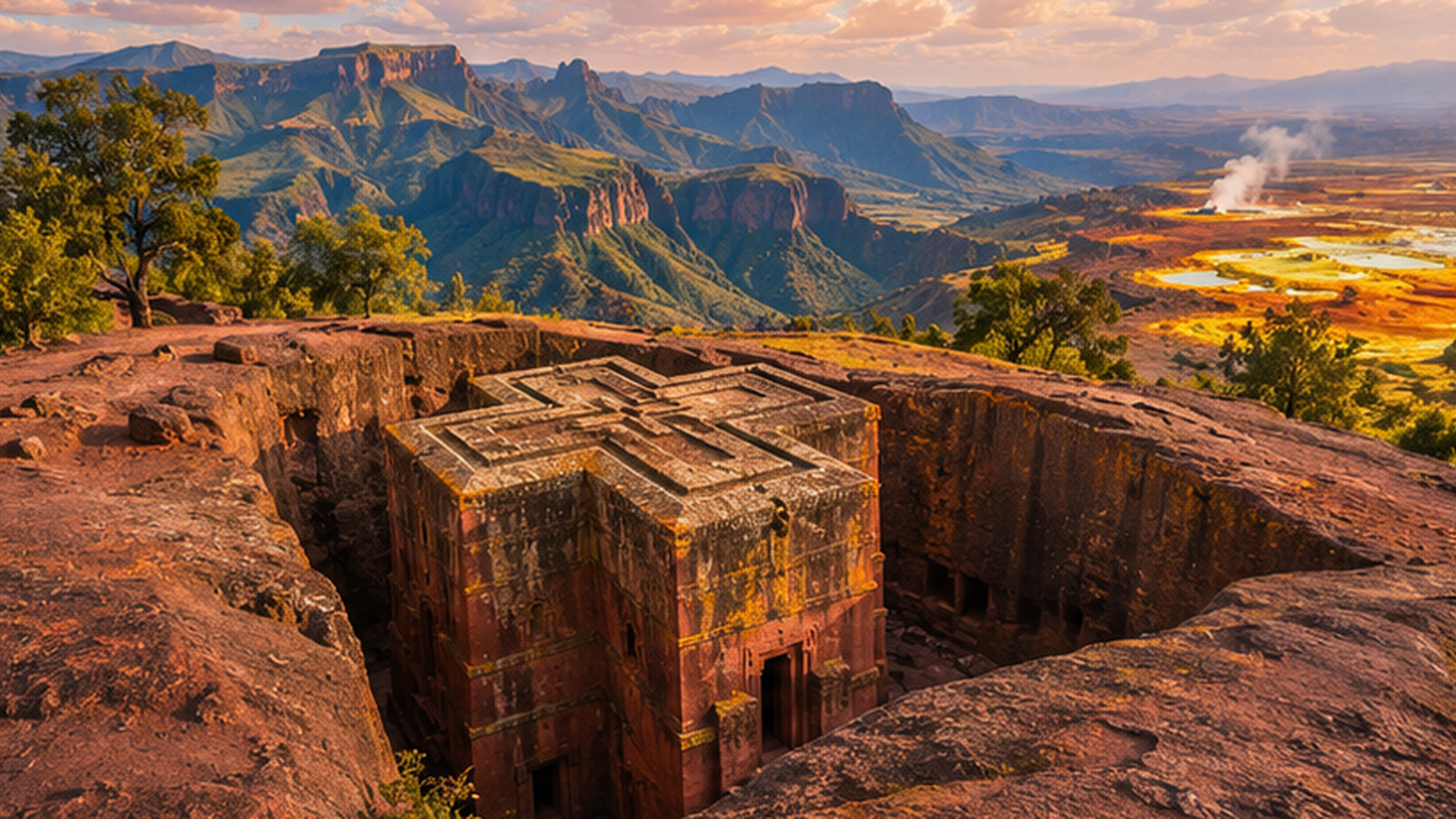
Ethiopia is Africa’s most ancient and extraordinary adventure — a highland nation that was never colonised, with its own alphabet, calendar and church, the rock-hewn medieval churches of Lalibela, the alien volcanic landscapes of the Danakil Depression, dramatic mountains full of endemic wildlife, and a proud claim as the birthplace of both humankind and coffee. For adventurous Indian travellers, it offers deep history and raw nature far off the usual trail, with an easy online e-visa and a short, direct flight.
Marvel at Lalibela’s eleven churches carved down into solid rock, trek the Simien Mountains among cliff-dwelling gelada baboons, descend into the Danakil to see bubbling sulphur springs and a lava lake, explore the castles of Gondar and the ancient obelisks of Axum, and take part in a traditional coffee ceremony. With a unique culture, friendly people and prices that stretch a budget, Ethiopia is a journey like no other.
This guide is written for Indian travellers: the real cost in rupees, exactly how the e-visa works, where vegetarians and Jain travellers eat (remarkably easily), how to plan the historic north and the wild landscapes, and a route through the highlights.
Ethiopia suits adventurous Indians who want ancient history, dramatic landscapes and genuine culture off the beaten path — with an easy e-visa, a short direct flight and excellent value. Its fasting cuisine is a vegetarian paradise, making it unusually easy for Indian diets. It is ideal for history lovers, trekkers and intrepid travellers.
💡 From our visa desk: Most trips follow the “historic north” circuit — Lalibela, Gondar, Axum and the Simien Mountains — usually linked by short domestic flights (buy them with Ethiopian Airlines for discounts on international tickets). The Danakil Depression and Omo Valley are harder, specialist add-ons. The dry season (Oct–Mar) is best. Fasting days make vegetarian food wonderfully easy. Note Ethiopia uses its own calendar and clock.
Tourist e-visa required for Indians — applied for online before travel (quick and easy).
Indian passport holders need a visa for Ethiopia, most easily obtained as an e-visa on the official government portal before travel; it is usually approved within a few days. The single-entry tourist e-visa commonly allows a 30-day stay. Carry a passport valid six months, a return ticket, hotel bookings and proof of funds. A yellow-fever certificate is often required — check before travel.
Check your Ethiopia entry requirement →October to March (the dry season) is the best — clear skies, good trekking and the colourful Timkat and Meskel festivals. The main rains fall June to September. See the month table.
| Season | What it's like & who it suits |
|---|---|
| Oct–Mar (dry) | The best season — dry, clear and cool in the highlands, ideal for the historic north and trekking; peak around the festivals. |
| Apr–May | Warmer with occasional short rains; green and quieter shoulder months. |
| Jun–Sep (wet) | The main rains, especially in the highlands, with lush scenery but muddy trails and some road disruption. |
| Month | Weather & what’s on (incl. Indian holiday windows) |
|---|---|
| October–November | Post-rains — lush, green and clear, with the colourful Meskel festival (late September/October). Superb for trekking and the historic north; a top window. |
| December–January | Peak dry season — clear, cool highland days and cold nights, with the spectacular Timkat (Epiphany) celebrations in January. The busiest and best time. |
| February–March | Dry, clear and excellent for trekking and sightseeing before the rains; warm in the lowlands. |
| April–May | Warmer with occasional short rains building; greener, quieter and good value. |
| June–September | The main rainy season, heaviest in the highlands, with lush landscapes but muddy Simien trails and some road/flight disruption; the Danakil is dangerously hot in summer. |
The high-altitude capital and hub — the National Museum (home to “Lucy”), markets and coffee culture.
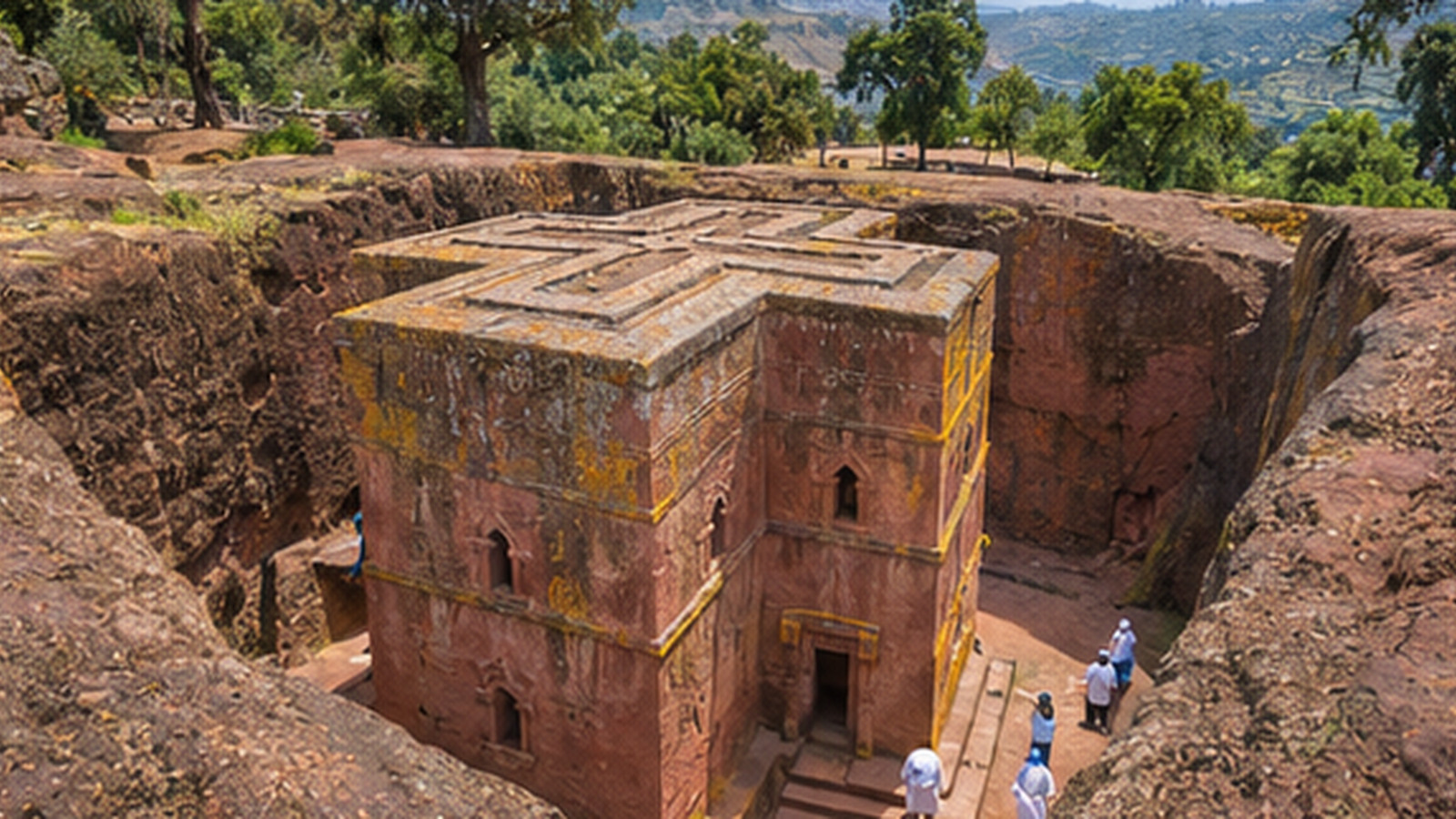
The holy town of eleven medieval rock-hewn churches, a UNESCO wonder.
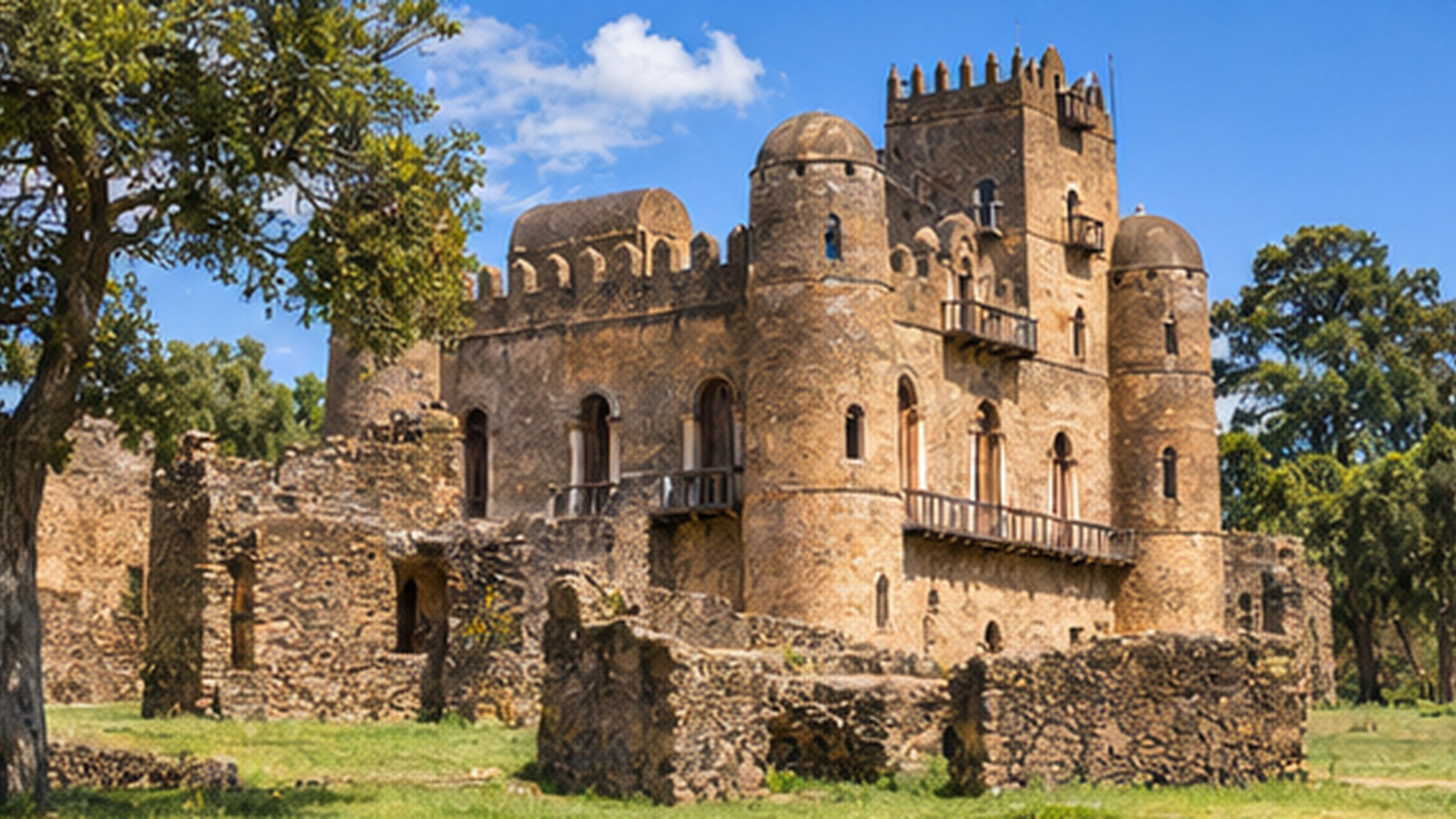
The “Camelot of Africa” — royal castles and the Debre Berhan Selassie church.
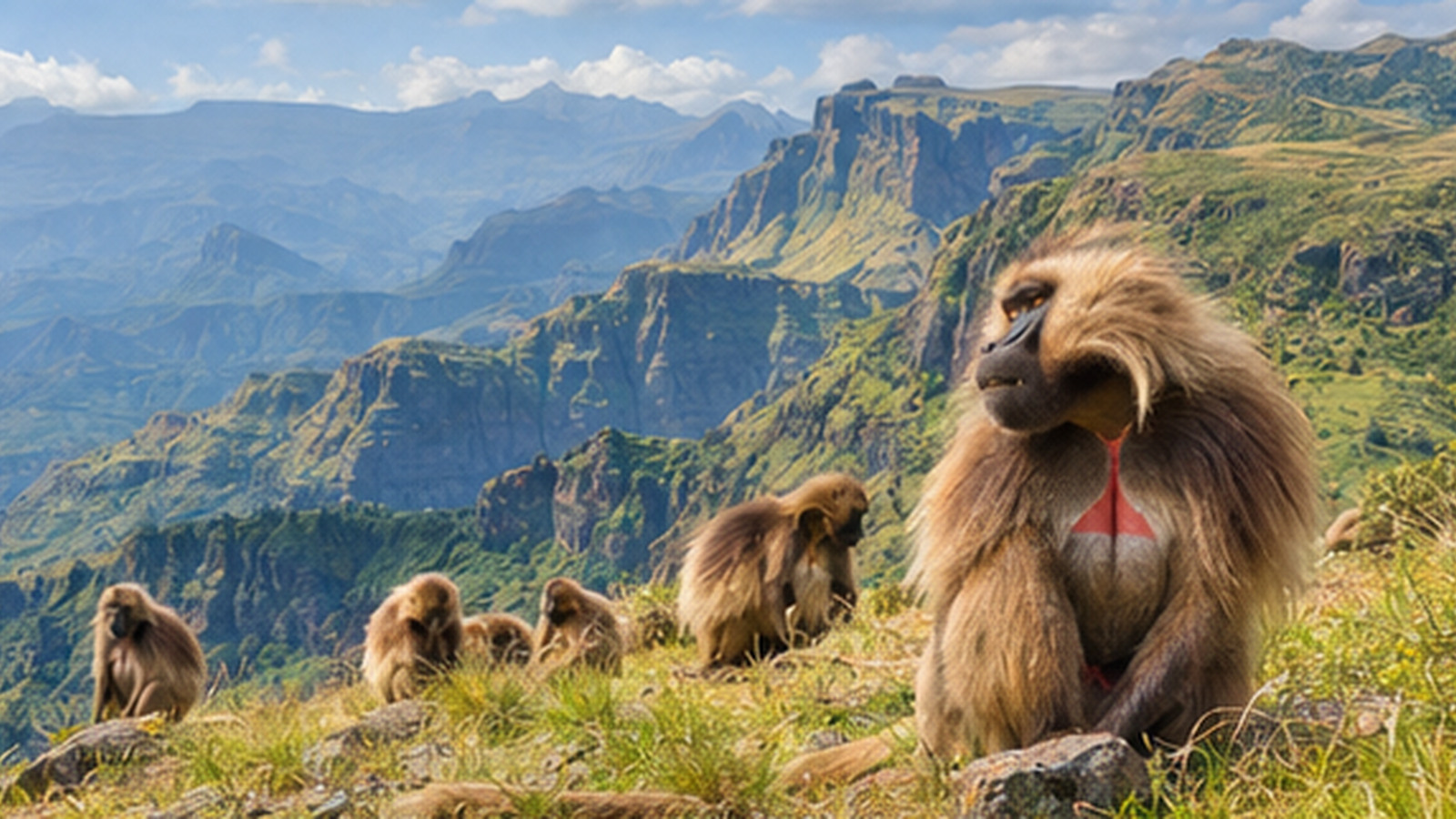
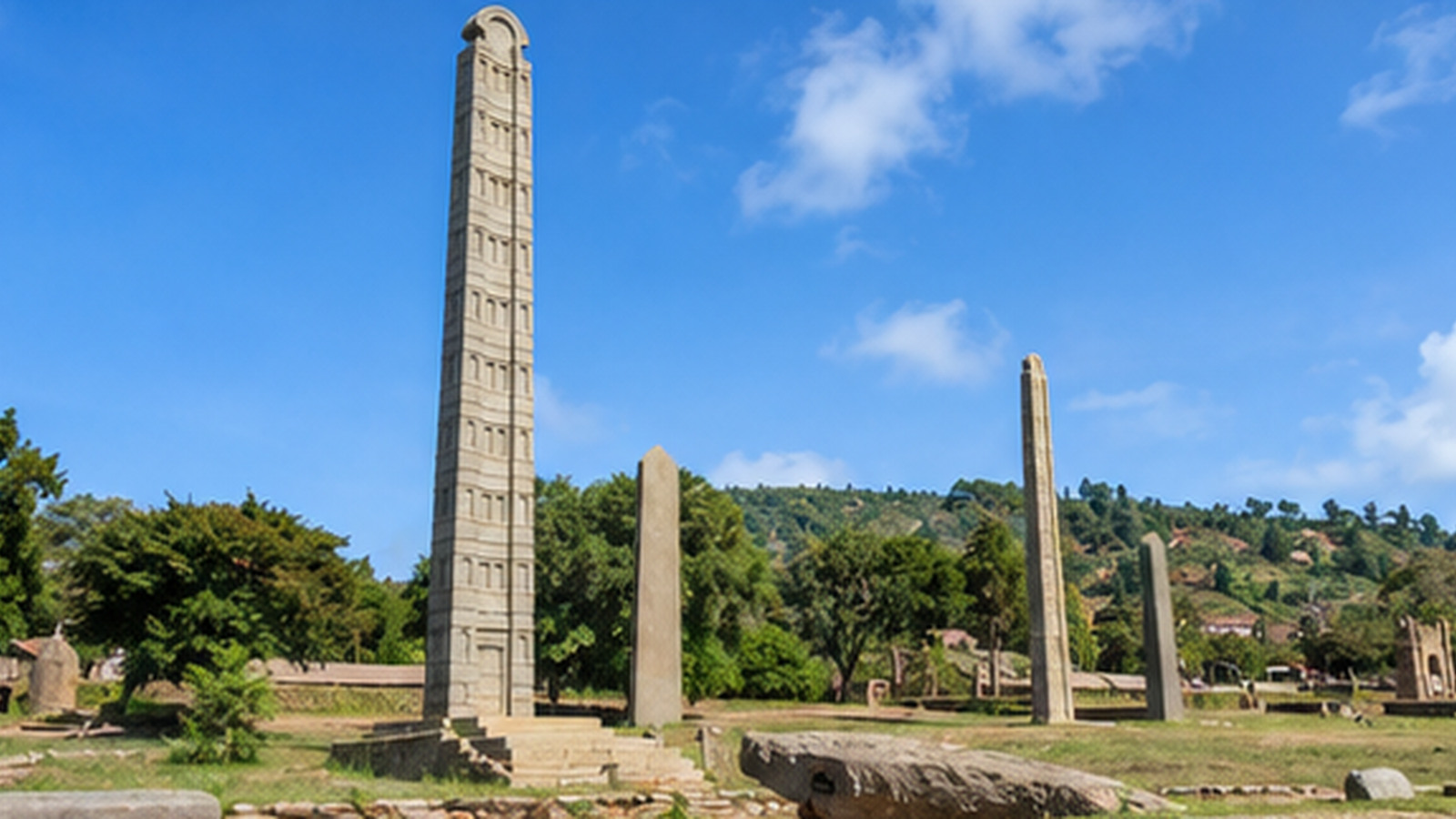
Ancient capital of towering stelae, with a claim to the Ark of the Covenant.
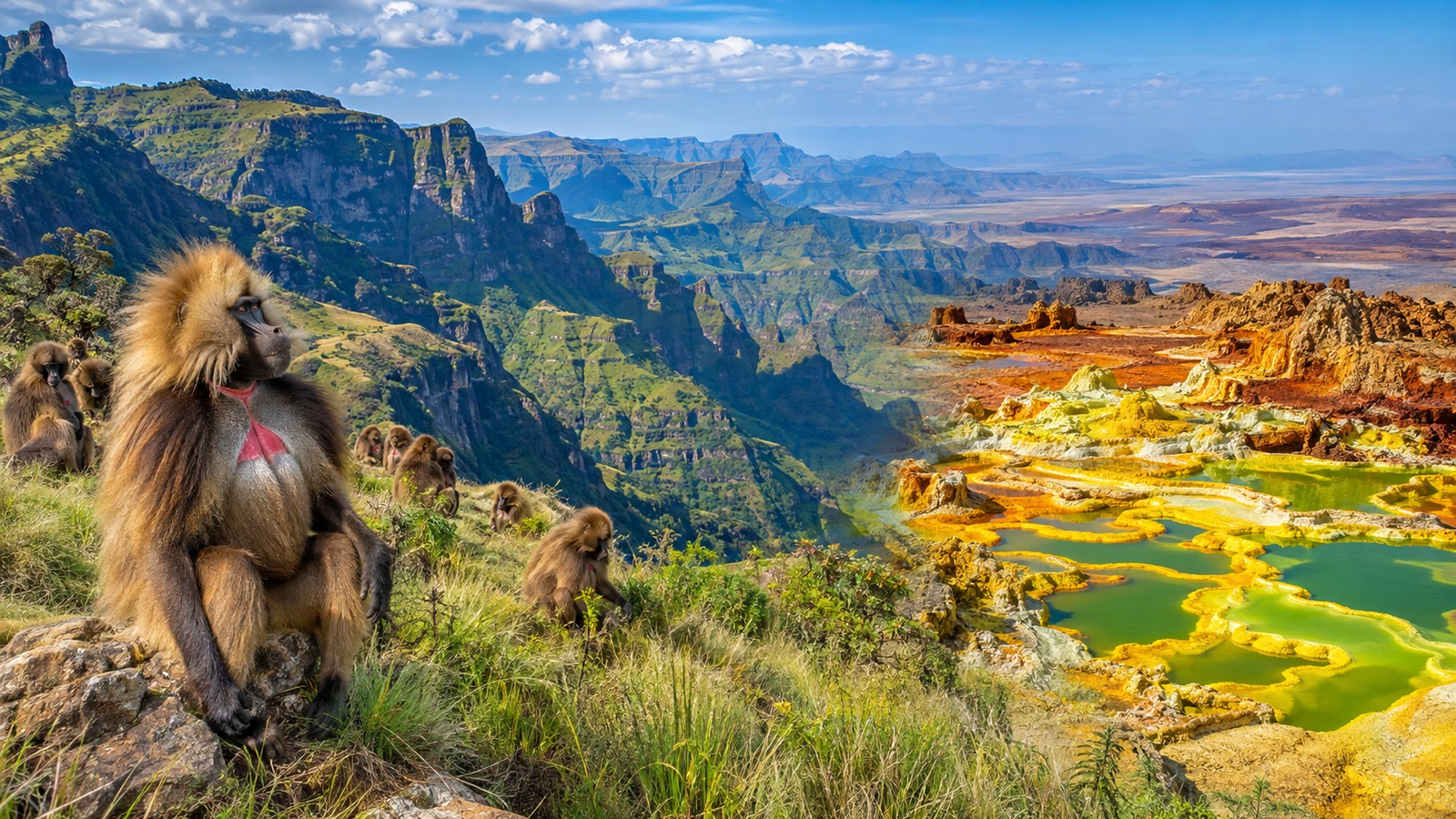
Dramatic trekking peaks with gelada baboons, and the alien volcanic Danakil Depression.
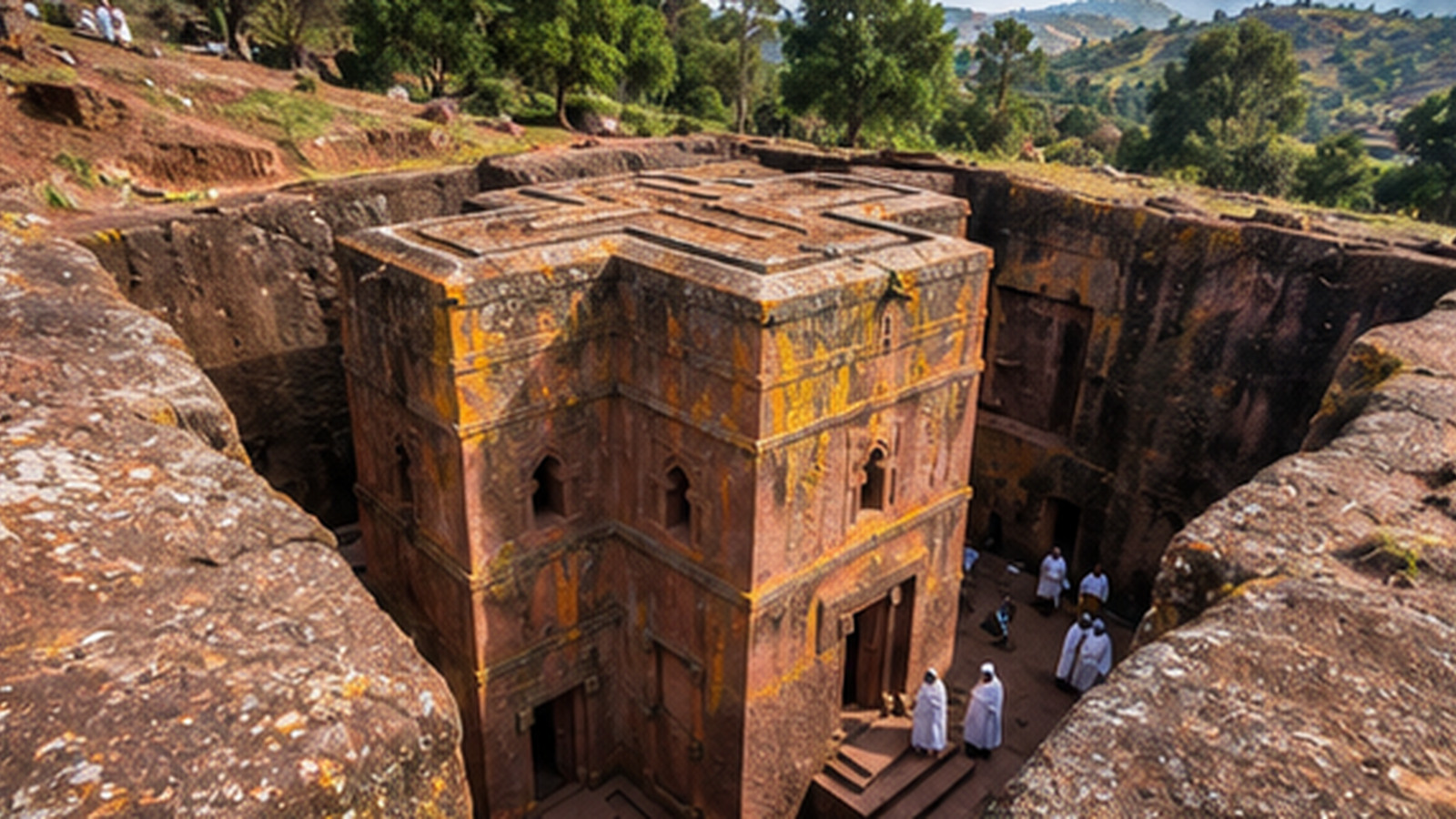
Eleven medieval churches carved down into solid rock, still active places of worship.
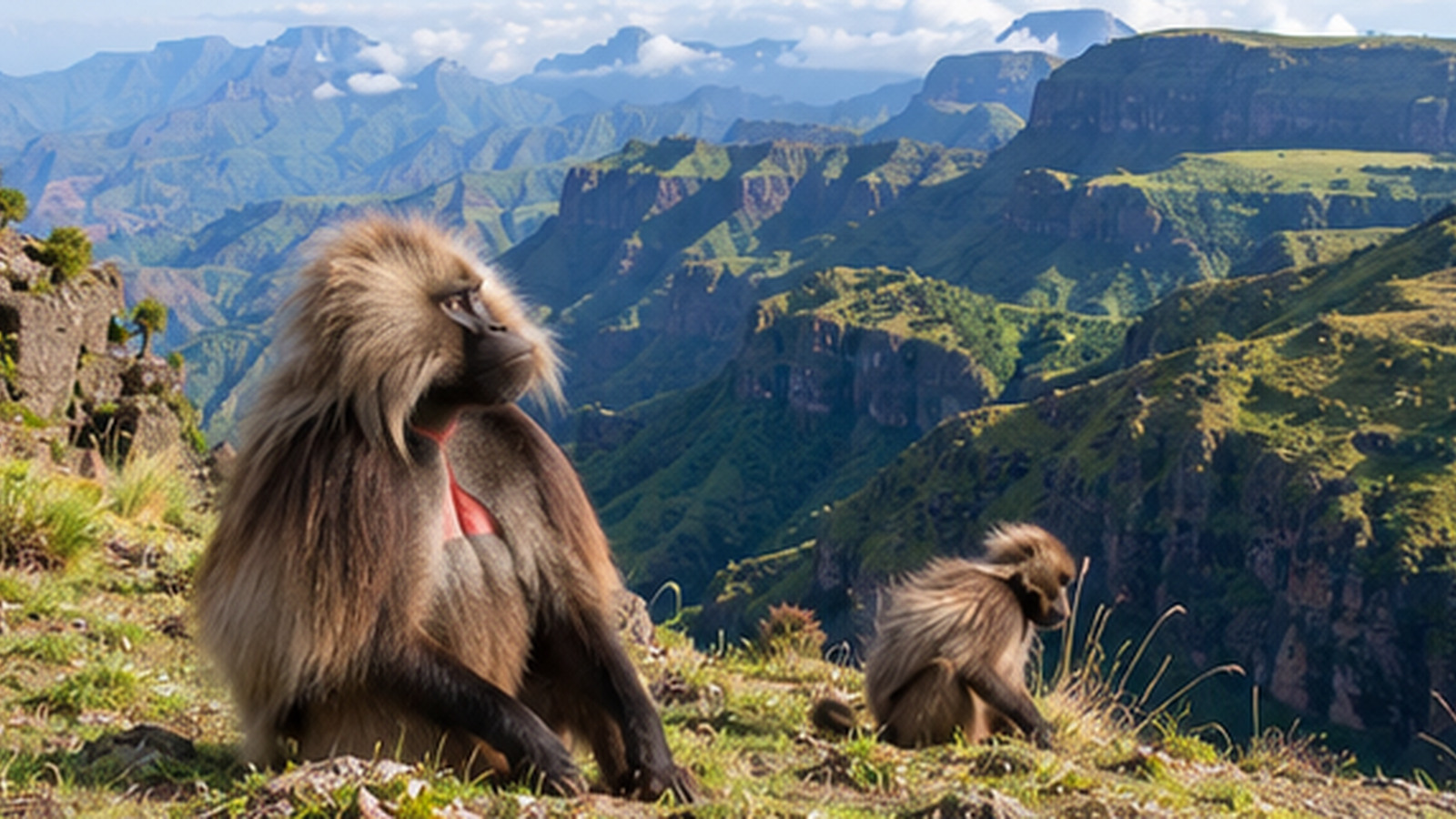
A UNESCO range of jagged peaks, deep escarpments and endemic wildlife like gelada baboons and walia ibex.
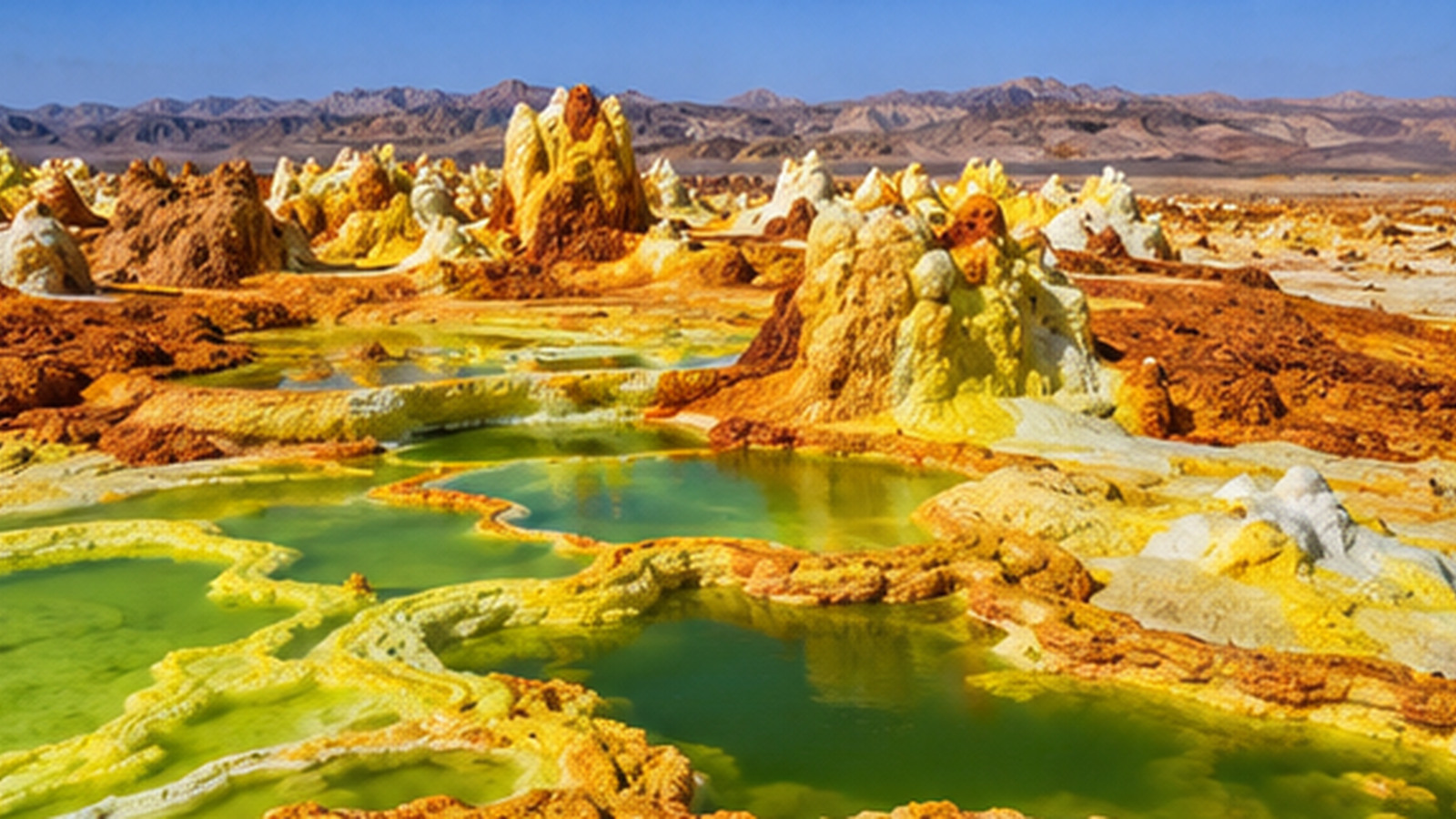
One of the hottest, lowest places on Earth — sulphur springs, salt flats and the Erta Ale lava lake.
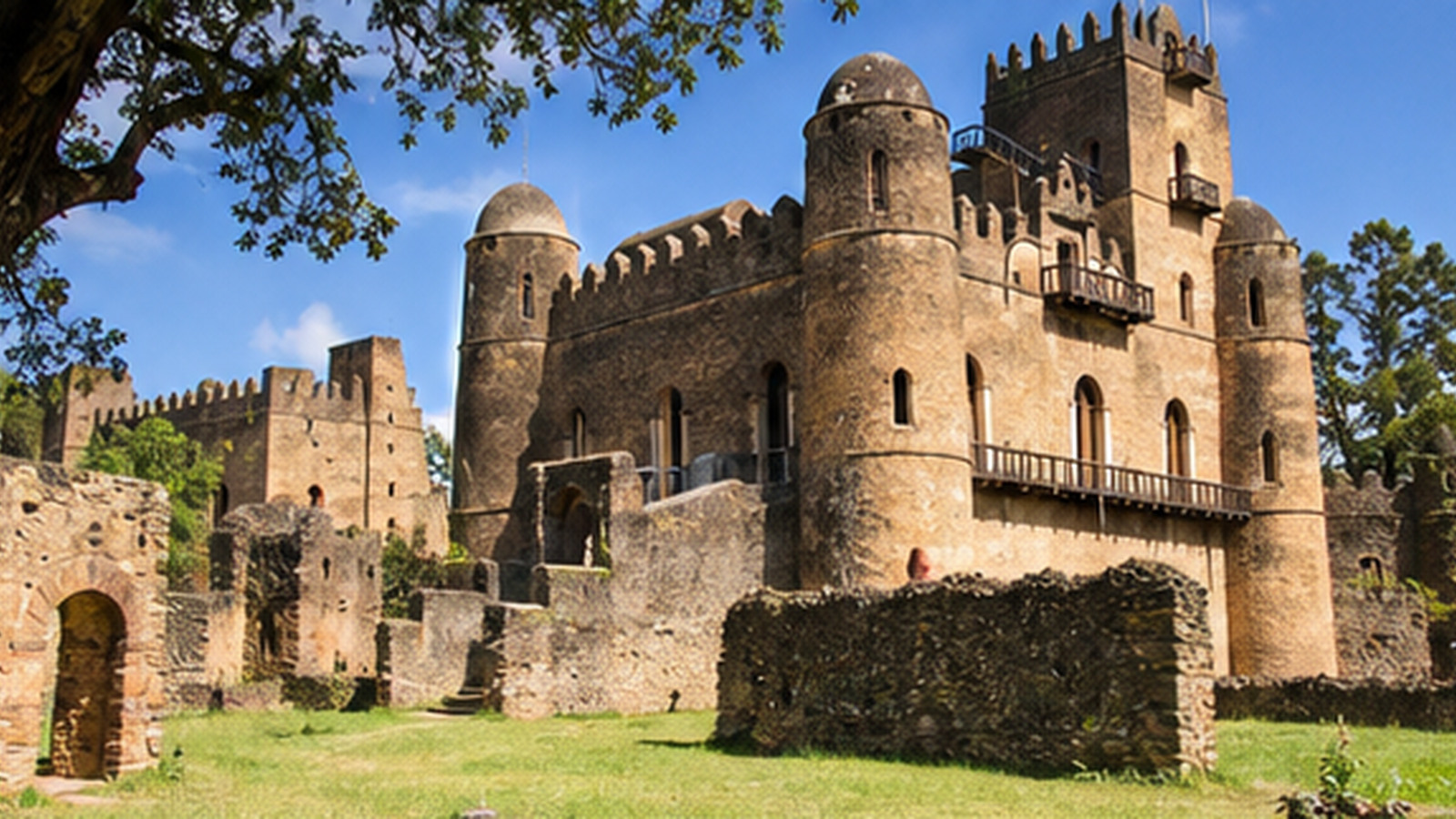
A 17th-century royal compound of stone castles, earning the “Camelot of Africa” name.
A thundering waterfall and a lake dotted with ancient island monasteries, near Bahir Dar.

Ethiopia is the birthplace of coffee, celebrated in a ritual roasting-and-brewing ceremony.
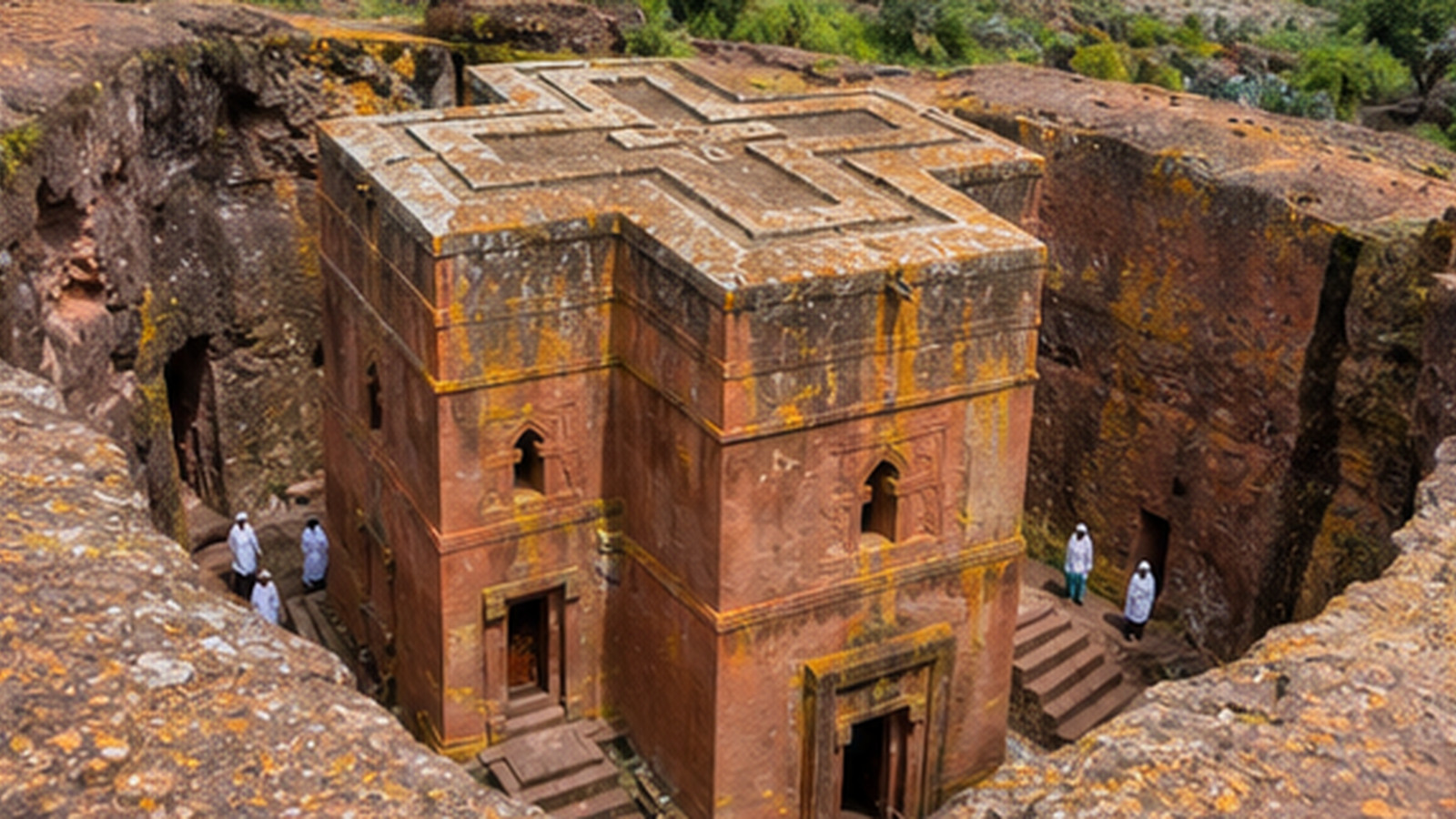
Lalibela, Gondar, Axum and Lake Tana monasteries.
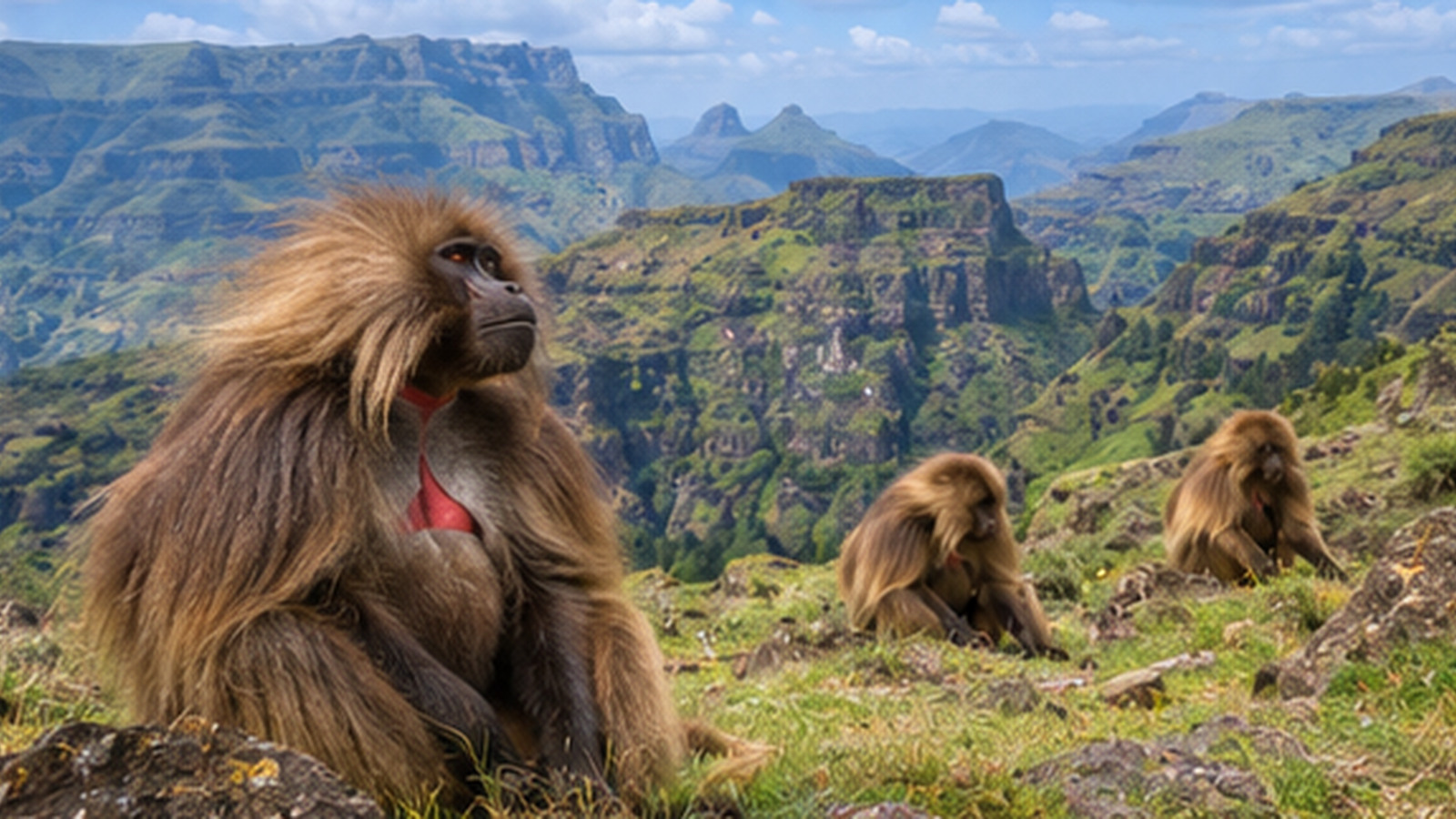
The Simien and Bale Mountains and endemic wildlife.
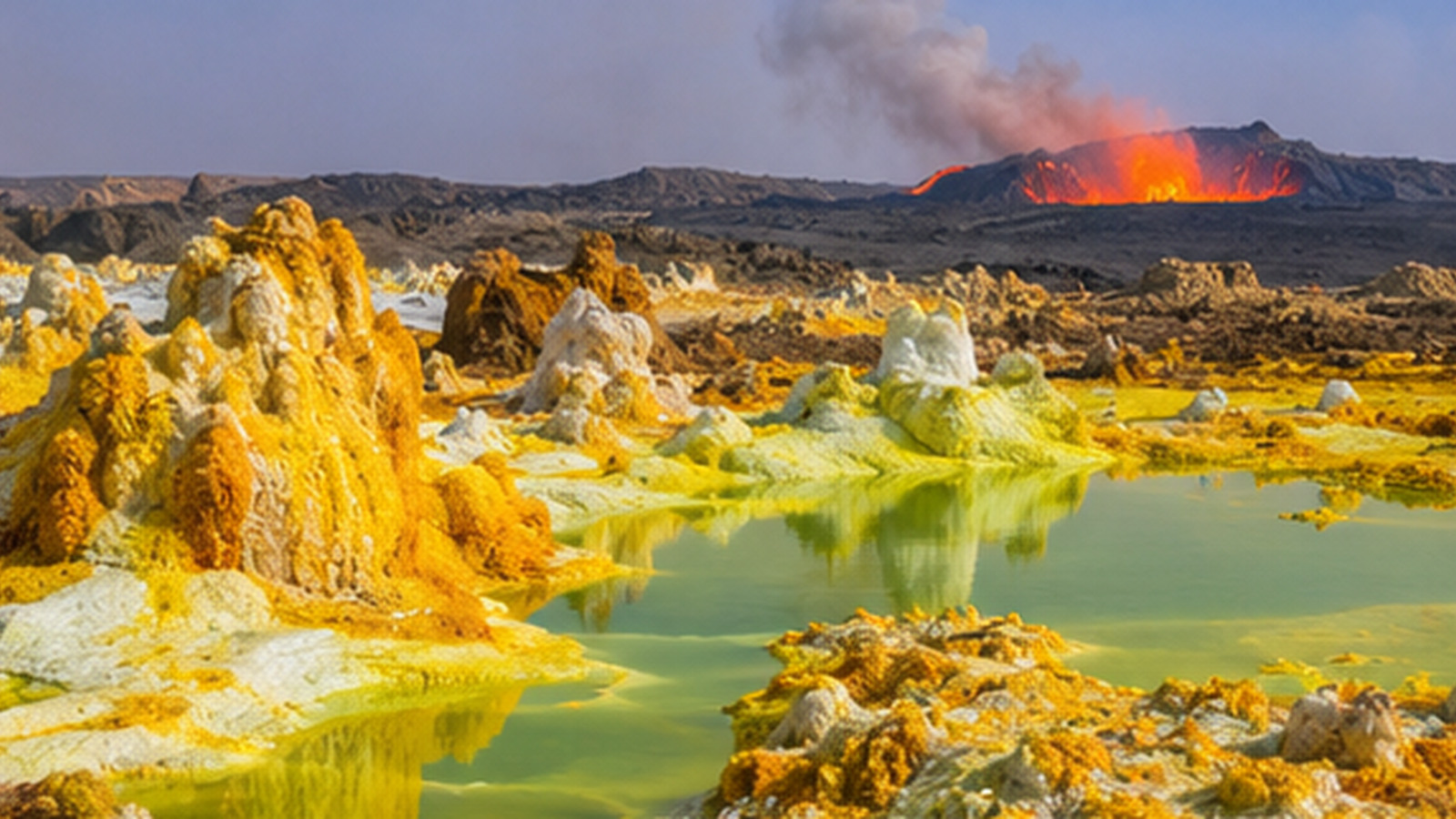
The Danakil Depression’s volcanoes and salt flats.
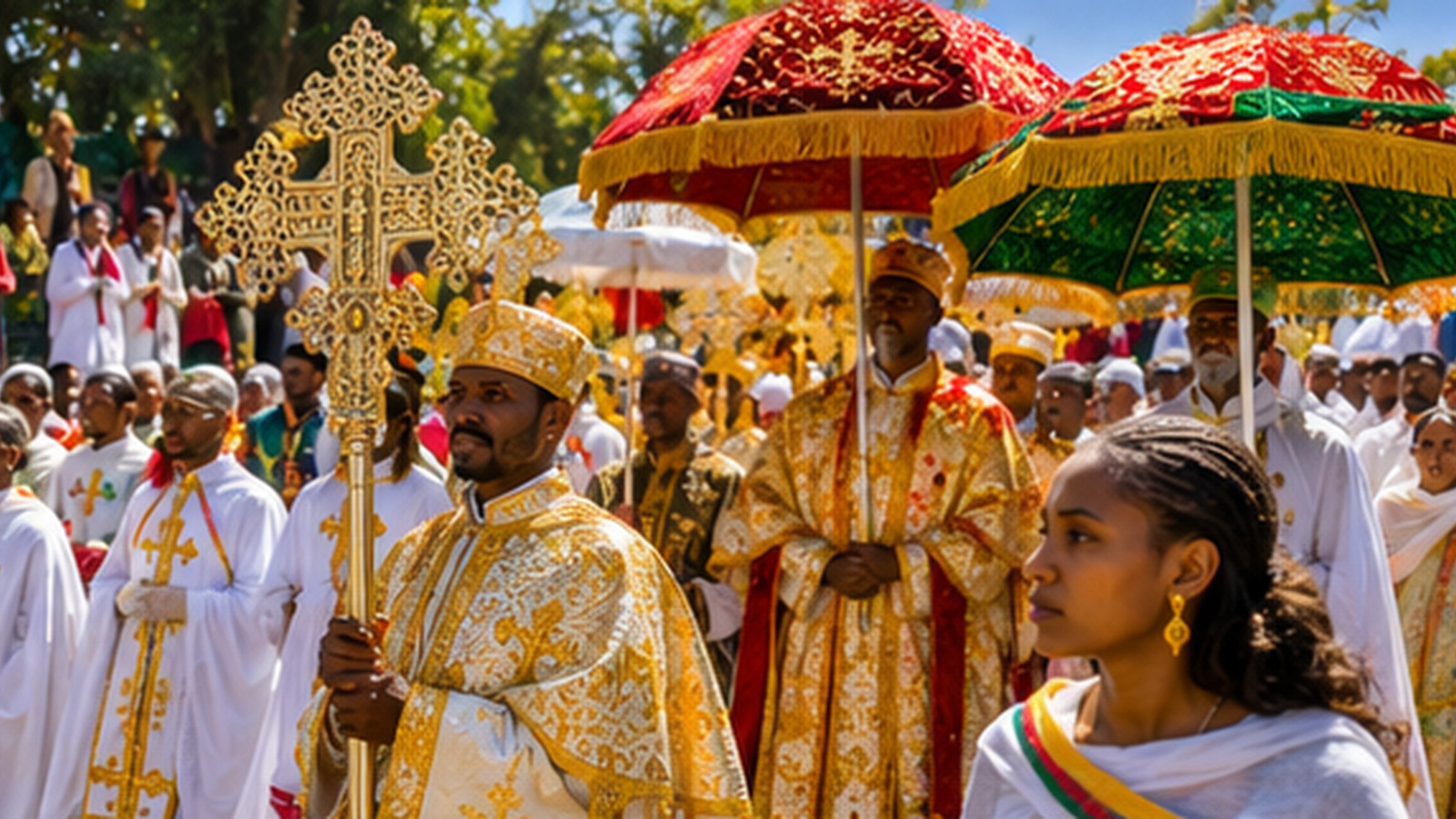
Timkat, Meskel and the coffee ceremony.
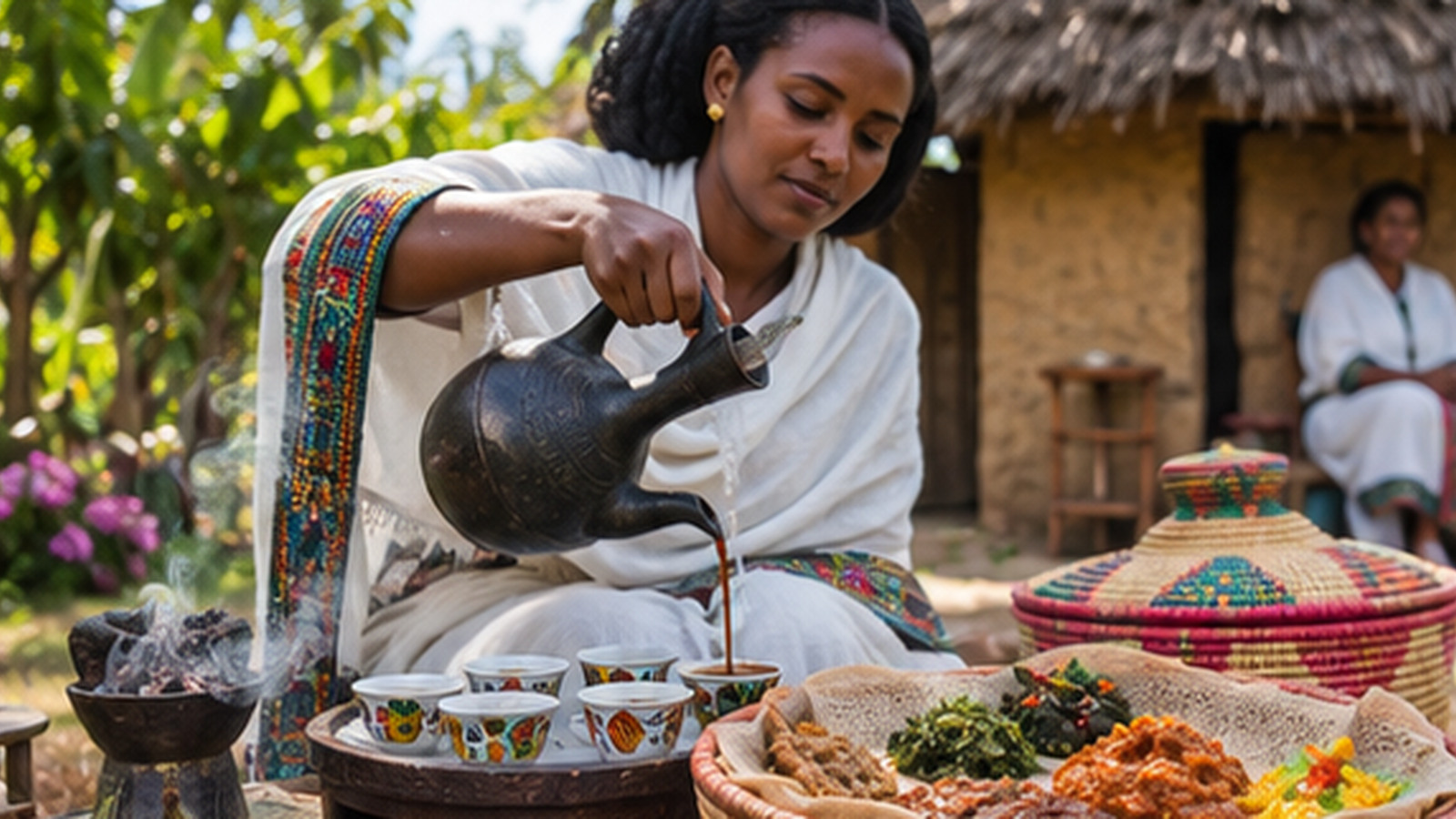
Remote indigenous cultures in the far south (specialist trip).
Book tours & activities through our travel partners — see options. Bluebird Next may earn a commission from partner bookings at no extra cost to you (Affiliate Disclosure).
Ethiopia is good value on the ground, though domestic flights, guides and park fees add up and some sites (Danakil) are costly specialist tours. Indicative per-person figures for an 8-day trip in 2026 (prices checked Nov 2026).
| Item | Typical cost (per person) |
|---|---|
| Return flights (ex-India, direct/1-stop) | ₹45,000 – ₹75,000 |
| E-visa | ₹4,000 – ₹6,000 |
| Domestic flights (historic circuit) | ₹10,000 – ₹20,000 |
| Hotels (per night, twin) | ₹2,500 – ₹7,000 |
| Guides, park fees & tours | ₹2,000 – ₹6,000 / day |
| Food & local transport | ₹1,000 – ₹2,500 / day |
| From | Typical return airfare |
|---|---|
| Delhi | ₹48,000 – ₹75,000 (direct/1-stop, ~6–8 hrs) |
| Mumbai | ₹45,000 – ₹72,000 (direct to Addis) |
| Bengaluru | ₹46,000 – ₹74,000 (direct/1-stop) |
| Chennai | ₹46,000 – ₹74,000 (1-stop) |
| Kolkata/Hyderabad | ₹48,000 – ₹76,000 (1-stop) |
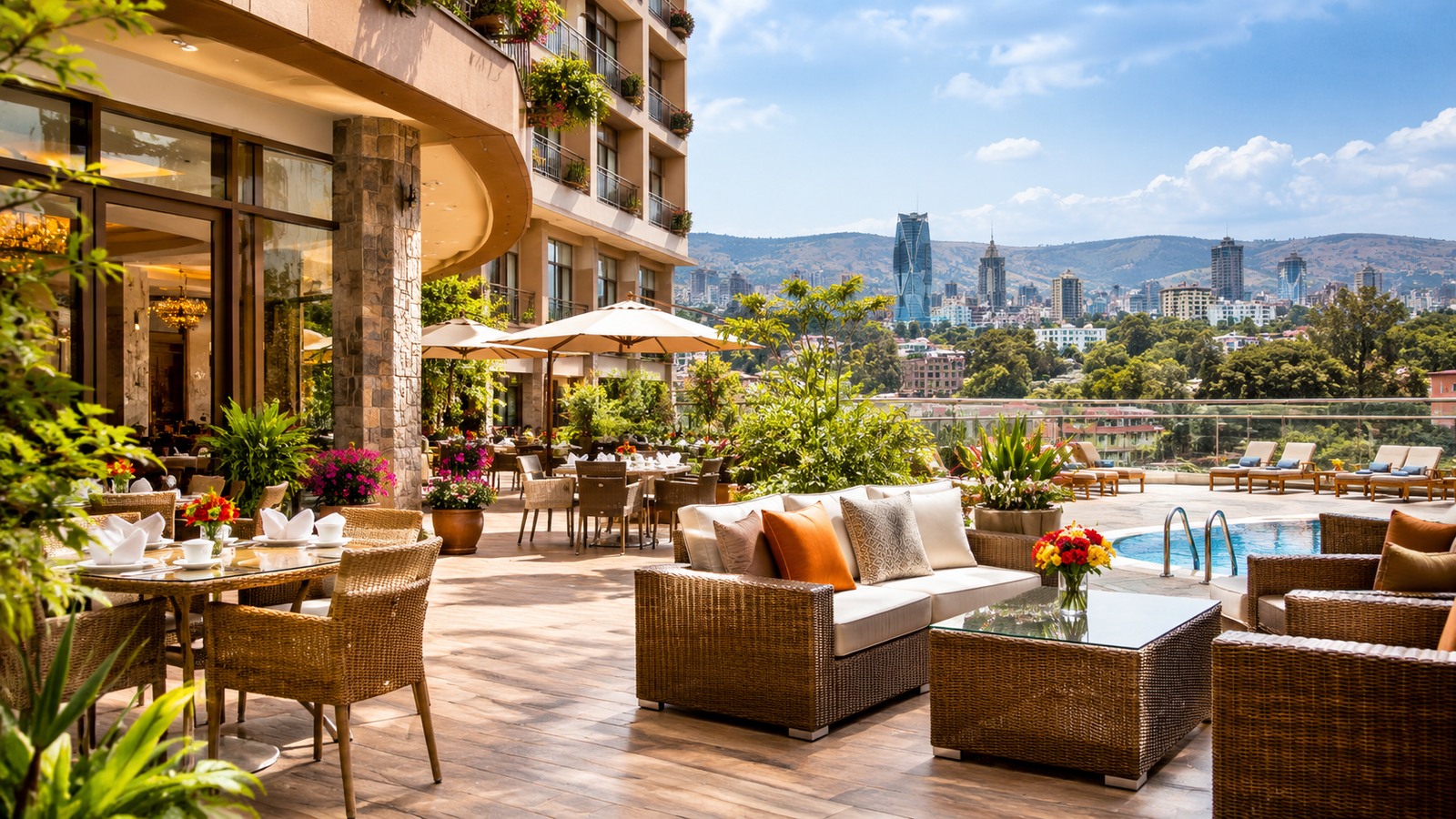
The hub for arrivals, departures and domestic connections.
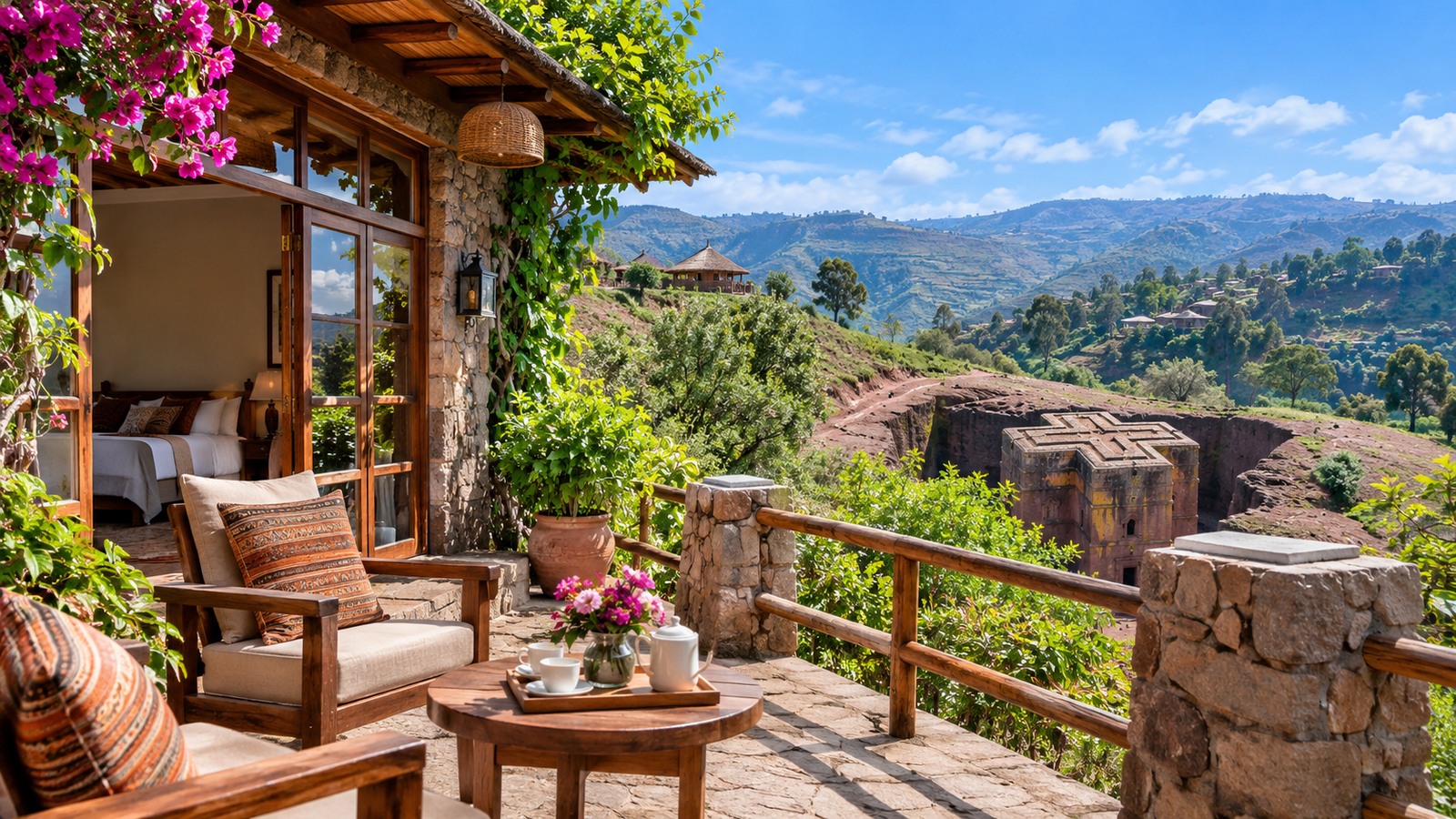
Hotels near the rock churches, some with valley views.
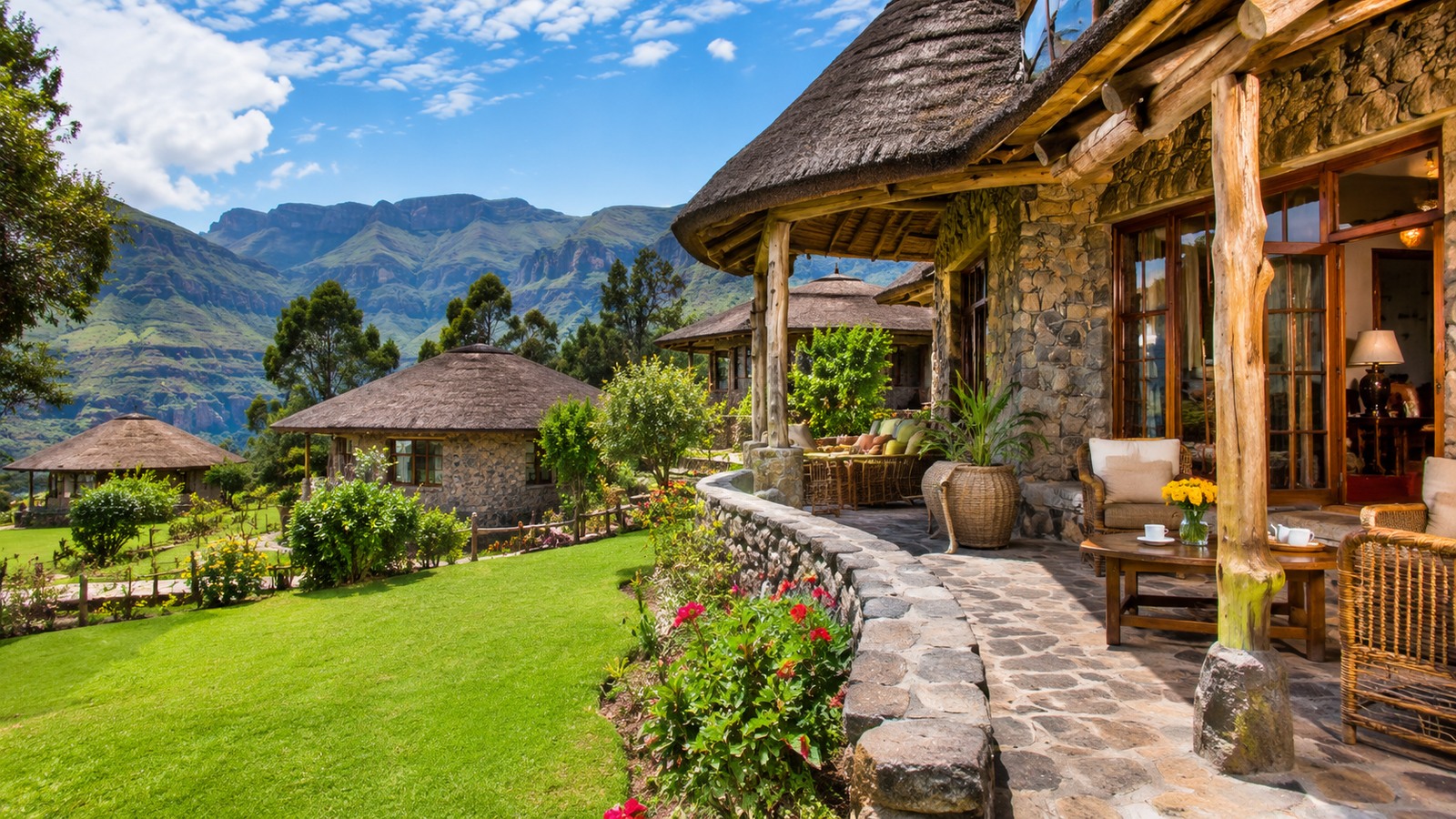
Bases for the castles and mountain treks.

Lakeside hotels for Lake Tana and the Blue Nile Falls.
Ethiopian food centres on injera (a sour flatbread) with spicy stews (wat) of meat, lentils and vegetables, eaten communally by hand — and, thanks to Orthodox fasting traditions, a huge range of vegetarian dishes.
Vegetarians are superbly served — ask for “fasting food” (beyaynetu), a platter of lentil, chickpea, vegetable and greens stews on injera that is entirely plant-based and delicious; it is available almost everywhere, especially on Wednesdays and Fridays. Jain travellers should choose simple vegetable dishes and specify no onion/garlic, as berbere spice mixes often include them.
Addis Ababa has Indian restaurants and a small Indian community, but Ethiopia’s own fasting cuisine makes it one of the easiest African countries for vegetarians — you rarely need to seek Indian food.
Apply for the tourist e-visa on the official government portal before travel (commonly a 30-day single-entry stay); it is usually approved within a few days. Use only the official site. Carry the approval, a passport valid 6+ months, a return ticket, hotel bookings and proof of funds, plus a yellow-fever certificate (often required).
The historic-north sites are far apart — short domestic flights (Ethiopian Airlines) are the practical way around, and flying into Ethiopia on Ethiopian Airlines earns big discounts on these internal flights. Book the circuit ahead in peak season.
Carry cash — the birr for everyday spending, plus US dollars to exchange. Cards work only in some Addis hotels; ATMs are limited and unreliable outside the capital. UPI is not accepted; plan your cash carefully.
Addis and the highlands are high (2,000–3,000m+), so take it easy on arrival. Consult a doctor about malaria (lowlands), carry a yellow-fever certificate, and drink bottled water. Note Ethiopia uses its own calendar (about 7–8 years behind) and a 12-hour clock starting at dawn — confirm times carefully.
Buy an Ethio Telecom/Safaricom SIM (passport needed) or use an eSIM; coverage is limited in remote areas. Ethiopia uses 220V with European Type C/E/F plugs, so most Indian chargers fit; carry a universal adapter and a power bank.
Ethiopian Airlines links Addis, Lalibela, Gondar, Axum and Bahir Dar — the practical way around, with discounts for international Ethiopian flyers.
Essential for the Simien Mountains, Danakil and remote sites.
Taxis and the Ride app in Addis; agree fares elsewhere.
Ethiopia’s main tourist areas (the historic north, Addis, Simien) are generally safe for travellers with sensible precautions, but some regions experience unrest — check your government’s latest travel advisory and avoid affected areas before booking. Use reputable guides (essential for Danakil and treks), take altitude and health precautions, carry cash securely, and keep comprehensive travel insurance.
❌ Myth: Ethiopia is just about poverty and famine.
✅ Fact: That image is decades out of date — Ethiopia offers rock-hewn churches, castles, dramatic mountains, volcanoes and a proud, ancient, never-colonised culture.
❌ Myth: Vegetarians will struggle in Africa.
✅ Fact: Thanks to Orthodox fasting, Ethiopia is a vegetarian paradise — the all-veg “beyaynetu” platter is available almost everywhere.
❌ Myth: The visa is difficult.
✅ Fact: The official e-visa is applied for online in minutes and usually approved within days.
❌ Myth: You can drive the sights in a day.
✅ Fact: The historic-north sites are far apart — short domestic flights (discounted for Ethiopian Airlines flyers) are the practical way to link them.
❌ Myth: It uses the same calendar and clock as everyone.
✅ Fact: Ethiopia has its own calendar (about 7–8 years behind) and a 12-hour clock starting at dawn — always confirm dates and times.
Yes — Indians need a visa, most easily the official e-visa (commonly a 30-day single-entry stay) applied for online before travel and usually approved within a few days. Carry the approval, a passport valid 6+ months, a return ticket, hotel bookings and proof of funds, plus a yellow-fever certificate (often required), and use only the official site.
Apply on the official government e-visa portal, upload a passport photo and pay online; approval usually arrives by email within a few days. Carry a printout. It is quick and saves an embassy trip.
An 8-day trip is roughly ₹1,10,000–₹2,00,000 per person, and about ₹2,20,000–₹3,60,000 for a couple. Flights, domestic flights, guides and park fees are the main costs; food and hotels are good value.
Direct flights to Addis Ababa take about 6–7 hours from Mumbai and Delhi (Ethiopian Airlines), making it one of the more accessible African destinations.
Eight to twelve days — eight cover the historic north (Lalibela, Gondar, the Simien Mountains and Lake Tana); twelve add Axum and the Danakil Depression. The sites are far apart, so use domestic flights.
October to March (the dry season) is best — clear highland skies, good trekking and the colourful Timkat (January) and Meskel (September/October) festivals. The main rains fall June to September.
Exceptionally — thanks to Orthodox fasting traditions, the all-vegetarian “beyaynetu” (fasting-food) platter is available almost everywhere, making it one of the easiest African countries for vegetarians. Jains should choose simple vegetable dishes and specify no onion/garlic.
Short domestic flights (Ethiopian Airlines) link Addis, Lalibela, Gondar, Axum and Bahir Dar and are the practical way around — flying in on Ethiopian Airlines earns big discounts on them. Guides and 4x4s are essential for the Simien Mountains and Danakil.
Carry cash — the birr for everyday spending, plus US dollars to exchange. Cards work only in some Addis hotels, and ATMs are unreliable outside the capital. UPI is not accepted, so plan your cash carefully.
The main tourist areas (the historic north, Addis, Simien) are generally safe with sensible precautions, but some regions experience unrest — check your government’s latest travel advisory and avoid affected areas before booking. Use reputable guides, take health precautions, and carry comprehensive travel insurance.
Strongly recommended — given the remote areas, trekking, altitude and the Danakil, it should cover medical care and evacuation, adventure activities, and trip delays and cancellations.
Sources: Ethiopia Tourism (official) · Ethiopia e-Visa (official portal)
A licensed team that has guided thousands of Indians to their visas and admissions.
 Jitender SinghFounder & Managing Director
 Vikram SinghHead – Quality & Operations
 SanjayHead – Tourist Visa Operations
 TejaswaniHead – Counselling Team
 MahimaHead – Visa Filing & Processing
 Pratigya DuttaHead – Student Visa Processing
Free, no-pressure guidance from a real counsellor who handles your case end to end — from documents to decision.