
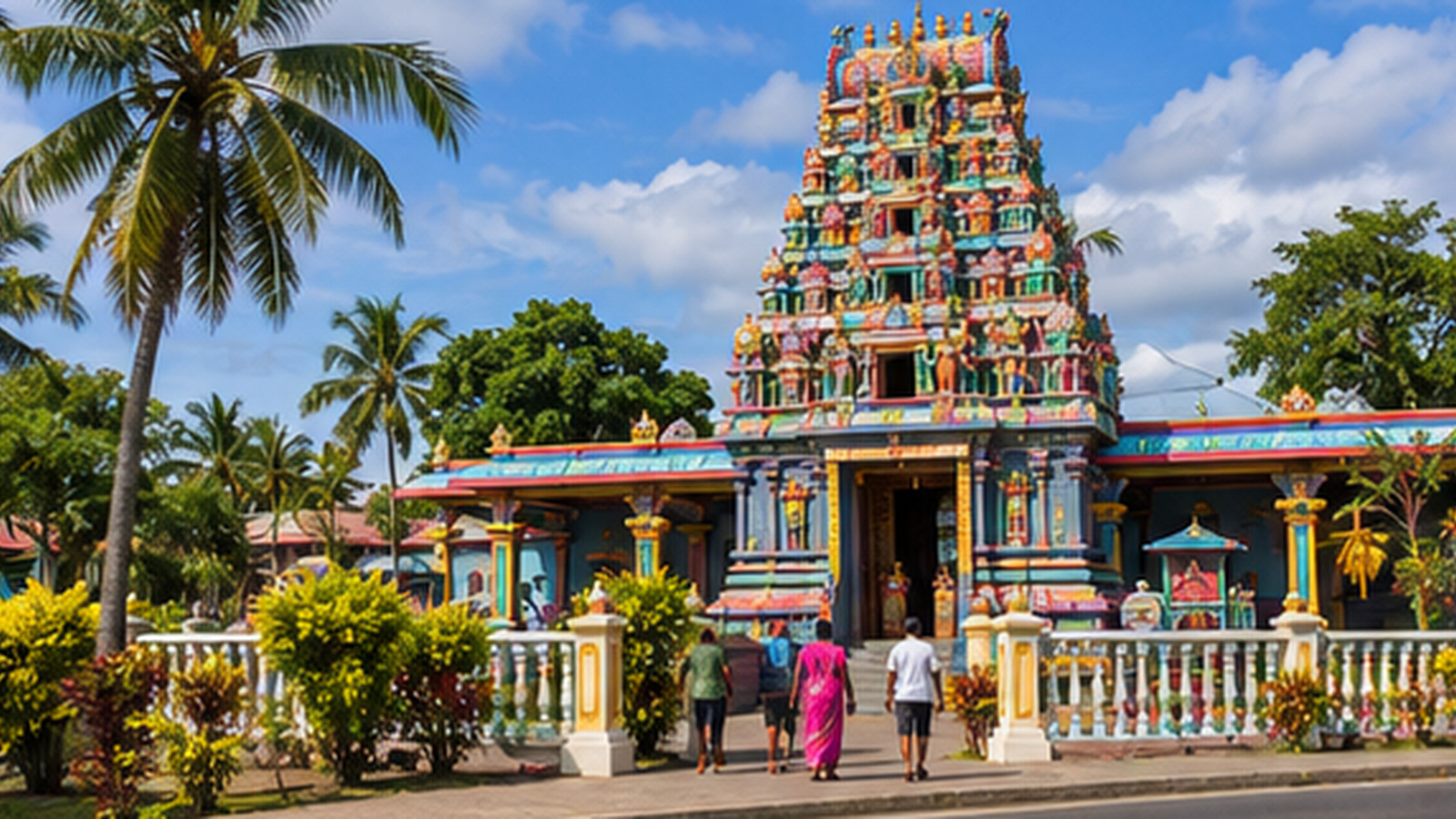
The main gateway (Nadi airport), temples, markets and the mainland’s resort coast.
A South Pacific dream of 300+ islands — powder-white beaches, turquoise lagoons, world-class diving and the warmest “Bula!” welcome, with visa-free entry for Indians.
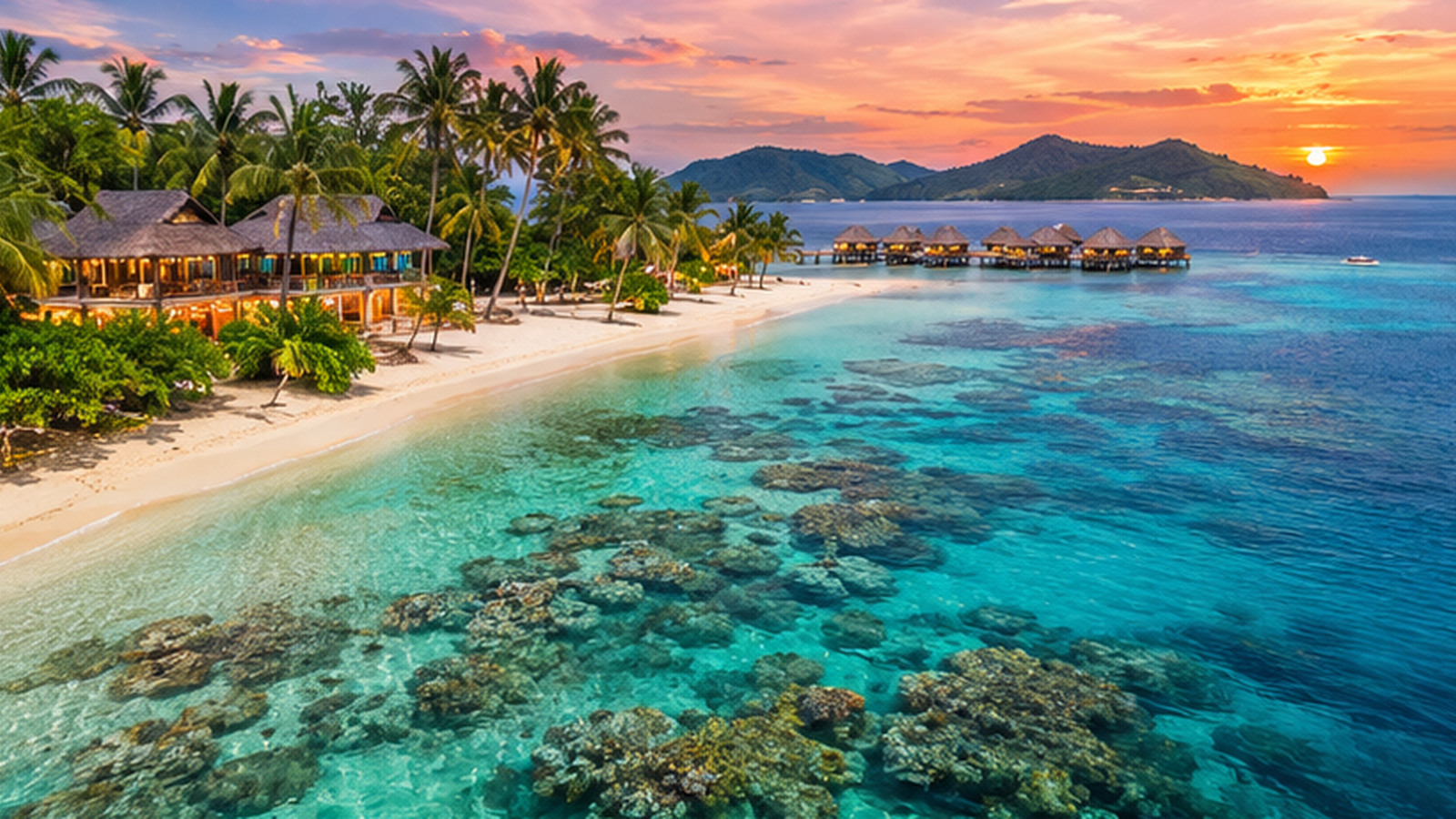
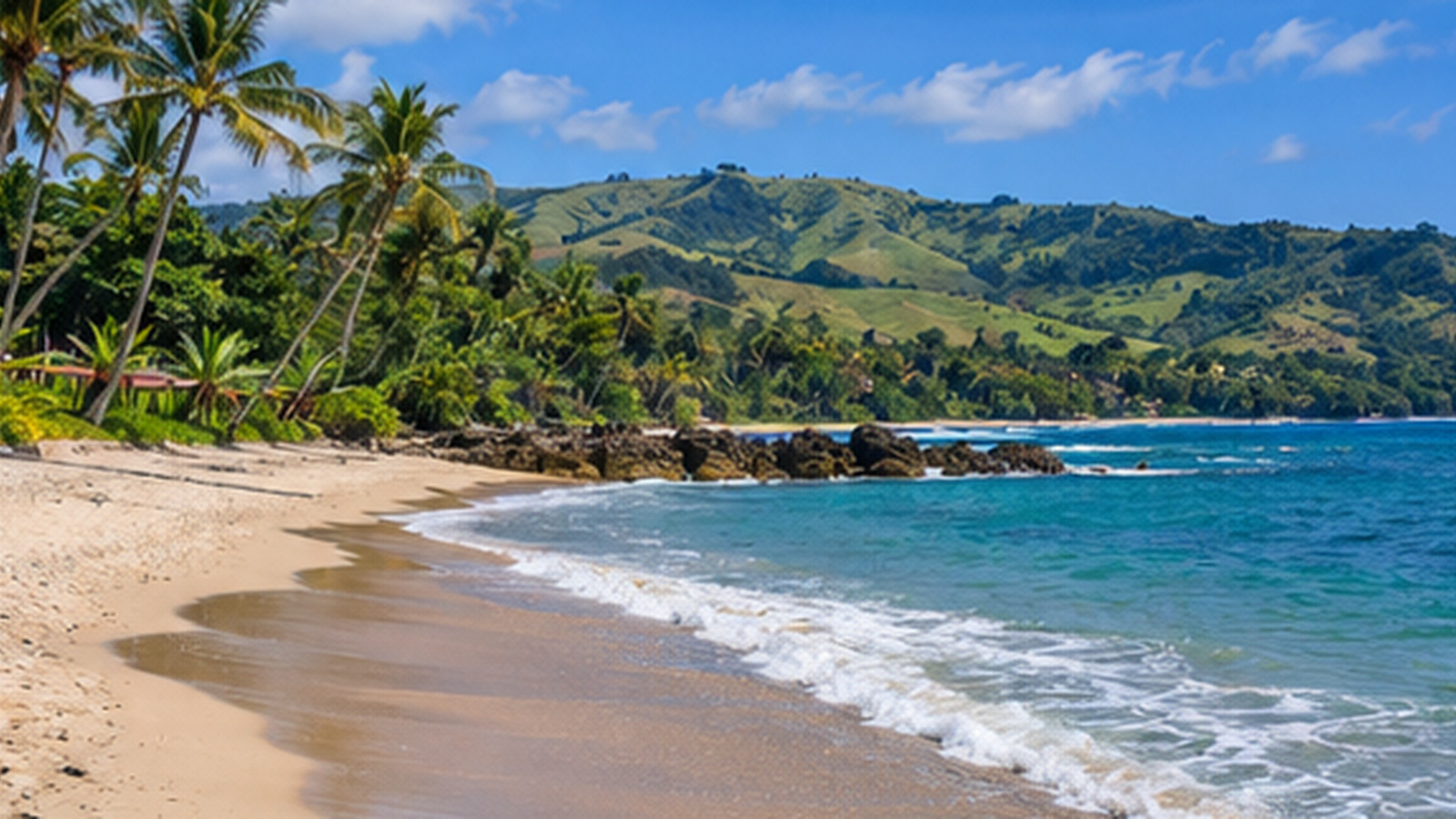
Fiji is the quintessential South Pacific paradise — an archipelago of more than 300 islands scattered across turquoise seas, fringed with powder-white sand, swaying palms and vibrant coral reefs, and home to some of the warmest, most genuine hospitality on Earth. For Indian travellers it holds a special appeal: not only is it visa-free, but Fiji has a large Indo-Fijian community, so Indian food and familiar faces are everywhere.
Base yourself near Nadi, then sail out to the Mamanuca and Yasawa island chains for castaway beaches, snorkelling and diving among soft corals and reef sharks. Relax in overwater or beachfront resorts, learn to say “Bula!”, share a kava ceremony in a village, and let island time take over. Whether it’s a honeymoon, a diving trip or a bucket-list escape, Fiji delivers the dream — and the shared Indian heritage makes it feel surprisingly like home.
This guide is written for Indian travellers: the real cost in rupees (it is far but worth it), the easy visa-free rules, where vegetarians and Jain travellers eat (very easily), how to pick your islands, and a relaxed route through paradise.
Fiji suits Indians dreaming of a South Pacific beach paradise with zero visa hassle and a big Indo-Fijian community that means easy Indian/veg food and a warm welcome. It is ideal for honeymooners, divers and bucket-list travellers who don’t mind a long journey for truly world-class islands.
💡 From our visa desk: Fiji is far from India (expect a long journey via Singapore, Hong Kong or Australia), so go for a week or more to make it worthwhile. Don’t stay only near Nadi — the magic is on the Mamanuca and Yasawa islands, a short boat or seaplane away. The dry season (May–Oct) is best. The large Indo-Fijian community makes Indian and vegetarian food wonderfully easy.
Visa-free entry for Indian tourists for up to 4 months.
Indian passport holders can enter Fiji visa-free for tourism for up to four months, granted on arrival. You need a passport valid at least six months, a confirmed return or onward ticket and proof of funds and accommodation. It is one of the most generous visa-free allowances available to Indian travellers.
Check your Fiji entry requirement →May to October is the dry season and the best — sunny, warm and less humid, ideal for the islands and diving. The wet season (Nov–Apr) is hotter, more humid and the cyclone season. See the month table.
| Season | What it's like & who it suits |
|---|---|
| May–Oct | The dry season — sunny, warm days, lower humidity and the best diving visibility. Peak season; book ahead. |
| Nov–Apr | Wet and humid, with tropical downpours and the cyclone risk; lush, quieter and cheaper between storms. |
| Jul–Aug | The coolest, driest and busiest window — great weather and school-holiday crowds. |
| Month | Weather & what’s on (incl. Indian holiday windows) |
|---|---|
| May–June | Early dry season — warm, sunny and less humid, with great sea conditions and thinner crowds. An excellent window. |
| July–August | Peak dry season — the coolest, driest and sunniest months, ideal for islands and diving; busiest and priciest. |
| September–October | Still dry and warm, with good visibility for diving and fewer crowds as the season winds down. |
| November–December | Wet season begins — hotter and more humid with afternoon showers and a cyclone risk; lush and quieter. |
| January–April | Hot, humid and the peak cyclone season, with heavy rain possible; lowest prices and fewest crowds between storms. |
The main gateway (Nadi airport), temples, markets and the mainland’s resort coast.
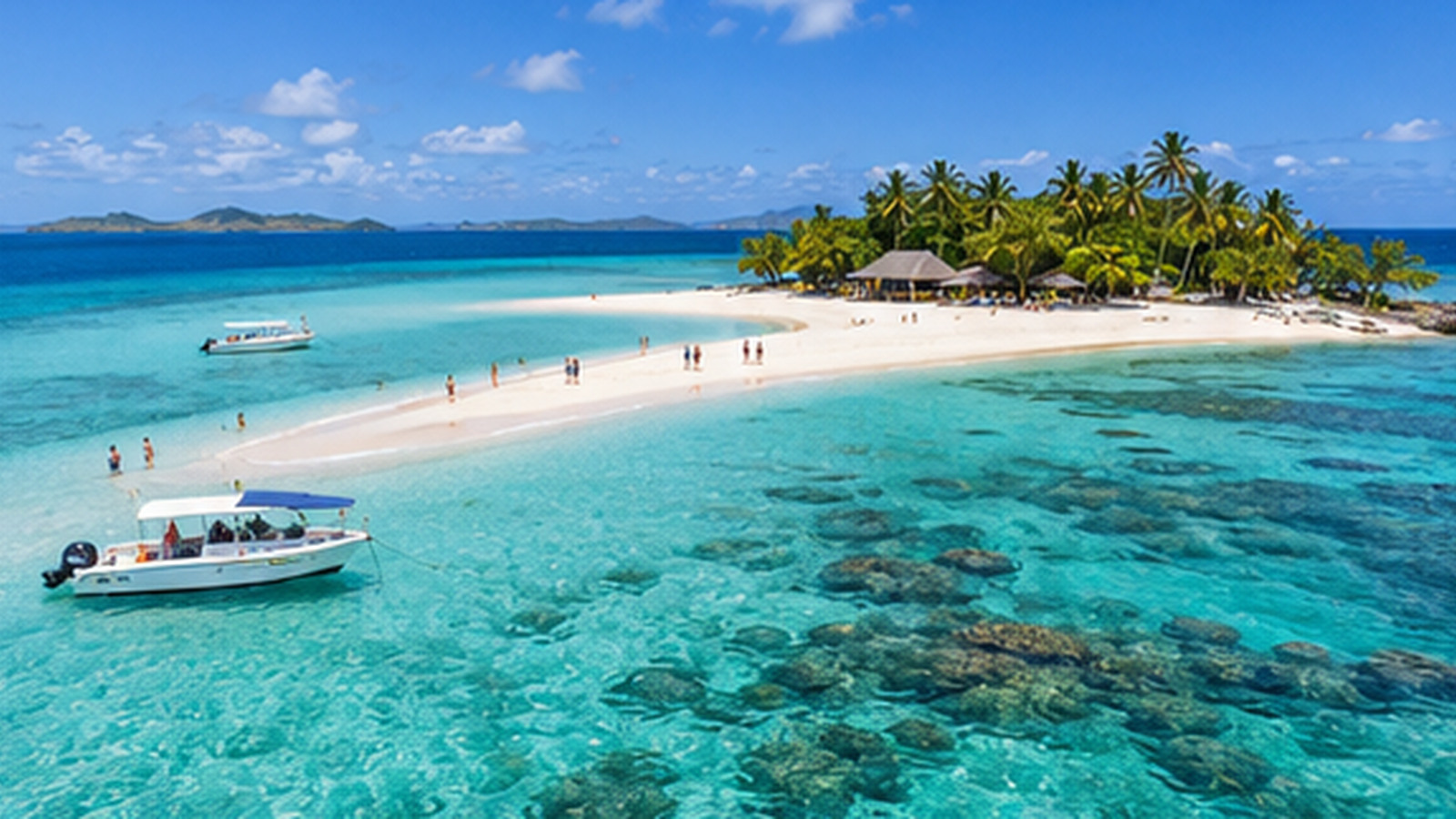
The closest island chain — white-sand resorts, day trips, snorkelling and the famous Cloud 9 floating bar.
A remote, dramatic chain of blue lagoons, caves and castaway beaches.
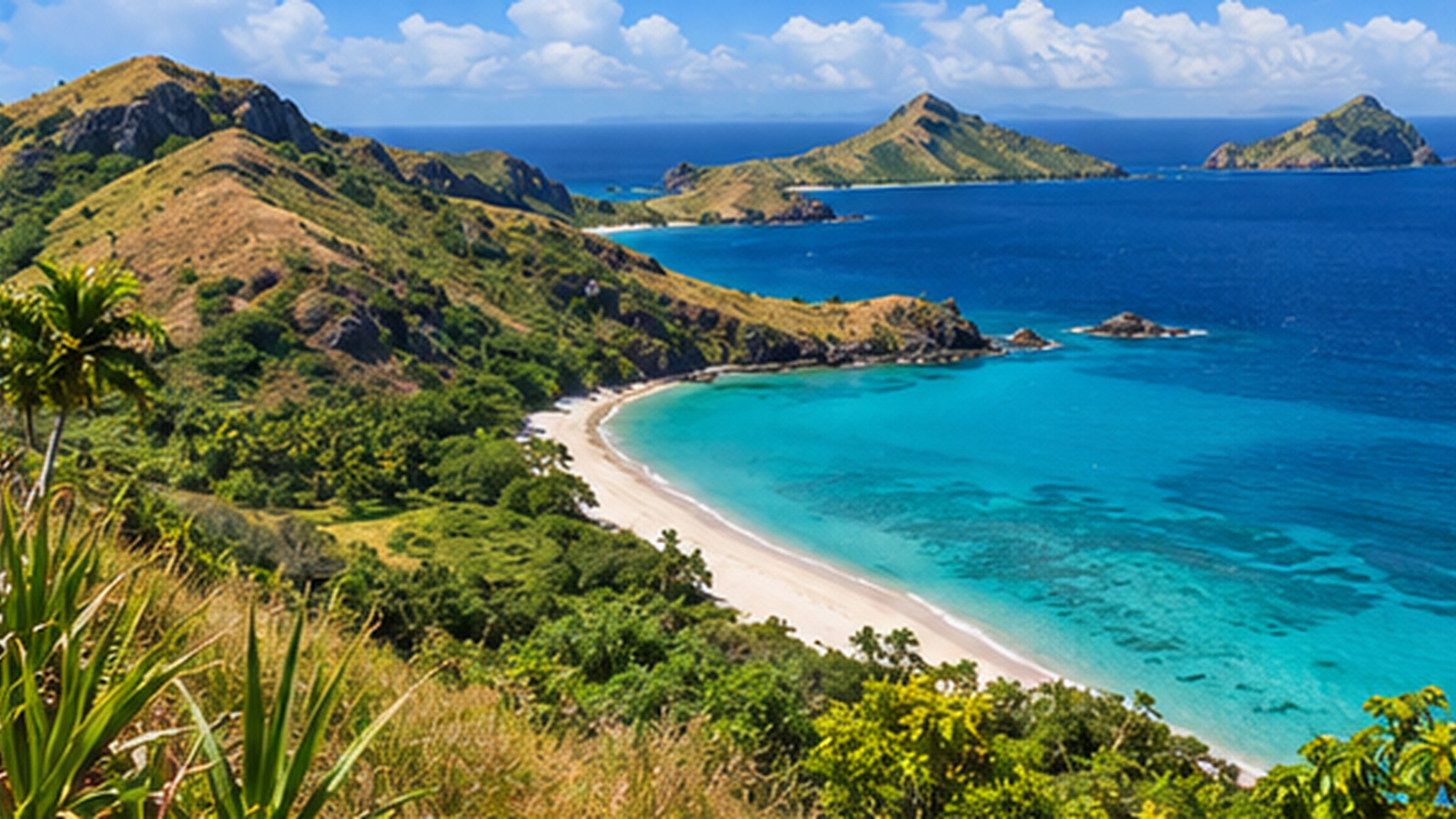
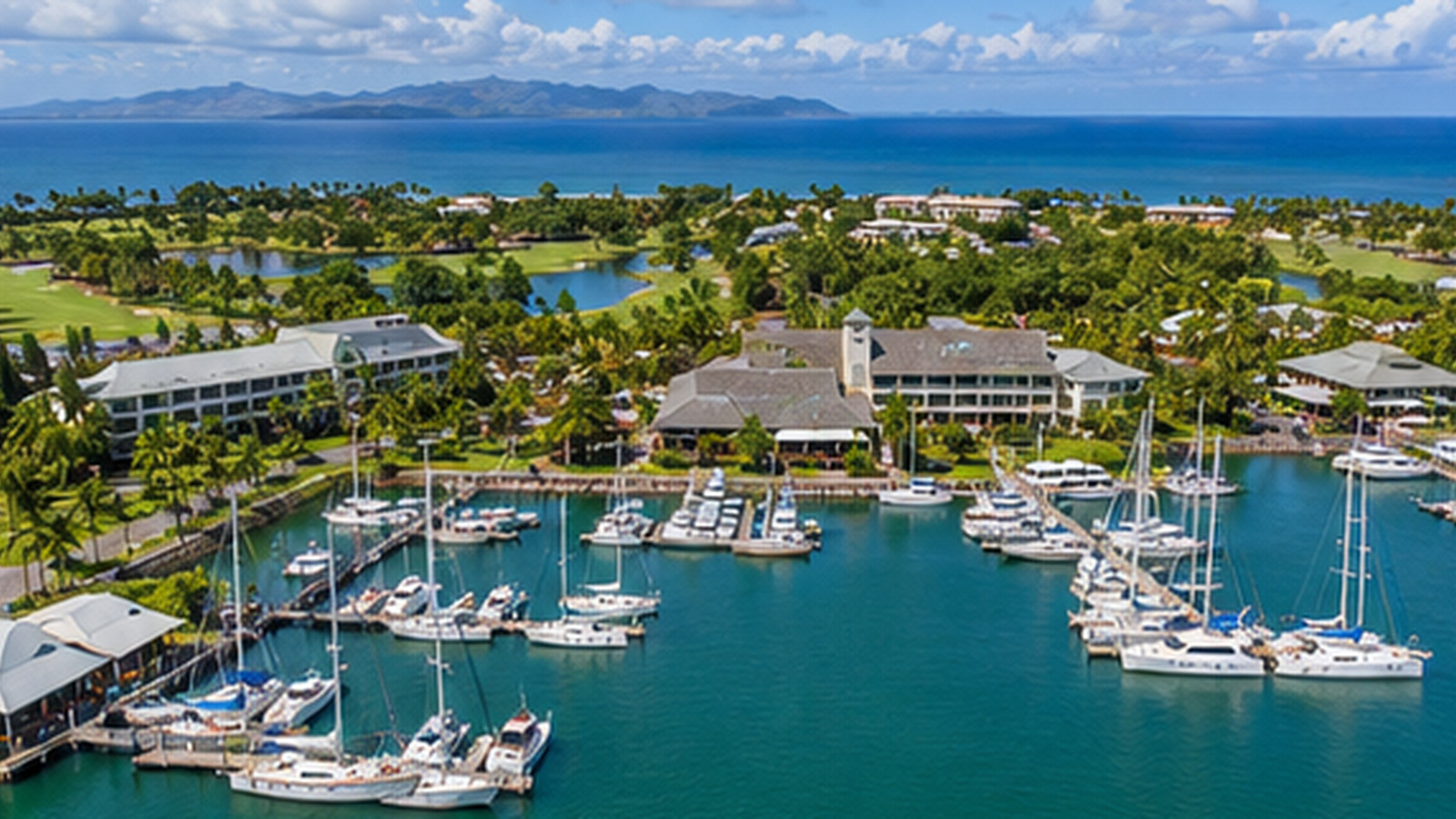
A resort-and-marina hub near Nadi, the base for island transfers.
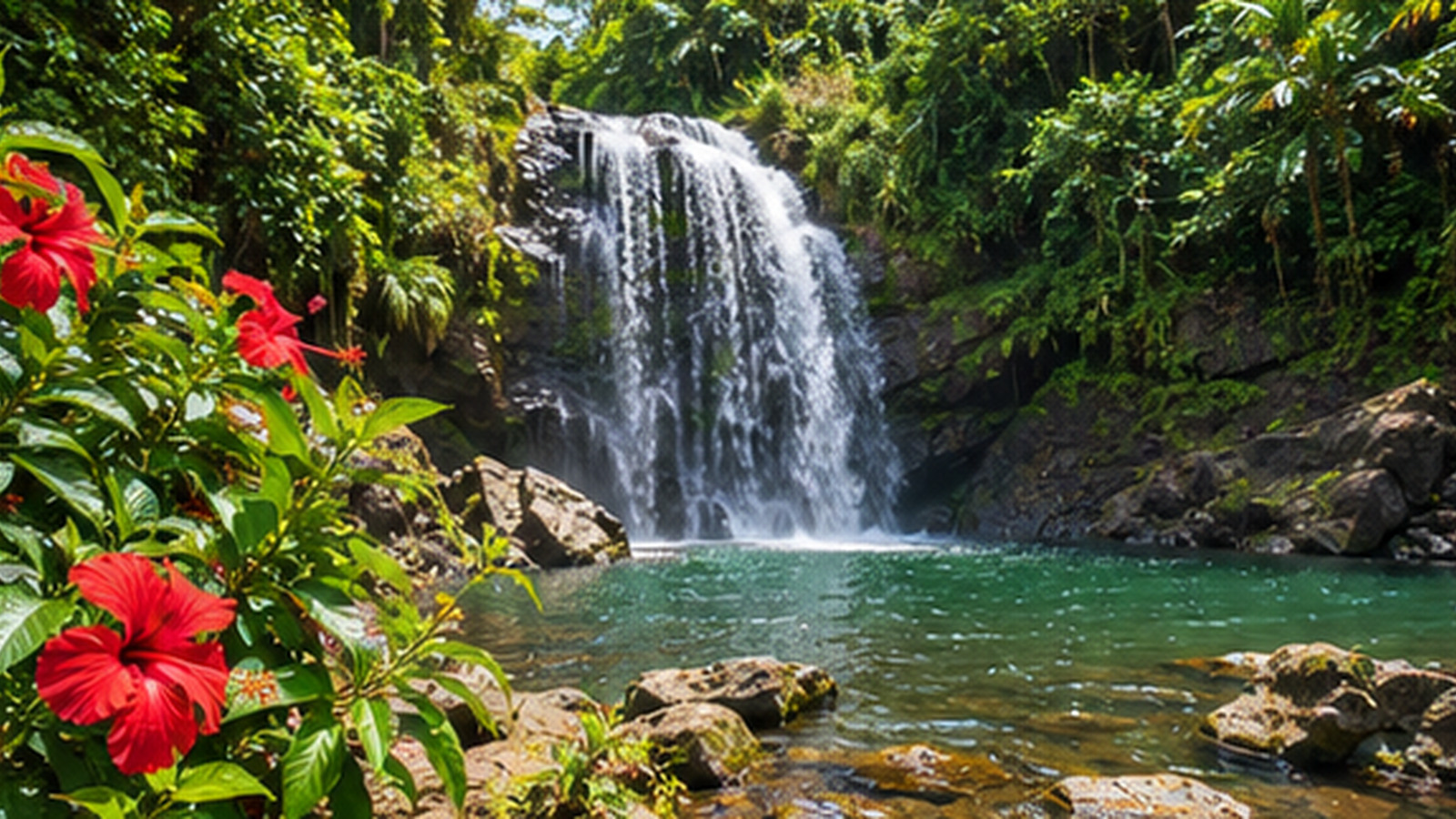
The capital on the main island, with museums, markets and a lively culture.
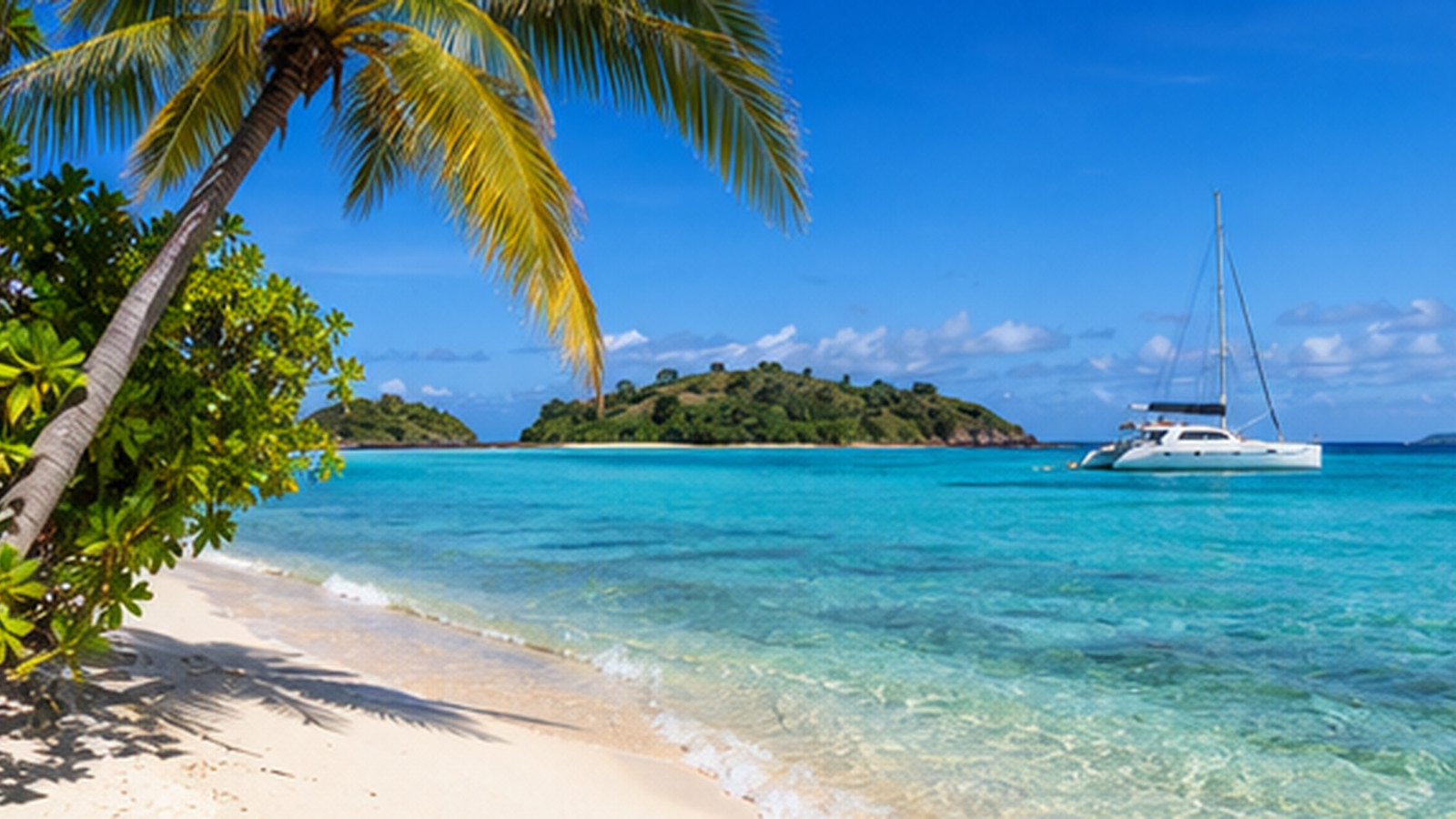
Day trips and stays among close-in white-sand islands with superb snorkelling.
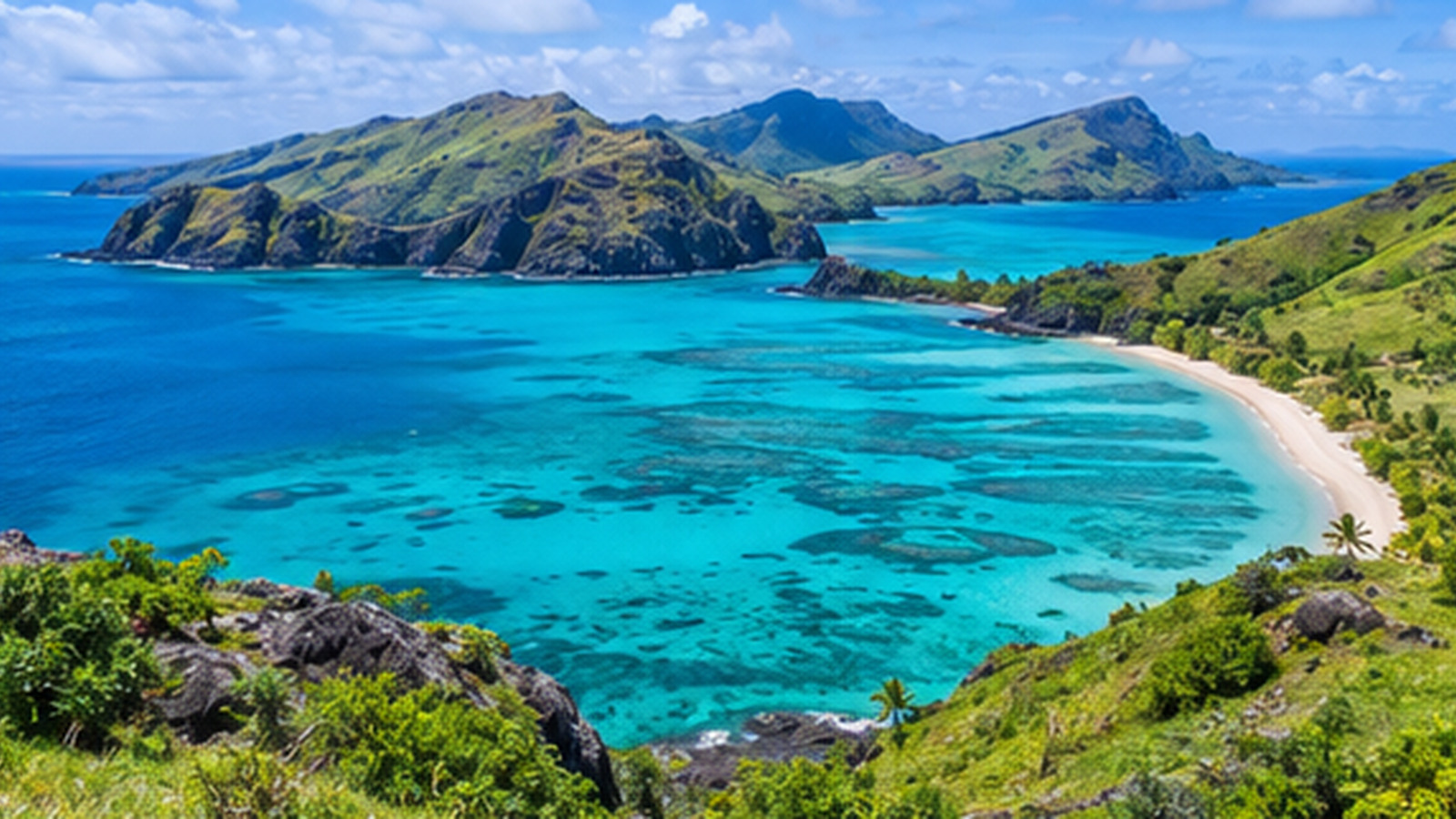
Remote, postcard-perfect lagoons, limestone caves and village life.
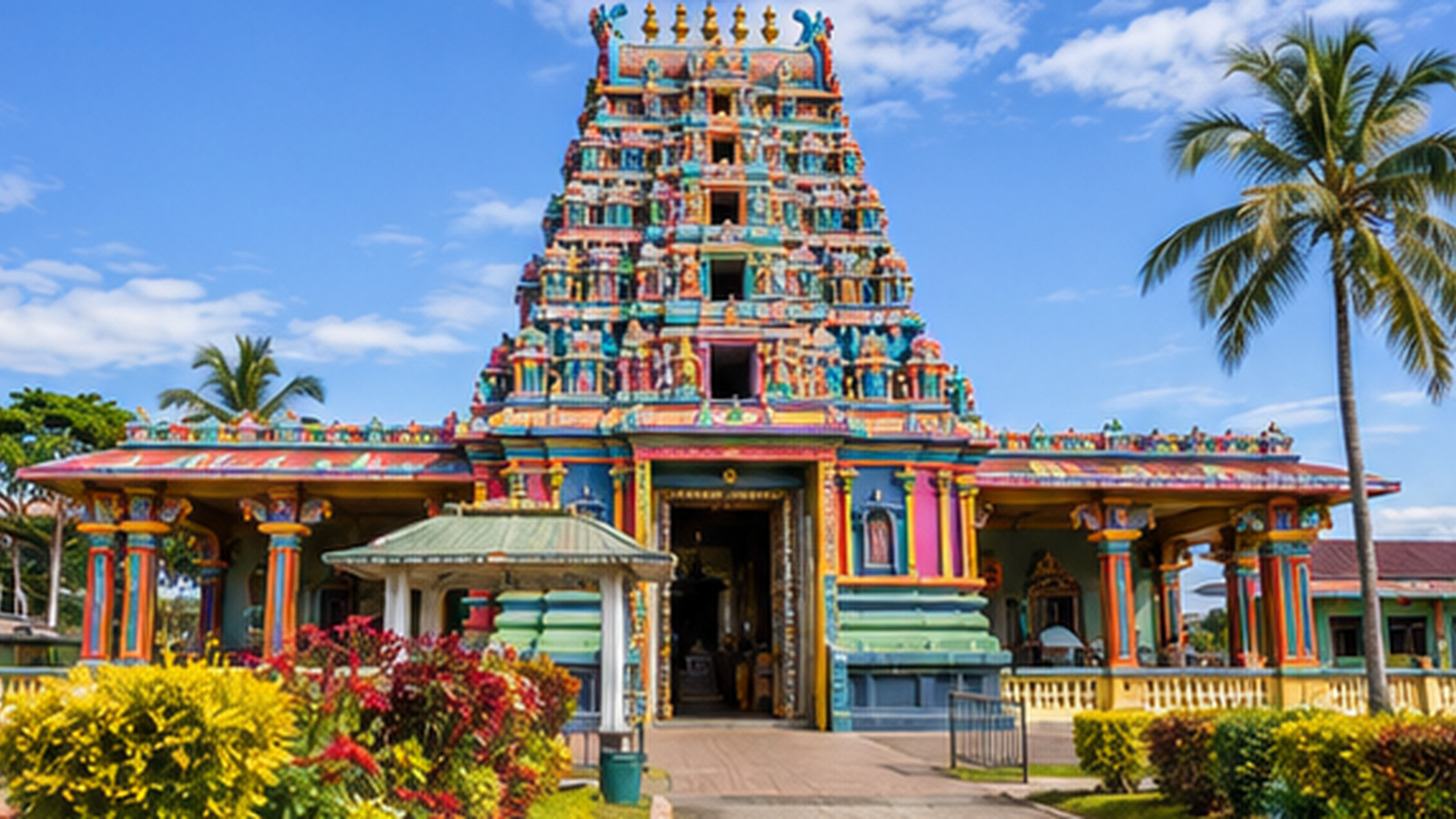
A colourful South-Indian-style Hindu temple, one of the largest in the southern hemisphere.

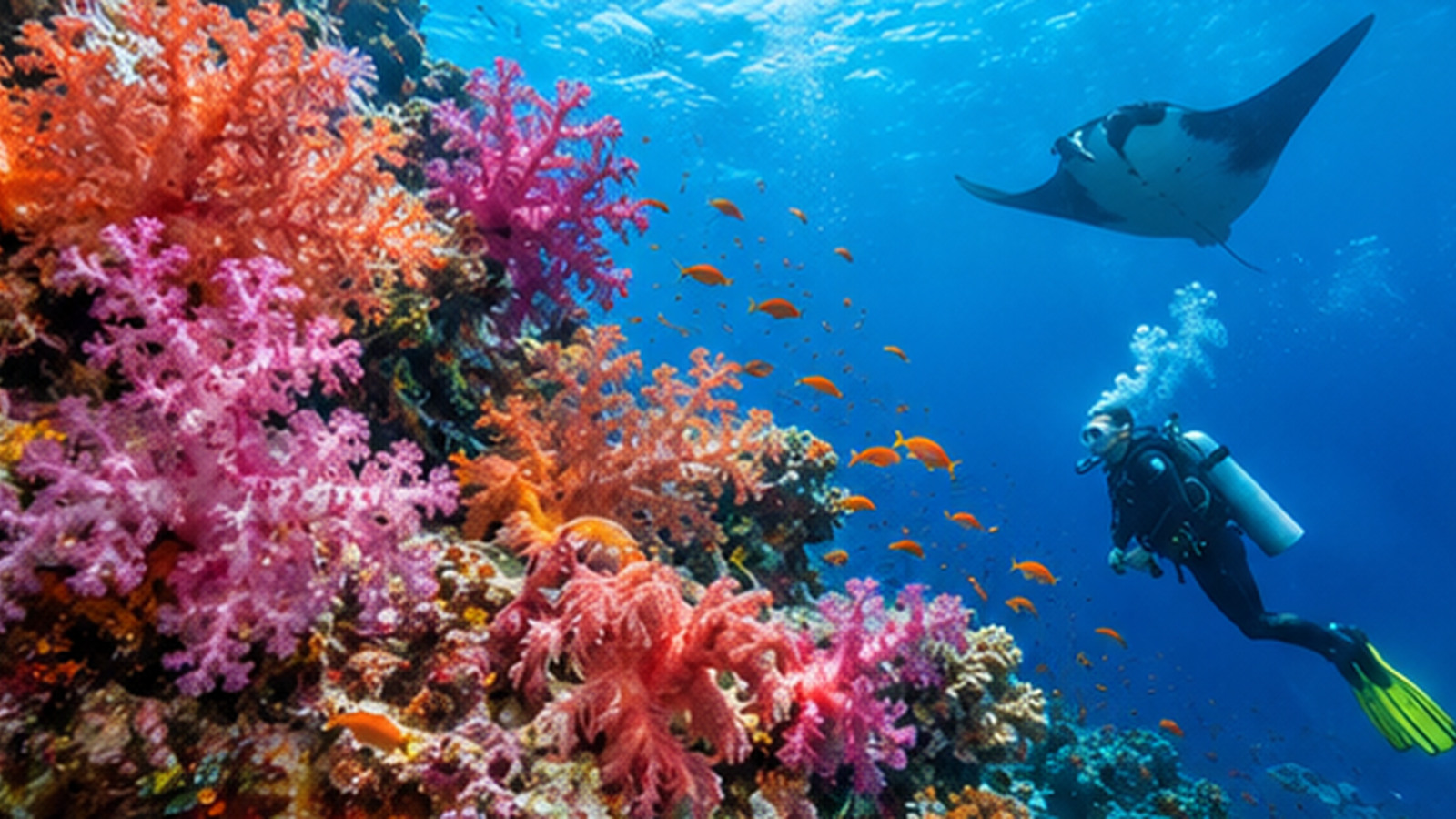
World-class soft-coral dives, reef sharks and clear lagoons across the islands.
Orchid gardens and natural mud pools and hot springs near Nadi.
Experience warm village hospitality and the traditional kava (yaqona) ceremony.
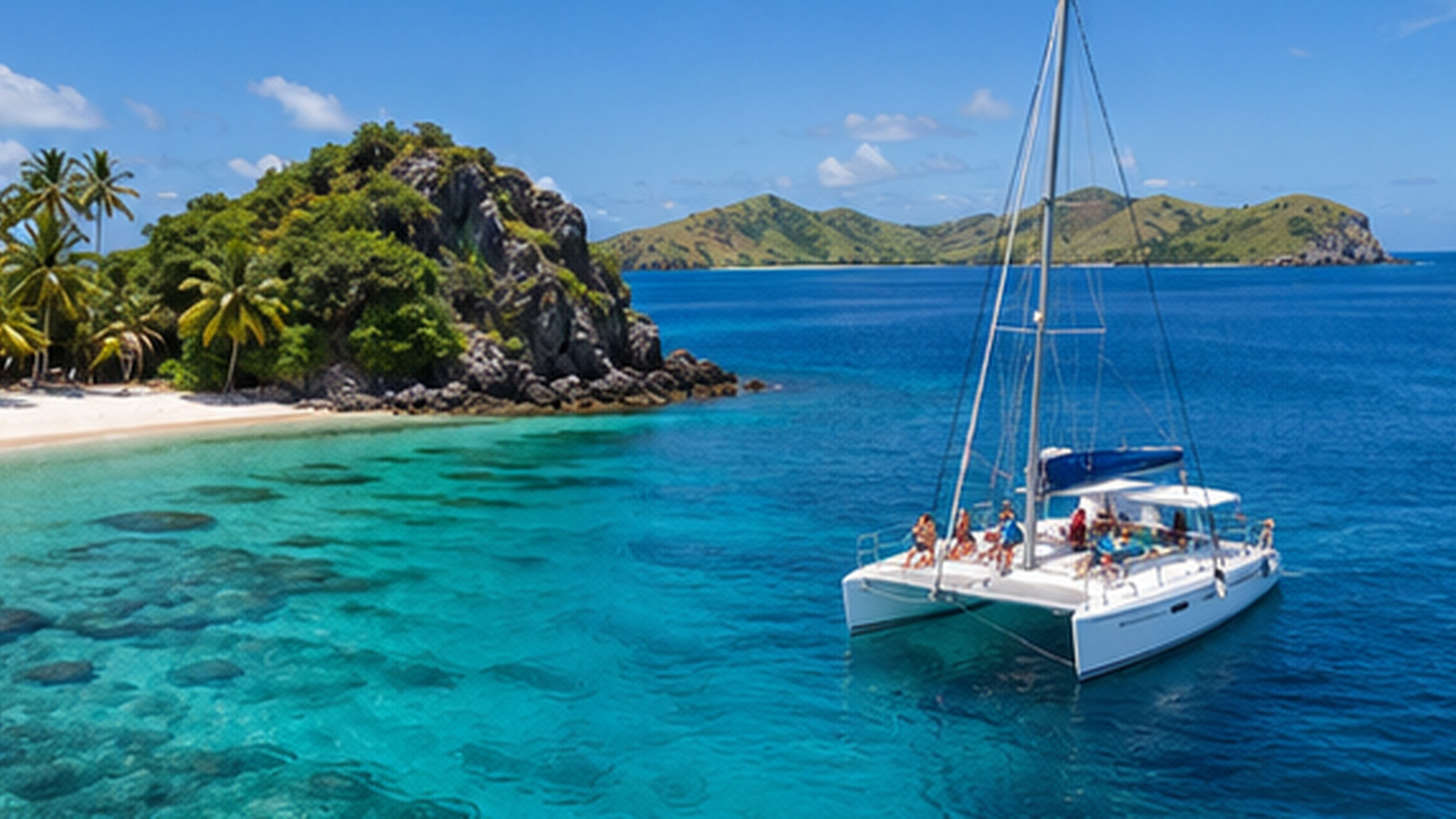
The Mamanuca and Yasawa island chains.
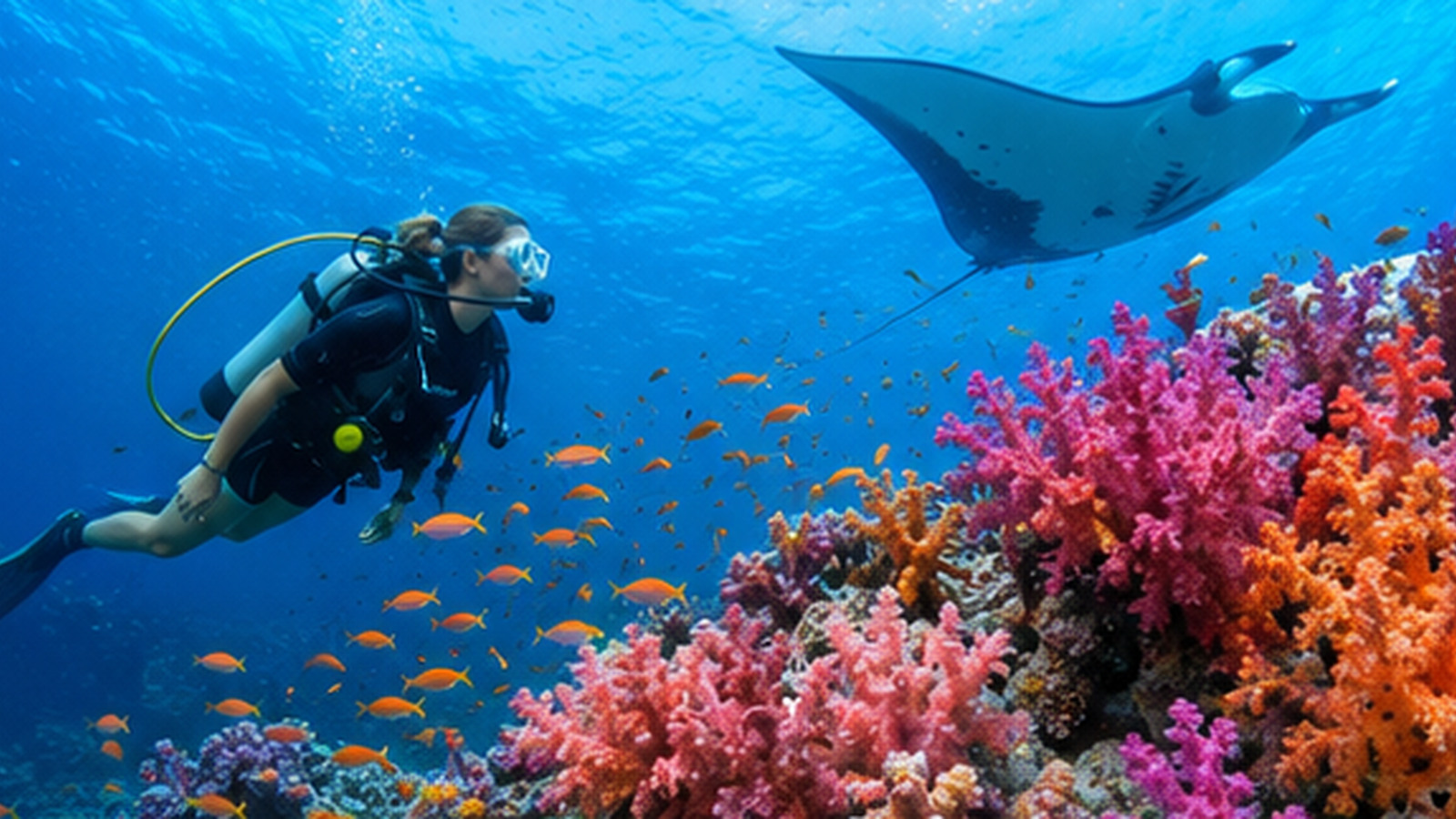
Soft corals, reef sharks and the Beqa Lagoon.
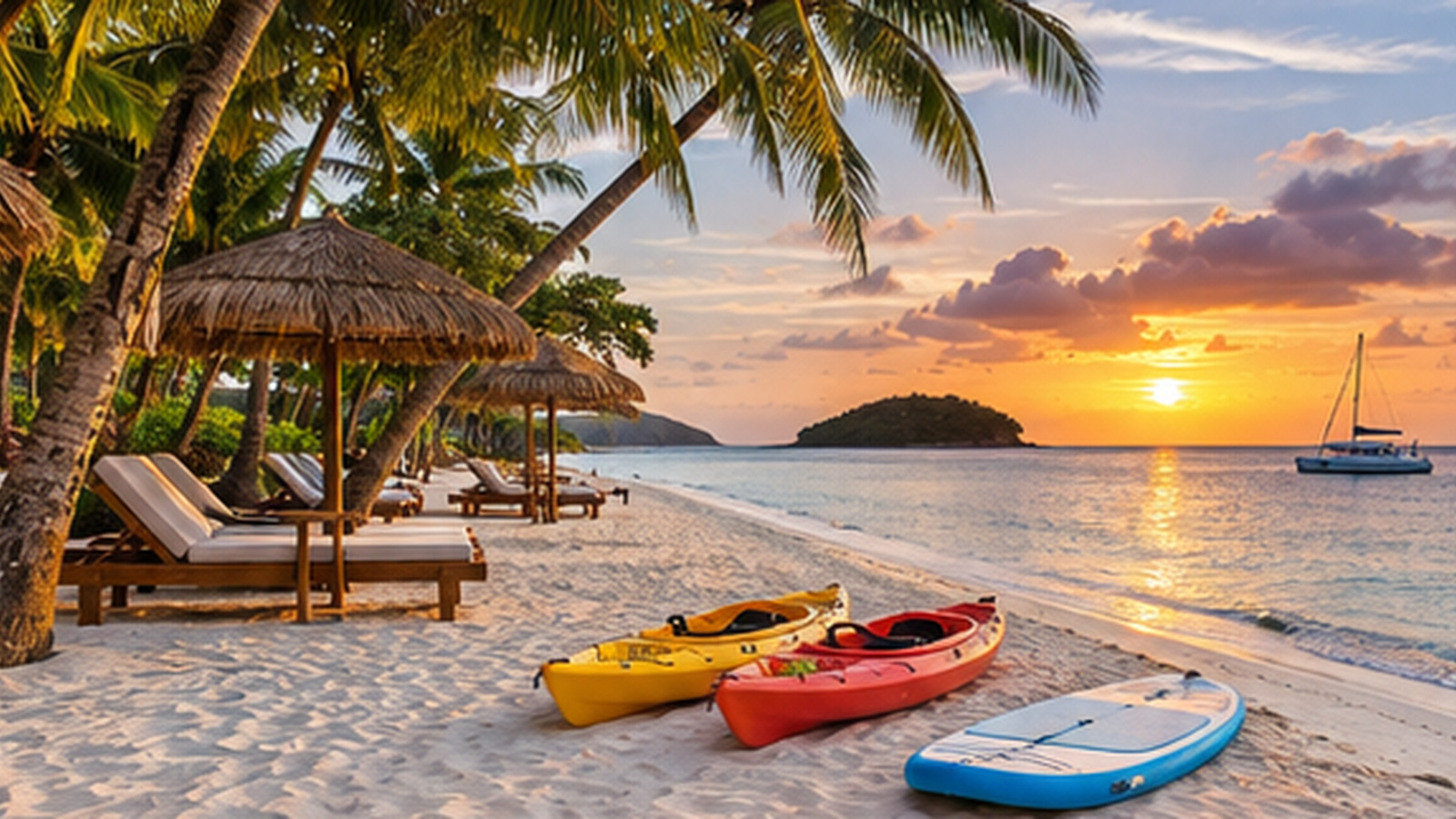
Overwater and beachfront resorts and spas.
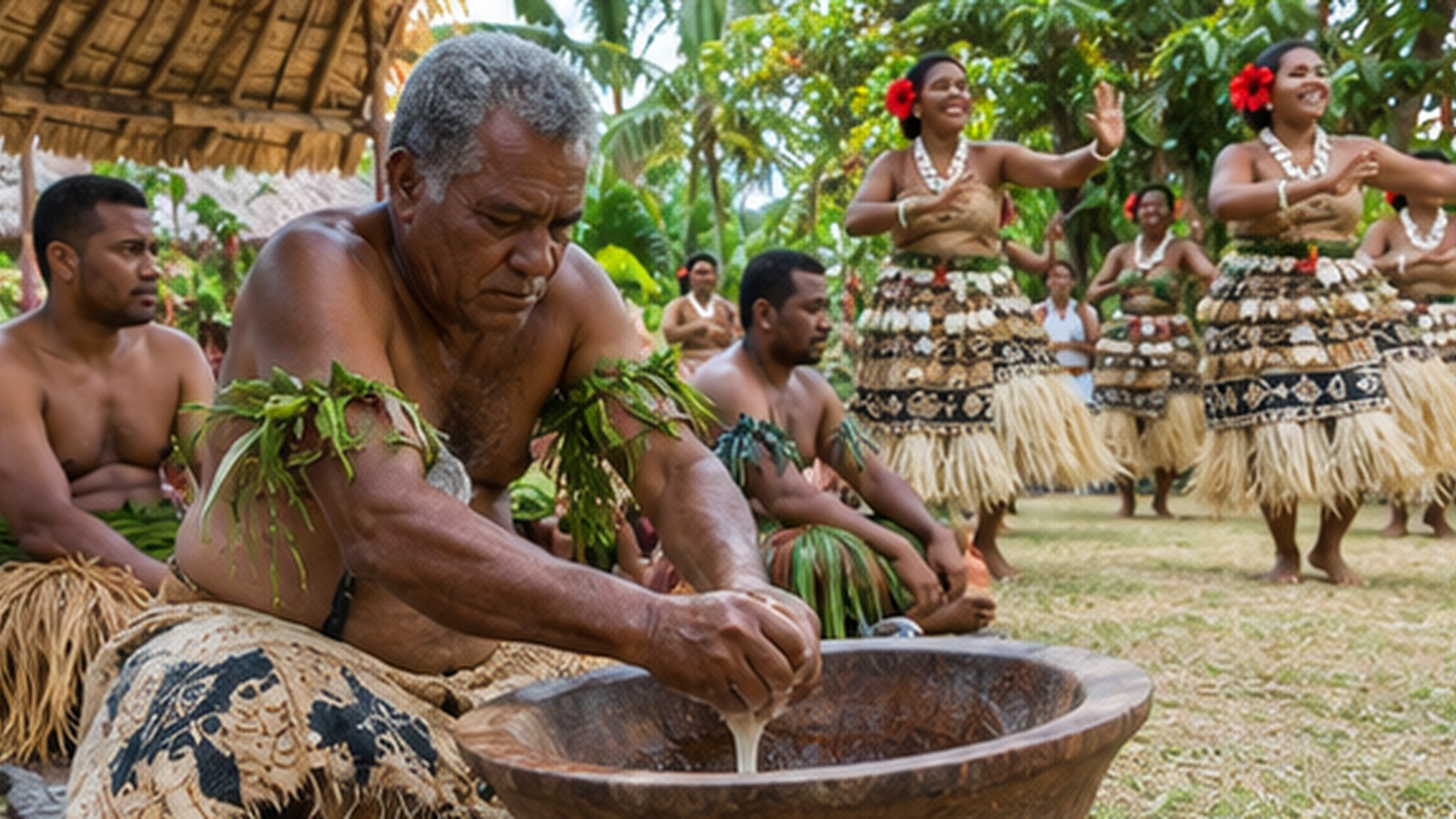
Kava ceremonies, village visits and Nadi’s temple.
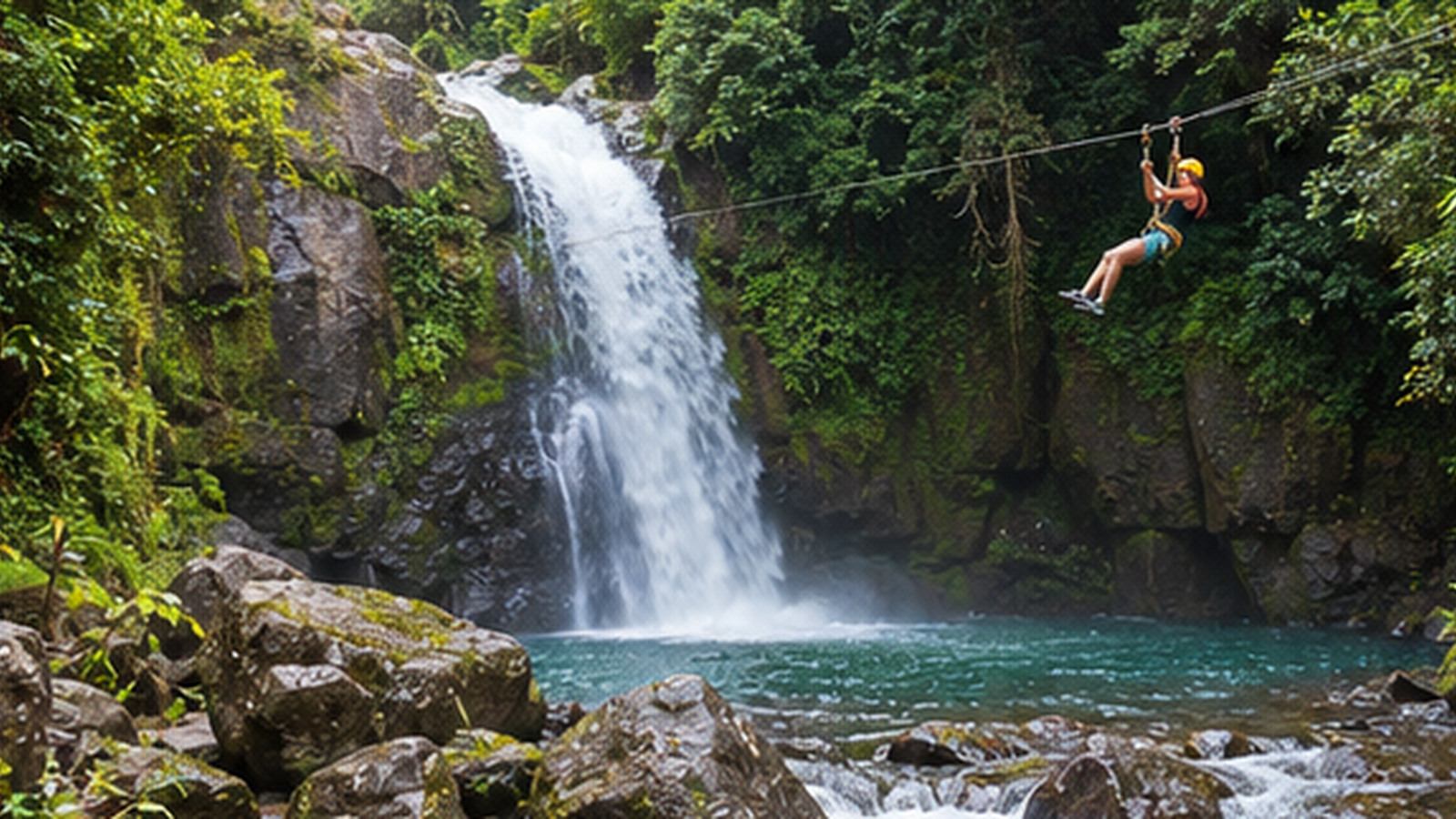
Calm lagoons, kids’ clubs and romantic escapes.
Book tours & activities through our travel partners — see options. Bluebird Next may earn a commission from partner bookings at no extra cost to you (Affiliate Disclosure).
Fiji is a premium, far-flung destination — long flights and island resorts are the big costs, though the mainland and local food are reasonable. Indicative per-person figures for a 7-day trip in 2026 (prices checked Nov 2026).
| Item | Typical cost (per person) |
|---|---|
| Return flights (ex-India, 1–2 stops) | ₹65,000 – ₹1,10,000 |
| Entry (visa-free) | ₹0 |
| Island resorts (per night, twin) | ₹6,000 – ₹22,000 |
| Island transfers (boat/seaplane) | ₹3,000 – ₹12,000 |
| Diving / tours | ₹4,000 – ₹10,000 each |
| Food & local transport | ₹2,000 – ₹4,000 / day |
| From | Typical return airfare |
|---|---|
| Delhi | ₹70,000 – ₹1,10,000 (1–2 stops, ~16–22 hrs) |
| Mumbai | ₹68,000 – ₹1,05,000 (1–2 stops) |
| Bengaluru | ₹68,000 – ₹1,05,000 (via Singapore/HK) |
| Chennai | ₹68,000 – ₹1,05,000 (1–2 stops) |
| Kolkata | ₹70,000 – ₹1,10,000 (1–2 stops) |
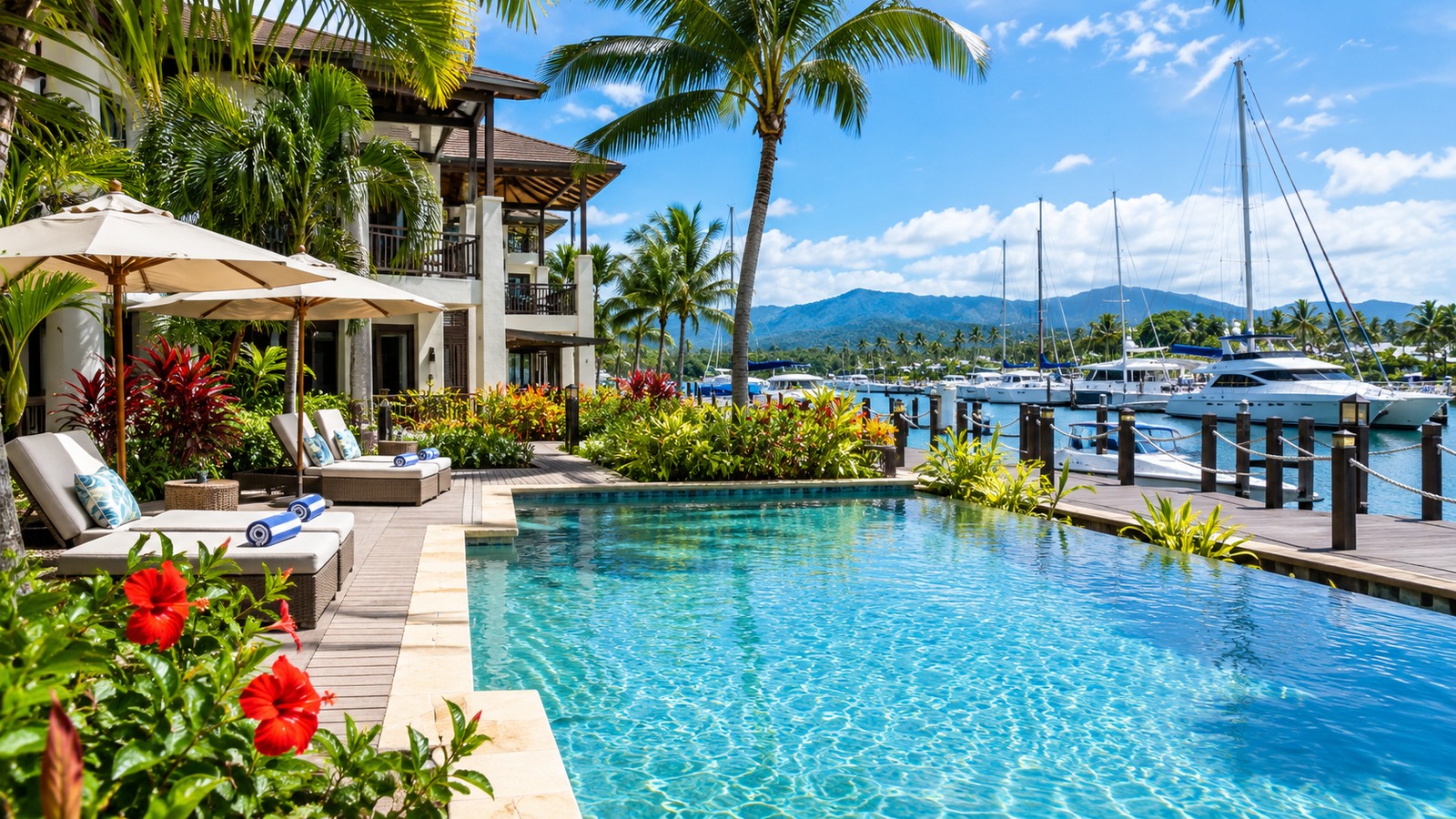
Resort-and-marina base near the airport and island transfers.

Close-in island resorts for easy snorkelling and day trips.
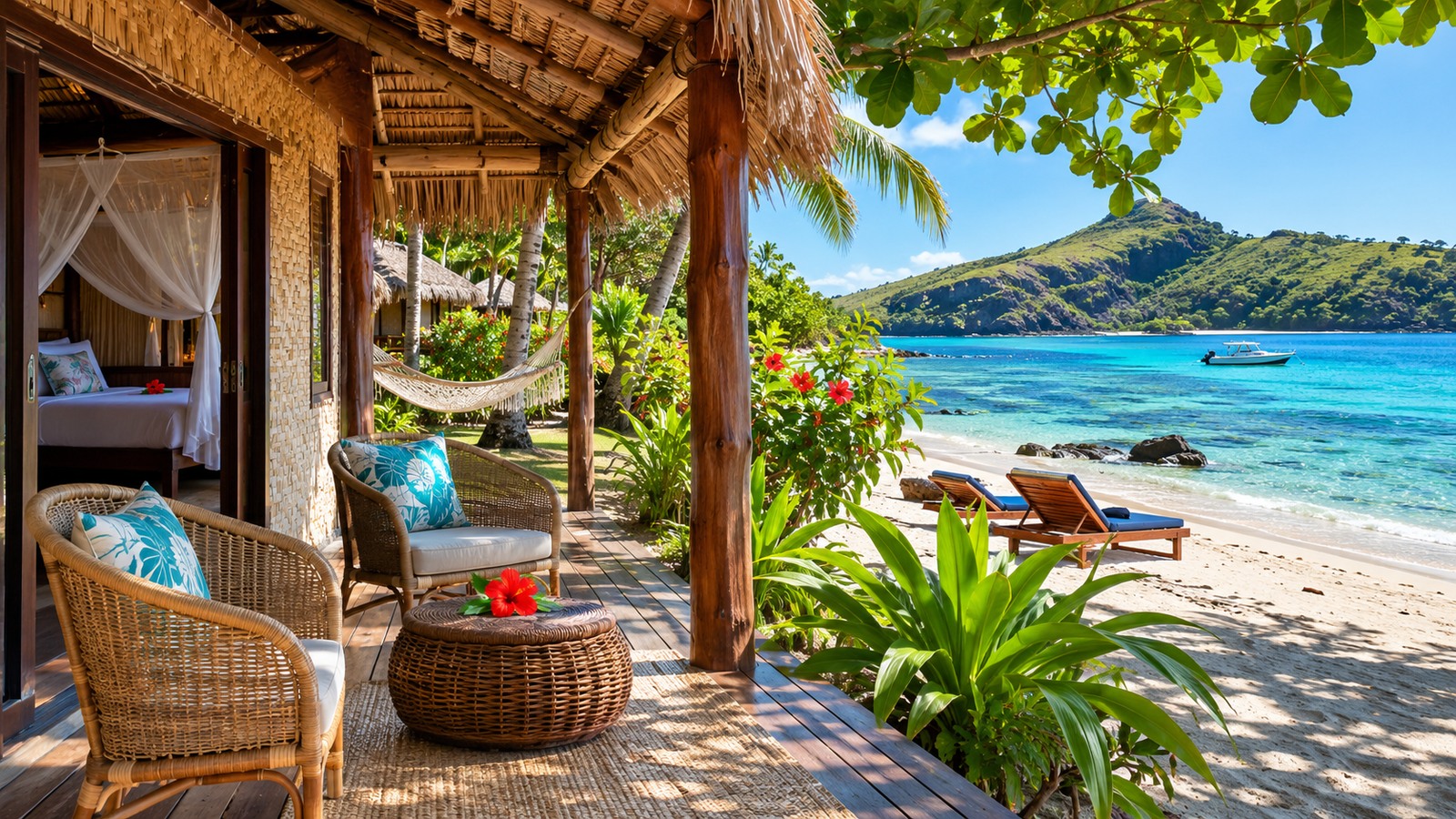
Remote lagoon resorts and backpacker options for castaway vibes.
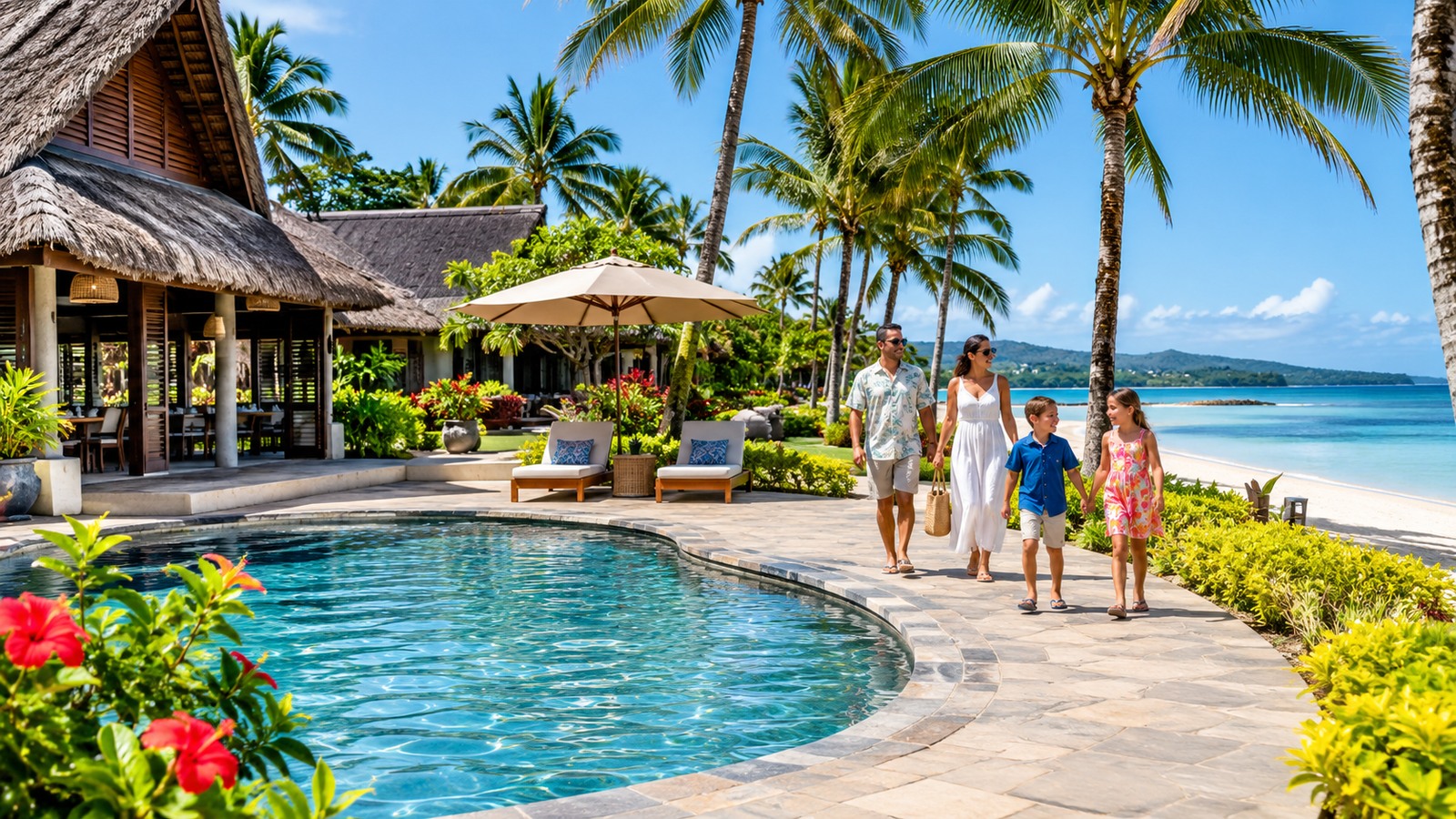
Mainland beach resorts, good value for families.
Fijian food blends Pacific, Indian and international flavours — fresh seafood, tropical fruit, lovo (earth-oven) feasts and, thanks to the large Indo-Fijian community, excellent curries and roti everywhere.
Vegetarians are superbly catered for — the Indo-Fijian community means veg curries, dal, roti, rice and familiar Indian food are easy to find, alongside tropical fruit, salads and resort buffets. Jain travellers can request no onion/garlic at Indian eateries — one of the easiest far-flung destinations for Indian diets.
Indian food is part of everyday Fijian life — curries, roti and sweets are widely available in Nadi and beyond, a big comfort for Indian travellers so far from home.
Indians get visa-free entry for up to four months, granted on arrival — one of the most generous allowances available. Carry a passport valid 6+ months, a confirmed return/onward ticket and proof of funds and accommodation.
Fiji is far — expect 1–2 stops via Singapore, Hong Kong or Australia. From Nadi, reach the islands by catamaran (Yasawa Flyer, South Sea Cruises), speedboat or seaplane; book transfers with your resort and allow buffer time.
Cards work in resorts and Nadi; carry Fijian dollar cash for villages, markets, small islands and tips. UPI is not accepted; use ATMs in Nadi before heading to remote islands, where facilities are limited.
Embrace the relaxed pace. Respect village customs — dress modestly off the beach, remove hats in villages, and join a kava ceremony with a small gift (sevusevu). Sundays are quiet and church-centred.
Buy a Vodafone/Digicel tourist SIM at Nadi airport or use an eSIM; signal is patchy on remote islands. Fiji uses 240V with the Australian-style Type I three-pin plug, so carry a universal adapter.
The Yasawa Flyer and South Sea Cruises link the islands from Denarau/Nadi.
Quick (pricier) transfers to remote island resorts.
Taxis, buses and resort shuttles along the Coral Coast.
Fiji is warm, friendly and generally very safe for tourists, including families, honeymooners and solo women travellers. Take normal care with valuables in Nadi and markets, respect the sea (currents and reefs) and use licensed dive and boat operators, follow cyclone advisories in the wet season, and carry travel insurance covering diving and water sports.
❌ Myth: Indians need a visa for Fiji.
✅ Fact: No — Indians get visa-free entry for up to four months on arrival, one of the most generous allowances anywhere.
❌ Myth: Fiji is too far and unfamiliar for Indians.
✅ Fact: It is far, but the large Indo-Fijian community means Indian food, Hindi and a warm welcome are everywhere — it feels surprisingly like home.
❌ Myth: You can see Fiji in a couple of days.
✅ Fact: Given the long journey and island transfers, a week or more makes it worthwhile — combine the mainland with one or two island chains.
❌ Myth: Vegetarians will struggle on remote islands.
✅ Fact: The Indo-Fijian community makes veg curries, dal and roti easy on the mainland, and resorts cater to veg diets — one of the easiest far-flung spots for Indian food.
❌ Myth: It’s only for honeymooners.
✅ Fact: Fiji suits families, divers, groups and solo travellers too, with kids’ clubs, backpacker islands and world-class reefs alongside romantic resorts.
No — Indian passport holders can enter Fiji visa-free for tourism for up to four months, granted on arrival. Carry a passport valid 6+ months, a confirmed return or onward ticket and proof of funds and accommodation. It is one of the most generous visa-free allowances for Indians.
A 7-day trip is roughly ₹1,50,000–₹2,80,000 per person, and about ₹3,00,000–₹5,20,000 for a couple. Long flights and island resorts are the main costs; the mainland and local food are more reasonable.
Fiji is far — expect 15–22 hours total with one or two stops, usually via Singapore, Hong Kong or Australia, to Nadi.
Given the long journey, seven to ten days make it worthwhile — combine the mainland with one or two island chains (Mamanuca and/or Yasawa). Five days is the practical minimum.
May to October is the dry season and best — sunny, warm and less humid, with great diving. November to April is hotter, wetter and the cyclone season, though quieter and cheaper.
Excellent — the large Indo-Fijian community means veg curries, dal, roti and familiar Indian food are easy on the mainland, and resorts cater to veg diets. Jains can request no onion/garlic at Indian eateries.
For a first trip, the Mamanuca islands are closest and easiest (great snorkelling, day trips, Cloud 9), while the Yasawa islands offer remote, dramatic lagoons and caves. Many combine both with a mainland stay.
By catamaran (the Yasawa Flyer, South Sea Cruises), speedboat or seaplane from Denarau/Nadi. Book transfers with your resort and allow buffer time; signal and facilities are limited on remote islands.
Yes — it is warm, friendly and generally very safe for families, honeymooners and solo women. Take normal care with valuables, respect the sea and use licensed operators, follow cyclone advisories in the wet season, and carry travel insurance.
Strongly recommended — given the long flights, diving and remote islands, it covers medical care, water sports, and trip delays and cancellations.
Fiji is a classic honeymoon — overwater and beachfront resorts, private island escapes, sunset cruises and world-class snorkelling, with warm hospitality and easy Indian food thanks to the Indo-Fijian community. Go in the dry season (May–Oct) for the best weather, and allow a week or more given the long journey.
Sources: Tourism Fiji (official) · Fiji Immigration (official)
A licensed team that has guided thousands of Indians to their visas and admissions.
 Jitender SinghFounder & Managing Director
 Vikram SinghHead – Quality & Operations
 SanjayHead – Tourist Visa Operations
 TejaswaniHead – Counselling Team
 MahimaHead – Visa Filing & Processing
 Pratigya DuttaHead – Student Visa Processing
Free, no-pressure guidance from a real counsellor who handles your case end to end — from documents to decision.