
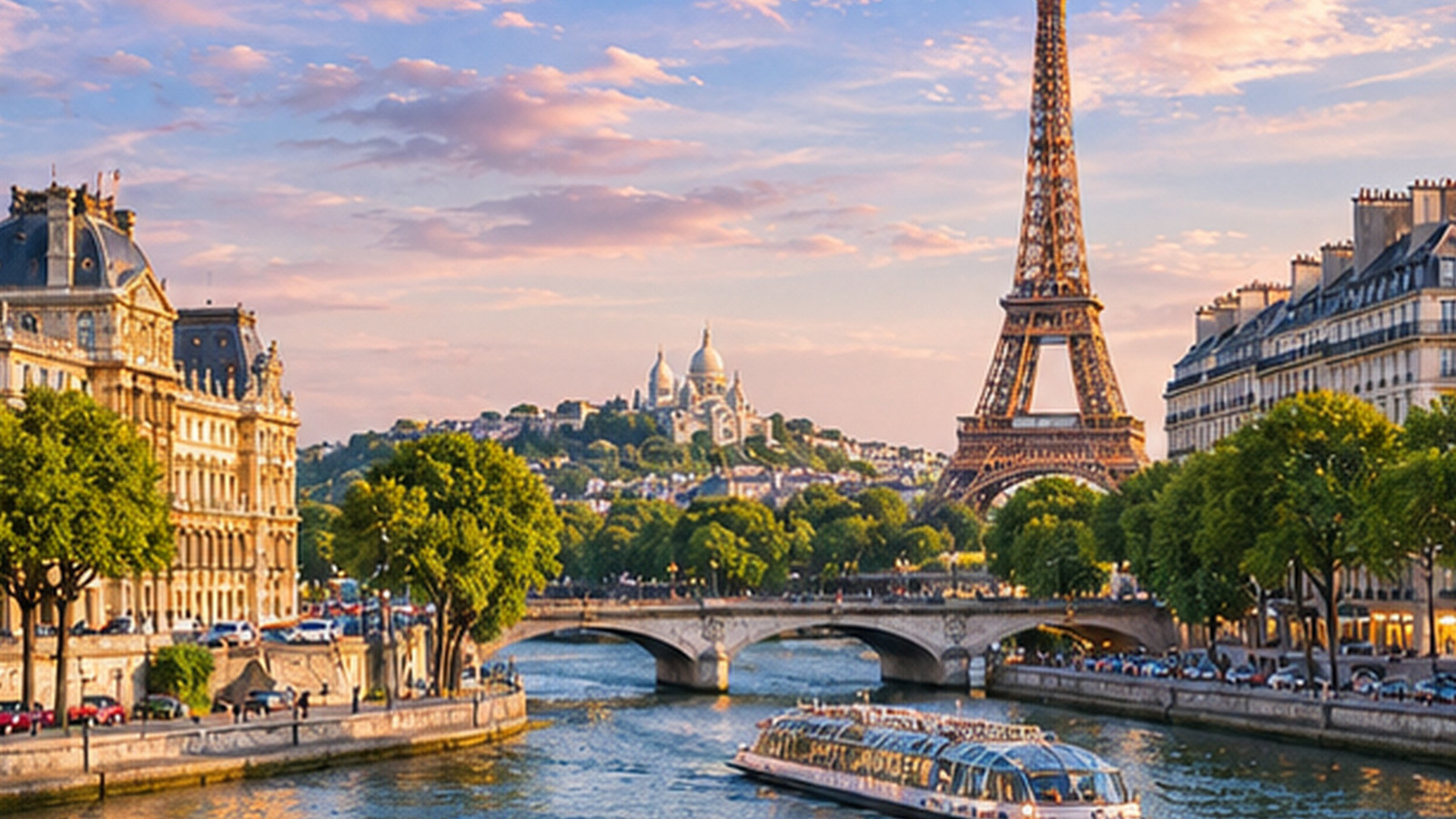
The headline act — the Eiffel Tower, Louvre, Montmartre, Seine cruises and the world’s most famous boulevards.
Paris and the Eiffel Tower, Riviera beaches, Loire châteaux and villages straight out of a painting — France is Europe at its most romantic.
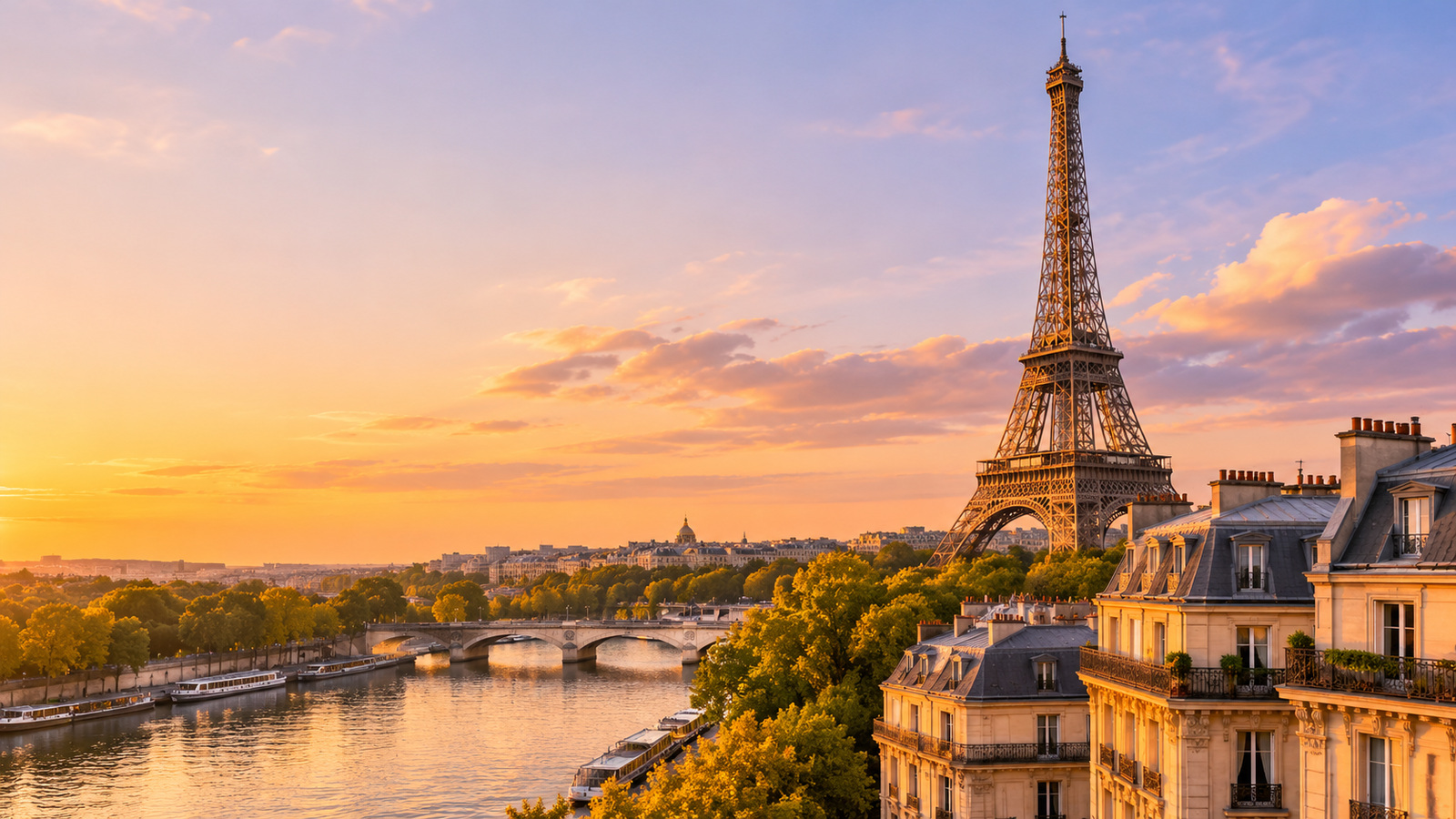
France is the country that defines European travel for most Indians — and it rarely disappoints. Paris alone delivers a lifetime’s worth of icons: the Eiffel Tower, the Louvre, Notre-Dame, the Champs-Élysées and the café-lined boulevards that invented the idea of strolling for pleasure. But France is far more than its capital — the sun-drenched Riviera, the fairy-tale châteaux of the Loire, Provence’s lavender fields and Mont Saint-Michel rising from the sea all wait beyond.
For Indian travellers, France pairs beautifully with the rest of Europe: as a Schengen country, one visa opens the door to Switzerland, Italy and beyond, and France’s fast TGV trains and central location make it a natural hub. It is a premium destination where a little planning — rail passes, museum passes, shoulder-season timing — turns a dream trip into an achievable one.
This guide is written for Indian travellers: the real trip cost in rupees from your city, the exact Schengen visa process (and how we file it), where vegetarians and Jain travellers eat (Paris has a thriving Little India), how the Metro and TGV work, and honest, dated advice you can plan around.
Indians are drawn to France for the romance of Paris (a honeymoon rite of passage), the shopping and the sense of having “arrived” in Europe. Disneyland Paris makes it a family winner too, and the Schengen visa means France slots neatly into a multi-country European itinerary. Indian restaurants in Paris and easy vegetarian options make it comfortable, not daunting.
💡 From our visa desk: The travellers we help love Paris most when they buy a Museum Pass plus a transport pass, pre-book the Eiffel Tower and Louvre with timed slots, and keep a zipped bag in front against the city’s persistent pickpockets. Do not try to see all of France in a week — pair Paris with one region (the Riviera or the Loire) by TGV and leave time for café terraces.
Schengen short-stay visa (Type C) for Indian citizens — apply before you fly (we file it).
Indian passport holders need a Schengen visa for France. The same visa covers all 29 Schengen countries, so France is a great anchor for a multi-country Europe trip. Apply via the French consulate/VFS roughly 4–8 weeks ahead with flights, hotels, insurance and funds. If France is your main destination, apply through France. Bluebird Next files it for you.
Full France tourist visa requirements & documents →France is a year-round destination, but late spring and early autumn offer the best balance of good weather, open attractions and manageable crowds. See the month-by-month table below.
| Season | What it's like & who it suits |
|---|---|
| Spring (Apr–Jun) | Mild, blossoming and less crowded — ideal for Paris and the châteaux, with long daylight by June. |
| Summer (Jul–Aug) | Warm and lively; the Riviera is at its best but busiest and priciest. Paris is hot and many locals leave on holiday. |
| Autumn (Sep–Oct) | Golden light, grape harvest, thinner crowds and good value — a favourite for photographers and honeymooners. |
| Winter (Nov–Mar) | Cold but magical — Christmas markets, fewer tourists and lower prices; some Riviera spots go quiet. |
| Month | Weather & what’s on (incl. Indian holiday windows) |
|---|---|
| January | Cold and quiet with winter sales; Paris is atmospheric and cheaper after the New Year. |
| February | Still cold and low-season; good museum weather and lower prices. Nice Carnival brings colour to the Riviera. |
| March | Early spring — cool, uncrowded and good value before the season builds. |
| April | Lovely in Paris — blossom, mild days and long light; a top month. Overlaps Indian summer-holiday planning. |
| May | One of the best months — warm, blooming and vibrant, though a few public holidays can be busy. |
| June | Long, sunny days and the Riviera warming up; cities lively before the peak. Great all-round. |
| July–August | Peak summer — the Riviera is glorious but packed and pricey, Paris is hot and some shops shut in August. Overlaps the Indian summer break. |
| September | The other sweet spot — warm, golden and quieter as crowds thin; harvest season. |
| October | Mellow autumn light, thinner crowds and good value; pleasant for Paris and the Loire. |
| November–December | Cool and festive — Christmas markets in Paris, Strasbourg and the Riviera, with winter lights and lower prices. |
The headline act — the Eiffel Tower, Louvre, Montmartre, Seine cruises and the world’s most famous boulevards.
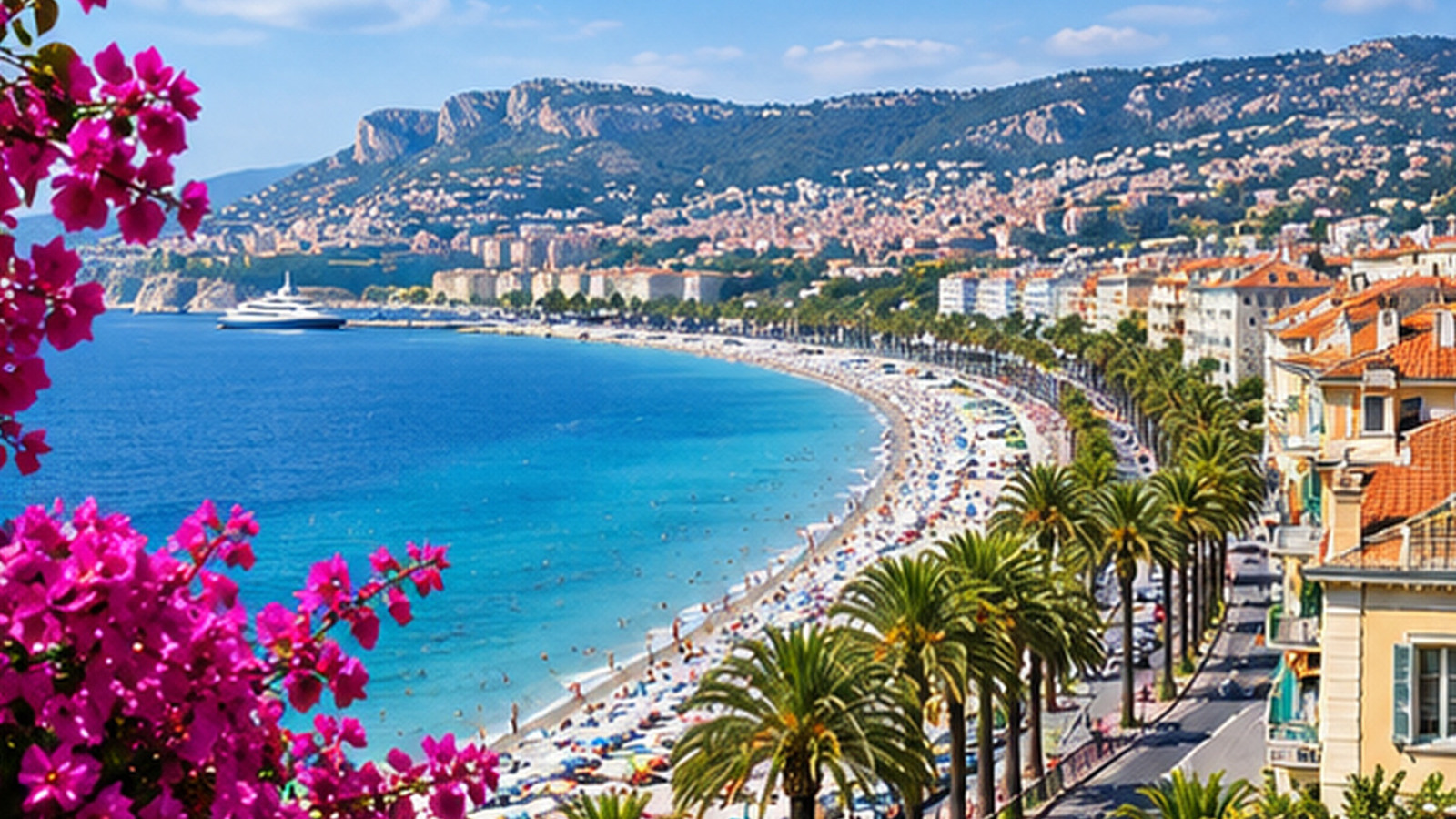
Mediterranean beaches, the Promenade des Anglais, and day trips to Monaco, Cannes and Èze.
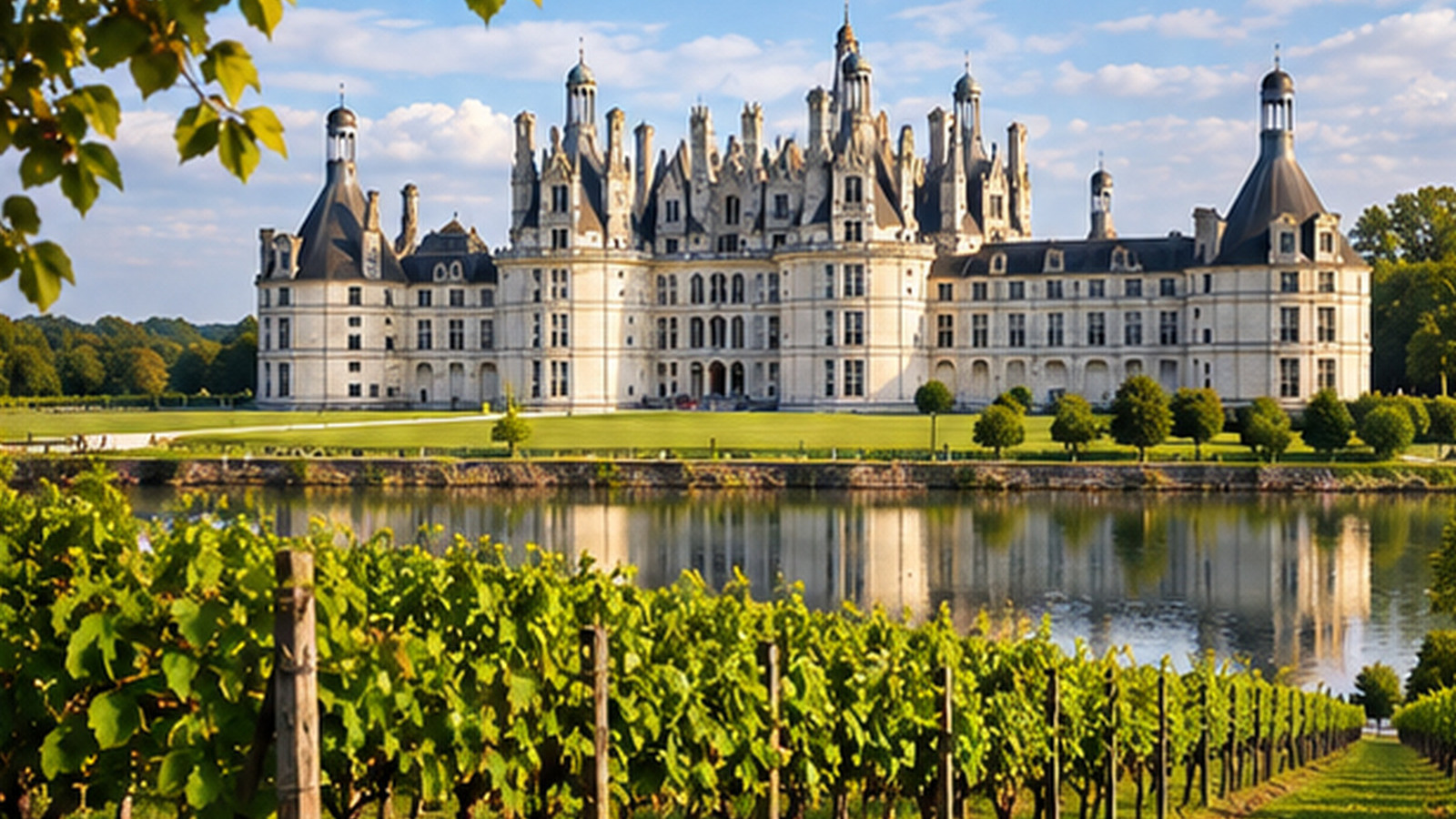
Fairy-tale châteaux — Chambord and Chenonceau — amid vineyards, an easy add-on from Paris.
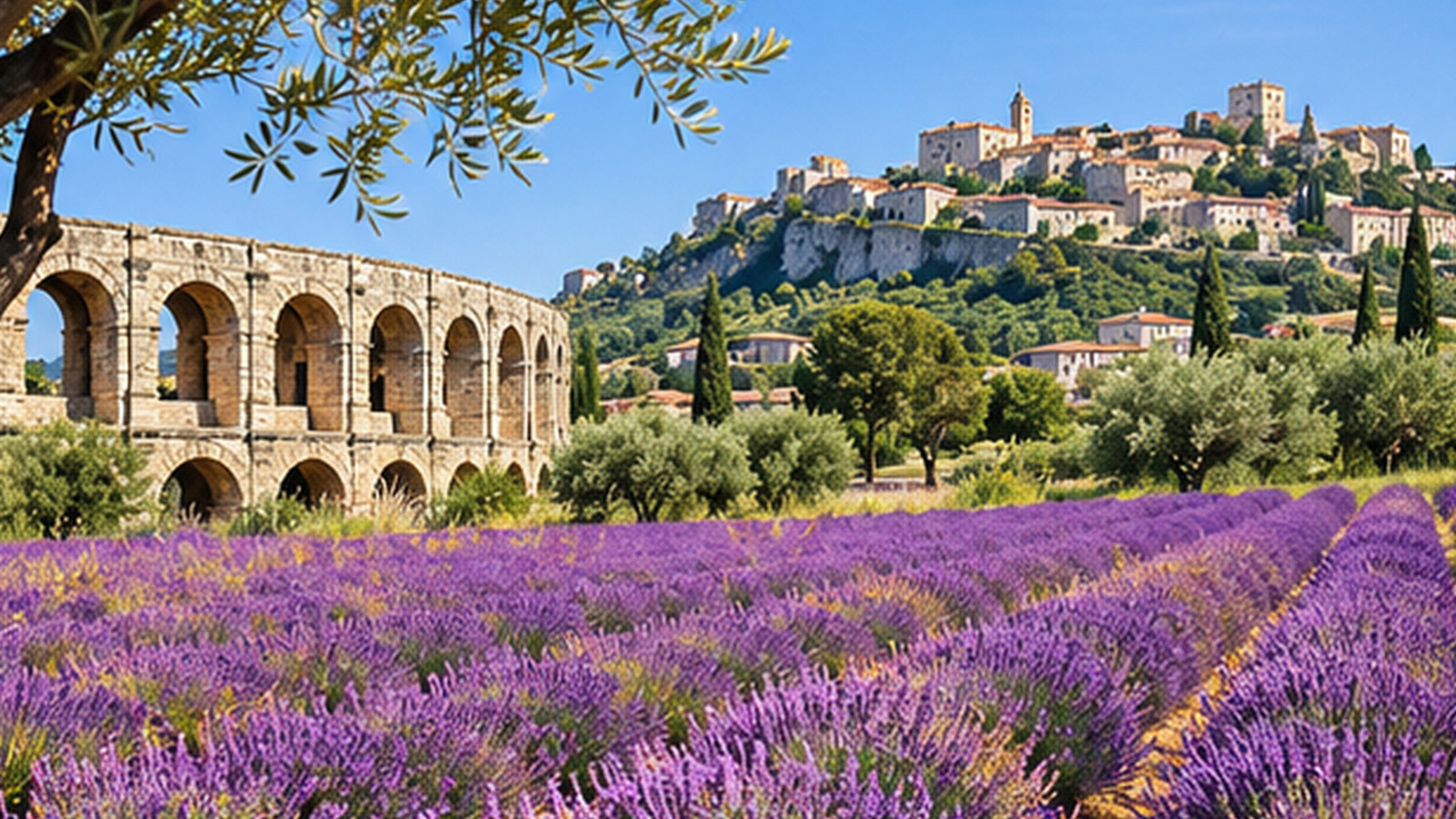
Lavender fields, Roman ruins and hilltop villages around Avignon and Aix-en-Provence (best in summer).
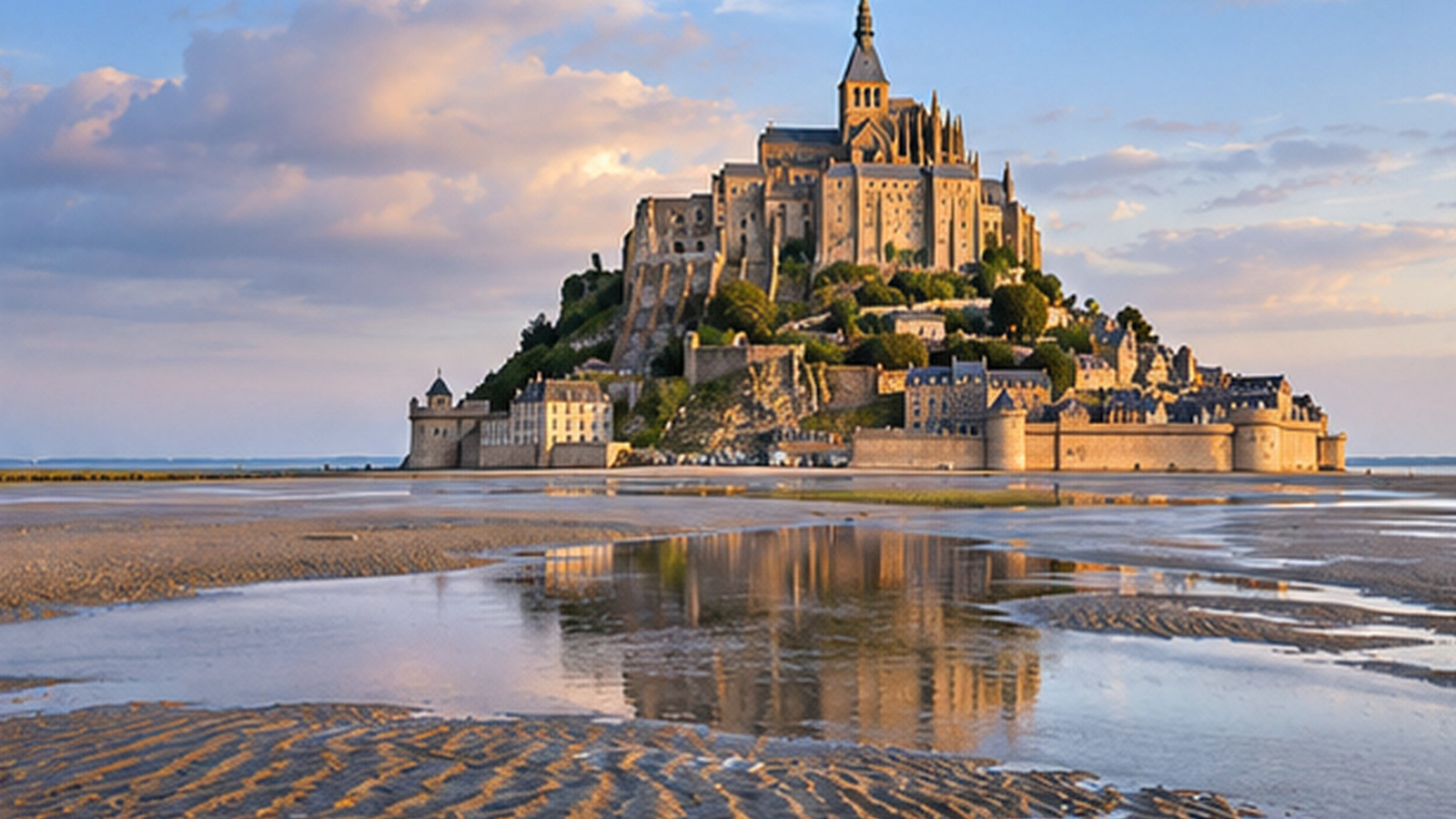
A medieval abbey-island rising from tidal sands in Normandy — one of France’s most striking sights.
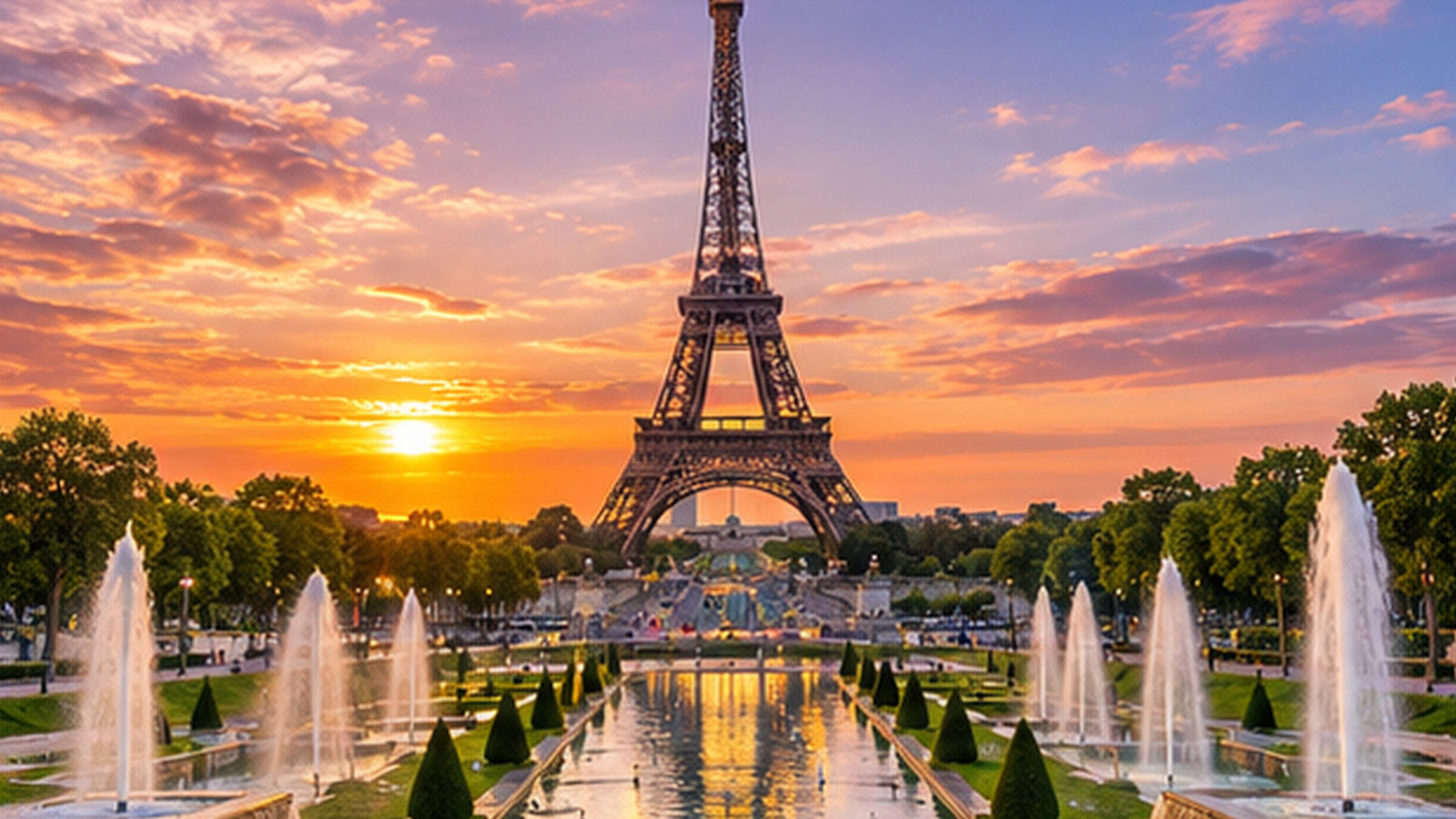
Paris’s symbol — climb or take the lift to the top, or admire it sparkling on the hour after dark from Trocadéro.
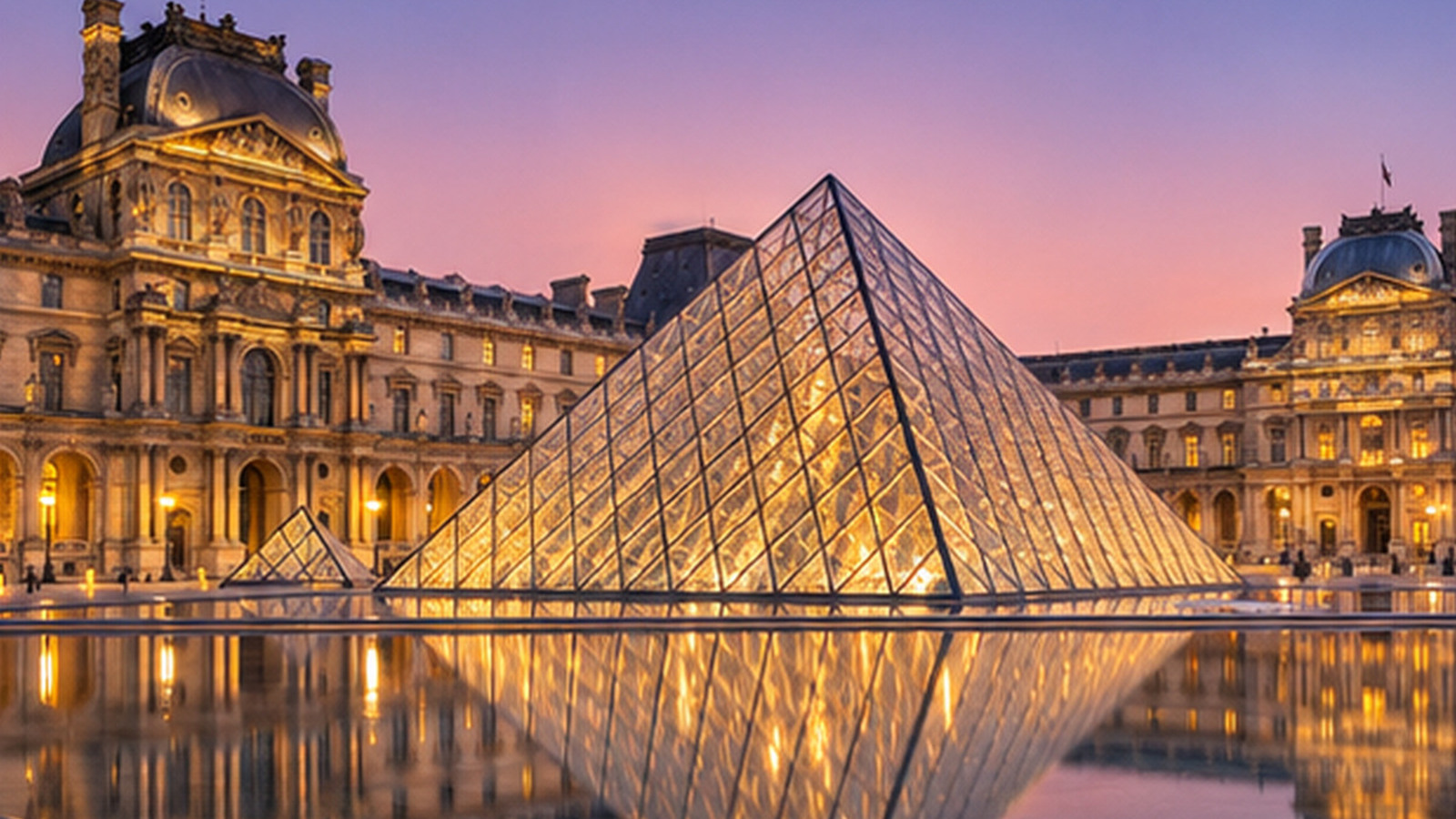
The world’s most visited museum — the Mona Lisa, the Venus de Milo and endless masterpieces.
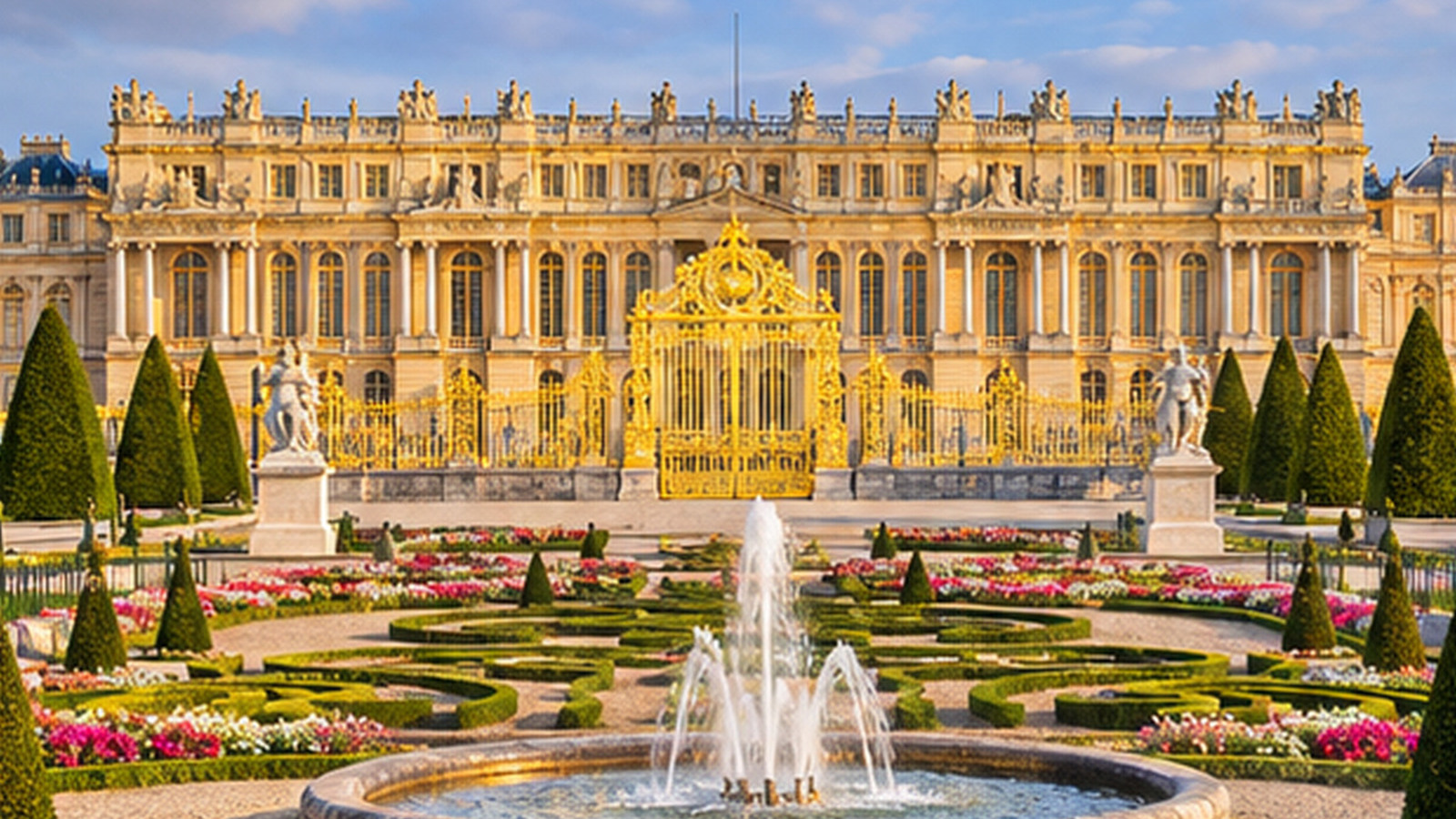
The opulent royal palace and Hall of Mirrors with vast formal gardens, a short train from Paris.
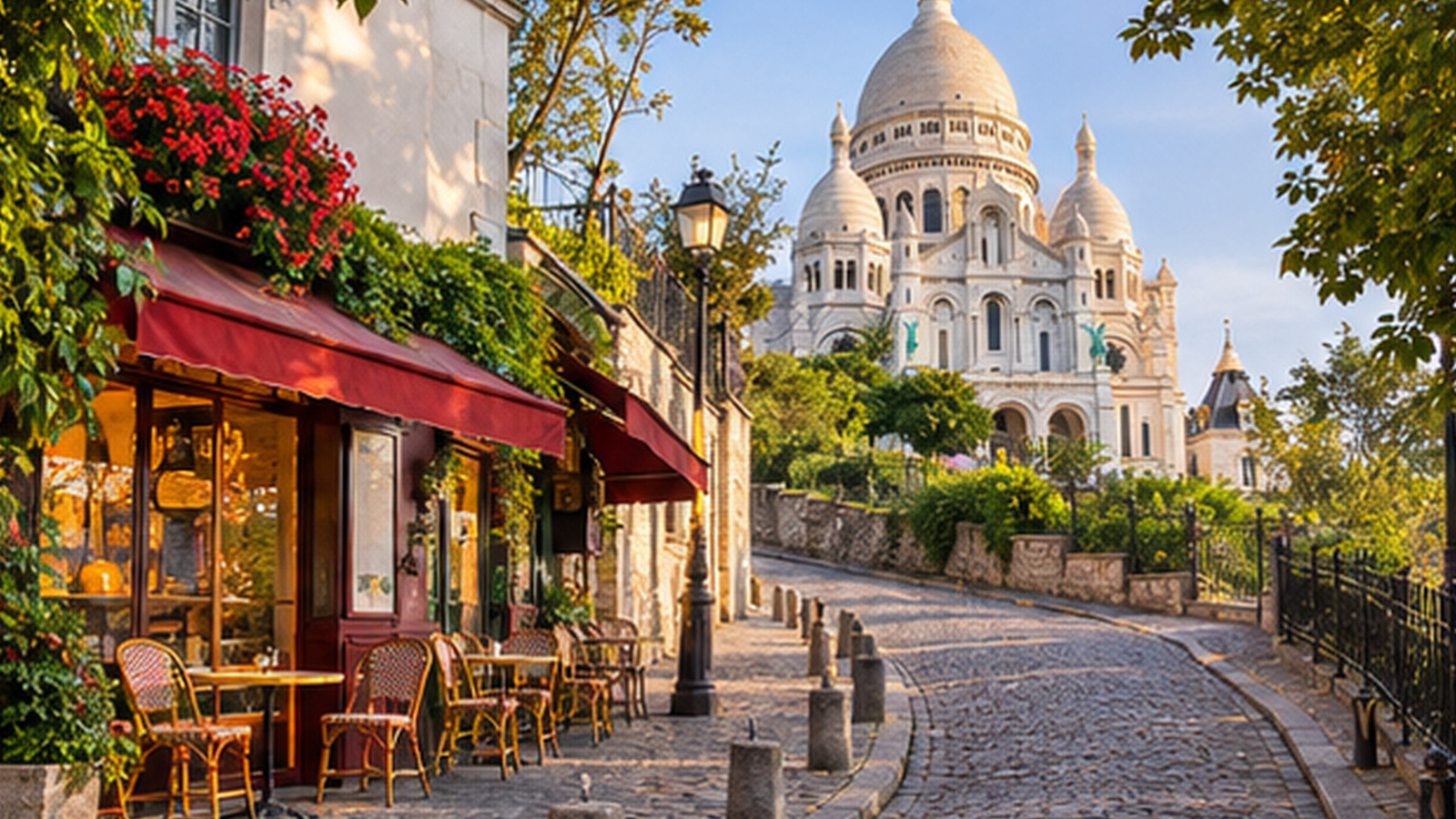
The artists’ hilltop district with the white basilica and sweeping city views.
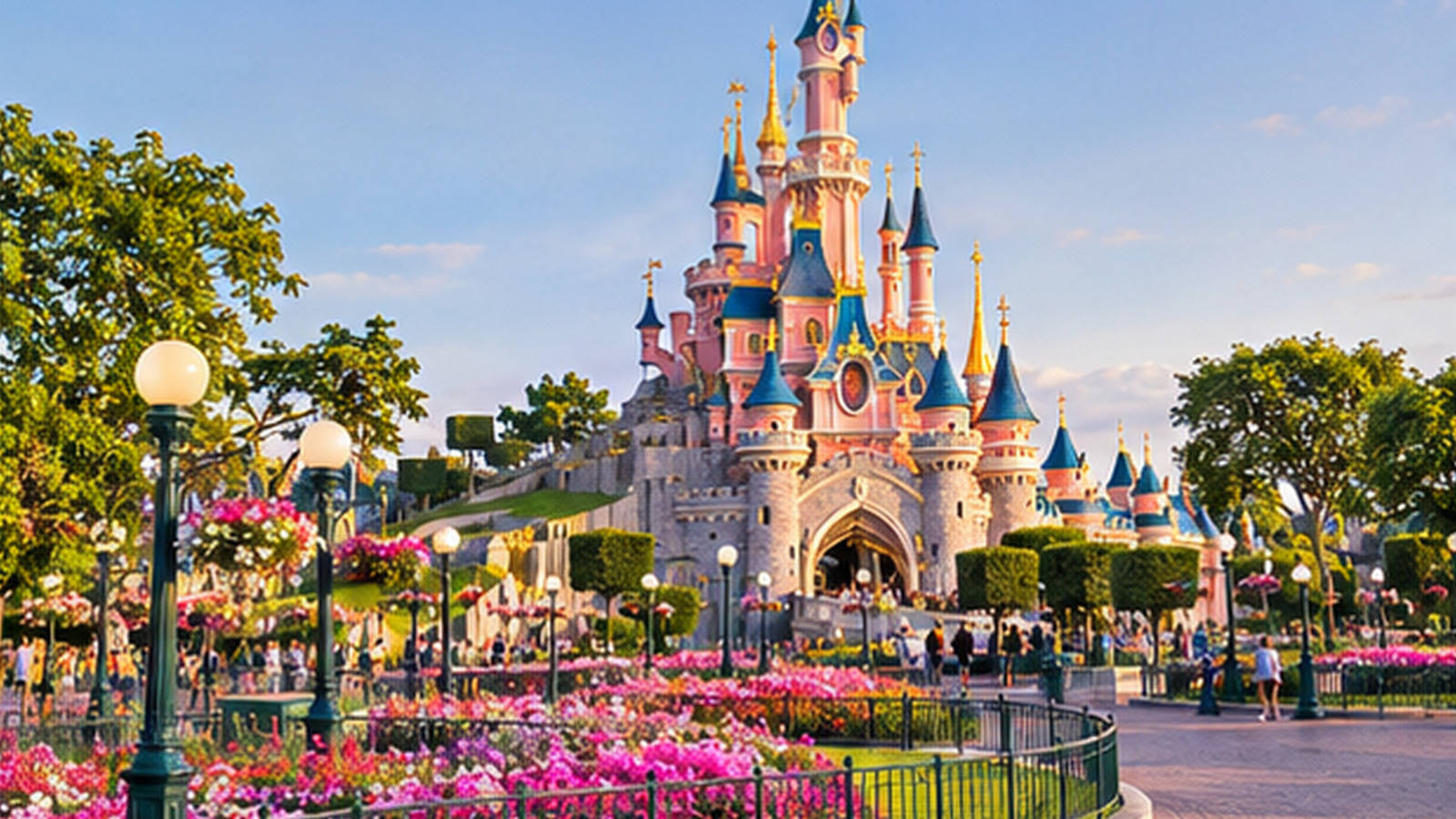
Europe’s top theme-park resort — a day of magic for families, 40 minutes from central Paris.
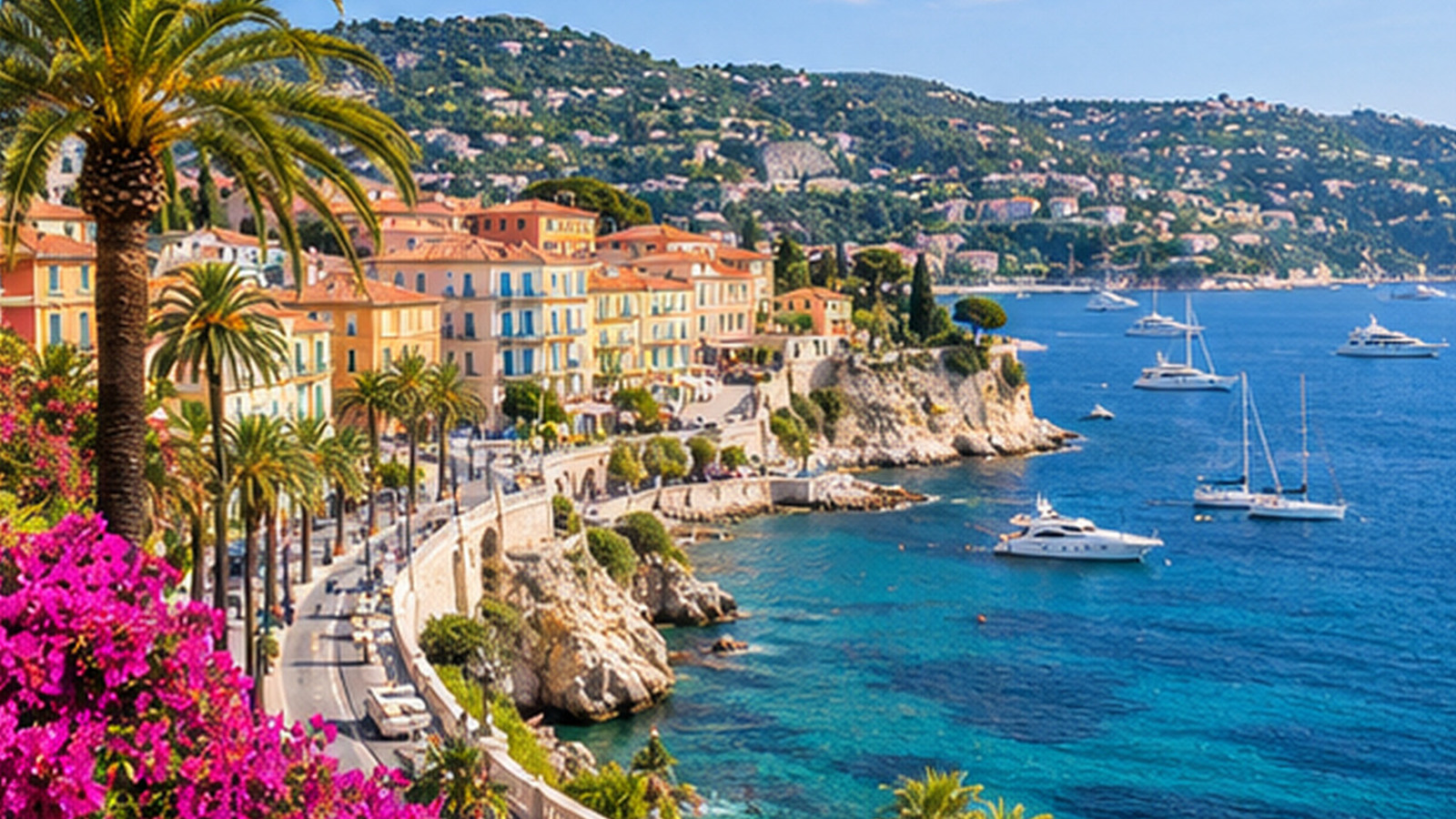
Azure coastline, glamorous Monaco and the clifftop village of Èze — a scenic train ride along the Med.
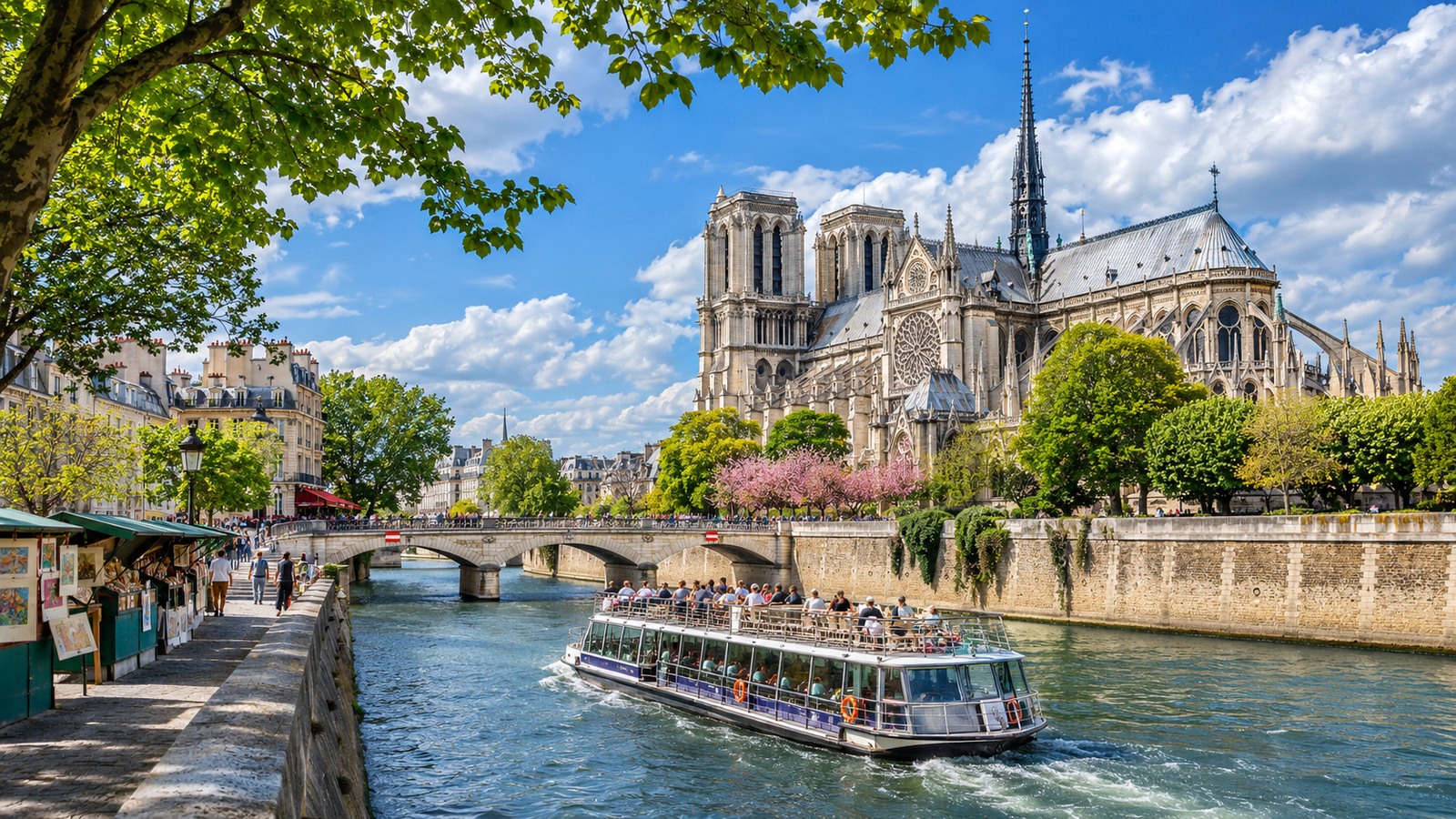
A river cruise past the Île de la Cité, the restored Notre-Dame and the Latin Quarter.
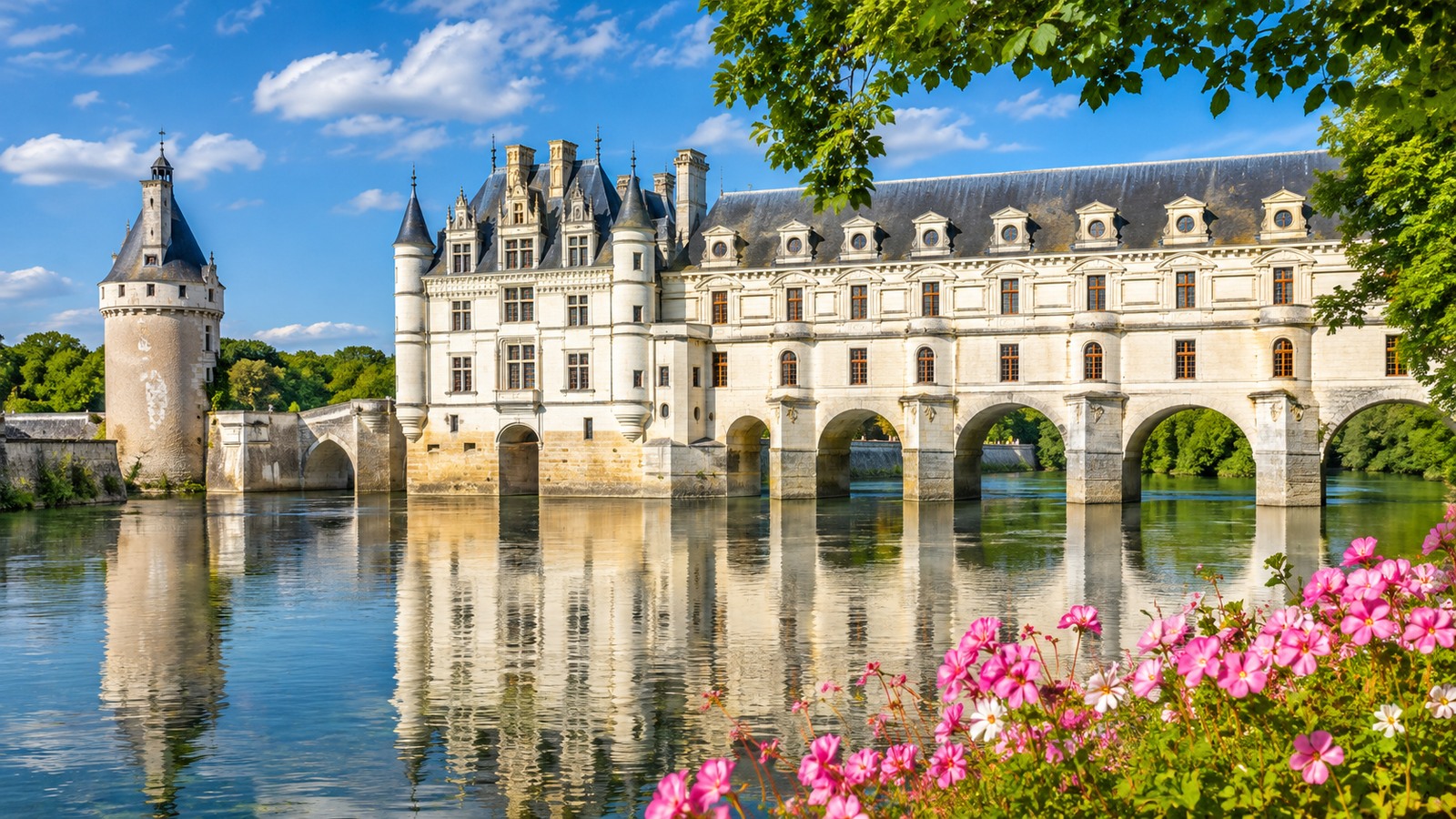
Chambord and Chenonceau, France’s most beautiful castles, an easy TGV-plus-tour day from Paris.
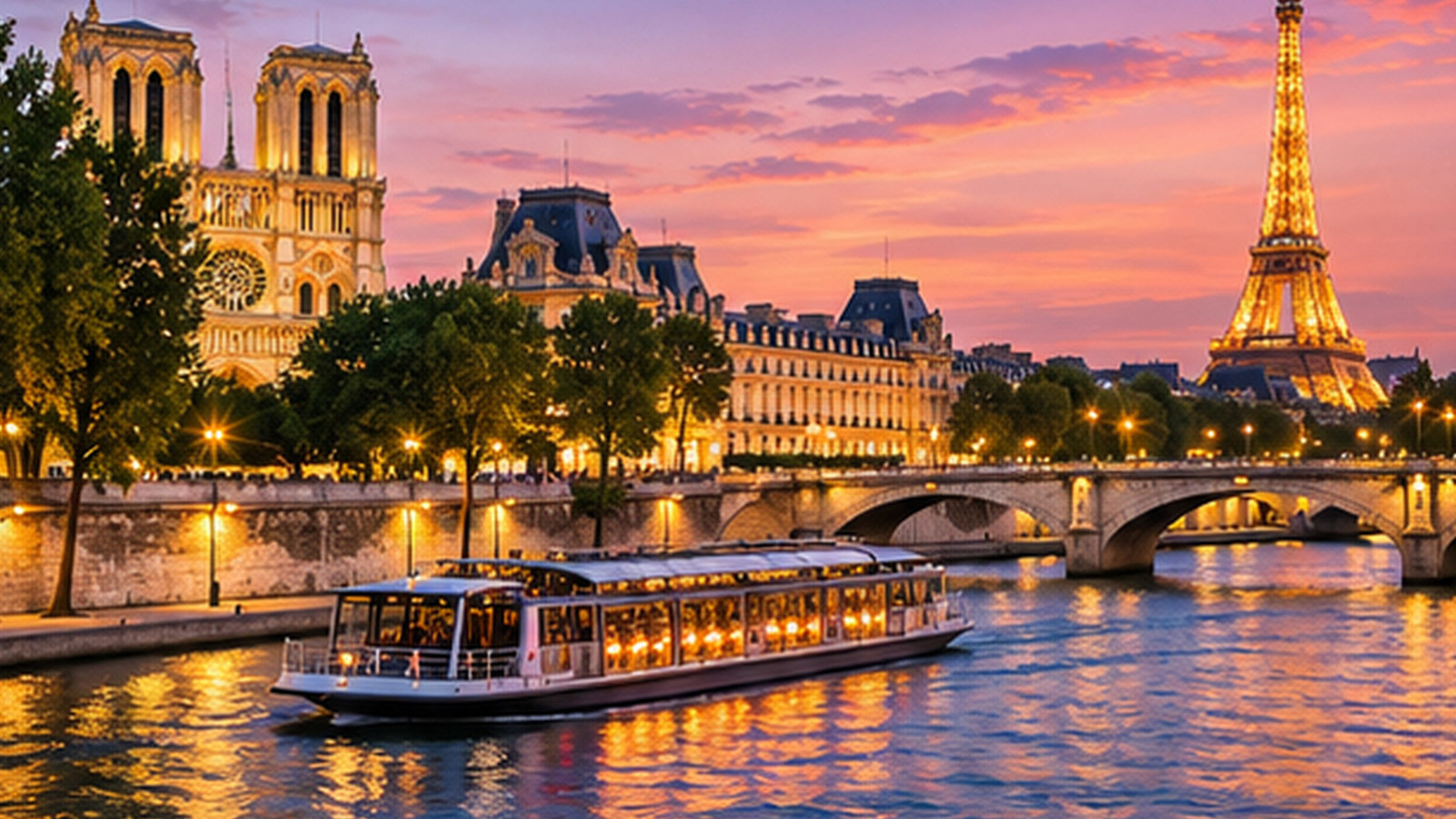
A sunset or evening boat glides past Notre-Dame, the Louvre and the illuminated Eiffel Tower.
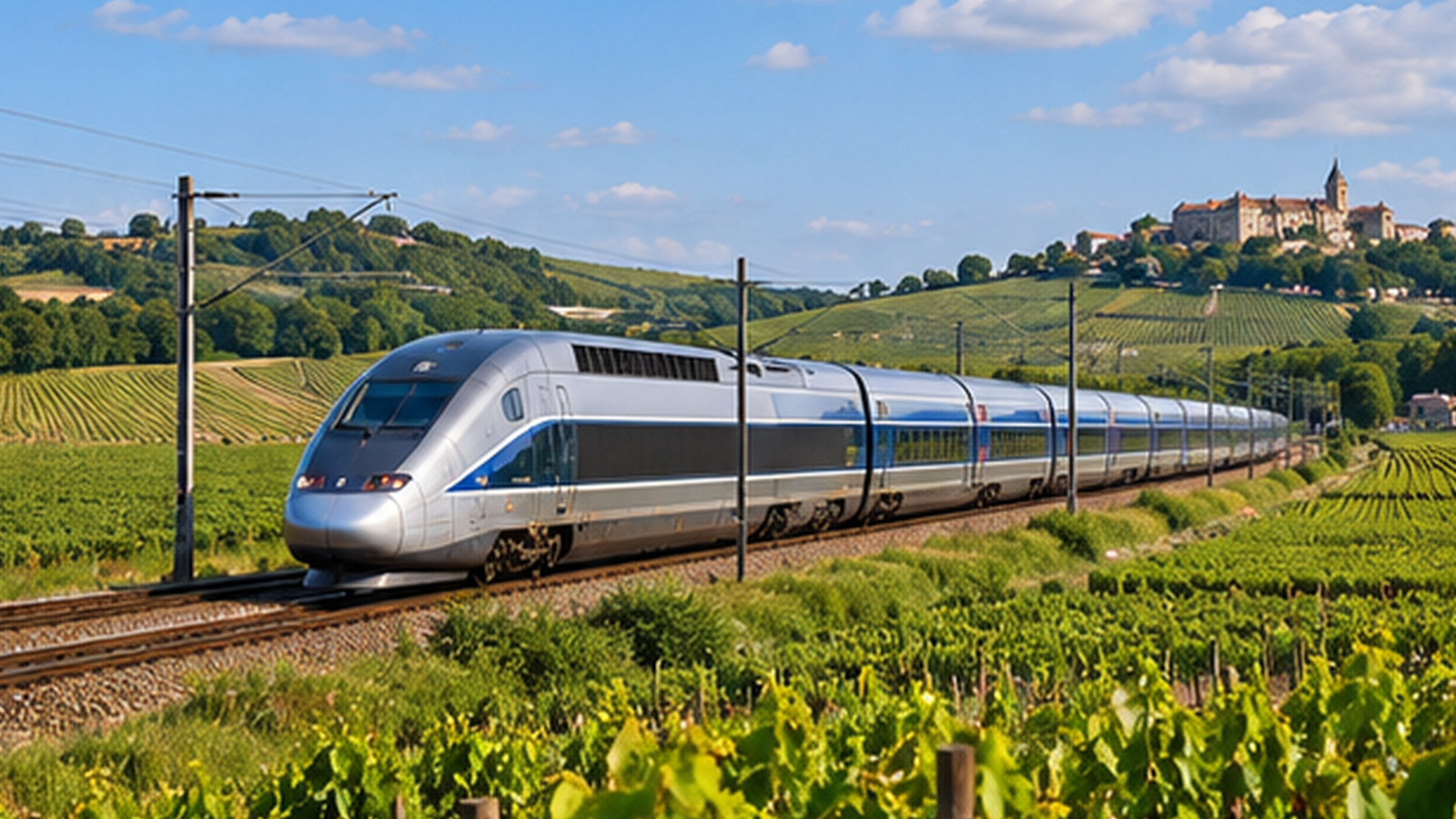
High-speed trains whisk you from Paris to the Loire, Reims (champagne) or Lyon in an hour or two.
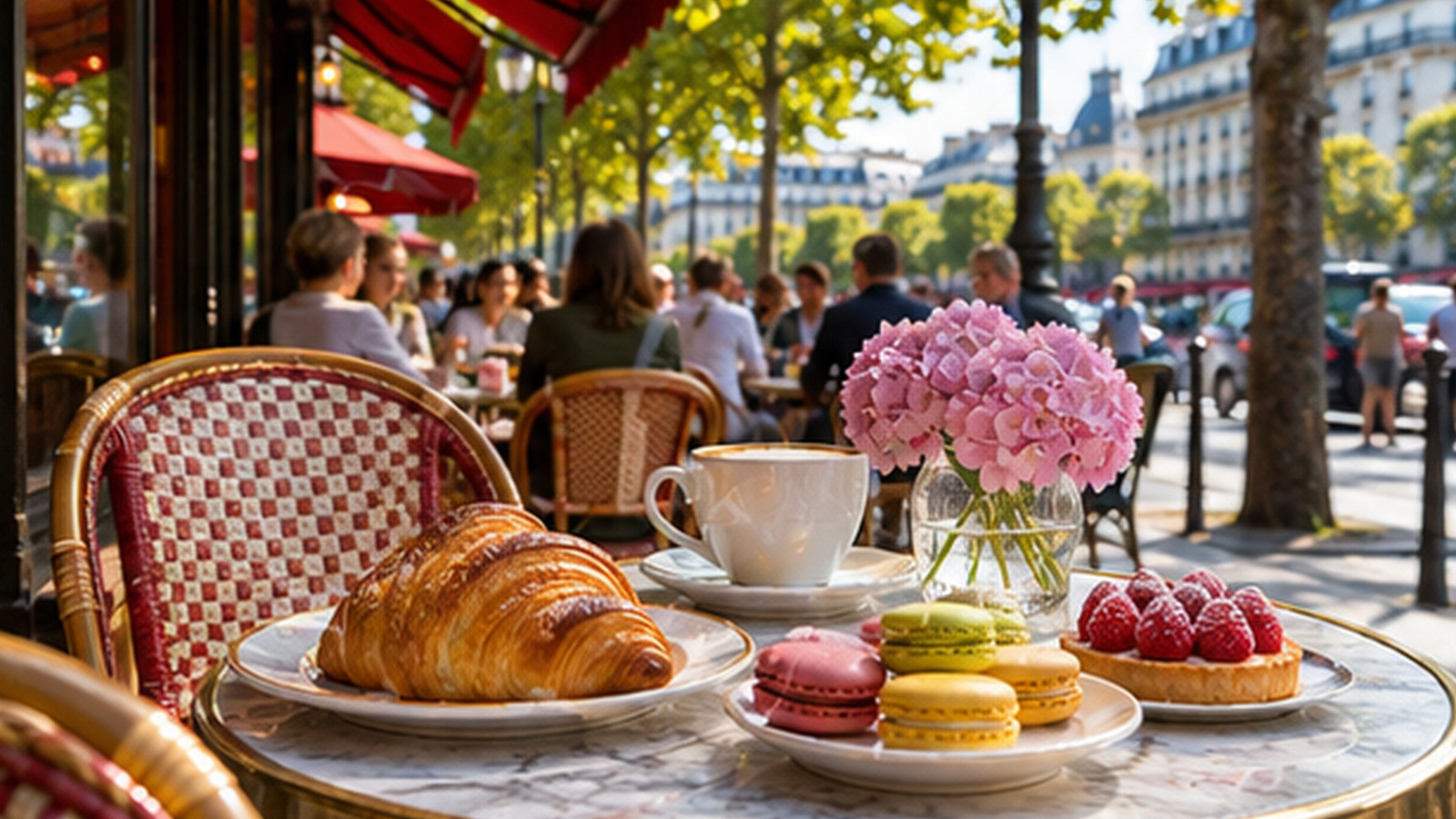
Croissants, macarons and people-watching from a pavement café — a quintessential French pleasure.
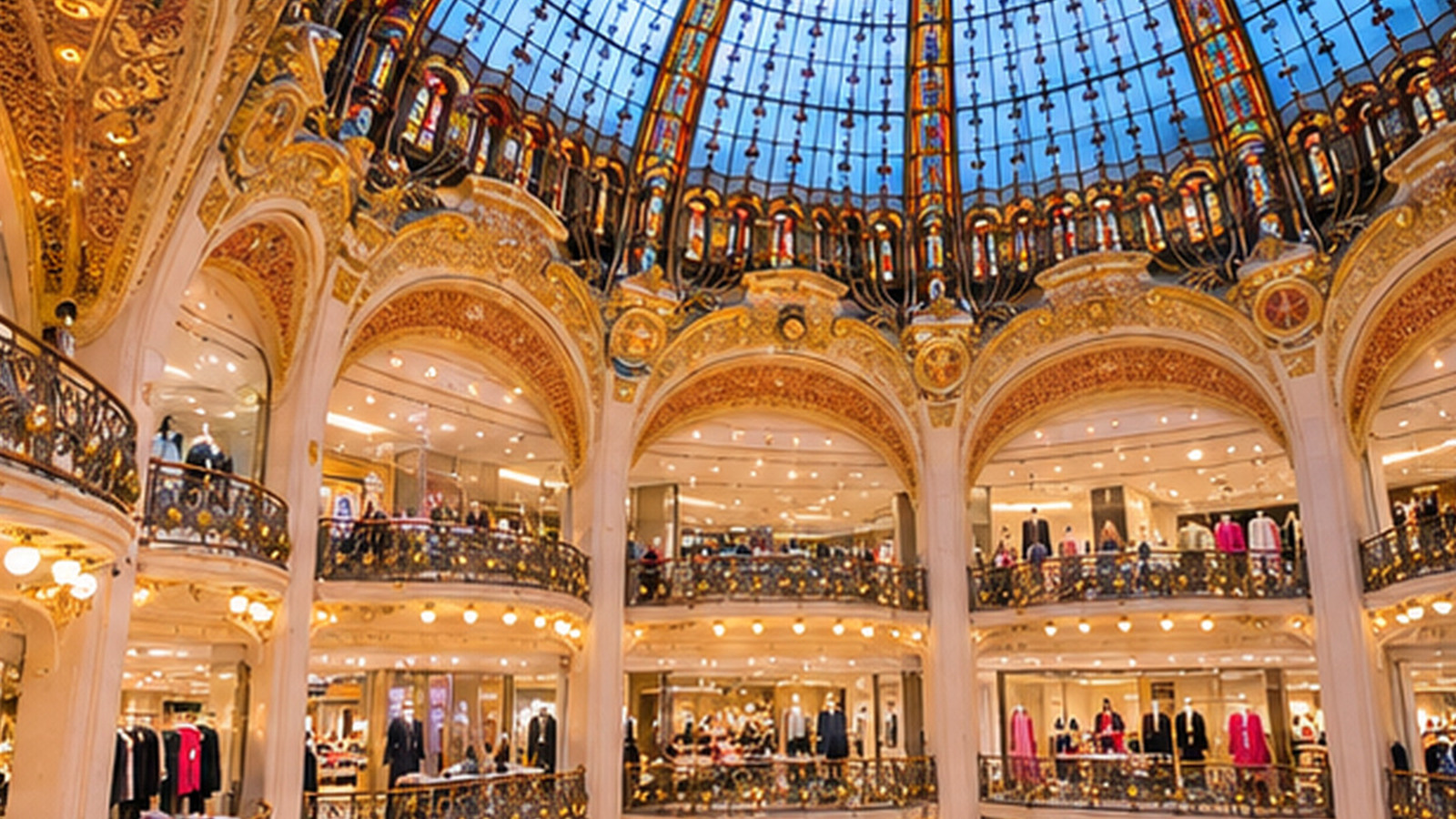
From Galeries Lafayette’s domed hall to Riviera boutiques and outlet villages like La Vallée.
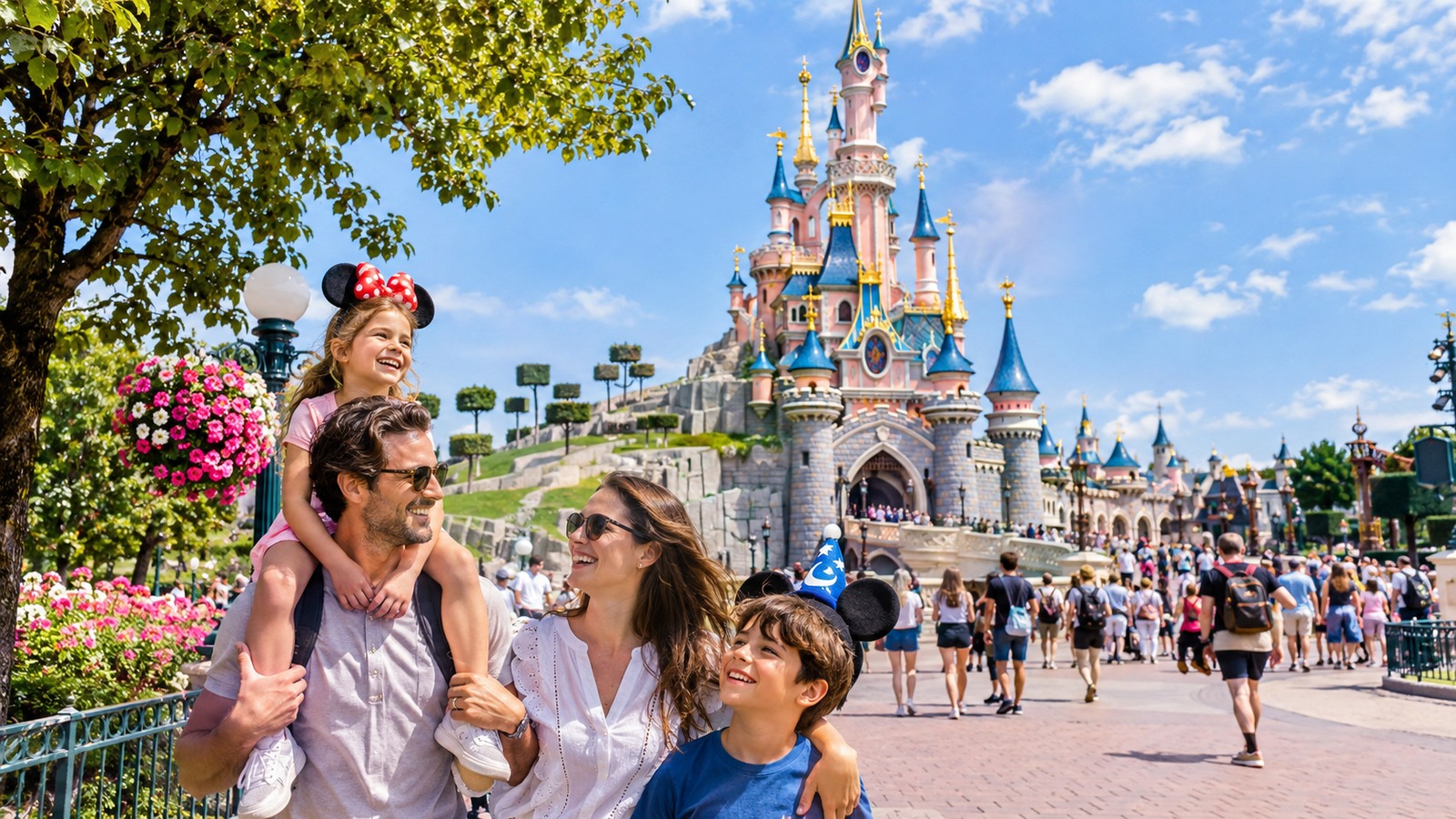
Disneyland Paris and the Parc Astérix for a magical family day.
Book tours & activities through our travel partners — see options. Bluebird Next may earn a commission from partner bookings at no extra cost to you (Affiliate Disclosure).
France is a premium European destination, but rail and museum passes and shoulder-season travel keep it in reach. Indicative per-person figures for a 7-day trip in 2026 (prices checked Nov 2026).
| Item | Typical cost (per person) |
|---|---|
| Return flights (ex-India, direct) | ₹55,000 – ₹95,000 |
| Schengen visa + travel insurance | ~₹9,000 – ₹12,000 |
| Hotels (3★, per night, twin) | ₹7,000 – ₹16,000 |
| Trains (Paris–Nice TGV, Versailles etc.) | ₹8,000 – ₹18,000 total |
| Attractions (Louvre, Versailles, Disney) | ₹10,000 – ₹20,000 total |
| Food (incl. some Indian/veg) | ₹2,500 – ₹5,000 / day |
| From | Typical return airfare |
|---|---|
| Delhi | ₹55,000 – ₹90,000 (direct) |
| Mumbai | ₹55,000 – ₹95,000 (direct/1-stop) |
| Bengaluru | ₹58,000 – ₹98,000 (1-stop) |
| Kolkata/Chennai | ₹58,000 – ₹98,000 (1-2 stops) |
| Hyderabad | ₹58,000 – ₹95,000 (1-stop) |
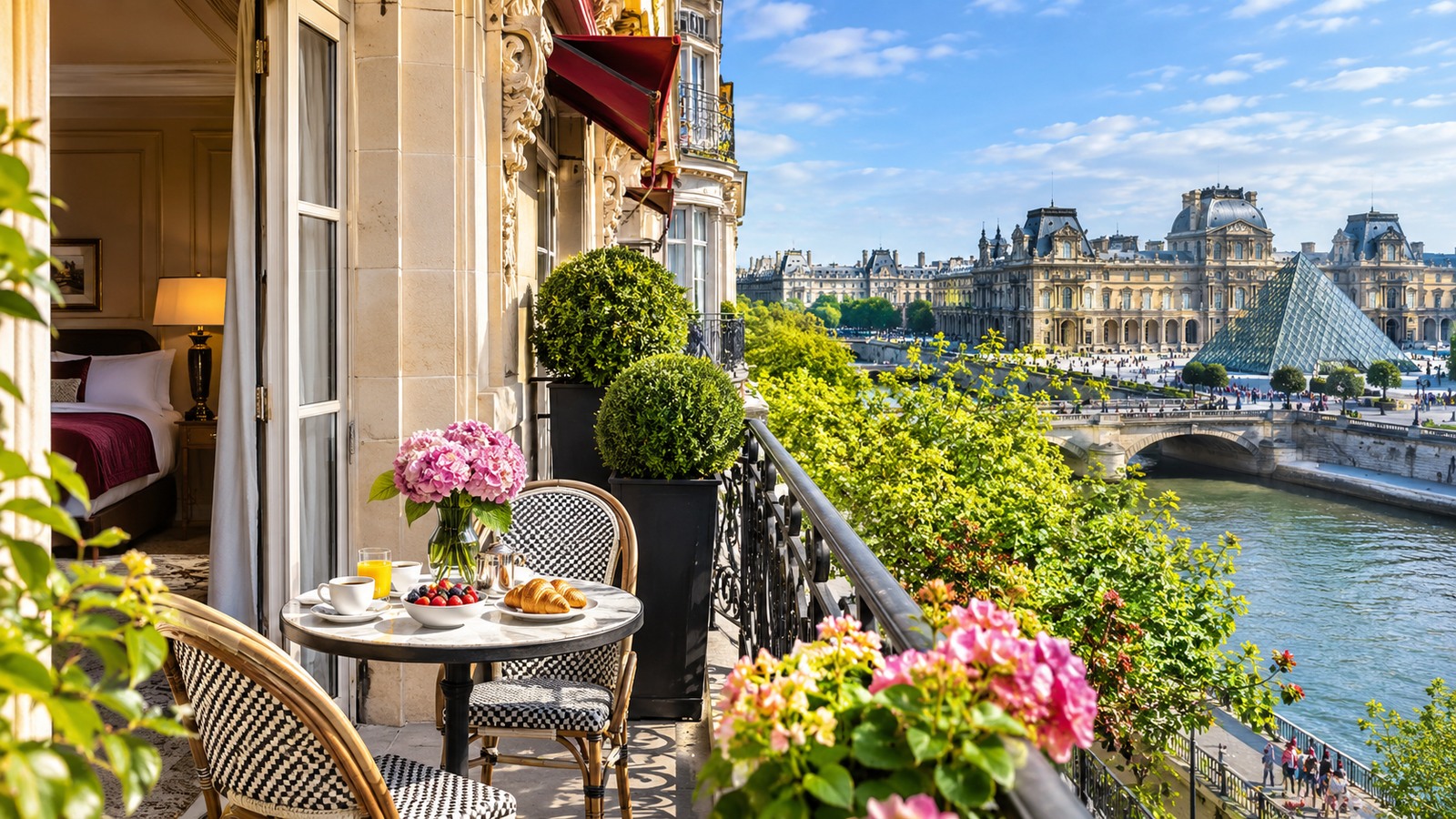
Near the Louvre, Opéra and the river; the most walkable but priciest.
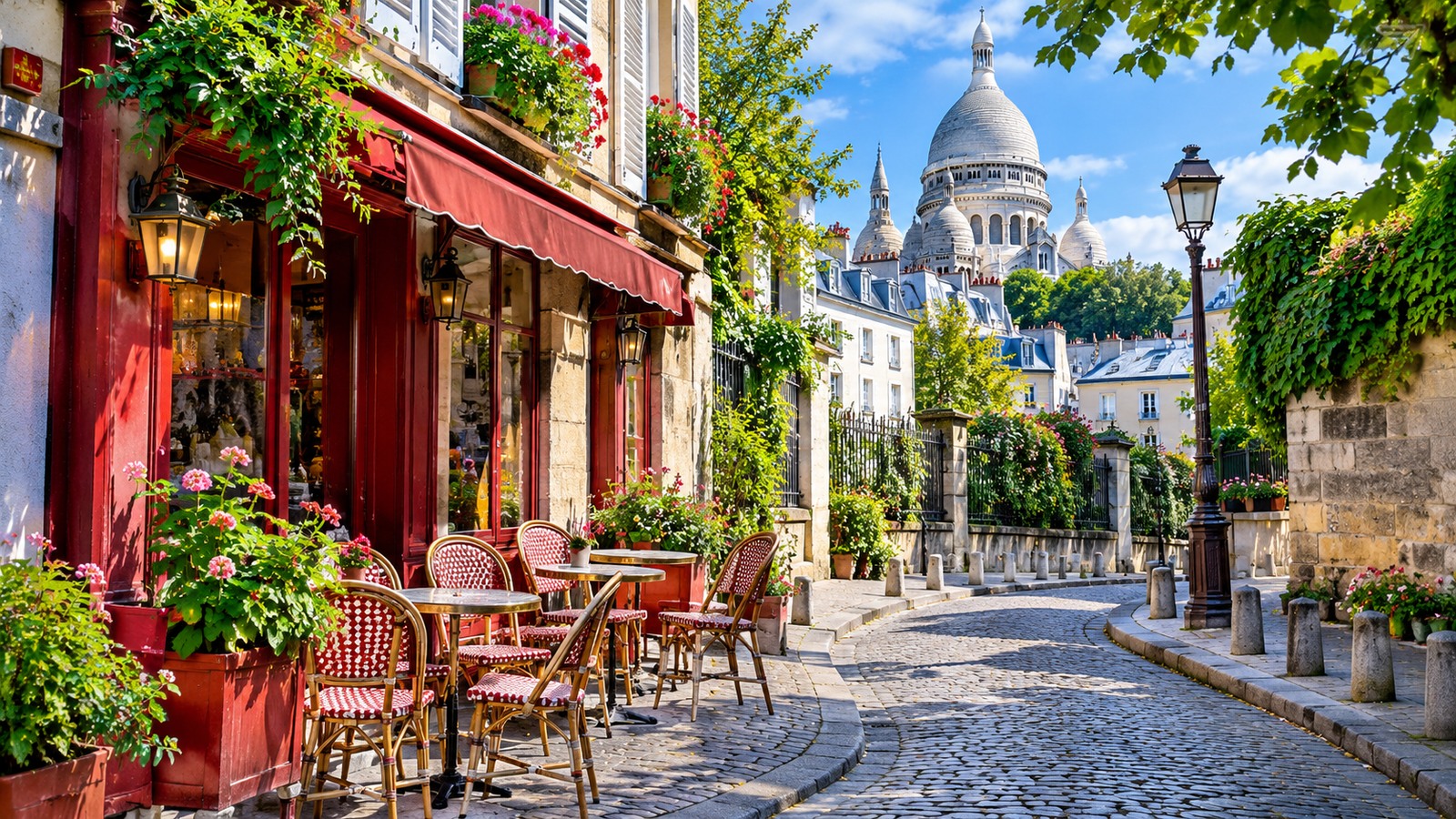
Characterful and slightly cheaper, well-connected by Metro.
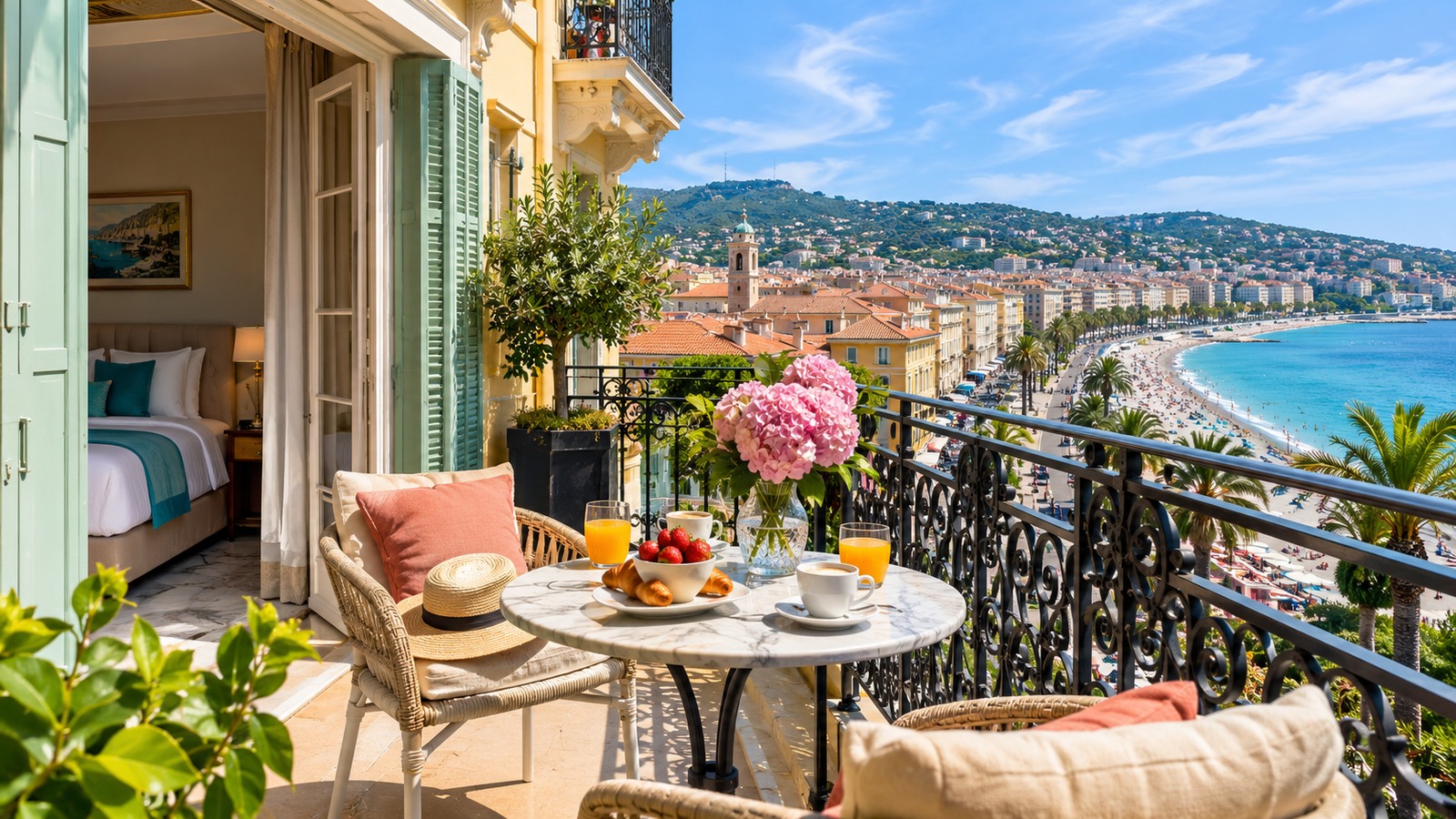
The best Riviera base — beach, old town and trains to Monaco and Cannes.
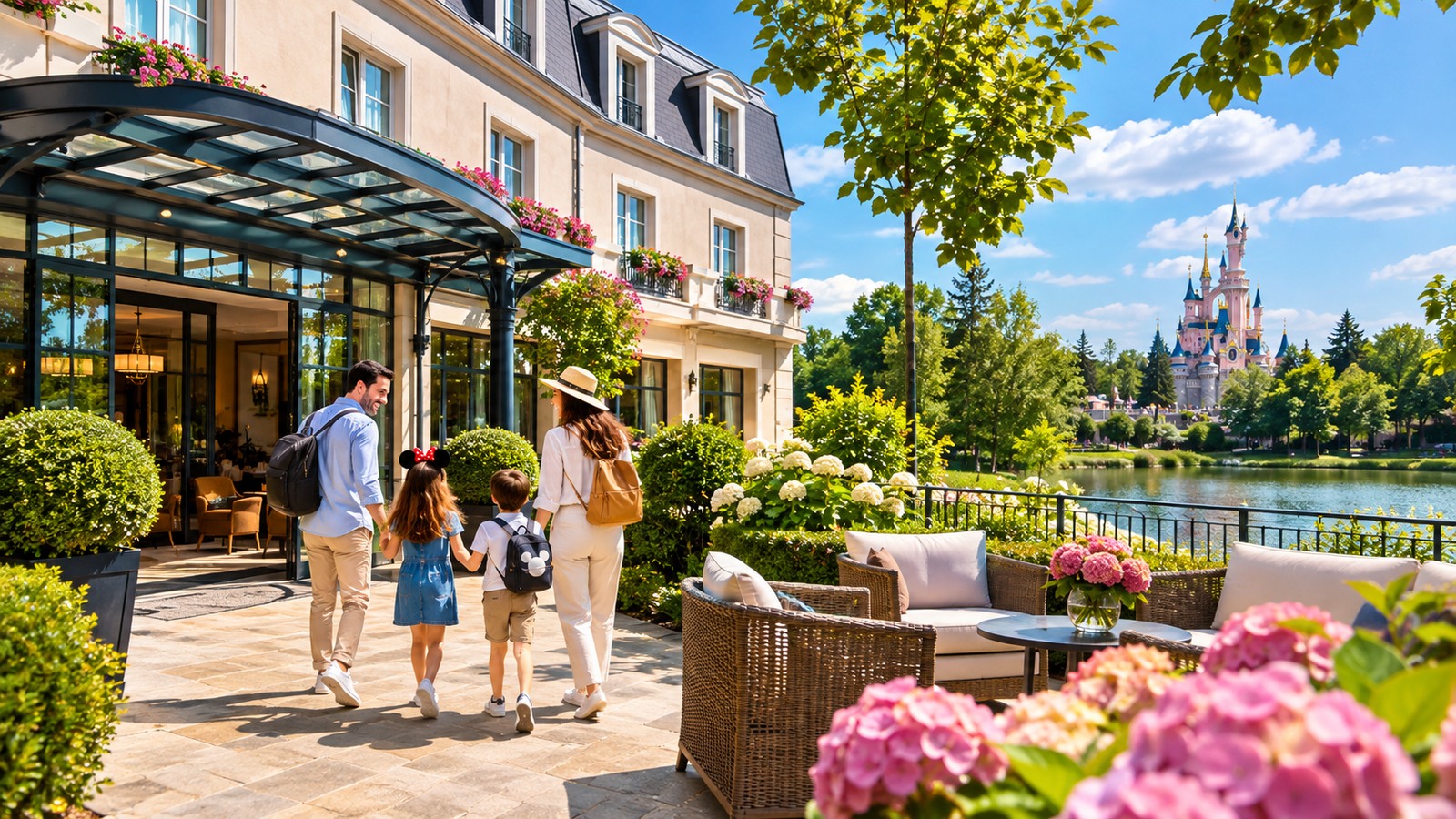
Convenient for a family park day, with an RER line to central Paris.
French cuisine is world-famous — croissants and baguettes, cheese, crêpes and patisserie. Dining can be formal and pricey; bakeries and markets make great budget meals.
Vegetarian is improving but takes a little care — rely on crêpes, quiches (check the filling), salads, cheese, falafel spots and Indian restaurants. Pure-veg and Jain travellers should plan around Indian eateries, especially in Paris’s La Chapelle (“Little India”).
Paris has a thriving Indian quarter around La Chapelle and Gare du Nord with authentic North and South Indian food from around ₹700; Nice and Lyon also have good options.
France uses the euro. Cards and contactless are accepted almost everywhere, including the Metro and buses; carry a little cash for small bakeries and markets. UPI is not accepted. At card machines, always choose to be charged in euros rather than rupees. Tap water is safe and free — ask for “une carafe d’eau” at restaurants.
Paris has a dense, cheap Metro and RER network — a Navigo or day pass covers the city and the suburban trains to Versailles and Disneyland. For other regions, the TGV links Paris to Nice, Lyon and beyond in a few hours; book early for cheap fares and reserve seats.
A French/EU eSIM (Orange, Free) or a travel eSIM is cheaper than roaming and works across Europe. Download Google Maps, the RATP (Paris transport) and SNCF Connect (trains) apps, and Google Translate.
France uses 230V with the Type E (round two-pin with an earth pin) socket; a Type C plug fits too, but carry a universal adapter. Pack layers for spring/autumn, light clothing and sun protection for the summer Riviera, and a warm coat for winter.
Pickpocketing and petition/ring scams are common around the Eiffel Tower, Montmartre and on the Metro — keep bags zipped and in front, and politely ignore strangers who approach you. A simple “Bonjour” before speaking English is appreciated; tipping is modest as service is included.
A dense, cheap network; a Navigo or day pass covers the city and suburban trains to Versailles and Disneyland. Walking is a pleasure in the centre.
France’s fast trains link Paris to Nice, Lyon and beyond in a few hours; book early for cheap fares and reserve seats.
CDG connects to central Paris by the RER-B train and new metro lines; allow for queues at immigration.
France is safe for tourists, but Paris has persistent pickpocketing and distraction scams (petition, ring and friendship-bracelet tricks) around major sights and on the Metro — stay alert and keep valuables secure in a front pocket or anti-theft bag. Violent crime against tourists is rare. Standard travel insurance is both sensible and a Schengen requirement.
❌ Myth: France is only Paris.
✅ Fact: Paris is the headline, but the Riviera, the Loire châteaux, Provence’s lavender and Mont Saint-Michel are all a fast train away. Pair Paris with one region for a richer trip.
❌ Myth: The French are rude to tourists.
✅ Fact: A simple “Bonjour” before speaking English transforms the response — a little politeness and effort are warmly received.
❌ Myth: Vegetarians cannot eat in France.
✅ Fact: It takes a little planning, but crêpes, salads, cheese, falafel and Paris’s excellent Little India make it manageable; Jain and pure-veg travellers can centre meals on Indian restaurants.
❌ Myth: You need a car to see France.
✅ Fact: The TGV and Paris Metro cover most itineraries; a car only helps for the countryside (the Loire, Provence). For Paris and the Riviera, trains are faster and cheaper.
❌ Myth: Summer is the best time for Paris.
✅ Fact: Summer is hot and crowded, with some shops shut in August. Spring (April–June) and autumn (September–October) are more pleasant, cheaper and less crowded.
Yes — a Schengen short-stay visa (Type C), which also covers the other 28 Schengen countries. If France is your main destination, apply through the French consulate/VFS about 4–8 weeks ahead with flights, hotels, €30,000 insurance and funds proof. Bluebird Next files it for you.
A 7-day trip is roughly ₹1,60,000–₹2,60,000 per person including flights, and about ₹3,20,000–₹5,00,000 for a couple. Spring/autumn travel, museum and transport passes and bakery meals bring it down.
Five days for Paris in depth; seven to eight to add the Riviera or the Loire. France is also easy to combine with Switzerland or Italy on one Schengen visa.
Late spring (April–June) and early autumn (September–October) offer the best weather and fewer crowds. Summer is warm but busy (and the Riviera priciest); winter is cheap, quiet and festive.
Cards and contactless work almost everywhere, including the Metro; UPI is not accepted, so carry some euro cash for small bakeries and markets. Always choose to be charged in euros, not rupees, at card machines.
It is a premium city, but bakeries, markets and museum and transport passes keep costs down. Travel in spring or autumn for better flight and hotel rates.
Yes — the Schengen visa lets you add Switzerland, Italy, the Netherlands and more, and fast trains and short flights make multi-country trips easy from Paris.
Manageable with planning — crêpes, salads, cheese and falafel, plus Paris’s excellent Indian quarter at La Chapelle. Jain and pure-veg travellers should centre meals on Indian restaurants.
Yes, with sensible precautions. The main issue is pickpocketing and distraction scams around tourist sights and on the Metro, not violent crime. Keep valuables secure and ignore strangers who approach with petitions or rings.
Very — Disneyland Paris, river cruises, easy Metro travel and plenty of Indian food make it a family winner, and the sights are compact and well organised.
Yes — travel medical insurance covering at least €30,000 is mandatory for the Schengen visa, and it also protects against trip delays, cancellations and lost baggage.
Sources: France Tourism (Explore France) · France-Visas (official Schengen portal) · SNCF — TGV rail
A licensed team that has guided thousands of Indians to their visas and admissions.
 Jitender SinghFounder & Managing Director
 Vikram SinghHead – Quality & Operations
 SanjayHead – Tourist Visa Operations
 TejaswaniHead – Counselling Team
 MahimaHead – Visa Filing & Processing
 Pratigya DuttaHead – Student Visa Processing
Free, no-pressure guidance from a real counsellor who handles your case end to end — from documents to decision.