
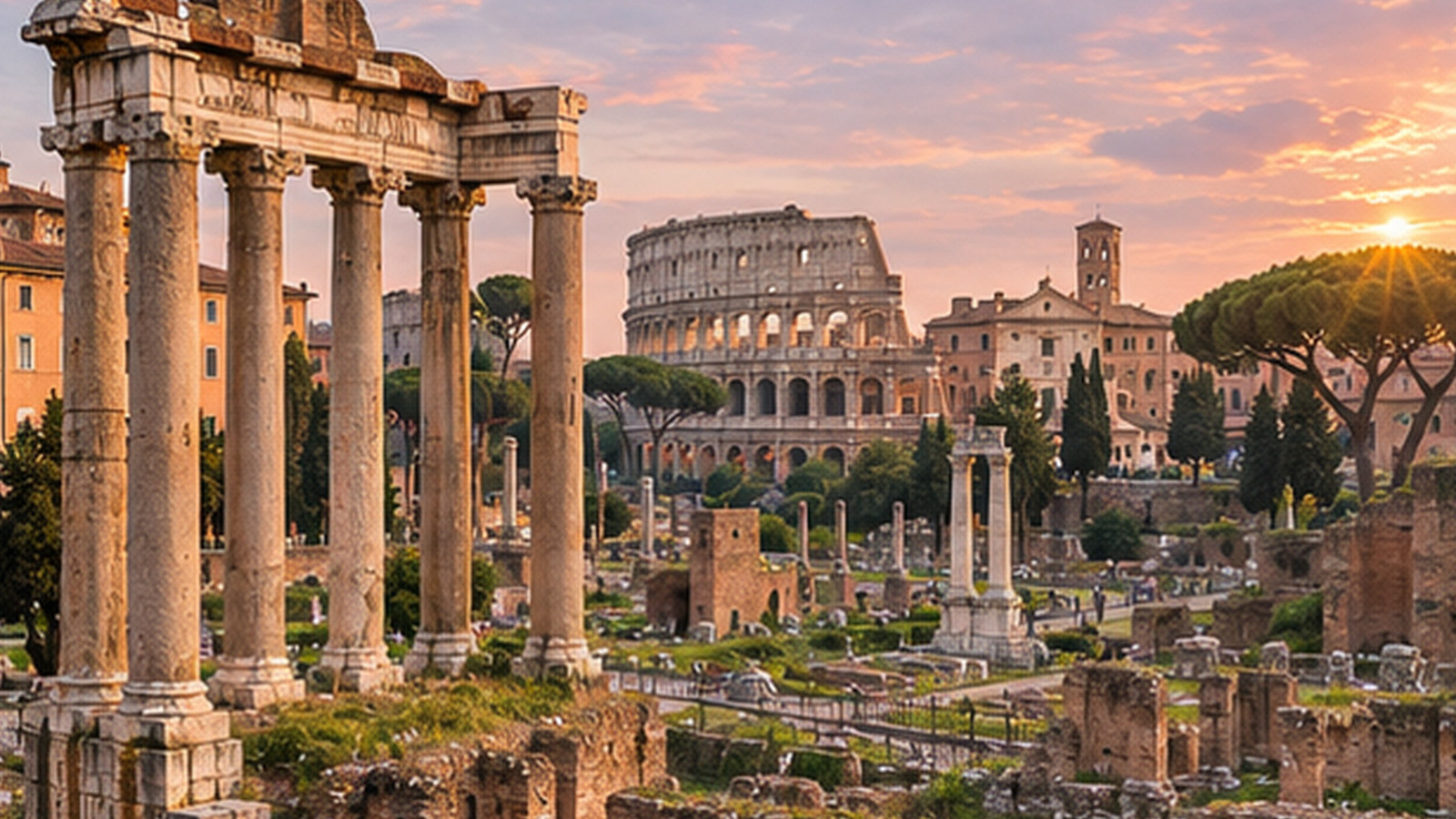
The eternal city — the Colosseum, Roman Forum, Vatican, Trevi Fountain and Pantheon, layered across millennia.
Ancient Rome, canal-laced Venice, Renaissance Florence and the sea-cliff villages of the Amalfi Coast — Italy is history, art and food on one unforgettable trip.
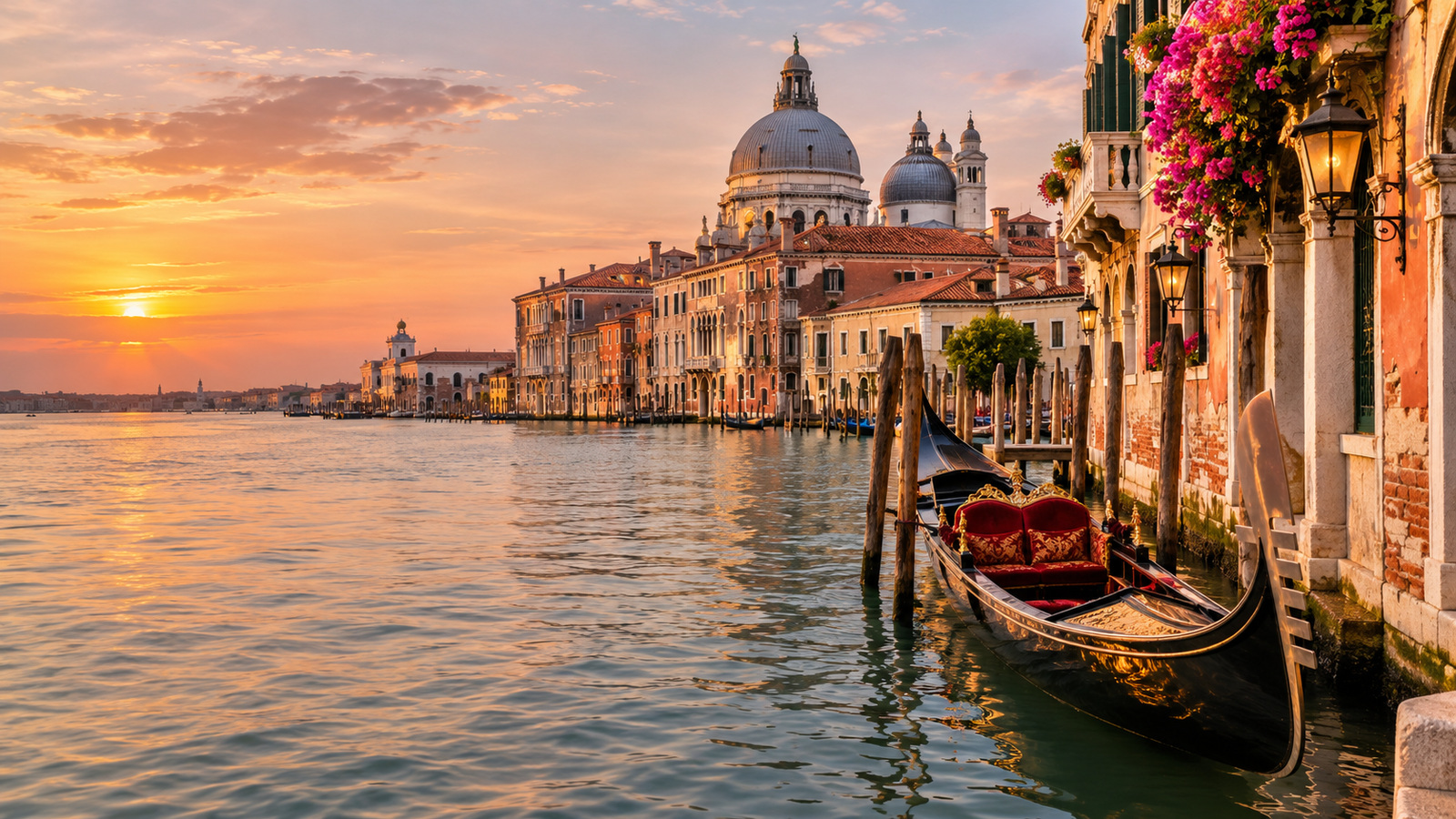
Few countries reward a visit like Italy. In a single trip you can stand inside the 2,000-year-old Colosseum, drift down a Venetian canal by gondola, gaze at Michelangelo’s David in Florence and watch the sun set over the pastel cliffs of the Amalfi Coast — and eat astonishingly well at every stop. Italy turns sightseeing into a feast for every sense, which is exactly why it ranks so high for Indian travellers planning their first (or finest) European journey.
Italy’s classic route is a near-perfect introduction to Europe: Rome for antiquity, Florence for art and Venice for romance, with the Amalfi Coast or the Cinque Terre for coastal drama. Fast trains link the big cities in a couple of hours each, and as a Schengen country, Italy pairs easily with Switzerland or France on the same visa. It is a premium trip, but one that delivers depth and memories far beyond the postcard.
This guide is written for Indian travellers: the real trip cost in rupees from your city, the exact Schengen visa process (and how we file it), why Italy is secretly a vegetarian’s dream, how the fast trains work, and honest, dated advice you can plan around.
Indian travellers love Italy for its unbeatable mix of history, romance and food — and for how vegetarian-friendly it secretly is (pizza, pasta, risotto and gelato are a veg traveller’s dream). Honeymooners adore Venice and the Amalfi Coast; culture lovers lose themselves in Rome and Florence; and the Schengen visa makes Italy an easy piece of a larger European itinerary.
💡 From our visa desk: The travellers we help enjoy Italy most slow down — three cities in a week, not six — and pre-book the big sights (Colosseum, Vatican, Uffizi) with timed entry, which saves hours of queueing. Use the fast Frecciarossa trains between cities, keep valuables in a front pocket against Rome’s pickpockets, and leave room to simply sit in a piazza with a gelato.
Schengen short-stay visa (Type C) for Indian citizens — apply before you fly (we file it).
Indian passport holders need a Schengen visa for Italy, valid across all 29 Schengen countries. Apply through the Italian consulate/VFS about 4–8 weeks ahead with flights, hotels, travel insurance and proof of funds. If Italy is your main destination on a multi-country trip, apply through Italy. Bluebird Next files it for you.
Full Italy tourist visa requirements & documents →Italy is best in the shoulder seasons — spring and autumn — when the weather is pleasant and the famous sights are a little less overwhelming. See the month-by-month table below.
| Season | What it's like & who it suits |
|---|---|
| Spring (Apr–Jun) | Mild, blooming and ideal for sightseeing and the coast; one of the best windows. Easter and May can be busy. |
| Summer (Jul–Aug) | Hot and very crowded in the cities; the Amalfi Coast and islands are at their beach best but packed and pricey. Many locals holiday in August. |
| Autumn (Sep–Oct) | Warm and golden, with grape and olive harvests and thinner crowds — superb value and comfort. |
| Winter (Nov–Mar) | Cold in the north, mild in the south; low prices and few tourists, but some coastal spots shut. Rome is magical at Christmas. |
| Month | Weather & what’s on (incl. Indian holiday windows) |
|---|---|
| January | Cold in the north, mild in the south; low prices and few crowds. Rome and Florence are atmospheric and quiet after the New Year. |
| February | Still quiet and cheap; Venice Carnival brings masks and colour (and a price spike for those dates). |
| March | Early spring — cool, uncrowded and good value before the Easter rush. |
| April | A top month — mild, blooming and lovely for sightseeing; Easter can be busy. Overlaps Indian summer-holiday planning. |
| May | Arguably the best month — warm, long days, the coast opening up and manageable crowds. |
| June | Warm and lively; the Amalfi Coast and islands shine, cities getting busy before the peak. |
| July–August | Hot and crowded in the cities, packed and pricey on the coast; many locals are on holiday in August. Overlaps the Indian summer break. |
| September | The other sweet spot — warm, golden and quieter as the summer crowds thin; harvest season begins. |
| October | Mild, mellow and great value, with autumn colour and fewer tourists. |
| November–December | Cool and quiet, then festive — Christmas markets and lights in Rome, Florence and the north; some coastal spots close. |
The eternal city — the Colosseum, Roman Forum, Vatican, Trevi Fountain and Pantheon, layered across millennia.
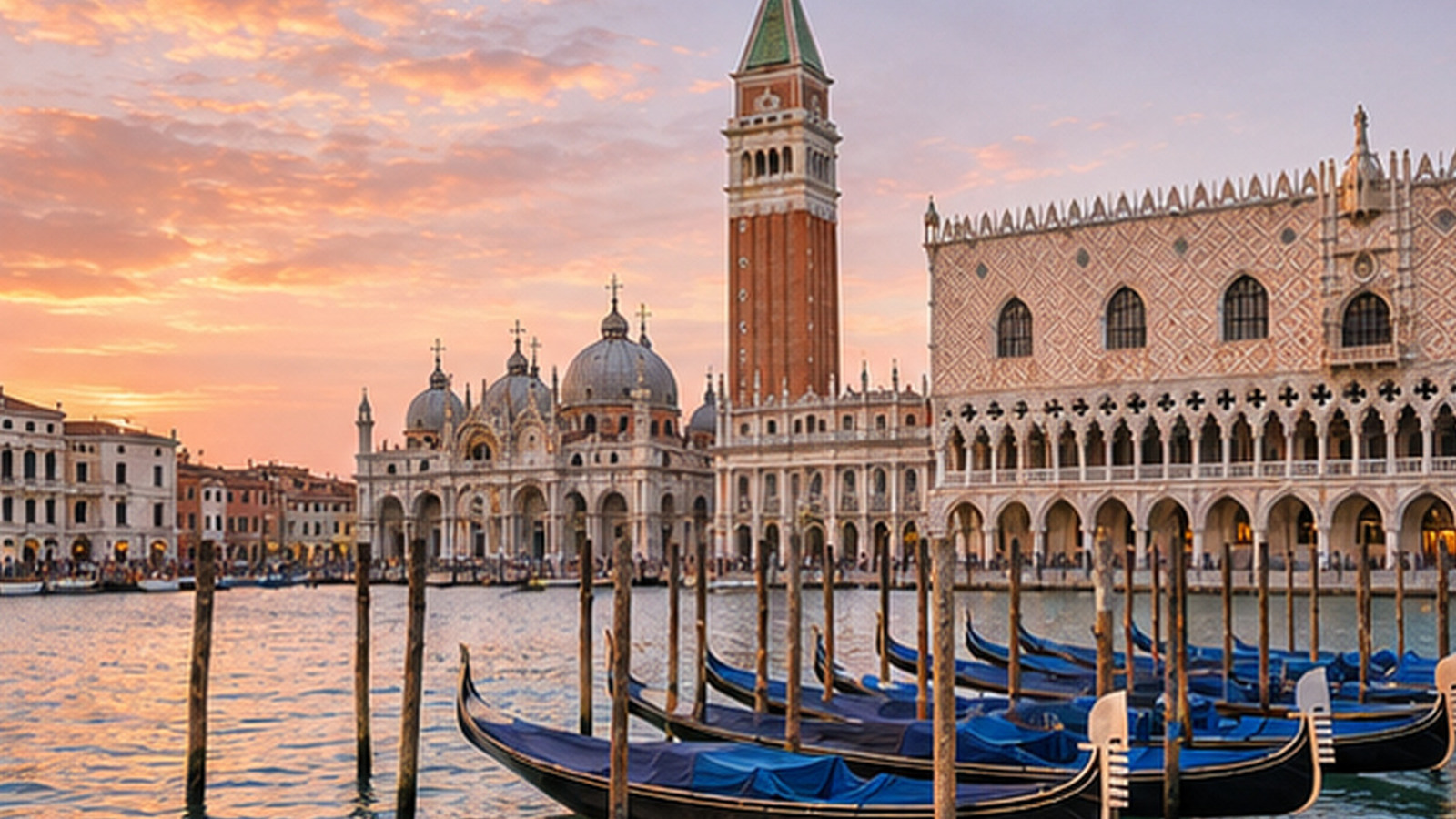
A city of canals with no cars — St. Mark’s Square, gondolas and the glass island of Murano.
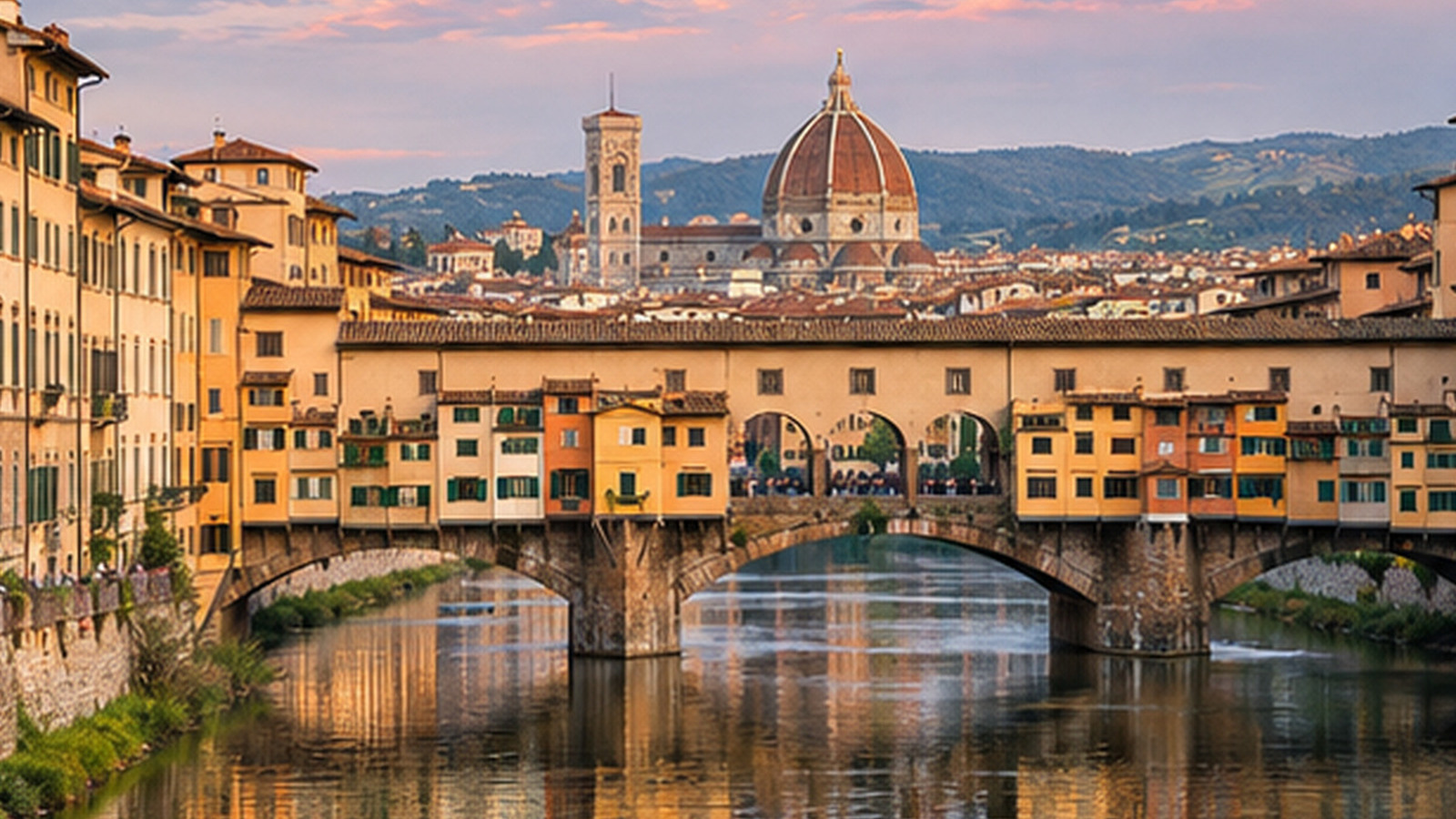
The Renaissance capital — the Duomo, Michelangelo’s David, the Uffizi and Ponte Vecchio.
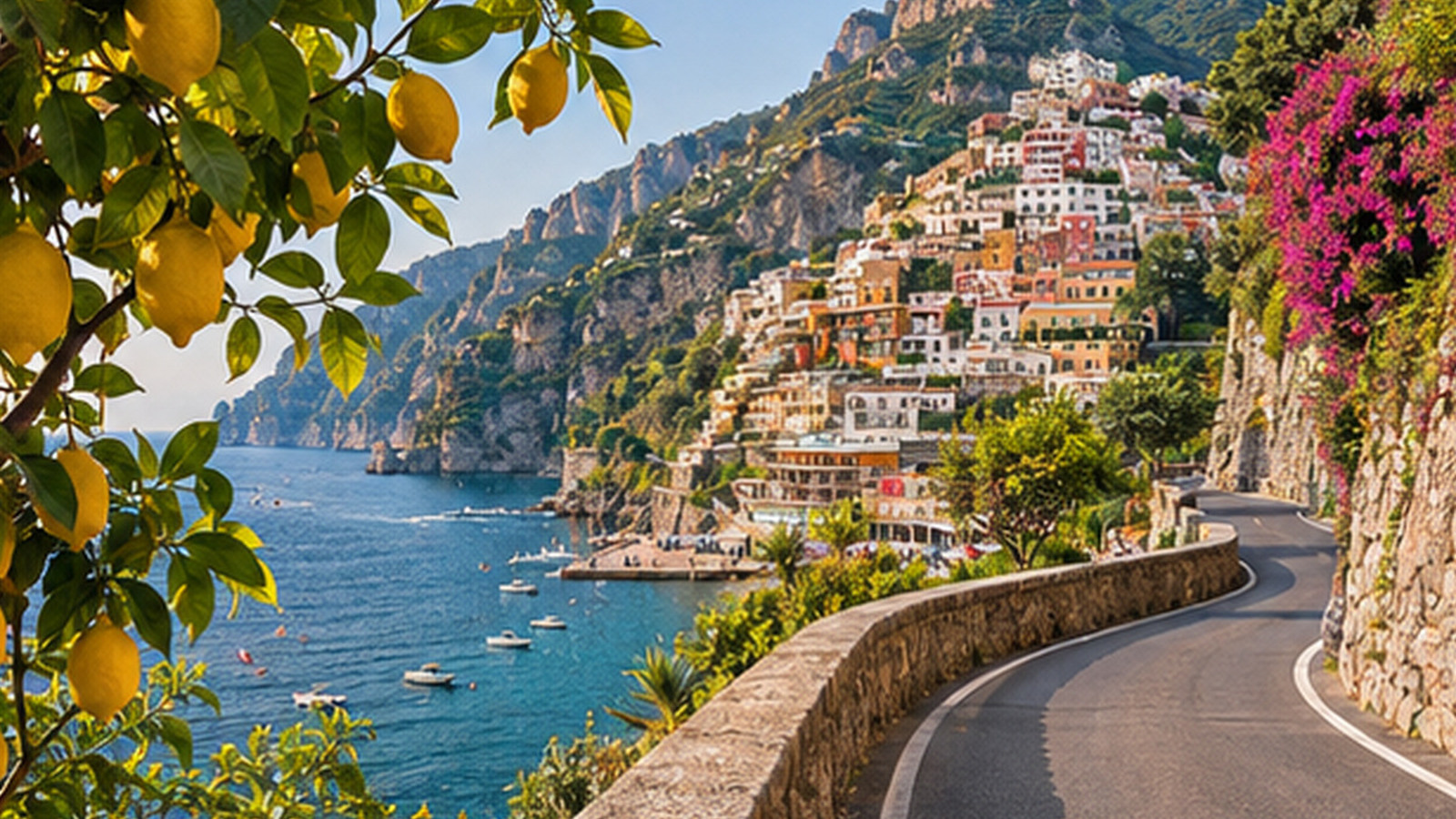
Sea-cliff villages, lemon groves and the Mediterranean’s most dramatic coastal drive.
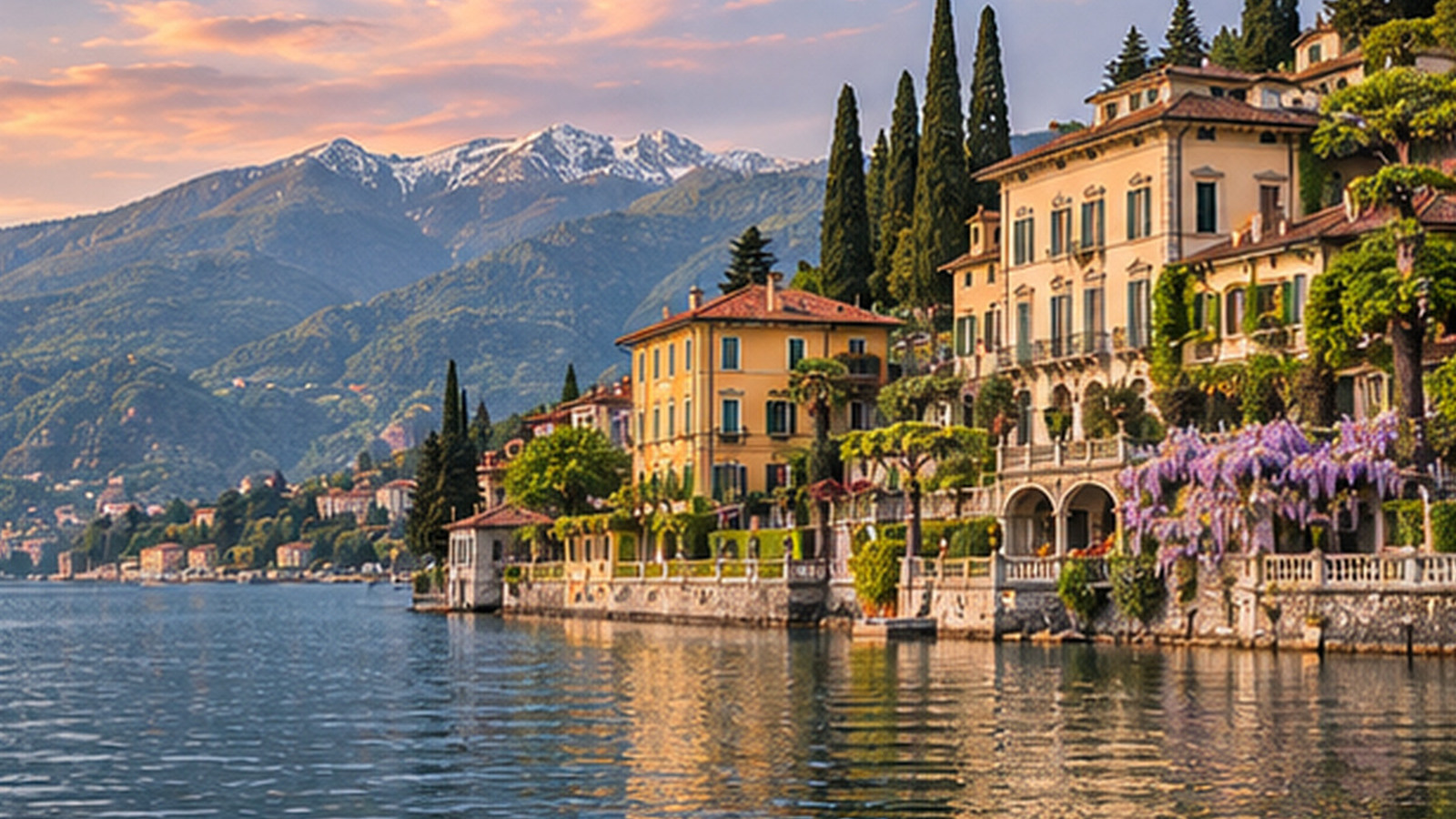
Fashion, the Duomo and the Last Supper, plus romantic Lake Como and Lake Garda nearby.
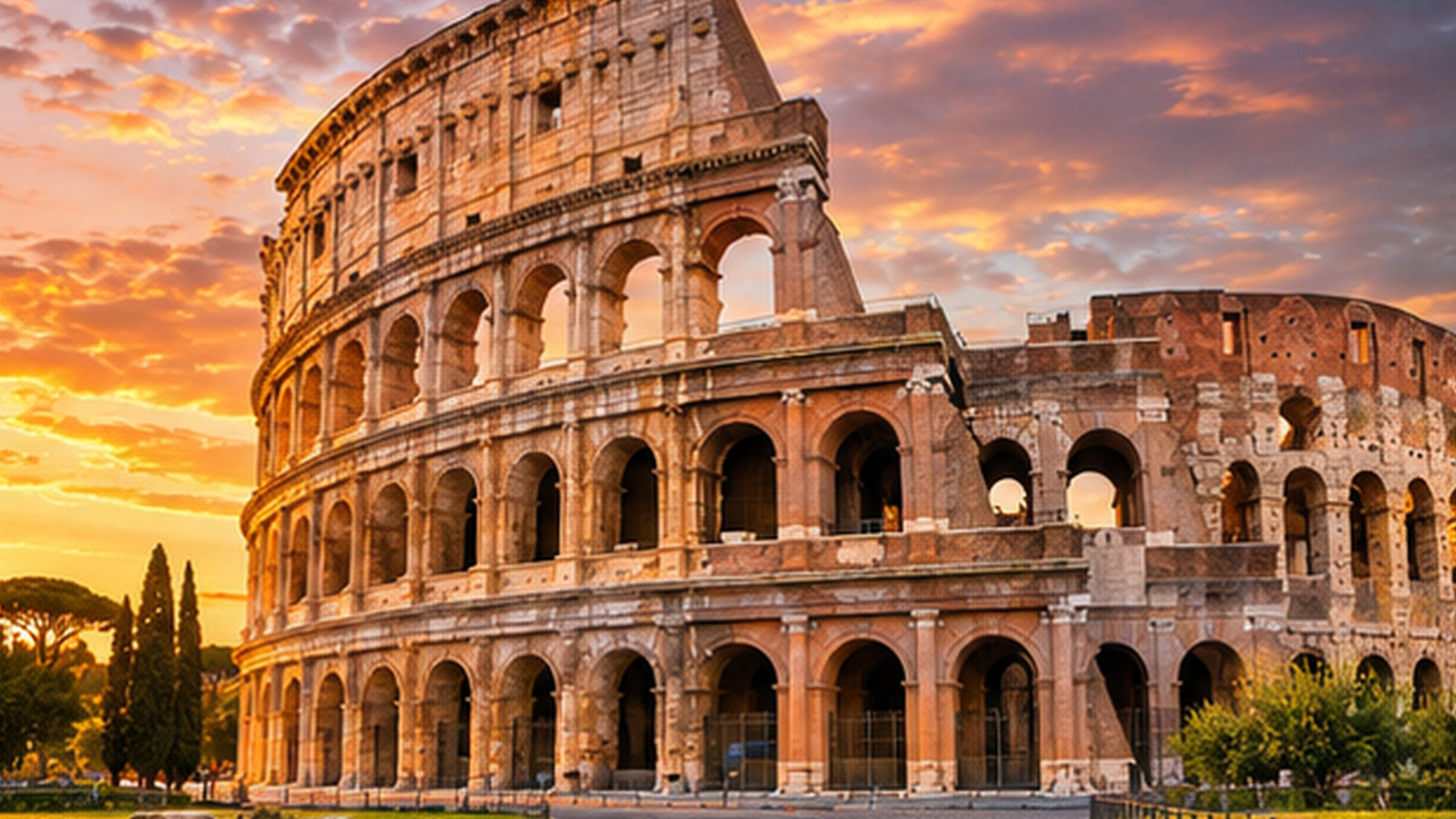
The vast ancient arena and the ruins of the Roman Empire’s heart — the definitive Rome experience.
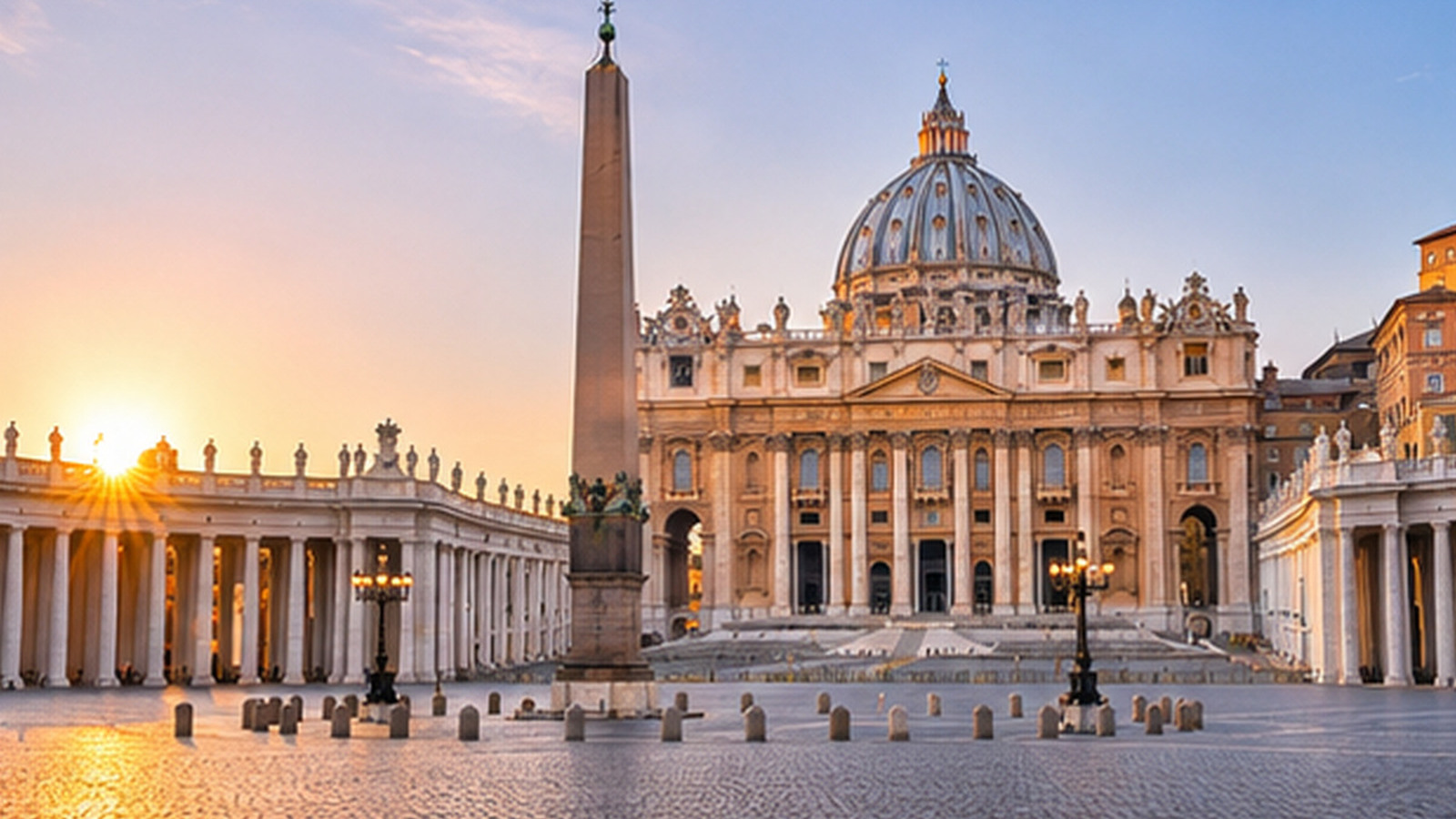
The Sistine Chapel, the Vatican Museums and the world’s largest church — a half-day in itself.
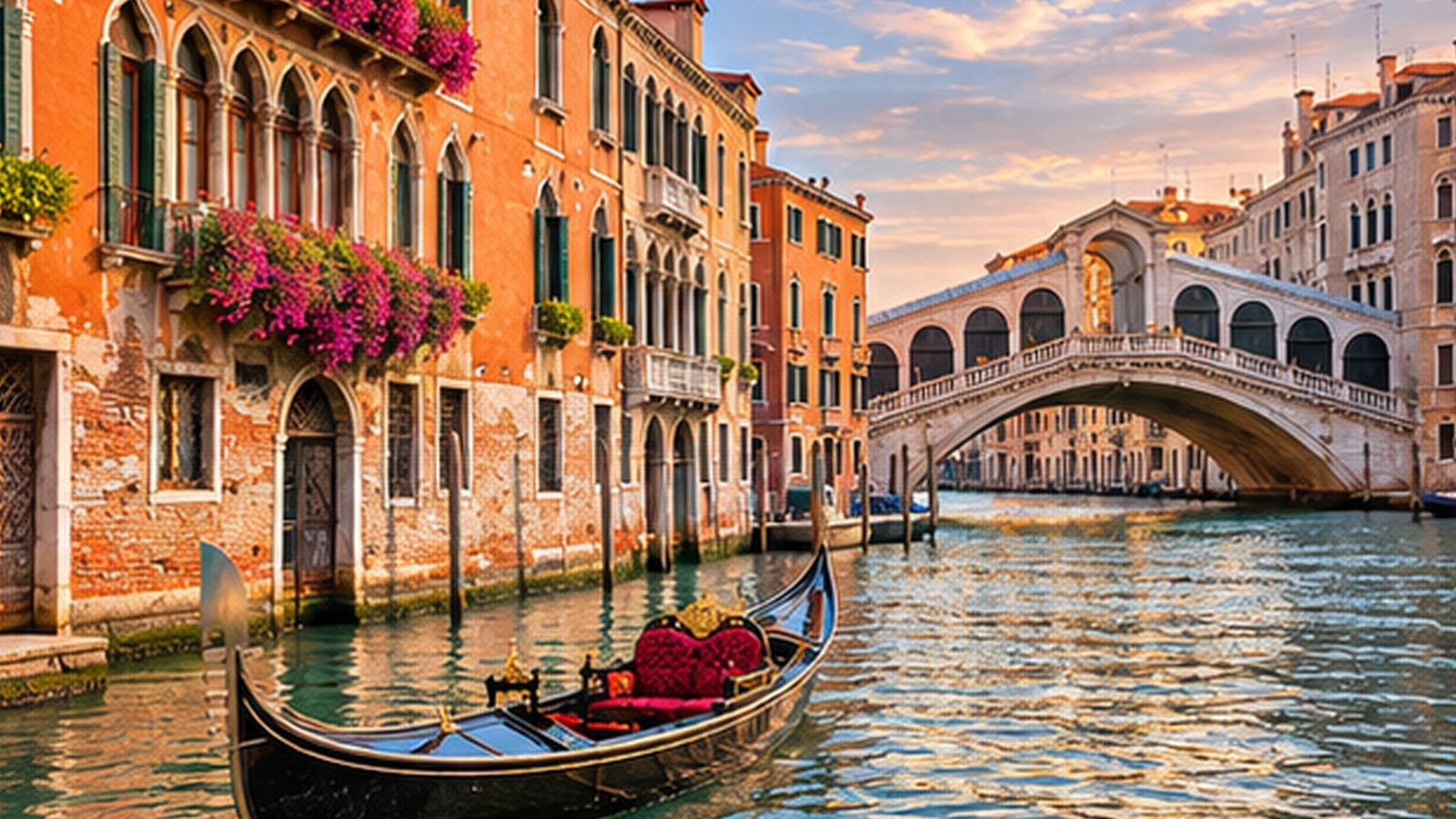
Glide by gondola or vaporetto past palazzi to the Basilica and the Doge’s Palace.
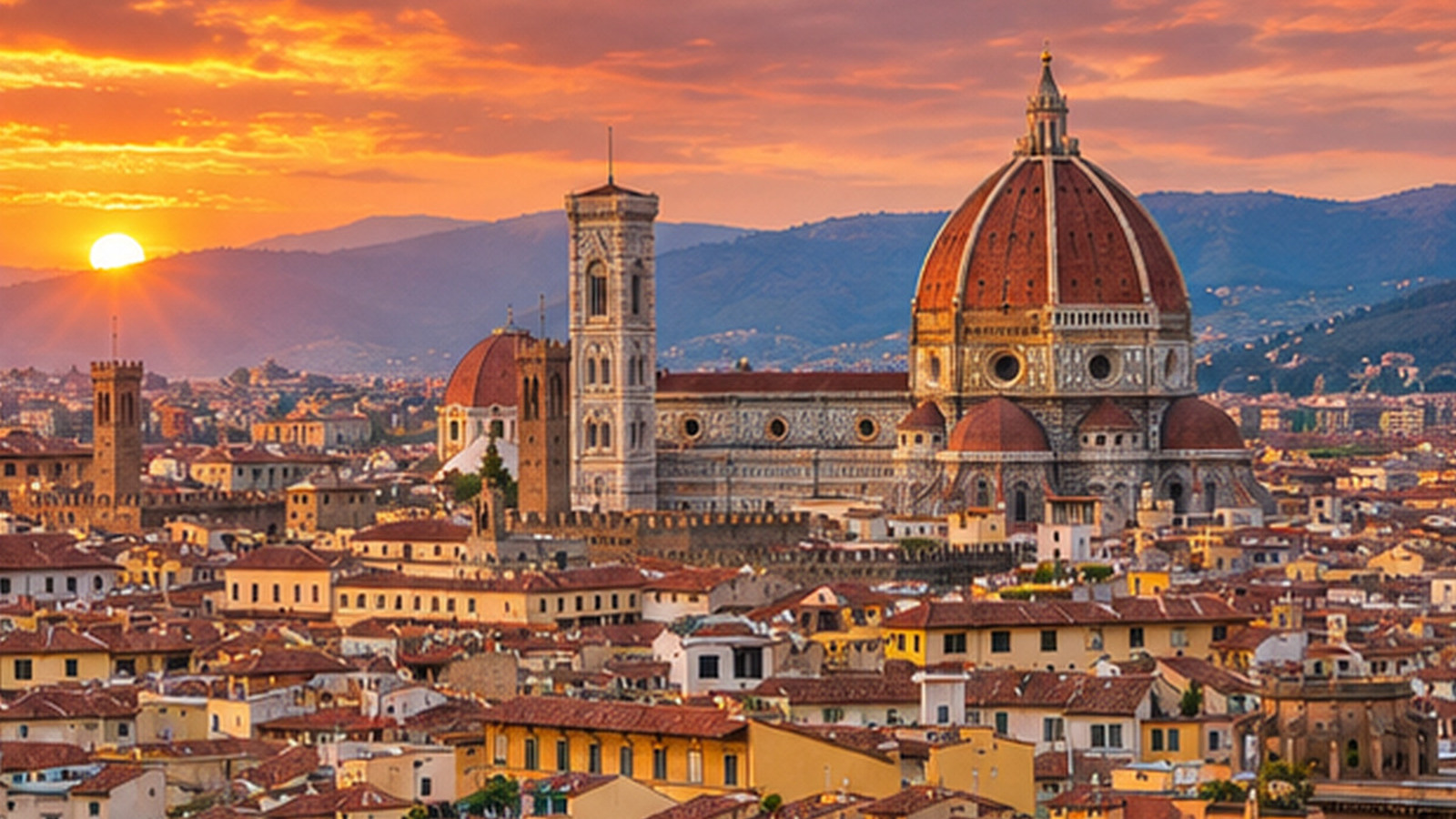
Climb Brunelleschi’s dome for rooftop views; see Botticelli and da Vinci in the Uffizi.
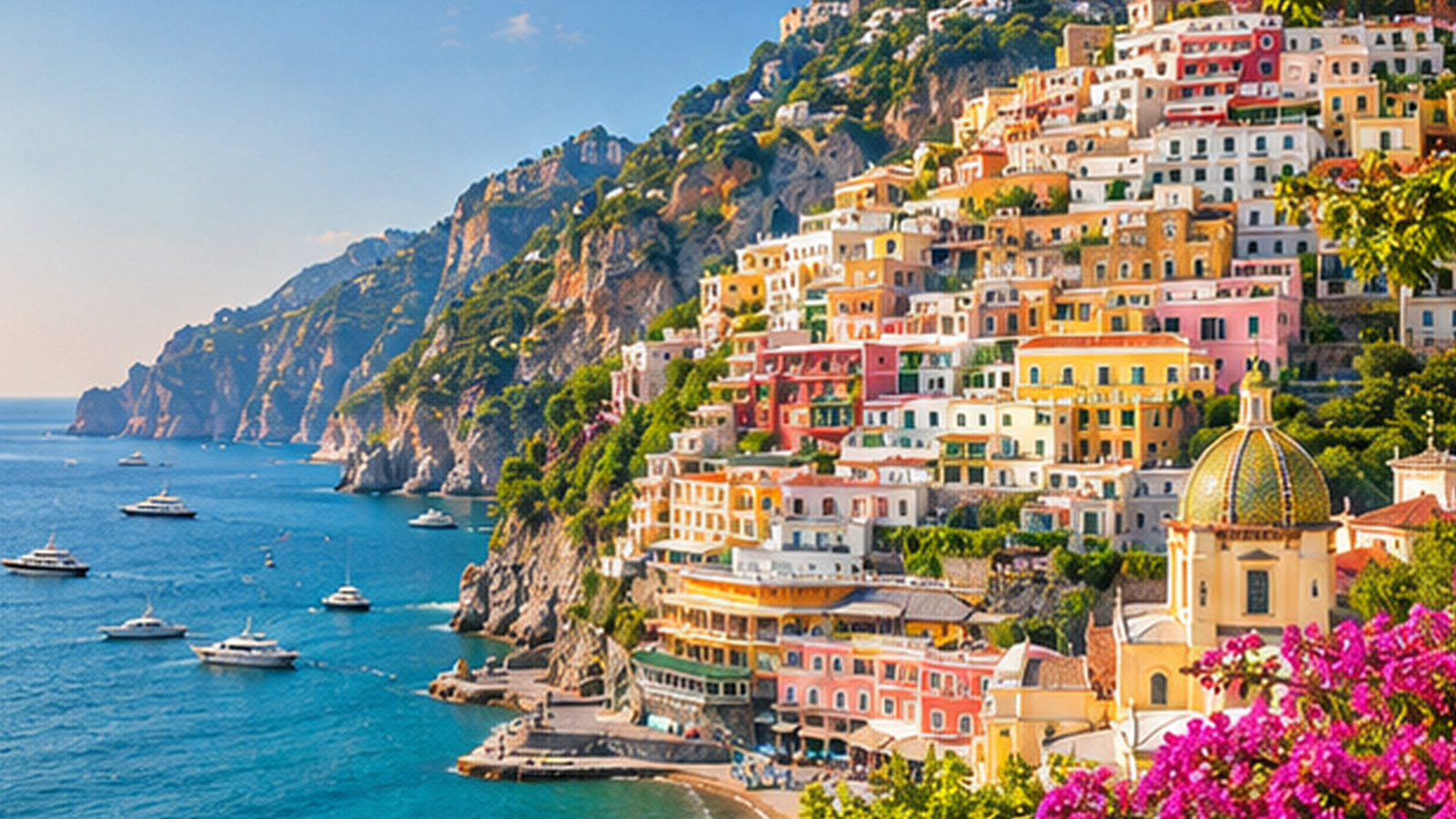
Cliff-hugging villages, a legendary coastal drive and boat trips to Capri’s Blue Grotto.
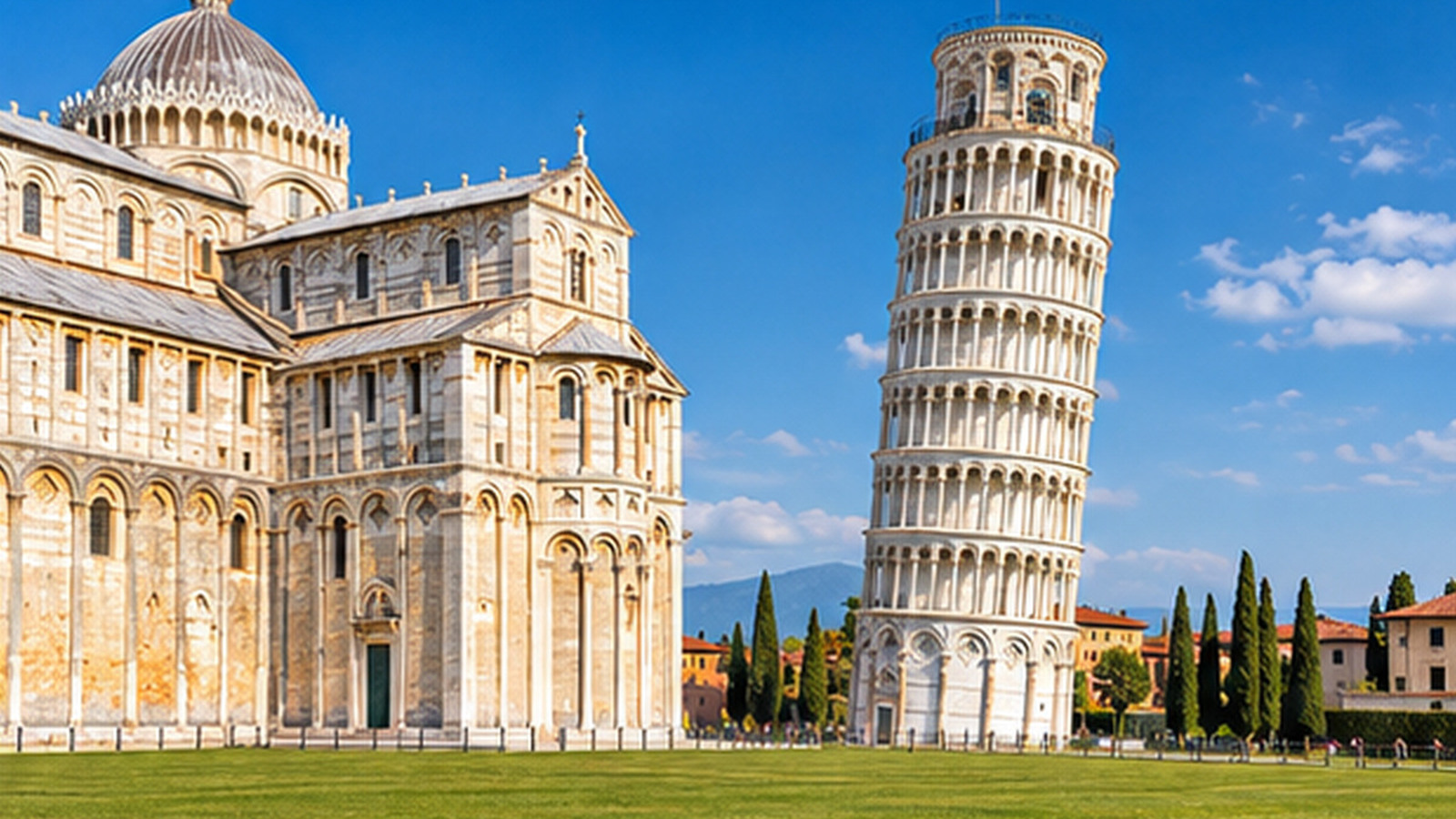
The famous tilting tower — a quick, fun stop between Florence and the coast.
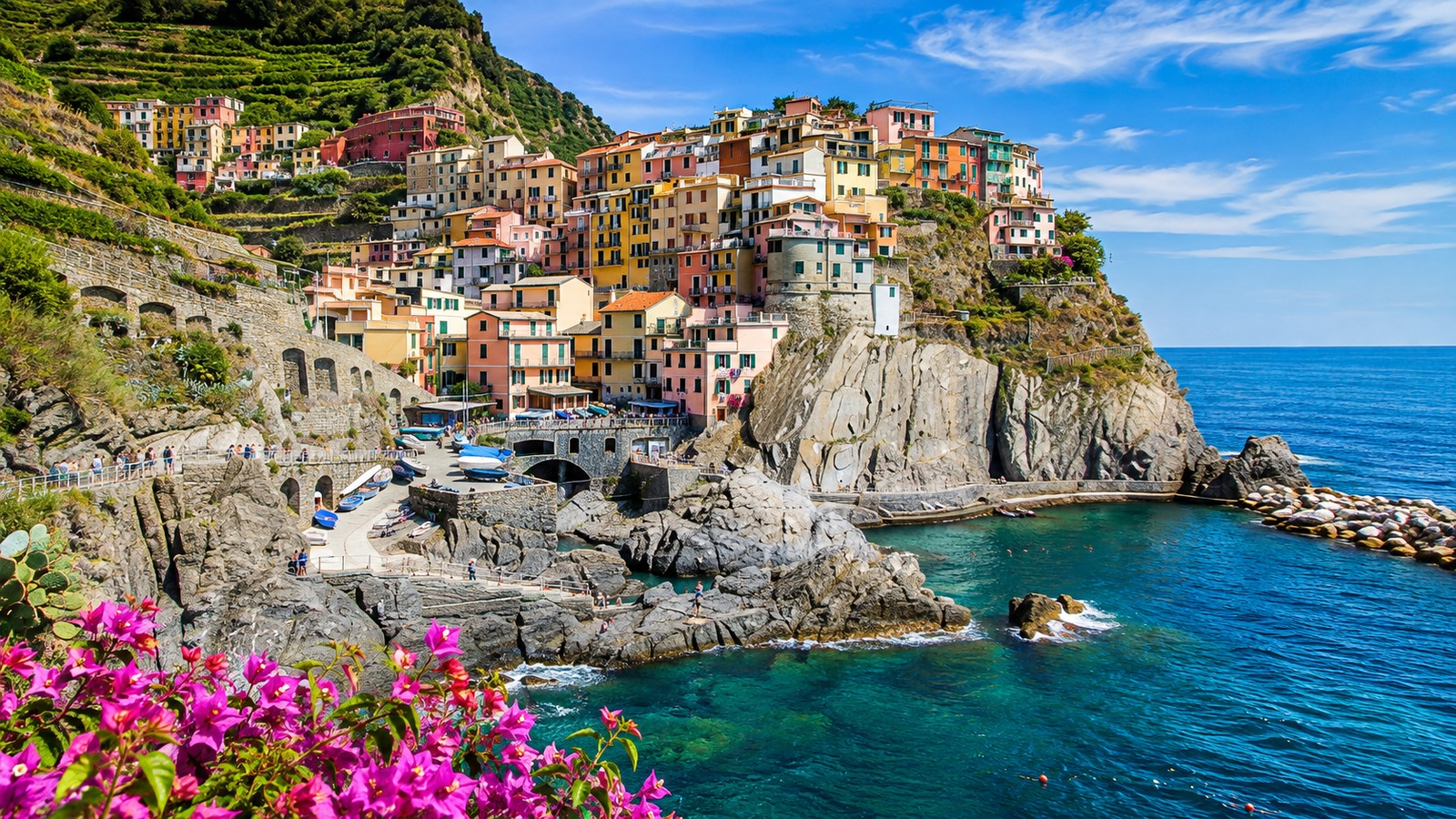
Five pastel fishing villages strung along a cliff coast, linked by trains and walking trails.
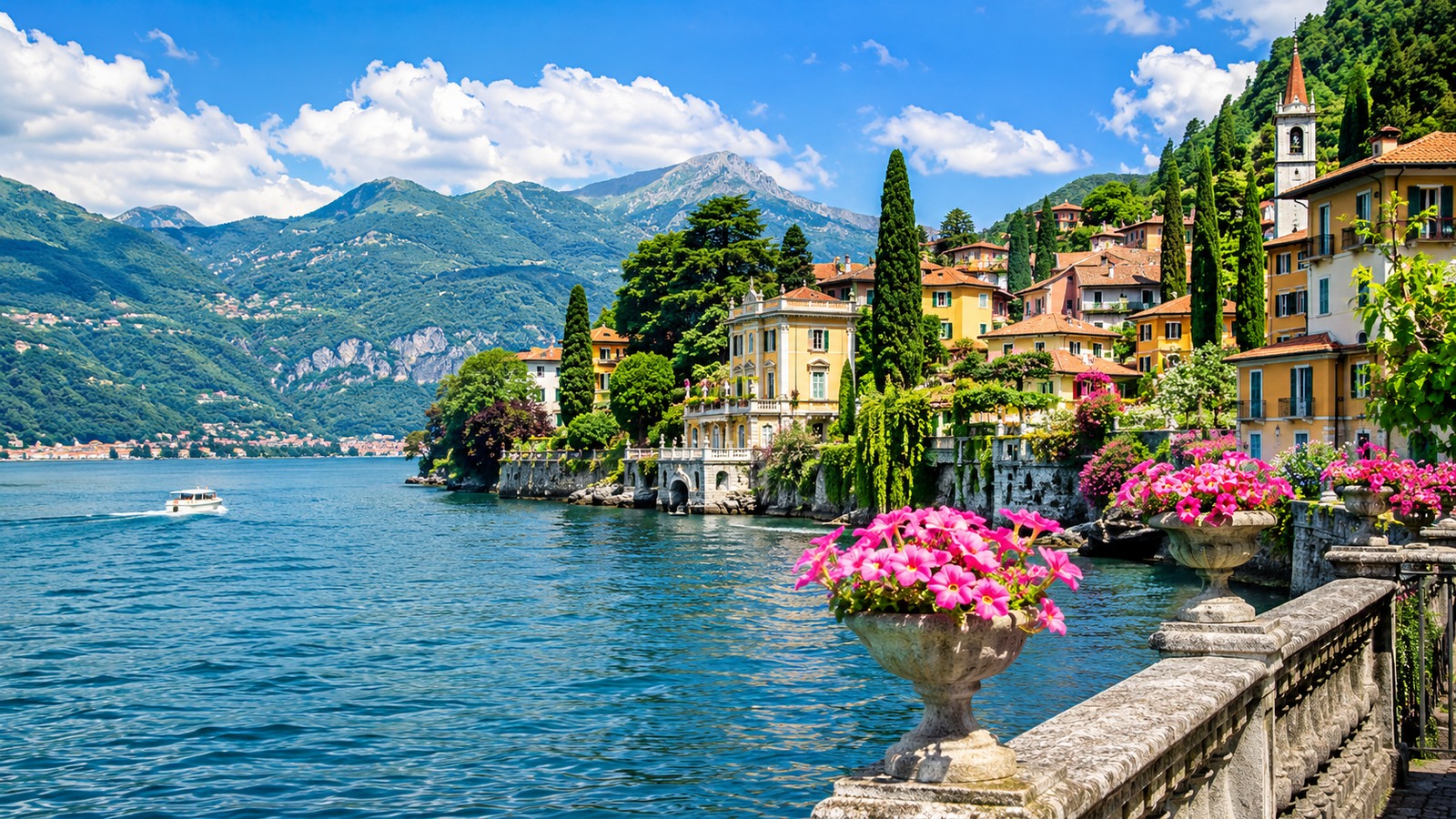
Elegant villas and villages around a mountain-ringed lake — a romantic add-on near Milan.
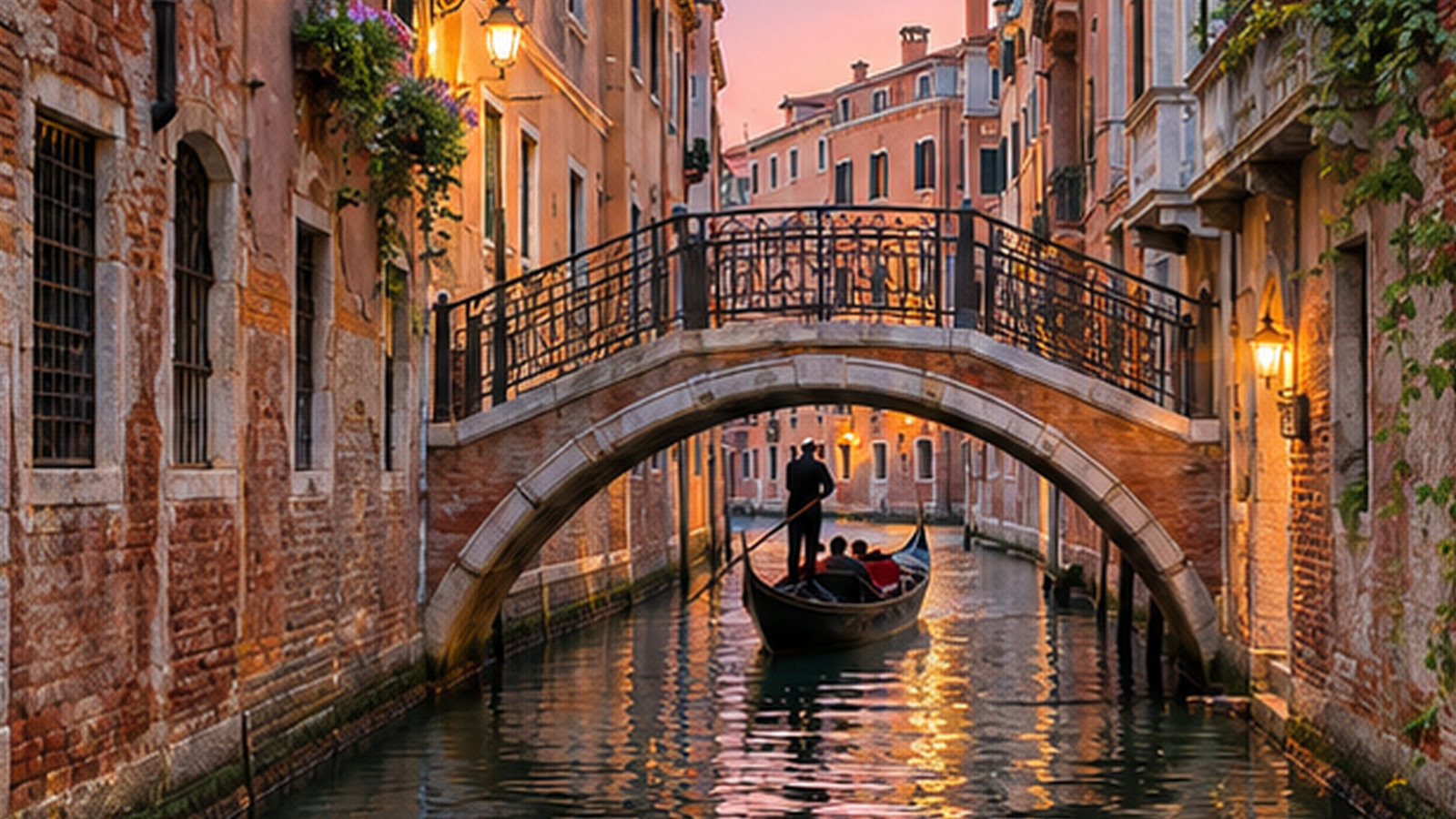
The quintessential Venice experience, best at dusk through the quiet back canals.
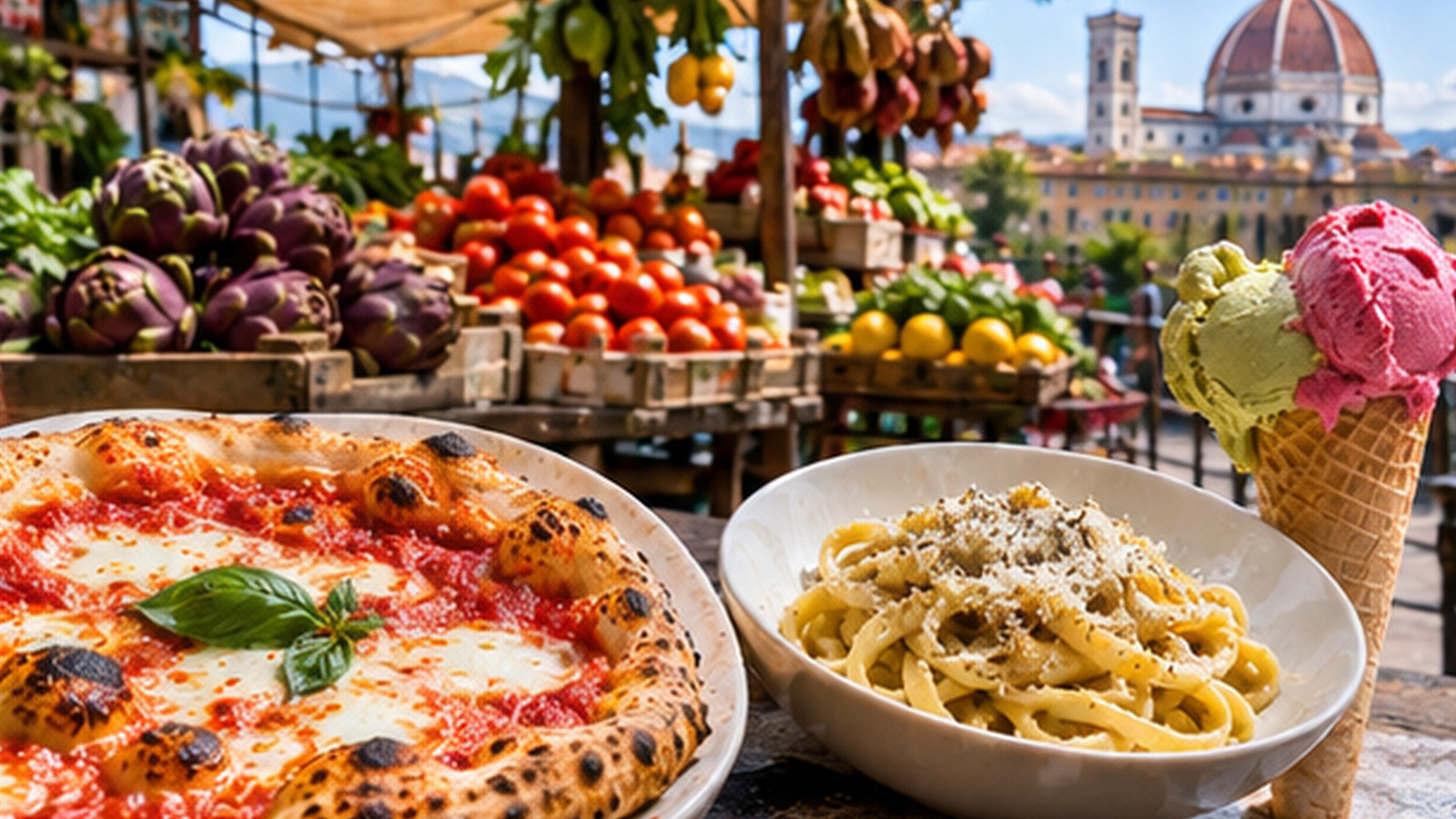
Pizza in Naples, pasta in Rome, Florentine markets and gelato everywhere — eating is the main event.
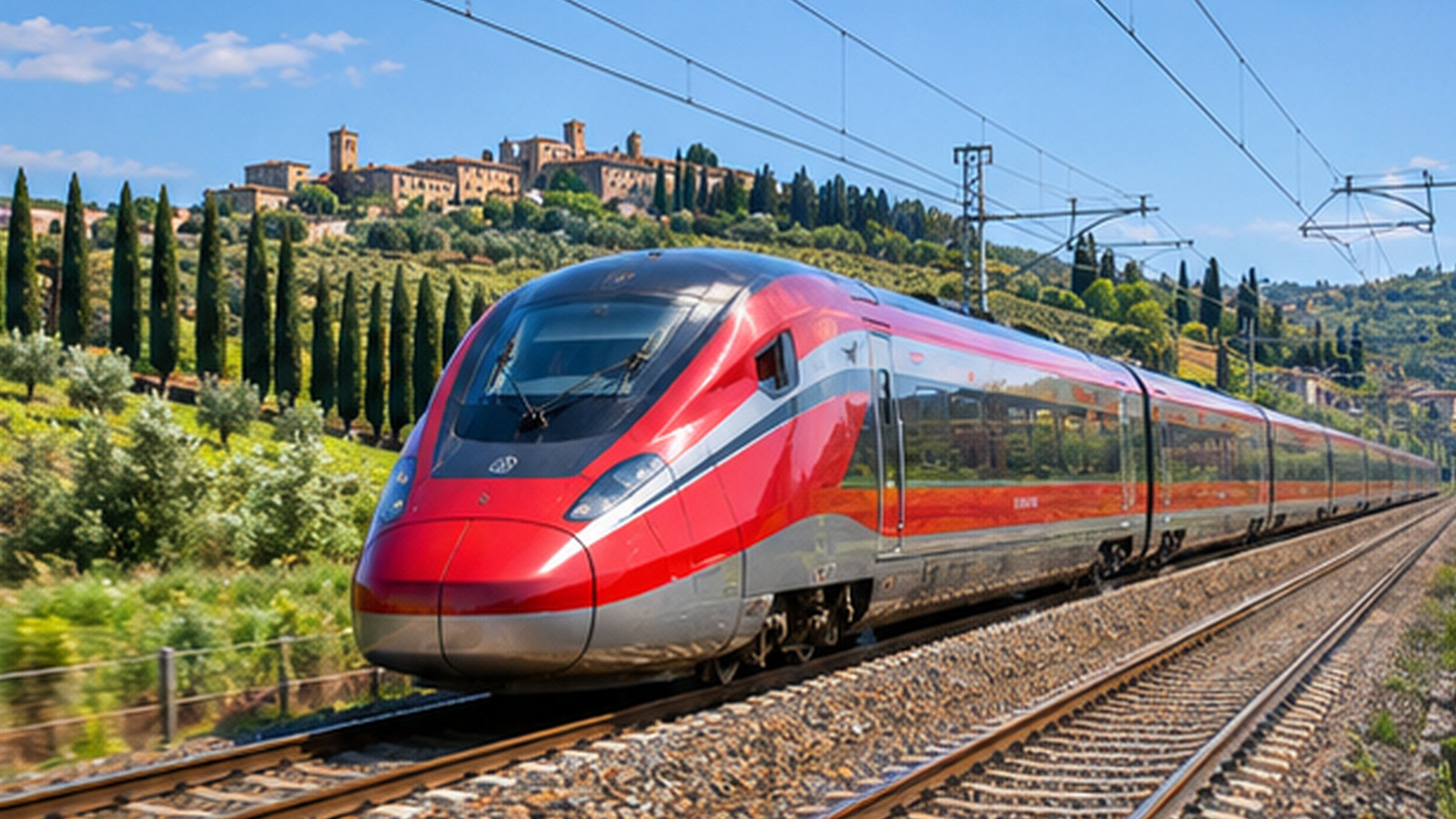
Frecciarossa trains link Rome, Florence, Venice and Milan in 1.5–3 hours each.
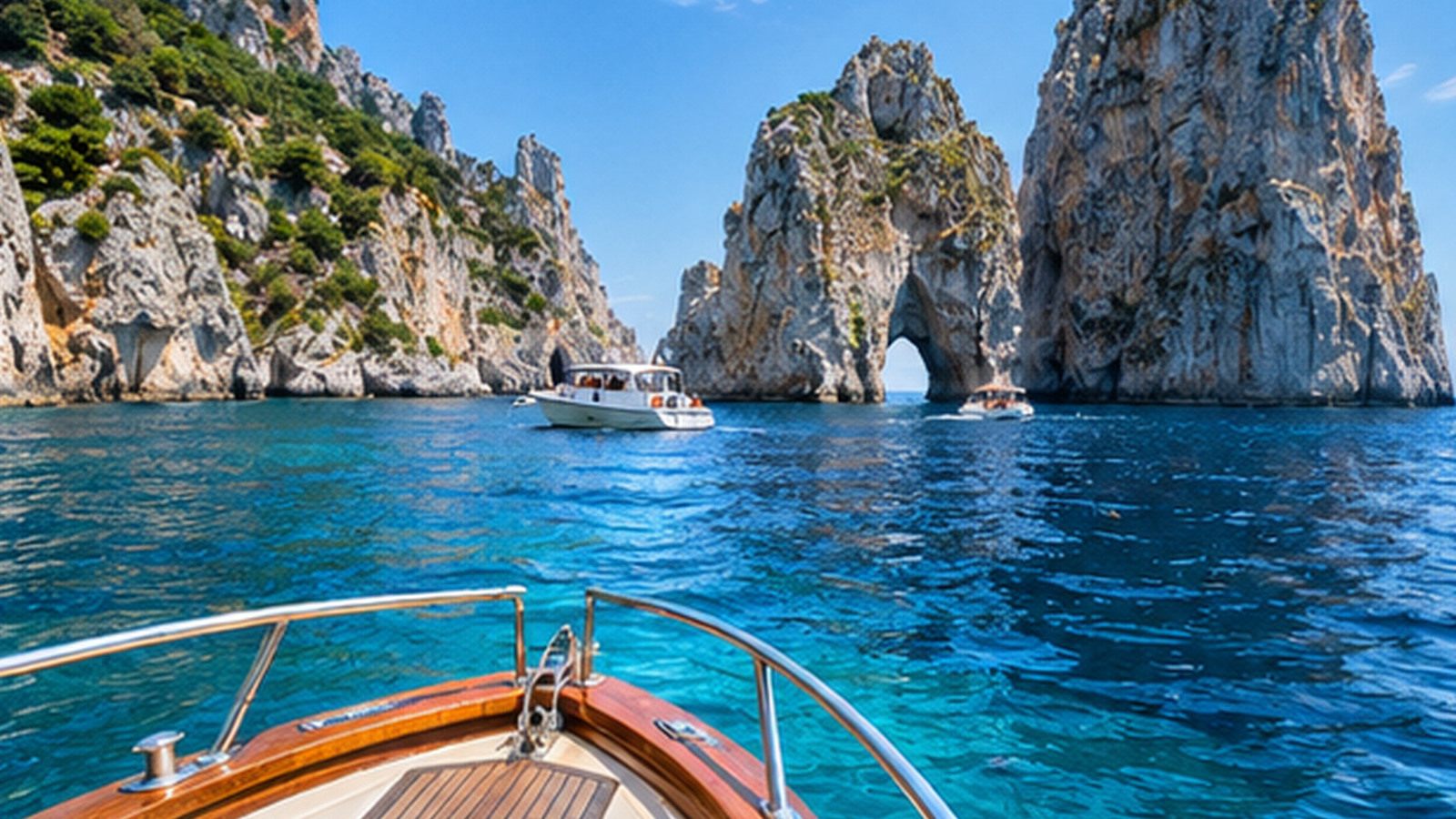
Day trips from the Amalfi Coast to Capri, the Blue Grotto and swim stops.
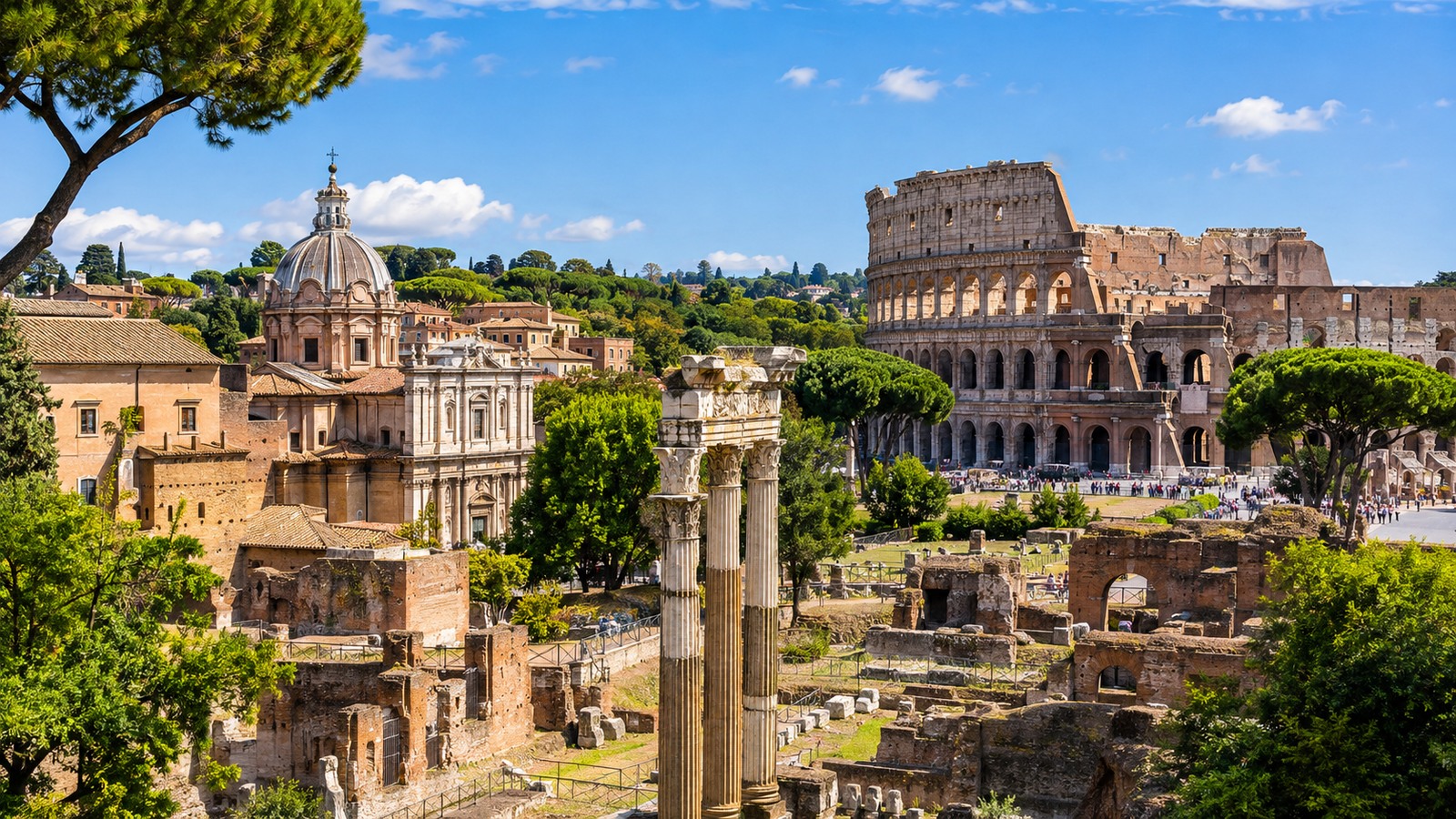
The Vatican, Uffizi, Pompeii and Rome’s ancient core — some of the world’s greatest sights.
Book tours & activities through our travel partners — see options. Bluebird Next may earn a commission from partner bookings at no extra cost to you (Affiliate Disclosure).
Italy is a premium trip but cheaper than France or Switzerland, and trains plus pizza and pasta meals keep it manageable. Indicative per-person figures for an 8-day trip in 2026 (prices checked Nov 2026).
| Item | Typical cost (per person) |
|---|---|
| Return flights (ex-India) | ₹50,000 – ₹90,000 |
| Schengen visa + travel insurance | ~₹9,000 – ₹12,000 |
| Hotels (3★, per night, twin) | ₹6,000 – ₹15,000 |
| High-speed trains (Rome–Florence–Venice) | ₹6,000 – ₹14,000 total |
| Attractions (Colosseum, Vatican, Uffizi) | ₹8,000 – ₹16,000 total |
| Food (very veg-friendly) | ₹2,000 – ₹4,500 / day |
| From | Typical return airfare |
|---|---|
| Delhi | ₹50,000 – ₹85,000 (direct/1-stop) |
| Mumbai | ₹50,000 – ₹88,000 (direct/1-stop) |
| Bengaluru | ₹55,000 – ₹92,000 (1-stop) |
| Kolkata/Chennai | ₹55,000 – ₹92,000 (1-2 stops) |
| Hyderabad | ₹55,000 – ₹90,000 (1-stop) |
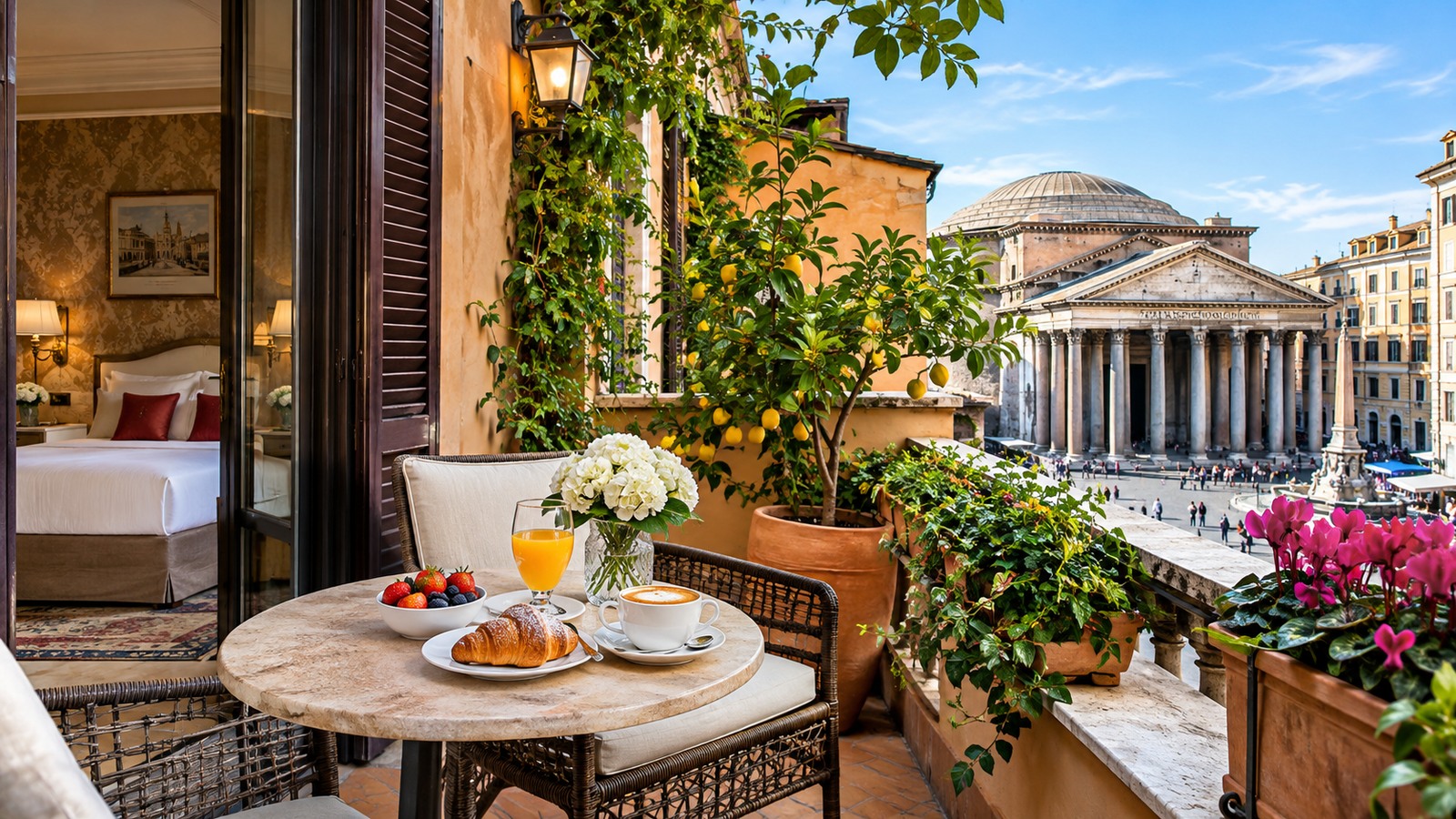
Walkable to the Pantheon, Trevi and the piazzas; atmospheric and central.
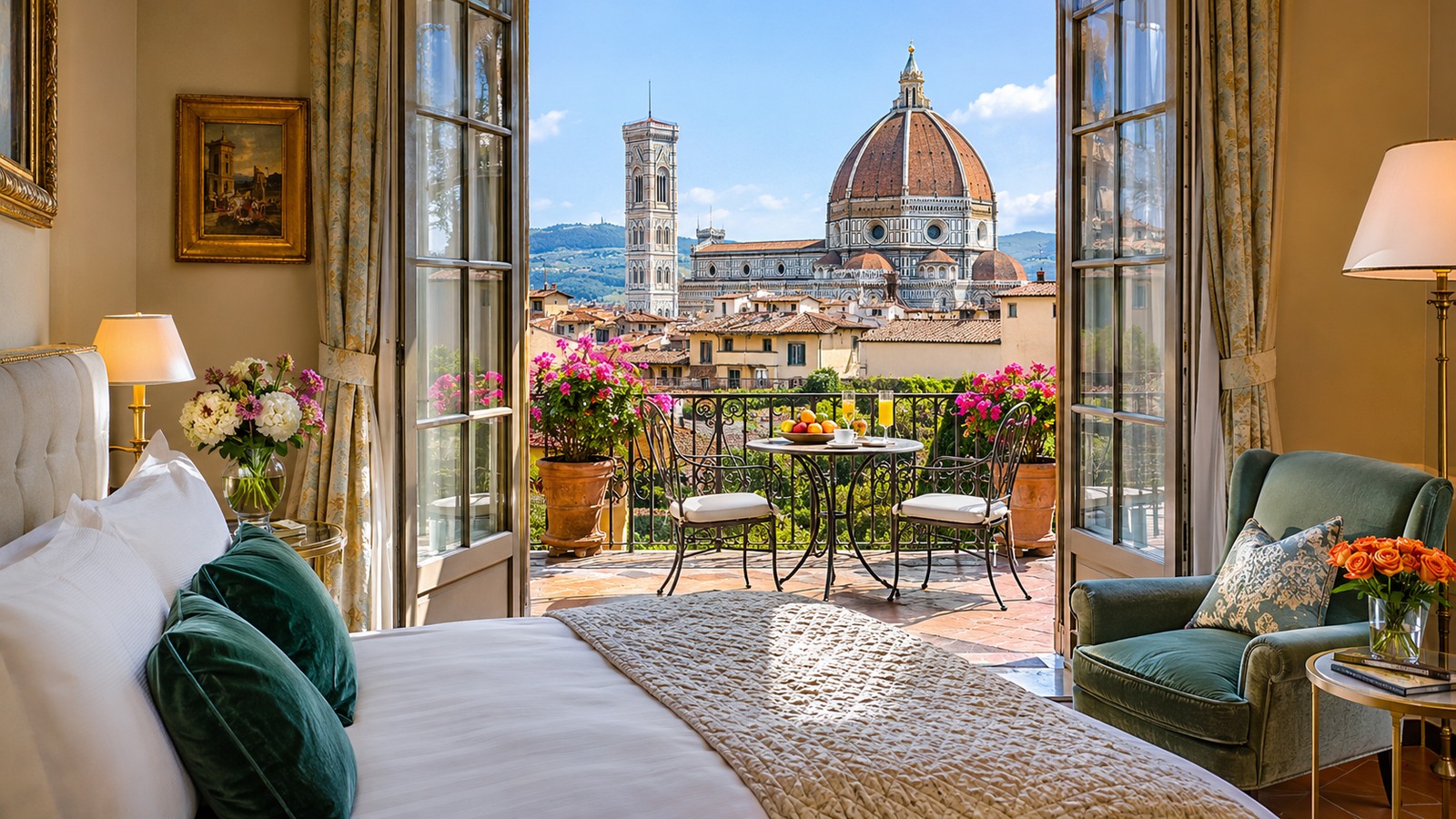
Everything within a short walk of the Duomo.
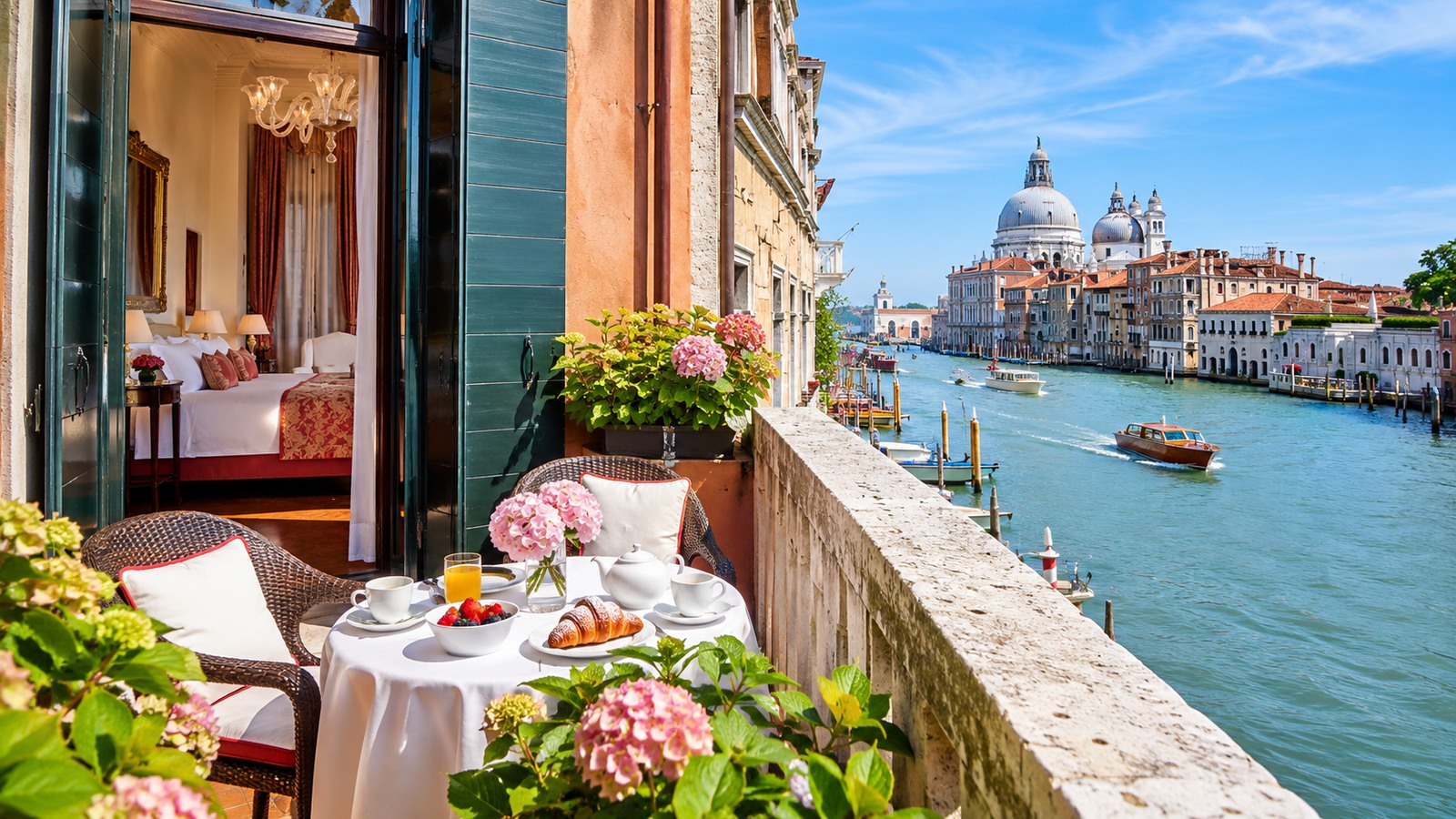
Stay on the islands for the magic; cheaper rooms are in Mestre on the mainland.
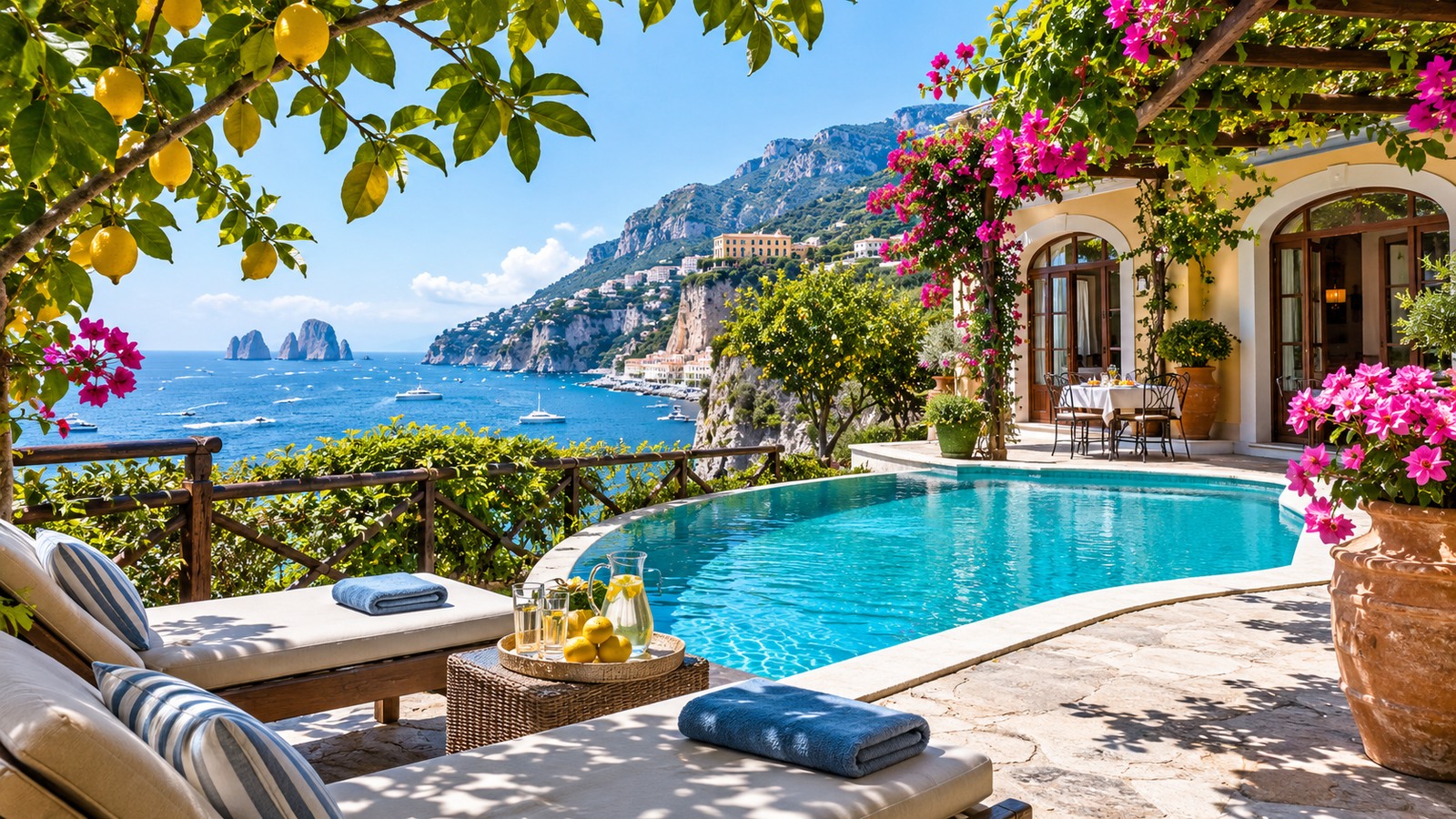
A practical, better-value base for exploring the coast and Capri.
Italian food needs no introduction — regional pizza, fresh pasta, risotto, espresso and gelato, all best enjoyed slowly. Portions and quality are superb and often affordable.
Italy is a joy for vegetarians — margherita and veggie pizzas, pasta pomodoro or pesto, risotto, bruschetta, caprese and endless gelato. Jain and pure-veg travellers eat very well; just confirm there is no meat stock in sauces and no anchovy in dressings.
Indian restaurants are easy to find in Rome, Milan and Florence for a change of taste, typically from ₹700–1,500 a meal.
Italy uses the euro. Cards and contactless are accepted almost everywhere, though small trattorias, markets and some museums prefer cash — carry a little. UPI is not accepted. Watch for dynamic currency conversion at card machines (always choose to be charged in euros, not rupees). Tap water from public fountains (nasoni) in Rome is safe and free.
The Frecciarossa and Italo high-speed trains link Rome, Florence, Venice and Milan in a couple of hours; book ahead for cheaper fares and reserve seats. Validate regional (non-high-speed) tickets at the platform machines before boarding, or you risk a fine. City centres are compact and best walked; Venice has only canals and alleys.
An Italian/EU eSIM (TIM, WindTre) or a travel eSIM is cheaper than roaming. Download Google Maps, Google Translate, Trenitalia/Italo for trains and the official museum ticket apps.
Italy uses 230V with Type L and Type F/C sockets — carry a universal adapter. Dress for the season: light clothing for hot summers, layers for spring/autumn, and always a modest layer (covered shoulders and knees) for churches and the Vatican.
Pickpocketing is the main nuisance on Rome and Naples public transport and around big sights — keep valuables in a front pocket or a cross-body bag and stay alert in crowds. Tipping is modest (round up or leave a euro or two); a “coperto” cover charge is often already on the bill.
Frecciarossa/Italo high-speed trains connect the main cities quickly and comfortably; book in advance for cheaper fares and reserve seats. Validate regional tickets before boarding.
Rome, Florence and Venice are compact and best explored on foot; Venice has no cars — only canals and alleys.
Avoid driving the narrow coast road — use SITA buses or scenic ferries between Sorrento, Positano, Amalfi and Capri.
Italy is safe for tourists, with the main nuisance being pickpocketing and bag-snatching in crowded areas and on public transport in Rome, Naples and around stations. Keep valuables secure in a front pocket or anti-theft bag, use registered taxis or apps, take normal care at night around stations, and carry travel insurance (also a Schengen requirement).
❌ Myth: Vegetarians struggle in Italy.
✅ Fact: Italy is one of Europe’s most veg-friendly countries — pizza, pasta, risotto, caprese, bruschetta and gelato are everywhere, plus Indian restaurants in the big cities.
❌ Myth: You can see all of Italy in a week.
✅ Fact: A week suits three cities (Rome, Florence, Venice). Add days for the Amalfi Coast, the Cinque Terre or the lakes rather than cramming them in.
❌ Myth: Driving is the best way to get around.
✅ Fact: Fast trains link the cities in a couple of hours and the centres are walkable; a car means pricey tolls, ZTL fines and parking headaches. Only consider one for the countryside.
❌ Myth: Italy is as expensive as Switzerland.
✅ Fact: It is a premium trip but notably cheaper — good-value hotels, affordable train fares and ₹300–600 pizza-and-pasta meals make it easier on the wallet.
❌ Myth: Summer is the best time to go.
✅ Fact: Summer is hot and packed. Spring (April–June) and autumn (September–October) give better weather, thinner crowds and lower prices.
Yes — a Schengen short-stay visa (Type C) that also covers the other Schengen countries. If Italy is your main destination, apply through the Italian consulate/VFS about 4–8 weeks ahead with flights, hotels, €30,000 insurance and funds proof. Bluebird Next files it for you.
An 8-day trip is roughly ₹1,50,000–₹2,40,000 per person including flights, and about ₹3,00,000–₹4,60,000 for a couple. Shoulder-season travel, early train bookings and casual meals bring it down.
Six days covers Rome, Florence and Venice; eight to nine lets you add the Amalfi Coast or the Cinque Terre comfortably. Fast trains make the classic triangle easy.
Outstanding — pizza, pasta, risotto, caprese and gelato make Italy one of Europe’s most veg-friendly countries, with Indian restaurants in the big cities too. Confirm no meat stock in sauces.
Spring (April–June) and autumn (September–October) offer the best weather and fewer crowds. Summer is hot and packed; winter is cheap and quiet with some coastal closures.
Cards and contactless work almost everywhere; UPI is not accepted, so carry some euro cash for small trattorias and markets. Always choose to be charged in euros (not rupees) at card machines.
By fast train — Frecciarossa and Italo link the main cities in 1.5–3 hours, and the historic centres are best walked. Use buses and ferries on the Amalfi Coast rather than driving.
Yes — the Schengen visa lets you add Switzerland, France or Austria, and flights and trains make a two-country Europe trip straightforward.
Yes, with sensible precautions. The main issue is pickpocketing in crowded tourist areas and on public transport, not violent crime. Keep valuables secure and take normal care at night around stations.
Yes — travel medical insurance covering at least €30,000 is mandatory for the Schengen visa, and it also protects against trip delays, cancellations and lost baggage.
All three on a first trip, ideally: Rome for ancient history and the Vatican, Florence for Renaissance art, and Venice for canals and romance. Fast trains connect them in a couple of hours each.
Sources: Italy visa portal — Ministry of Foreign Affairs (official) · Italy Tourism (Italia.it) · Vatican Museums — tickets · Trenitalia — rail
A licensed team that has guided thousands of Indians to their visas and admissions.
 Jitender SinghFounder & Managing Director
 Vikram SinghHead – Quality & Operations
 SanjayHead – Tourist Visa Operations
 TejaswaniHead – Counselling Team
 MahimaHead – Visa Filing & Processing
 Pratigya DuttaHead – Student Visa Processing
Free, no-pressure guidance from a real counsellor who handles your case end to end — from documents to decision.