
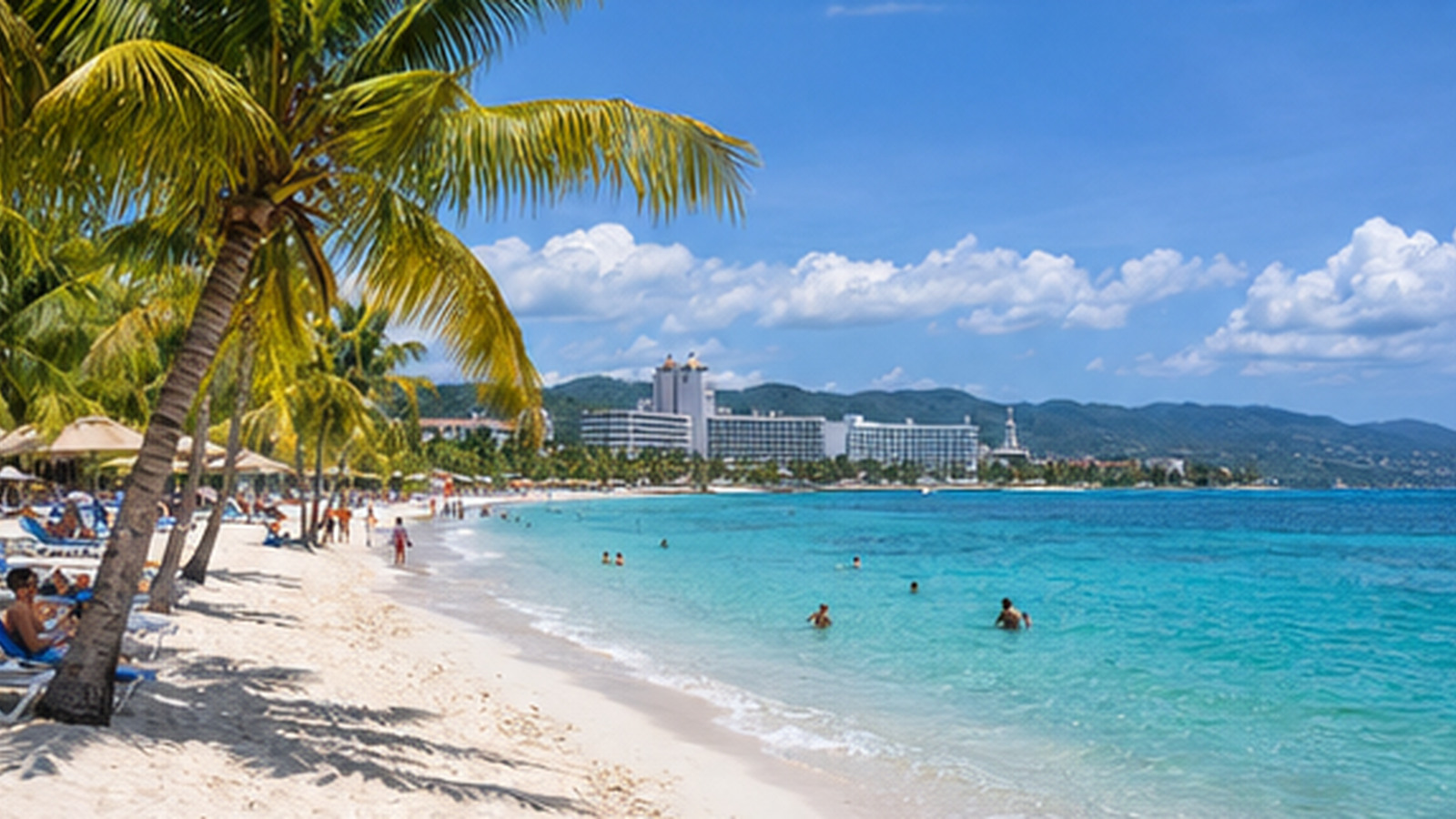
The main resort hub and gateway airport — beaches, all-inclusives and Rose Hall.
The home of reggae and Bob Marley — Seven Mile Beach, Dunn’s River Falls, Blue Mountain coffee and an irresistible “no problem” vibe make Jamaica the Caribbean at its most soulful.
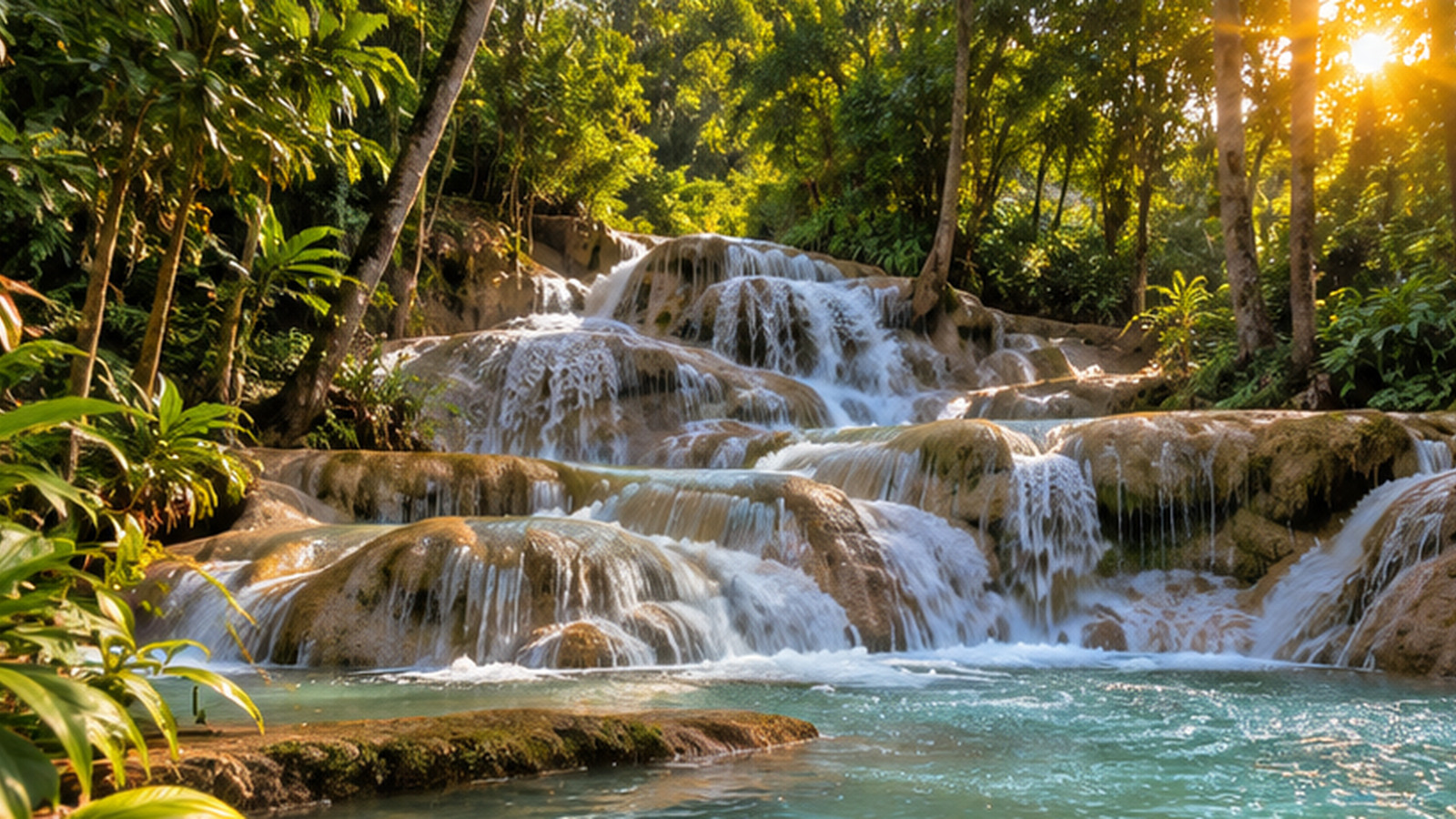
Jamaica is the Caribbean at its most soulful — the birthplace of reggae and Bob Marley, where white-sand beaches meet jungle-clad mountains, waterfalls tumble into the sea, and an infectious “no problem” spirit sets the pace. Lively, lush and musical, it offers far more than a beach holiday: a rich culture, dramatic nature and some of the warmest, most characterful people in the region.
Relax on Negril’s famous Seven Mile Beach, climb the cascading Dunn’s River Falls near Ocho Rios, raft the Martha Brae river, sip at the source of Blue Mountain coffee, and soak up music and history in Kingston at the Bob Marley Museum. Jerk chicken smokes on roadside grills, reggae drifts from every bar, and the energy is irresistible. For Indian travellers after a vibrant, English-speaking Caribbean adventure, Jamaica delivers in full colour.
This guide is written for Indian travellers: the real cost in rupees (it is far, so plan a week), the entry rules, where vegetarians and Jain travellers eat, how to combine beaches with waterfalls and culture, and a relaxed island route.
Jamaica suits Indians who want a vibrant, English-speaking Caribbean trip with beaches, waterfalls, music and culture. It is ideal for honeymooners, music and nature lovers and bucket-list travellers happy with a long journey — and its famous all-inclusive resorts make it an easy, relaxing escape.
💡 From our visa desk: Jamaica is far from India (1–2 stops, often via the US or London), so plan a week or more. Most visitors base in Montego Bay, Negril or Ocho Rios on the north/west coast for beaches and waterfalls, adding Kingston for music and culture. All-inclusive resorts are popular and easy. English is the official language, so communication is simple — and the reggae-fuelled vibe is unforgettable.
Visa-free for Indian tourists — no advance visa required; the length of stay is set by immigration on arrival.
Indian passport holders are visa-exempt for tourism in Jamaica (per the Passport, Immigration and Citizenship Agency, with no third-country-visa condition). The permitted length of stay is set by immigration on arrival. You need a passport valid six months, a confirmed return or onward ticket and proof of funds and accommodation, plus any required online immigration/customs form. Confirm the current rule before you book.
Check your Jamaica entry requirement →November to mid-April (the dry season) is the best — sunny, warm and less humid. The wetter, hotter season runs May to October (with a hurricane risk peaking Aug–Oct). See the month table.
| Season | What it's like & who it suits |
|---|---|
| Nov–Apr | The dry season — warm, sunny and the peak for beaches; book ahead, especially around New Year. |
| May & Jun (shoulder) | Warm with occasional showers, fewer crowds and better value. |
| Jul–Oct | Hotter, more humid and the main hurricane season; lush, lively (Reggae Sumfest) and cheaper, with some weather risk. |
| Month | Weather & what’s on (incl. Indian holiday windows) |
|---|---|
| December–February | Peak dry season — sunny, warm and breezy, ideal for the beaches and waterfalls; festive and busy (New Year is premium), so book early. |
| March–April | Dry, warm and excellent with fewer crowds than mid-winter; superb sea conditions and spring break energy in places. |
| May–June | Warm with short showers, good value and thinner crowds; the lush landscapes green up. |
| July–August | Hot and humid with the Reggae Sumfest music festival; the hurricane season begins, so watch forecasts. |
| September–October | Warmest, wettest and quietest, with the peak (still occasional) hurricane risk; lush and cheap, improving by November. |
The main resort hub and gateway airport — beaches, all-inclusives and Rose Hall.
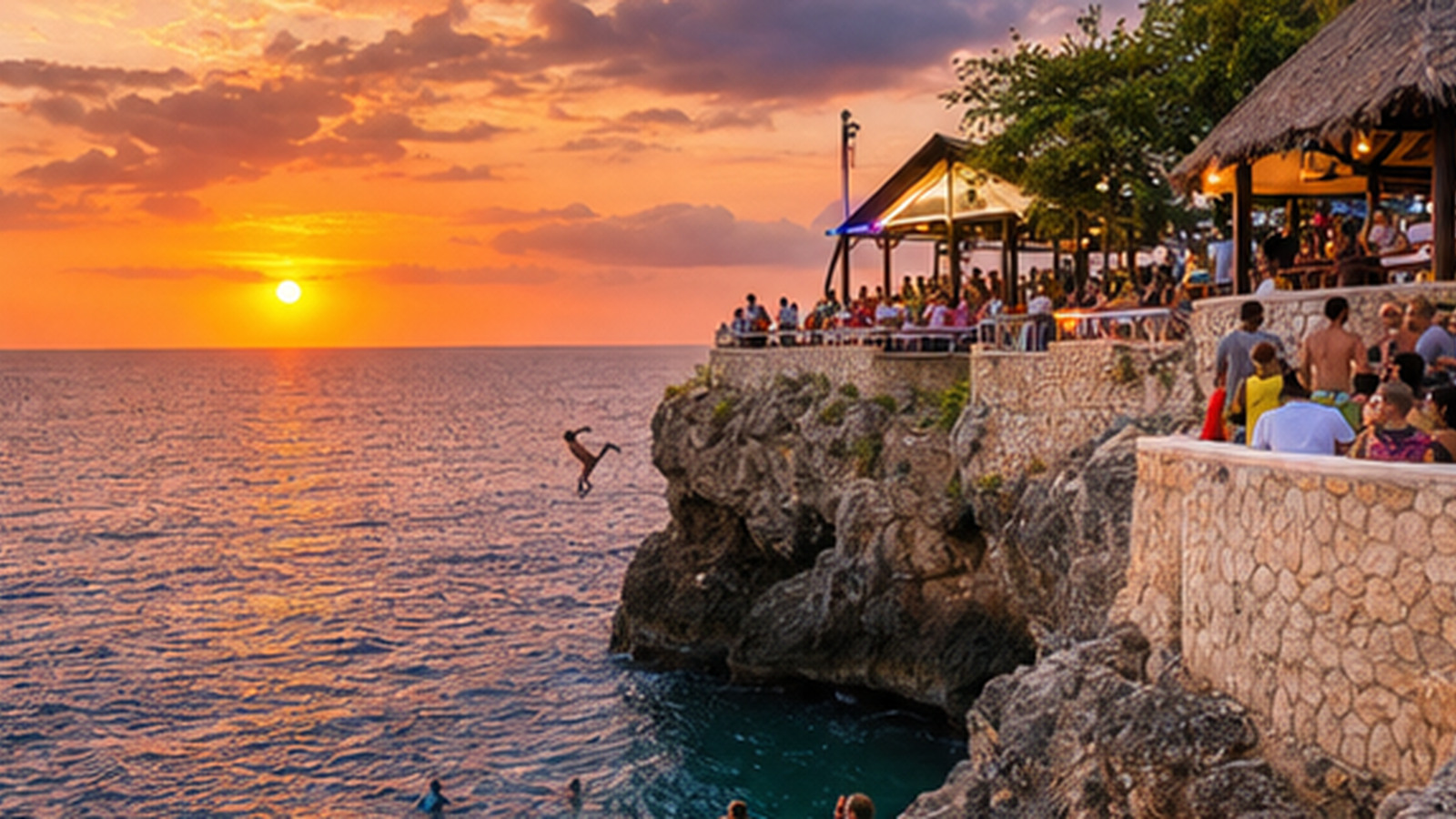
Famous Seven Mile Beach, cliff-diving at Rick’s Cafe and spectacular sunsets.
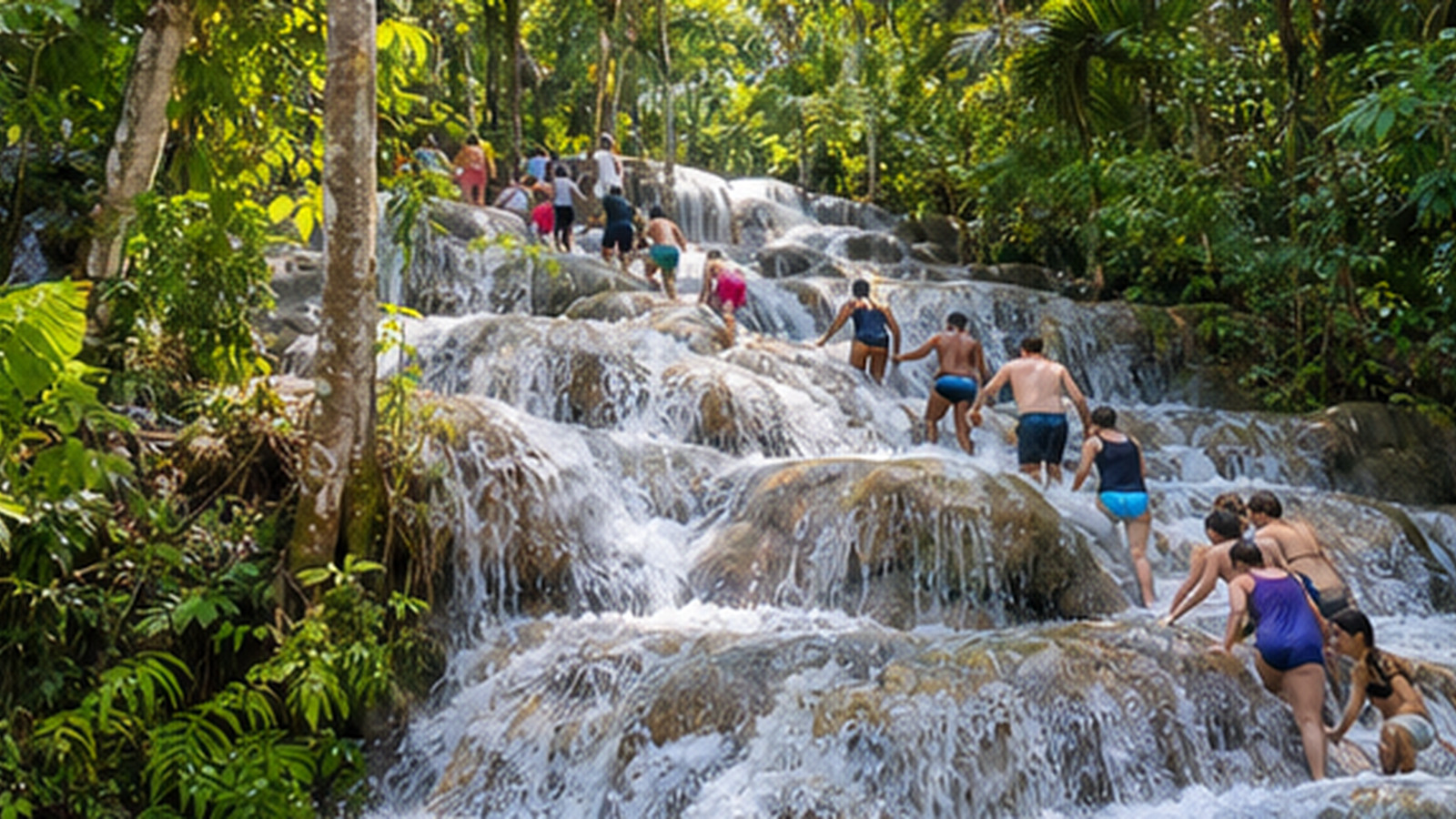
Dunn’s River Falls, river tubing, Mystic Mountain and a cruise port.
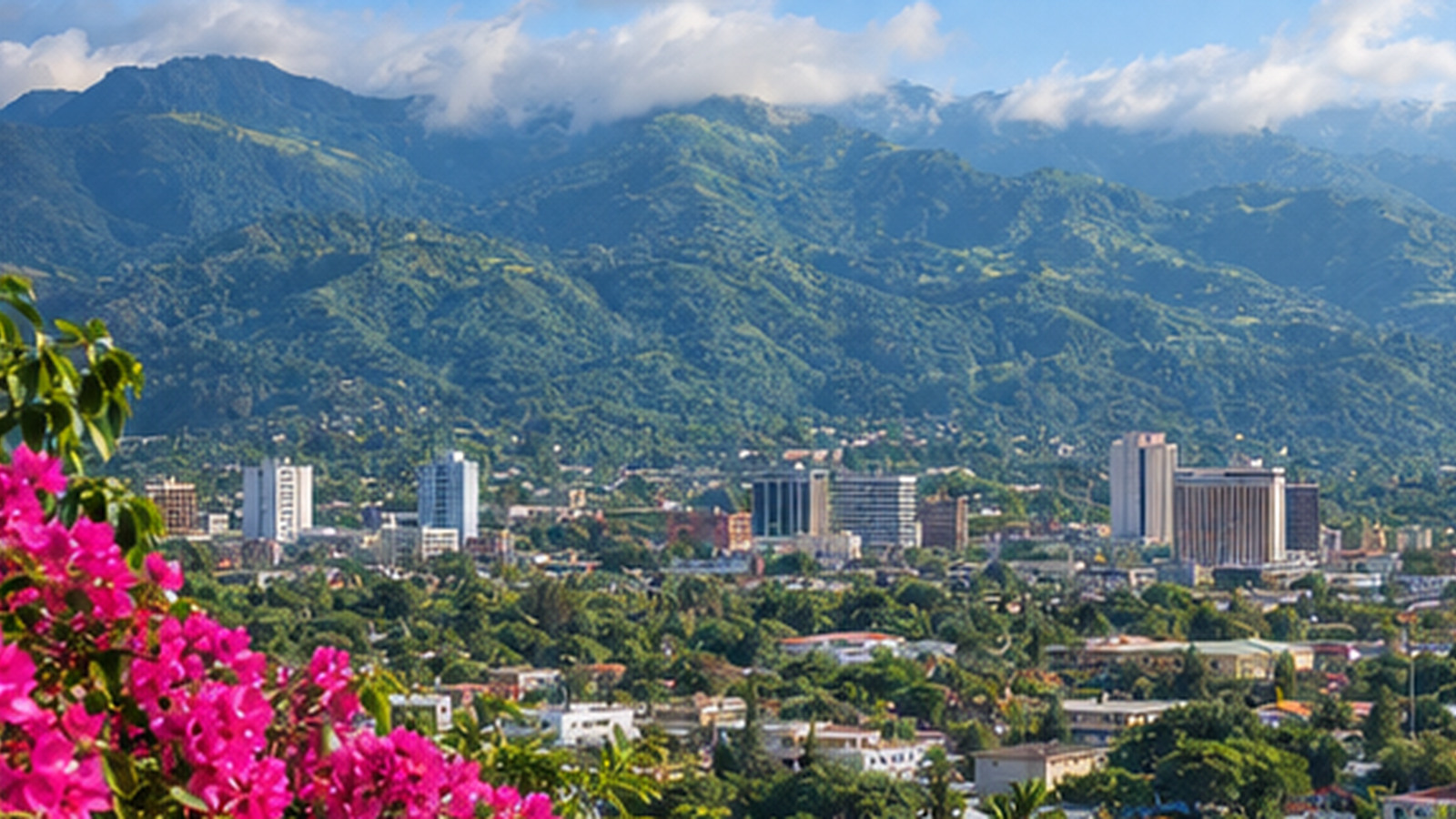
The capital and cultural heart — the Bob Marley Museum, music and the Blue Mountains.
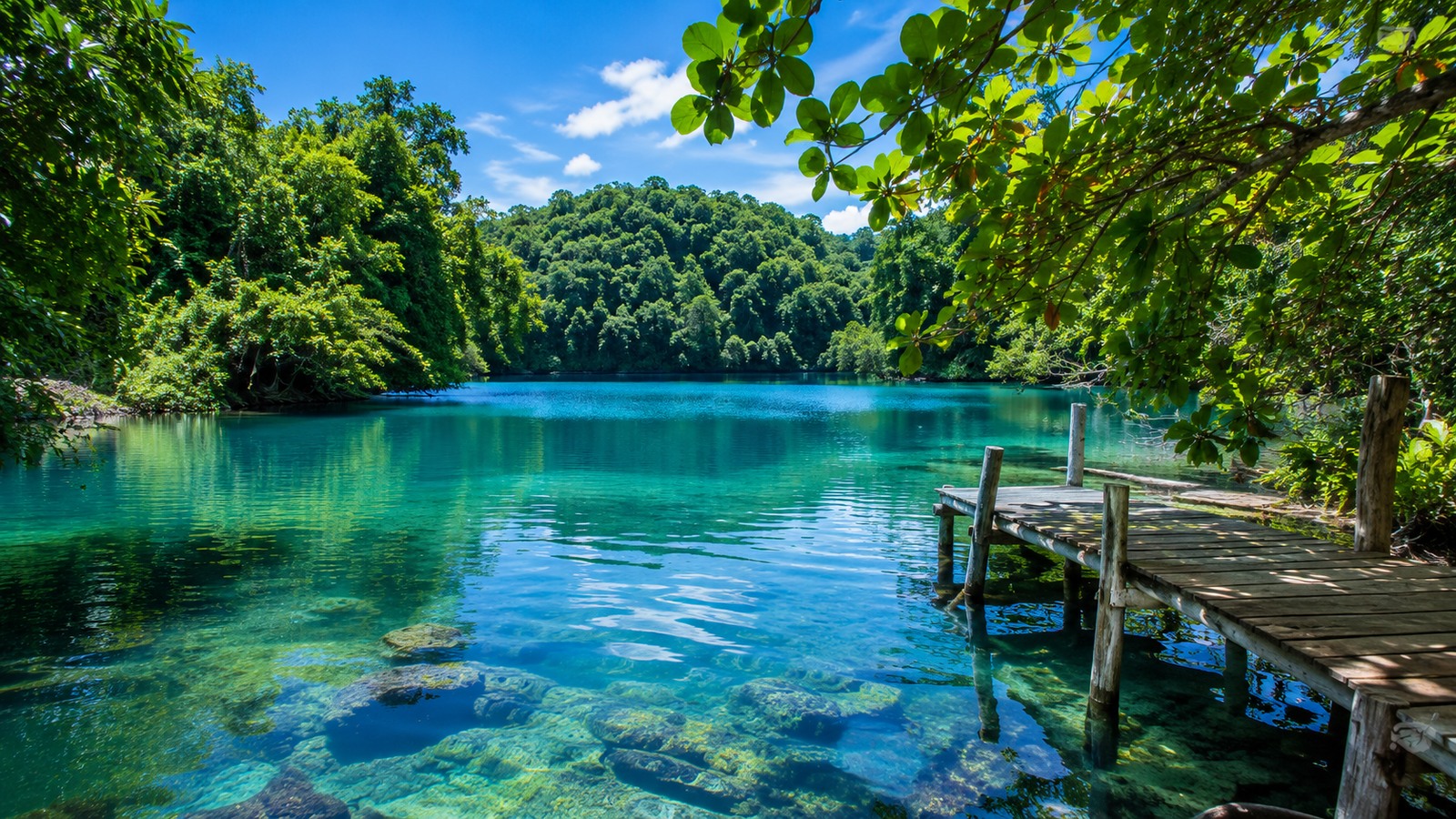
A lush, laid-back east-coast town with the Blue Lagoon and rafting.
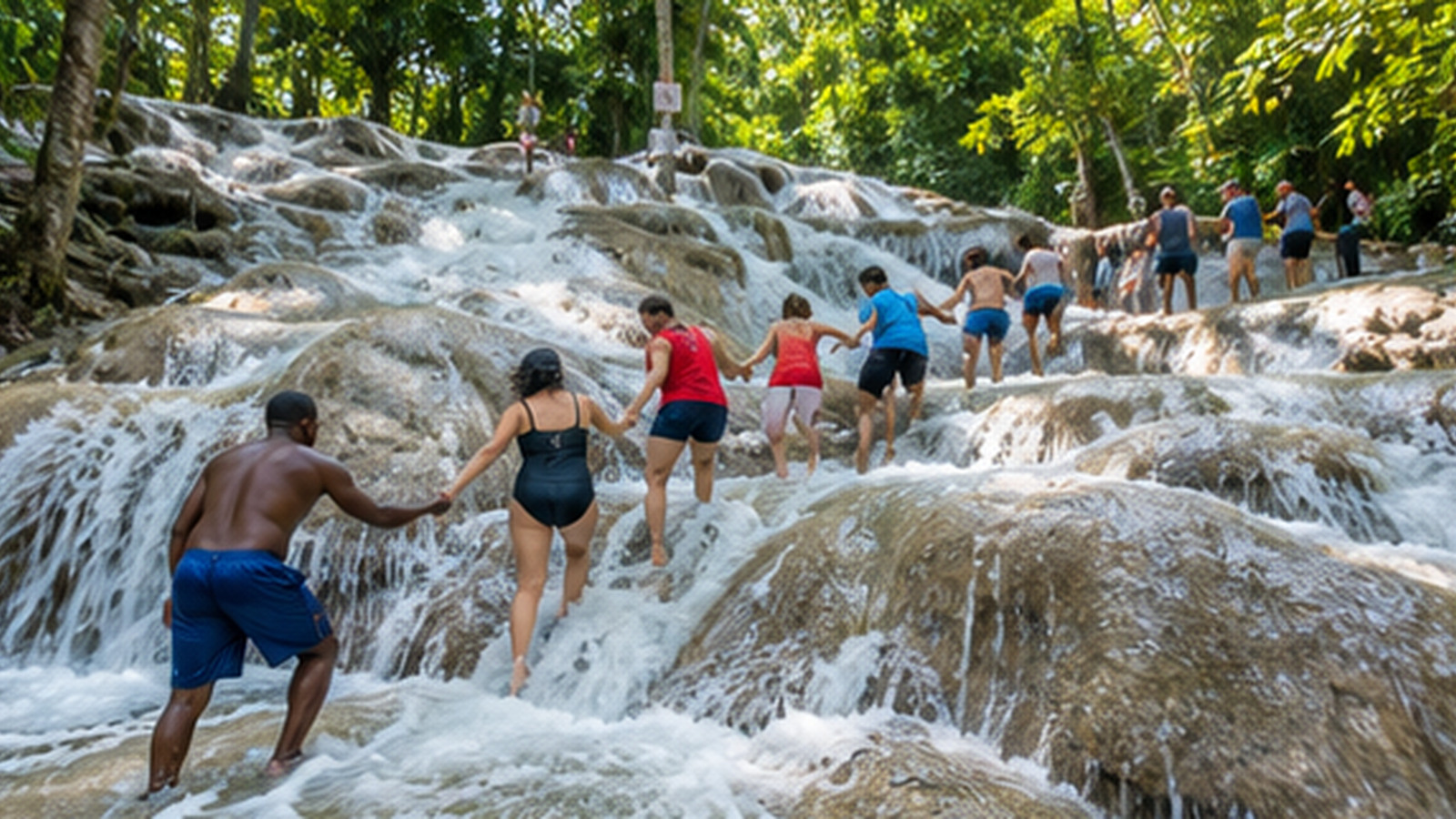
Jamaica’s iconic 180m waterfall that you climb in a human chain to the sea.
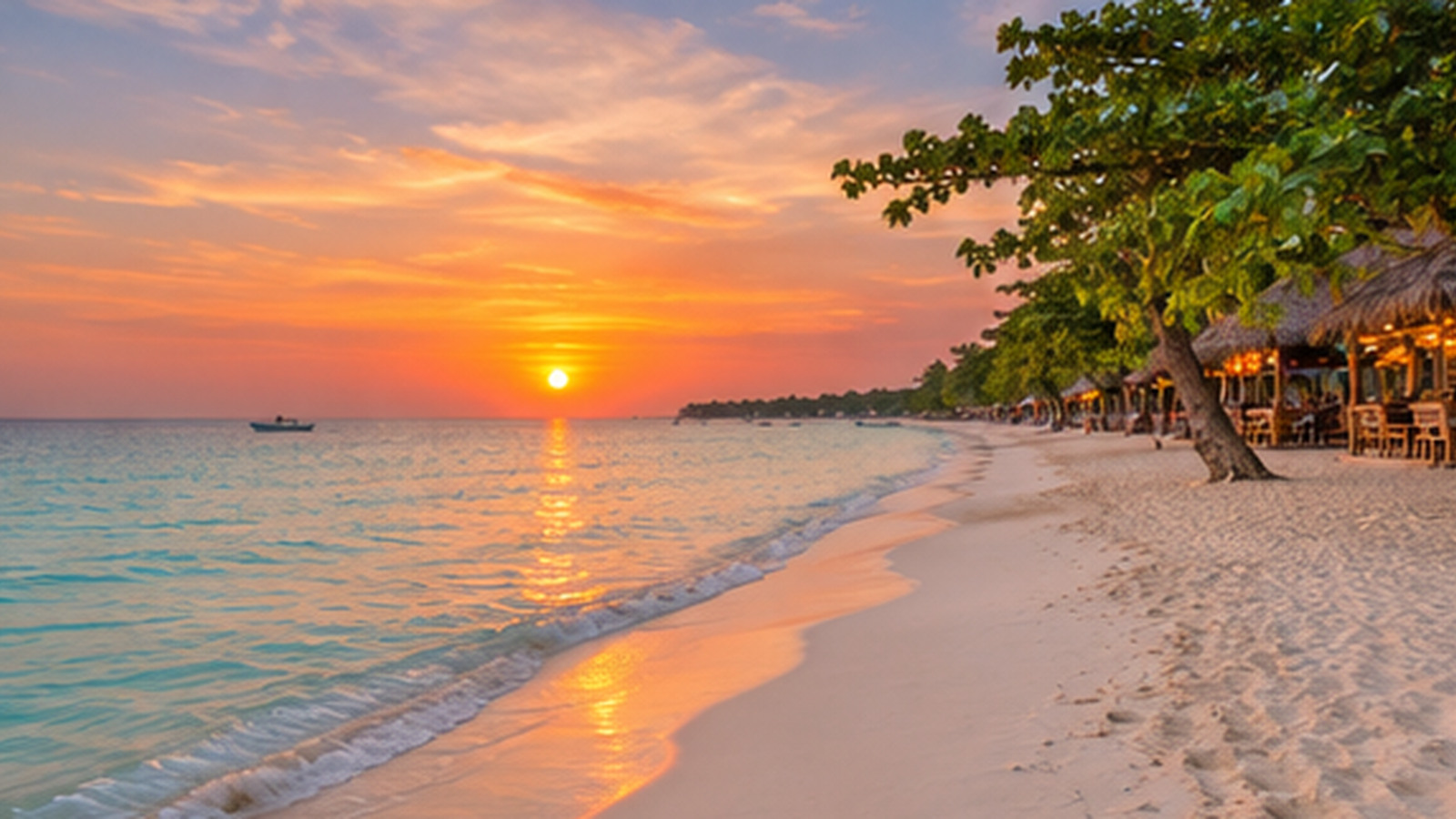
A long stretch of white sand and calm turquoise water with a laid-back vibe.
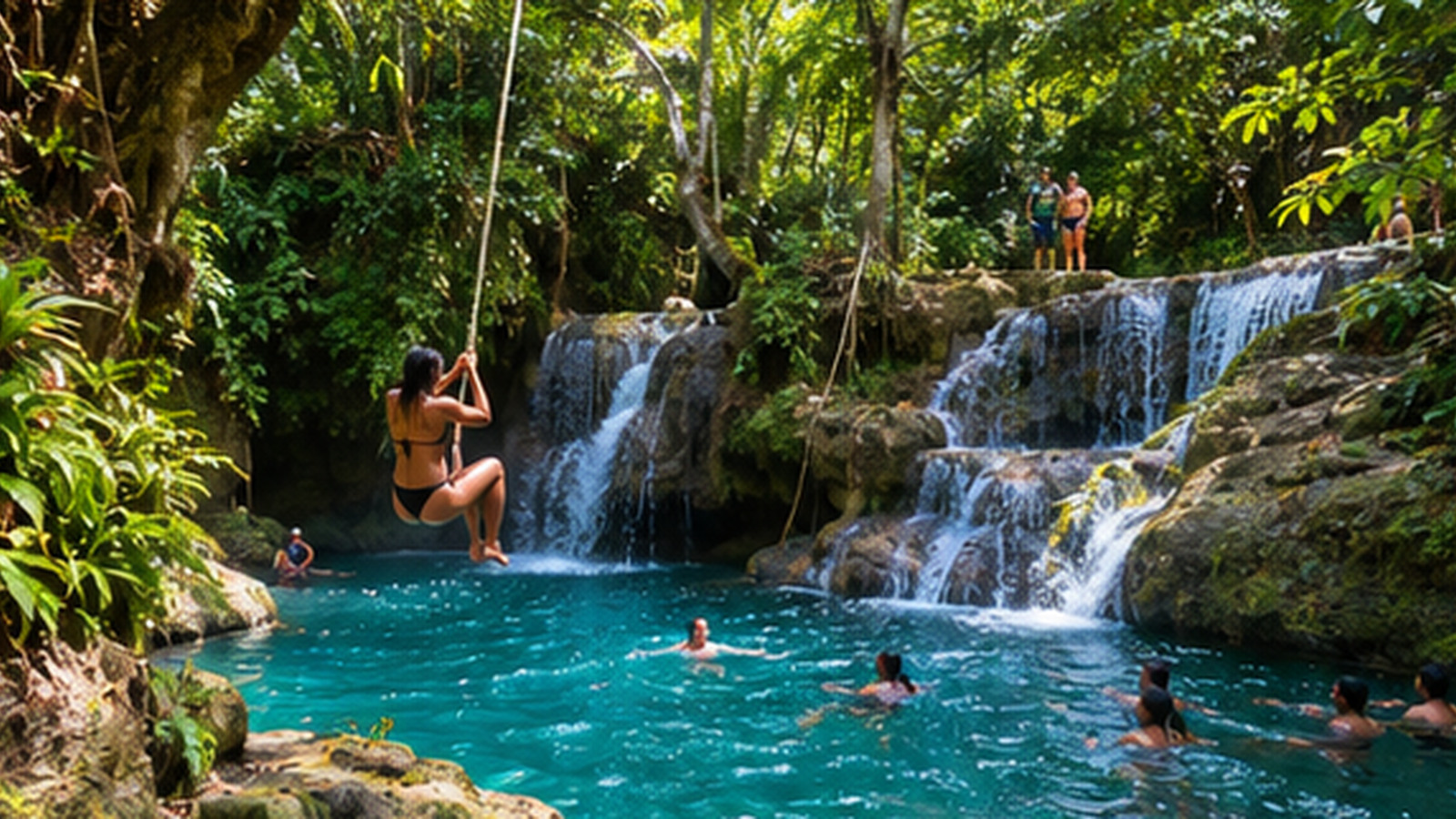
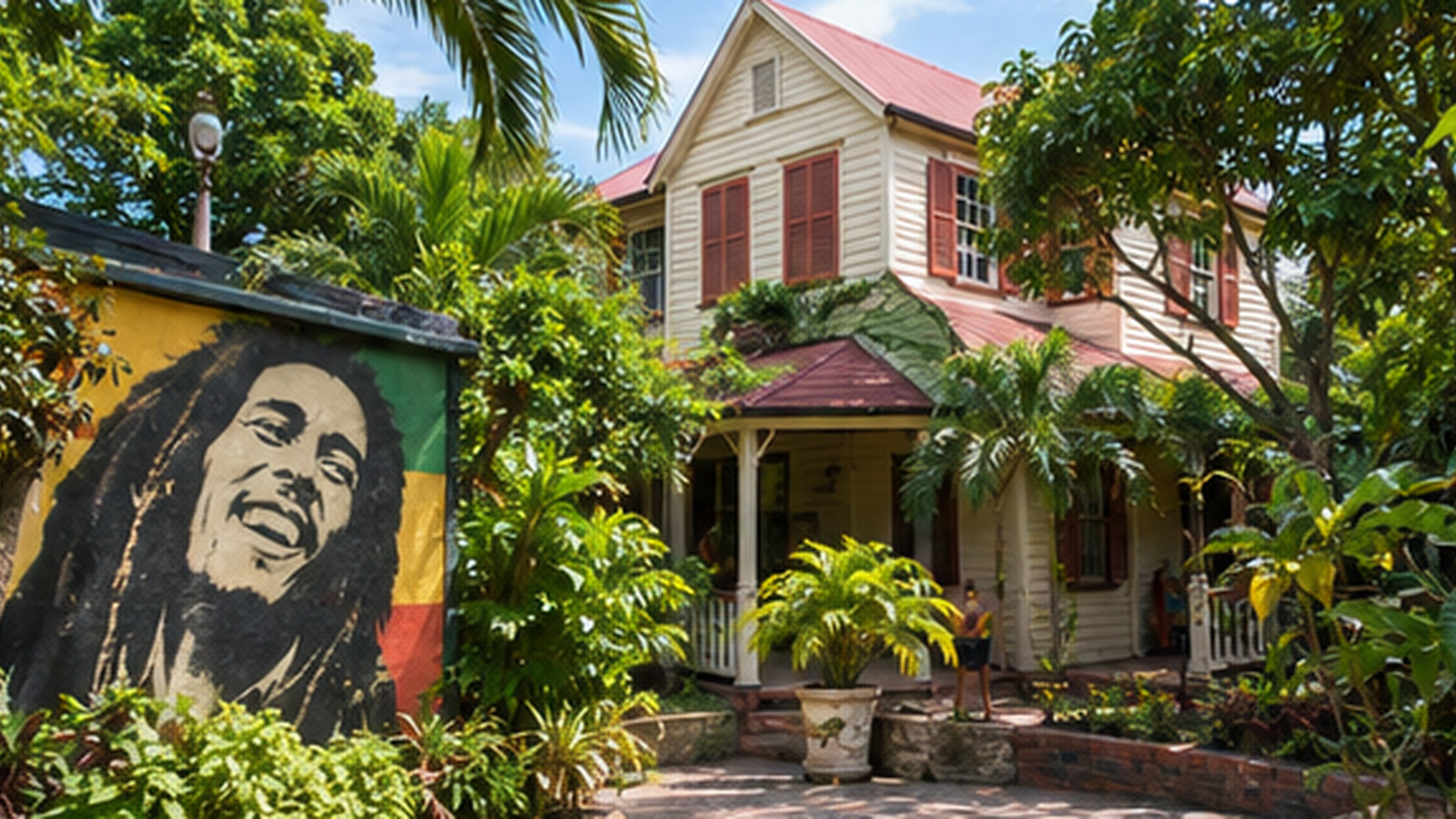
The reggae legend’s former home and studio, a must for music fans.
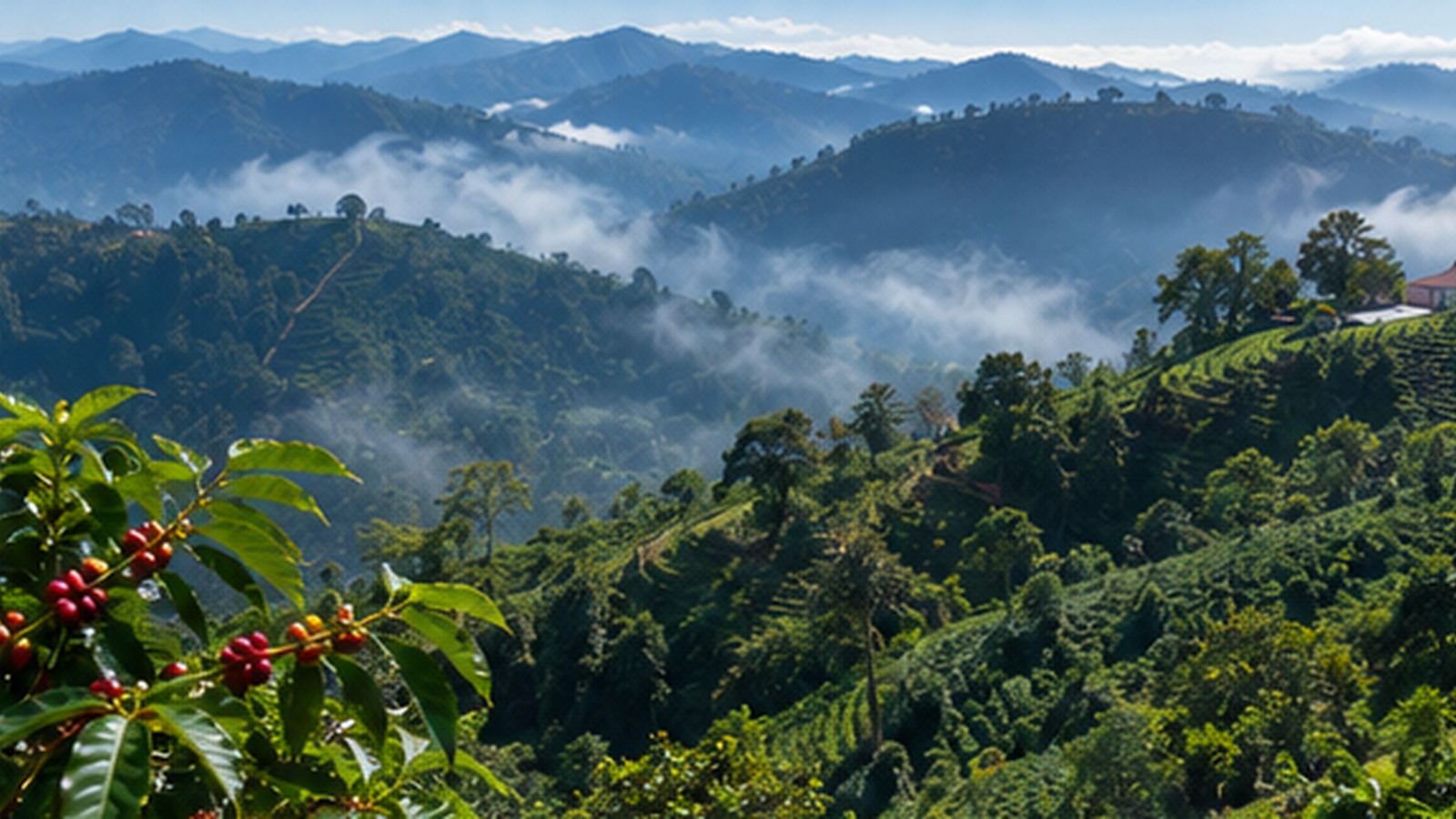
Misty peaks producing world-famous coffee, with hikes and plantation tours.
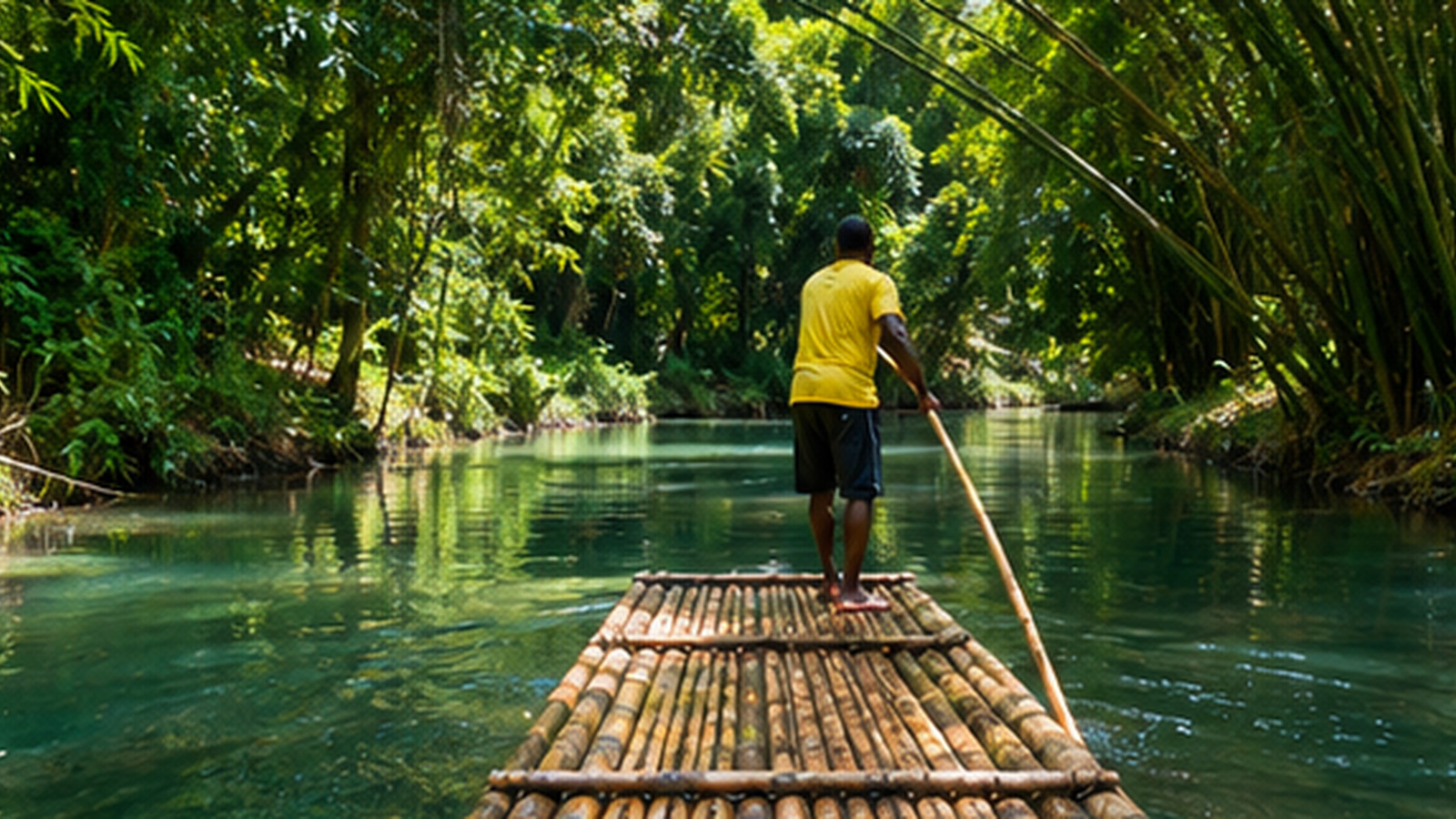
Gentle bamboo-raft rides down jungle rivers.
Clifftop cliff-diving, reggae and legendary sunsets.
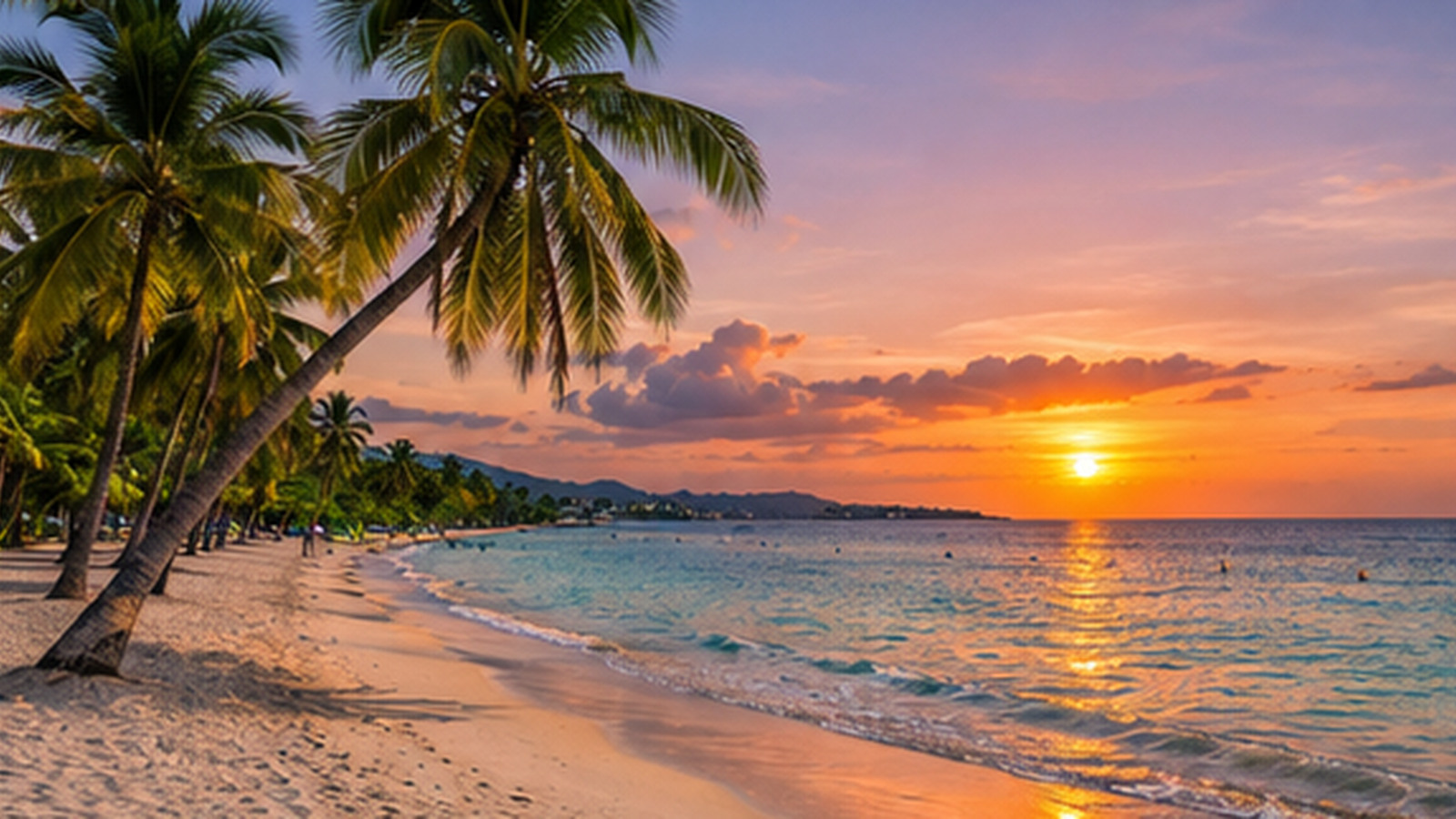
Seven Mile Beach, Doctor’s Cave and resort coves.
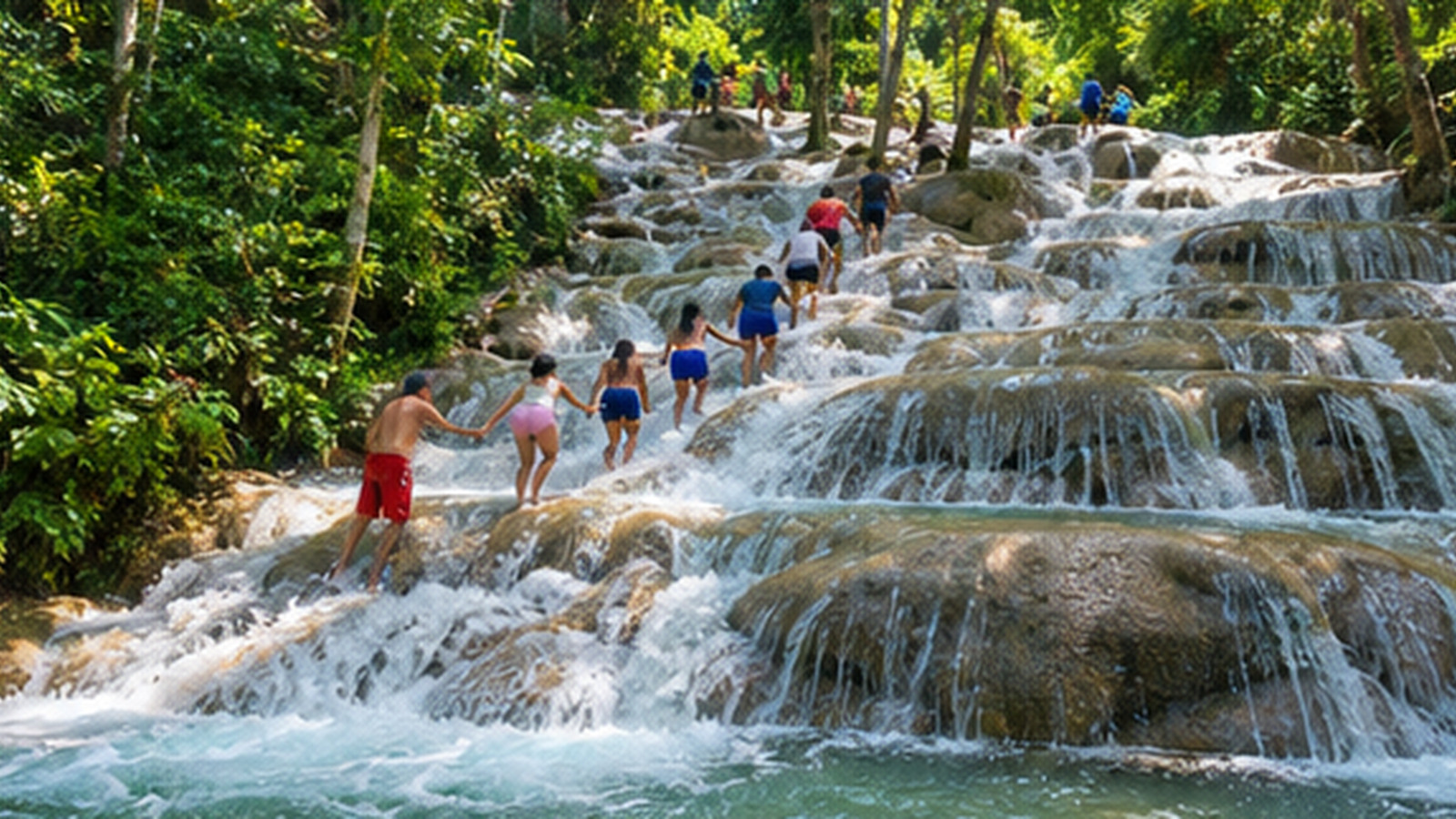
Dunn’s River Falls and bamboo rafting.
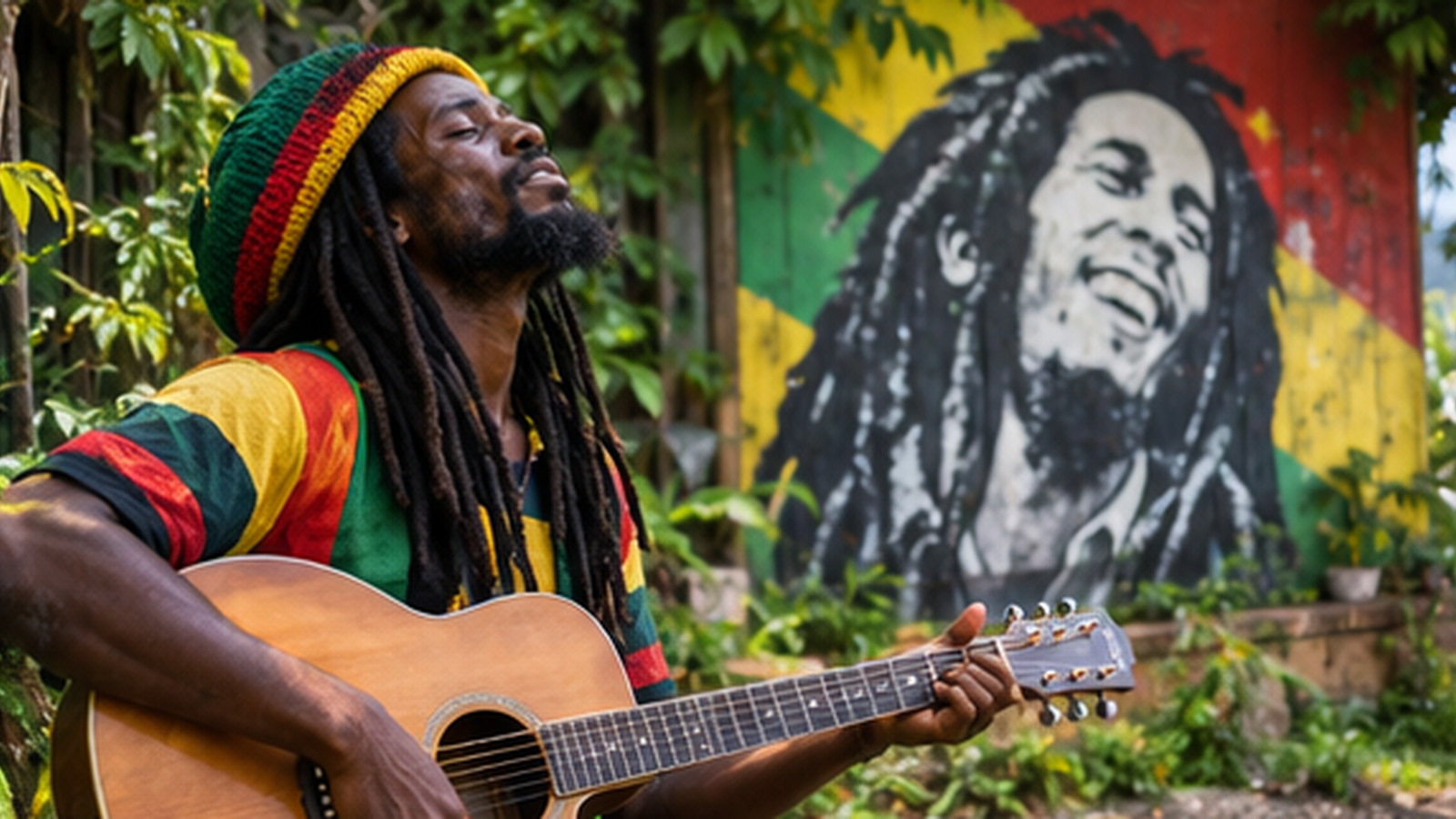
The Bob Marley Museum, Trench Town and live music.
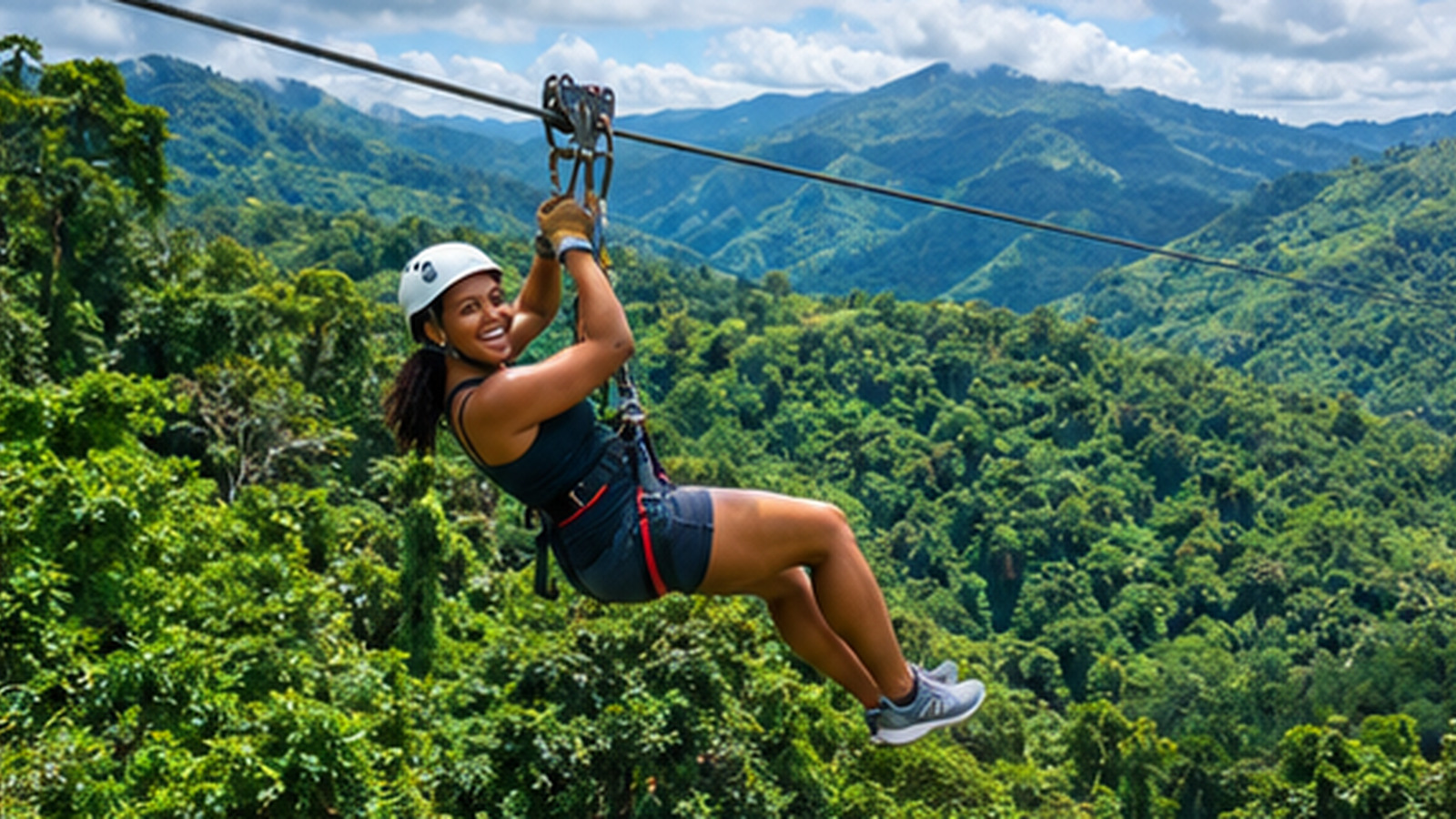
The Blue Mountains, Blue Lagoon and lush interior.
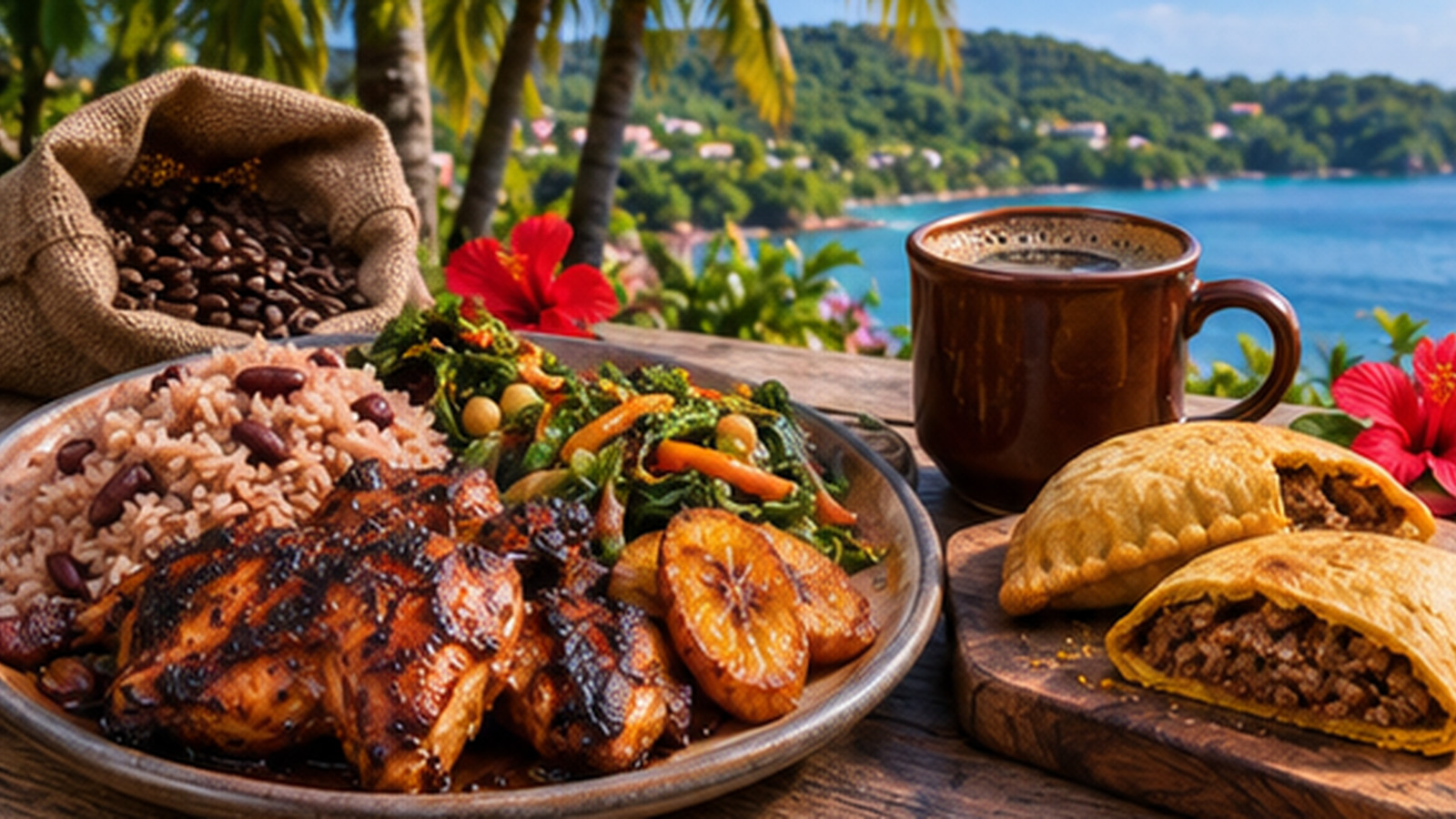
Jerk chicken, patties and Jamaican rum.
Book tours & activities through our travel partners — see options. Bluebird Next may earn a commission from partner bookings at no extra cost to you (Affiliate Disclosure).
Jamaica is a premium, far-flung destination — long flights and resorts (often all-inclusive) are the main costs, though local food is cheap. Indicative per-person figures for a 6–7 day trip in 2026 (prices checked Nov 2026).
| Item | Typical cost (per person) |
|---|---|
| Return flights (ex-India, 1–2 stops) | ₹70,000 – ₹1,20,000 |
| Entry (visa if required) | varies — confirm |
| Hotels / all-inclusive (per night, twin) | ₹6,000 – ₹22,000 |
| Tours (falls, rafting, cruises) | ₹4,000 – ₹9,000 each |
| Transfers / car hire (per day) | ₹4,000 – ₹8,000 |
| Food & extras | ₹2,000 – ₹4,000 / day |
| From | Typical return airfare |
|---|---|
| Delhi | ₹75,000 – ₹1,20,000 (1–2 stops via US/London) |
| Mumbai | ₹72,000 – ₹1,15,000 (1–2 stops) |
| Bengaluru | ₹72,000 – ₹1,15,000 (1–2 stops) |
| Chennai/Kolkata | ₹75,000 – ₹1,20,000 (1–2 stops) |
| Hyderabad | ₹75,000 – ₹1,20,000 (1–2 stops) |
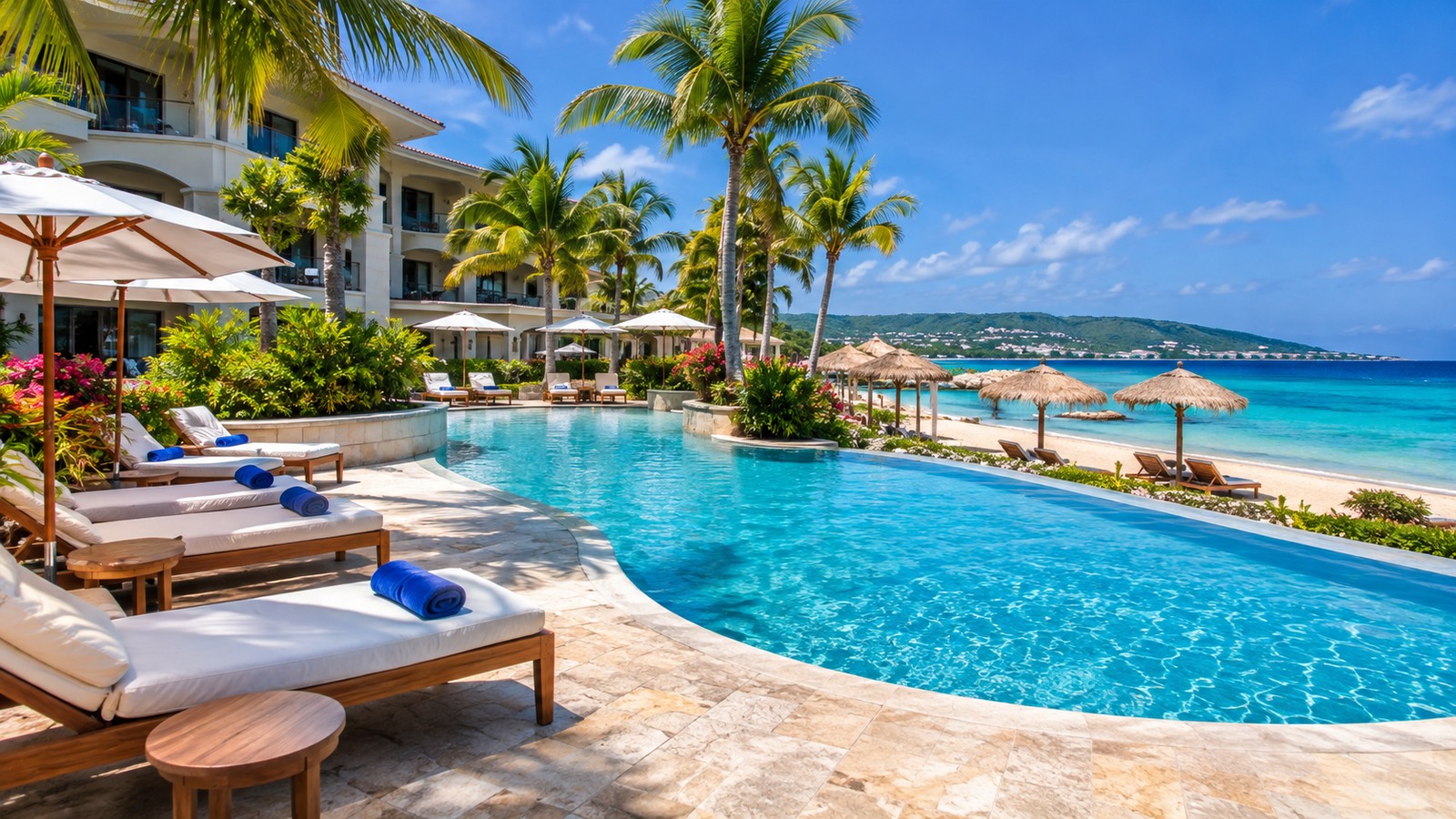
Resorts and all-inclusives near the gateway airport and beaches.
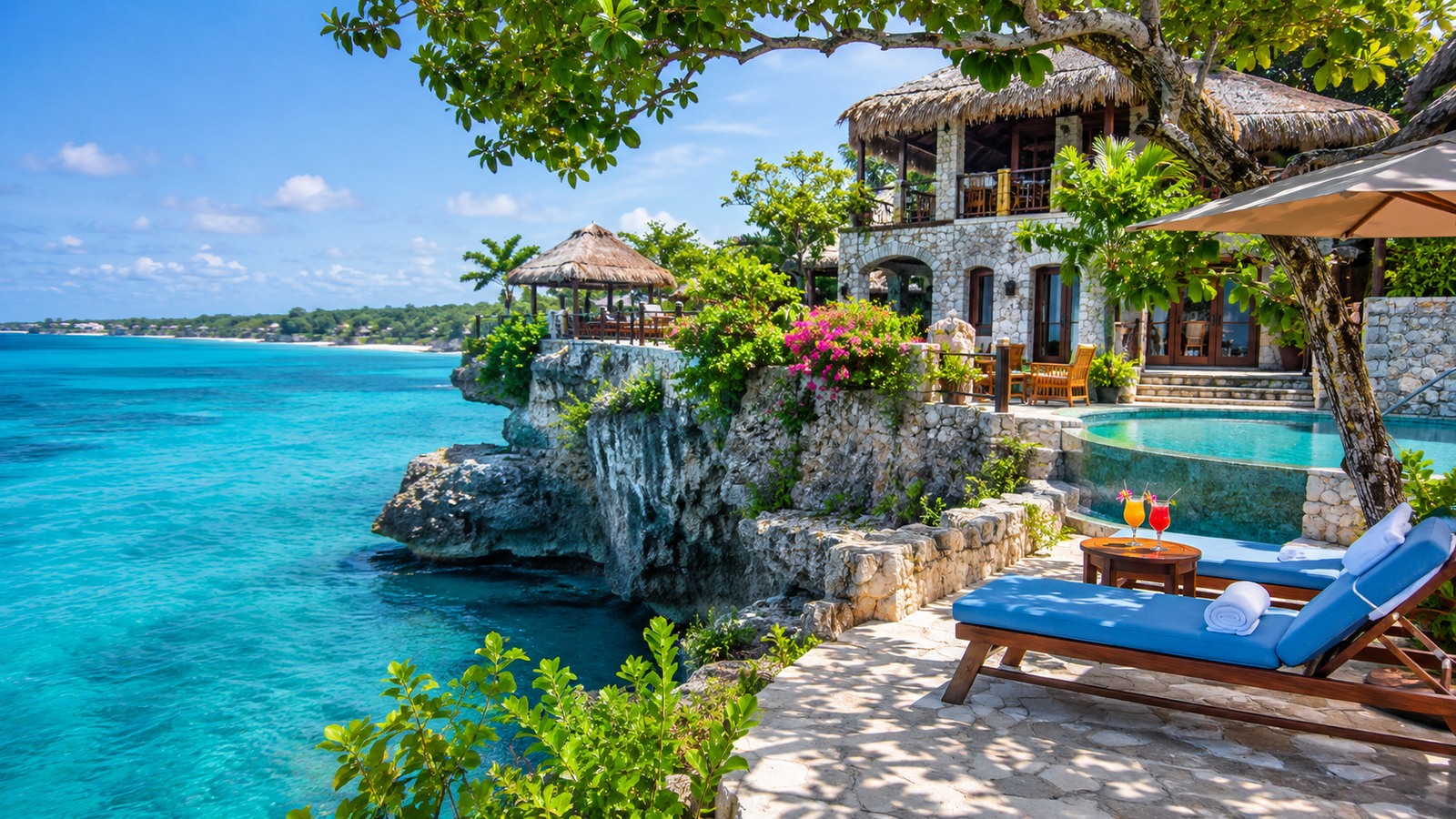
Seven Mile Beach and cliffside hotels for a laid-back base.
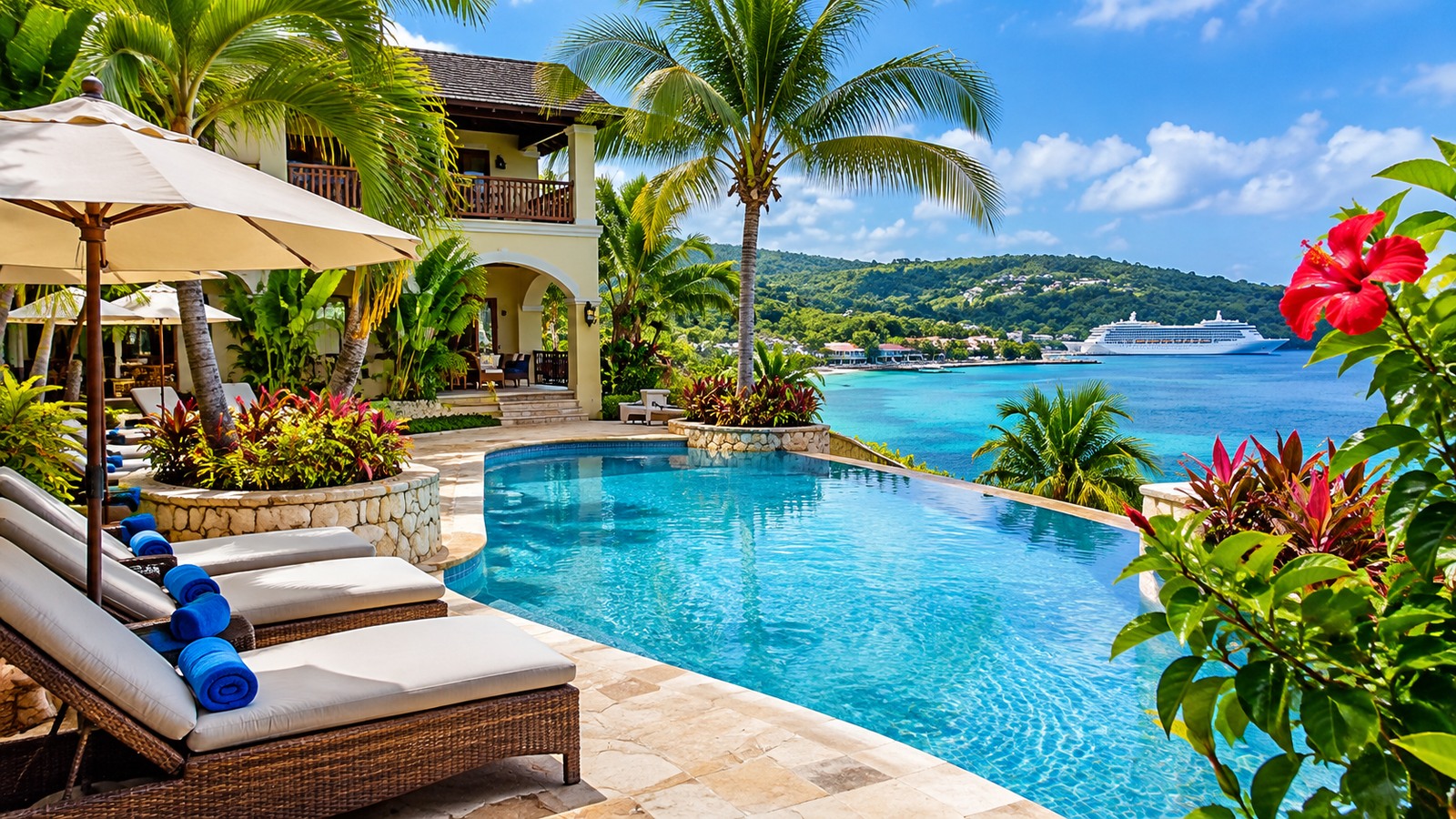
Central for waterfalls, tubing and cruises.
Jamaican food is bold and smoky — jerk chicken and pork, curry goat, ackee and saltfish, rice and peas, patties and festival, with Indian-influenced curries from its Indo-Caribbean heritage.
Vegetarians can manage with rice and peas, callaloo, fried plantain, vegetable patties, bammy and Ital (Rastafarian plant-based) food, which is naturally vegetarian/vegan. Jain travellers should pick Ital, Indian or international spots and specify no onion/garlic, and self-cater where possible.
Jamaica’s Indo-Caribbean heritage means curry (goat, but also vegetable) and roti are part of the cuisine, and some Indian restaurants operate in Kingston and Montego Bay — a handy option for Indian travellers.
Entry rules for Indians vary — some travellers need a visa in advance, and holding a valid US/UK/Canada visa can help. Confirm the current rule before booking; carry a passport valid 6+ months, a confirmed return/onward ticket and proof of funds and accommodation, plus any required online immigration/customs form.
The Jamaican dollar is used locally, but the US dollar is widely accepted. Cards work in hotels and resorts; carry cash for route taxis, stalls and tips. UPI is not accepted; use ATMs in towns. Resorts often quote in USD.
Use hotel transfers, tours, licensed (JUTA) taxis or a hired car; shared route taxis are cheap but informal. Jamaica has some high-crime urban areas — stick to tourist zones, avoid wandering at night, and heed local and resort advice.
The north and west coasts have the best beaches and waterfalls; respect sea flags and currents. Guided tours make Dunn’s River Falls, rafting and the Blue Mountains easy and safe.
Buy a Flow/Digicel tourist SIM or use an eSIM. Jamaica uses 110V with US-style Type A/B plugs, so carry a universal adapter and check your chargers are dual-voltage.
The easiest way to reach waterfalls, beaches and attractions from resorts.
Use JUTA taxis or hire a car (they drive on the left, as in India).
Short flights or long scenic drives link Montego Bay, Ocho Rios and Kingston.
Jamaica’s tourist areas (Montego Bay, Negril, Ocho Rios) are set up for visitors and are generally fine with sensible precautions, though the island has some high-crime urban zones. Stay in tourist areas, avoid wandering at night, use licensed taxis and transfers, don’t flash valuables, respect sea conditions, and carry comprehensive travel insurance.
❌ Myth: Jamaica is just beaches.
✅ Fact: It is reggae’s birthplace with the Bob Marley Museum, waterfalls, bamboo rafting, the Blue Mountains and a rich, soulful culture.
❌ Myth: Indians need a visa in advance for Jamaica.
✅ Fact: No — Indians are visa-exempt for tourism; just carry a passport, a return ticket and proof of funds, and immigration sets your length of stay on arrival.
❌ Myth: Vegetarians can’t eat Jamaican food.
✅ Fact: Ital (Rastafarian) cuisine is plant-based, and rice and peas, callaloo and vegetable patties help; Jains can choose Ital/Indian spots and self-cater.
❌ Myth: It’s too dangerous for tourists.
✅ Fact: Tourist areas are well set up and generally fine with sensible precautions; trouble is concentrated in specific urban zones travellers avoid.
❌ Myth: All-inclusive is the only option.
✅ Fact: All-inclusives are easy and popular, but guesthouses, villas and independent travel work well too for a more local experience.
No — Indian passport holders are visa-exempt for tourism in Jamaica, with no third-country-visa condition. The length of stay is set by immigration on arrival. Carry a passport valid 6+ months, a confirmed return or onward ticket and proof of funds and accommodation, and confirm the current rule before booking.
A 6–7 day trip is roughly ₹1,60,000–₹2,90,000 per person, and about ₹3,20,000–₹5,40,000 for a couple at an all-inclusive. Long-haul flights and resorts are the main costs; local food is cheap.
Jamaica is far — expect 19–26 hours total with one or two stops, usually via a US hub or London.
Given the long journey, six to eight days make it worthwhile — enough for the north-coast beaches and waterfalls, plus Kingston for music and the Blue Mountains.
November to mid-April (the dry season) is best — sunny, warm and less humid. May to October is hotter and wetter with a hurricane risk peaking August–October, but quieter and cheaper.
With planning — Ital (Rastafarian) cuisine is plant-based, and rice and peas, callaloo, plantain and vegetable patties help, with some Indian restaurants in the cities. Jains should choose Ital/Indian spots, specify no onion/garlic and self-cater where possible.
Most visitors base on the north/west coast — Montego Bay (gateway and resorts), Negril (Seven Mile Beach) or Ocho Rios (waterfalls and cruises) — adding Kingston for music and culture. All-inclusives are popular and easy.
Tourist areas are set up for visitors and are generally fine with sensible precautions, though the island has some high-crime urban zones. Stay in tourist areas, avoid wandering at night, use licensed taxis and transfers, and carry comprehensive travel insurance.
Use hotel transfers, organised tours, licensed JUTA taxis or a hired car (they drive on the left, as in India). Short flights or scenic drives link Montego Bay, Ocho Rios and Kingston; shared route taxis are cheap but informal.
Strongly recommended — given the long flights, water activities and distance, it covers medical care, water sports, and trip delays and cancellations.
Yes — Jamaica connects to other Caribbean islands and the US, so some travellers island-hop or pair it with a US stopover. Check each destination’s own entry rules (and whether a US transit visa is needed), and allow travel time between them.
Sources: Visit Jamaica (official tourism) · Passport, Immigration & Citizenship Agency (PICA)
A licensed team that has guided thousands of Indians to their visas and admissions.
 Jitender SinghFounder & Managing Director
 Vikram SinghHead – Quality & Operations
 SanjayHead – Tourist Visa Operations
 TejaswaniHead – Counselling Team
 MahimaHead – Visa Filing & Processing
 Pratigya DuttaHead – Student Visa Processing
Free, no-pressure guidance from a real counsellor who handles your case end to end — from documents to decision.