
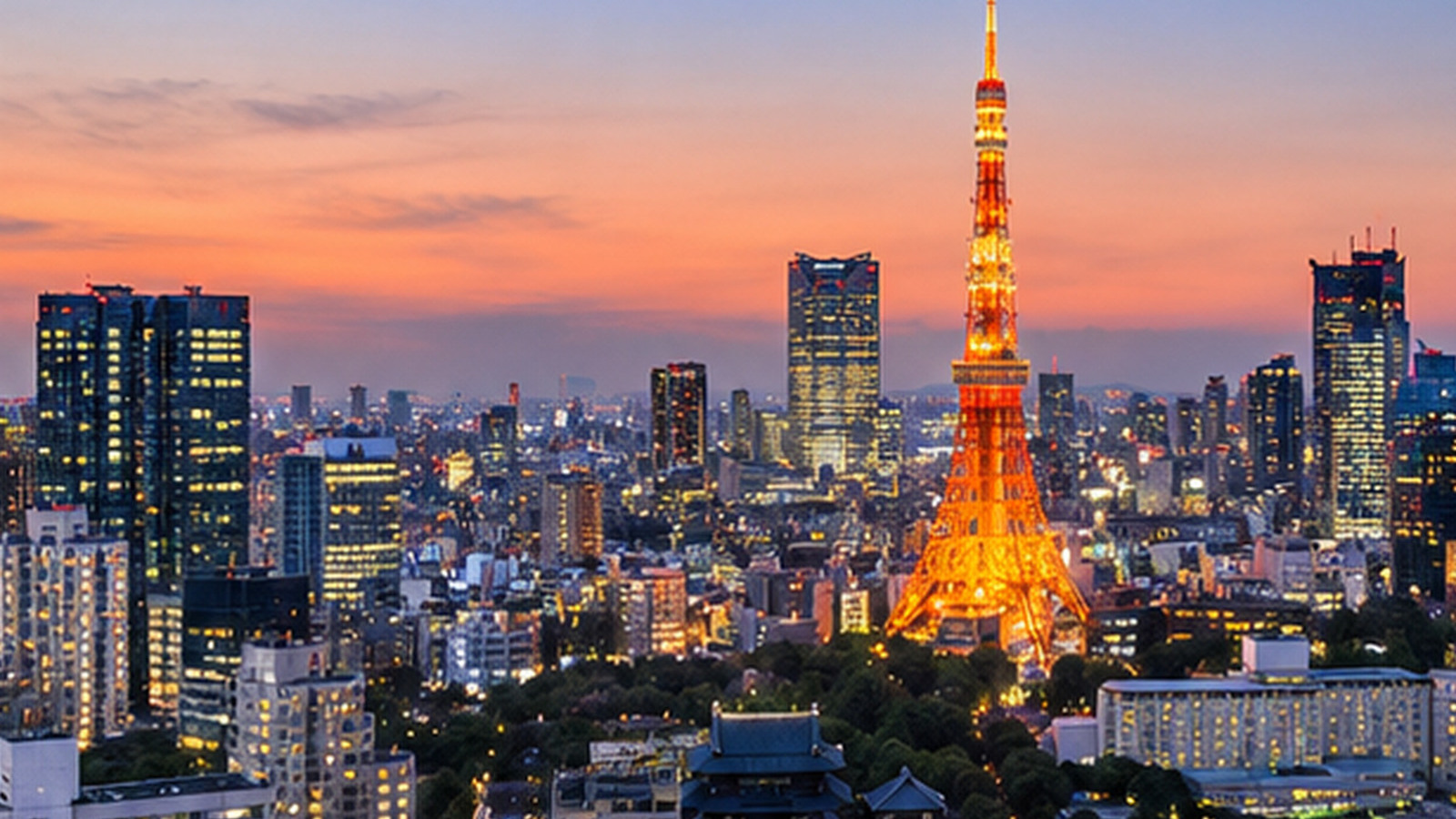
The electric capital — Shibuya’s crossing, Shinjuku’s neon, Asakusa’s old temple, Akihabara’s tech and the teamLab digital-art museums.
Neon-lit Tokyo, ancient Kyoto temples, bullet trains and cherry blossoms — Japan is the most rewarding, most organised trip in Asia.
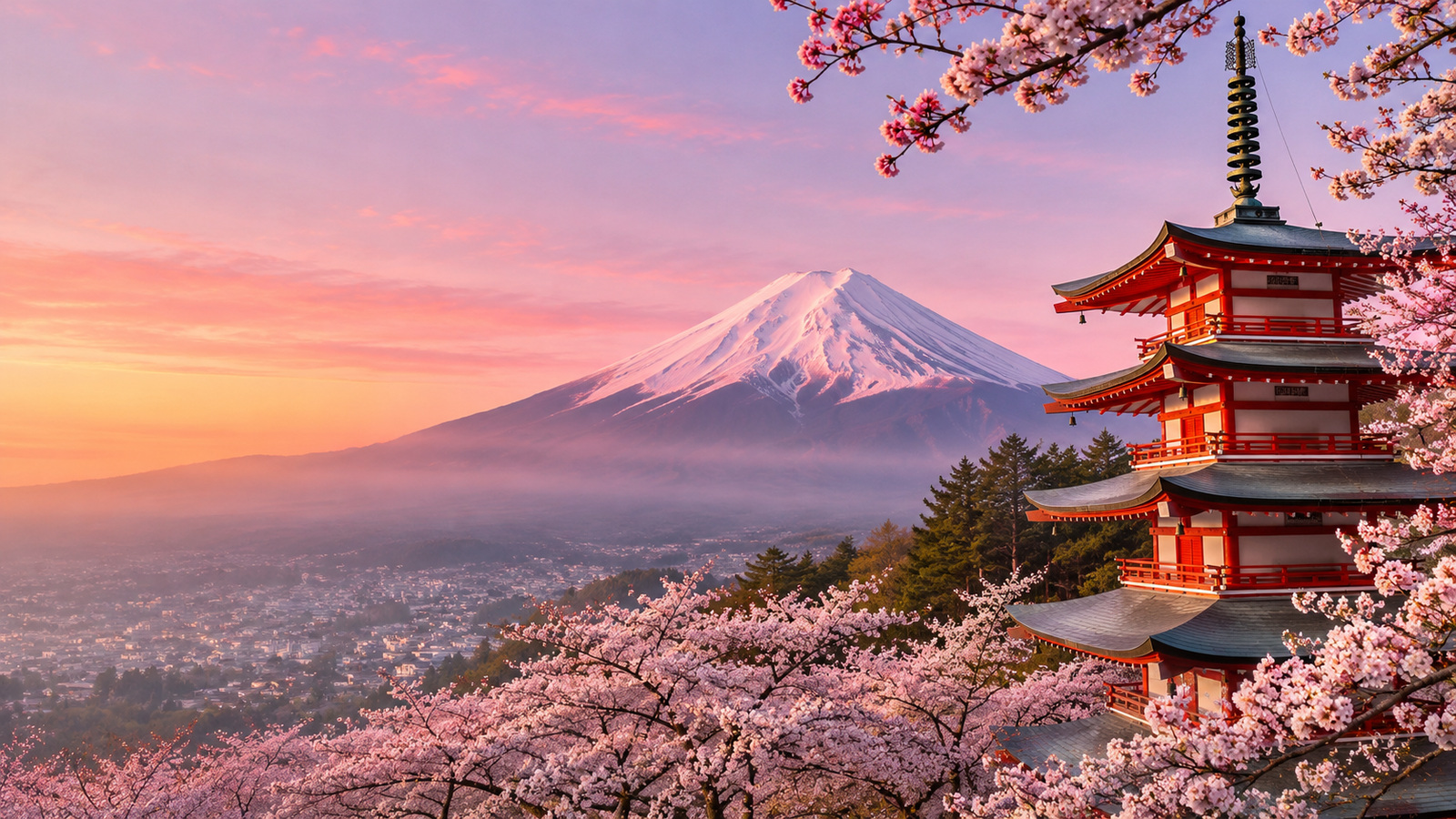
Japan is the trip that changes how travellers think about Asia. It is at once hyper-modern and deeply traditional — a place where a 320 km/h bullet train glides past a snow-capped Mount Fuji, where neon Tokyo districts sit minutes from silent Shinto shrines, and where a bowl of ramen from a vending-machine counter can be a highlight of your year. For Indian travellers willing to go a little further and spend a little more, Japan delivers an experience unlike anywhere else.
The classic first route — Tokyo, Kyoto and a day trip to Mount Fuji or Nara — balances the country’s two faces: the energy and technology of the capital, and the temples, gardens and geisha districts of the old imperial city. The famous bullet trains make hopping between them effortless, and the country’s legendary cleanliness, safety and punctuality make it one of the smoothest places on earth to travel, despite the language gap.
This guide is written for Indian travellers: the real trip cost in rupees from your city, the exact visa process (and how we can help), where vegetarians and Jain travellers eat, how the trains and IC cards work, and honest, dated advice you can plan around.
Indians are drawn to Japan for the bullet trains, cherry blossoms and the sheer novelty of a culture so different from home — it feels like stepping into the future and the past at once. It is extraordinarily safe and clean, perfect for careful first-timers and families, and increasingly popular for honeymoons timed to the spring sakura or autumn colours. A growing number of Indian and vegetarian-friendly restaurants makes food easier than it once was.
💡 From our visa desk: Two things make or break a first Japan trip: timing and trains. If you want cherry blossoms or autumn colour, book flights and hotels three to four months ahead — those weeks sell out. And do the maths on the Japan Rail Pass versus point-to-point tickets for your exact route; since the pass price rose, a simple Tokyo–Kyoto–Osaka loop is often cheaper on individual tickets.
Japan short-term tourist visa for Indian citizens — applied before travel (an eVisa is available for eligible applicants).
Indian passport holders need a short-term tourist visa for Japan, applied before travel through VFS or the embassy; a Japan eVisa is available to eligible applicants (typically those booking through authorised travel agencies). The fee is low and processing is usually about 5–7 working days. You submit your itinerary, flight and hotel bookings, and proof of funds.
Full Japan tourist visa requirements & documents →Japan’s seasons are a huge part of its appeal. The two magical windows are spring cherry blossoms and autumn foliage — both stunning and both busy. See the month-by-month table below.
| Season | What it's like & who it suits |
|---|---|
| Spring (Mar–May) | Cherry-blossom (sakura) season, roughly late March to early April in Tokyo/Kyoto — the most beautiful and most popular time. Book months ahead. |
| Summer (Jun–Aug) | Hot and humid with a rainy spell in June; vibrant festivals (matsuri) and fireworks. Good for the Japanese Alps and Hokkaido. |
| Autumn (Sep–Nov) | Spectacular red-and-gold foliage (koyo) and comfortable temperatures — it rivals spring and is slightly less crowded. |
| Winter (Dec–Feb) | Cold with snow; world-class skiing in Hokkaido, onsen hot springs and fewer tourists. Fuji is clearest in winter. |
| Month | Weather & what’s on (incl. Indian holiday windows) |
|---|---|
| January | Cold, crisp and clear — the best odds of a sharp Mount Fuji view, plus skiing in Hokkaido and quiet temples. New Year is festive but some sights close early January. |
| February | Cold with snow festivals (Sapporo); plum blossoms begin late in the month. Fewer crowds and lower prices. |
| March | Chilly, warming towards month-end when the first cherry blossoms appear in Tokyo/Kyoto. Book ahead. |
| April | Peak cherry-blossom season early in the month — glorious and very busy. Overlaps Indian summer-holiday planning; reserve months in advance. |
| May | Mild, green and pleasant after the blossom rush — one of the best all-round months with fewer crowds. |
| June–July | Warm, then hot and humid with a June rainy spell; summer festivals begin. Good for the cooler Alps and Hokkaido. |
| August | Hot and humid with fireworks and festivals; peak domestic travel around Obon. Overlaps the Indian summer break. |
| September–October | Warm, easing to crisp; typhoon risk early, then superb early-autumn weather. Colours begin in the north. |
| November | Autumn foliage peaks in Tokyo and Kyoto — spectacular reds and golds, comfortable temperatures. A top time to visit (busy). |
| December | Cold and clear with winter illuminations; good Fuji views and the start of ski season. Quieter before New Year. |
The electric capital — Shibuya’s crossing, Shinjuku’s neon, Asakusa’s old temple, Akihabara’s tech and the teamLab digital-art museums.
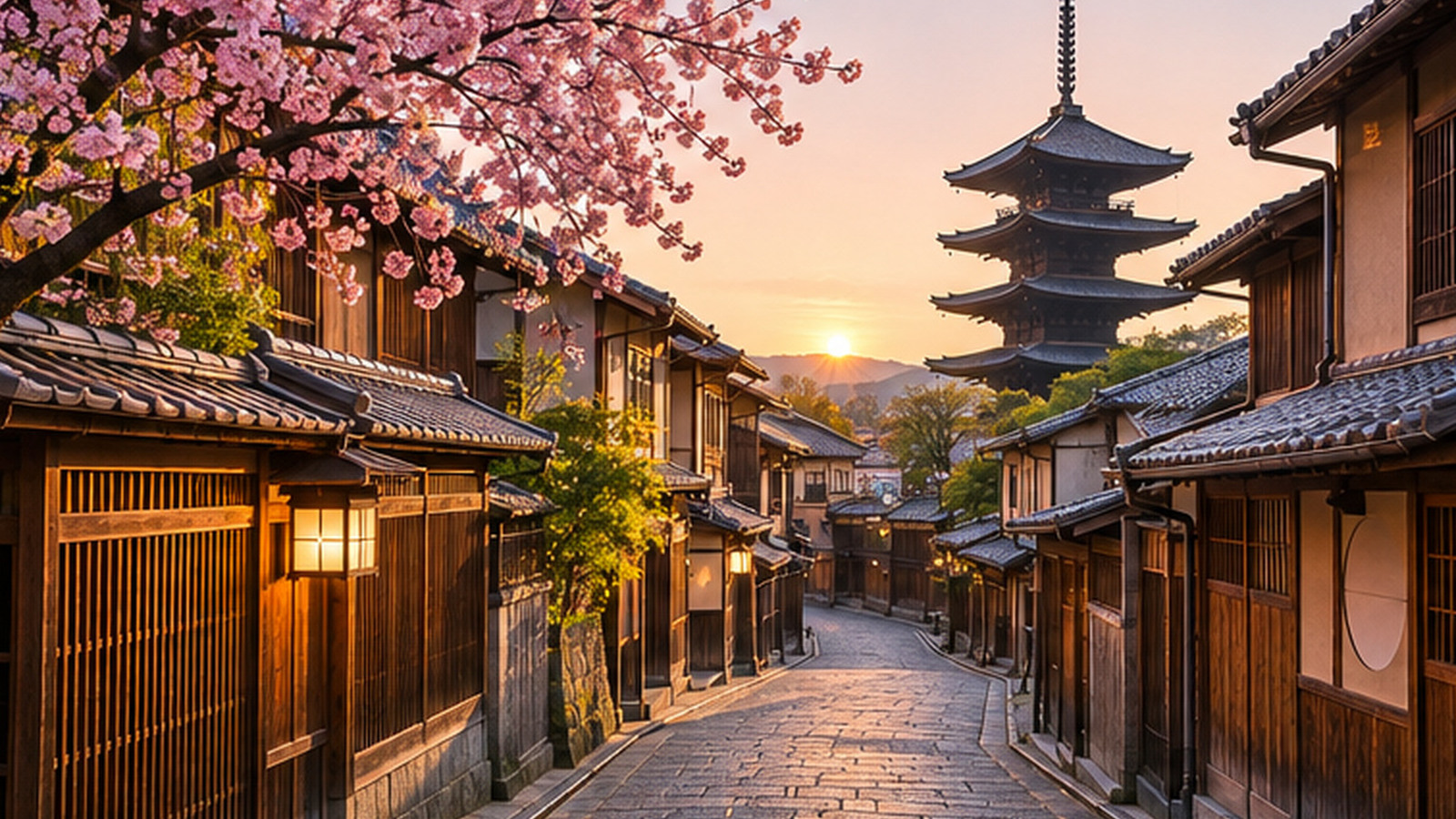
The cultural soul — thousands of temples and shrines, the Fushimi Inari gates, bamboo groves and geisha streets.
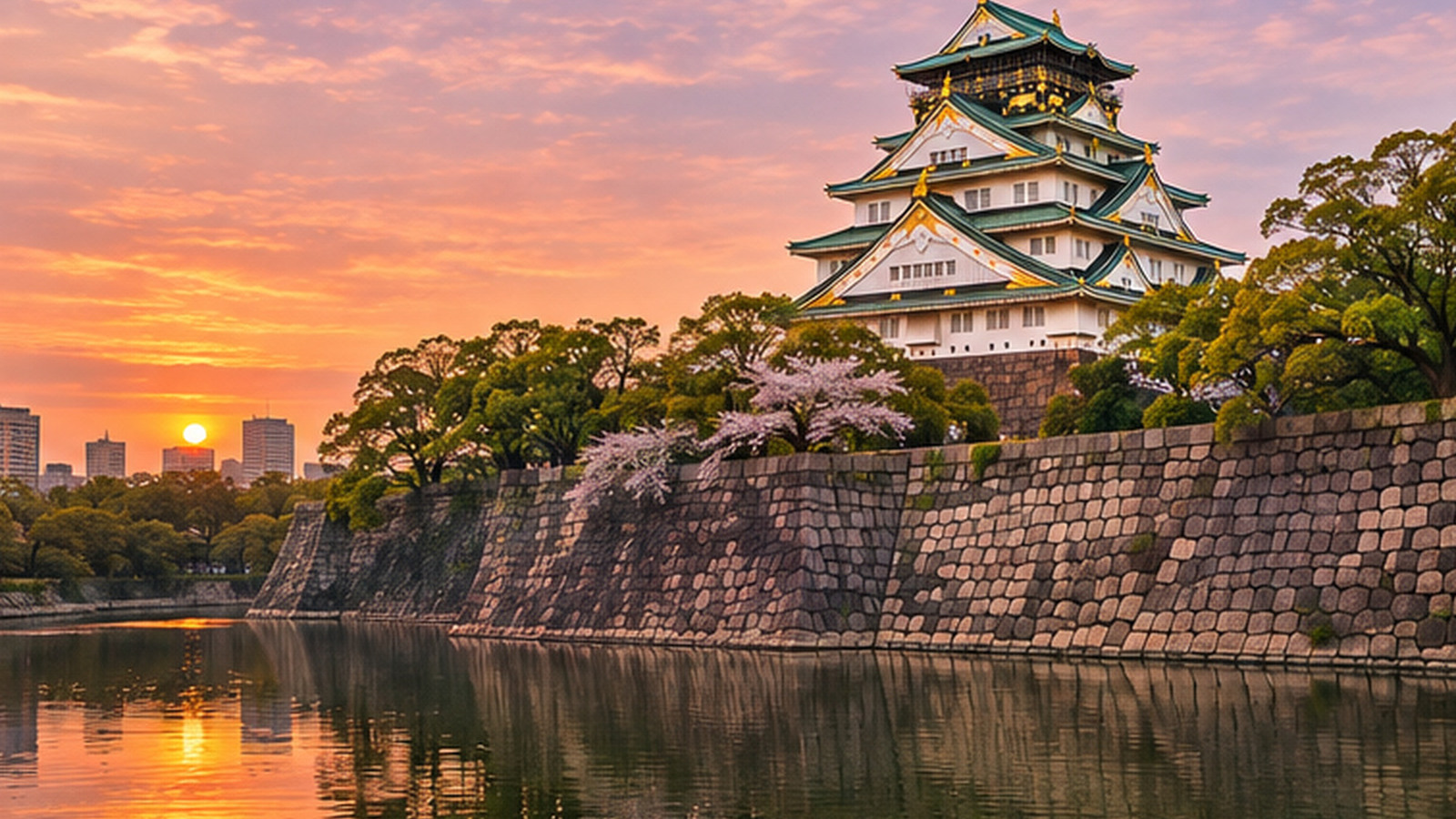
The nation’s kitchen — street food in Dotonbori, Osaka Castle and Universal Studios Japan.
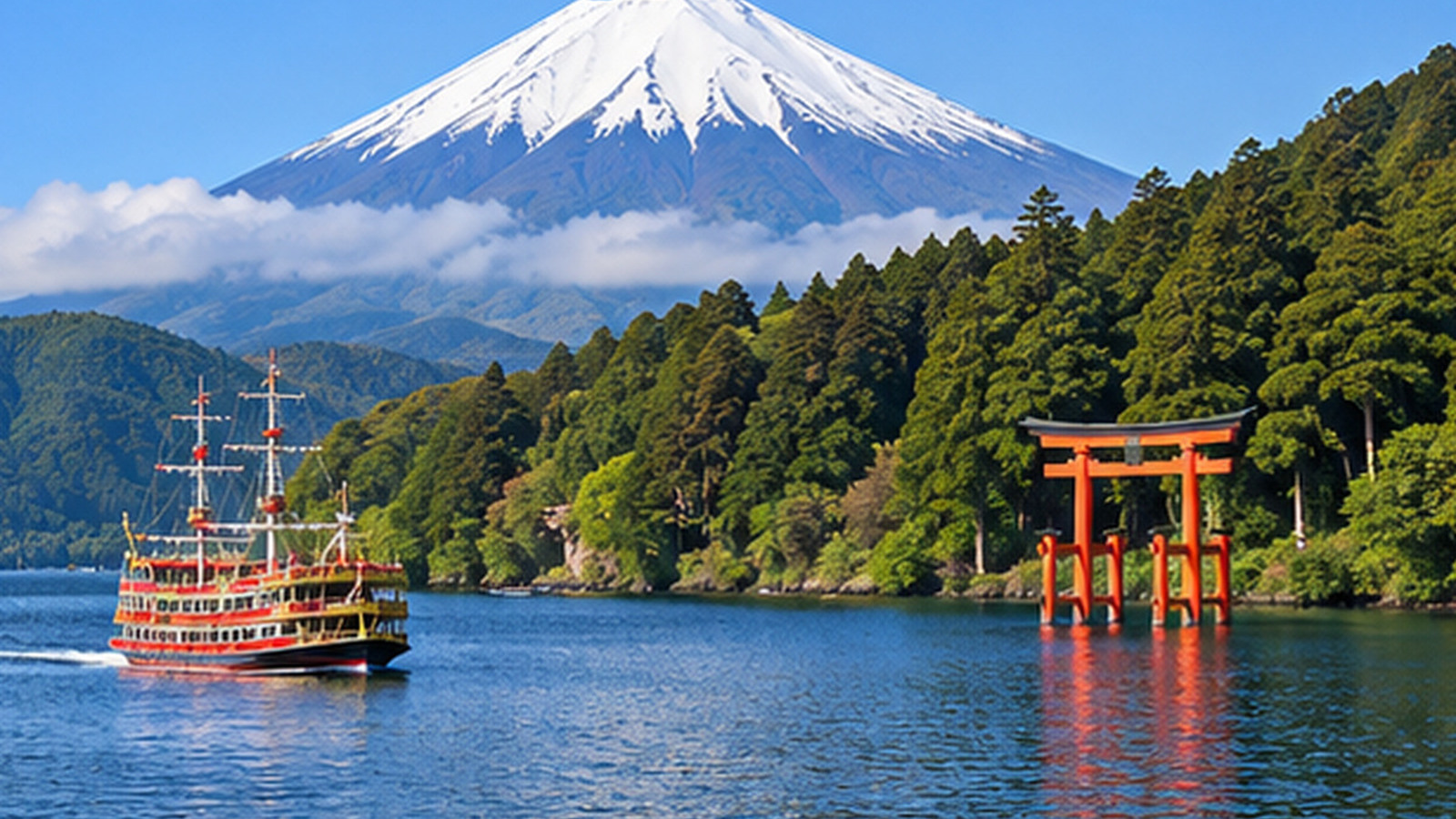
Japan’s sacred peak, lakes and hot-spring resorts — the classic Tokyo day trip or overnight.
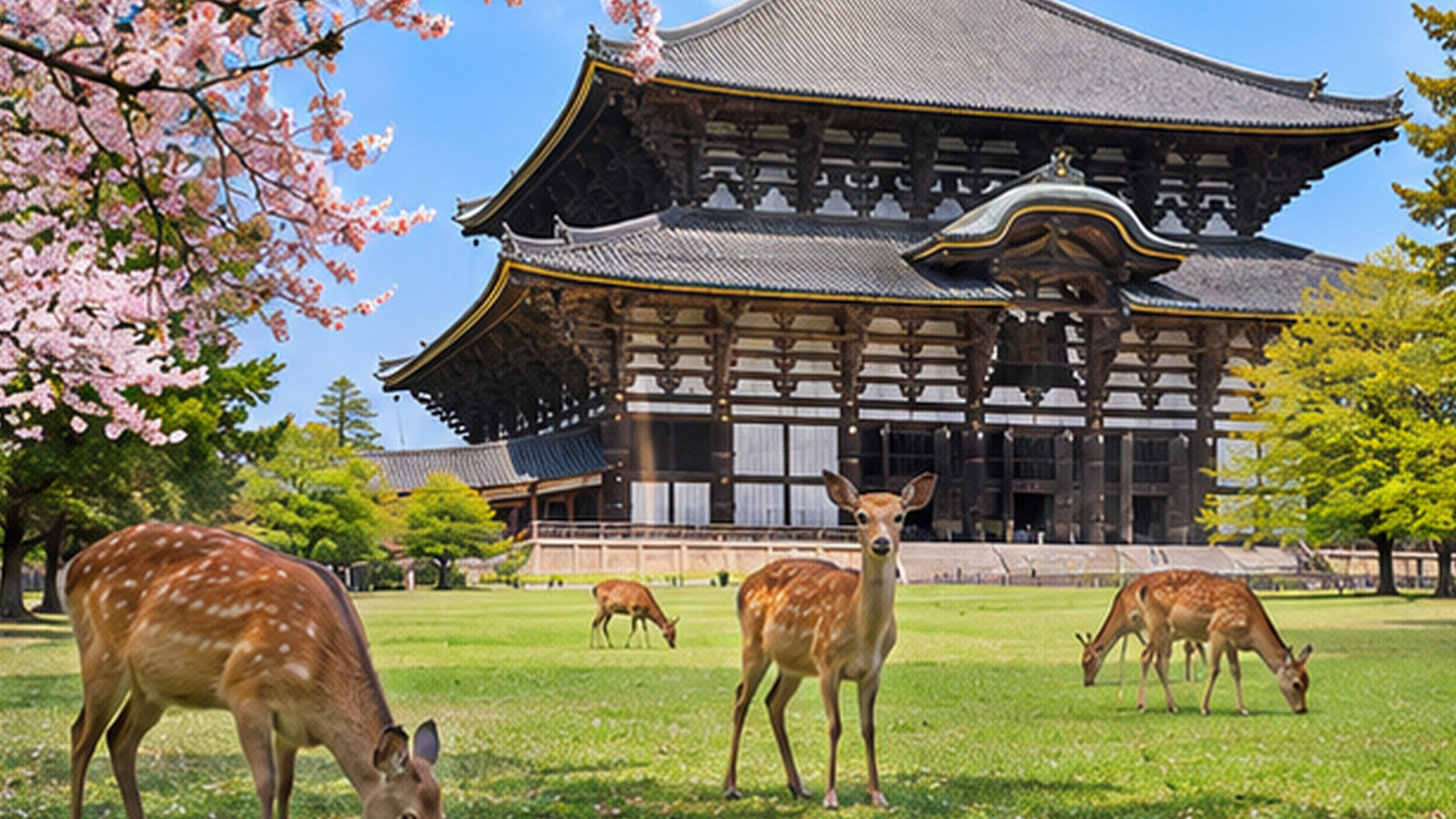
Ancient temples and the famous free-roaming (bowing) deer park — an easy half-day from Kyoto or Osaka.
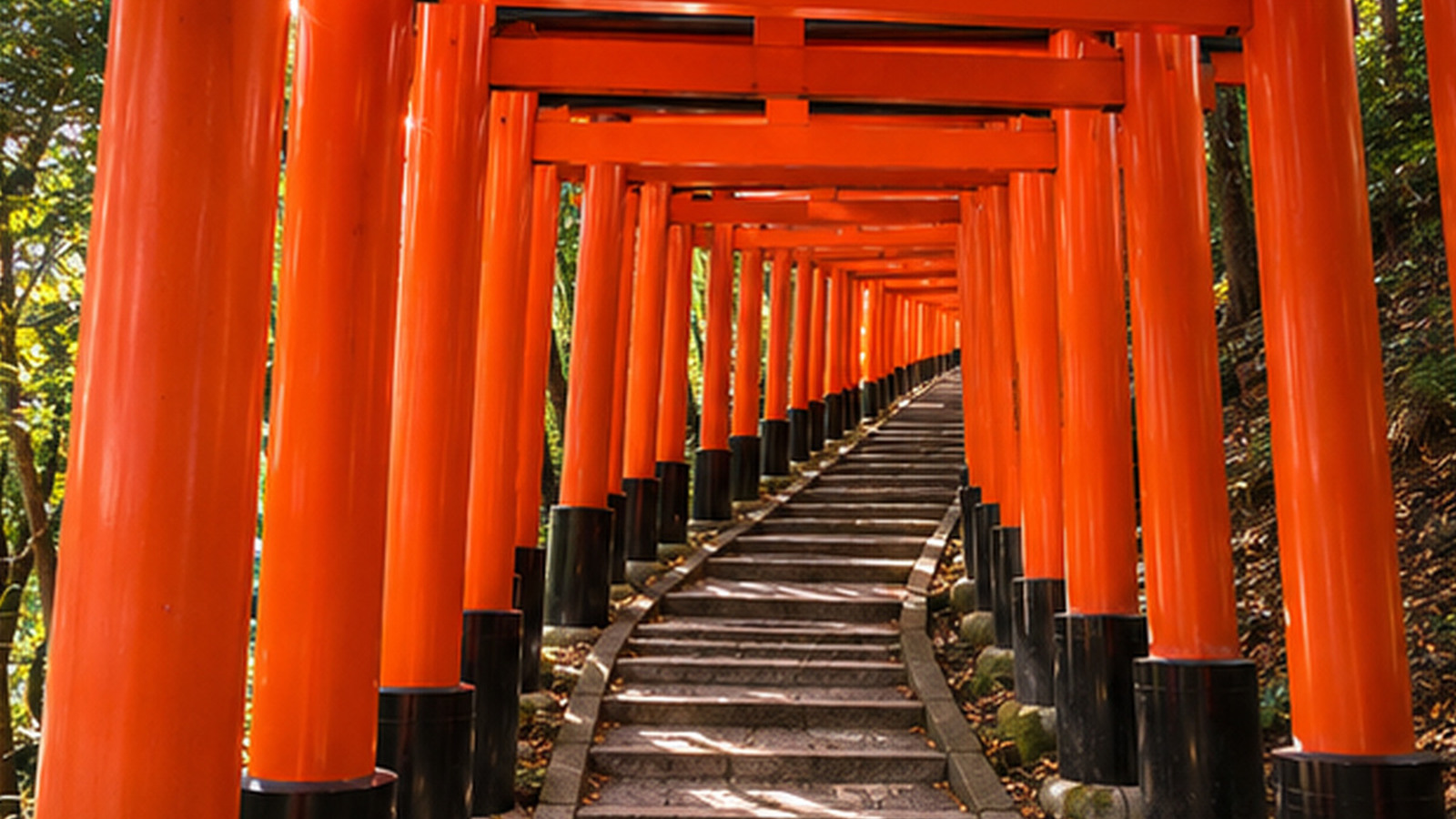
Thousands of vermilion torii gates winding up a forested hill — Japan’s most photographed sight.
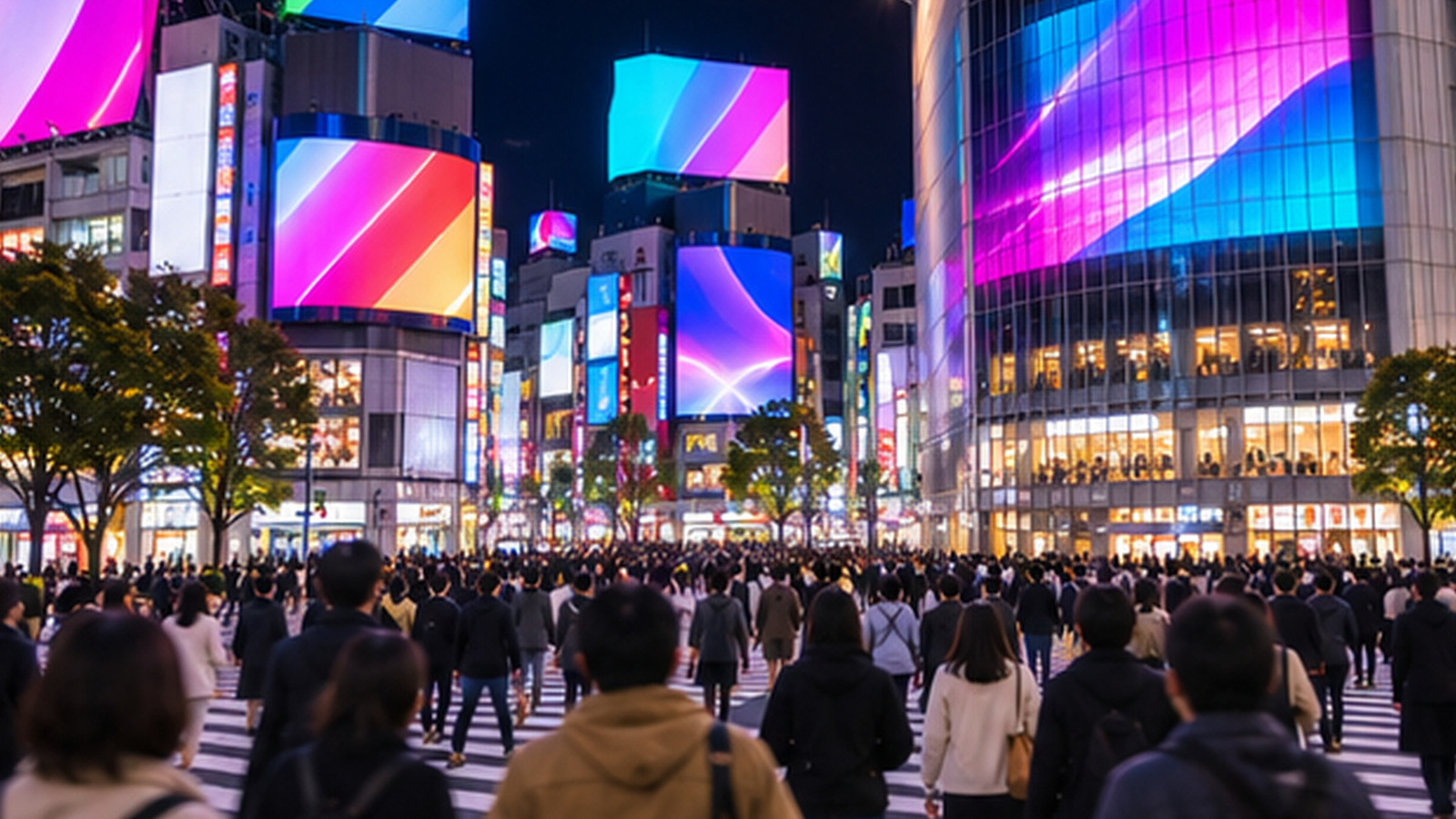
The world’s busiest pedestrian scramble, plus the Shibuya Sky deck and nearby Harajuku and Meiji Shrine.
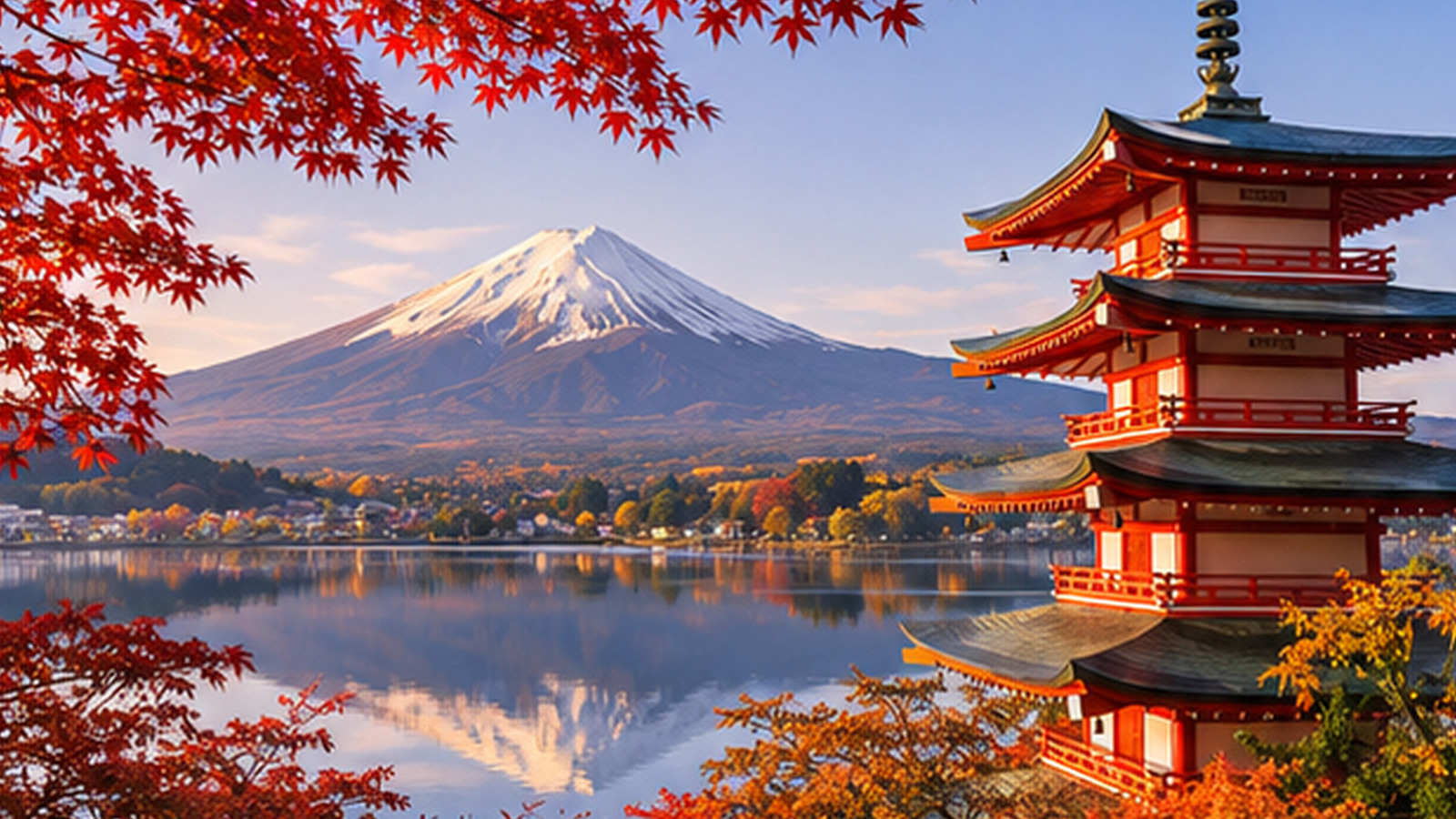
Lake Kawaguchi and Hakone offer the iconic Fuji views, ropeways and hot springs.
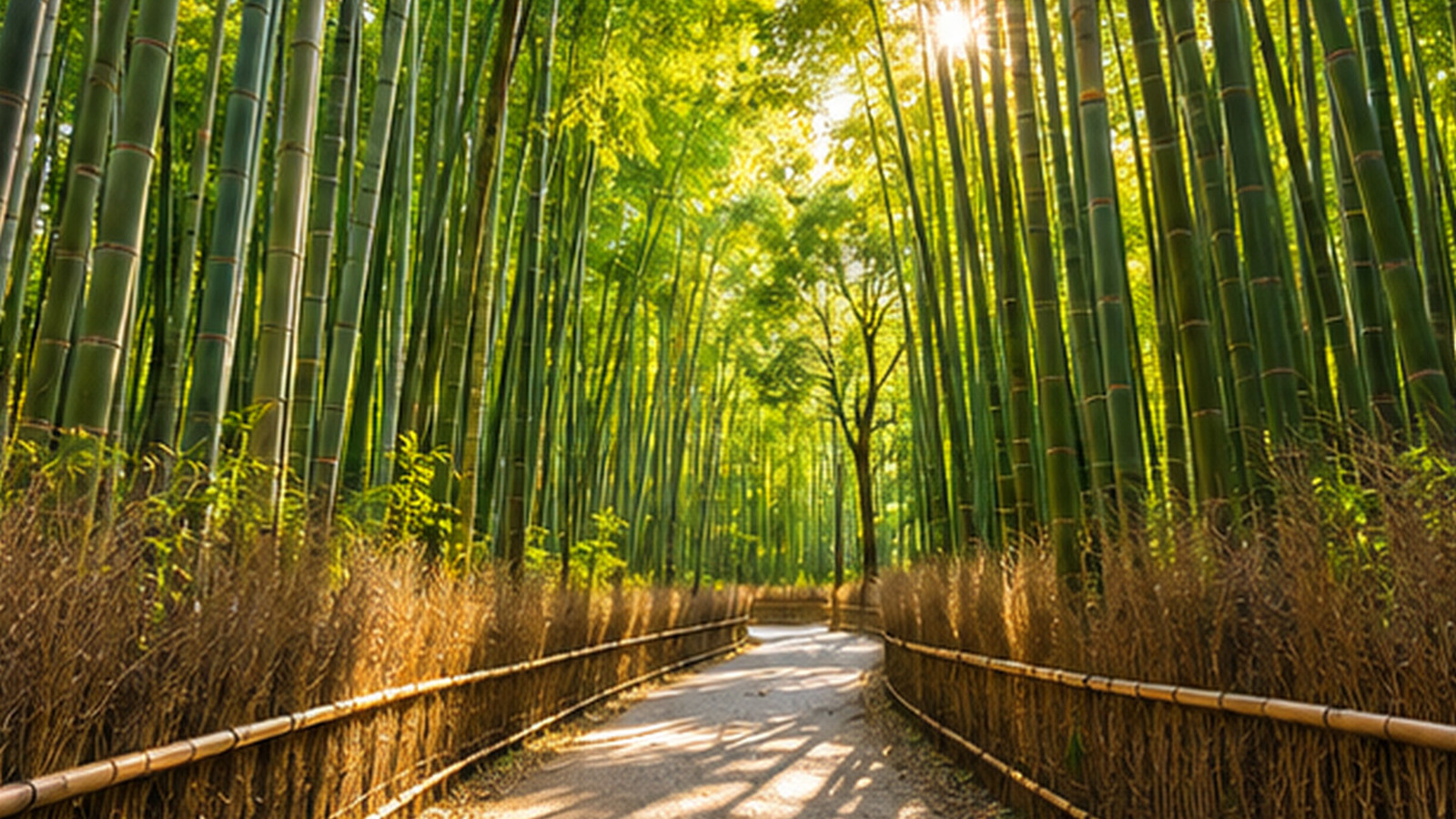
A towering bamboo-forest path with a nearby monkey park and temples.
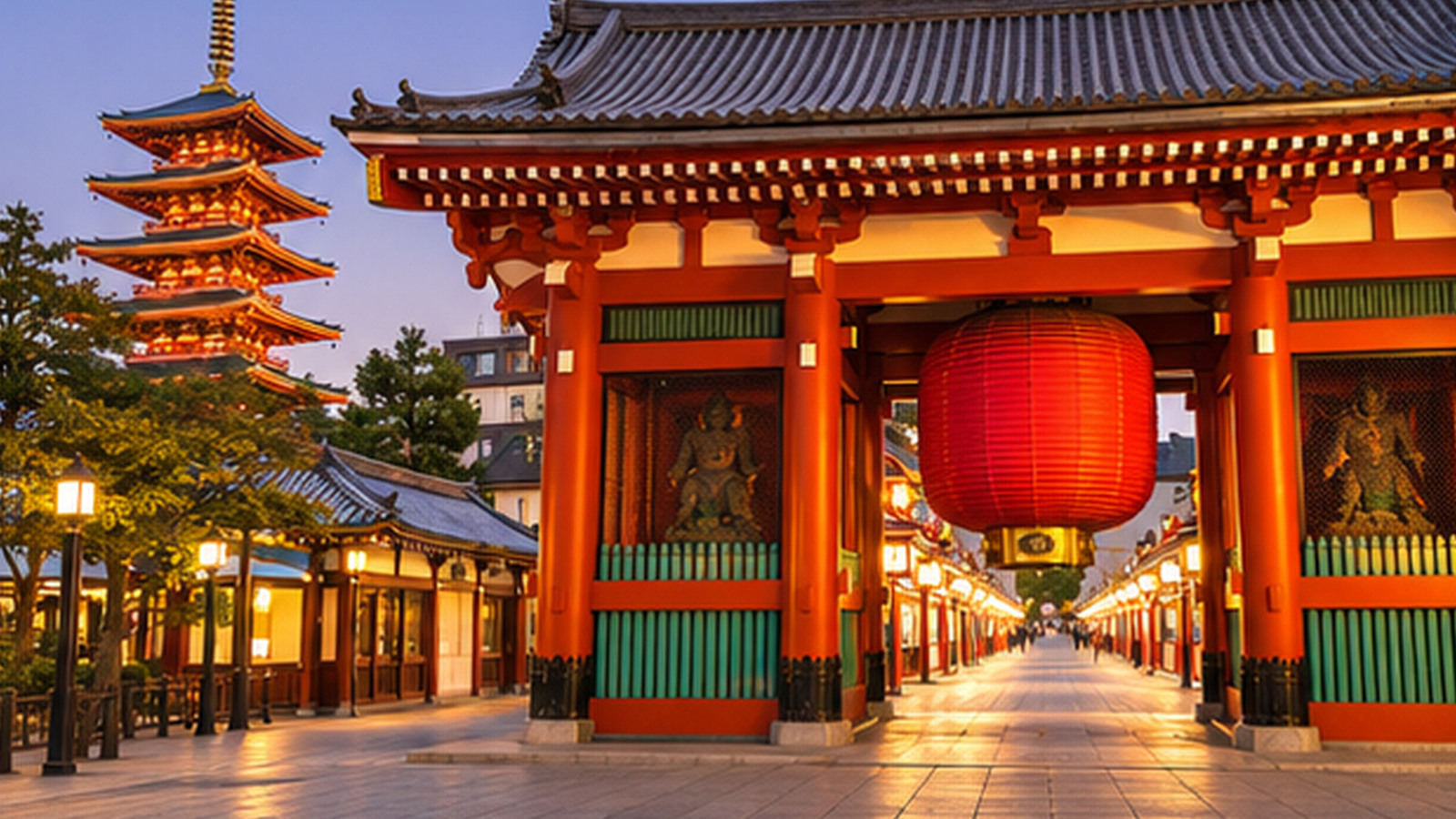
Tokyo’s oldest temple with a lantern gate and a traditional shopping street.
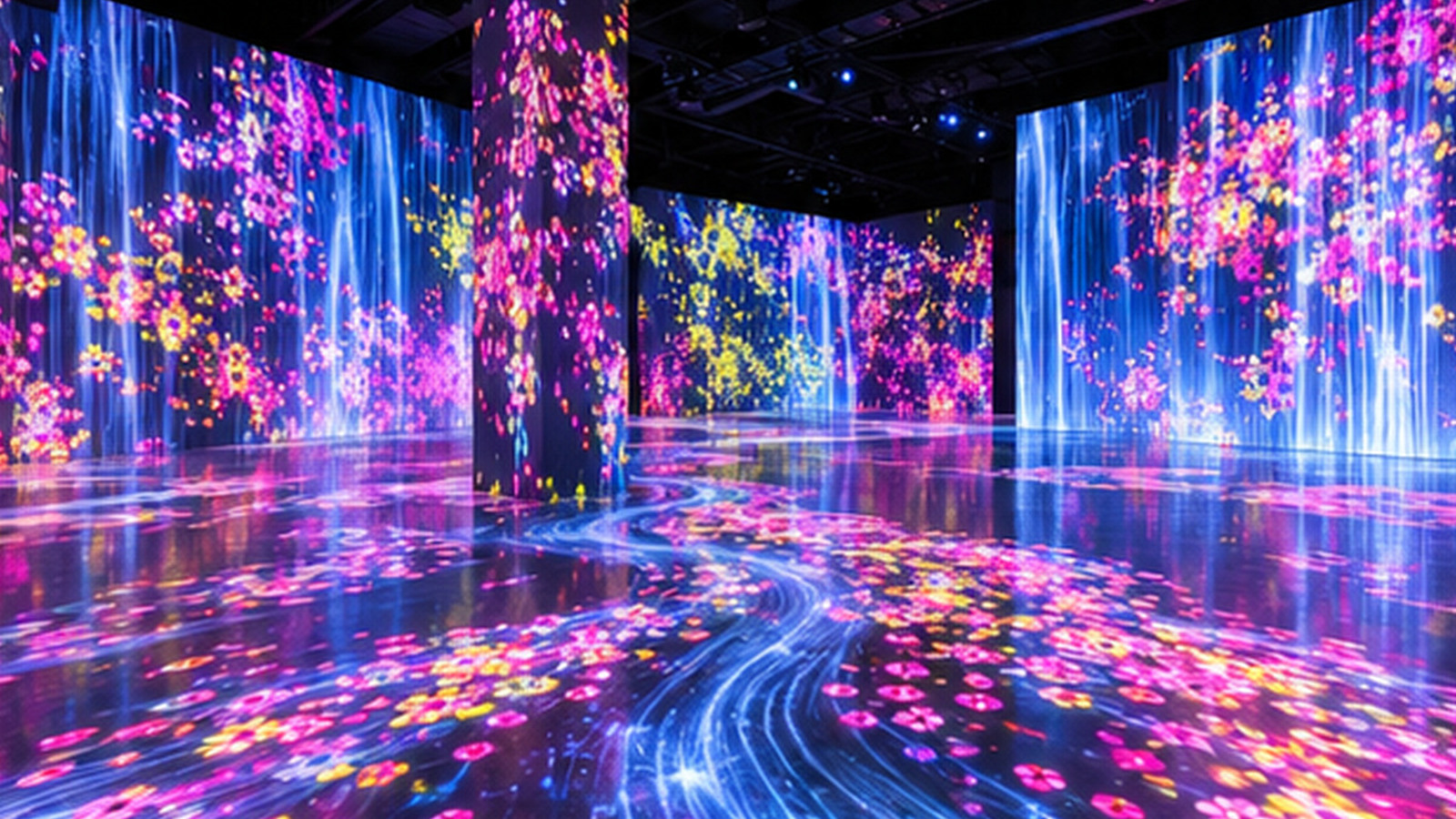
Immersive, world-famous digital-art museums — a uniquely Japanese modern experience.
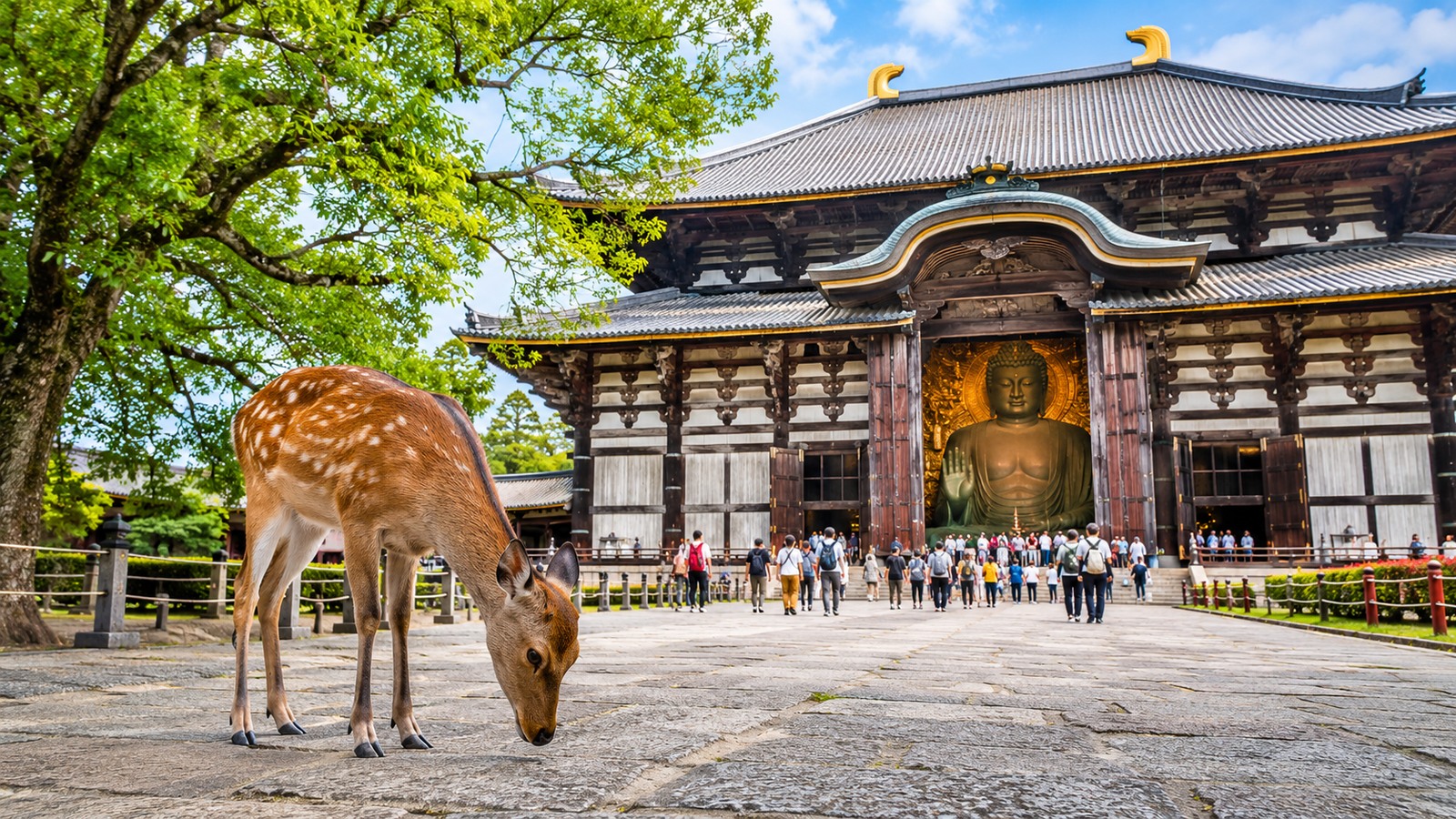
Bowing deer and a giant bronze Buddha in one of Japan’s oldest temples.
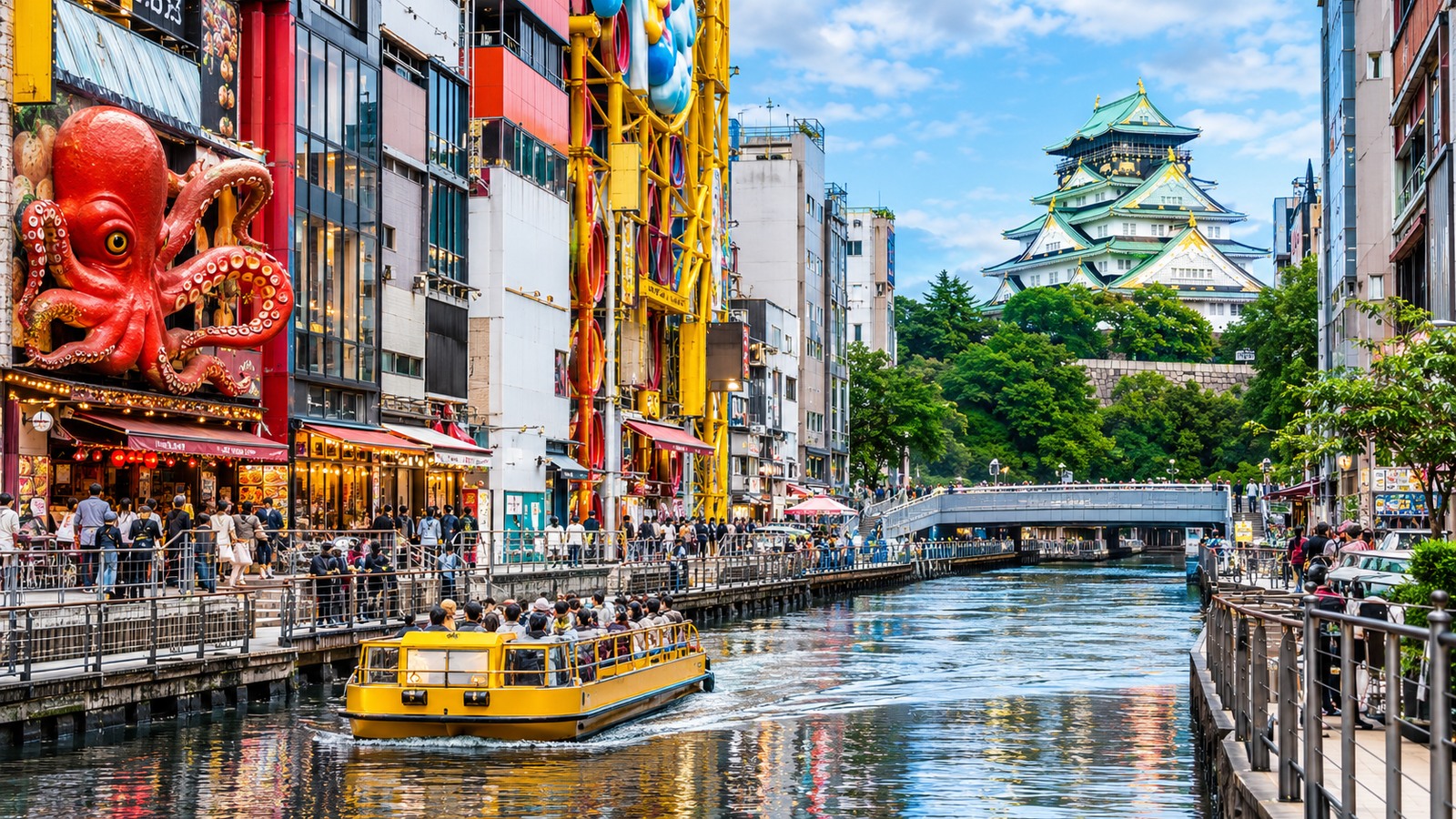
Neon canals, street food and a magnificent castle in Japan’s most fun-loving city.
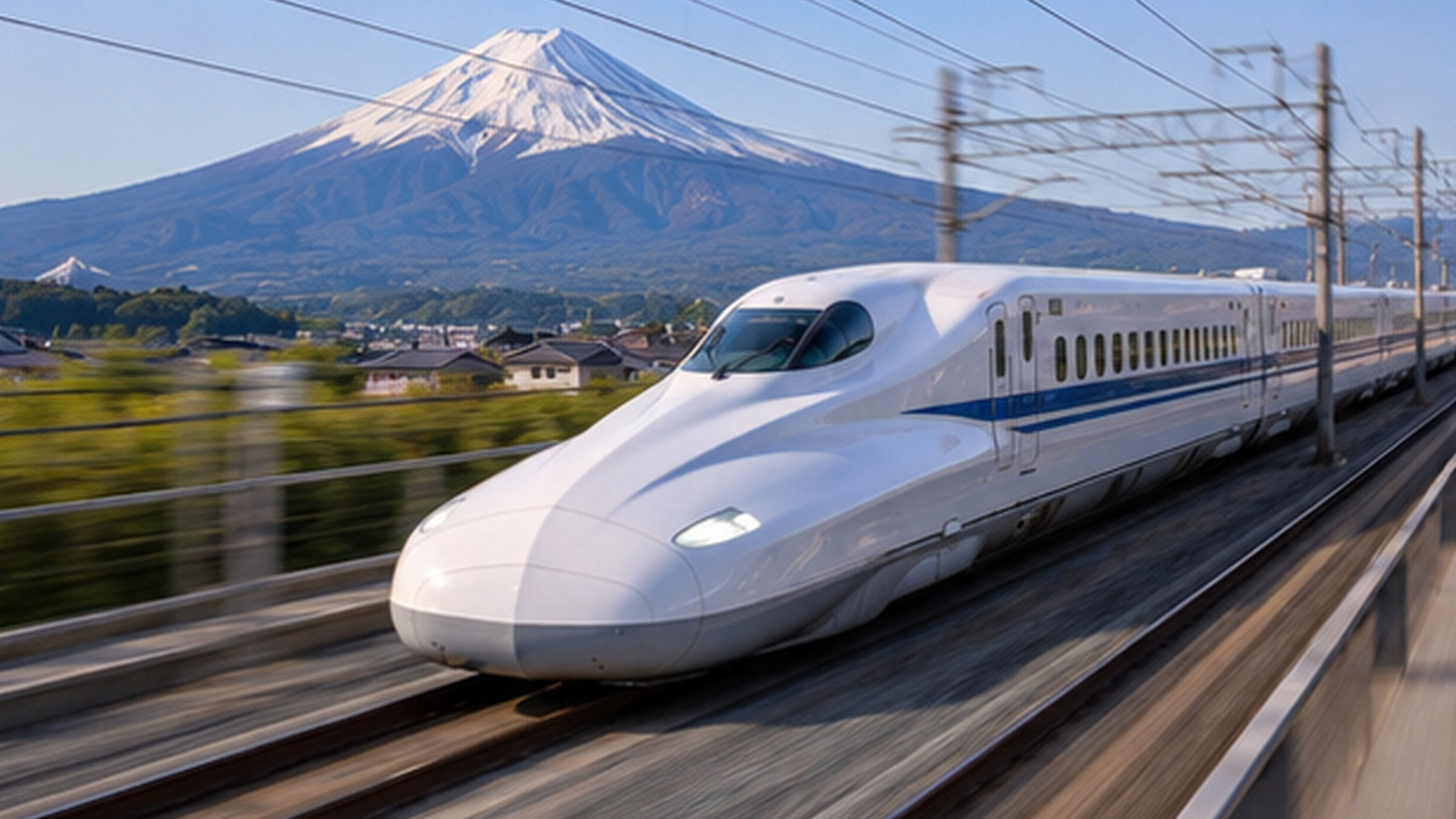
A 320 km/h glide from Tokyo to Kyoto in just over two hours — an experience in itself.
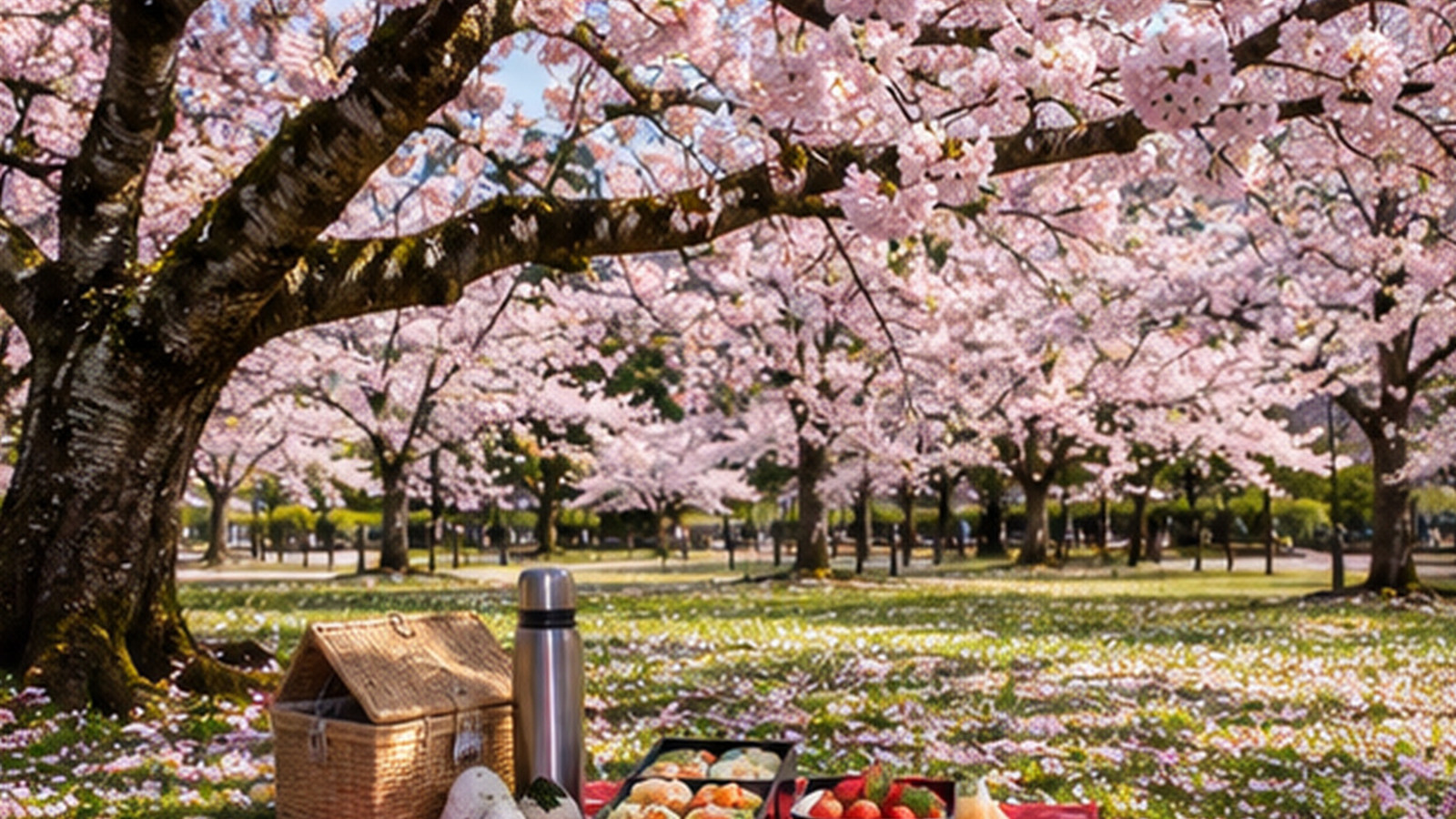
Hanami picnics under sakura in spring, or fiery maple foliage in autumn.
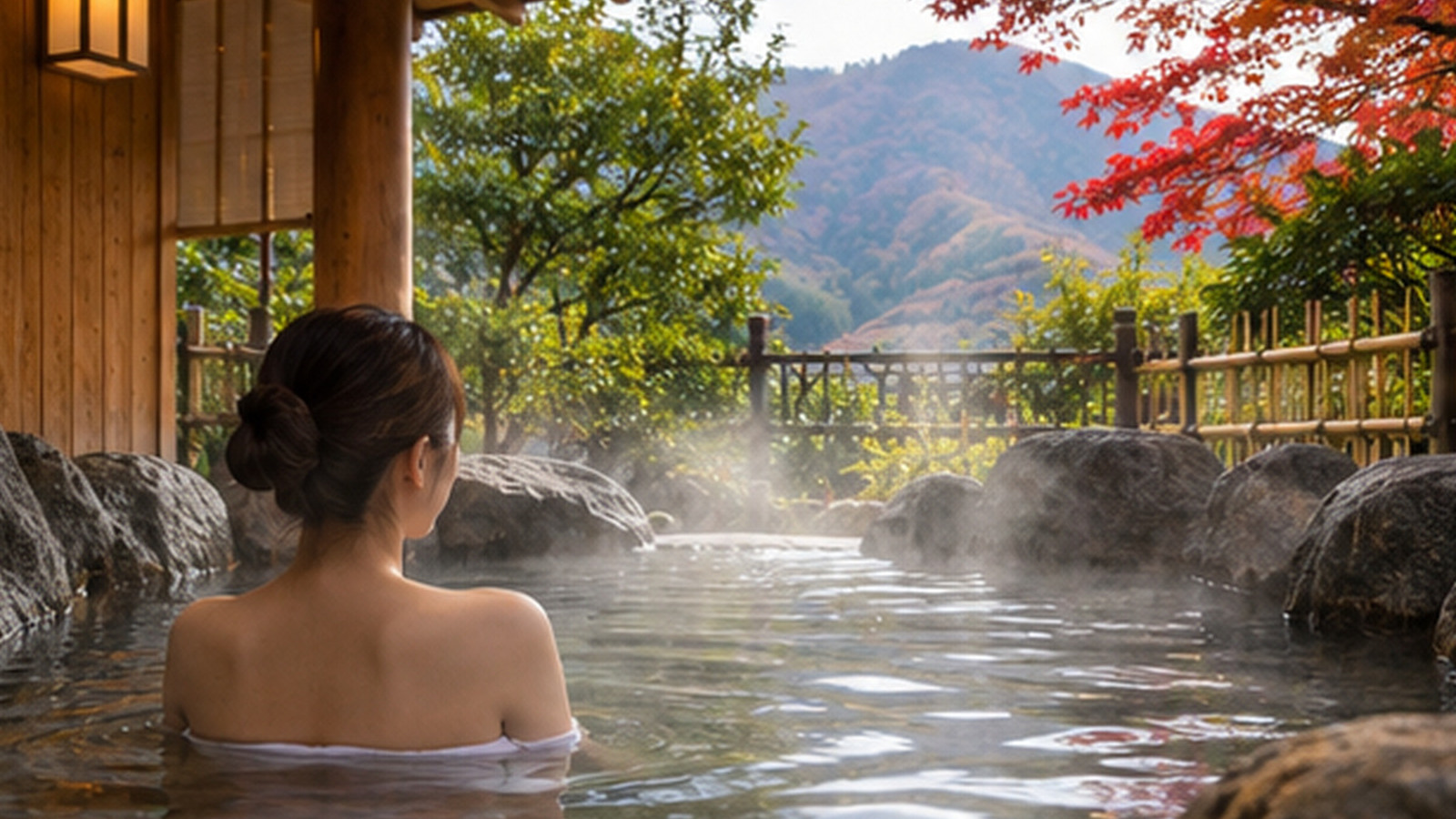
A traditional hot-spring soak in Hakone or a ryokan inn — deeply relaxing (note the tattoo rules).
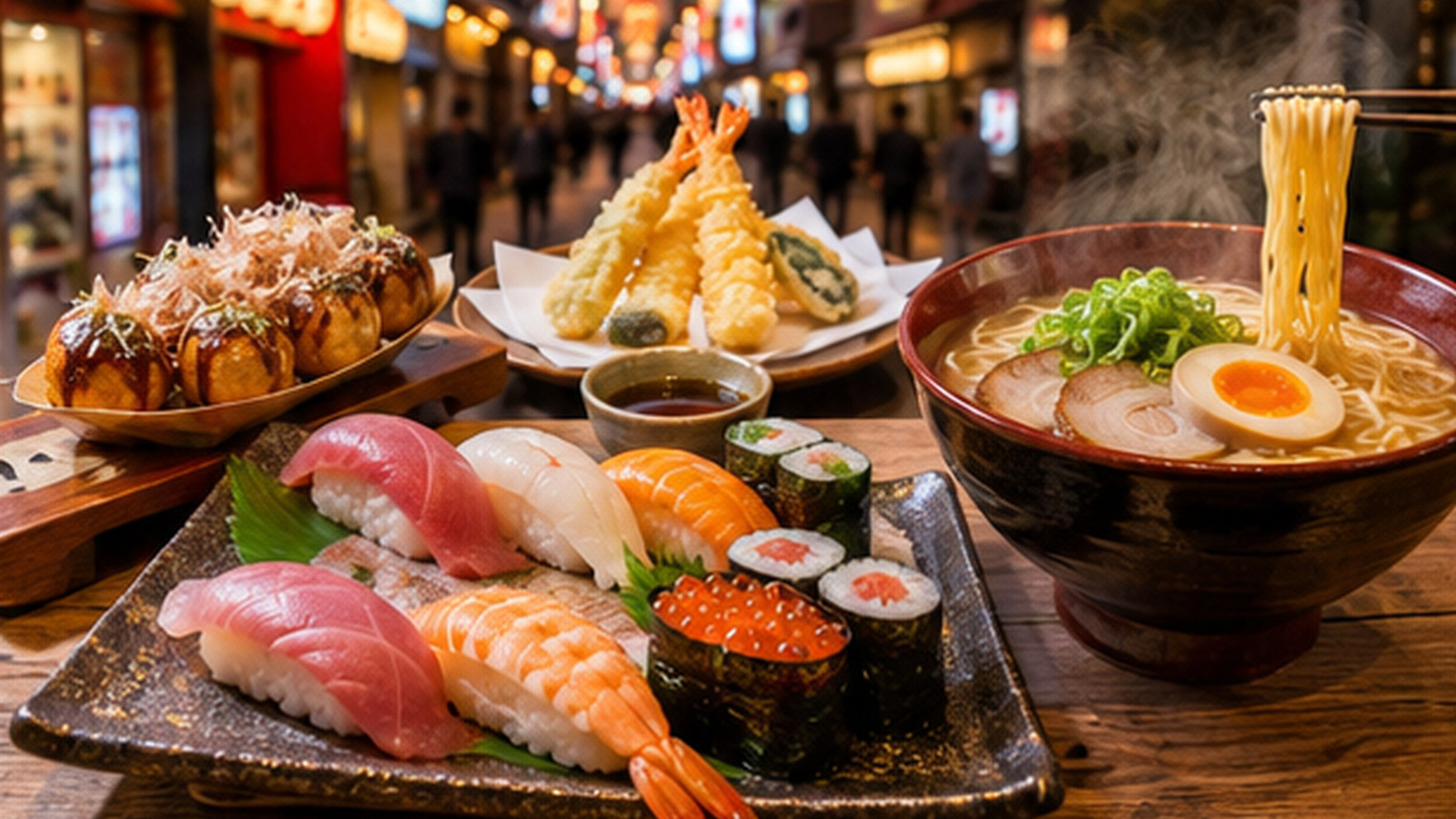
Sushi, ramen, tempura and street food in Dotonbori; even the convenience stores are a delight.
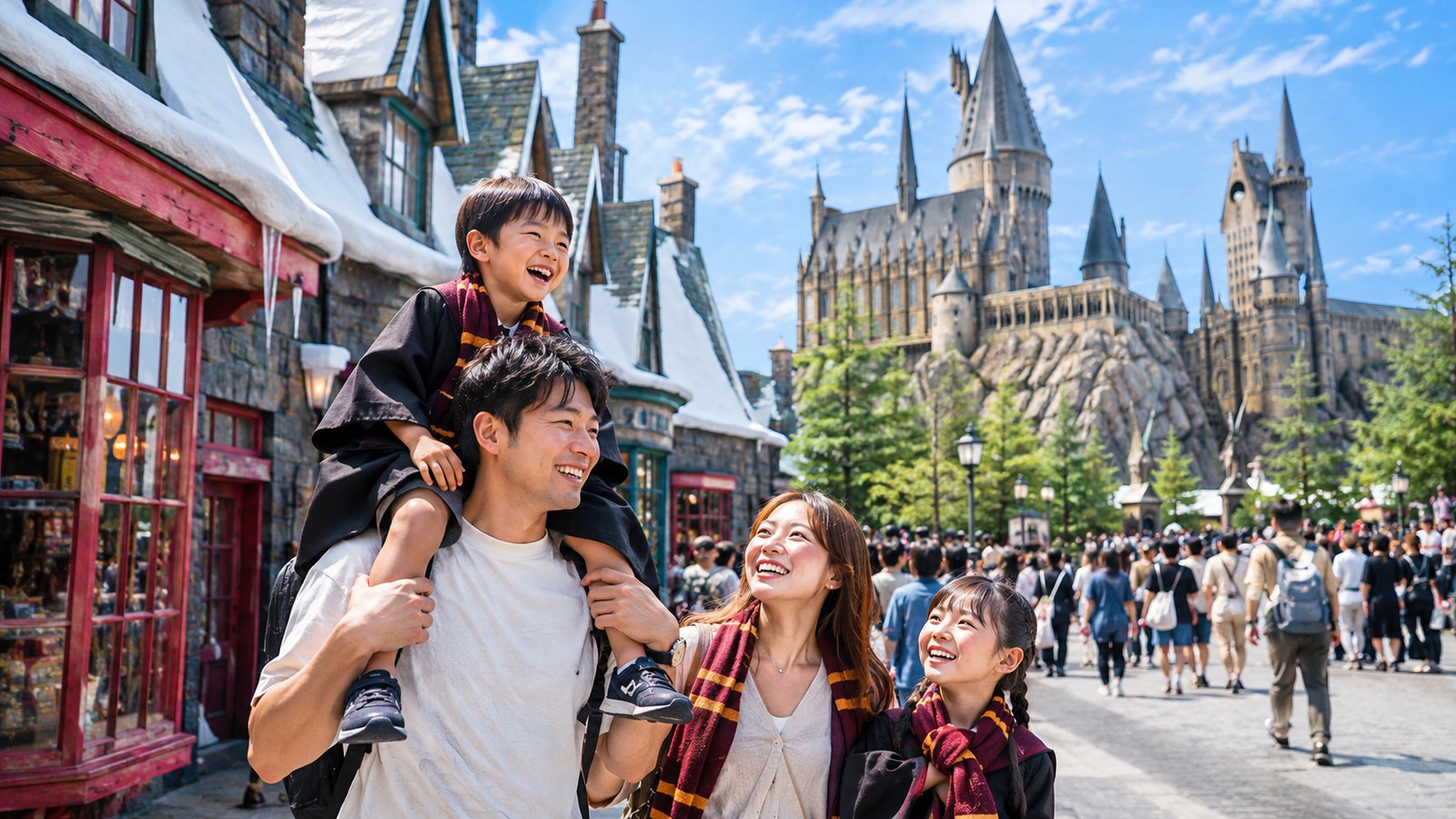
Universal Studios Japan (Osaka) and the Tokyo Disney parks for families.
Book tours & activities through our travel partners — see options. Bluebird Next may earn a commission from partner bookings at no extra cost to you (Affiliate Disclosure).
Japan is a premium Asian destination, but business hotels, IC-card local trains and cheap, excellent casual food keep it in check. Indicative per-person figures for an 8-day trip in 2026 (prices checked Nov 2026).
| Item | Typical cost (per person) |
|---|---|
| Return flights (ex-India) | ₹45,000 – ₹85,000 |
| Japan tourist visa | ~₹500 – ₹3,000 (low fee) |
| Rail (JR Pass or point-to-point) | ₹15,000 – ₹35,000 |
| Hotels (business/3★, per night, twin) | ₹7,000 – ₹14,000 |
| Attractions (teamLab, towers, parks) | ₹6,000 – ₹14,000 total |
| Food (ramen to sushi) | ₹1,800 – ₹4,000 / day |
| From | Typical return airfare |
|---|---|
| Delhi | ₹45,000 – ₹80,000 (direct/1-stop) |
| Mumbai | ₹48,000 – ₹85,000 (direct/1-stop) |
| Bengaluru | ₹50,000 – ₹88,000 (1-stop) |
| Kolkata | ₹46,000 – ₹82,000 (1-stop) |
| Chennai/Hyderabad | ₹48,000 – ₹86,000 (1-stop) |
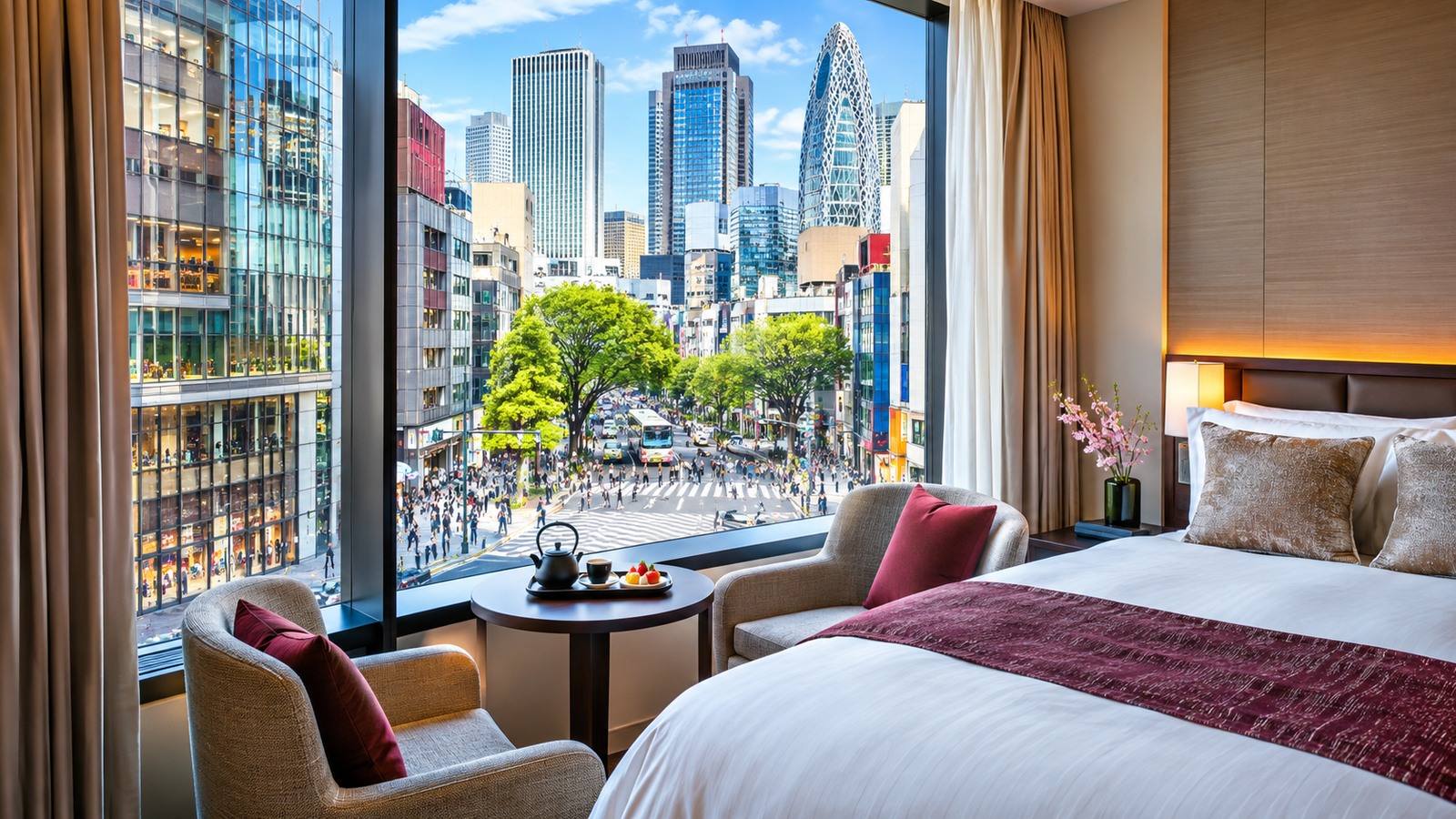
Central, on the JR Yamanote loop, with dining and nightlife at the door.
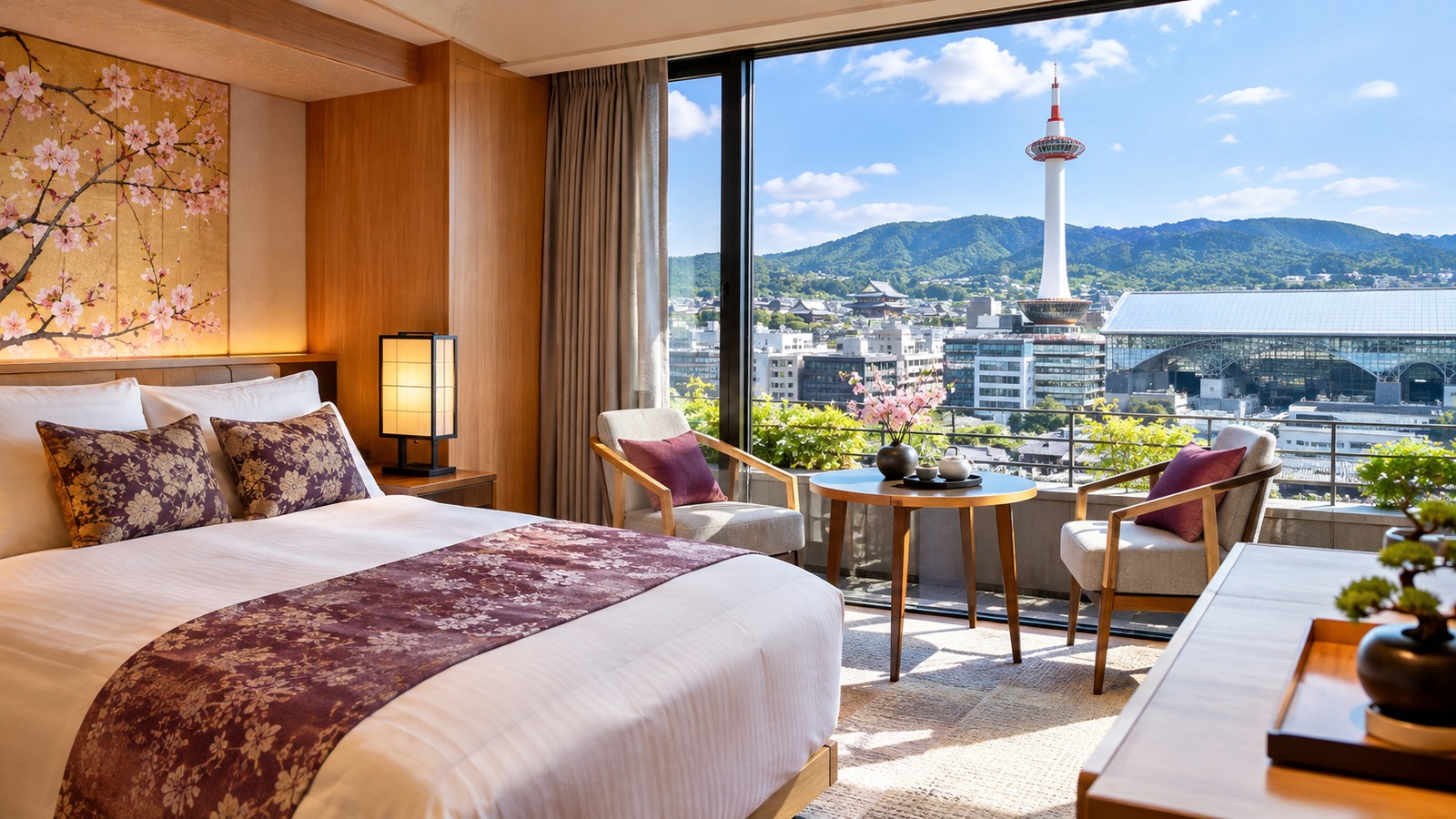
The best transport hub for temples and day trips to Nara and Osaka.
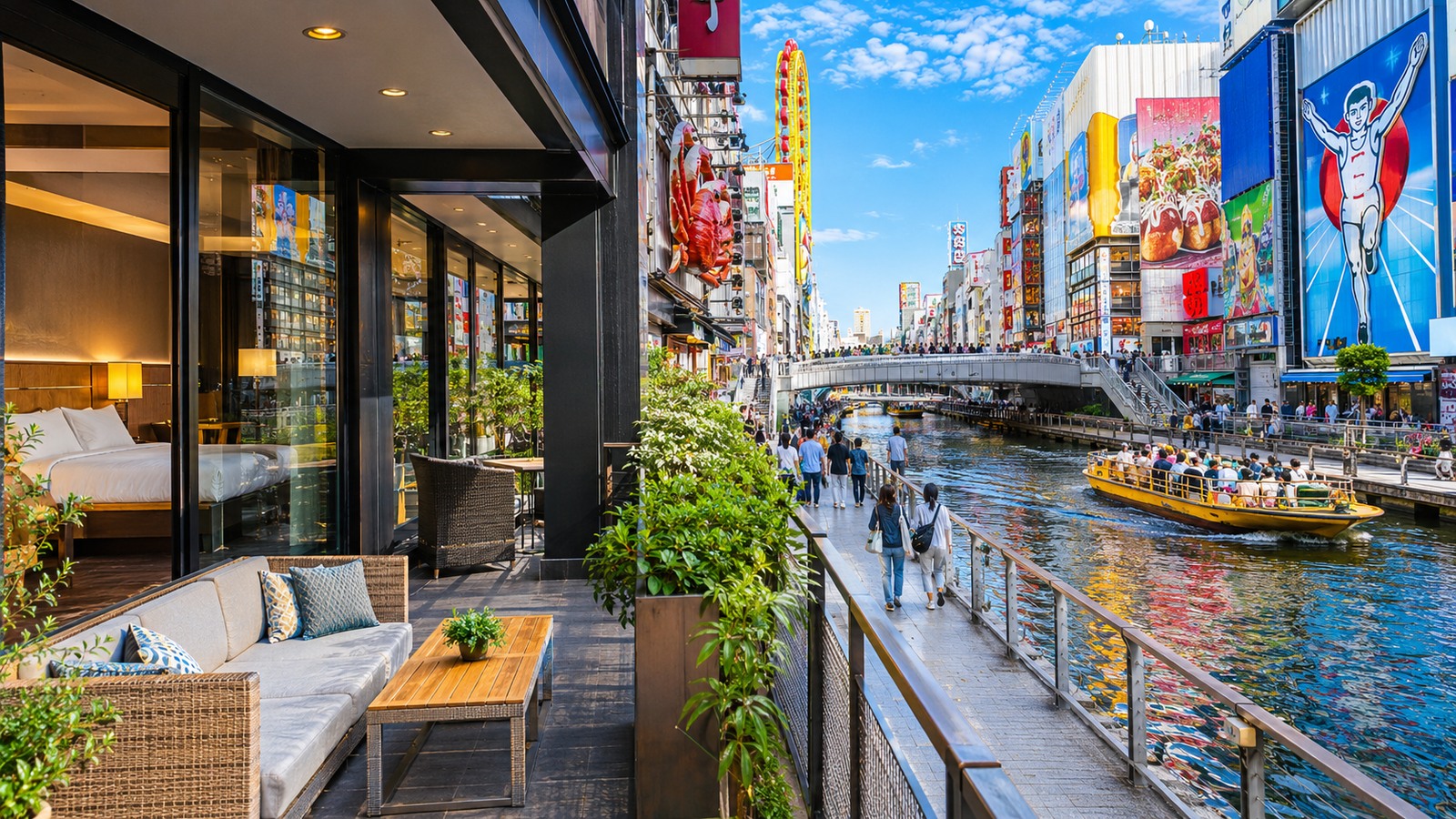
In the heart of the food and nightlife district.
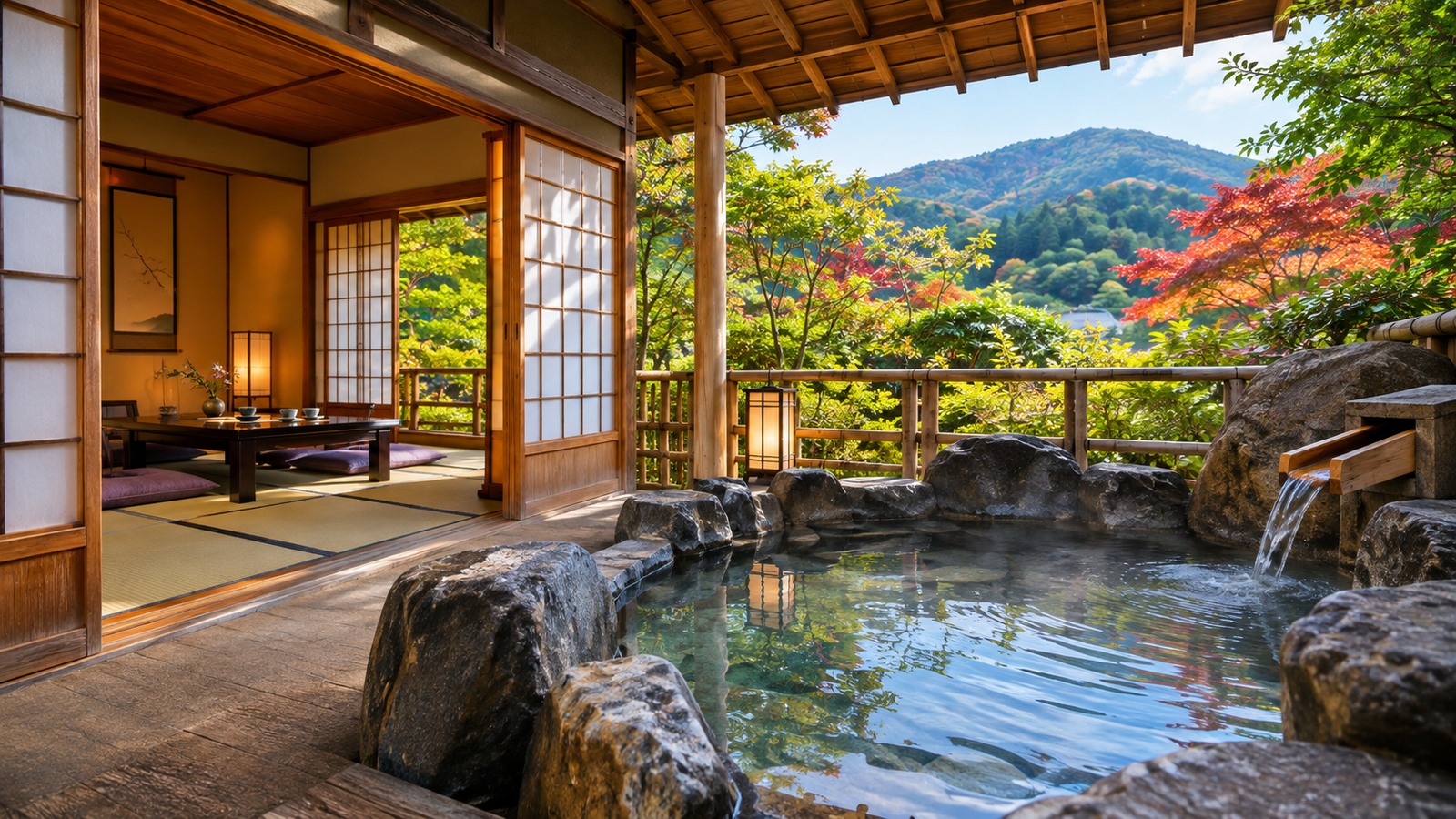
A traditional inn with tatami and an onsen in Hakone or Kyoto — a memorable splurge.
Japanese food is a world of its own — sushi, ramen, tempura, udon and exquisite street food, often cheap and astonishingly good even at casual counters and convenience stores.
Vegetarian takes planning because dashi (fish stock) is in many dishes. Rely on Buddhist shojin-ryori temple cuisine, Indian restaurants, vegetable tempura, inari sushi and clearly-marked veg spots, and carry a Japanese “no fish/meat/dashi” card. Jain travellers should lean on Indian eateries and specify no onion or garlic.
Indian restaurants are common in Tokyo, Kyoto and Osaka (often run by Indian or Nepali chefs) and are a reliable vegetarian option — typically ₹900–1,800 a meal.
Japan is still surprisingly cash-based — many small eateries, shrines and markets are cash-only, so carry yen. Cards and contactless work in hotels, department stores and chains; 7-Eleven and Japan Post ATMs reliably accept Indian cards. UPI is not accepted. ₹1 is about ¥1.8, so ¥1,000 is roughly ₹560.
Get a Suica or Pasmo IC card (or the mobile version) to tap onto local trains, subways, buses and even convenience stores — it is the single most useful thing you will buy. For long bullet-train hops, decide between a Japan Rail Pass and point-to-point tickets based on your exact route.
A Japan eSIM or a pocket Wi-Fi device is essential given the language gap. Download Google Maps (superb for trains), Google Translate (camera mode reads menus and signs) and a train app like Japan Travel by Navitime.
Japan uses 100V with the flat two-pin Type A socket — most Indian chargers fit, but check your devices handle 100V and carry an adapter. Dress for the season: layers for cool spring/autumn, light clothing for humid summer, and warm gear for winter.
Tipping is not done and can offend. Be quiet and orderly on trains, do not eat while walking, queue neatly, carry your rubbish until you find a bin, and cover or check tattoos before onsen (hot springs). Politeness is deeply valued.
The Shinkansen and dense city rail are punctual to the second. Decide between a Japan Rail Pass and point-to-point tickets for your route, and get a Suica/Pasmo IC card for local trains.
Use Google Maps for train routes; stations are huge but well-signed in English, and translation apps bridge the language gap.
Narita/Haneda and Kansai connect to the cities by express trains; buy an IC card or activate your pass on arrival.
Japan is among the safest countries in the world — crime against tourists is very rare and lost items are routinely returned, so solo and women travellers are very comfortable. The real considerations are natural (earthquakes and typhoons — follow local guidance and hotel instructions) and the language barrier. A translation app and standard travel insurance cover most needs.
❌ Myth: Japan is impossibly expensive.
✅ Fact: Flights, rail and sakura-season hotels cost more, but business hotels, IC-card local trains and ₹300–800 ramen, sushi and convenience-store meals keep daily spending reasonable. Travel off-peak to save a lot.
❌ Myth: You cannot manage without Japanese.
✅ Fact: Signs and stations are well marked in English, and Google Translate’s camera reads menus and signs. A little politeness and a translation app go a long way.
❌ Myth: Vegetarians cannot eat in Japan.
✅ Fact: It takes planning (dashi fish stock is common), but shojin temple cuisine, Indian restaurants, vegetable tempura and marked veg options make it manageable — carry a dietary card.
❌ Myth: The Japan Rail Pass is always worth it.
✅ Fact: Not since the price rose. For a short Tokyo–Kyoto–Osaka loop, point-to-point tickets are often cheaper; the pass pays off on longer routes with several bullet-train rides.
❌ Myth: Japan is only worth it in cherry-blossom season.
✅ Fact: Autumn foliage rivals spring, winter brings clear Fuji views and skiing, and May and November are superb with fewer crowds and lower prices.
Yes — a short-term tourist visa, applied before travel through VFS or the embassy, with a Japan eVisa available for eligible applicants. The fee is low and processing is usually about 5–7 working days; you submit an itinerary, flight and hotel bookings, and proof of funds. Bluebird Next can guide and file it.
An 8-day trip is roughly ₹1,50,000–₹2,50,000 per person including flights, rail and hotels, and about ₹3,00,000–₹4,80,000 for a couple. Off-peak travel, business hotels and casual food bring it down.
Seven to nine days for a first trip — Tokyo, a Fuji/Hakone day trip, Kyoto and Nara/Osaka. Six days works for just Tokyo and Kyoto; add days for Hiroshima and the west.
It depends on your route and the current price. Since the pass rose in cost, it mainly pays off with several long Shinkansen rides (e.g. Tokyo–Kyoto–Hiroshima). For a short Tokyo–Kyoto–Osaka loop, compare it against point-to-point tickets — often cheaper.
Usually late March to early April in Tokyo and Kyoto, though it shifts yearly with the weather. Book flights, hotels and your visa months ahead — it is the busiest, priciest season.
UPI is not accepted. Cards and contactless work in hotels, chains and department stores, but Japan is still cash-heavy, so carry yen for small eateries, shrines and markets; 7-Eleven and Japan Post ATMs accept Indian cards.
It takes planning because fish stock (dashi) is widespread, but temple shojin cuisine, Indian restaurants, vegetable tempura and marked veg options make it manageable. Carry a Japanese dietary card; Jain travellers should lean on Indian eateries.
Spring (late March–April) for cherry blossoms and autumn (November) for foliage are the magical, busy windows; May and early summer are pleasant with fewer crowds; winter offers clear Fuji views and skiing.
Exceptionally — it is among the safest countries in the world, with very low crime and a strong culture of honesty. The main considerations are natural events (earthquakes, typhoons) and the language gap.
By train — the Shinkansen for long hops and dense, punctual city rail for everything else. Buy a Suica or Pasmo IC card to tap onto local trains and buses, and use Google Maps for routing.
Recommended. Healthcare is excellent but expensive for visitors, and insurance also covers trip delays, cancellations and natural-event disruptions.
Sources: Japan National Tourism Organization (JNTO) · MOFA Japan — visa information · Japan Rail Pass (official)
A licensed team that has guided thousands of Indians to their visas and admissions.
 Jitender SinghFounder & Managing Director
 Vikram SinghHead – Quality & Operations
 SanjayHead – Tourist Visa Operations
 TejaswaniHead – Counselling Team
 MahimaHead – Visa Filing & Processing
 Pratigya DuttaHead – Student Visa Processing
Free, no-pressure guidance from a real counsellor who handles your case end to end — from documents to decision.