
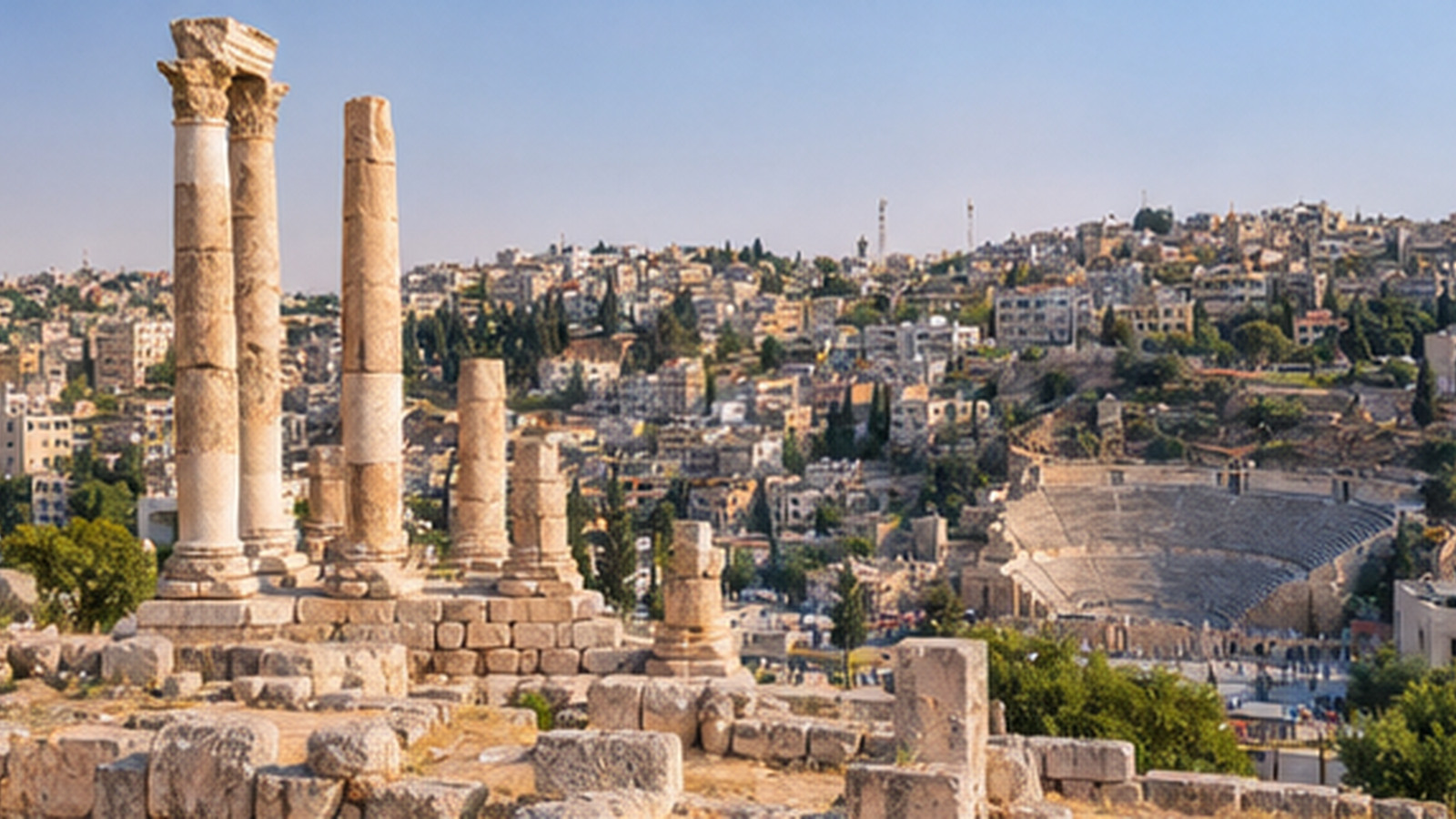
The hilly capital — the Citadel, Roman Theatre, lively cafes and mezze, and the gateway to the country.
The rose-red city of Petra, the martian dunes of Wadi Rum, a float in the Dead Sea and Roman ruins — Jordan packs the Middle East’s greatest hits into one safe, friendly trip.
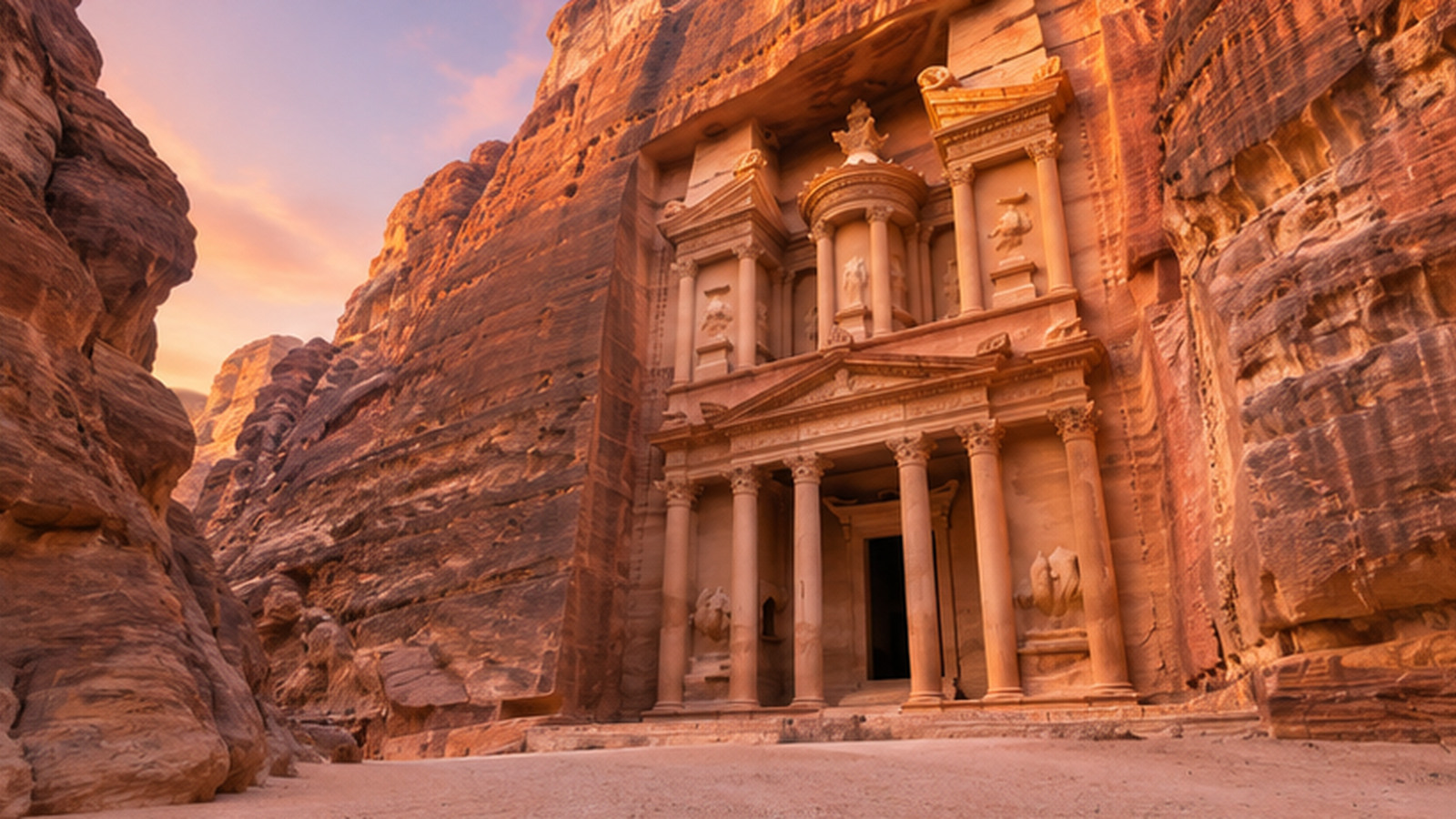
Jordan packs an astonishing amount of wonder into a small, safe and welcoming country — the rose-red rock city of Petra, the martian desert of Wadi Rum, the buoyant waters of the Dead Sea, grand Roman ruins and some of the Middle East’s warmest hospitality. For Indian travellers it is an easy, rewarding introduction to the region, and the clever Jordan Pass can bundle your visa and Petra entry together.
Walk the narrow Siq to Petra’s Treasury, ride a 4x4 or sleep under the stars in Wadi Rum’s red dunes, float effortlessly in the mineral-rich Dead Sea at the lowest point on Earth, and explore the columns of Jerash, one of the best-preserved Roman cities anywhere. Amman adds citadels, cafes and mezze, while the Red Sea at Aqaba offers diving. It is history, desert and relaxation in one tidy loop.
This guide is written for Indian travellers: the real cost in rupees, exactly how the visa and money-saving Jordan Pass work, where vegetarians and Jain travellers eat, how to see Petra and Wadi Rum properly, and a route through the highlights.
Jordan suits Indians who want bucket-list sights — Petra and Wadi Rum — in a compact, safe and friendly country with excellent, vegetarian-friendly food. The Jordan Pass simplifies the visa and site entries, distances are short, and it works for couples, families, history lovers and first-time Middle East travellers.
💡 From our visa desk: Buy the Jordan Pass before you travel — if you stay 2+ nights (3 days) it waives the tourist-visa fee and covers Petra and 40+ sites, usually saving money. Give Petra a full day (two to do it justice) and add a night in a Wadi Rum desert camp. The short distances make a 6–7 day loop from Amman easy. Spring and autumn are the most comfortable.
Tourist visa required for Indians — a visa on arrival is available, and the Jordan Pass can waive the visa fee for stays of 2+ nights (3 days).
Indian passport holders need a tourist visa for Jordan. A visa on arrival is available at Queen Alia (Amman) airport and most entry points; alternatively, buying the Jordan Pass online before travel waives the single-entry tourist-visa fee if you stay at least two nights (three days), and includes entry to Petra and dozens of attractions. Carry a passport valid six months, a return ticket and proof of funds.
Check your Jordan entry requirement →March–May and September–November are best — warm, comfortable days for Petra, Wadi Rum and the ruins. Summer is very hot in the desert; winter is cool with occasional rain or snow in Petra. See the month table.
| Season | What it's like & who it suits |
|---|---|
| Mar–May | Spring — mild, green and ideal for Petra, Wadi Rum and sightseeing; popular. |
| Sep–Nov | Autumn — warm days and cooler nights, excellent all round. Peak comfort. |
| Dec–Feb | Cool, with chilly desert nights and occasional rain or snow at Petra; quieter and cheaper. |
| Month | Weather & what’s on (incl. Indian holiday windows) |
|---|---|
| March–May | Spring — mild, often green after winter rains, with comfortable days for Petra, Wadi Rum and Jerash. A top window; book ahead around Easter. |
| June–August | Hot and dry, intense in the desert and at the Dead Sea (which sits below sea level); start early, and enjoy Aqaba’s Red Sea. |
| September–October | Warm, clear and ideal — perhaps the best all-round time for the whole loop, with cooler evenings. |
| November | Pleasant and cooler, with thinner crowds and good value before winter. |
| December–February | Cool to cold, with chilly desert nights and occasional rain or even snow at Petra; atmospheric, quiet and cheaper — pack warm layers. |
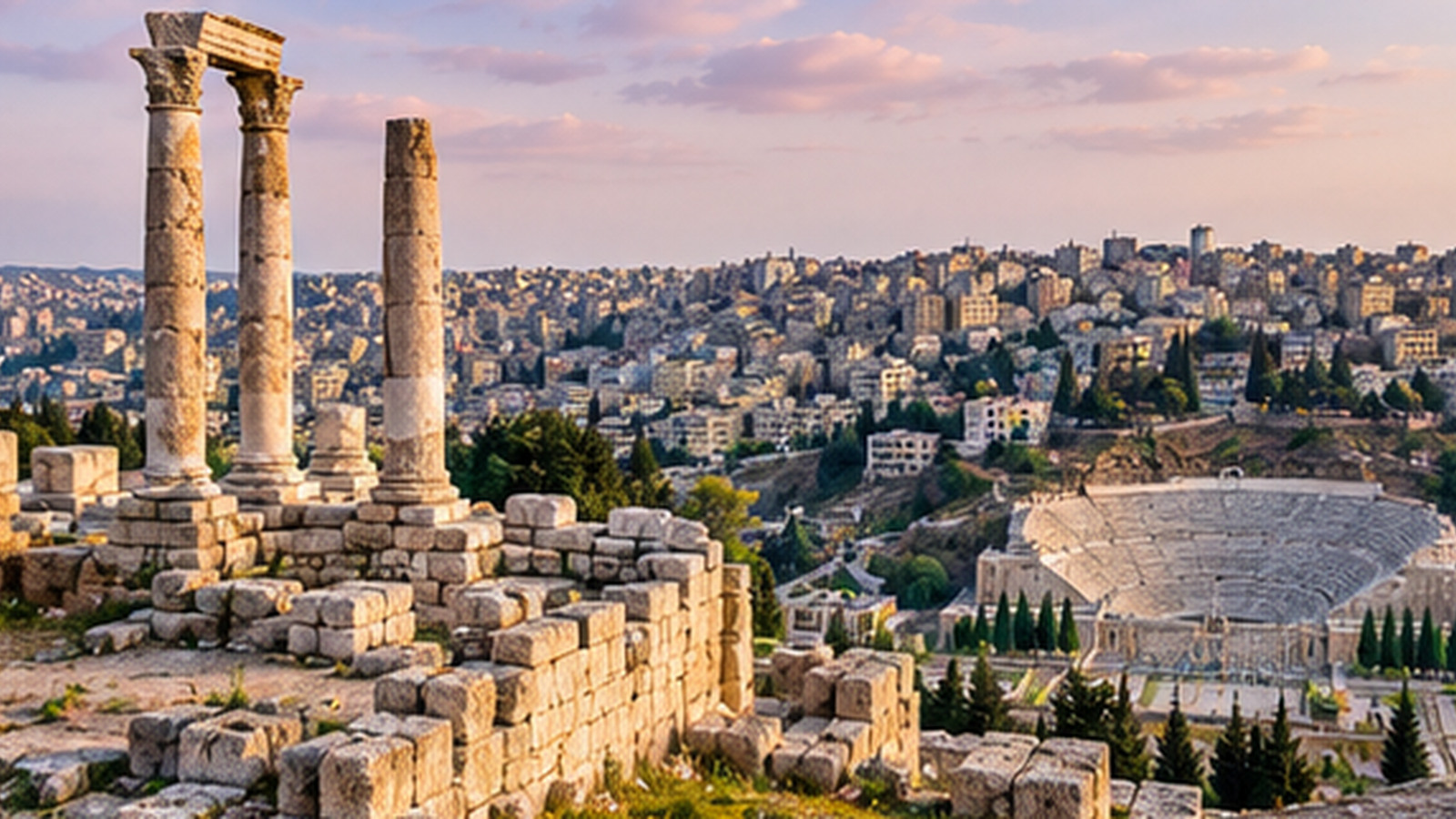
The hilly capital — the Citadel, Roman Theatre, lively cafes and mezze, and the gateway to the country.
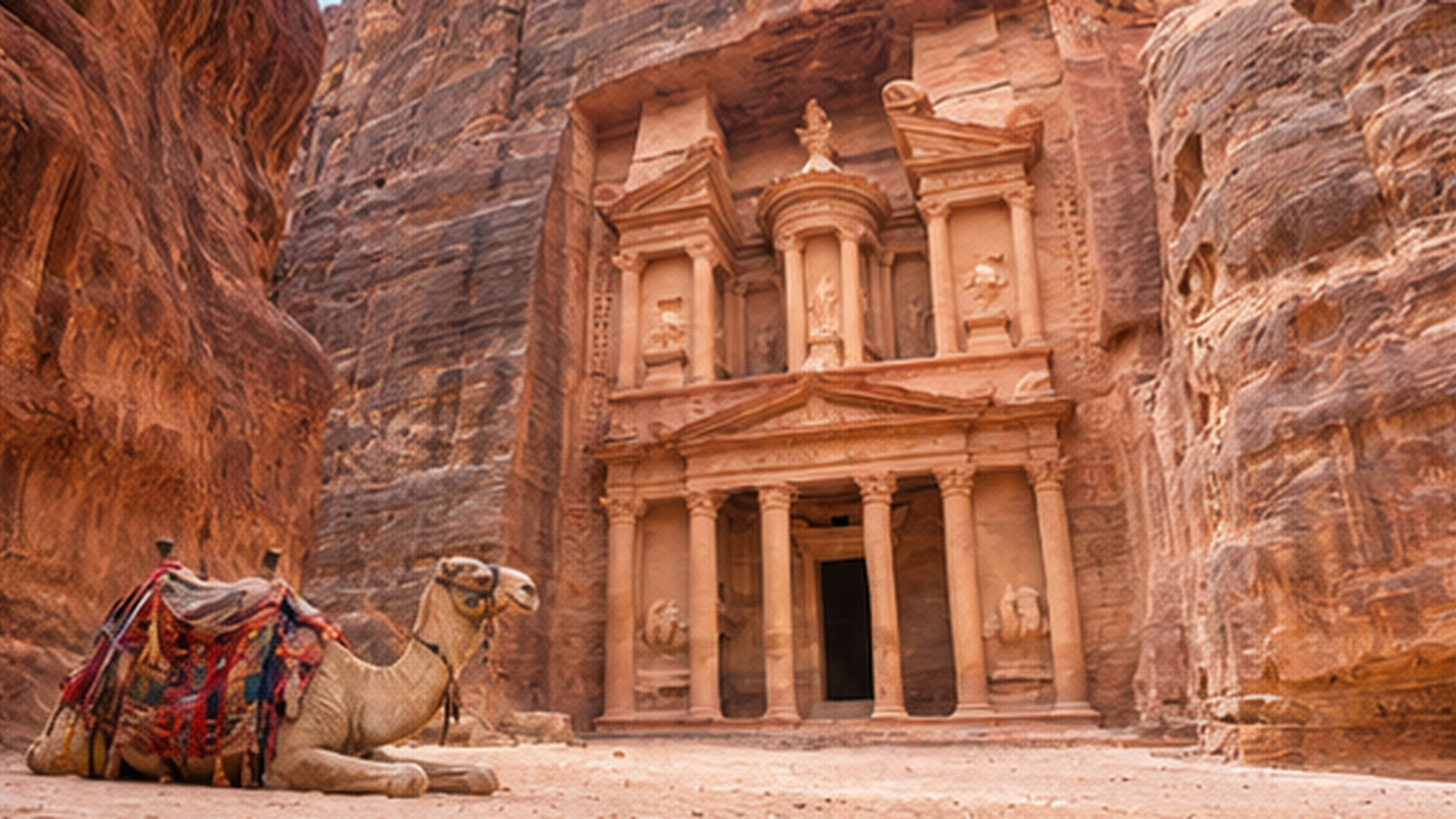
The rose-red Nabataean city and Jordan’s crown jewel; Wadi Musa is the base town.
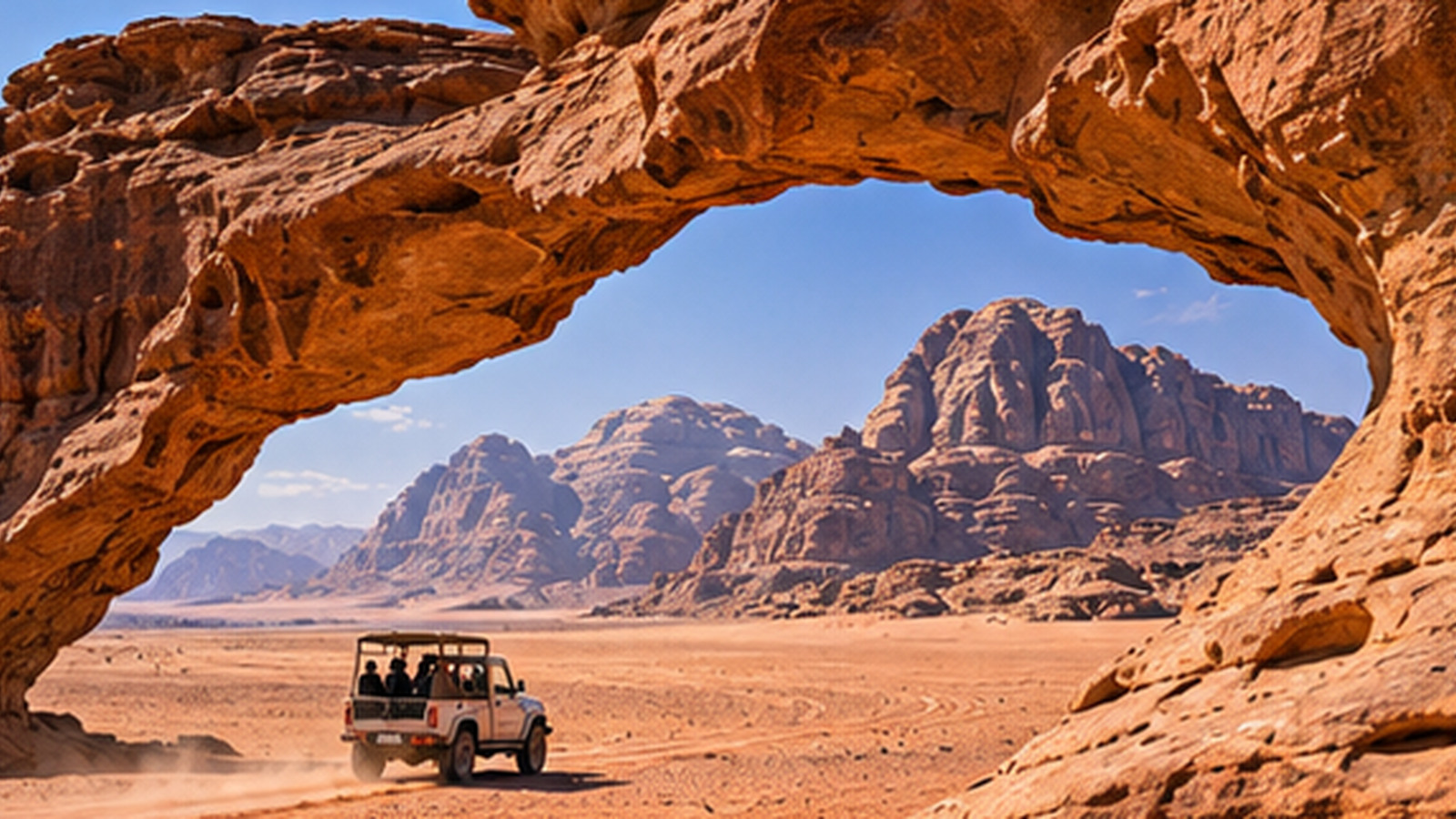
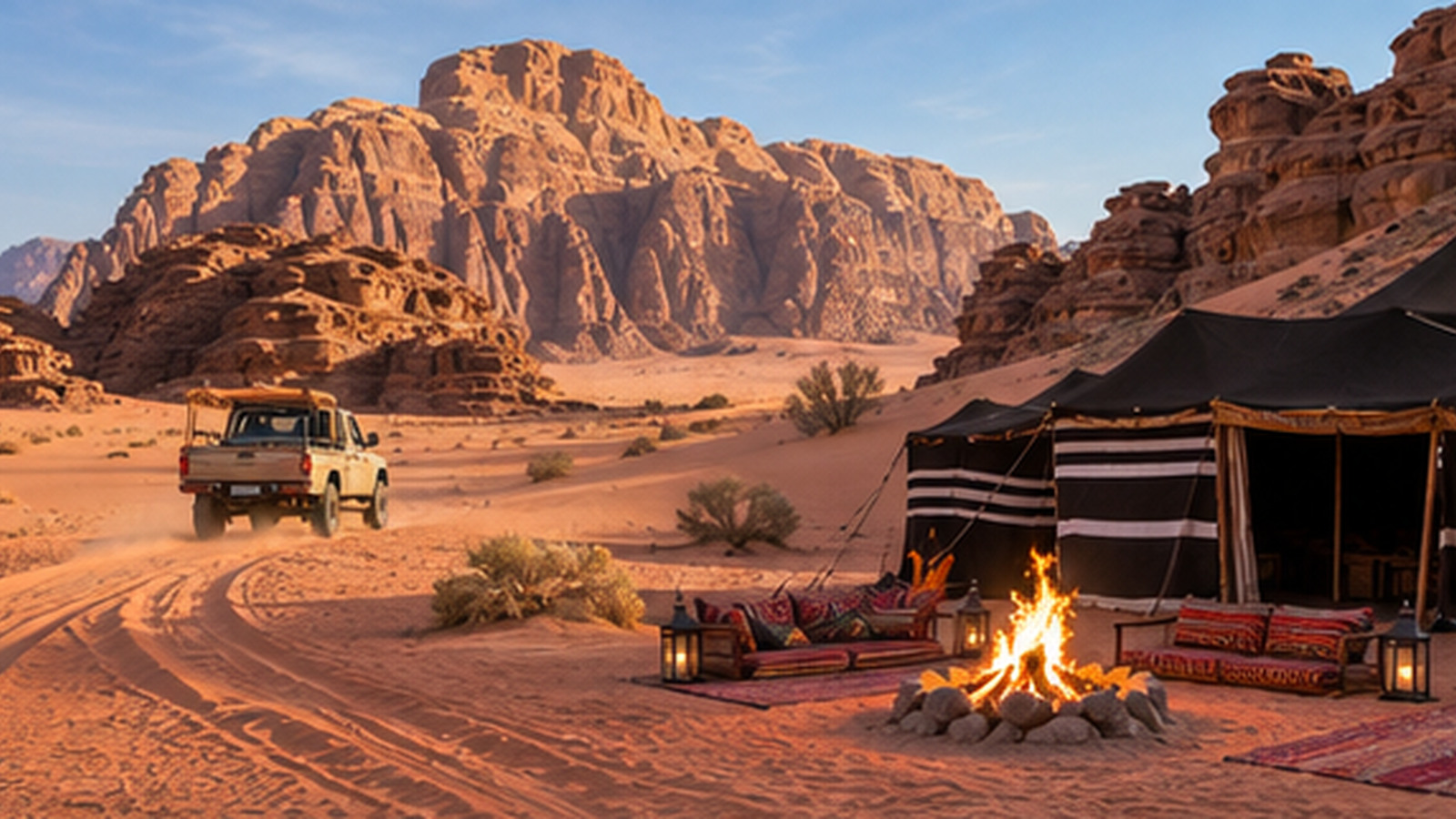
A vast red desert of dunes and rock arches — 4x4 tours, camel rides and star camps.
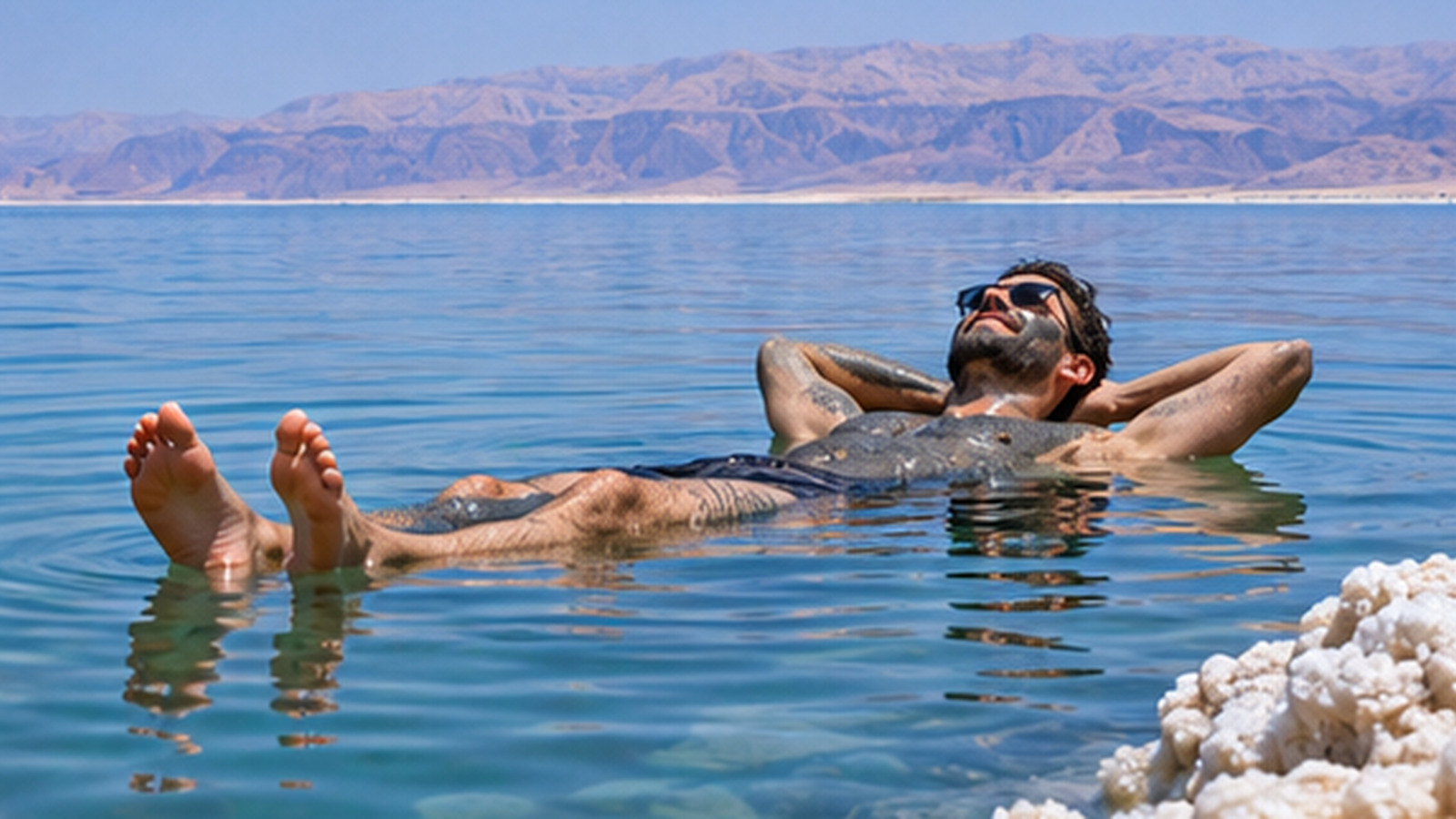
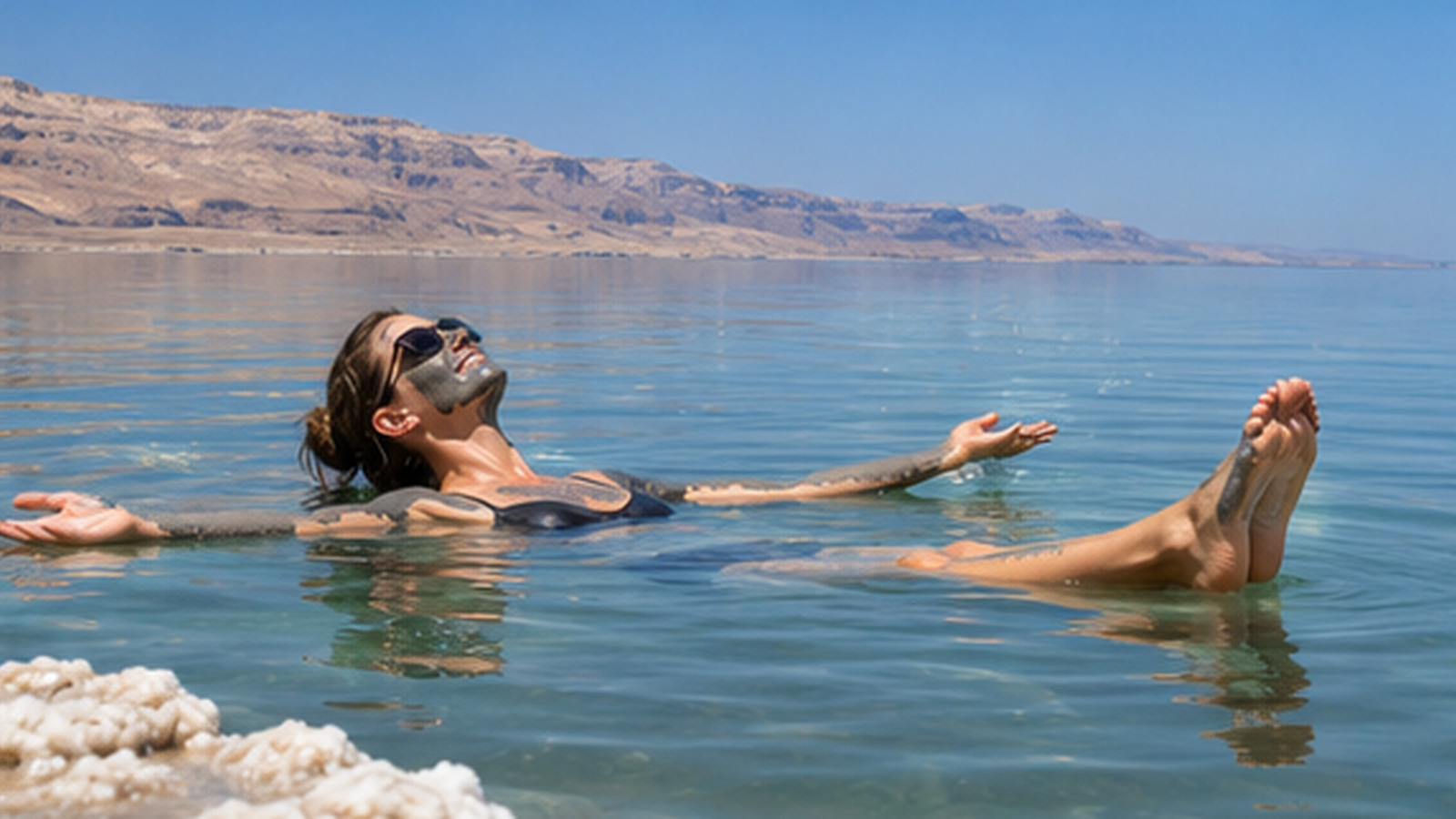
The lowest point on Earth, where you float effortlessly and slather on mineral mud.
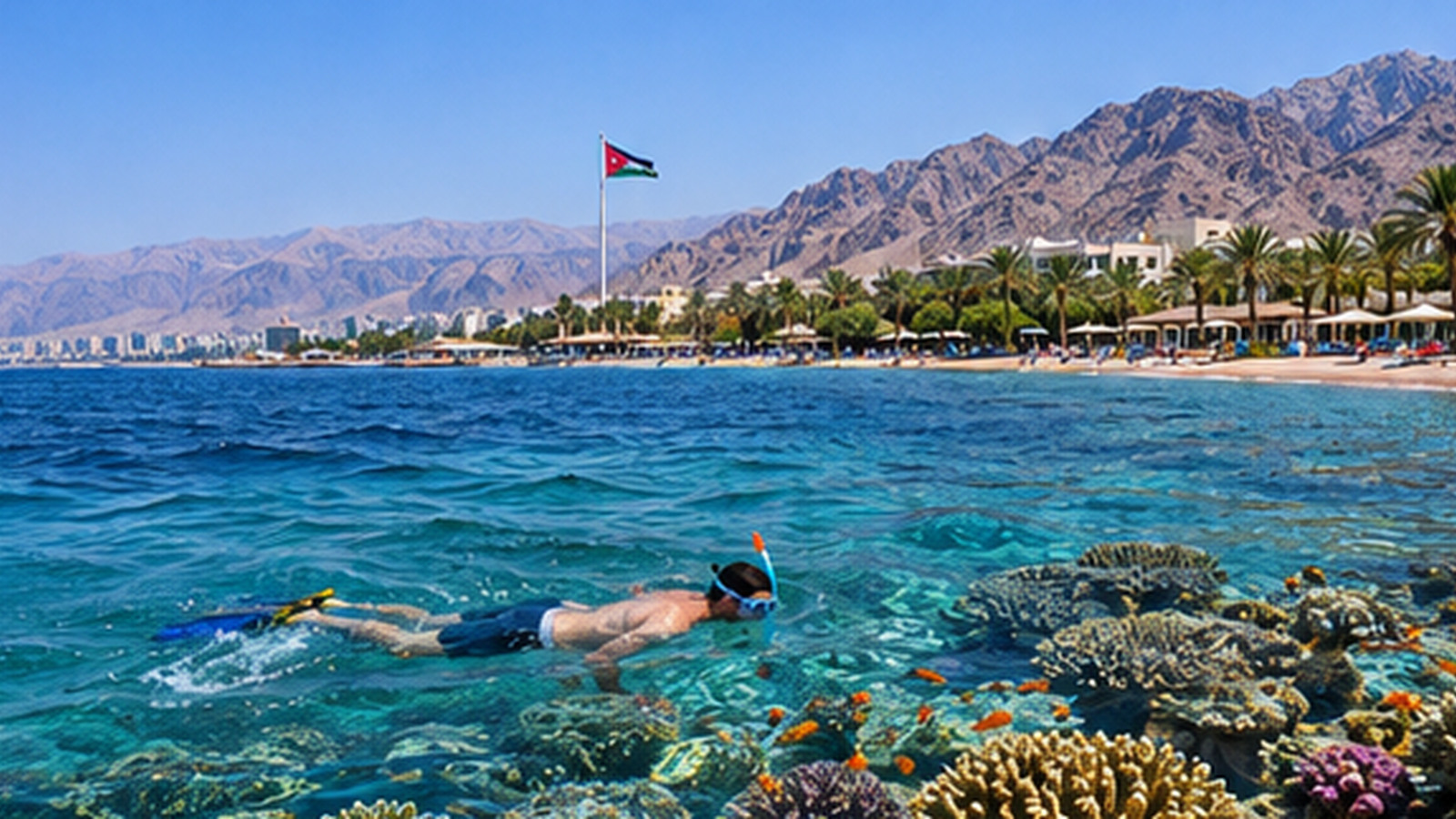
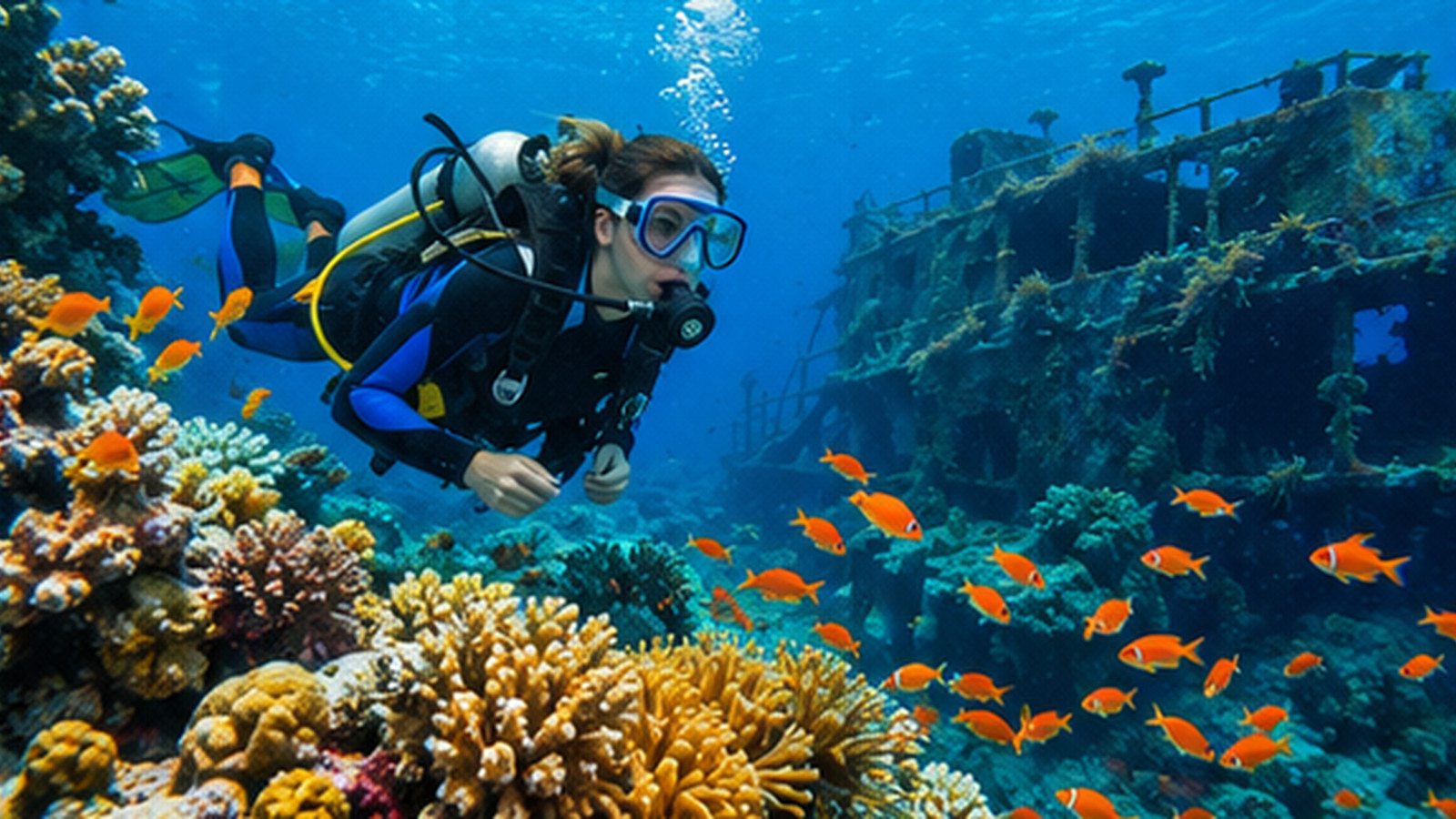
The Red Sea resort town for diving, snorkelling and beaches.
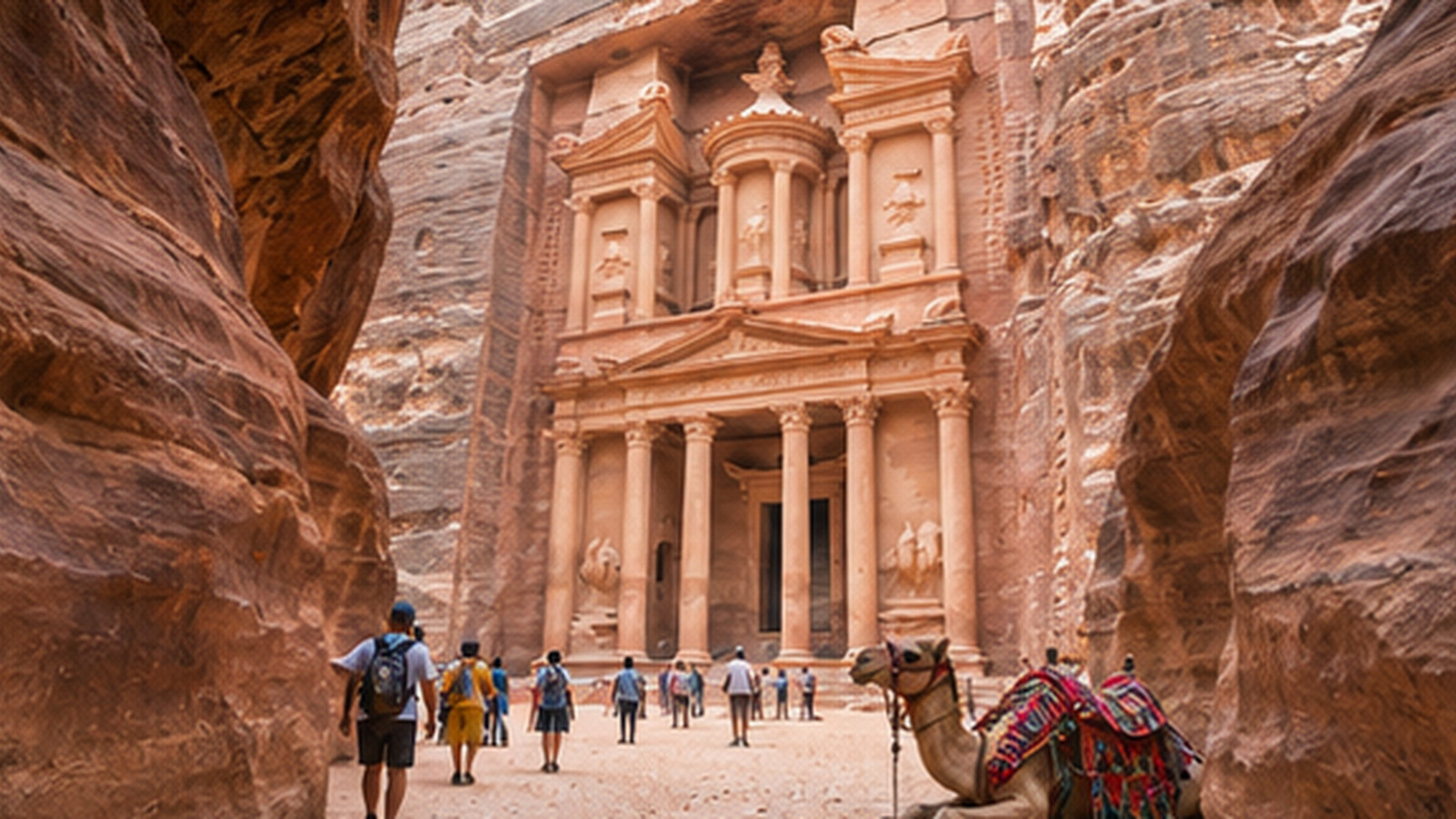
Walk the narrow Siq to the iconic Treasury facade, then explore tombs, a monastery and a vast rock city.
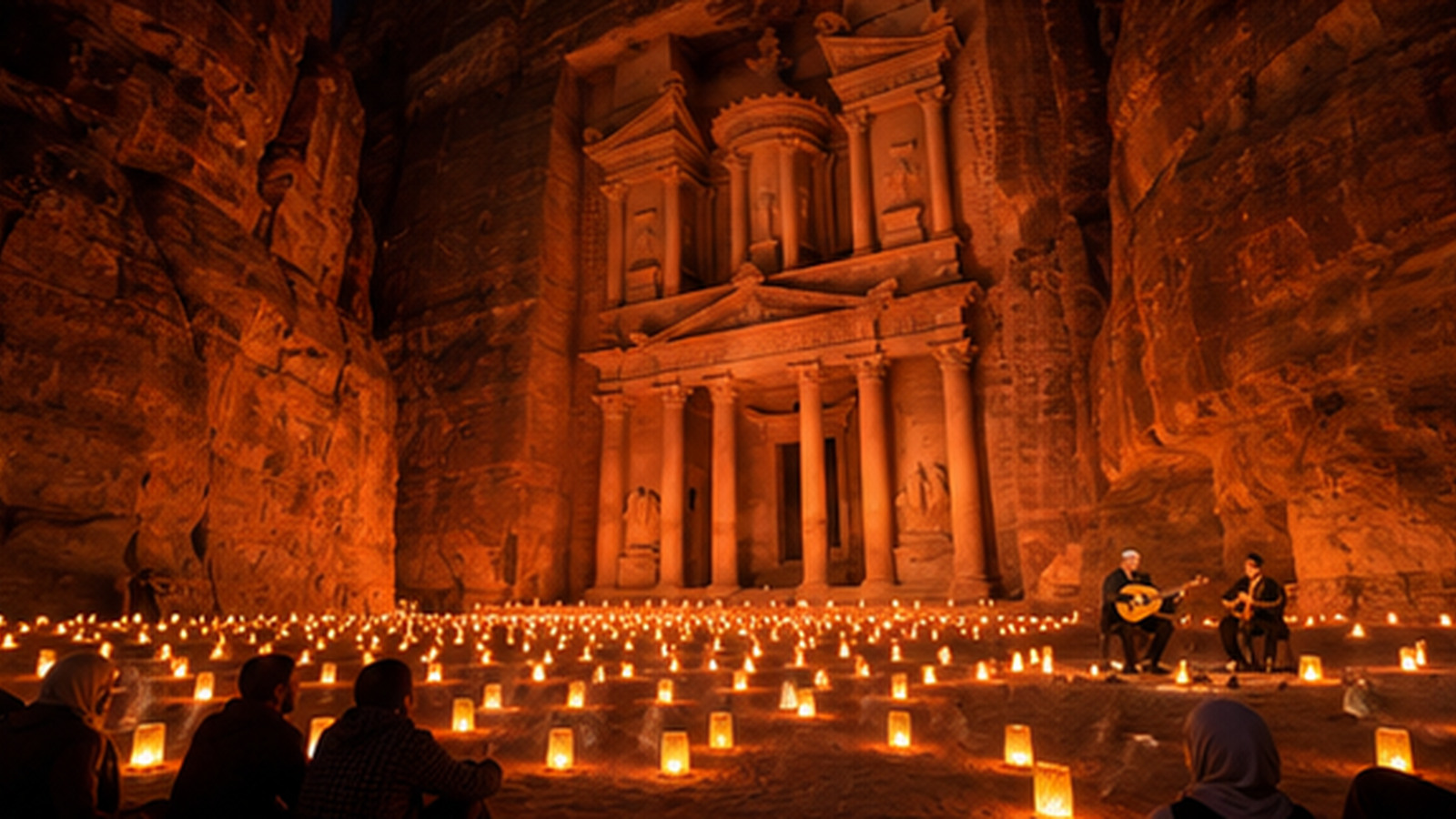
Mars-like dunes, rock bridges and Bedouin camps under brilliant stars.
Float on the ultra-salty water and coat yourself in therapeutic mud.
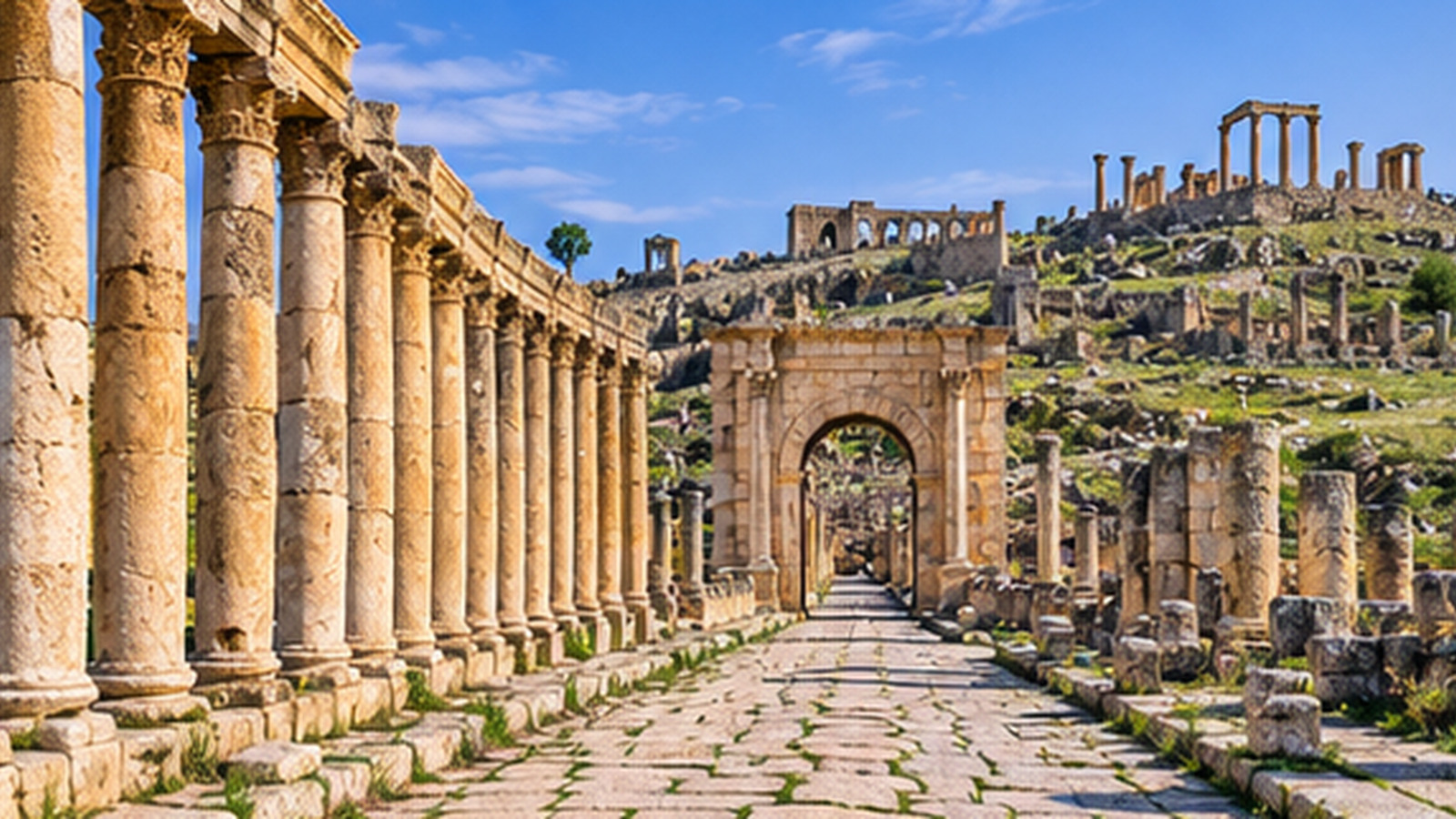
One of the best-preserved Roman provincial cities, with colonnaded streets and temples.
Ancient ruins and sweeping city views in the capital.
The biblical viewpoint over the Holy Land and Madaba’s famous mosaic map.
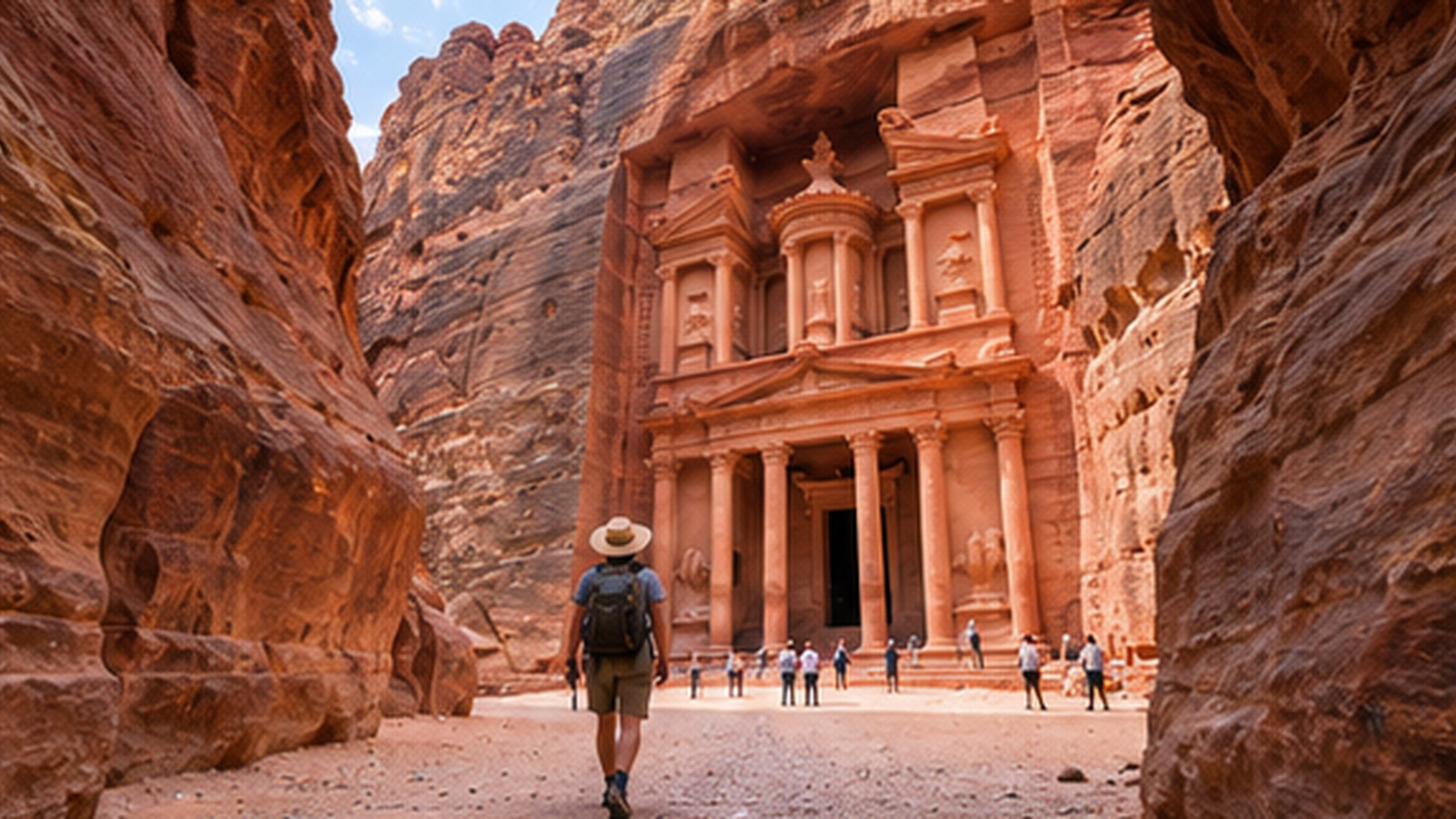
A full day (or two) exploring the rose-red city.
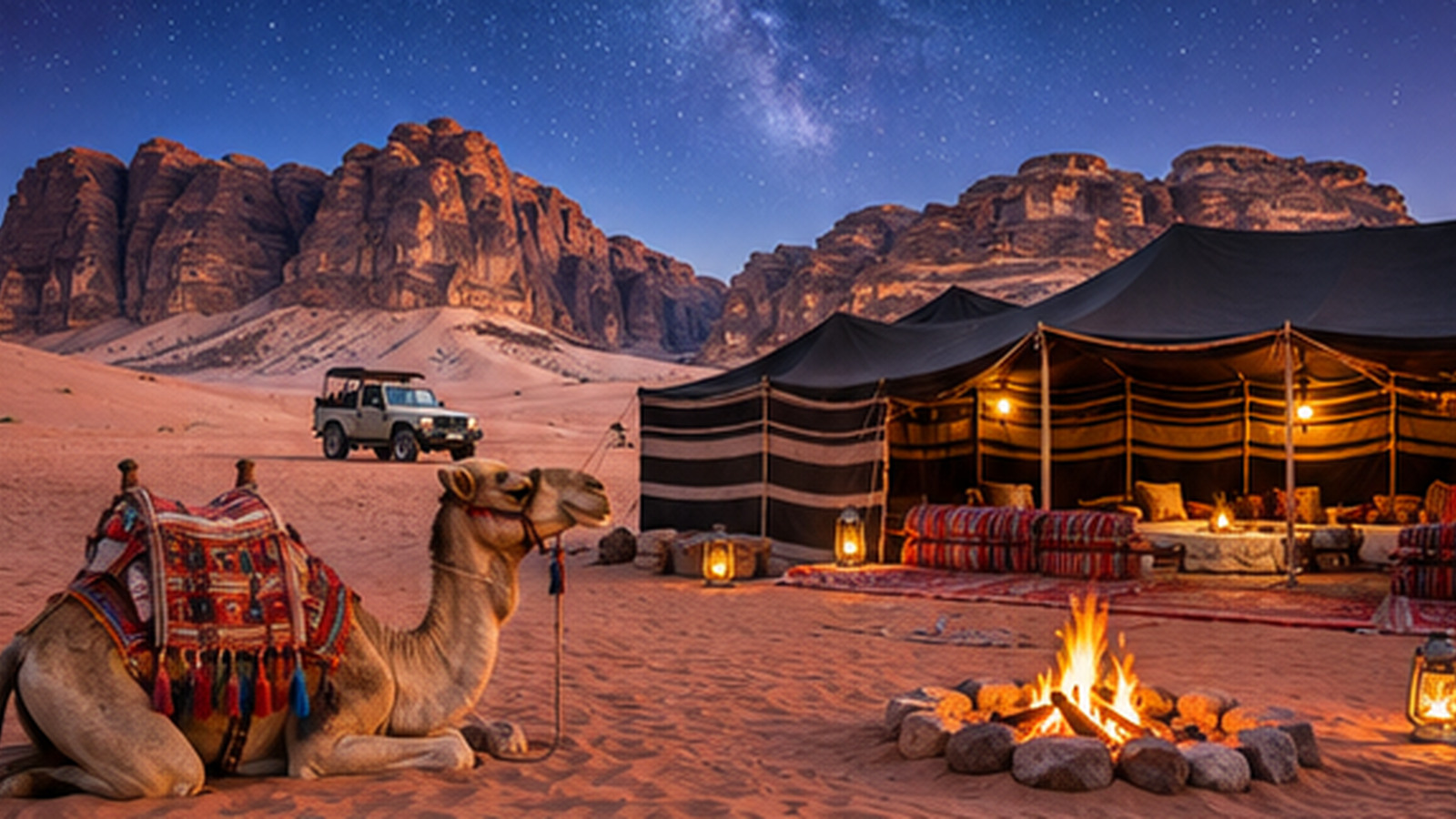
4x4 tours, camel rides and star camping.
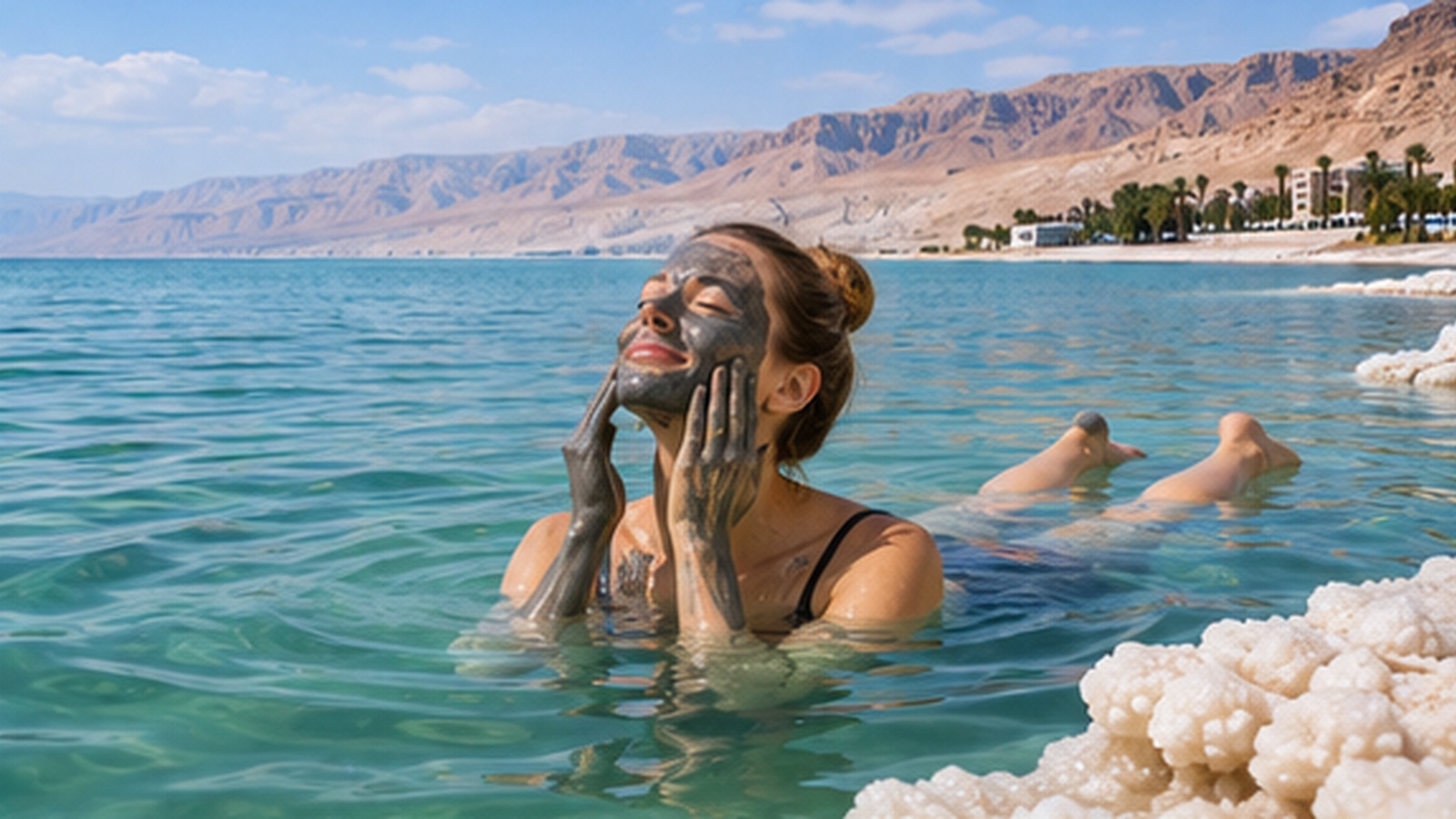
Floating, mud and spa resorts at Earth’s lowest point.
Jerash and the Amman Citadel and Theatre.
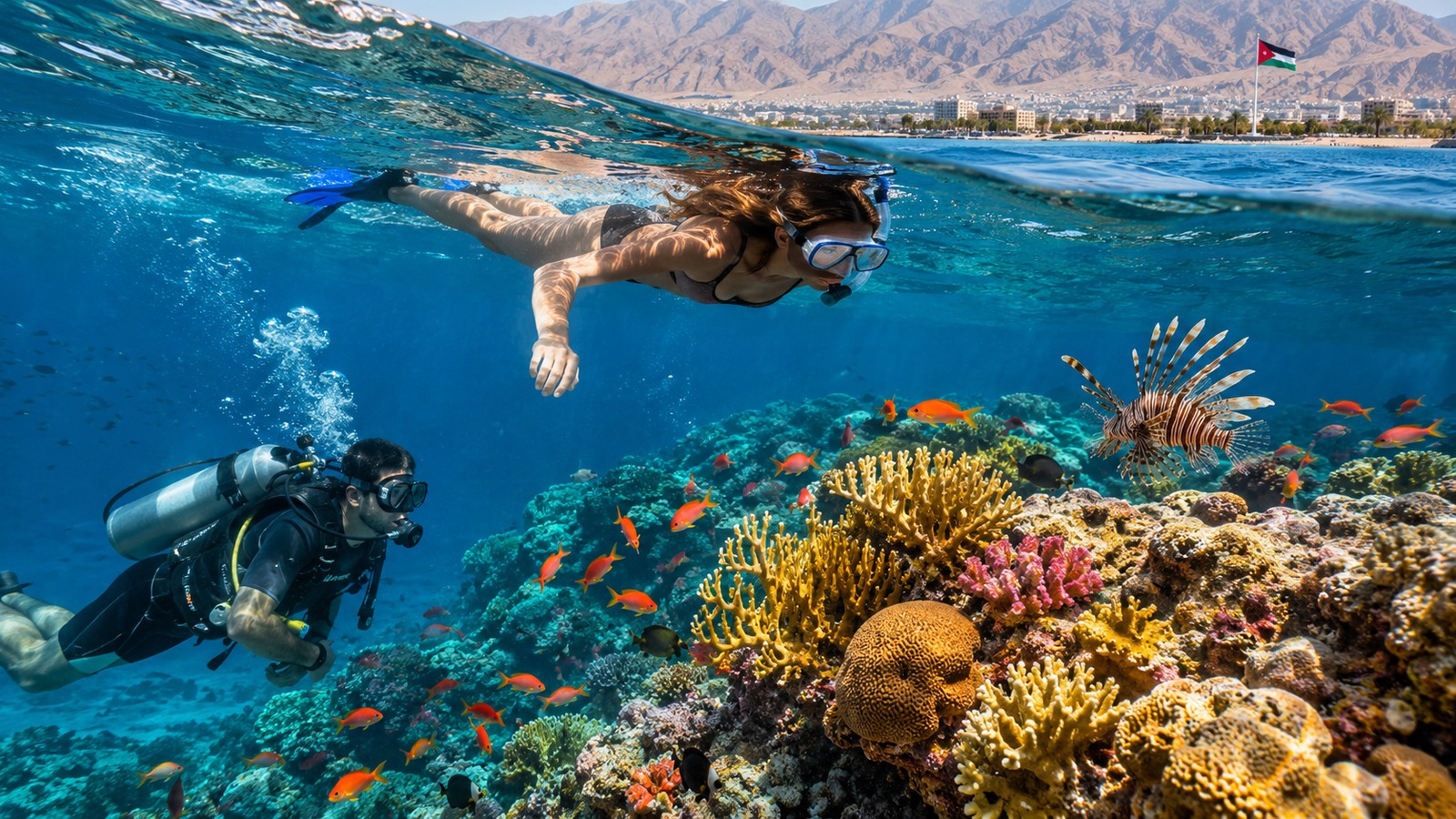
Snorkelling and diving at Aqaba.
Book tours & activities through our travel partners — see options. Bluebird Next may earn a commission from partner bookings at no extra cost to you (Affiliate Disclosure).
Jordan is more premium than some neighbours (Petra entry and the dinar are not cheap), but the Jordan Pass bundles the visa and sites to save money. Indicative per-person figures for a 6-day trip in 2026 (prices checked Nov 2026).
| Item | Typical cost (per person) |
|---|---|
| Return flights (ex-India) | ₹35,000 – ₹60,000 |
| Jordan Pass (visa + Petra + 40 sites) | ₹8,000 – ₹10,000 |
| Hotels (3★, per night, twin) | ₹4,000 – ₹9,000 |
| Wadi Rum camp (per night) | ₹4,000 – ₹10,000 |
| Car hire / driver (per day) | ₹4,000 – ₹8,000 |
| Food | ₹1,500 – ₹3,000 / day |
| From | Typical return airfare |
|---|---|
| Delhi | ₹35,000 – ₹58,000 (direct/1-stop, ~5–8 hrs) |
| Mumbai | ₹35,000 – ₹58,000 (direct/1-stop) |
| Bengaluru | ₹38,000 – ₹60,000 (1-stop) |
| Kochi/Hyderabad | ₹36,000 – ₹58,000 (1-stop via Gulf) |
| Kolkata/Chennai | ₹38,000 – ₹62,000 (1-stop) |

The capital base for Jerash, the Citadel and onward travel.
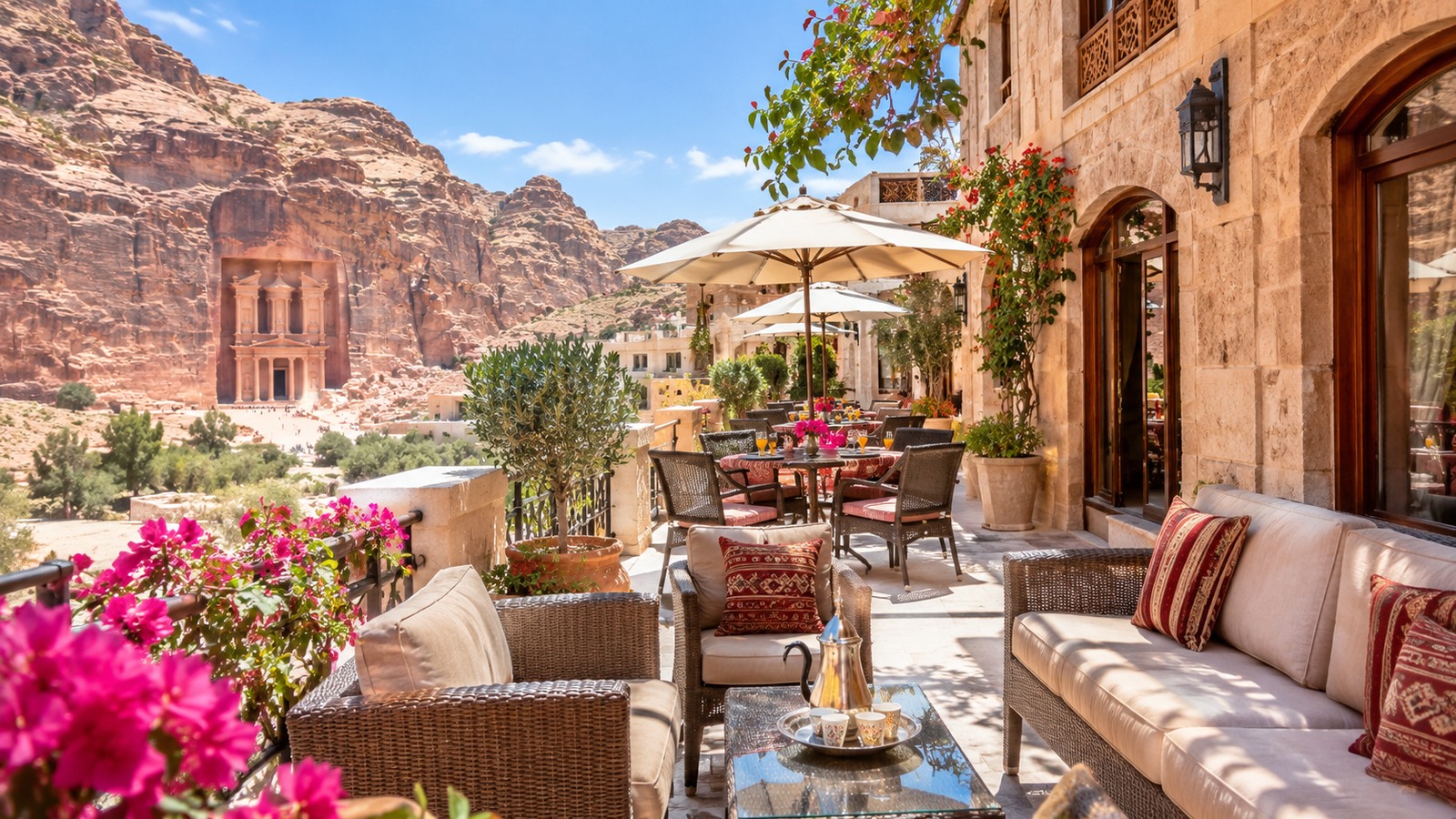
Hotels at Petra’s gate for an early start.
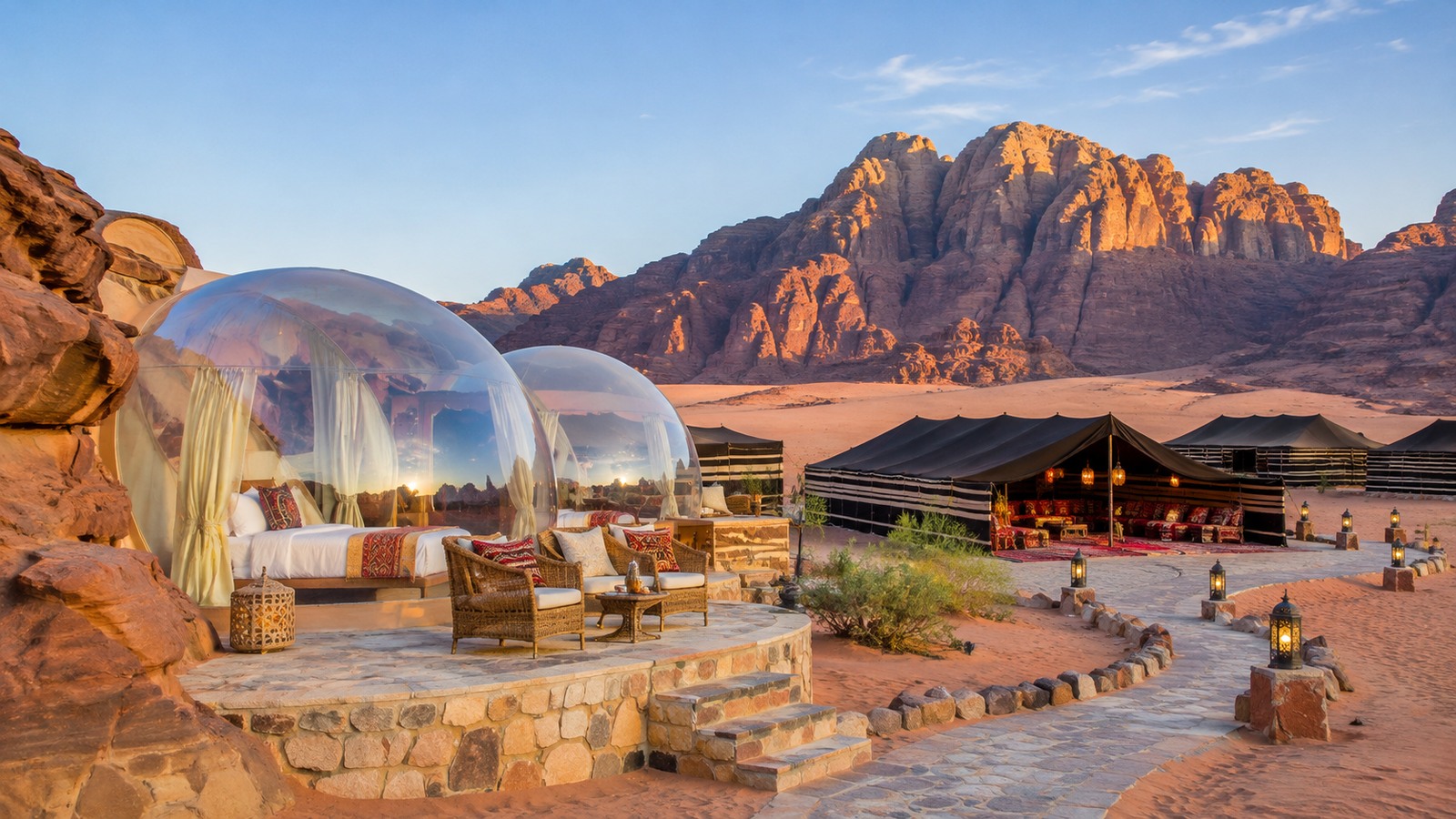
Bubble domes and Bedouin tents under the stars.
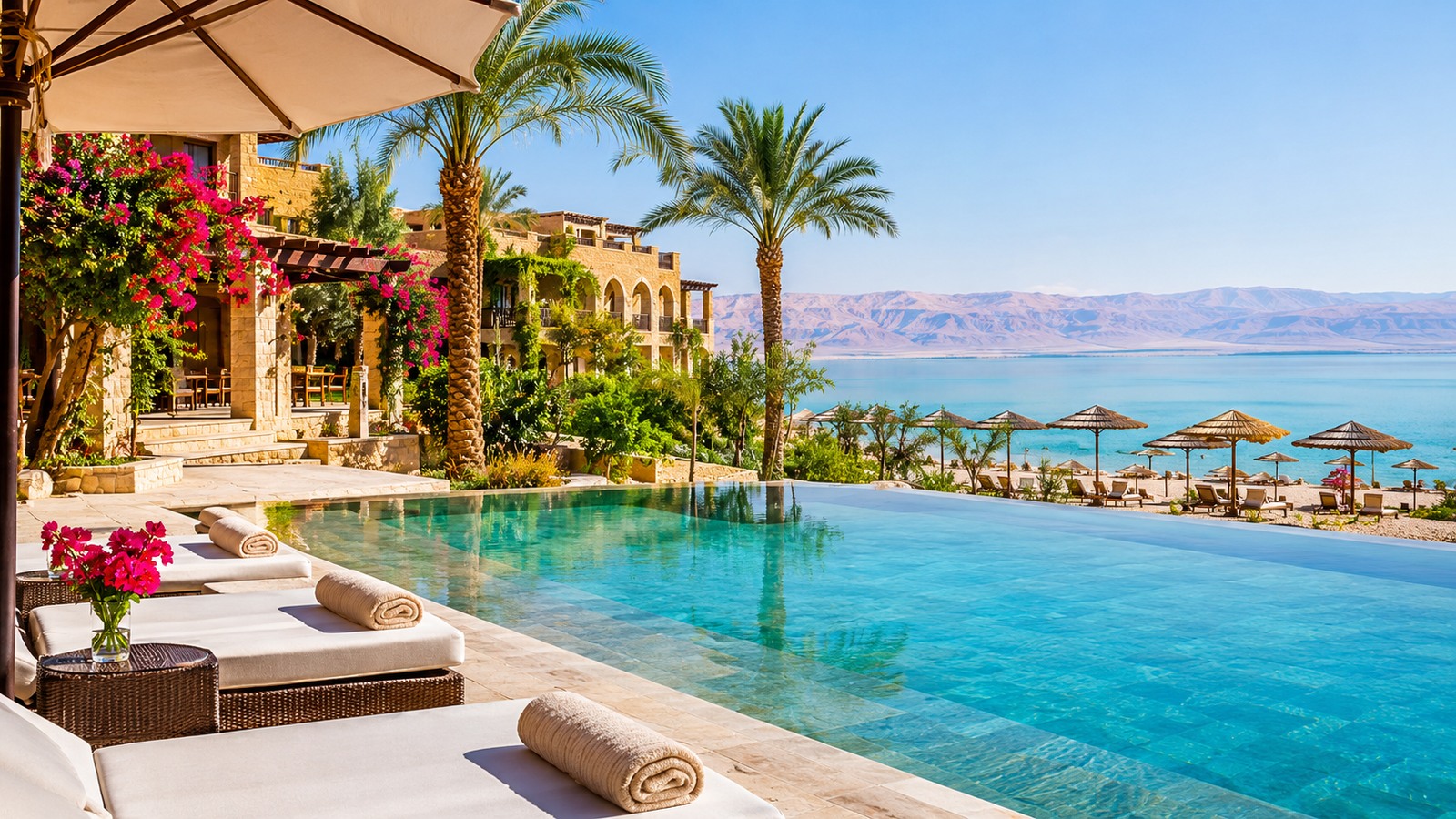
Spa resorts with private float beaches.
Jordanian and Levantine food is fresh and very veg-friendly — hummus, falafel, mezze, mansaf (the national lamb dish), fattoush and flatbreads, plus plenty of fruit and sweets.
Vegetarians eat superbly — hummus, falafel, mutabbal, tabbouleh, stuffed vine leaves and mezze spreads are everywhere, and many dishes are naturally veg. Jain travellers can build meals from hummus, bread, salads and fresh vegetables; specify no onion/garlic and seek Indian restaurants in Amman.
Indian restaurants operate in Amman, and hotels catering to Indian groups often offer Indian meals — handy for Jain and specific diets on the road.
Buy the Jordan Pass online before travel if you stay 2+ nights (3 days) — it waives the visa fee and covers Petra and 40+ sites, usually saving money; show it at immigration. Otherwise get the visa on arrival. Carry a passport valid 6+ months and proof of funds.
The dinar is a strong currency; carry JOD cash for camps, tips, taxis and small shops, though cards work in hotels and bigger restaurants. UPI is not accepted; use ATMs in towns. Tipping for guides and drivers is customary.
Distances are short; a hired car or private driver gives the most flexibility, while JETT buses link Amman, Petra and Aqaba cheaply. Petra and Wadi Rum involve a lot of walking — wear good shoes.
Give Petra a full day (two to reach the Monastery and High Place), start early, and carry water and sun protection. In Wadi Rum, book a 4x4 tour with an overnight camp for the sunset, stars and sunrise.
Buy a Zain/Orange tourist SIM or a Jordan Pass eSIM, or a travel eSIM. Jordan uses 230V with a mix of Type C/D/F/G/J sockets — carry a universal adapter and a power bank.
The most flexible way to loop Amman, Petra, Wadi Rum and the Dead Sea.
Cheap, comfortable coaches link Amman with Petra and Aqaba.
Use the Careem app or agree taxi fares; the city is hilly.
Jordan is one of the Middle East’s safest, most welcoming countries for tourists, including families and solo women travellers, with low crime and a strong tourism-police presence. Dress modestly, take normal care with valuables, use reputable desert-camp and tour operators, be cautious of the Dead Sea’s salty water and the desert heat, and carry travel insurance.
❌ Myth: Jordan is unsafe like its headlines suggest.
✅ Fact: Jordan is a stable, peaceful country and one of the region’s safest for tourists, with a dedicated tourism police and very welcoming people.
❌ Myth: Petra is a half-day sight.
✅ Fact: Petra is a vast rock city — give it a full day (two to reach the Monastery and viewpoints) to truly appreciate it.
❌ Myth: The visa is a hassle.
✅ Fact: A visa on arrival is available, and the Jordan Pass bought online can waive the visa fee and bundle Petra and 40+ sites.
❌ Myth: Vegetarians will struggle.
✅ Fact: Levantine mezze — hummus, falafel, tabbouleh and more — makes Jordan a vegetarian’s delight; Jains can request no onion/garlic.
❌ Myth: You need many days.
✅ Fact: Distances are short — a 5–7 day loop covers Petra, Wadi Rum, the Dead Sea and Roman ruins comfortably.
Yes — Indians need a tourist visa. A visa on arrival is available at Amman airport and most entry points, or you can buy the Jordan Pass online before travel, which waives the visa fee for stays of 2+ nights (3 days) and includes Petra and 40+ sites. Carry a passport valid 6+ months, a return ticket and proof of funds.
The Jordan Pass is a prepaid pass that waives the tourist-visa fee (for stays of three or more nights) and covers entry to Petra and over 40 attractions. For most tourists it saves money and simplifies entry — buy it online before you travel and show it at immigration.
A 6-day trip is roughly ₹90,000–₹1,60,000 per person including flights, the Jordan Pass, hotels, a desert camp and transport, and about ₹1,80,000–₹3,00,000 for a couple. Petra entry and the dinar make it pricier than some neighbours.
Direct and one-stop flights to Amman run about 5–8 hours from major Indian cities, often via a Gulf hub.
Five to seven days cover Petra, Wadi Rum, the Dead Sea and the Roman ruins comfortably thanks to short distances; add a day for Aqaba’s Red Sea.
March–May and September–November are best — warm, comfortable days for Petra, Wadi Rum and the ruins. Summer is very hot in the desert; winter is cool with chilly nights and occasional rain or snow at Petra.
Excellent — Levantine mezze (hummus, falafel, tabbouleh, stuffed vine leaves) makes it very veg-friendly, and Indian restaurants operate in Amman. Jain travellers can build meals from hummus, bread and salads and request no onion/garlic.
Distances are short — a hired car or private driver is most flexible, while JETT buses link Amman, Petra and Aqaba cheaply. Petra and Wadi Rum involve lots of walking, so wear good shoes.
Yes — the ultra-salty water lets you float effortlessly and the mineral mud is therapeutic. Don’t shave beforehand, keep the water out of your eyes, and rinse off afterwards at a resort beach.
Yes — it is one of the region’s safest and most welcoming countries, with low crime and a strong tourism-police presence. Dress modestly, use reputable operators, take normal precautions, and carry travel insurance.
Recommended — it covers medical care, desert and Red Sea activities, and trip delays, for a small cost on the trip.
Sources: Visit Jordan (official tourism) · Jordan Pass (official)
A licensed team that has guided thousands of Indians to their visas and admissions.
 Jitender SinghFounder & Managing Director
 Vikram SinghHead – Quality & Operations
 SanjayHead – Tourist Visa Operations
 TejaswaniHead – Counselling Team
 MahimaHead – Visa Filing & Processing
 Pratigya DuttaHead – Student Visa Processing
Free, no-pressure guidance from a real counsellor who handles your case end to end — from documents to decision.