
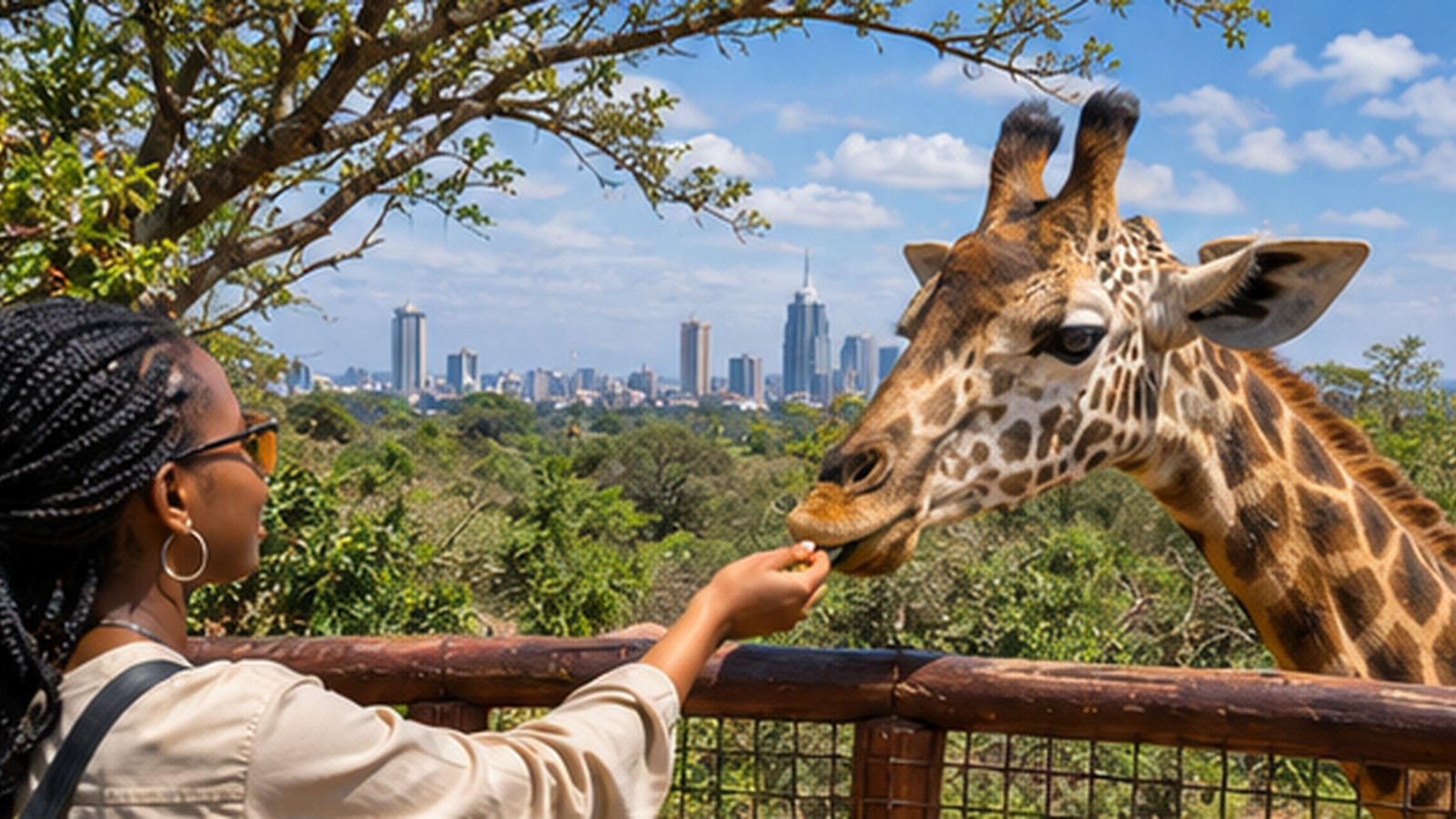
The gateway capital — the Giraffe Centre, elephant orphanage, Nairobi National Park and a big Indian food scene.
Witness the Great Migration, see lions on the plains and elephants beneath Kilimanjaro — Kenya is the ultimate African safari, and now a quick online eTA away.
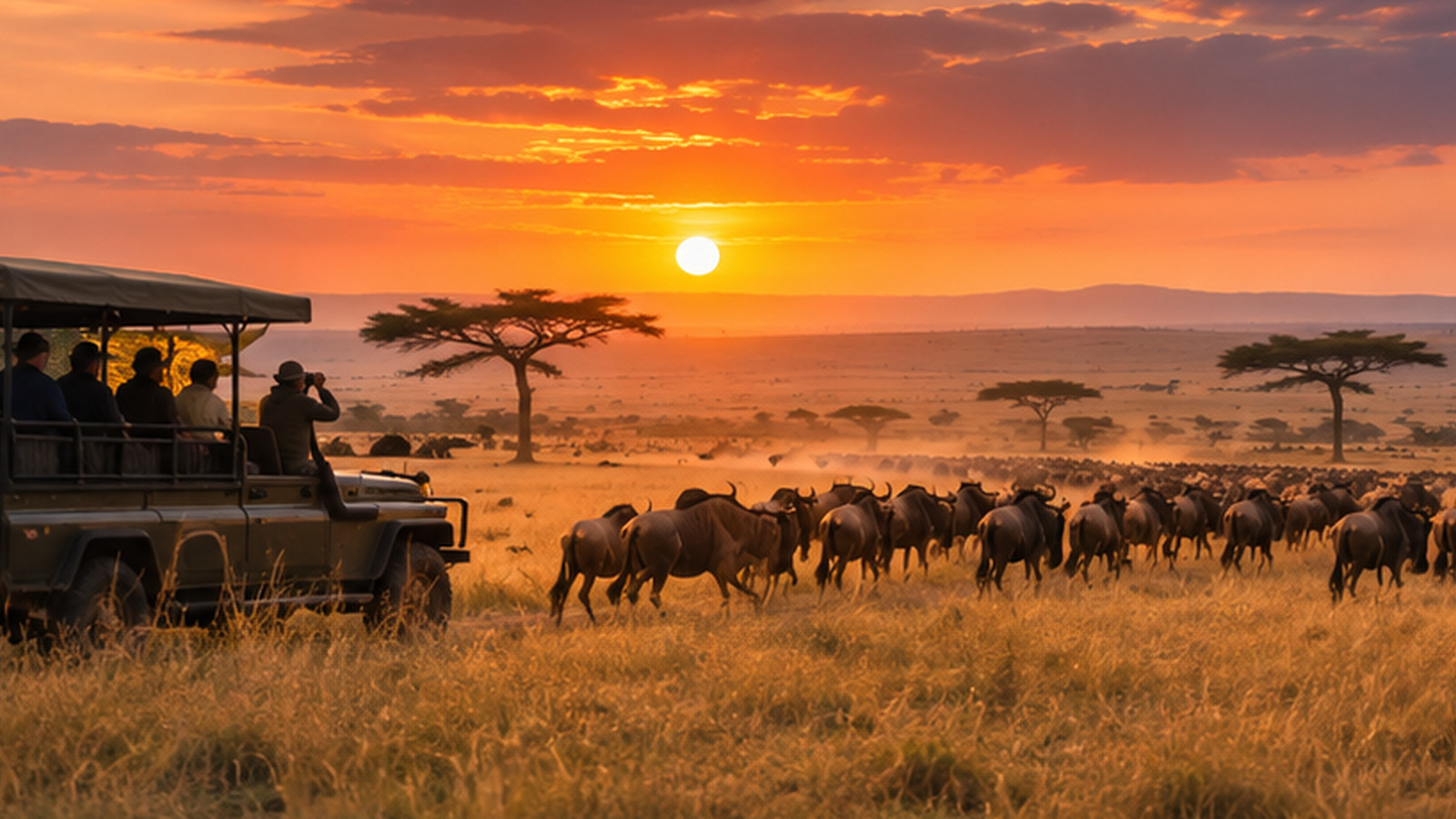
Kenya is the birthplace of the safari and still its finest stage. On the golden plains of the Maasai Mara, lions, cheetahs and elephants roam, and each year a million wildebeest thunder across the Mara River in the Great Migration — one of the natural world’s greatest spectacles. Beneath the snows of Kilimanjaro, Amboseli’s elephants pose for the postcard; at Lake Nakuru, flamingos turn the shallows pink; and on the Indian Ocean, the white sands of Diani wait to round off the trip.
For Indian travellers Kenya has become far easier with the move to a quick online eTA, and there is a deep India connection — a large Indian-origin community, familiar food in Nairobi and direct flights. A classic week pairs two or three parks with a couple of beach days, delivering wildlife, landscapes and coast in one unforgettable journey.
This guide is written for Indian travellers: the real safari cost in rupees from your city, the exact eTA rule, where vegetarians and Jain travellers eat, how safaris and park flights work, and honest, dated advice you can plan around.
Kenya offers Indians a bucket-list safari with surprising ease — a simple online eTA, direct flights, English everywhere and a large Indian community that means familiar food in Nairobi. It is a dream family trip, honeymoon adventure and photographer’s paradise, combining world-class wildlife with Indian-Ocean beaches.
💡 From our visa desk: The safaris we help plan work best when you fly between parks rather than enduring long, bumpy road transfers, and when you match your dates to the wildlife: July–October for the Mara river crossings, January–February for the calving and fewer crowds. Spend on good guides and a couple of nights per park rather than racing through five; the Big Five reveal themselves to those who wait.
Online eTA (electronic Travel Authorisation) for Indian citizens — required before travel.
Kenya has moved to an electronic Travel Authorisation (eTA) that all visitors, including Indians, apply for online before travel (it replaced the old visa). You also need a passport valid 6+ months and, on some routes, a yellow-fever certificate. Confirm the current eTA fee and rules before booking — Bluebird Next can handle it.
Full Kenya tourist visa requirements & documents →The dry seasons (late June–October and January–February) are best for wildlife; the Great Migration reaches the Maasai Mara roughly July–October. See the month-by-month table below.
| Season | What it's like & who it suits |
|---|---|
| Jul–Oct (migration & dry) | Peak safari season — the Great Migration in the Mara and excellent game viewing. Book well ahead. |
| Jan–Feb (dry) | Hot, dry and great for wildlife with fewer crowds; good for the coast too, and the calving season in the south. |
| Mar–May & Nov (rains) | Green and lush with lower prices; short rains in November, longer rains March–May — still good for birds and photography. |
| Month | Weather & what’s on (incl. Indian holiday windows) |
|---|---|
| January–February | Hot, dry and excellent for wildlife with fewer crowds; the wildebeest calving season in the south brings predator action. Great for the coast too. |
| March–May | The long rains — lush, green and much cheaper, with superb birdlife; some camps close and roads get muddy, but game is still viewable. |
| June | The dry season returns and the migration builds in the Mara; a good-value window before the July peak. |
| July–August | Peak season — the Great Migration and river crossings in the Mara, superb game viewing. Busiest and priciest; overlaps the Indian summer break, so book far ahead. |
| September–October | Still prime migration and dry-season viewing, with slightly thinner crowds late in October. Excellent. |
| November | The short rains — green, quieter and cheaper, with good birding and fewer tourists. Pleasant around Diwali. |
| December | Drying out and festive; good wildlife and warm coast weather, with peak Christmas–New Year lodge prices. |
The gateway capital — the Giraffe Centre, elephant orphanage, Nairobi National Park and a big Indian food scene.
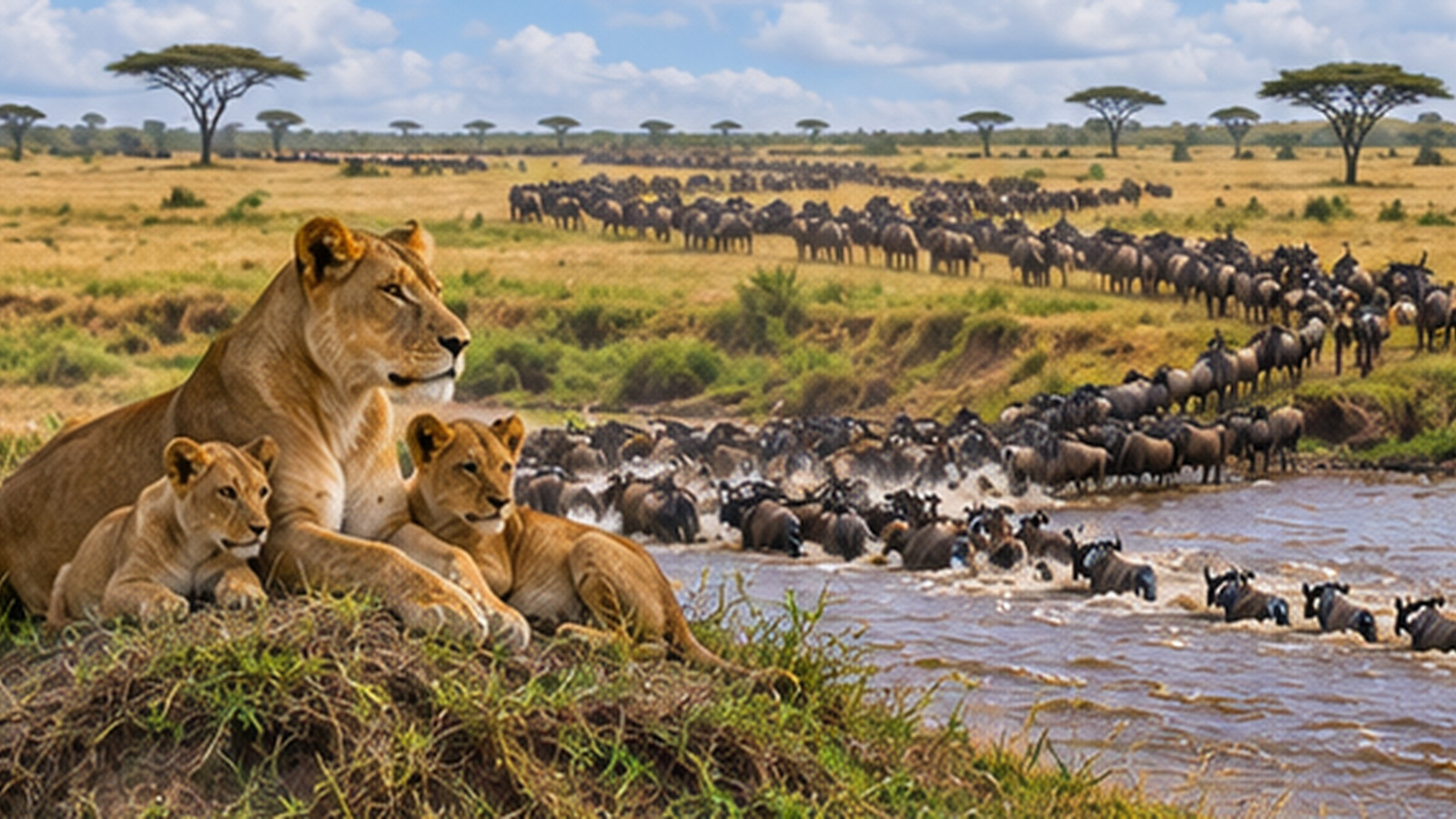
Kenya’s flagship reserve — big cats, endless plains and the Great Migration river crossings.
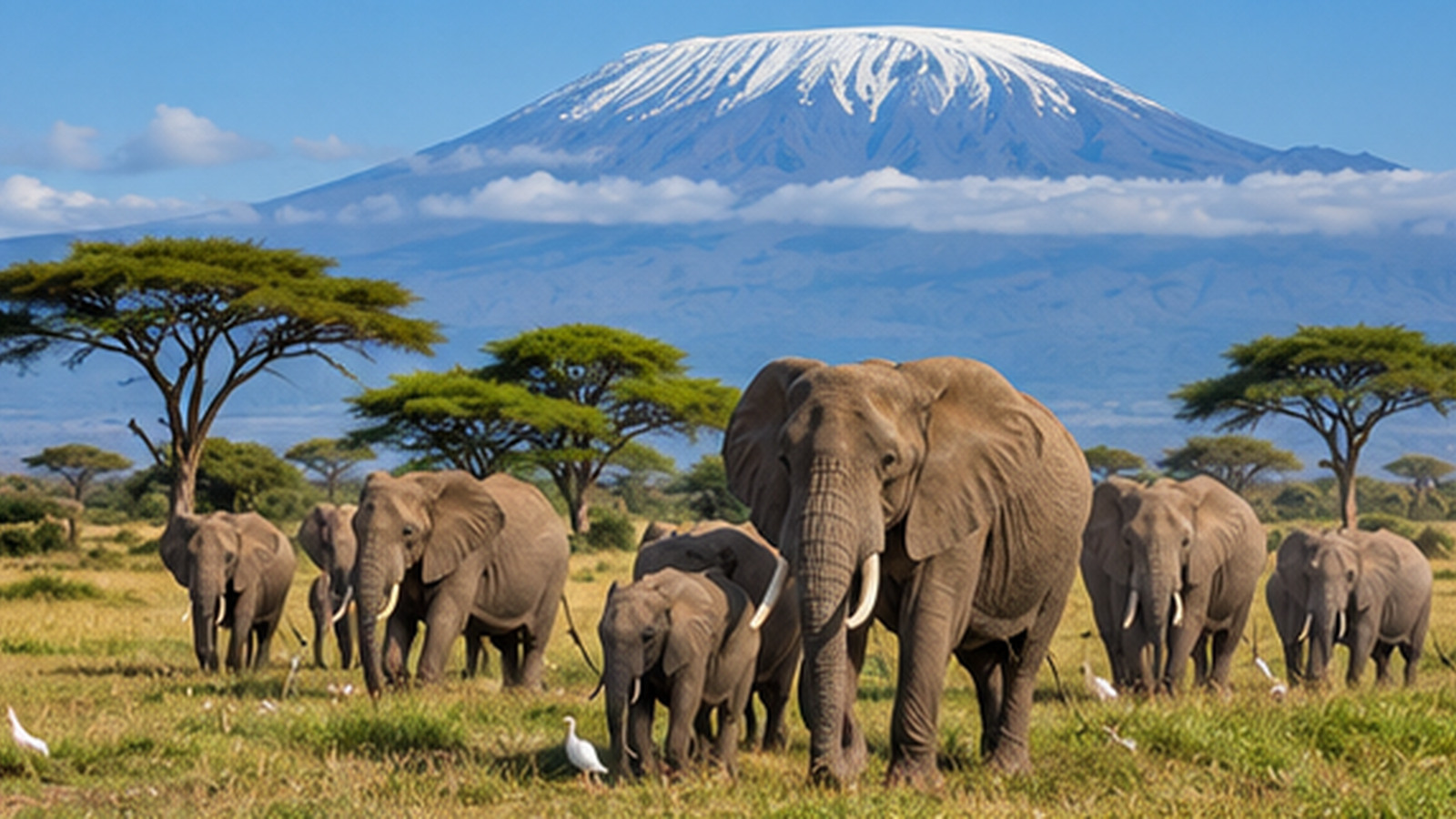
Famous for large elephant herds framed by Mount Kilimanjaro across the border.
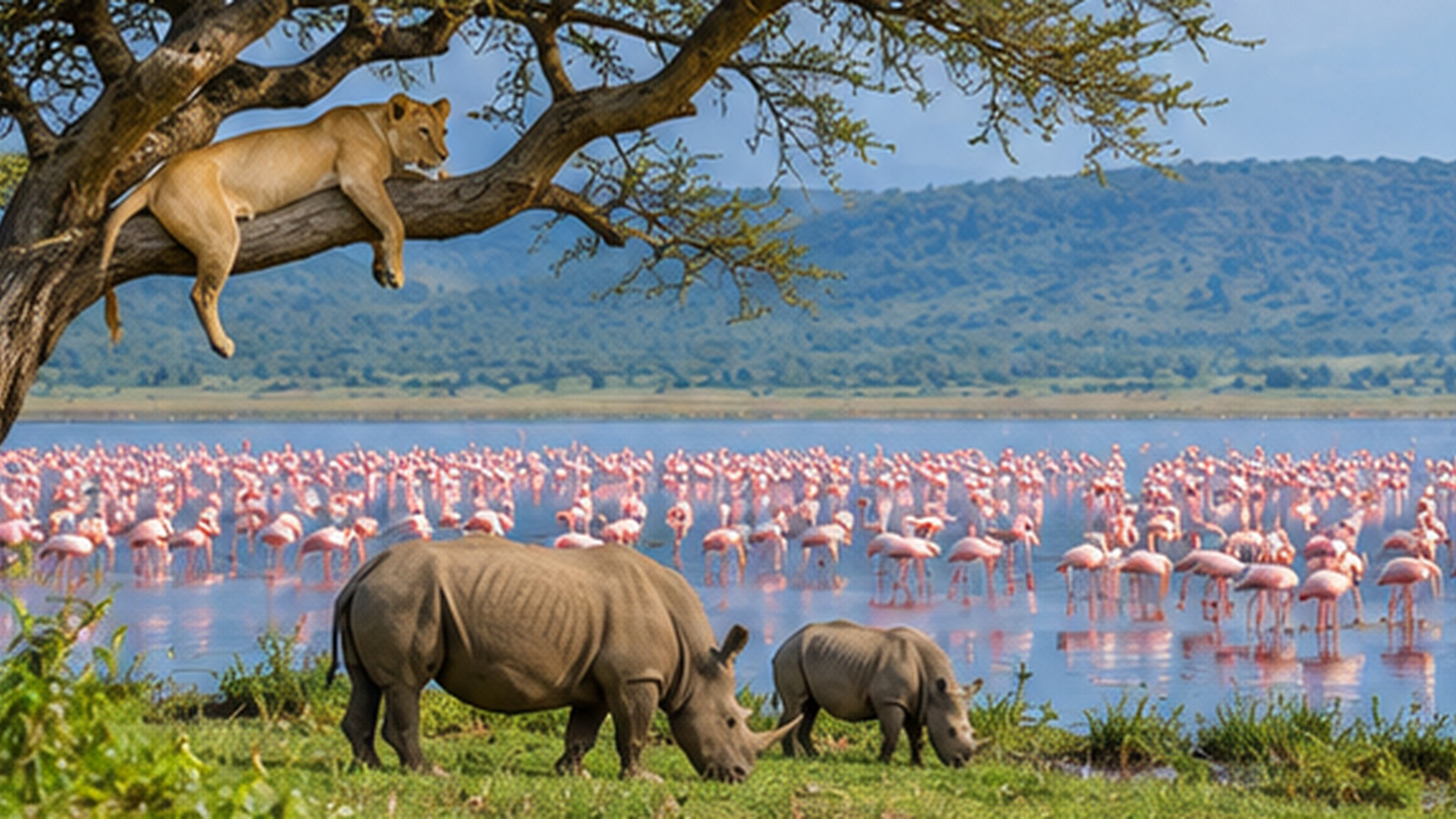
A Rift Valley lake of flamingos, rhinos and tree-climbing lions.
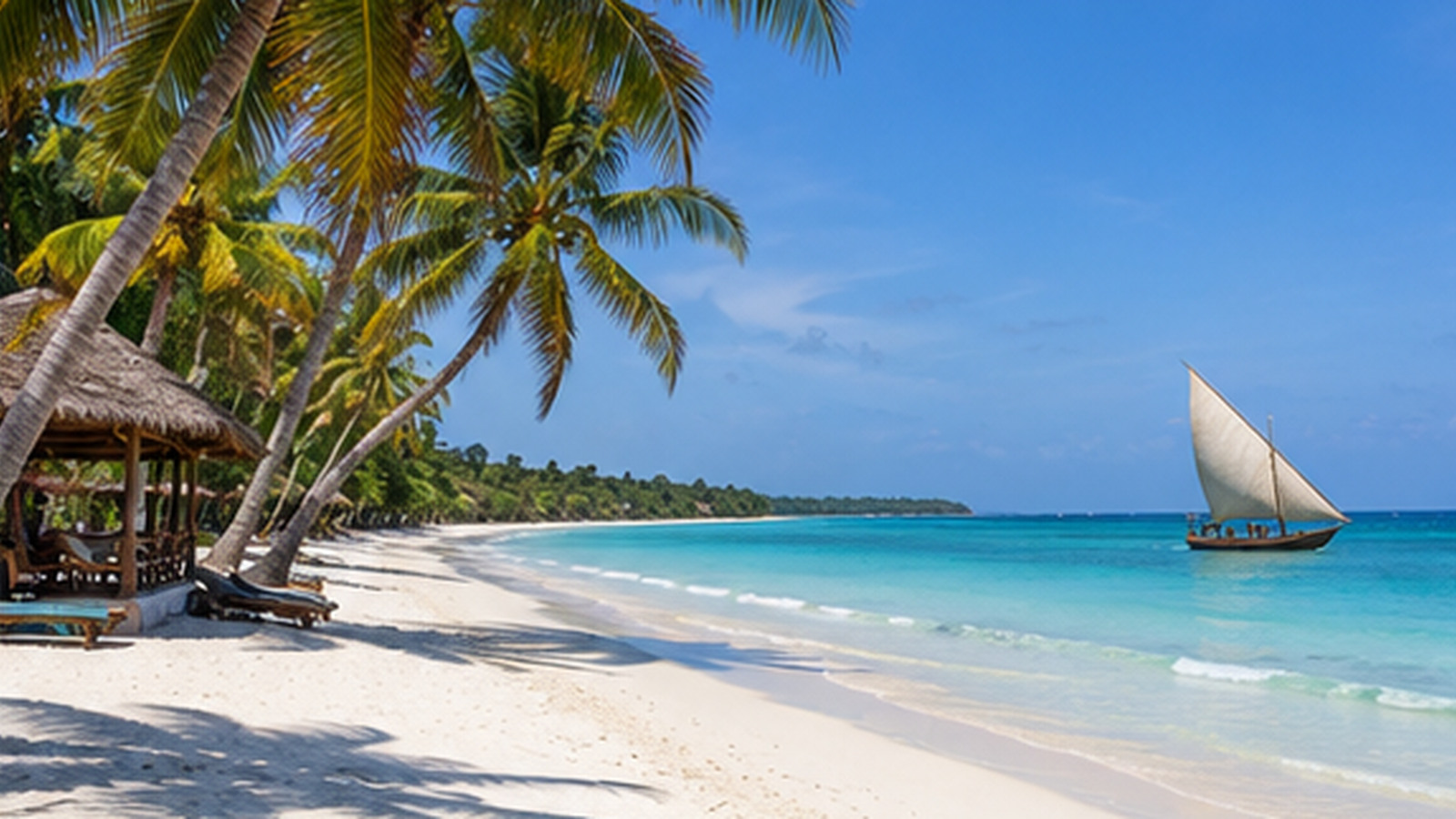
White-sand Indian Ocean beaches and old-town Swahili culture to end the trip.
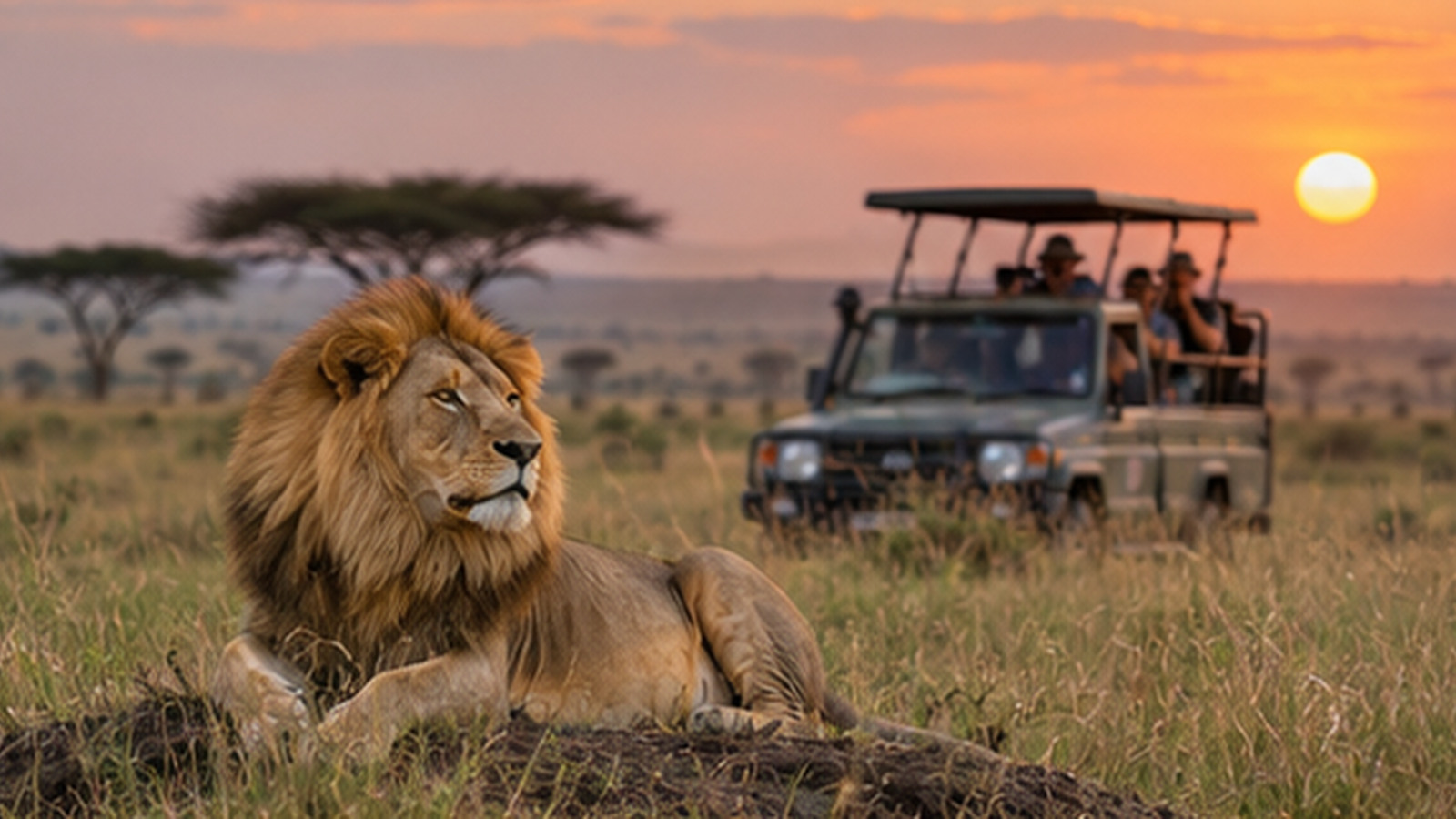
Dawn and dusk drives for lions, leopards, cheetahs, elephants and (in season) the migration.
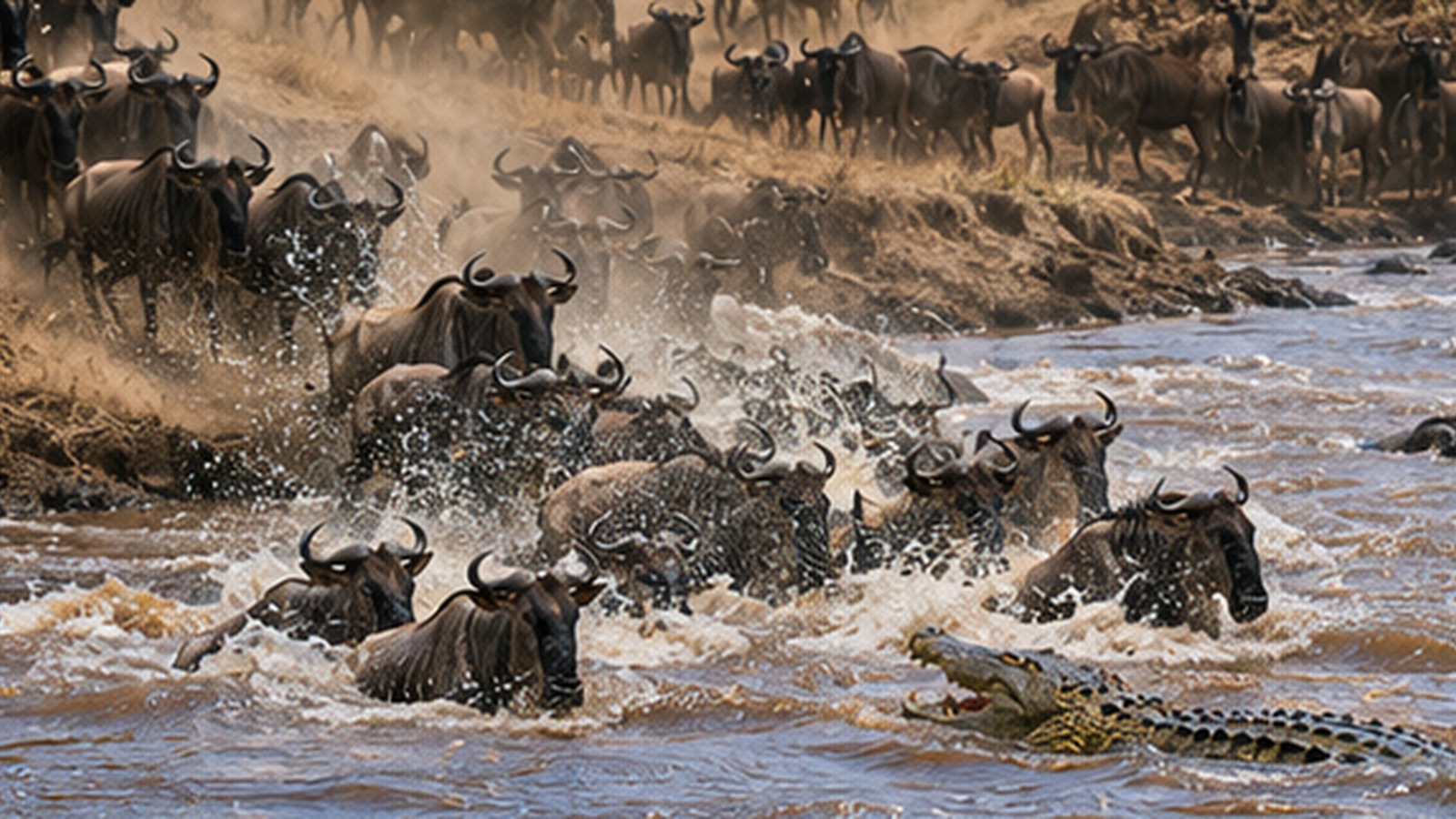
Wildebeest braving crocodile-filled waters — the migration’s heart-stopping highlight.
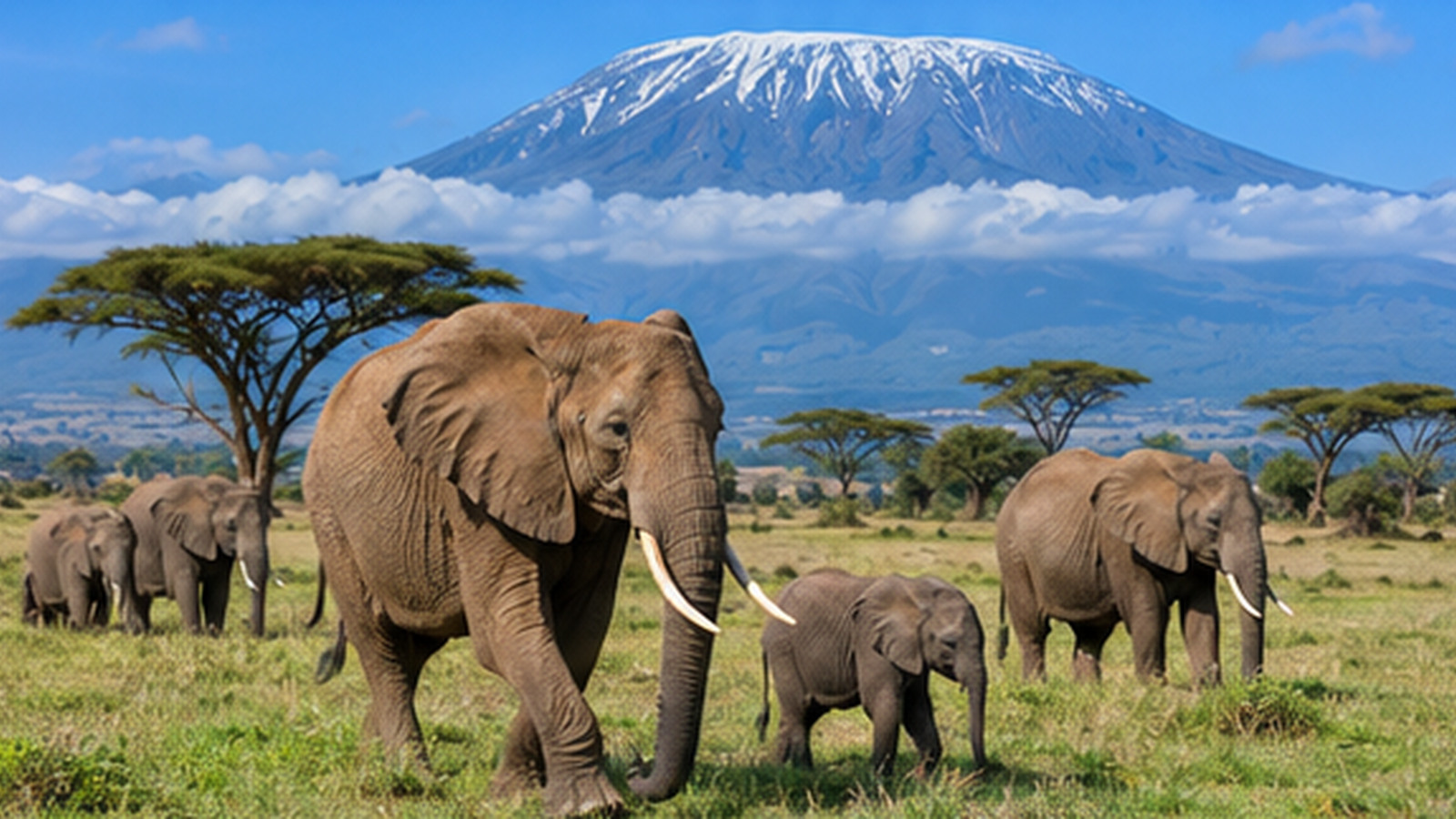
Elephant herds with Africa’s highest peak as a backdrop — iconic photography.
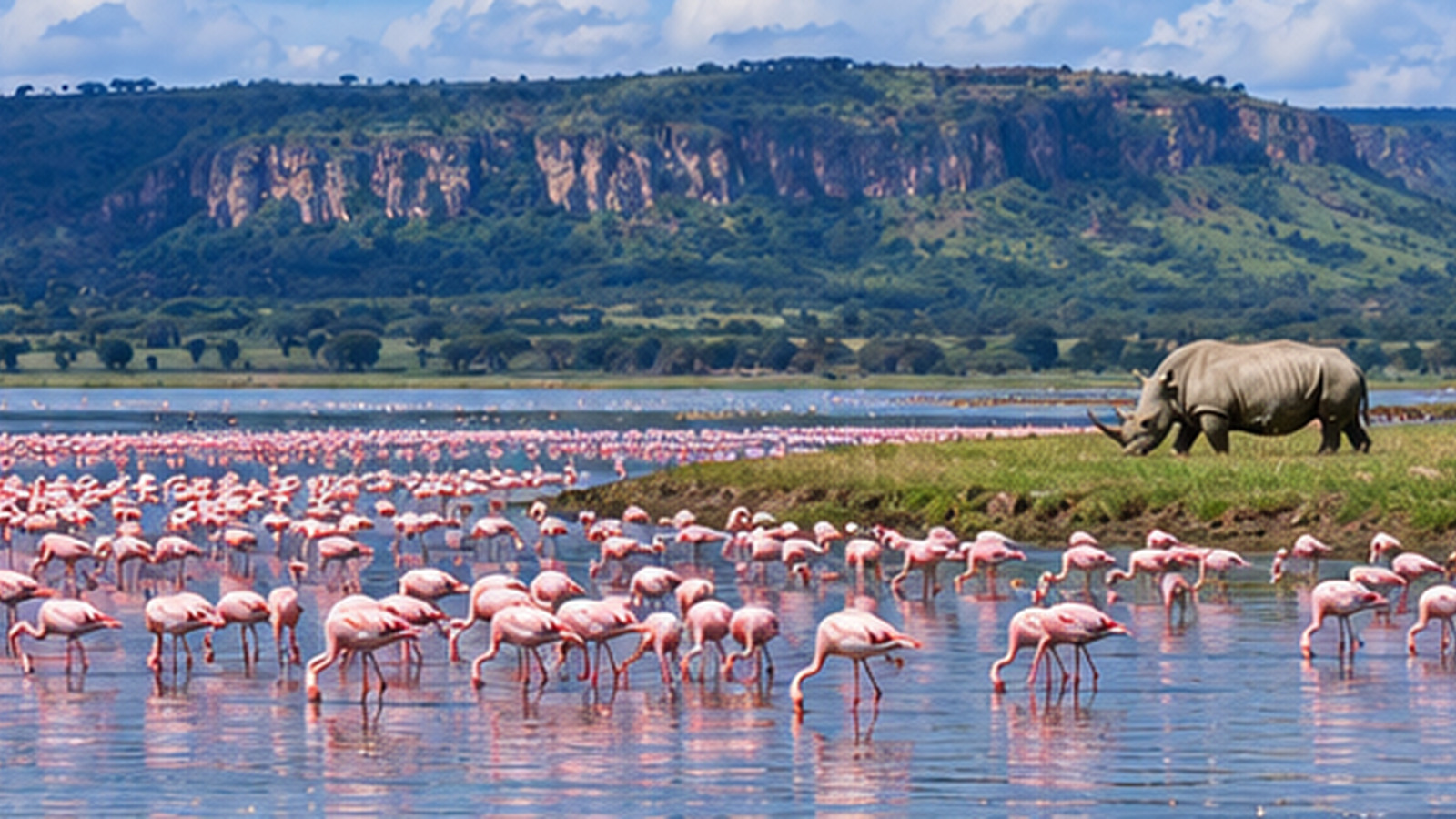
Flocks of flamingos, a rhino sanctuary and Rift Valley scenery.
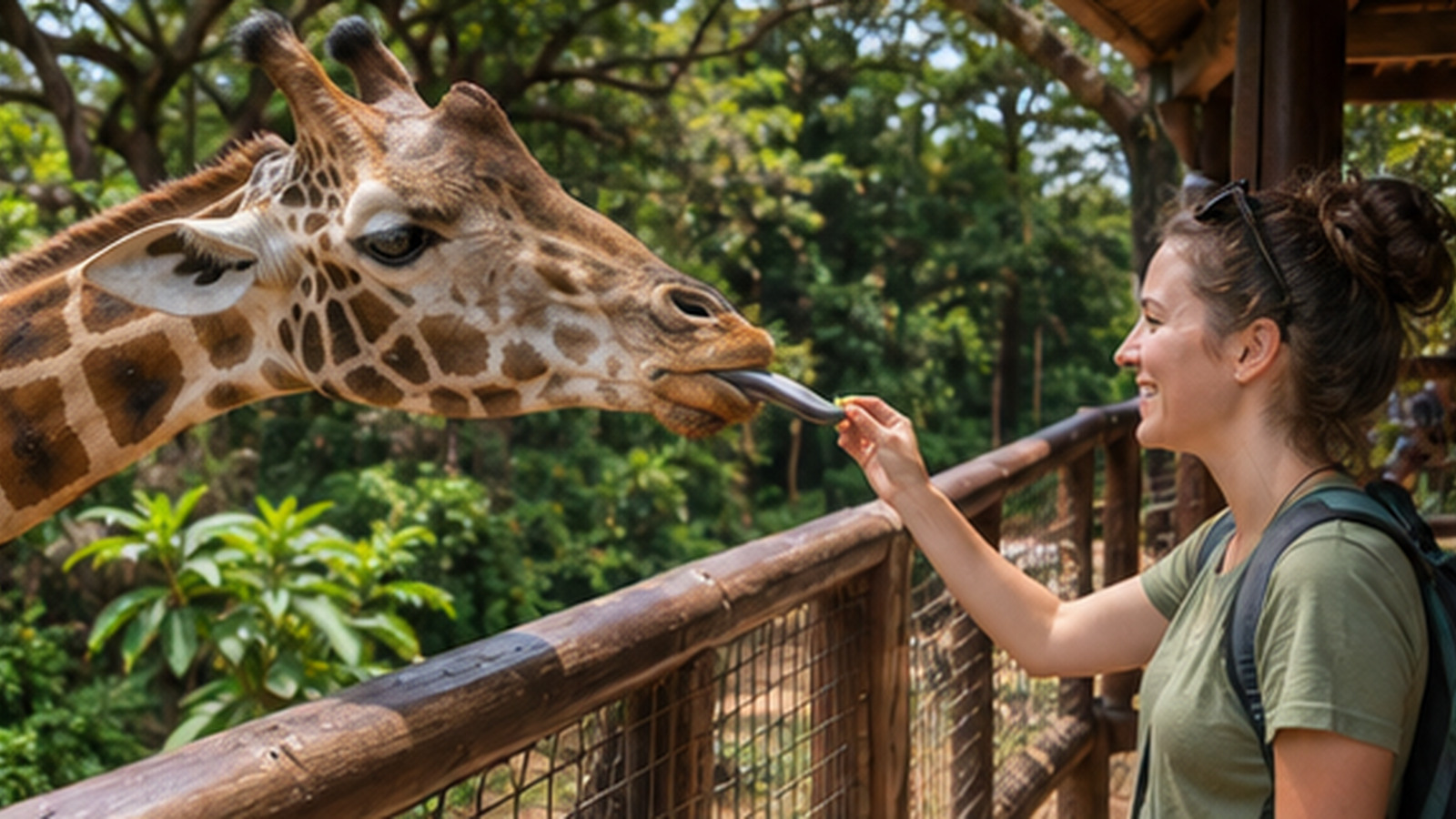
Feed giraffes at the Giraffe Centre and meet rescued calves at the elephant orphanage.
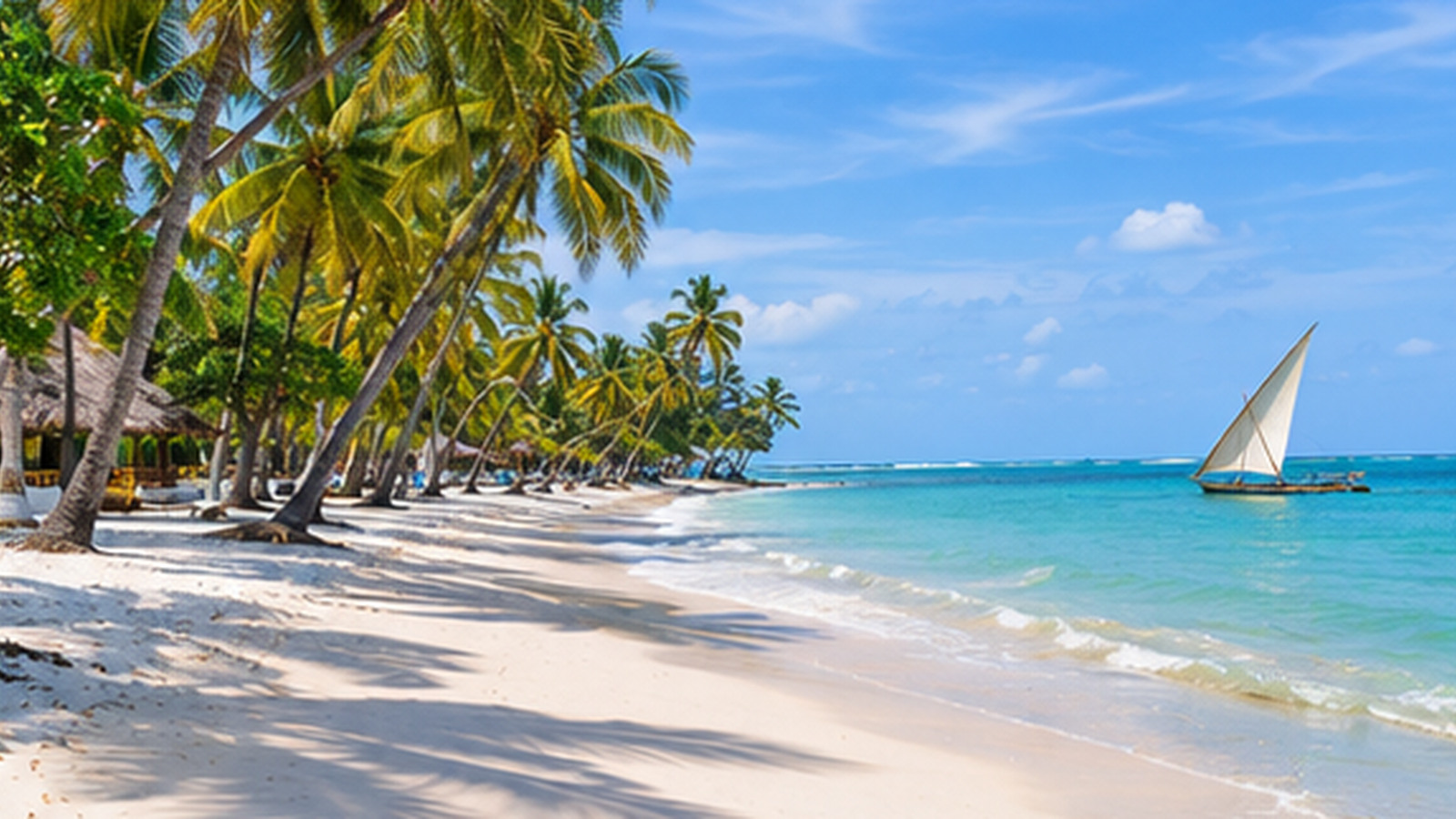
Palm-fringed white sand and warm Indian-Ocean water for a post-safari wind-down.
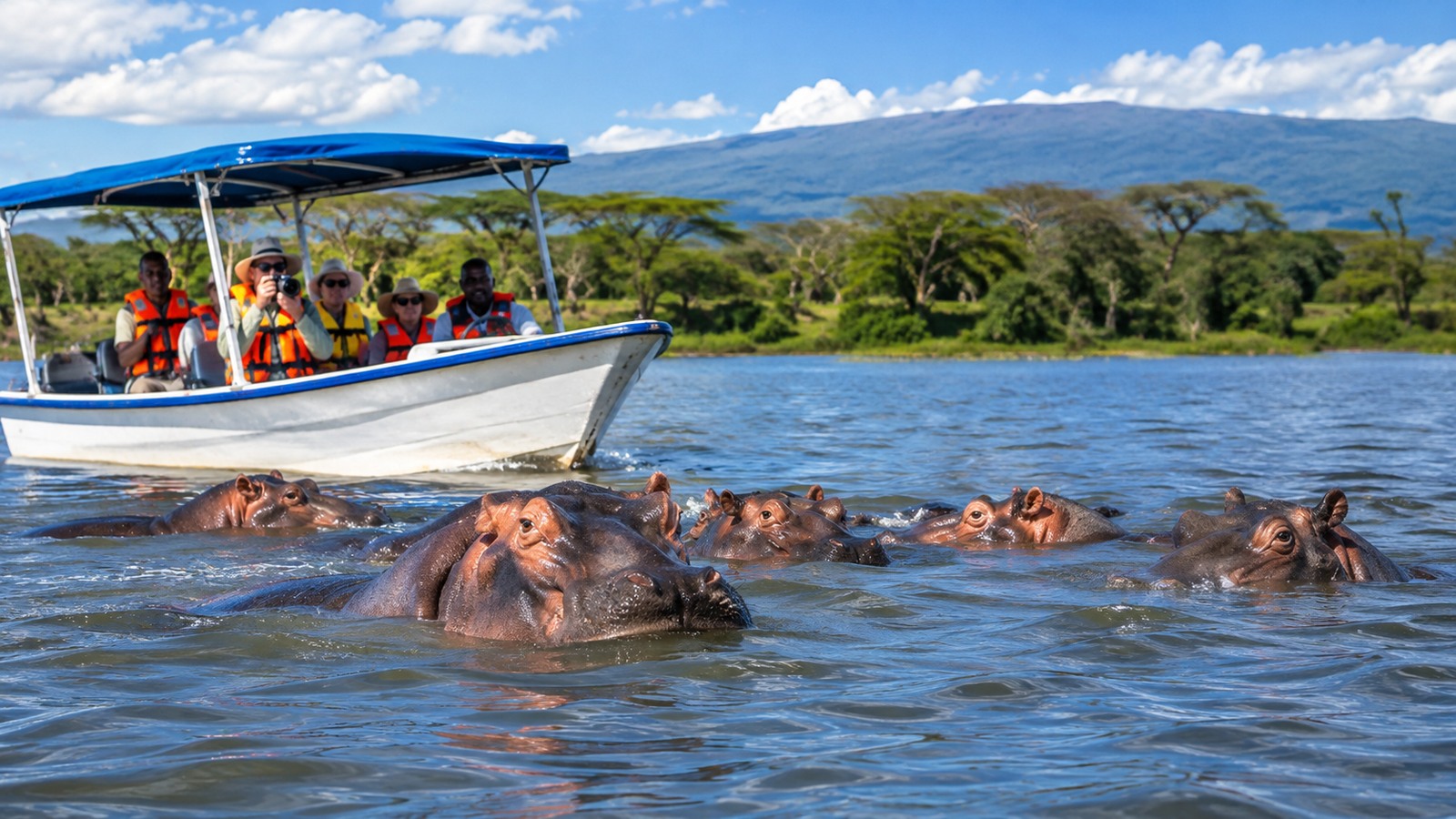
A boat trip among hippos and a bike or walking safari in Hell’s Gate gorge.
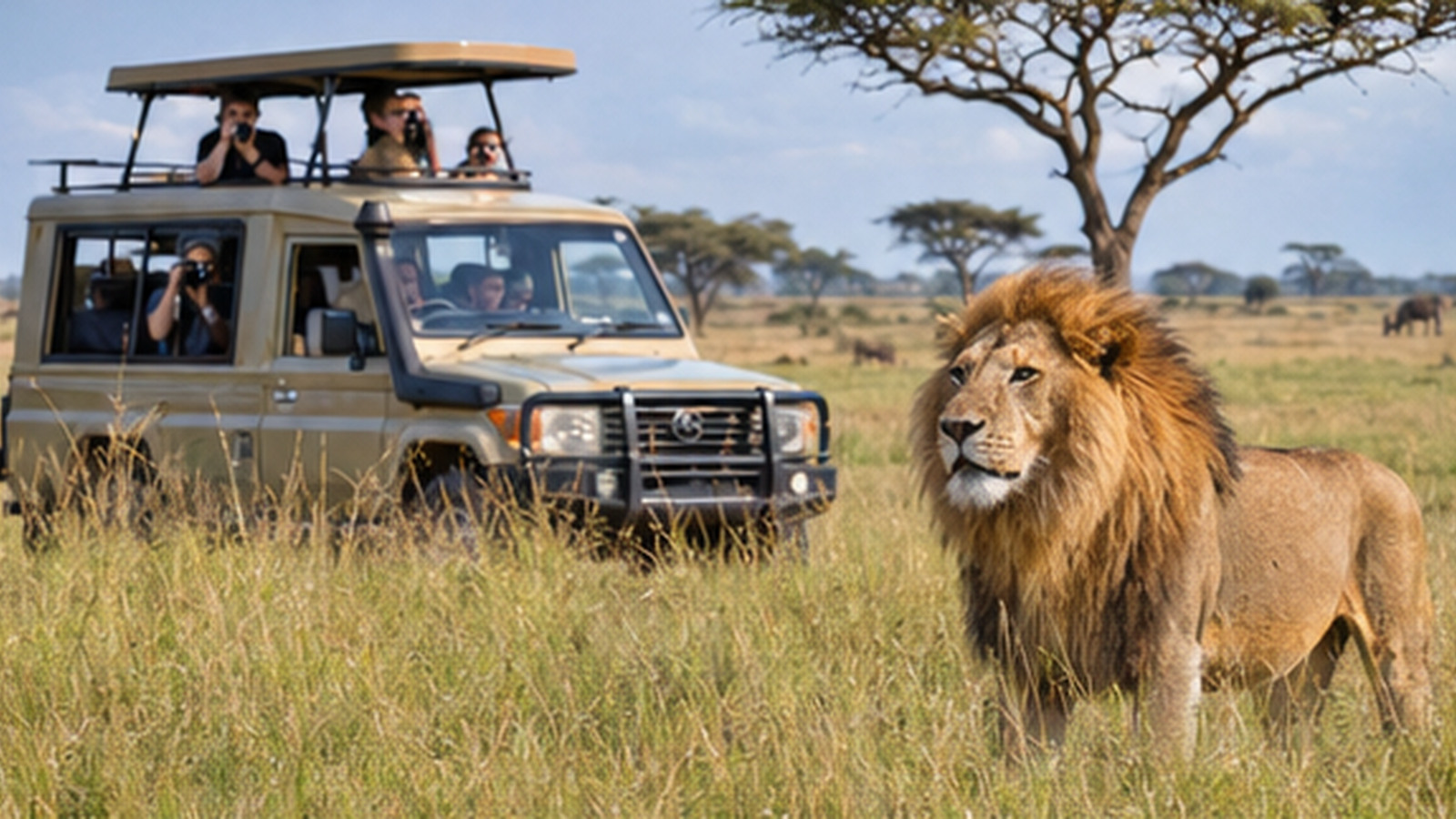
Multi-park 4x4 safaris with expert guides for the Big Five and the migration.
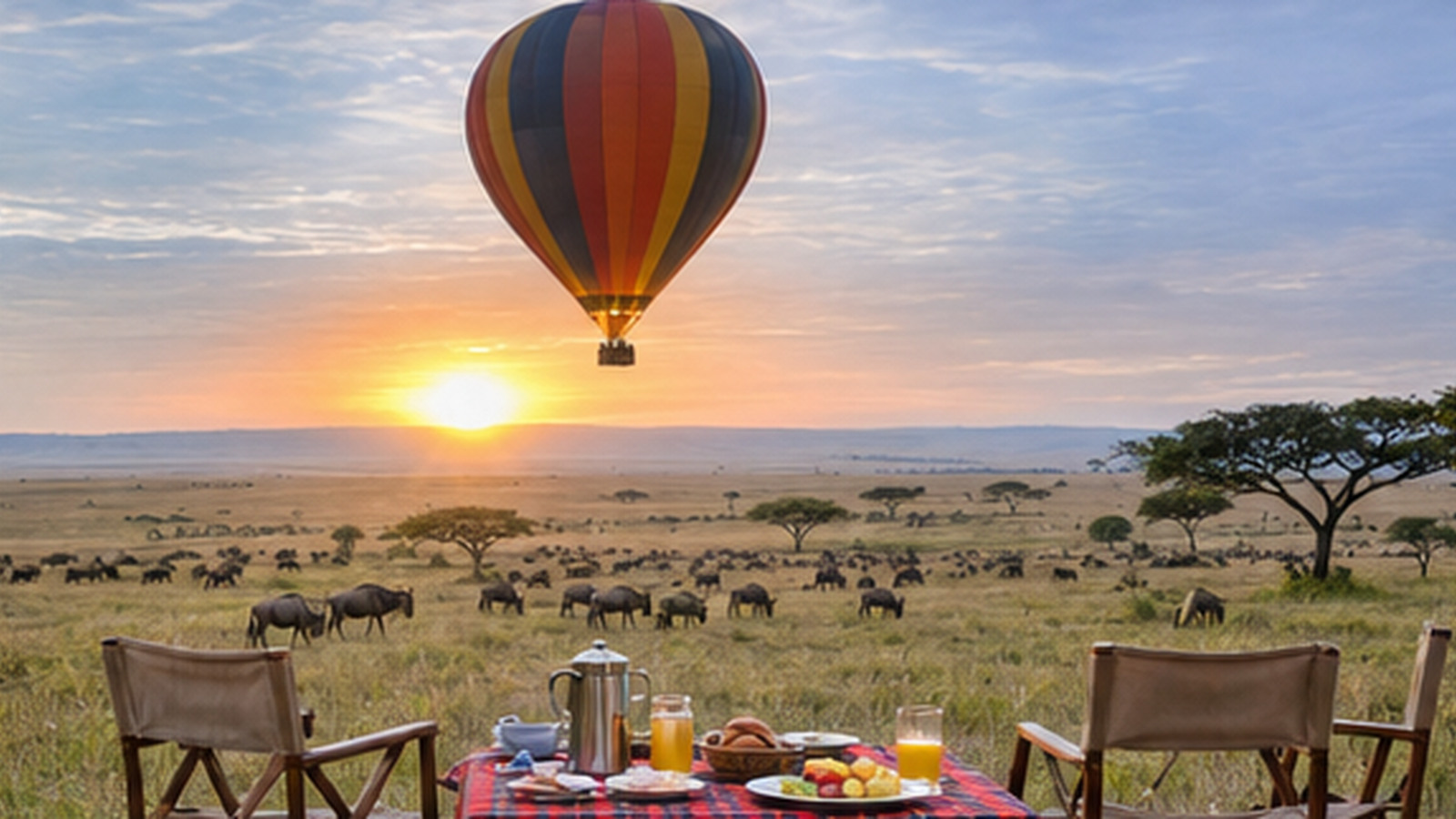
A sunrise hot-air balloon over the Mara plains with a bush breakfast.
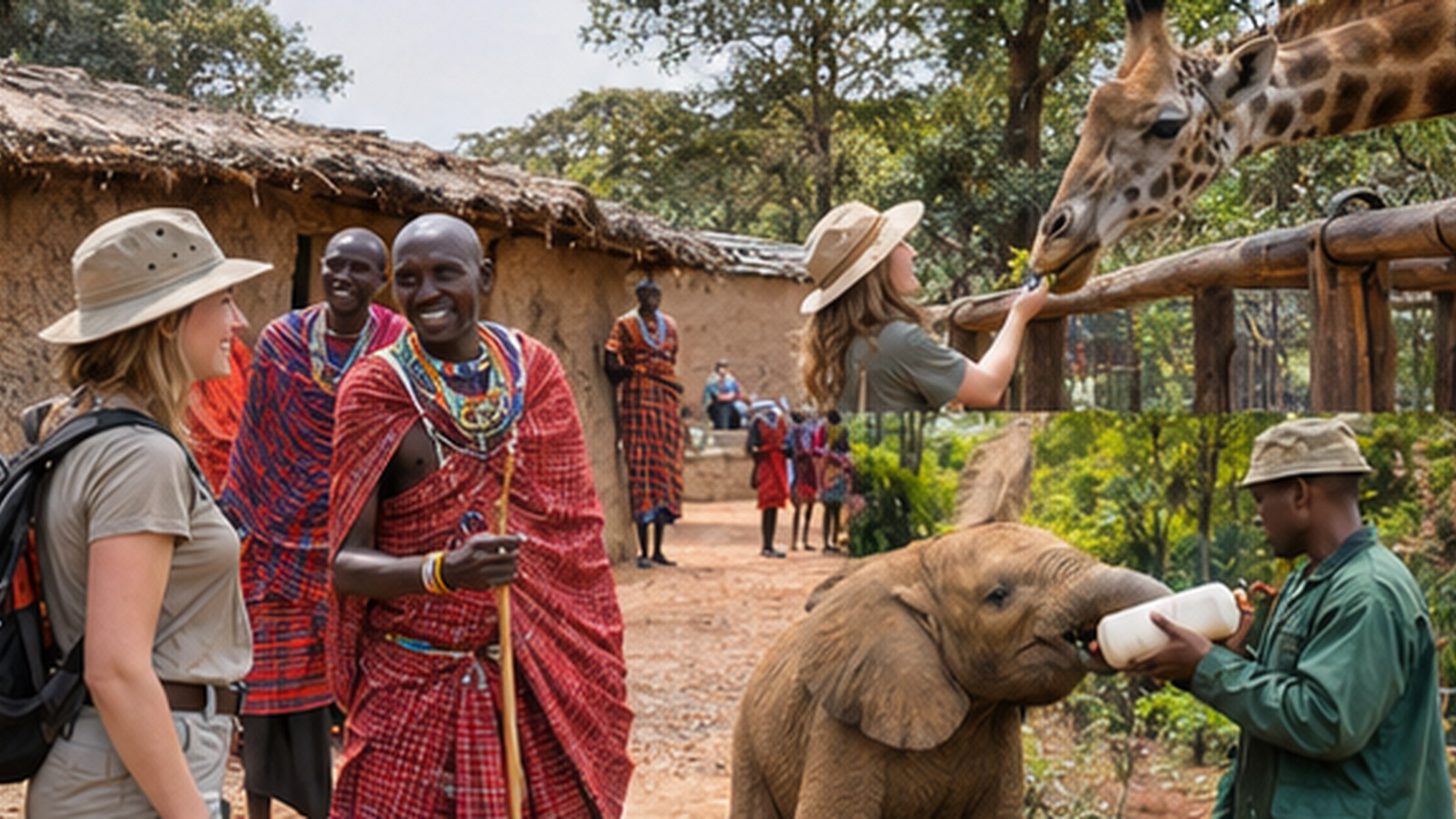
Maasai village visits, the Giraffe Centre and the elephant orphanage.
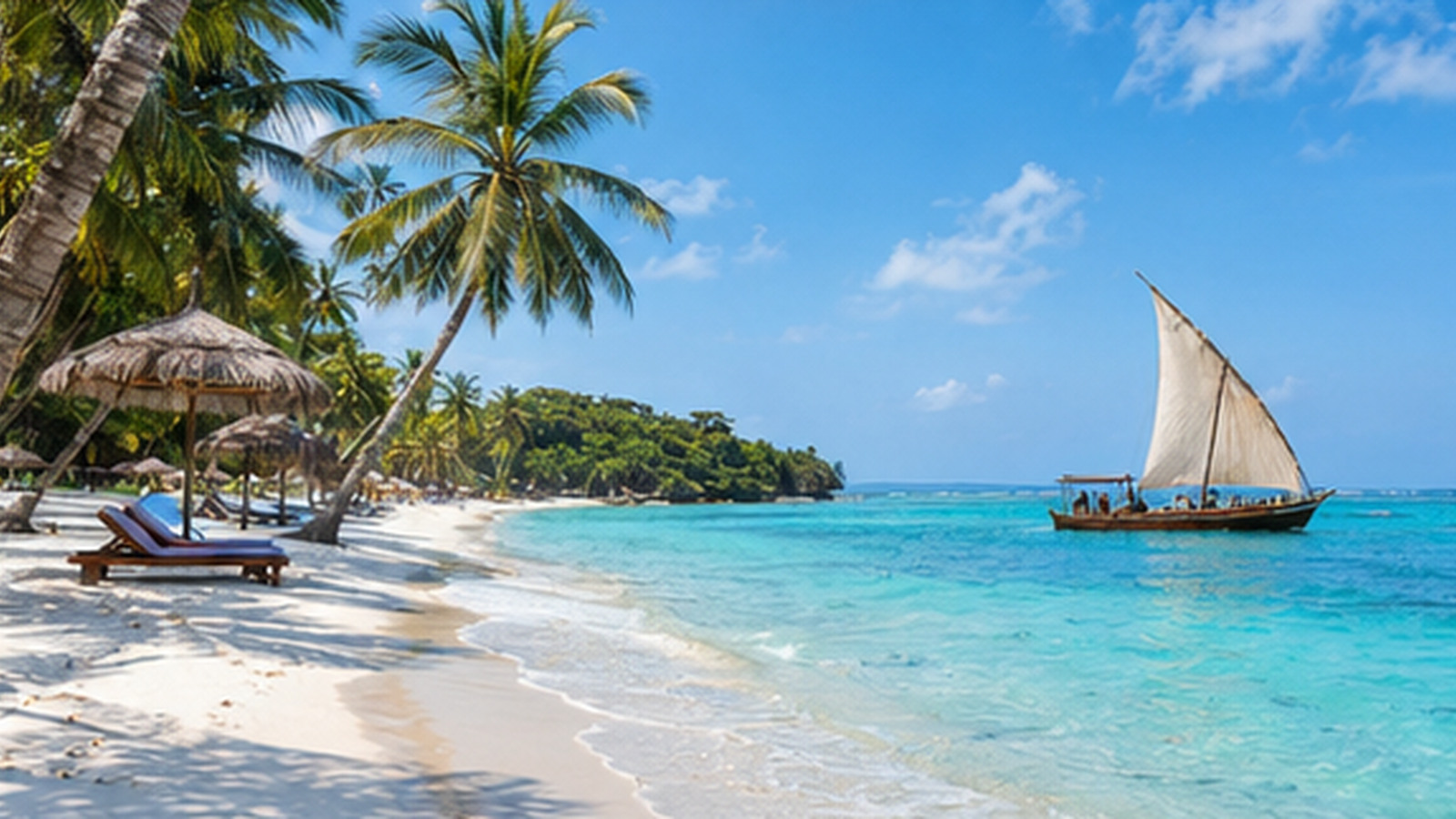
Diani and Watamu for swimming, snorkelling and dhow cruises.
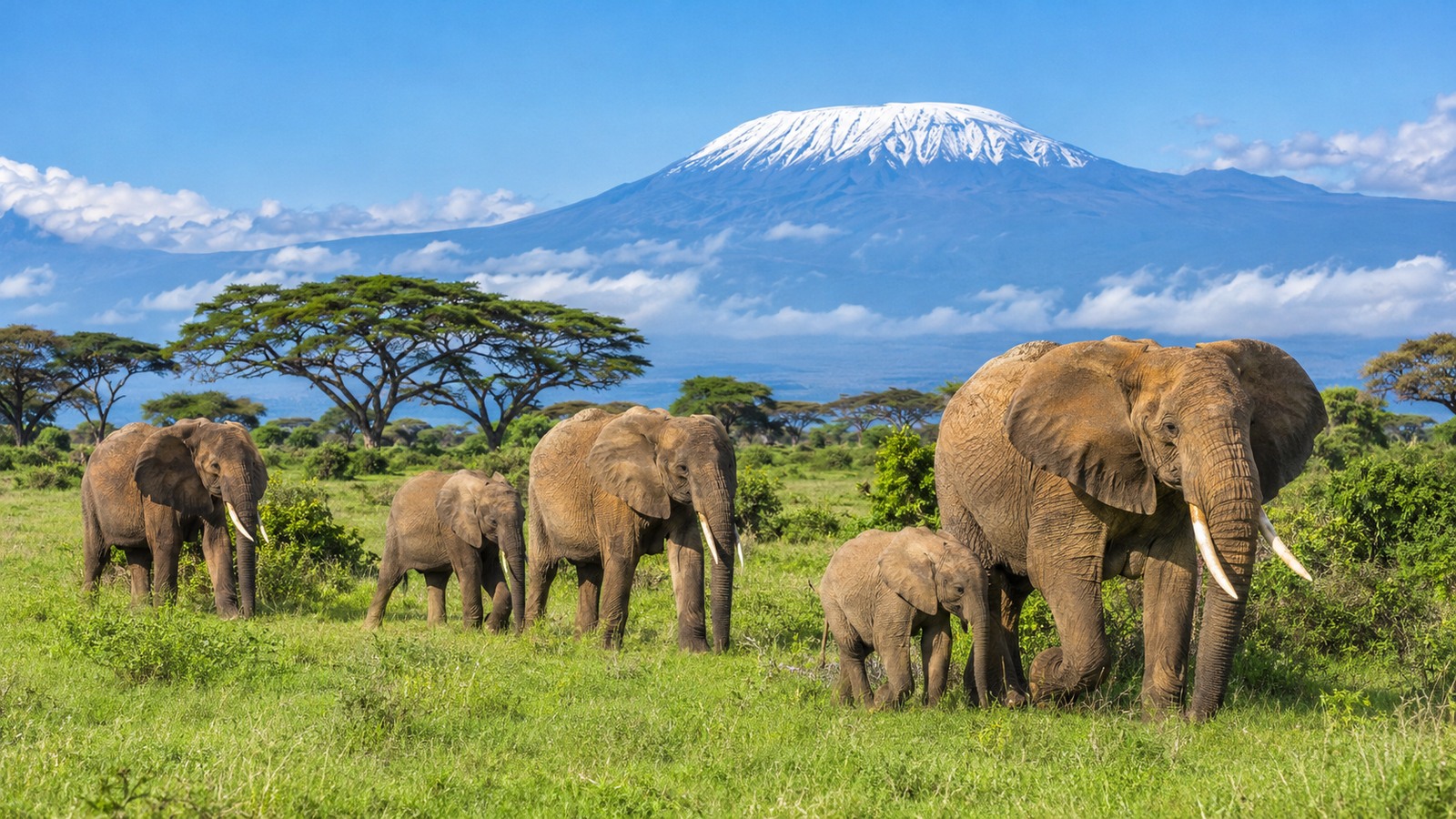
Some of the world’s best wildlife photography, from big cats to elephants under Kilimanjaro.
Book tours & activities through our travel partners — see options. Bluebird Next may earn a commission from partner bookings at no extra cost to you (Affiliate Disclosure).
Safari is a premium experience — park fees, guided 4x4s and lodges drive the cost. Indicative per-person figures for a 6-day trip in 2026 (prices checked Nov 2026).
| Item | Typical cost (per person) |
|---|---|
| Return flights (ex-India) | ₹45,000 – ₹75,000 |
| eTA | ₹2,500 – ₹4,500 |
| Safari (lodge + 4x4 + park fees, per day) | ₹12,000 – ₹30,000 |
| Balloon safari (optional) | ₹35,000 – ₹45,000 |
| Nairobi hotel (per night) | ₹4,000 – ₹9,000 |
| Beach extension (per day) | ₹6,000 – ₹15,000 |
| From | Typical return airfare |
|---|---|
| Mumbai | ₹45,000 – ₹72,000 (direct) |
| Delhi | ₹48,000 – ₹78,000 (direct/1-stop) |
| Bengaluru | ₹46,000 – ₹75,000 (direct/1-stop) |
| Chennai | ₹46,000 – ₹75,000 (1-stop) |
| Kolkata/Hyderabad | ₹48,000 – ₹78,000 (1-stop) |
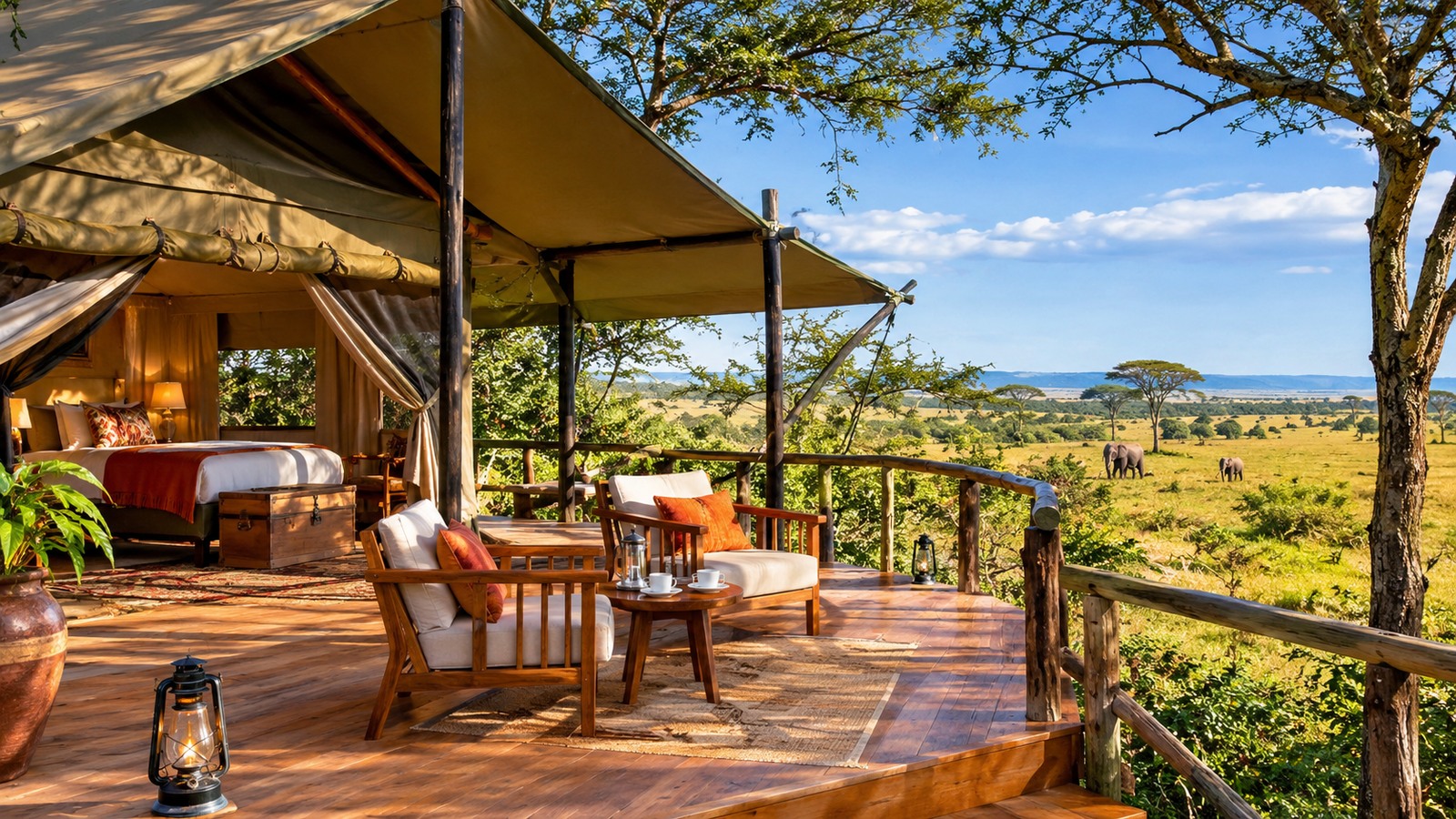
Tented camps and lodges inside or bordering the reserve for dawn drives.
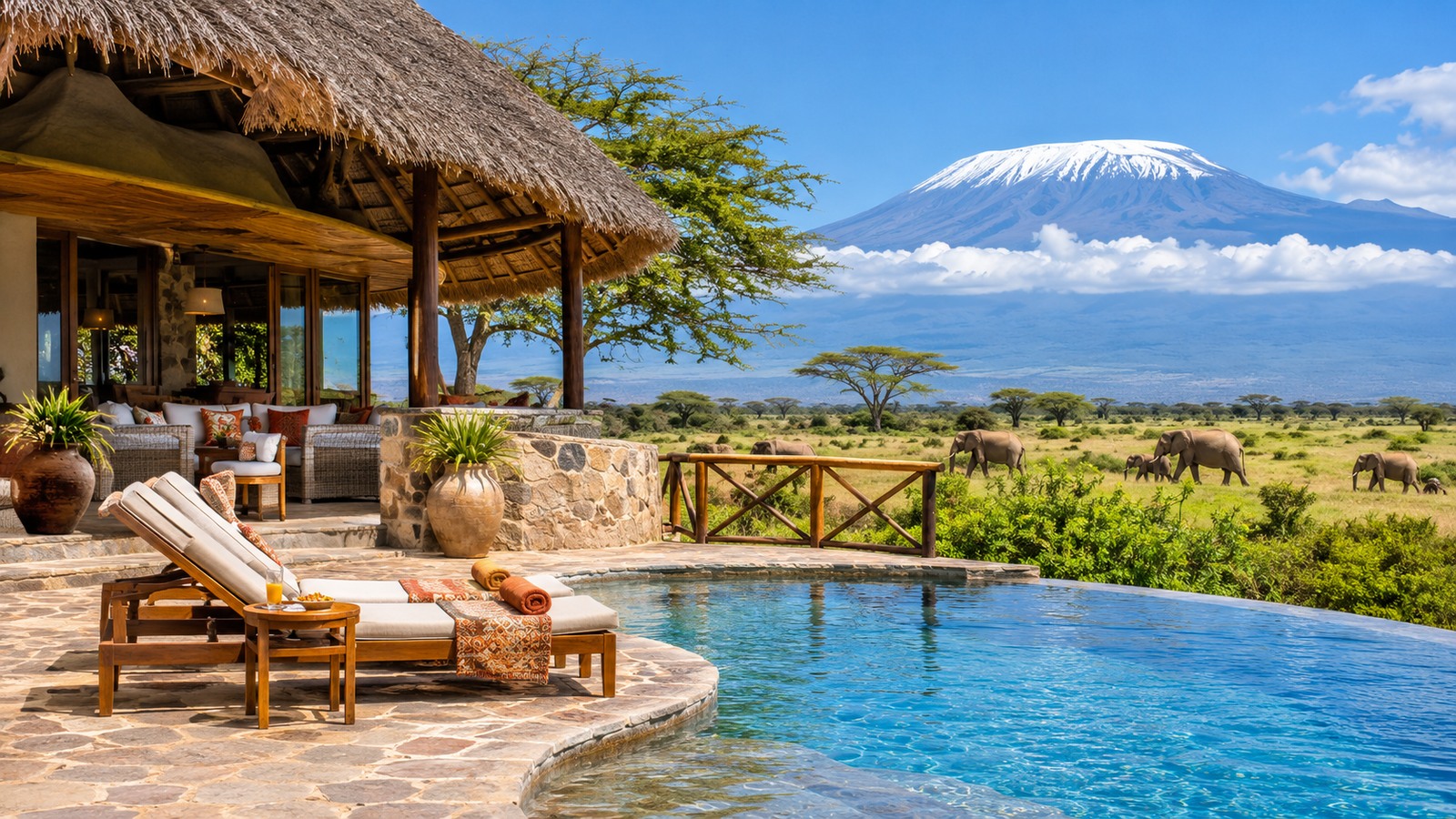
Kilimanjaro-view lodges near the elephant plains.

City hotels for arrival/departure and the wildlife experiences.

Beachfront resorts for the post-safari coast.
Kenyan food features nyama choma (grilled meat), ugali, stews and fresh tropical fruit; lodges serve wide international buffets.
Vegetarians are well served at lodges and in Nairobi — veg curries, chapati, beans, rice and salads; the strong Indian presence means pure-veg and Jain food is available in the city. Tell lodges your requirements in advance.
Nairobi has an excellent Indian food scene thanks to its large Indian-origin community, and most safari lodges cater to veg and Jain requirements with notice.
The Kenyan shilling is the currency (KES 1 is about ₹0.65). Kenya runs on M-Pesa mobile money, which visitors can sometimes use with a local SIM; cards are accepted at hotels, lodges and city shops, but carry cash for tips, markets and village visits. UPI is not accepted. Use bank ATMs in Nairobi and keep small notes for guide and staff tips.
Game drives run in guided 4x4 vehicles with a driver-guide; between parks and the coast, small-plane hops save hours over bumpy roads. Book safaris through a reputable, licensed operator — it is the single most important choice you make.
Take anti-malarial advice from a doctor and carry insect repellent for the parks. A yellow-fever vaccination certificate may be required depending on your route — check before you fly.
Buy a Safaricom or Airtel SIM at the airport for data and M-Pesa, or use a travel eSIM. Kenya uses 240V with the UK-style three-pin Type G socket — carry a universal adapter and a power bank for long drives.
Wear neutral colours (avoid bright white and dark blue/black, which attract tsetse flies), bring a hat, sunglasses, binoculars and a good zoom camera. Follow park rules — stay in the vehicle, keep your distance from wildlife, and do not litter.
Safaris run in guided 4x4 vehicles with a driver-guide — the standard and safest way.
Small planes link Nairobi, the Mara and the coast quickly, saving long drives.
Uber and Bolt work well in the capital.
Kenya is a rewarding destination when handled with a reputable operator. Use trusted safari companies and guides, follow park rules (stay in the vehicle, keep your distance from wildlife), take standard city precautions in Nairobi (avoid displaying valuables and isolated areas at night), consult a doctor about anti-malarials, and carry comprehensive travel insurance with medical evacuation.
❌ Myth: A Kenya safari is unaffordable.
✅ Fact: Luxury camps are pricey, but group safaris with mid-range tented camps, green-season travel and two parks bring a trip closer to ₹1,30,000 per person — a genuine bucket-list experience at a manageable cost.
❌ Myth: You are guaranteed to see the Big Five anytime.
✅ Fact: Timing matters — July–October for the Mara migration, dry seasons for the best general viewing. Good guides and a couple of nights per park hugely improve your sightings.
❌ Myth: Vegetarians cannot eat on safari.
✅ Fact: Lodges cater to veg and Jain diets with notice, and Nairobi’s large Indian community means excellent pure-veg food in the city.
❌ Myth: You can drive yourself around the parks easily.
✅ Fact: Self-driving is possible but challenging; a licensed driver-guide knows the animals, tracks and rules, and small-plane hops save long, rough road transfers.
❌ Myth: Kenya is only about wildlife.
✅ Fact: Pair the safari with Diani’s Indian-Ocean beaches, Lake Nakuru’s flamingos and Maasai culture for a varied week of plains, lakes and coast.
Kenya now uses an online eTA (electronic Travel Authorisation) that all visitors, including Indians, must obtain before travel — it replaced the old visa, and there is no visa-on-arrival. Apply online (around US$30–34) at least 3 days ahead, or let Bluebird Next handle it. Confirm the current rules before booking.
A 6-day safari is roughly ₹1,50,000–₹3,00,000 per person depending on lodge level, and about ₹3,00,000–₹5,50,000 for a couple. Group safaris, mid-range camps and green-season travel bring it to around ₹1,30,000 per person.
The migration typically reaches the Mara around July to October, with dramatic river crossings — the peak safari season, so book lodges well ahead. January–February brings the calving season in the south.
Six days covers two or three parks; eight lets you add an Indian-Ocean beach stay at Diani for safari-plus-beach. Spend a couple of nights per park rather than racing through.
Cards work at hotels, lodges and city shops; UPI is not accepted. Kenya runs on M-Pesa mobile money, and you should carry shilling cash for tips, markets and village visits.
Yes — lodges cater to veg and Jain diets with notice, and Nairobi’s large Indian community means excellent pure-veg food in the city.
Take anti-malarial advice from a doctor, and a yellow-fever certificate may be required depending on your route — check before you fly. Carry insect repellent for the parks.
Yes, with a reputable operator. Follow park rules, use trusted guides, take standard city precautions in Nairobi, and carry comprehensive insurance with medical evacuation. It is a popular, well-run safari destination.
Yes — fly from the parks to Diani or Watamu on the Indian Ocean for white-sand beaches, snorkelling and dhow cruises, making a classic 8-day safari-and-beach trip.
July–October for the Mara migration and dry-season game viewing; January–February for hot, dry weather and the calving season; the green March–May and November months are cheaper and good for birds.
Strongly recommended, with medical evacuation cover — the parks are remote, and insurance also covers safari activities, flights and trip delays.
Sources: Magical Kenya (official tourism) · Kenya eTA (official)
A licensed team that has guided thousands of Indians to their visas and admissions.
 Jitender SinghFounder & Managing Director
 Vikram SinghHead – Quality & Operations
 SanjayHead – Tourist Visa Operations
 TejaswaniHead – Counselling Team
 MahimaHead – Visa Filing & Processing
 Pratigya DuttaHead – Student Visa Processing
Free, no-pressure guidance from a real counsellor who handles your case end to end — from documents to decision.