
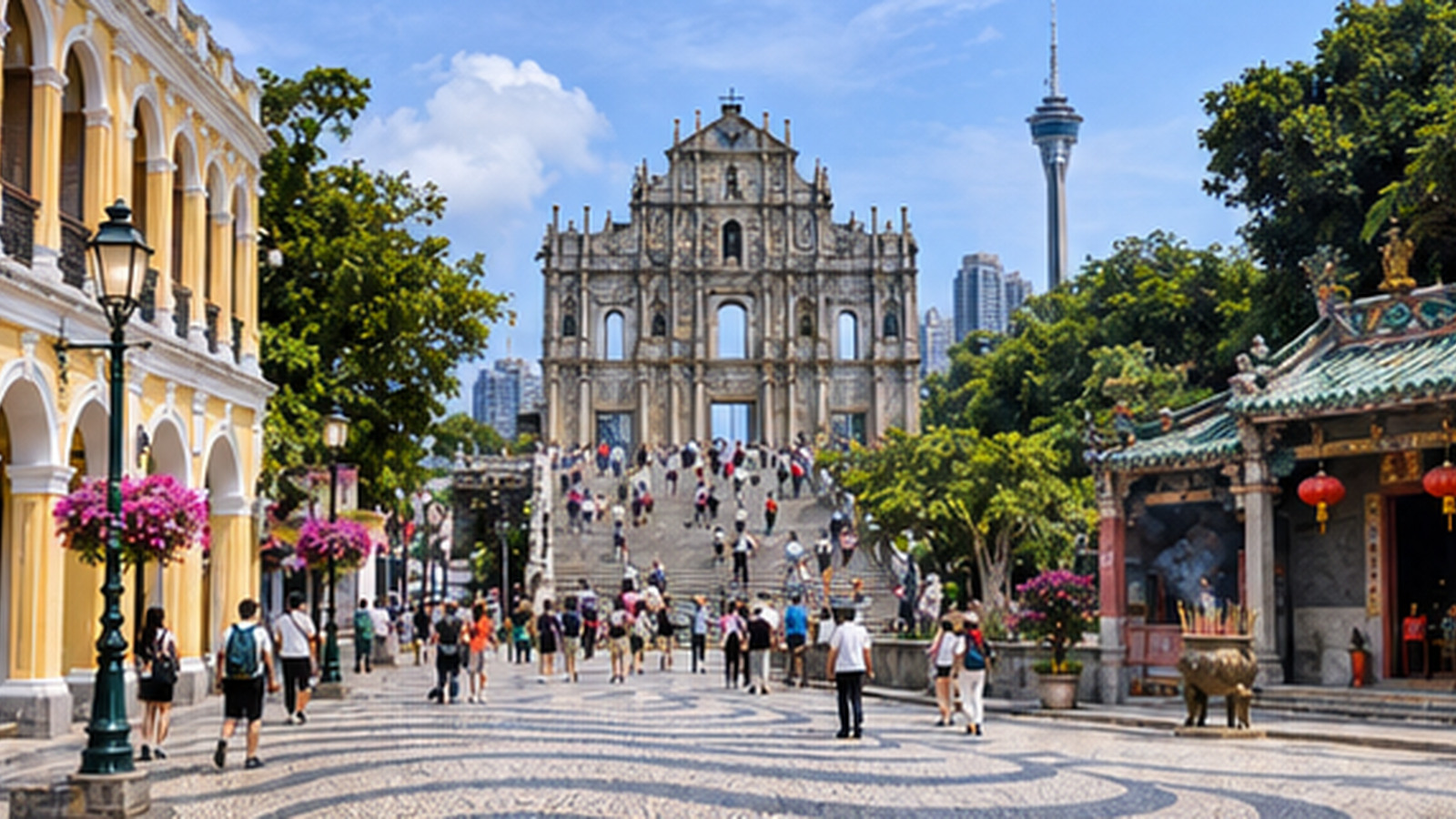
The historic heart — ruins of St Paul’s, Senado Square, A-Ma Temple and the old Portuguese streets.
Las Vegas glamour meets Portuguese heritage — grand casino-resorts, cobbled old streets, egg tarts and a gondola-filled Venetian, all visa-free for Indians.
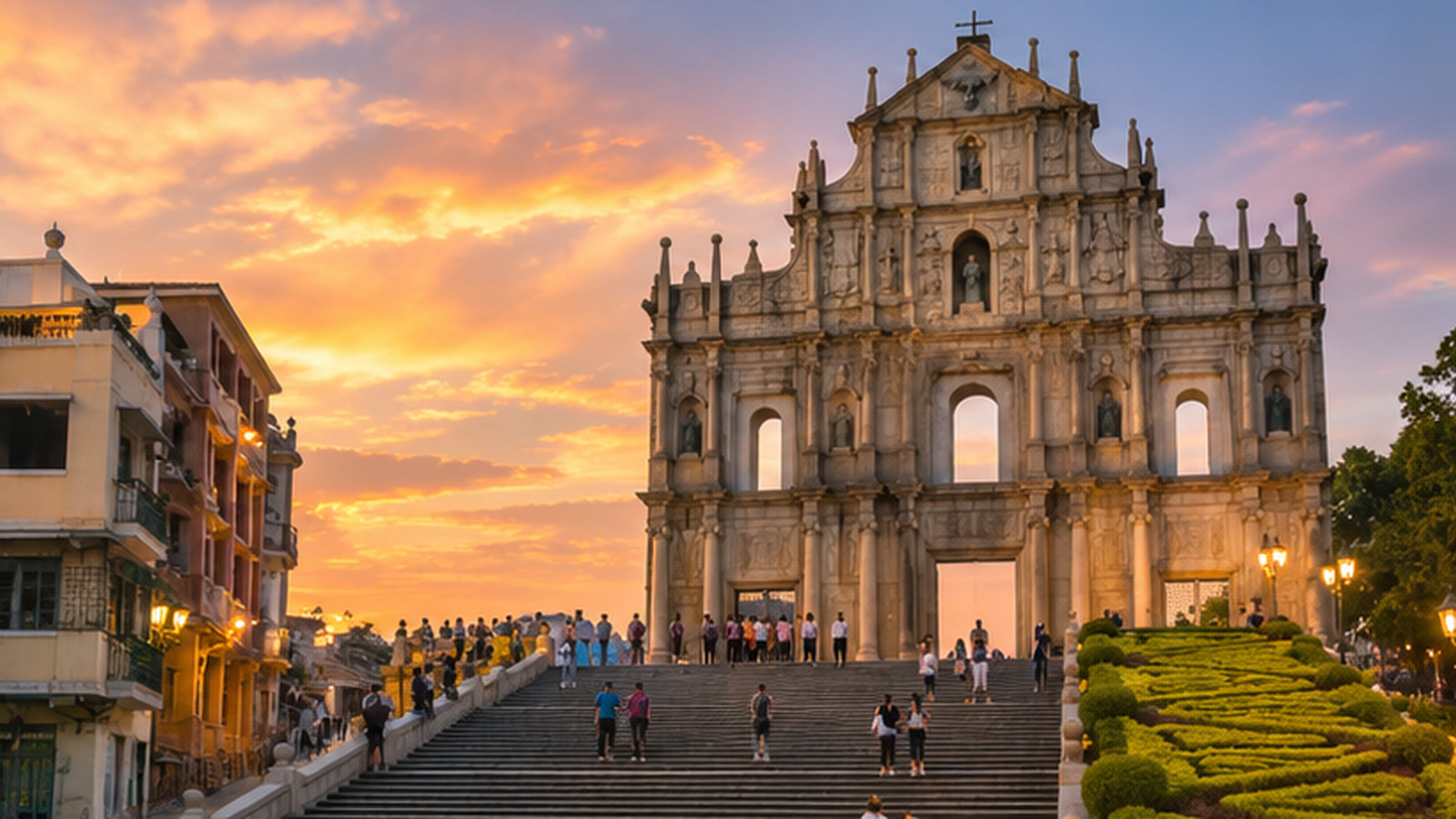
Macau is Asia’s most dazzling little getaway — a former Portuguese colony where grand Las-Vegas-style casino-resorts rise beside cobbled 16th-century streets, baroque churches and the irresistible smell of fresh egg tarts. Compact, glittering and endlessly photogenic, it is an easy add-on to Hong Kong or a short trip in its own right, and it is visa-free for Indian travellers.
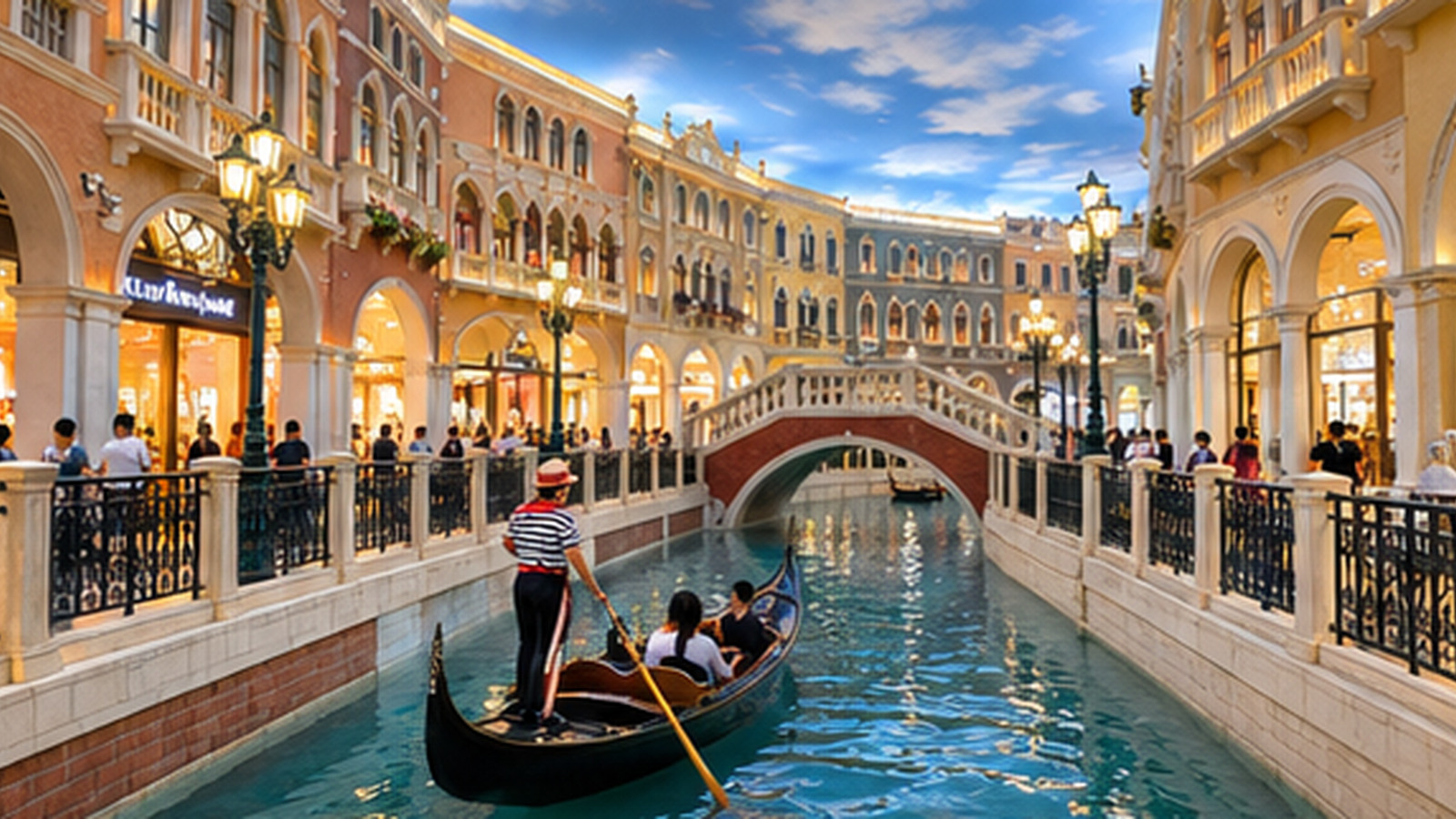
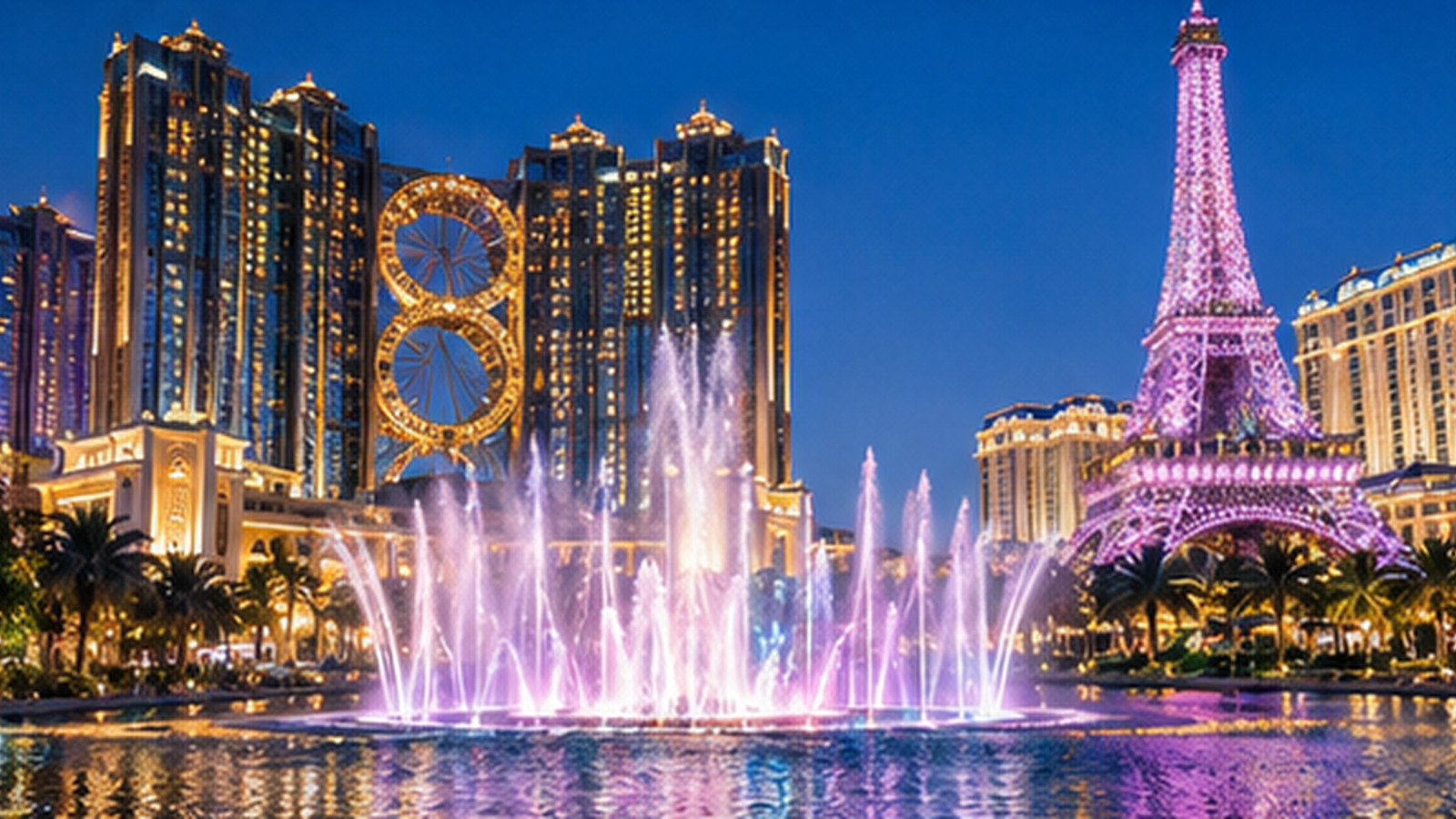
On the Cotai Strip you can ride a gondola through the Venetian, watch the House of Dance show at the City of Dreams, and wander themed mega-resorts. In the old town, the ruins of St Paul’s, Senado Square and the A-Ma Temple tell a unique East-meets-West story recognised by UNESCO. Add Macanese cuisine — a one-of-a-kind blend of Portuguese and Chinese flavours — and you have a surprising, glamorous mini-break.
This guide is written for Indian travellers: the real cost in rupees, the visa-free entry rules, where vegetarians and Jain travellers eat, how to combine Macau with Hong Kong, and a tight 2–3 day plan.
Macau suits Indians who want glamour, heritage and photo-perfect scenes in a short, easy trip — visa-free entry, a quick ferry or bridge from Hong Kong, dazzling resorts, family shows and a unique food culture. It is ideal for couples, families and those adding a glamorous day or two to a Hong Kong holiday.
💡 From our visa desk: Macau is small — two or three days is plenty. Pair the Cotai Strip’s mega-resorts (the Venetian, Parisian, City of Dreams) with the historic peninsula (ruins of St Paul’s, Senado Square). It combines perfectly with Hong Kong via the ferry or the sea bridge. The Hong Kong dollar is accepted alongside the pataca, so you rarely need to change money for a short visit.
Visa-free for Indian tourists for up to 30 days.
Indian passport holders can enter Macau visa-free for tourism for up to 30 days. You need a passport valid at least 30 days beyond your stay (six months recommended), a return or onward ticket and proof of funds and accommodation. Macau is separate from Hong Kong — each has its own entry — so crossing between them is a border crossing.
Check your Macau entry requirement →October to December is the best — cool, dry and clear. Spring is mild but humid; summer (Jun–Sep) is hot, wet and typhoon-prone. Much of Macau is indoors, so it works year-round. See the month table.
| Season | What it's like & who it suits |
|---|---|
| Oct–Dec | The best season — cool, dry and pleasant for walking the old town and outdoor sights. |
| Mar–May | Mild and comfortable but increasingly humid, with occasional drizzle. |
| Jun–Sep | Hot, humid and typhoon-prone; the air-conditioned resorts, casinos and shows shine. |
| Month | Weather & what’s on (incl. Indian holiday windows) |
|---|---|
| January–February | Cool and dry, with Chinese New Year bringing decorations, parades and fireworks (and some closures). A festive, pleasant time. |
| March–May | Mild and comfortable, turning humid with occasional fog and drizzle toward May; good for the old town. |
| June–August | Hot, humid and the typhoon season, with heavy showers; ideal for the indoor mega-resorts, shows and shopping. |
| September | Still warm and humid but easing; typhoons taper toward month-end. |
| October–December | The best window — cool, dry, clear and festive, perfect for walking Senado Square and the ruins of St Paul’s and for outdoor views. |
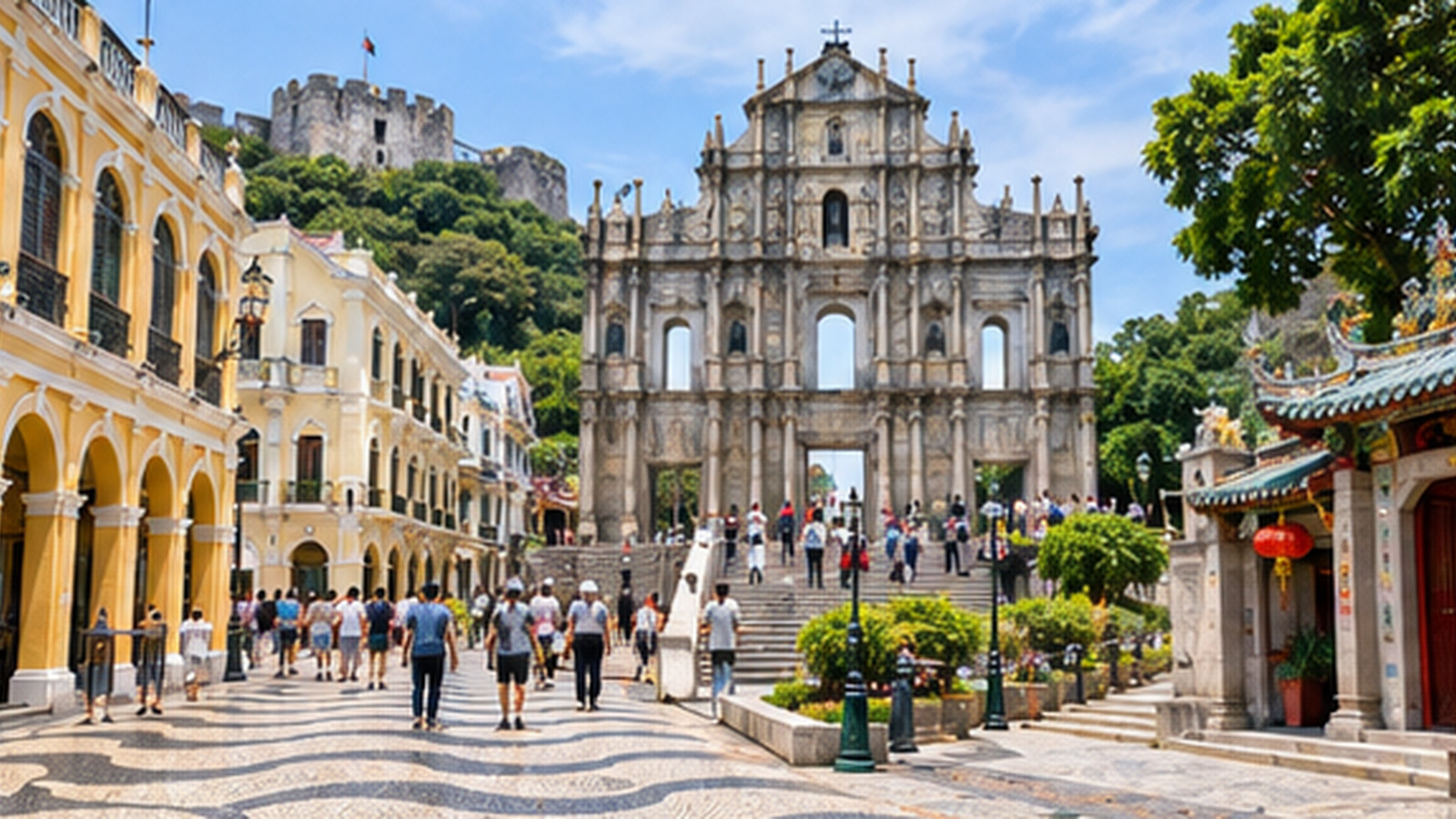
The historic heart — ruins of St Paul’s, Senado Square, A-Ma Temple and the old Portuguese streets.
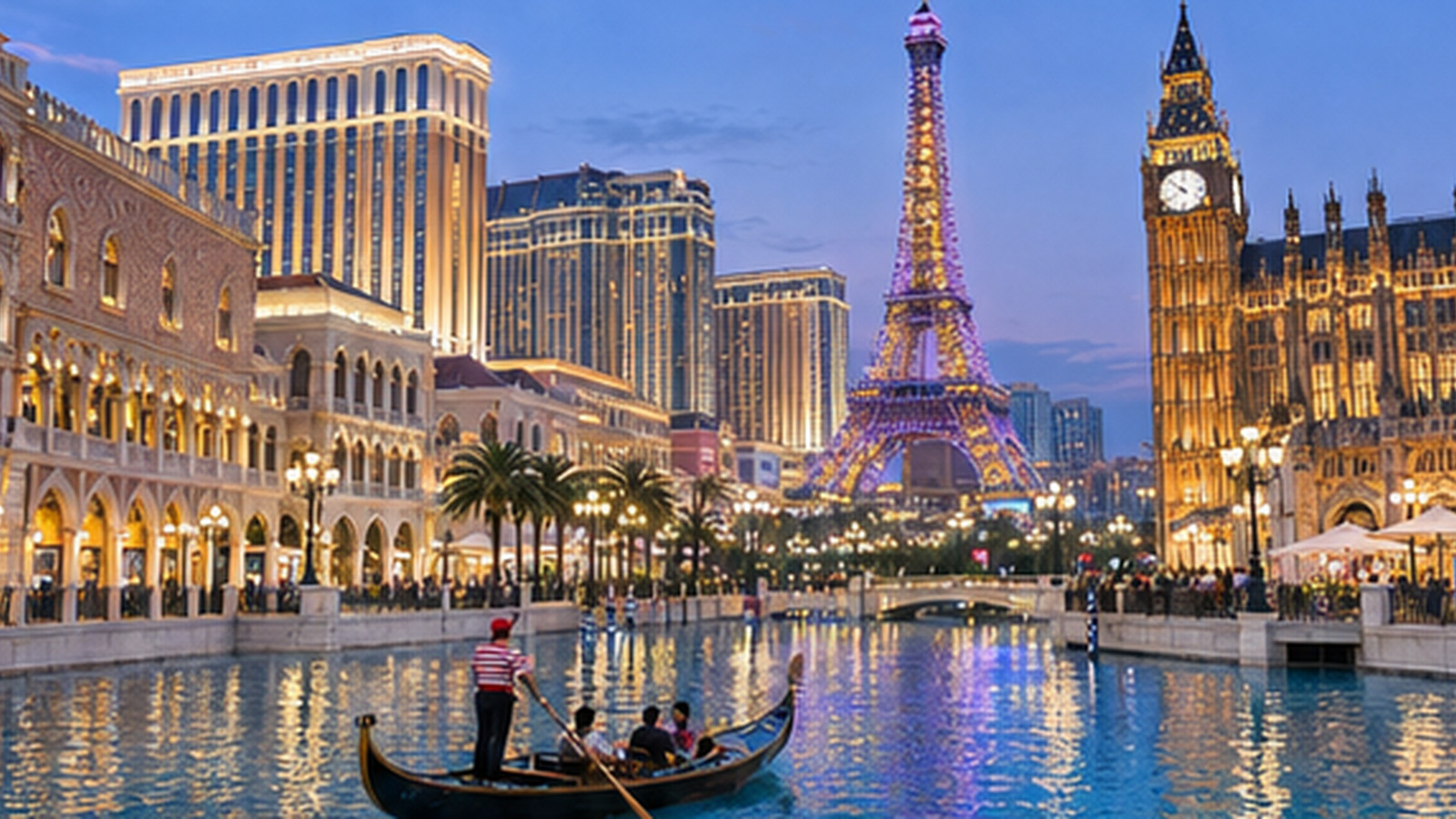
The glittering resort zone — the Venetian, Parisian, City of Dreams and Londoner mega-resorts.
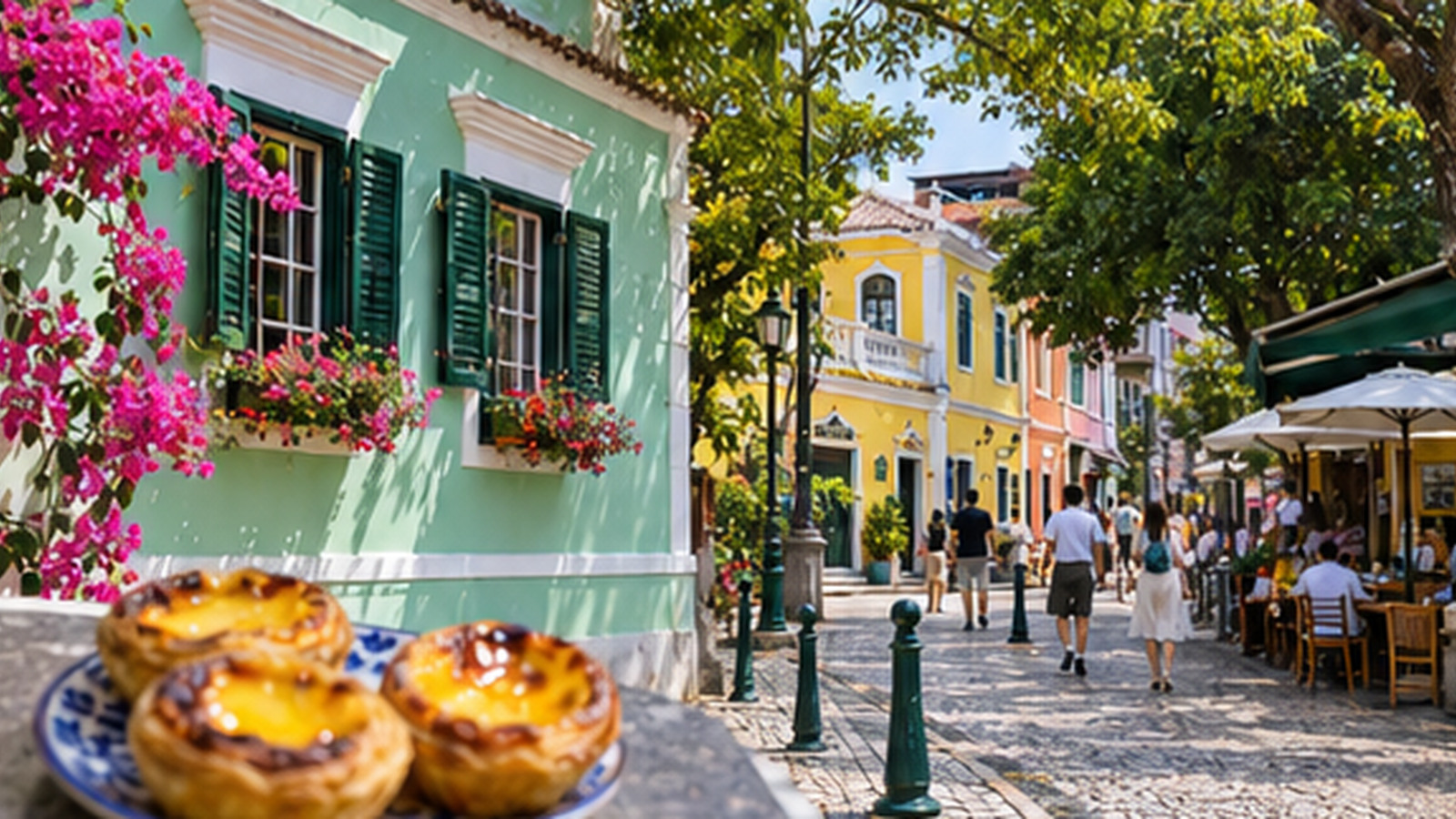
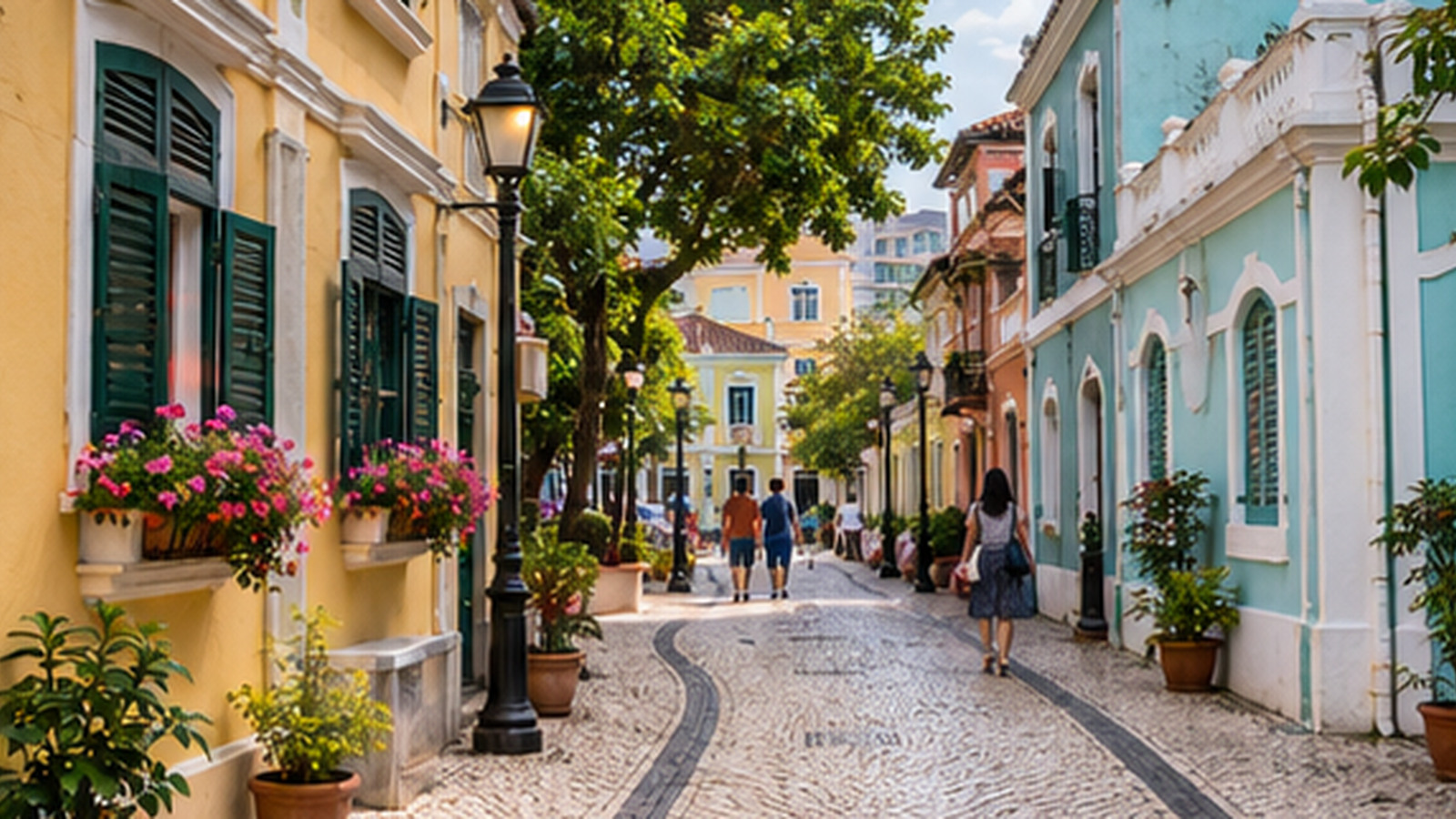
Charming lanes, colourful colonial houses and some of Macau’s best food.
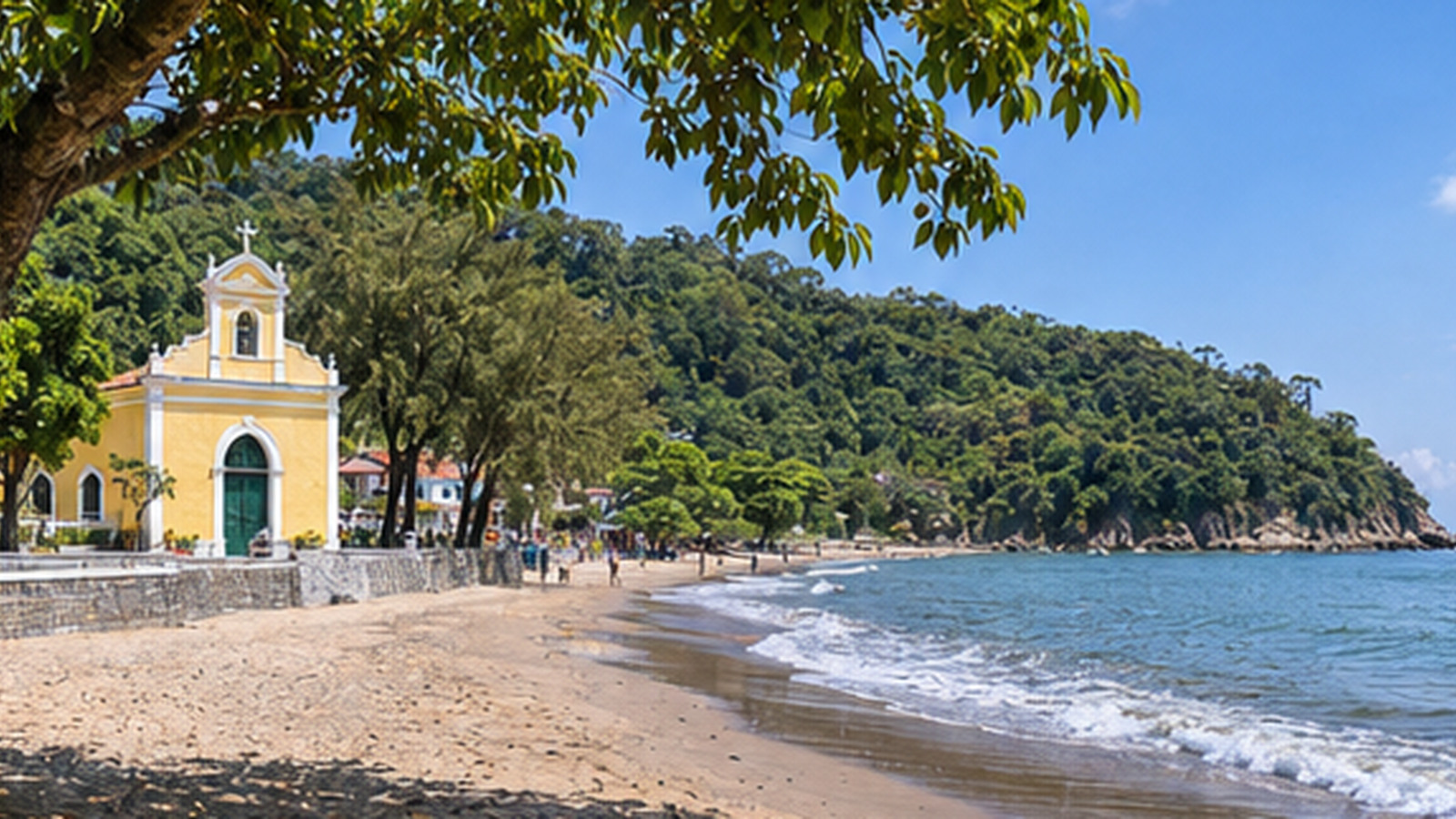
A quieter, greener island with beaches, the original Lord Stow’s egg tarts and village calm.
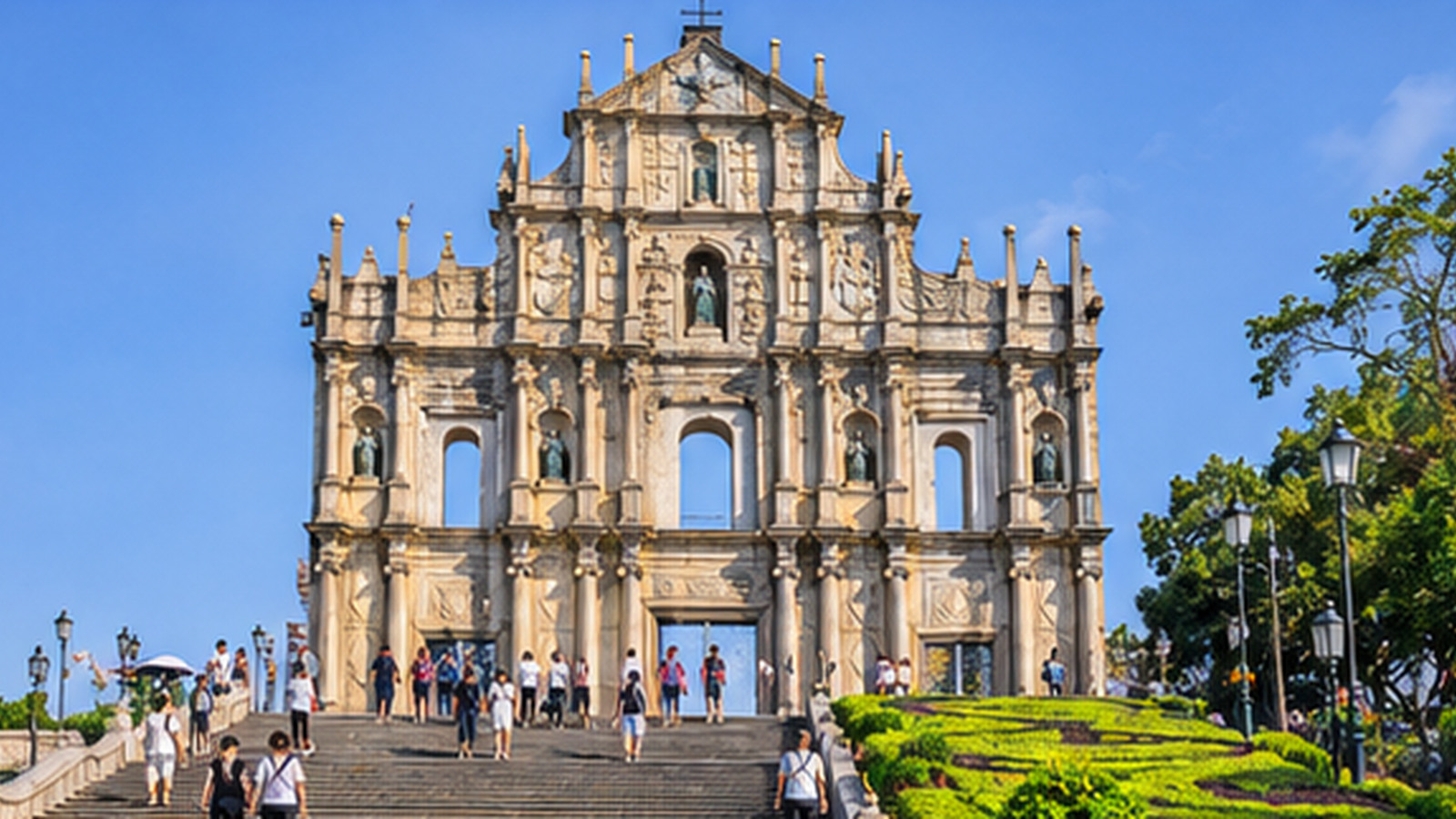
Macau’s iconic 17th-century church façade atop a grand staircase — the city’s symbol.
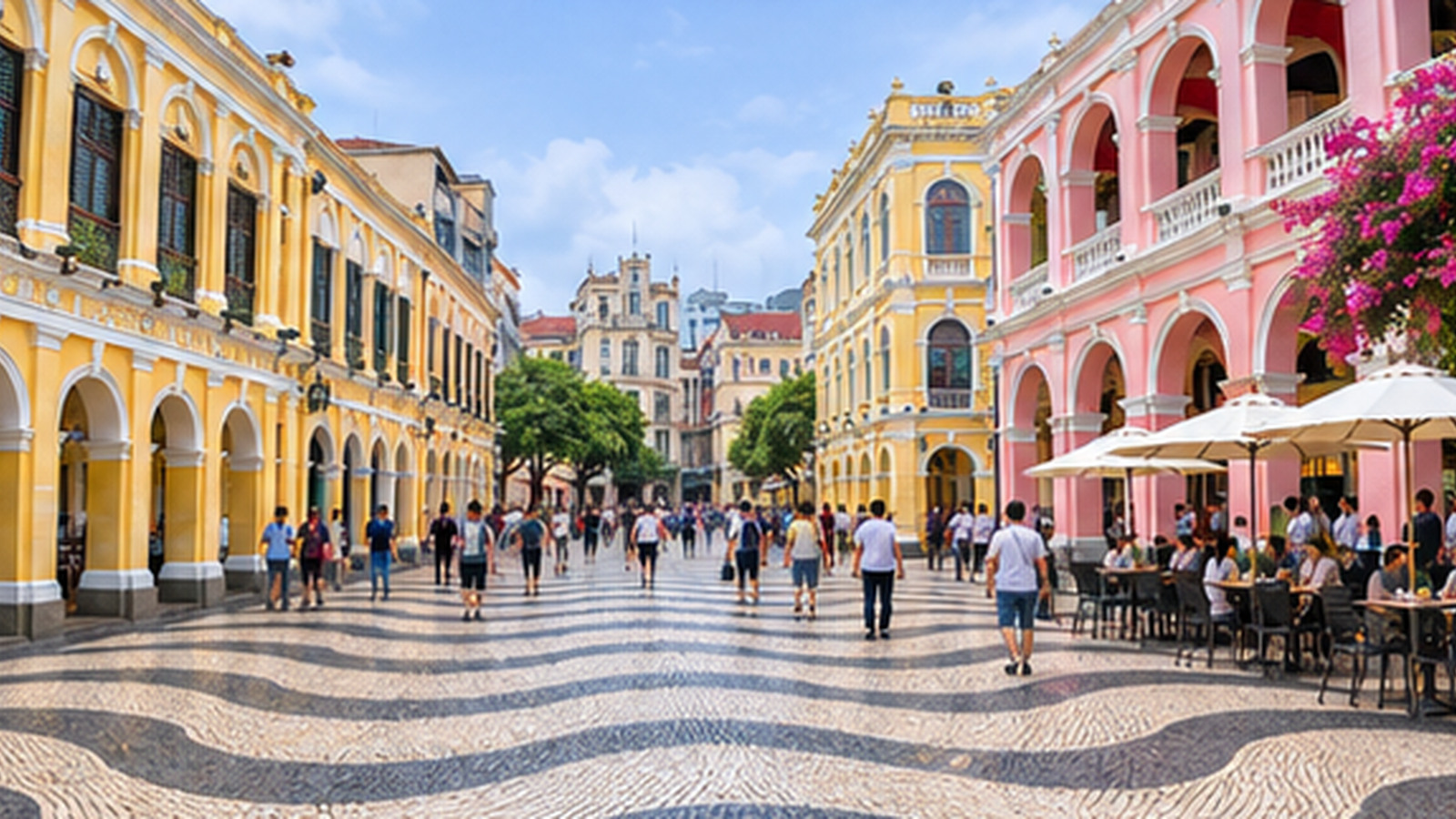
A UNESCO-listed plaza of wave-pattern tiles ringed by pastel colonial buildings and shops.
Gondola rides, canals, luxury shopping and shows under painted skies.
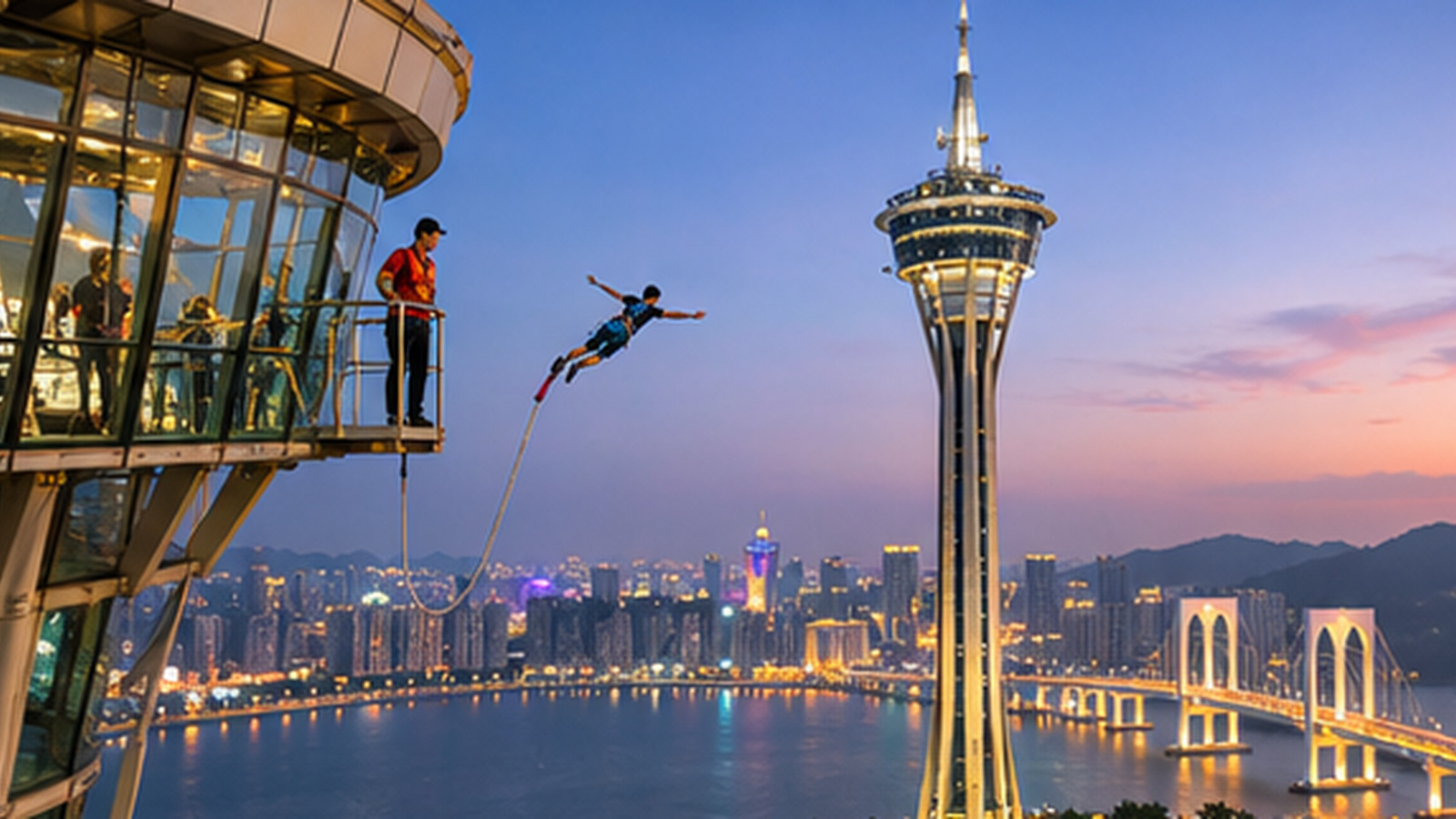
A 338m tower with glass-floor views and the world’s highest bungee jump.
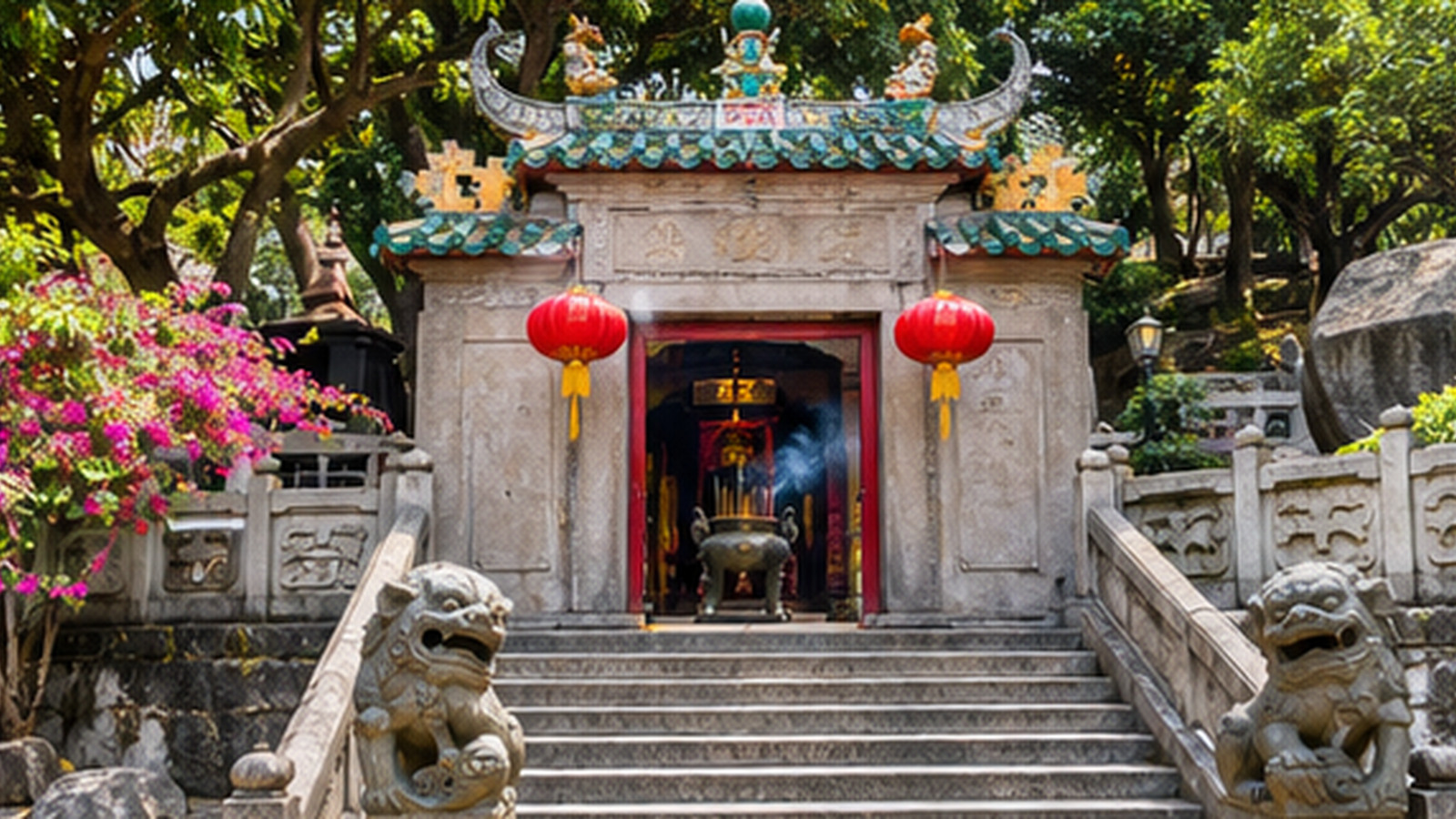
Macau’s oldest temple, dedicated to the sea goddess who gave the city its name.
World-class resort entertainment and water/acrobatic spectacles.
The Venetian, Parisian and City of Dreams spectacles.
Ruins of St Paul’s, Senado Square and the UNESCO old town.
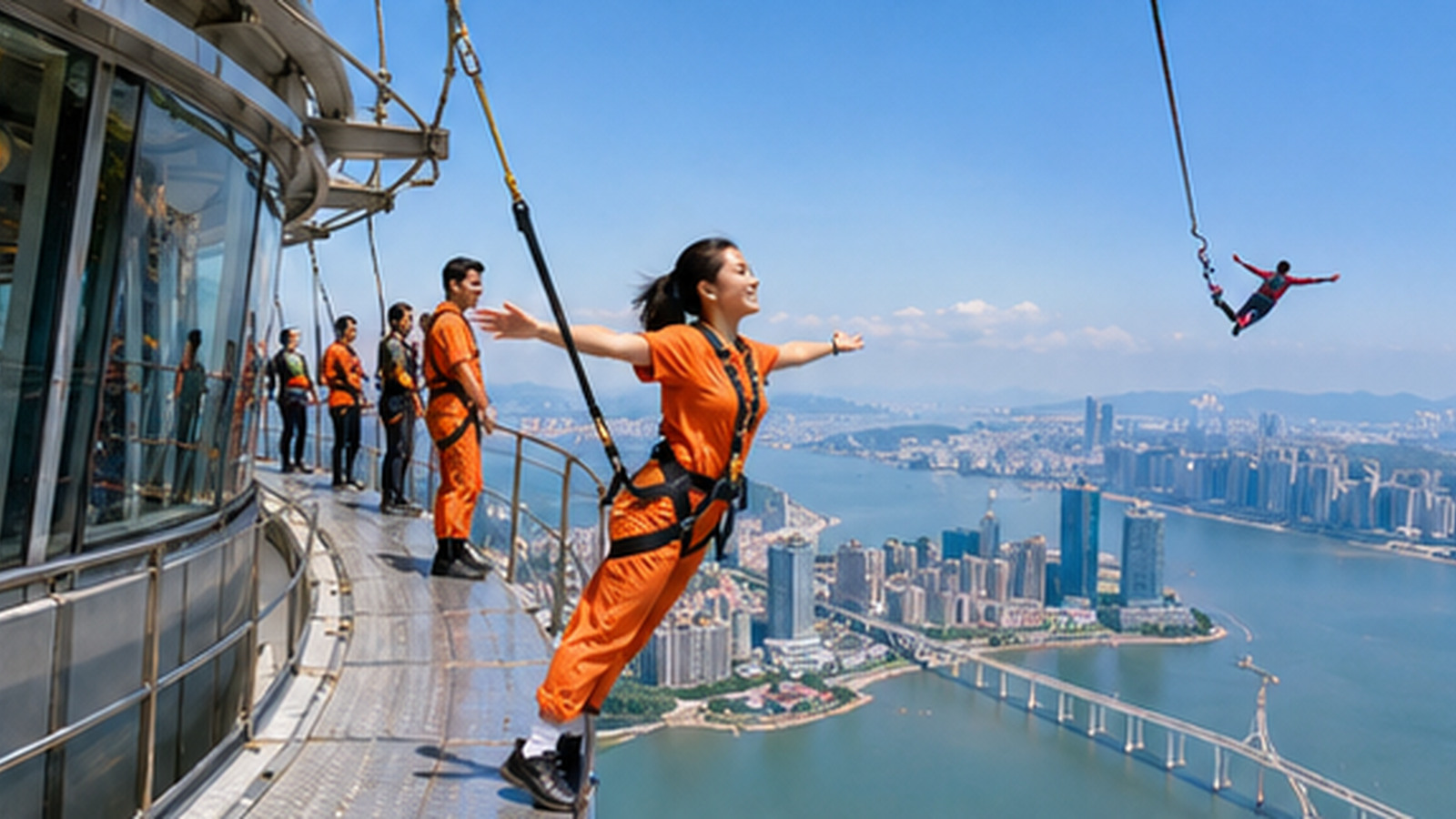
Macanese cuisine, egg tarts, pork-chop buns and Portuguese flavours.
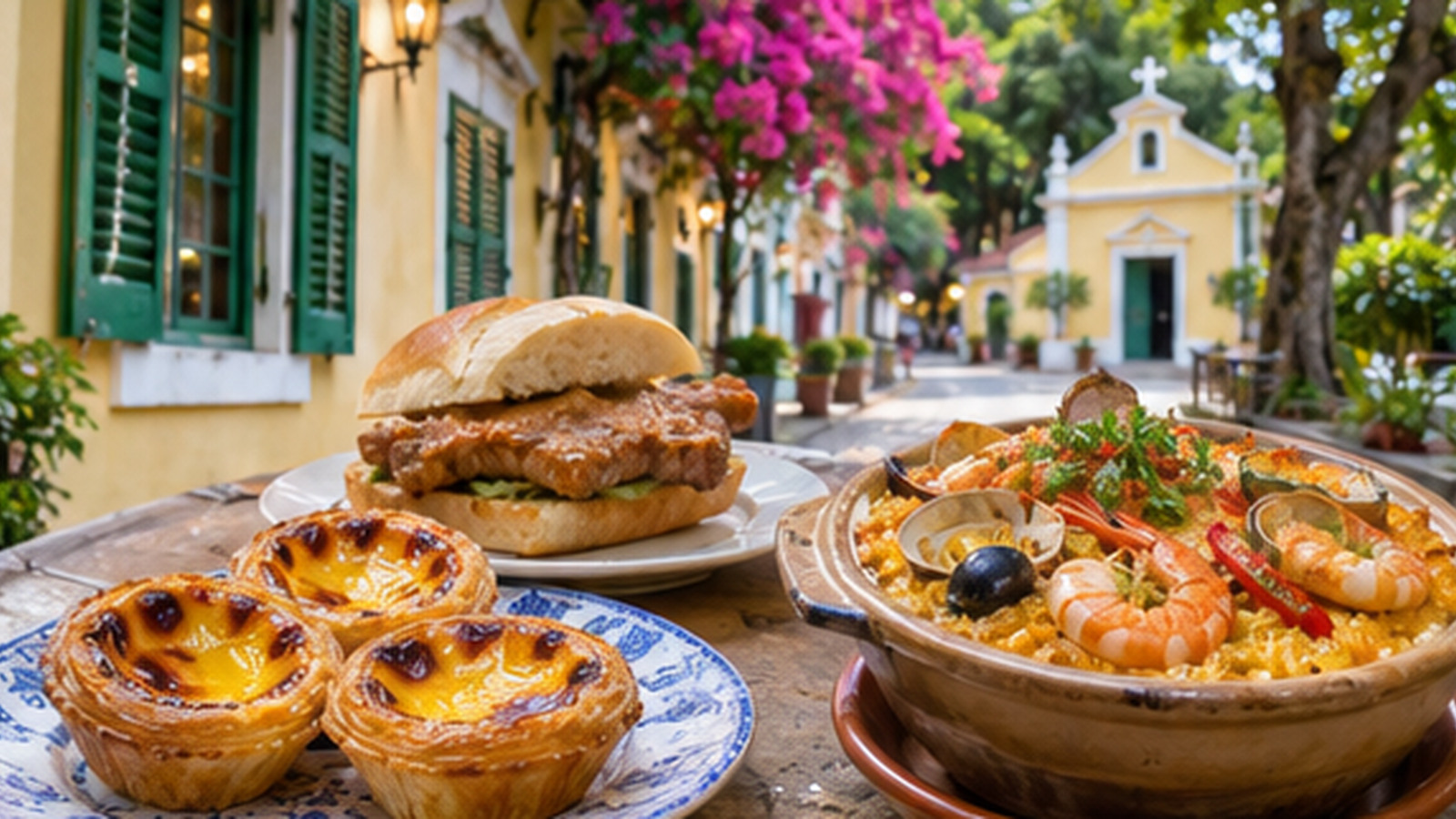
Macau Tower skywalk, bungee and glass floor.
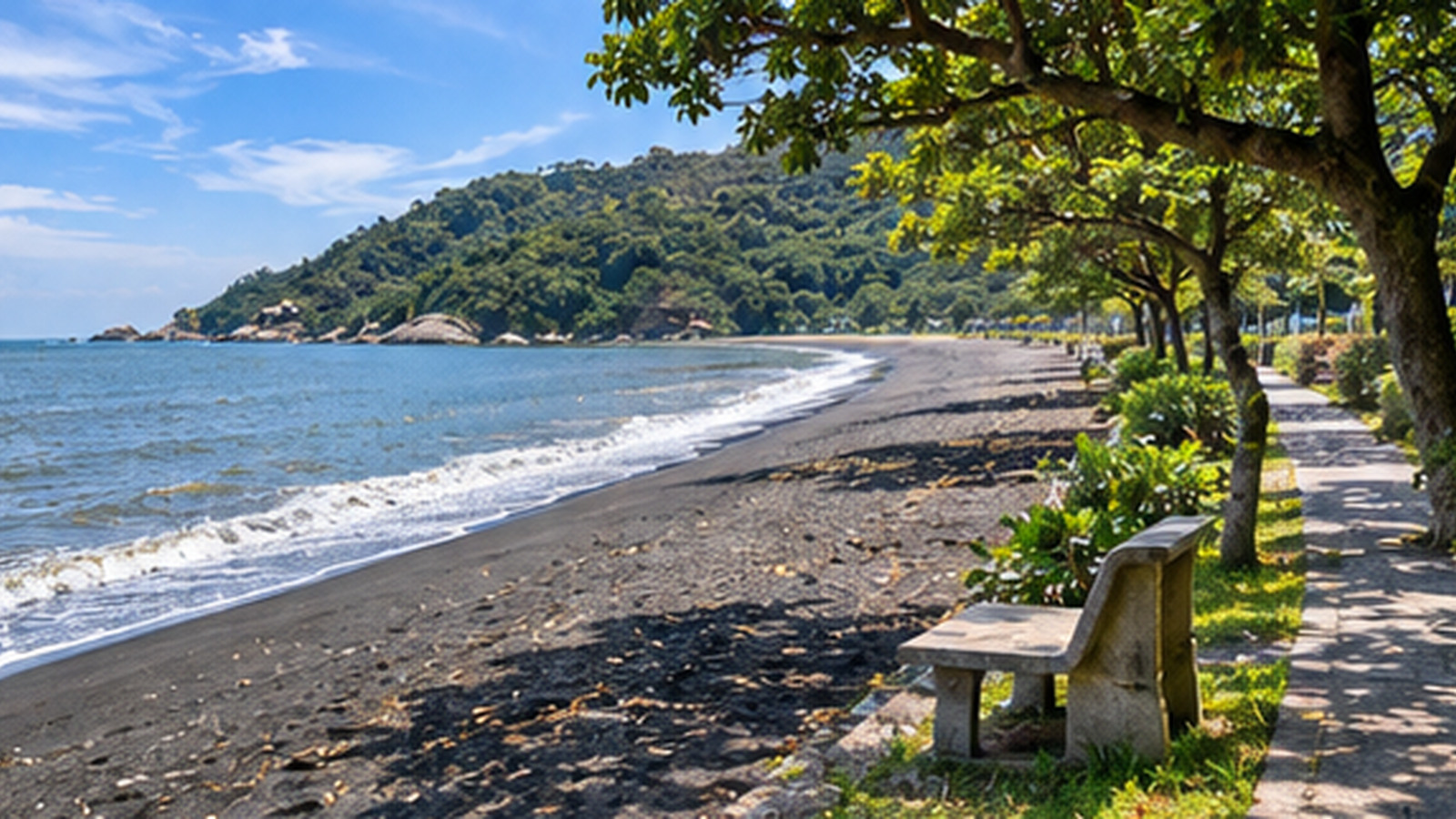
Taipa Village and green Coloane with beaches.
Book tours & activities through our travel partners — see options. Bluebird Next may earn a commission from partner bookings at no extra cost to you (Affiliate Disclosure).
Macau’s resorts can be pricey, but you can enjoy the heritage, shows-browsing and food affordably, and many attractions (wandering resorts, old town) are free. Indicative per-person figures for a 2–3 day trip in 2026 (prices checked Nov 2026).
| Item | Typical cost (per person) |
|---|---|
| Return flights (ex-India, via HK/1-stop) | ₹24,000 – ₹46,000 |
| Entry (visa-free) | ₹0 |
| Ferry/bridge from Hong Kong | ₹1,500 – ₹3,000 return |
| Hotels (per night, twin) | ₹6,000 – ₹15,000 |
| Attractions & shows | ₹1,500 – ₹6,000 each |
| Food | ₹1,500 – ₹3,500 / day |
| From | Typical return airfare |
|---|---|
| Delhi | ₹24,000 – ₹46,000 (via Hong Kong + ferry) |
| Mumbai | ₹24,000 – ₹46,000 (via Hong Kong) |
| Bengaluru | ₹26,000 – ₹48,000 (1-stop) |
| Kolkata | ₹22,000 – ₹42,000 (via Hong Kong) |
| Chennai | ₹26,000 – ₹48,000 (1-stop) |
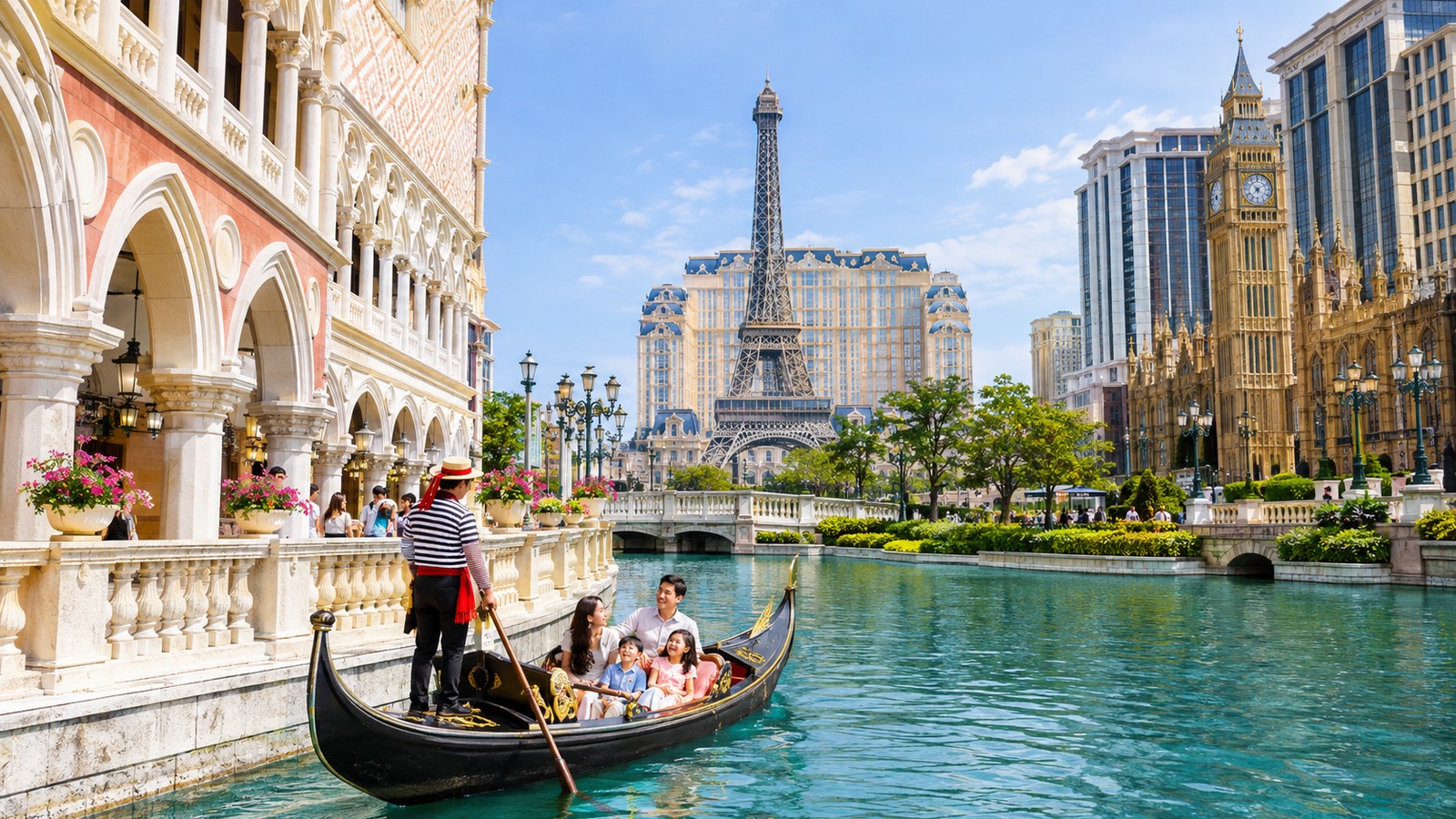
The mega-resorts (Venetian, Parisian, Londoner) — glamorous, family-friendly and self-contained.
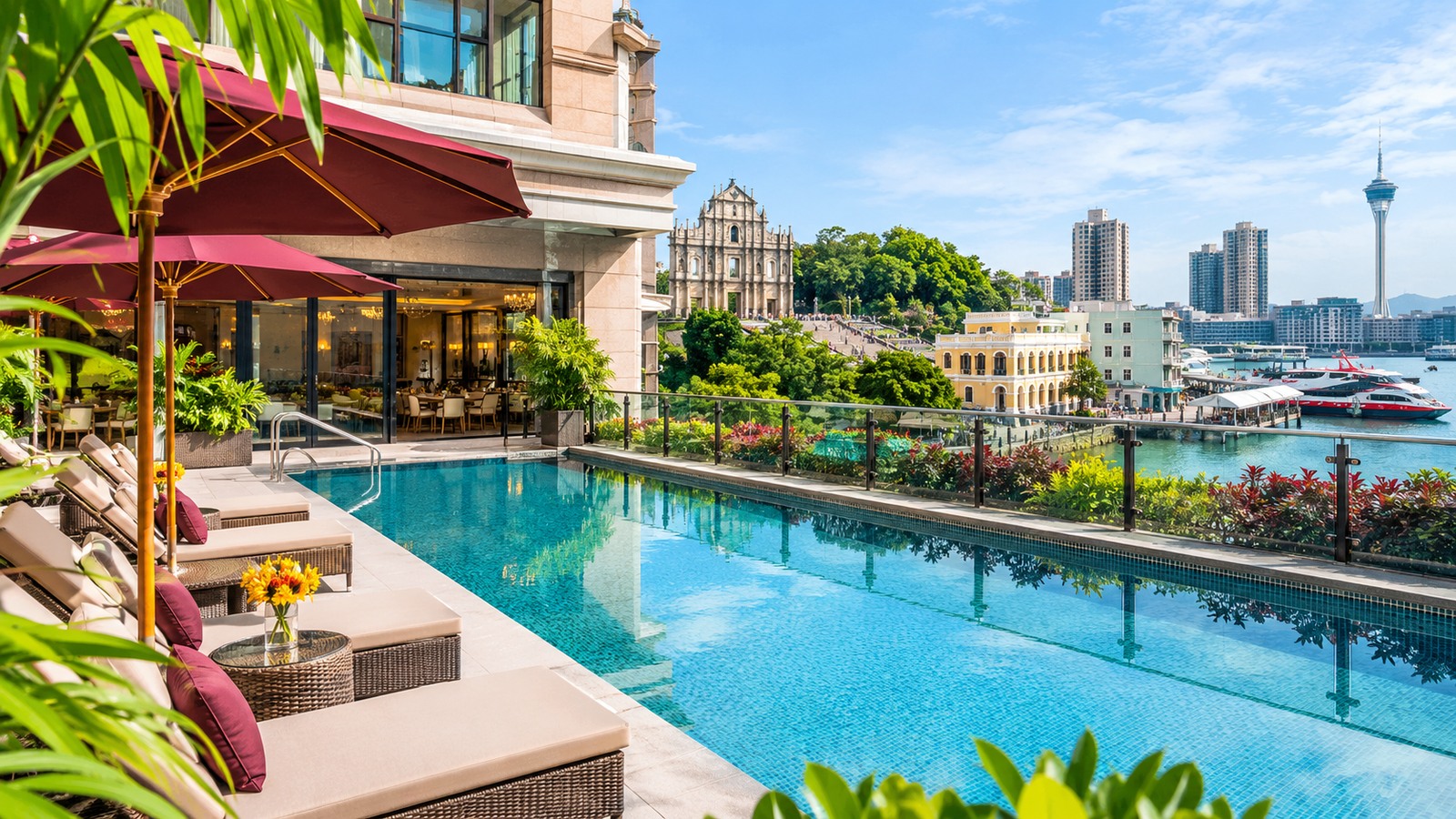
Near the old town and ferry terminal; more mid-range options.
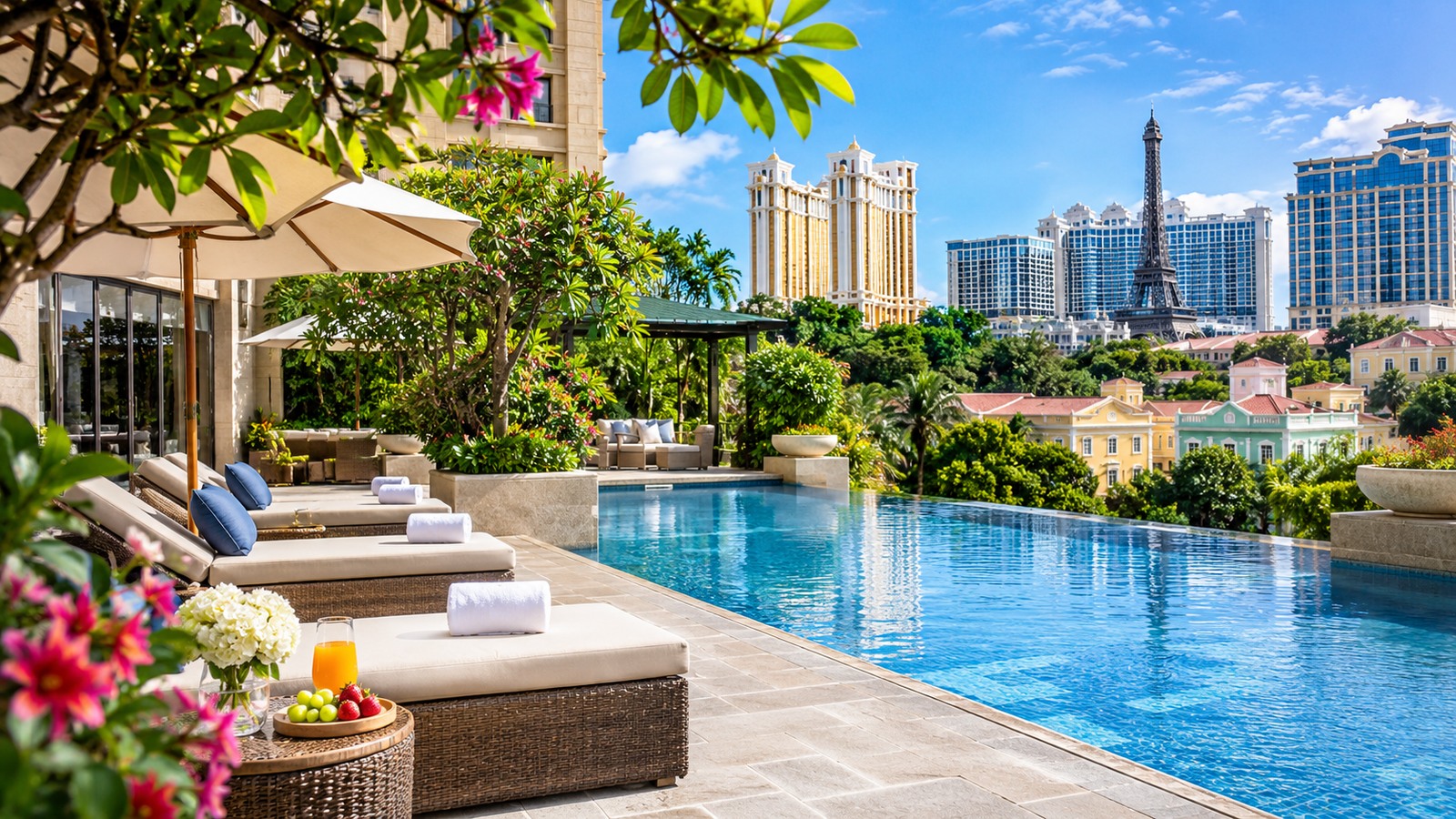
Handy for Cotai and village dining, often better value.
Macau’s food is unique — Macanese cuisine fuses Portuguese and Chinese flavours (minchi, African chicken, bacalhau), alongside famous egg tarts, pork-chop buns and almond cookies.
Vegetarians can find veg Chinese dishes, noodle and tofu meals, Portuguese-style vegetable dishes and egg tarts, plus Indian restaurants in the bigger resorts and the peninsula. Jain travellers should pick Indian or vegetarian Chinese spots and specify no onion/garlic.
Indian restaurants operate in several Cotai resorts and on the peninsula, offering veg and Jain-friendly thalis — a reliable fallback for specific diets.
Macau and Hong Kong are separate — each has its own entry. Macau is visa-free for Indians for 30 days; Hong Kong needs its own free Pre-arrival Registration. Moving between them (ferry or the sea bridge) is a border crossing, so carry your passport.
The pataca is the local currency, but the Hong Kong dollar is widely accepted at par for a short visit, so you rarely need to change money. Cards work in resorts and shops; carry some cash for small eateries and buses. UPI is not accepted.
Macau is compact — the free resort shuttle buses (to the ferry, airport and between resorts) cover most needs, plus cheap public buses and the light rail on Taipa/Cotai. Taxis are available; the old town is best on foot.
Most Indians arrive via Hong Kong (ferry or the Hong Kong–Zhuhai–Macau Bridge bus) or fly into Macau with one stop. The ferry from Hong Kong takes about an hour.
Use a Hong Kong/Macau travel SIM or eSIM; Wi-Fi is widespread in resorts. Macau uses 220V with the UK-style Type G three-pin plug, so carry a universal adapter.
The easiest way around — frequent free buses link the ferry, airport and Cotai resorts.
Cheap public buses and the Taipa/Cotai light rail; the old town is walkable.
One-hour ferries and the sea-bridge bus connect the two — remember it is a border crossing.
Macau is very safe, clean and well-organised, suitable for families and solo women travellers, with low crime and heavy security around the resorts. Take normal care of valuables, gamble responsibly if at all, follow typhoon advisories in summer, and carry travel insurance for medical care and trip delays.
❌ Myth: Macau is only for gambling.
✅ Fact: Beyond the casinos are UNESCO heritage streets, baroque churches, unique Macanese food, resort shows, a thrilling tower and green islands — plenty for non-gamblers and families.
❌ Myth: Indians need a visa for Macau.
✅ Fact: No — Indians enter visa-free for up to 30 days; just carry a passport, return ticket and proof of funds.
❌ Myth: Hong Kong and Macau are the same entry.
✅ Fact: They are separate — each has its own entry, and crossing between them is a border crossing (Hong Kong needs its own free PAR).
❌ Myth: You need a lot of days for Macau.
✅ Fact: It is small — two to three days, or even a day trip from Hong Kong, covers the highlights.
❌ Myth: Vegetarians can’t eat well.
✅ Fact: Vegetarian Chinese, Portuguese vegetable dishes, egg tarts and Indian restaurants in the resorts make it easy.
No — Indian passport holders can enter Macau visa-free for tourism for up to 30 days. Carry a passport valid well beyond your stay, a return or onward ticket and proof of funds and accommodation. Macau is separate from Hong Kong, each with its own entry.
Yes — they are separate. Macau is visa-free for Indians; Hong Kong requires its own free Pre-arrival Registration. Moving between them by ferry or the sea bridge is a border crossing, so carry your passport.
A 2–3 day trip is roughly ₹45,000–₹90,000 per person including flights, and about ₹90,000–₹1,70,000 for a couple. It is often best combined with Hong Kong to share the airfare; many attractions and resort-wandering are free.
Most arrive via Hong Kong — a one-hour ferry or the Hong Kong–Zhuhai–Macau Bridge bus — or fly into Macau with one stop. There are no direct flights from India.
Two to three days cover the heritage old town, the Cotai resorts and the islands; even a day trip from Hong Kong hits the highlights.
October to December is best — cool, dry and clear. Spring is mild but humid; summer is hot, wet and typhoon-prone, though the indoor resorts shine year-round.
Yes — vegetarian Chinese dishes, Portuguese vegetable options, egg tarts and Indian restaurants in the resorts and old town cover veg and Jain diets; specify no onion/garlic at Chinese places.
The pataca is local, but the Hong Kong dollar is widely accepted at par, so for a short visit you rarely need to change money. Cards work in resorts; carry some cash for small eateries. UPI is not accepted.
Macau is compact — the free resort shuttle buses (to the ferry, airport and between resorts) cover most needs, with cheap public buses, the Taipa/Cotai light rail and taxis. The old town is best on foot.
Yes — it is very safe, clean and well-policed, with heavy security around the resorts. Take normal care of valuables, follow typhoon advisories in summer, and carry travel insurance.
Recommended — it covers medical care, trip delays (useful in typhoon season) and lost belongings, for a small cost on a short trip.
Yes — the mega-resorts have gondola rides, water and acrobatic shows, arcades and themed attractions, while the old town, Macau Tower and green Coloane add variety. It is compact, safe and easy to navigate, making it a great short family add-on to Hong Kong.
Sources: Macao Government Tourism Office (official) · Macau SAR Government — immigration (official)
A licensed team that has guided thousands of Indians to their visas and admissions.
 Jitender SinghFounder & Managing Director
 Vikram SinghHead – Quality & Operations
 SanjayHead – Tourist Visa Operations
 TejaswaniHead – Counselling Team
 MahimaHead – Visa Filing & Processing
 Pratigya DuttaHead – Student Visa Processing
Free, no-pressure guidance from a real counsellor who handles your case end to end — from documents to decision.