
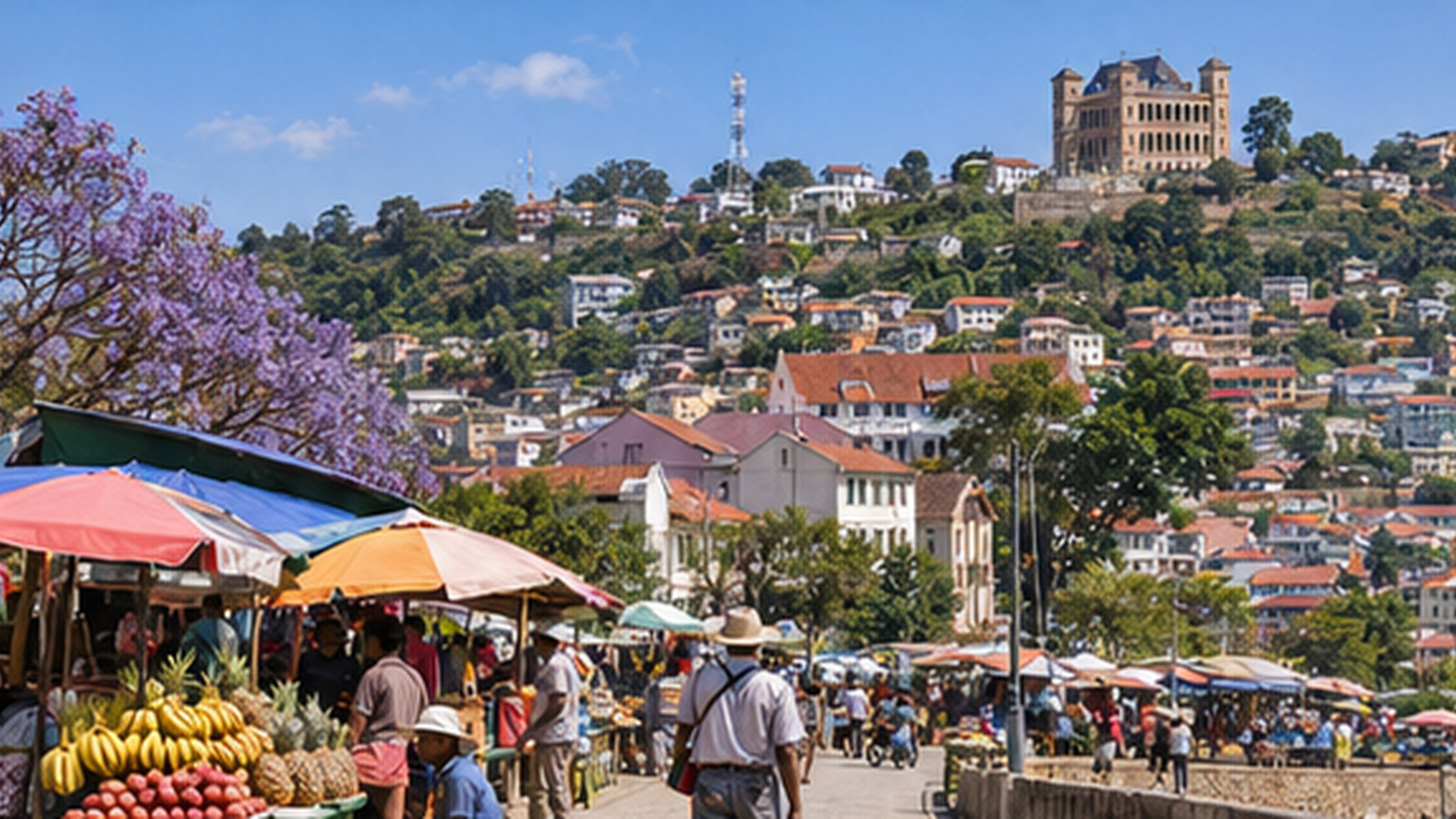
The hilly highland capital and main gateway, with markets, palaces and a lively culture.
A living laboratory of nature — lemurs, the surreal Avenue of the Baobabs, limestone pinnacles and island beaches found nowhere else on Earth, with an easy visa on arrival for Indians.
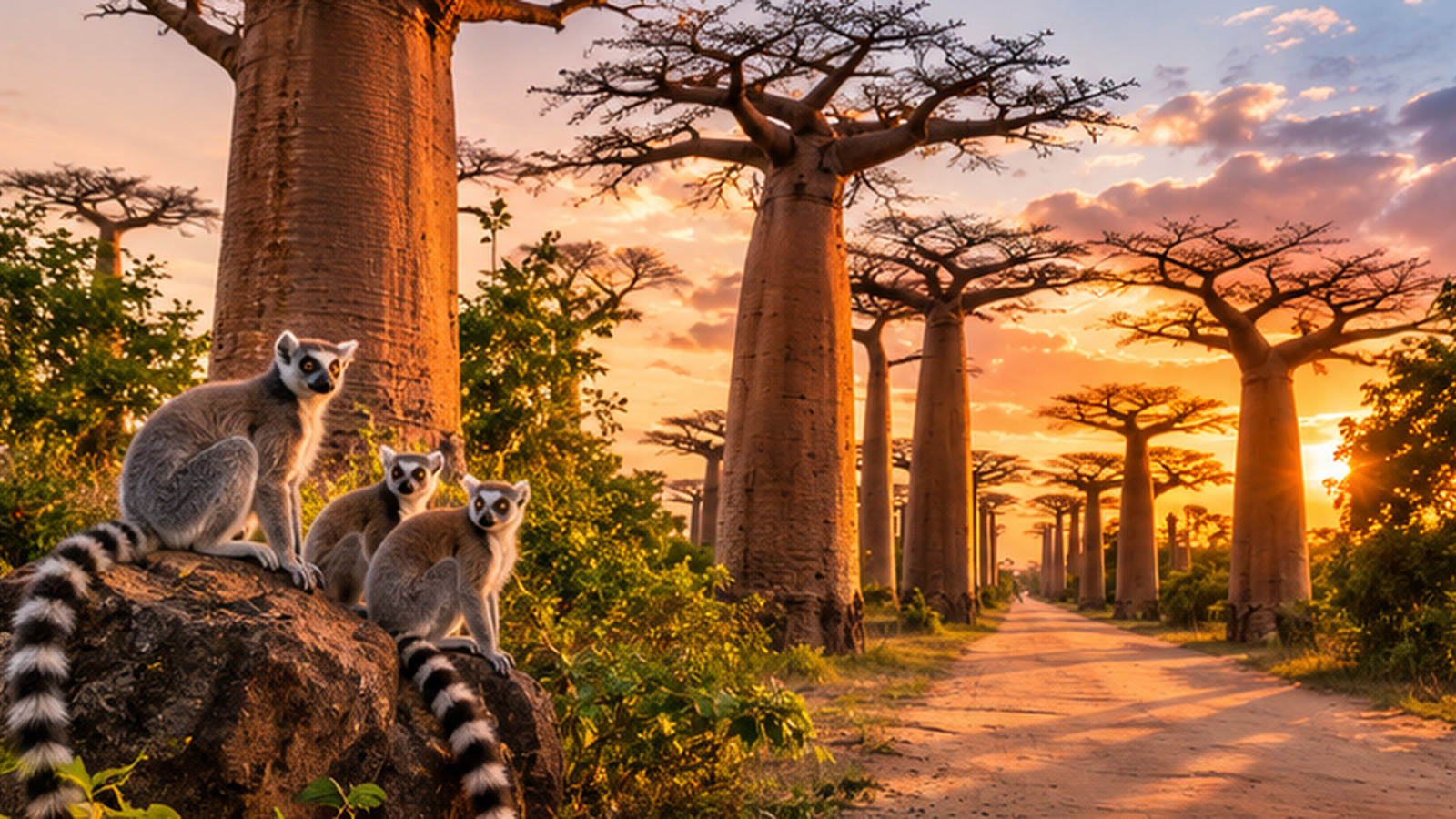
Madagascar is one of the most extraordinary destinations on Earth — a vast island off Africa’s east coast where around 90% of the wildlife exists nowhere else, from wide-eyed lemurs and chameleons to the surreal, ancient baobab trees that line a famous avenue. For adventurous Indian travellers it is a true bucket-list journey into raw nature, now accessible with a simple visa on arrival.
Watch dancing sifaka lemurs in Andasibe and Berenty, photograph the glowing sunset at the Avenue of the Baobabs near Morondava, trek the razor-sharp limestone pinnacles of the Tsingy de Bemaraha, and unwind on the turquoise beaches and reefs of Nosy Be. Rainforests, deserts, highlands and islands pack into one wildly biodiverse country, with a culture that blends African, Asian and French influences. It is remote and adventurous — and utterly unique.
This guide is written for Indian travellers: the real cost in rupees, exactly how the visa on arrival works, where vegetarians and Jain travellers eat, how to plan the long internal distances, and a route through lemurs, baobabs and beaches.
Madagascar suits adventurous Indians who want nature found nowhere else — lemurs, baobabs, chameleons and pristine beaches — with an easy visa on arrival. It is best for wildlife lovers, photographers, honeymooners (Nosy Be) and intrepid travellers happy with long road journeys and a sense of real exploration.
💡 From our visa desk: Madagascar is huge and roads are slow, so don’t try to see it all — pick a region. Classic combos: Andasibe (lemurs) + Antananarivo, or fly to Morondava for the Baobabs and Tsingy, or Nosy Be for beaches. Internal flights save days over long drives. The dry season (Apr–Nov) is best; wildlife is most active Sep–Nov. Carry cash — cards rarely work outside the capital.
Visa on arrival for Indian tourists (an e-visa is also available) — easy for short stays.
Indian passport holders can obtain a tourist visa on arrival at the international airports for short stays, and an e-visa can be arranged online in advance. The visa fee is tiered by length of stay (around €30/US$35 for up to 15 days, rising for longer stays); confirm the current tiers before travel. Carry a passport valid six months, a return ticket and proof of funds and accommodation.
Check your Madagascar entry requirement →April to November (the dry season) is best — pleasant weather, active wildlife and passable roads. September to November is prime for lemurs and baobab sunsets. The wet season (Dec–Mar) brings rain and cyclones. See the month table.
| Season | What it's like & who it suits |
|---|---|
| Apr–Nov (dry) | The best season — dry, pleasant and good for wildlife, roads and the coast; peak comfort. |
| Sep–Nov | Prime time — active lemurs (with babies), jacaranda blooms and glorious baobab sunsets. |
| Dec–Mar (wet) | Hot, rainy and cyclone-prone, with some parks and roads impassable; lush and green between storms. |
| Month | Weather & what’s on (incl. Indian holiday windows) |
|---|---|
| April–May | Early dry season — green after the rains, mild and pleasant, with roads reopening and good wildlife viewing. A lovely, quieter window. |
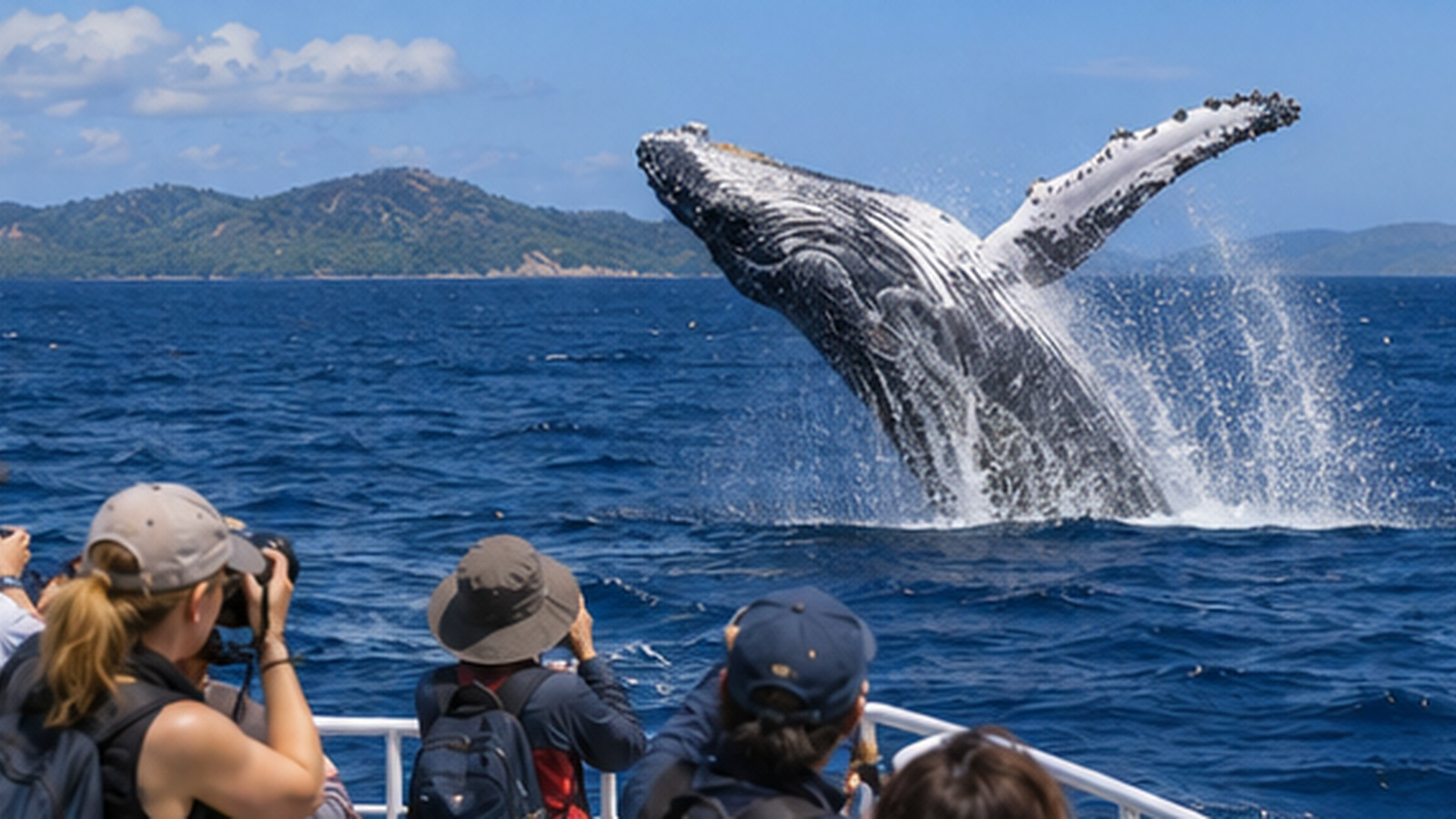
| June–August | Peak dry season — cool, sunny days (cold in the highlands) and reliable roads; whale watching off the east coast July–September. Busy; book ahead. |
| September–October | Prime time — warm, dry and best for lemurs (with babies), chameleons and the famous baobab sunsets; jacarandas bloom in the capital. |
| November | Warm and still mostly dry, excellent for wildlife before the rains; thinner crowds. |
| December–March | Hot, humid wet season with heavy rain and cyclone risk; some western/northern parks and roads become impassable, though landscapes are lush and green. |
The hilly highland capital and main gateway, with markets, palaces and a lively culture.
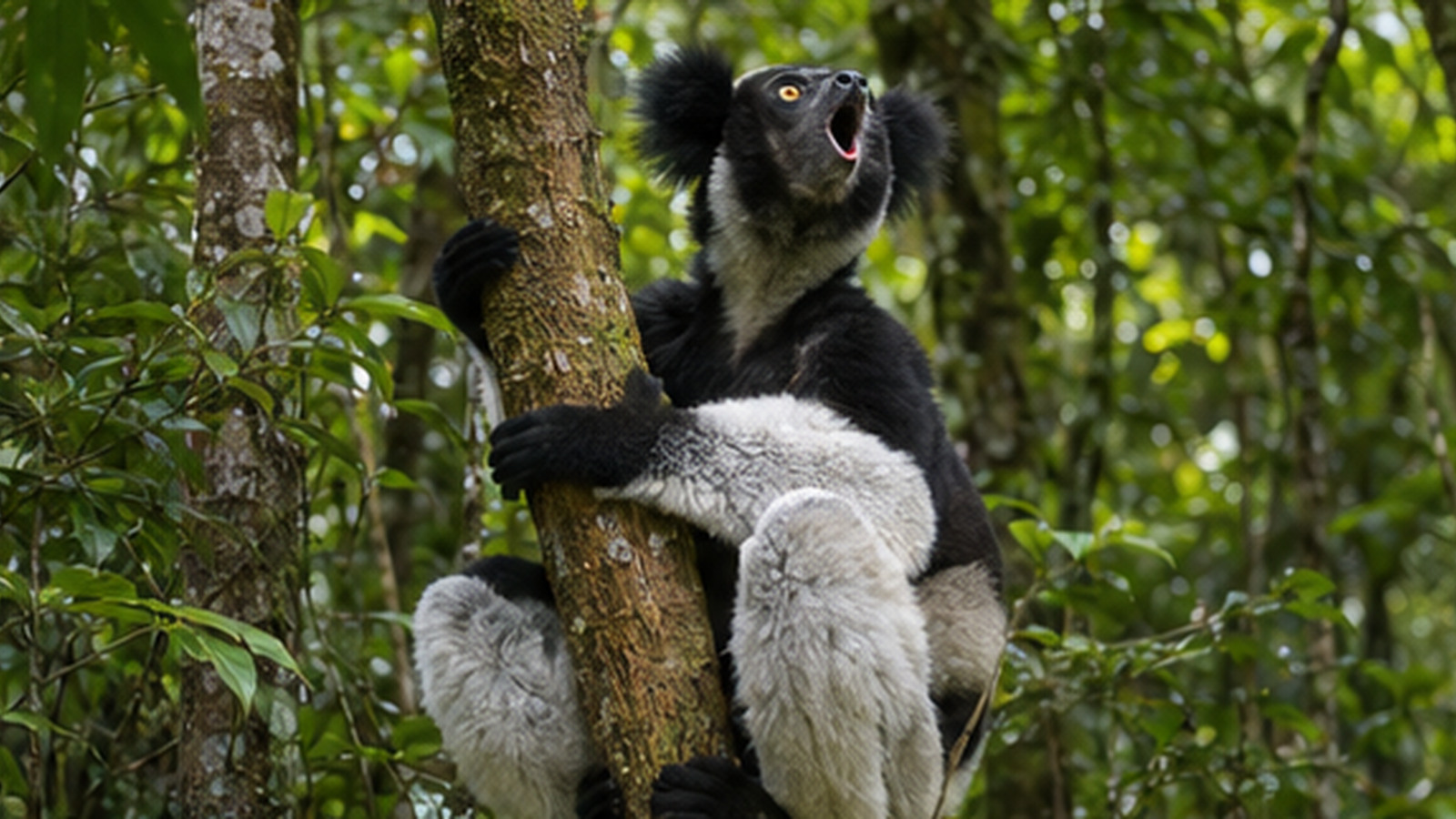
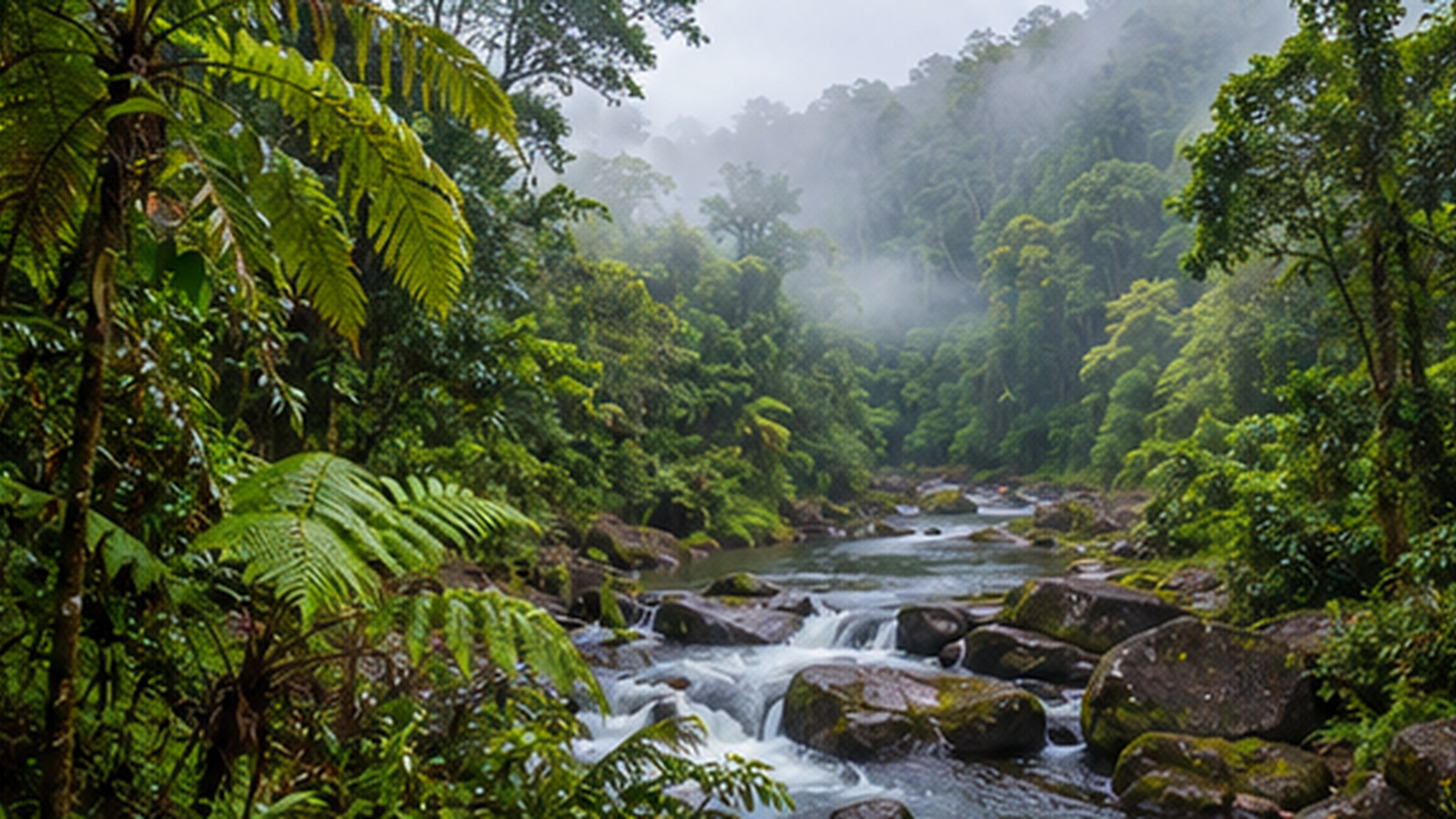
Rainforest reserves close to the capital, home to the loud, lovable indri lemur.
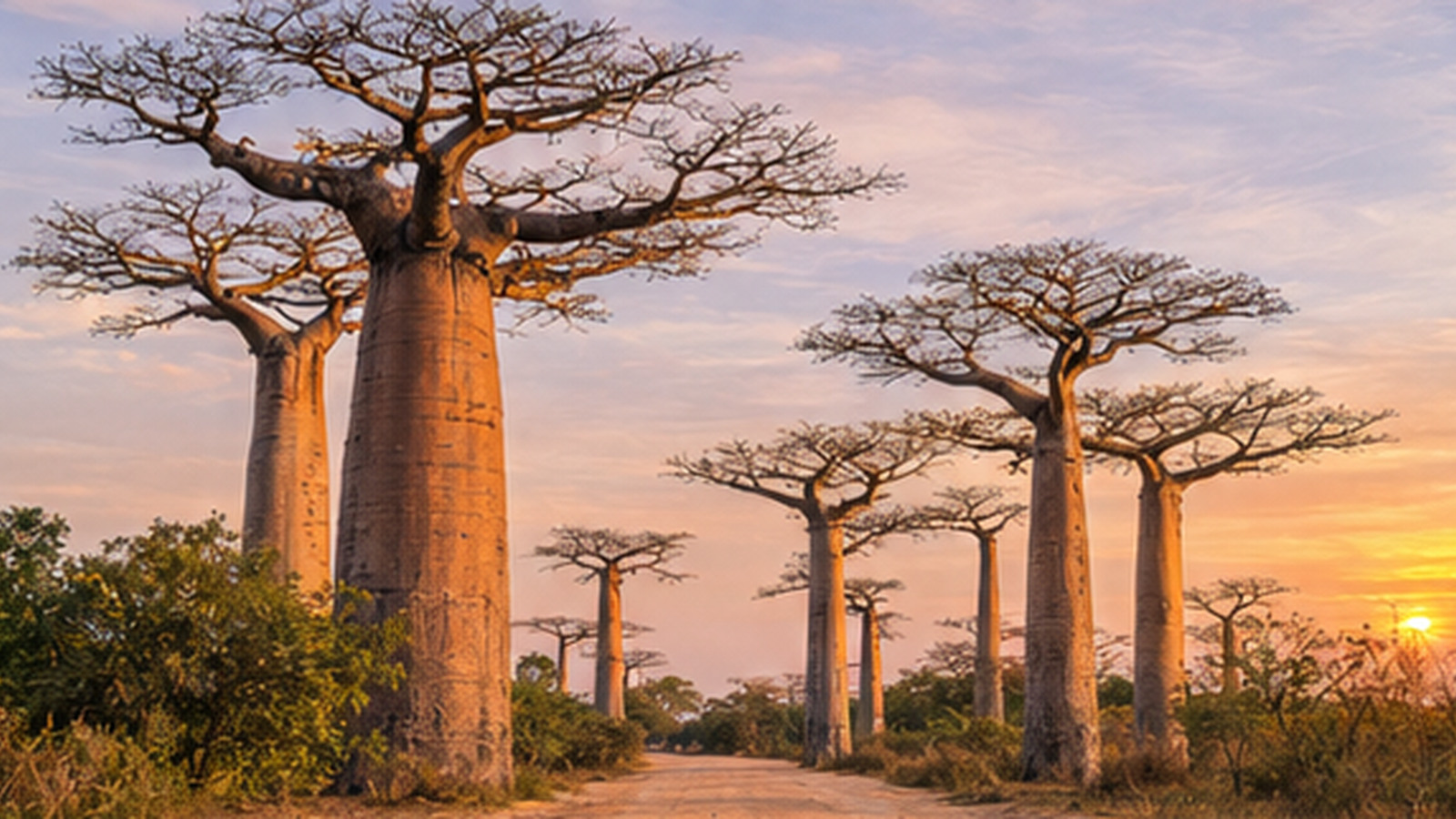
The west-coast base for the Avenue of the Baobabs and the Tsingy de Bemaraha.
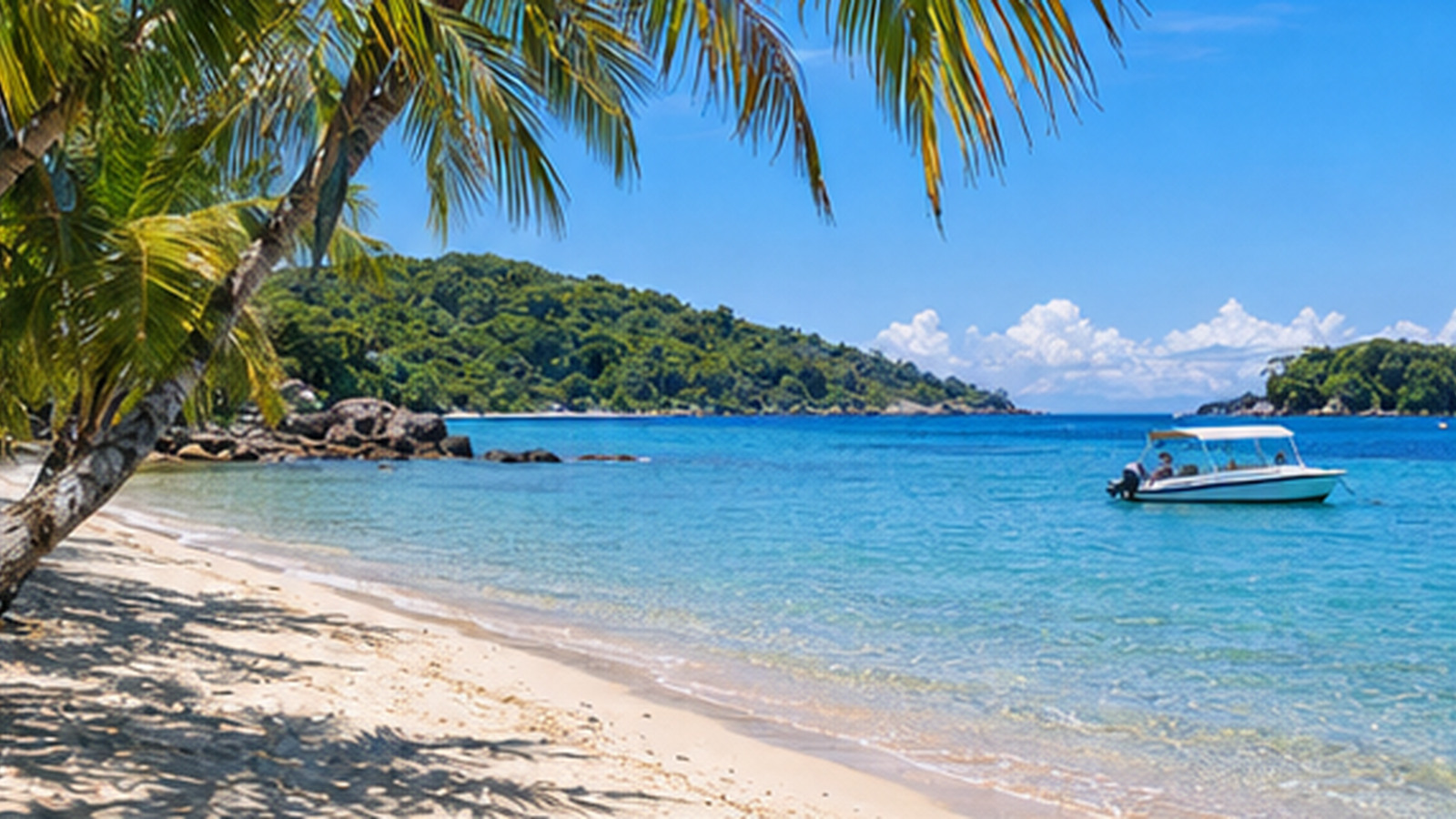
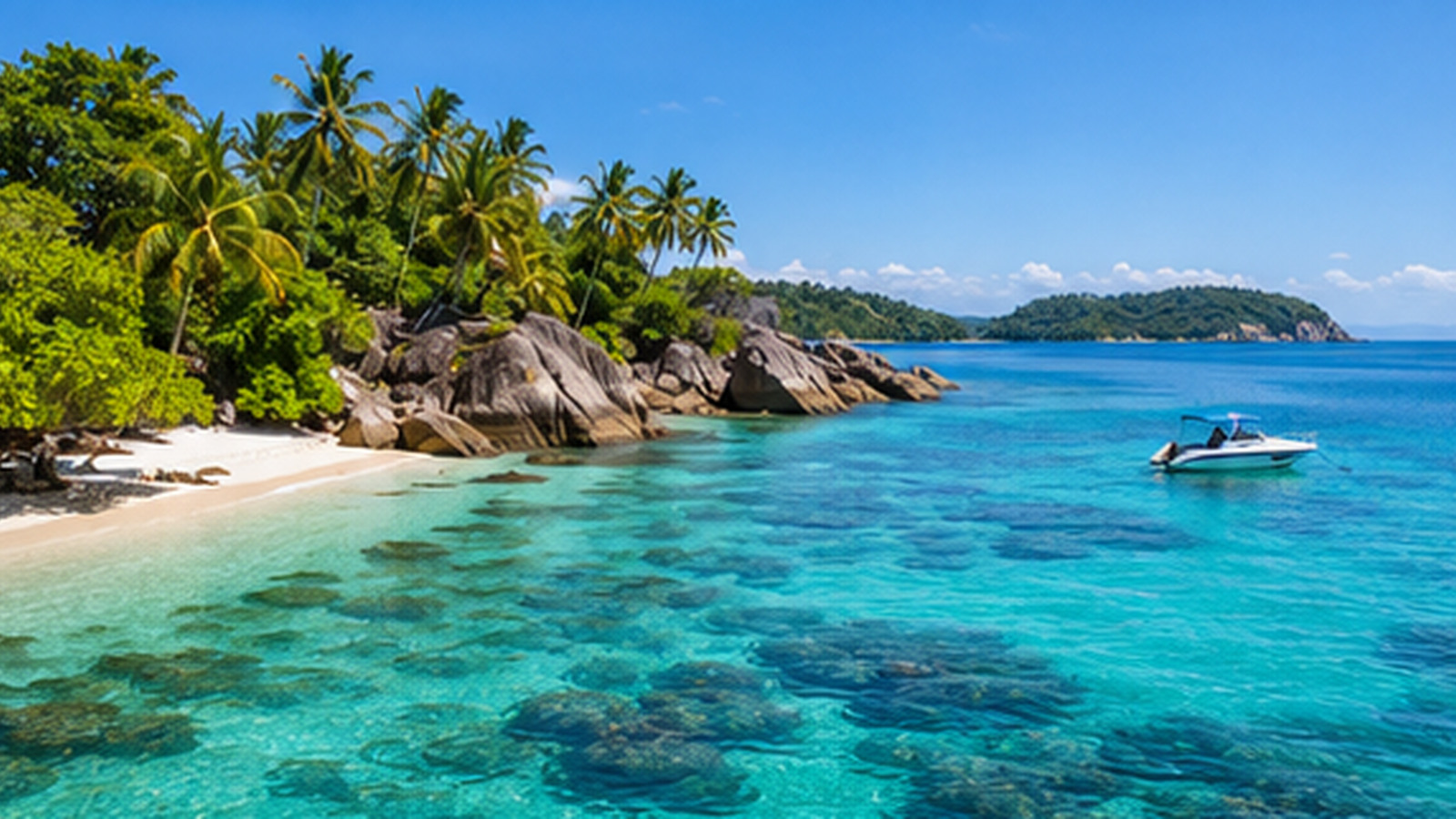
A tropical island of beaches, reefs and resorts in the north-west.
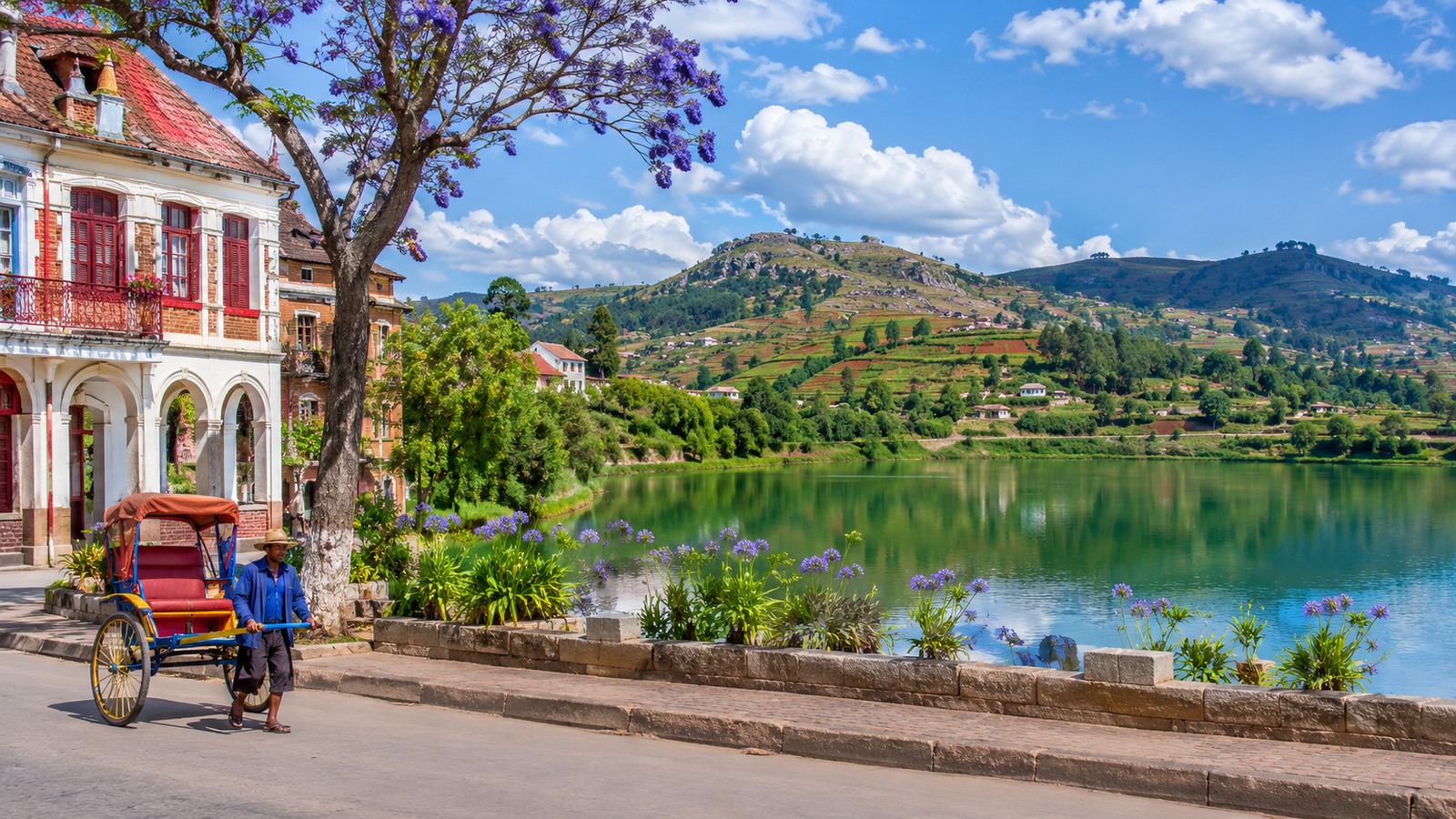
Colonial towns, crater lakes and craft villages on the scenic RN7 route south.
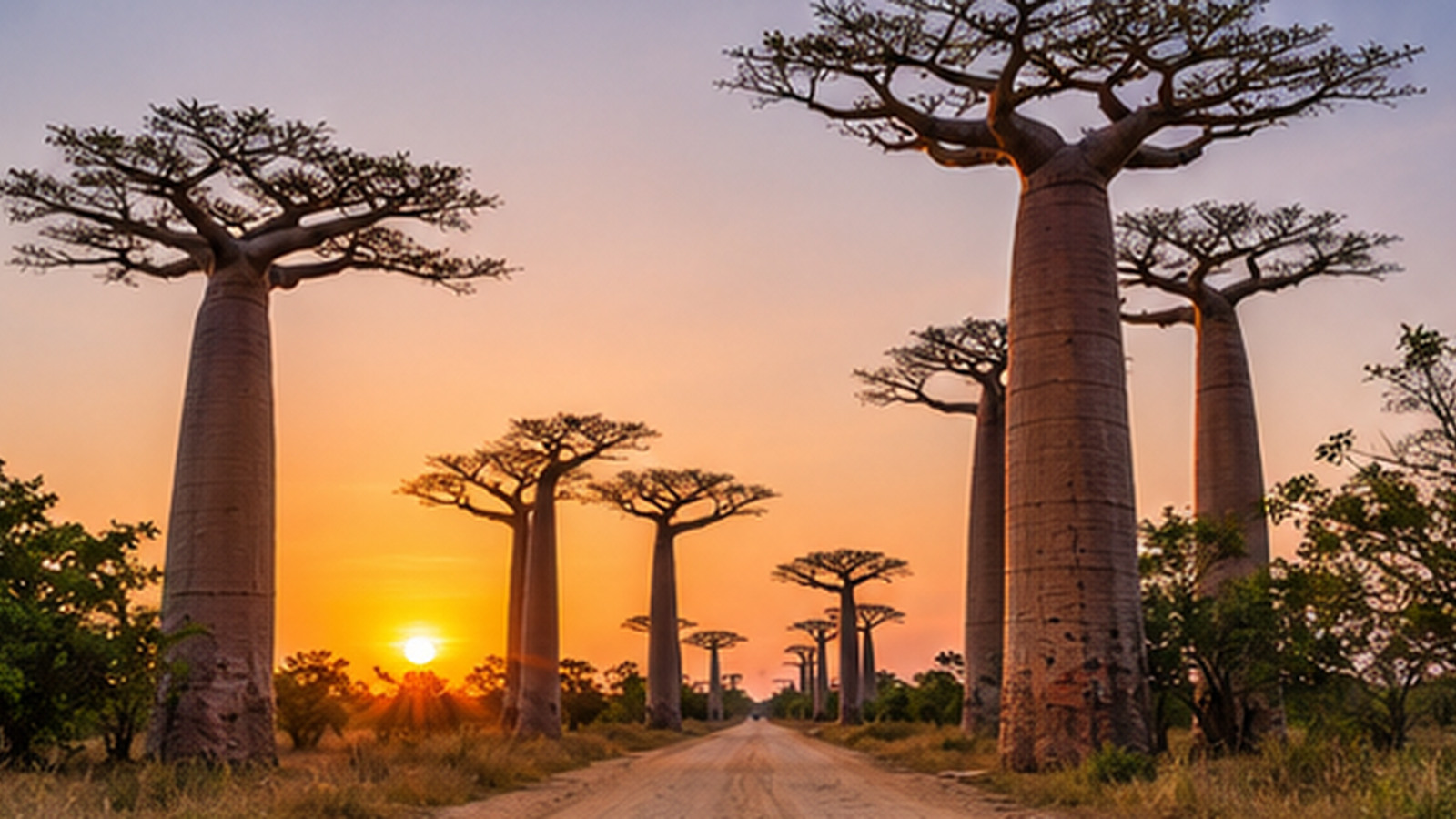
A line of giant, ancient baobab trees near Morondava, magical at sunrise and sunset.
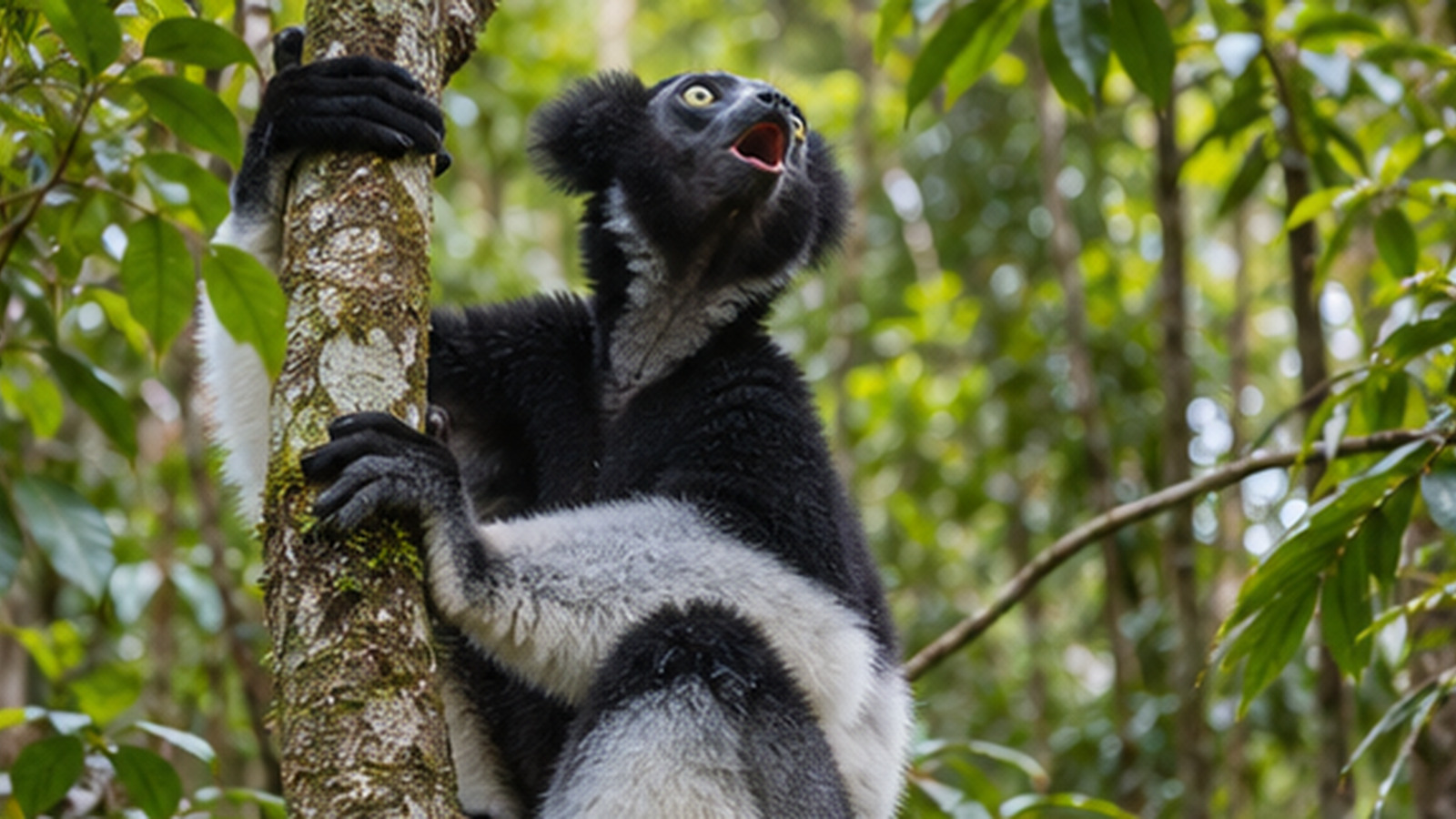
Rainforest parks where the indri (the largest lemur) sings hauntingly through the trees.
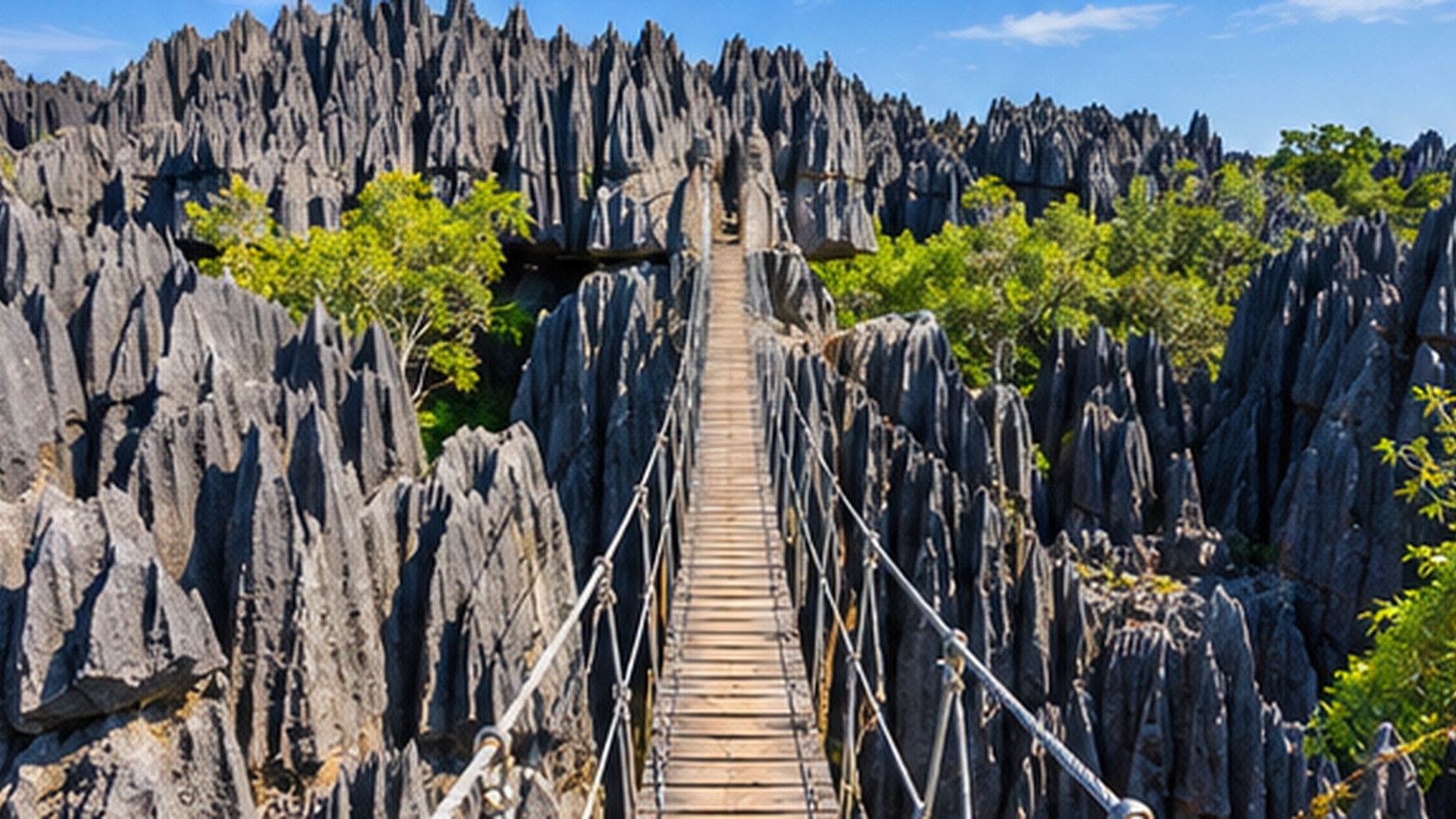
A UNESCO forest of razor-sharp limestone pinnacles with via-ferrata trails and canyons.
Turquoise water, reefs, snorkelling, whale sharks and laid-back island life.
Dramatic sandstone canyons, natural pools and hiking on the southern RN7 route.
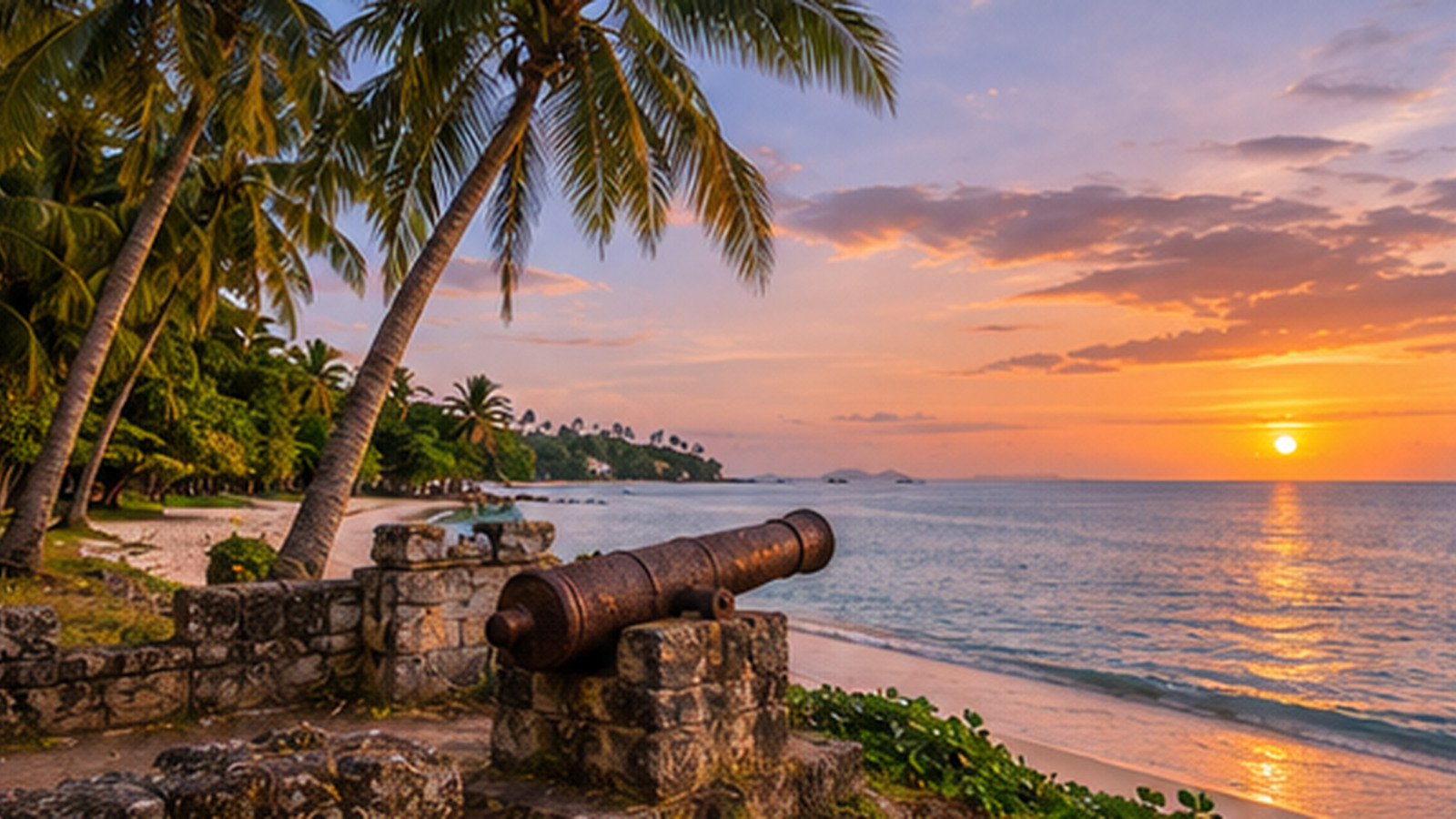
Reserves famous for ring-tailed lemurs and dancing sifakas.
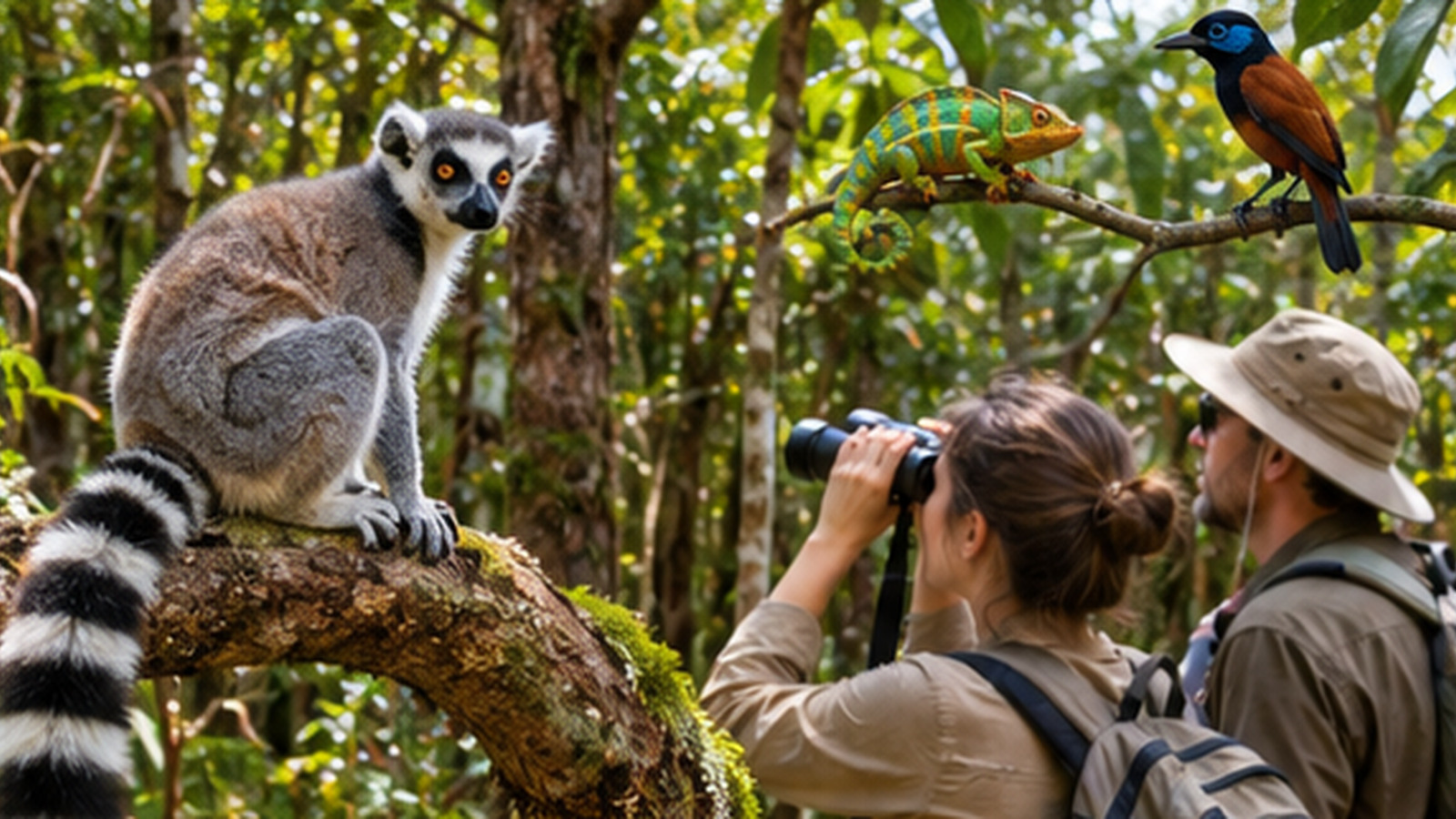
Indri, ring-tailed and sifaka lemurs in rainforest and dry reserves.
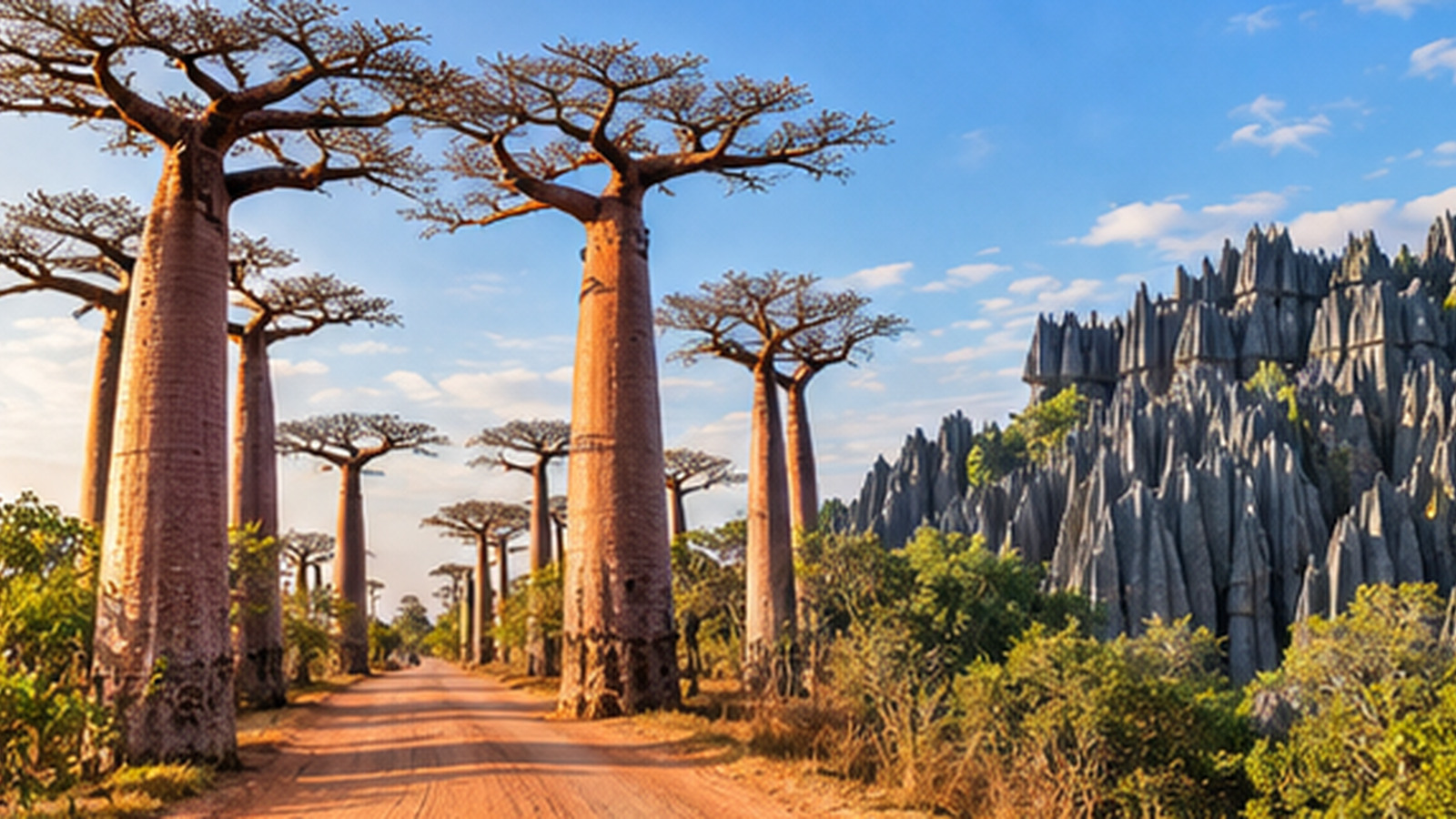
The Avenue of the Baobabs and the limestone pinnacles.
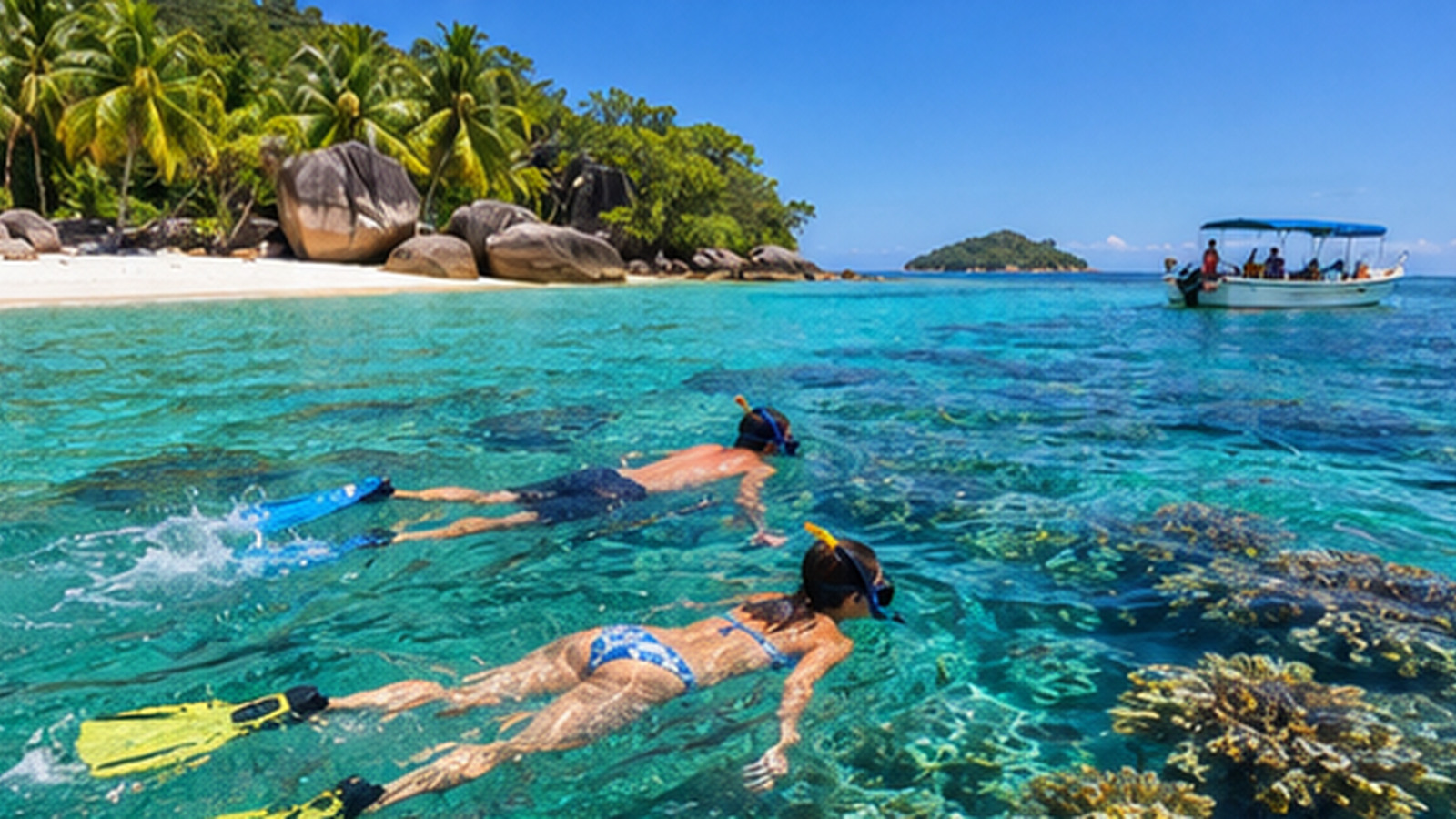
Nosy Be, island-hopping, snorkelling and whale sharks.
The RN7 highlands route past craters, canyons and craft towns.
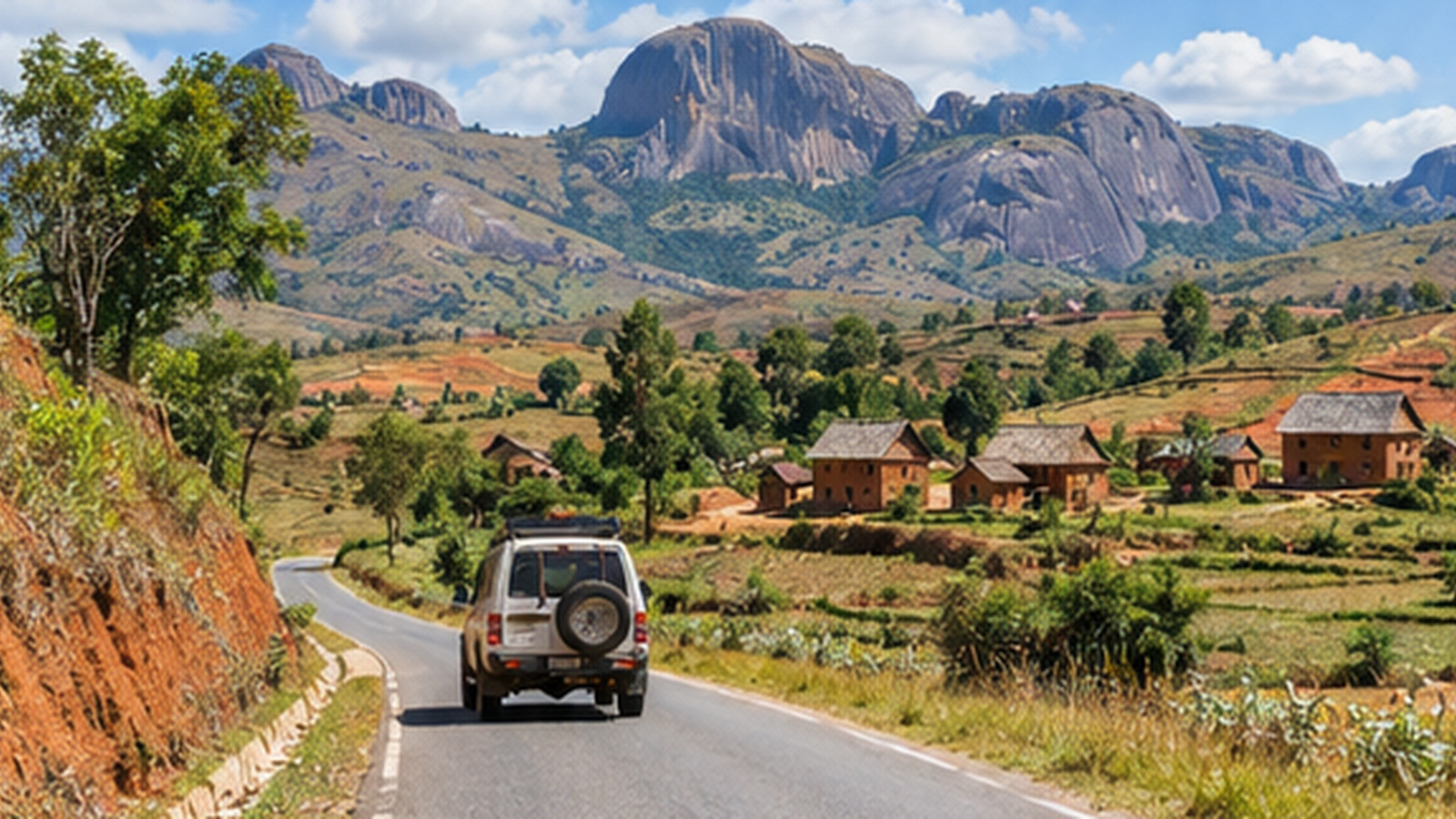
Chameleons, baobabs and endemic birds found nowhere else.
Book tours & activities through our travel partners — see options. Bluebird Next may earn a commission from partner bookings at no extra cost to you (Affiliate Disclosure).
Madagascar is a remote, adventurous destination — long flights, internal flights and guides/drivers are the main costs, though local food and lodges are reasonable. Indicative per-person figures for an 8-day trip in 2026 (prices checked Nov 2026).
| Item | Typical cost (per person) |
|---|---|
| Return flights (ex-India, 1–2 stops) | ₹55,000 – ₹95,000 |
| Visa on arrival (short stay) | ₹0 – ₹3,500 |
| Internal flights (Tana–Morondava/Nosy Be) | ₹10,000 – ₹20,000 |
| Hotels/lodges (per night, twin) | ₹3,000 – ₹10,000 |
| Guide + 4x4 driver (per day) | ₹5,000 – ₹10,000 |
| Park fees, food & activities | ₹1,500 – ₹4,000 / day |
| From | Typical return airfare |
|---|---|
| Mumbai | ₹55,000 – ₹90,000 (1–2 stops, ~13–16 hrs) |
| Delhi | ₹58,000 – ₹95,000 (1–2 stops via Nairobi/Addis) |
| Bengaluru | ₹55,000 – ₹92,000 (1–2 stops via Mauritius) |
| Chennai | ₹55,000 – ₹92,000 (1–2 stops) |
| Kolkata | ₹58,000 – ₹95,000 (1–2 stops) |
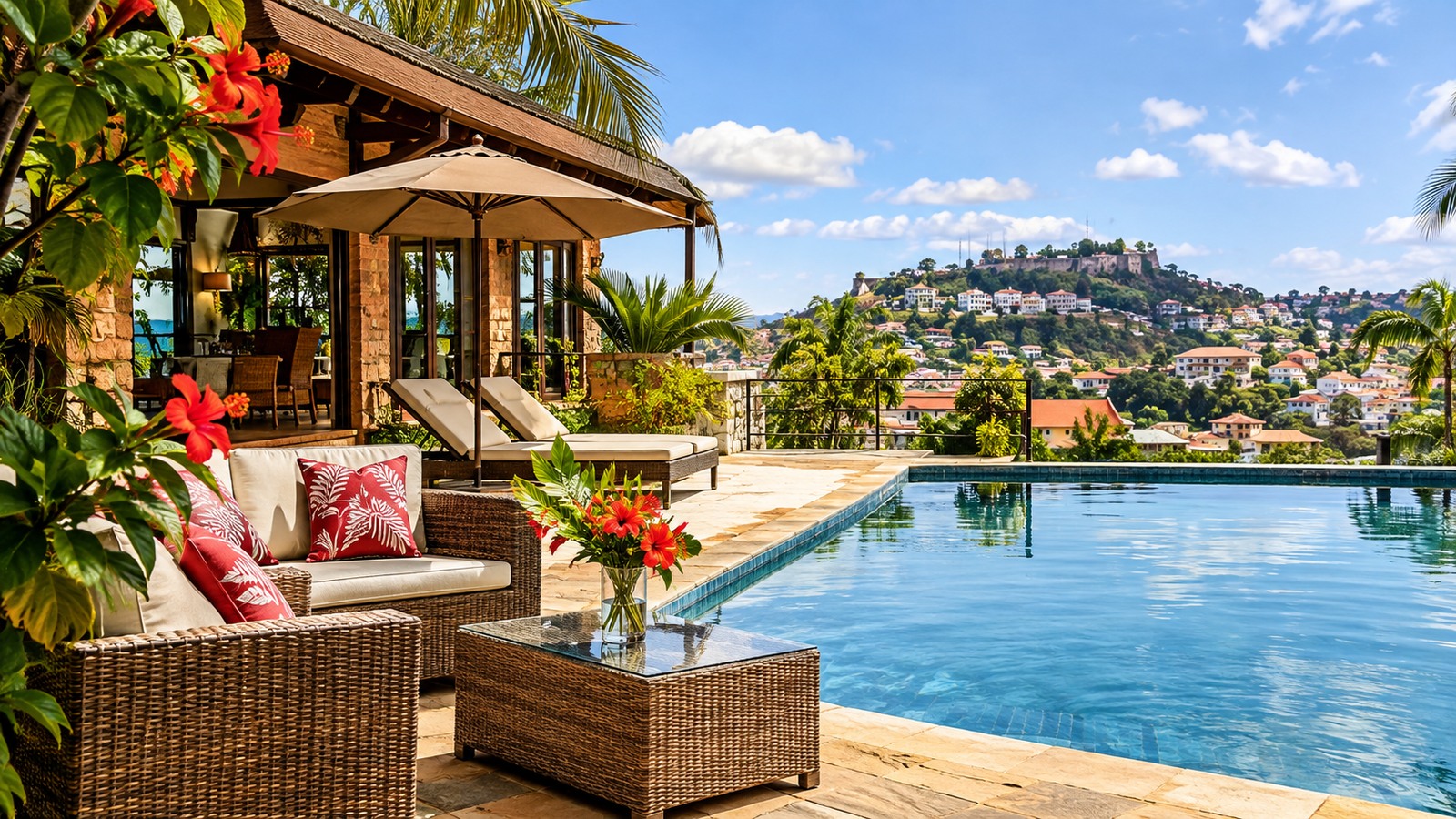
The gateway city for arrivals, departures and connections.
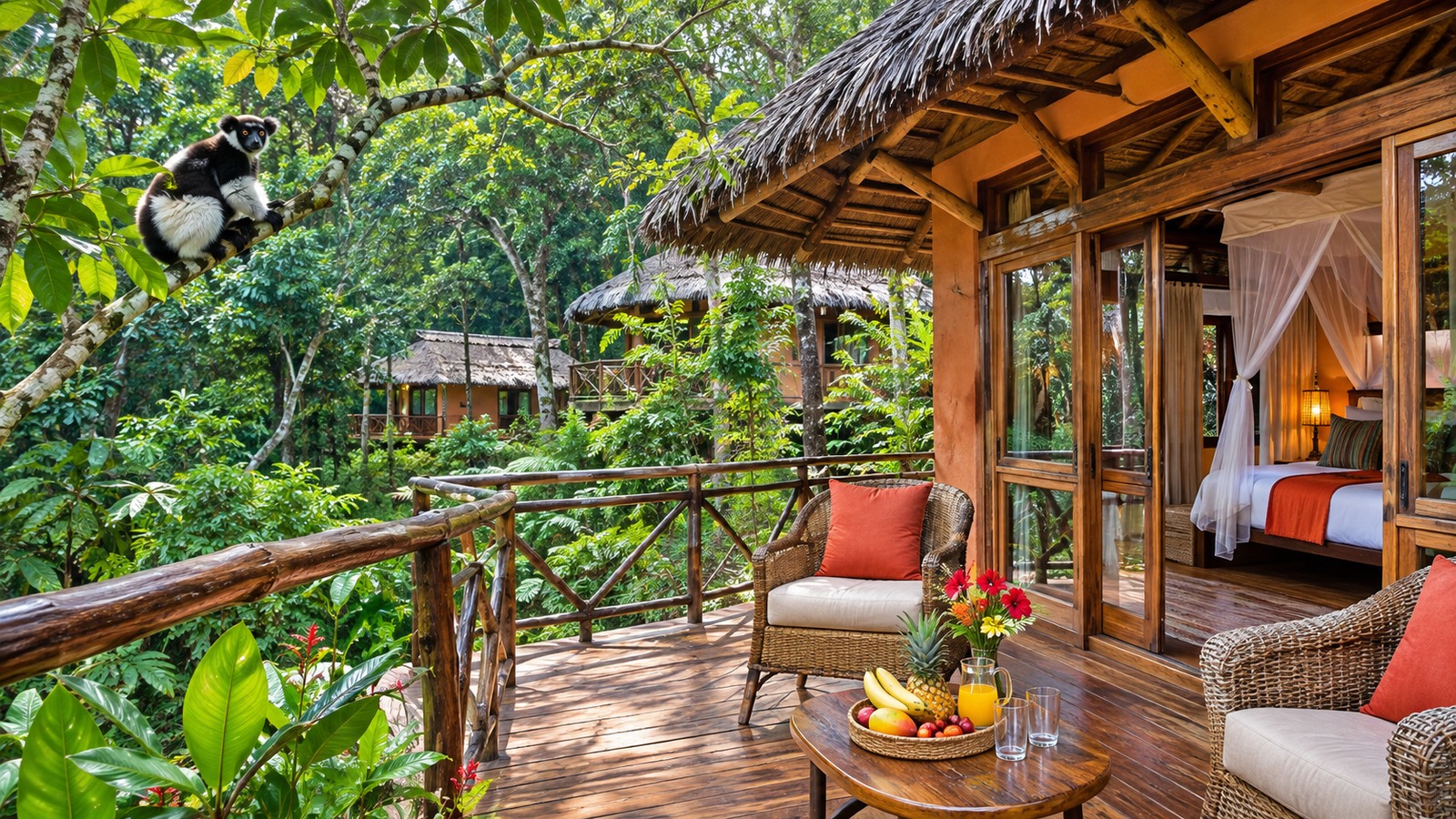
Rainforest lodges beside the lemur reserves.
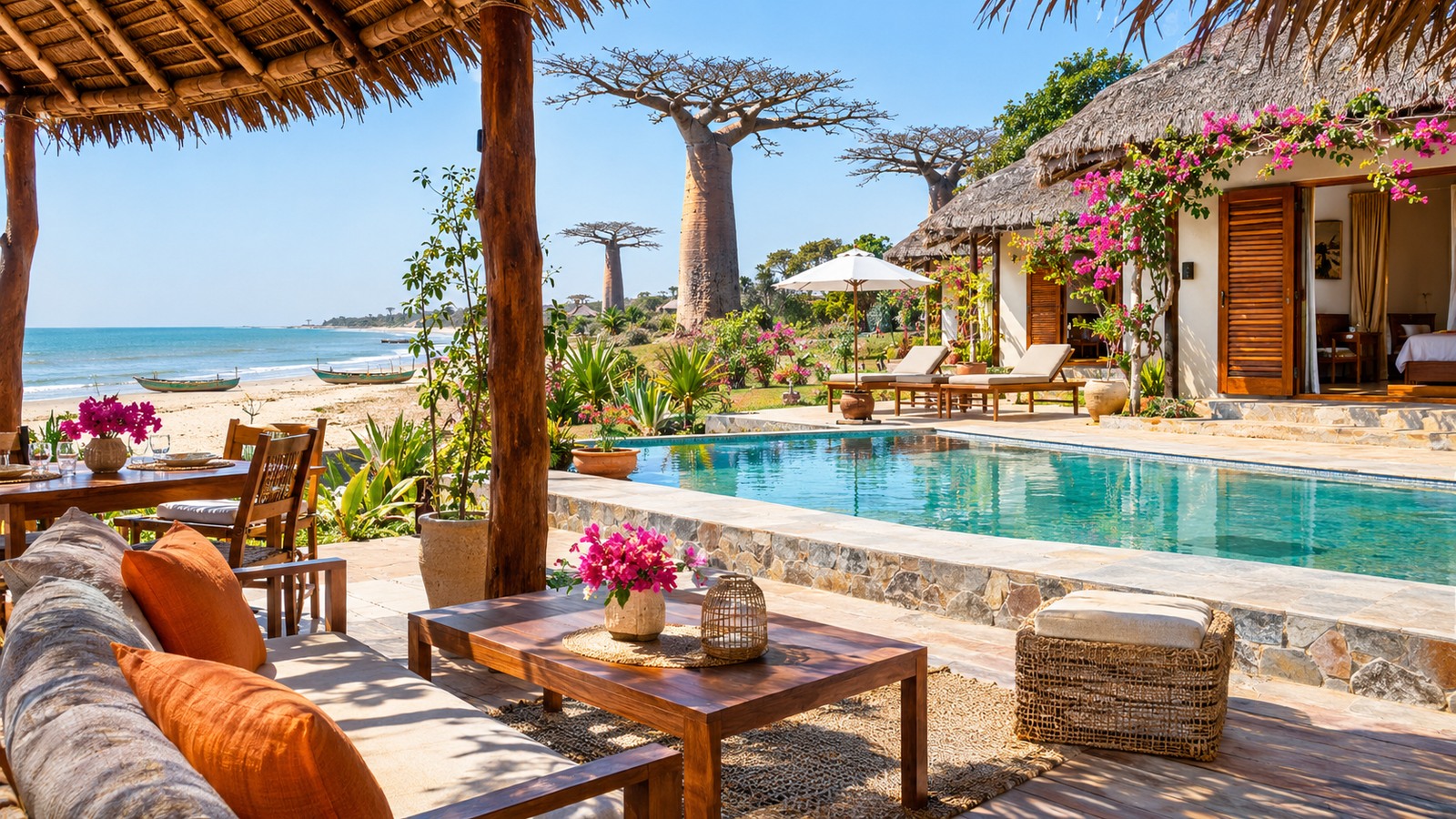
Beach and town hotels for the Baobabs and Tsingy.
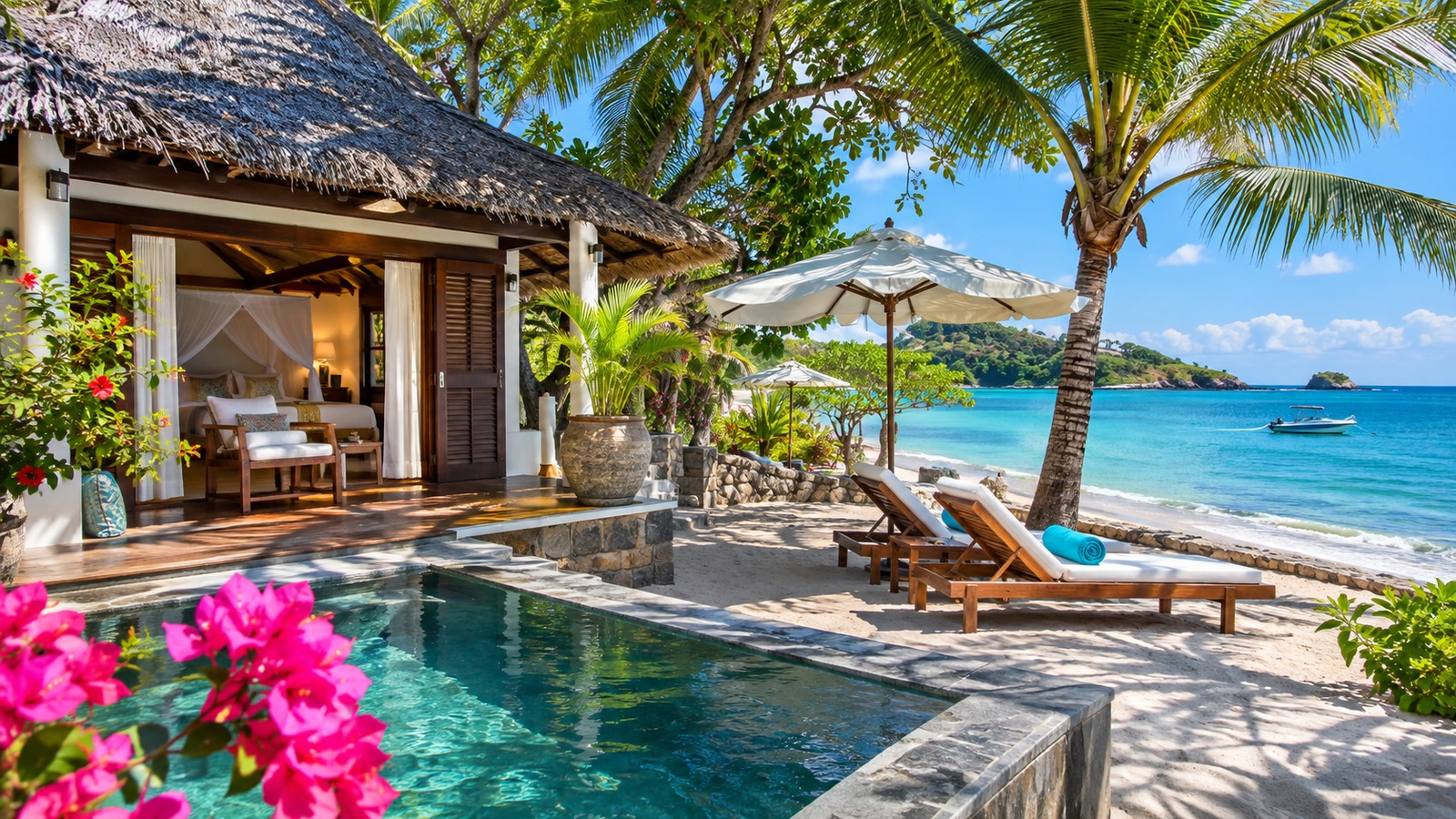
Island beach resorts for snorkelling and relaxation.
Malagasy food centres on rice with accompaniments (meat, fish or vegetables), zebu beef, seafood on the coast and French-influenced dishes, with tropical fruit and vanilla.
Vegetarians should notify lodges and guides in advance — rice with vegetables and beans (lasary, achards), salads and fruit are available, and towns have some Indian and international options, but remote areas are limited. Jain travellers should pre-arrange, specify no onion/garlic, and carry snacks and staples for isolated reserves.
Antananarivo has a few Indian restaurants, and there is a small Indian-origin community; elsewhere options are limited, so plan meals with lodges ahead for veg and Jain diets.
Indians can get a tourist visa on arrival (or an e-visa online). The fee is tiered by length (around €30/US$35 for up to 15 days, more for longer) — confirm the current tiers before travel. Carry a passport valid 6+ months, a return ticket, proof of funds and USD/EUR cash for the fee.
Madagascar is huge with slow, rough roads — internal flights (Tsaradia) save days to Morondava and Nosy Be, though they can be delayed, so keep buffer time. Pick one or two regions rather than crossing the whole island.
Carry cash — the ariary for everyday spending, plus US dollars or euros to exchange. Cards work only in bigger hotels in Tana and Nosy Be; ATMs are limited and unreliable outside cities. UPI is not accepted.
A local guide/driver (and park guides) is essential and enriches the wildlife. Parts of Madagascar are malaria areas — consult a doctor about anti-malarials; a yellow-fever certificate may be needed if arriving from a risk country. Drink bottled water and watch belongings in Tana.
Buy a Telma/Orange SIM in Tana or use an eSIM; coverage is patchy in reserves. Madagascar uses 220V with the European Type C/E round-pin plug, so most Indian chargers fit; carry a universal adapter and a power bank, as power can be unreliable.
Tsaradia flights to Morondava and Nosy Be save long road days — allow buffer time for delays.
A private driver-guide is the standard, safest way to tour the reserves and the RN7 route.
Taxis in Tana and boats between the northern islands.
Madagascar is a remote, adventurous destination that is generally welcoming, though it is one of the world’s poorer countries — take care with valuables, especially in Antananarivo and at night. Use reputable guides and drivers, avoid isolated areas after dark, take malaria precautions, drink bottled water, keep cash secure, and carry comprehensive travel insurance covering remote-area medical care.
❌ Myth: Madagascar is just like mainland Africa.
✅ Fact: It is utterly unique — around 90% of its wildlife, including lemurs and baobabs, exists nowhere else on Earth.
❌ Myth: You can see the whole island in a week.
✅ Fact: It is huge with slow roads — pick one or two regions and use internal flights; a week suits lemurs plus baobabs, longer for the RN7 and beaches.
❌ Myth: The visa is difficult.
✅ Fact: A visa on arrival (or e-visa) makes entry easy; the fee is modest and tiered by length of stay.
❌ Myth: Vegetarians can’t manage.
✅ Fact: Rice with vegetables and beans, salads and fruit work, and Tana has Indian restaurants; Jains should pre-arrange with lodges and carry staples for remote areas.
❌ Myth: Cards work everywhere.
✅ Fact: They barely work outside Tana and Nosy Be — carry ariary plus US dollars or euros to exchange.
Yes, but it is easy — Indians can get a tourist visa on arrival at the international airports, or an e-visa online in advance. The fee is tiered by length (around €30/US$35 for up to 15 days, more for longer). Carry a passport valid 6+ months, a return ticket, proof of funds and USD/EUR cash for the fee.
An 8-day trip is roughly ₹1,30,000–₹2,50,000 per person including flights, internal flights, lodges, guides and park fees, and about ₹2,60,000–₹4,60,000 for a couple. Long flights, internal flights and guides are the main costs.
Expect 13–18 hours total with one or two stops, usually via Nairobi, Addis Ababa or Mauritius, to Antananarivo.
Eight to twelve days — the island is large with slow roads, so pick one or two regions (lemurs near Andasibe, the Baobabs and Tsingy from Morondava, or Nosy Be beaches). Six days suits a focused baobab-and-Tsingy trip.
April to November (dry season) is best — pleasant weather, active wildlife and passable roads. September to November is prime for lemurs and the famous baobab sunsets. December to March is wet and cyclone-prone.
With planning — rice with vegetables and beans, salads and fruit are available, and Tana has some Indian restaurants, but remote reserves are limited. Jain travellers should pre-arrange with lodges, specify no onion/garlic and carry snacks and staples.
A private guide/driver with a 4x4 is standard for the reserves and the RN7 route, while internal Tsaradia flights save long road days to Morondava and Nosy Be (allow buffer time for delays). Distances are long, so pick your regions.
Carry cash — the ariary for everyday spending, plus US dollars or euros to exchange. Cards work only in bigger hotels in Tana and Nosy Be, and ATMs are limited outside cities. UPI is not accepted.
Parts of Madagascar are malaria areas, so consult a doctor about anti-malarials and take precautions. A yellow-fever certificate may be required if arriving from a risk country — check and carry it. Drink bottled water and get comprehensive travel insurance.
It is generally welcoming but is a poorer country — take care with valuables, especially in Antananarivo and after dark. Use reputable guides and drivers, avoid isolated areas at night, take health precautions, keep cash secure, and carry comprehensive travel insurance.
Strongly recommended — given the long flights, remote reserves, rough roads and limited medical facilities, it should cover medical care and evacuation, trip delays and cancellations. Carry the policy details and emergency contacts with you.
Sources: Madagascar Tourism (official) · Madagascar e-Visa (official portal)
A licensed team that has guided thousands of Indians to their visas and admissions.
 Jitender SinghFounder & Managing Director
 Vikram SinghHead – Quality & Operations
 SanjayHead – Tourist Visa Operations
 TejaswaniHead – Counselling Team
 MahimaHead – Visa Filing & Processing
 Pratigya DuttaHead – Student Visa Processing
Free, no-pressure guidance from a real counsellor who handles your case end to end — from documents to decision.