
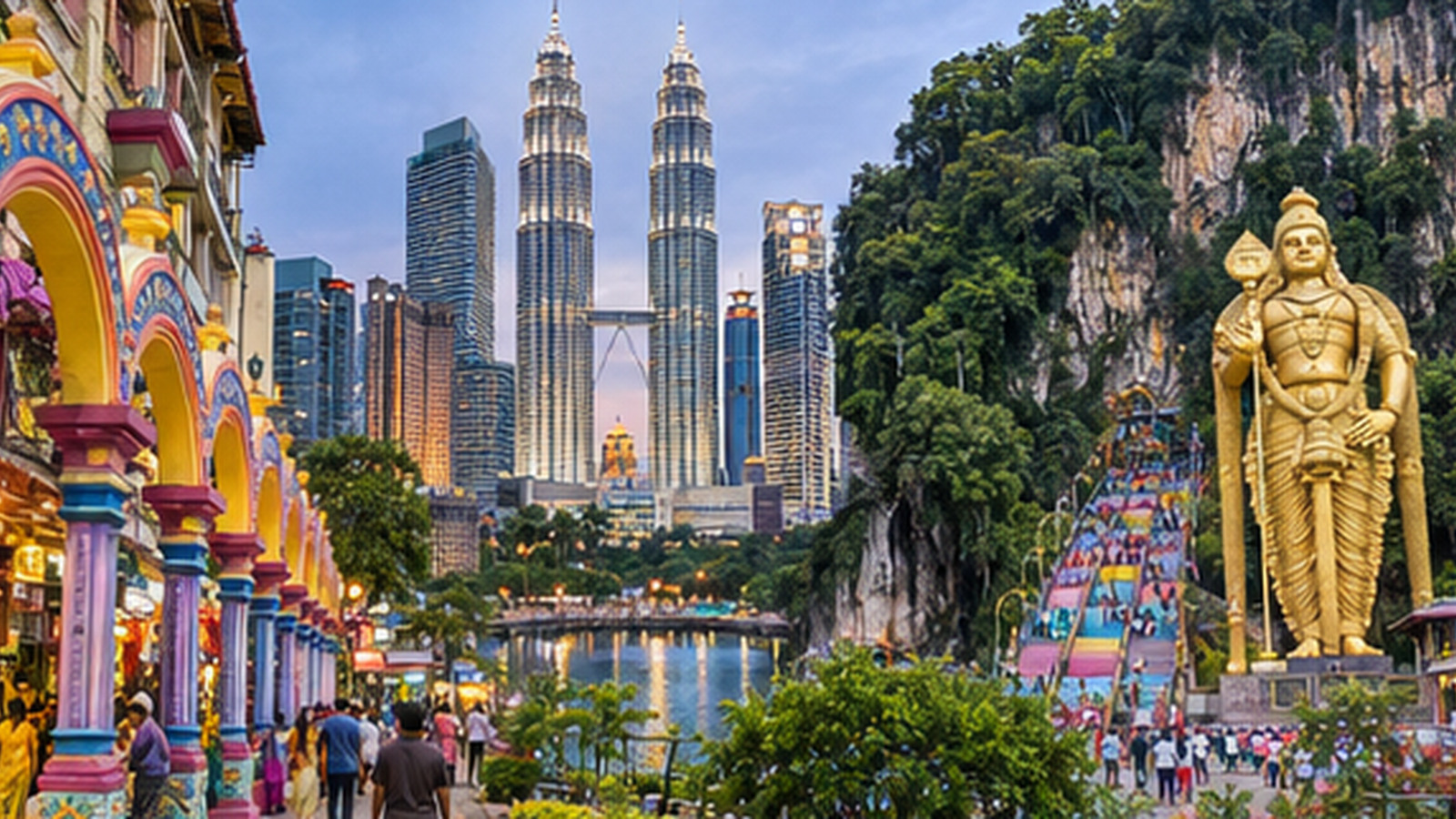
The modern capital — Petronas Towers, Batu Caves, buzzing markets, malls and superb food.
Twin towers and street food in Kuala Lumpur, beaches in Langkawi, rainforest in Borneo and heritage in Penang — one of the easiest, best-value Asia trips for Indians.
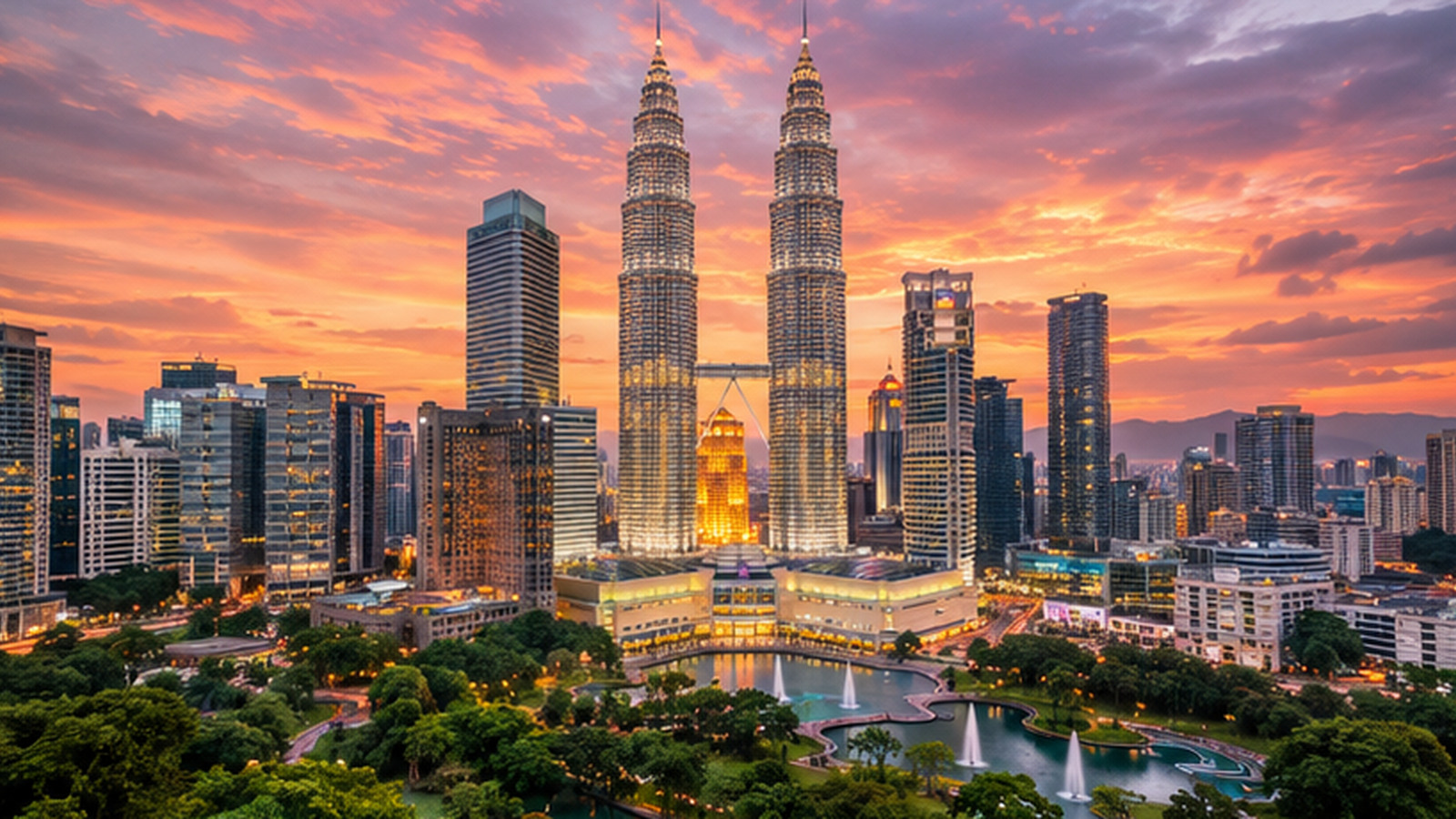
Malaysia is one of the easiest and best-value international trips an Indian traveller can take — a warm, multicultural country where gleaming Kuala Lumpur, the food streets of Penang, the beaches of Langkawi and the rainforests of Borneo all sit within a short flight of home. English is widely spoken, Indian food is everywhere, and — for now — Indians can visit visa-free.
In the capital you can ride to the top of the Petronas Twin Towers, wander the Batu Caves temple, shop in Bukit Bintang and eat your way through Jalan Alor’s night market. Fly north to Penang for UNESCO-listed George Town and arguably Asia’s best street food, or to Langkawi for island beaches and a cable car. Cross to Malaysian Borneo for orangutans, Mount Kinabalu and diving off Sipadan. It is modern, affordable and remarkably easy for a first overseas trip.
This guide is written for Indian travellers: the real cost in rupees from your city, the current visa-free rule and its end-2026 question mark, where vegetarians and Jain travellers eat (easily), and a route that mixes city, food and beach.
Malaysia suits Indians who want an easy, affordable and familiar-feeling first trip abroad: short flights, visa-free entry (for now), huge Indian and halal food options, great shopping and a mix of city, beach and nature. It works for families, couples, groups and solo travellers alike, and pairs naturally with Singapore or Thailand.
💡 From our visa desk: Keep Kuala Lumpur as your base for 2–3 days, then pick ONE escape — Langkawi for beaches, Penang for food and heritage, or the Cameron Highlands for cool tea country. Borneo (Sabah) is a separate, longer trip. Note the visa-free status is confirmed only to the end of 2026, so check before you book for 2027.
Visa-free entry for Indian citizens for short tourist visits (up to 30 days), currently confirmed to 31 December 2026.
Indian passport holders can currently enter Malaysia visa-free for tourism for up to 30 days. This visa-free facility is confirmed only until 31 December 2026 and may or may not be extended, so confirm the current rule before booking 2027 travel. You must register online via the Malaysia Digital Arrival Card (MDAC) within three days before arrival, and carry a passport valid six months, a return ticket and proof of funds.
Full Malaysia tourist visa requirements & documents →December to February and June to August are the most popular, drier months on the west coast (KL, Penang, Langkawi). Malaysia is tropical year-round; the east coast and Borneo have an opposite monsoon (Nov–Feb). See the month table below.
| Season | What it's like & who it suits |
|---|---|
| Dec–Feb | Cooler, drier and popular on the west coast; peak season — book ahead. East-coast islands are wet. |
| Mar–Aug | Warm and generally good for KL, Penang, Langkawi and the east-coast islands (Perhentians, Redang). |
| Sep–Nov | Shoulder season with afternoon showers and better value; still very doable. |
| Month | Weather & what’s on (incl. Indian holiday windows) |
|---|---|
| January–February | Cool, drier and festive on the west coast (KL, Penang, Langkawi) — peak season with Chinese New Year crowds and higher prices. East coast is wet. |
| March–April | Warm and generally dry — a great all-round window for cities, beaches and highlands before the heat peaks. |
| May–August | Hot and humid but good for the west coast and the east-coast islands (Perhentians, Redang), which are at their best; busy in the Indian summer break. |
| September–October | Shoulder season — afternoon showers, thinner crowds and better hotel rates. |
| November–December | West coast turns wetter and the east-coast monsoon arrives; KL and Langkawi still work, and December brings festive energy and year-end deals. |
The modern capital — Petronas Towers, Batu Caves, buzzing markets, malls and superb food.
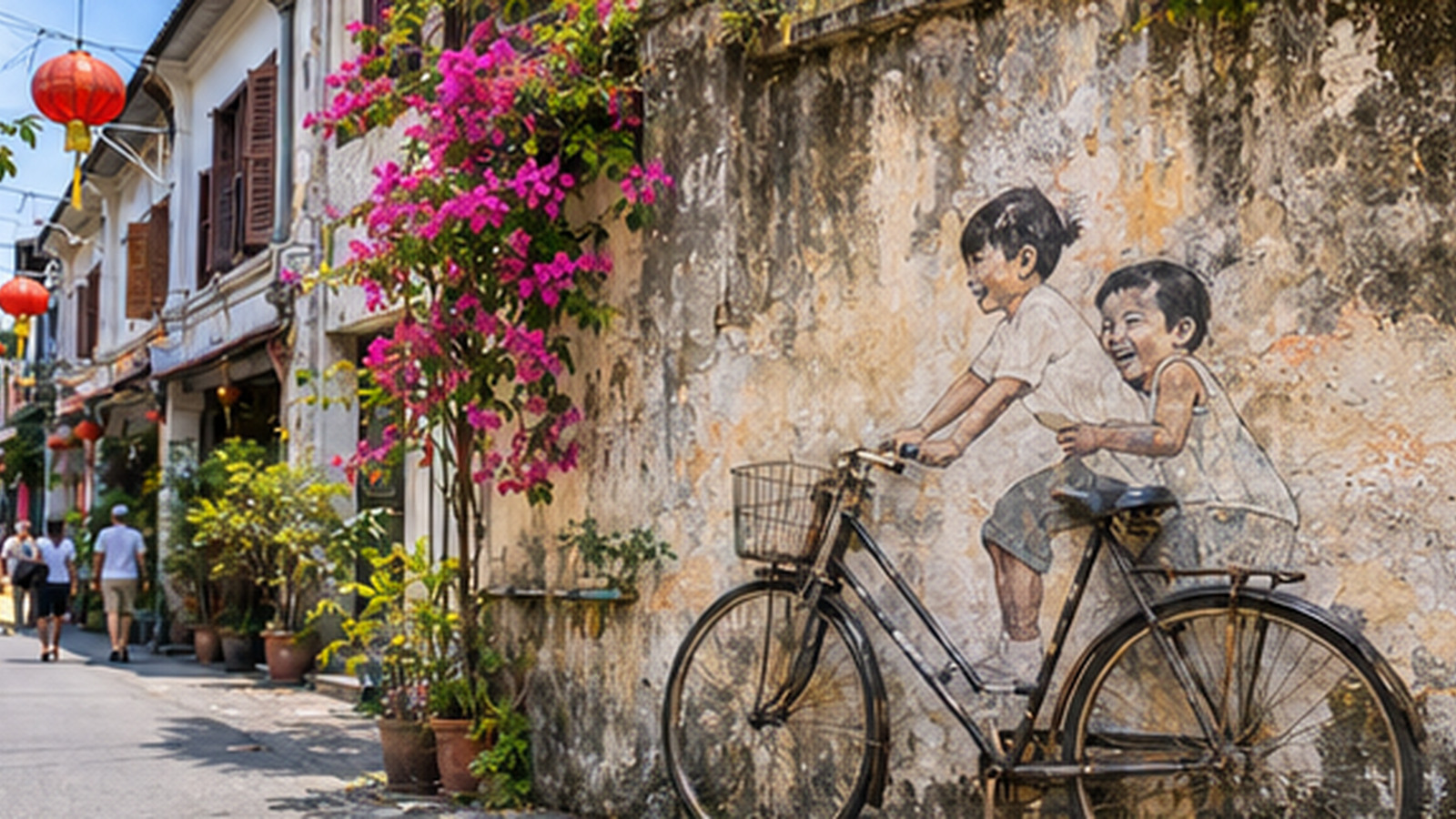
UNESCO heritage streets, colourful murals and some of Asia’s best street food.
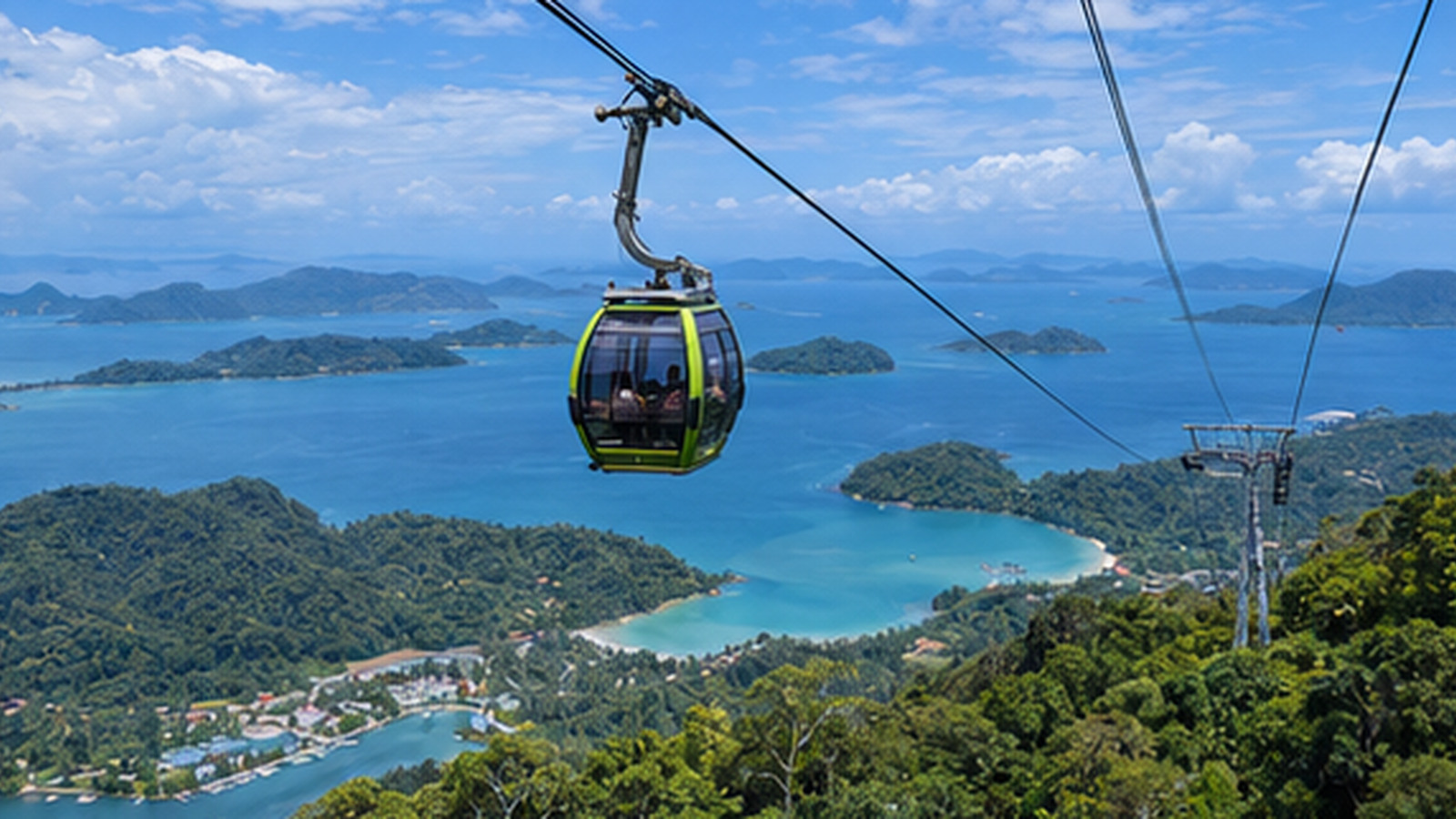
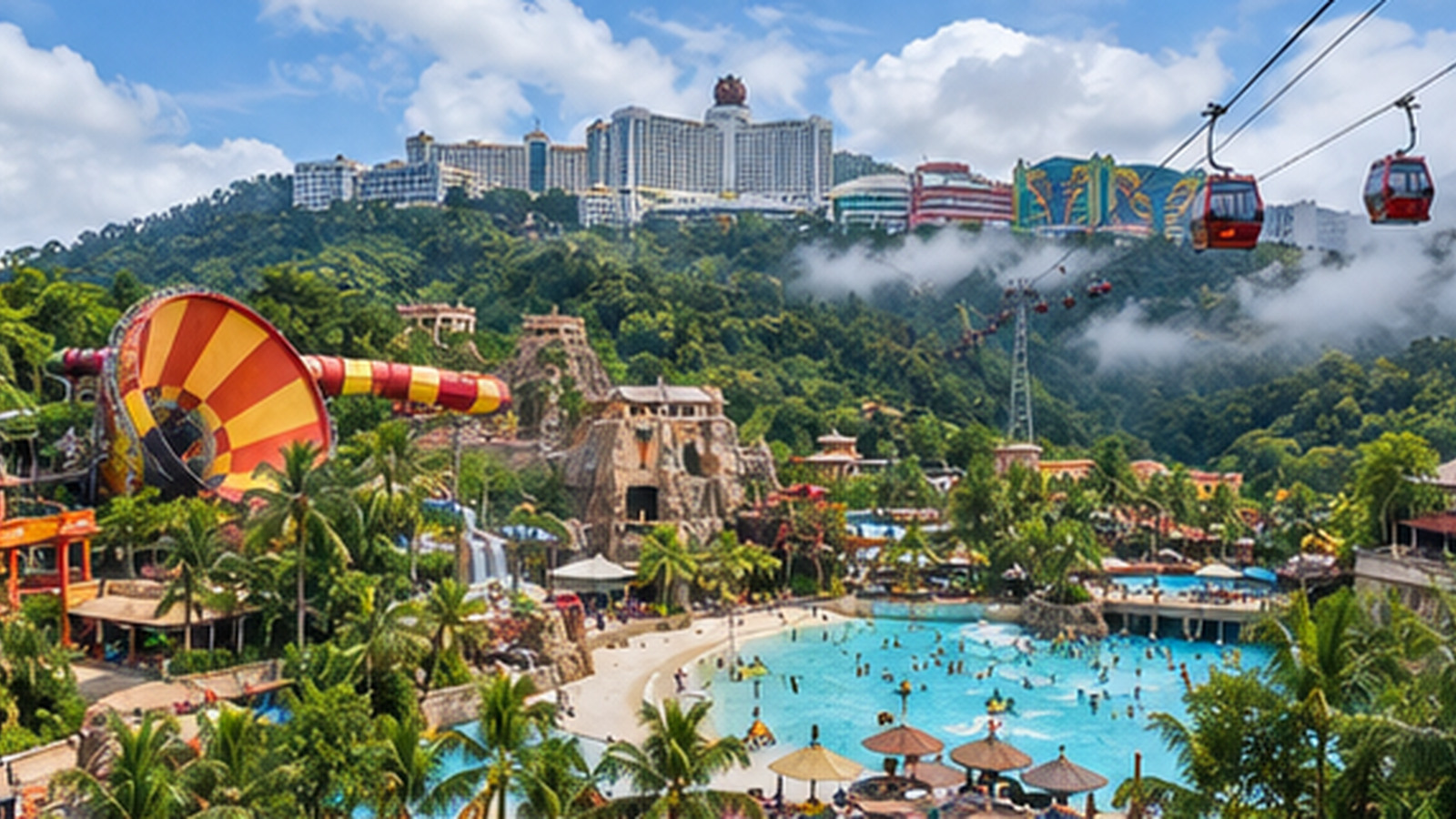
A duty-free island of beaches, a mountain cable car and island-hopping.
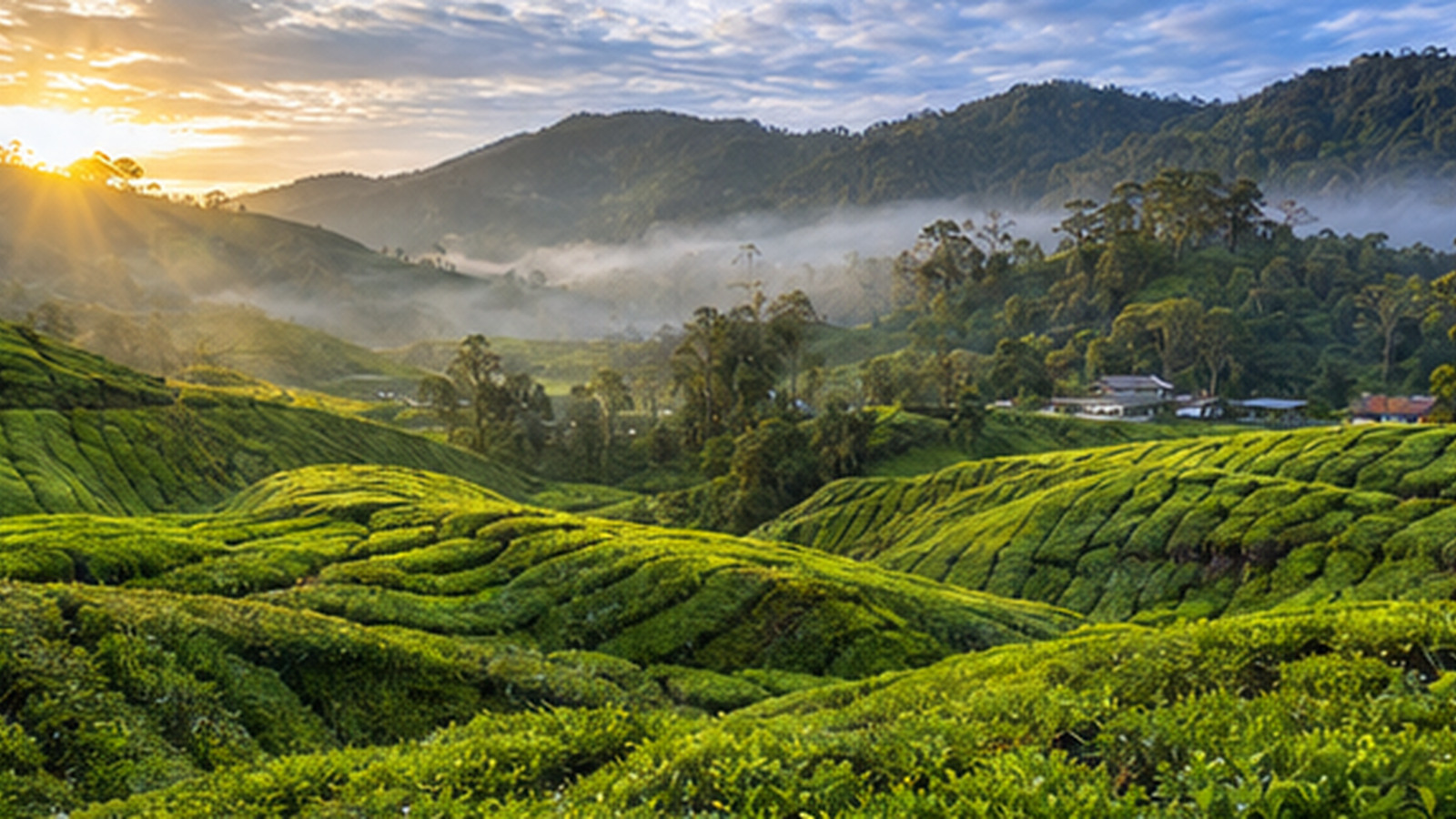
Cool tea plantations, strawberry farms and green hills — a refreshing break from the heat.
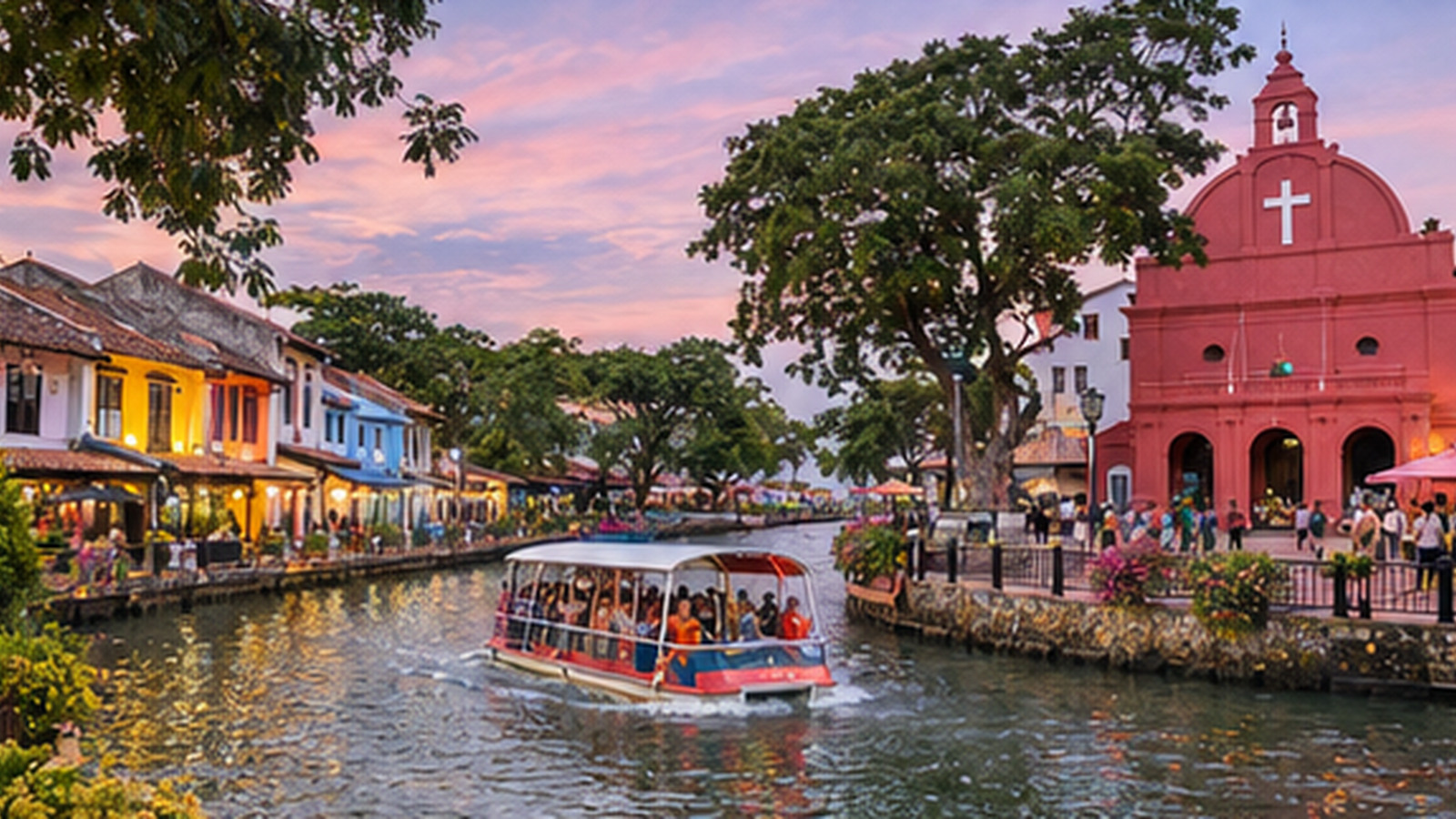
Orangutans, Mount Kinabalu and world-class diving — a separate, nature-focused trip.
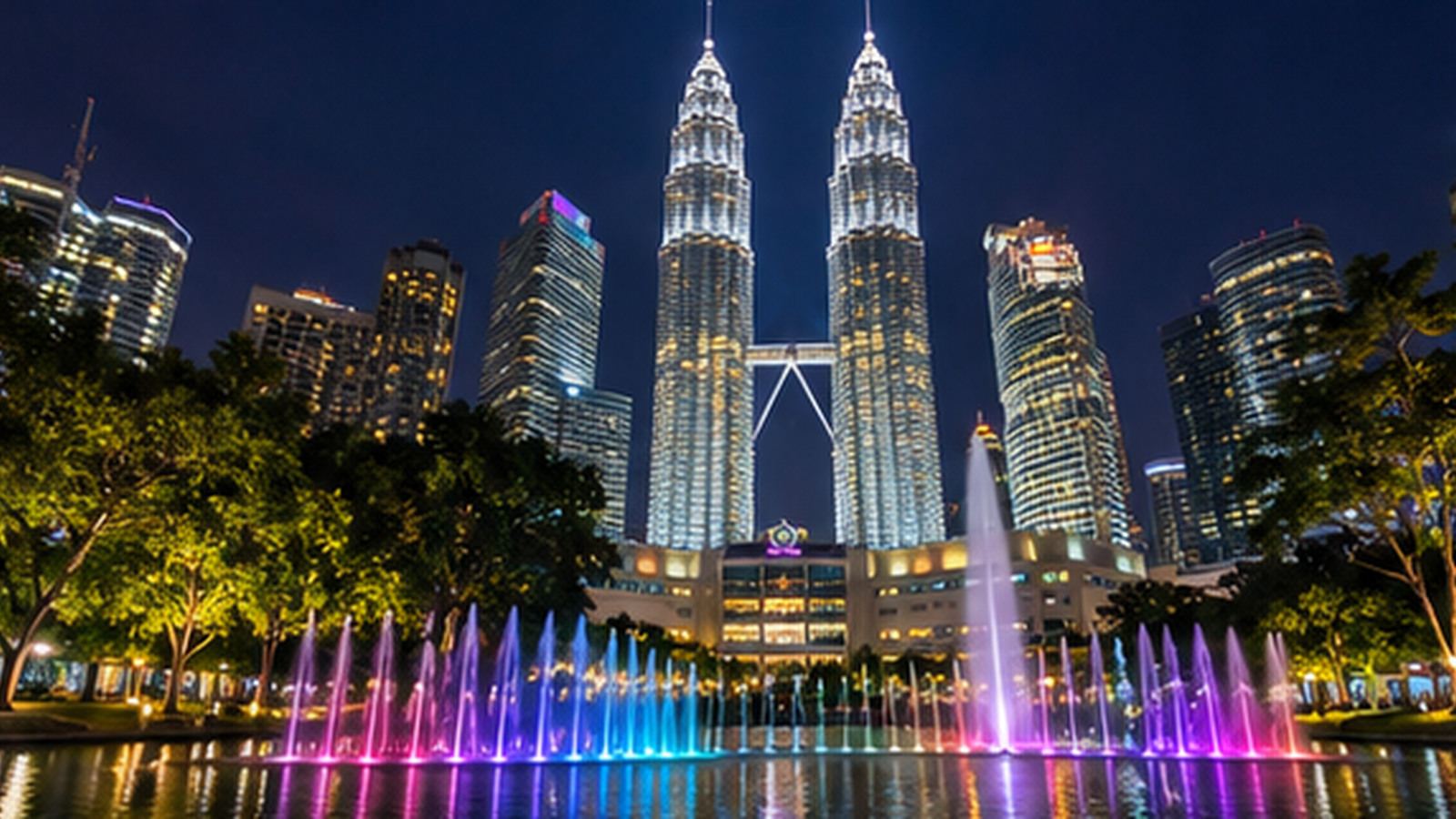
The iconic 88-storey towers with a skybridge and observation deck, over a park with a nightly fountain show.
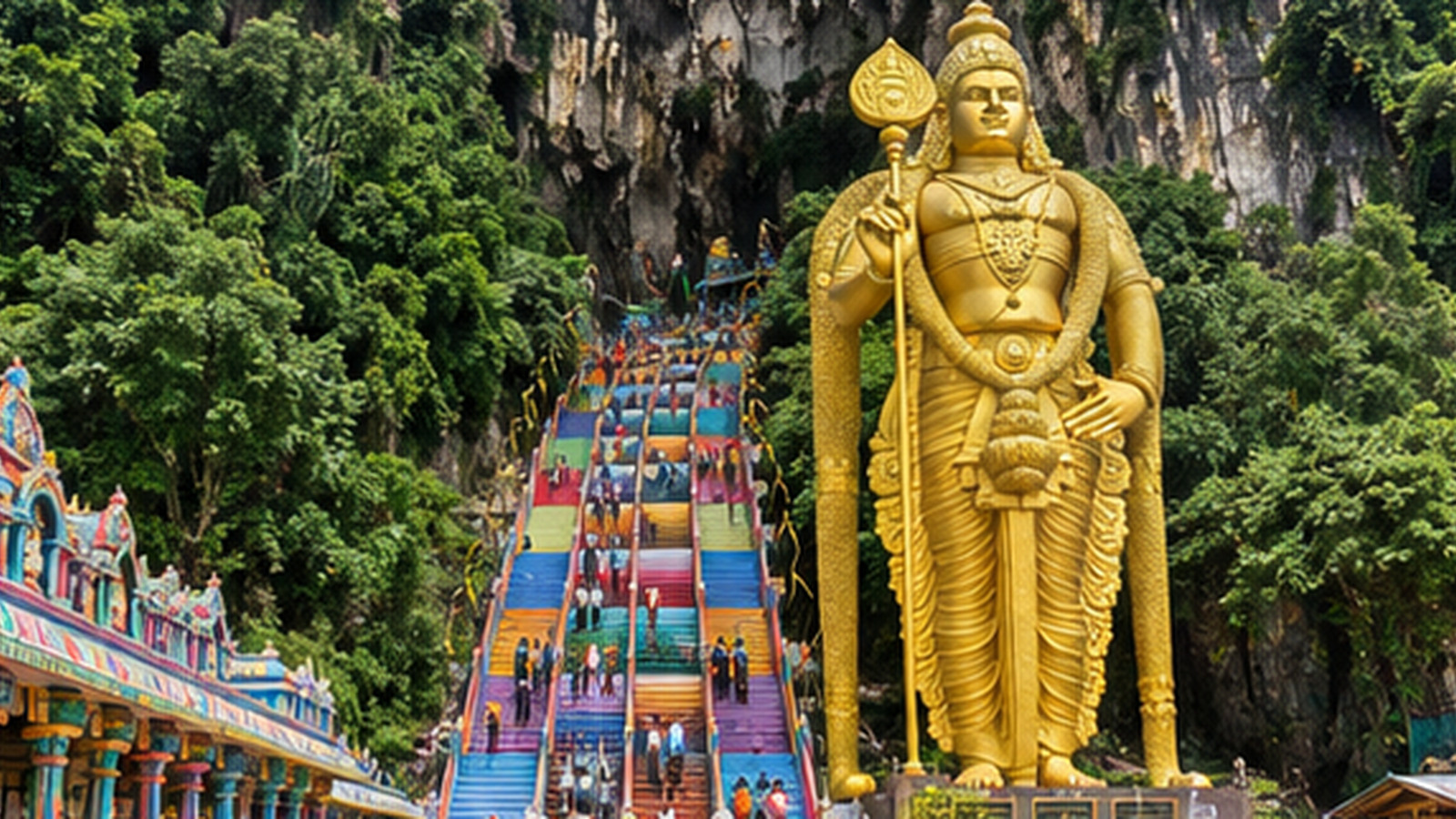
A huge Hindu cave temple reached by a rainbow staircase, with a giant golden Murugan statue.
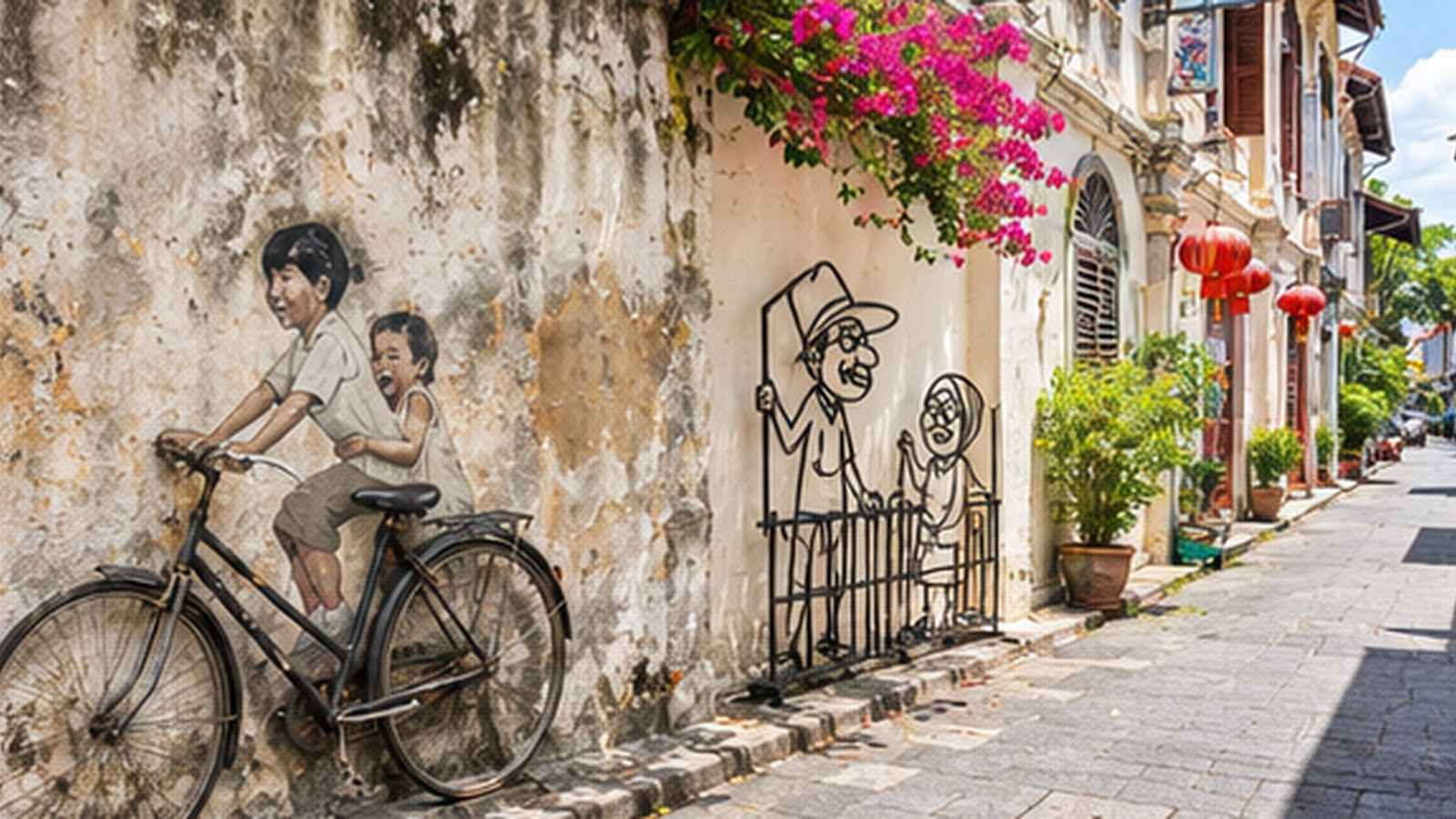
Heritage shophouses, street-art murals, clan jetties and legendary hawker food.
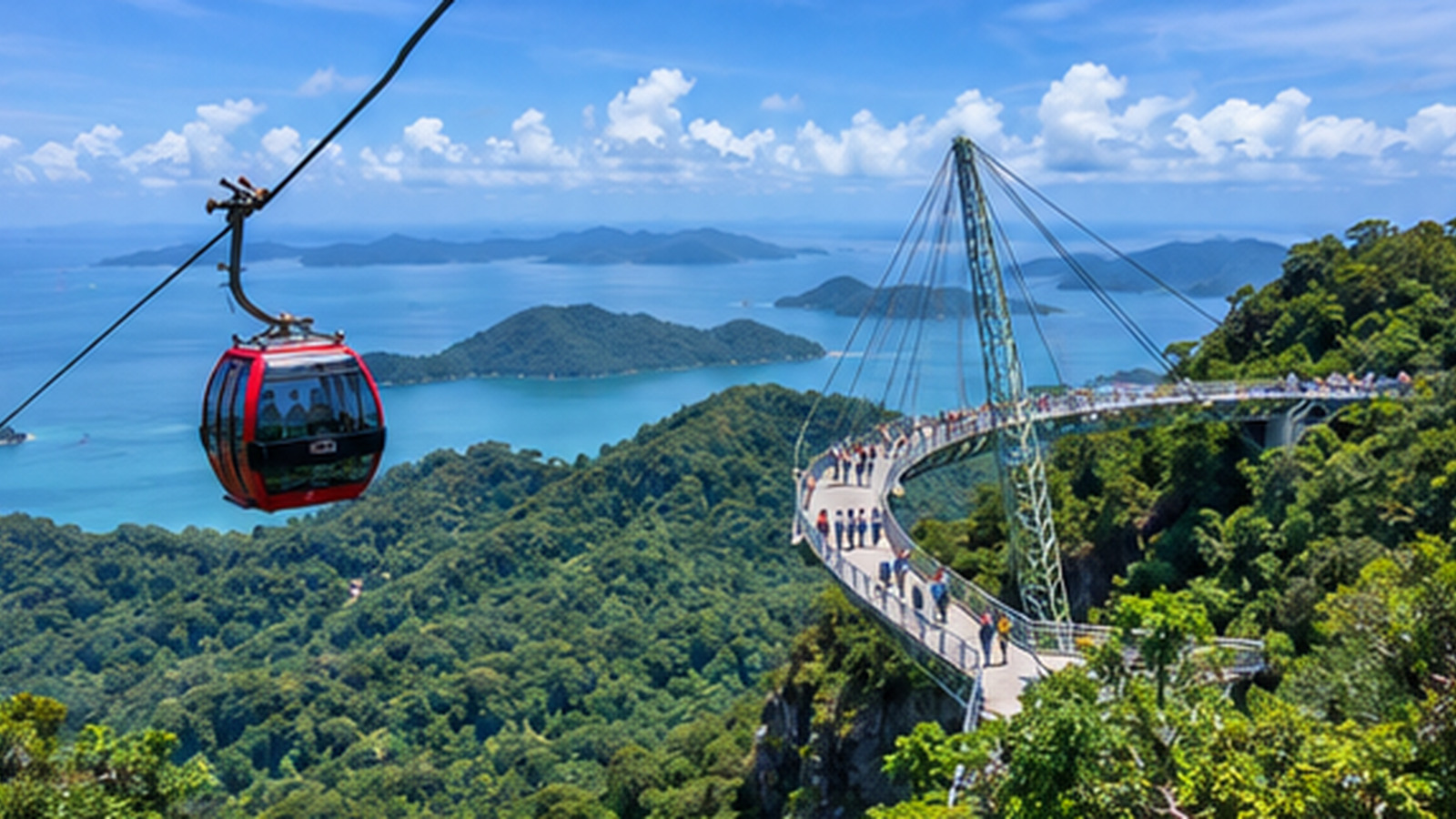
A curved sky bridge and cable car with views over islands and rainforest.
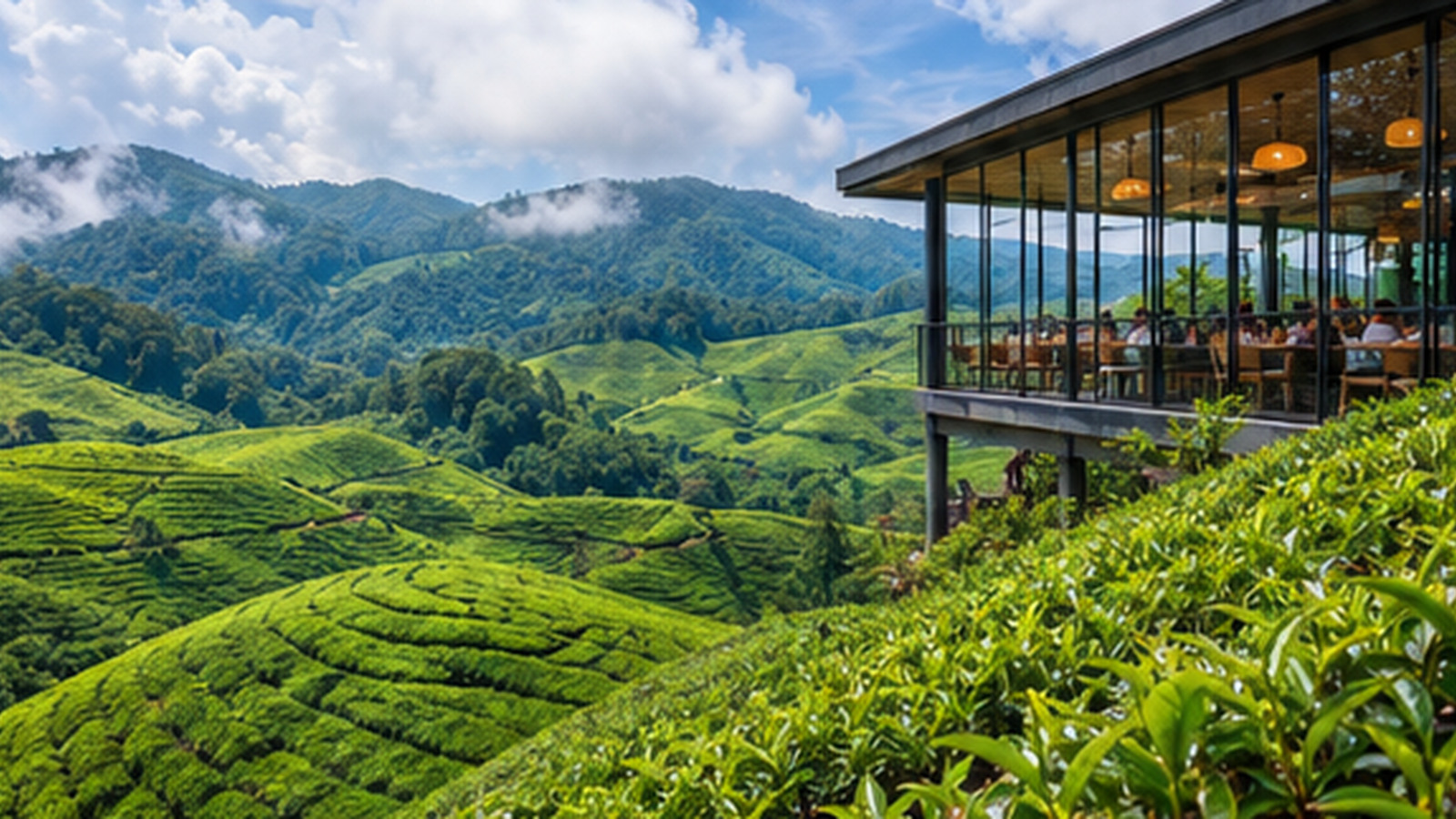
Rolling green tea plantations, cool air and farm visits.
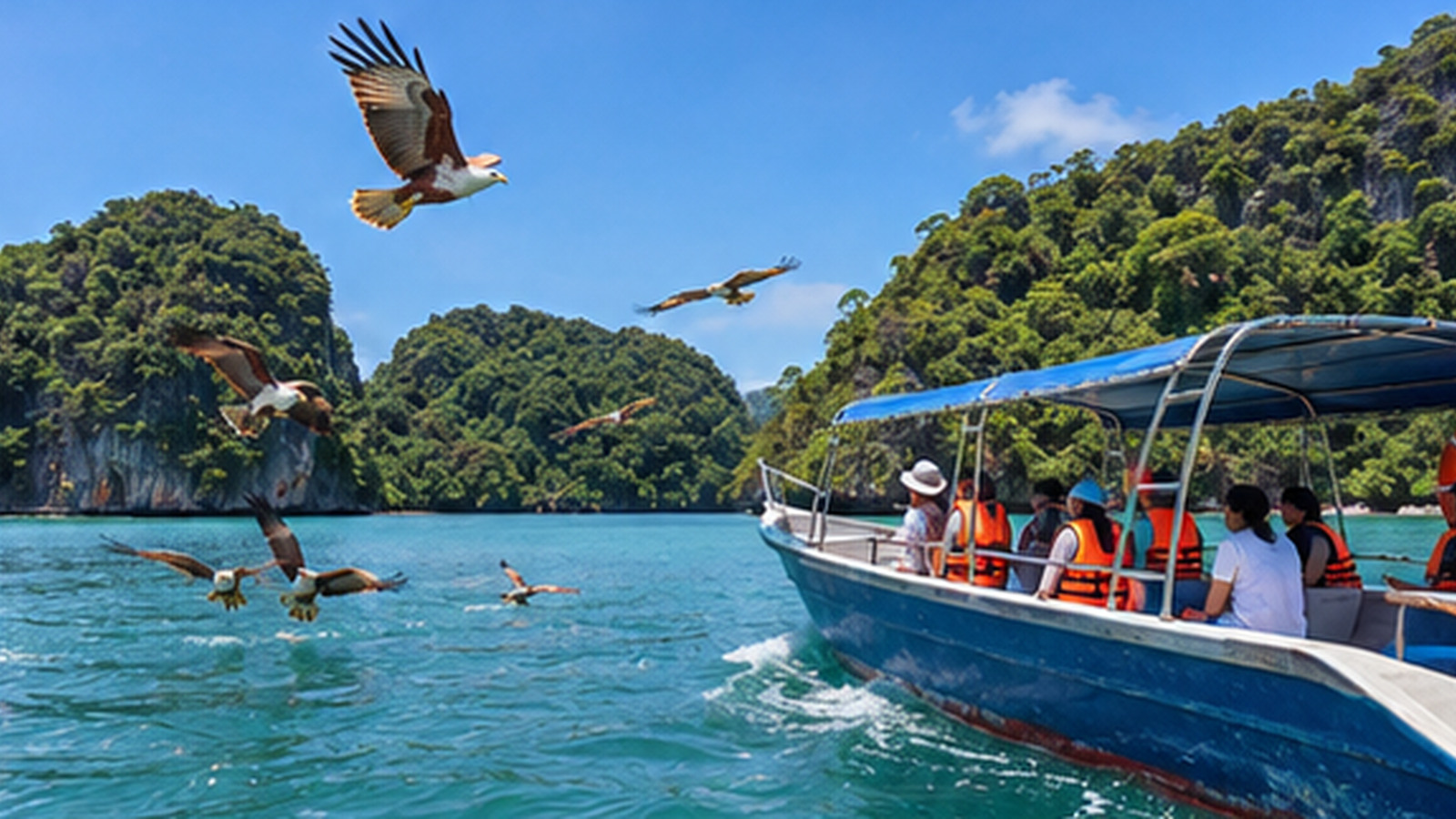
Orangutan sanctuaries, Mount Kinabalu and the diving paradise of Sipadan.
Petronas Towers, KL Tower, Batu Caves and the markets of Bukit Bintang.
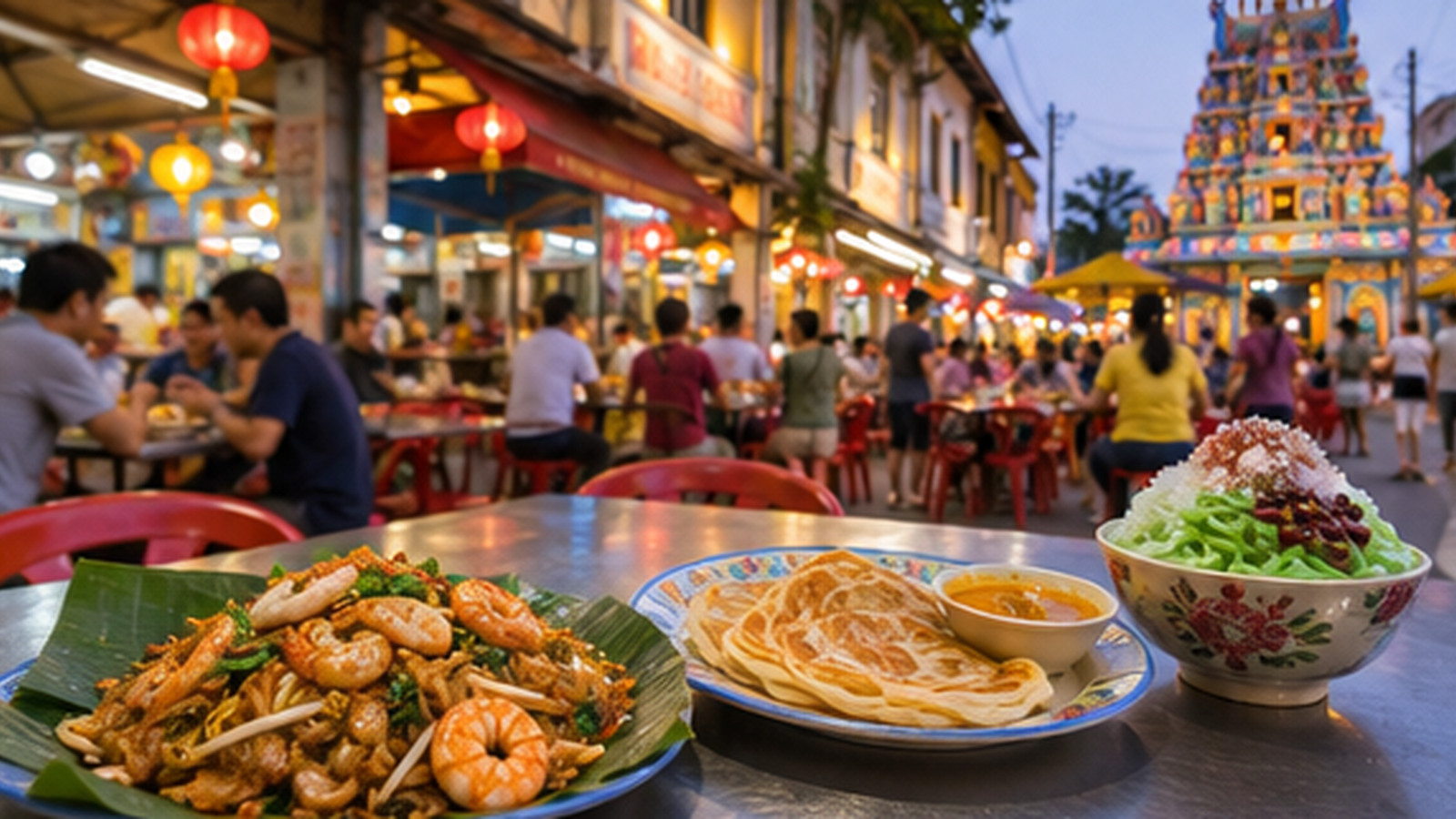
Penang hawker food, KL’s Jalan Alor and Indian/mamak eateries everywhere.
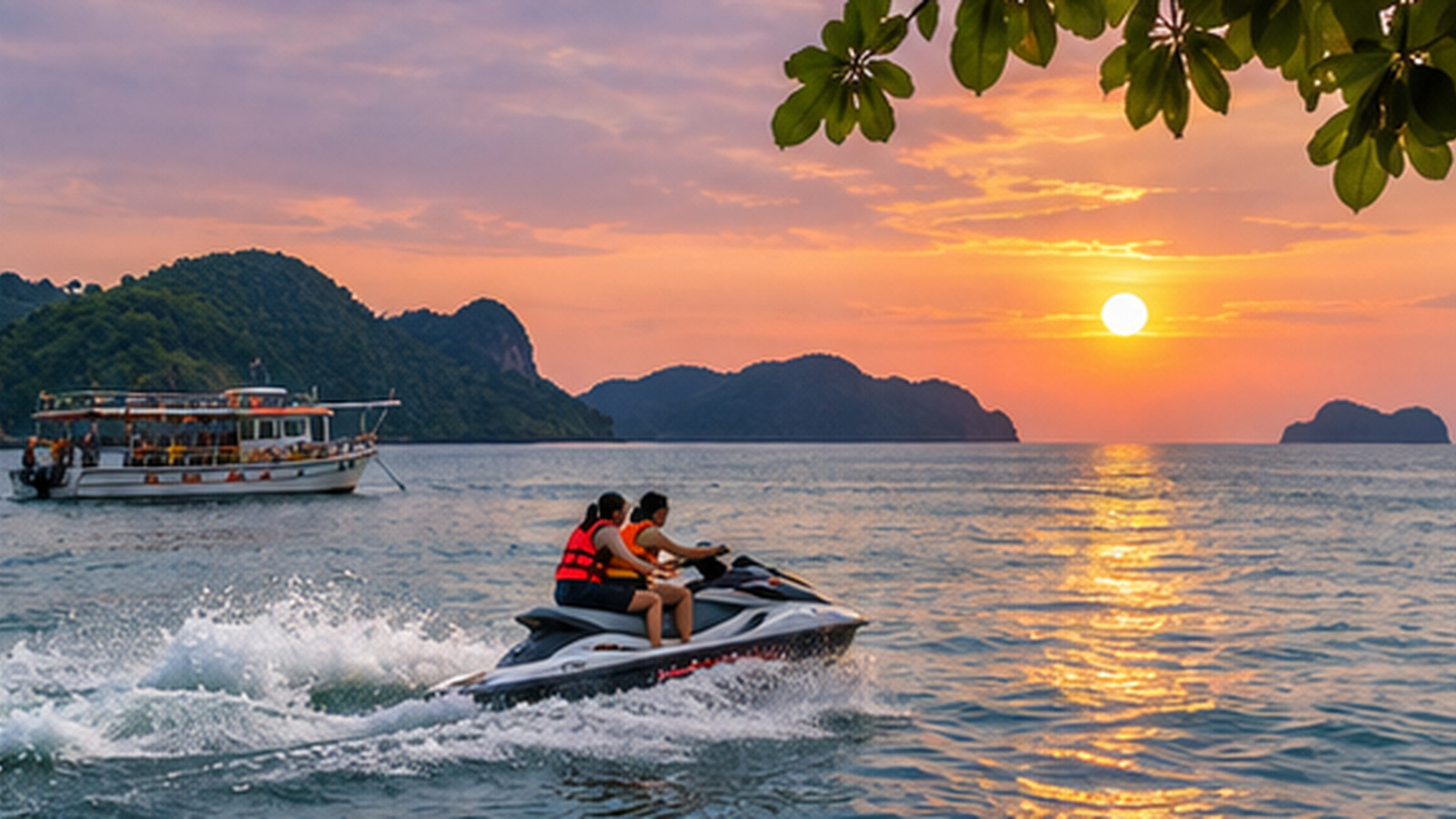
Langkawi, the Perhentians and Redang for sand, snorkelling and diving.
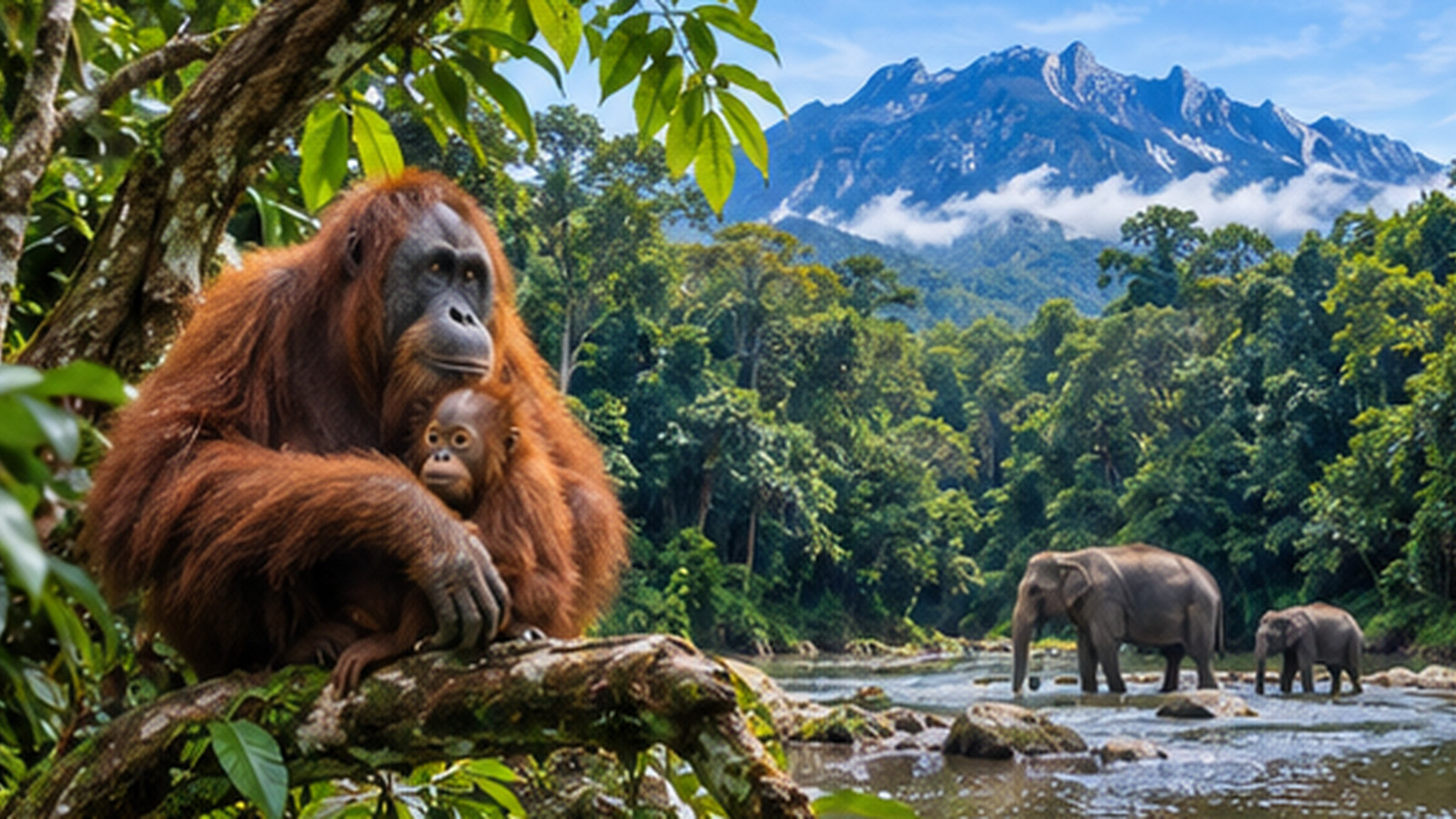
Cameron Highlands tea country and Borneo’s rainforest and wildlife.
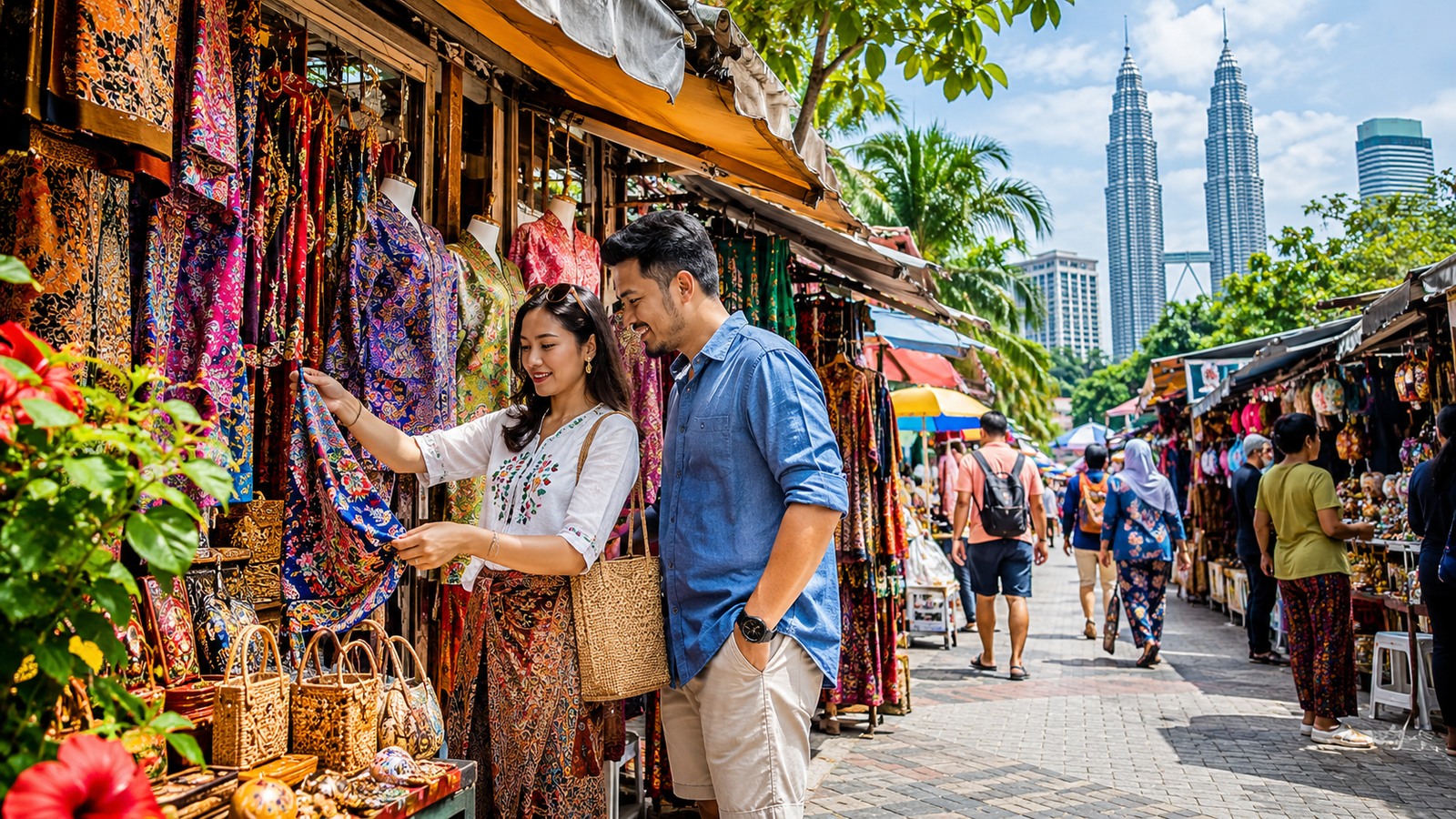
Malls, duty-free Langkawi and bustling markets — a shopper’s favourite.
Book tours & activities through our travel partners — see options. Bluebird Next may earn a commission from partner bookings at no extra cost to you (Affiliate Disclosure).
Malaysia is excellent value — cheap, delicious food, affordable hotels and budget flights. Indicative per-person figures for a 5–6 day trip in 2026 (prices checked Nov 2026).
| Item | Typical cost (per person) |
|---|---|
| Return flights (ex-India) | ₹18,000 – ₹38,000 |
| Entry (visa-free + free MDAC) | ₹0 |
| Hotels (3★, per night, twin) | ₹3,000 – ₹6,500 |
| Food & local transport | ₹1,200 – ₹2,500 / day |
| Attractions & day trips | ₹800 – ₹3,000 each |
| From | Typical return airfare |
|---|---|
| Delhi | ₹20,000 – ₹36,000 (direct, ~5.5 hrs) |
| Mumbai | ₹19,000 – ₹35,000 (direct, ~5 hrs) |
| Chennai | ₹16,000 – ₹30,000 (direct, ~4.5 hrs) |
| Bengaluru | ₹18,000 – ₹34,000 (direct/1-stop) |
| Kolkata | ₹17,000 – ₹32,000 (direct/1-stop) |
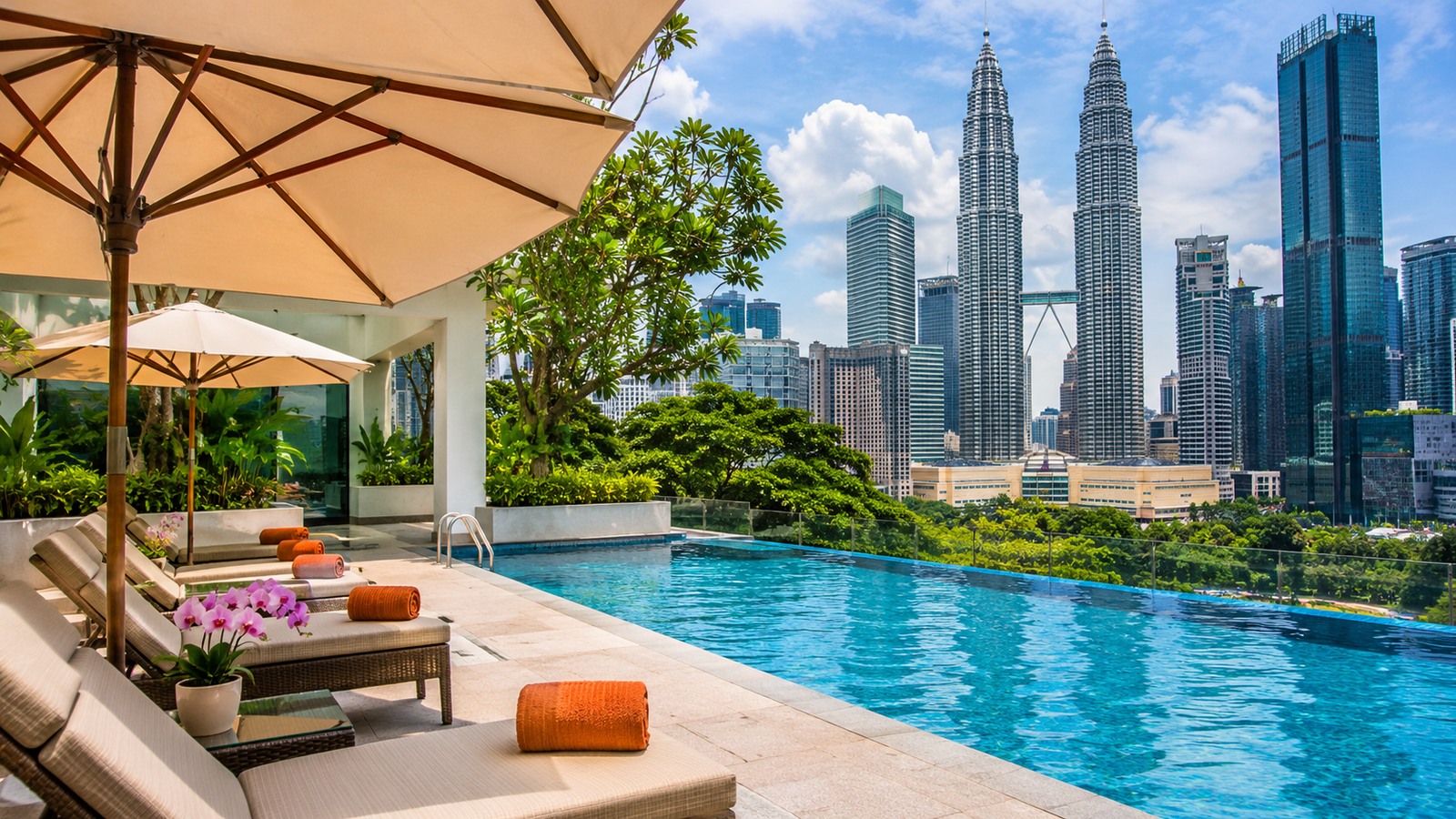
Central for towers, malls, food streets and transport.
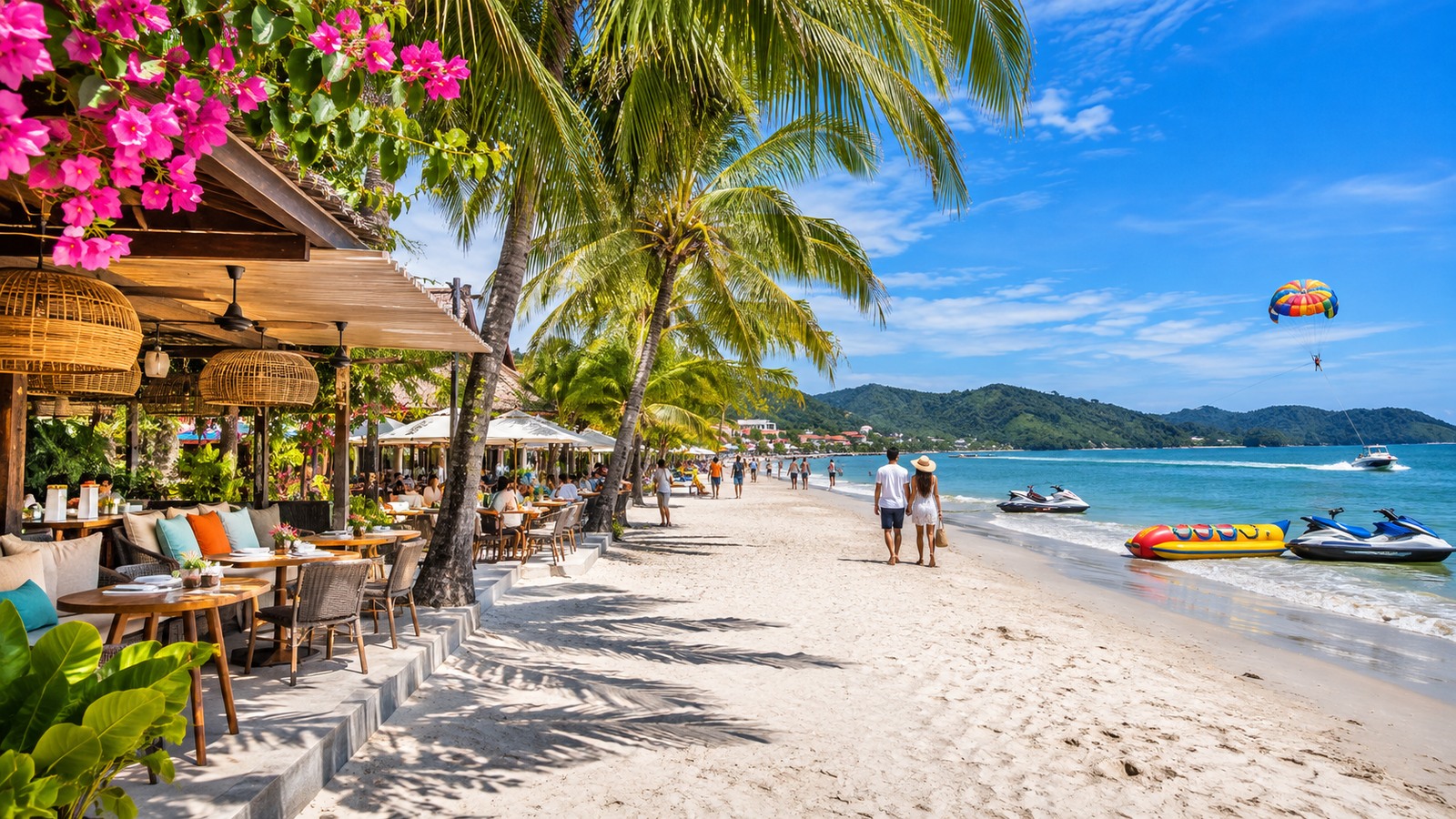
The main beach strip with restaurants, bars and water sports.
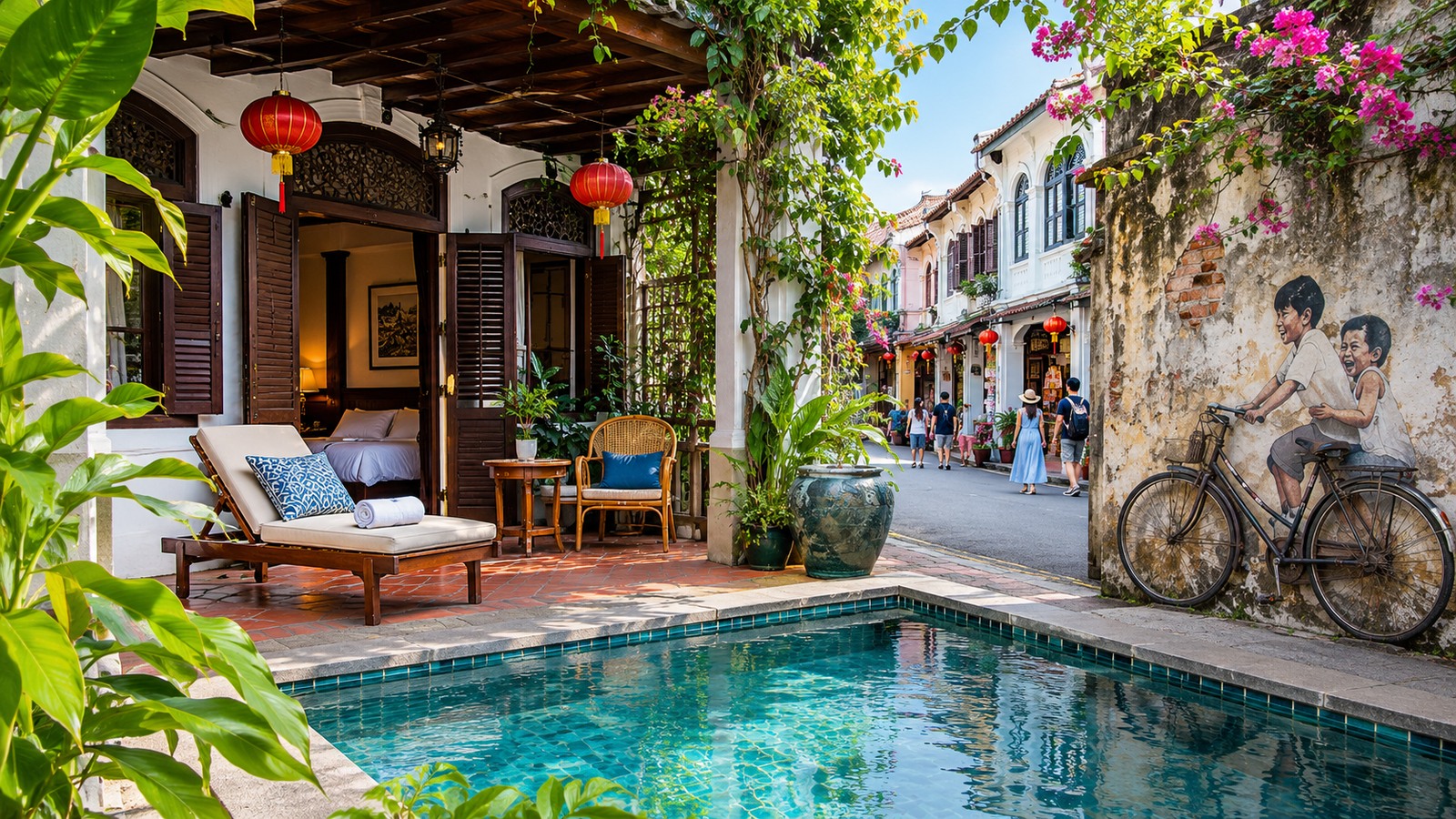
Heritage hotels and guesthouses in the heart of the food and murals.
Malaysia is a food paradise — Malay, Chinese, Indian and Nyonya cuisines, with hawker centres and mamak stalls everywhere. It is one of the easiest countries for Indian travellers to eat in.
Vegetarians and Jains are very well catered for — Indian restaurants, vegetarian Chinese (“vegetarian” signs are common), dosa and thali spots, and plenty of fruit. Little India areas in KL (Brickfields) and Penang are a haven.
Indian and South-Indian food is everywhere, from banana-leaf meals to North-Indian thalis; halal food is the norm, so finding veg and specific diets is easy.
Fill the free Malaysia Digital Arrival Card online within three days before you fly. Visa-free entry is currently confirmed only to 31 December 2026 — if you travel in 2027, check whether it has been extended or whether an eVISA/eNTRI is needed.
The ringgit is cheap for Indians (RM 1 is about ₹19). Cards and e-wallets (Touch ’n Go, Grab) are widely accepted; carry some cash for hawker stalls and markets. UPI is not accepted; ATMs are everywhere.
KL has a clean, cheap LRT/MRT/monorail network; the Grab app is reliable and affordable for everything else. Budget airlines (AirAsia) and comfortable trains/buses link KL, Penang and the islands.
Buy a cheap tourist SIM (Hotlink, Celcom, Digi) at the airport or use an eSIM. Malaysia uses 240V with the UK-style Type G three-pin plug, so carry a universal adapter.
It is hot and humid year-round with short tropical downpours — pack light cottons, a rain jacket or umbrella, and modest cover for temples and mosques; a light layer for the highlands and over-cold malls.
Use the LRT/MRT/monorail and the Grab app — both cheap, clean and reliable.
Budget flights (AirAsia), plus comfortable trains and buses, link KL, Penang and Langkawi (by ferry/flight).
Fly to Langkawi, Penang or Sabah; ferries reach the east-coast islands in season.
Malaysia is friendly, modern and generally very safe for tourists, including families and solo women travellers. Take normal care of valuables in crowded markets, use Grab or licensed taxis, respect local and religious customs, and carry travel insurance for medical care and island/adventure activities.
❌ Myth: Malaysia is expensive.
✅ Fact: It is one of the cheapest Asia trips for Indians — great-value food, hotels and budget flights, with no visa fee while visa-free entry lasts.
❌ Myth: Vegetarians struggle in Malaysia.
✅ Fact: It is one of the easiest countries to eat veg — Indian restaurants, vegetarian Chinese, Little India areas and endless fruit.
❌ Myth: You need a visa in advance.
✅ Fact: Indians currently enter visa-free for 30 days (to 31 Dec 2026); you only submit the free MDAC online before flying.
❌ Myth: One trip covers all of Malaysia.
✅ Fact: Peninsular Malaysia (KL, Penang, Langkawi) and Borneo (Sabah) are far apart — treat Borneo as a separate trip.
❌ Myth: English is a problem.
✅ Fact: English is very widely spoken, signage is bilingual and Indians feel at home quickly.
Not right now — Indian passport holders can enter visa-free for up to 30 days for tourism, currently confirmed until 31 December 2026. You must submit the free Malaysia Digital Arrival Card (MDAC) online within three days before arrival, and carry a passport valid 6+ months, a return ticket and proof of funds. Check the rule before booking 2027 travel.
A 5–6 day trip is roughly ₹45,000–₹85,000 per person including flights, and about ₹90,000–₹1,55,000 for a couple. Food, transport and hotels are cheap; flights and islands are the main cost.
A free online arrival form every visitor must submit within three days before arriving in Malaysia. It takes a few minutes and is separate from any visa; do it before you fly.
Direct flights to Kuala Lumpur take about 4.5 hours from Chennai and 5–5.5 hours from Delhi and Mumbai, with many budget and full-service options.
Five to seven days covers Kuala Lumpur plus one escape — Langkawi for beaches or Penang for food and heritage. Borneo (Sabah) needs a separate 4–5 day trip.
December to February and March to August are best for the west coast (KL, Penang, Langkawi); the east-coast islands are best May to September. It is tropical year-round with short showers.
Excellent — Indian restaurants, vegetarian Chinese, Little India areas (KL’s Brickfields, Penang) and plenty of fruit make it one of the easiest countries to eat veg or Jain.
Cards and local e-wallets (Grab, Touch ’n Go) are widely accepted; UPI is not. Carry some ringgit cash for hawker stalls and markets, and use the many ATMs.
Yes — it is modern, friendly and generally very safe. Take normal care in crowds, use Grab or licensed taxis, and respect local customs. It is a popular, easy first trip abroad.
One of the best — short flights, visa-free entry (for now), widely spoken English, easy veg and Indian food, cheap transport and a mix of city, beach and nature. It is relaxed, affordable and very newcomer-friendly.
Yes — many Indians pair Malaysia with Singapore (a short flight or bus/train from KL) or Thailand for a two-country trip. Just check each country’s own entry rules and build in a day for the border crossing.
It is strongly recommended — it covers medical care, island and water-sports mishaps, flight delays and lost baggage, and costs little for a short trip.
Sources: Tourism Malaysia (official) · Malaysia Digital Arrival Card (Immigration)
A licensed team that has guided thousands of Indians to their visas and admissions.
 Jitender SinghFounder & Managing Director
 Vikram SinghHead – Quality & Operations
 SanjayHead – Tourist Visa Operations
 TejaswaniHead – Counselling Team
 MahimaHead – Visa Filing & Processing
 Pratigya DuttaHead – Student Visa Processing
Free, no-pressure guidance from a real counsellor who handles your case end to end — from documents to decision.