
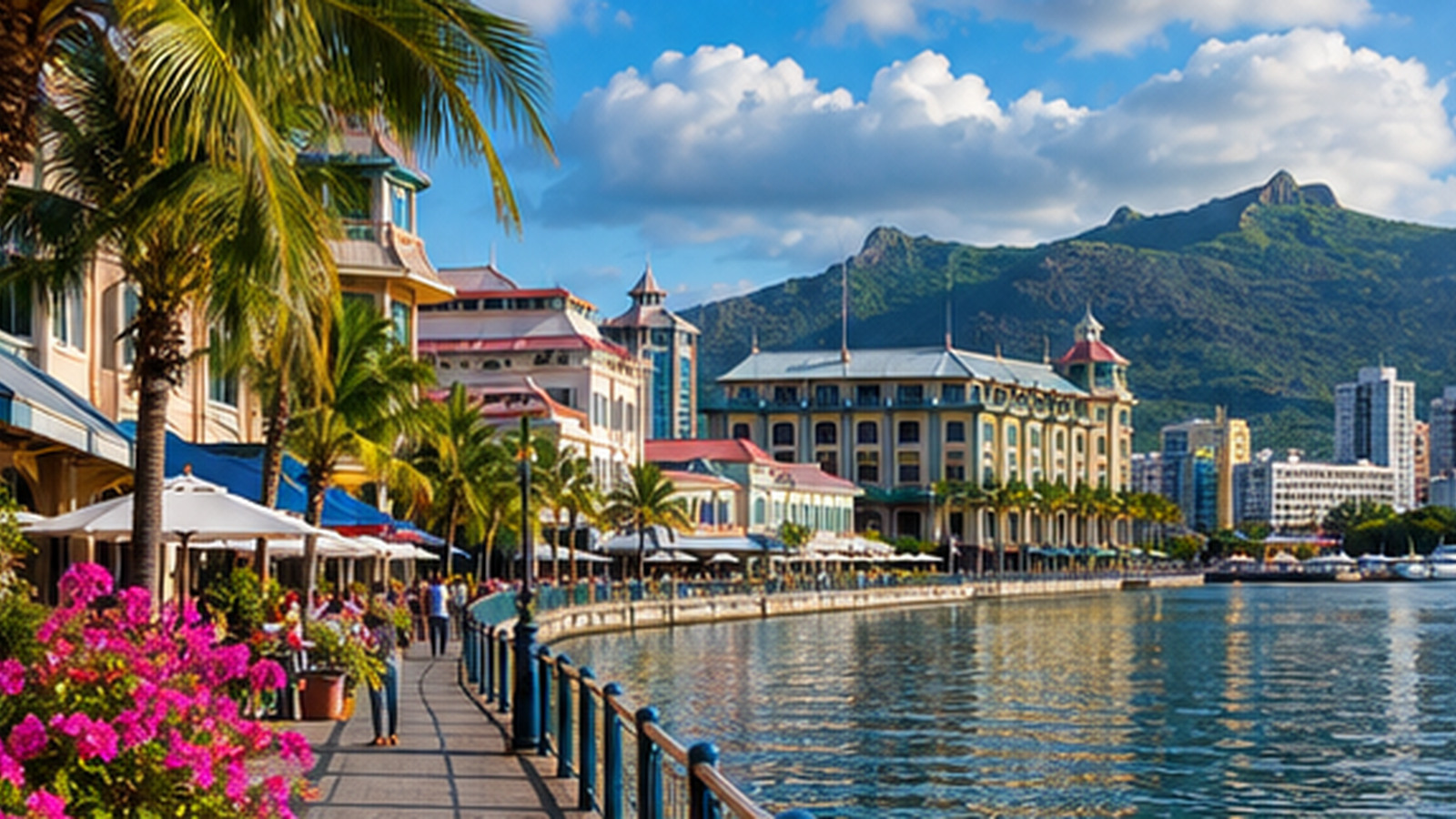
The lively capital — the Caudan Waterfront, the central market, Chinatown and colonial landmarks.
Turquoise lagoons, volcanic peaks and a warm Indian-origin welcome — Mauritius is the honeymoon-perfect island where Indians feel instantly at home.
Mauritius is the honeymoon island that feels like a second home for Indians. Ringed by a coral reef that turns the sea into a calm turquoise lagoon, dotted with volcanic peaks and waterfalls, it blends a classic beach holiday with lush interior adventures — and because a large share of the population is of Indian origin, the food, festivals and warmth are instantly familiar.
The coast is the headline: powder beaches at Belle Mare, Flic en Flac, Trou aux Biches and dramatic Le Morne, with world-class resorts and water sports. Inland lie the seven-coloured earths of Chamarel, the Black River Gorges rainforest, the sacred crater lake of Grand Bassin (Ganga Talao) and the capital Port Louis. It is compact enough to see in a week, yet varied enough to keep honeymooners and families equally happy.
This guide is written for Indian travellers: the real trip cost in rupees from your city, the easy visa-free entry rule, why vegetarians and Jain travellers feel completely at home, how to pay with UPI and RuPay, and honest, dated advice you can plan around.
Mauritius is beloved by Indian travellers for good reason — a large Indo-Mauritian community means temples, Indian food and Hindi/Bhojpuri are everywhere, entry is visa-free, and the island is a dream honeymoon with calm lagoons and luxury resorts. It is pure relaxation with a familiar cultural comfort, just a short direct flight away.
💡 From our visa desk: The couples we help love Mauritius most when they pick one coast to stay on and take day tours to the rest — the island is small, but hopping resorts wastes time. The east (Belle Mare) and north (Grand Baie/Trou aux Biches) suit first-timers best. And because India and Mauritius have linked UPI and RuPay, you can often pay by phone just like at home.
Visa-free entry for Indian citizens — among the easiest beach escapes for Indians.
Indian passport holders are granted visa-free entry for tourism, with the length of stay set by immigration on arrival (the Indian High Commission notes an initial stay of about one month, usually extendable). You need a confirmed return ticket, accommodation and sufficient funds; no advance visa is needed. Confirm the current permitted stay before you travel.
Check your Mauritius entry requirement →Mauritius is warm year-round. The cooler, drier months from May to December are the most comfortable; summer (November–April) is hotter with occasional cyclonic rain. See the month-by-month table below.
| Season | What it's like & who it suits |
|---|---|
| May–Dec (cool & dry) | The best window — pleasant warm days, low humidity and calm seas. Ideal for beaches and sightseeing. |
| Jan–Mar (hot & wet) | Hot and humid with occasional heavy rain or cyclones; lush, quieter and cheaper between storms. |
| Diving & surf | Diving is good most of the year; the west coast suits beginners, with surf on the south from June. |
| Month | Weather & what’s on (incl. Indian holiday windows) |
|---|---|
| January–February | Hot, humid summer with cyclone risk and heavy showers; lush, quiet and cheaper. Watch the weather for beach days. |
| March | Still warm and humid, with the cyclone season tailing off; good value as it dries out. |
| April | Pleasant and warming down — a good shoulder month before the dry season. Overlaps Indian summer-holiday planning. |
| May–June | The dry season begins — warm, sunny days, low humidity and calm lagoons. Excellent and good value for honeymoons. |
| July–August | Cool, dry and breezy (Mauritian winter) — great for sightseeing and kite-surfing at Le Morne; busiest around the Indian summer break. |
| September–October | Prime time — warm, dry, calm seas and fewer crowds. Arguably the best months of the year. |
| November | Warm and dry, easing towards summer — a lovely, good-value window around Diwali, which is widely celebrated here. |
| December | Hot and festive; the start of the wet season, with peak Christmas–New Year prices at resorts. |
The lively capital — the Caudan Waterfront, the central market, Chinatown and colonial landmarks.
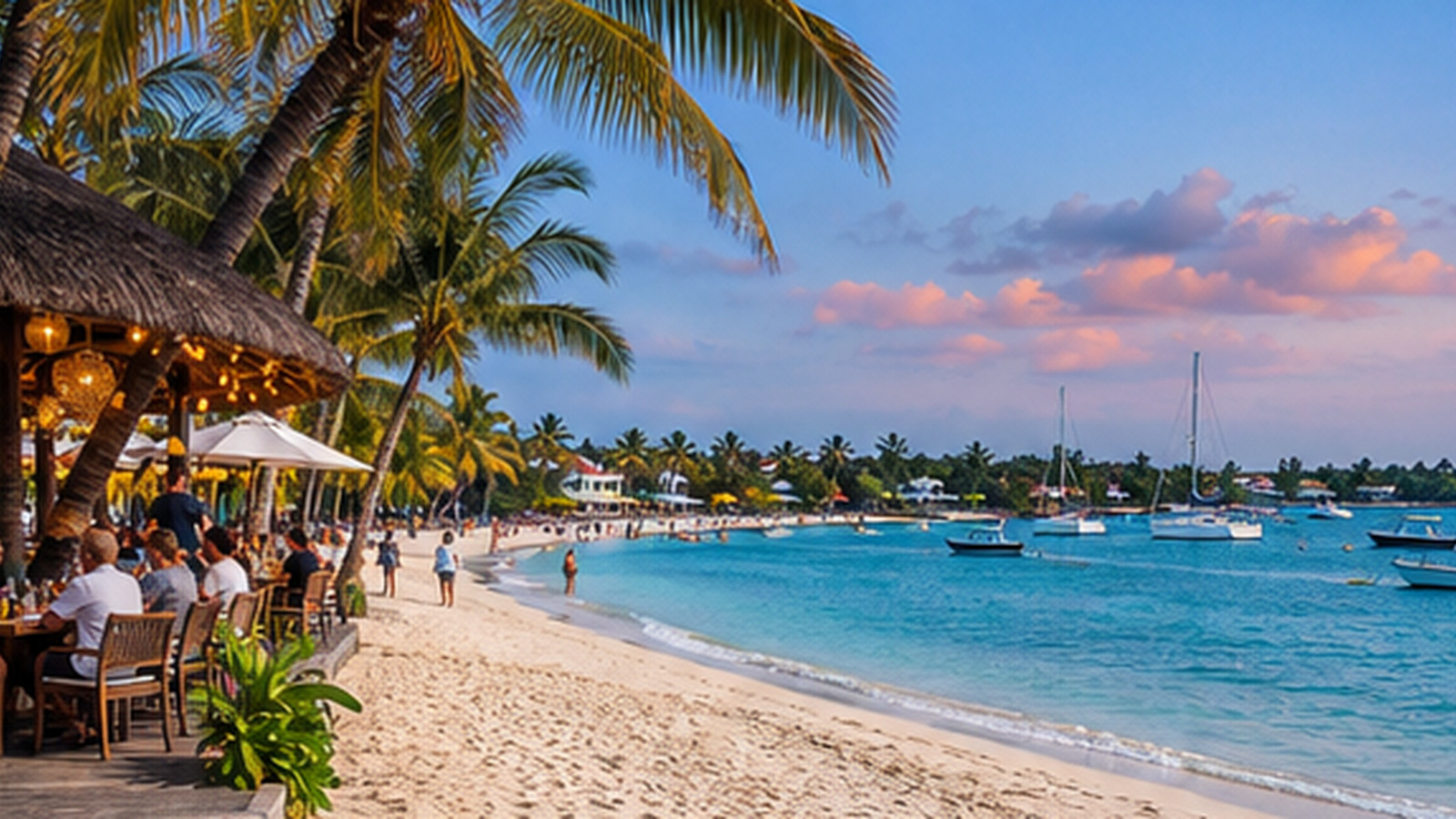
The buzzing north-coast resort town — beaches, boat trips, dining and nightlife.
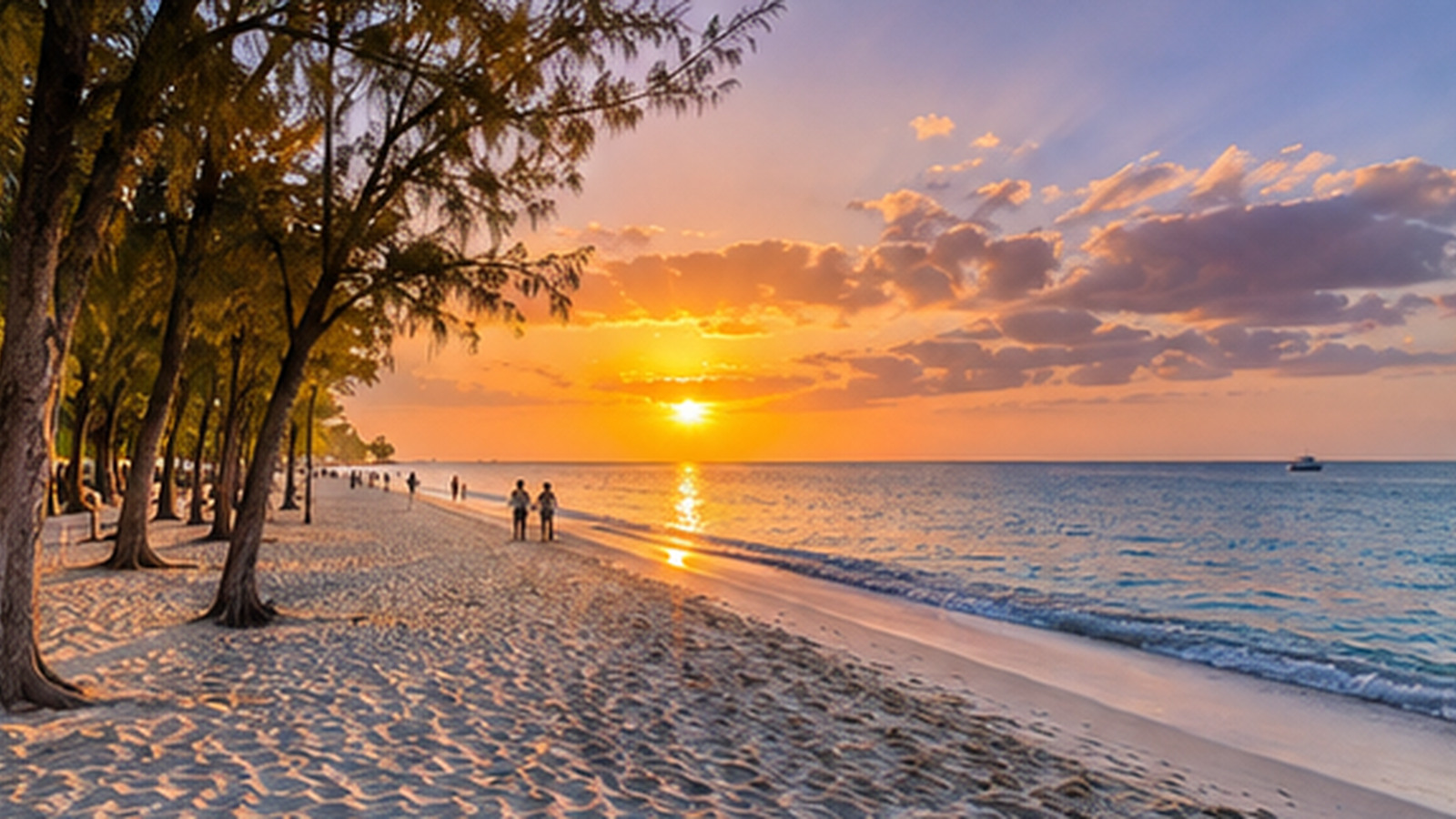
A long west-coast beach famed for sunsets, diving and nearby dolphin-watching.
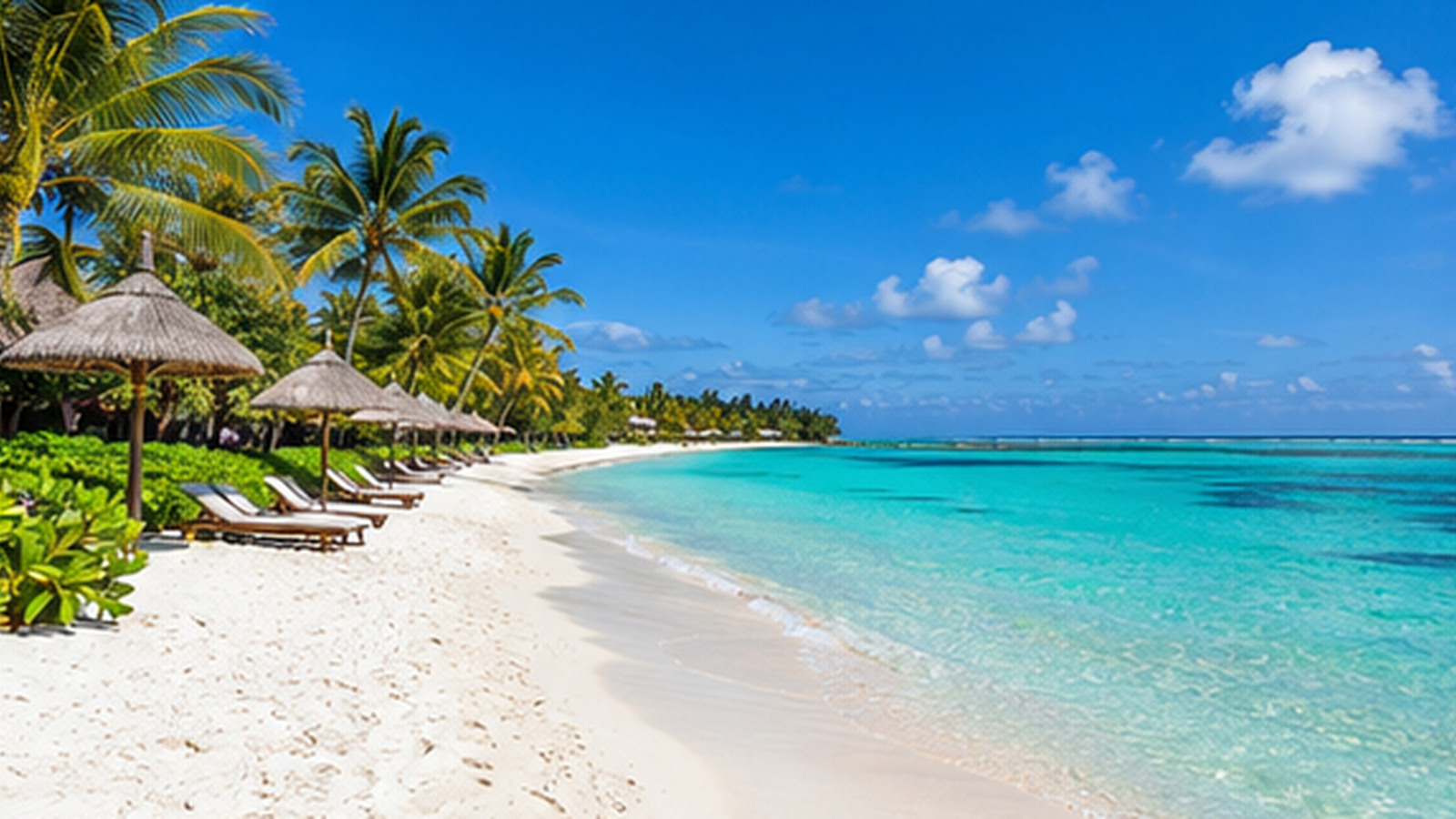
The east coast’s gorgeous white-sand strand with top resorts and calm lagoons.
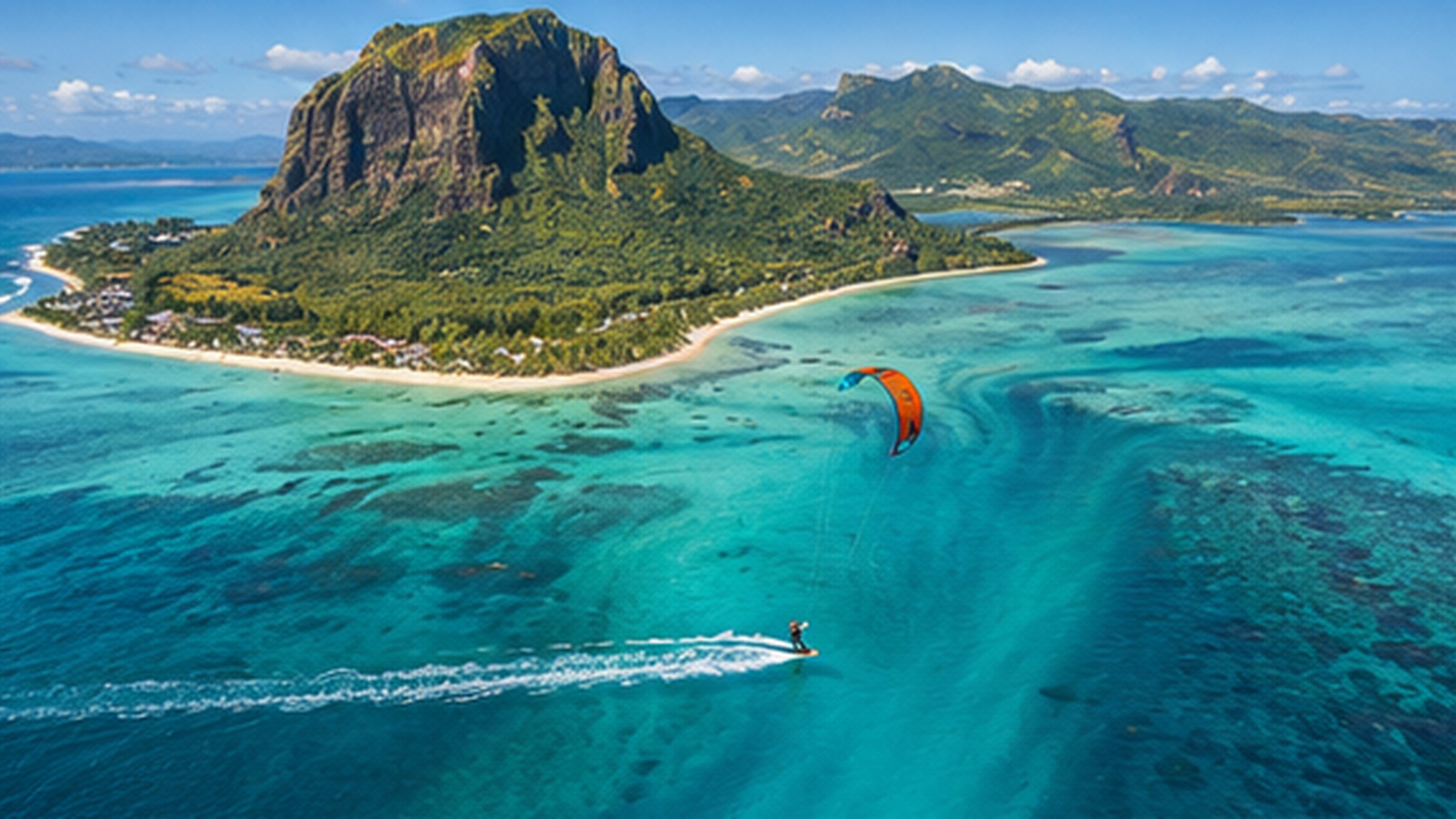
A UNESCO peninsula with a dramatic mountain, kite-surfing and the famous “underwater waterfall” viewpoint.
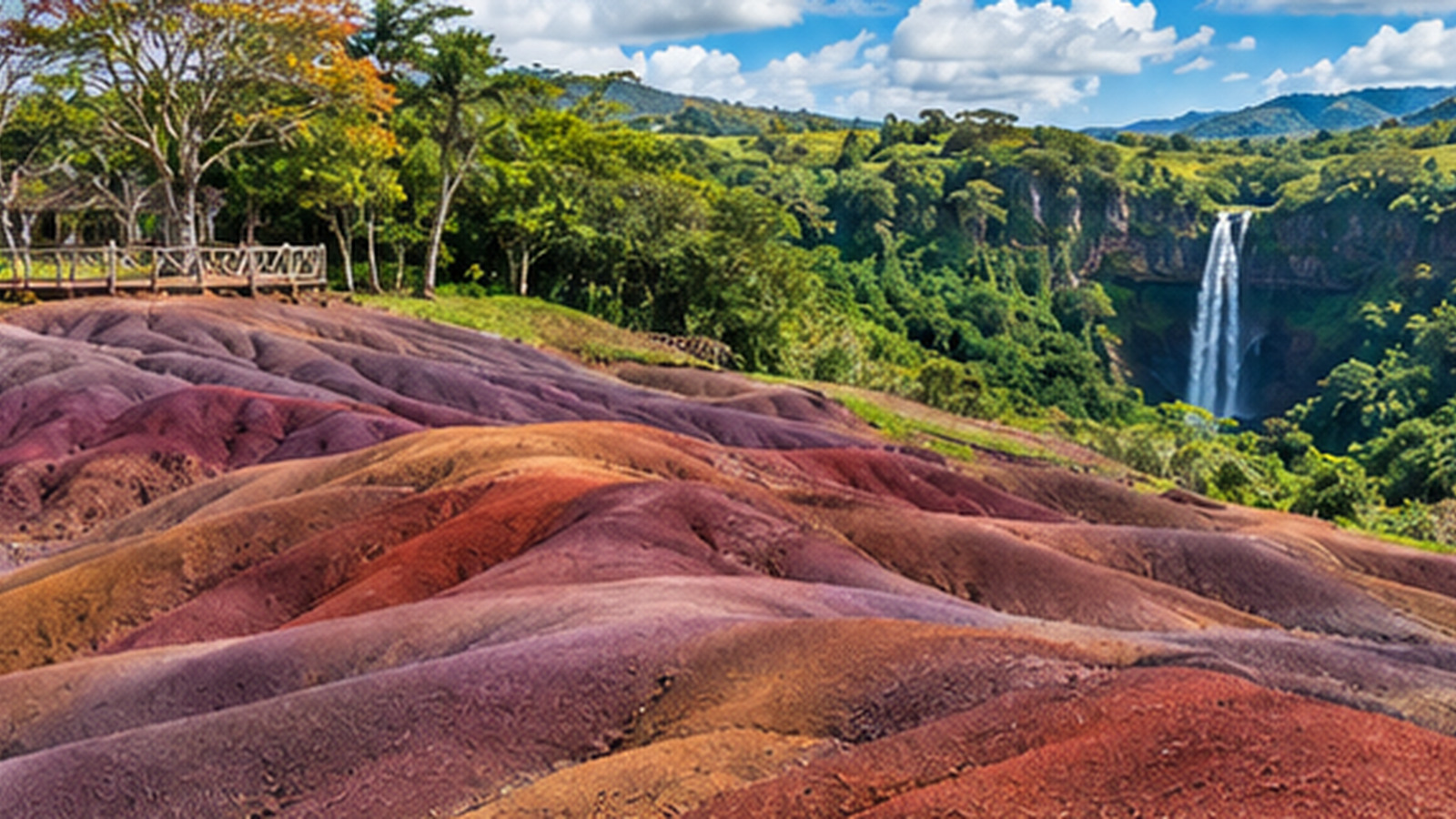
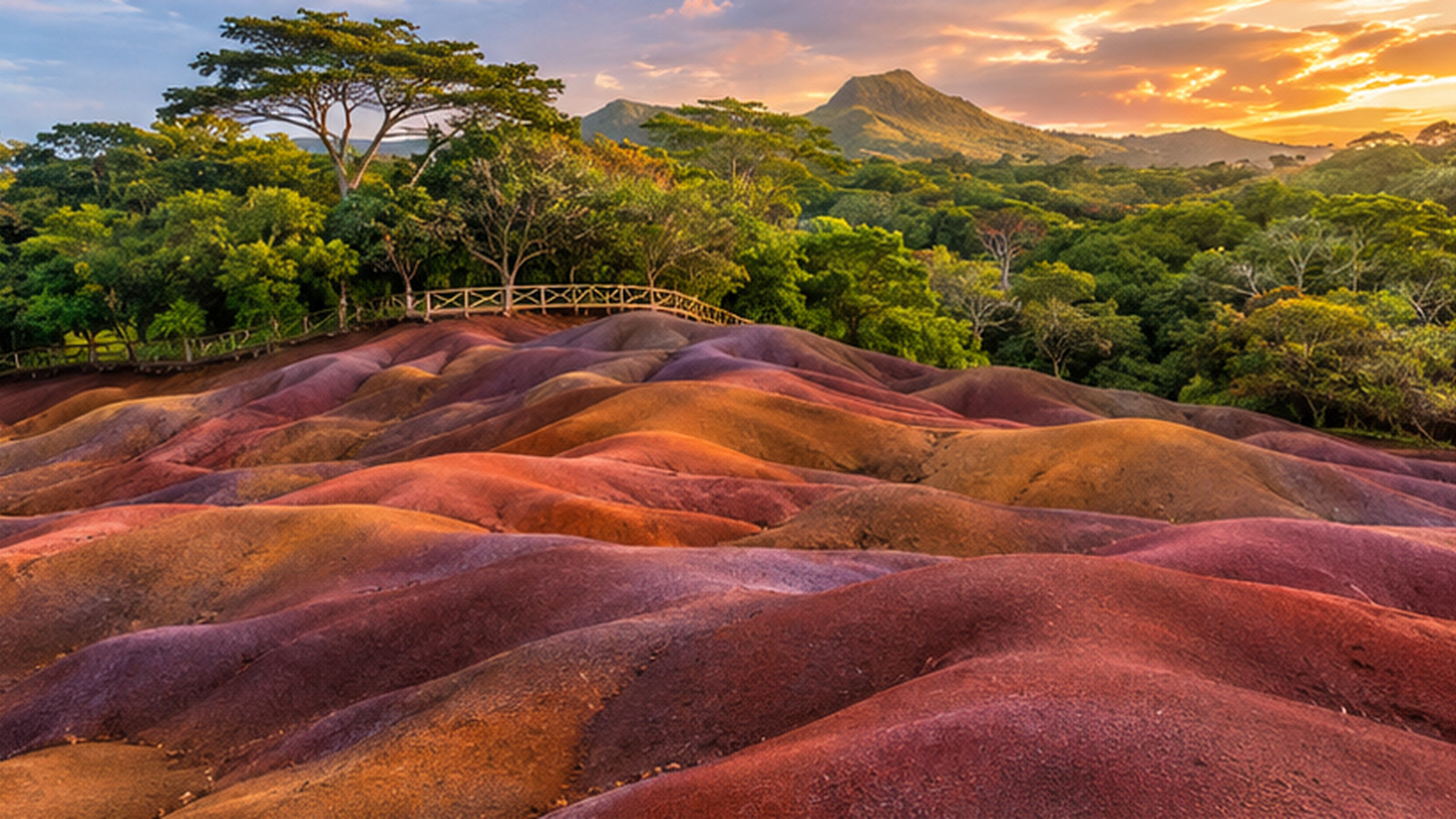
Surreal dunes of red, brown, violet and green volcanic earth, with a nearby waterfall.
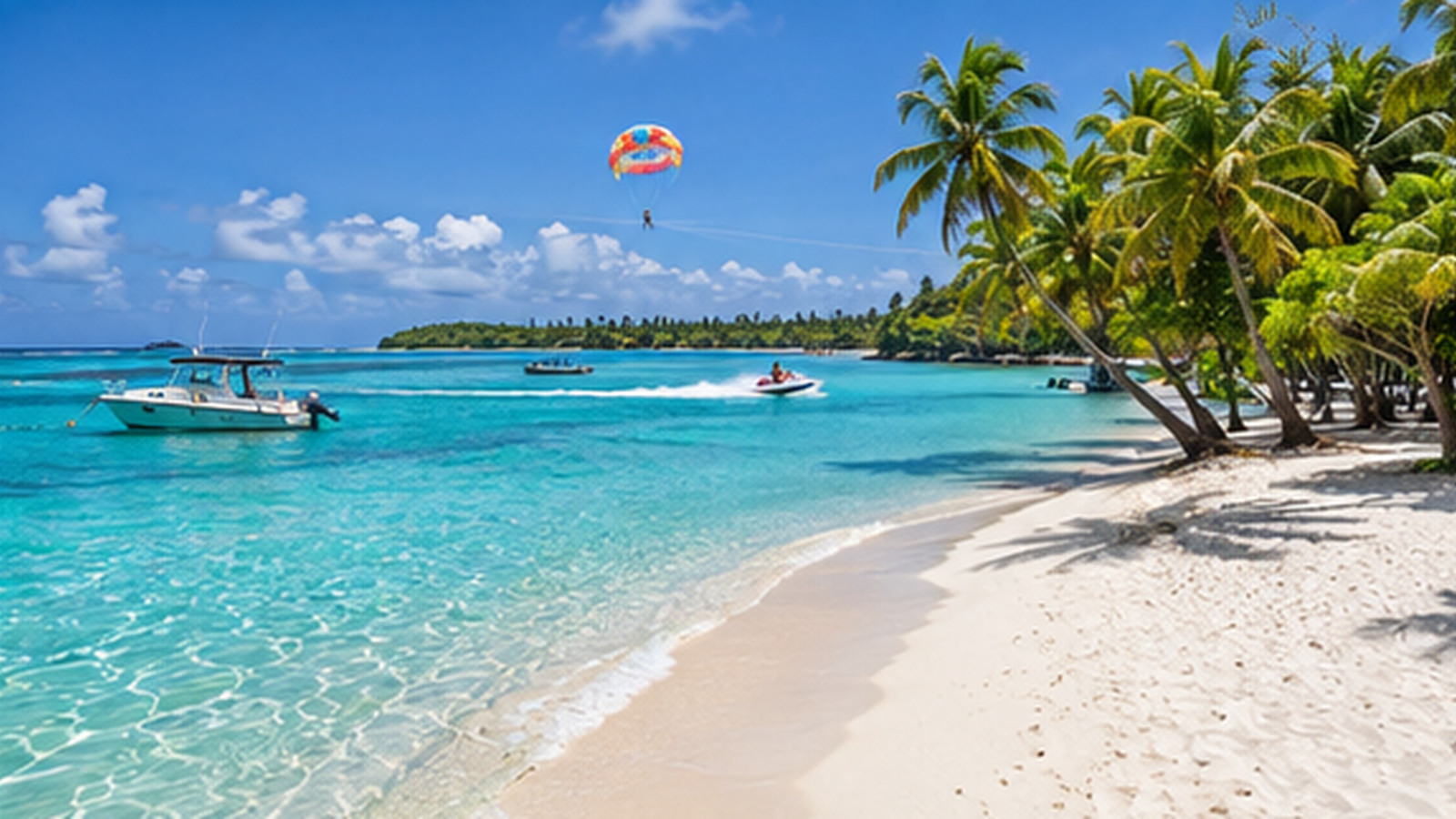
A postcard islet off the east coast with white sand, lagoon swimming and water sports.
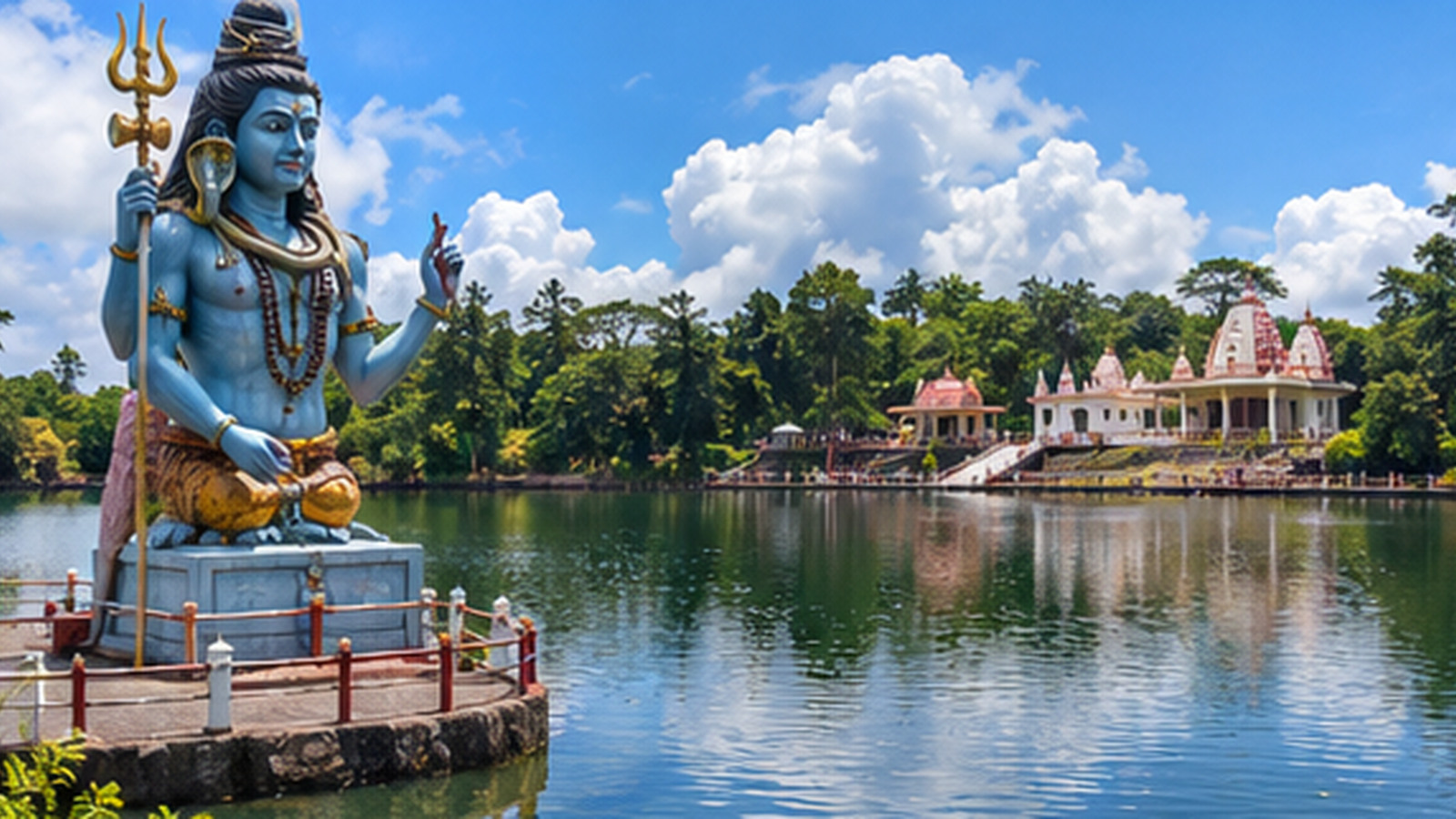
A sacred crater lake and temple complex with a giant Shiva statue — a moving stop for Hindu visitors.
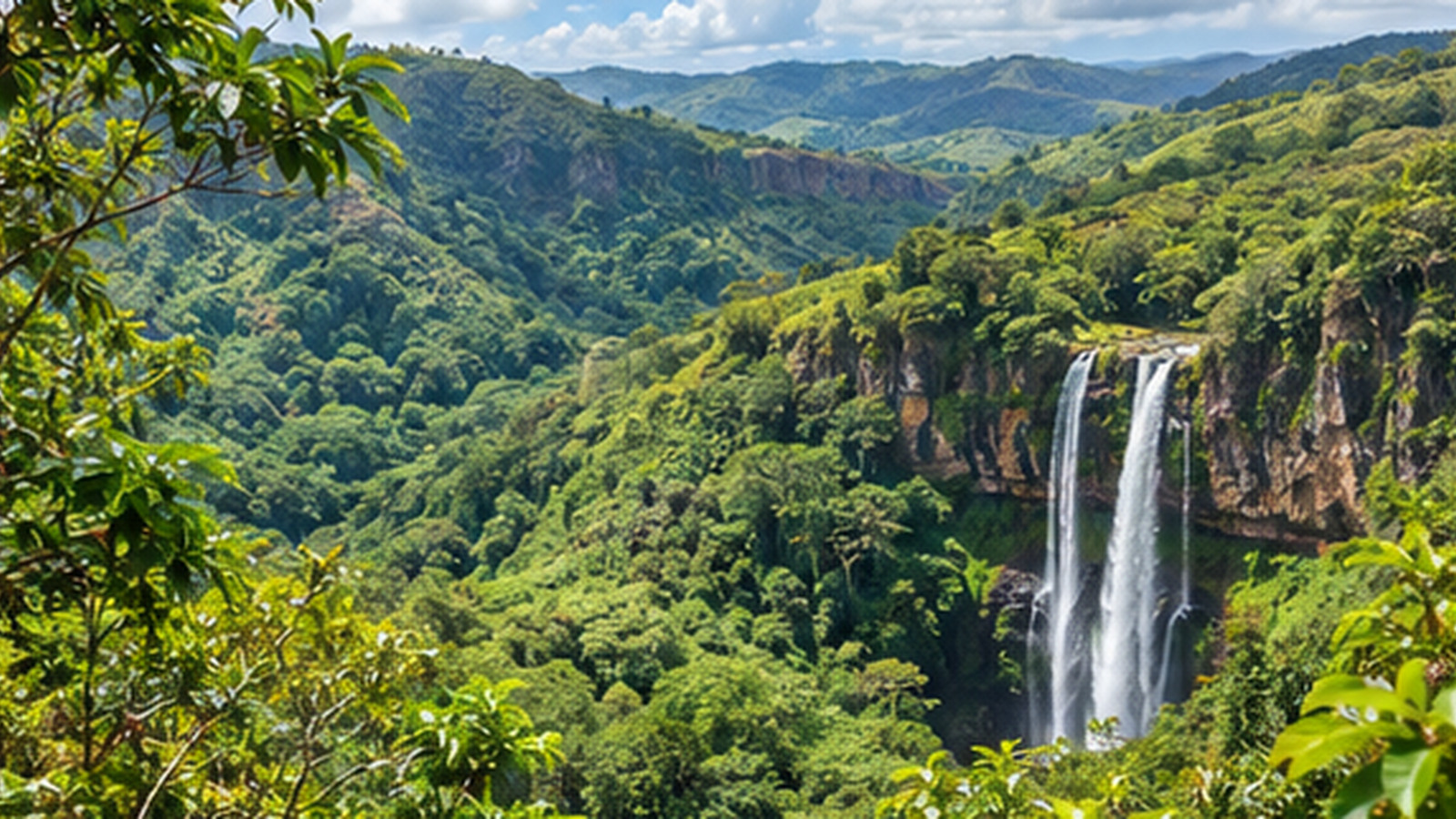
Rainforest viewpoints, hikes and endemic wildlife in the island’s green interior.
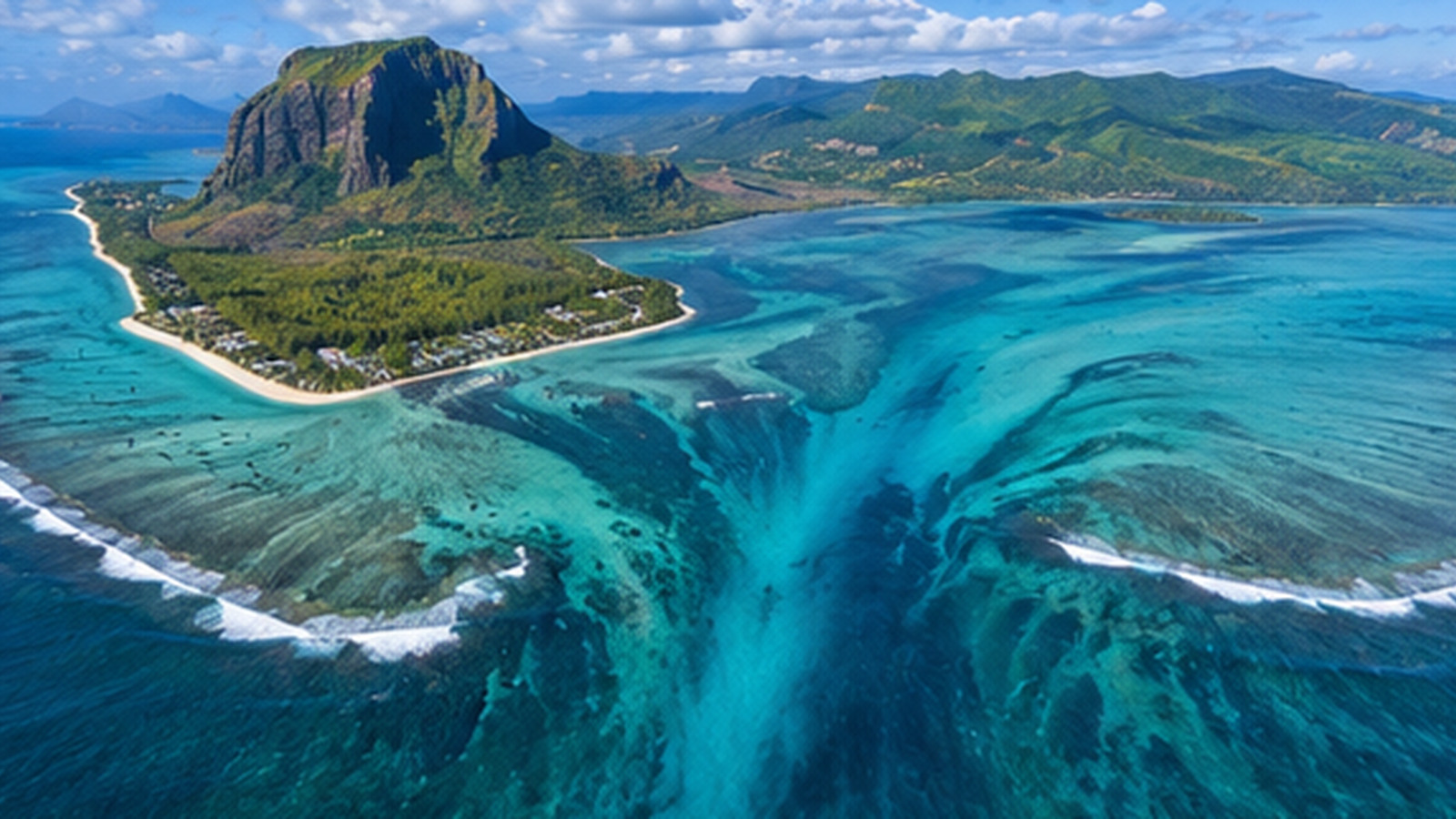
The iconic optical illusion of an “underwater waterfall”, seen best from the air near Le Morne.
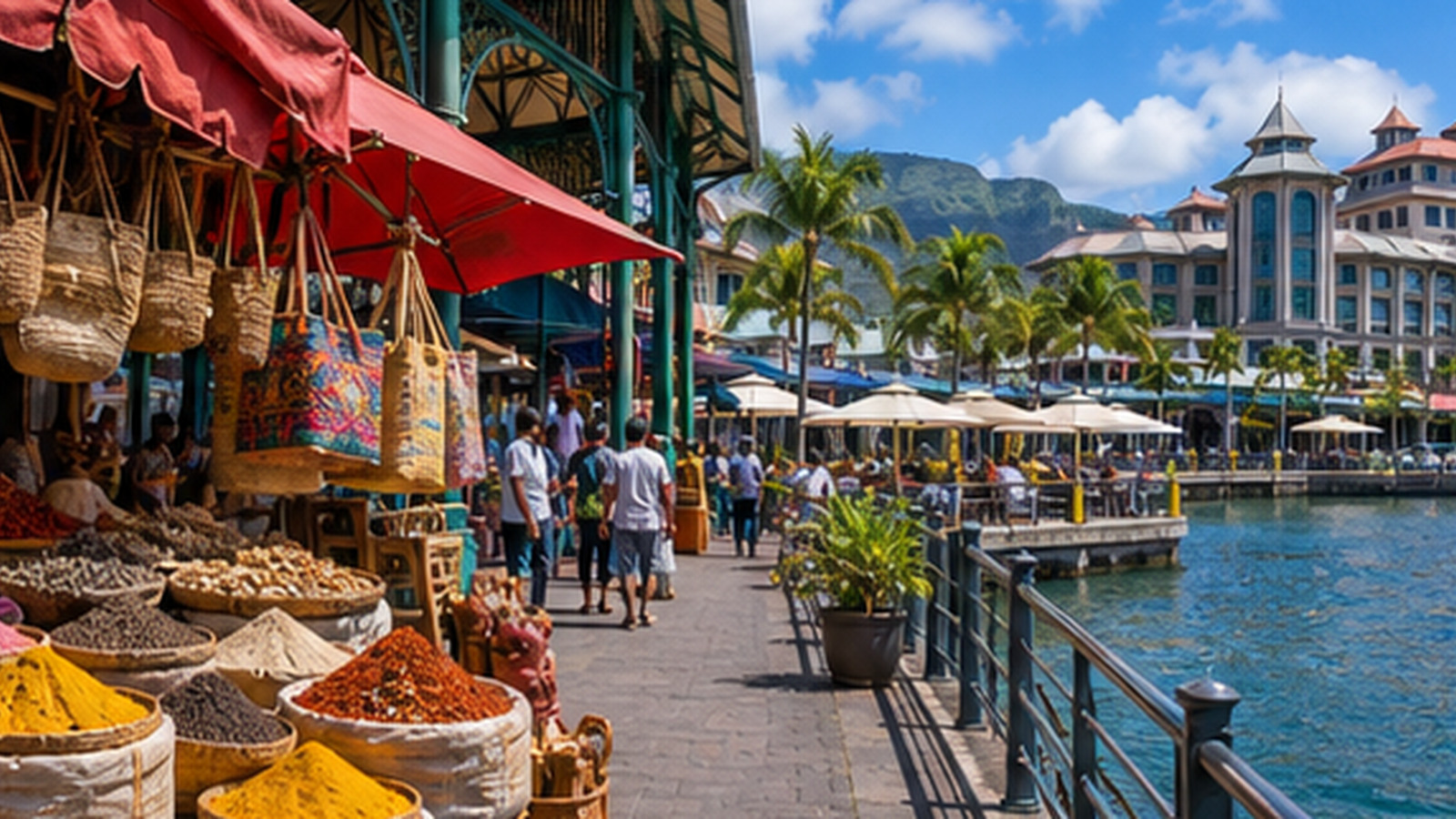
Spices, crafts and street snacks at the central market, plus the waterfront for shopping and dining.
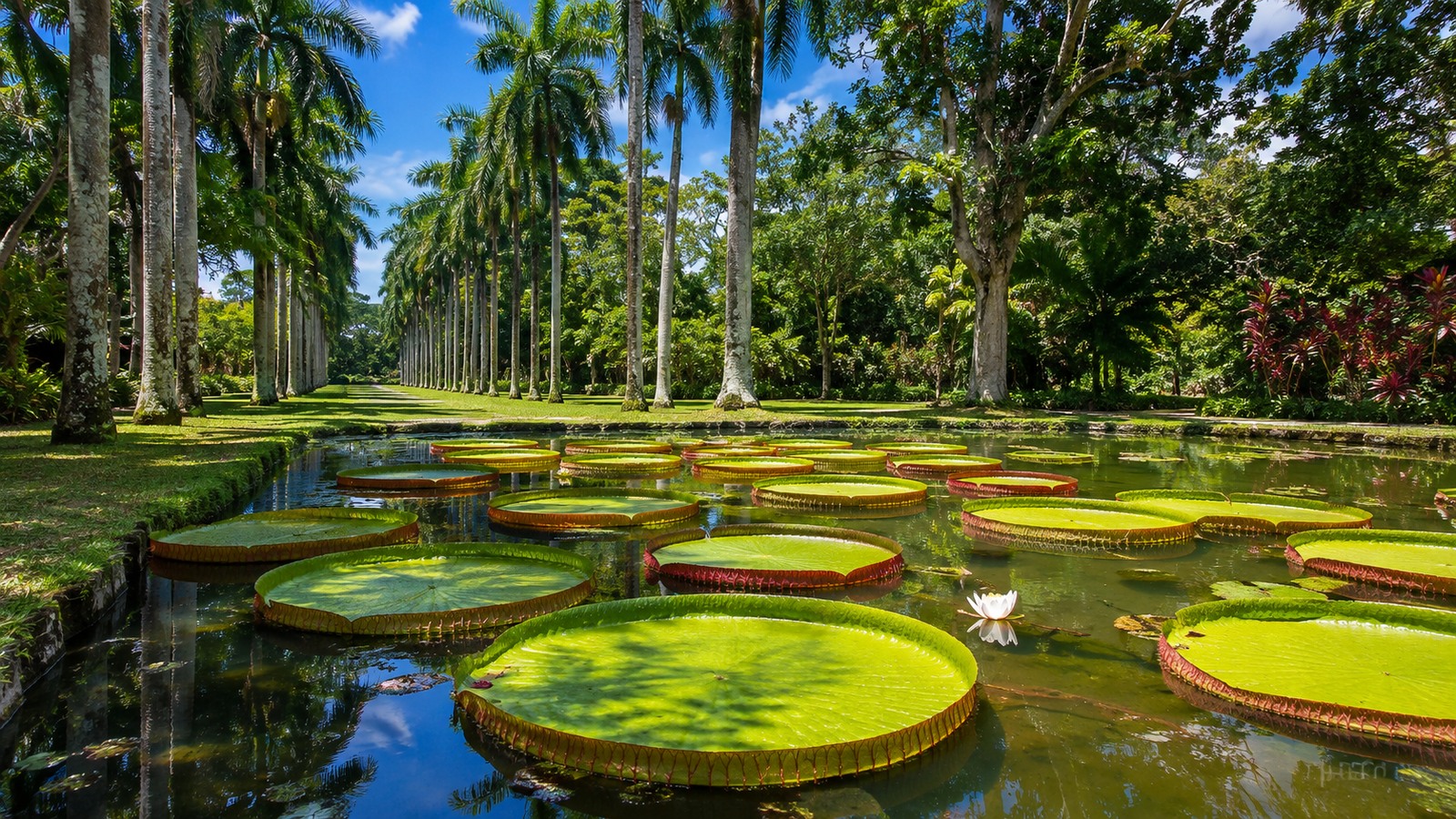
Historic gardens famous for giant water lilies and a grand avenue of palms.
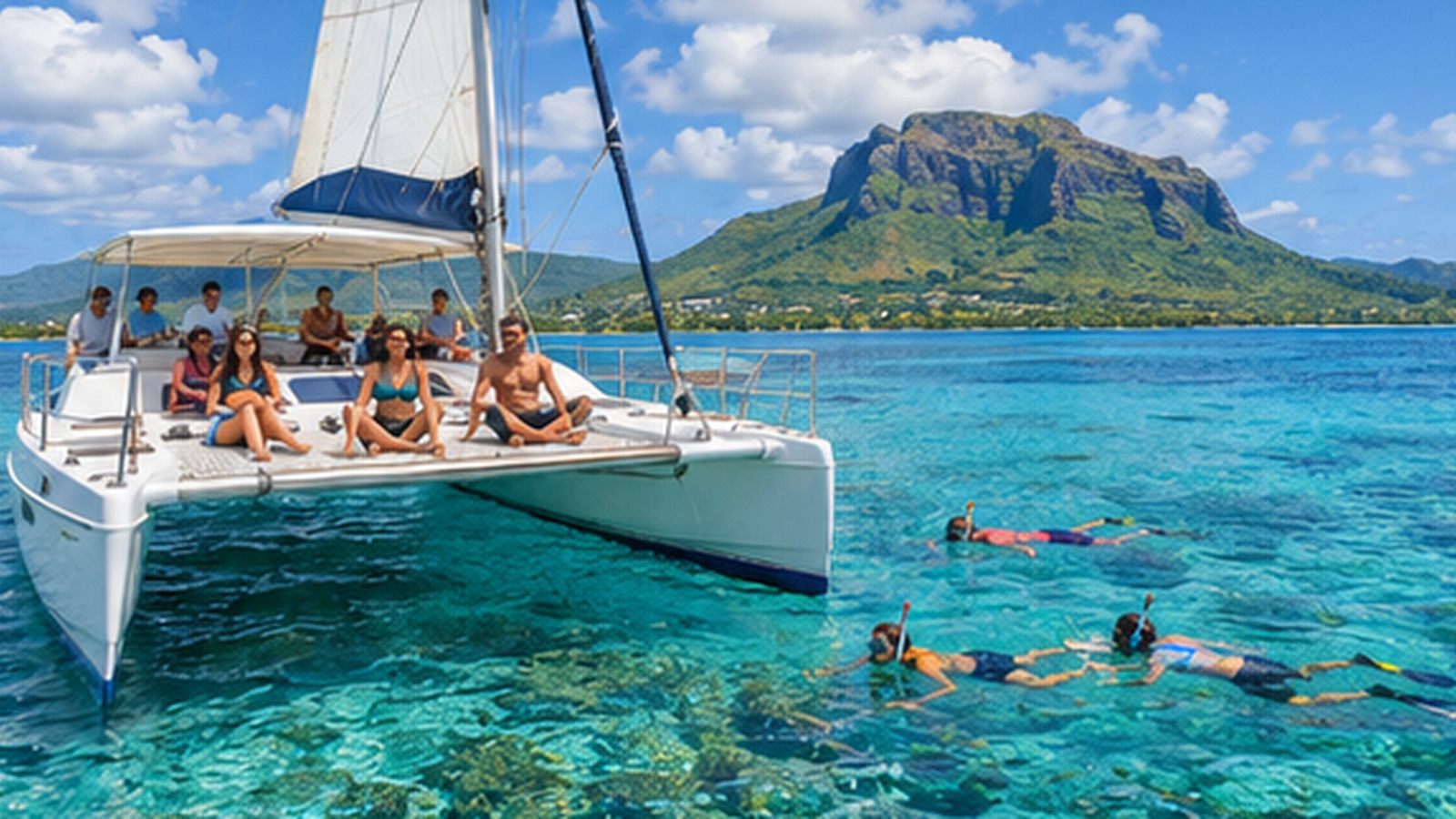
Full-day sails to Ile aux Cerfs or the northern islands with snorkelling and lunch.
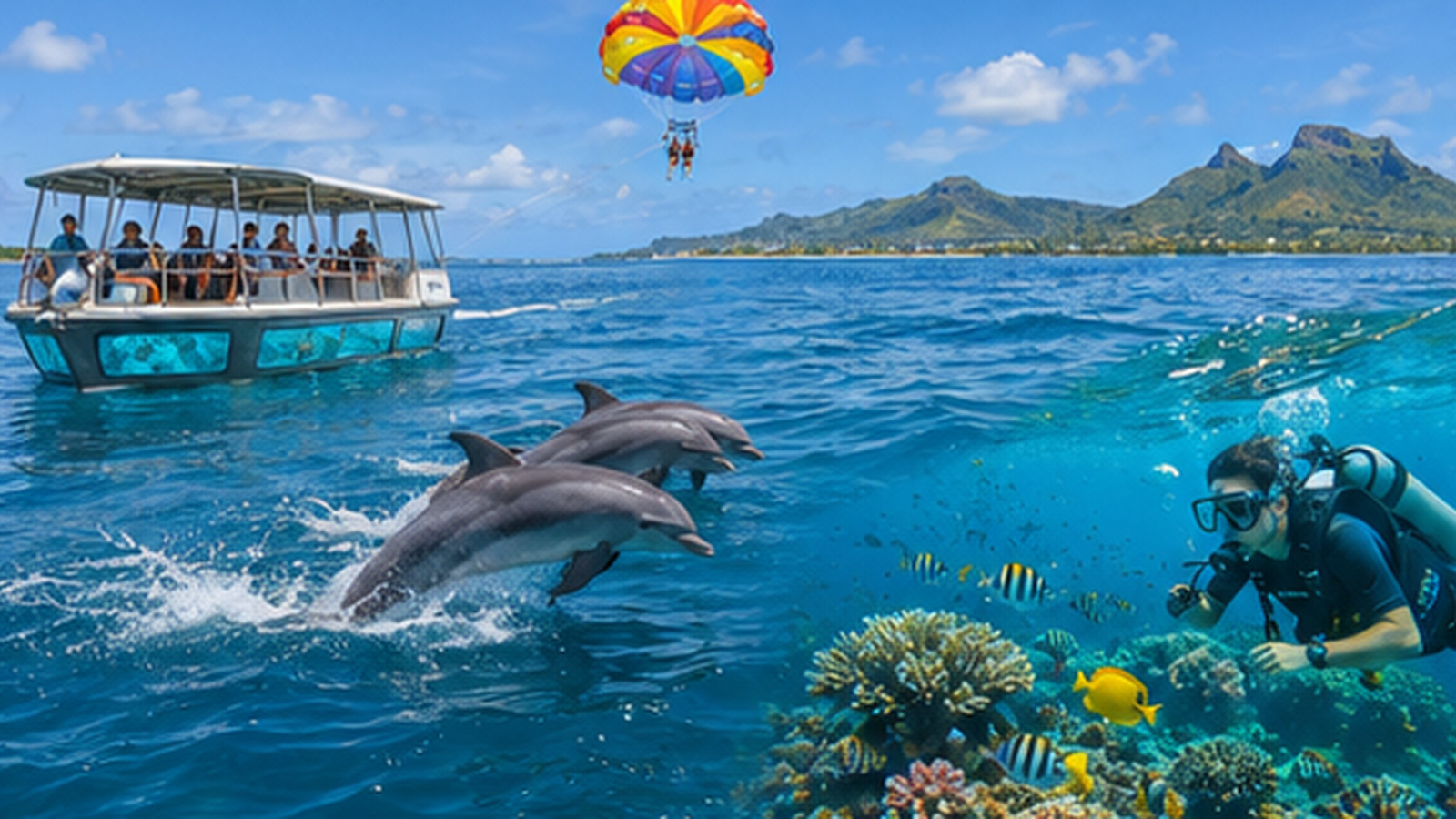
Glass-bottom boats, parasailing, dolphin swims (west coast) and reef diving.

Black River Gorges hikes, quad biking, zip-lining and the Casela nature park.
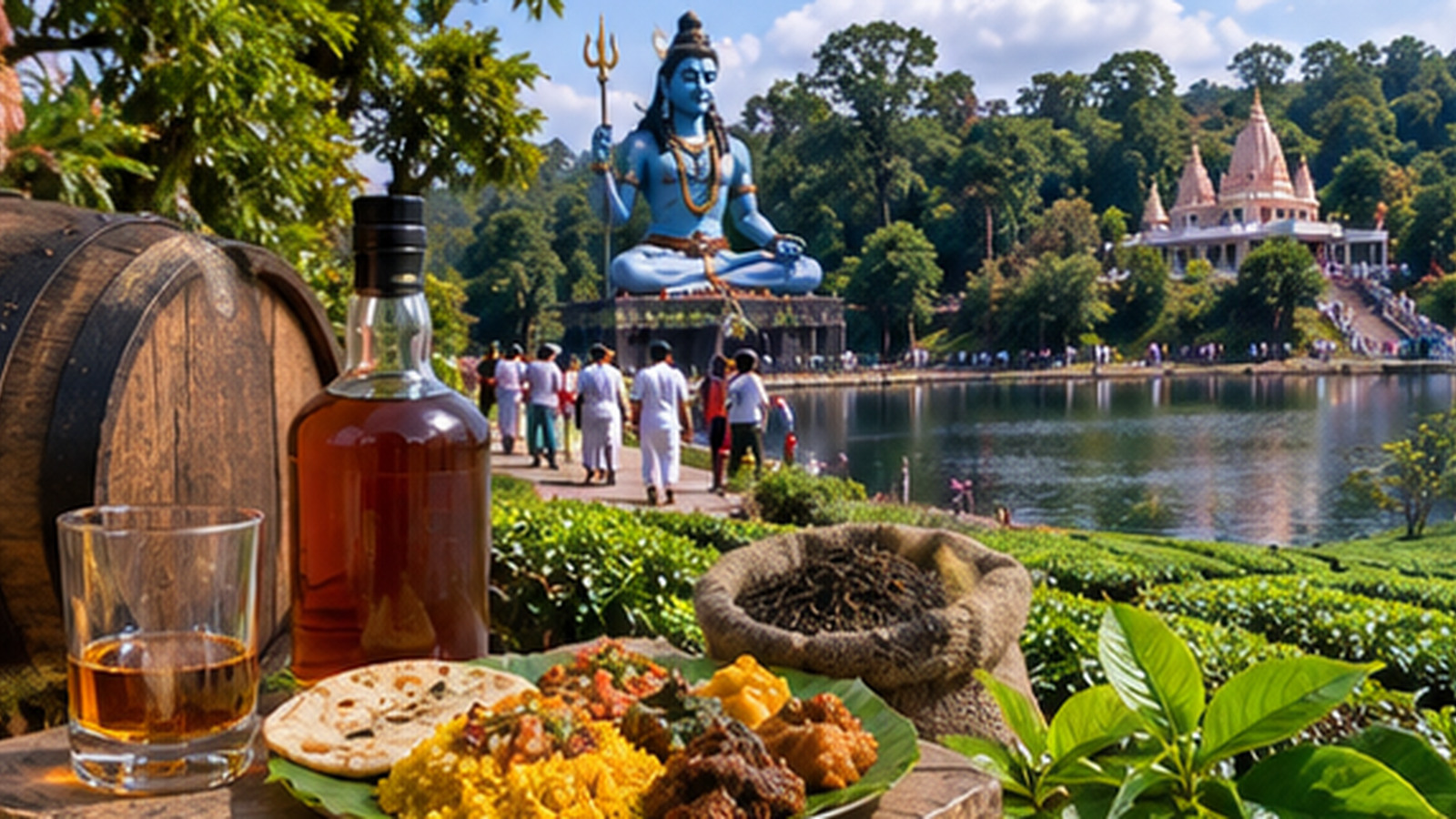
The Grand Bassin pilgrimage, rum distilleries, tea routes and Creole-Indian food.
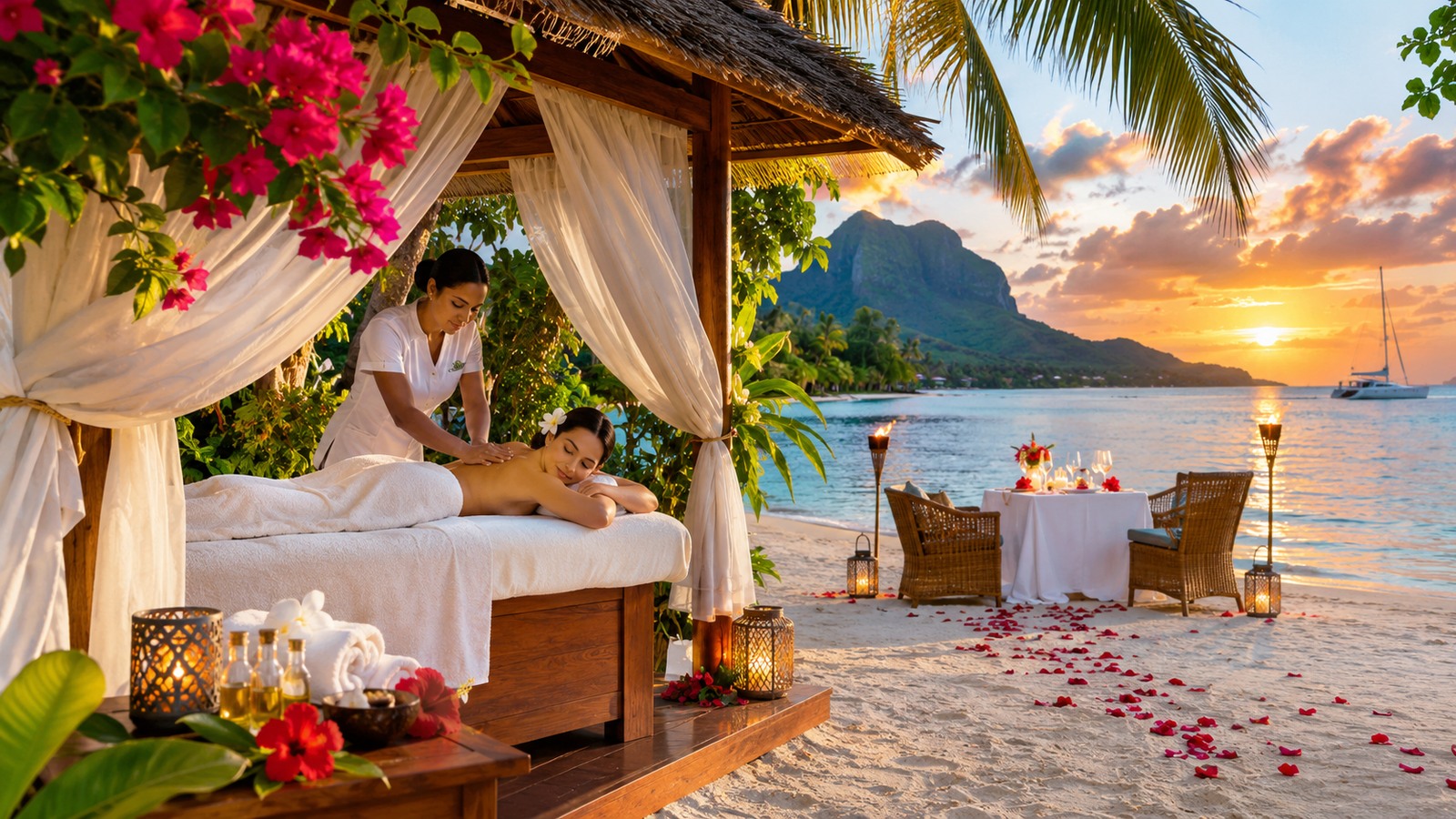
Lagoon-side spas, sunset cruises and private beach dinners for honeymooners.
Book tours & activities through our travel partners — see options. Bluebird Next may earn a commission from partner bookings at no extra cost to you (Affiliate Disclosure).
Mauritius spans honeymoon-luxury to comfortable mid-range. Flights and resorts are the main costs. Indicative per-person figures for a 6-day trip in 2026 (prices checked Nov 2026).
| Item | Typical cost (per person) |
|---|---|
| Return flights (ex-India, direct) | ₹35,000 – ₹60,000 |
| Visa | ₹0 (visa-free) |
| Hotels/resorts (per night, twin) | ₹6,000 – ₹25,000+ |
| Catamaran cruise / tours | ₹2,500 – ₹6,000 each |
| Car hire or taxi tours (per day) | ₹3,000 – ₹6,000 |
| Food & extras | ₹1,500 – ₹3,500 / day |
| From | Typical return airfare |
|---|---|
| Mumbai | ₹35,000 – ₹58,000 (direct) |
| Delhi | ₹38,000 – ₹62,000 (direct/1-stop) |
| Bengaluru | ₹36,000 – ₹60,000 (direct/1-stop) |
| Chennai | ₹36,000 – ₹60,000 (direct/1-stop) |
| Kolkata/Hyderabad | ₹38,000 – ₹64,000 (1-stop) |
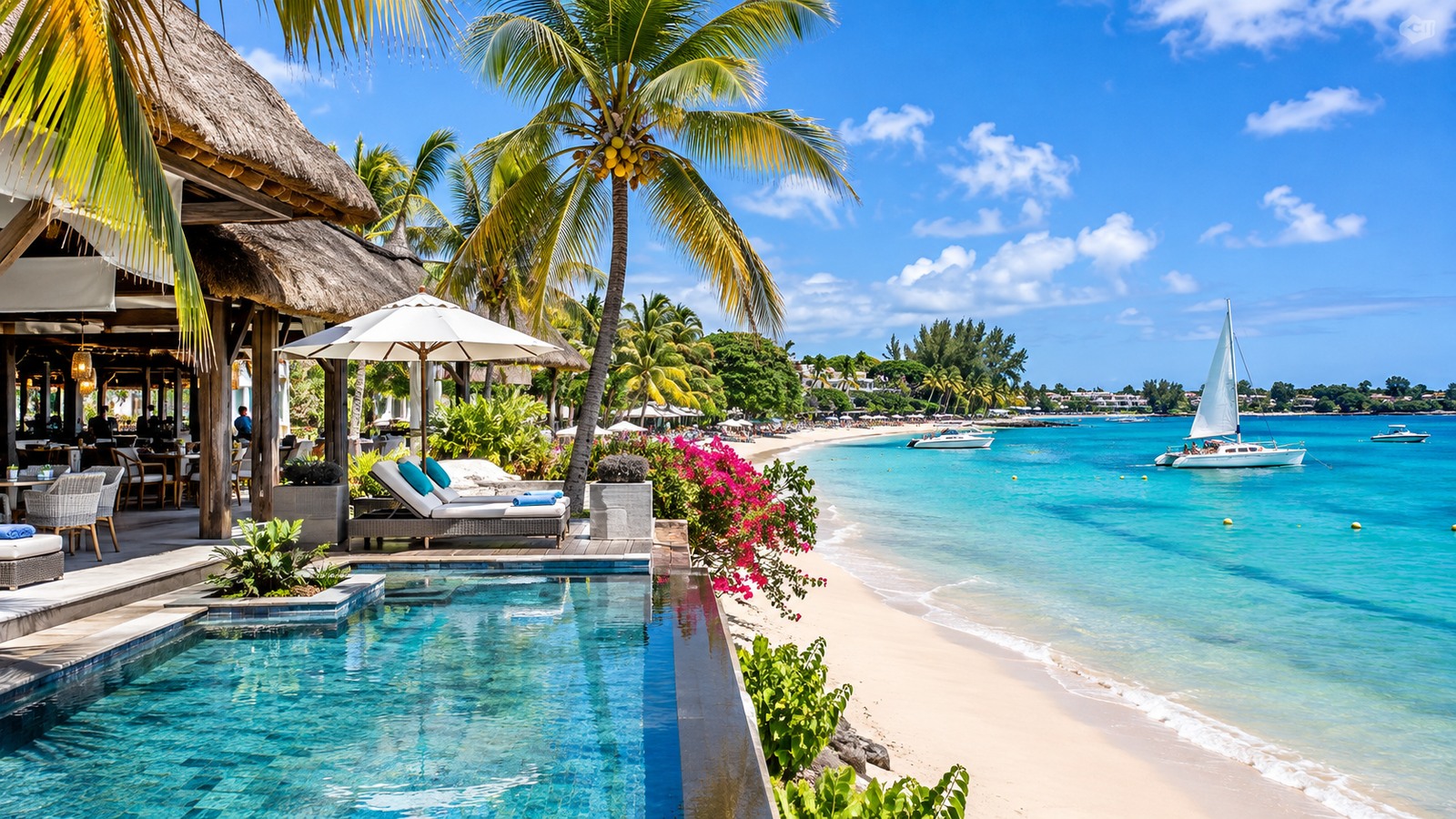
Lively, with beaches, dining and boat trips; great for first-timers.
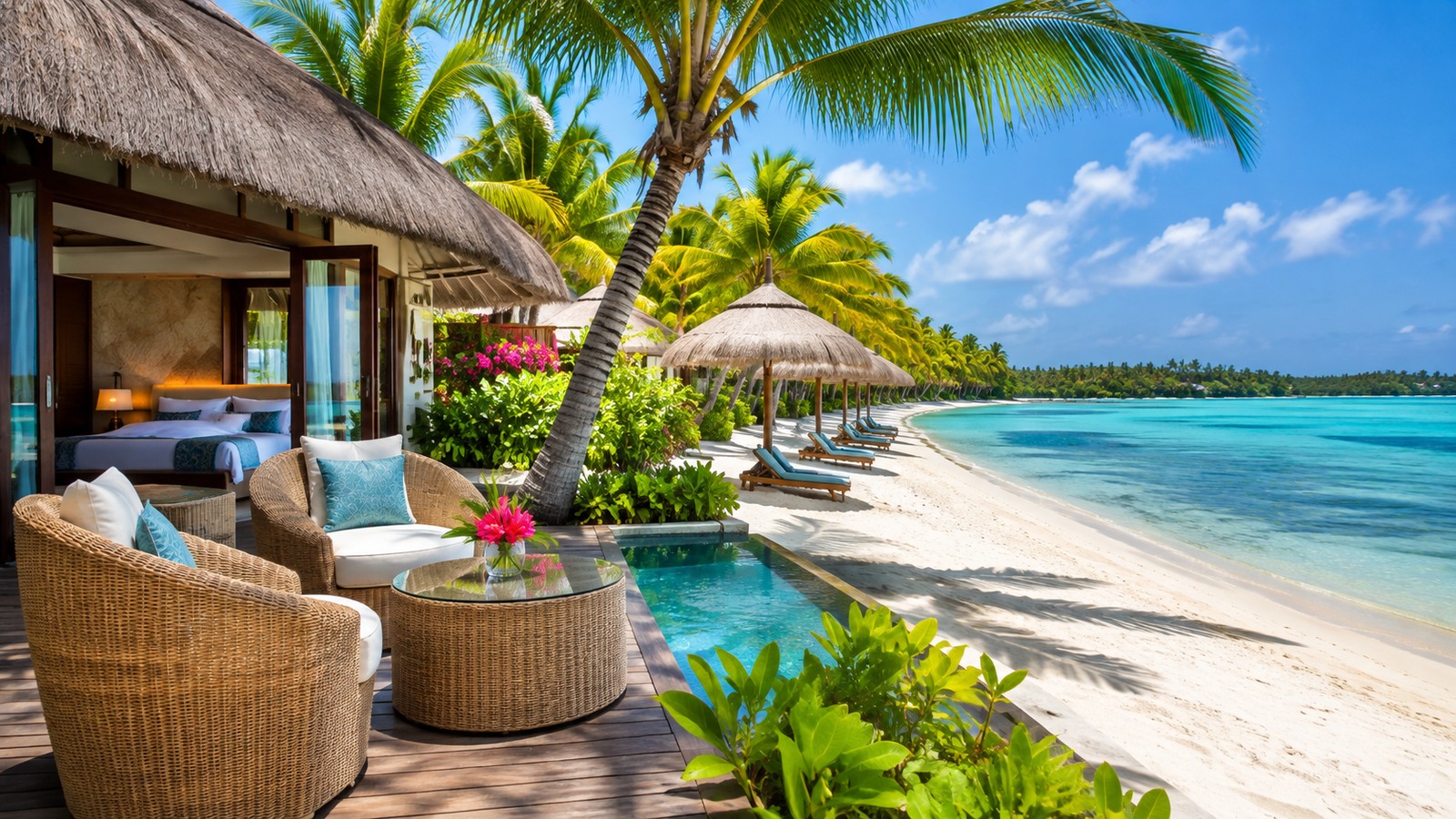
Stunning white-sand resorts and calm lagoons — the honeymoon classic.
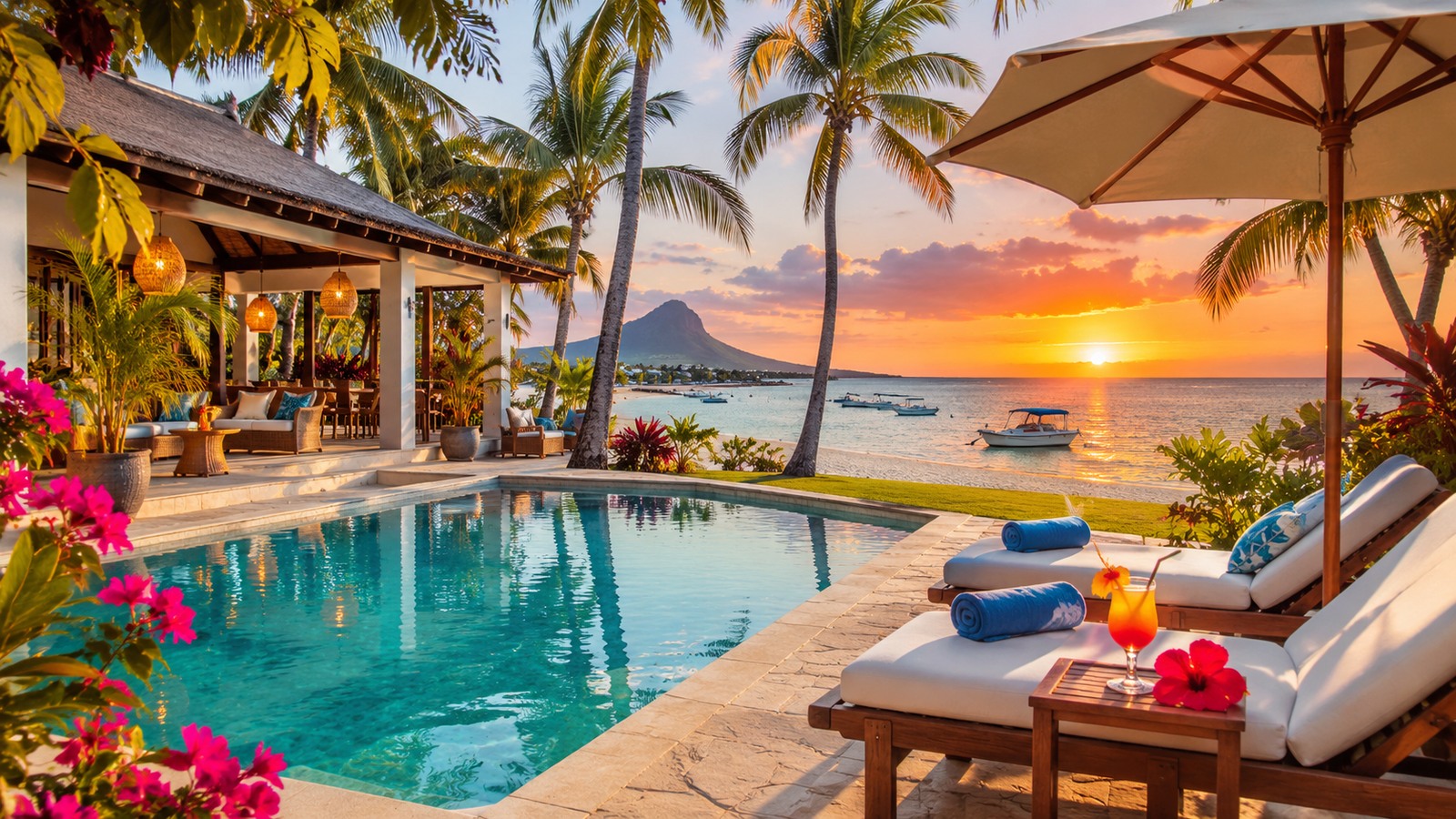
Sunsets, diving and dolphin trips; good value.
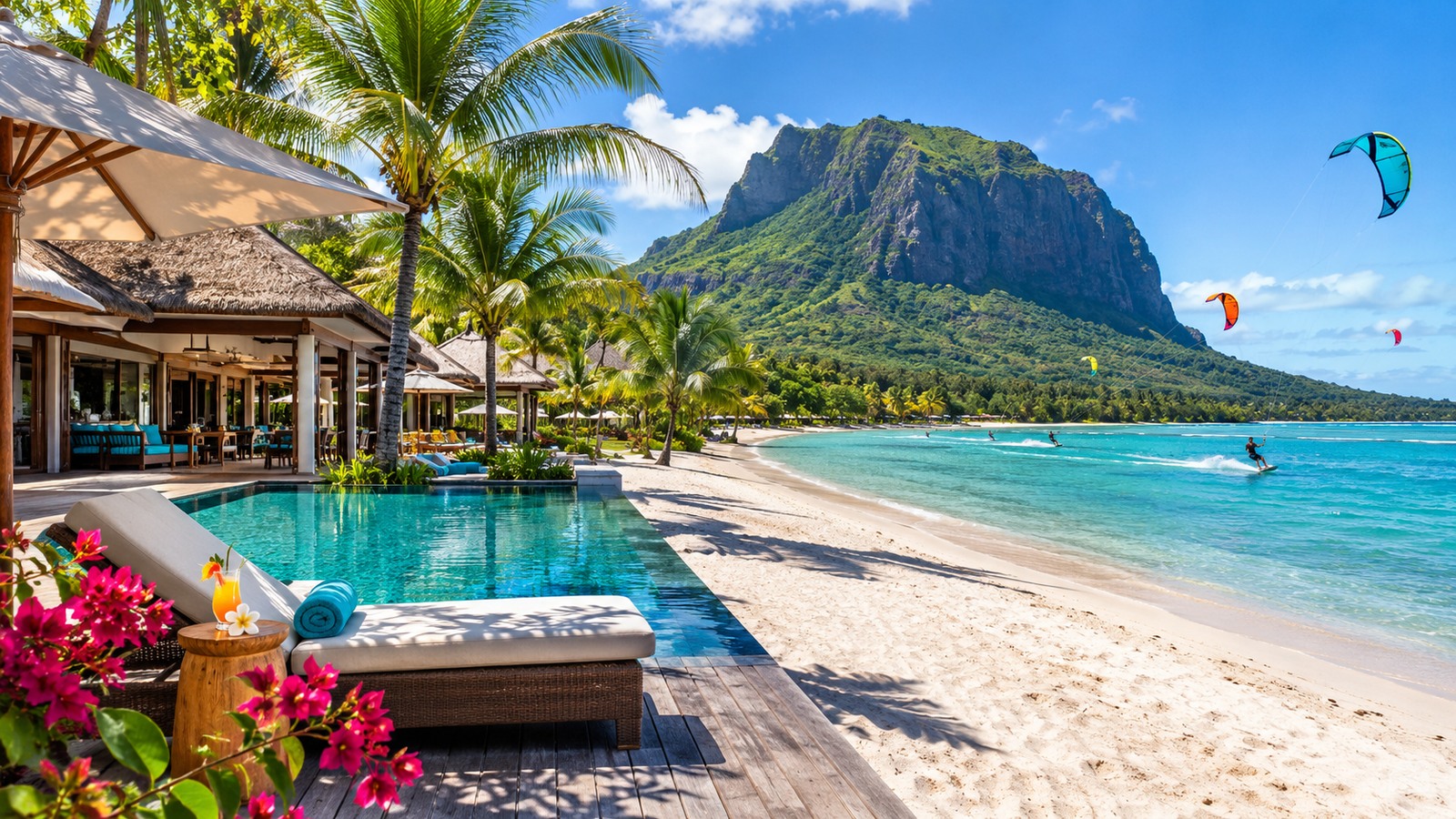
Dramatic scenery, luxury resorts and kite-surfing.
Mauritian food is a flavourful Creole-Indian-Chinese-French mix — dholl puri, rougaille, curries, seafood and street snacks, with tropical fruit everywhere.
Vegetarians are superbly catered for thanks to the Indian heritage — dholl puri, veg curries, roti and pure-veg restaurants are everywhere, and Jain needs are easily met on request.
Indian food is part of everyday Mauritian cuisine, and temples and Indian restaurants abound, so veg and Jain travellers feel completely at home.
The Mauritian rupee is the local currency (MUR 1 is about ₹1.8). Cards are widely accepted at resorts and shops, and — helpfully — India and Mauritius have linked UPI and RuPay, so Indian UPI apps and RuPay cards now work at a growing number of Mauritian merchants. Carry some cash for markets, street food and taxis, and use bank ATMs.
The island is small, and most people take taxi day tours or hire a self-drive car — and, like India, Mauritius drives on the left, which Indian licence holders find comfortable (carry an International Driving Permit). Cheap public buses connect the towns for budget travel.
Buy a local tourist SIM (Emtel, my.t) at the airport or use a travel eSIM; resorts have Wi-Fi. Download Google Maps and your tour/resort contacts.
Mauritius uses 230V with mainly the UK-style three-pin Type G socket (Type C also appears) — carry a universal adapter. It is warm year-round; pack light clothing, reef-safe sunscreen and a light layer for breezy winter evenings.
Dress modestly at Grand Bassin and temples, respect lagoon and beach safety flags, and note that locals are warm and multilingual (Hindi and Bhojpuri are widely spoken), so you will rarely feel far from home.
The easiest way to see the island — a taxi for day tours, or a self-drive hire car (they drive on the left, like India).
Resorts arrange airport transfers; the island is small, so nowhere is far.
Cheap public buses connect the towns for budget travel, though they are slow.
Mauritius is one of the safest, most relaxed destinations for Indian honeymooners and families. Take normal care with valuables on beaches, respect lagoon and sea-condition flags, drive carefully on the left, watch cyclone-season weather (January–March), and carry travel insurance covering water sports and medical care.
❌ Myth: Mauritius is only for luxury honeymooners.
✅ Fact: It scales well — 3-star north-coast hotels, taxi day tours and local food bring a 6-day trip to around ₹90,000 per person, while still delivering the same lagoons and scenery.
❌ Myth: There is nothing to do but the beach.
✅ Fact: Chamarel’s coloured earths, Black River Gorges hikes, Grand Bassin, catamaran cruises, diving and quad biking fill the days beyond the sand.
❌ Myth: Vegetarians will struggle on an island.
✅ Fact: The opposite — with a large Indian-origin population, dholl puri, veg curries and pure-veg restaurants are everywhere, and Jain needs are easily met.
❌ Myth: You need to resort-hop to see it all.
✅ Fact: The island is small; pick one coast and take day tours. Hopping resorts just wastes time and money.
❌ Myth: Paying is a hassle abroad.
✅ Fact: Not here — India and Mauritius have linked UPI and RuPay, so you can often pay by phone or RuPay card just as you do at home.
No — Indian passport holders get visa-free entry for tourism, with the length of stay set on arrival (the Indian High Commission notes about one month, usually extendable), given a confirmed return ticket, accommodation and proof of funds. No advance visa or fee. Confirm the current permitted stay before travel.
A 6-day trip is roughly ₹1,10,000–₹2,00,000 per person for a comfortable honeymoon, and about ₹2,20,000–₹4,00,000 for a couple. Mid-range hotels and shoulder-season travel bring it down to around ₹90,000 per person.
Five to seven days is ideal — enough for beaches, a catamaran cruise, Chamarel and the island highlights at a relaxed pace.
May to December (the cool, dry season) is the most comfortable, with September–October especially good. Avoid the hot, cyclone-prone January–March if you can.
Yes, increasingly — India and Mauritius have linked UPI and RuPay, so Indian UPI apps and RuPay cards now work at a growing number of Mauritian merchants. Carry some cash for markets and street food as backup.
A large Indian-origin population means familiar food, temples and language, entry is visa-free, flights are short and direct, and the calm lagoons and resorts make it a dream honeymoon close to home.
Excellent — thanks to its Indian heritage, dholl puri, veg curries and pure-veg restaurants are everywhere, and Jain needs are easily met on request.
Very — calm, shallow lagoons, the Casela nature park, catamaran cruises and family resorts make it a relaxed, safe family beach holiday.
Yes — they drive on the left like India, roads are good, and self-driving (with an International Driving Permit) is a comfortable, flexible way to tour the small island.
Yes — it is one of the safest, most relaxed Indian Ocean destinations. Take normal care with valuables, follow beach-safety flags, drive carefully, and watch the weather in cyclone season.
Recommended — it covers water sports, diving and medical care, and protects against trip delays, which matters during the cyclone season.
Sources: Mauritius Tourism · Mauritius Passport & Immigration Office
A licensed team that has guided thousands of Indians to their visas and admissions.
 Jitender SinghFounder & Managing Director
 Vikram SinghHead – Quality & Operations
 SanjayHead – Tourist Visa Operations
 TejaswaniHead – Counselling Team
 MahimaHead – Visa Filing & Processing
 Pratigya DuttaHead – Student Visa Processing
Free, no-pressure guidance from a real counsellor who handles your case end to end — from documents to decision.