
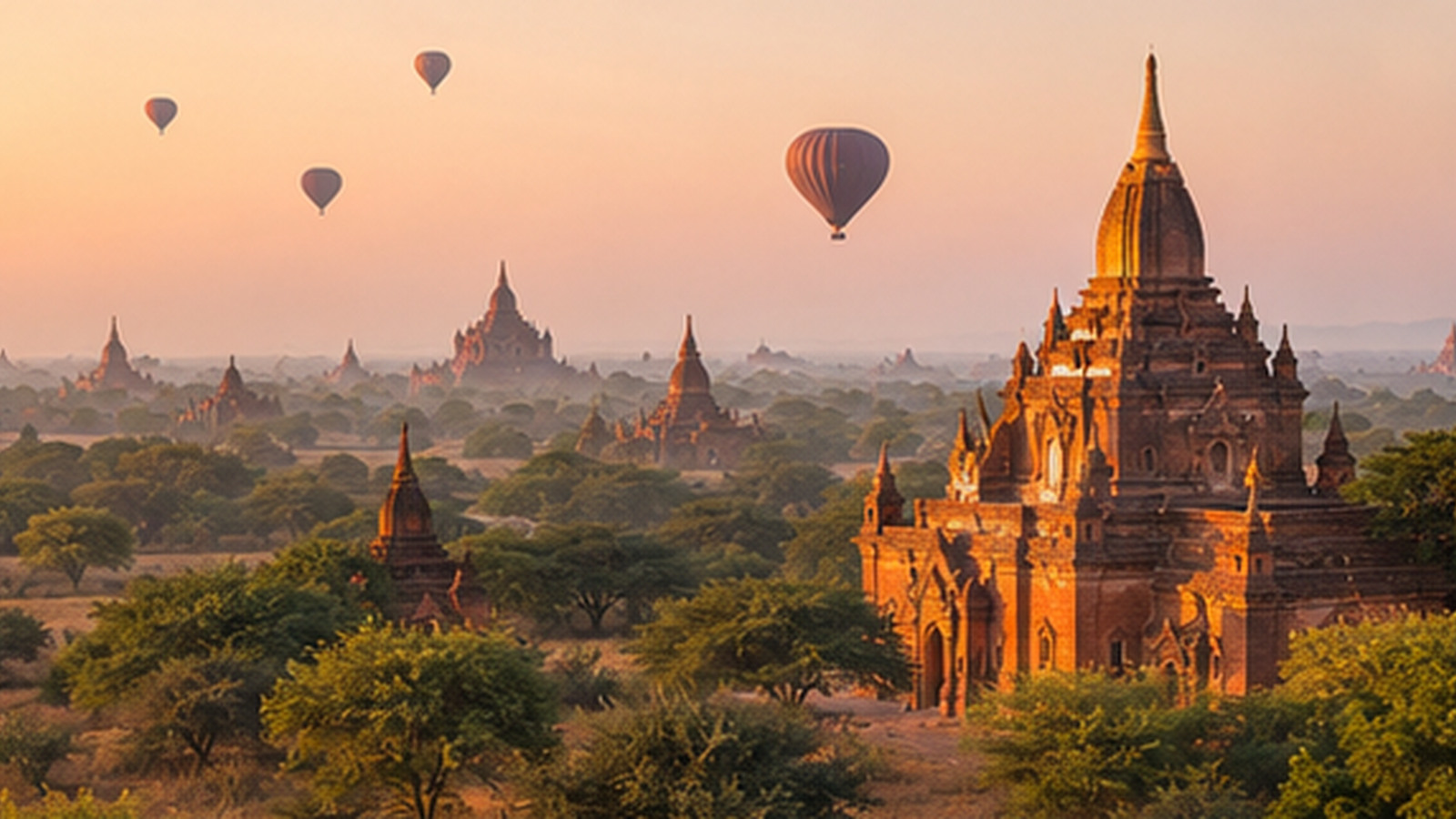
The legendary plain of thousands of ancient temples and stupas — Myanmar’s must-see, unforgettable at sunrise and sunset.
The land of a thousand temples — Bagan’s sunrise plains, the Shwedagon Pagoda and serene Inle Lake, on a simple e-visa (or visa on arrival) for Indians.
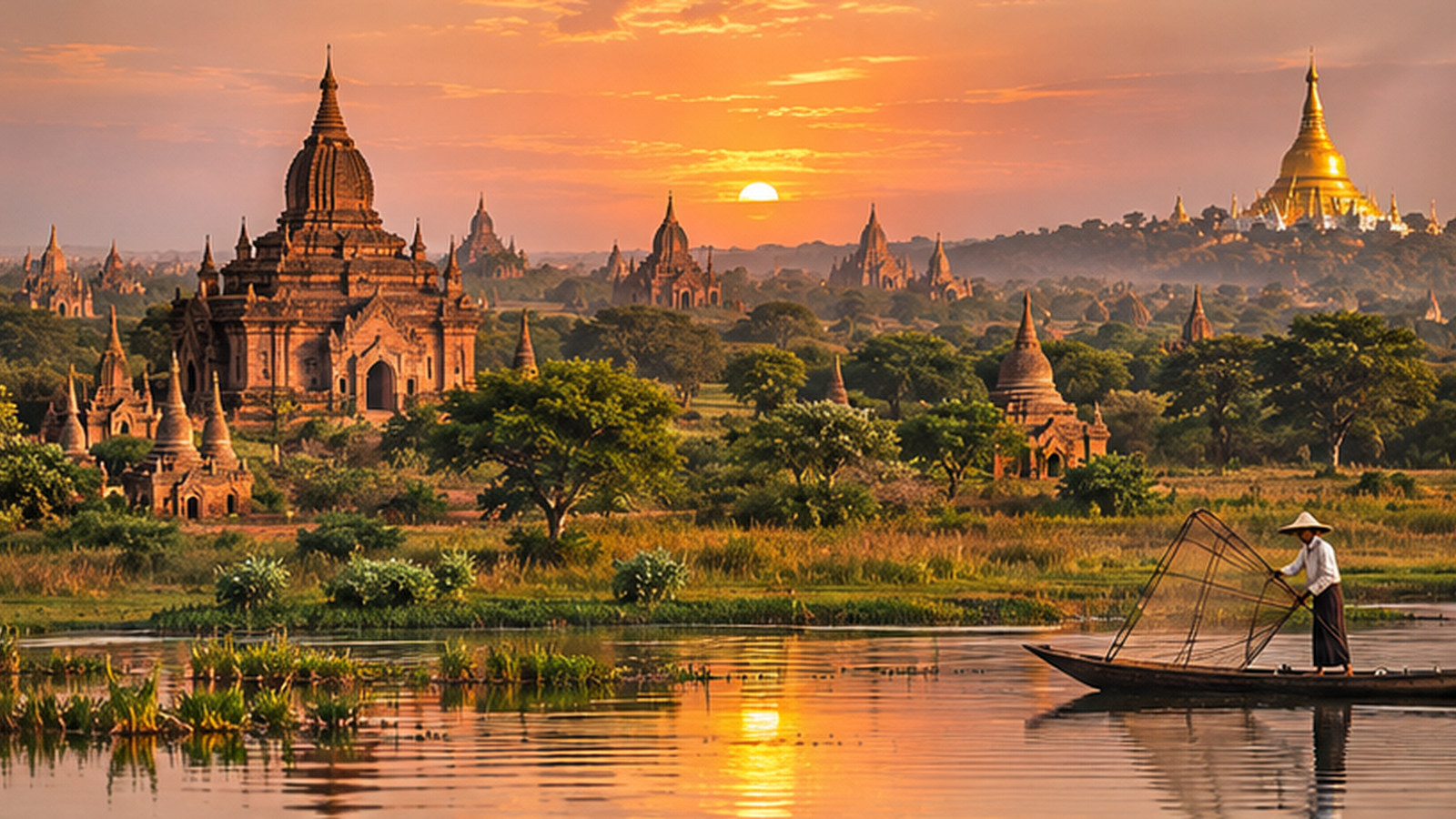
Myanmar (Burma) is one of Asia’s most spellbinding and least-crowded destinations — a deeply Buddhist land of gilded pagodas, misty temple plains and gentle, welcoming people. For Indian travellers it carries a special resonance: a shared Buddhist heritage, centuries-old ties through trade and pilgrimage, and a straightforward visa that opens the door to sights found nowhere else on earth. Fly in from Kolkata or via Bangkok and you step into a slower, soulful world of monks, markets and monasteries.
The crown jewel is Bagan, where thousands of 11th–13th century temples rise from a vast plain that is magical at sunrise. Add the towering golden Shwedagon Pagoda in Yangon, the craft workshops, royal heritage and teak bridges of Mandalay, and the stilt villages and leg-rowing fishermen of serene Inle Lake, and you have a timeless journey across one country. Distances are covered by quick domestic flights, so even a six-day trip reaches the headline sights comfortably.
Myanmar is also refreshingly affordable, and its Buddhist food culture makes it one of the easiest Asian countries for Indian vegetarians and Jains — especially in Yangon, with its long-established Indian-origin community. Do check your government’s latest travel advisory before you plan, as conditions in some regions can change; this guide focuses on the main, generally-visited tourist areas.
Myanmar appeals to Indians drawn to Buddhist heritage, temple photography and unhurried, meaningful travel. The pull is strong: a simple US$50 e-visa (or visa on arrival), short and affordable flights, low on-the-ground costs, and a shared cultural history — Bodh Gaya pilgrims, the Burmese-Indian diaspora and Yangon’s Indian quarter all run deep. Vegetarian and Jain food is genuinely easy thanks to Buddhist traditions, and English is widely understood at tourist sites. For first-time long-haul-feel travel that is close, cheap and profoundly different, few places reward Indian visitors like Myanmar.
US$50 Tourist e-visa (apply online) or US$50 visa on arrival by air — a visa is required for Indian citizens.
Indian ordinary passport holders need a visa for tourism. You can apply online before travel for a single-entry Tourist e-visa for US$50, which allows a stay of up to 28 days; you must enter Myanmar within 90 days of the e-visa approval letter’s issue date, and it cannot be extended. If you arrive by air at Yangon, Mandalay or Nay Pyi Taw International Airport, you can instead apply for a Tourist Visa on Arrival for US$50 for a stay of up to 30 days. The visa-on-arrival programme for Indian travellers currently runs through 29 August 2027. You need a passport valid at least six months, with proof of a return/onward ticket, a hotel booking and a passport photo. Confirm the current rule with our checker before you book.
Check your Myanmar entry requirement →November to February is the cool, dry best season. March–May is very hot (brutal on the Bagan plains); June–October is the green, wetter monsoon with fewer crowds.
| Season | What it's like & who it suits |
|---|---|
| Nov–Feb (cool/dry) | The best time by far — comfortable days, clear skies and ideal temple weather. This is peak season, so book flights, Bagan hotels and the sunrise balloon well ahead. |
| Mar–May (hot) | Very hot and dusty, especially around Bagan and Mandalay where it can top 40°C. Prices dip and sites are quiet, but midday sightseeing is demanding — start early and rest at noon. |
| Jun–Oct (wet/green) | Warm with monsoon showers and lush, photogenic scenery. Rain is usually in bursts rather than all day; you get fewer crowds, the lowest prices and dramatic skies over the temples. |
The legendary plain of thousands of ancient temples and stupas — Myanmar’s must-see, unforgettable at sunrise and sunset.
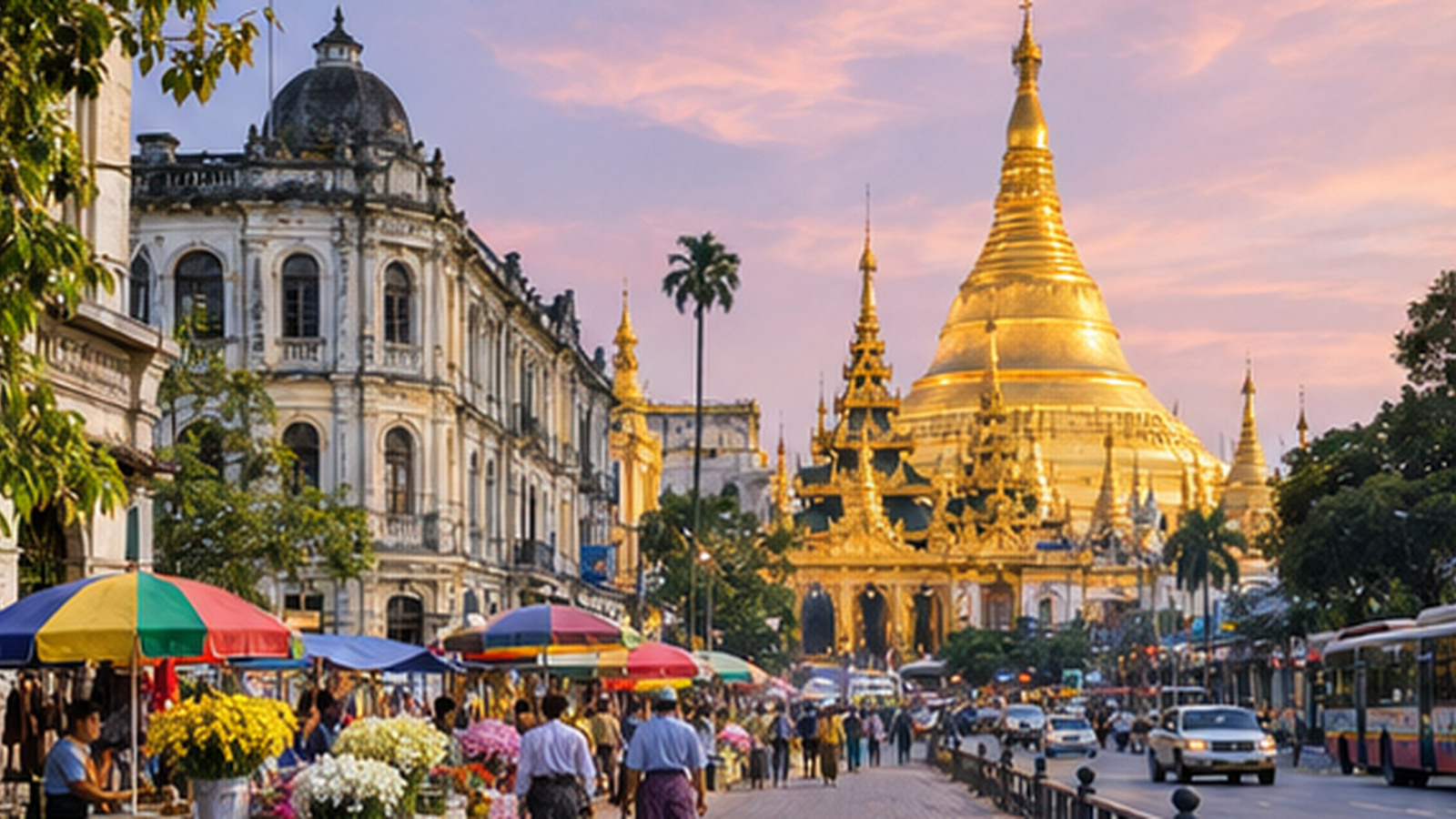
The largest city and gateway — the golden Shwedagon Pagoda, faded colonial streets, buzzing markets and the best Indian food in the country.
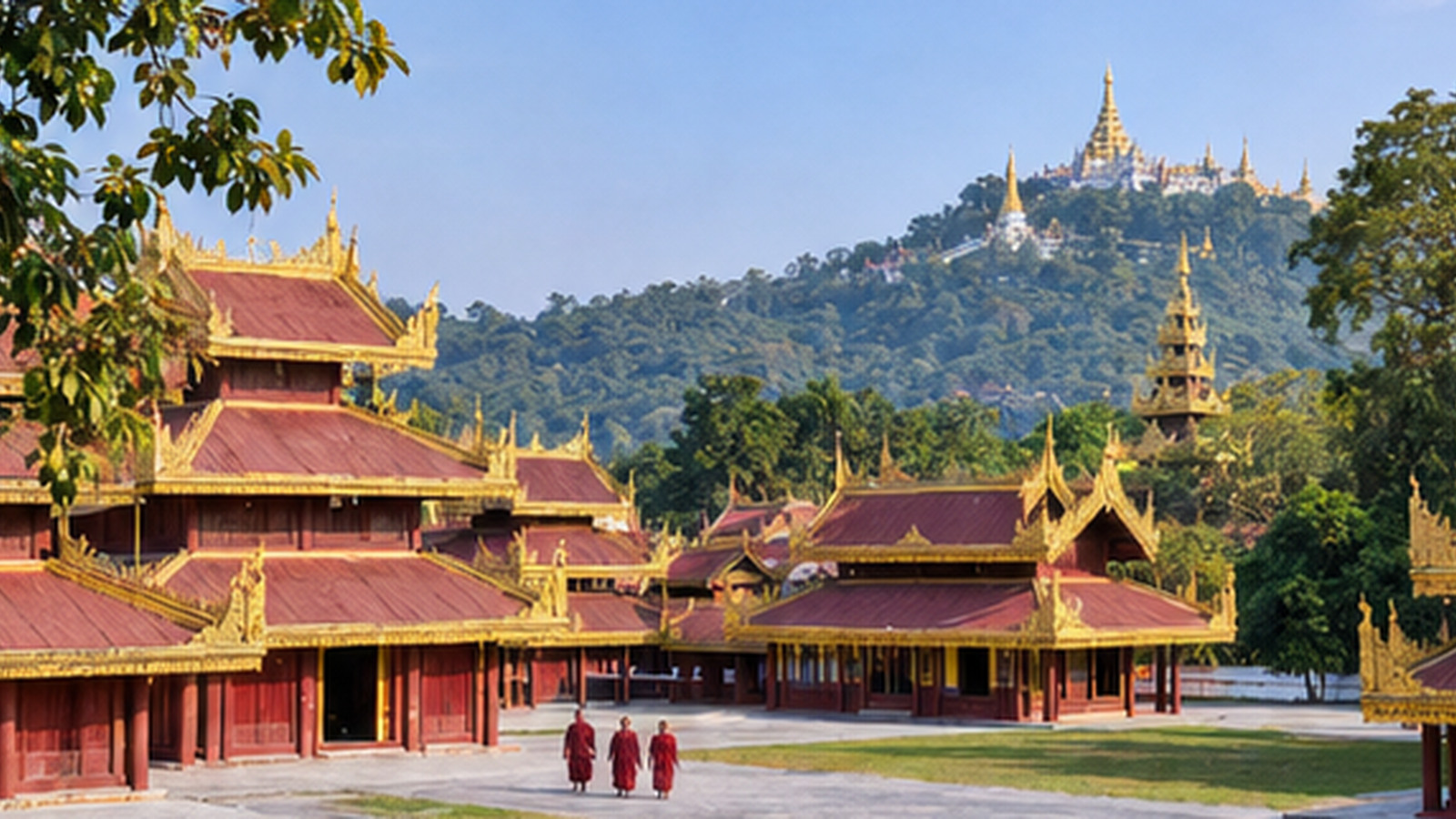
The cultural capital — the royal palace, gold-leaf and craft workshops, hilltop temples and the famous U Bein teak bridge.
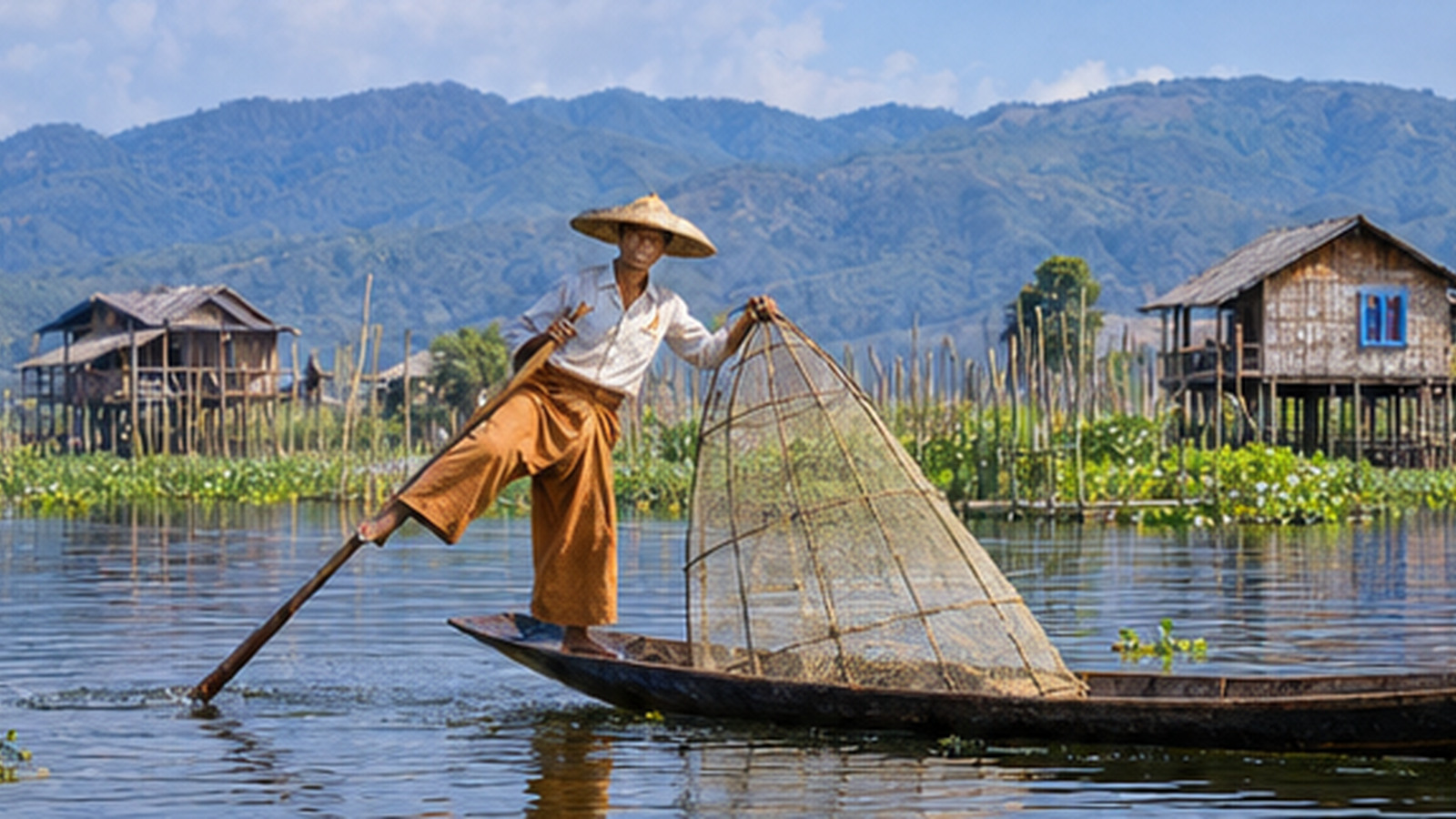
A serene highland lake of stilt villages, floating gardens, lakeside monasteries and the iconic one-legged rowers.
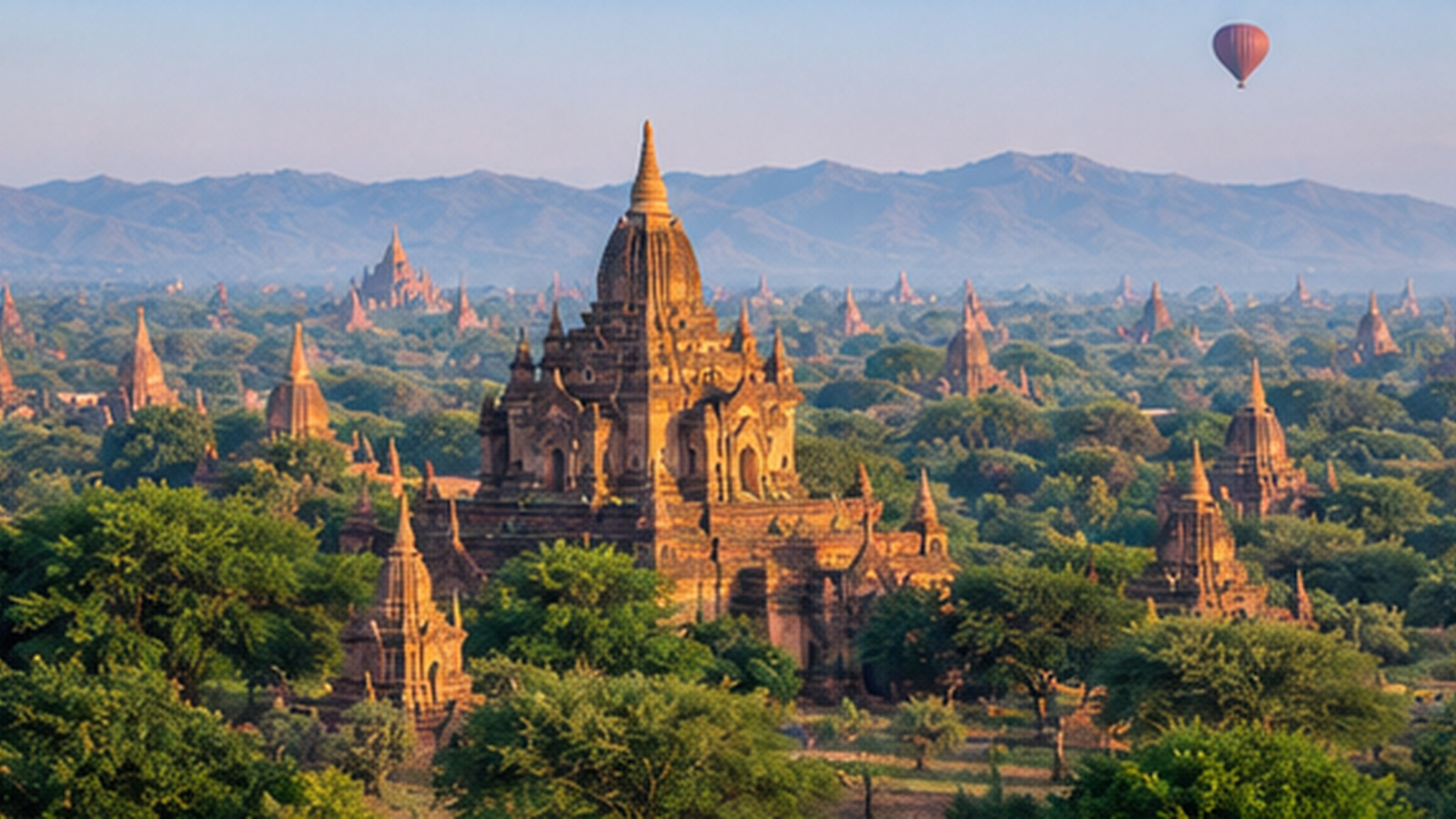
Thousands of 11th–13th century temples and stupas spread across a vast plain beside the Irrawaddy — one of the great sights of Asia.
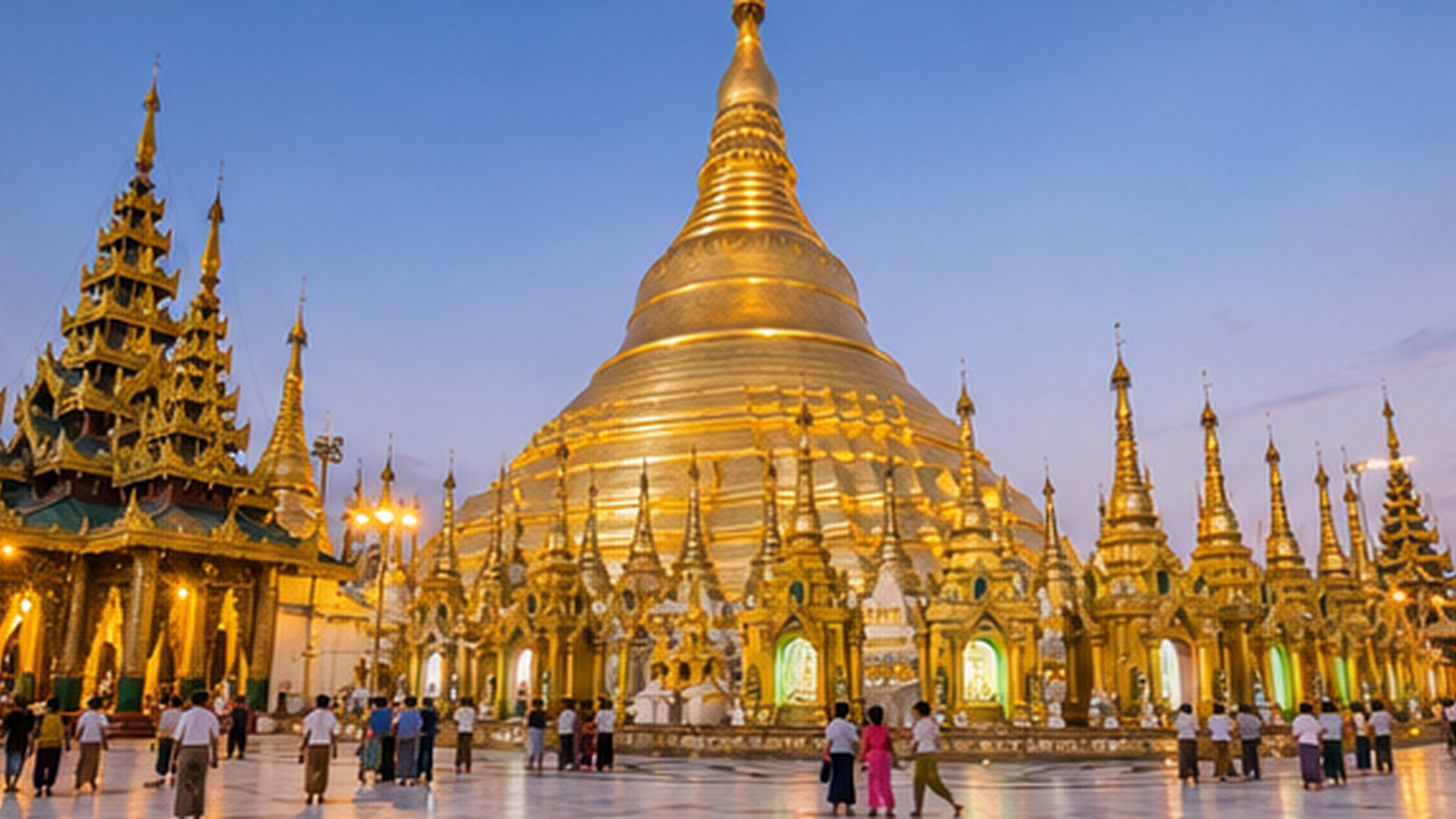
A dazzling 99-metre gilded stupa crowned with jewels — the most sacred Buddhist site in Myanmar and the spiritual heart of the country.
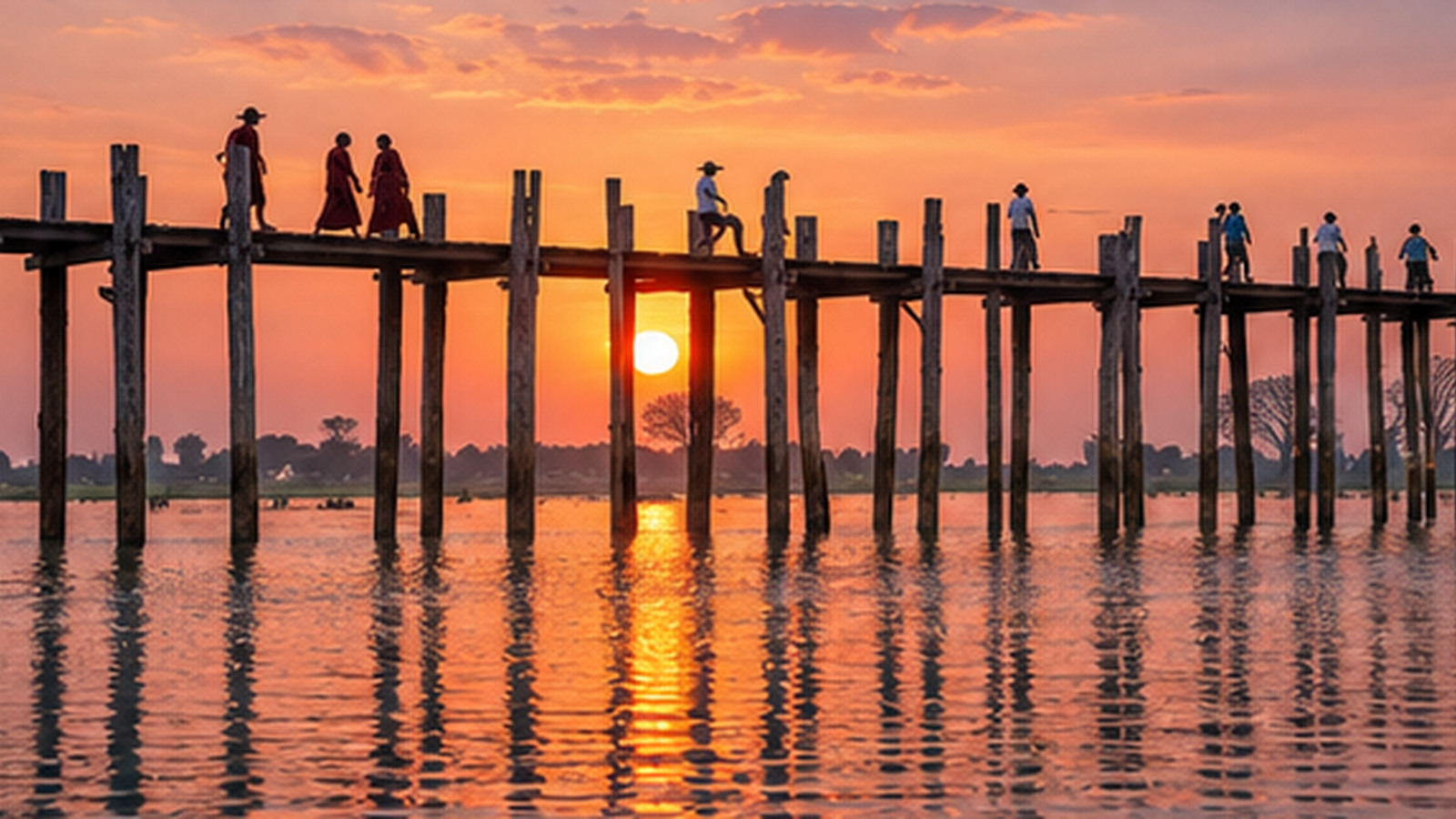
The world’s longest teakwood footbridge, stretching over Taungthaman Lake and utterly magical at sunset.
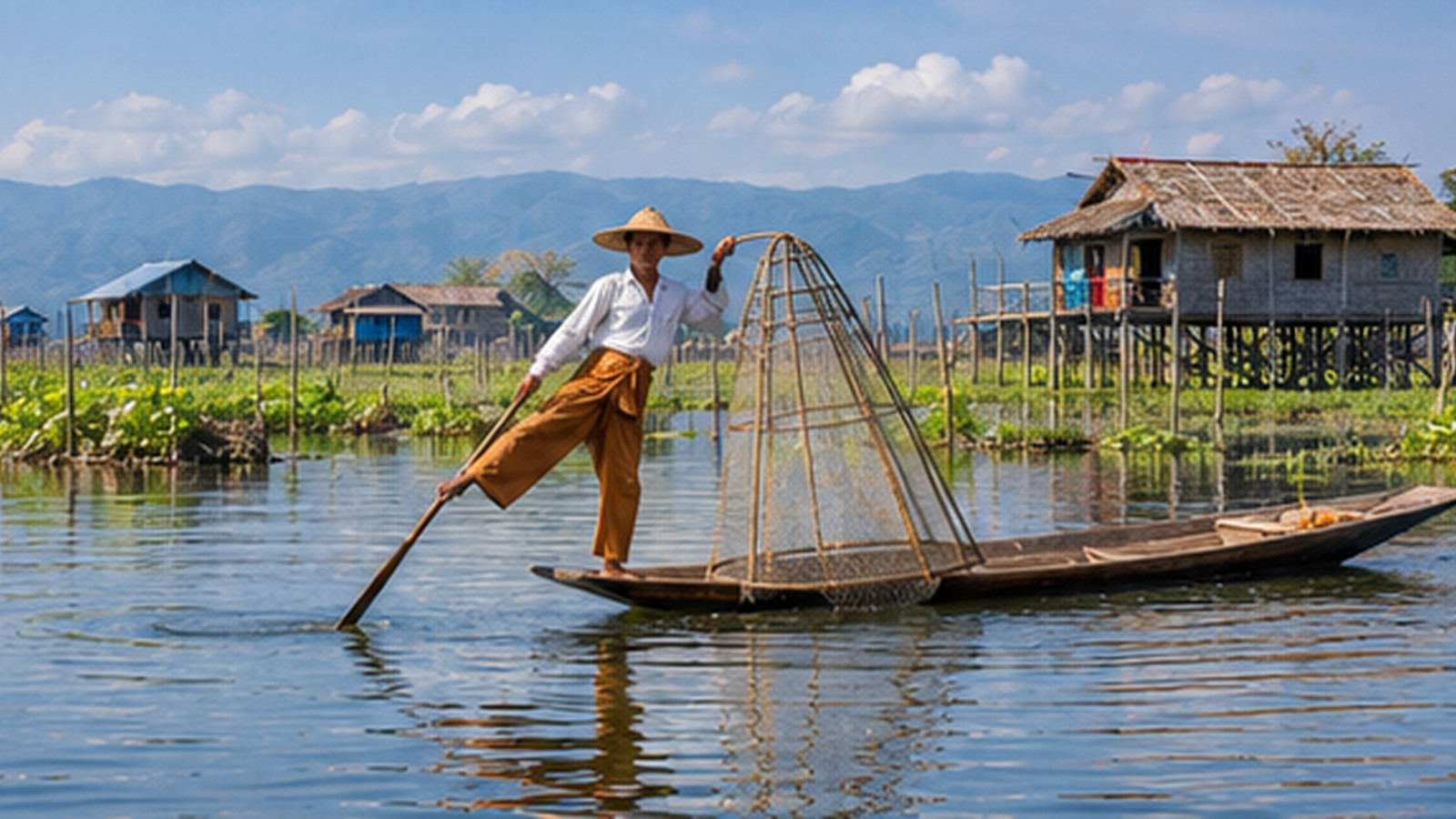
Stilt villages, floating tomato gardens, silk-weaving and silversmith workshops, lakeside markets and the unmistakable leg-rowing fishermen.
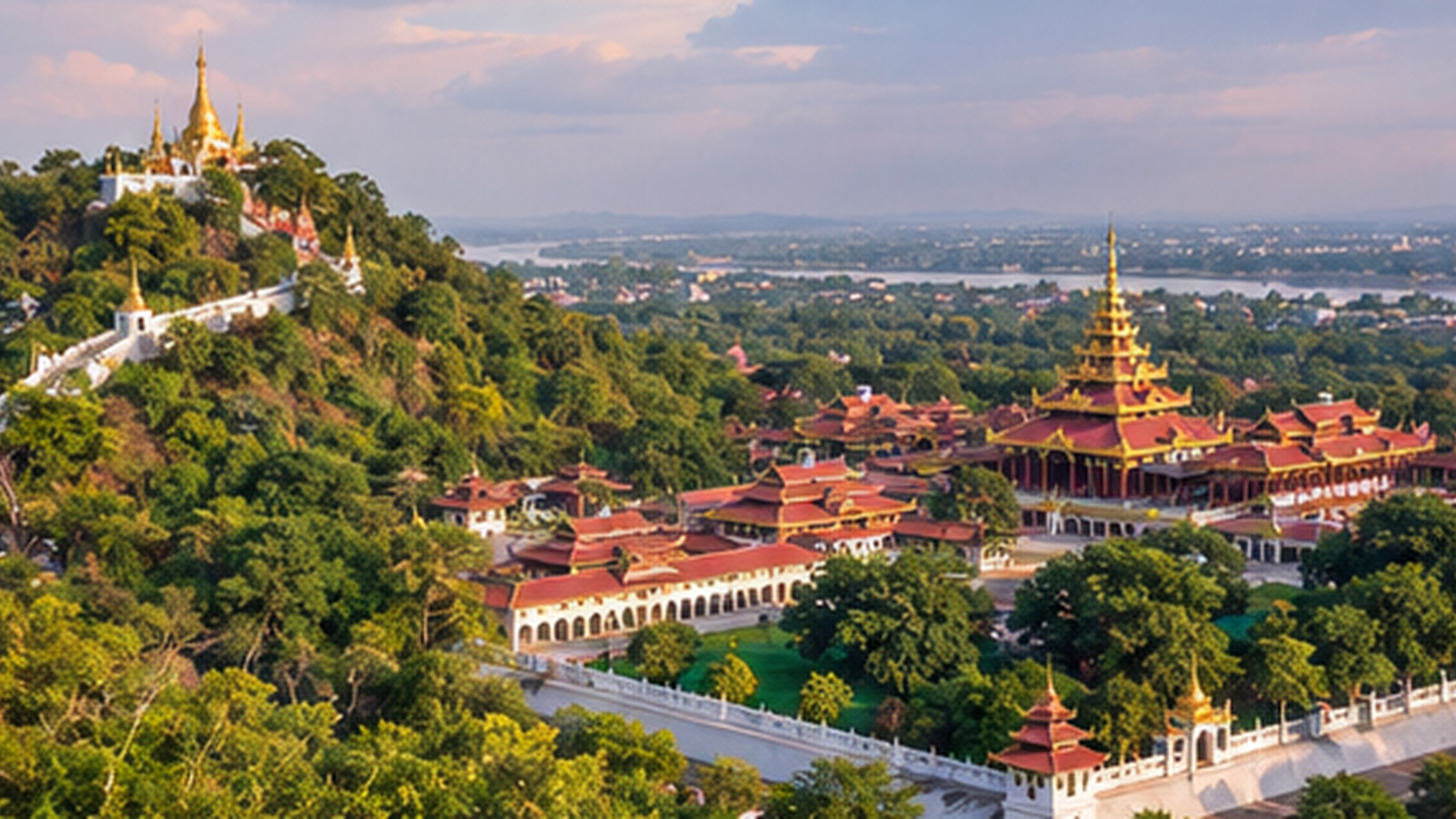
Hilltop temples with sweeping views over the city and the Irrawaddy, plus the restored moated royal palace complex below.
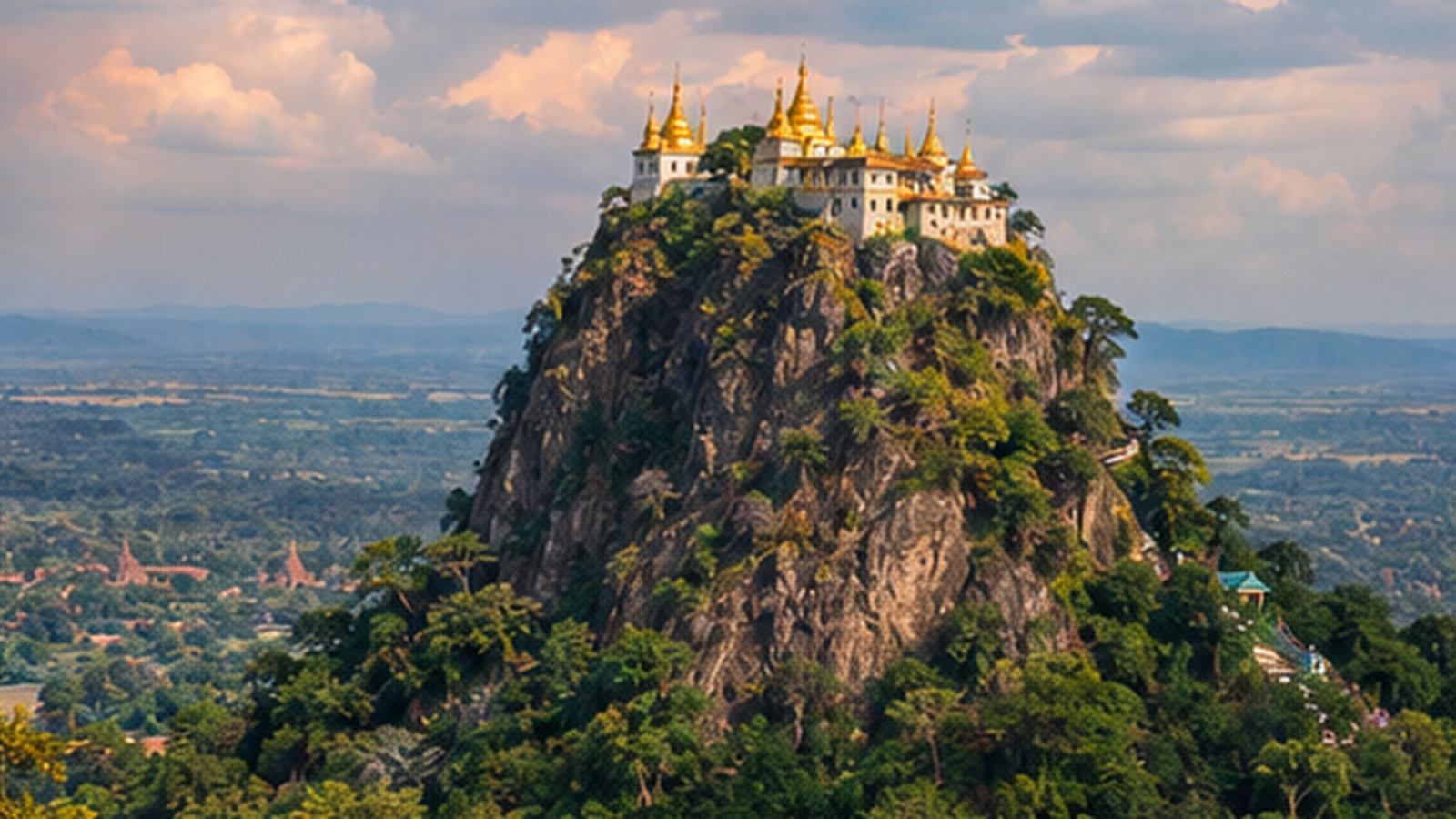
A striking gold-topped monastery perched on a sheer volcanic plug, rising dramatically from the plains near Bagan.
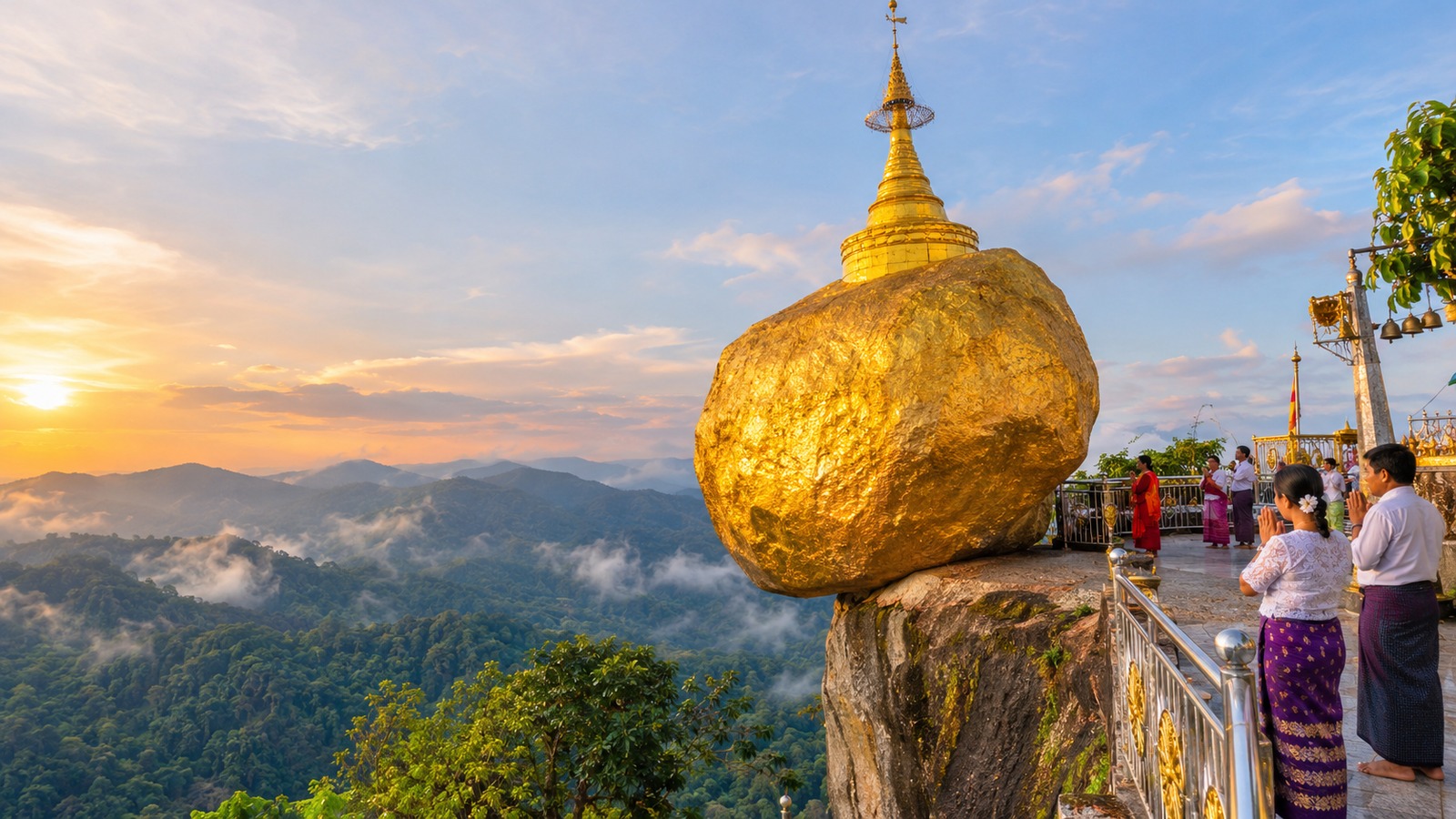
A gravity-defying gold-leafed boulder and pagoda balanced on a cliff edge — one of Myanmar’s most revered pilgrimage sites.
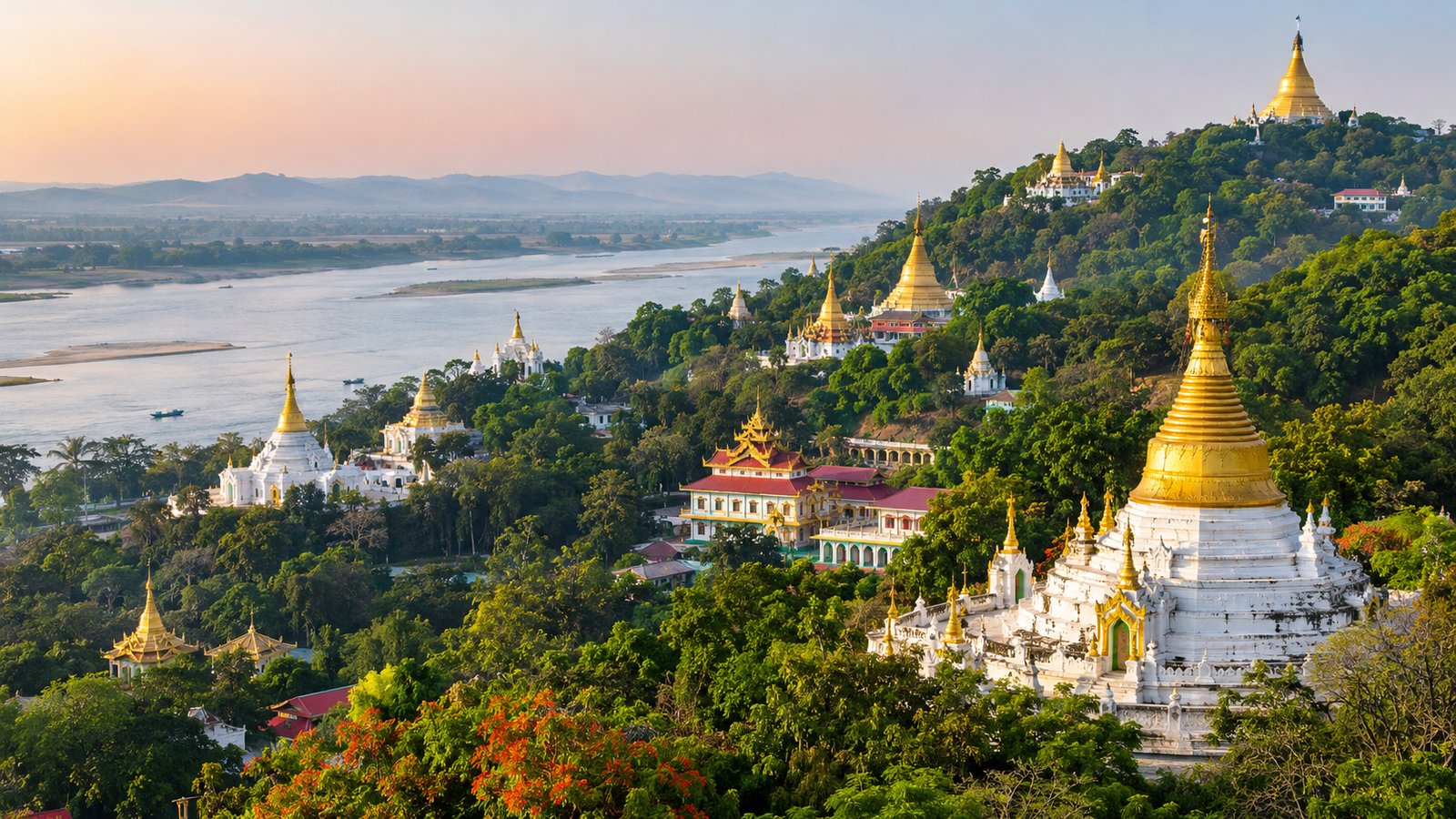
Inwa (Ava), Sagaing and Mingun — old capitals of monasteries, teak halls, white stupas and a giant unfinished pagoda.
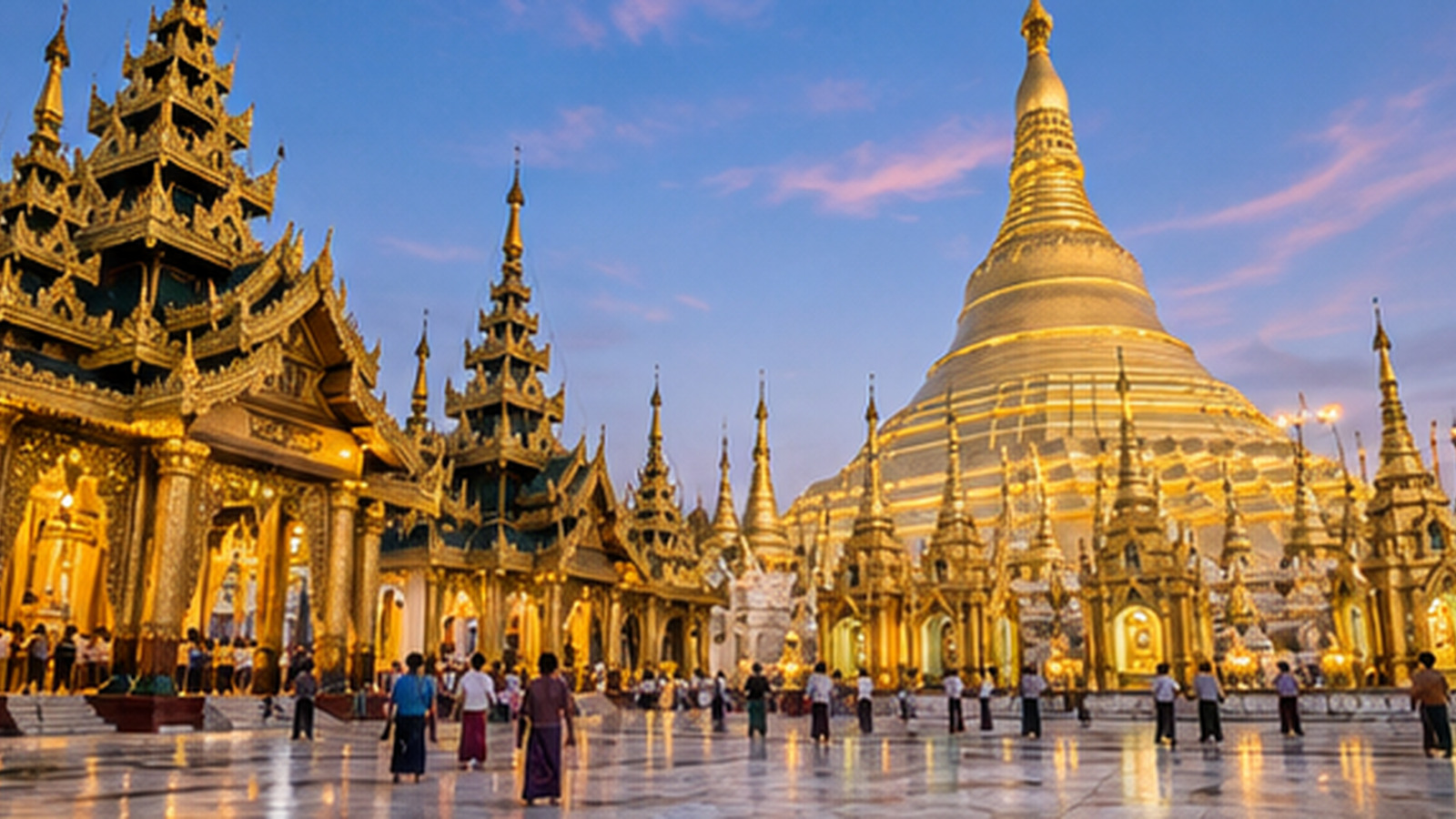
Bagan’s plain, the Shwedagon and countless gilded stupas — the soul of any Myanmar trip.
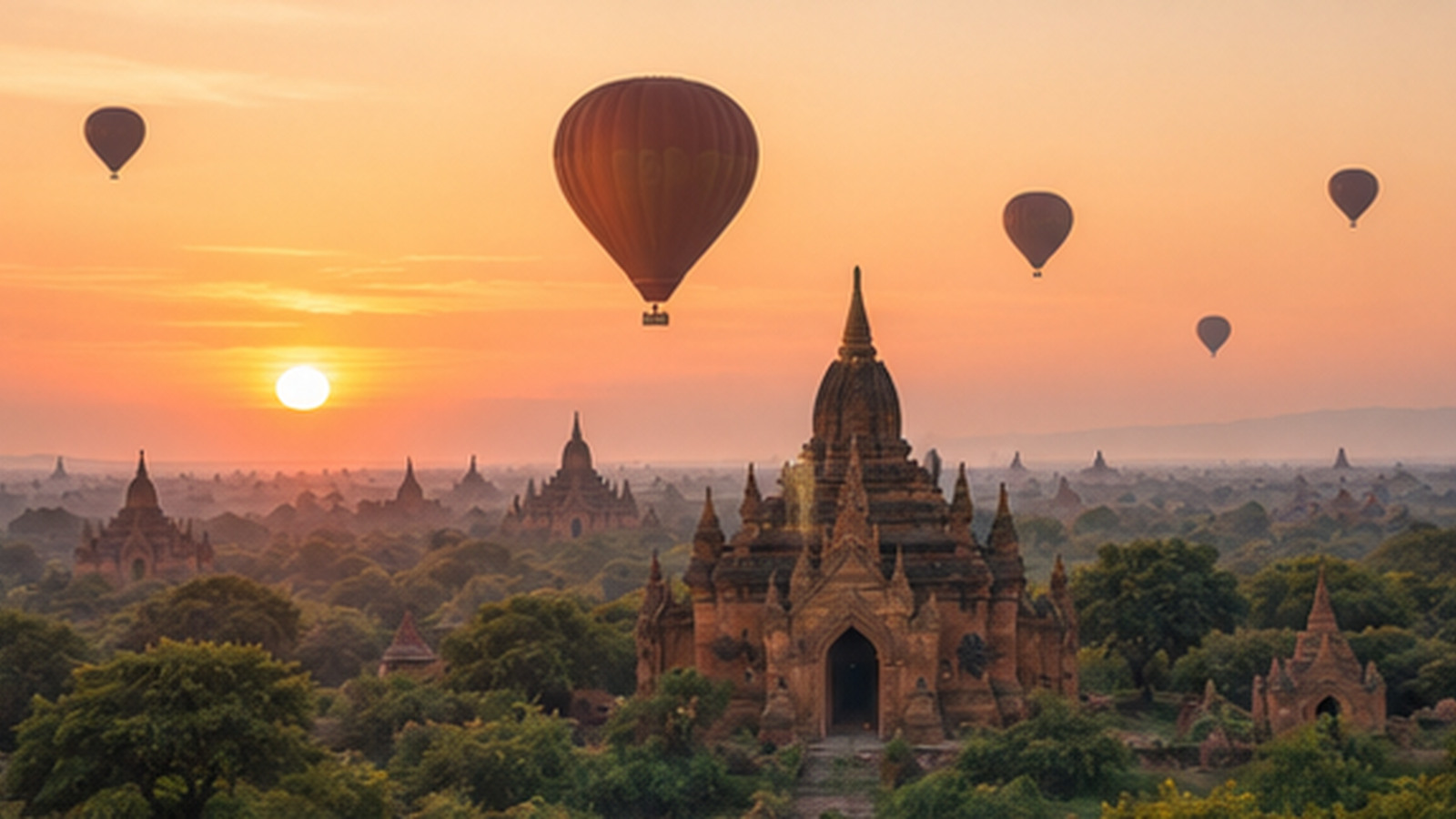
Bagan’s famous dawn over the temples, from a viewpoint or a once-in-a-lifetime hot-air balloon.
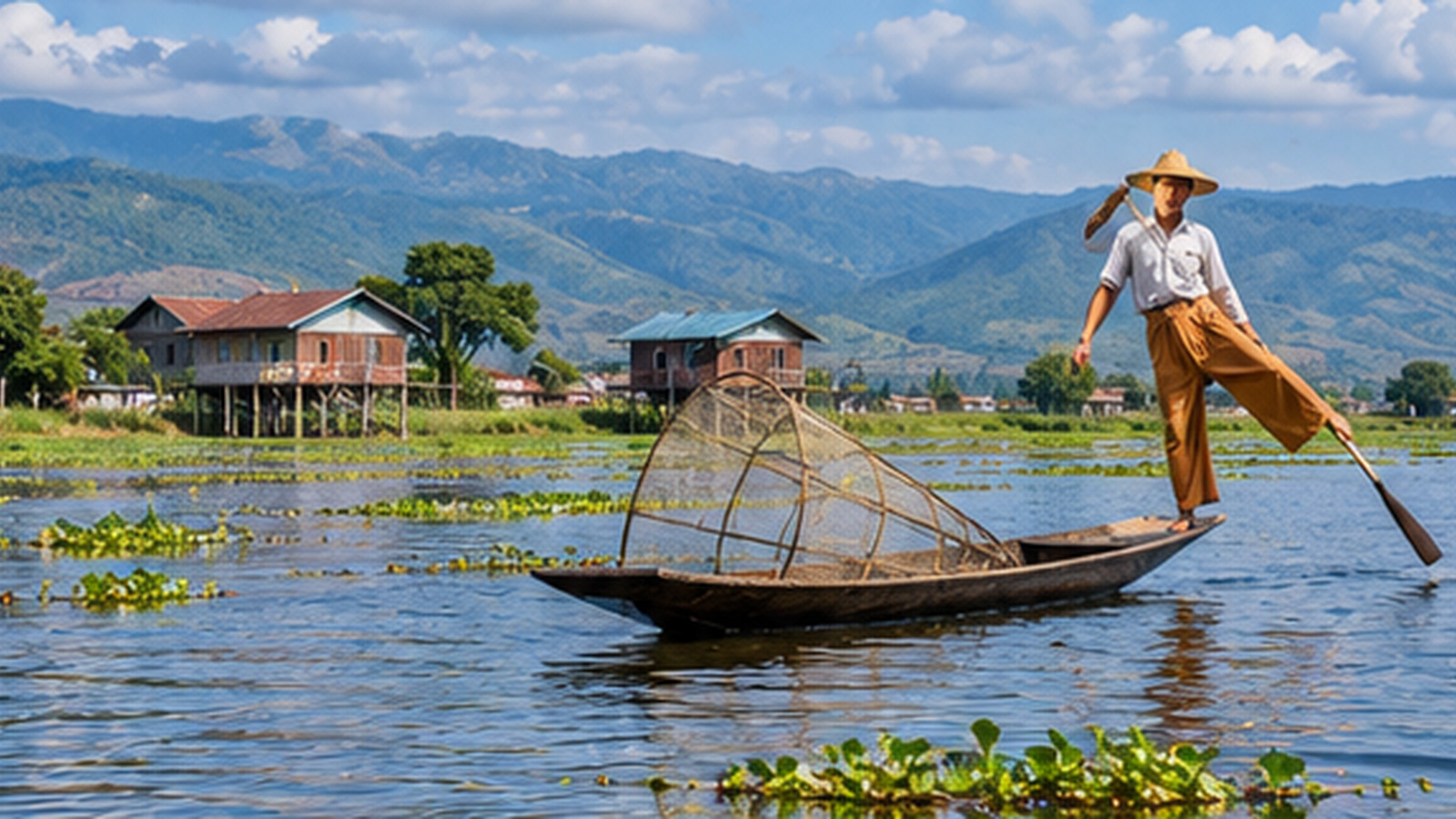
Inle Lake boat tours, floating gardens, stilt villages and hands-on craft workshops.
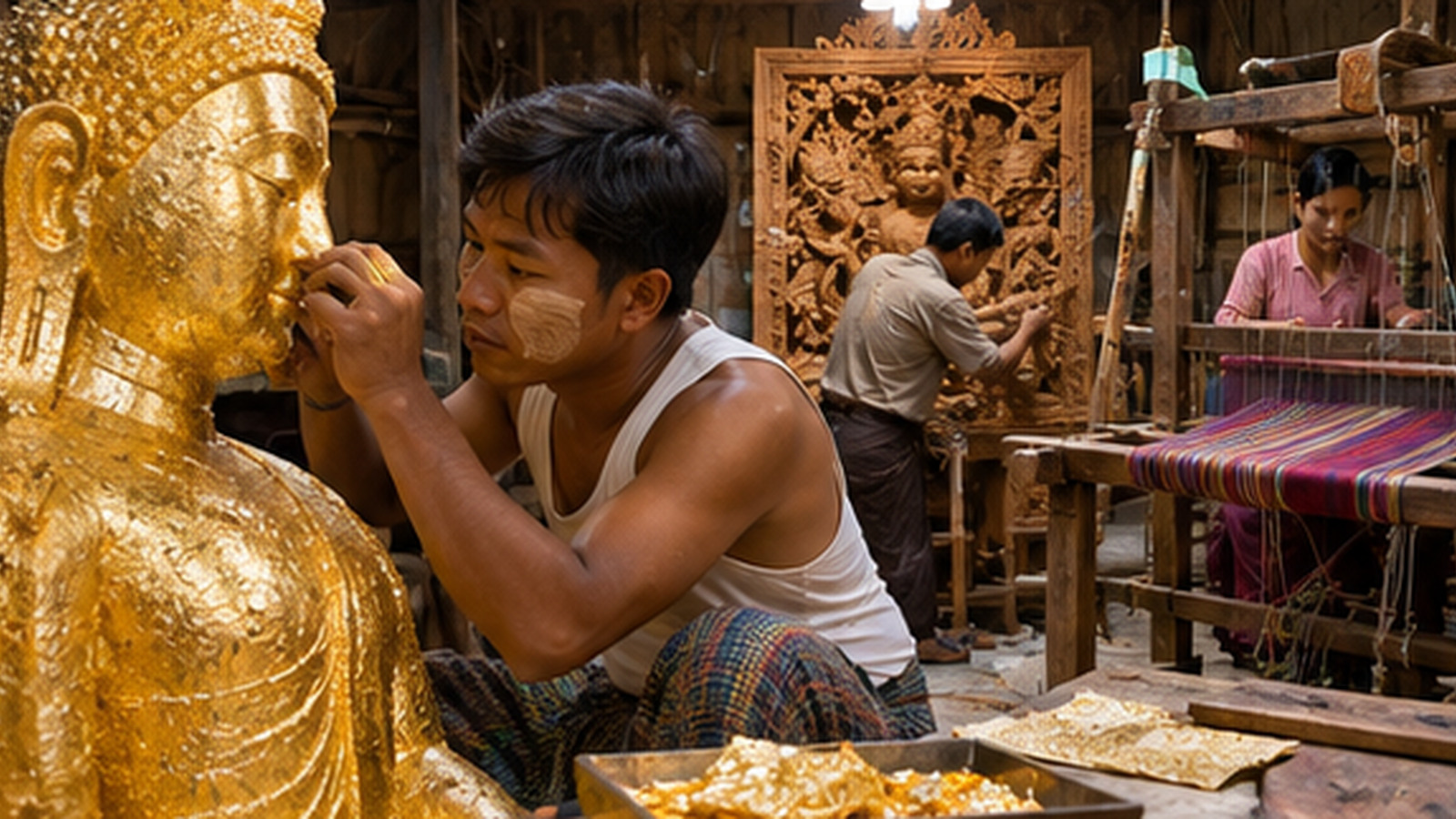
Mandalay’s gold-leaf beating, silk weaving, woodcarving and lacquerware traditions.
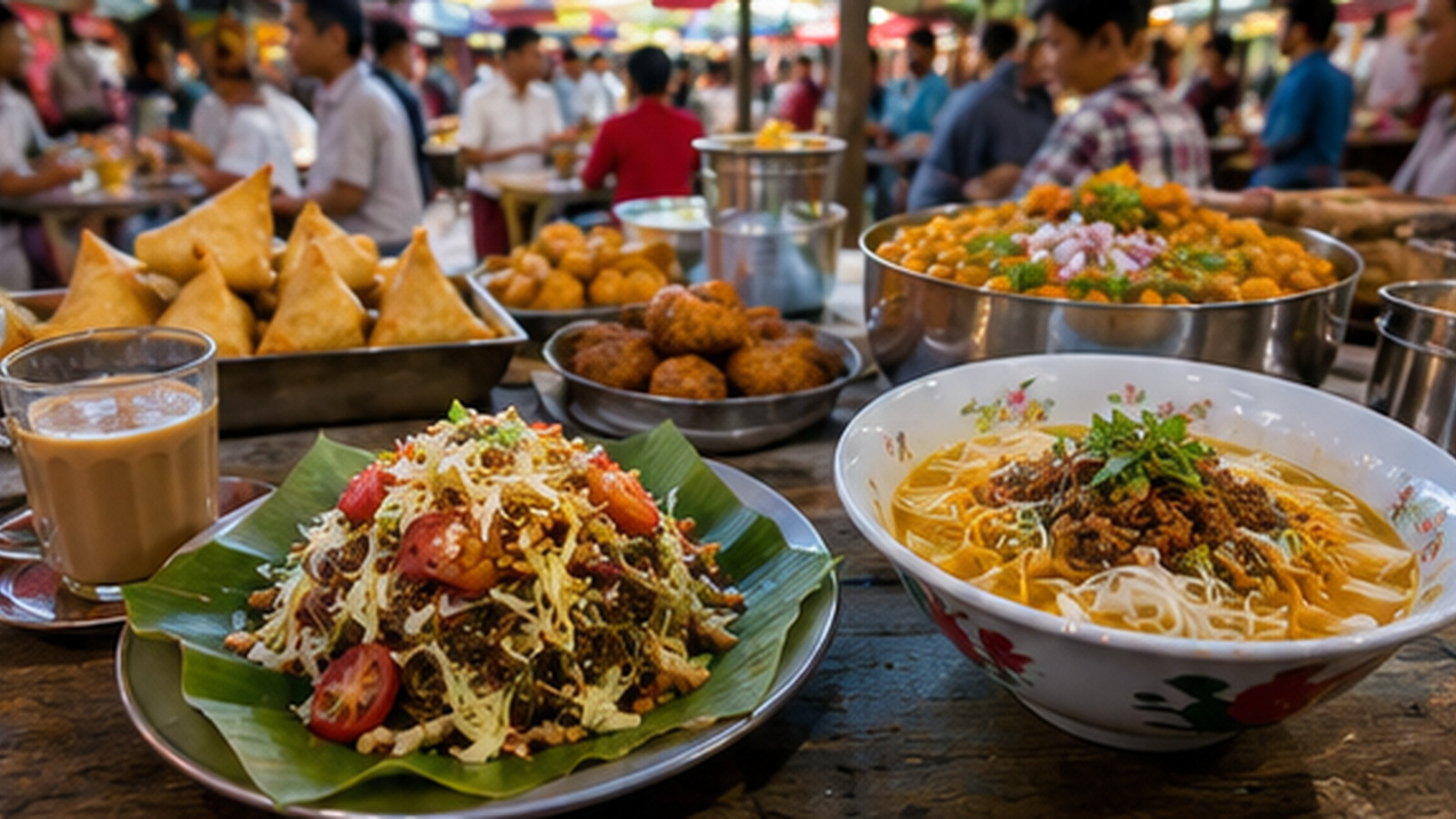
Tea-leaf salad, Shan noodles and Yangon’s superb Indian-Burmese cuisine, plus colourful local markets.
Book tours & activities through our travel partners — see options. Bluebird Next may earn a commission from partner bookings at no extra cost to you (Affiliate Disclosure).
Myanmar is affordable once you are there, with short flights from India and quick, inexpensive domestic hops linking the main sights. Indicative per-person figures for a 6-day trip in 2026.
| Item | Typical cost (per person) |
|---|---|
| Return flights (ex-India) | ₹22,000 – ₹45,000 |
| Visa (e-visa or VOA, US$50) | ≈ ₹4,200 |
| Hotels (per night, twin) | ₹2,000 – ₹6,000 |
| Domestic flights (per leg) | ₹5,000 – ₹9,000 |
| Balloon over Bagan (optional) | ₹28,000 – ₹35,000 |
| Food & local transport | ₹1,000 – ₹2,500 / day |
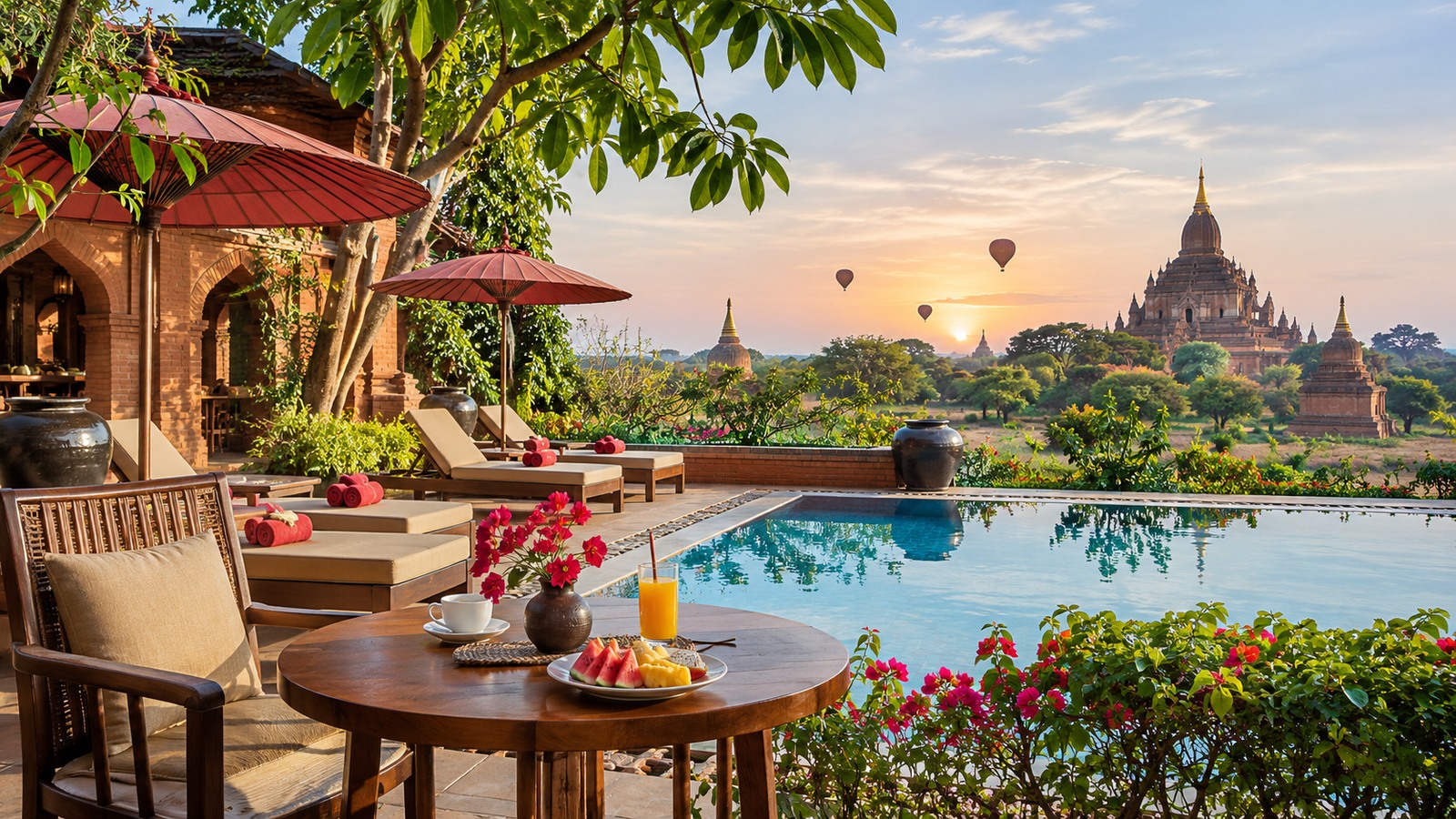
Closest to the temples for easy sunrise access; Nyaung-U is the budget-and-dining hub.
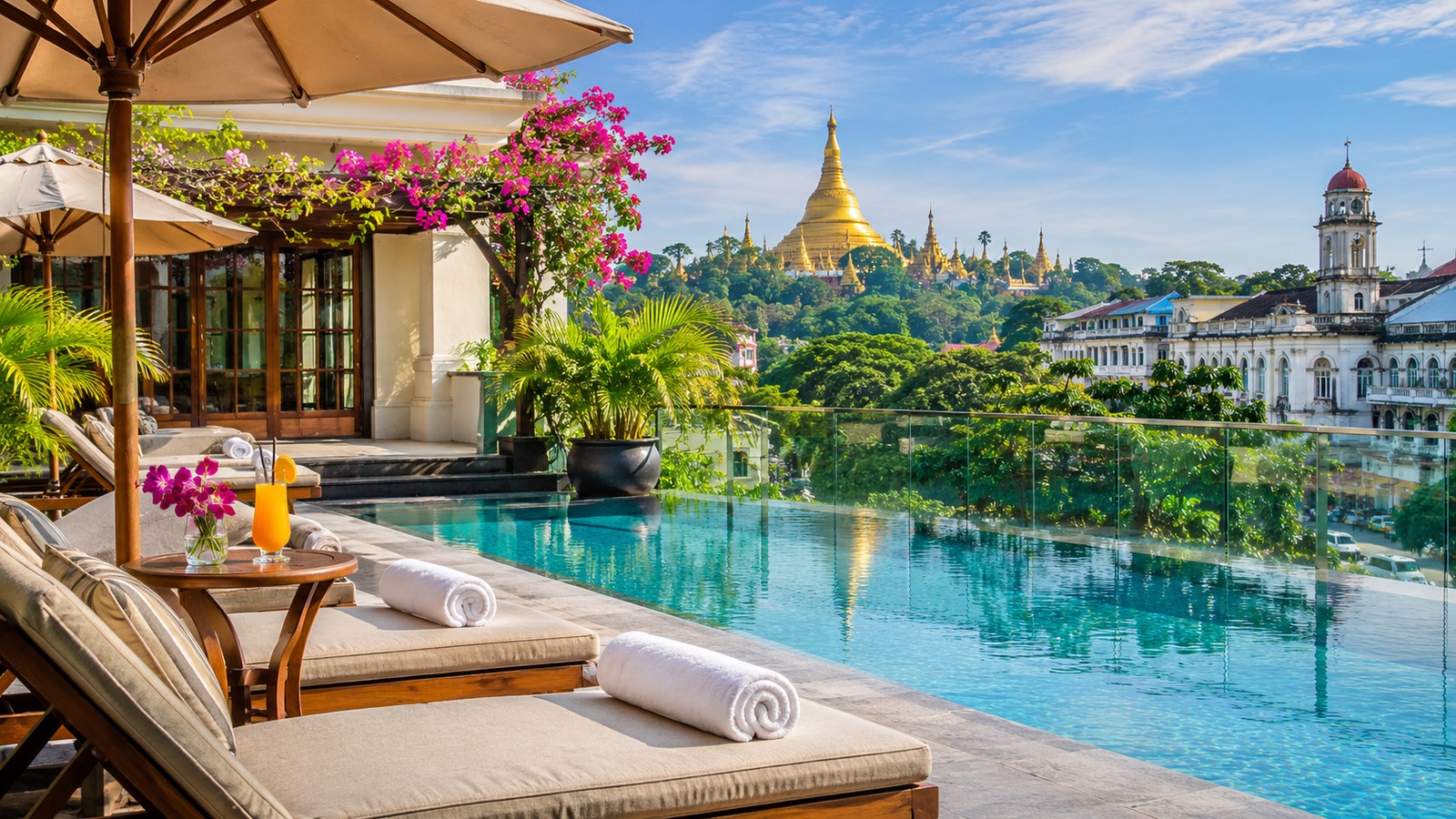
Near Shwedagon, colonial streets, the markets and the Indian quarter, with good airport links.
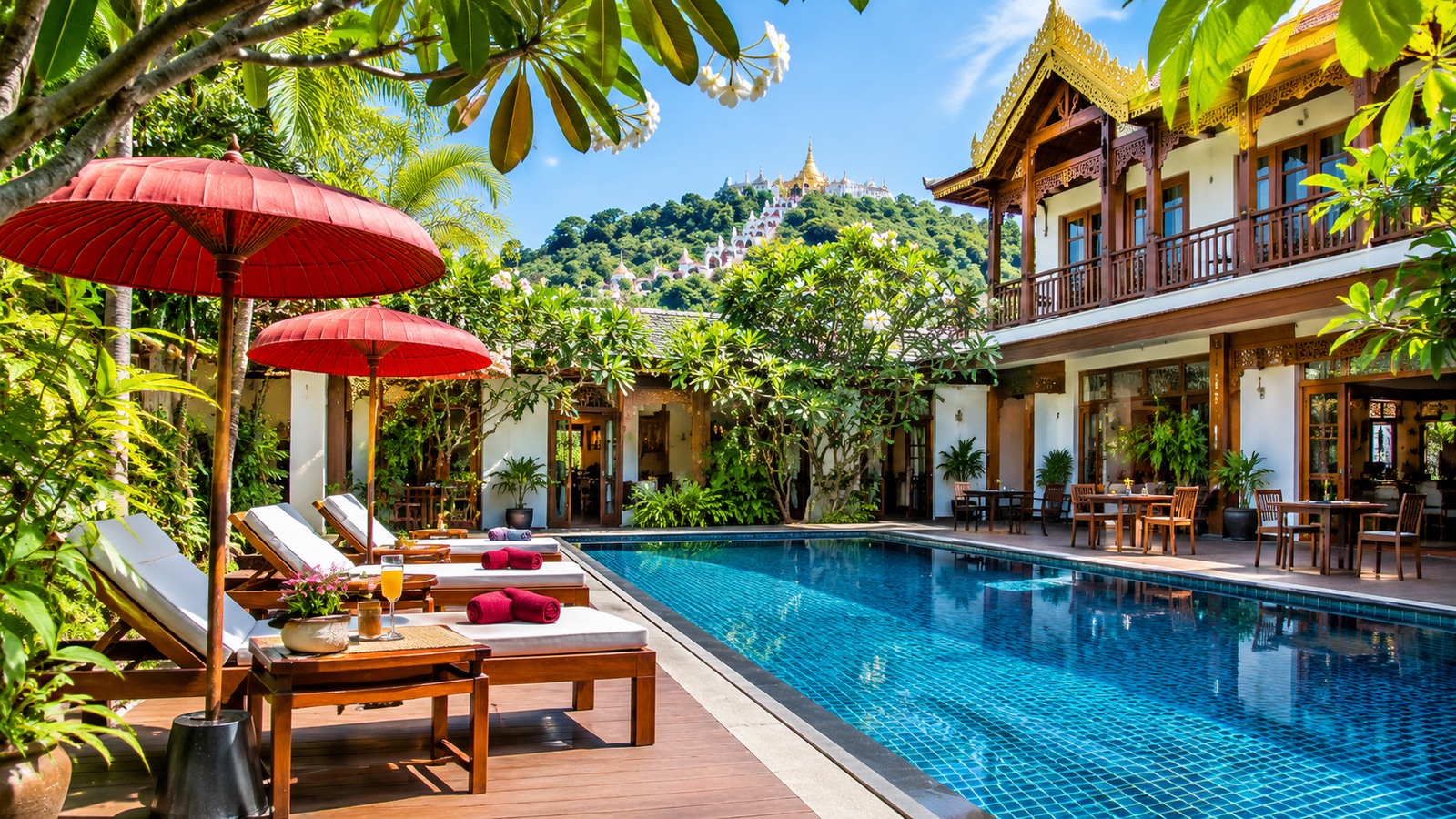
Handy for the palace, Mandalay Hill, U Bein and the craft workshops.
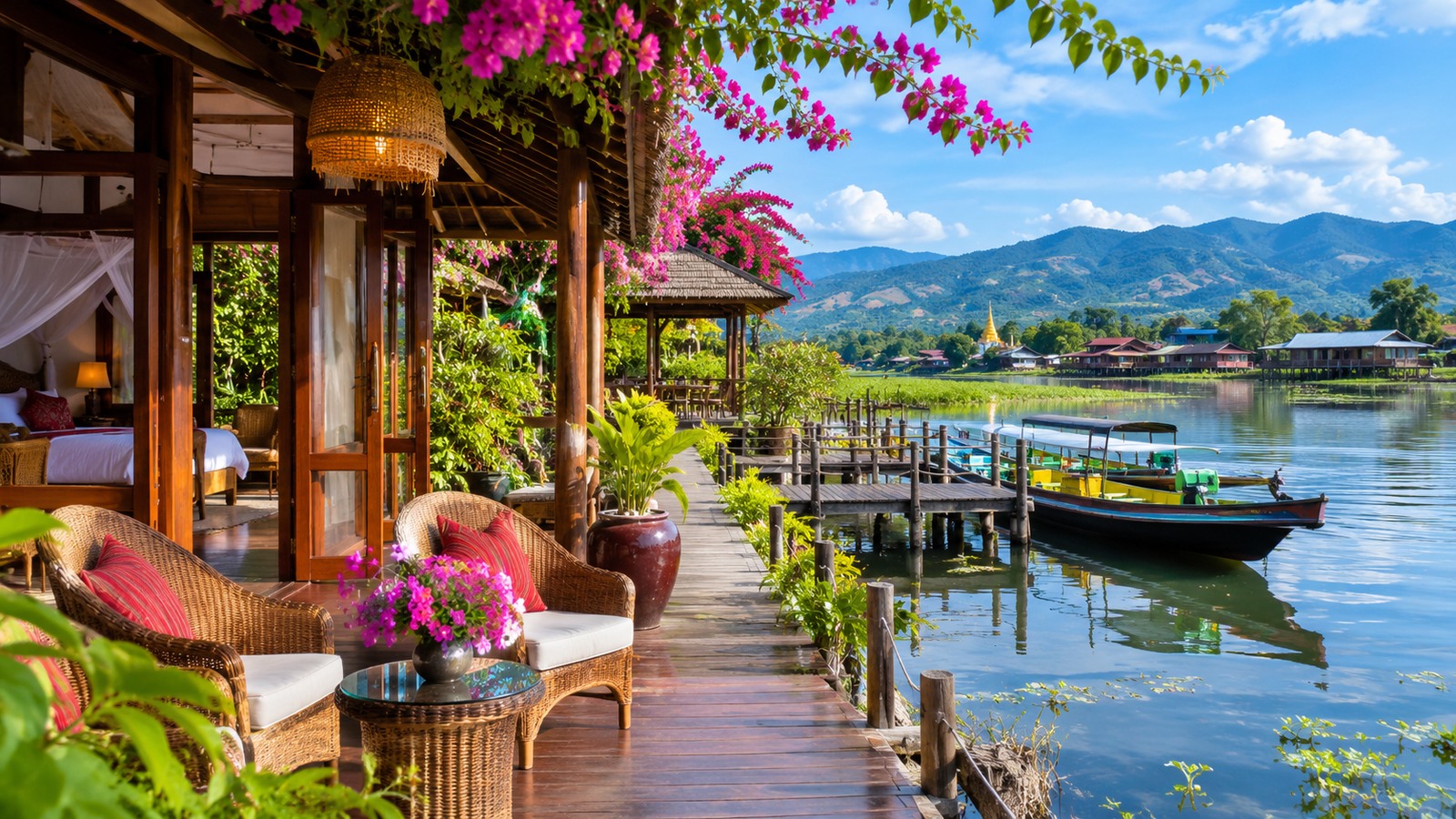
The lakeside gateway town and jetty base for boat tours and sunrise departures.
Burmese food is distinctive and delicious — tea-leaf salad (lahpet), Shan noodles, mohinga fish soup, and rich curries with rice, with strong Indian and Chinese influences in the cities.
Vegetarians do very well — Buddhist culture means plenty of meat-free dishes, plus tofu, vegetable curries, bean and noodle soups and fresh salads; just ask them to leave out fish sauce or shrimp paste (nga-pi).
Yangon has a significant Indian-origin community and excellent Indian restaurants, including pure-veg and Jain-friendly options, so veg and Jain travellers are very comfortable; biryani, dosa and thali are all easy to find.
Short, inexpensive flights link Yangon, Bagan, Mandalay and Inle (Heho) — the easiest and most time-efficient way to cover the long distances.
Silent electric bikes are perfect for Bagan’s temple tracks, while long-tail boats are how you explore Inle Lake and the river sights near Mandalay.
City taxis and the Grab app (in Yangon and Mandalay) handle short hops; comfortable overnight and day coaches connect the main towns for budget travellers.
Myanmar’s main tourist circuit — Bagan, Yangon, Mandalay and Inle Lake — is generally visited, but some border and conflict-affected regions are restricted or best avoided, so always follow your government’s current travel advisory and plan around the recommended areas. Take normal care of valuables, drink bottled or filtered water, use registered guides and operators, respect religious etiquette, keep cash as a backup since card acceptance is limited, and carry comprehensive travel insurance covering medical care and evacuation.
Yes — Indian ordinary passport holders need a visa for tourism. You can apply online for a single-entry Tourist e-visa (US$50, up to 28 days) before travel, or, if arriving by air at Yangon, Mandalay or Nay Pyi Taw, apply for a Visa on Arrival (US$50, up to 30 days). Confirm the current rule with our checker before booking.
Both the Tourist e-visa and the visa on arrival cost US$50 (about ₹4,200). The e-visa allows a stay of up to 28 days; the visa on arrival allows up to 30 days. Neither can be extended, and the fee is non-refundable.
Yes. Eligible Indian tourists arriving by air at Yangon, Mandalay or Nay Pyi Taw International Airport can get a Visa on Arrival for US$50 for up to 30 days. The programme for Indian travellers currently runs through 29 August 2027. Many travellers still prefer the e-visa for certainty.
Apply on the official portal (evisa.moip.gov.mm) before you fly. You upload a passport bio-page scan and a recent digital passport photo, and provide a return/onward ticket and a hotel booking. Approval is usually quick; carry a printout of the approval letter and enter Myanmar within 90 days of its issue date.
A passport valid for at least six months with blank pages, proof of a return or onward ticket, a hotel/accommodation booking, and a passport-size photo (one digital photo for the e-visa; carry two printed colour photos for visa on arrival). Confirm the exact photo size with your airline or the embassy before you travel.
The main tourist sights (Bagan, Yangon, Mandalay, Inle) are generally visited, but some border and conflict-affected regions are restricted. Always check your government’s latest travel advisory before planning, stick to recommended areas, use registered operators and carry good travel insurance.
November to February is the cool, dry season and the best time to go. March–May is very hot, especially around Bagan, while June–October brings monsoon rain, lush scenery, fewer crowds and the lowest prices.
Bagan’s plain of thousands of temples at sunrise is the headline, along with Yangon’s Shwedagon Pagoda, Mandalay’s palace, hill and U Bein bridge, and the stilt villages and leg-rowing fishermen of Inle Lake. Mount Popa and the Golden Rock are popular add-ons.
Six days covers Bagan, Mandalay and Yangon comfortably using quick domestic flights. Eight days lets you add Inle Lake at a relaxed pace — ideal for a first visit that takes in all the headline sights.
No — it is affordable. A 6-day trip typically costs ₹60,000–₹1,10,000 per person including flights, with low daily costs for food and transport. The optional Bagan balloon ride is the one big splurge.
Yes — Buddhist culture means plenty of meat-free dishes, and Yangon’s large Indian community means excellent Indian, pure-veg and Jain-friendly restaurants. Just ask for no fish sauce or shrimp paste in local dishes.
Both. Visas, tours and many hotels are paid in clean, new USD notes (torn or old notes are often refused), while daily spends — food, taxis, entry tickets — are easier in kyat. Card acceptance is limited, so keep enough cash.
Sources: Myanmar official e-visa portal & FAQ · Myanmar Mission (visa-on-arrival announcement) · Ministry of Hotels & Tourism, Myanmar
A licensed team that has guided thousands of Indians to their visas and admissions.
 Jitender SinghFounder & Managing Director
 Vikram SinghHead – Quality & Operations
 SanjayHead – Tourist Visa Operations
 TejaswaniHead – Counselling Team
 MahimaHead – Visa Filing & Processing
 Pratigya DuttaHead – Student Visa Processing
Free, no-pressure guidance from a real counsellor who handles your case end to end — from documents to decision.