
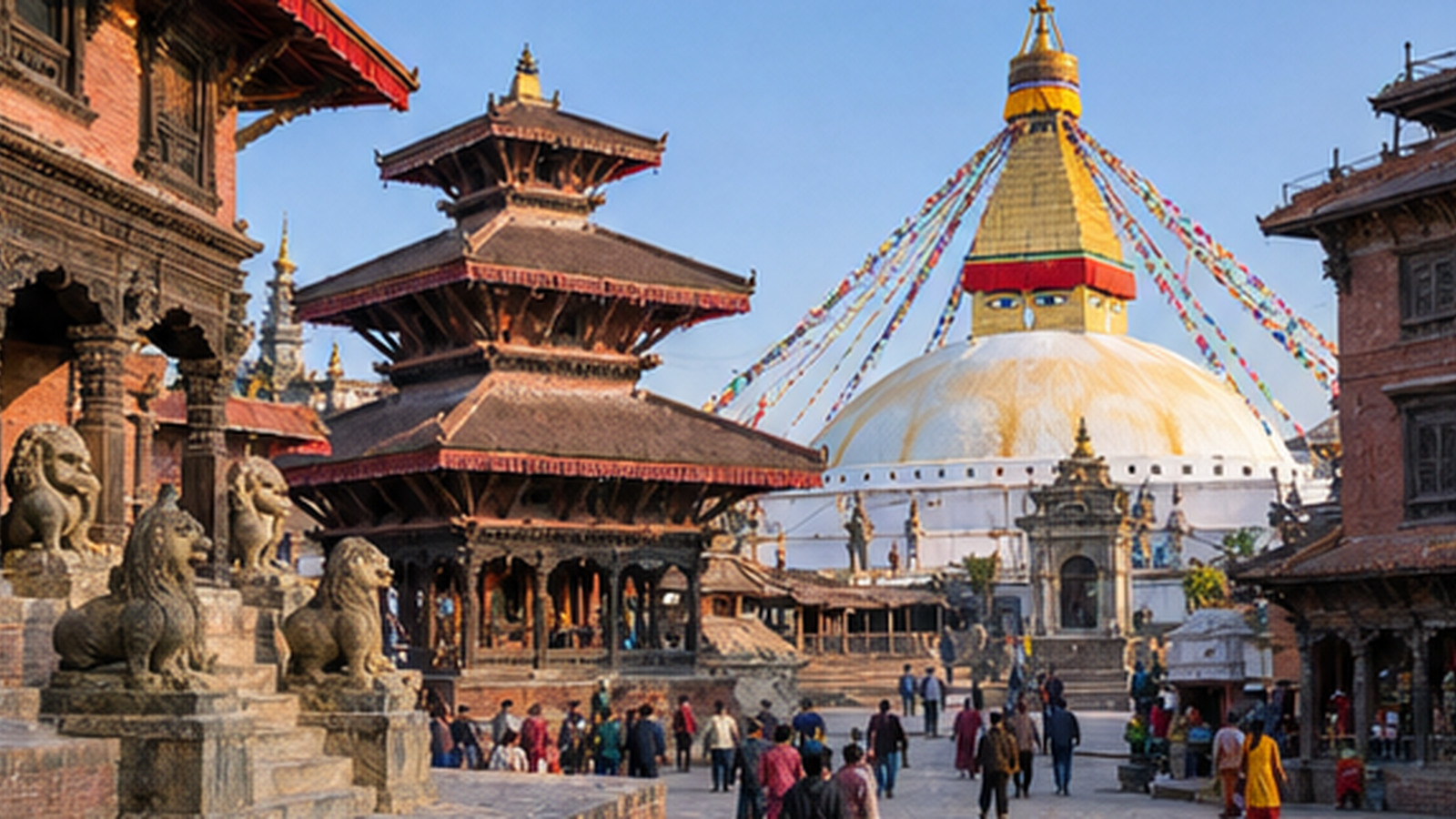
The historic capital — Durbar Squares, Boudhanath and Swayambhunath stupas, Pashupatinath temple and lively Thamel.
The Himalayas on India’s doorstep — Everest views, Pokhara’s lakes, ancient Kathmandu temples and jungle safaris, with no visa and no passport needed for Indians.
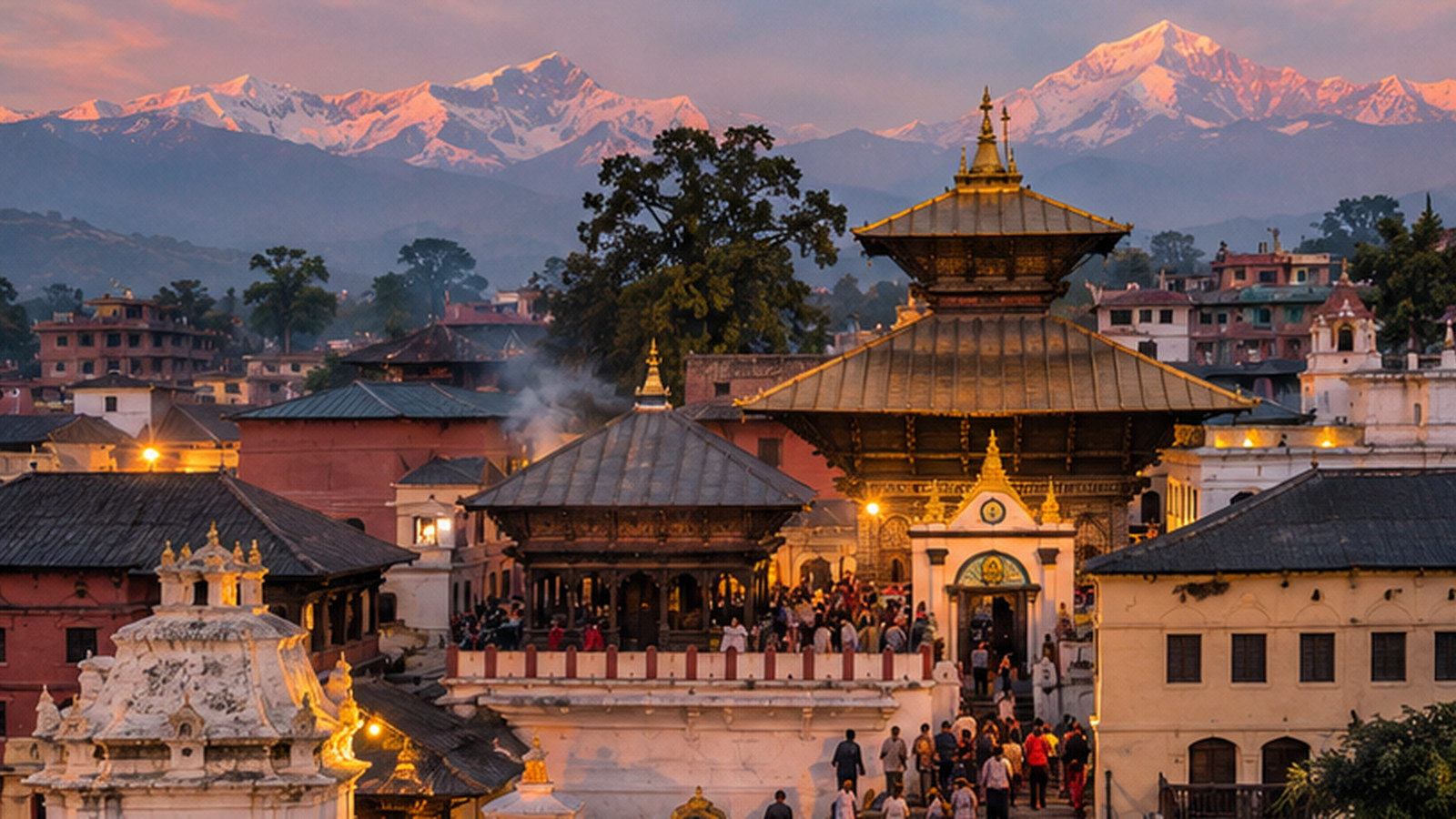
Nepal is the Himalayan escape right on India’s doorstep — a land of soaring snow peaks, ancient temple cities, serene lakes and warm, welcoming people, reachable with a short flight or even an overland drive, and — uniquely — with no visa and no passport required for Indian citizens. For adventure, spirituality, honeymoons or a relaxed mountain break, few trips are as easy or rewarding.
In Kathmandu you can wander UNESCO-listed Durbar Squares, the great stupas of Boudhanath and Swayambhunath, and the sacred Pashupatinath temple. Fly or drive to Pokhara for lakeside calm beneath the Annapurna range, paragliding and the gateway to Himalayan treks. Take a scenic Everest flight, go on a rhino-and-tiger safari in Chitwan’s jungles, or simply soak up the mountain air. Nepal blends high adventure with deep culture and remarkable value.
This guide is written for Indian travellers: the real cost in rupees, the no-visa entry rules and the ID you should carry, where vegetarians and Jain travellers eat (very easily), trek options from easy to serious, and a route that mixes mountains, temples and jungle.
Nepal is the easiest international trip for Indians — no visa, no passport required, short flights (1.5–2 hours), the Indian rupee widely accepted, familiar vegetarian food and shared Hindu-Buddhist culture. It suits trekkers, pilgrims, honeymooners, families and first-time travellers, on almost any budget.
💡 From our visa desk: You don’t need a passport, but carry one anyway (or a voter ID) — airlines and hotels increasingly ask for photo ID, and a passport is the smoothest. For a first trip, pair Kathmandu with Pokhara; add Chitwan for safari or a short Annapurna trek if you have more days. The best mountain views come Oct–Nov and Mar–Apr.
No visa and no passport required for Indian citizens — Indians can enter Nepal freely.
Indian citizens do not need a visa or even a passport to visit Nepal under the long-standing open-border arrangement. You should, however, carry valid photo ID — a passport is best (airlines and hotels increasingly ask for it), or a Voter ID card; a driving licence or Aadhaar may not be accepted for flights. Minors should carry a birth certificate or school ID with a guardian.
Check your Nepal entry requirement →October–November and March–April are the best — clear skies, the best Himalayan views and ideal trekking weather. Winter is cold but clear at lower altitudes; the monsoon (Jun–Sep) brings cloud and rain. See the month table.
| Season | What it's like & who it suits |
|---|---|
| Oct–Nov | Peak season — crystal-clear mountain views, dry trails and festivals (Dashain, Tihar). The best all-round time. |
| Mar–Apr | Warm, with rhododendron blooms and great trekking; clear mornings and some afternoon haze. |
| Dec–Feb | Cold in the mountains but clear at lower altitudes; fewer crowds in Kathmandu, Pokhara and Chitwan. |
| Month | Weather & what’s on (incl. Indian holiday windows) |
|---|---|
| October–November | Peak season — the clearest Himalayan views, dry trekking trails and the big festivals (Dashain, Tihar). Book ahead; the best time to visit. |
| December–January | Cold in the high mountains (some passes snowbound) but crisp and clear in Kathmandu, Pokhara and Chitwan, with fewer crowds and lower prices. |
| February | Late winter easing — still cool, good lower-altitude trekking and clear skies. |
| March–April | Spring — warm days, blooming rhododendrons and excellent trekking; mornings are clear, afternoons hazier. |
| May | Hot and hazy in the valleys before the monsoon; high-altitude treks still good early in the month. |
| June–September | Monsoon — green and lush but cloudy and wet, with leeches on trails and possible flight delays; good for culture and Chitwan between showers. |
The historic capital — Durbar Squares, Boudhanath and Swayambhunath stupas, Pashupatinath temple and lively Thamel.
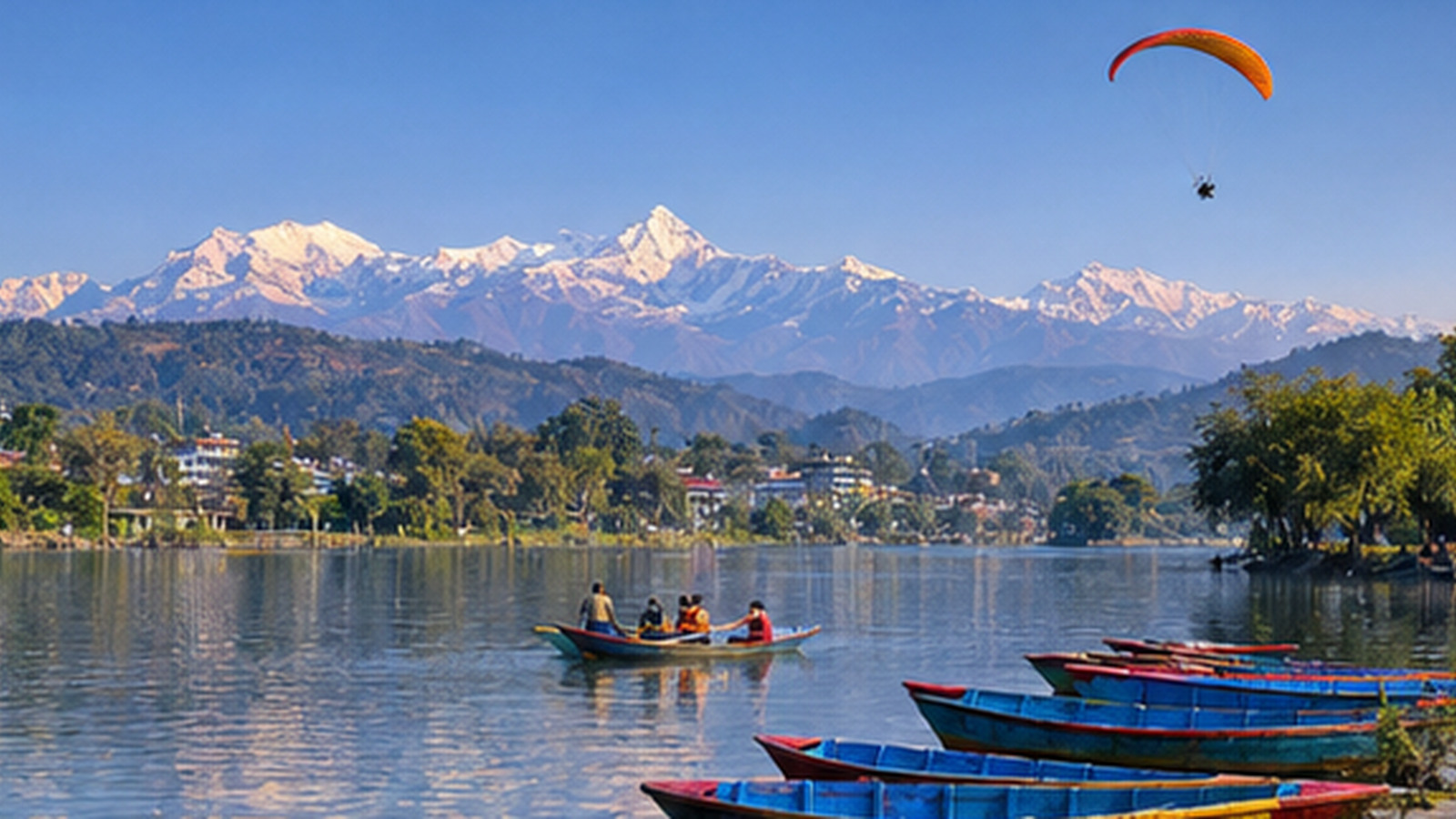
A laid-back lakeside town beneath the Annapurnas — boating, paragliding and the gateway to treks.
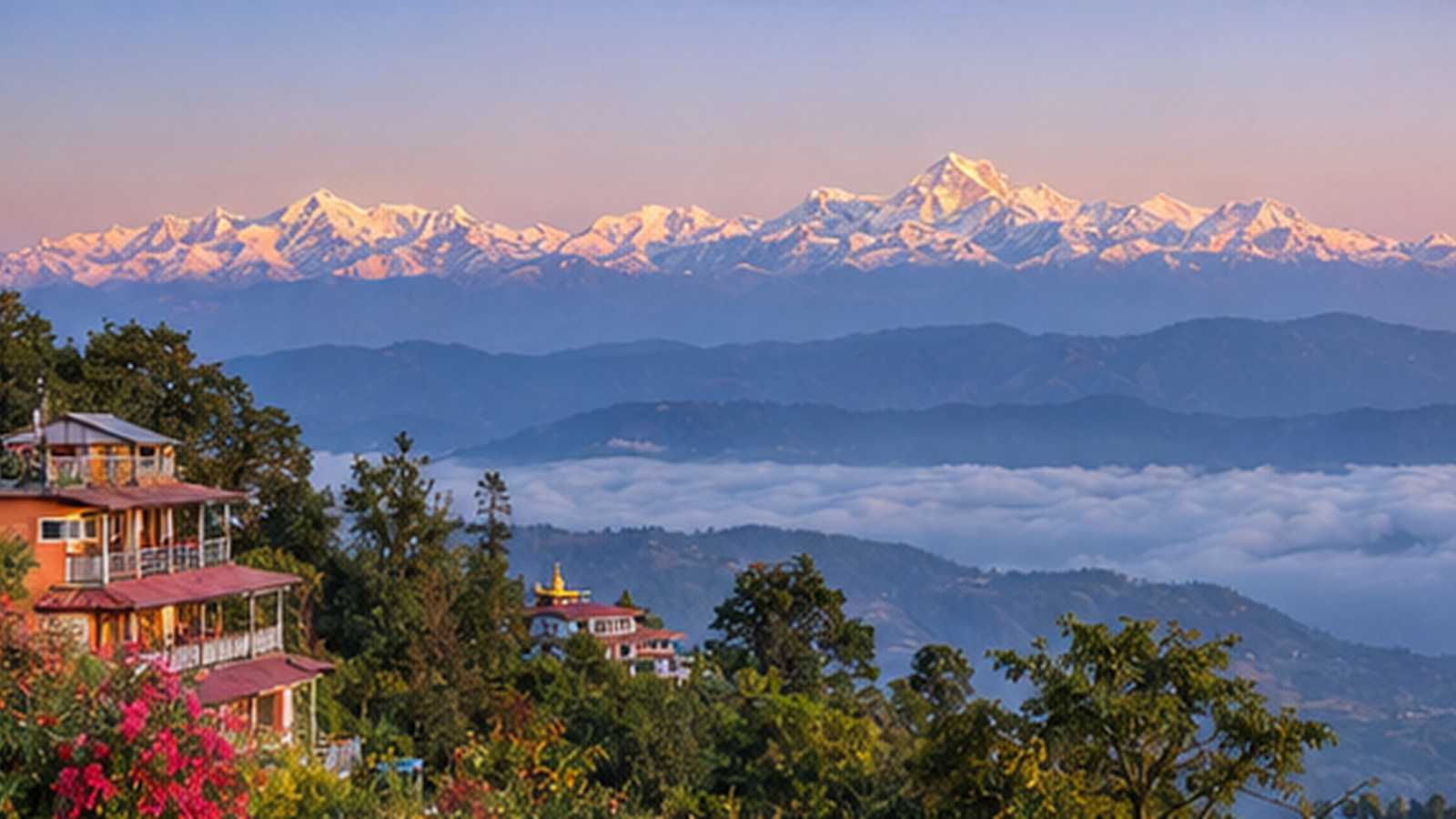
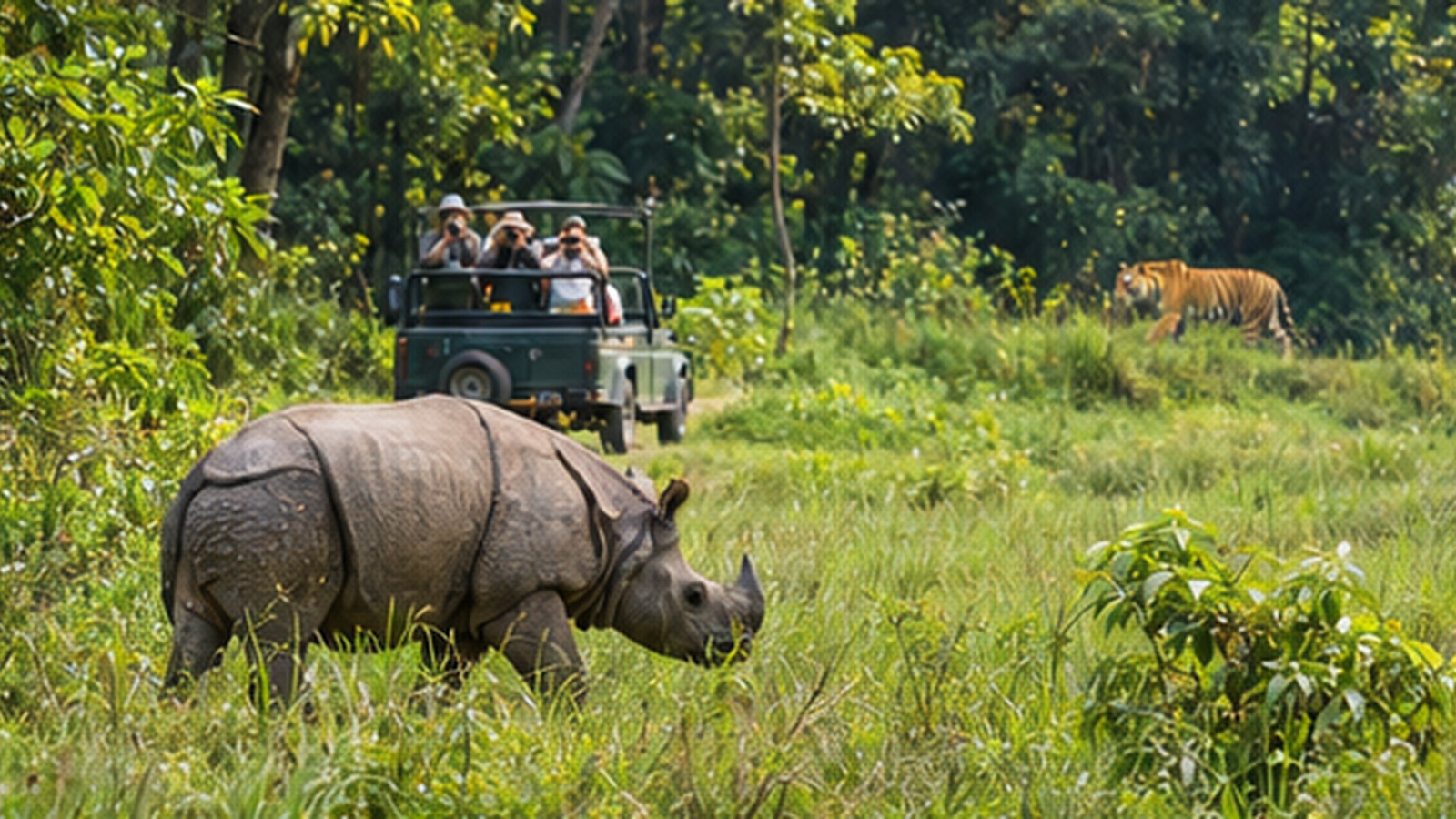
Lowland jungle national park for rhino, tiger and elephant safaris.
Ancient Newari temple cities near Kathmandu, rich in art and architecture.
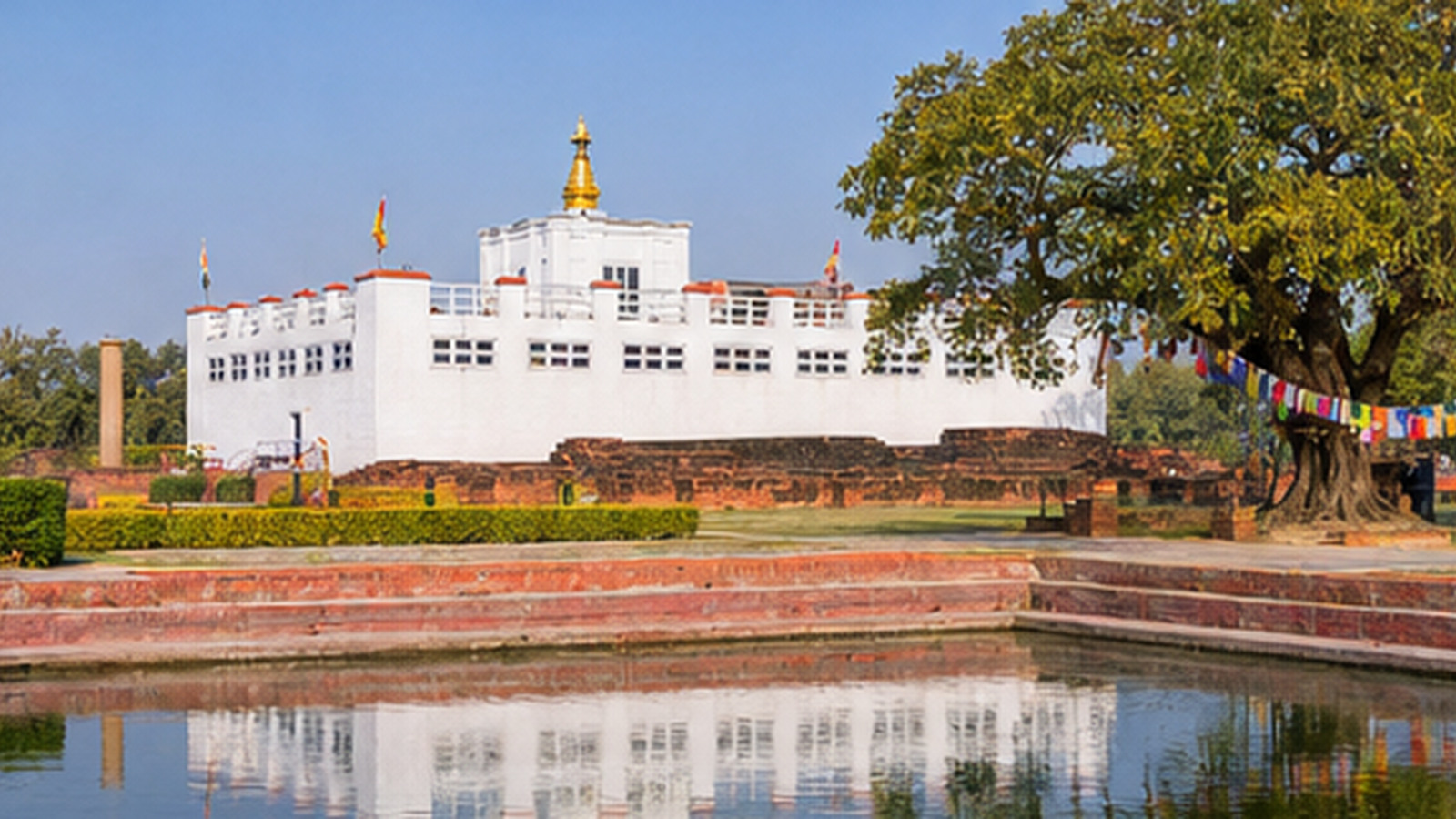
The birthplace of the Buddha and an important pilgrimage site.
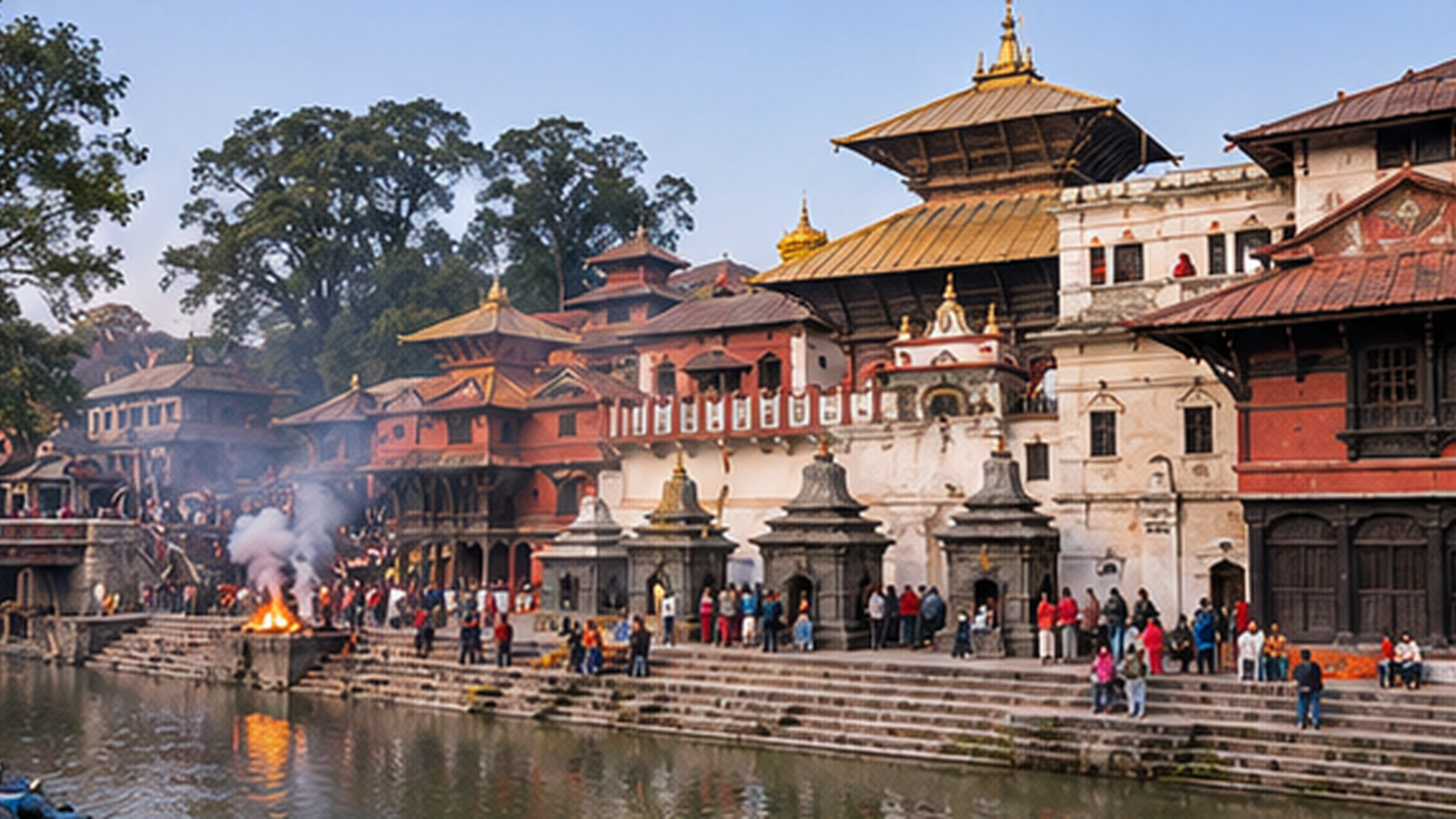
One of Hinduism’s holiest Shiva temples, on the sacred Bagmati river.
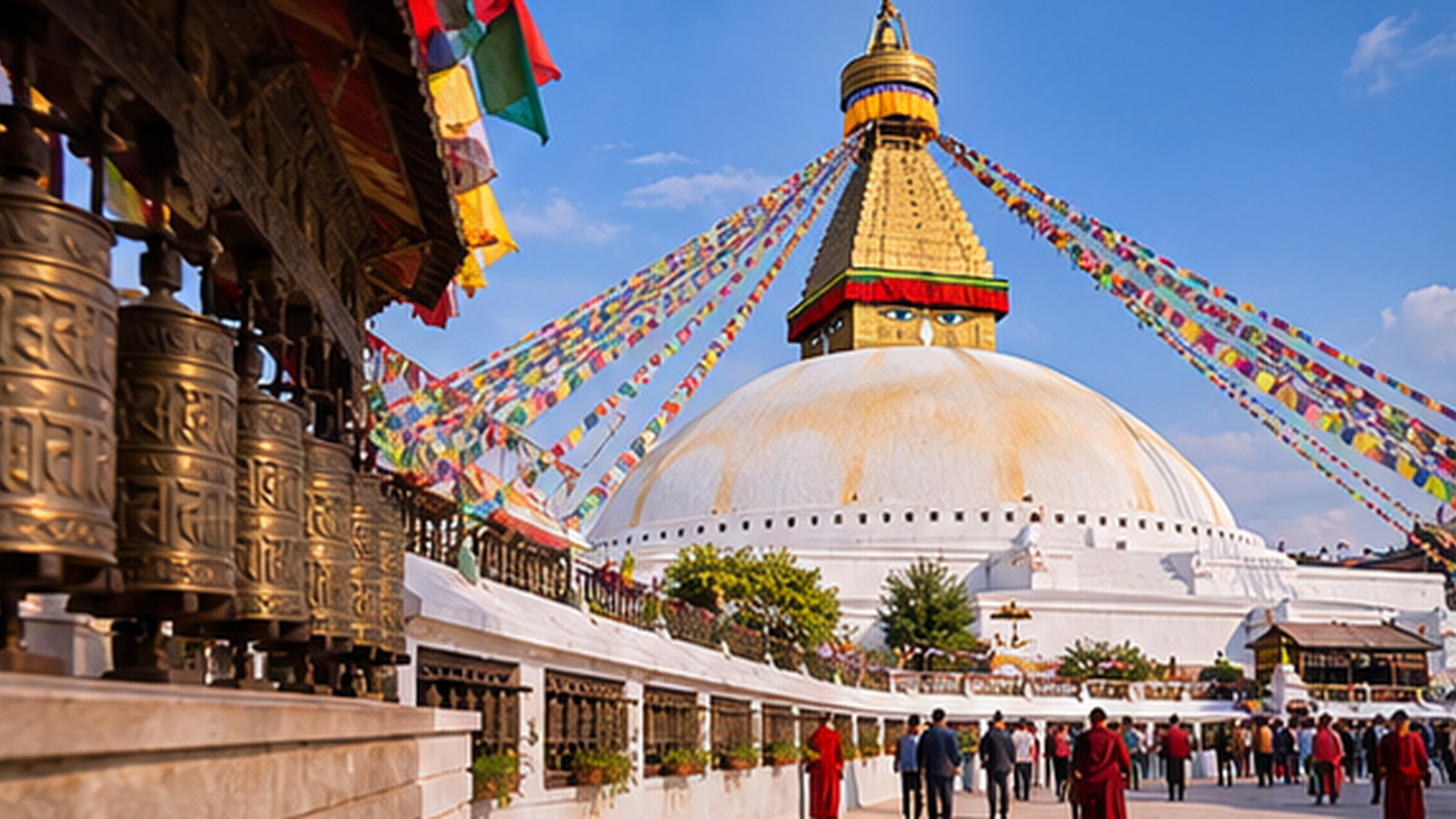
One of the world’s largest Buddhist stupas, ringed by monasteries and cafes.
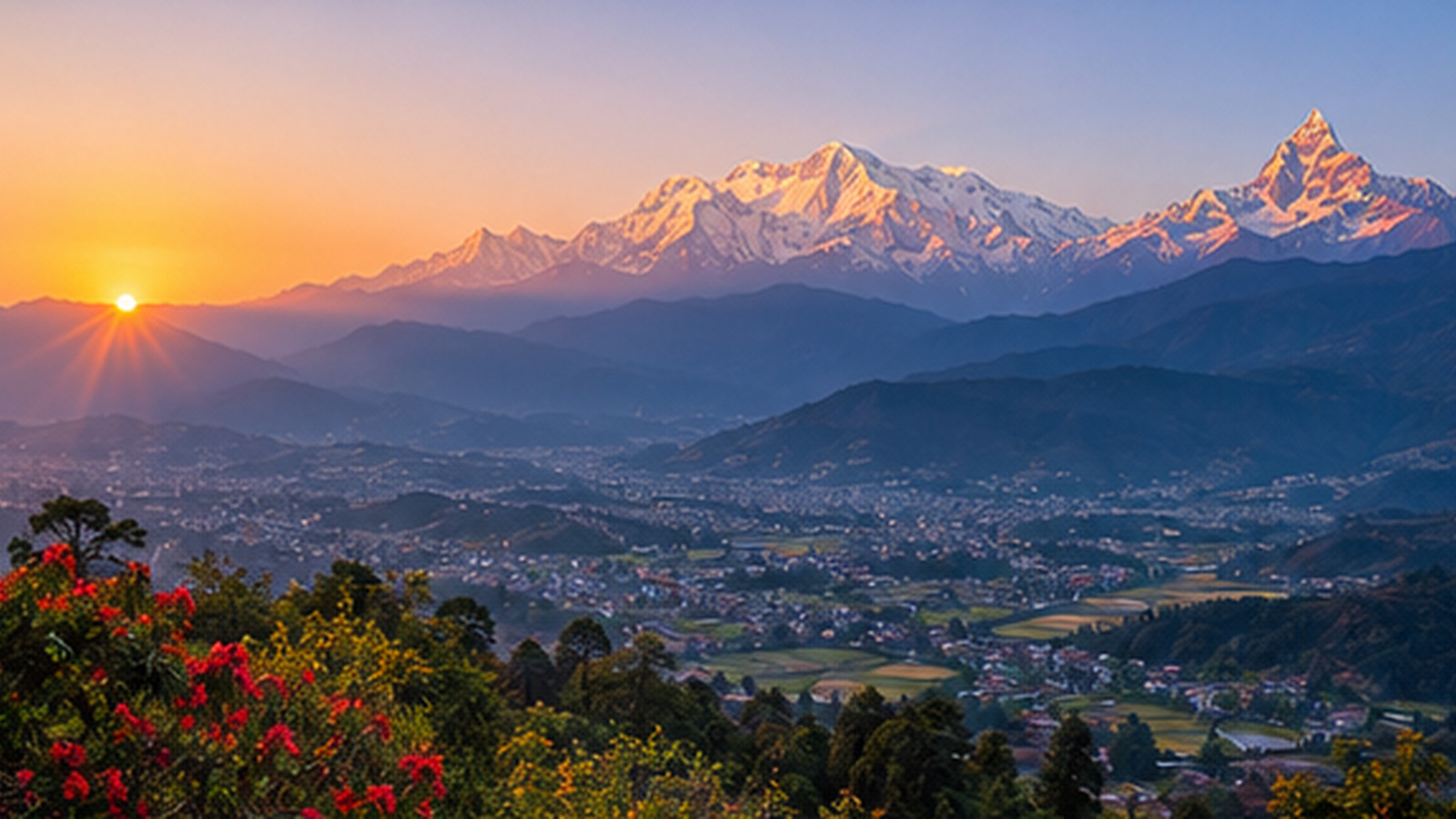
A serene lake with mountain reflections, and a sunrise viewpoint over the Annapurnas.
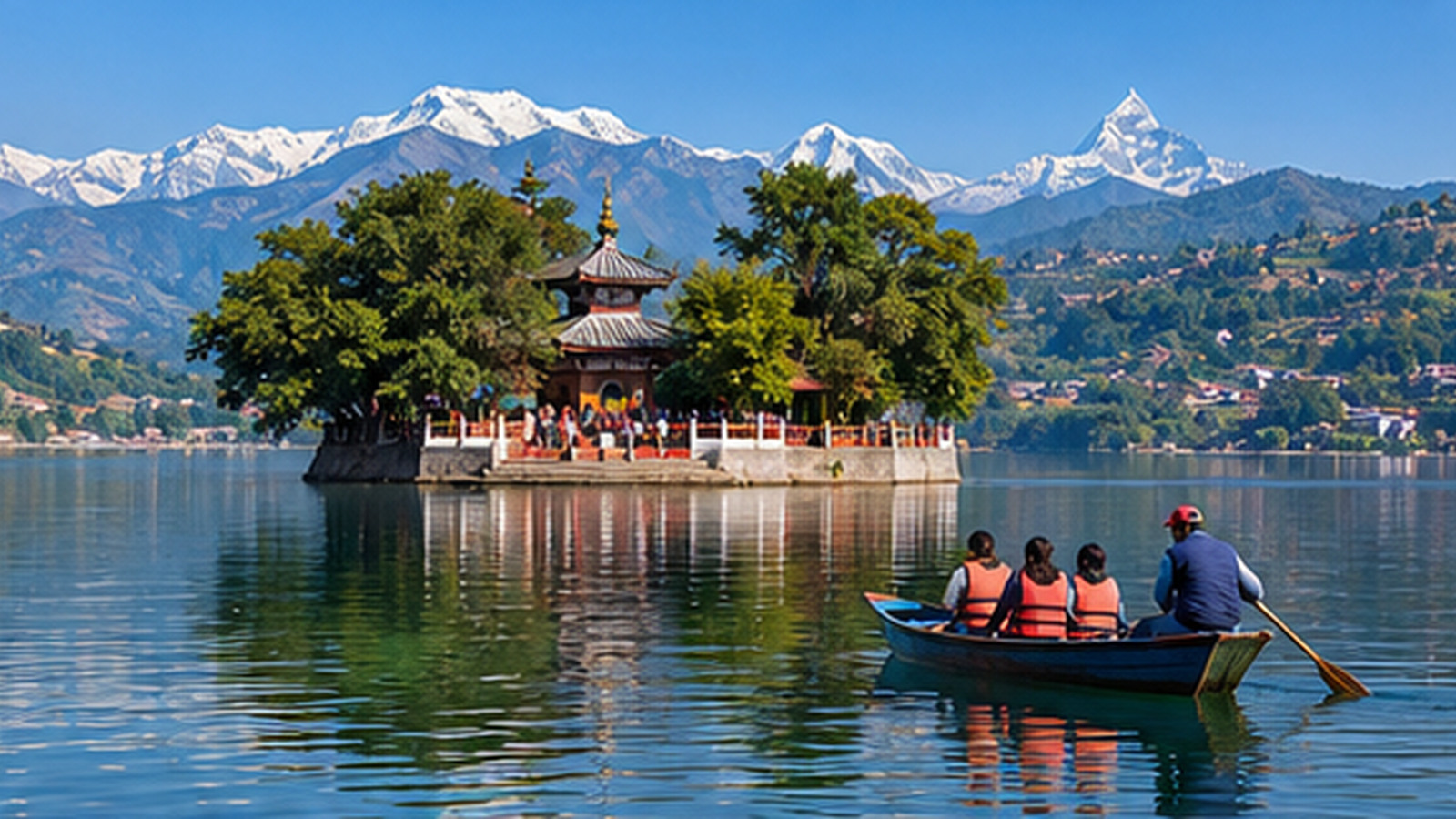
A one-hour mountain flight from Kathmandu for close-up views of Everest and the high Himalayas.
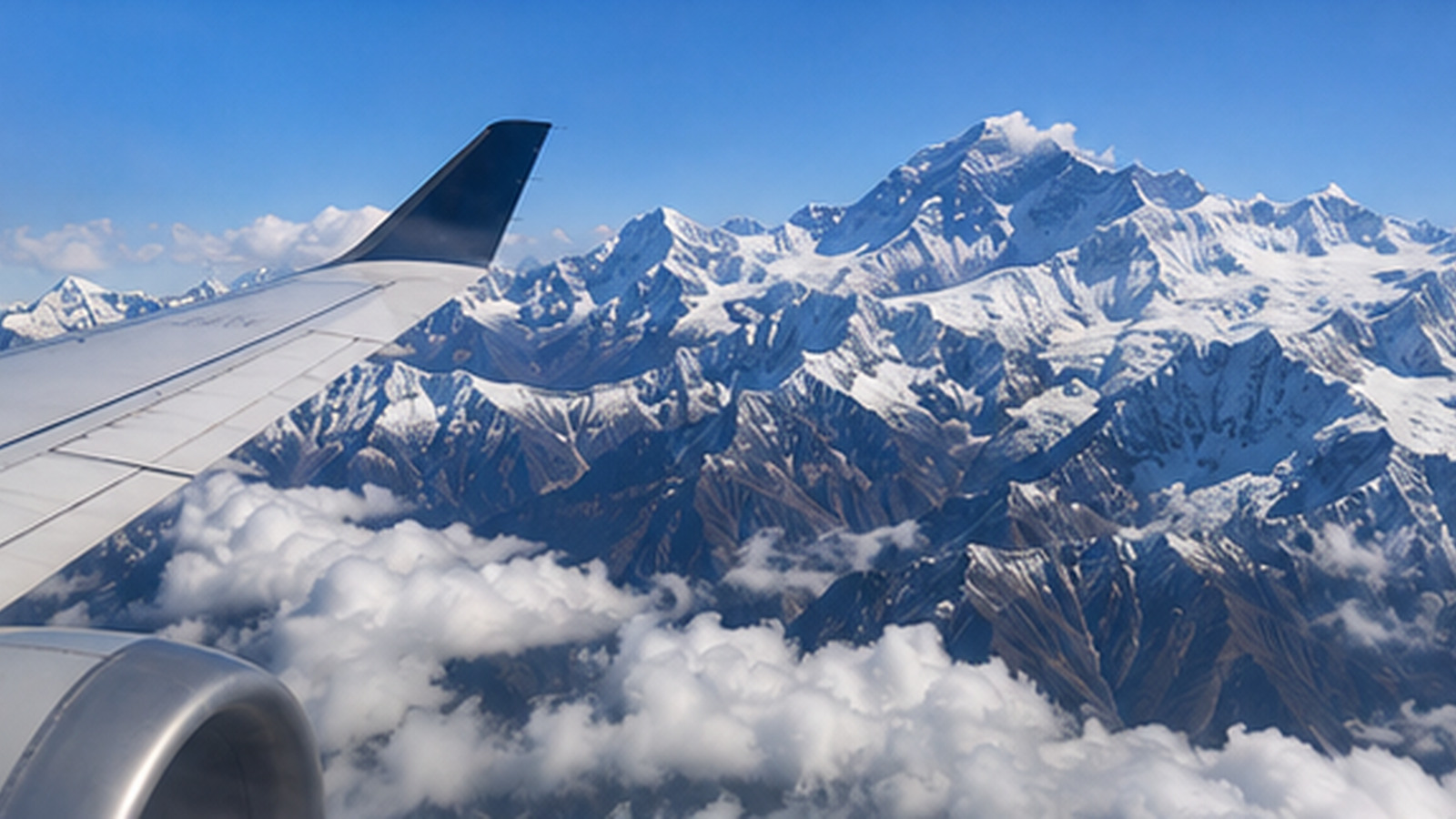
Jungle safaris for one-horned rhinos, deer, crocodiles and, if lucky, tigers.
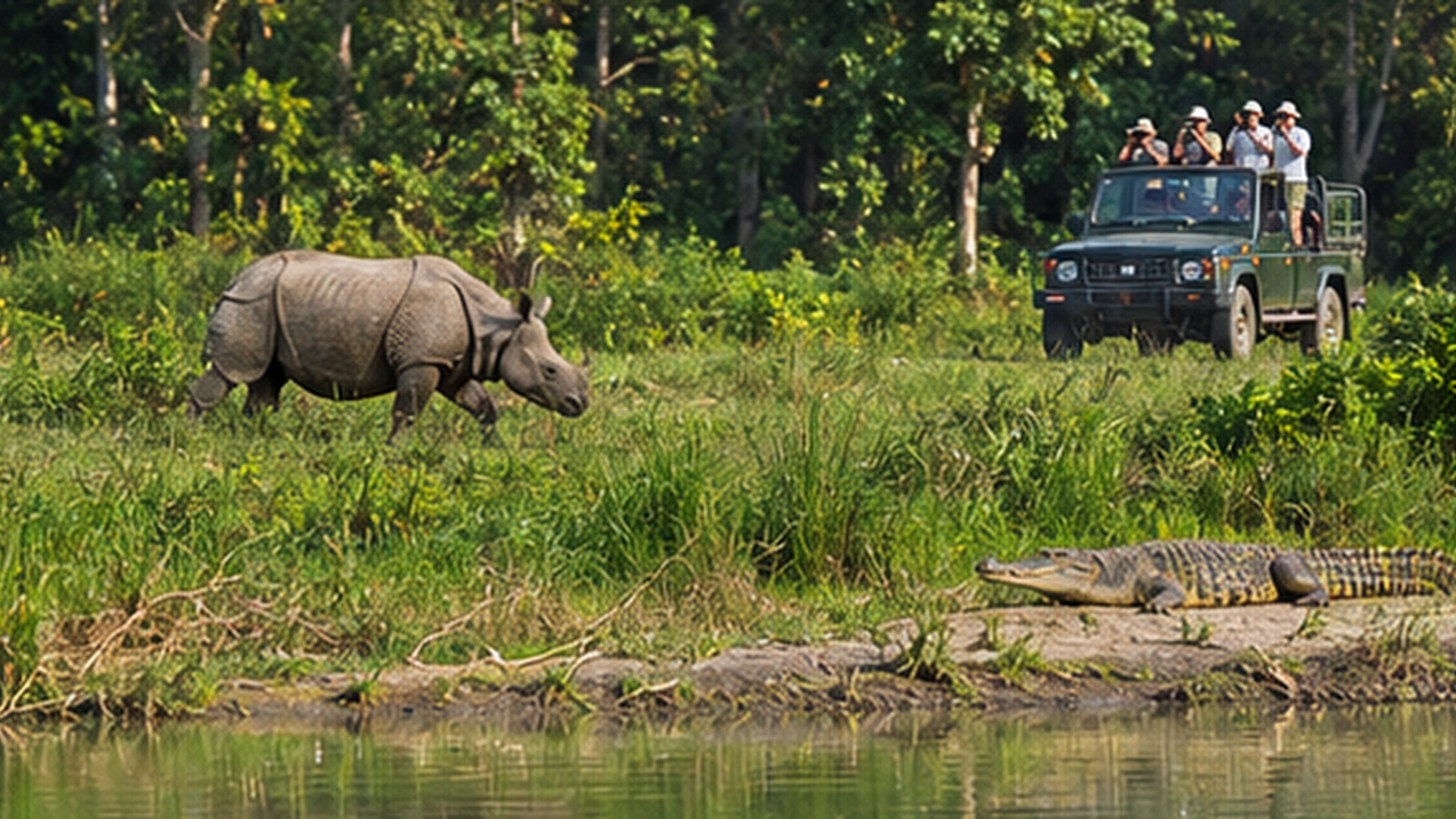
UNESCO palace squares of pagoda temples, courtyards and Newari woodwork.
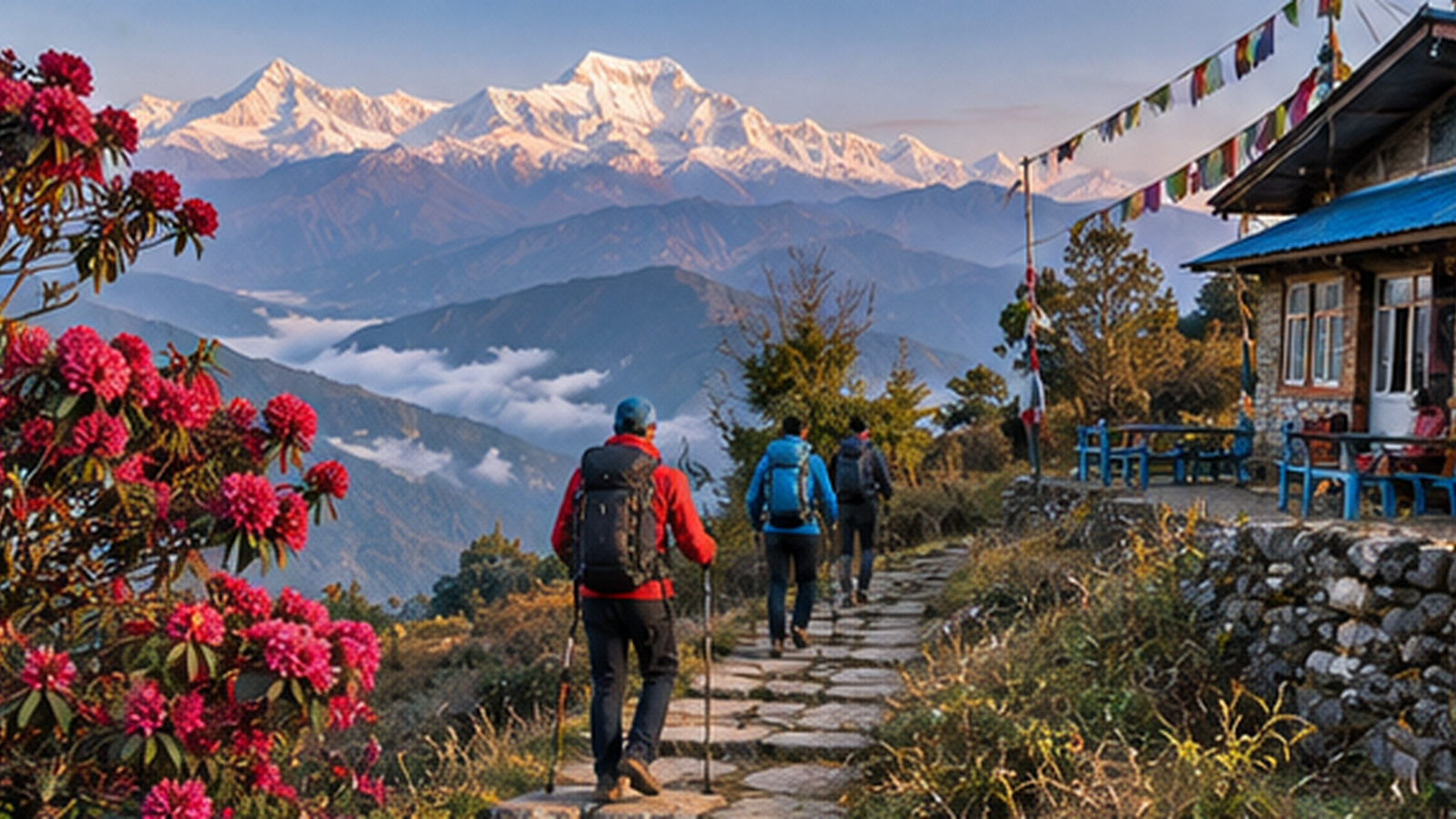
From easy Pokhara day hikes and Poon Hill to the Annapurna and Everest Base Camp treks.
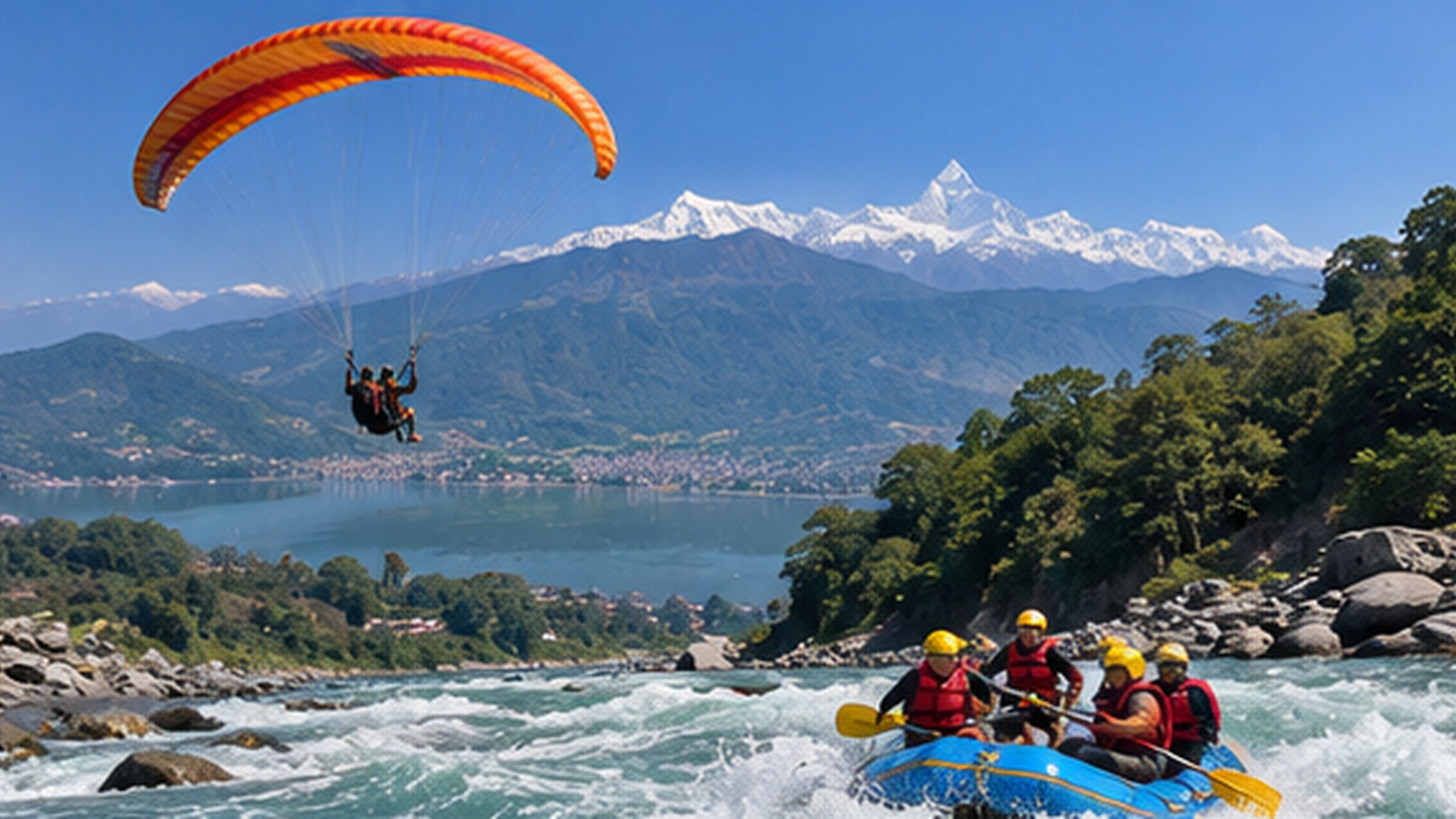
Pashupatinath, Boudhanath, Swayambhunath and the Durbar Squares.
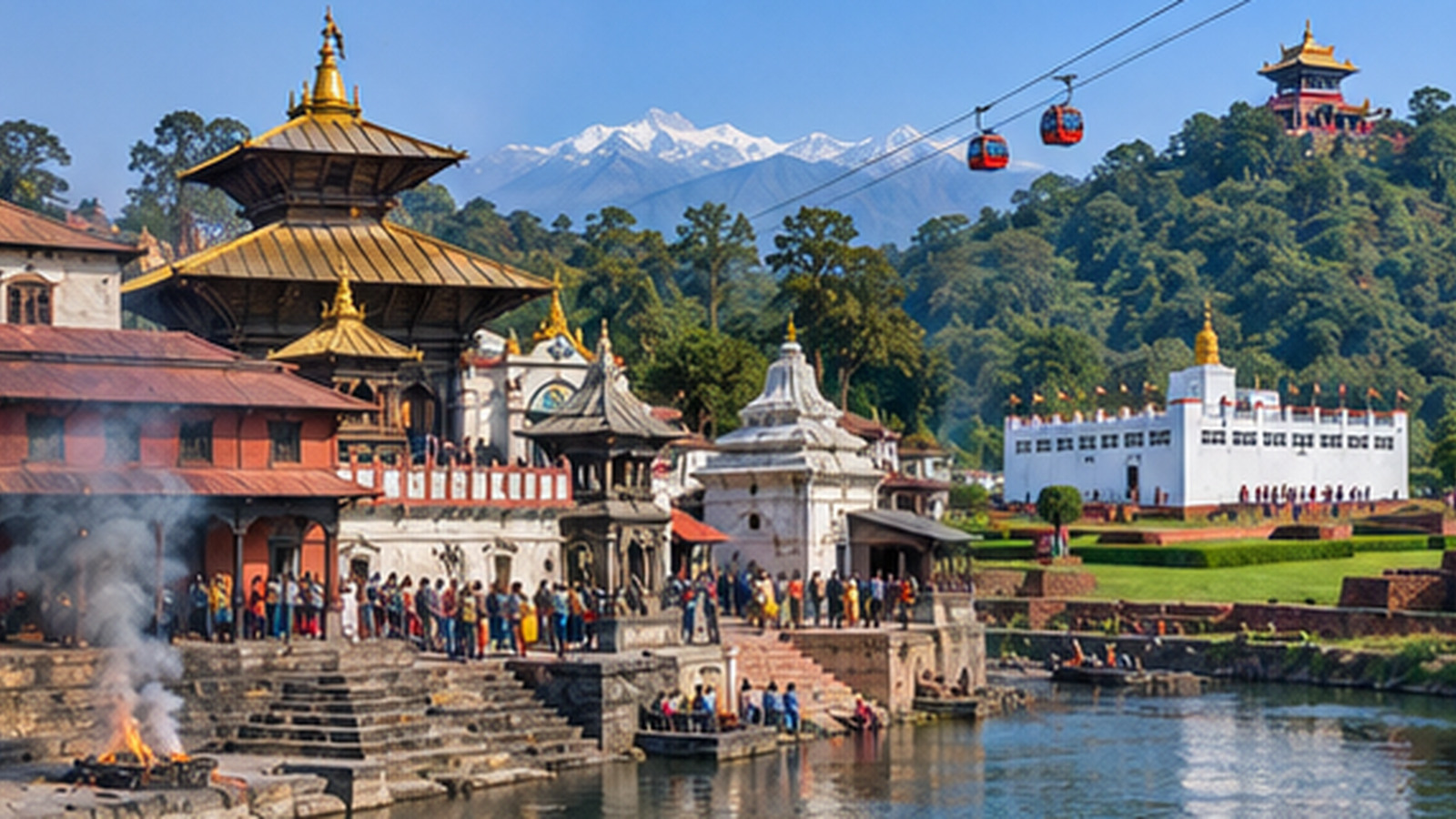
Paragliding, zip-lining, rafting and the Everest scenic flight.
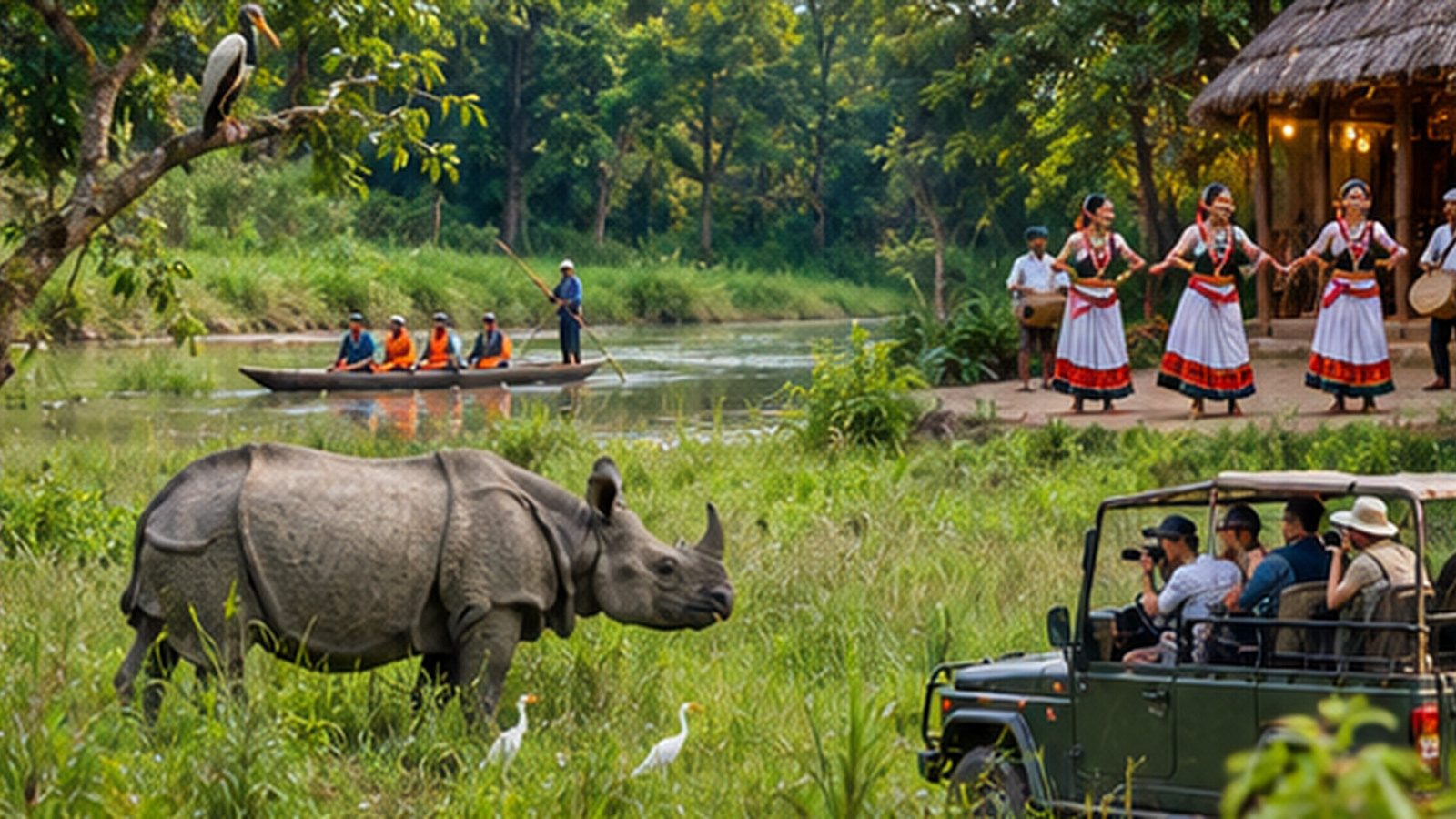
Rhinos, elephants and tigers in Chitwan and Bardia.
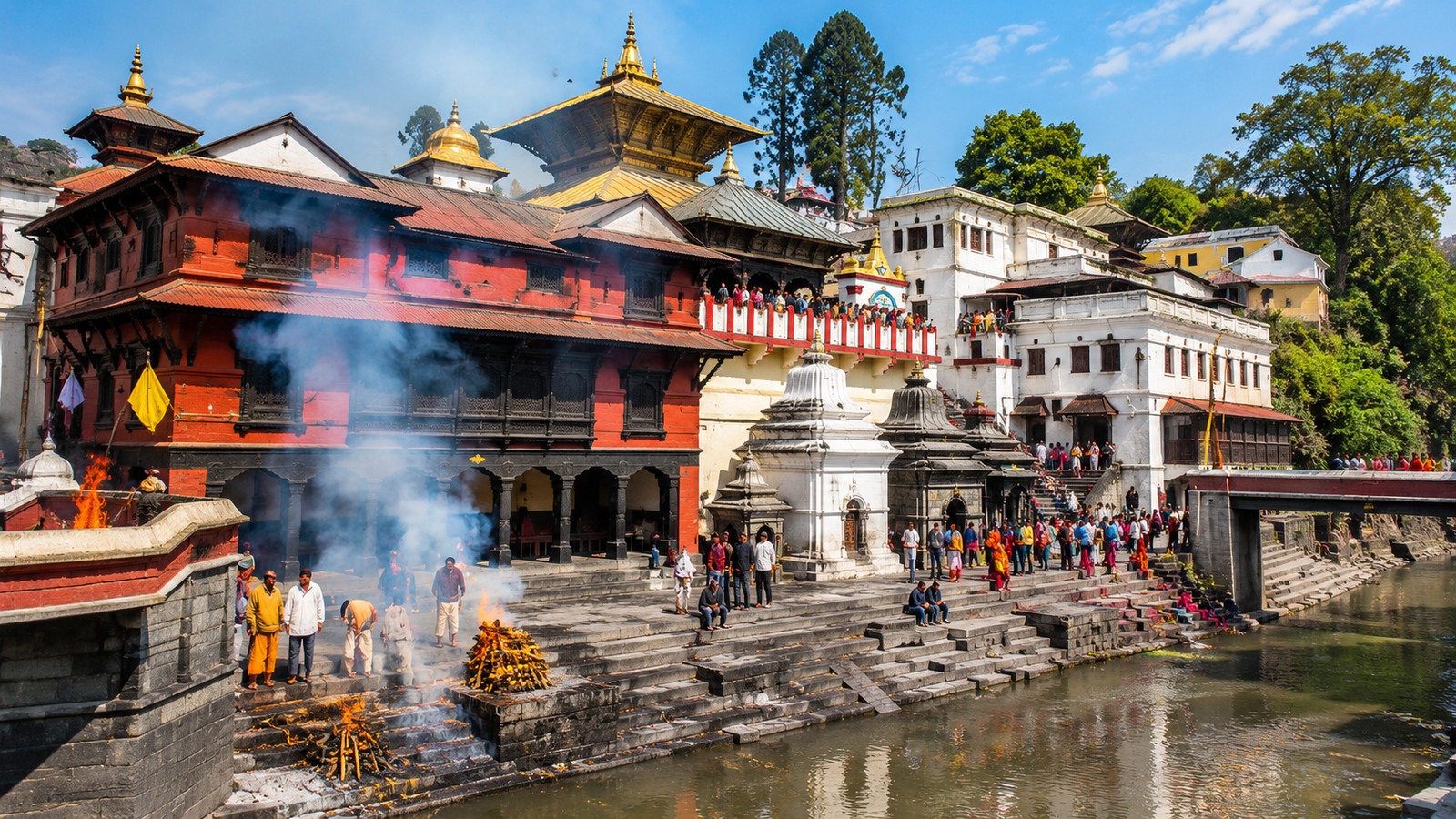
Pashupatinath for Hindus and Lumbini, the Buddha’s birthplace.
Book tours & activities through our travel partners — see options. Bluebird Next may earn a commission from partner bookings at no extra cost to you (Affiliate Disclosure).
Nepal is very affordable and there is no visa cost for Indians; flights are short and cheap, and food and guesthouses are inexpensive. Treks and scenic flights add up. Indicative per-person figures for a 5–6 day trip in 2026 (prices checked Nov 2026).
| Item | Typical cost (per person) |
|---|---|
| Return flights (ex-India) | ₹10,000 – ₹26,000 |
| Entry (no visa) | ₹0 |
| Hotels (3★, per night, twin) | ₹2,000 – ₹5,000 |
| Everest scenic flight (optional) | ₹16,000 – ₹22,000 |
| Chitwan safari package (2N) | ₹8,000 – ₹16,000 |
| Food & local transport | ₹800 – ₹1,800 / day |
| From | Typical return airfare |
|---|---|
| Delhi | ₹10,000 – ₹24,000 (direct, ~1.5 hrs) |
| Varanasi/Lucknow | ₹9,000 – ₹20,000 (direct/short) |
| Mumbai | ₹14,000 – ₹28,000 (direct/1-stop) |
| Kolkata | ₹10,000 – ₹22,000 (direct) |
| Bengaluru | ₹15,000 – ₹30,000 (1-stop) |
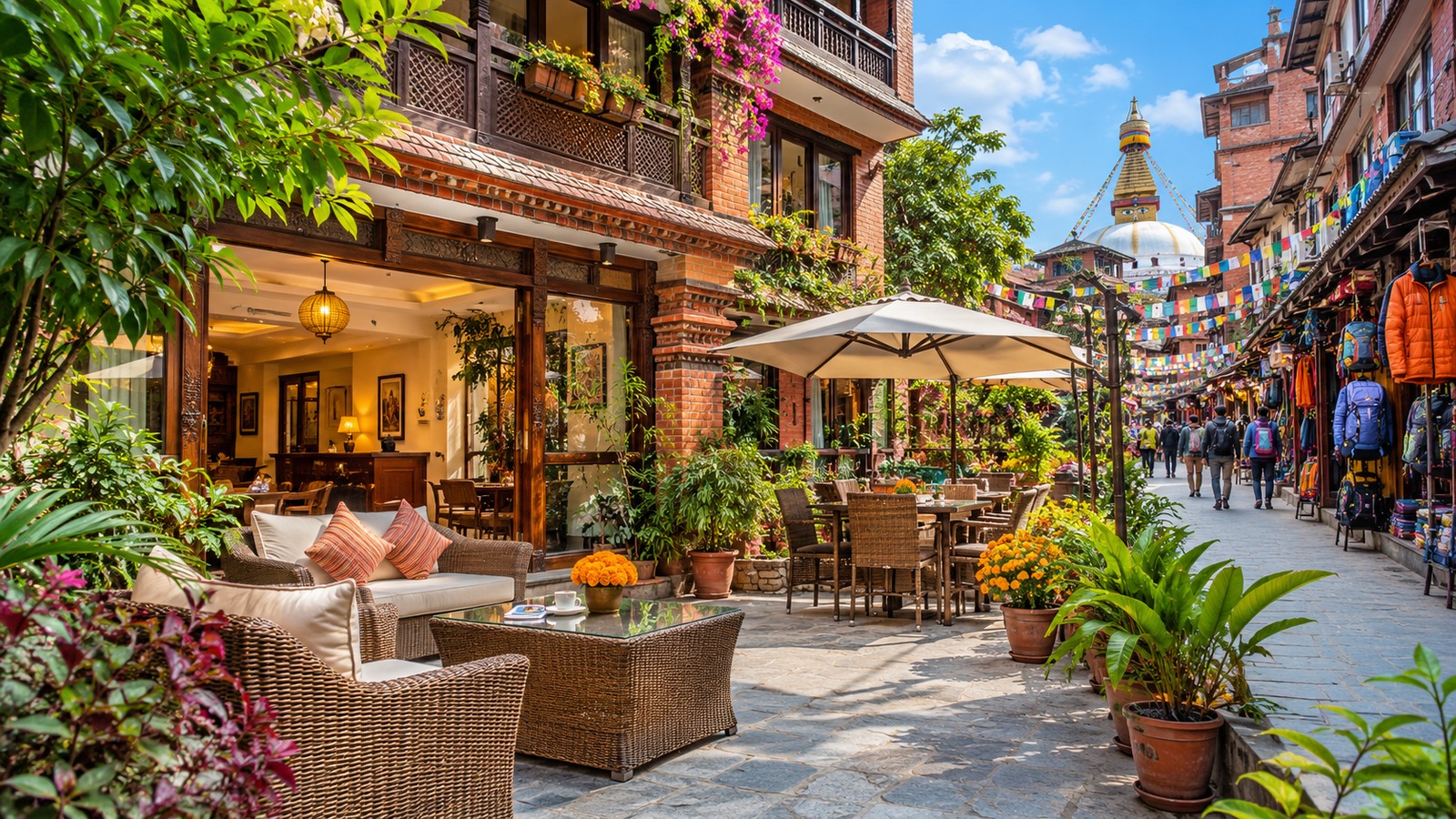
Central for temples, trekking gear, cafes and tour operators.
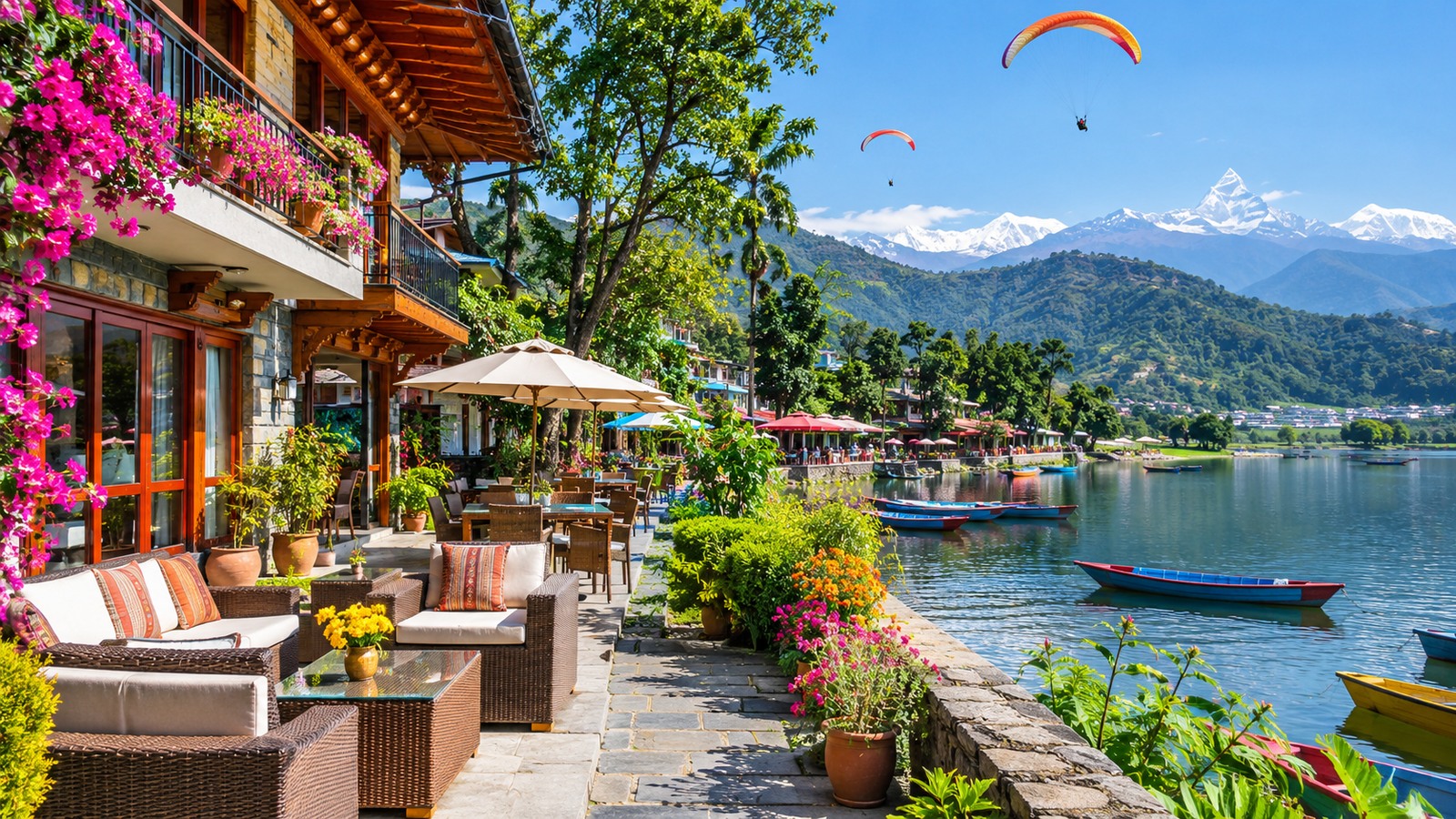
Lake views, restaurants and the base for treks and paragliding.
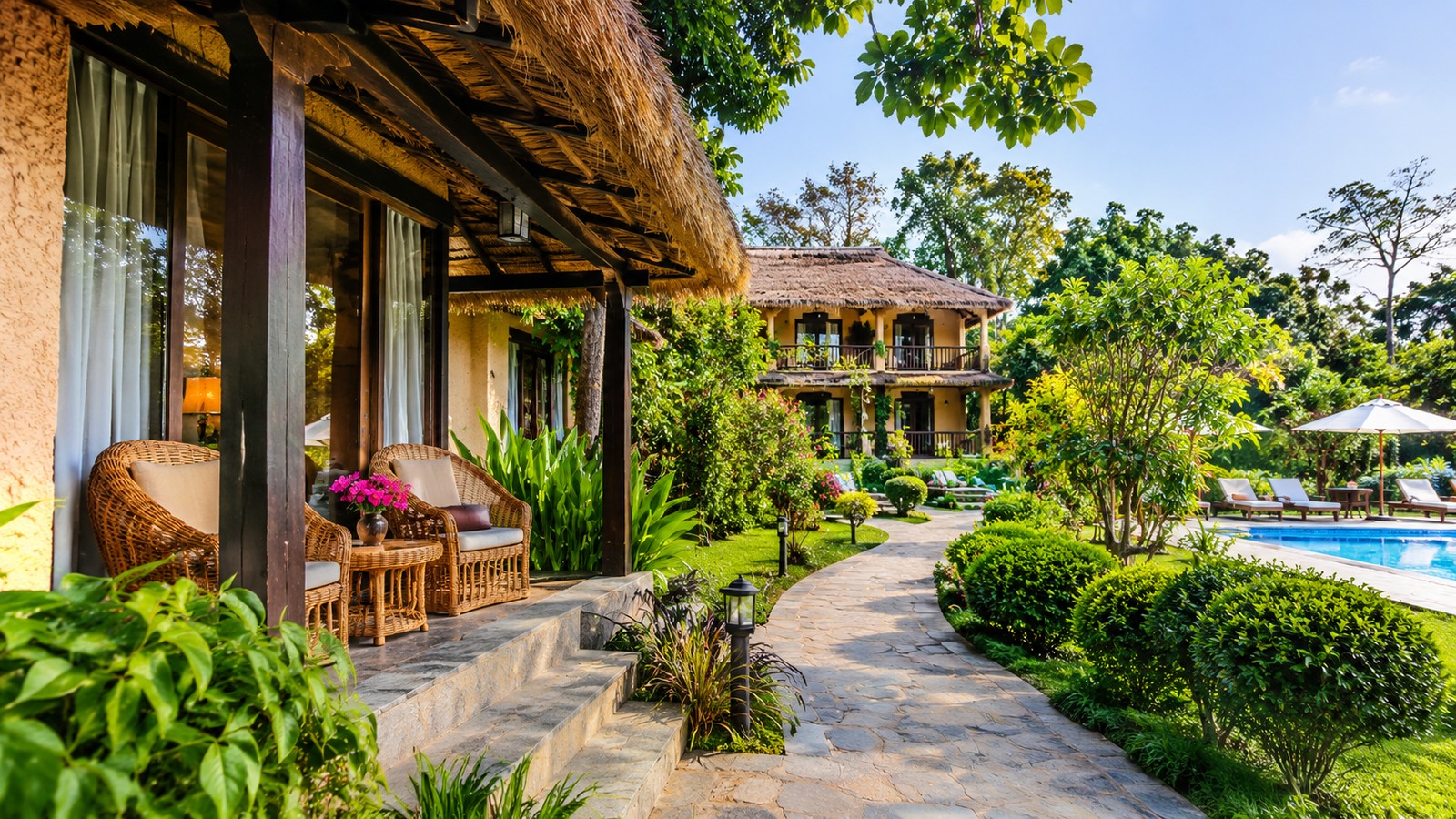
Jungle lodges and resorts at the park gateway.
Nepali food is hearty and very veg-friendly — dal bhat (rice, lentils and vegetables), momos, thukpa and Newari dishes, with plenty of Indian and Tibetan food too.
Vegetarians and Jains are superbly catered for — dal bhat is largely vegetarian, veg momos are everywhere, and Indian restaurants abound; Jain travellers can request no onion/garlic easily given the shared culture.
Indian food is ubiquitous and familiar; North-Indian thalis, South-Indian dosa and street snacks are all easy to find, especially in Kathmandu and Pokhara.
No visa or passport is required, but carry valid photo ID — a passport is smoothest and is required by most airlines, or a Voter ID card. A driving licence or Aadhaar is often not accepted for flights. Minors should carry a birth certificate or school ID.
The Indian rupee is widely accepted (notes up to ₹100; ₹500/₹2000 notes are officially restricted, so carry small denominations or exchange for Nepalese rupees). Cards work in cities; carry cash for treks and rural areas. UPI is spreading but not reliable — don’t depend on it.
Short domestic flights link Kathmandu, Pokhara and Chitwan; tourist buses are cheap and scenic (if slow on mountain roads). In cities use taxis (agree a fare) and the Pathao/InDrive apps. Hire a guide and porter for treks.
City sightseeing is low-altitude and easy; serious treks (Annapurna, Everest) need acclimatisation, permits (TIMS/ACAP), and ideally a licensed guide. Don’t rush altitude; carry warm layers even in season.
Buy a cheap Ncell or NTC SIM on arrival (passport/ID needed), or use an eSIM. Nepal uses 230V with Type C/D/M sockets — Indian round-pin plugs mostly fit, but carry a universal adapter; power cuts happen, so bring a power bank.
Quick hops link Kathmandu, Pokhara and Chitwan — a big time-saver over winding roads.
Cheap and scenic between the main towns, though slow on mountain roads.
Taxis (agree a fare first) and apps like Pathao/InDrive; Thamel and Lakeside are walkable.
Nepal is friendly and generally safe for tourists, including families and solo women travellers. The main risks are altitude on high treks, winding mountain roads and occasional petty theft in tourist areas. Use licensed trek guides, acclimatise properly, choose reputable bus operators, and carry travel insurance that covers trekking and high-altitude rescue.
❌ Myth: Indians need a visa or passport for Nepal.
✅ Fact: Neither is legally required — Indians enter freely under the open-border arrangement. You should still carry photo ID (a passport is best and usually needed to fly).
❌ Myth: Nepal is only for hardcore trekkers.
✅ Fact: You can enjoy temples, lakes, a scenic Everest flight, paragliding and jungle safaris with no trekking at all; treks range from easy day hikes to serious expeditions.
❌ Myth: You can’t use Indian money.
✅ Fact: The Indian rupee is widely accepted (small notes); just avoid ₹500/₹2000 notes, which are officially restricted.
❌ Myth: Everything is cold and snowed-in.
✅ Fact: Kathmandu, Pokhara and Chitwan are at low, mild altitudes year-round; only the high mountains are snowbound in winter.
❌ Myth: A few days isn’t worth it.
✅ Fact: With short flights and no visa, even a long weekend covers Kathmandu and Pokhara — it is India’s easiest international getaway.
No — Indian citizens need neither a visa nor a passport to visit Nepal under the open-border arrangement. You should carry valid photo ID, though: a passport is smoothest and is required by most airlines, or a Voter ID card.
Most airlines require a passport or a Voter ID card; a driving licence or Aadhaar is often not accepted. Minors should carry a birth certificate or school ID. Carrying a passport avoids any trouble at check-in and hotels.
A 5–6 day trip is roughly ₹30,000–₹70,000 per person including flights, and about ₹60,000–₹1,25,000 for a couple. There is no visa cost; a scenic Everest flight and Chitwan safari are the main extras, and overland bus travel cuts costs further.
Direct flights to Kathmandu take about 1.5 hours from Delhi and Varanasi and around 2 hours from Kolkata, with easy connections from most Indian cities.
Five days covers Kathmandu and Pokhara comfortably; seven to eight days lets you add Chitwan for safari or a short Himalayan trek like Poon Hill.
October–November and March–April are best — clear skies, the finest mountain views and ideal trekking. Winter is cold in the mountains but clear and quiet in the cities and Chitwan.
Excellent — dal bhat is largely vegetarian, veg momos are everywhere, and Indian food is ubiquitous. Jain travellers can easily request no onion/garlic given the shared culture.
The Indian rupee is widely accepted in small denominations (avoid ₹500/₹2000 notes, which are restricted). Cards work in cities; carry cash for treks and rural areas. UPI is spreading but not reliable — don’t depend on it.
Not at all — you can enjoy temples, lakes, a scenic Everest flight, paragliding and jungle safaris with no trekking. Treks are optional and range from easy day hikes to serious expeditions.
Yes — it is friendly and generally safe. The main risks are altitude on high treks and winding mountain roads; use licensed guides, acclimatise properly and carry travel insurance covering trekking.
Recommended — especially one covering trekking and high-altitude rescue if you plan any mountain walks, plus the usual medical cover and trip delays.
Sources: Nepal Tourism Board (official) · Embassy of Nepal, New Delhi
A licensed team that has guided thousands of Indians to their visas and admissions.
 Jitender SinghFounder & Managing Director
 Vikram SinghHead – Quality & Operations
 SanjayHead – Tourist Visa Operations
 TejaswaniHead – Counselling Team
 MahimaHead – Visa Filing & Processing
 Pratigya DuttaHead – Student Visa Processing
Free, no-pressure guidance from a real counsellor who handles your case end to end — from documents to decision.