
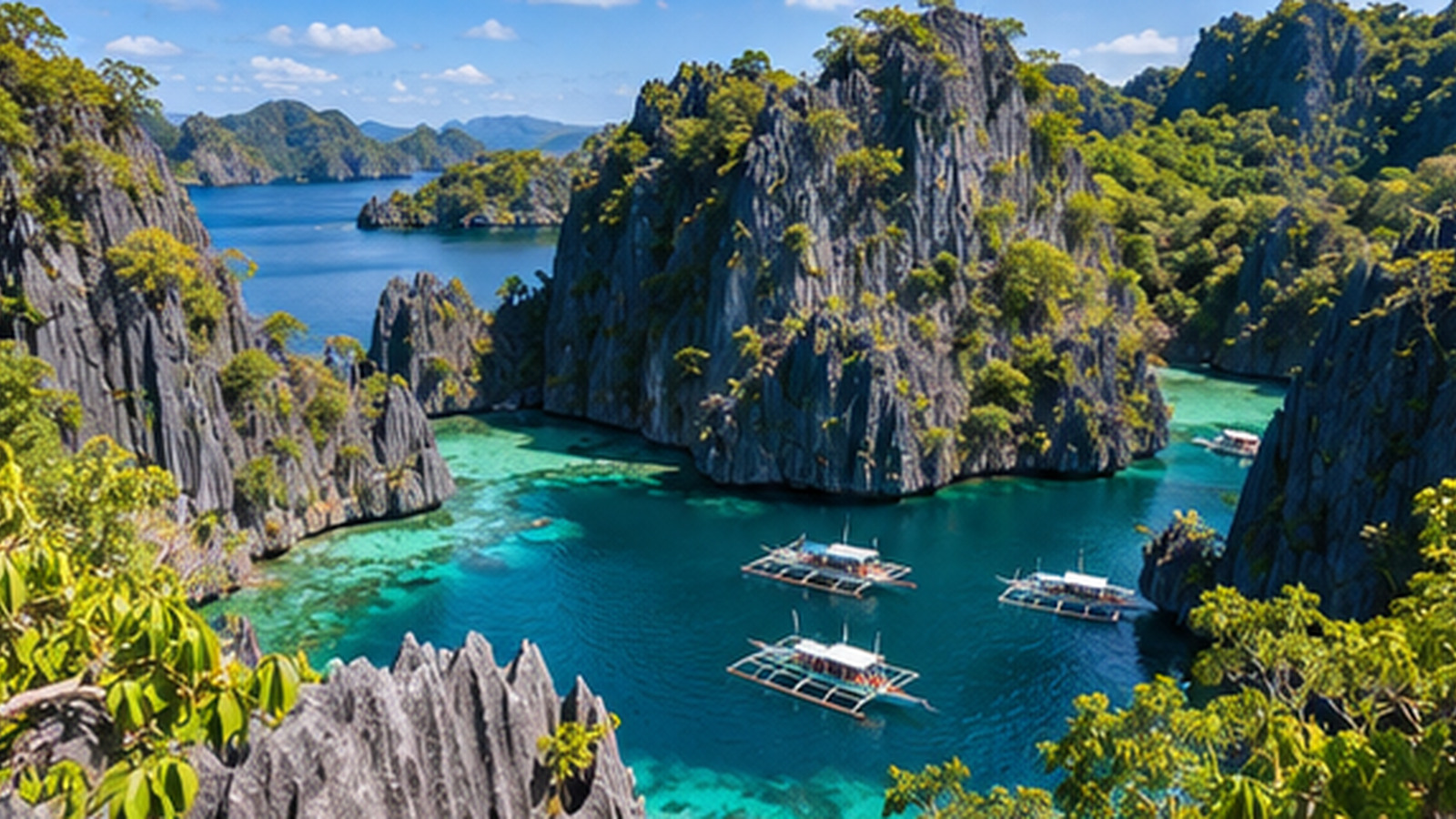
The headline islands — lagoons, limestone cliffs, island-hopping and wreck diving.
Over 7,000 islands of white sand, turquoise lagoons and dramatic limestone karsts — Palawan, Boracay, Cebu and Bohol make the Philippines a tropical dream for Indians.
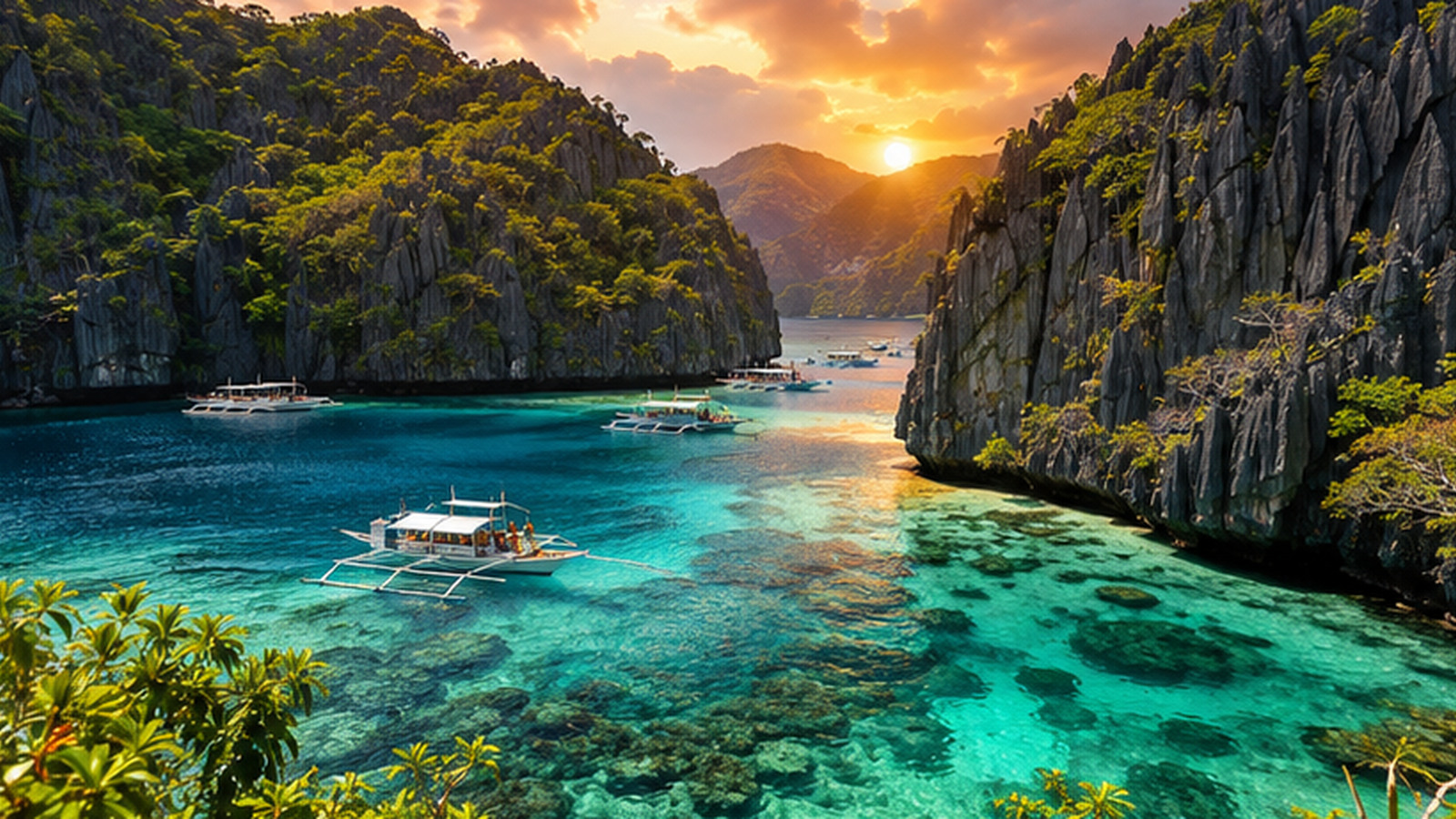
The Philippines is a tropical dream of more than 7,000 islands — powder-white beaches, electric-blue lagoons, dramatic limestone cliffs, world-class diving and some of the warmest, most English-speaking hospitality in Asia. For Indian travellers chasing island paradise, few places deliver as much raw beauty, and entry is straightforward either visa-free (for holders of certain visas) or with a simple e-visa.
Palawan is the showstopper — El Nido’s island-hopping lagoons and Coron’s shipwreck dives regularly top “world’s best island” lists. Boracay offers a famous four-kilometre white beach and sunset sailing; Cebu and Bohol add whale sharks, waterfalls, the Chocolate Hills and tiny tarsiers; and buzzing Manila is the gateway. With warm seas, cheap island life and genuine friendliness, it is a bucket-list beach trip.
This guide is written for Indian travellers: the real cost in rupees, exactly how the visa and visa-free rules work, where vegetarians and Jain travellers eat, how to island-hop without wasting days, and a route through the best islands.
The Philippines suits Indians who want world-class beaches and island-hopping with easy English, warm people and good value. Entry is simple — visa-free for up to 14 days for Indian tourists, extending to 30 days for those holding a valid US/UK/Schengen/Australia/Canada/Japan/Singapore visa or residence. It is ideal for honeymooners, divers, beach lovers and adventurous families.
💡 From our visa desk: Don’t island-hop too fast — internal flights and boats eat time. Pick one or two island groups (Palawan plus Cebu/Bohol, or Boracay) per trip. Indian tourists get 14 days visa-free (carry proof of hotel, funds and an onward ticket); a valid US/UK/Schengen/Australia/Canada/Japan/Singapore visa extends that to 30 days. The dry season (Nov–May) is best for the beaches.
Visa-free for up to 14 days for Indian tourists; the visa-free stay extends to 30 days for those holding a valid US/UK/Schengen/Australia/Canada/Japan/Singapore visa or residence.
Under the policy effective 8 June 2025, Indian passport holders can enter the Philippines visa-free for up to 14 days for tourism, provided they carry proof of accommodation, sufficient funds and an onward or return ticket. The visa-free stay extends to 30 days for those holding a valid visa or residence permit from the USA, UK, Schengen, Australia, Canada, Japan or Singapore. Carry a passport valid at least six months beyond your stay, and confirm the current rule before booking.
Check your Philippines entry requirement →December to May is the dry season and the best for beaches and island-hopping; November and May are shoulder months. The wet season (Jun–Oct) brings rain and typhoons. See the month table.
| Season | What it's like & who it suits |
|---|---|
| Dec–Feb | Cool, dry and ideal — peak season for Palawan, Boracay and Cebu; book ahead. |
| Mar–May | Hot and dry, excellent for beaches and diving; the hottest around April–May. |
| Jun–Oct | Wet season and typhoons, especially on the eastern seaboard; the south-west (Palawan) often stays drier. |
| Month | Weather & what’s on (incl. Indian holiday windows) |
|---|---|
| December–February | Peak season — cool, dry and breezy, ideal for island-hopping and the beaches. Festive and busy; book flights and El Nido tours ahead. |
| March–May | Hot and dry, with the best sea conditions for diving and sailing; April–May is the hottest and busiest with local holidays. |
| June–August | Wet season begins with rain and possible typhoons, especially in the east; Palawan and the south-west often stay drier. Quieter and cheaper. |
| September–October | Wettest and most typhoon-prone months; flexible plans and travel insurance matter. Lush and low-priced between storms. |
| November | Transition to the dry season — improving weather, thinner crowds and good value before the December peak. |
The headline islands — lagoons, limestone cliffs, island-hopping and wreck diving.
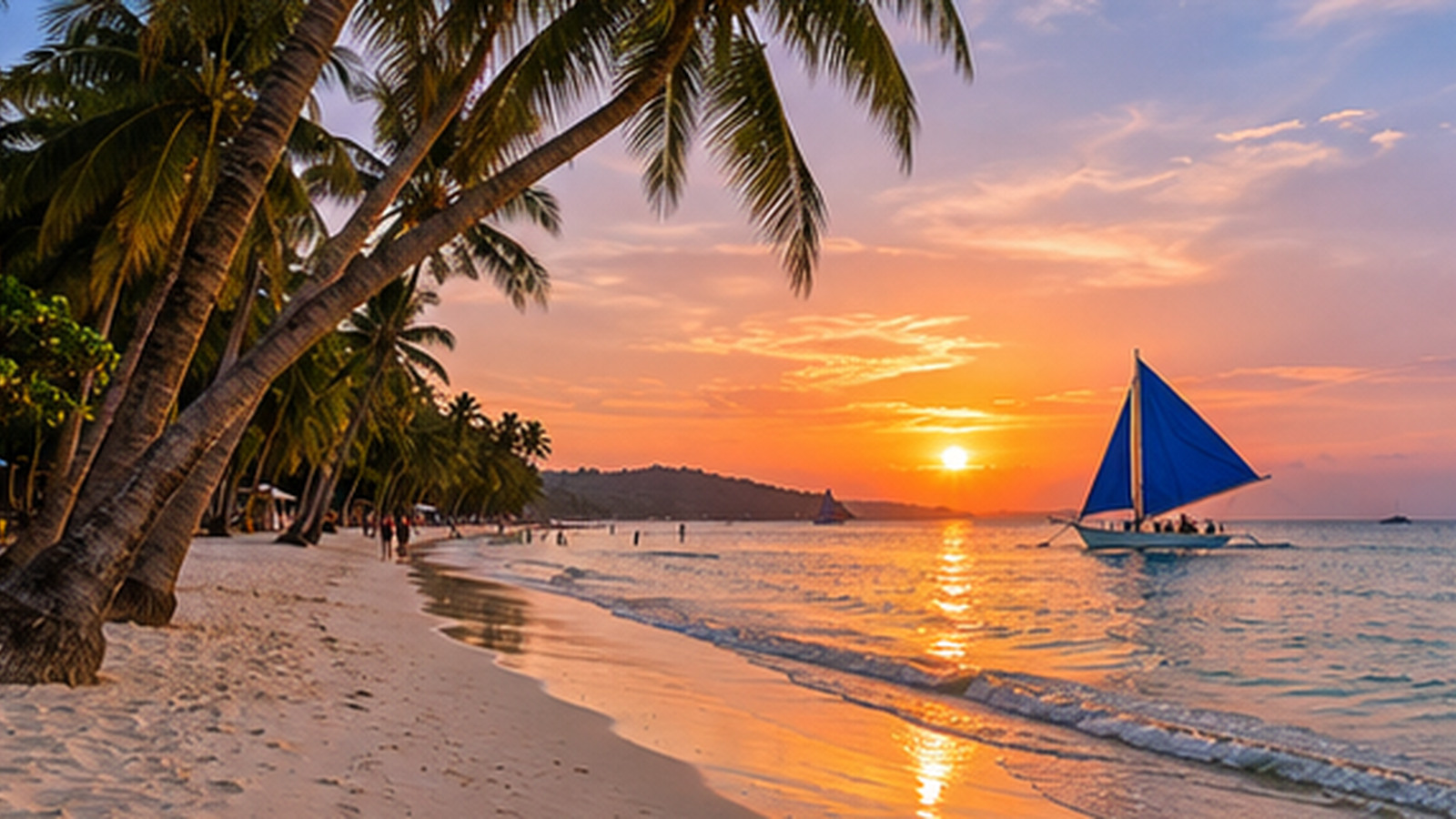
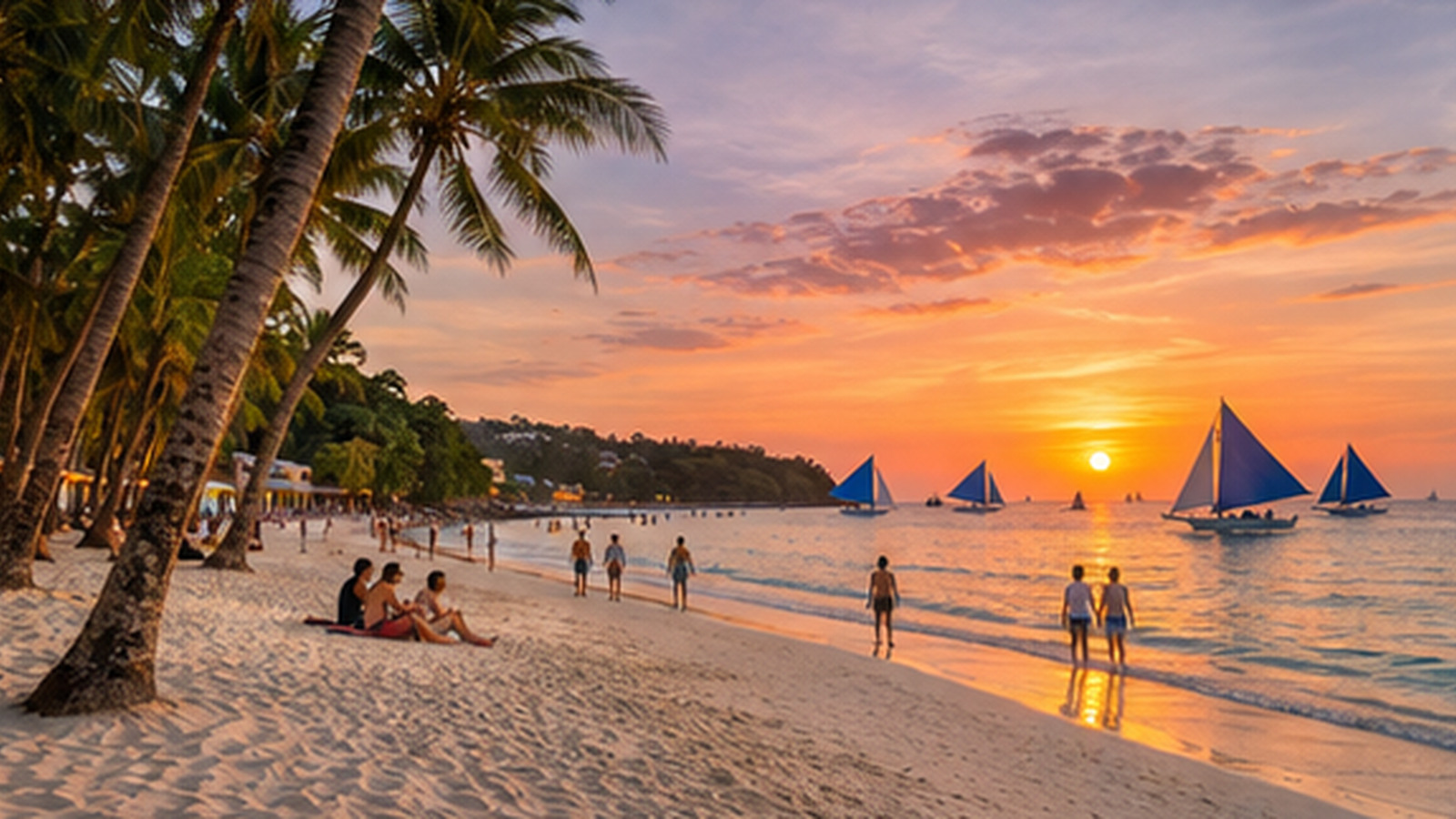
A famous 4km white beach with turquoise water, sunset sailing and lively dining.
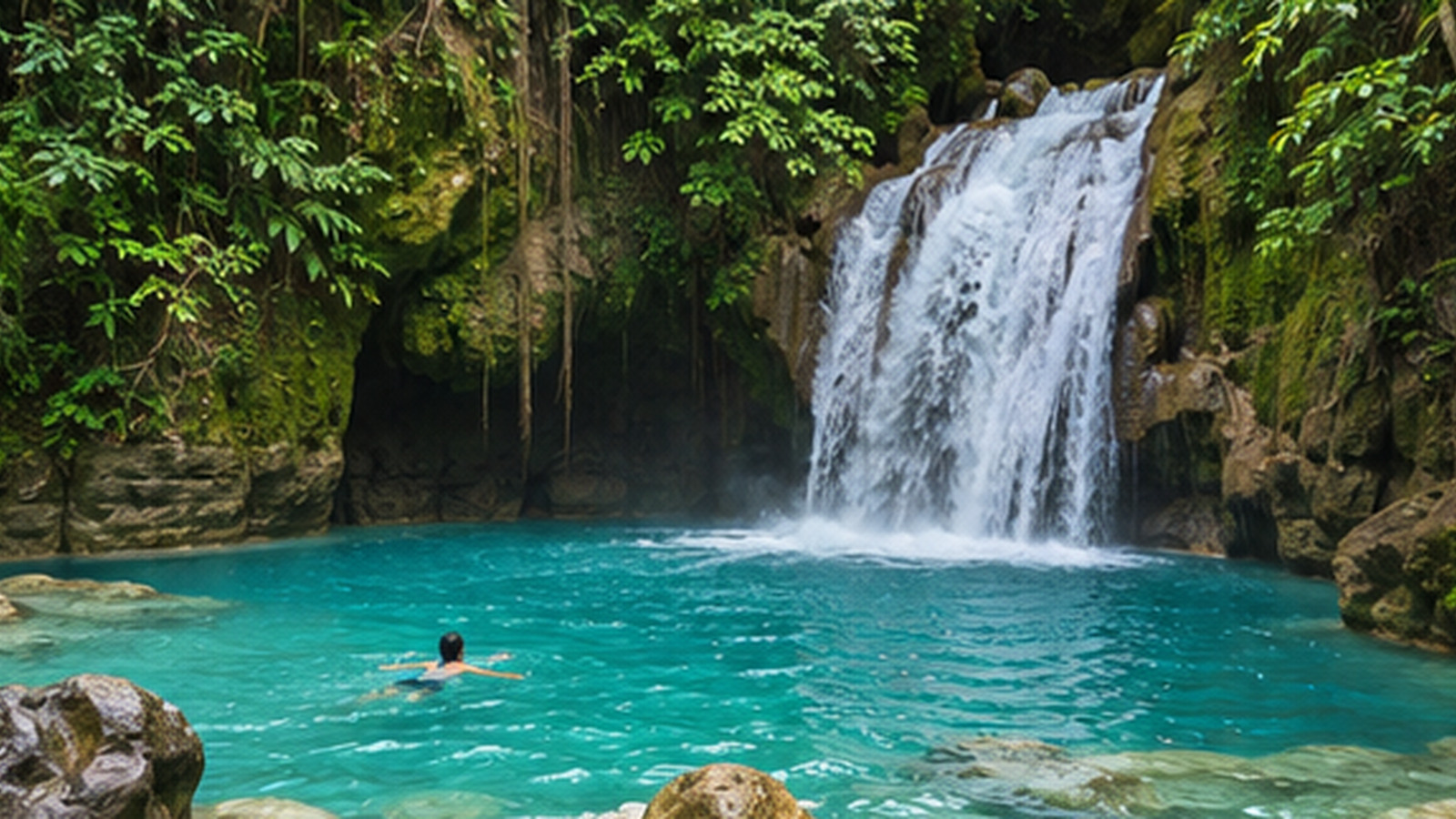
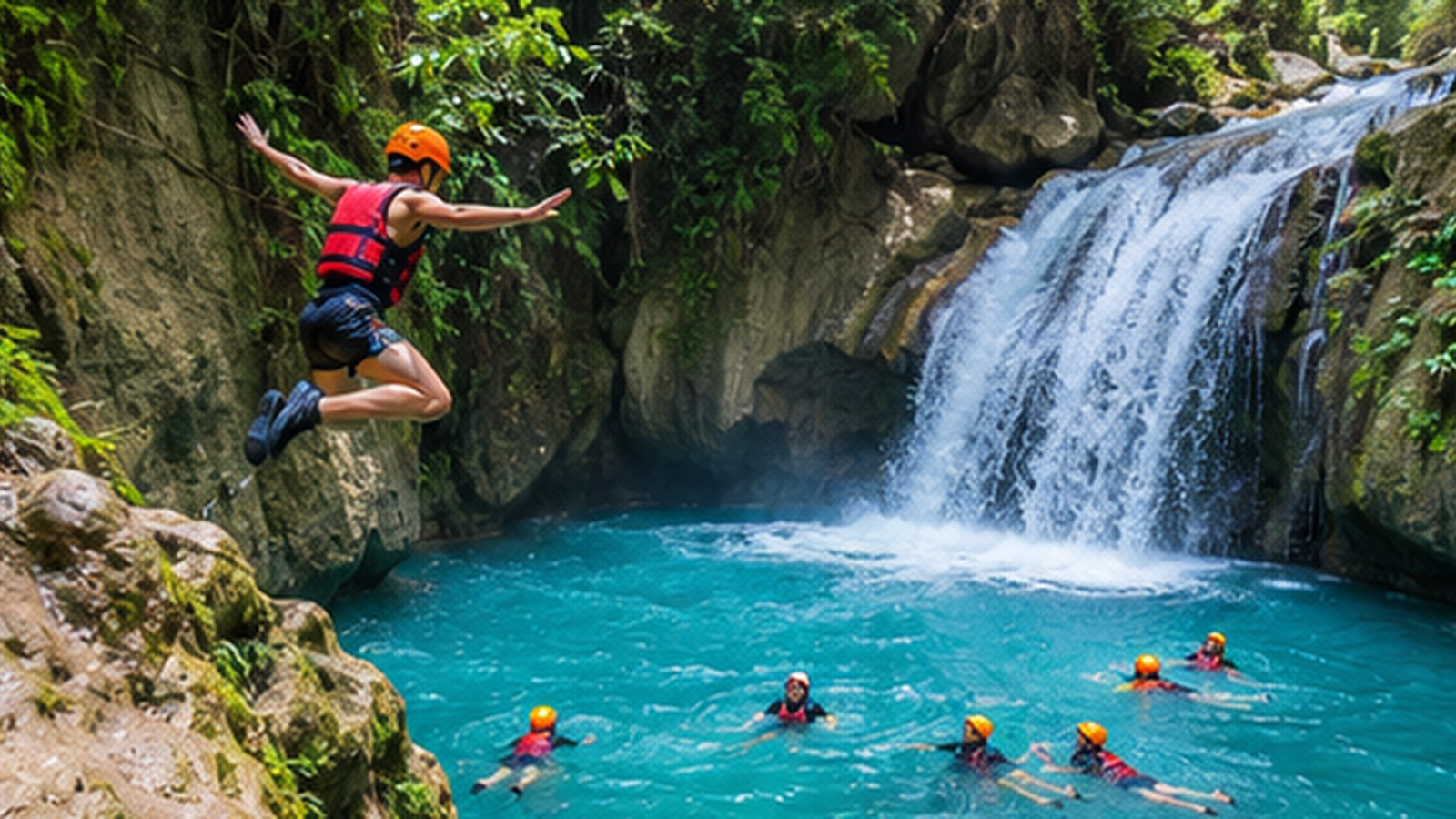
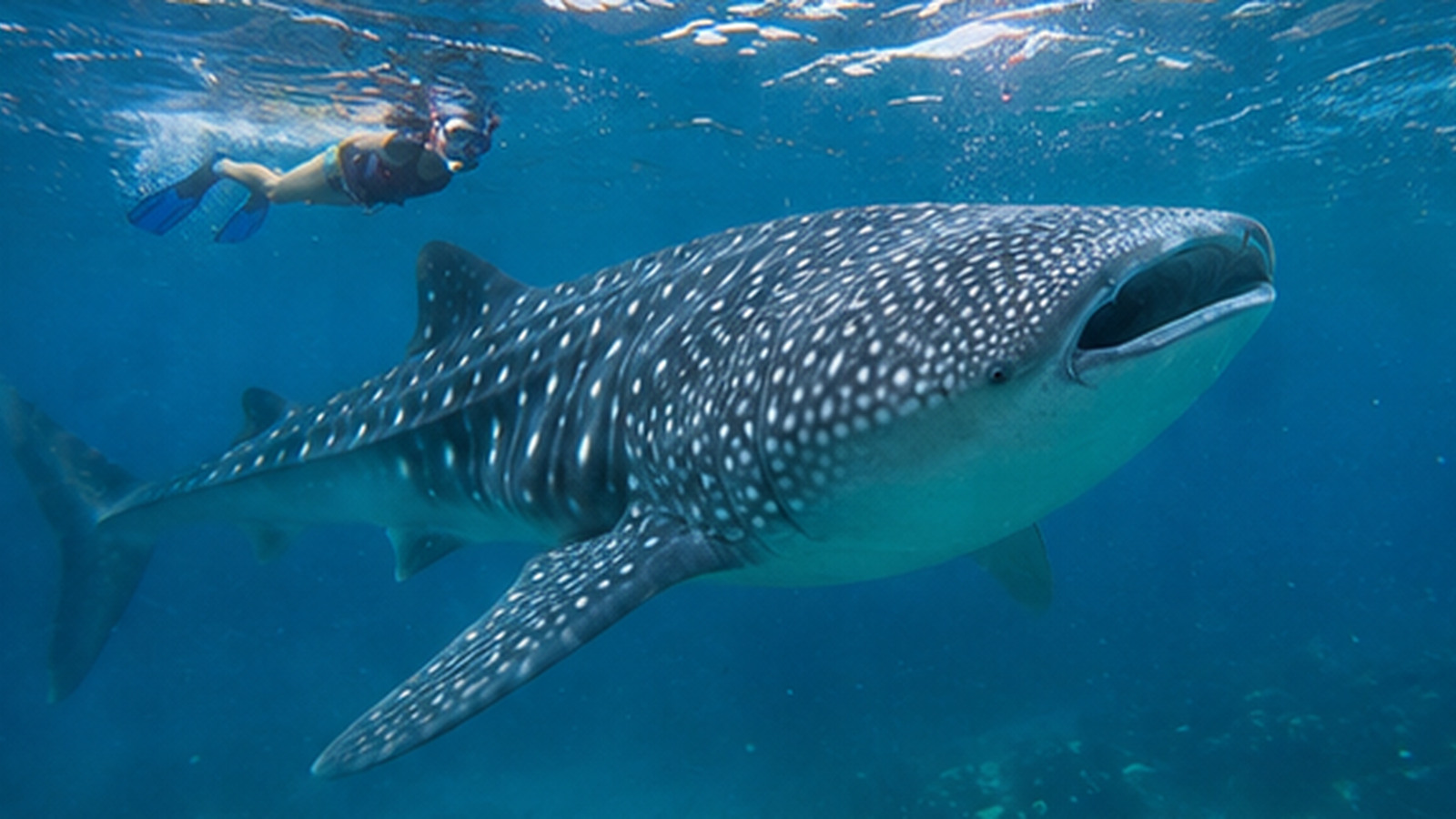
Beaches, whale sharks at Oslob, Kawasan Falls canyoneering and a handy hub airport.
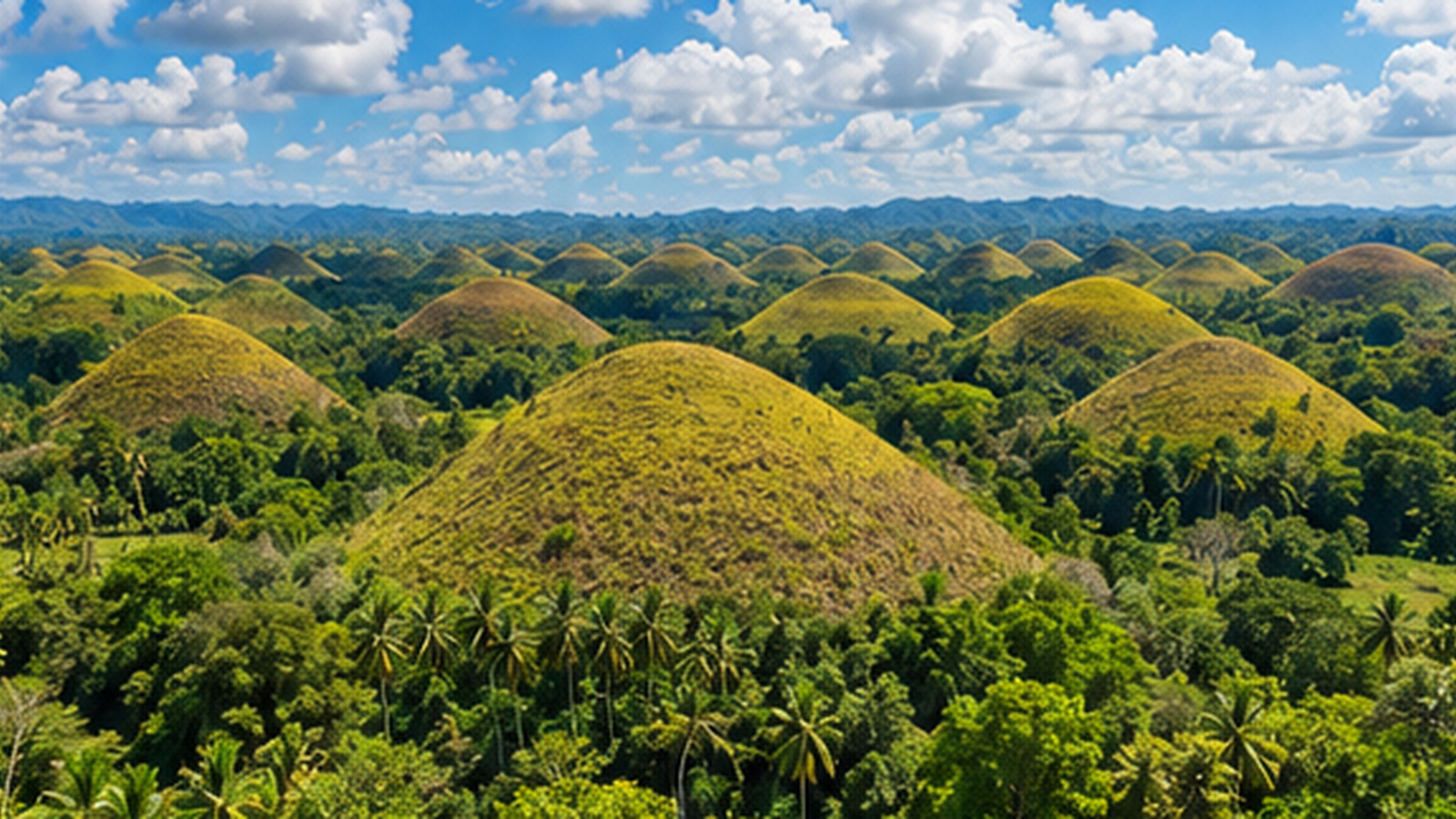
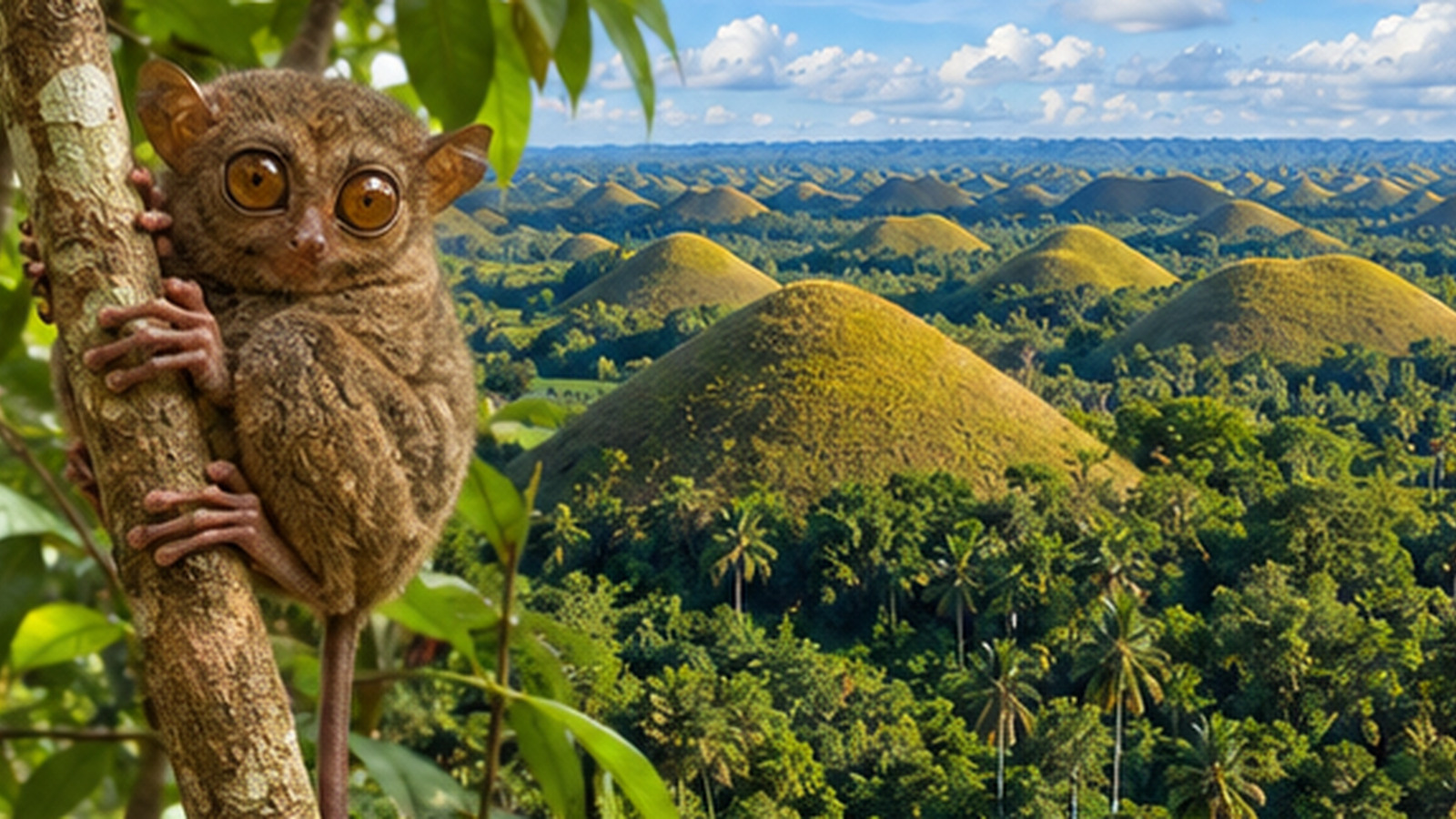
The Chocolate Hills, tiny tarsiers, river cruises and Panglao’s beaches.
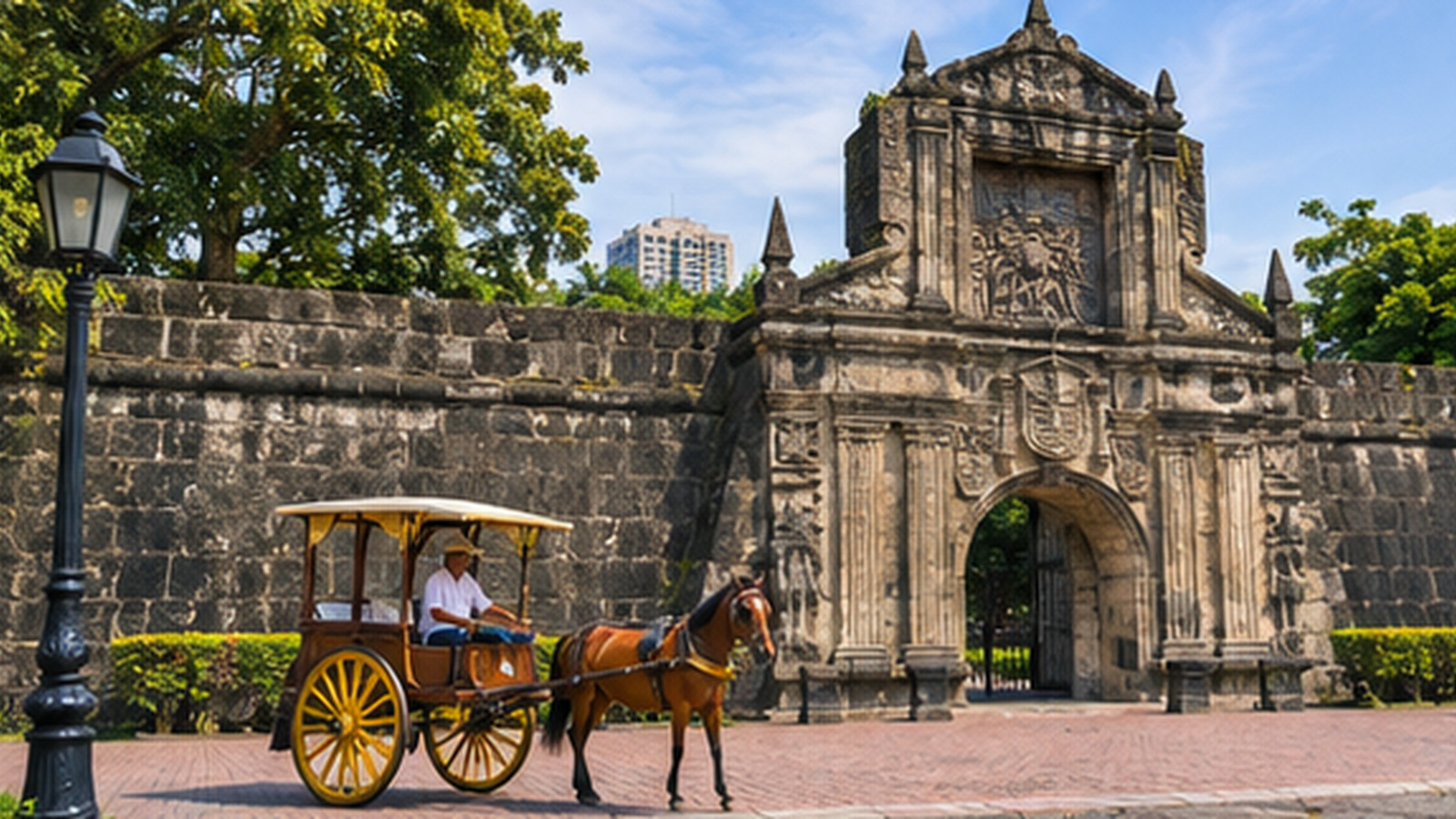
The energetic capital and main gateway — Intramuros history, malls and food.
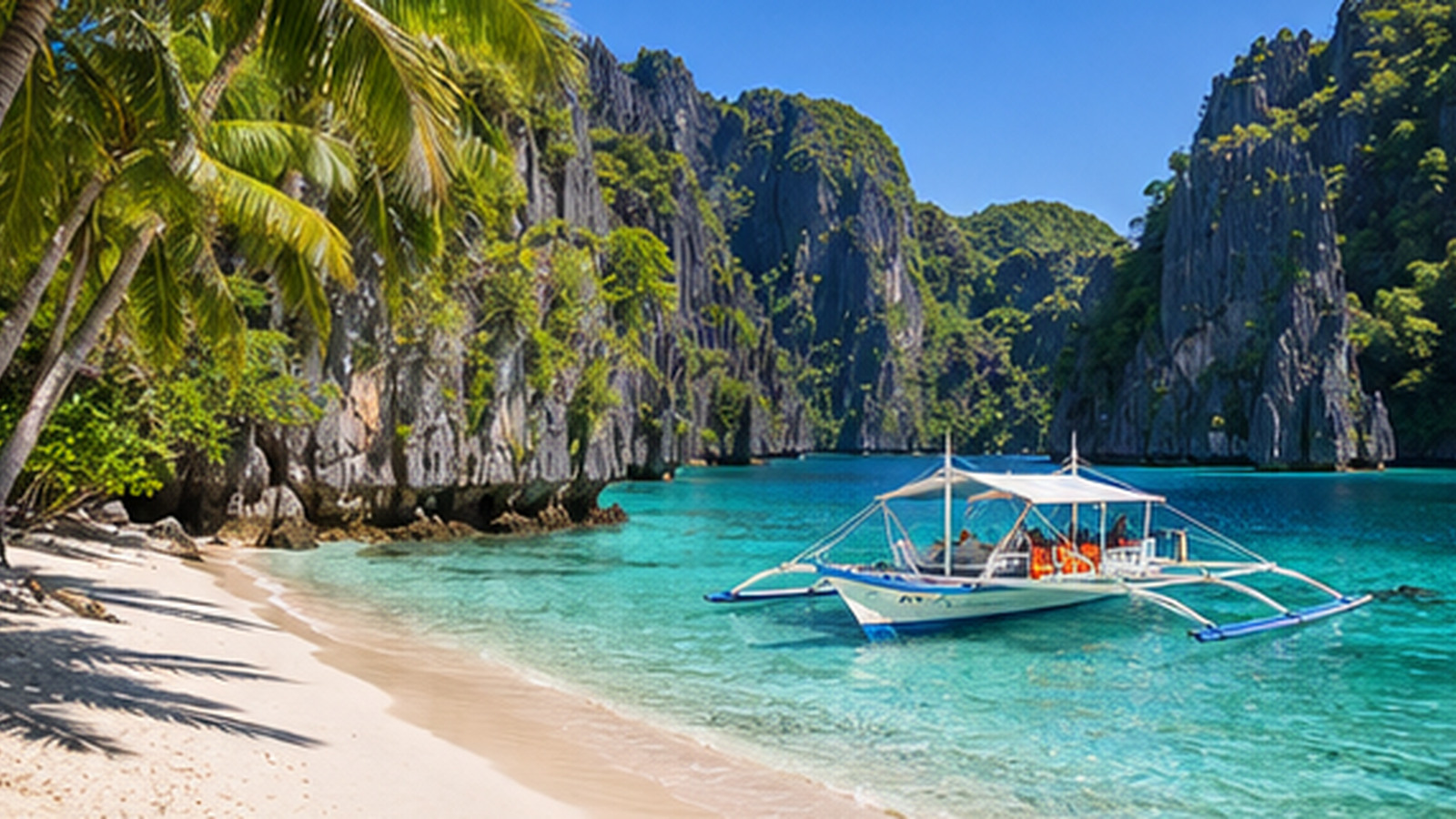
Hidden lagoons, secret beaches and towering karsts on classic Tour A/C boat trips.
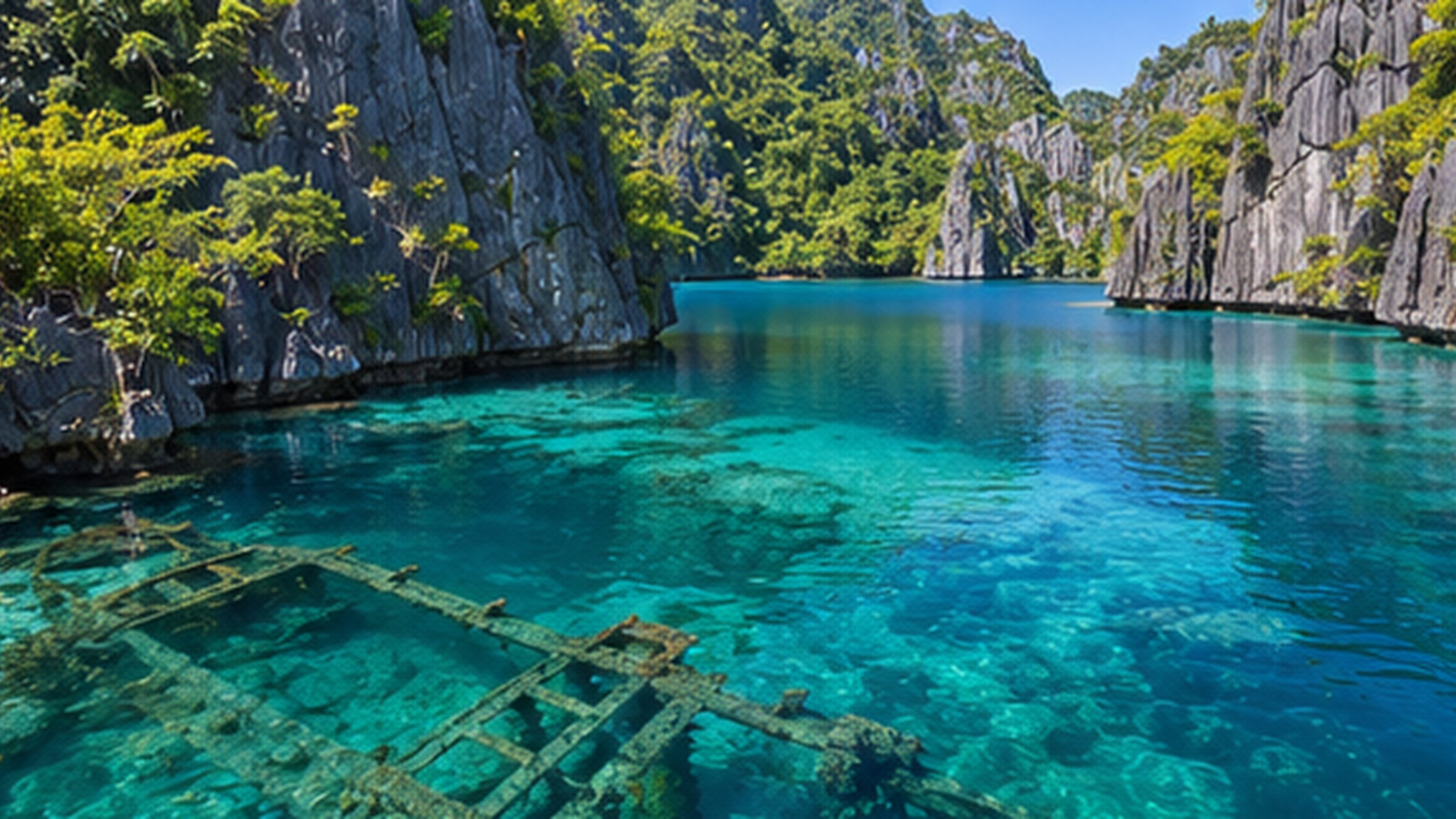
Kayangan Lake, Twin Lagoon and famous WWII shipwreck dives in clear water.
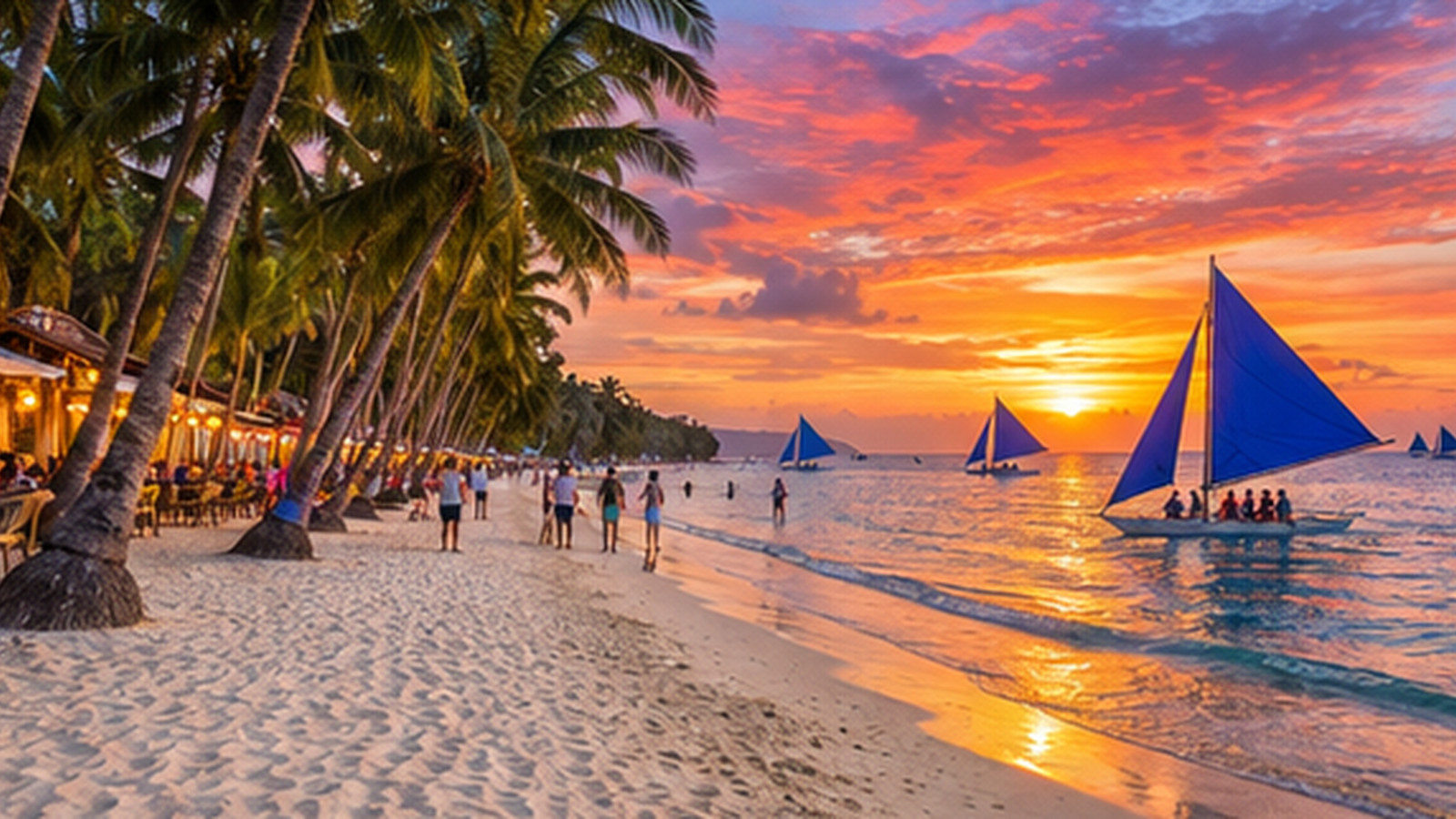
A four-kilometre stretch of powder sand, calm water and spectacular sunsets.
Over a thousand symmetrical green (dry-season brown) hills, plus tarsier sanctuaries.
Turquoise waterfalls for canyoneering and (controversial) whale-shark encounters.
The walled Spanish-colonial old city with Fort Santiago and San Agustin Church.
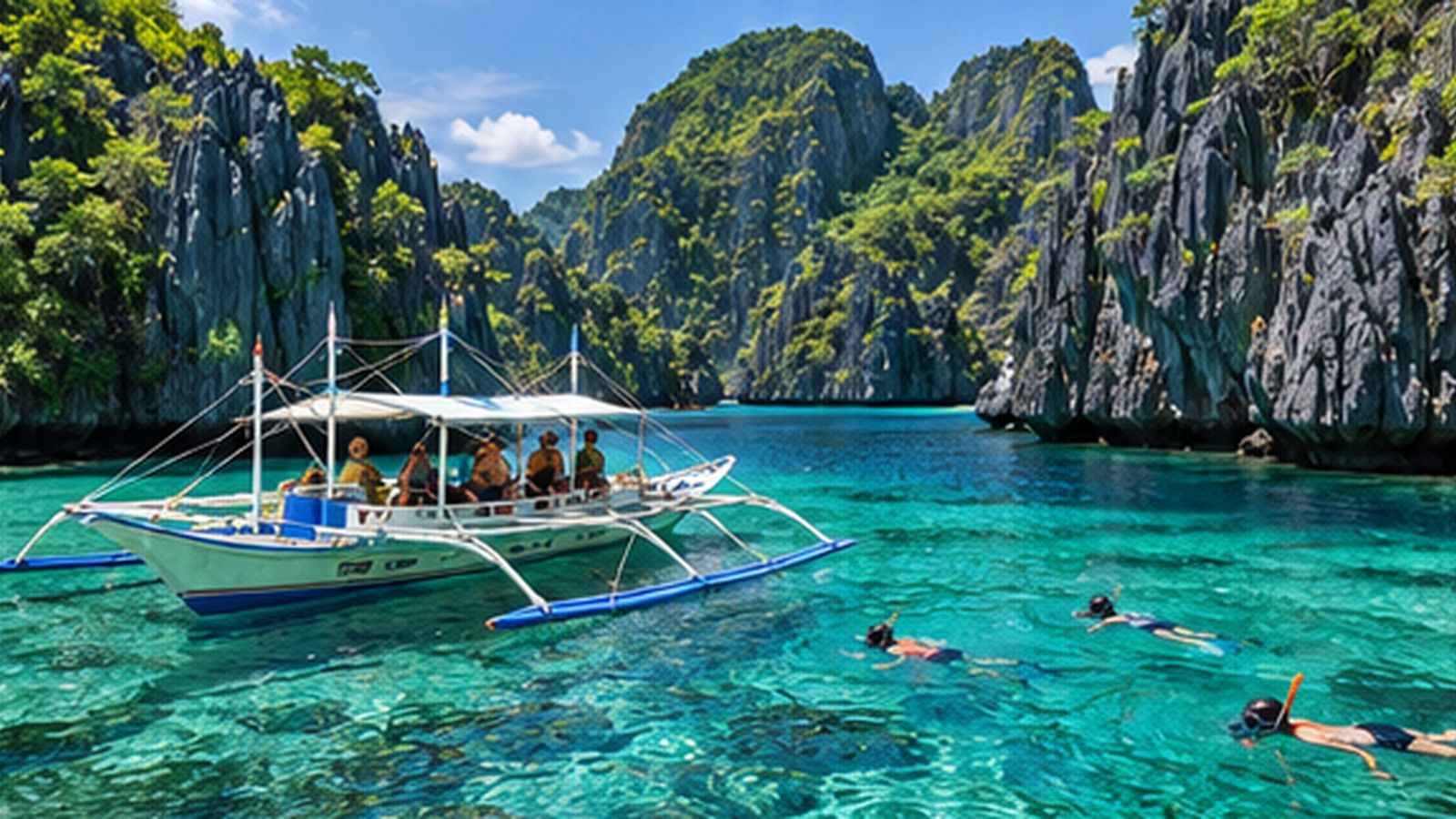
El Nido and Coron lagoons, Boracay and Cebu’s islets.
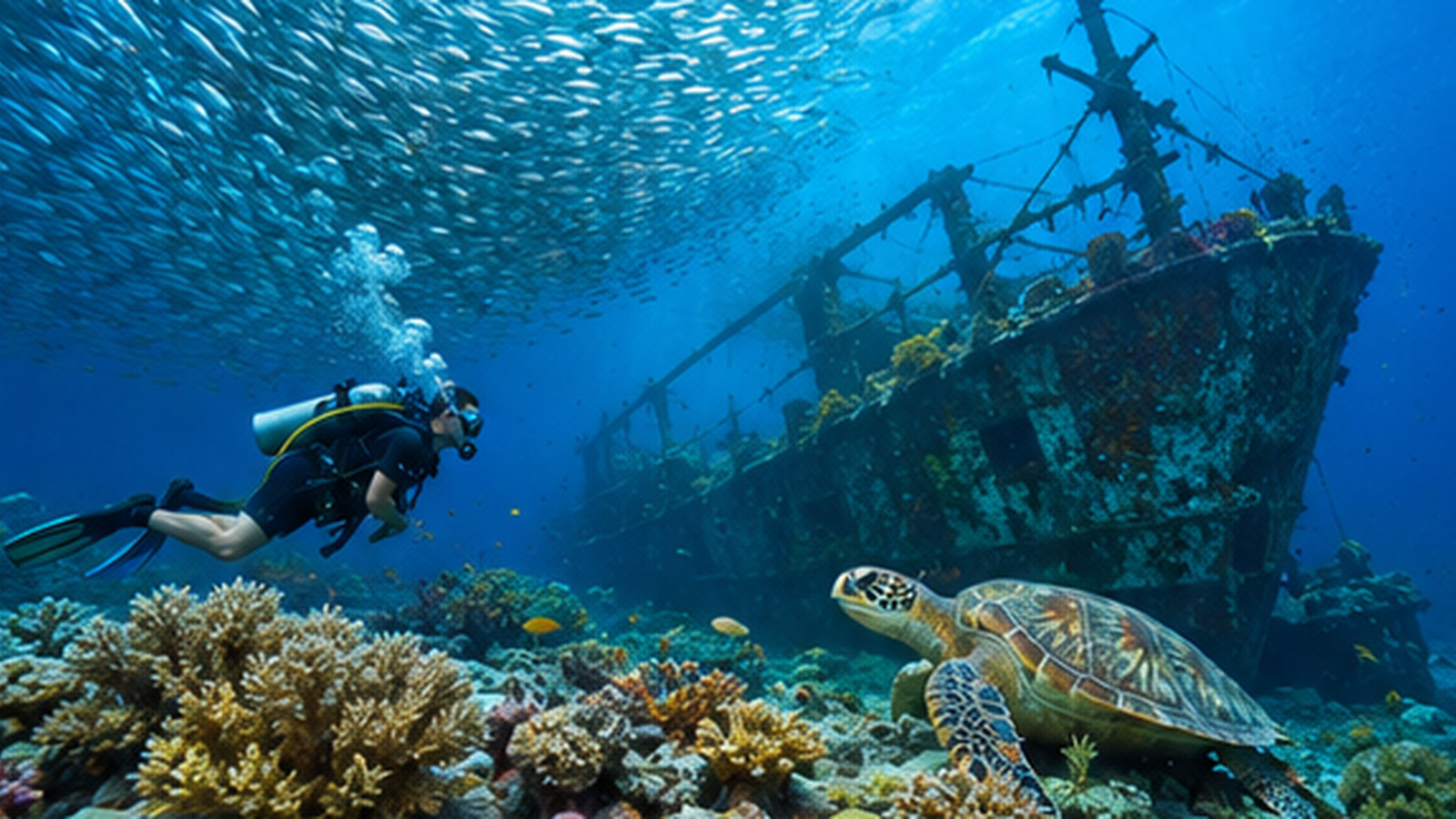
Coron wrecks, Apo Reef, Moalboal sardines and vibrant reefs.
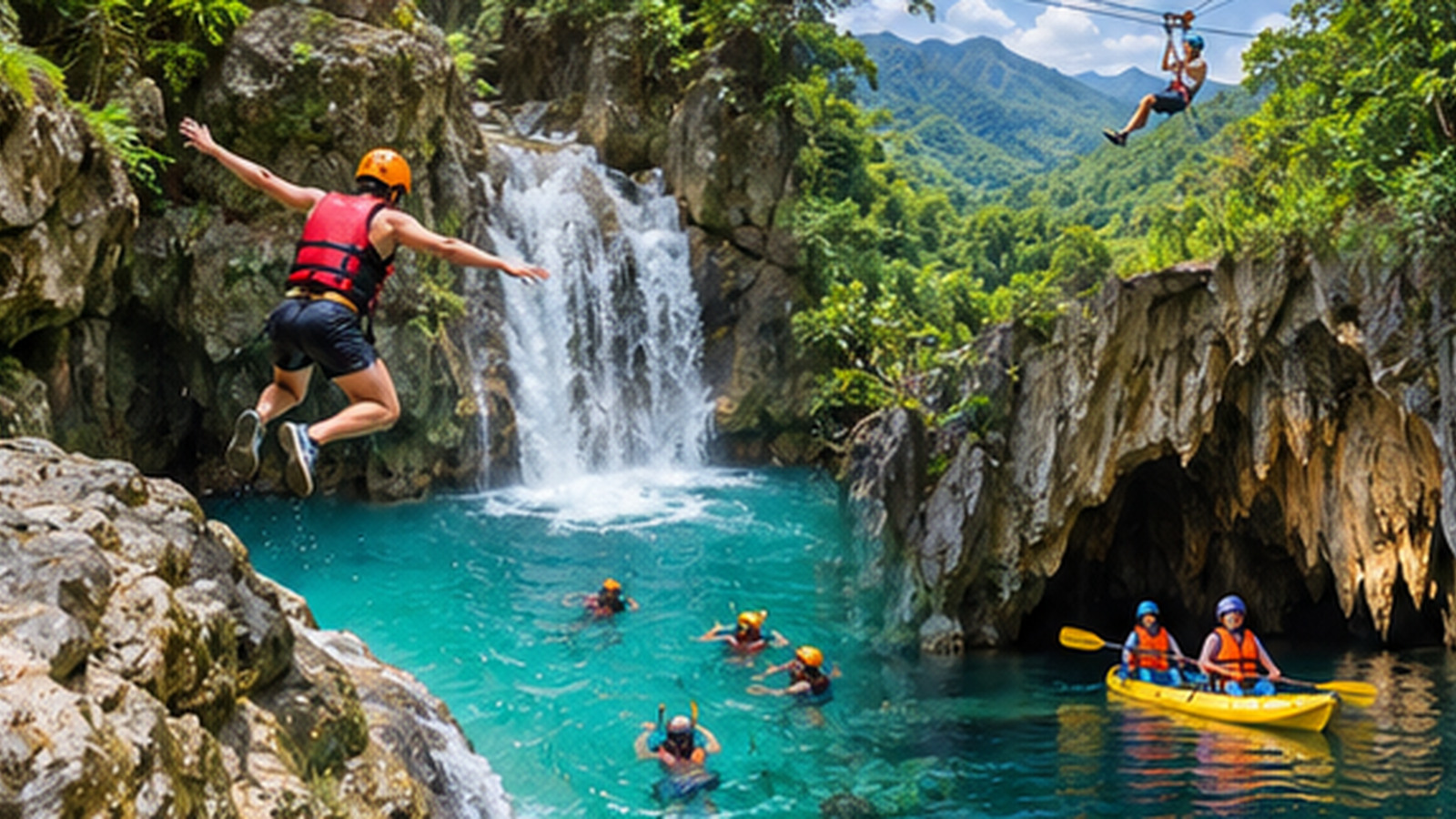
Boracay, Palawan, Panglao and countless hidden coves.
Chocolate Hills, tarsiers, waterfalls and the underground river.
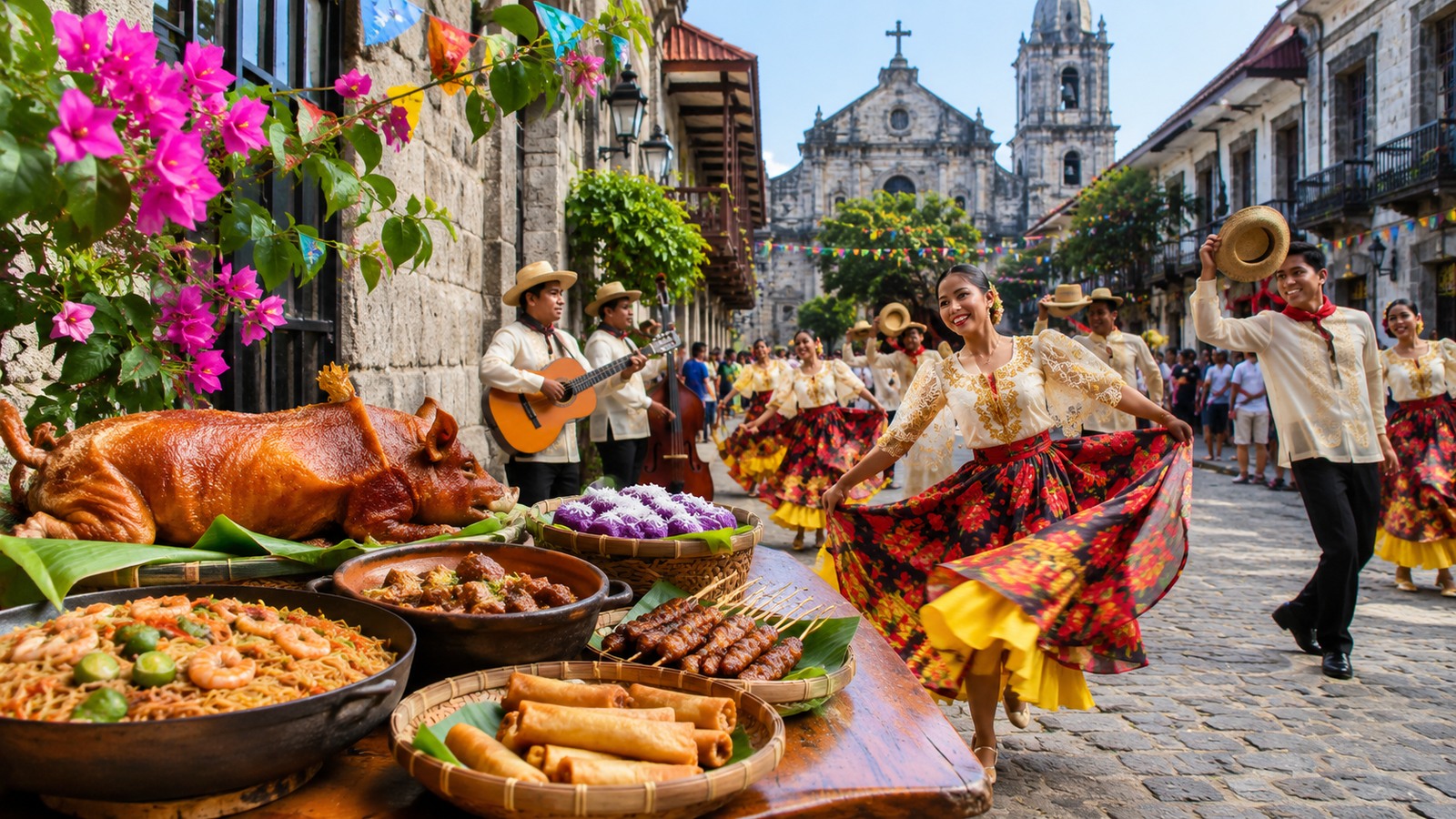
Spanish-colonial Manila, fiestas and a warm food scene.
Book tours & activities through our travel partners — see options. Bluebird Next may earn a commission from partner bookings at no extra cost to you (Affiliate Disclosure).
The Philippines is affordable on the ground but internal flights and island tours add up, and it is far enough that airfare is a big chunk. Indicative per-person figures for a 7-day trip in 2026 (prices checked Nov 2026).
| Item | Typical cost (per person) |
|---|---|
| Return flights (ex-India, 1-stop) | ₹30,000 – ₹55,000 |
| Entry (visa-free with qualifying visa / e-visa) | ₹0 – ₹4,000 |
| Internal flights (2–3 hops) | ₹6,000 – ₹15,000 |
| Hotels (per night, twin) | ₹3,000 – ₹8,000 |
| Island-hopping tours | ₹1,500 – ₹4,000 each |
| Food & local transport | ₹1,200 – ₹2,500 / day |
| From | Typical return airfare |
|---|---|
| Delhi | ₹32,000 – ₹55,000 (1-stop, ~8–9 hrs) |
| Mumbai | ₹30,000 – ₹52,000 (1-stop) |
| Bengaluru | ₹30,000 – ₹52,000 (1-stop via Singapore) |
| Kolkata | ₹30,000 – ₹50,000 (1-stop via Bangkok/HK) |
| Chennai | ₹30,000 – ₹52,000 (1-stop) |
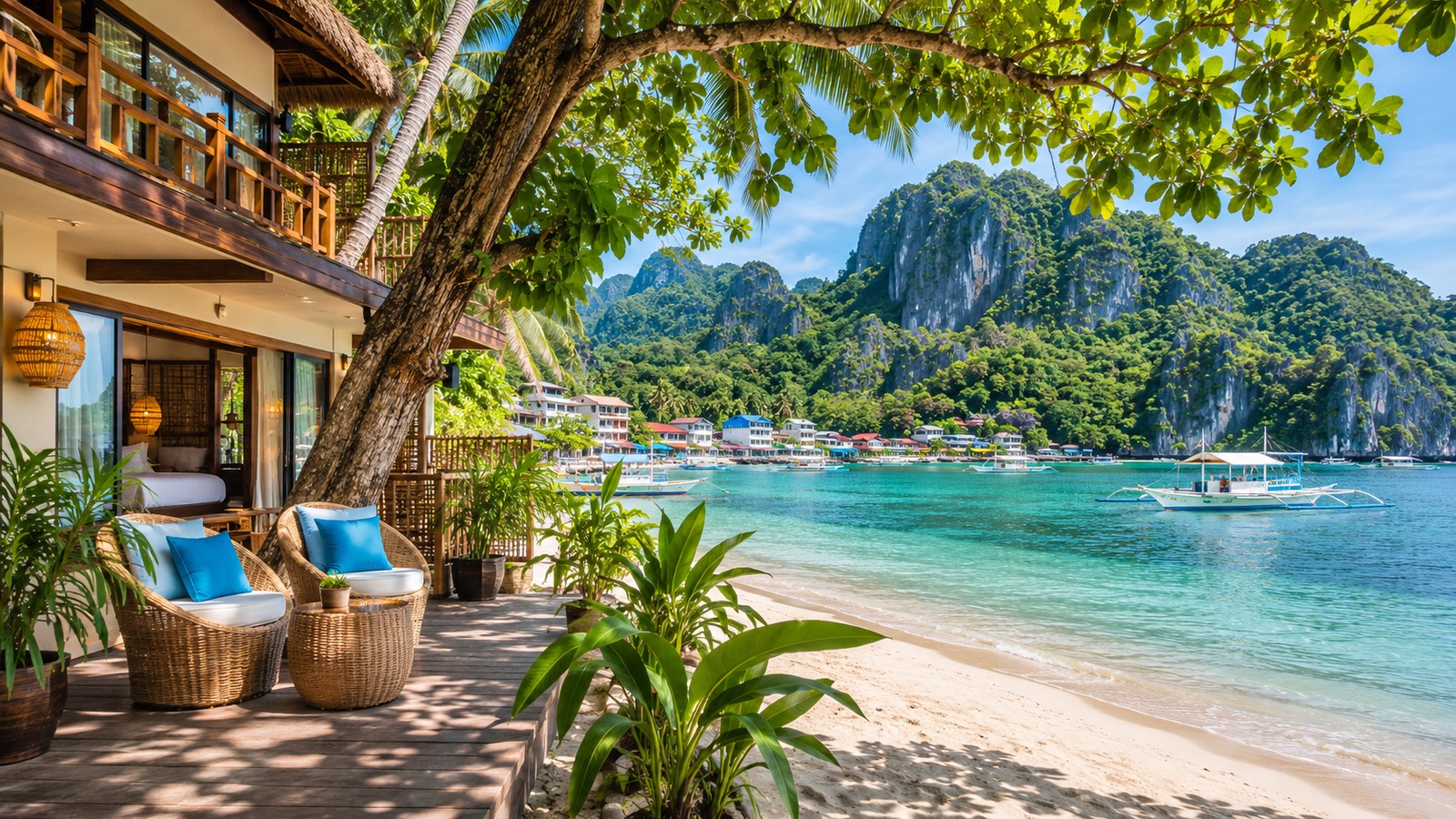
Beach and town stays at the heart of the lagoons.
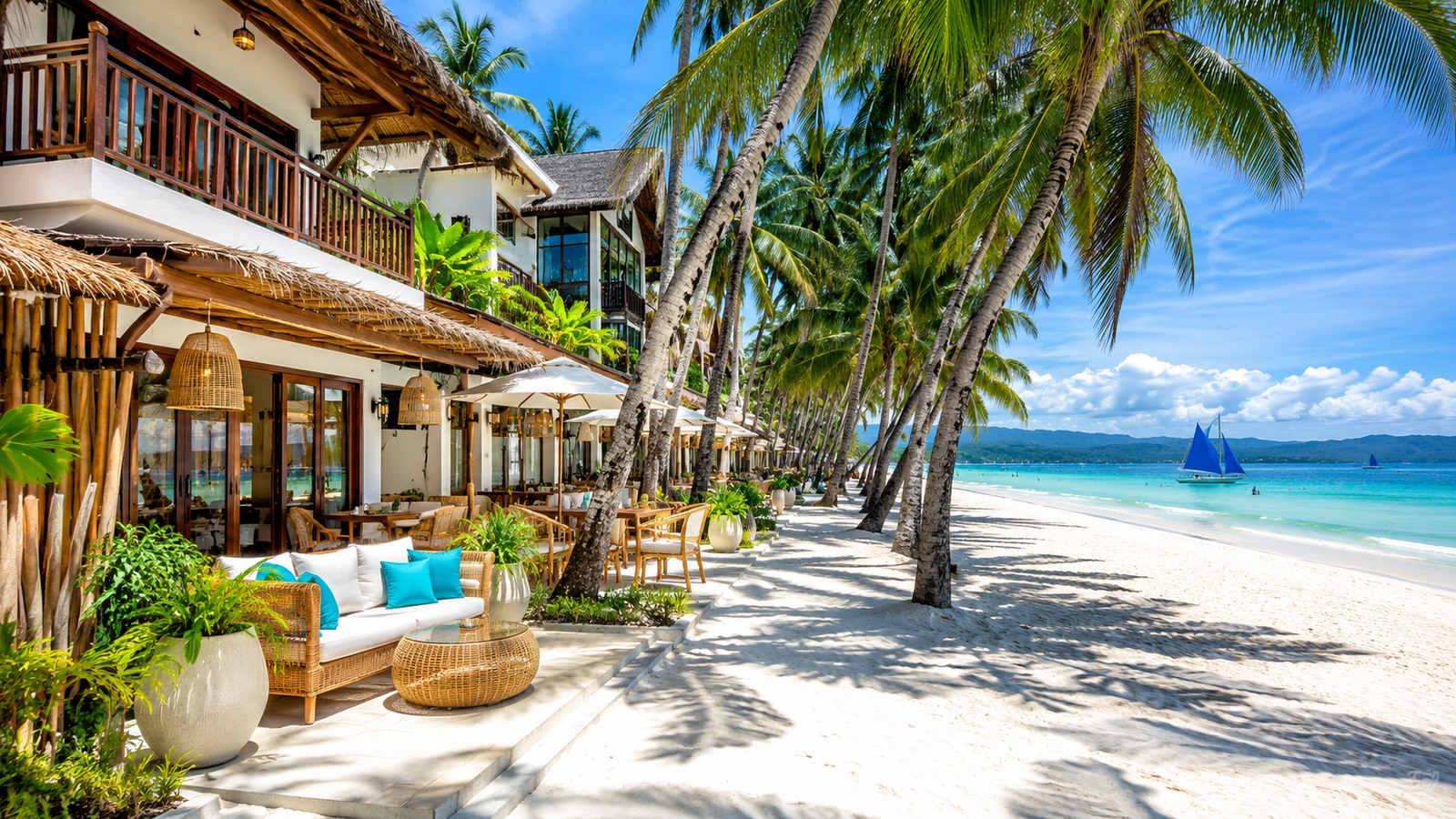
Beachfront resorts and guesthouses along White Beach.
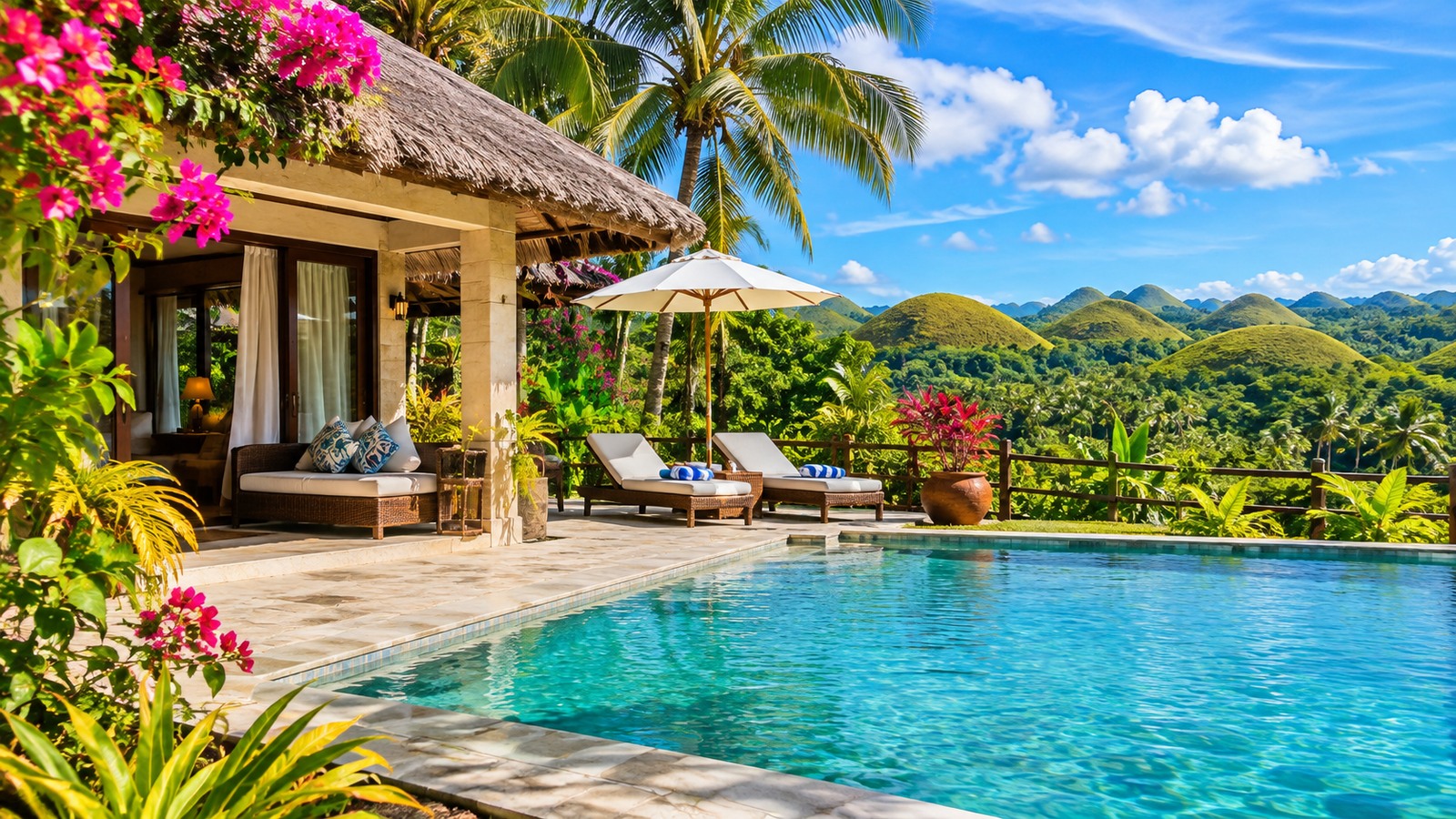
Convenient bases for waterfalls, diving and the Chocolate Hills.
Filipino food is hearty and often meat- and seafood-based (adobo, lechon, sinigang), but island resorts and cities offer wide international and vegetarian options, plus tropical fruit and fresh seafood.
Vegetarians should plan ahead — traditional dishes are meat-heavy, but tourist areas have veg stir-fries, rice meals, international cafes, fruit and Indian restaurants in Manila and Cebu. Jain travellers should pick Indian or international spots and specify no onion/garlic.
Indian restaurants operate in Manila, Cebu and some resort hubs with veg and Jain-friendly thalis — useful on a trip where local food leans meaty.
If you hold a valid US/UK/Schengen/Australia/Canada/Japan/Singapore visa or residence permit, you can enter visa-free for up to 14 days — carry that visa with your passport. Otherwise apply for the Philippines tourist e-visa/visa before travel on the official channel. Confirm the current rule before booking.
Internal flights and boats take time — don’t over-pack the itinerary. Book El Nido/Coron tours and internal flights ahead in peak season, and allow buffer days for weather, especially in the wet season.
Carry Philippine peso cash for islands, tours, tricycles and small eateries; cards work in cities and resorts but not always on remote islands. UPI is not accepted; use ATMs in towns before heading to small islands.
Domestic airlines (Cebu Pacific, PAL, AirAsia) link the islands; ferries connect nearby ones; Grab works in Manila and Cebu; tricycles and jeepneys cover short local hops.
Buy a Globe or Smart tourist SIM at the airport or use an eSIM — handy for maps and tour bookings. The Philippines uses 220V with mainly Type A/B (US-style flat) plugs, so carry a universal adapter.
The backbone of island travel — book Cebu Pacific/PAL/AirAsia hops ahead in peak season.
Connect nearby islands and power the island-hopping tours.
Grab in Manila and Cebu; tricycles and jeepneys for short hops.
The Philippines is warm and welcoming, and the main tourist islands (Palawan, Boracay, Cebu, Bohol) are generally safe for families and solo women travellers. Take normal care with valuables, choose reputable boat and dive operators, watch sea conditions and currents, avoid far-southern conflict areas, follow typhoon advisories, and carry travel insurance covering water activities.
❌ Myth: Indians always need a visa for the Philippines.
✅ Fact: Indian tourists enter visa-free for up to 14 days (with proof of hotel, funds and an onward ticket); a valid US/UK/Schengen/Australia/Canada/Japan/Singapore visa extends that to 30 days.
❌ Myth: You can see all the islands in one short trip.
✅ Fact: With 7,000+ islands and flight/boat transfers, pick one or two groups (e.g. Palawan plus Cebu/Bohol) per trip.
❌ Myth: It’s just like other Southeast Asian beaches.
✅ Fact: Palawan’s lagoons and Coron’s wrecks are world-beating, and English is near-universal, making it uniquely easy and spectacular.
❌ Myth: Vegetarians will starve.
✅ Fact: Local food is meaty, but resorts, international cafes and Indian restaurants in Manila and Cebu cover veg and Jain diets; plan ahead for remote islands.
❌ Myth: Wet season ruins the trip.
✅ Fact: Palawan and the south-west often stay drier, and storms pass — with flexible plans and insurance, shoulder season offers great value.
No, for short trips — under the policy effective 8 June 2025, Indian tourists can enter visa-free for up to 14 days with proof of accommodation, funds and an onward/return ticket. The visa-free stay extends to 30 days if you hold a valid US/UK/Schengen/Australia/Canada/Japan/Singapore visa or residence. Carry a passport valid at least six months beyond your stay, and confirm the current rule before booking.
Up to 14 days for ordinary Indian tourists, extending to 30 days for those holding a valid US/UK/Schengen/Australia/Canada/Japan/Singapore visa or residence permit. For longer stays you would extend locally or apply for a visa; confirm the latest limits on the official channel.
A 7-day trip is roughly ₹70,000–₹1,30,000 per person including flights, and about ₹1,40,000–₹2,40,000 for a couple. International and internal flights plus island tours are the main costs; on-the-ground food is cheap.
There are no direct flights; expect 7–9 hours total with one stop via Singapore, Kuala Lumpur, Bangkok or Hong Kong to Manila or Cebu.
Seven days suit one island group like Palawan; ten days let you combine Palawan with Cebu and Bohol. Five days work for a Boracay beach escape.
December to May is the dry season and best for beaches and island-hopping; November and May are good shoulder months. June to October is wetter and typhoon-prone, though Palawan often stays drier.
With planning — local food is meat- and seafood-heavy, but resorts, international cafes, fruit and Indian restaurants in Manila and Cebu cover veg and Jain diets. Carry snacks for remote islands.
Carry Philippine peso cash for islands, tours and tricycles; cards work in cities and resorts but not always on remote islands. UPI is not accepted — withdraw pesos in towns before heading to small islands.
Domestic airlines (Cebu Pacific, PAL, AirAsia) link the islands and ferries connect nearby ones; island-hopping tours run by boat. Book flights and tours ahead in peak season and keep buffer days for weather.
The main tourist islands are generally safe and welcoming. Take normal care with valuables, choose reputable boat and dive operators, watch sea conditions, avoid far-southern conflict areas, follow typhoon advisories, and carry travel insurance.
Strongly recommended — it covers water sports and diving, medical care, and trip delays (useful given typhoons and multiple flights).
Sources: Philippine Department of Tourism (official) · Philippines e-Visa (official portal)
A licensed team that has guided thousands of Indians to their visas and admissions.
 Jitender SinghFounder & Managing Director
 Vikram SinghHead – Quality & Operations
 SanjayHead – Tourist Visa Operations
 TejaswaniHead – Counselling Team
 MahimaHead – Visa Filing & Processing
 Pratigya DuttaHead – Student Visa Processing
Free, no-pressure guidance from a real counsellor who handles your case end to end — from documents to decision.