
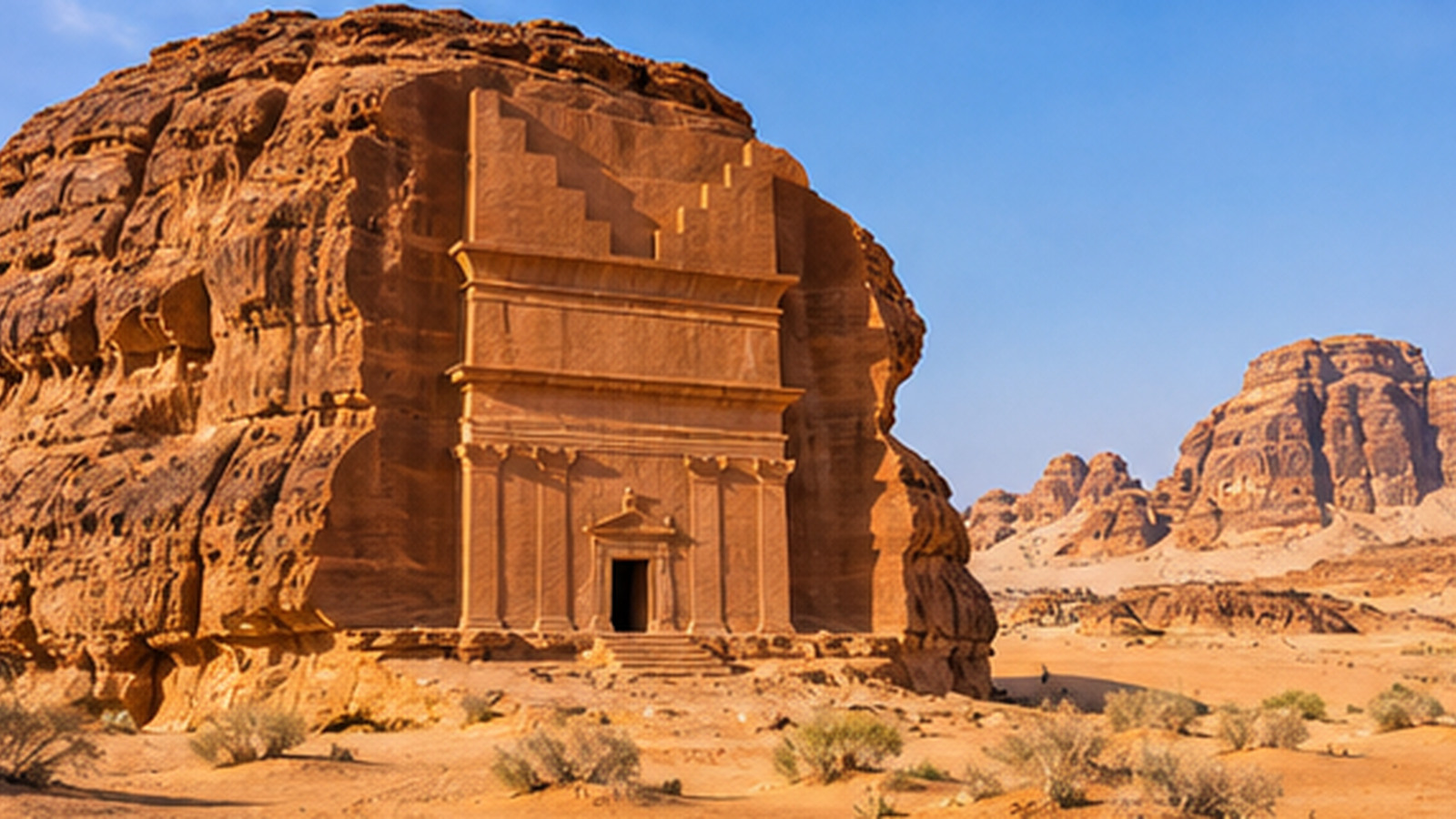
The headline — Hegra’s rock-cut tombs, Elephant Rock, the old town and desert canyons.
Newly open to tourists — the rock-cut tombs of AlUla’s Hegra, Riyadh’s Edge of the World, historic Jeddah and Red Sea reefs make Saudi Arabia Arabia’s most exciting new destination.
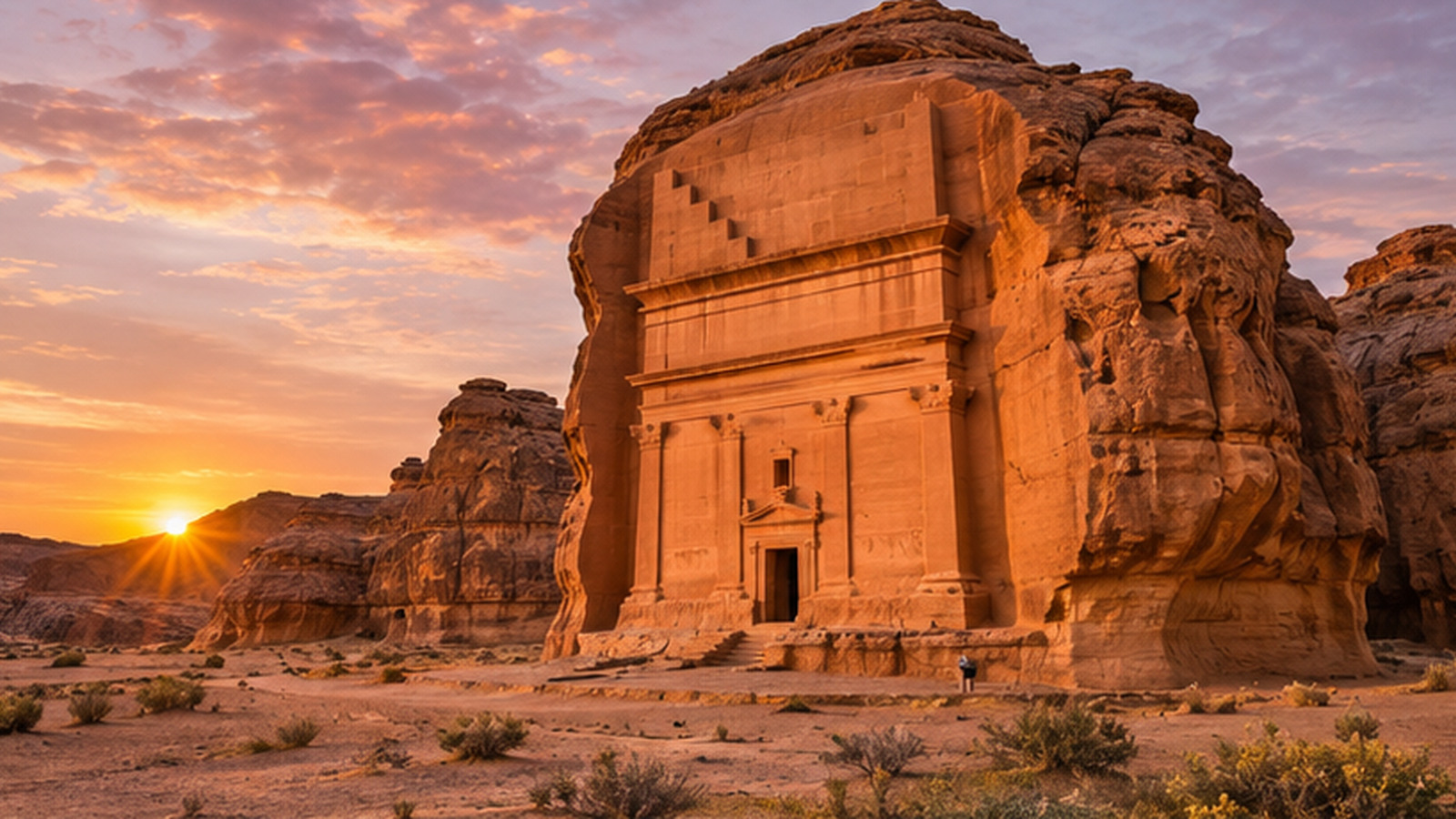
Saudi Arabia is Arabia’s most exciting new destination — a vast land of ancient Nabataean tombs, dramatic desert escarpments, historic Red Sea ports and futuristic cities that opened to tourists only recently, and now welcomes Indians with a simple online e-visa. For the traveller who wants to see somewhere genuinely fresh, it is a revelation.
The jewel is AlUla, home to Hegra (Madain Saleh) — sister city to Petra, with magnificent rock-cut tombs set among golden canyons and the surreal Elephant Rock. Near Riyadh, the Edge of the World cliff drops away into infinity, while the restored mud-brick city of Diriyah tells the kingdom’s origin story. On the coast, Jeddah’s UNESCO-listed Al-Balad old town charms with coral-stone houses and souks, and the Red Sea dazzles divers. It is history, desert and ambition on an epic scale.
This guide is written for Indian travellers: the real cost in rupees, exactly how the tourist e-visa works (and how it differs from Umrah), where vegetarians and Jain travellers eat, how to combine AlUla, Riyadh and Jeddah, and a route through the highlights.
Saudi Arabia suits Indians seeking a brand-new, safe and uncrowded destination — a short direct flight, an easy tourist e-visa, extraordinary heritage and desert landscapes, and a huge Indian community with plentiful Indian food. It is ideal for history lovers, couples, adventurous families and anyone wanting to travel somewhere few have yet been.
💡 From our visa desk: The tourist e-visa is separate from Umrah — this guide is about tourism. AlUla is the unmissable highlight; fly there rather than driving long distances. Pair it with Riyadh (Edge of the World, Diriyah) or Jeddah (Al-Balad, Red Sea). Avoid the extreme summer heat (Jun–Sep); October to March is ideal. Dress modestly and respect local customs, which are more conservative than other Gulf states.
Tourist e-visa for Indians — applied for online before travel (a visa on arrival is available for holders of valid US/UK/Schengen/GCC visas).
Indian passport holders can visit Saudi Arabia for tourism on an online tourist e-visa (a one-year, multiple-entry visa allowing stays up to 90 days); holders of a valid US, UK, Schengen or GCC visa or residence may also get a visa on arrival. This tourist visa is separate from Umrah/Hajj pilgrim visas. Carry a passport valid six months, a return ticket and hotel bookings.
Check your Saudi Arabia entry requirement →November to March is the best — pleasant, cool-to-warm days ideal for AlUla, Riyadh and the desert. Summer (Jun–Sep) is extreme heat; the south-west highlands (Abha) stay cooler. See the month table.
| Season | What it's like & who it suits |
|---|---|
| Nov–Mar | The best season — comfortable days and cool nights for AlUla, the Edge of the World and Jeddah; AlUla’s winter festival season. |
| Apr & Oct (shoulder) | Hot but manageable with early starts; fewer crowds and events building. |
| Jun–Sep | Extreme desert heat (often 45°C+); the cooler Asir highlands (Abha, Taif) are the exception. |
| Month | Weather & what’s on (incl. Indian holiday windows) |
|---|---|
| November–December | Peak season — cool, clear and ideal for AlUla, Riyadh and the desert, with the AlUla winter festivals and events in full swing. Book ahead. |
| January–February | Cool and comfortable, among the best weather of the year; chilly desert nights — perfect for sightseeing and stargazing. |
| March | Warm and pleasant before the heat builds; excellent for the whole itinerary. |
| April–May | Heating up fast, especially by May; favour early starts, indoor sights and the cooler highlands. |
| June–September | Extreme heat across most of the country (often 45°C+); the Asir highlands (Abha, Taif) stay green and cool, and the Red Sea is warm for diving. |
The headline — Hegra’s rock-cut tombs, Elephant Rock, the old town and desert canyons.
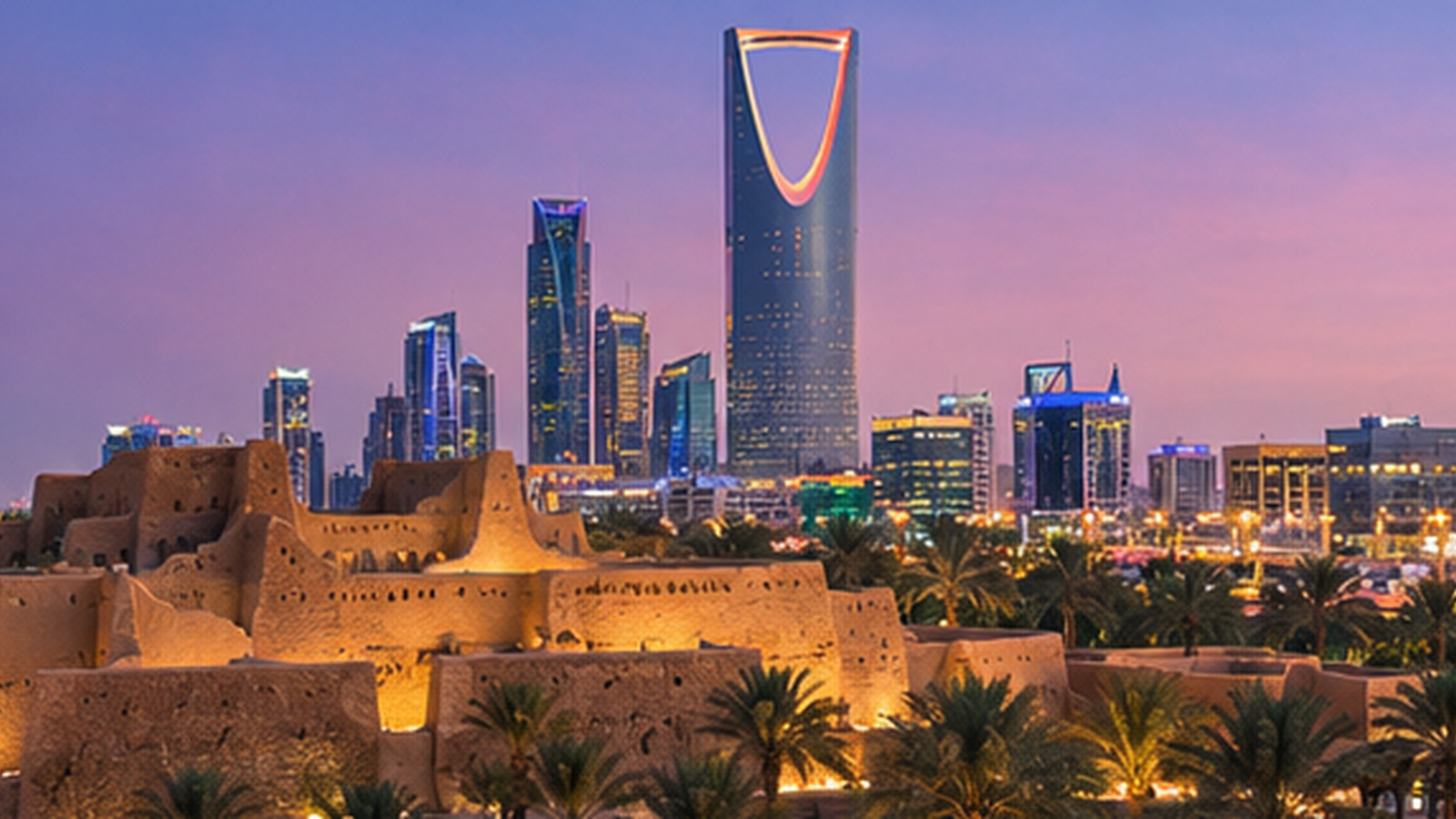
The capital — Diriyah’s mud-brick heritage, the National Museum, the Kingdom Centre and the Edge of the World cliffs.
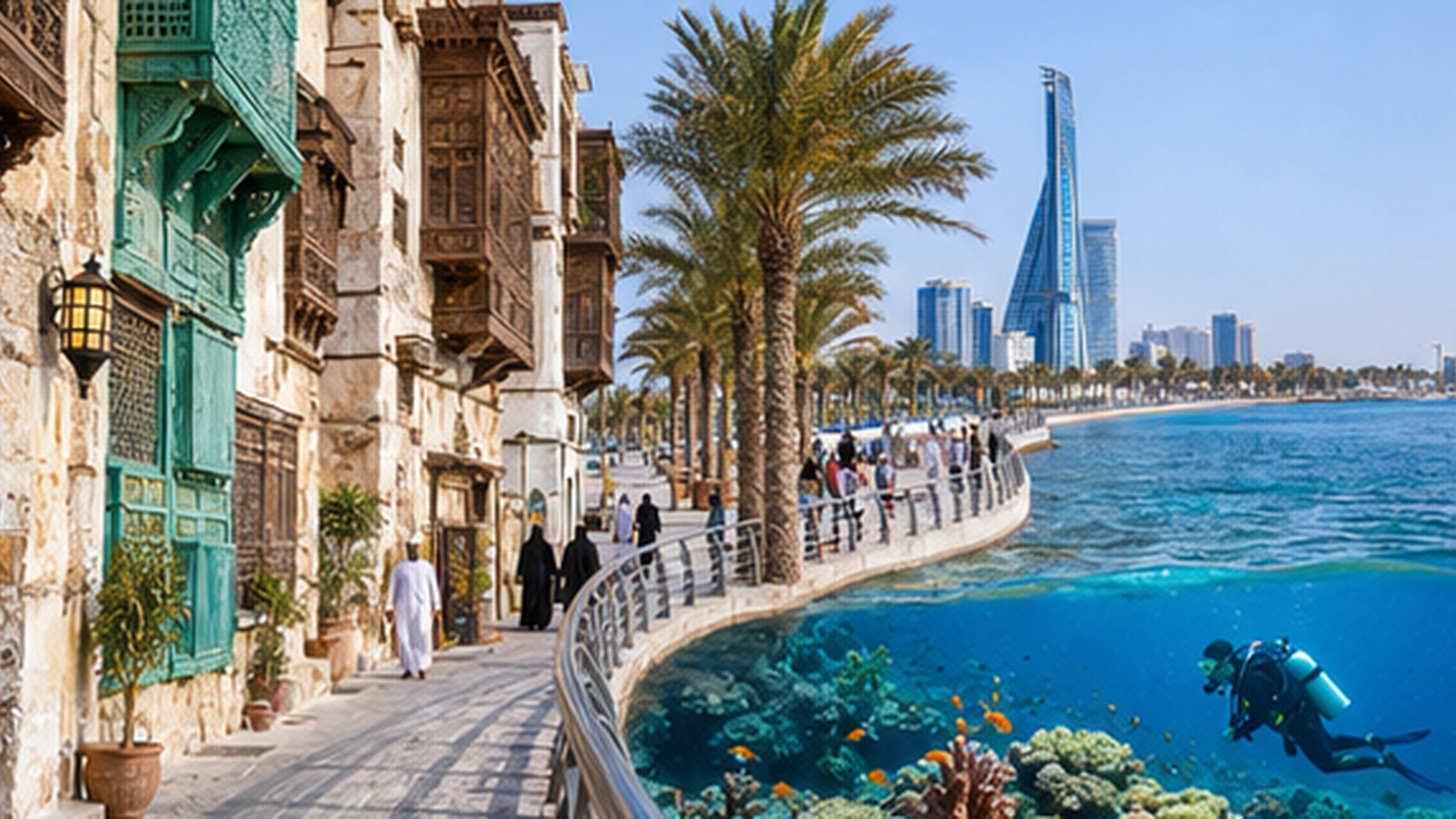
The Red Sea gateway — UNESCO Al-Balad old town, the Corniche and diving.
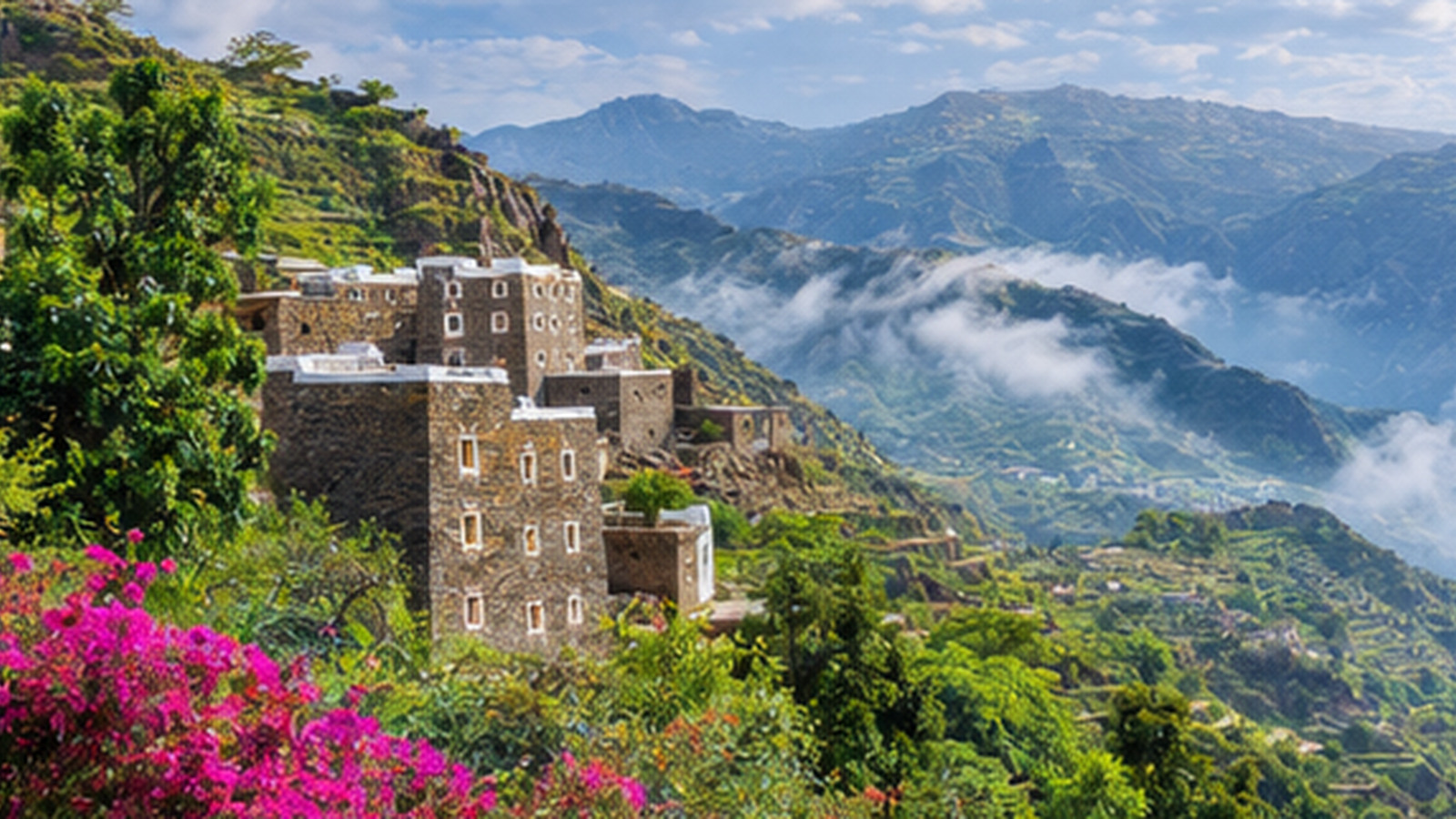
Cool green mountains, villages and dramatic scenery in the south-west.
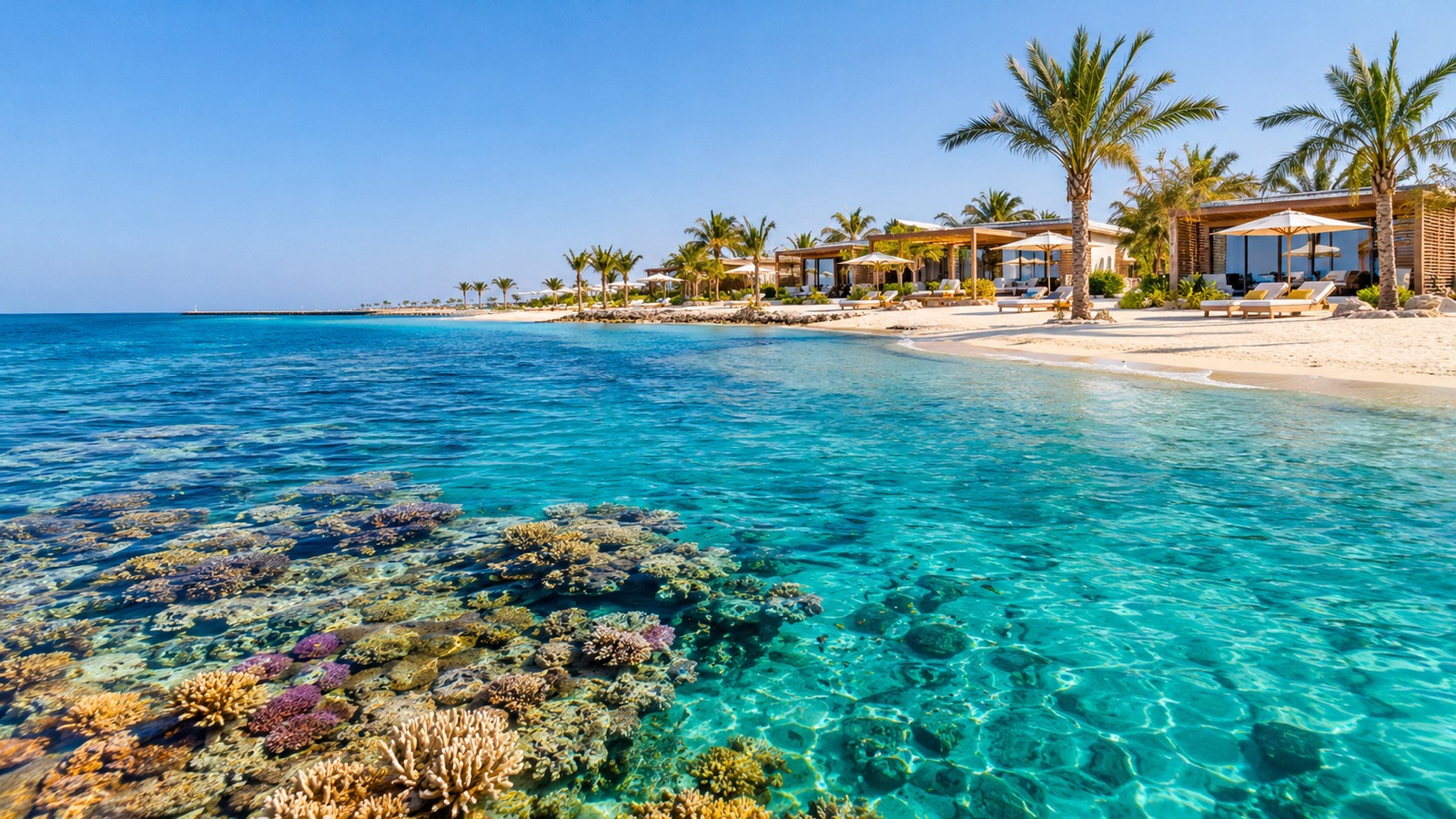
Emerging luxury resorts and pristine reefs.
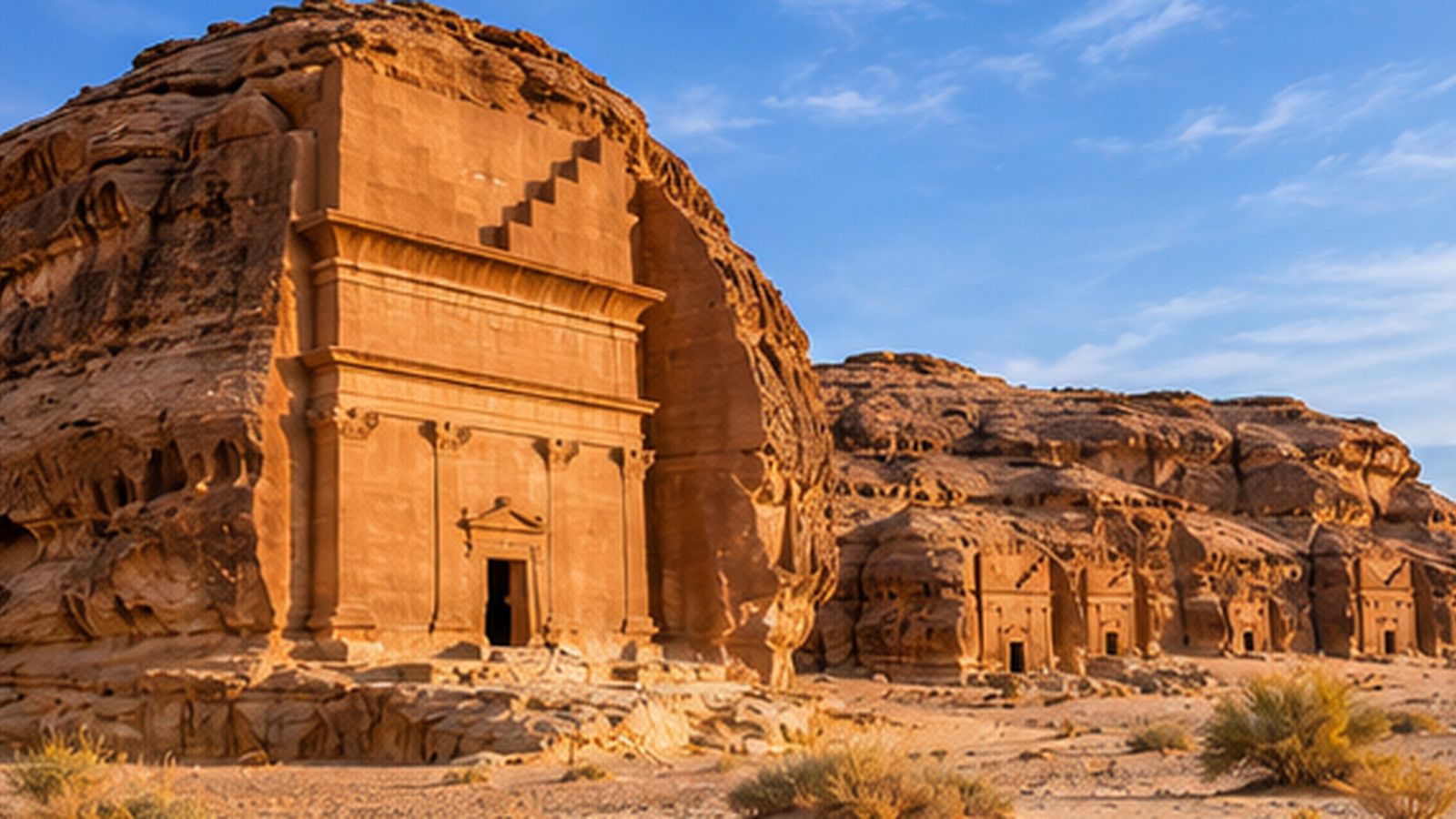
Saudi Arabia’s first UNESCO site — over 100 monumental Nabataean rock-cut tombs in golden desert.
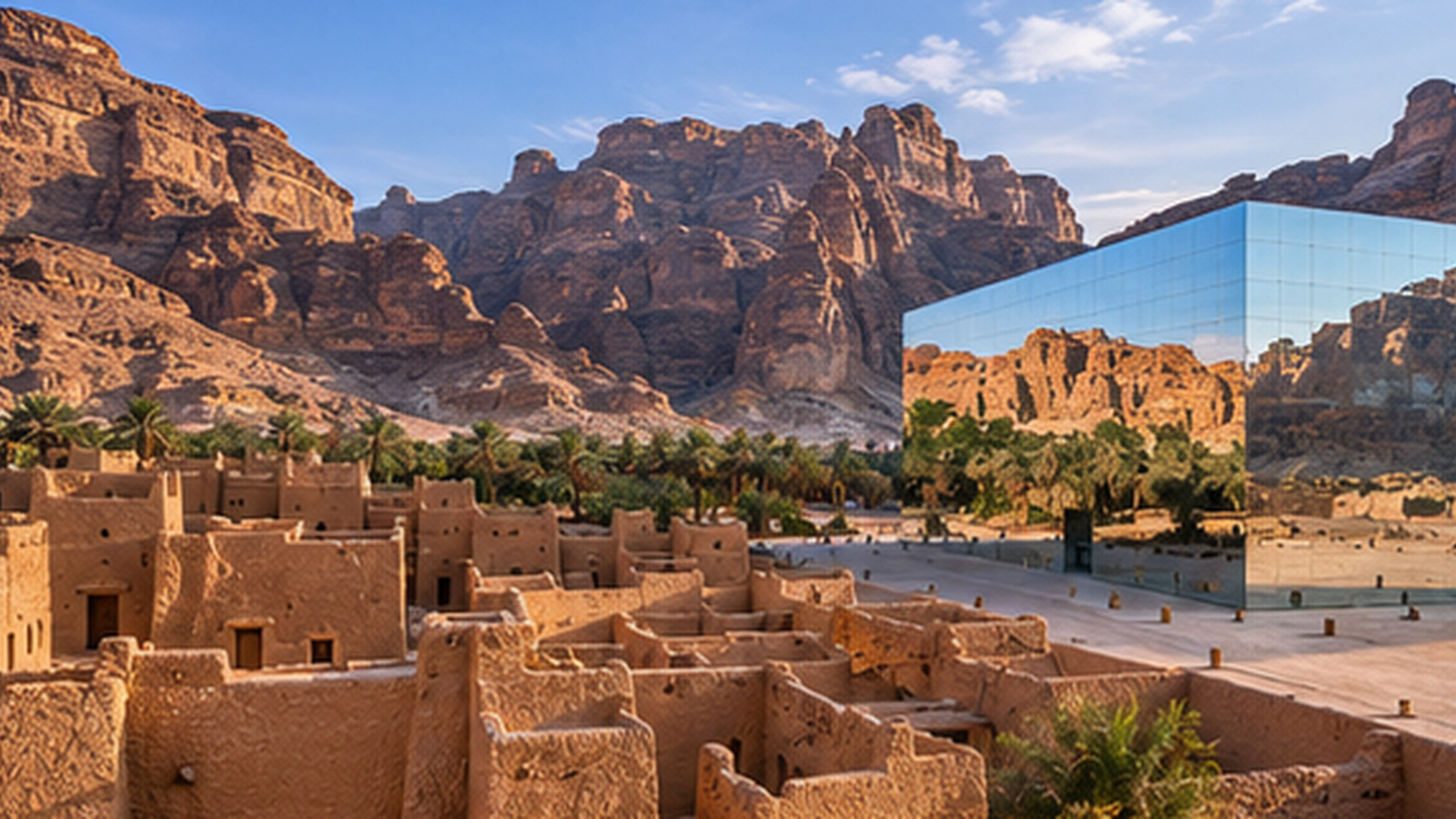
A giant elephant-shaped rock formation, magical at golden hour with desert lounges.
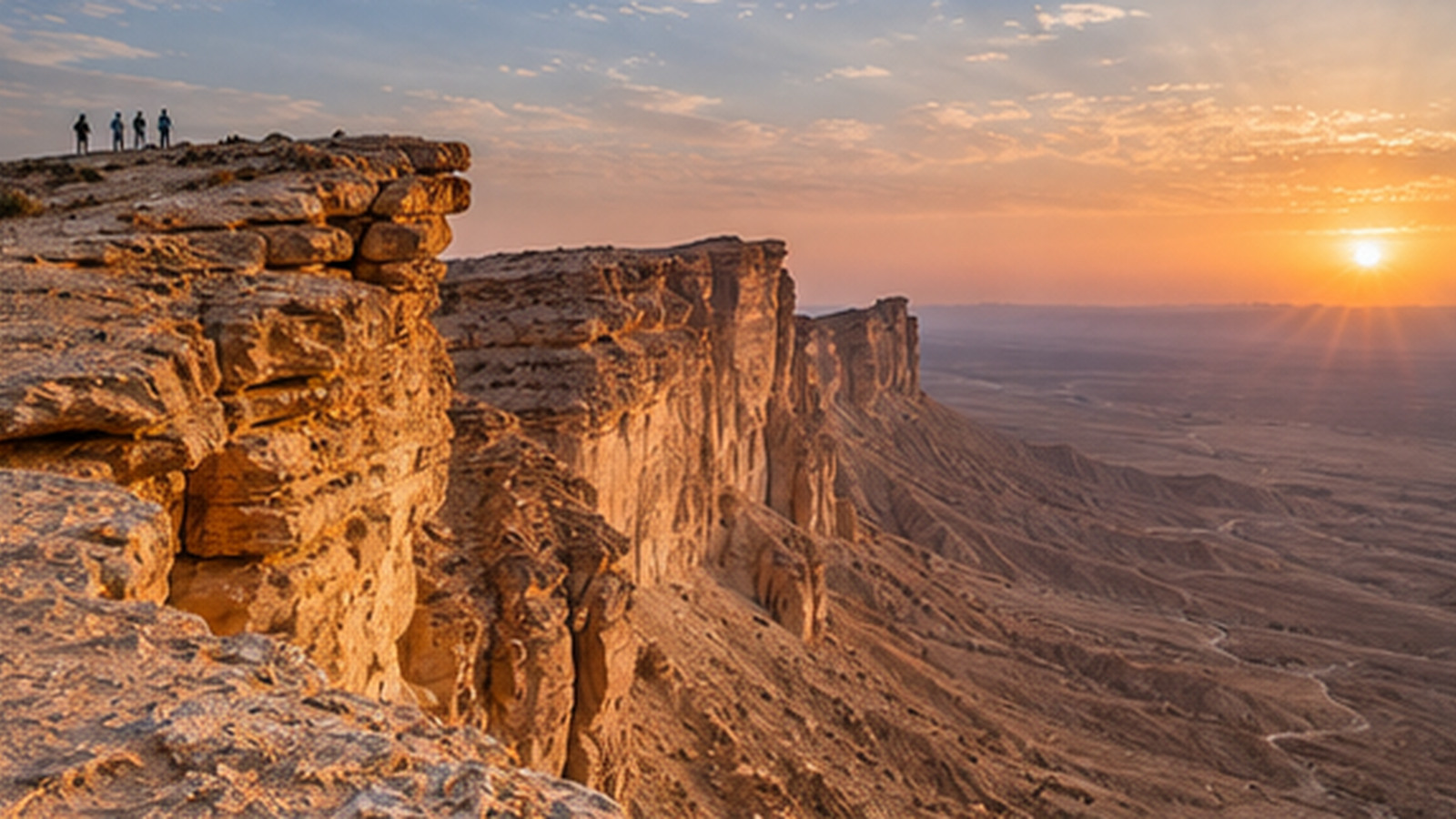
A dramatic escarpment where cliffs plunge to a vast plain — a stunning half-day desert trip.
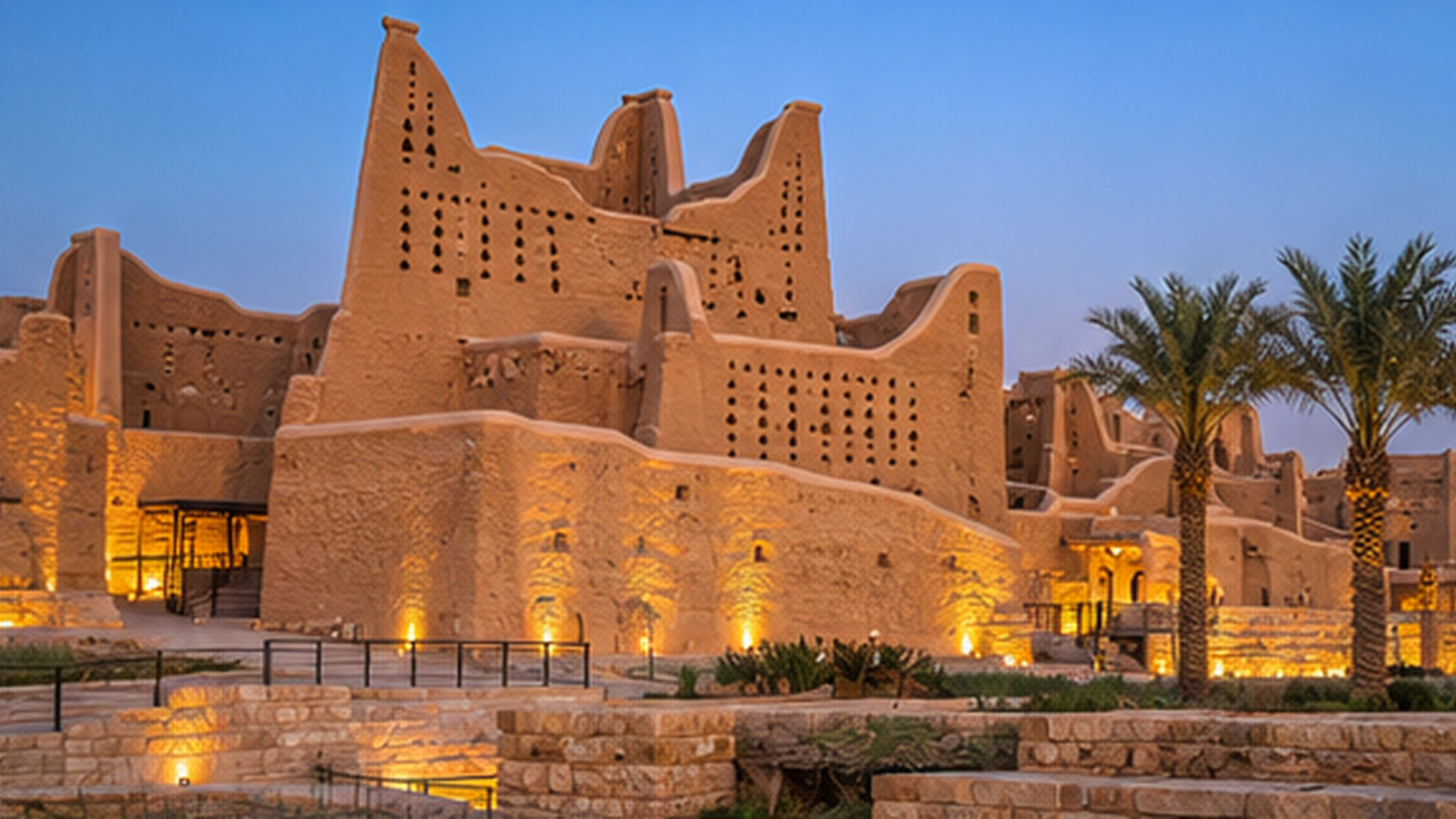
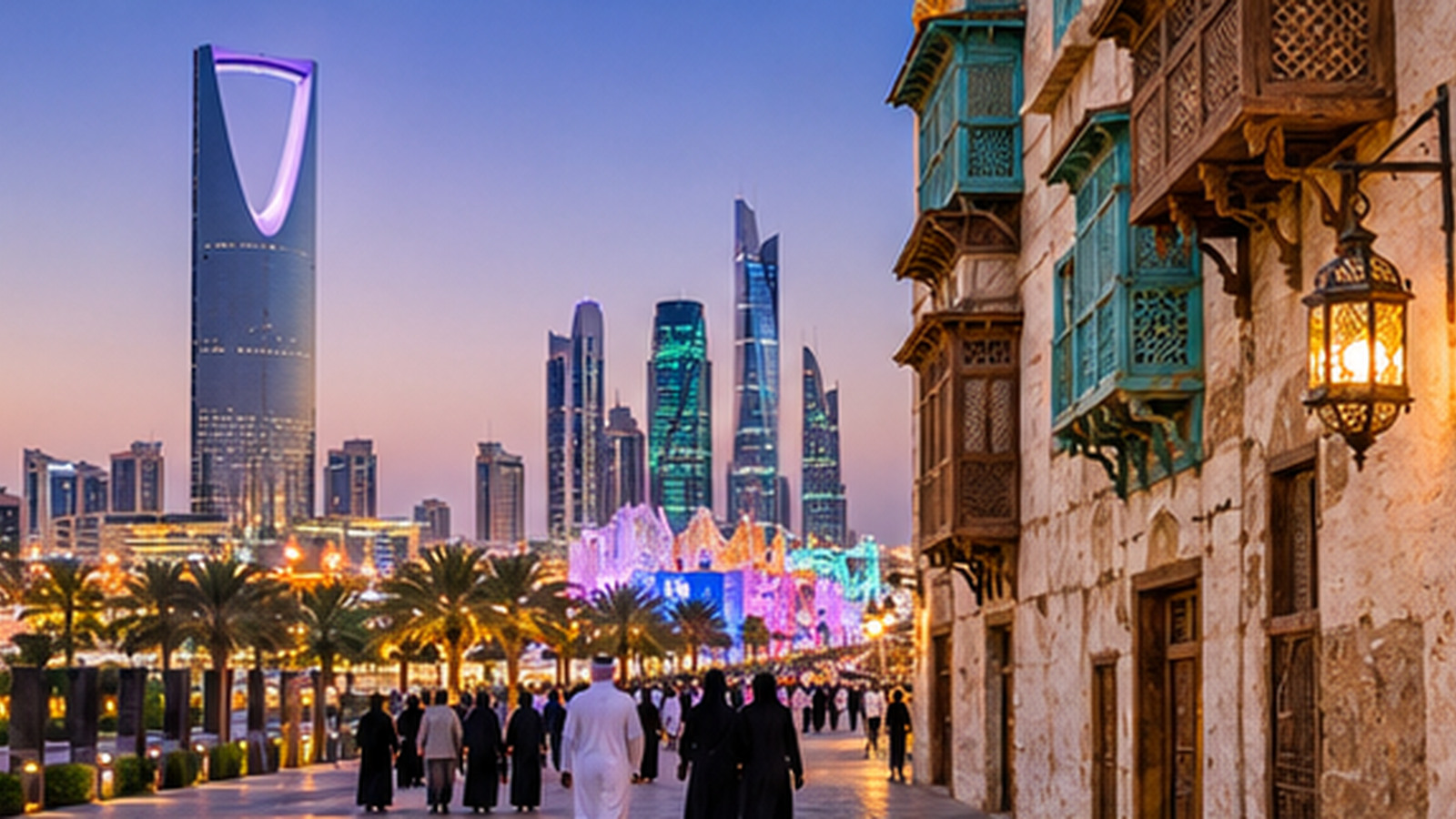
The restored UNESCO mud-brick birthplace of the Saudi state, now a heritage and dining district.
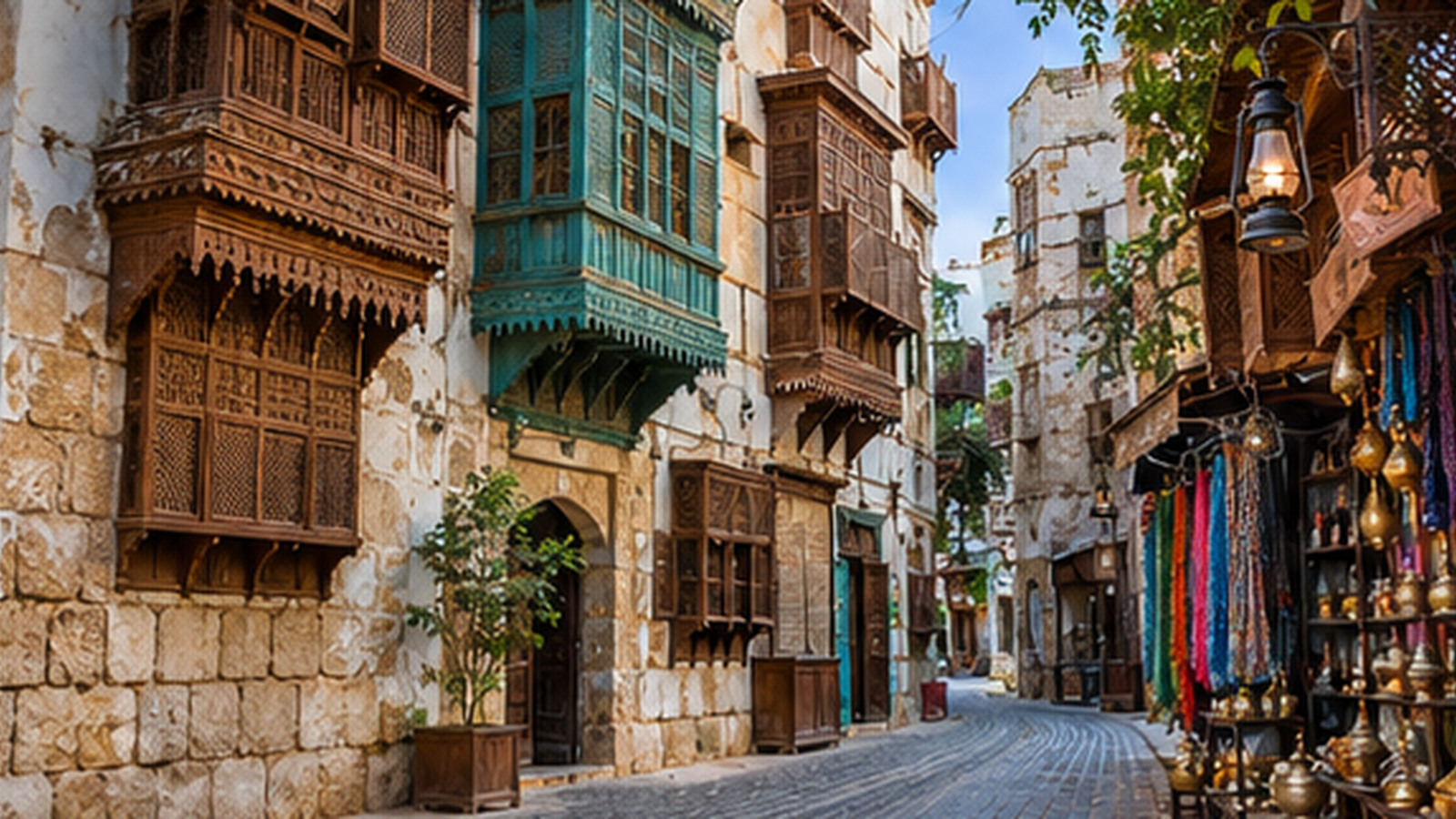
The atmospheric UNESCO old town of coral-stone houses, wooden balconies and traditional souks.
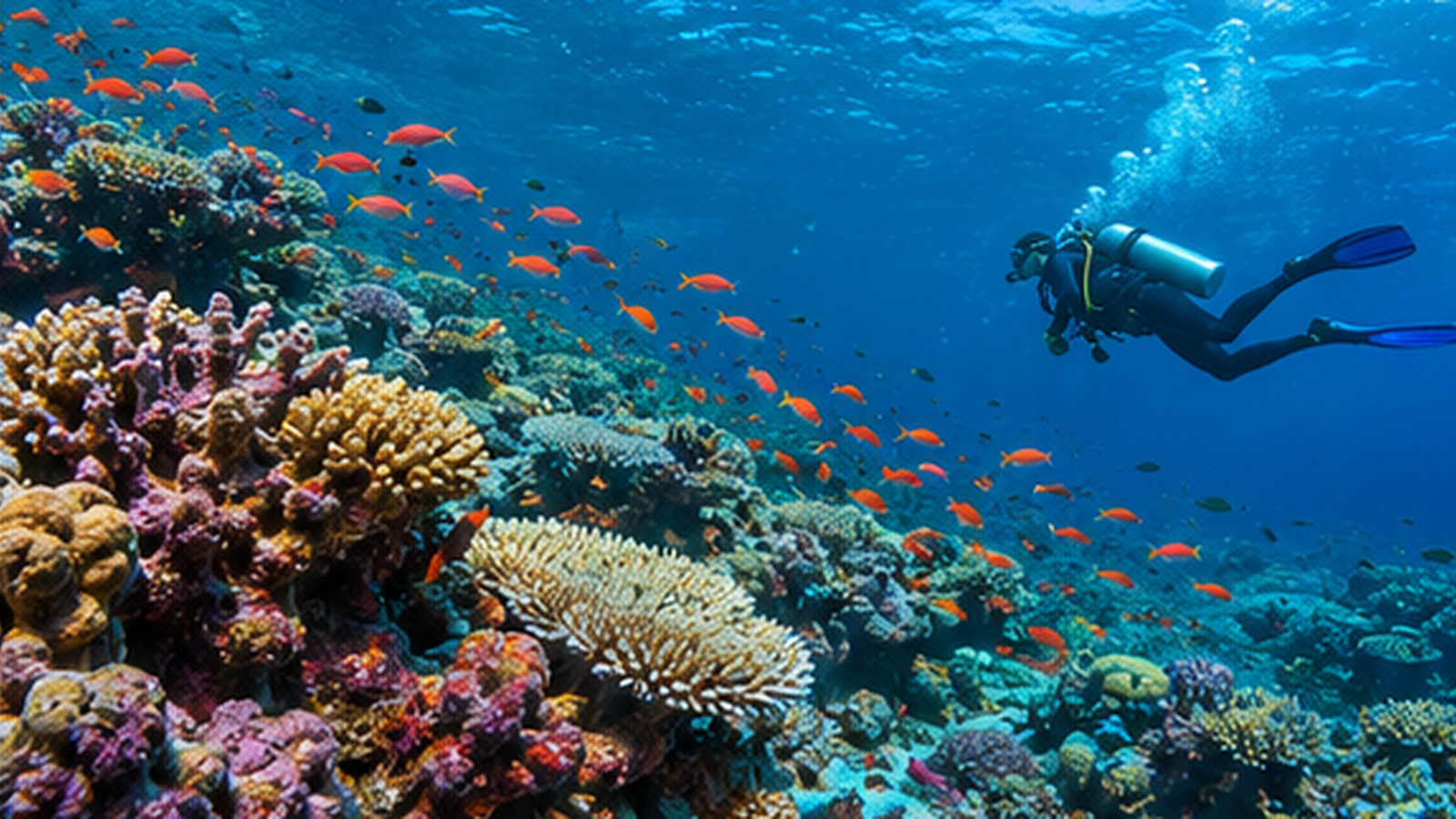
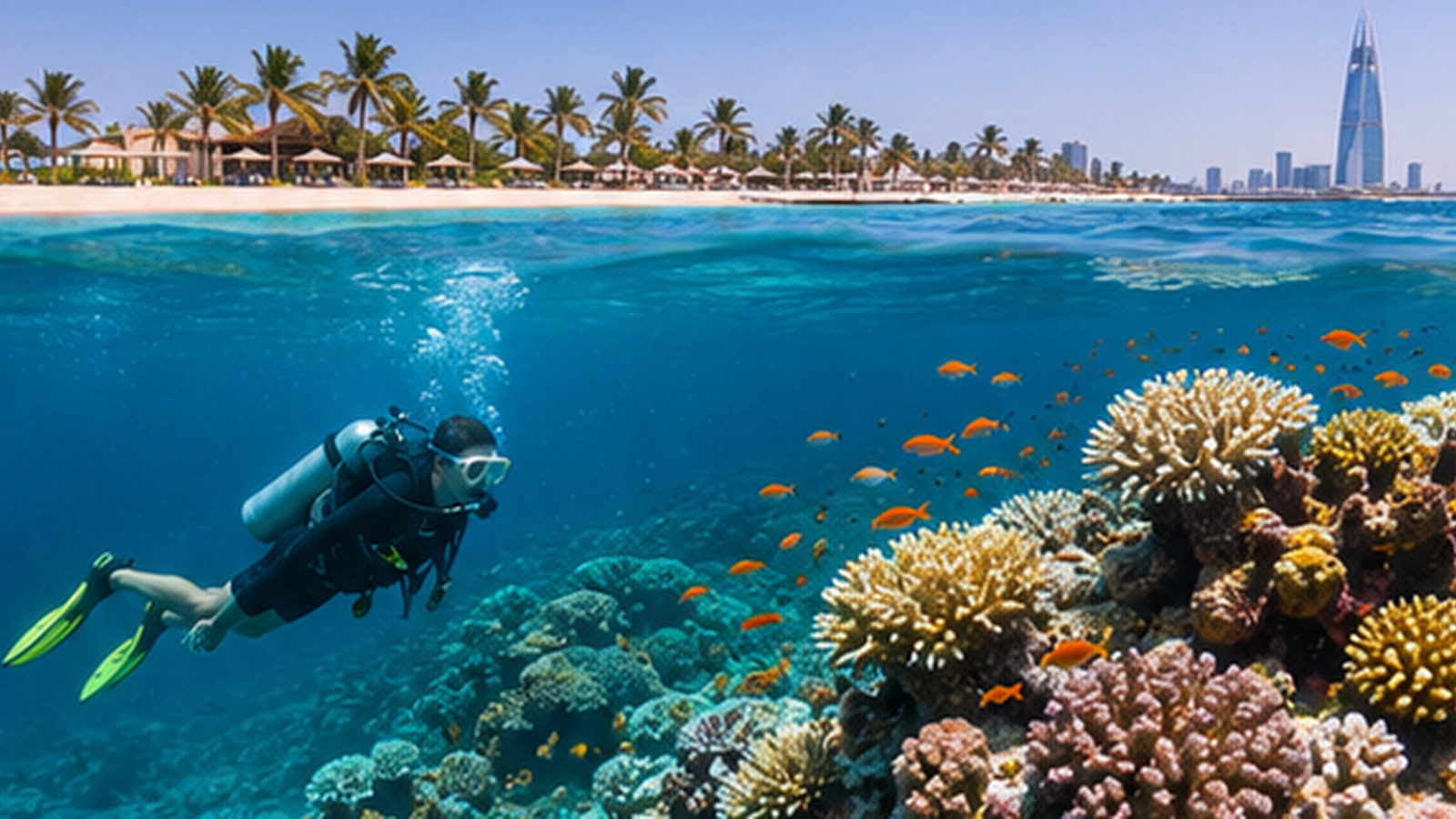
Some of the world’s most pristine coral reefs off Jeddah and the new Red Sea resorts.
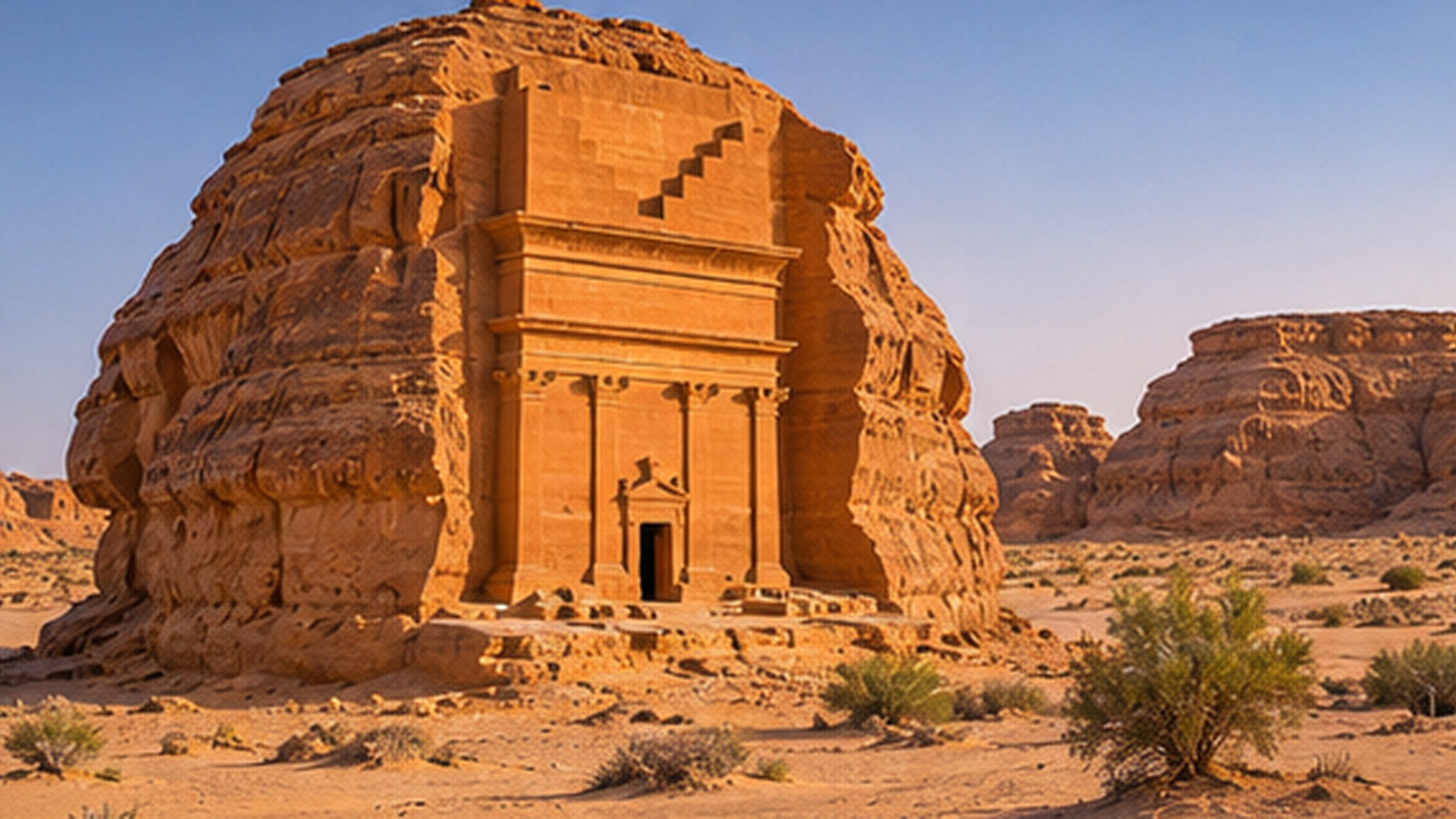
Nabataean tombs, canyons and desert art.
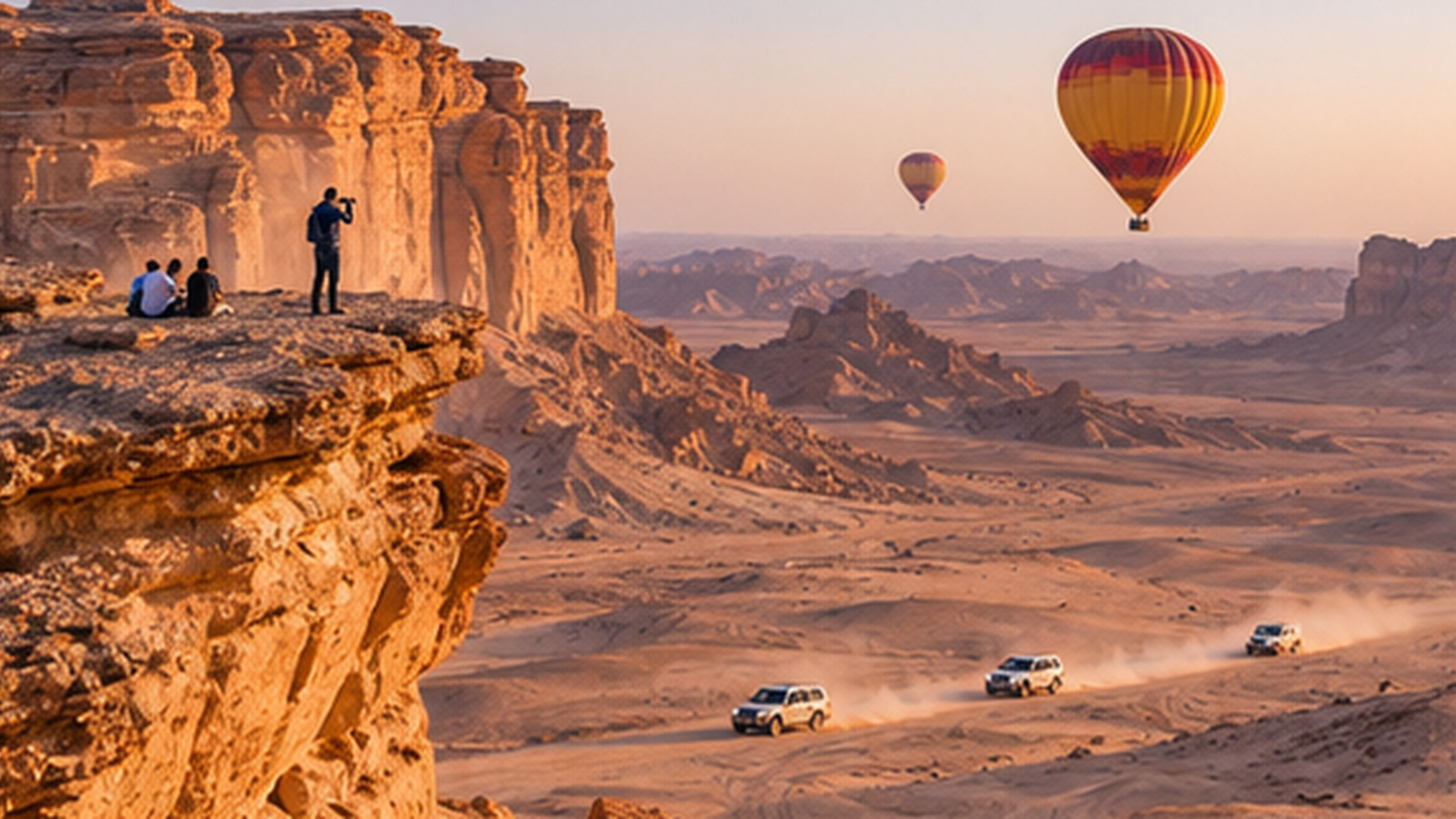
The Edge of the World, dune drives and stargazing.
Diriyah, Al-Balad and the National Museum.
Pristine reefs and emerging coastal resorts.
Cool green Abha and the Asir mountains.
Book tours & activities through our travel partners — see options. Bluebird Next may earn a commission from partner bookings at no extra cost to you (Affiliate Disclosure).
Saudi Arabia is a premium, developing destination — AlUla and good hotels are not cheap, though local food and transport are reasonable. Indicative per-person figures for a 6-day trip in 2026 (prices checked Nov 2026).
| Item | Typical cost (per person) |
|---|---|
| Return flights (ex-India, direct) | ₹28,000 – ₹50,000 |
| Tourist e-visa | ₹9,000 – ₹11,000 |
| Domestic flights (Riyadh–AlUla etc.) | ₹6,000 – ₹14,000 |
| Hotels (per night, twin) | ₹5,000 – ₹14,000 |
| Tours (Hegra, Edge of the World) | ₹3,000 – ₹8,000 each |
| Food & transport | ₹1,800 – ₹3,500 / day |
| From | Typical return airfare |
|---|---|
| Delhi | ₹28,000 – ₹48,000 (direct, ~5 hrs) |
| Mumbai | ₹26,000 – ₹46,000 (direct, ~4.5 hrs) |
| Kochi/Kozhikode | ₹24,000 – ₹42,000 (direct) |
| Bengaluru/Hyderabad | ₹28,000 – ₹48,000 (direct) |
| Kolkata/Chennai | ₹30,000 – ₹52,000 (direct/1-stop) |
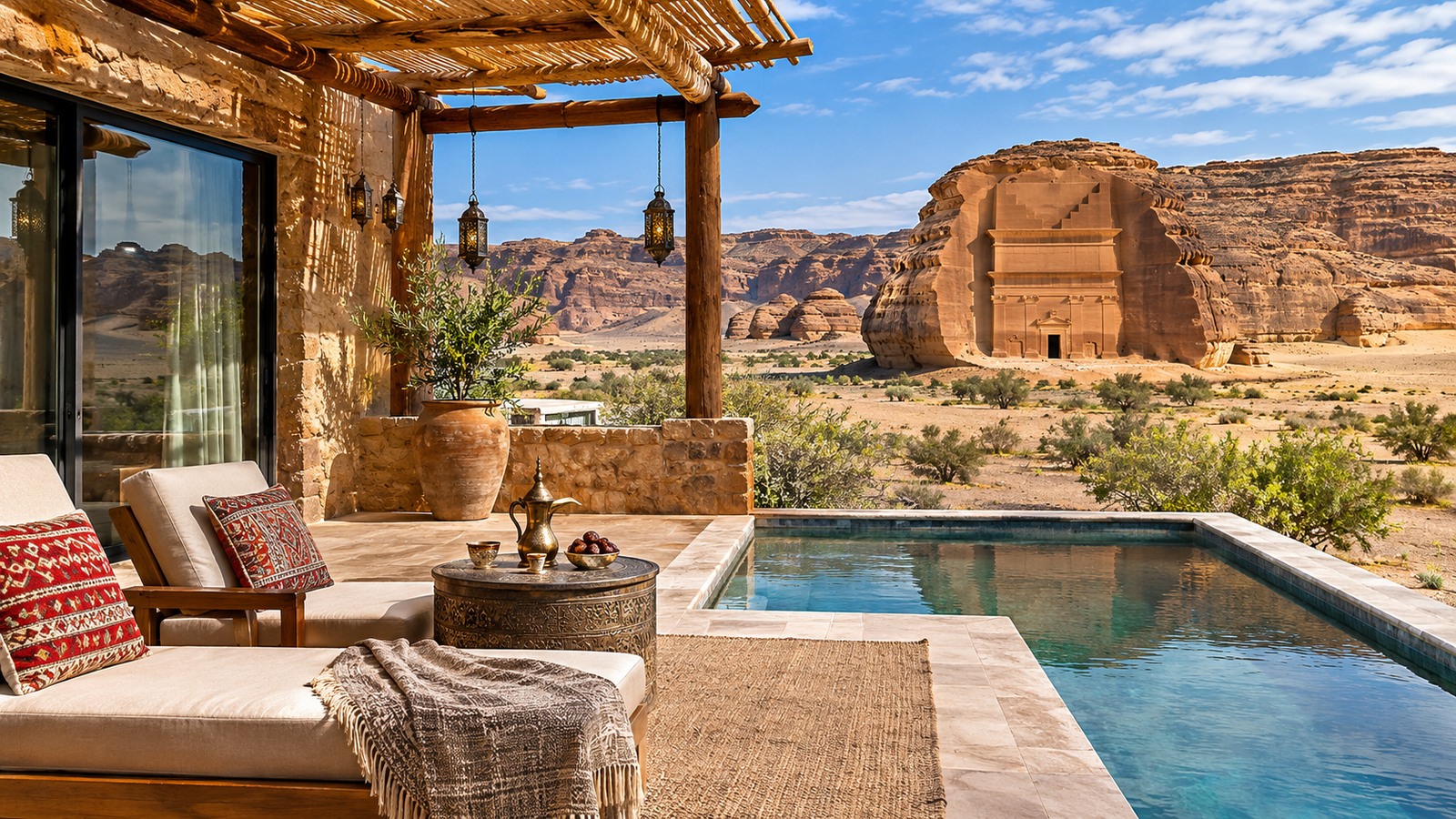
Desert resorts and old-town stays near Hegra — book early.
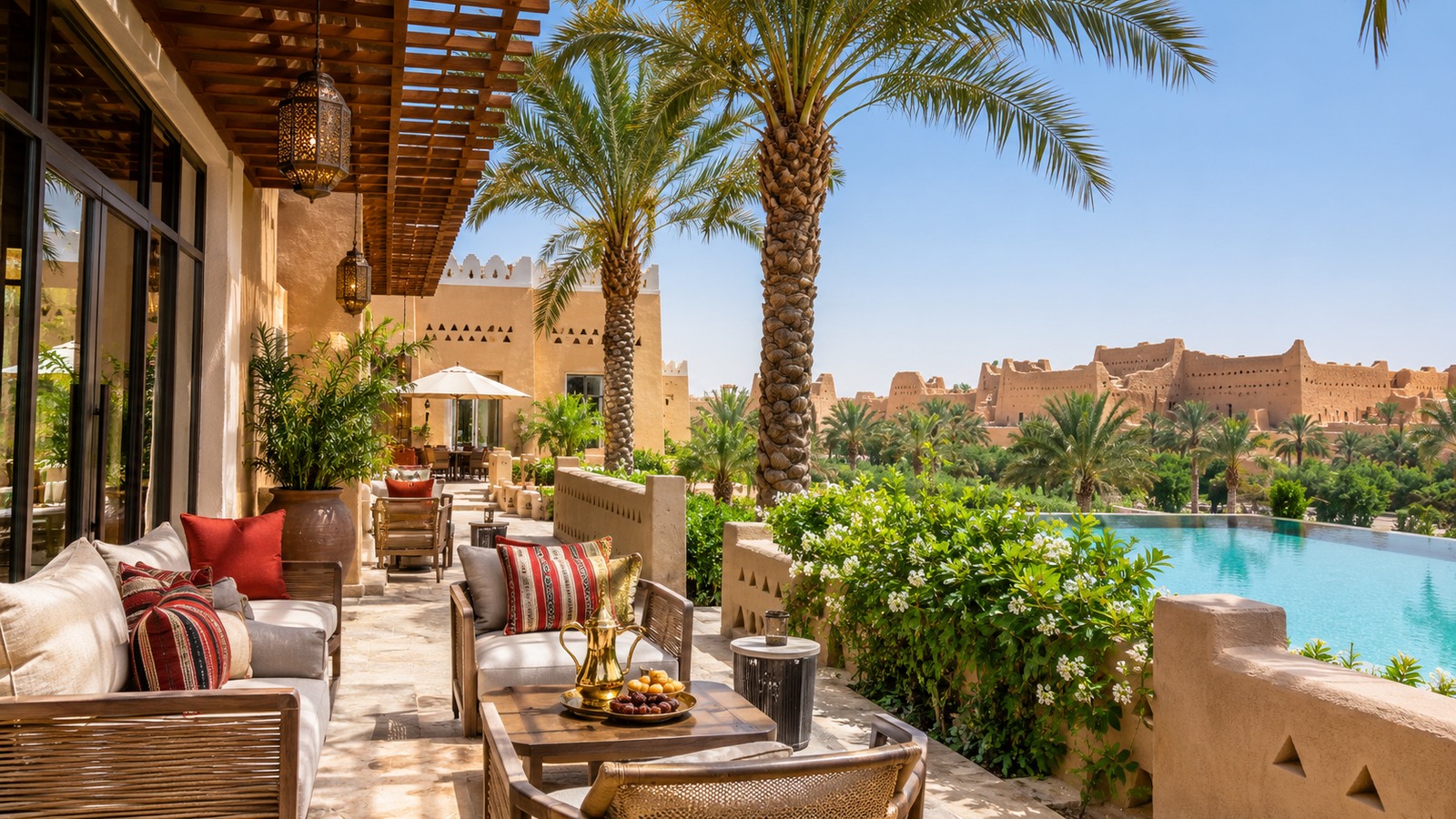
Central business and heritage-district hotels near Diriyah.
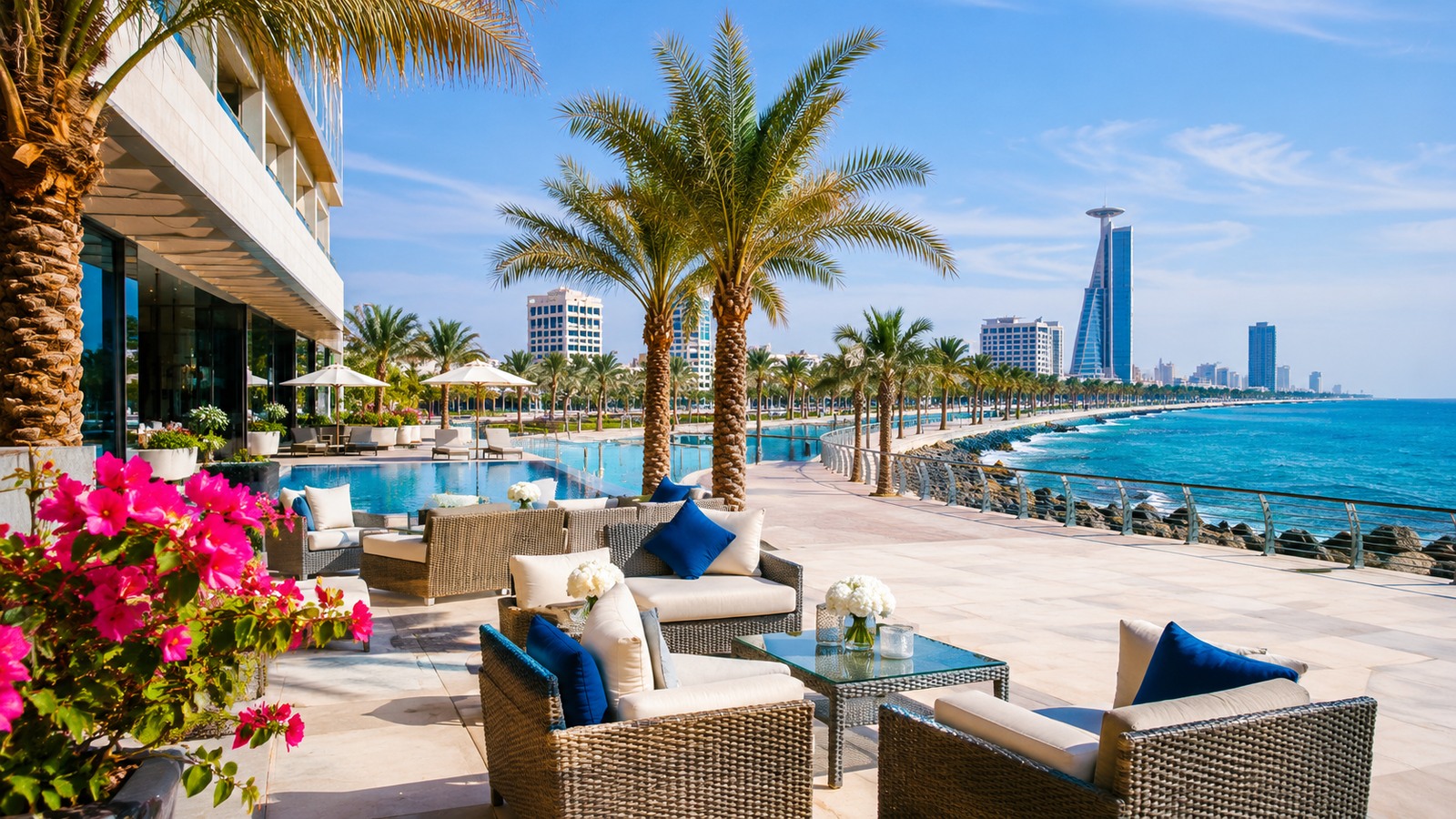
Corniche and Al-Balad-area hotels for the coast and old town.
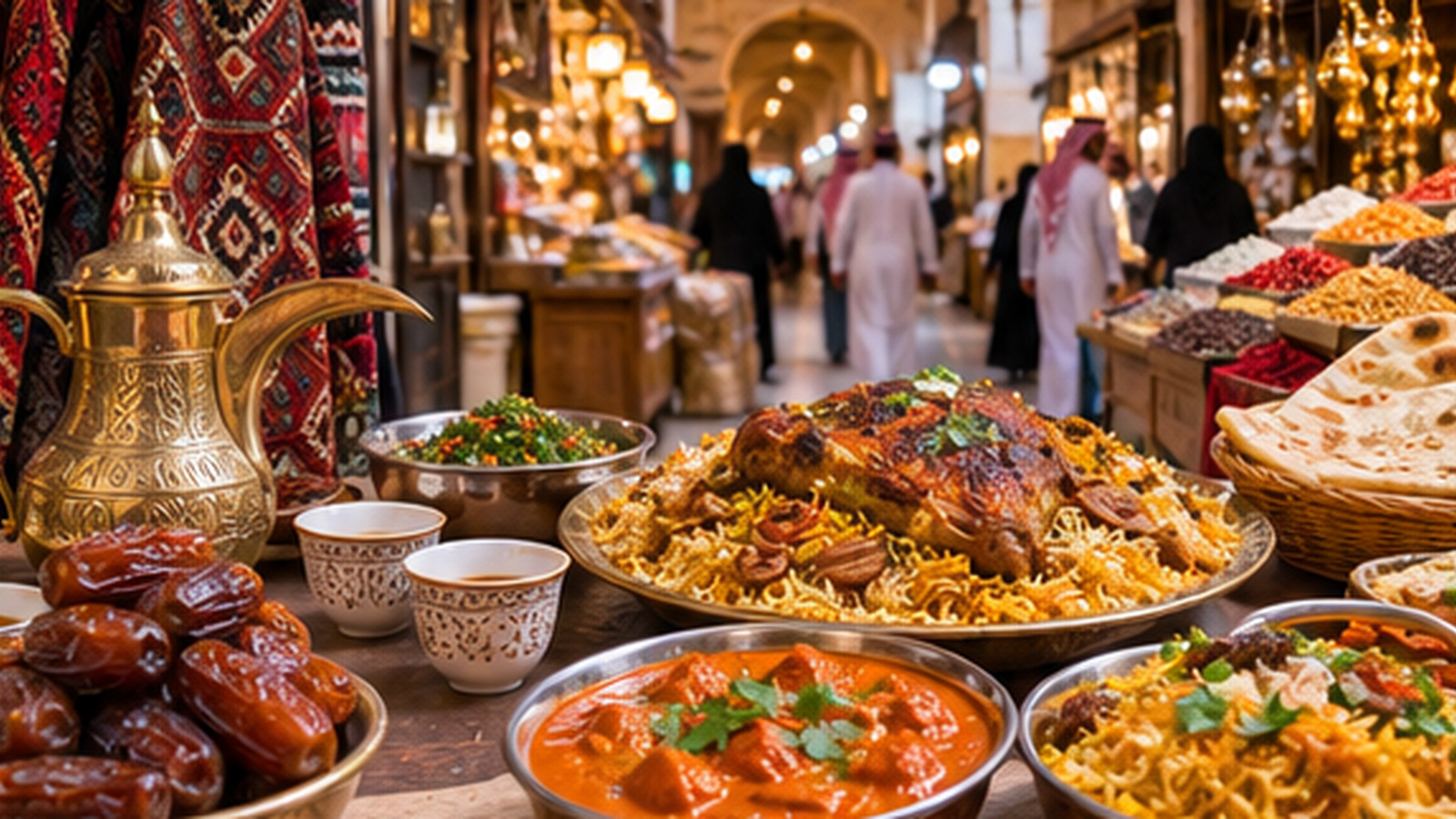
Saudi and Arabian food is hearty and flavourful — kabsa (spiced rice), mandi, grills, hummus and fresh bread — and a huge Indian community means excellent Indian food in the cities.
Vegetarians are well served in the cities — Indian restaurants (including pure-veg and Jain-friendly), Levantine mezze, salads, rice and global options. Jain food is available at Indian spots; confirm no onion/garlic. In remote AlUla, resort restaurants cater to veg diets — plan ahead.
With millions of Indians in the kingdom, Indian restaurants of every region are easy to find in Riyadh and Jeddah, including pure-veg and Jain-friendly options — a big comfort for Indian travellers.
Apply for the tourist e-visa on the official government portal — typically a one-year, multiple-entry visa for stays up to 90 days; holders of a valid US/UK/Schengen/GCC visa may get a visa on arrival. This is separate from Umrah/Hajj pilgrim visas. Carry a passport valid 6+ months, a return ticket and hotel bookings.
Saudi Arabia is more conservative than other Gulf states — dress modestly (cover shoulders and knees; women need not wear an abaya but should dress conservatively). Respect prayer times (some shops pause), Ramadan daytime rules, and local norms. Non-Muslims cannot enter Makkah; parts of Madinah are restricted.
Cards are widely accepted; carry some riyal cash for souks and small shops. UPI is not accepted. Domestic flights link Riyadh, AlUla and Jeddah; Uber/Careem and local taxis cover cities; AlUla and the Edge of the World need tours or 4x4s.
The country is huge — fly between AlUla, Riyadh and Jeddah rather than driving. Book AlUla hotels and Hegra tours well ahead, especially in the Nov–Mar festival season, as capacity is limited.
Buy an STC/Mobily tourist SIM at the airport or use an eSIM. Saudi Arabia uses 230V with the UK-style Type G three-pin plug, so carry a universal adapter and a power bank for long desert days.
The practical way between Riyadh, AlUla and Jeddah given the vast distances.
Needed for the Edge of the World, AlUla sites and desert trips.
Uber/Careem and taxis; Riyadh has a growing metro.
Saudi Arabia has very low crime and is generally safe for tourists, including families; solo women travellers report feeling safe but should dress conservatively and expect a traditional environment. Respect local laws and customs (alcohol is banned, public behaviour is conservative), use licensed tour operators for the desert, take care in extreme heat, and carry travel insurance.
❌ Myth: Tourists can’t visit Saudi Arabia.
✅ Fact: Saudi Arabia opened to tourists with an easy online e-visa — AlUla, Riyadh and Jeddah now welcome Indian travellers, separate from Umrah.
❌ Myth: There’s nothing to see but desert.
✅ Fact: From Hegra’s rock-cut tombs and the Edge of the World to historic Al-Balad and pristine Red Sea reefs, the variety is extraordinary.
❌ Myth: The tourist visa is the same as Umrah.
✅ Fact: They are separate — the tourist e-visa is for travel and sightseeing; Umrah/Hajj have their own pilgrim visas.
❌ Myth: Vegetarians will struggle.
✅ Fact: A huge Indian community means excellent pure-veg and Jain-friendly restaurants in the cities, plus Levantine mezze; plan ahead in remote AlUla.
❌ Myth: Women can’t travel there.
✅ Fact: Women can travel, drive and explore; dress conservatively and respect customs. Many solo women travellers report feeling safe and welcomed.
Yes — Indians can visit for tourism on an online tourist e-visa (typically a one-year, multiple-entry visa for stays up to 90 days); holders of a valid US/UK/Schengen/GCC visa or residence may also get a visa on arrival. This is separate from Umrah/Hajj visas. Carry a passport valid 6+ months, a return ticket and hotel bookings.
No — the tourist e-visa is for sightseeing and travel, while Umrah and Hajj have their own dedicated pilgrim visas. This guide covers tourism on the e-visa.
A 6-day trip is roughly ₹1,00,000–₹1,80,000 per person including flights, the e-visa, domestic flights, hotels and tours, and about ₹2,00,000–₹3,40,000 for a couple. AlUla and good hotels are the main costs.
Direct flights to Riyadh or Jeddah take about 4.5–6 hours from major Indian cities, with many non-stop options.
Five to eight days — AlUla plus one city (Riyadh or Jeddah) in six days, or all three plus the Red Sea in eight. Fly between cities given the distances.
November to March is best — comfortable days and cool nights for AlUla, Riyadh and the desert, with AlUla’s winter festivals. Summer is extreme heat, except the cooler Asir highlands.
In the cities, yes — a large Indian community means excellent pure-veg and Jain-friendly restaurants, plus Levantine mezze. In remote AlUla, resort restaurants cater to veg diets, so plan ahead.
AlUla is Saudi Arabia’s heritage jewel, home to Hegra (Madain Saleh) — over 100 Nabataean rock-cut tombs, like a quieter Petra — plus Elephant Rock, canyons and a charming old town. It is the country’s unmissable highlight.
Saudi Arabia is conservative — dress modestly (cover shoulders and knees; women need not wear an abaya but should dress conservatively), respect prayer times and Ramadan rules, and note alcohol is banned. Non-Muslims cannot enter Makkah.
Yes — it has very low crime and is generally safe. Solo women report feeling safe but should dress conservatively and expect a traditional environment. Use licensed operators for the desert and carry travel insurance.
Recommended (and sometimes required for the visa) — it covers medical care, desert and Red Sea activities, and trip delays.
Sources: Visit Saudi (official tourism) · Saudi Tourist e-Visa (official portal)
A licensed team that has guided thousands of Indians to their visas and admissions.
 Jitender SinghFounder & Managing Director
 Vikram SinghHead – Quality & Operations
 SanjayHead – Tourist Visa Operations
 TejaswaniHead – Counselling Team
 MahimaHead – Visa Filing & Processing
 Pratigya DuttaHead – Student Visa Processing
Free, no-pressure guidance from a real counsellor who handles your case end to end — from documents to decision.