
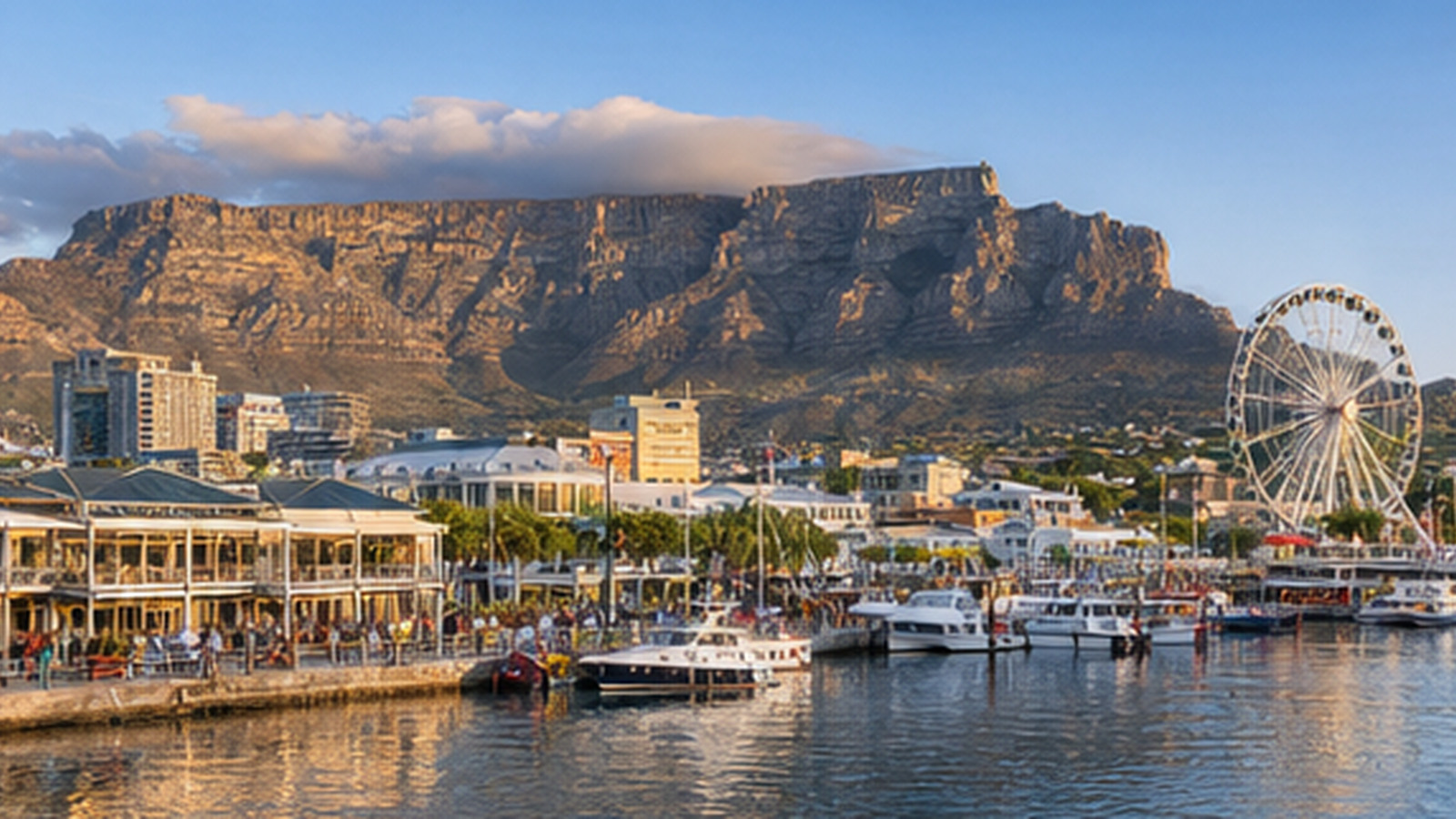
Table Mountain, the V&A Waterfront, beaches and the Cape Peninsula.
A whole world in one country — Big Five safaris in Kruger, Table Mountain and Cape Town, the Garden Route and the Winelands, now easier for Indians with an online travel authorisation.
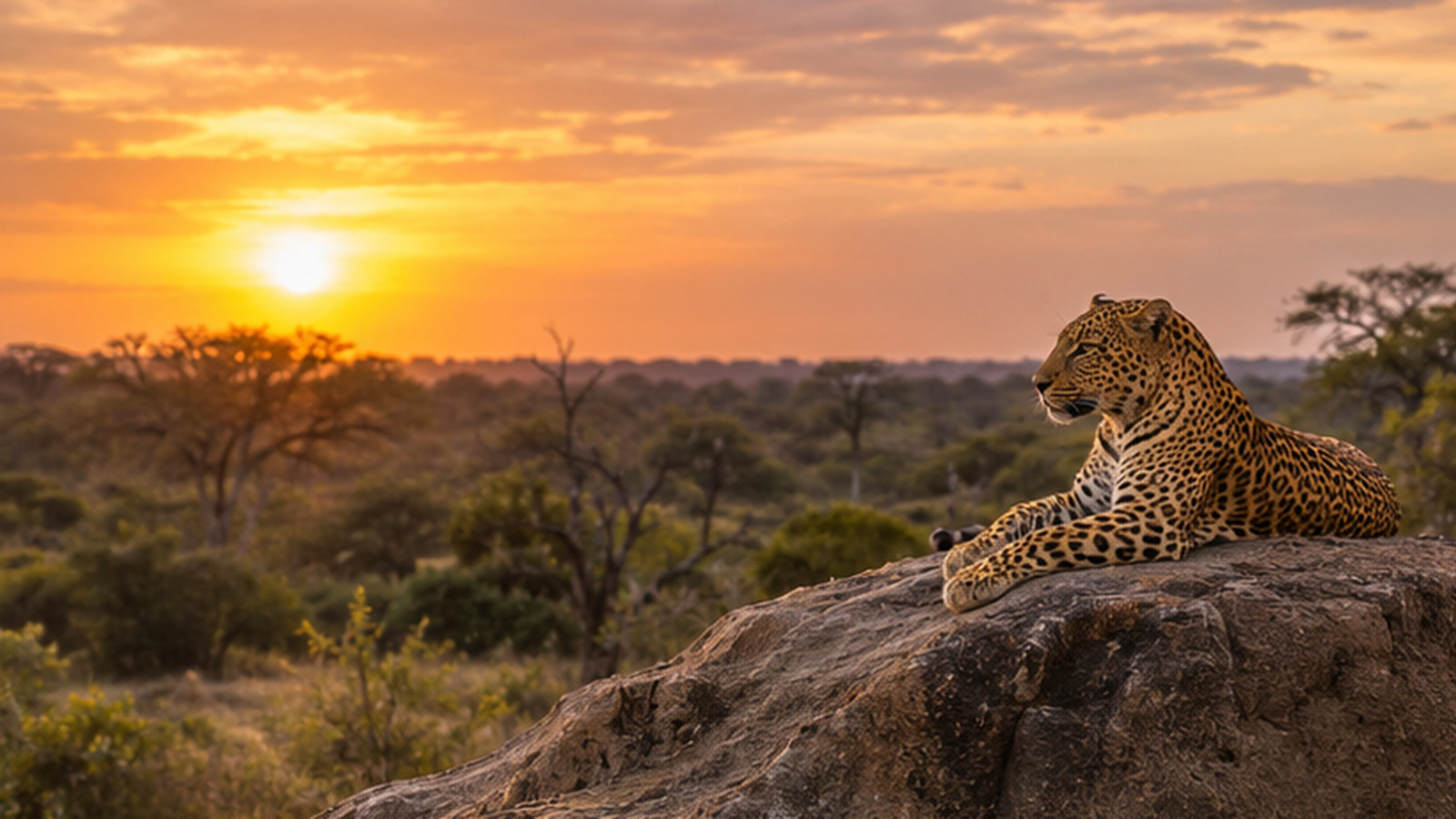
South Africa is often called “a world in one country” — and for good reason. In a single trip you can track the Big Five on safari in Kruger, ride the cableway up Table Mountain above beautiful Cape Town, drive the scenic Garden Route, taste world-class wines in the Cape Winelands, and stand where two oceans meet at Cape Point. For Indian travellers it is an accessible dream, with a long-settled Indian community and an online travel authorisation now making entry easier.
From the penguins of Boulders Beach and the drama of the Cape Peninsula to the bush sunsets of the Sabi Sand and the whale coast of Hermanus, South Africa packs safari, mountains, coast, culture and cuisine into one unforgettable journey — with excellent value and warm, English-speaking hospitality.
This guide is written for Indian travellers: the real safari-and-city cost in rupees from your city, the exact (and changing) entry rule, where vegetarians and Jain travellers eat, how to combine Kruger and Cape Town, and honest, dated advice you can plan around.
South Africa is a favourite with Indians for a safari-and-city holiday: an increasingly simple online travel authorisation, direct and one-stop flights, English everywhere, and a very large Indian-origin community (especially in Durban) with abundant Indian food. It suits families, honeymooners and wildlife lovers, and offers premium experiences at good value.
💡 From our visa desk: The trips we help plan hinge on two things: fly between Kruger and Cape Town rather than driving (it is a long way), and match the season — dry winter (May–September) for the best Big Five viewing, Cape summer (November–March) for Table Mountain, beaches and the Winelands. South Africa is superb value once there, so spend on a good safari and self-drive the Cape and Garden Route.
Online travel authorisation / e-visa for Indian citizens — applied before travel.
Indian passport holders need entry authorisation and apply online — South Africa is moving to a digital Electronic Travel Authorisation (ETA) that replaces the older e-visa. You need a passport valid at least 30 days beyond your stay with two blank pages, a return/onward ticket and proof of funds. Rules are changing — confirm the current entry requirement before you book.
Check your South Africa entry requirement →May to September (dry winter) is prime safari season and great for Kruger; the Cape is loveliest in summer (November–March). Whale watching peaks June–November. See the month-by-month table below.
| Season | What it's like & who it suits |
|---|---|
| May–Sep (dry/safari) | The best safari season — sparse bush and animals at waterholes make Kruger spotting easy; cooler, dry days. |
| Nov–Mar (Cape summer) | Warm and sunny in Cape Town and the coast — ideal for beaches, the Winelands and the Garden Route. |
| Jun–Nov (whales) | Southern right whales off Hermanus and the whale coast. |
| Apr & Oct (shoulder) | Pleasant nationwide with fewer crowds — a great all-round time. |
| Month | Weather & what’s on (incl. Indian holiday windows) |
|---|---|
| January–February | Hot Cape summer — perfect for Table Mountain, beaches and the Winelands; Kruger is green, humid and lusher (harder big-game viewing but beautiful). Peak Cape prices early January. |
| March | Warm and mellow nationwide with autumn in the Cape and the Winelands harvest — a lovely, good-value month. |
| April | Pleasant shoulder weather everywhere with thinning crowds; a great all-round time to visit. |
| May–June | Dry winter begins in the bush — superb Kruger safari weather as animals gather at waterholes; cooler, drier Cape days and whales arriving. |
| July–August | Prime safari season — sparse bush and excellent Big Five viewing in Kruger; cool Cape winter. Overlaps the Indian summer break; book ahead. |
| September–October | Spring — warming up, still excellent safari viewing, wildflowers in the Cape and peak whale season. One of the best windows. |
| November | Warm and lovely in the Cape before the summer peak; the bush greens up. Pleasant around Diwali. |
| December | Hot Cape summer and festive; superb beaches and Winelands, but peak Christmas–New Year prices and crowds. |
Table Mountain, the V&A Waterfront, beaches and the Cape Peninsula.
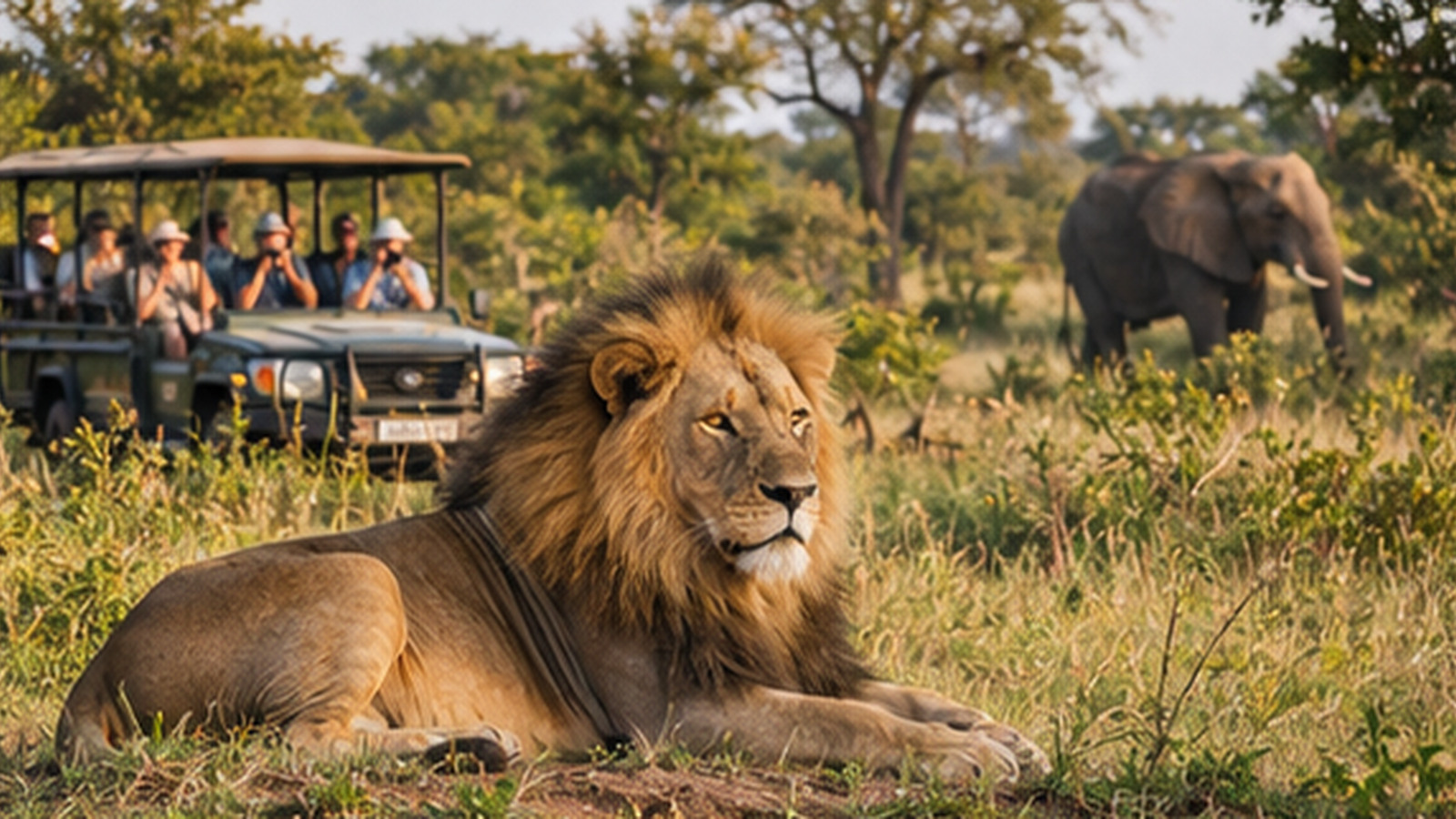
The flagship Big Five safari region in the north-east.
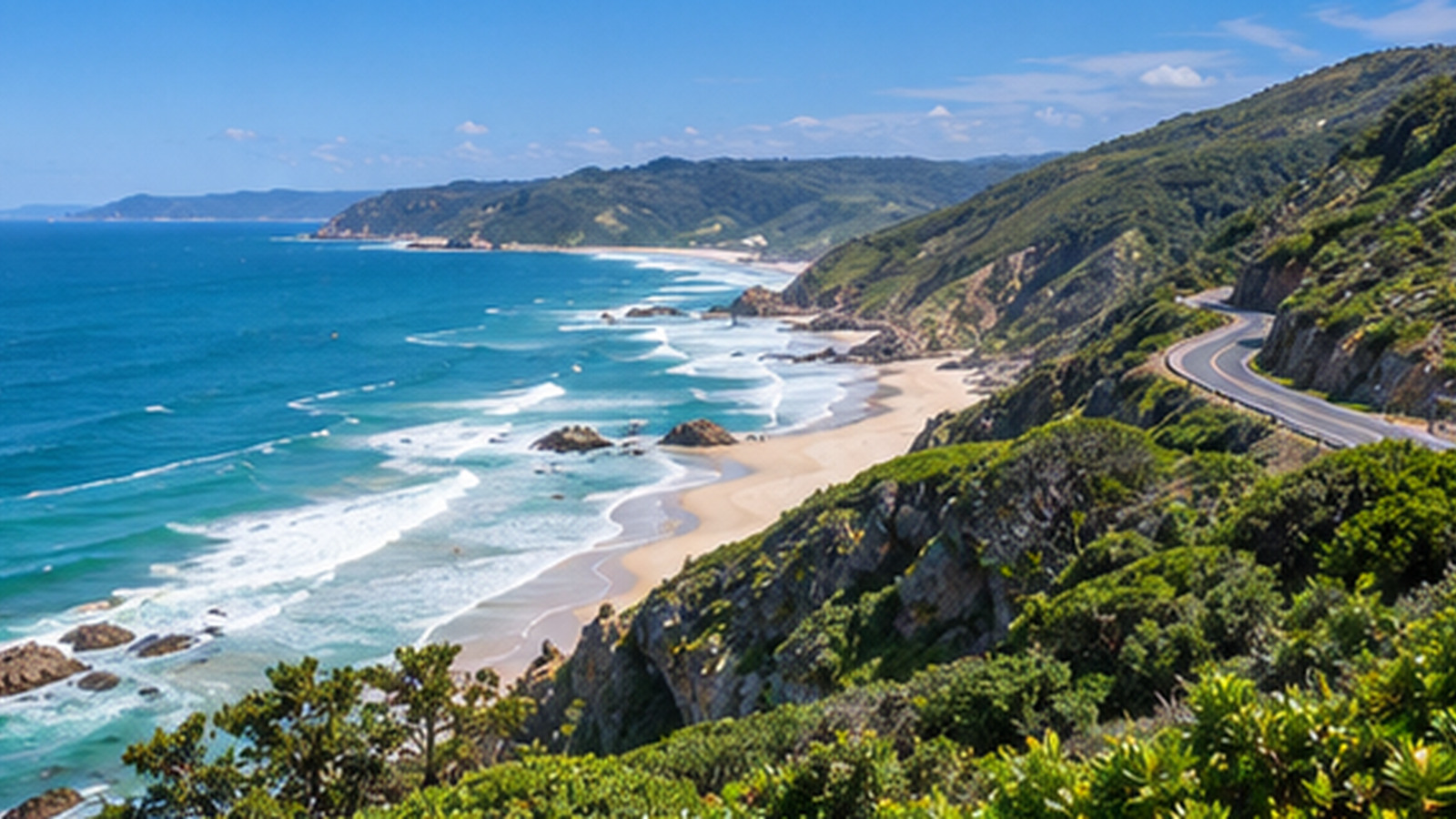
A scenic coastal drive of beaches, forests and lagoons from Cape Town eastwards.
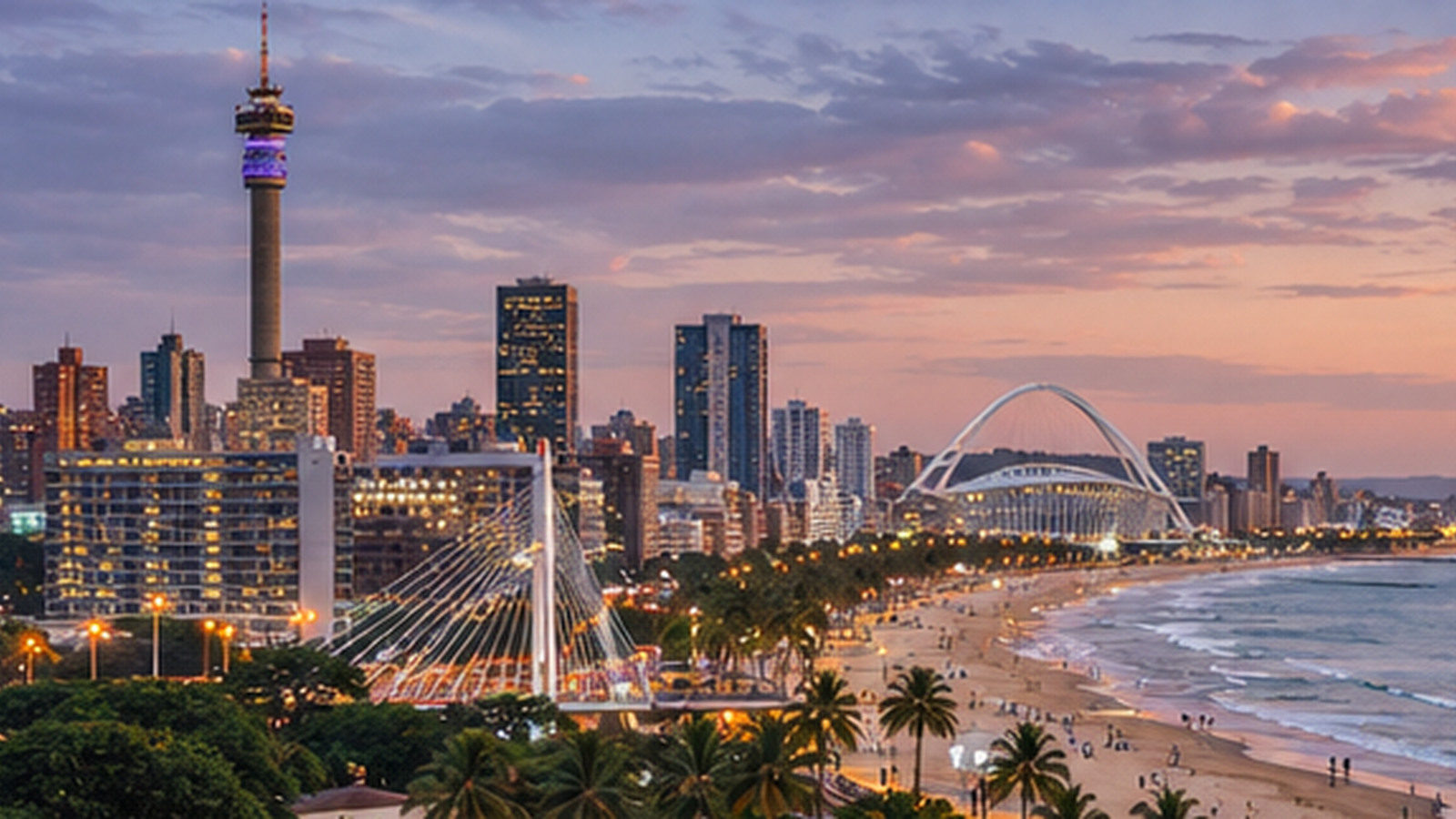
Joburg (history, Soweto, the Apartheid Museum) and Durban (beaches and a huge Indian community).
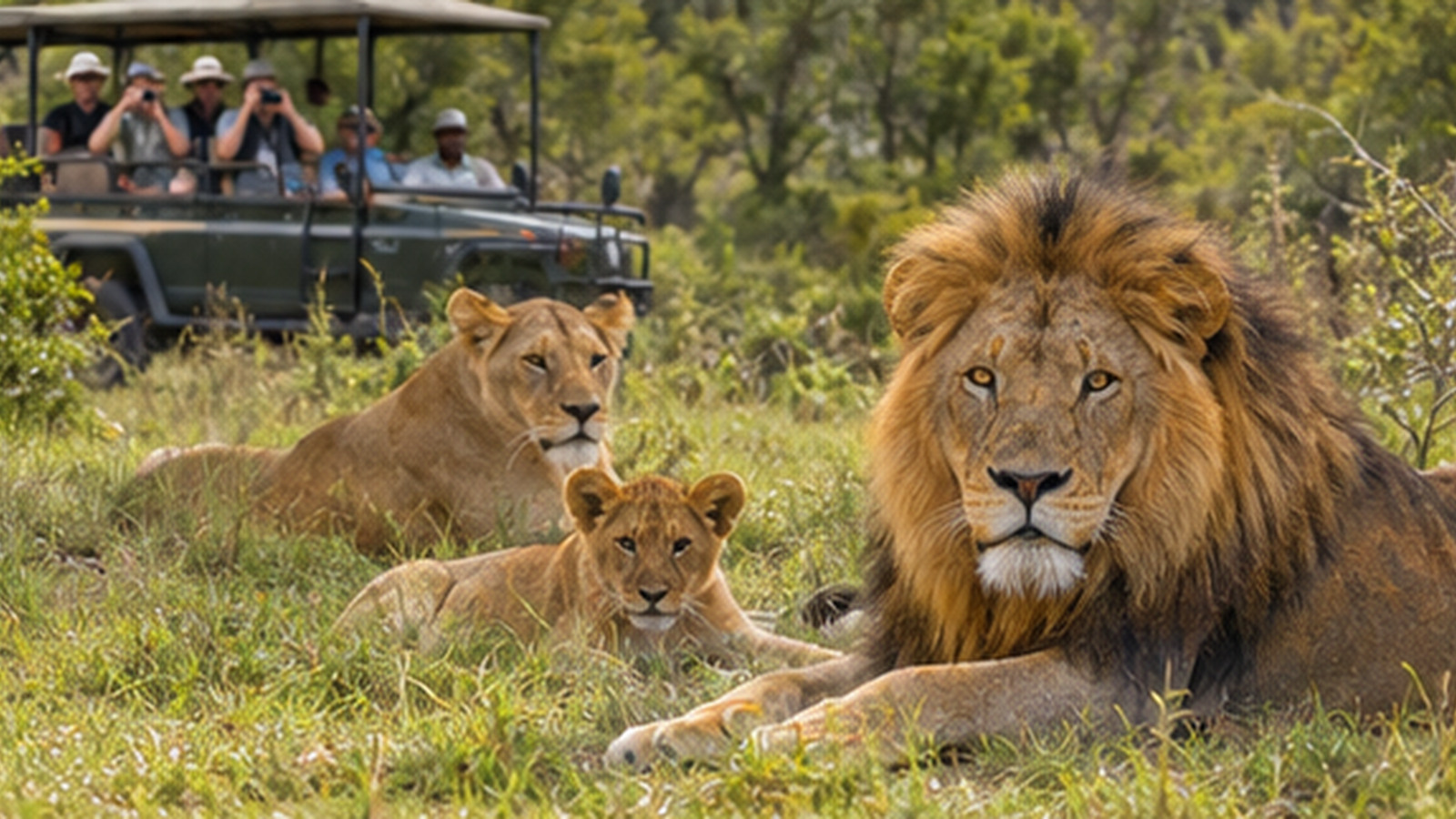
World-class Big Five game drives — lions, elephants, leopards, rhino and buffalo.
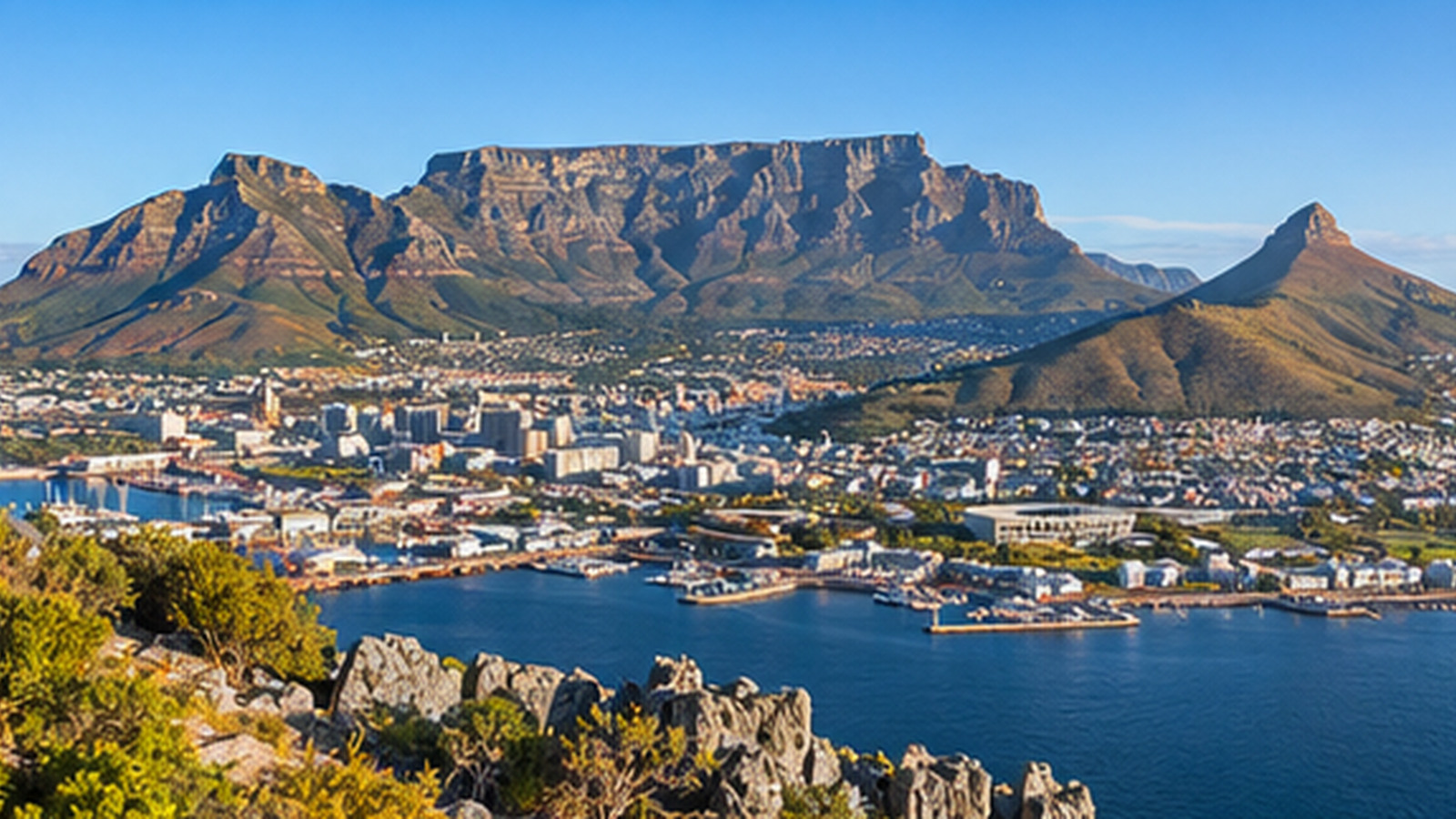
The flat-topped icon reached by cableway, with sweeping views over the city and sea.
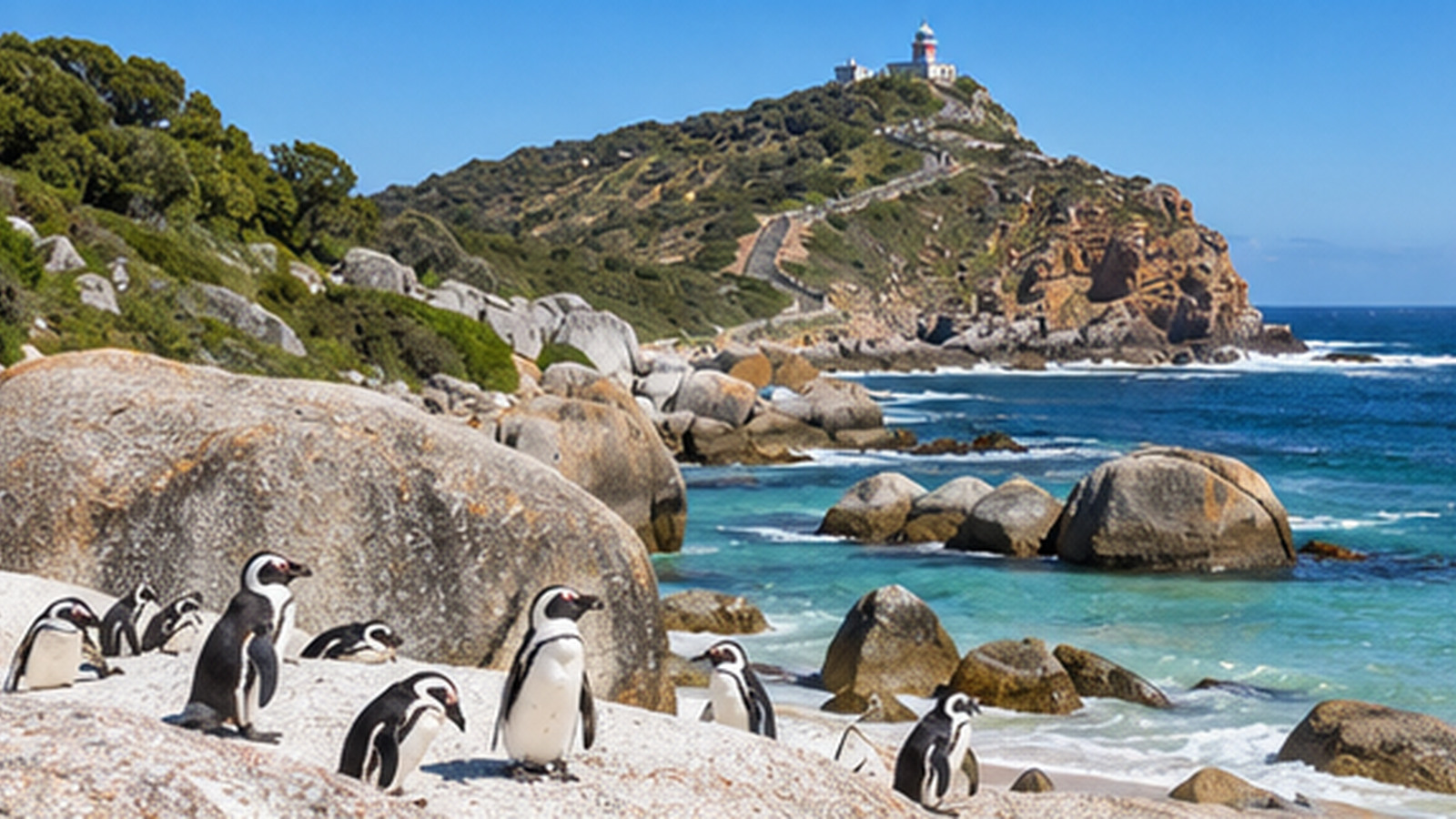
A spectacular drive to Boulders Beach penguins and the dramatic Cape of Good Hope.
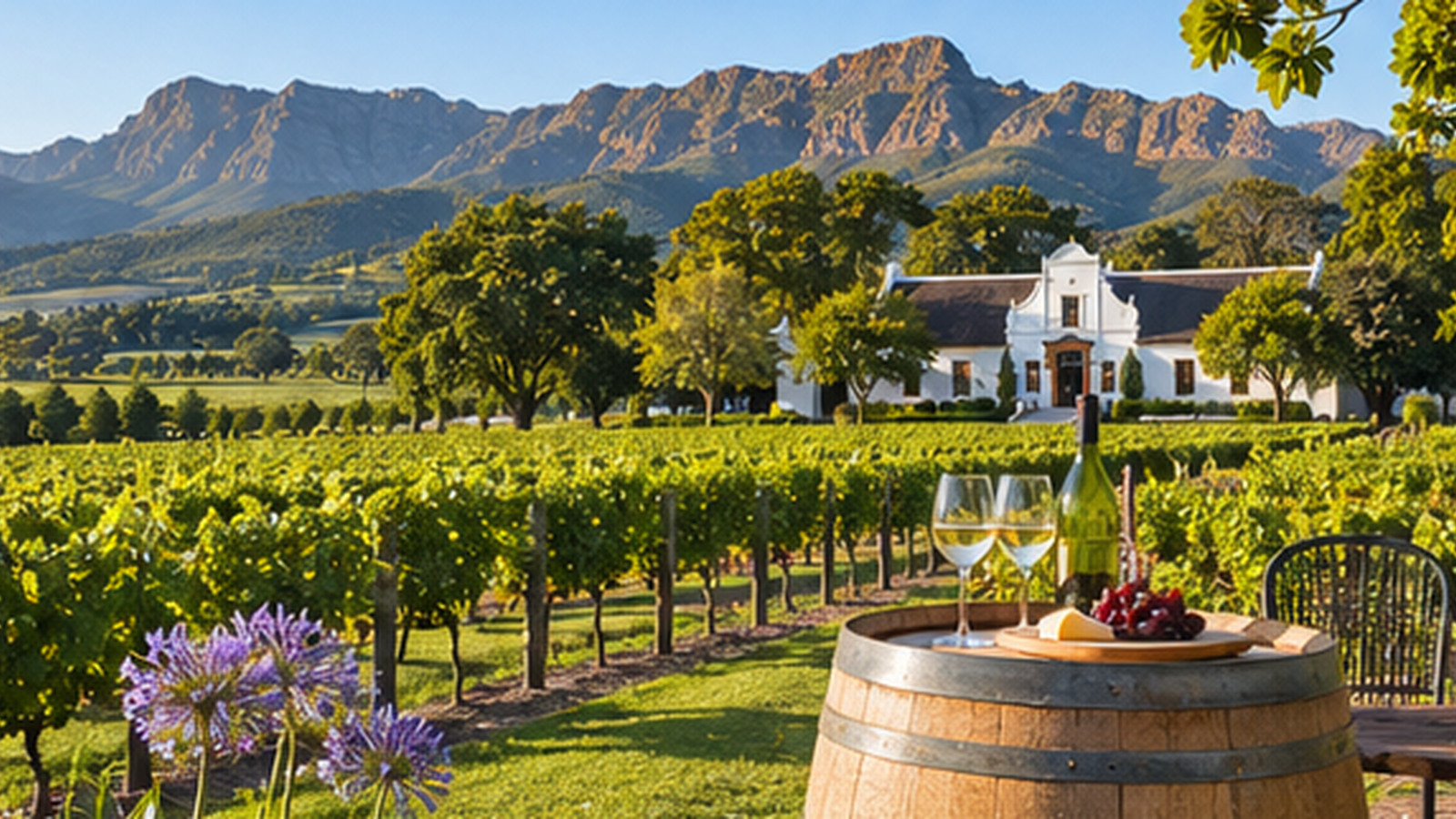
Stellenbosch and Franschhoek — elegant estates and world-class wine tasting.
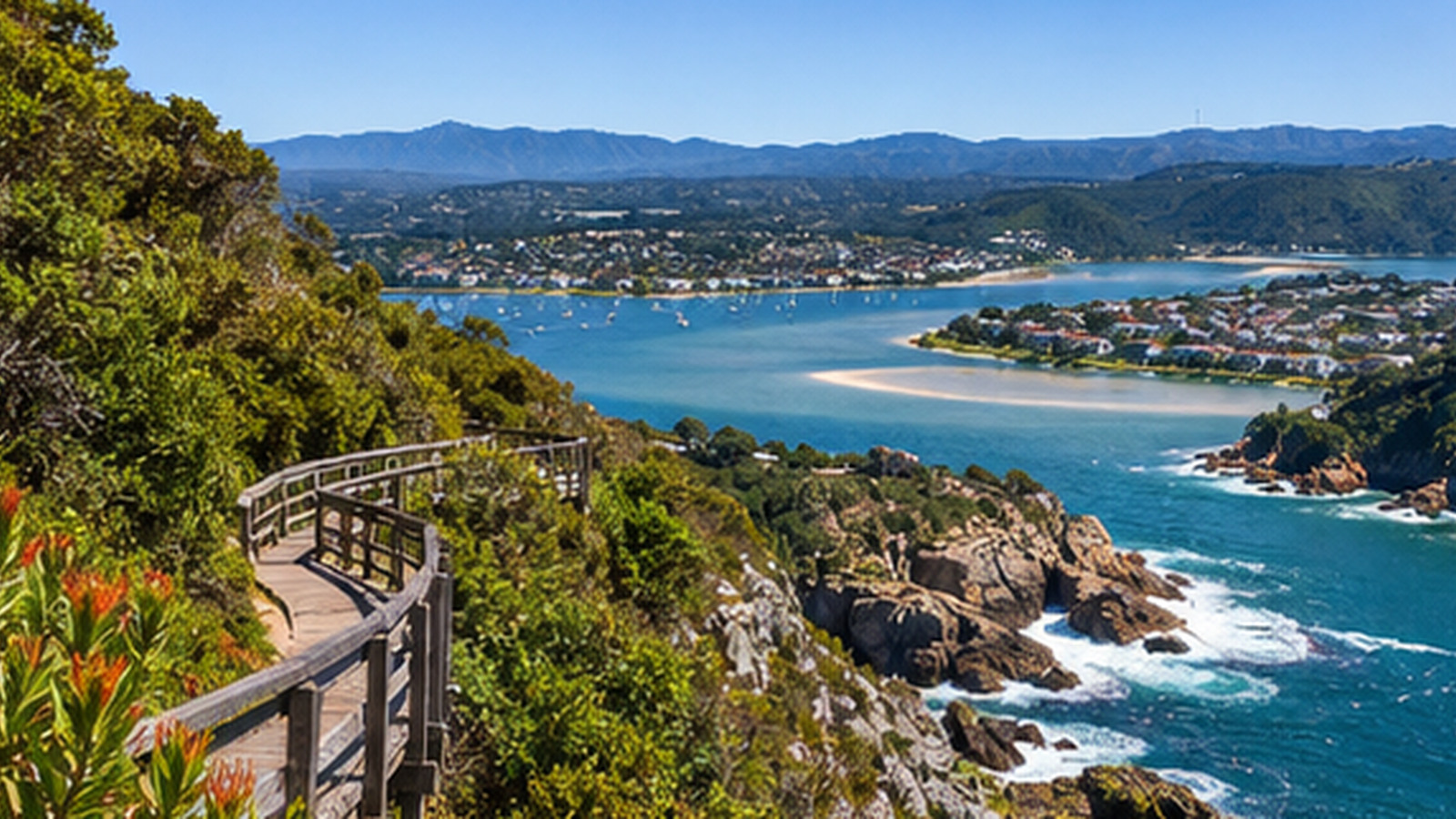
Knysna lagoon, Tsitsikamma forests and beaches along a stunning coast.
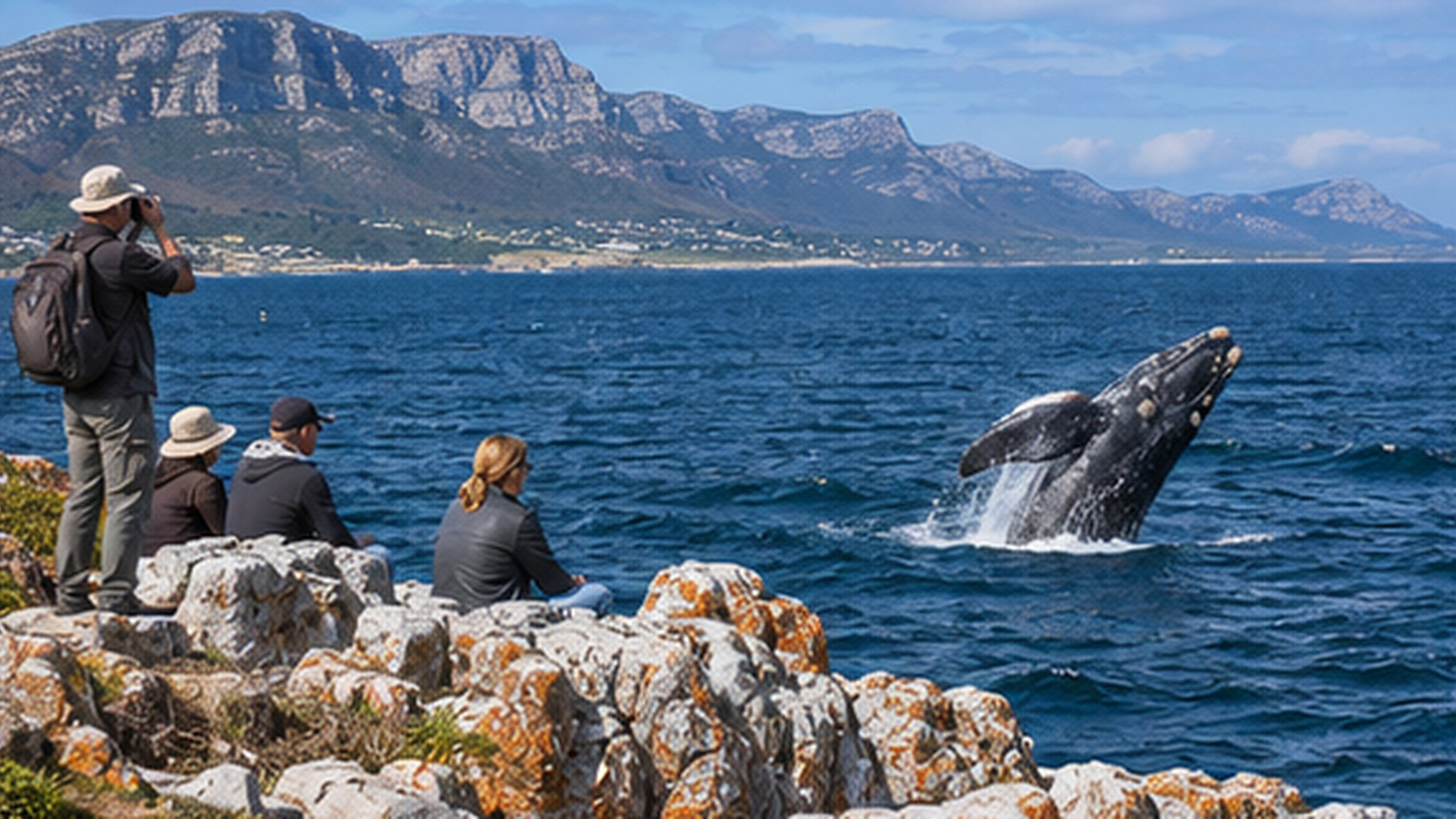
One of the world’s best land-based whale-watching spots (Jun–Nov).
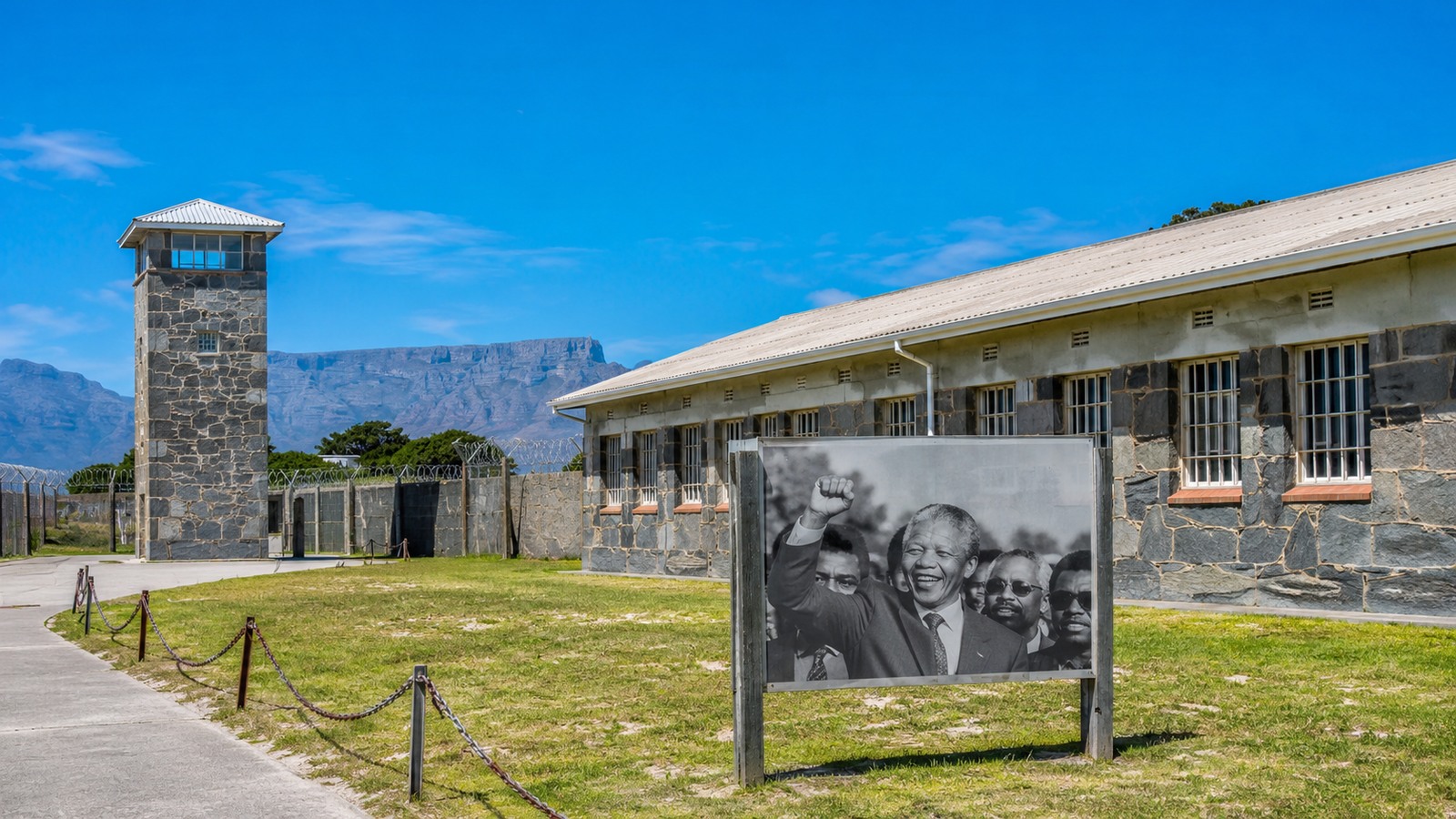
The moving history of Mandela and apartheid, in Cape Town and Johannesburg.
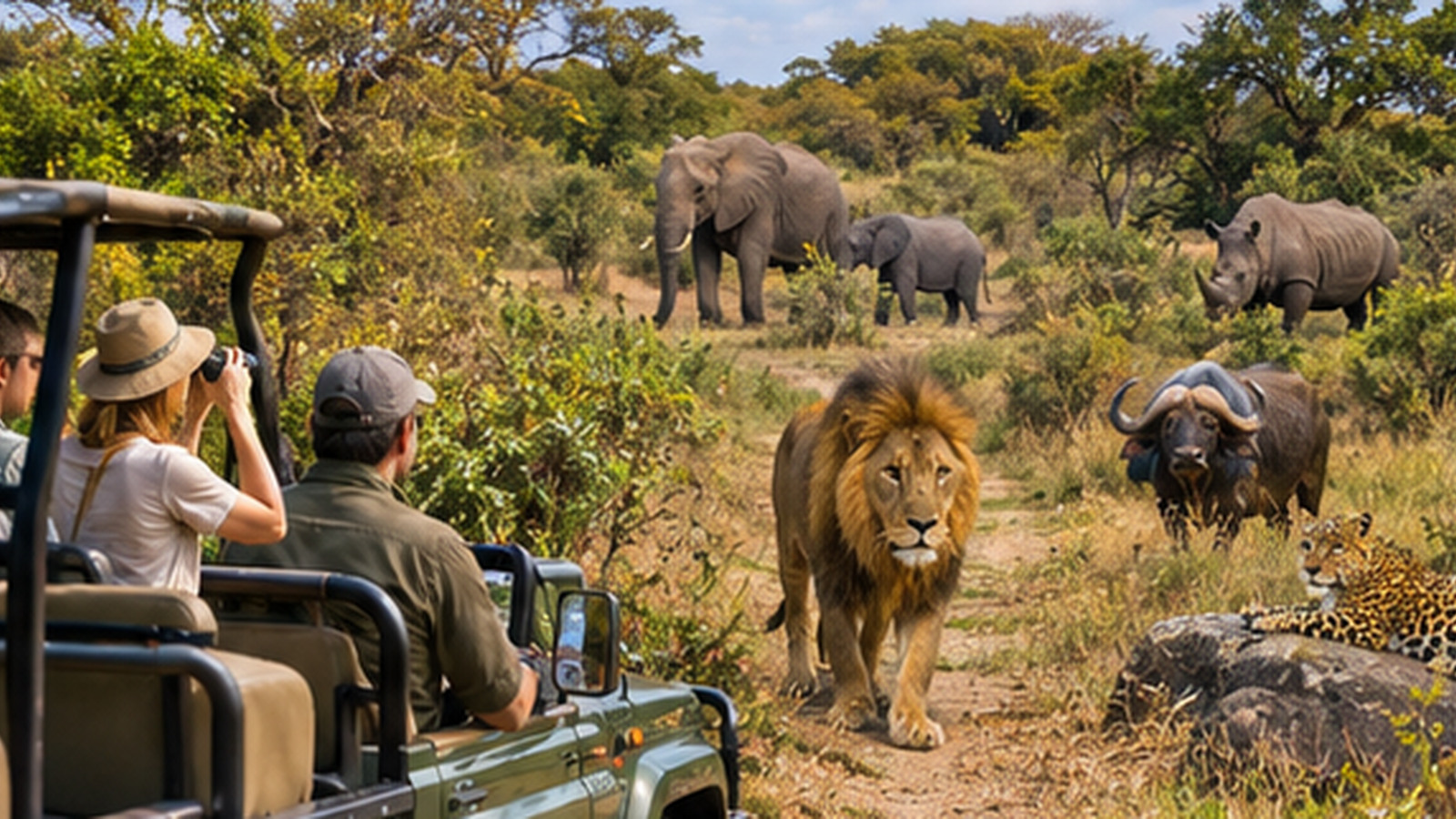
Big Five game drives in Kruger and private reserves.
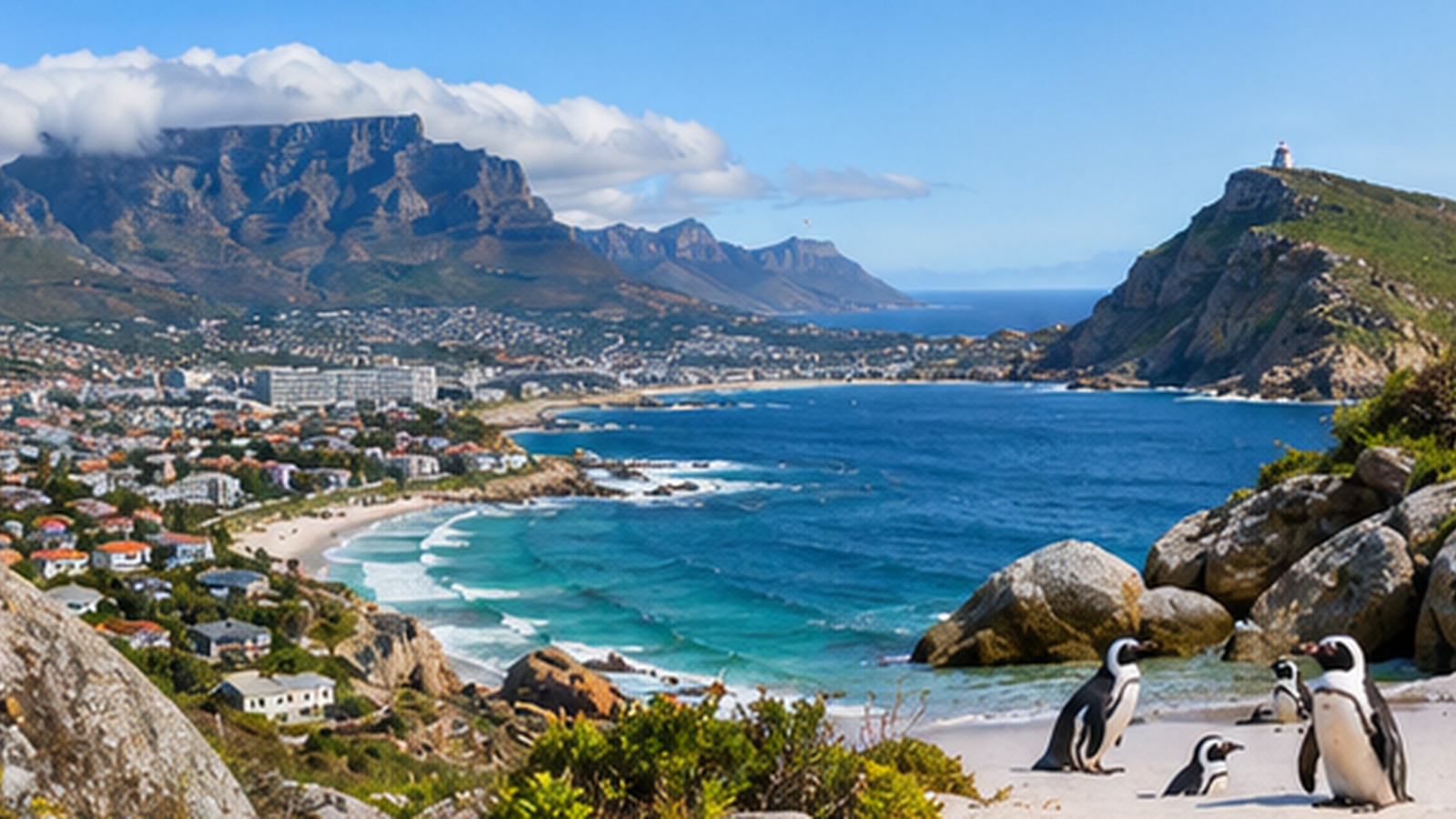
Table Mountain, beaches, penguins and Cape Point.
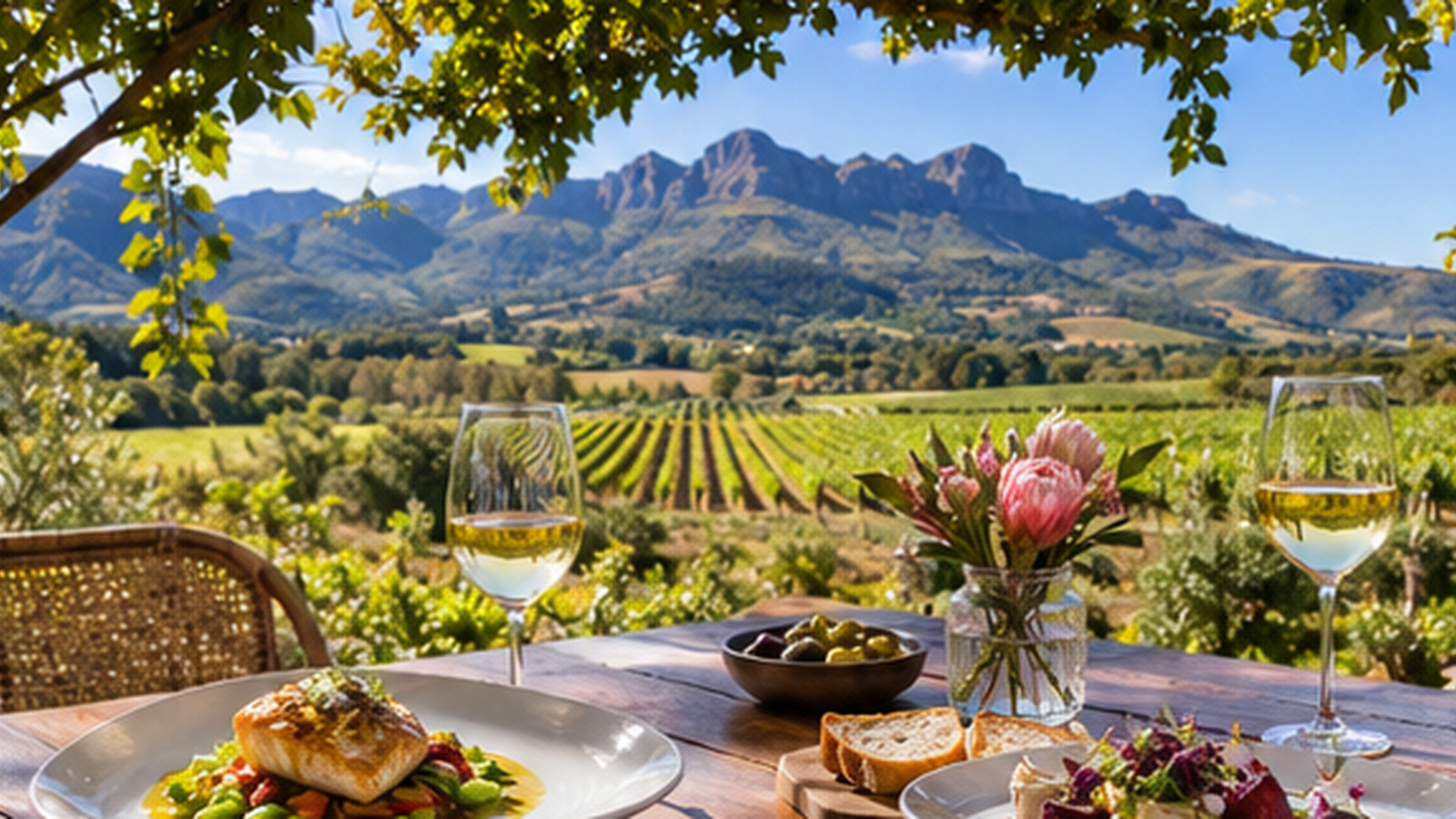
The Cape Winelands, markets and superb dining.
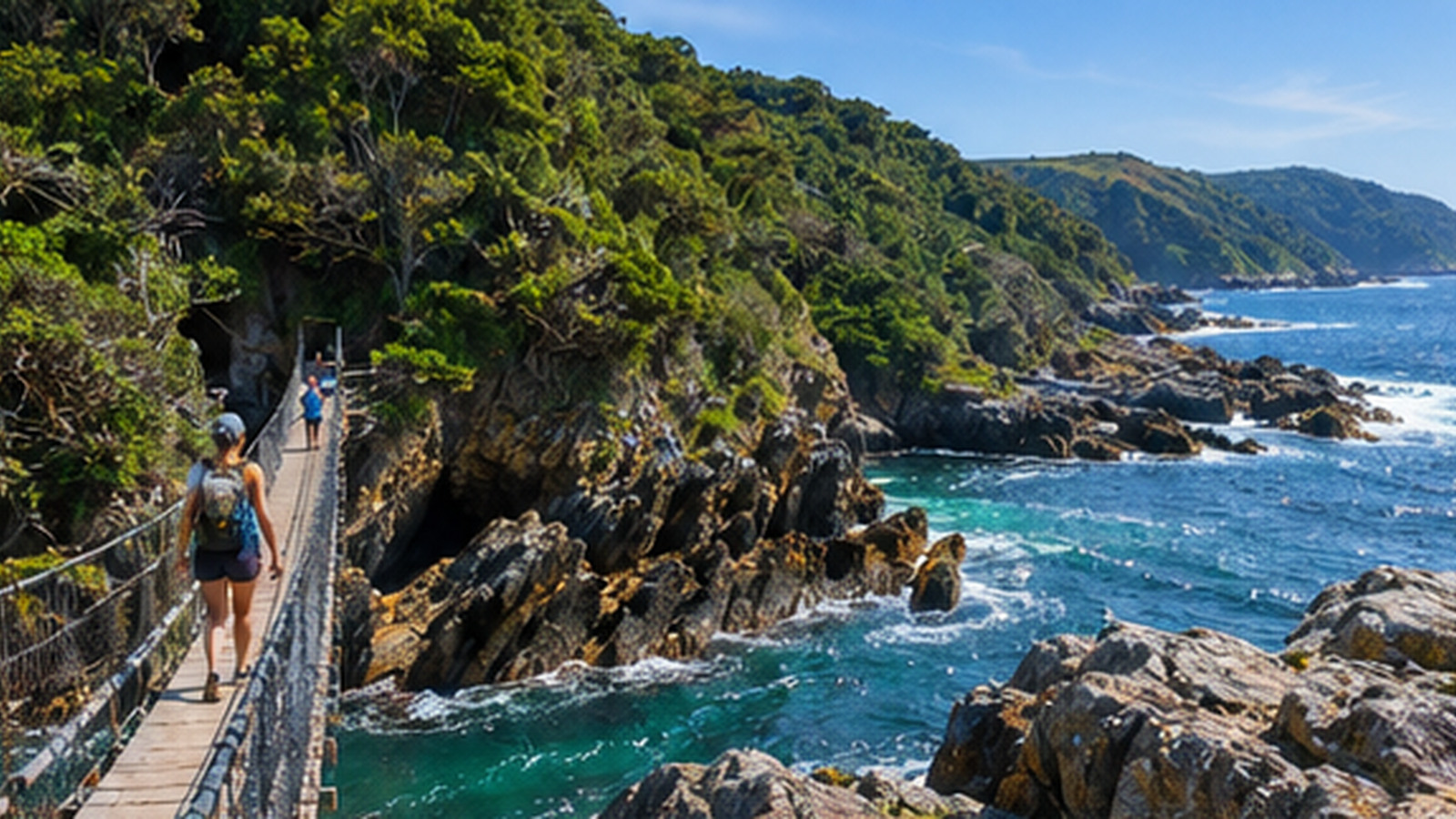
The Garden Route, whale watching and forests.
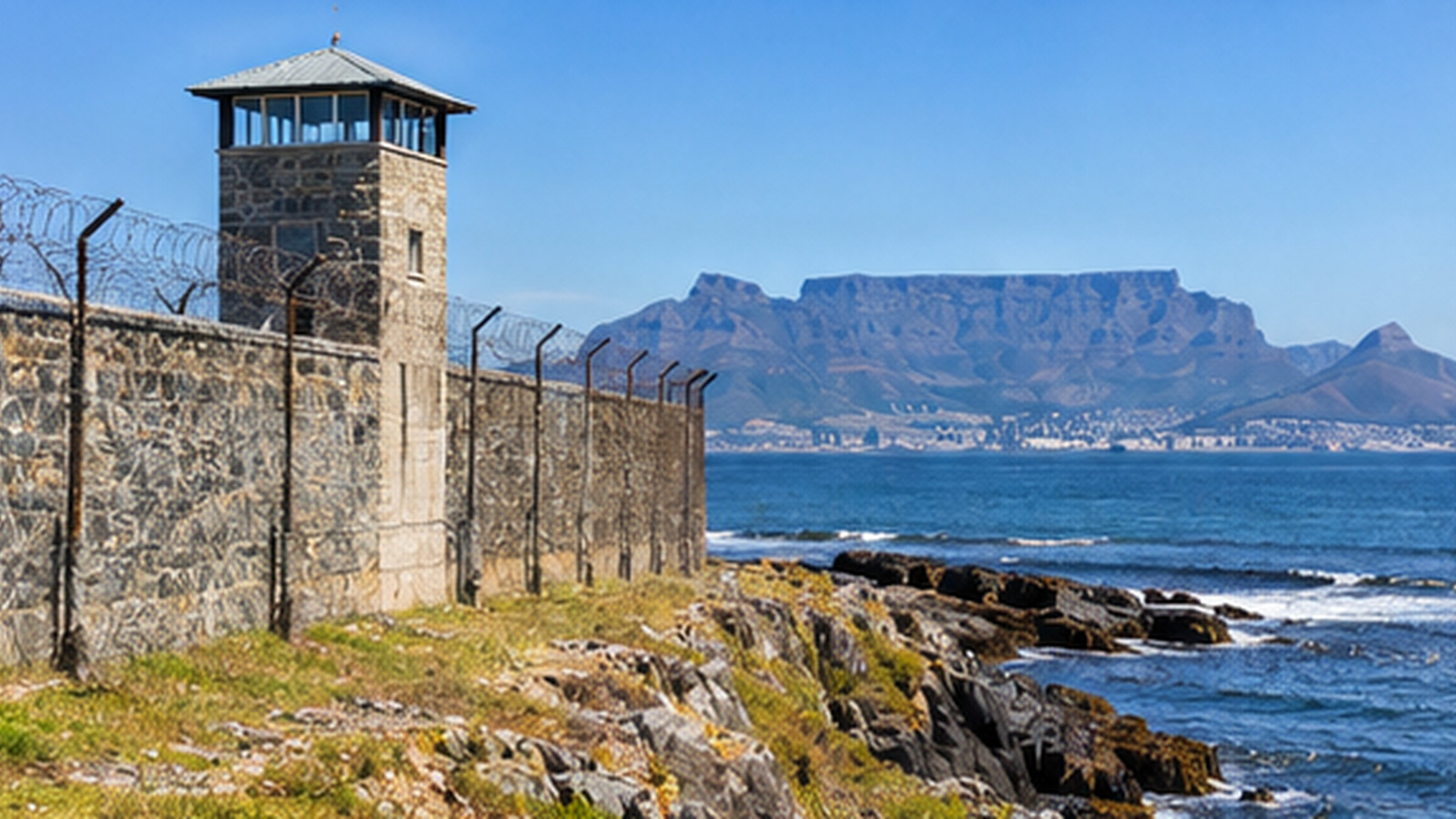
Robben Island, the Apartheid Museum and Soweto.
Book tours & activities through our travel partners — see options. Bluebird Next may earn a commission from partner bookings at no extra cost to you (Affiliate Disclosure).
South Africa offers premium safari experiences at good value versus other regions; flights and safaris are the big costs, while food and wine are affordable. Indicative per-person figures for a 9-day trip in 2026 (prices checked Nov 2026).
| Item | Typical cost (per person) |
|---|---|
| Return flights (ex-India) | ₹55,000 – ₹1,00,000 |
| ETA / e-visa (fee) | ₹2,500 – ₹5,000 |
| Safari lodges + fees (per day) | ₹12,000 – ₹45,000 |
| Cape Town hotels (per night, twin) | ₹5,000 – ₹16,000 |
| Internal flight (Kruger–Cape Town) | ₹6,000 – ₹14,000 |
| Food, wine & local transport | ₹2,500 – ₹5,000 / day |
| From | Typical return airfare |
|---|---|
| Mumbai | ₹55,000 – ₹95,000 (direct/1-stop) |
| Delhi | ₹58,000 – ₹1,00,000 (1-stop) |
| Bengaluru | ₹58,000 – ₹98,000 (1-stop) |
| Chennai | ₹58,000 – ₹98,000 (1-stop) |
| Kolkata/Hyderabad | ₹58,000 – ₹1,00,000 (1-stop) |
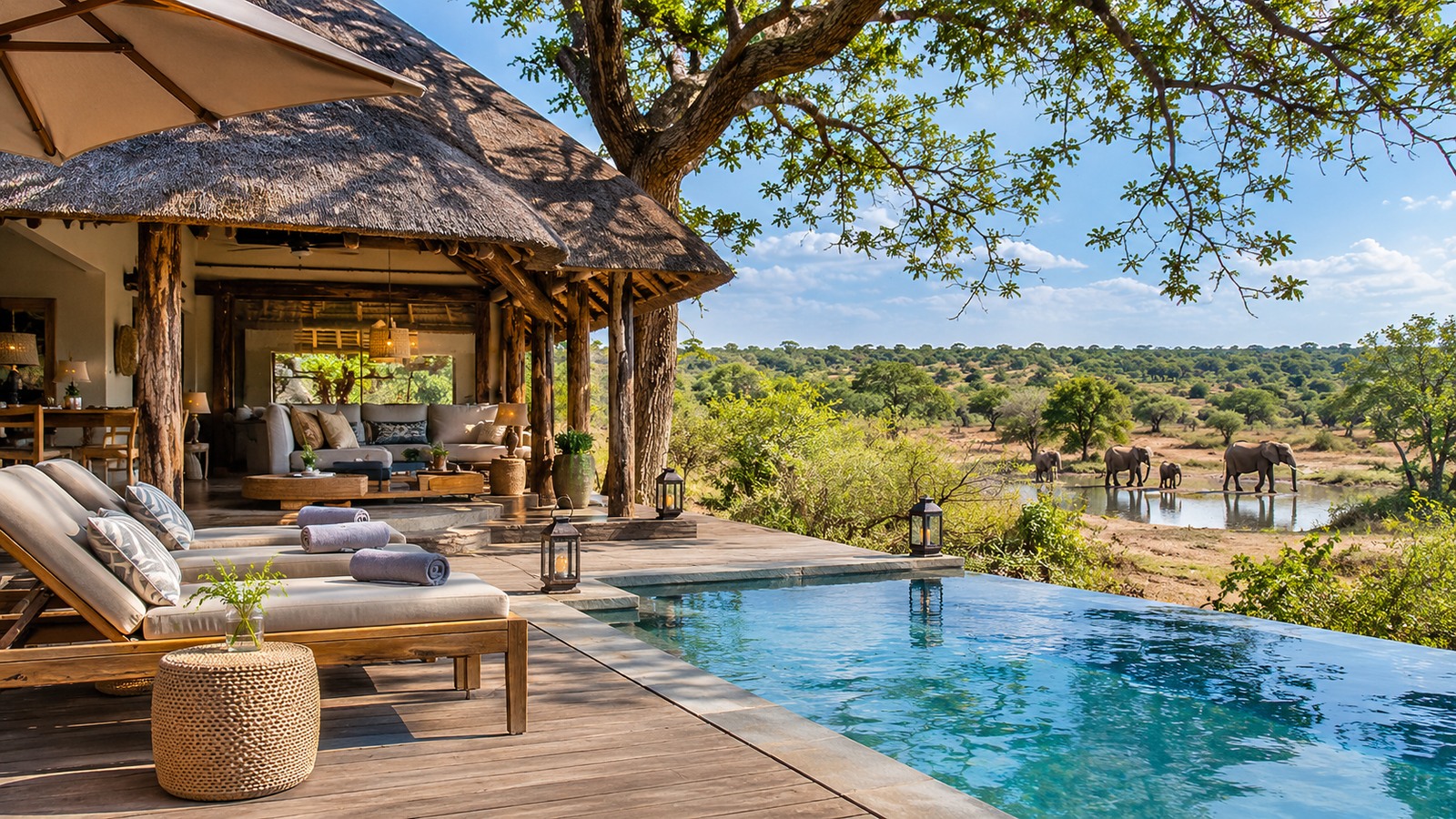
Safari lodges and private-reserve camps for game drives.
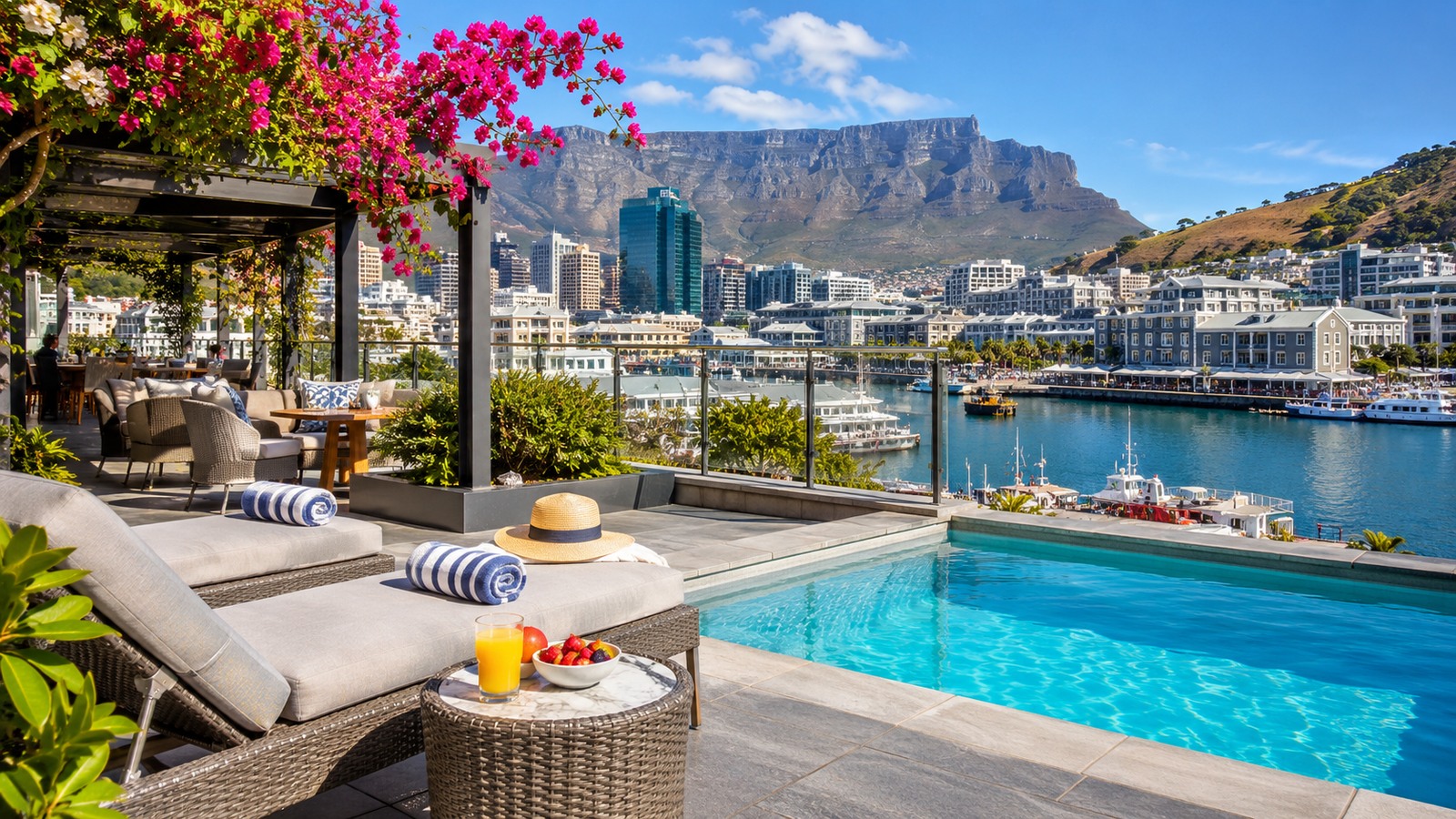
Central for Table Mountain, the harbour and dining.
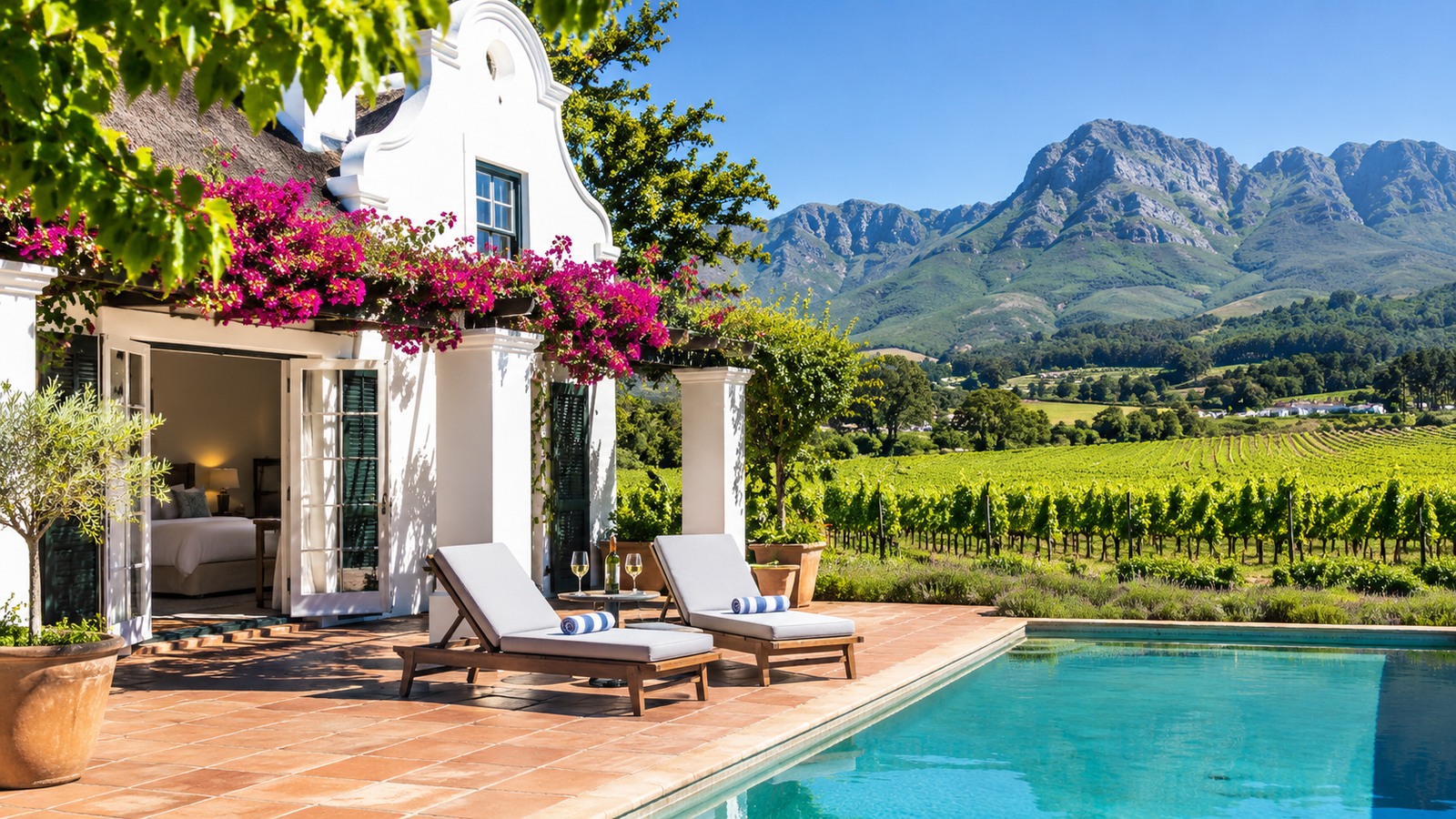
Vineyard estates and boutique stays.
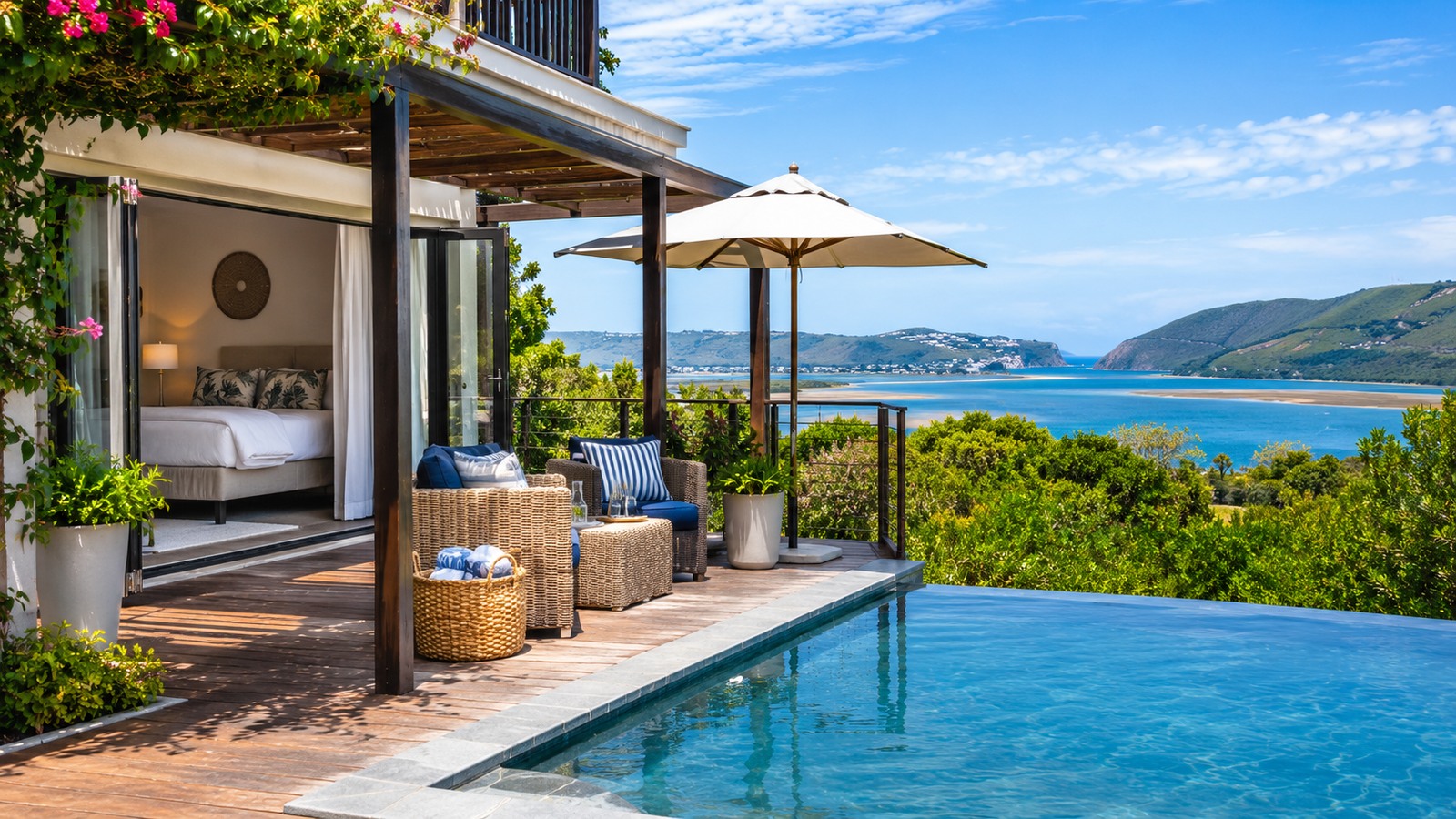
Coastal towns for the scenic drive.
South African food is diverse — braai (barbecue), seafood, Cape Malay curries, biltong and world-class wines; Durban is famous for its Indian-origin cuisine (bunny chow).
Vegetarians do well — Cape Malay and Indian-influenced dishes, fresh produce, salads and excellent cafe and restaurant veg options; lodges cater to veg diets with notice.
With a very large Indian community (especially in Durban), authentic Indian and pure-veg food is widely available, and Cape Malay cuisine has strong Indian roots — veg and Jain travellers are well served.
The rand is the currency (ZAR 1 is about ₹4.8), and South Africa is excellent value once you arrive. Cards and contactless are accepted almost everywhere; carry cash for tips, markets and small-town fuel stops. UPI is not accepted. Use bank or mall ATMs (be alert at ATMs and never accept help from strangers), and tip around 10–15% at restaurants and your safari guide/tracker daily.
Fly between Johannesburg/Kruger and Cape Town — it is a long way by road. For the Cape, Winelands and Garden Route, self-drive is easy and scenic (they drive on the left, like India; carry an International Driving Permit). In cities, use Uber/Bolt rather than walking with valuables.
The Kruger lowveld is a malaria area — take a doctor’s advice on prophylaxis and use repellent; some private reserves and the Eastern Cape are malaria-free (check). Tap water is safe in the cities.
Buy a Vodacom, MTN or Cell C SIM (you need your passport to register it), or use a travel eSIM. South Africa uses 230V with the unusual Type M (large three-pin) and Type N sockets — a universal adapter is essential, and bring a power bank for load-shedding (scheduled power cuts).
South Africa needs sensible urban caution — do not walk alone at night, keep valuables out of sight, use registered transport, and lock doors while driving. Tourist areas, lodges and the Cape are well-geared for visitors; follow guides’ wildlife rules on safari.
Flights link Johannesburg/Kruger and Cape Town quickly — the easiest way to combine safari and city.
Driving is on the left; self-drive is popular and easy for the Cape, Winelands and Garden Route.
Lodges arrange road or air transfers and guided game-drive vehicles.
Tourist areas, safari lodges and the Cape are well-geared for visitors, but South Africa needs sensible urban caution — avoid isolated areas, do not walk alone at night, keep valuables out of sight, lock car doors, and use registered transport such as Uber/Bolt. Follow guides’ wildlife-safety rules, take malaria advice for Kruger, carry a power bank for load-shedding, and hold comprehensive travel insurance covering safaris, adventure activities and medical care.
❌ Myth: South Africa is too dangerous to visit.
✅ Fact: Millions visit safely each year. Tourist areas, lodges and the Cape are well-run; you simply apply normal city caution — avoid isolated areas at night, use Uber/Bolt and keep valuables out of sight.
❌ Myth: A safari here is unaffordable.
✅ Fact: South Africa is strong value — a Cape Town, Winelands and Garden Route self-drive (or a budget Kruger self-drive) with guesthouses brings a trip closer to ₹1,40,000 per person.
❌ Myth: Vegetarians struggle in a braai country.
✅ Fact: The opposite — a huge Indian community (especially Durban), Cape Malay cuisine and excellent cafes mean abundant veg and pure-veg food; lodges cater to Jain diets with notice.
❌ Myth: You can drive Kruger to Cape Town easily.
✅ Fact: They are over 1,500 km apart — fly between them and self-drive only the Cape and Garden Route, which are compact and scenic.
❌ Myth: It is only worth it for the safari.
✅ Fact: Table Mountain, the Cape Peninsula and penguins, the Winelands, whale watching and the Garden Route make a superb trip even without a safari.
Yes — Indian passport holders apply online before travel; South Africa is moving to a digital Electronic Travel Authorisation (ETA) that replaces the older e-visa. Carry a passport (valid 30+ days beyond stay, with two blank pages), a return ticket and proof of funds. Rules are changing, so confirm the current process before booking.
A 9-day safari-and-Cape-Town trip is roughly ₹1,80,000–₹4,00,000 per person, and about ₹3,60,000–₹7,00,000 for a couple. A Cape-and-Garden-Route self-drive without a fly-in safari can be around ₹1,40,000 per person.
May to September (dry winter) is prime for Kruger, when sparse bush and waterholes make the Big Five easy to spot; the Cape is best in summer (November–March), and whales peak June–November.
Yes — a short internal flight links Kruger/Johannesburg and Cape Town, making a classic 9–12 day safari-and-city trip with the Winelands and the Garden Route.
Yes, with sensible precautions. Tourist areas, lodges and the Cape are well-geared for visitors; avoid isolated areas at night, use Uber/Bolt, keep valuables out of sight and follow guides’ wildlife rules on safari.
Cards and contactless work almost everywhere; UPI is not accepted, so carry some rand cash for tips, markets and small-town stops, and use bank or mall ATMs.
Very — a large Indian community (notably in Durban) means abundant Indian and pure-veg food, Cape Malay cuisine has Indian roots, and veg options are standard in cities and lodges (with notice).
For the low-lying Kruger area, take a doctor’s advice on anti-malarials and use repellent; some private reserves and the Eastern Cape are malaria-free — check your exact destination.
Load-shedding is scheduled power cuts. Hotels and lodges mostly run backup generators, but carry a power bank and keep devices charged; it rarely disrupts a well-planned trip.
Direct or one-stop flights to Johannesburg or Cape Town take roughly 9–14 hours depending on the route.
Strongly recommended, with medical and evacuation cover — it also protects your safari, adventure activities and flights.
Sources: South Africa Department of Home Affairs · South African Tourism
A licensed team that has guided thousands of Indians to their visas and admissions.
 Jitender SinghFounder & Managing Director
 Vikram SinghHead – Quality & Operations
 SanjayHead – Tourist Visa Operations
 TejaswaniHead – Counselling Team
 MahimaHead – Visa Filing & Processing
 Pratigya DuttaHead – Student Visa Processing
Free, no-pressure guidance from a real counsellor who handles your case end to end — from documents to decision.