
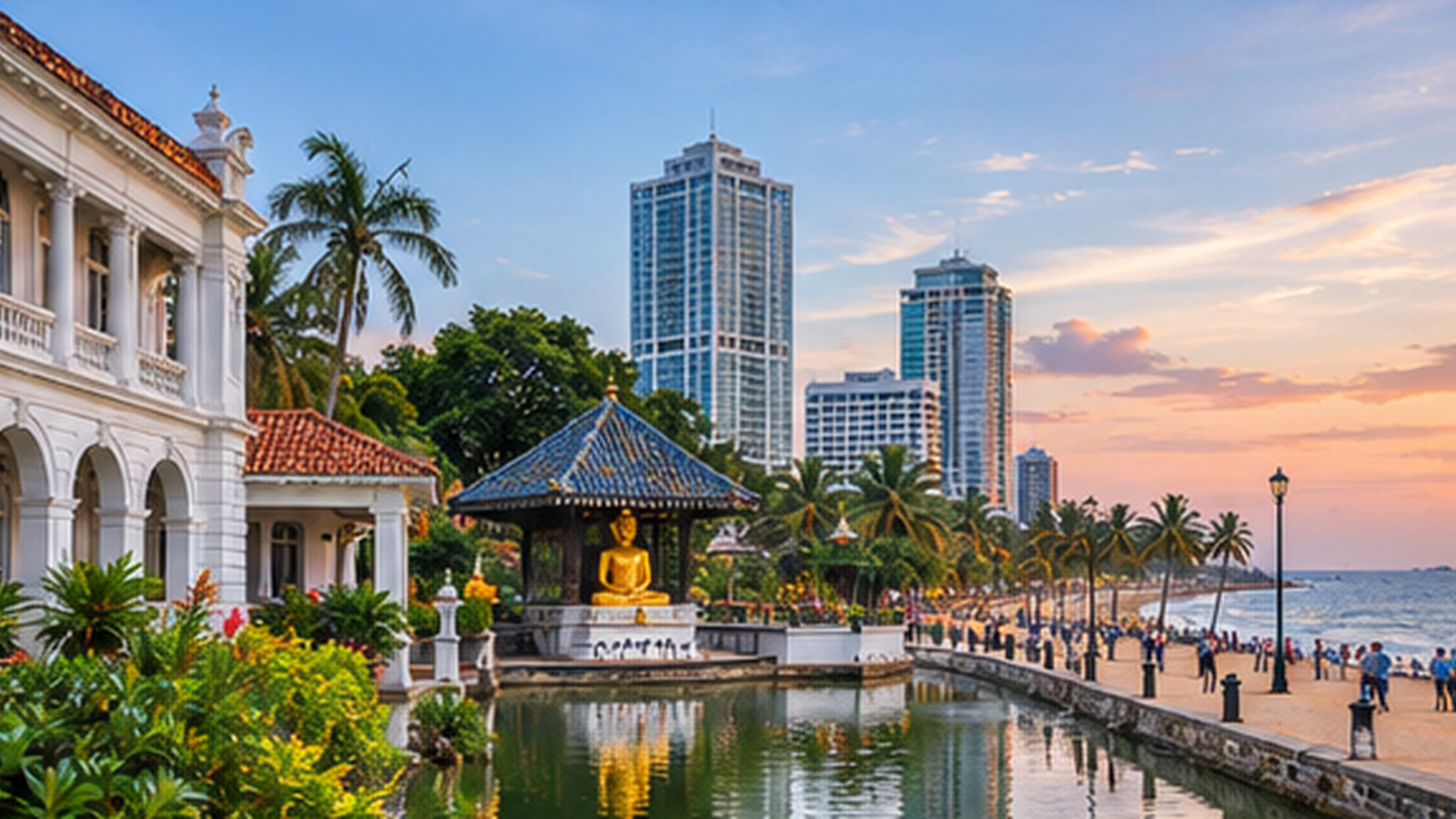
The lively capital — markets, colonial architecture, seafront Galle Face and a good food scene.
Beaches, tea country, ancient cities and wildlife packed into one short-flight island — Sri Lanka is India’s easiest, most varied neighbour to explore.
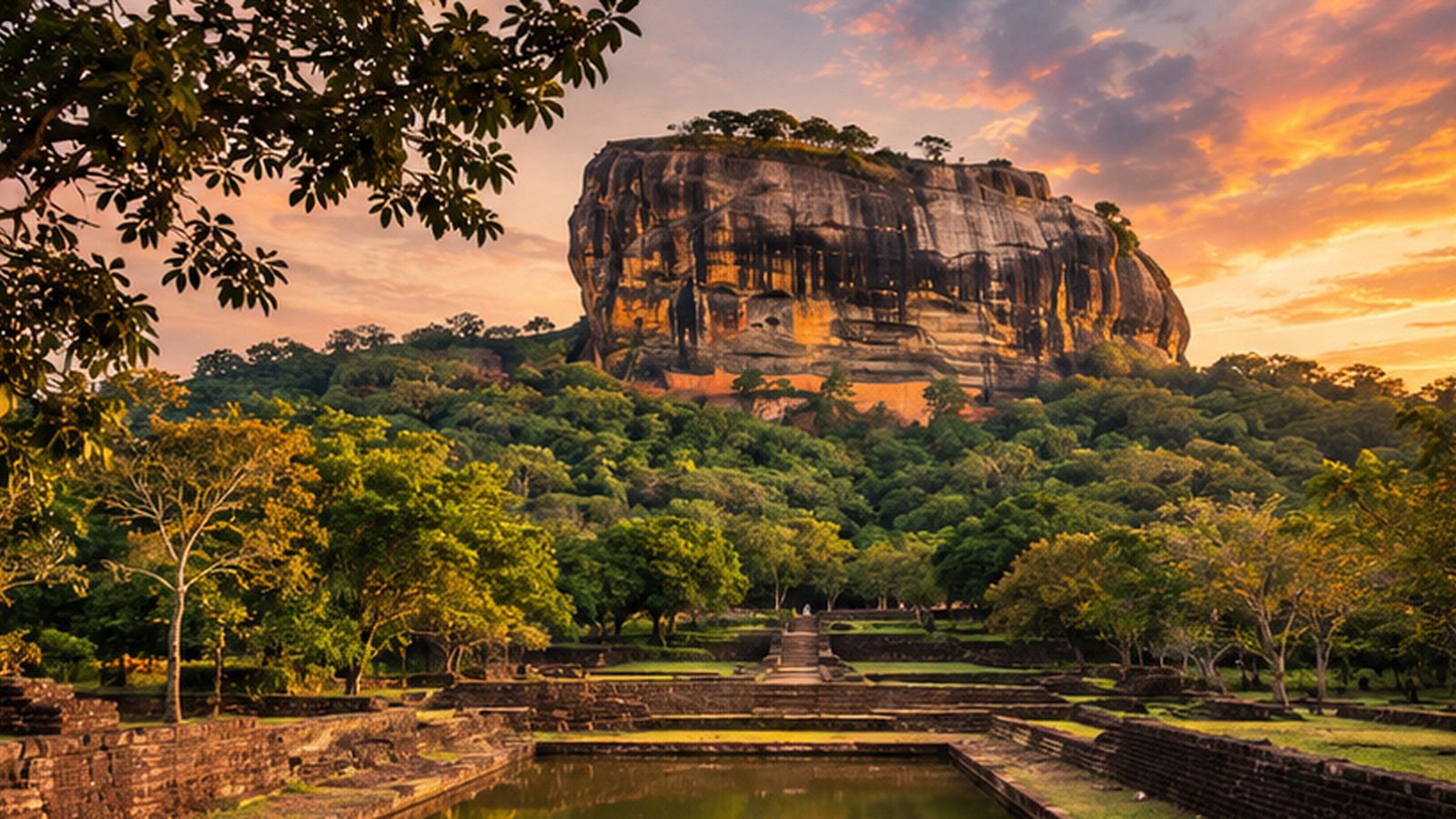
Few countries pack as much into as small a space as Sri Lanka — golden southern beaches, misty tea-covered hills, ancient rock fortresses, wildlife safaris and warm, Buddhist culture, all within a short flight of South India. For Indian travellers it is familiar yet different, superb value, and now easier than ever with a free electronic travel authorisation.
In a single trip you can climb the Sigiriya rock fortress, ride the famously scenic hill-country train through tea plantations to Ella, go on safari for leopards and elephants at Yala or Udawalawe, surf and relax on the beaches of the south coast, and soak up the colonial charm of Galle Fort. Distances are short, the food is spicy and comforting, and the people are famously hospitable.
This guide is written for Indian travellers: the real trip cost in rupees from your city, the current free-ETA entry rule, where vegetarians and Jain travellers eat, how to handle the hill-country train and safaris, and a route that blends beaches, culture and nature.
Sri Lanka appeals to Indians for its short flights (as little as 1.5 hours from Chennai), low cost, huge variety in a compact island, familiar spicy food and warm culture. It suits honeymooners, families, groups and solo travellers, and works year-round because the two coasts have opposite seasons.
💡 From our visa desk: Don’t try to see the whole island in five days — pick a theme. South-coast beaches + Galle is the easiest relaxed trip; add Kandy, the Ella train and a safari for a classic 7–10 day loop. The two coasts have opposite monsoons, so there is almost always somewhere dry to go.
Free 30-day Electronic Travel Authorisation (ETA) for Indian tourists — applied for online before travel.
Indian passport holders need an Electronic Travel Authorisation (ETA) for Sri Lanka, which allows a 30-day tourist stay and is currently issued free of charge. Apply online on the official ETA portal before you travel, and carry a passport valid six months, a return ticket and proof of funds. Fees and the scheme have changed before, so confirm the current rule on the official site.
Full Sri Lanka tourist visa requirements & documents →December to March is best for the south and west coasts and the hill country (peak season); May to September suits the east coast (Trincomalee, Arugam Bay). The island works year-round because the coasts have opposite monsoons. See the month table.
| Season | What it's like & who it suits |
|---|---|
| Dec–Mar | Peak season — dry and sunny on the south/west coasts (Bentota, Mirissa, Galle) and the hill country. |
| May–Sep | Best for the east coast (Trincomalee, Arugam Bay surf); the south-west is wetter. |
| Apr & Oct–Nov (shoulder) | Inter-monsoon months with some rain, fewer crowds and lower prices. |
| Month | Weather & what’s on (incl. Indian holiday windows) |
|---|---|
| January–March | Peak season — dry, sunny south and west coasts and clear hill country. The best all-round window; book beaches and trains ahead. |
| April | Hot, with the Sinhala-Tamil New Year festivities; inter-monsoon showers begin. Good value between seasons. |
| May–June | South-west monsoon brings rain to the south/west coasts and hills; the east coast starts to shine. |
| July–August | Great for the east coast (Trincomalee, Arugam Bay surf) and the Kandy Esala Perahera festival; busy in the Indian summer break. |
| September–October | Shoulder season — some rain, thinner crowds and lower prices island-wide. |
| November–December | Second inter-monsoon eases into the dry season; the south and west reopen for peak-season beaches by December. |
The lively capital — markets, colonial architecture, seafront Galle Face and a good food scene.
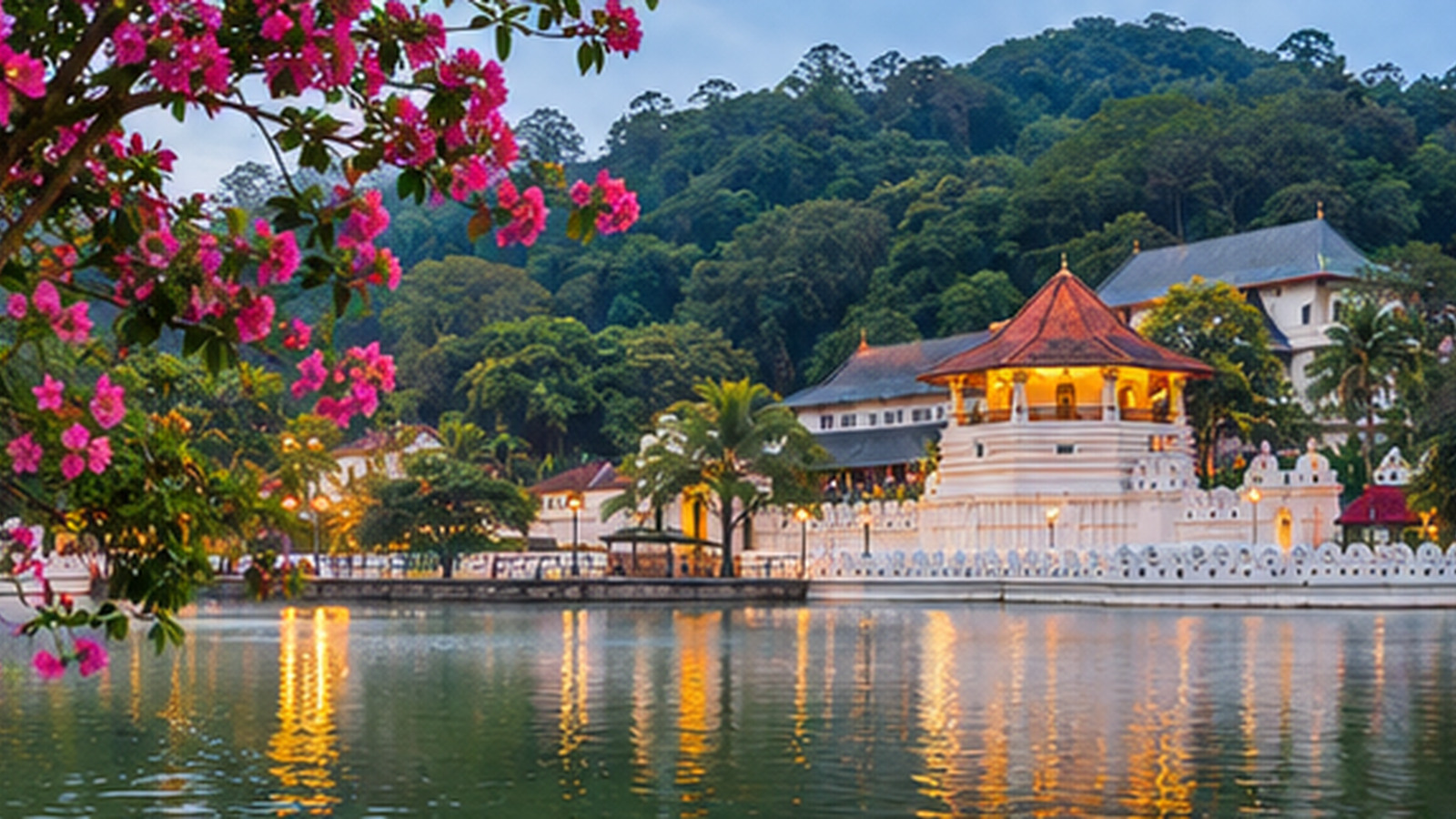
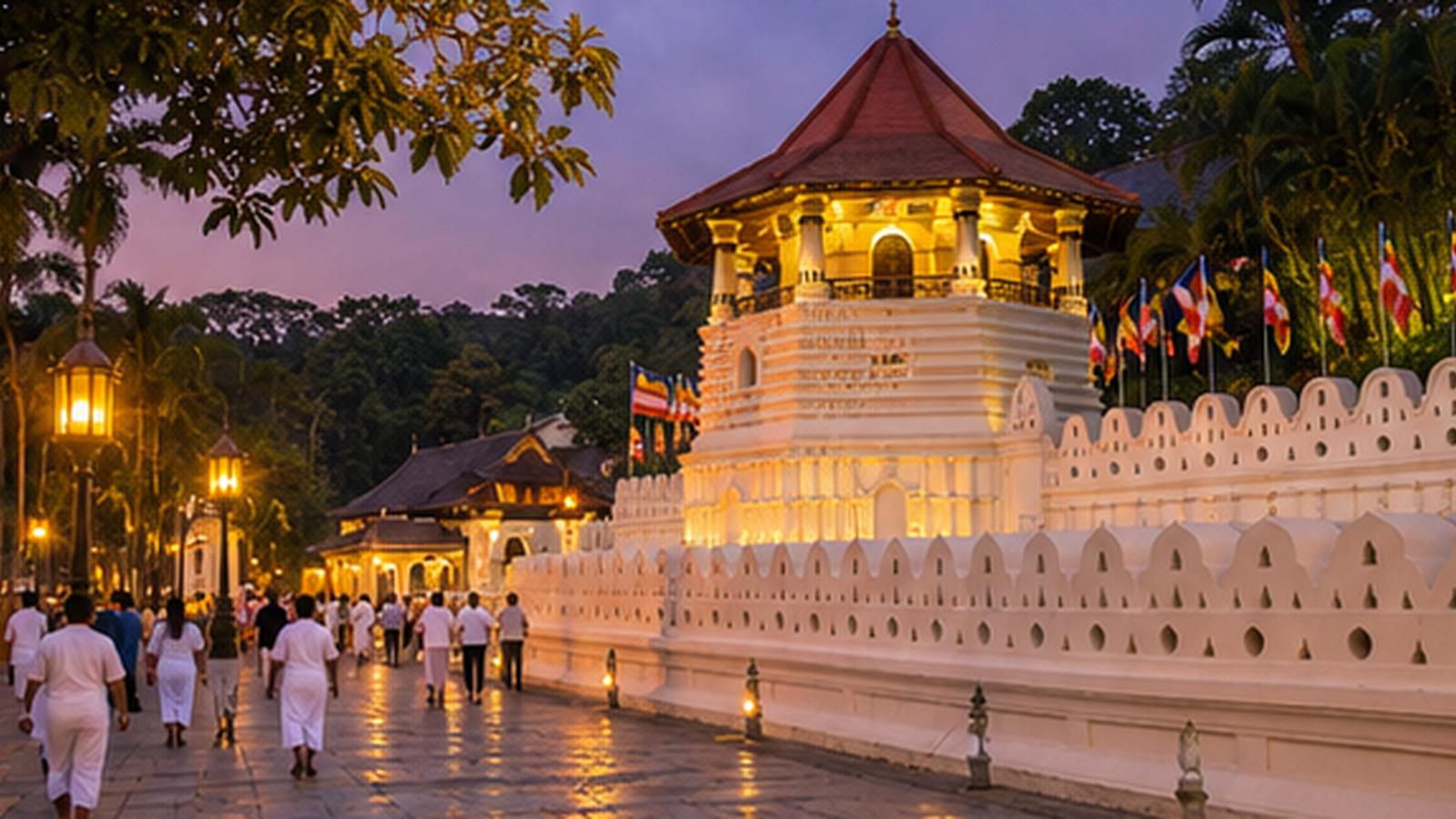
The hill-country cultural capital, home to the sacred Temple of the Tooth and a scenic lake.
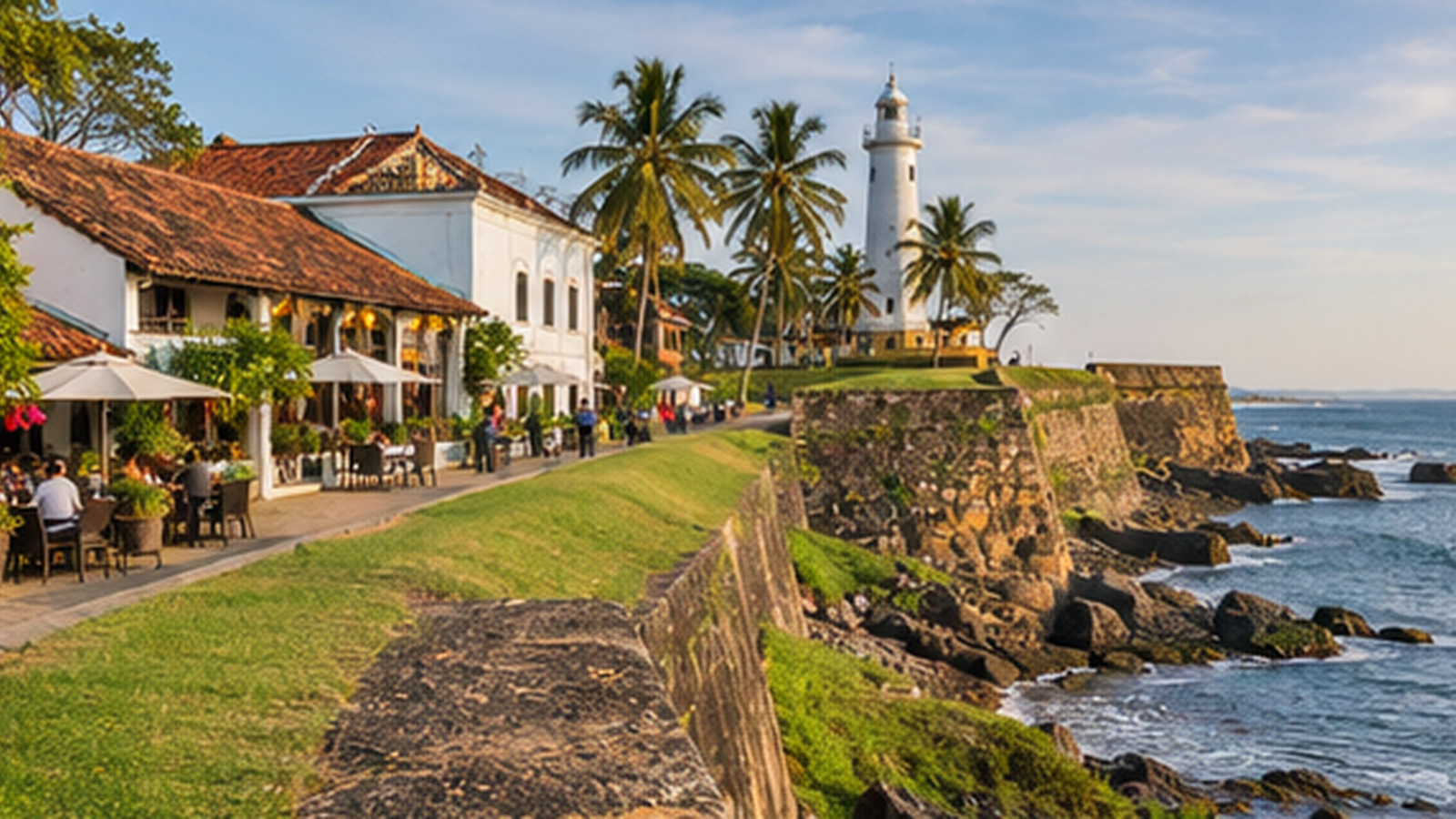
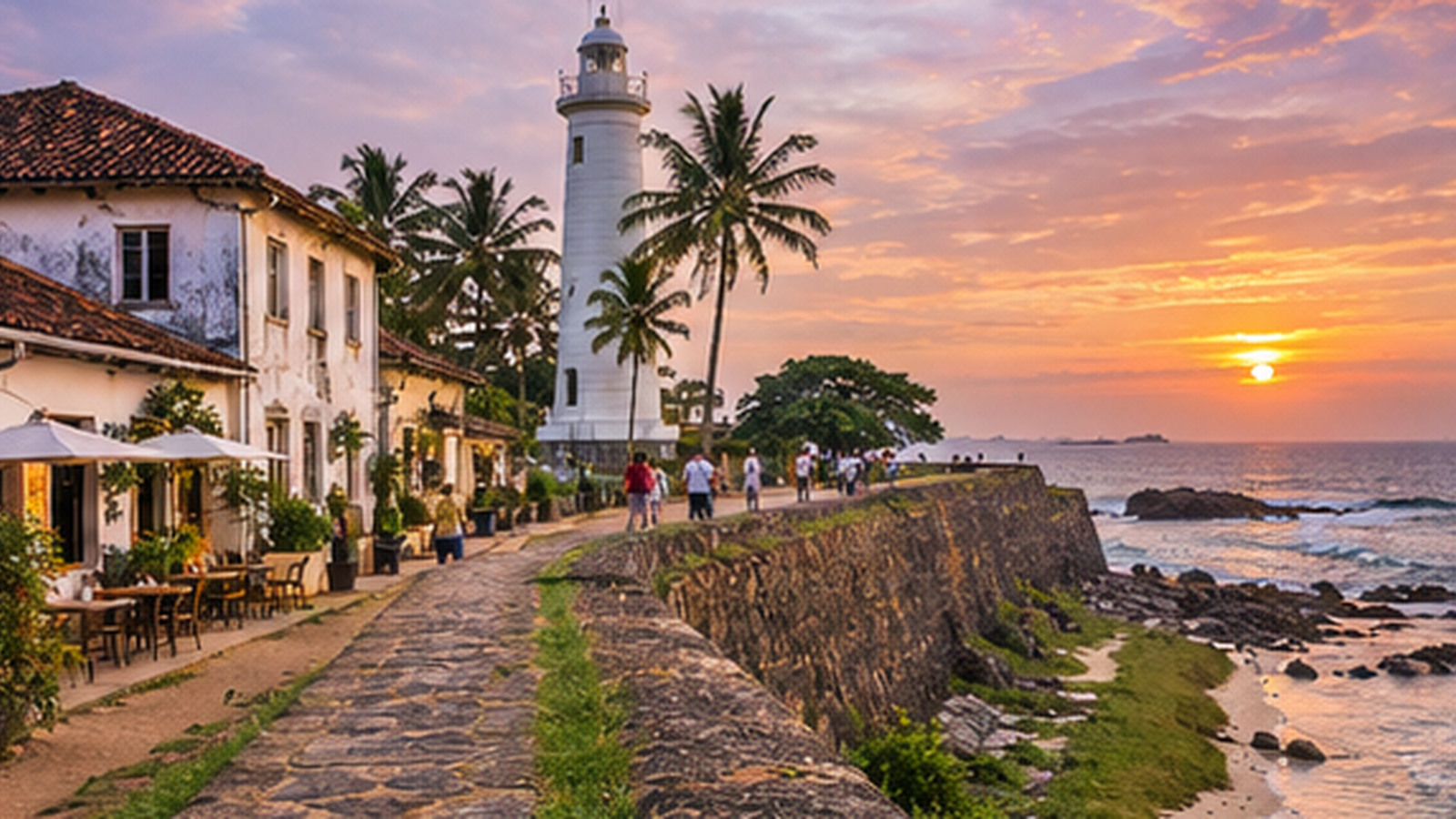
A beautifully preserved Dutch fort town on the south coast, full of cafes and boutiques.
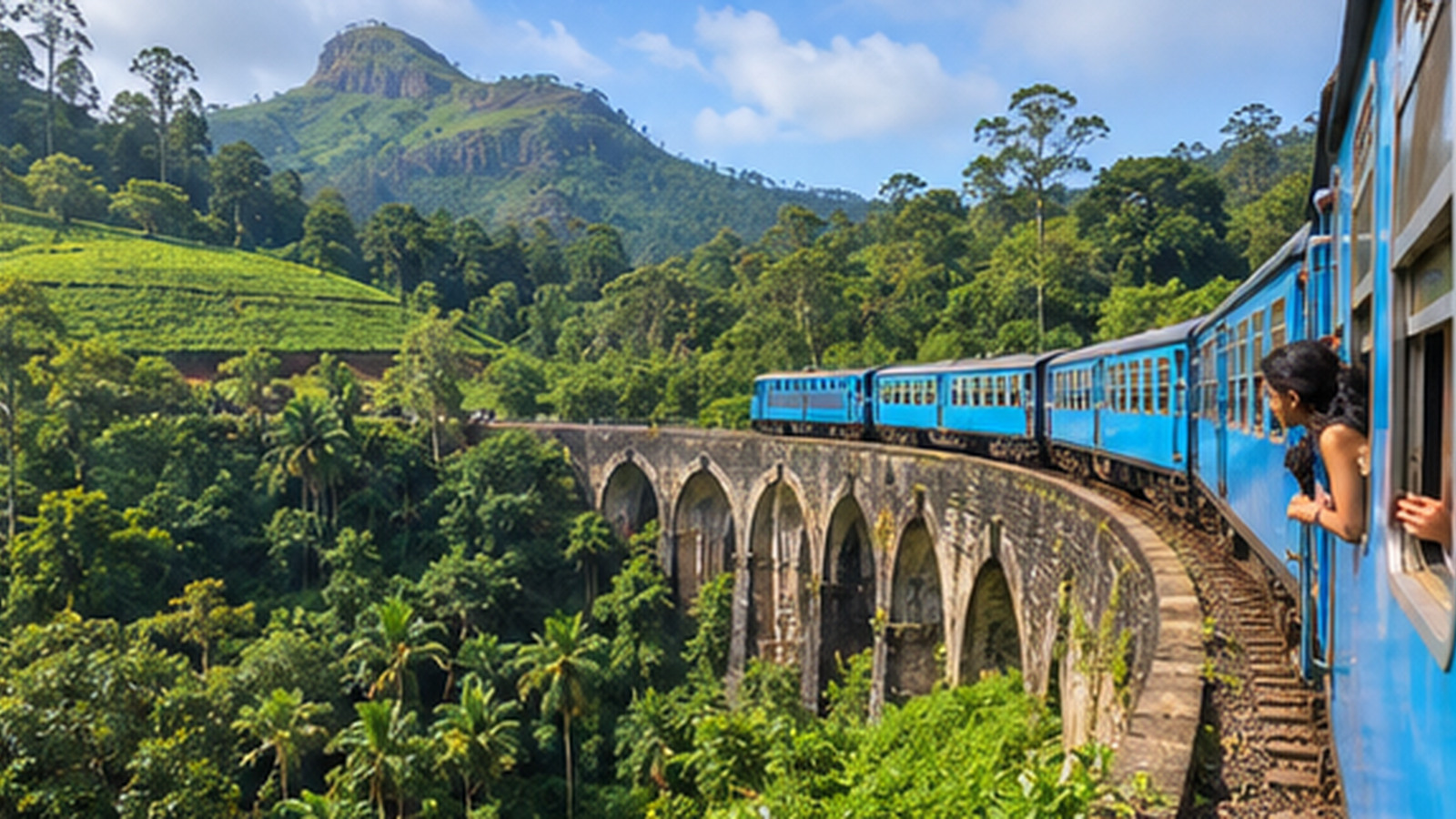
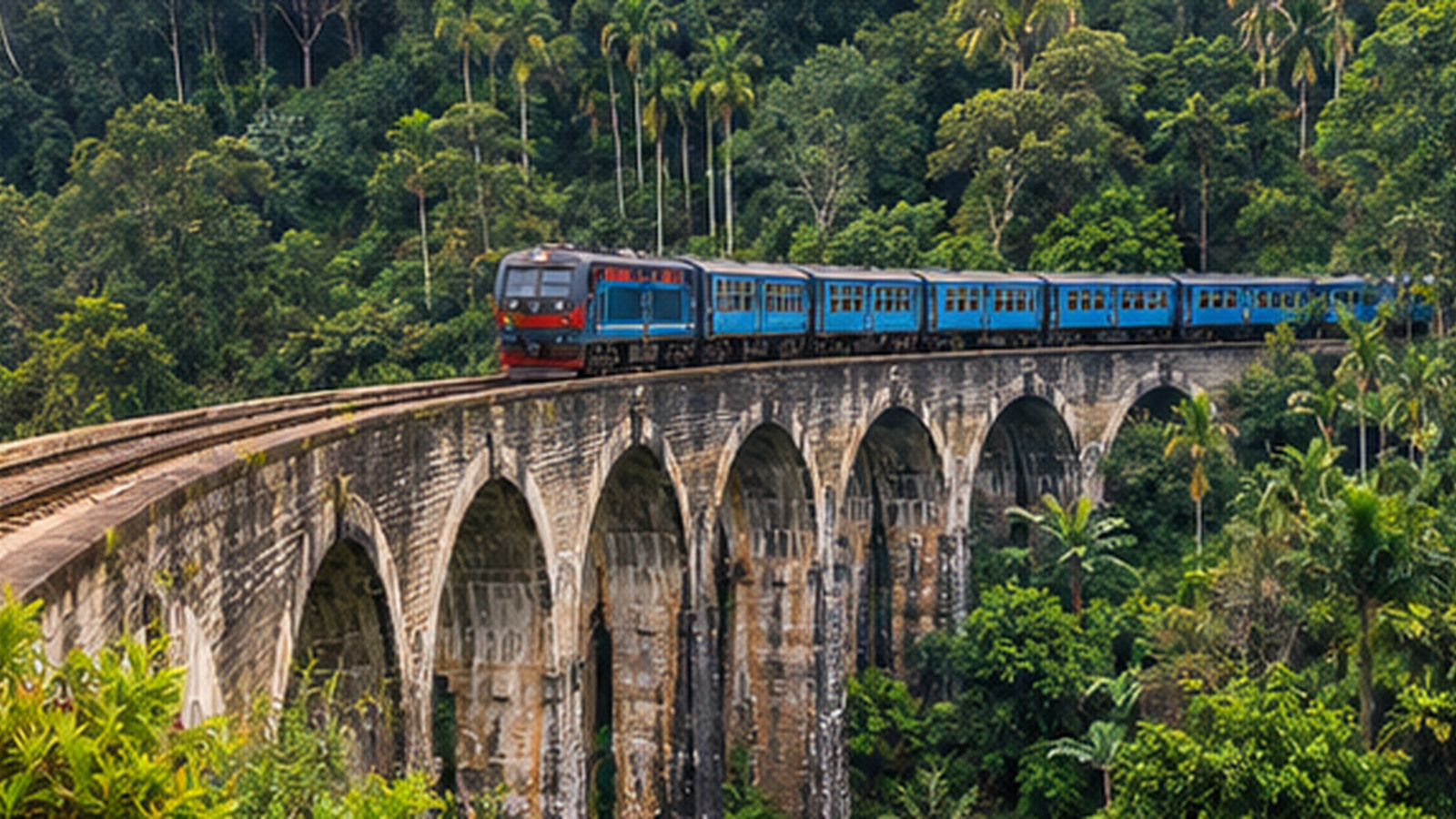
Tea plantations, waterfalls, Little Adam’s Peak and the famous Nine Arches Bridge.
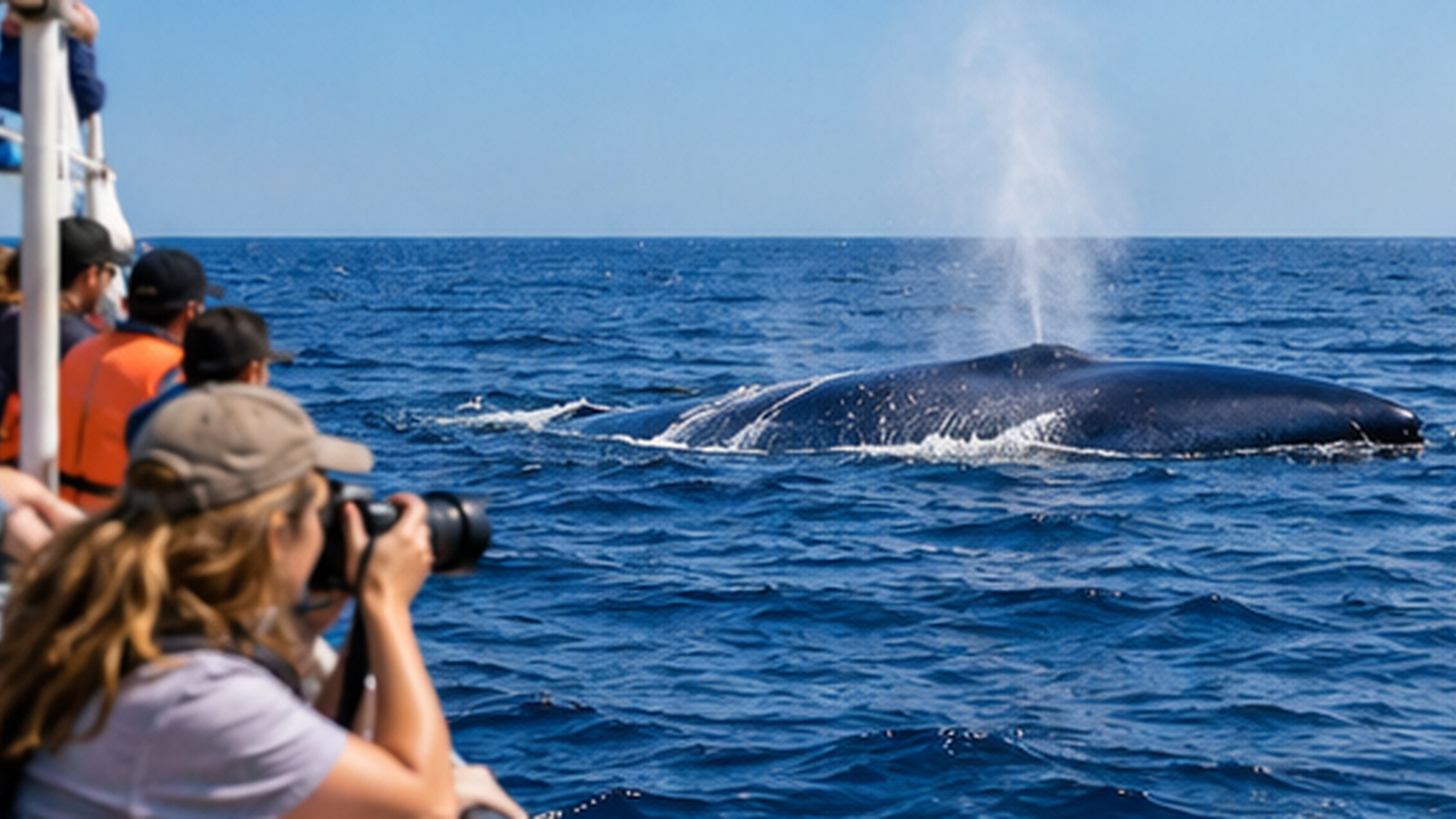
Bentota, Hikkaduwa, Mirissa and Unawatuna for sand, surf and whale watching.
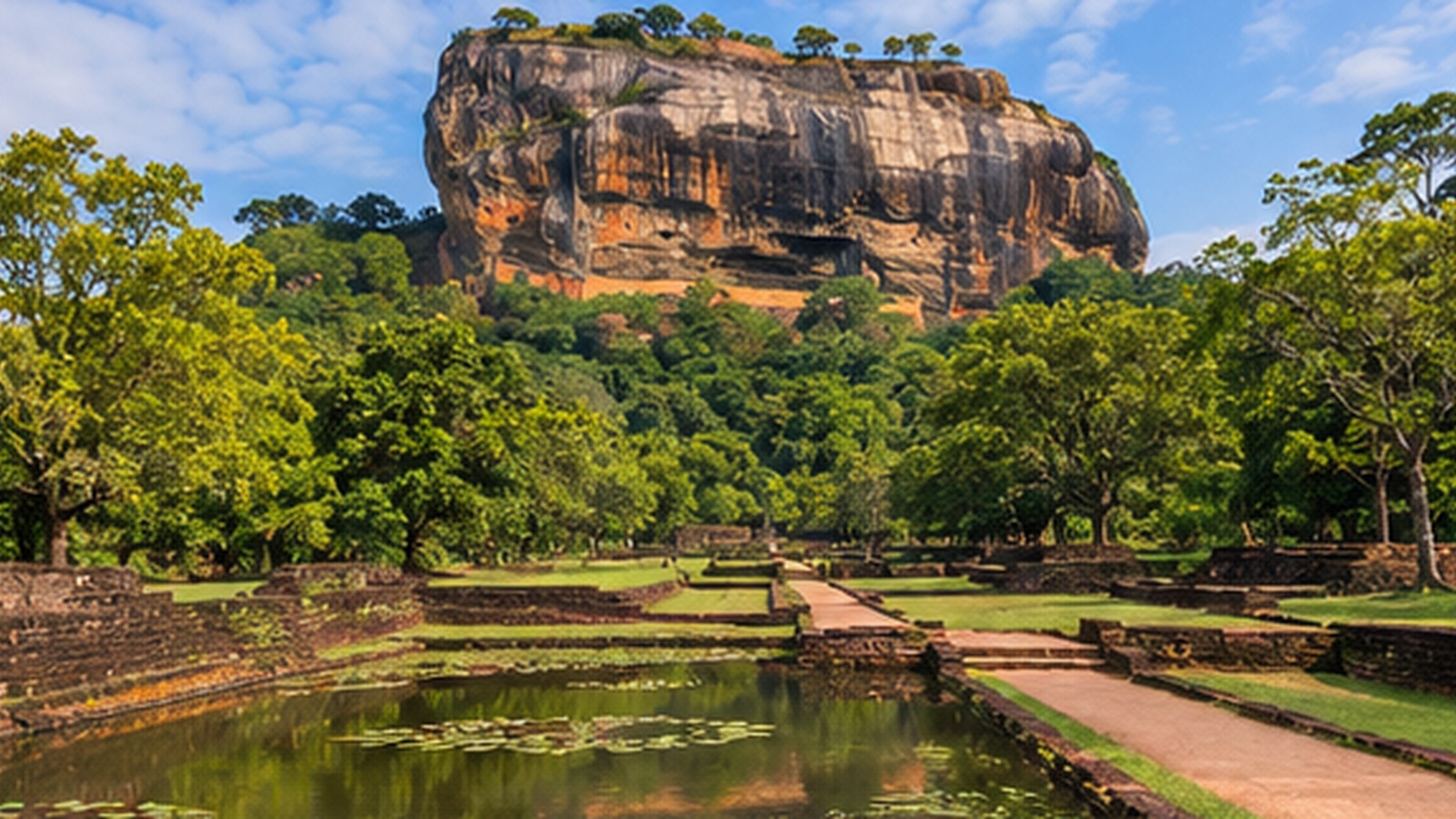
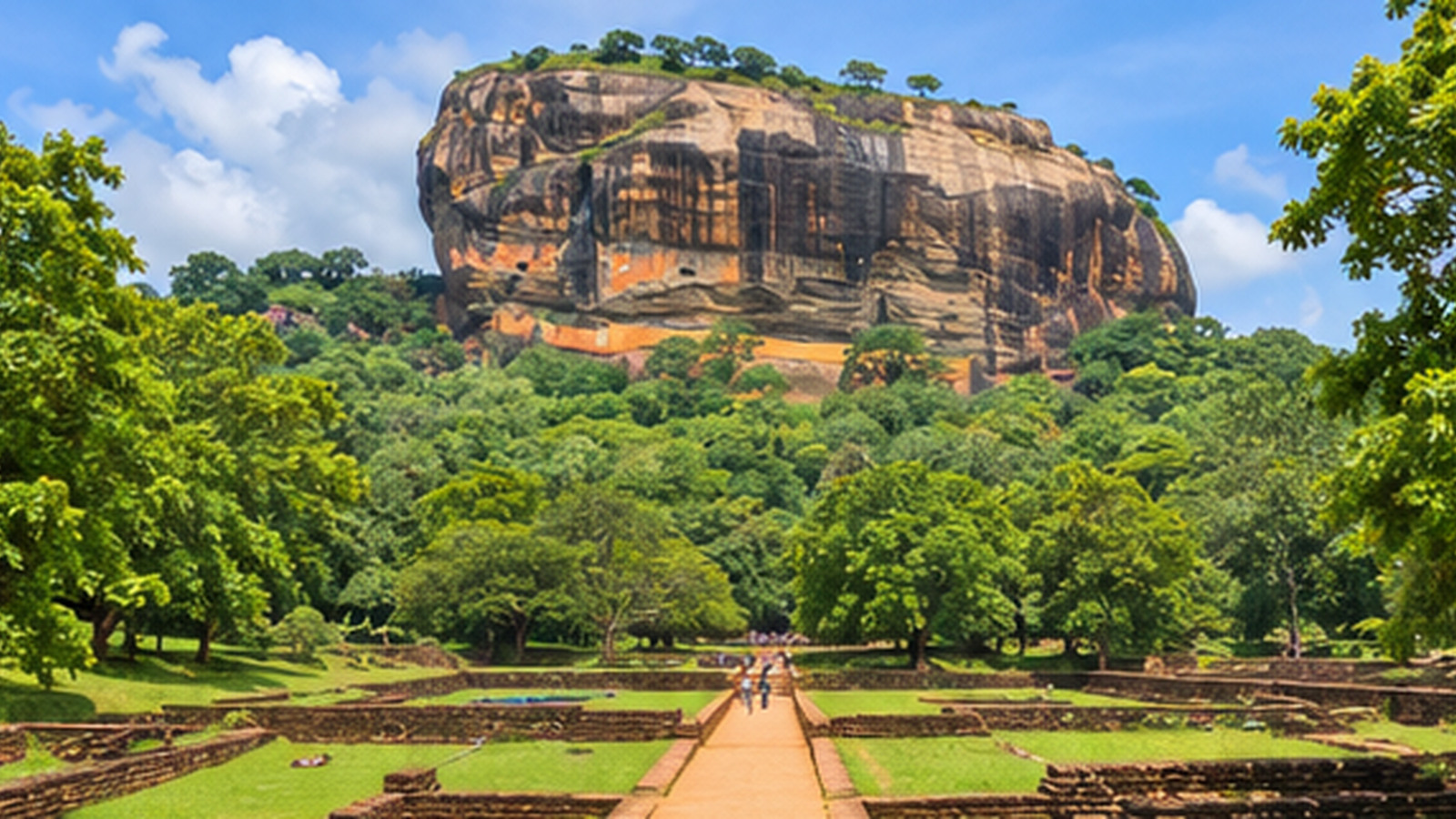
An ancient palace atop a dramatic 200m rock, with frescoes, lion-paw gateways and vast views.
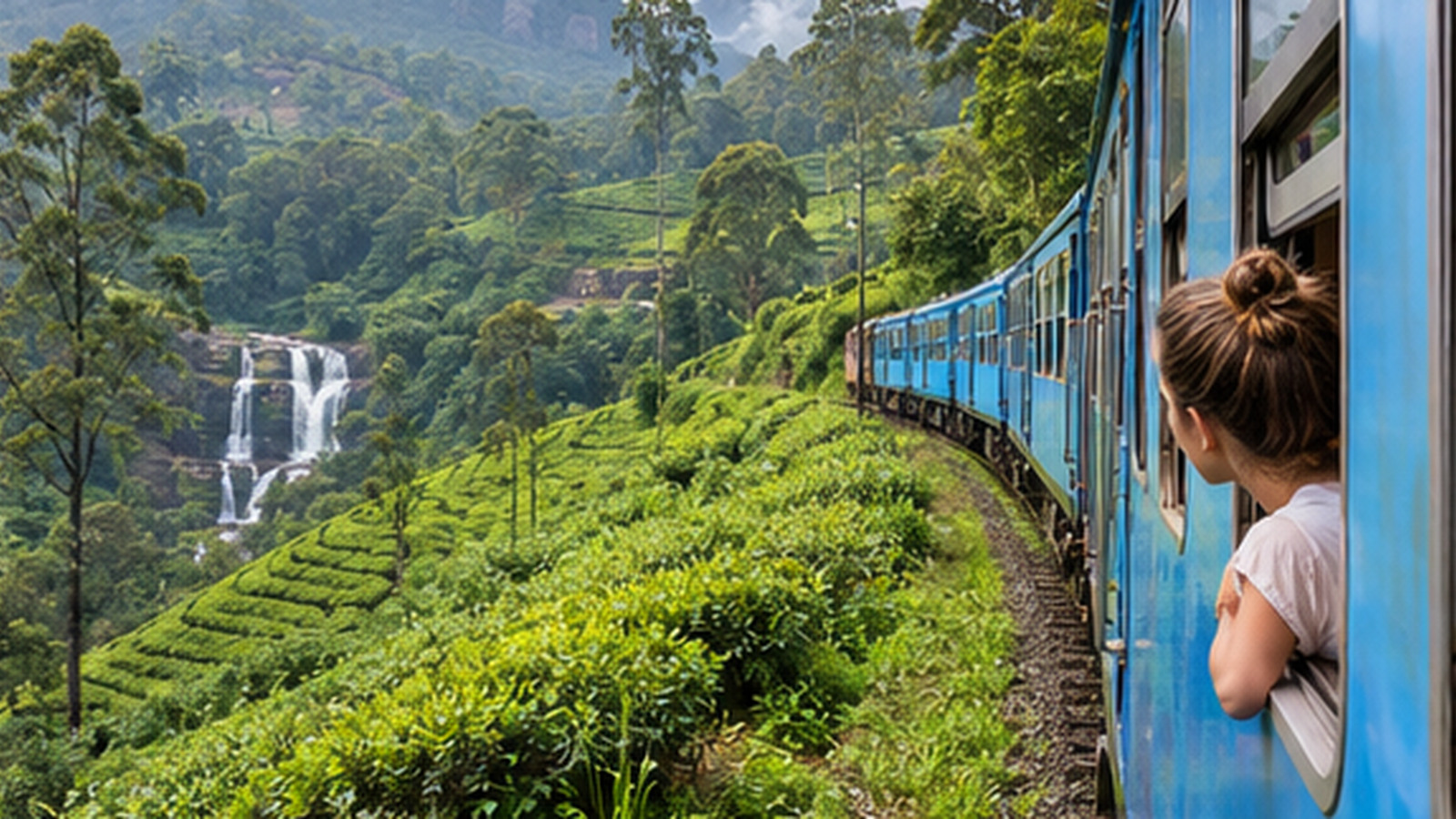
One of the world’s most scenic rail journeys, winding through tea estates and valleys.
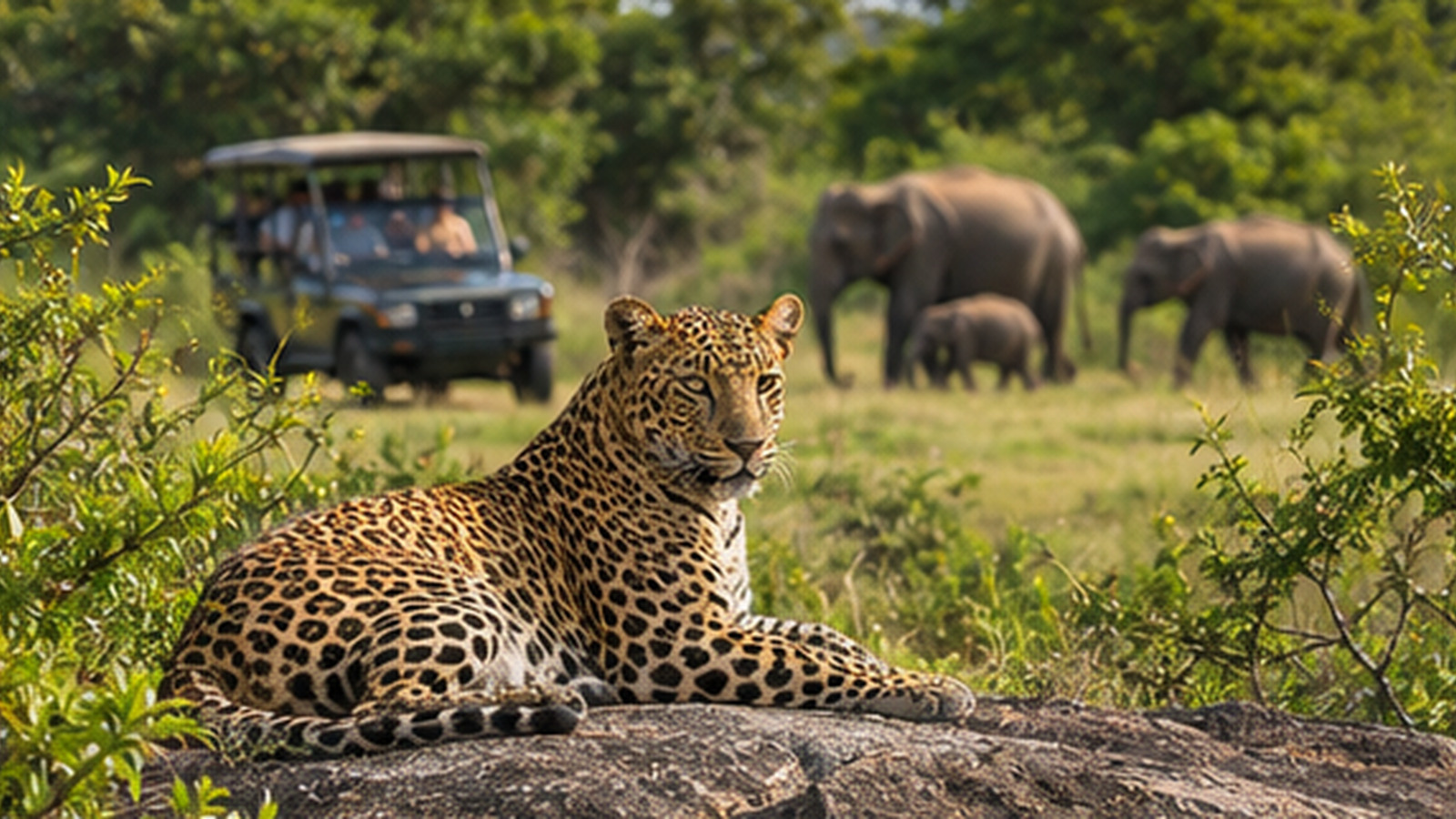
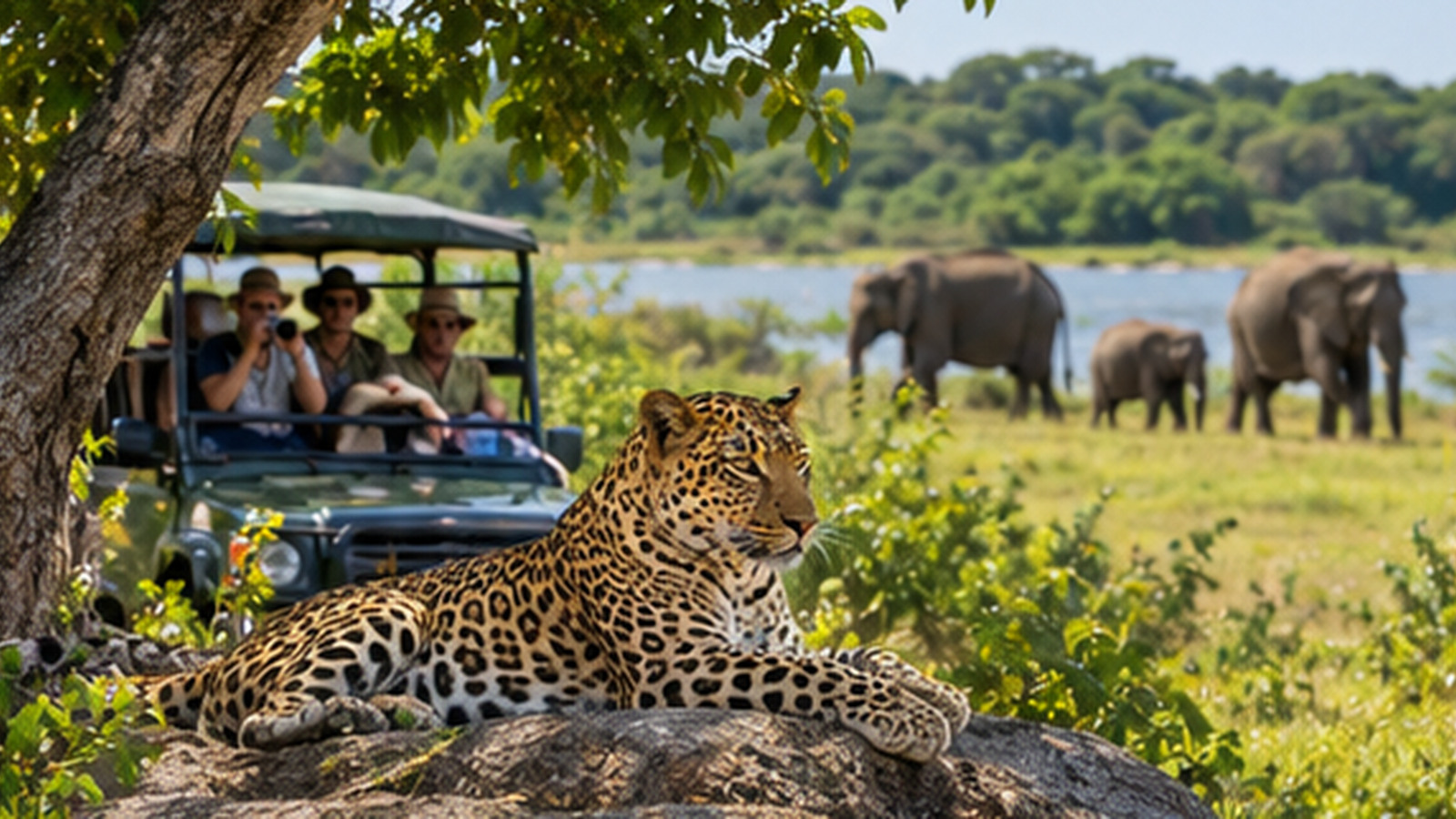
Safari for leopards, elephants, crocodiles and birds — Yala has one of the world’s highest leopard densities.
A UNESCO Dutch-colonial fort with ramparts, lighthouses, cafes and sunset walks.
Sri Lanka’s holiest Buddhist shrine, housing a relic of the Buddha.
A laid-back south-coast beach town and a top spot for blue-whale and dolphin watching.
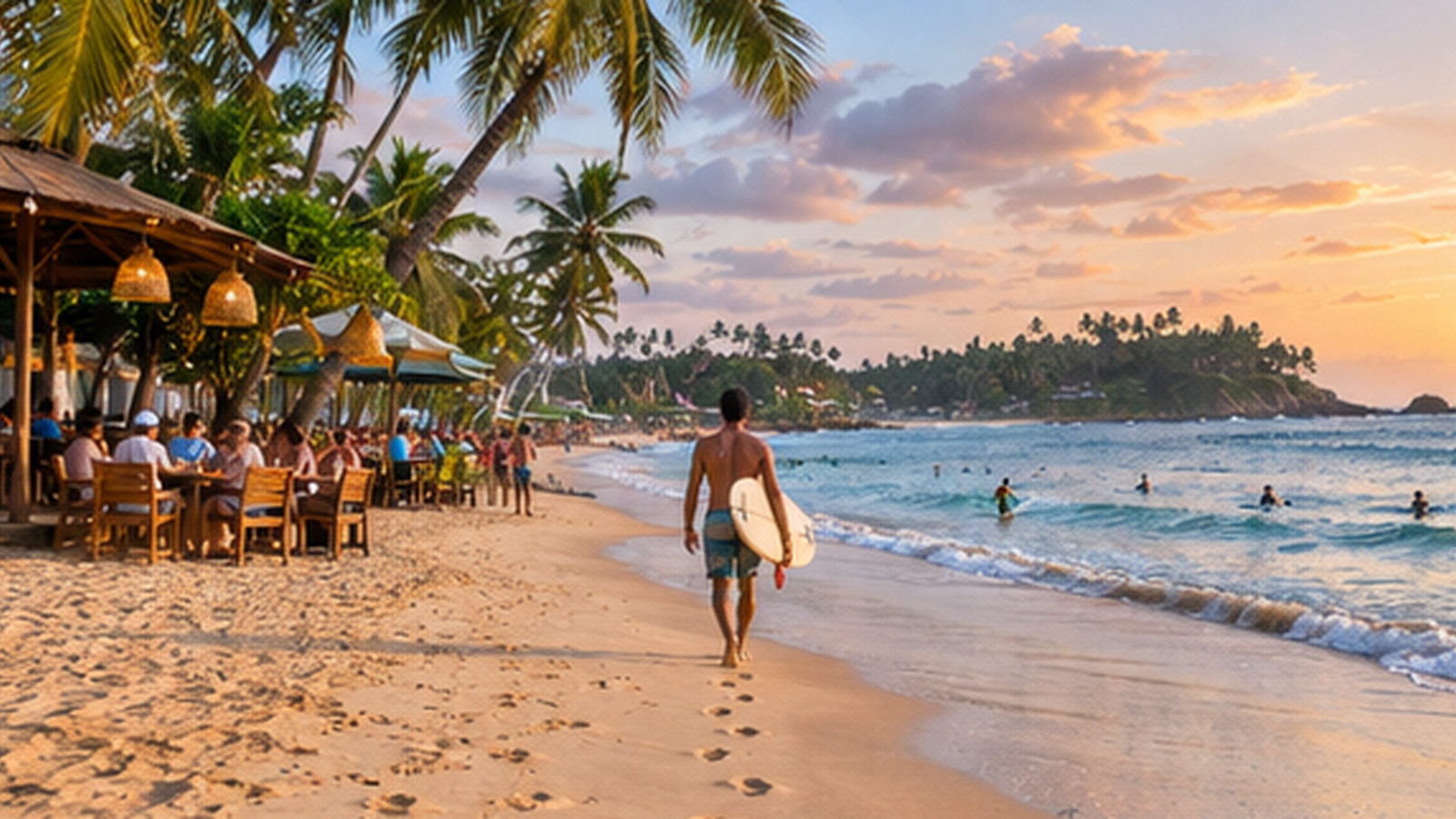
Bentota, Mirissa, Unawatuna, Hikkaduwa and the east-coast surf at Arugam Bay.
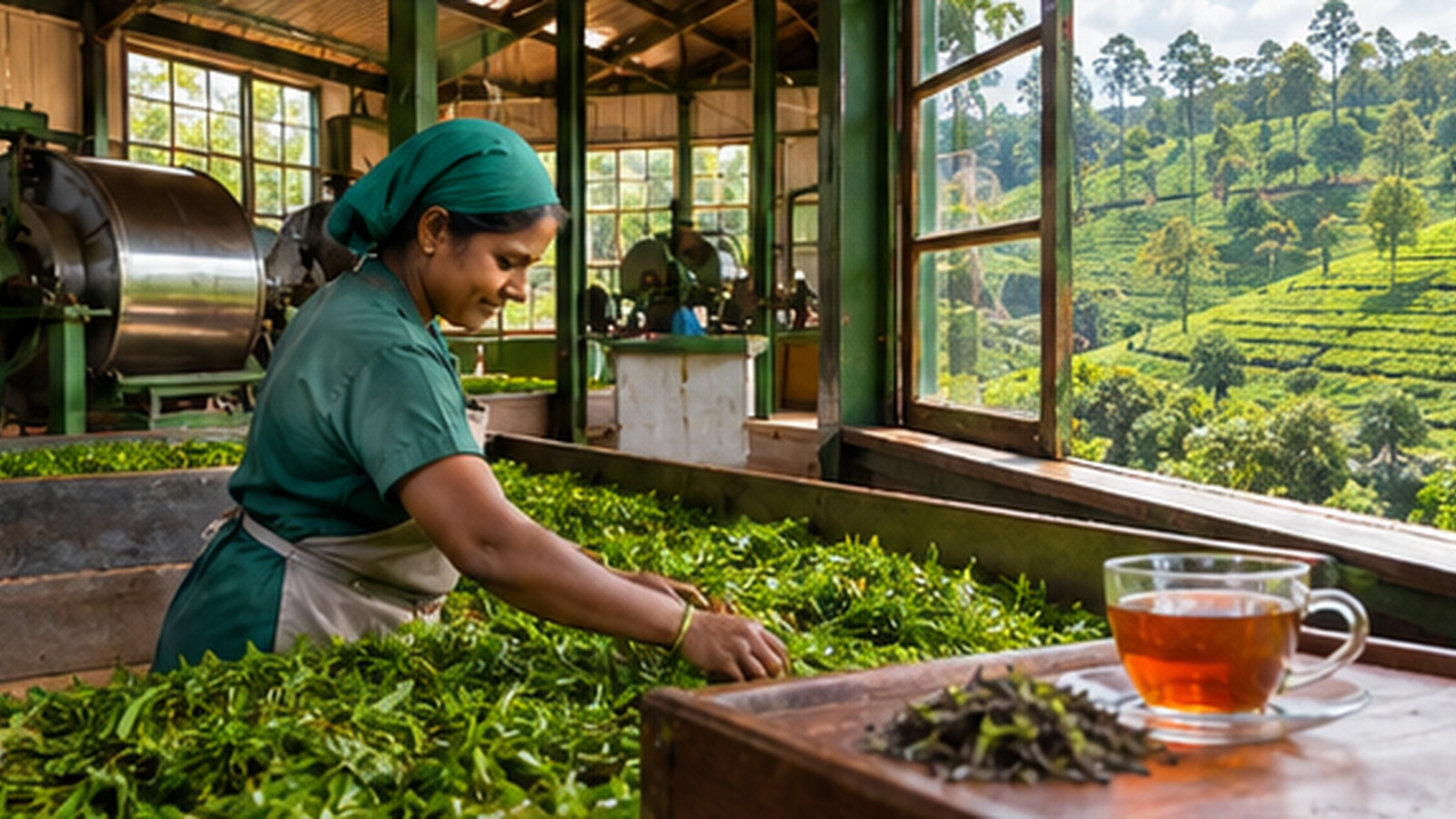
The Kandy–Ella train, tea-factory visits and hikes to Little Adam’s Peak.
Leopards and elephants at Yala and Udawalawe; whales off Mirissa.
Sigiriya, Dambulla, Polonnaruwa, Anuradhapura and the Temple of the Tooth.
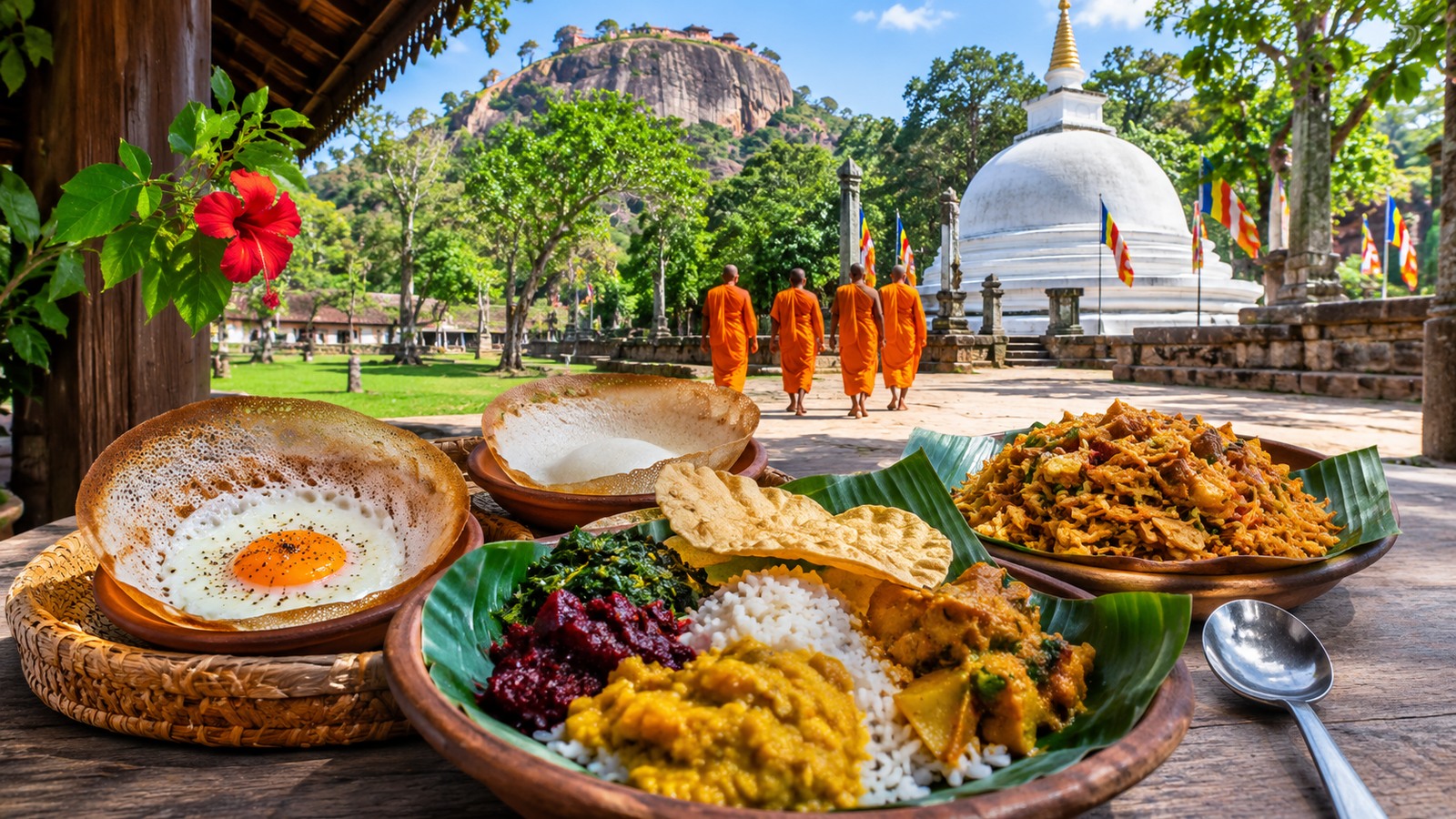
Rice and curry, hoppers, kottu and warm Buddhist traditions.
Book tours & activities through our travel partners — see options. Bluebird Next may earn a commission from partner bookings at no extra cost to you (Affiliate Disclosure).
Sri Lanka is excellent value — cheap food, affordable guesthouses and short internal distances, though private drivers and safaris add up. Indicative per-person figures for a 6–7 day trip in 2026 (prices checked Nov 2026).
| Item | Typical cost (per person) |
|---|---|
| Return flights (ex-India) | ₹12,000 – ₹30,000 |
| Entry (free ETA) | ₹0 |
| Hotels (3★, per night, twin) | ₹2,500 – ₹6,000 |
| Private driver (per day, optional) | ₹4,000 – ₹6,000 |
| Safari jeep (per trip) | ₹3,500 – ₹7,000 |
| Food & local transport | ₹1,000 – ₹2,000 / day |
| From | Typical return airfare |
|---|---|
| Chennai | ₹12,000 – ₹24,000 (direct, ~1.5 hrs) |
| Delhi | ₹18,000 – ₹32,000 (direct, ~3.5 hrs) |
| Mumbai | ₹16,000 – ₹30,000 (direct/1-stop) |
| Bengaluru | ₹13,000 – ₹26,000 (direct) |
| Kolkata | ₹16,000 – ₹30,000 (1-stop) |
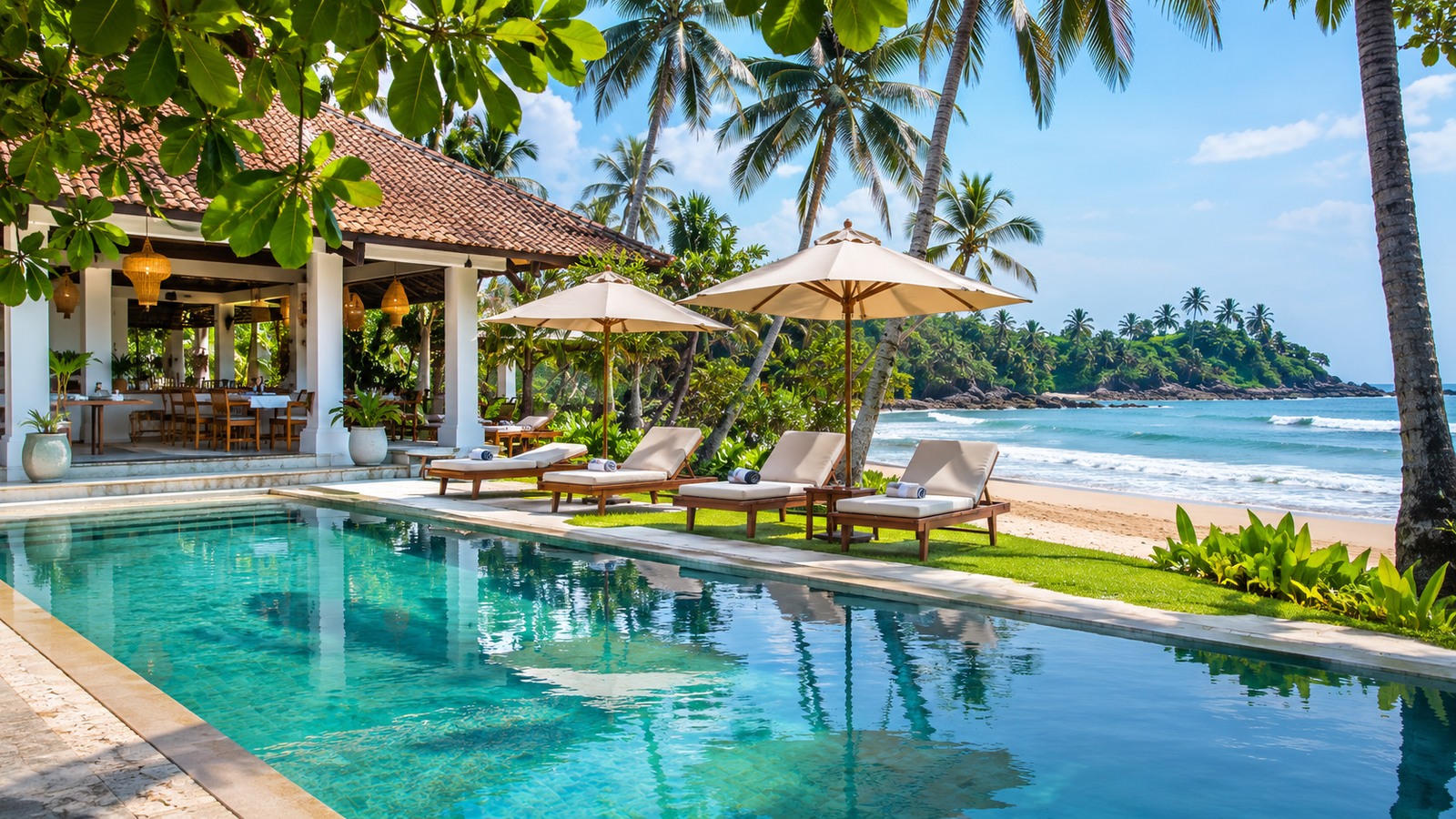
Beaches, surf and resorts — the easiest relaxed base.
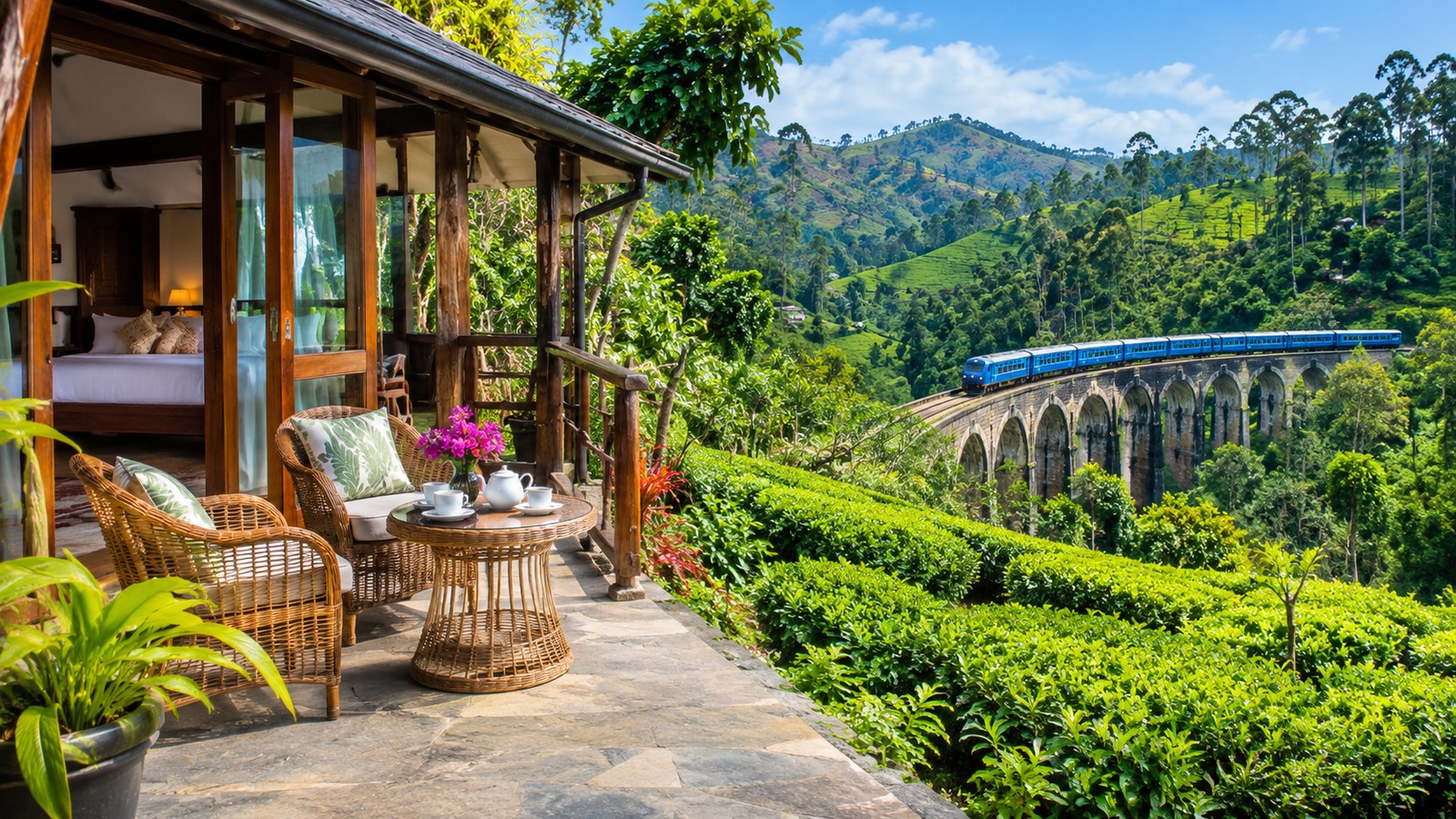
Hill-country views, tea estates and the famous train and bridge.
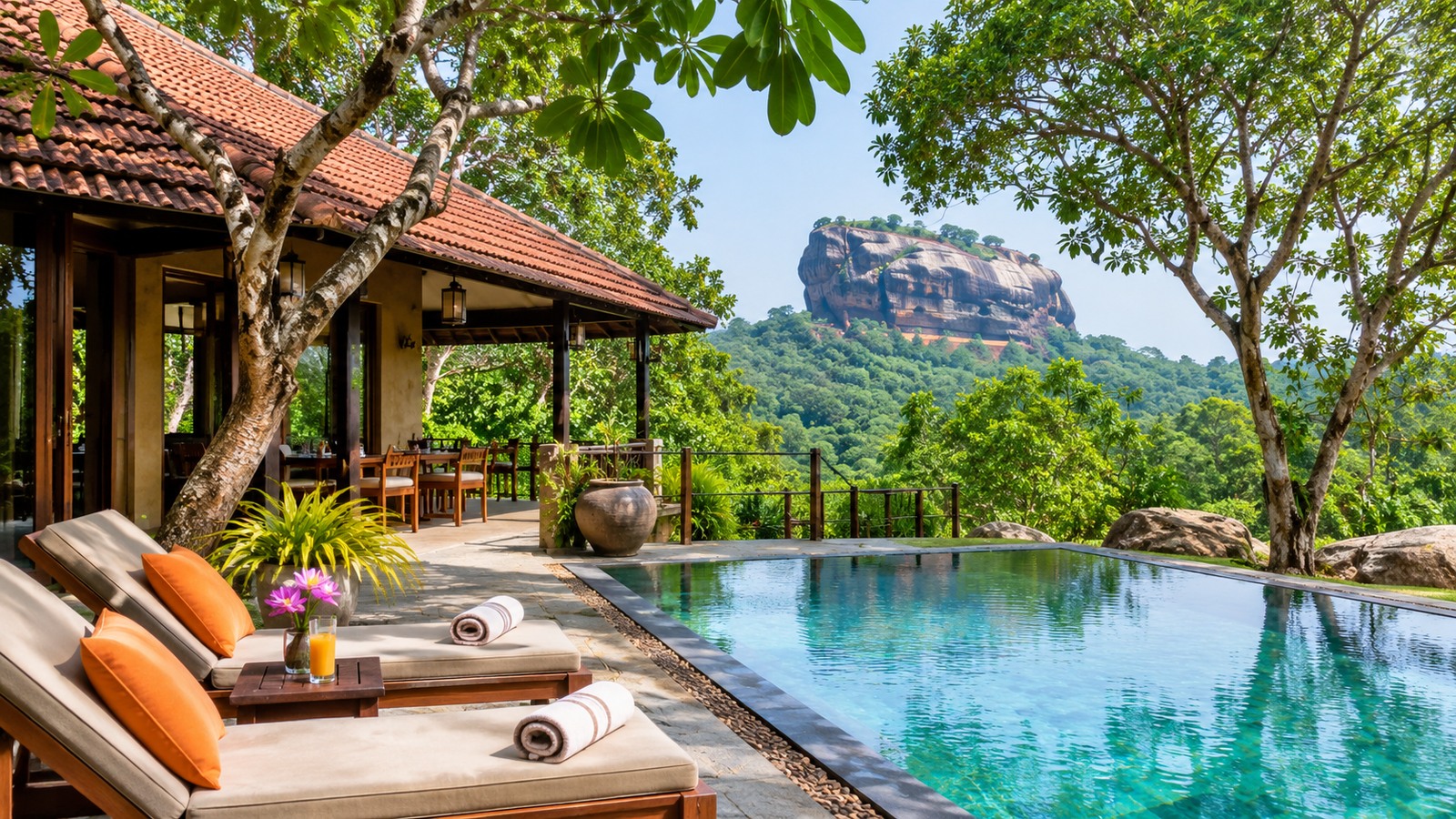
Central bases for the cultural triangle and temples.
Sri Lankan food is spicy, fragrant and comforting for Indian palates — rice and curry, hoppers, string hoppers, kottu roti and fresh seafood, plus plenty of tropical fruit and tea.
Vegetarians are very well served — rice and curry is largely vegetable-based, with dhal, jackfruit, coconut sambol and many veg options; Jain travellers can request no onion/garlic at guesthouses and Indian restaurants. South-Indian food is widely available.
The cuisine is close to South-Indian, and Indian restaurants are common in Colombo and tourist areas; hoppers, dosa-like foods and thalis are easy to find.
Indians need an ETA for a 30-day stay, currently free. Apply on the official government portal only (beware look-alike paid sites) a few days before travel; approval usually arrives by email. Carry a printout, your return ticket and proof of funds.
Cards work in hotels and bigger restaurants, but carry Sri Lankan rupee cash for guesthouses, tuk-tuks, markets and safaris. UPI is not accepted; use ATMs in towns. Change money at the airport or banks, not street touts.
A private car with driver is the easiest way to loop the island (and affordable split between travellers); trains (especially Kandy–Ella) and buses are cheap and scenic; PickMe and Uber work in Colombo, and metered tuk-tuks are everywhere.
Buy a cheap Dialog or Mobitel tourist SIM at the airport, or use an eSIM. Sri Lanka uses 230V with mainly the round-pin Type D/G sockets — carry a universal adapter as Indian plugs do not always fit.
Reserve the scenic hill-country train seats in advance in peak season. For safaris, book a reputable operator and an early-morning slot for the best wildlife; Yala for leopards, Udawalawe for elephants.
The easiest way to loop the island; affordable when shared, with flexibility for the cultural triangle and coast.
Cheap and scenic — the Kandy–Ella train is a highlight; buses reach everywhere.
Use PickMe/Uber apps and metered tuk-tuks; the city is compact.
Sri Lanka is generally safe and very welcoming for tourists, including families and solo women travellers. Take normal precautions with valuables, be careful swimming (some beaches have strong currents), use reputable drivers and safari operators, carry cash for rural areas, and keep travel insurance for medical care and activities.
❌ Myth: Sri Lanka is just beaches.
✅ Fact: In one trip you can combine beaches with hill-country tea estates, ancient cities like Sigiriya, leopard safaris and colonial Galle — huge variety in a compact island.
❌ Myth: You can see the whole island in a few days.
✅ Fact: It is small but varied; pick a theme — a relaxed south-coast trip, or a 7–10 day loop for culture, hills and safari.
❌ Myth: The ETA is expensive or hard to get.
✅ Fact: It is currently free and applied for online in minutes on the official portal, usually approved quickly by email.
❌ Myth: Vegetarians will struggle.
✅ Fact: Rice and curry is largely vegetable-based, and South-Indian-style food is everywhere — it is very easy to eat veg or Jain.
❌ Myth: It’s only good in winter.
✅ Fact: Because the two coasts have opposite monsoons, there is almost always a dry region — the east coast shines May–September when the south-west is wet.
Indians need an Electronic Travel Authorisation (ETA) for a 30-day tourist stay, currently issued free of charge. Apply online on the official government portal before travel and carry a passport valid 6+ months, a return ticket and proof of funds. Confirm the current fee and rule on the official site.
Yes — the tourist ETA is currently free. Apply only on the official government portal (not look-alike paid sites), a few days before travel; approval usually arrives quickly by email.
A 6–7 day trip is roughly ₹40,000–₹80,000 per person including flights, and about ₹80,000–₹1,45,000 for a couple. Flights are cheap and short; a private driver and safaris are the main on-ground costs.
Direct flights to Colombo take about 1.5 hours from Chennai and roughly 3–3.5 hours from Delhi, with many options from South Indian cities.
Five days suits a relaxed south-coast and Galle trip; seven to nine days covers the classic loop of Sigiriya, Kandy, the Ella train, a safari and the beaches.
December to March is best for the south/west coasts and hill country; May to September suits the east coast. The island works year-round because the two coasts have opposite monsoons.
Very — rice and curry is largely vegetable-based, with dhal, jackfruit and sambols, and South-Indian-style food is everywhere. Jain travellers can request no onion/garlic at guesthouses and Indian restaurants.
Cards work in hotels and larger restaurants; UPI is not accepted. Carry Sri Lankan rupee cash for tuk-tuks, guesthouses, markets and safaris, and use ATMs in towns.
A private car with driver is the easiest way to loop the island and is affordable when shared; trains (especially the scenic Kandy–Ella route) and buses are cheap, and PickMe/Uber and tuk-tuks cover the cities.
Yes — it is generally safe and very welcoming. Take normal care with valuables, be cautious swimming at beaches with currents, use reputable drivers and operators, and carry travel insurance.
Recommended — it covers medical care, safari and water-sports mishaps, and trip delays, and costs little for a short trip.
Sources: Sri Lanka Tourism (official) · Sri Lanka ETA (official portal)
A licensed team that has guided thousands of Indians to their visas and admissions.
 Jitender SinghFounder & Managing Director
 Vikram SinghHead – Quality & Operations
 SanjayHead – Tourist Visa Operations
 TejaswaniHead – Counselling Team
 MahimaHead – Visa Filing & Processing
 Pratigya DuttaHead – Student Visa Processing
Free, no-pressure guidance from a real counsellor who handles your case end to end — from documents to decision.