
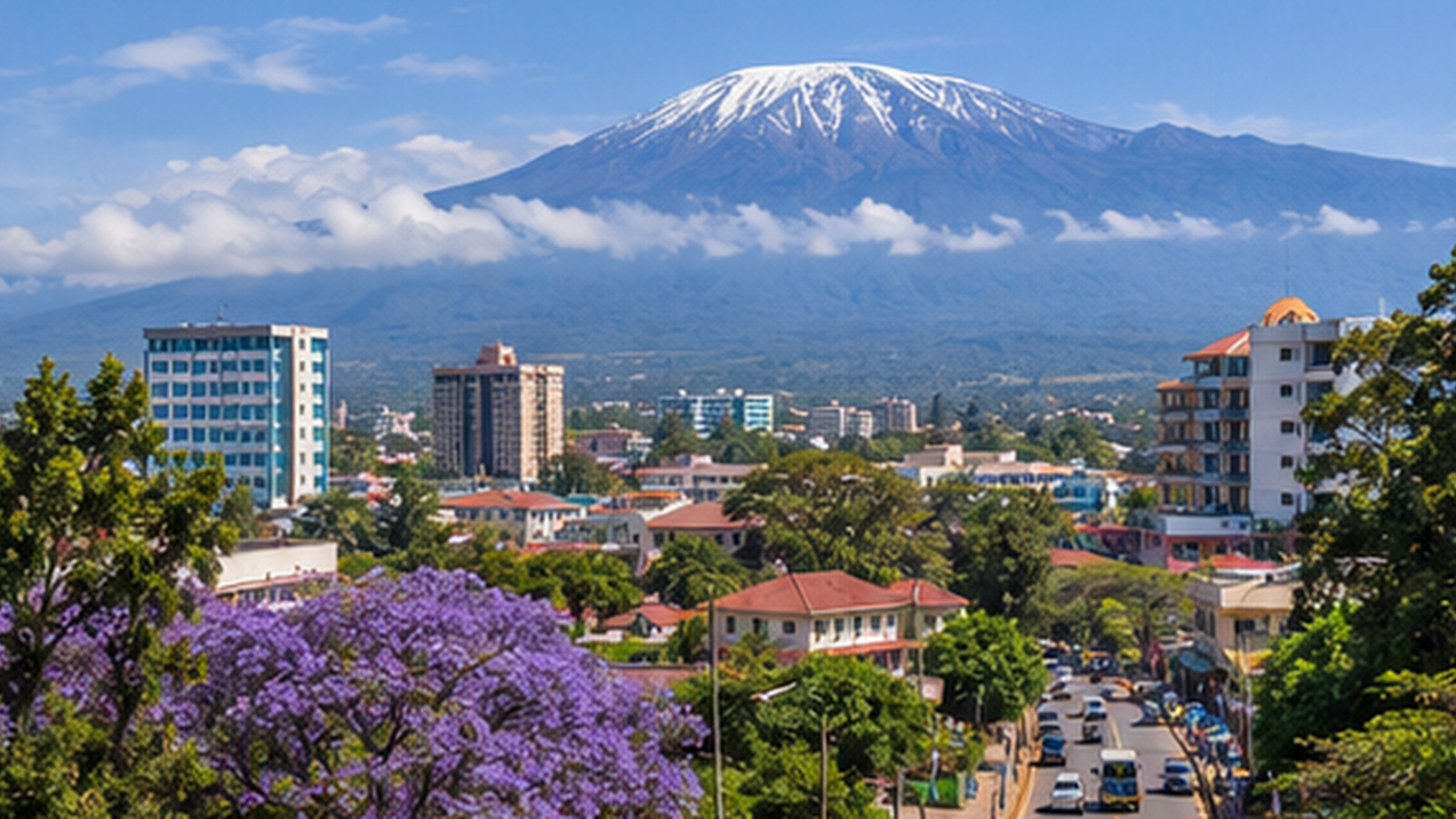
The northern safari gateway — the base for the Serengeti, Ngorongoro and Kilimanjaro circuit.
The ultimate safari-and-beach dream — the Serengeti migration, Ngorongoro Crater, Kilimanjaro and the spice-island beaches of Zanzibar, on an easy e-visa for Indians.
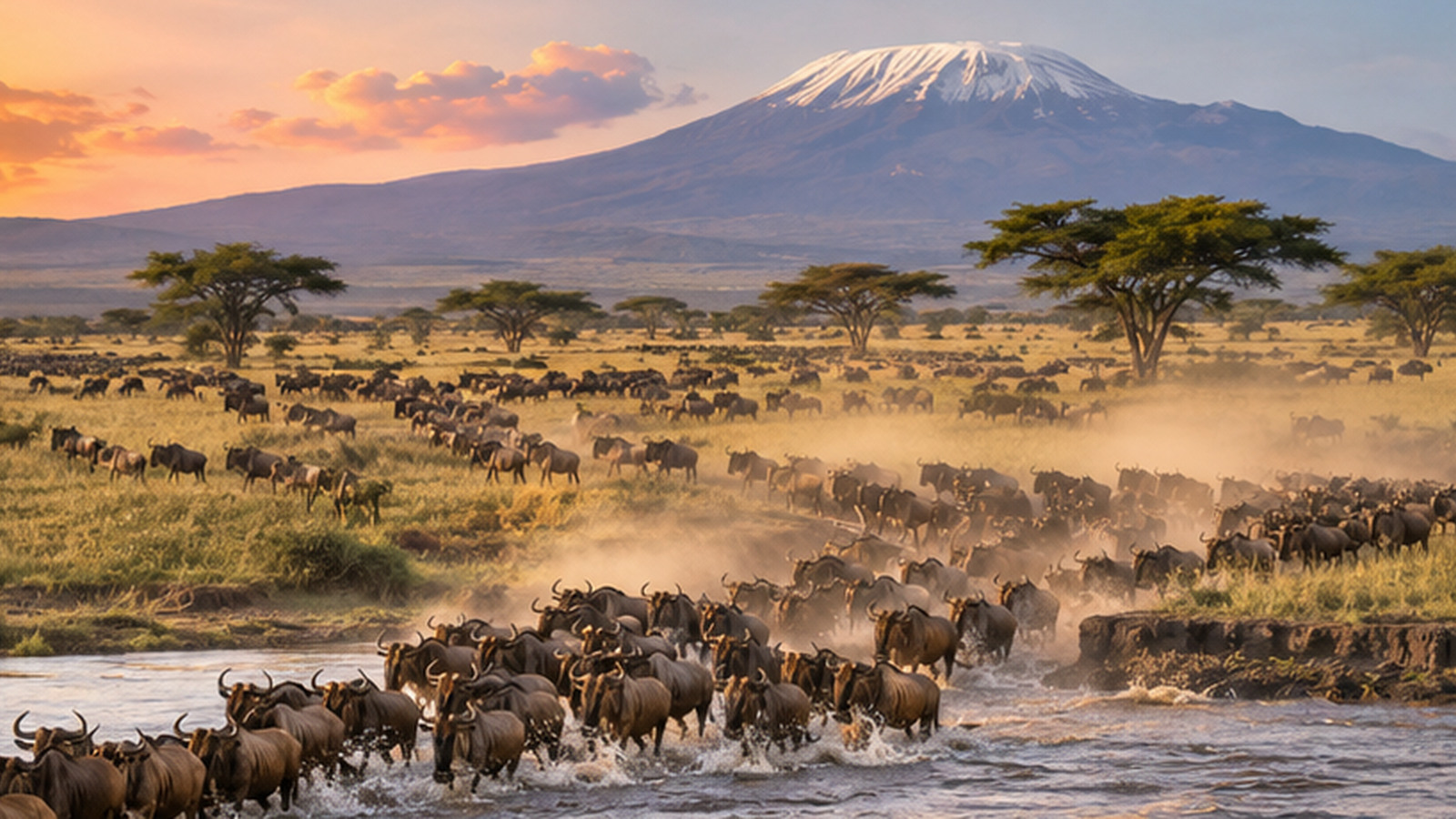
Tanzania is Africa at its most iconic — the thundering wildebeest of the Serengeti, the wildlife-packed Ngorongoro Crater, the snow-capped summit of Kilimanjaro, and the turquoise, spice-scented beaches of Zanzibar. For Indian travellers it is the ultimate safari-and-beach bucket-list trip, made easy by a simple e-visa or visa on arrival and a long, warm historical connection with the Indian community on the coast.
Witness the Great Migration and the Big Five on the plains, descend into the Ngorongoro Crater’s natural wildlife amphitheatre, then fly to Zanzibar for white sand, dhow sunsets and the labyrinthine lanes of Stone Town — where Indian, Arab and Swahili cultures blend. Few places pack safari, mountains and tropical beaches into one trip as unforgettably as Tanzania.
This guide is written for Indian travellers: the real safari-and-beach cost in rupees from your city, the exact e-visa rule, where vegetarians and Jain travellers eat, how safaris and the Zanzibar flight work, and honest, dated advice you can plan around.
Tanzania is a top choice for Indians dreaming of an African safari with a beach finish: an easy e-visa, direct and one-stop flights, and a deep Indian heritage on the coast (Zanzibar’s Stone Town has Indian temples, communities and food). It suits honeymooners, families and wildlife lovers, and Indian and vegetarian food is widely available in Zanzibar and Arusha.
💡 From our visa desk: The trips we help plan work best when you keep the safari unhurried — a couple of nights each in the Serengeti and Ngorongoro beat a rushed dash — and then fly (not drive) to Zanzibar to finish on the beach. Match your dates to the wildlife: July–September for the Mara river crossings, January–February for the calving. Book licensed operators; park fees are a big, non-negotiable part of the cost.
Easy e-visa or visa on arrival for Indian citizens.
Indian passport holders can apply for a Tanzania e-visa online before travel, or get a visa on arrival at major airports — typically a single-entry tourist visa. You need a passport valid at least six months, a photo, a return/onward ticket and proof of funds; a yellow-fever certificate may be required depending on your route. Confirm the current entry requirement before you book.
Check your Tanzania entry requirement →June to October is the prime dry-season safari window (and great for Zanzibar). The migration river crossings peak around July–September; calving is January–February. See the month-by-month table below.
| Season | What it's like & who it suits |
|---|---|
| Jun–Oct (dry/peak) | The best safari season — sparse vegetation, easy wildlife spotting and river crossings (Jul–Sep); ideal Zanzibar weather. Peak prices. |
| Jan–Feb (green/calving) | A lush short-dry spell — the Serengeti calving season with predators in action; good value. |
| Mar–May (long rains) | The wettest months — lush but harder safaris and some lodges close; cheapest. |
| Nov–Dec (short rains) | Short showers, green scenery and fewer crowds — a good shoulder window. |
| Month | Weather & what’s on (incl. Indian holiday windows) |
|---|---|
| January–February | Green season in the south Serengeti — the wildebeest calving with dramatic predator action, fewer crowds and good value. Hot, clear and great for Zanzibar. |
| March–May | The long rains — lush and much cheaper, with some camps closed and muddier roads; still good for birds and photography. |
| June | The dry season returns and the migration moves north; an excellent, slightly cheaper window before the July peak. |
| July–September | Peak safari season — the Great Migration and Mara River crossings in the northern Serengeti, prime Big Five viewing and perfect Zanzibar weather. Busiest and priciest; book far ahead, especially over the Indian summer break. |
| October | Still excellent dry-season viewing with thinning crowds; a great-value tail of the peak. |
| November | Short rains — green, quiet and cheaper, with good birding. Pleasant around Diwali. |
| December | Drying out and festive; good wildlife and warm Zanzibar beaches, with peak Christmas–New Year lodge prices. |
The northern safari gateway — the base for the Serengeti, Ngorongoro and Kilimanjaro circuit.
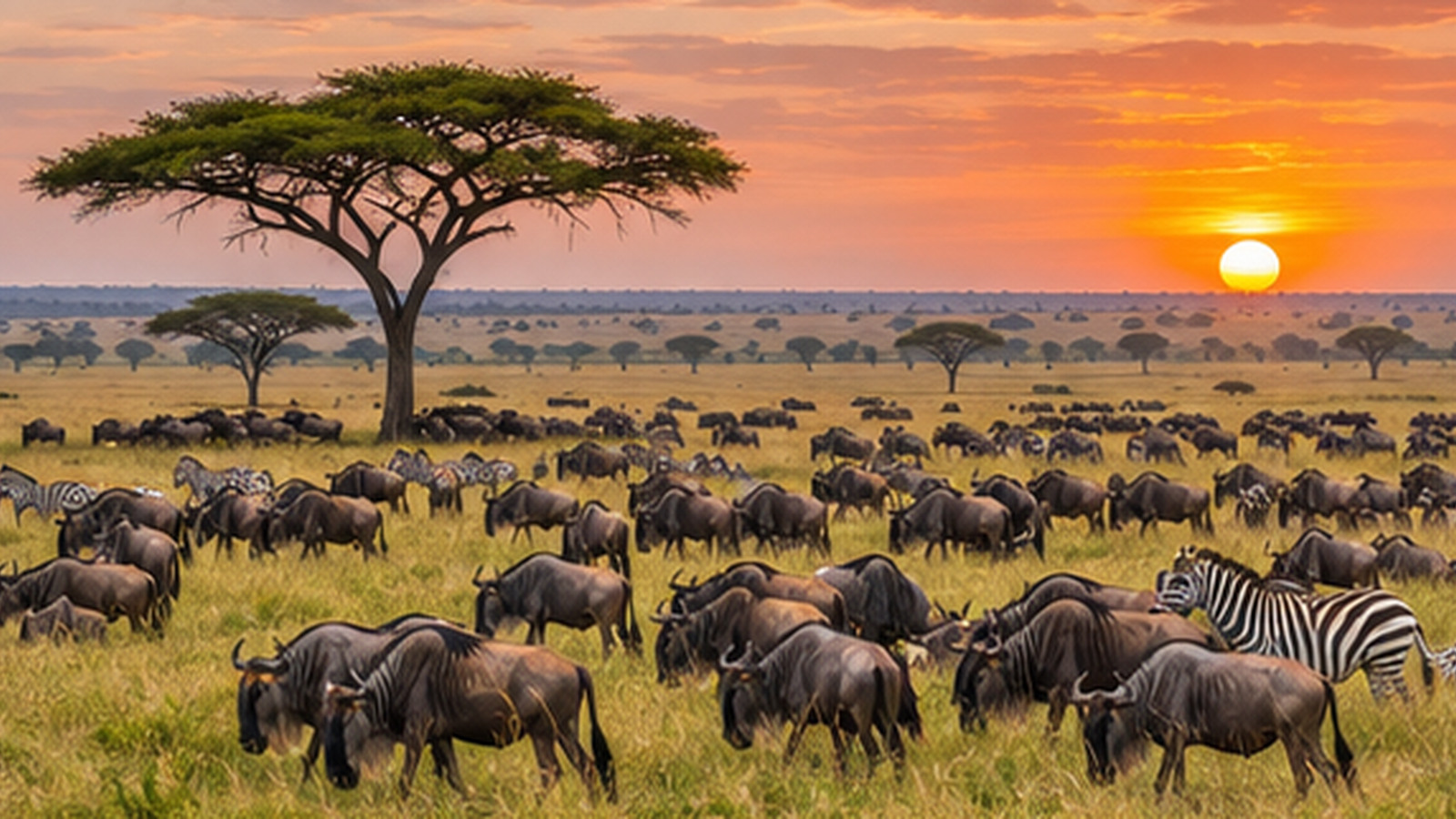
The legendary plains of the Great Migration and the Big Five.
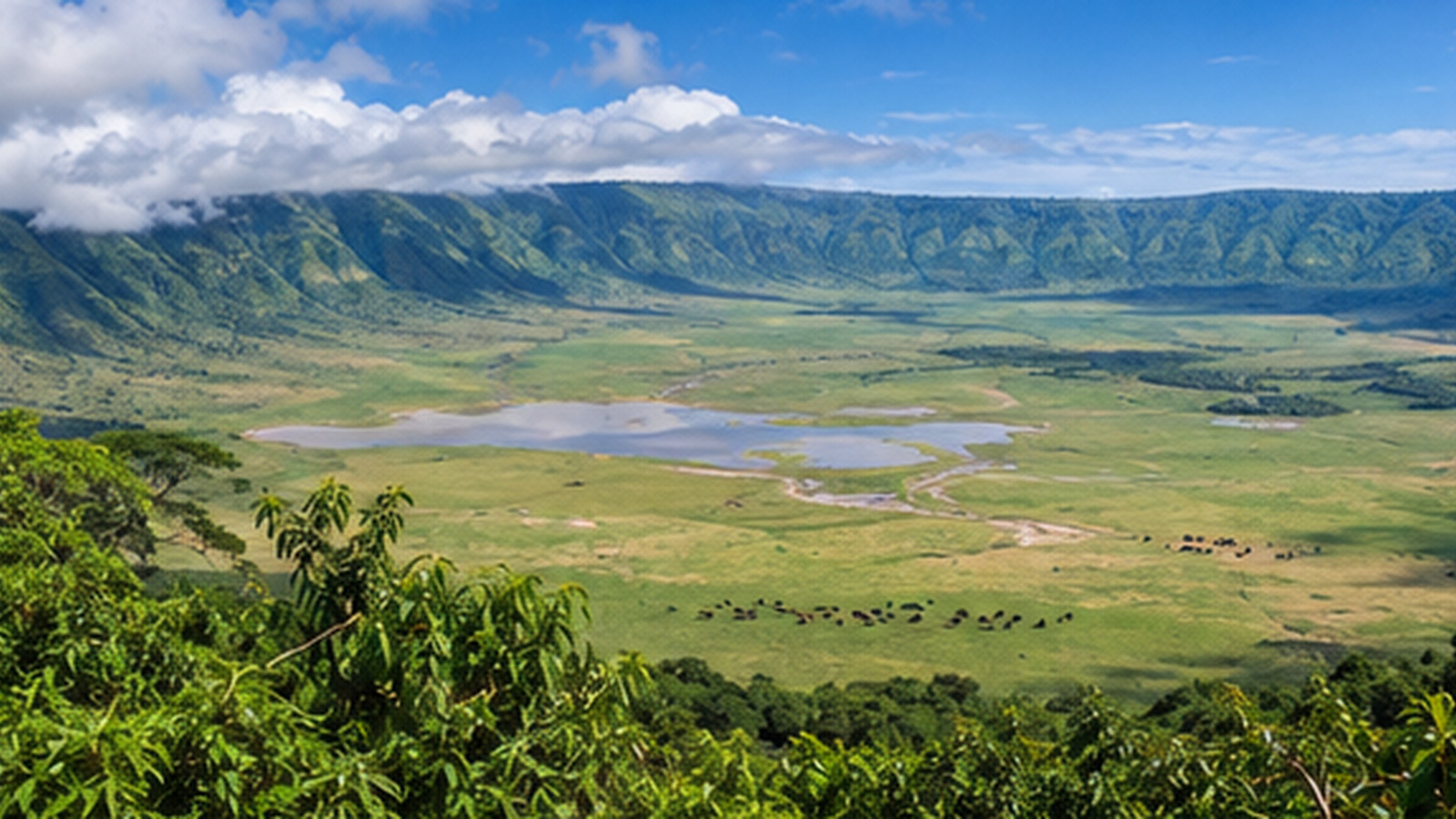
A vast volcanic crater teeming with wildlife — a natural amphitheatre.
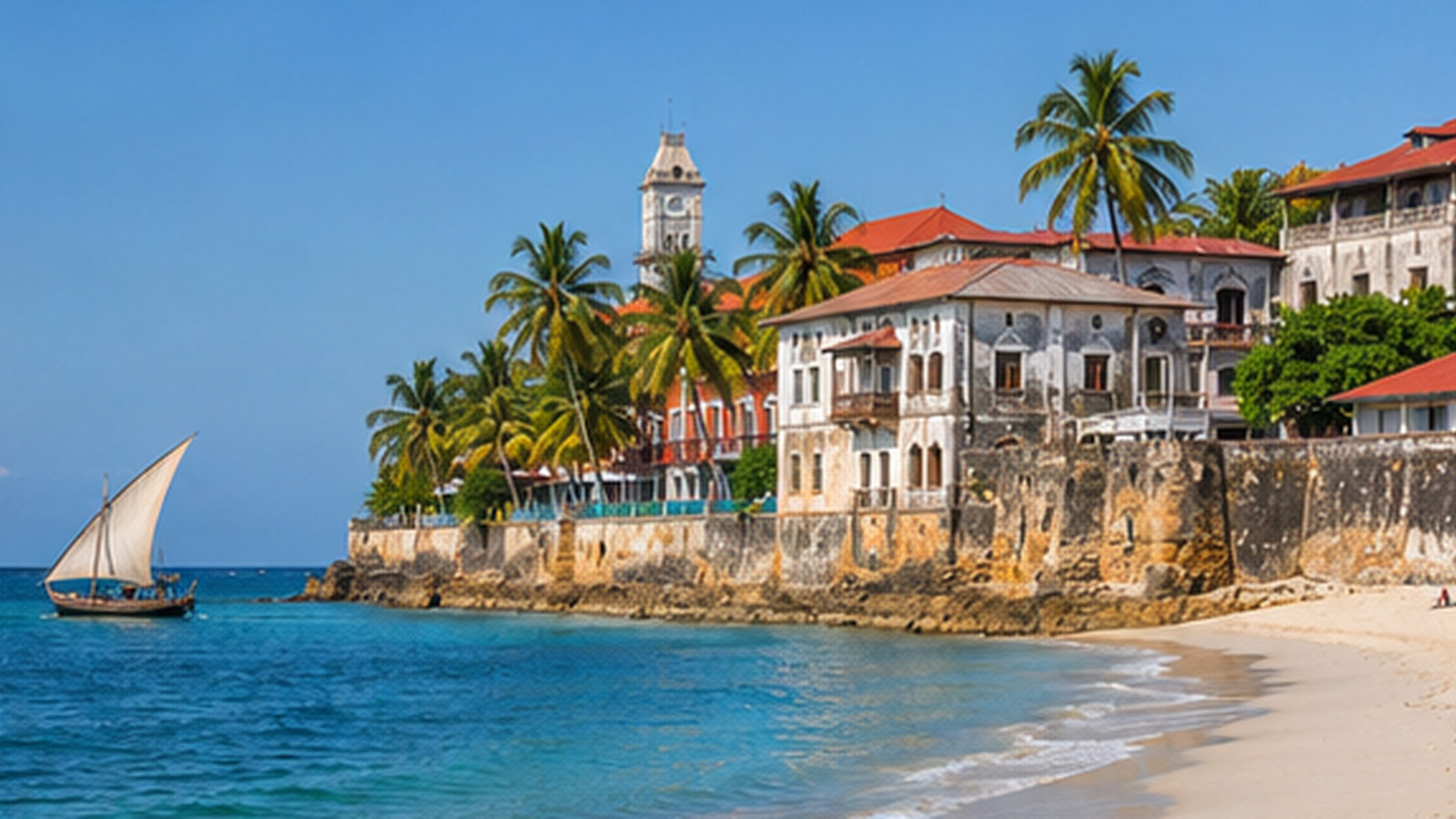
The spice island — historic Stone Town and white-sand beaches like Nungwi and Paje.
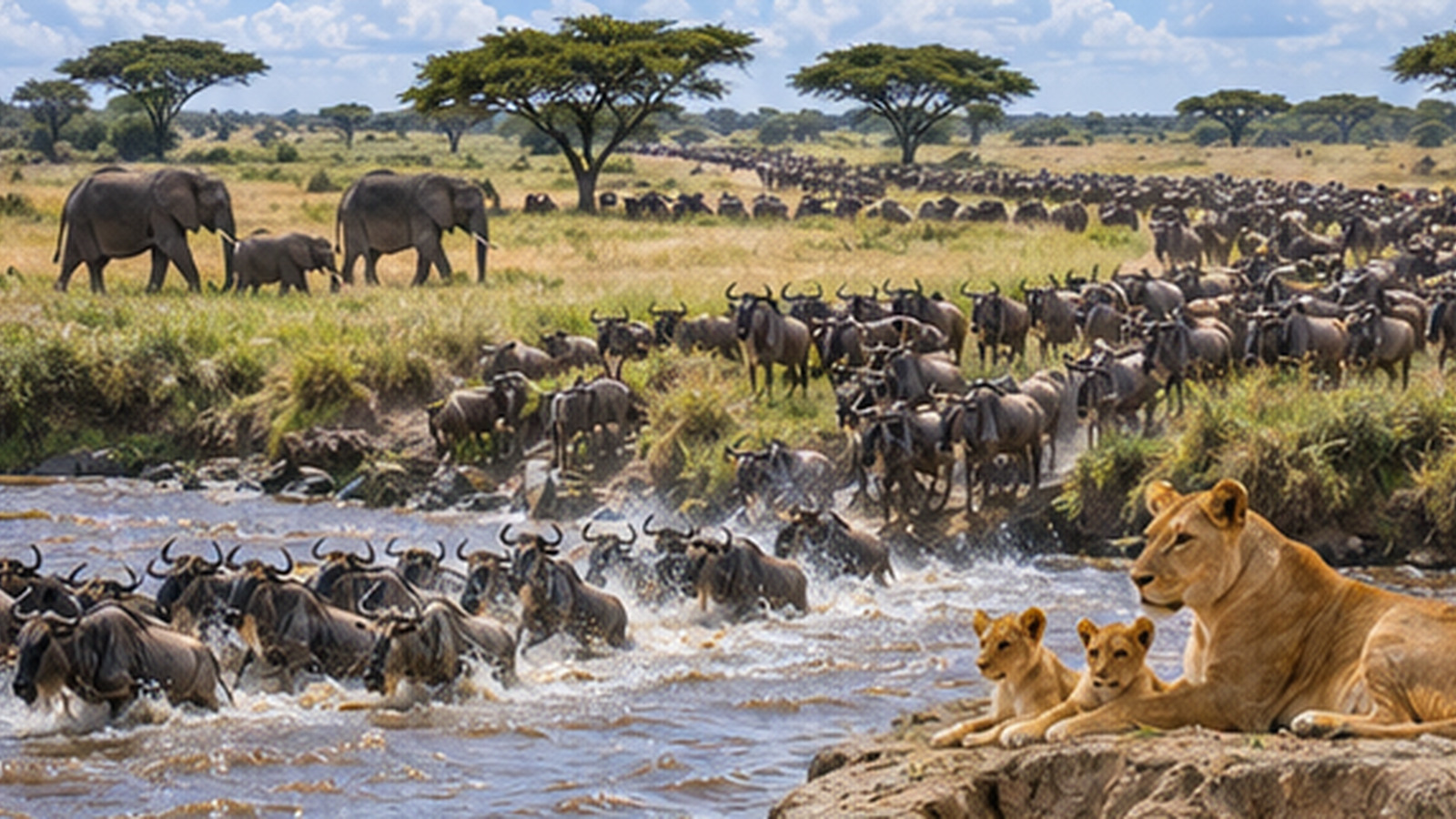
Endless plains with lions, elephants and the wildebeest migration and river crossings.
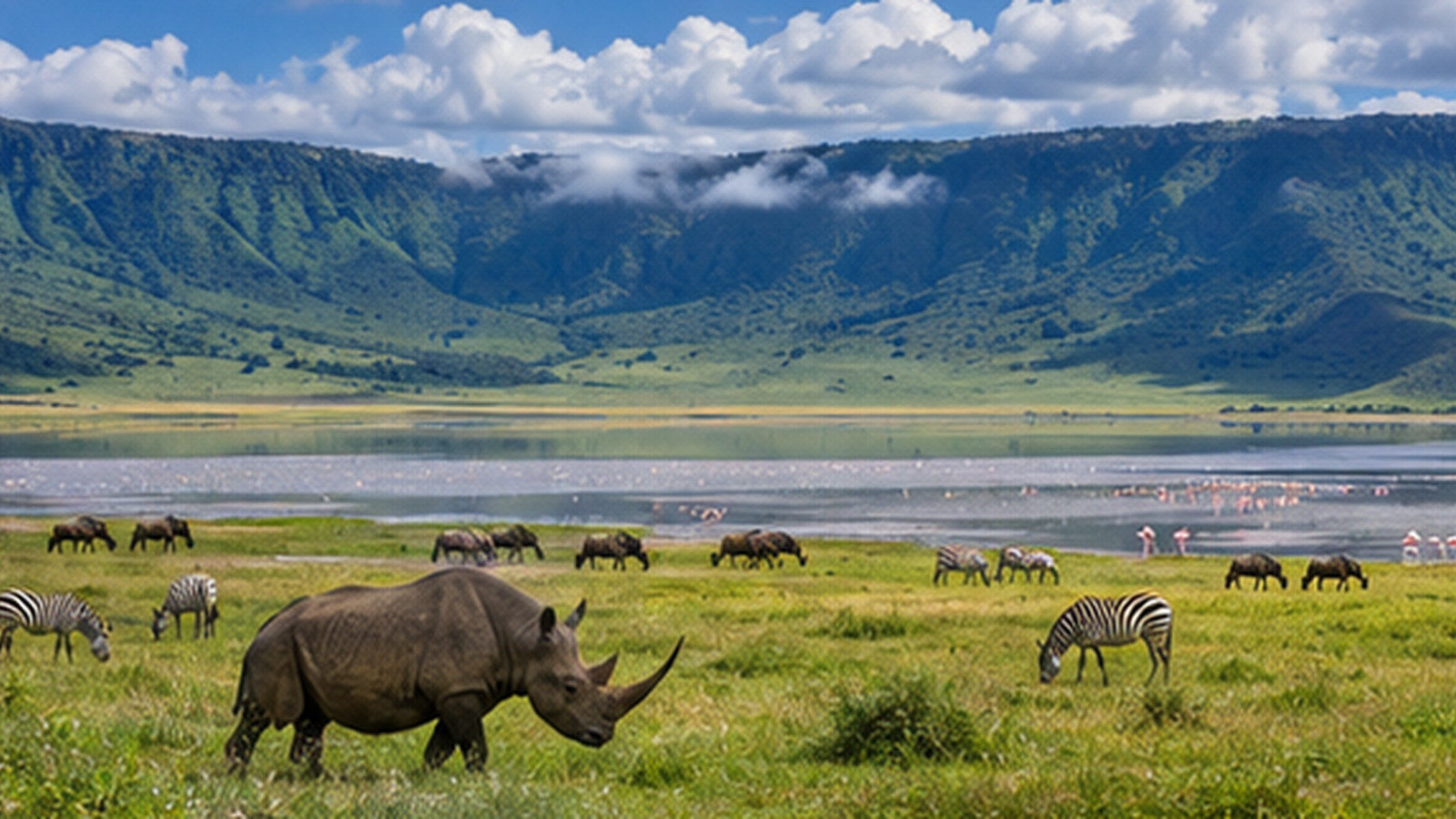
A UNESCO caldera with dense wildlife, including rare black rhino, in a stunning setting.
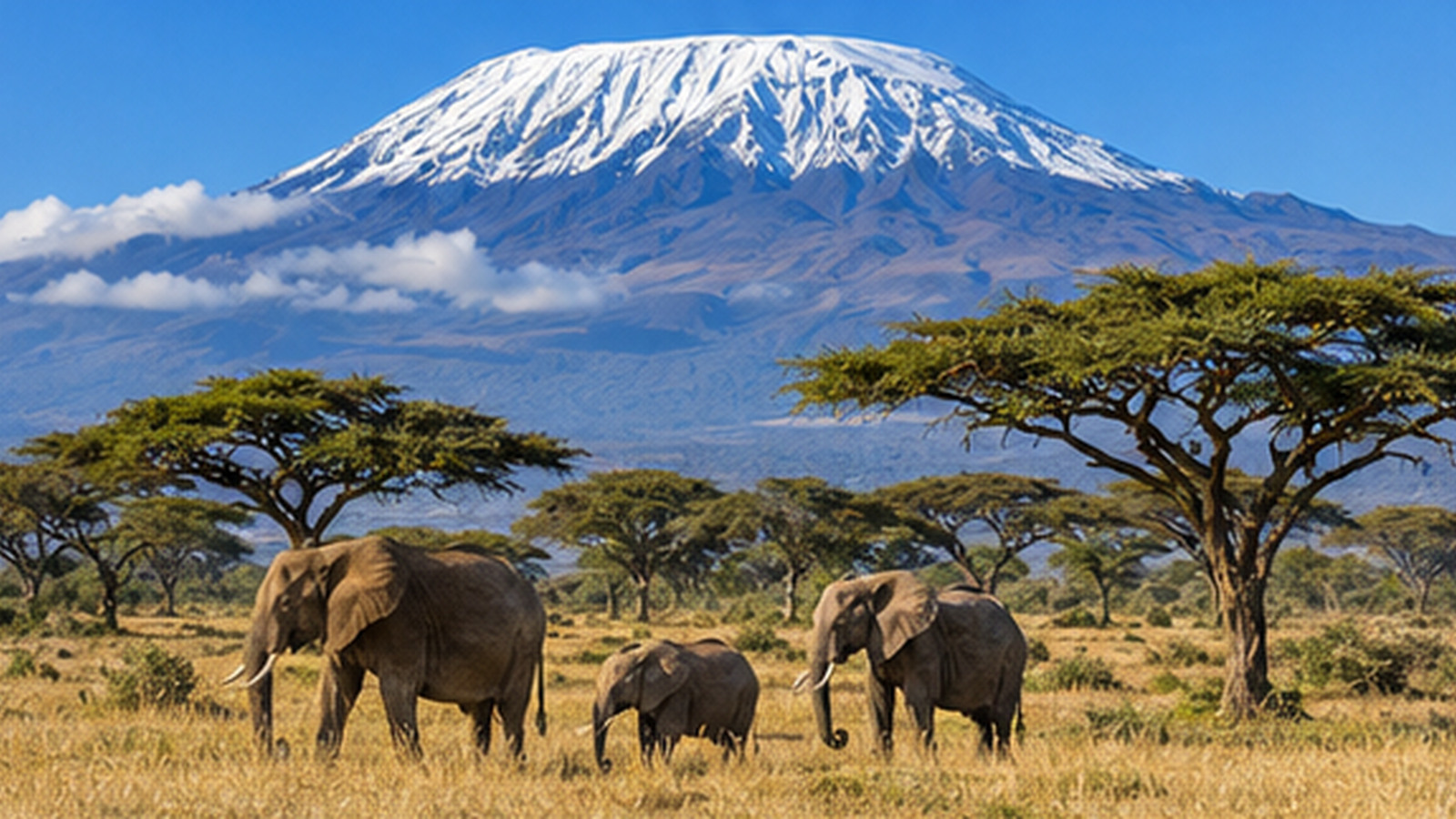
Africa’s highest peak — trek to the summit or admire it from the plains.
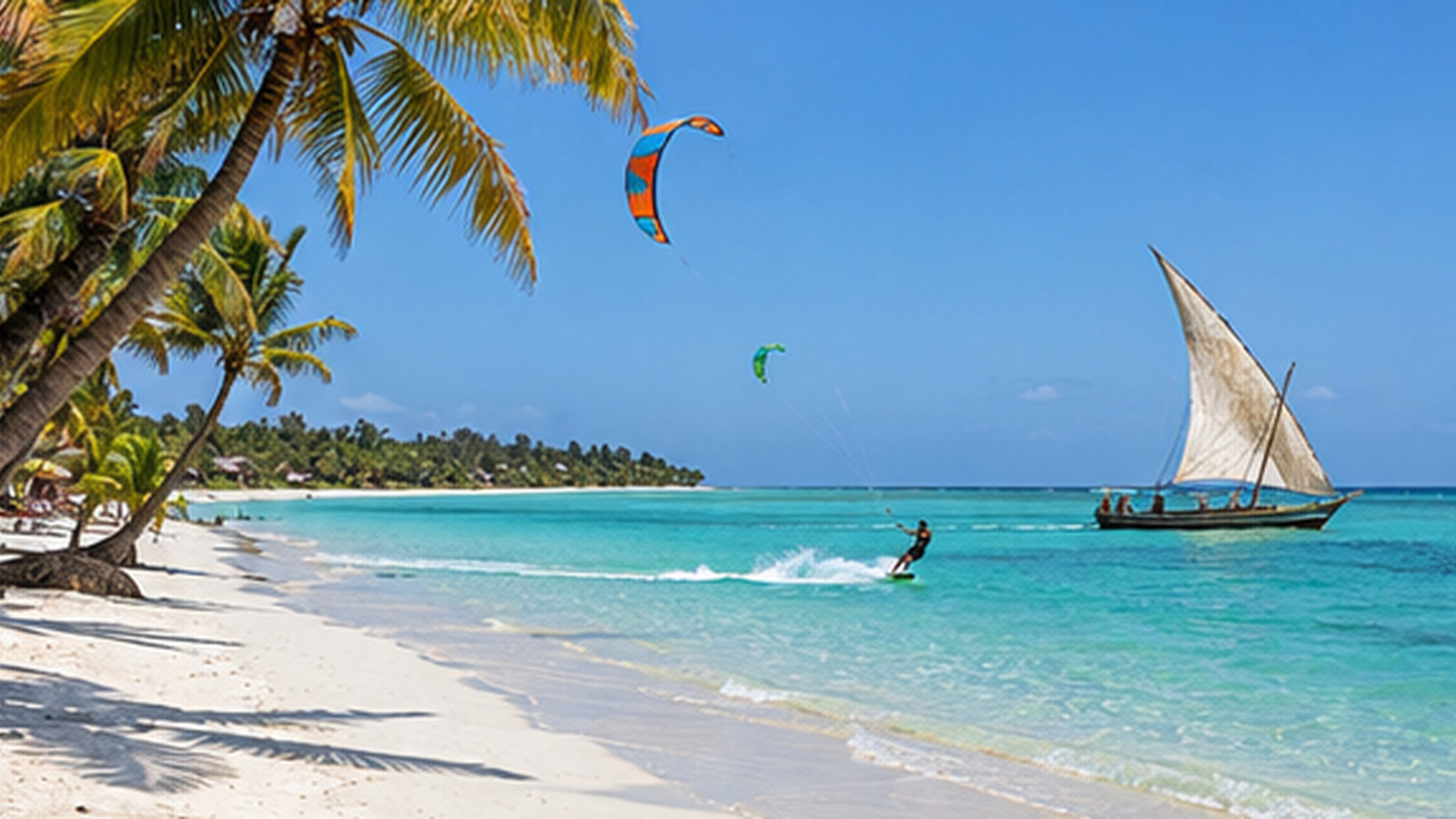
Nungwi, Kendwa and Paje — white sand, turquoise water, dhow cruises and kitesurfing.
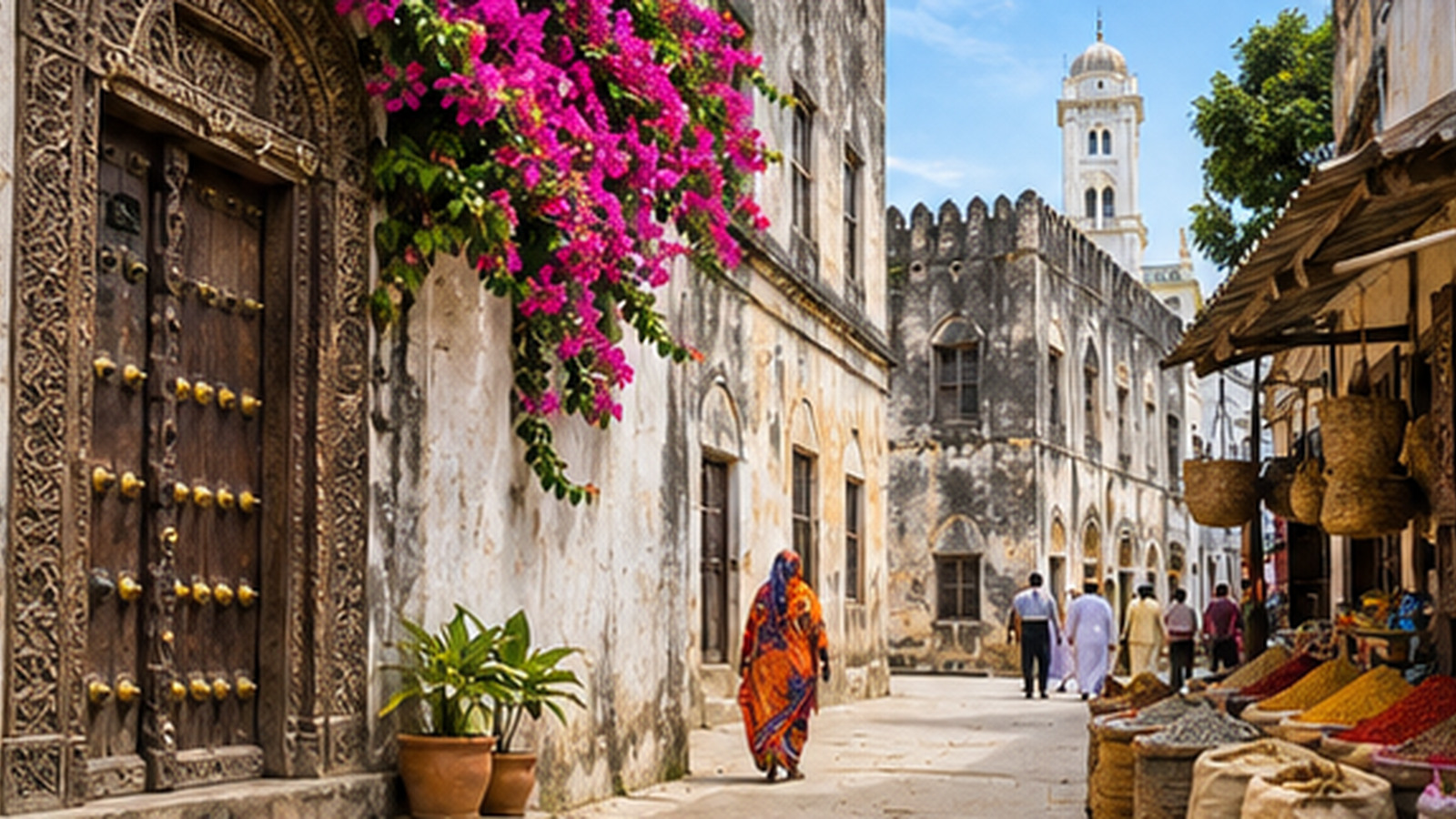
A UNESCO maze of Swahili-Arab-Indian architecture, spice markets and history.
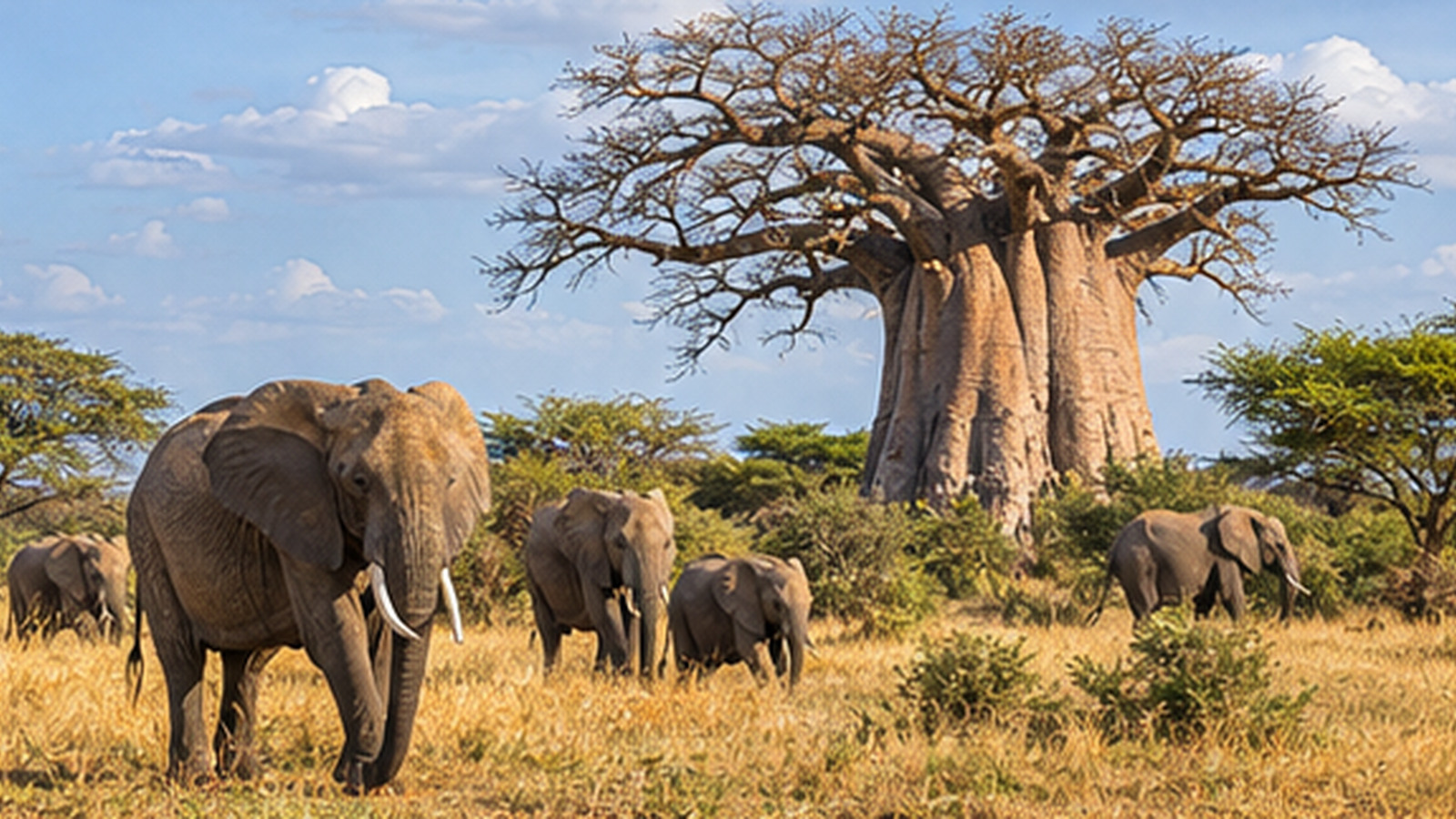
Famous for huge elephant herds and baobab trees — a great add-on.
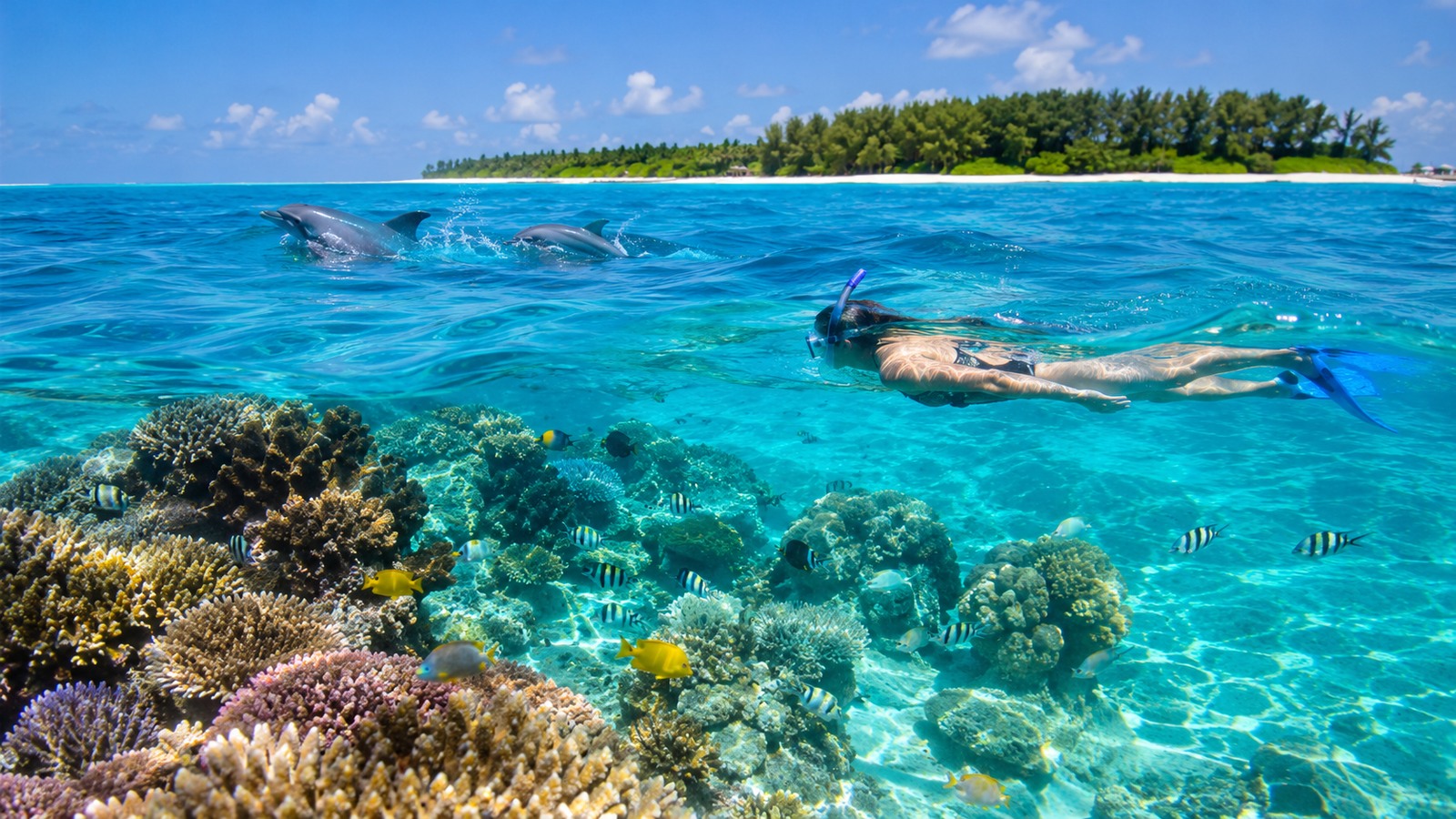
Clear water, coral and dolphins off Zanzibar’s north-east — the island’s best snorkelling.
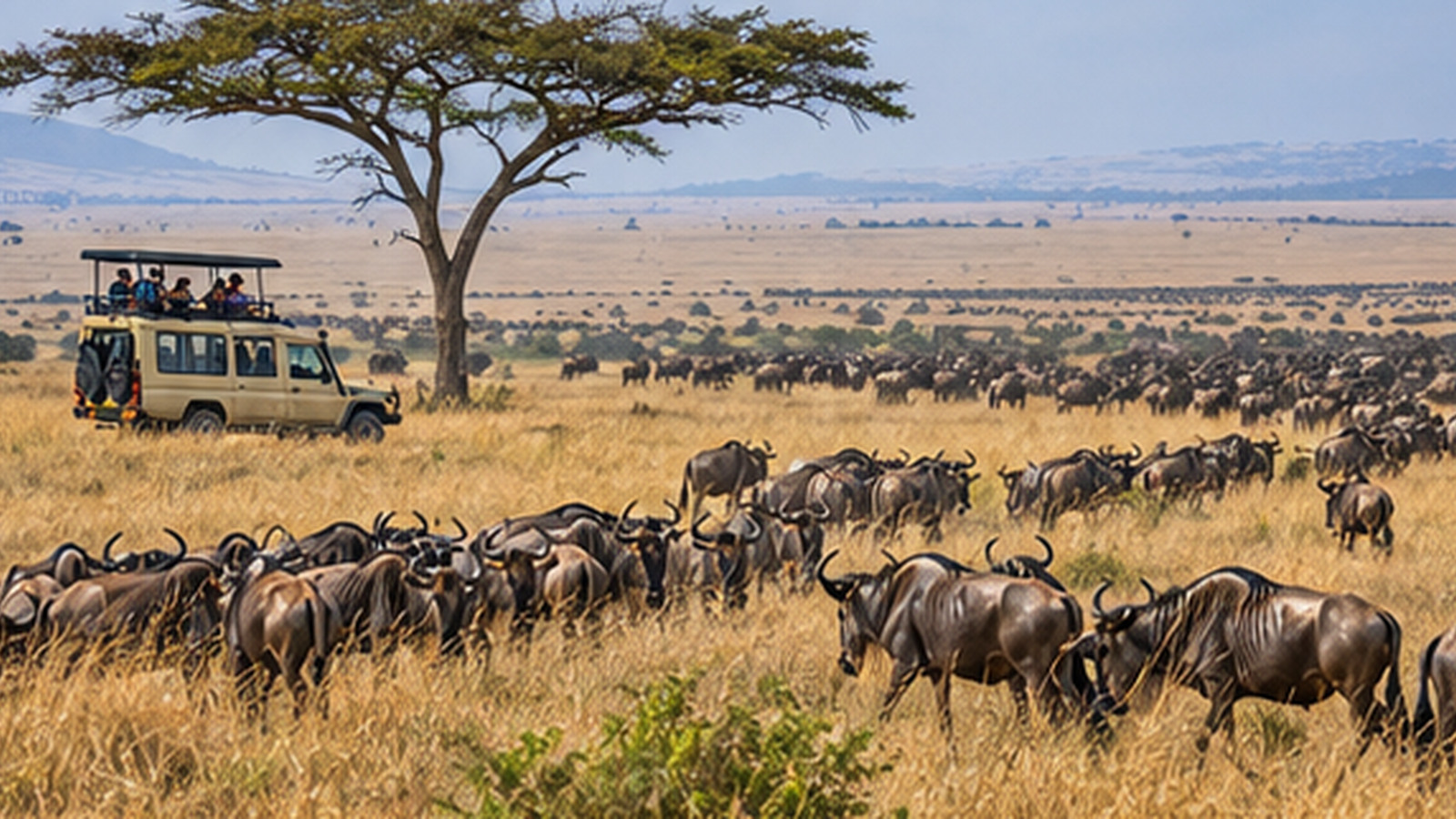
Serengeti, Ngorongoro and Tarangire for the Big Five and the migration.
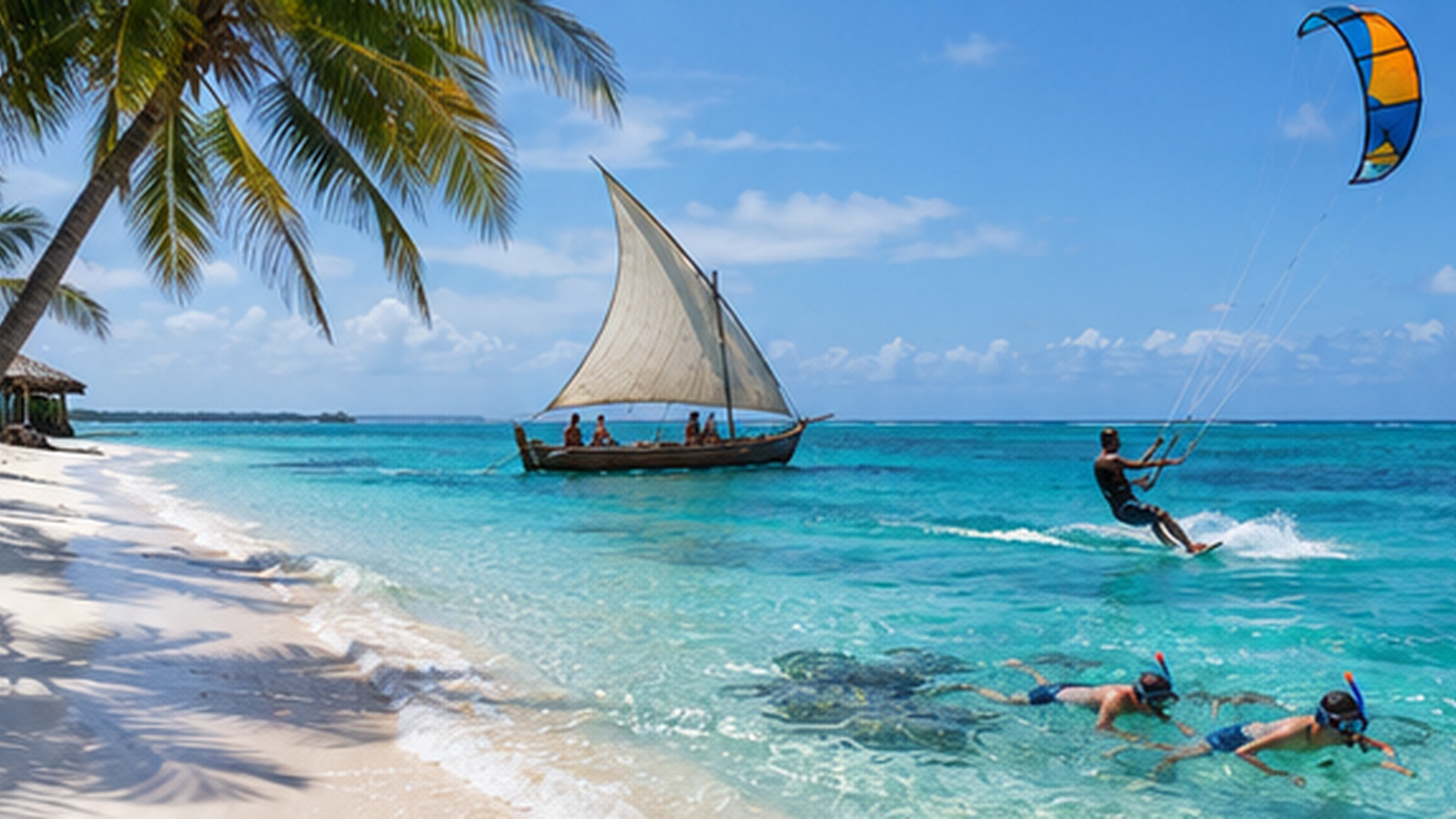
Zanzibar swimming, snorkelling, diving, dhow cruises and kitesurfing.
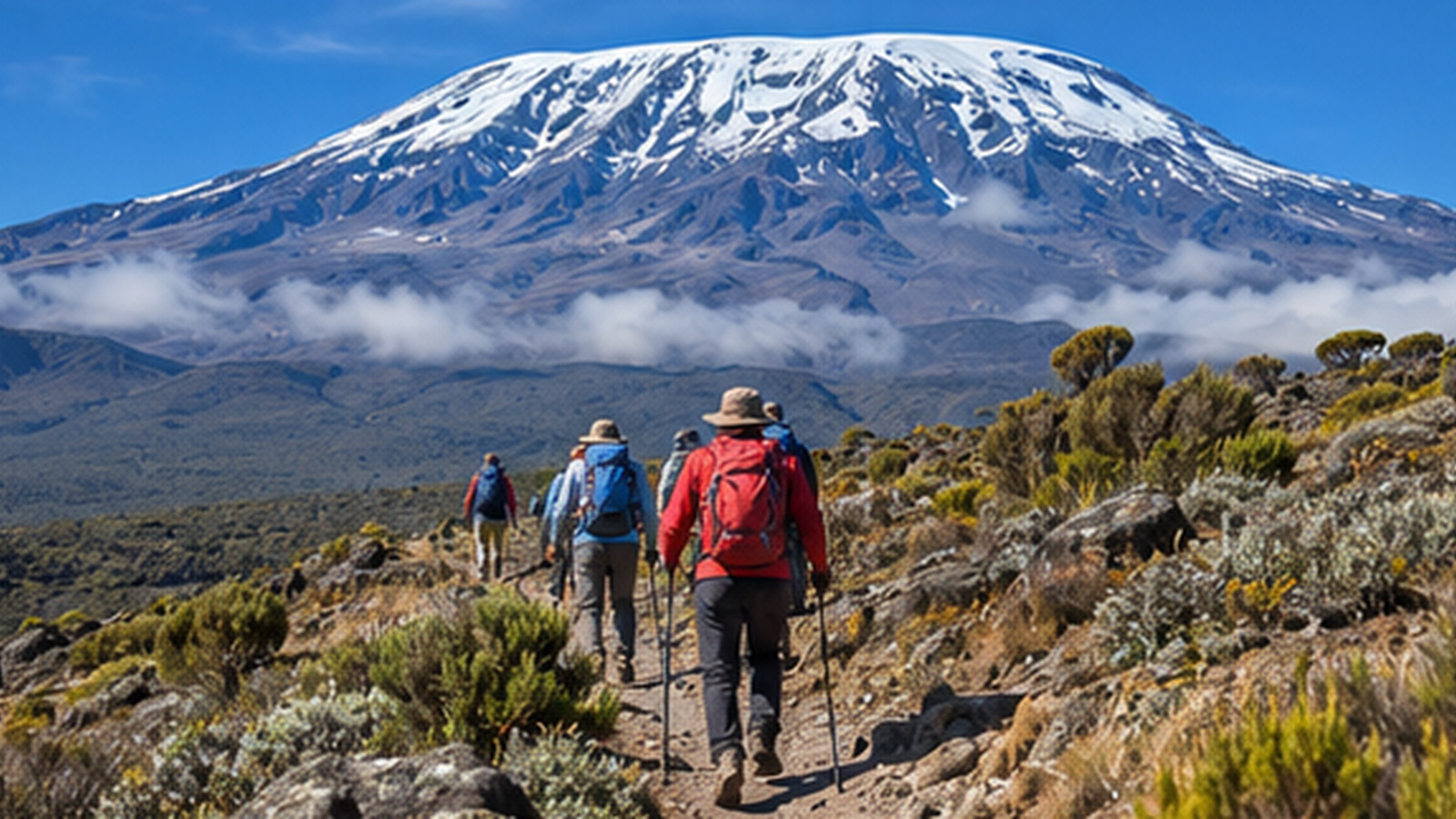
Summit treks or scenic lower-slope day hikes.
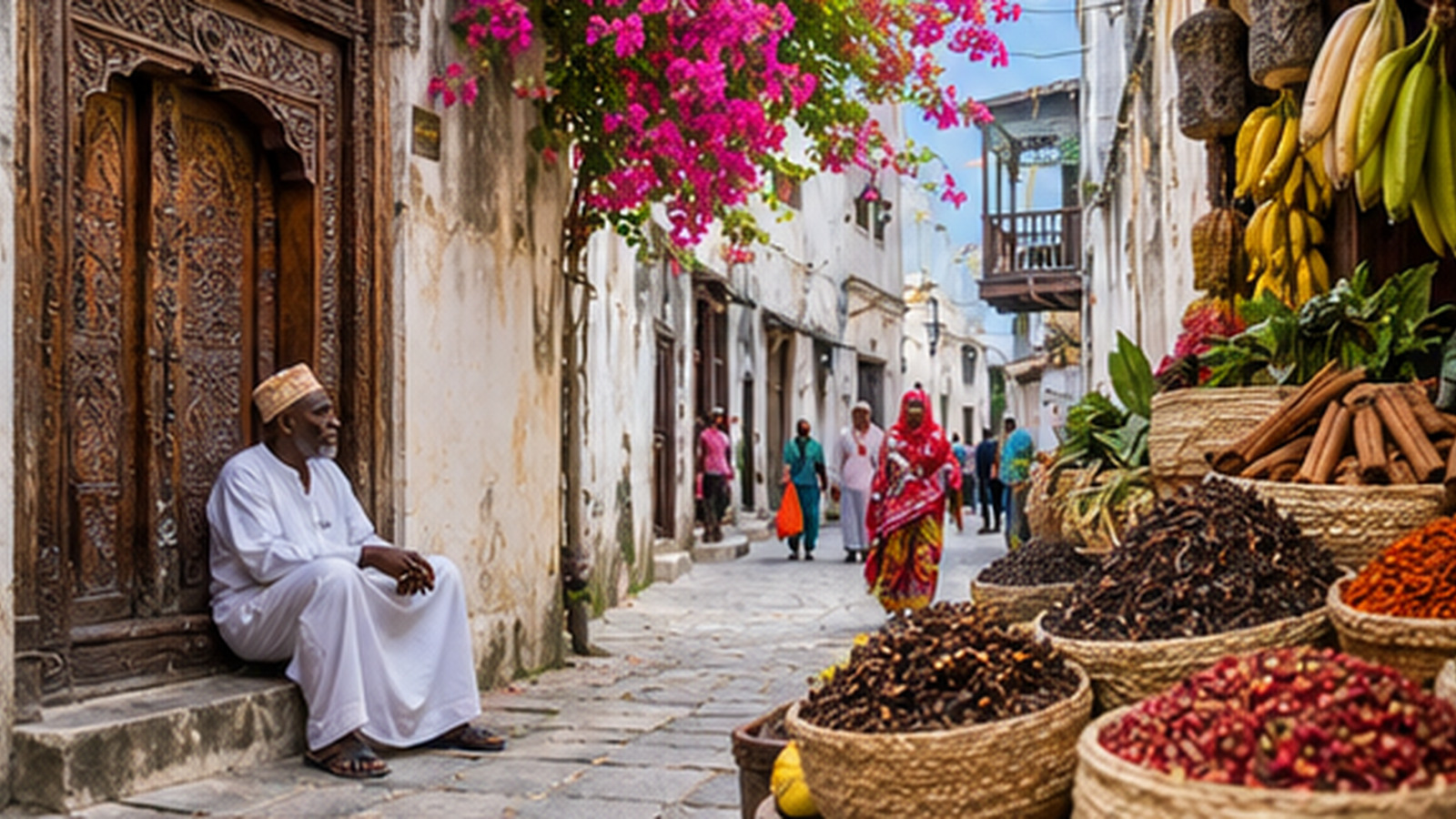
Stone Town heritage, spice farms and Swahili cuisine.
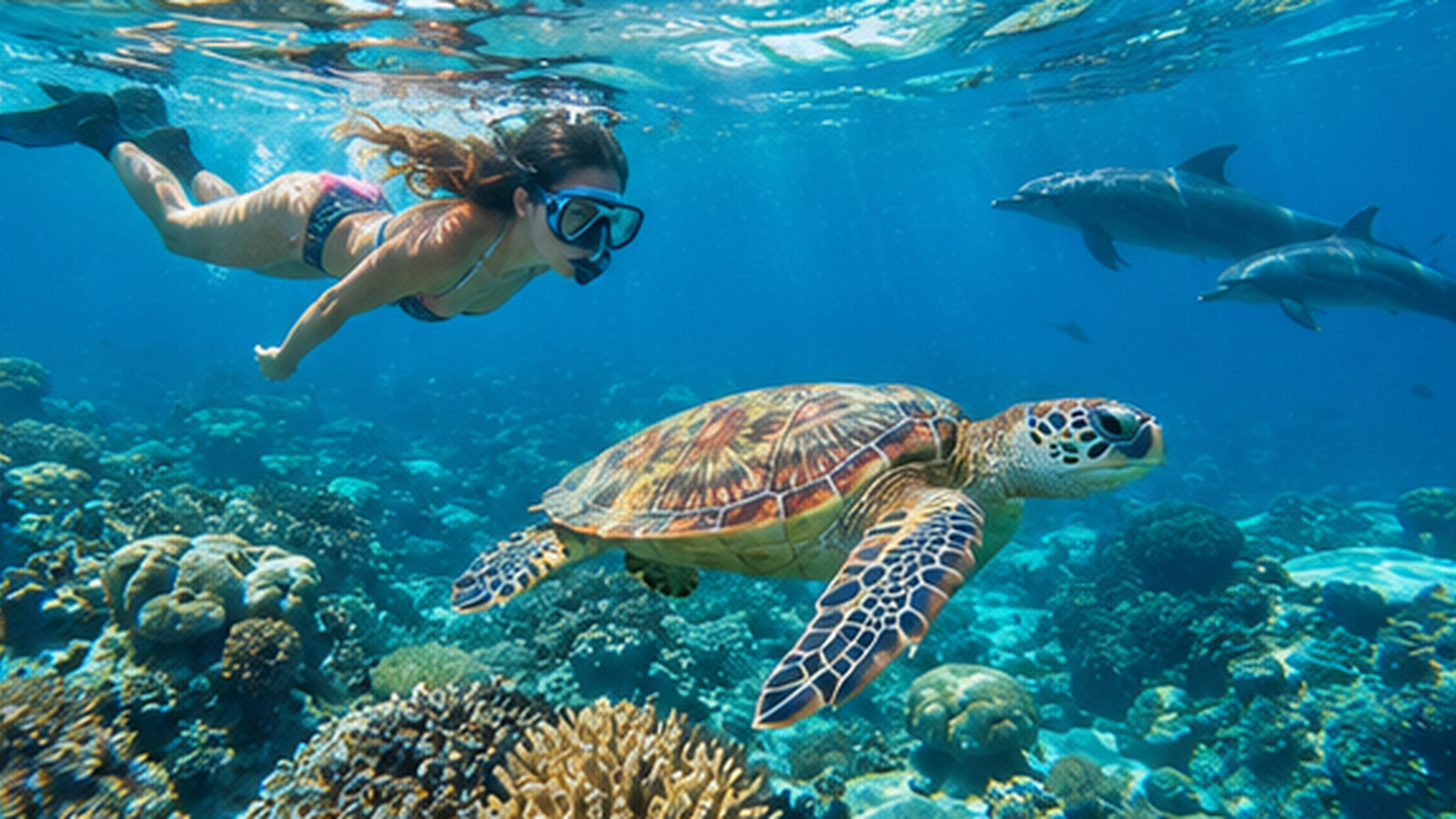
Mnemba atoll, dolphins and marine parks off Zanzibar.
Book tours & activities through our travel partners — see options. Bluebird Next may earn a commission from partner bookings at no extra cost to you (Affiliate Disclosure).
Tanzania safaris are a premium experience — park fees, lodges and guided vehicles make it costlier than most trips, while Zanzibar offers a range of budgets. Indicative per-person figures for a 7-day trip in 2026 (prices checked Nov 2026).
| Item | Typical cost (per person) |
|---|---|
| Return flights (ex-India) | ₹45,000 – ₹90,000 |
| e-visa / VOA (fee) | ₹4,500 – ₹6,000 |
| Safari (lodges, park fees, guide, per day) | ₹20,000 – ₹55,000 |
| Zanzibar hotels (per night, twin) | ₹4,000 – ₹18,000 |
| Internal flight (safari–Zanzibar) | ₹8,000 – ₹15,000 |
| Food & extras (Zanzibar) | ₹2,000 – ₹5,000 / day |
| From | Typical return airfare |
|---|---|
| Mumbai | ₹45,000 – ₹85,000 (direct/1-stop) |
| Delhi | ₹48,000 – ₹90,000 (1-stop) |
| Bengaluru | ₹46,000 – ₹88,000 (1-stop) |
| Chennai | ₹46,000 – ₹88,000 (1-stop) |
| Kolkata/Hyderabad | ₹48,000 – ₹90,000 (1-stop) |
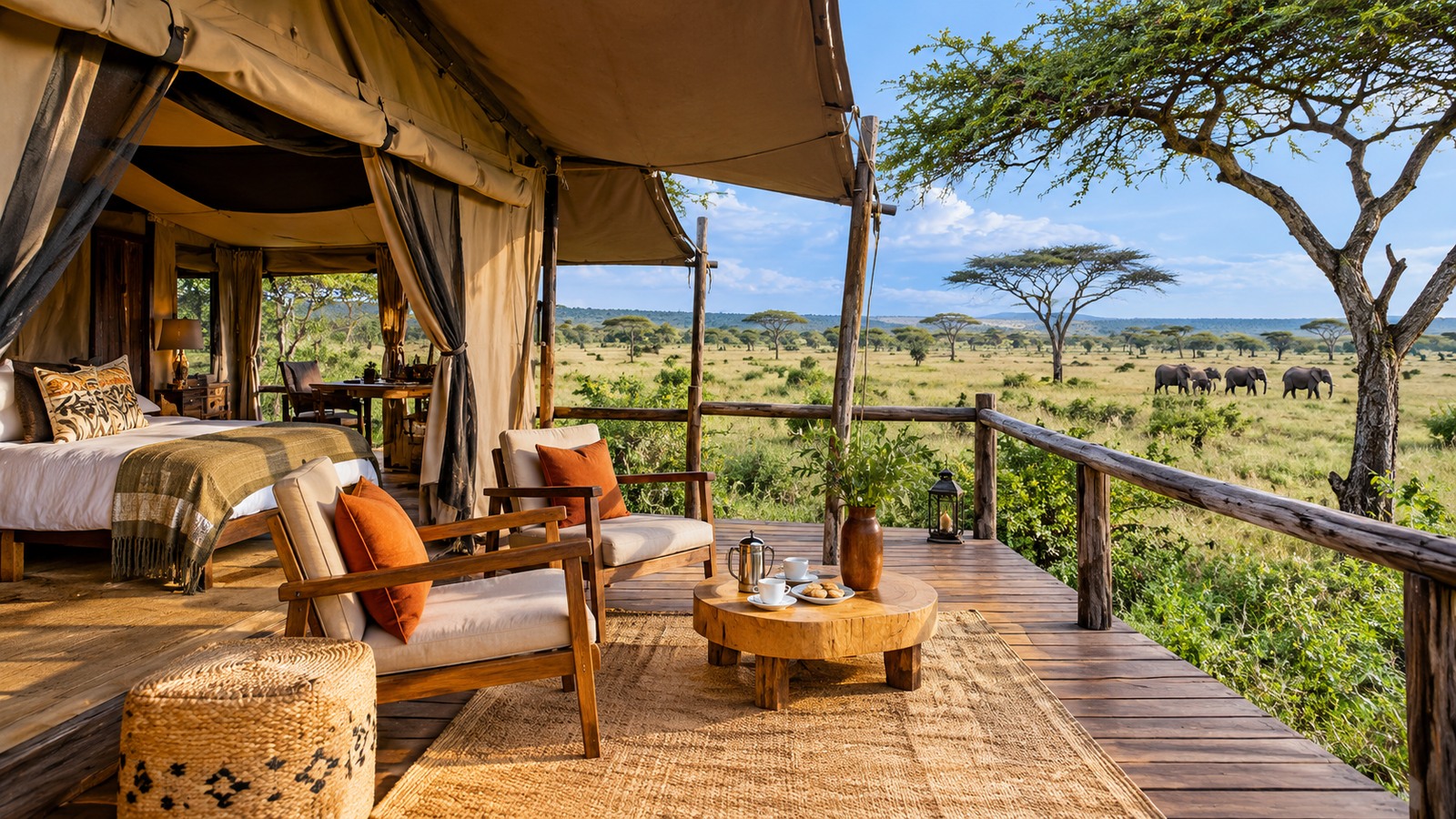
Tented camps and lodges inside or bordering the park for game drives.
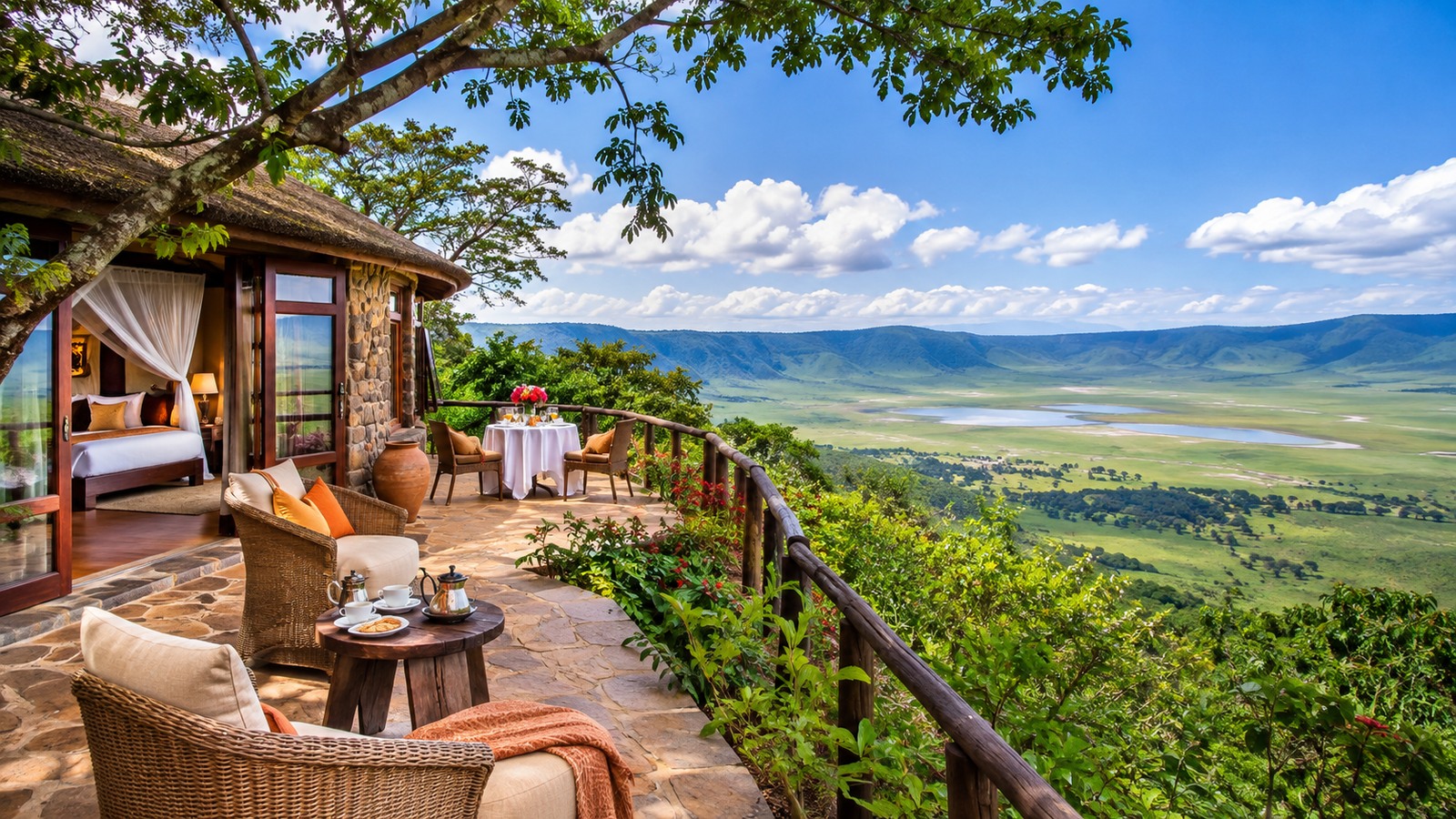
Lodges on the crater rim with spectacular views.
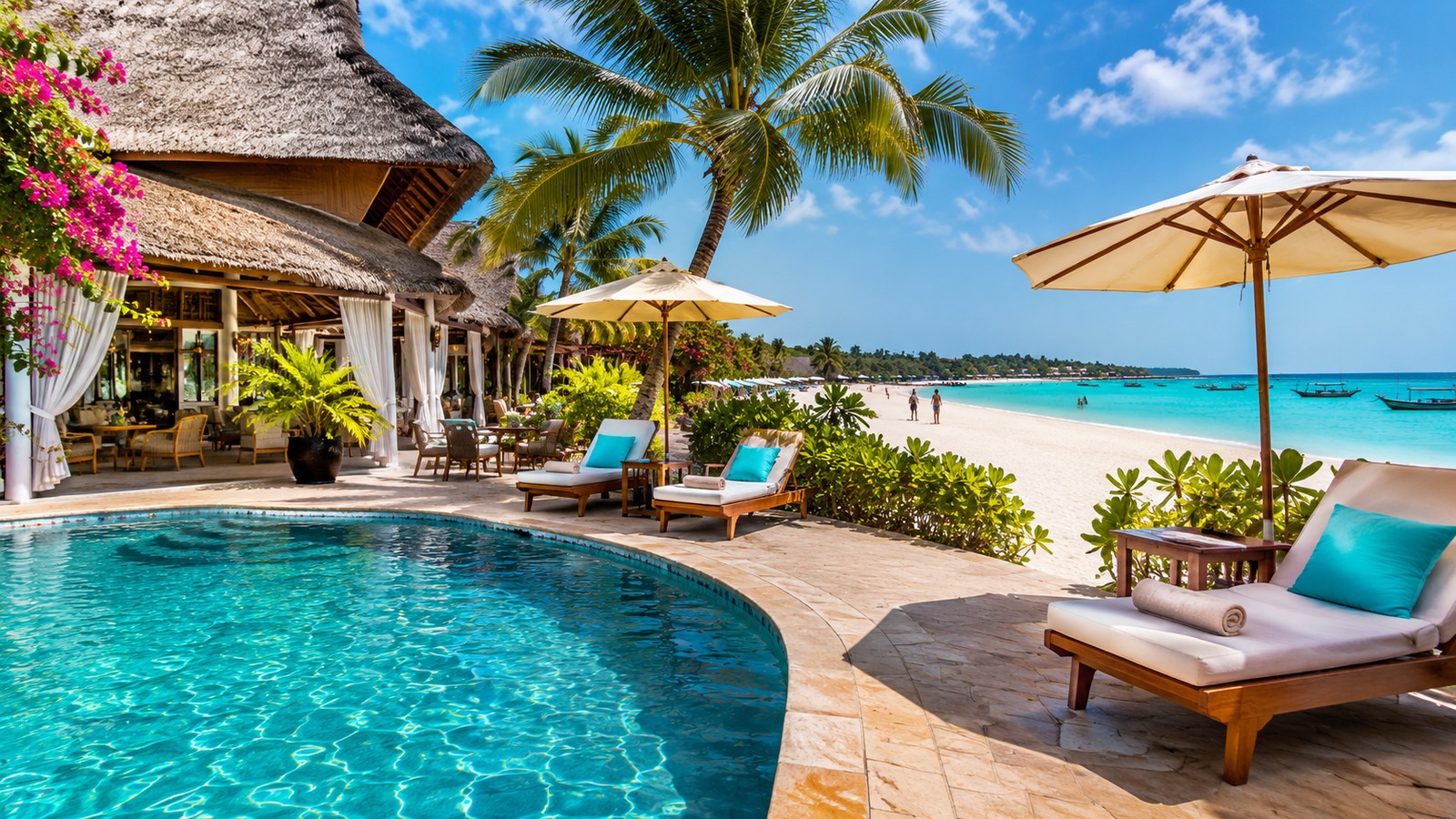
Swimmable north-coast beach resorts.
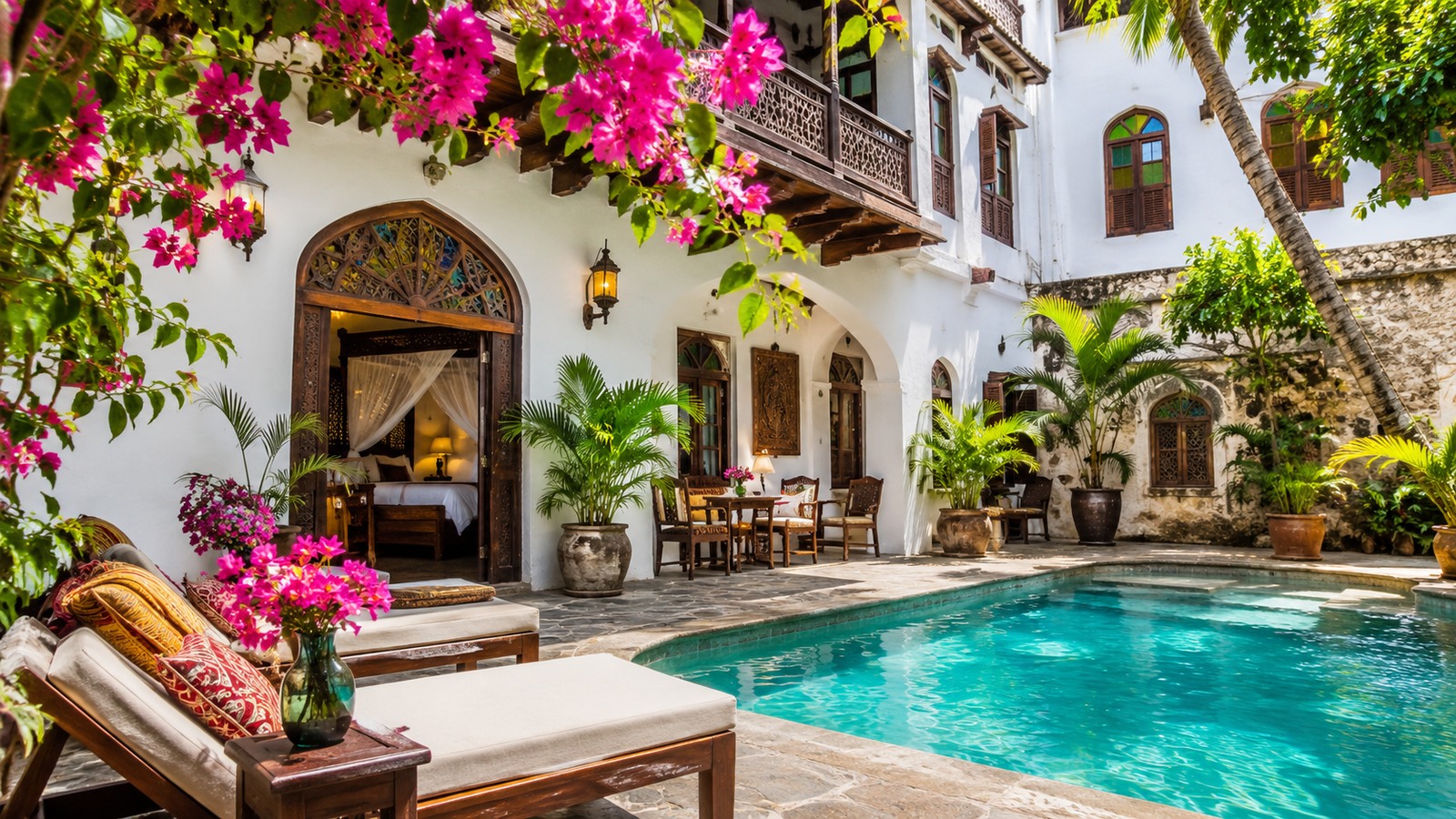
Heritage hotels in the historic old town.
Coastal Swahili cuisine is fragrant and spice-rich — pilau, biryani, grilled seafood, coconut curries and tropical fruit; safari lodges serve international buffets.
Vegetarians are well served, especially in Zanzibar — veg biryani, chapati, lentils, coconut-vegetable curries and salads; lodges cater to veg diets with notice.
Zanzibar and Arusha have strong Indian food thanks to the long-settled Indian community — Gujarati, South Indian and pure-veg options are easy to find.
The Tanzanian shilling is the local currency, but US dollars are widely used — carry clean, newer USD notes for the visa on arrival, tips, park extras and markets. Cards work at lodges and bigger hotels; UPI is not accepted. Keep small notes for guide and staff tips, and use bank ATMs in Arusha and Zanzibar.
Game drives run in 4x4 vehicles with a driver-guide through your operator; between the safari circuit and Zanzibar, a short internal flight is far quicker than the long road-and-ferry route. Choose a reputable, licensed safari operator — park fees are a large, fixed part of the price.
Take anti-malarial advice from a doctor and carry insect repellent. A yellow-fever certificate may be required depending on your route (including some connections) — check before you fly.
Buy a Vodacom or Airtel SIM at the airport, or use a travel eSIM; lodges have limited Wi-Fi. Tanzania uses 230V with the UK-style three-pin Type G socket — carry a universal adapter and a power bank for long drives.
Wear neutral safari colours, a hat and sunglasses, and bring binoculars and a zoom camera. Dress modestly in Stone Town and the villages (it is a conservative Muslim island), follow guides’ wildlife-safety rules, and keep to the designated beaches.
Game drives are in 4x4 safari vehicles with a driver-guide, arranged through your safari operator.
Small planes link the safari airstrips, Arusha and Zanzibar quickly.
Hotel transfers and taxis cover the island; agree fares in advance.
Tanzania is a well-established safari destination and generally safe with licensed operators. Follow your guide’s wildlife-safety instructions, take malaria prophylaxis and yellow-fever advice, keep valuables secure in towns and Stone Town, use reputable operators and transfers, respect local customs (modest dress in Stone Town and villages), and carry comprehensive insurance covering safaris, water sports and medical evacuation.
❌ Myth: A Tanzania safari is always ultra-expensive.
✅ Fact: Luxury Serengeti camps are pricey, but group safaris with mid-range camps, green-season travel and more time in (cheaper) Zanzibar bring a trip closer to ₹1,50,000 per person.
❌ Myth: You will see the migration whenever you go.
✅ Fact: The herds move with the seasons — the Mara crossings are July–September and calving is January–February. Match your dates and base to the wildlife.
❌ Myth: Vegetarians cannot eat well here.
✅ Fact: The opposite on the coast — Zanzibar and Arusha have a long Indian community with veg biryani, chapati and pure-veg restaurants, and lodges cater to veg and Jain diets with notice.
❌ Myth: Safari and Zanzibar are hard to combine.
✅ Fact: A single short internal flight links the northern safari circuit to Zanzibar, making the classic 7–10 day safari-and-beach trip simple.
❌ Myth: Zanzibar is just beaches.
✅ Fact: Stone Town’s UNESCO lanes, spice farms, Swahili cuisine and Mnemba snorkelling give the island real depth beyond the sand.
Yes, but it is easy — Indian passport holders can apply for a Tanzania e-visa online before travel, or get a visa on arrival at major airports. Carry a valid passport (6+ months), a photo, a return ticket and clean US-dollar cash for VOA, and check yellow-fever rules for your route. Confirm the current rule before booking.
A 7-day safari-and-Zanzibar trip is roughly ₹1,80,000–₹4,00,000+ per person depending on lodge level, and about ₹3,60,000–₹7,00,000 for a couple. Group safaris, green-season travel and more time in Zanzibar bring it down.
June to October is the prime dry season; the wildebeest river crossings peak around July–September, and the calving season is January–February. The green March–May and November months are cheaper.
Yes — a short internal flight links the northern safari circuit to Zanzibar, making a classic 7–10 day safari-and-beach trip, with the island far cheaper than the safari.
Seven days for a northern safari plus a few Zanzibar beach days; ten lets you add Tarangire and more time in the Serengeti and on the island.
Cards work at lodges and bigger hotels; UPI is not accepted. Carry clean US-dollar cash for the visa on arrival, tips, park extras and markets, and use ATMs in Arusha and Zanzibar.
Very — Zanzibar and Arusha have a strong Indian community and food (veg biryani, chapati, dal, pure-veg restaurants), and safari lodges cater to veg and Jain diets with notice.
Take anti-malarial advice from a doctor, and a yellow-fever certificate may be required depending on your route and connections — check before you fly. Carry insect repellent for the parks.
Yes, with a reputable operator. Follow park and guide rules, keep valuables secure in towns and Stone Town, dress modestly on Zanzibar, and carry comprehensive insurance with medical evacuation.
Both are superb. Tanzania pairs the Serengeti and Ngorongoro with Zanzibar’s beaches; Kenya offers the Maasai Mara and Diani. Tanzania tends to be pricier but has the Serengeti-plus-island combo.
Strongly recommended, with medical evacuation cover — the parks are remote, and insurance also covers safaris, water sports and trip delays.
Sources: Tanzania Tourist Board · Tanzania official e-visa portal
A licensed team that has guided thousands of Indians to their visas and admissions.
 Jitender SinghFounder & Managing Director
 Vikram SinghHead – Quality & Operations
 SanjayHead – Tourist Visa Operations
 TejaswaniHead – Counselling Team
 MahimaHead – Visa Filing & Processing
 Pratigya DuttaHead – Student Visa Processing
Free, no-pressure guidance from a real counsellor who handles your case end to end — from documents to decision.