
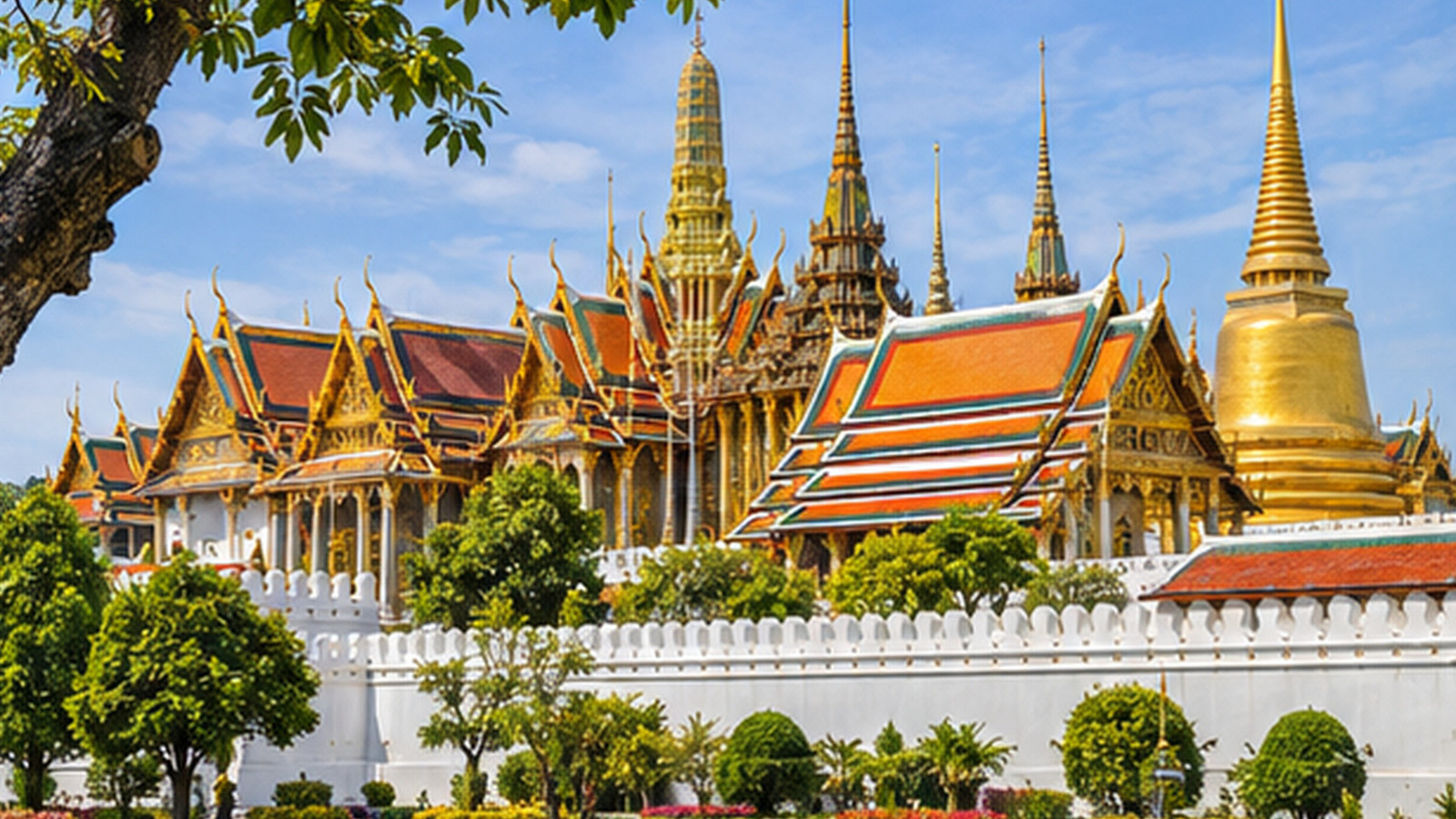
The electric capital — the Grand Palace and Wat Arun by day, rooftop bars and Chatuchak market by night. Everyone’s first stop, and the hub for flights onward.
Beaches, temples, street food and nightlife at prices that feel like a gift — Thailand is the great-value international trip Indians keep coming back to.
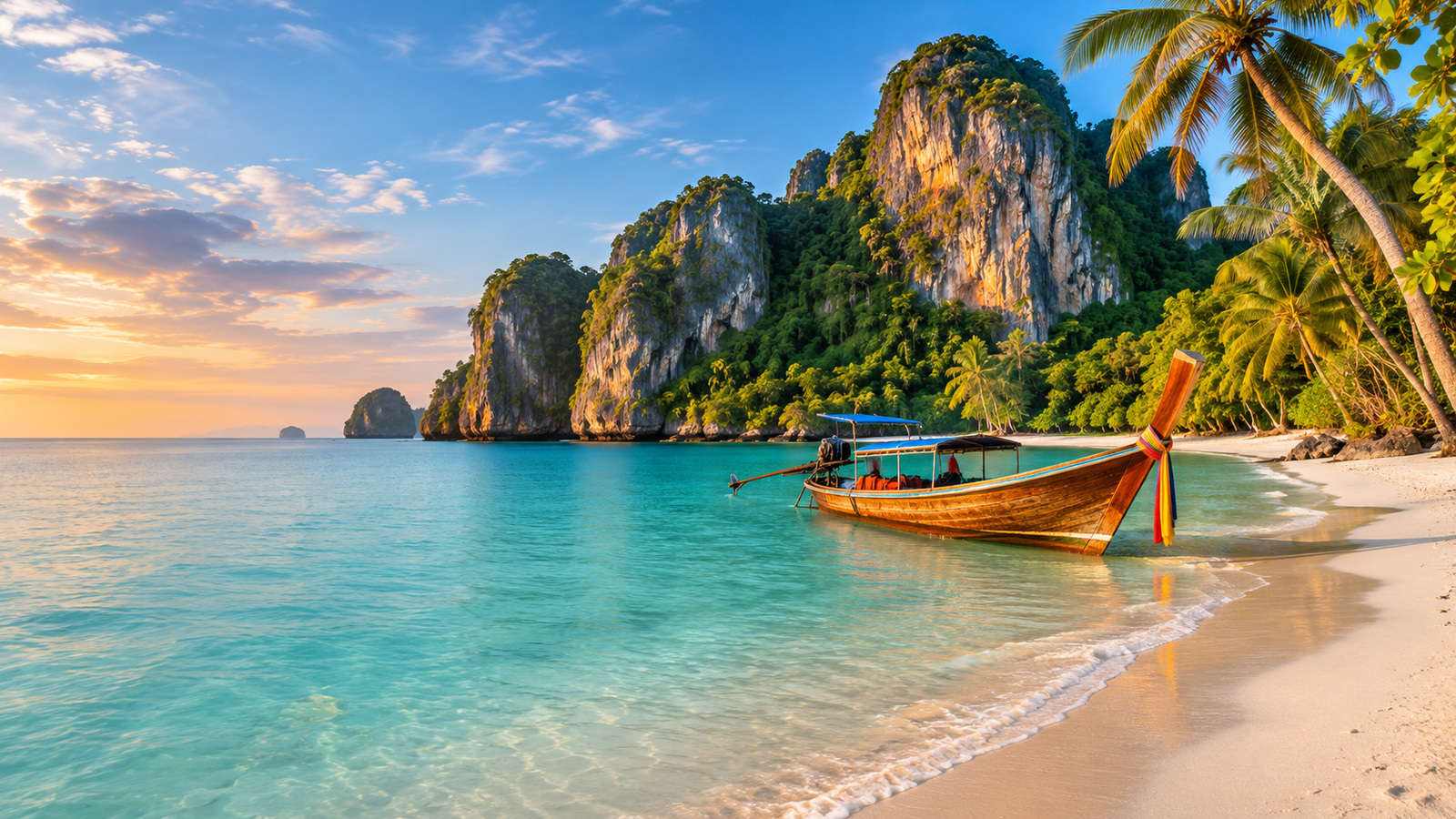
Thailand is the destination that proves an international trip need not be expensive. A direct four-hour flight from India drops you into a country of golden temples, white-sand islands, buzzing night markets and some of the friendliest hospitality in Asia — all at prices that make a week abroad cheaper than a week in many Indian hill stations. It is, year after year, the single most popular first international trip for Indian travellers, and once you have been it is easy to see why.
The magic of Thailand is variety. Bangkok is a frenetic, modern megacity of rooftop bars, riverside temples and the best shopping in the region. The south is all turquoise water and limestone cliffs around Phuket, Krabi and the Phi Phi islands. The north around Chiang Mai is cool, green and cultural, with old-town temples and ethical elephant sanctuaries. You can mix a city, a beach and a slice of culture in one easy week-long loop, eat like royalty for pocket change, and still come home with money to spare.
This guide is written for Indian travellers specifically — the real trip cost in rupees from your city, where to eat if you are vegetarian or Jain, how to pay with UPI and cards, the exact entry rule as it stands today, and honest, dated advice you can actually plan around.
Thailand works for every kind of Indian traveller — honeymooners, friends’ groups, families and nervous first-timers — because it is cheap, close, visa-easy and endlessly fun. Shopping is a sport, the street food is unbeatable (and genuinely veg-friendly once you know what to ask), and the islands deliver a tropical beach holiday at a fraction of Maldives prices. English is widely spoken in tourist areas, Indian restaurants are everywhere, and the whole country is set up for easy, well-signposted tourism, so even a first trip abroad feels relaxed.
💡 From our visa desk: The travellers we help who enjoy Thailand most do not try to see it all. One city plus one beach in 6–7 days beats a rushed five-stop trip every time — you spend less on internal flights and actually relax. The single most common regret we hear is not booking the Phi Phi or Phang Nga boat tour early enough in peak season.
Visa-free for Indian citizens for up to 30 days (visa exemption on arrival).
Indian passport holders can enter Thailand visa-free (visa exemption) for tourism for up to 30 days. From 15 September 2026 the visa-free stay is 30 days (reduced from 60). You must complete the free Thailand Digital Arrival Card (TDAC) online before you arrive, and carry a passport valid at least six months, a return or onward ticket and proof of funds. For longer stays or a different purpose, a visa is needed.
Full Thailand tourist visa requirements & documents →Thailand has three broad seasons. The cool, dry months (November to February) are the most comfortable and the most popular. See the month-by-month table below to match your dates to the weather and the festivals.
| Season | What it's like & who it suits |
|---|---|
| Cool & dry (Nov–Feb) | Best weather — warm days, low humidity, calm seas. Peak season for islands and festivals; book flights and boat tours well ahead. |
| Hot (Mar–May) | Very hot and humid (35°C+). Cheaper, and Songkran (the Thai New Year water festival) in mid-April is a once-in-a-lifetime experience. |
| Green/monsoon (Jun–Oct) | Rain in short bursts, lush landscapes and the lowest prices. The Andaman side (Phuket, Krabi) is wetter; the Gulf side (Koh Samui) stays drier. |
| Month | Weather & what’s on (incl. Indian holiday windows) |
|---|---|
| January | Peak season — cool, dry and sunny everywhere. Best island weather; highest prices and crowds. Great for Indians travelling over the New Year break. |
| February | Still cool and dry, slightly fewer crowds than January. Excellent all-round; ideal for honeymoons. |
| March | Warming up; good beach weather before the peak heat. Prices start to ease. |
| April | Very hot, but Songkran (13–15 Apr) turns the whole country into a water fight — unforgettable if you embrace it. Overlaps Indian summer holidays. |
| May | Hot with the first monsoon showers; quieter and cheaper. Short rains rarely spoil a day. |
| June–July | Green season — warm, humid, brief heavy showers. Good value; the Gulf (Koh Samui) is drier than the Andaman coast. Suits the Indian summer-holiday window. |
| August | Still green season; lush and cheaper. Pack a light rain jacket and plan indoor options for Bangkok. |
| September–October | Wettest months on the Andaman side — lowest prices, fewest crowds. Fine for a city-and-Gulf trip around Diwali. |
| November | The rain clears and peak season begins — arguably the sweet spot: good weather, slightly lower prices than December. |
| December | Cool, dry and festive; peak prices around the holidays. Book early for Christmas–New Year travel. |
The electric capital — the Grand Palace and Wat Arun by day, rooftop bars and Chatuchak market by night. Everyone’s first stop, and the hub for flights onward.
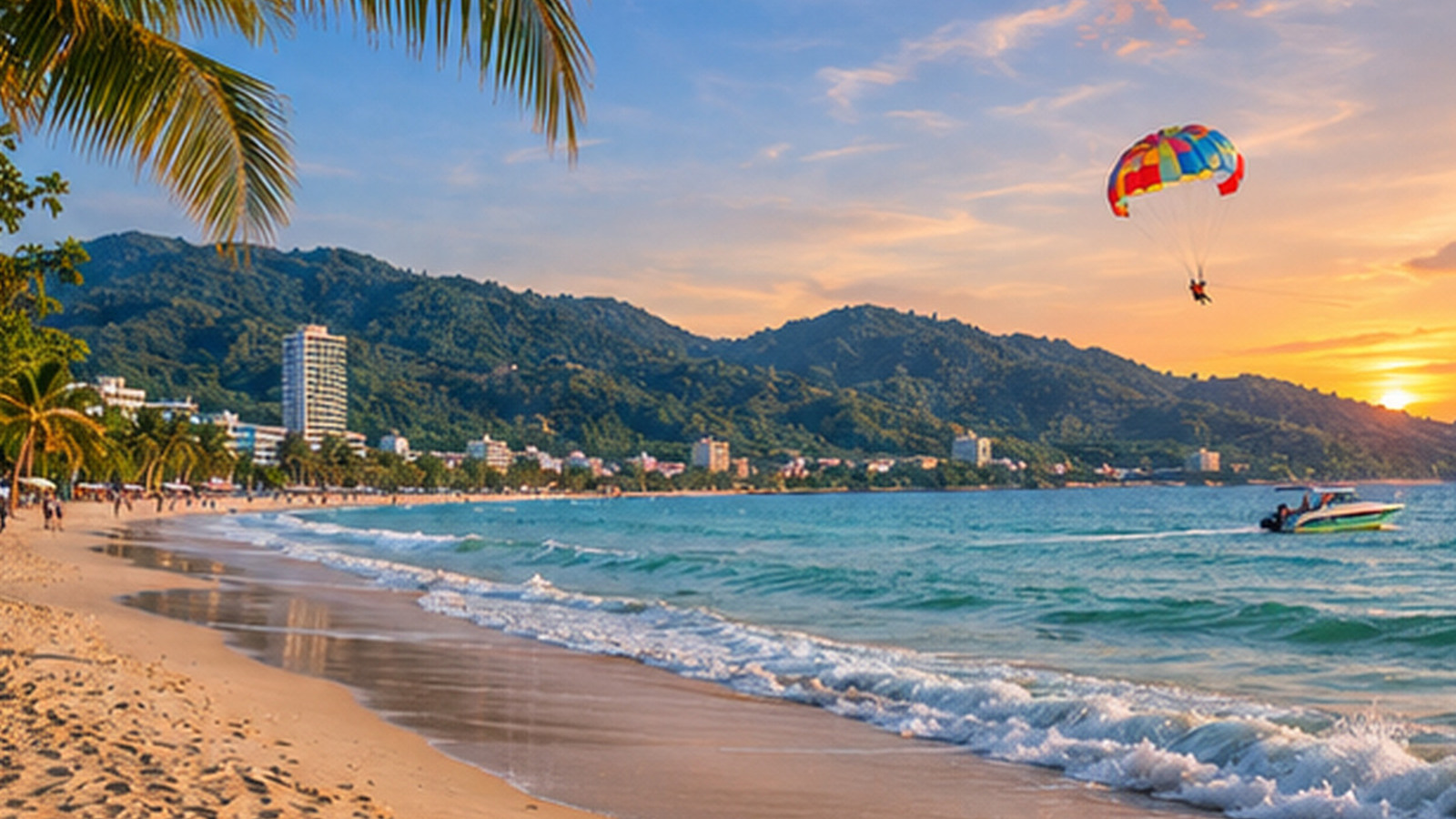
Thailand’s biggest island — beaches, Patong nightlife and the launch point for Phi Phi and James Bond Island tours. The most flights and resorts.
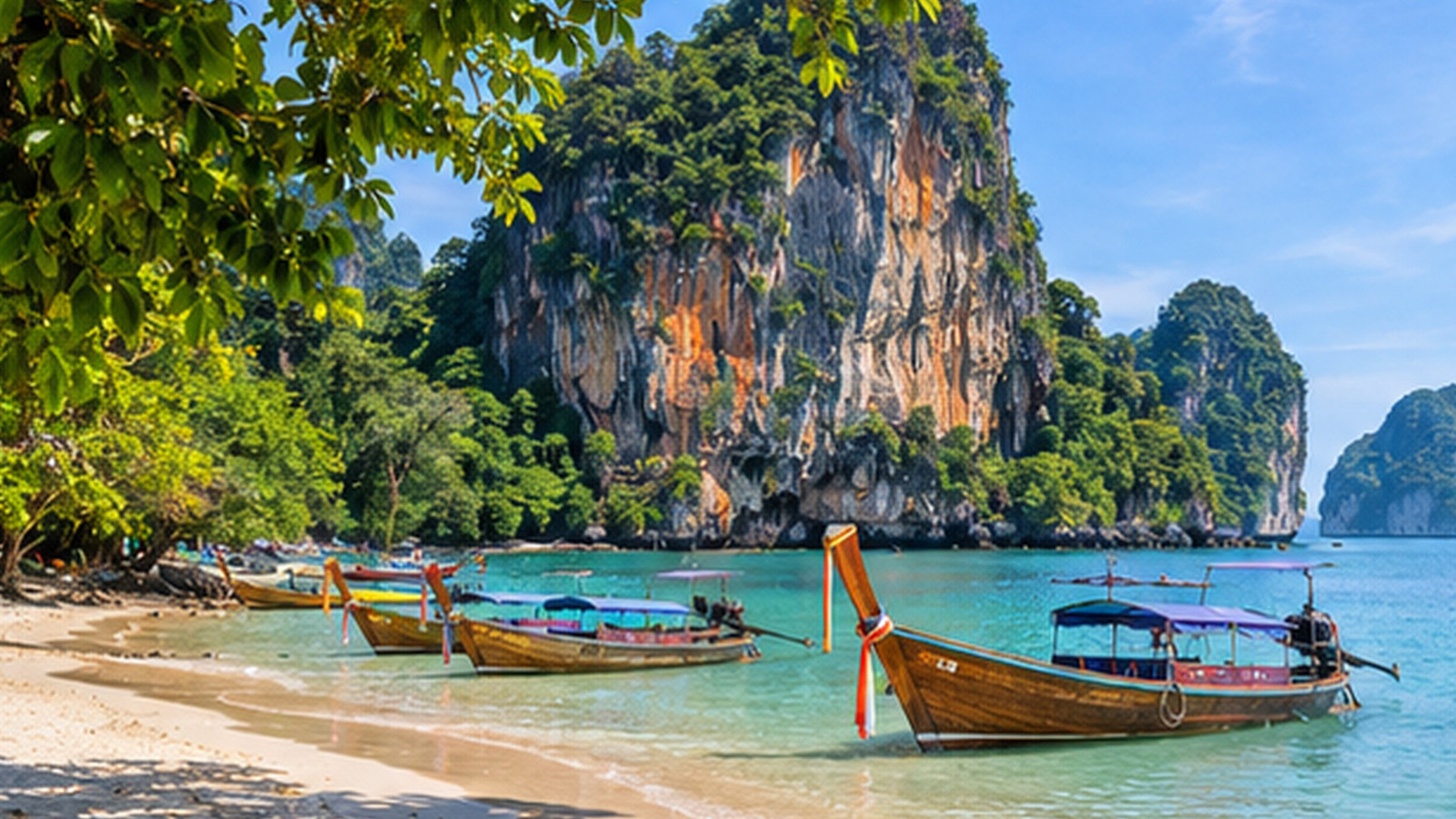
Dramatic limestone cliffs, Railay Beach and the Four Islands tour — quieter and more scenic than Phuket, and an easy ferry away from it.
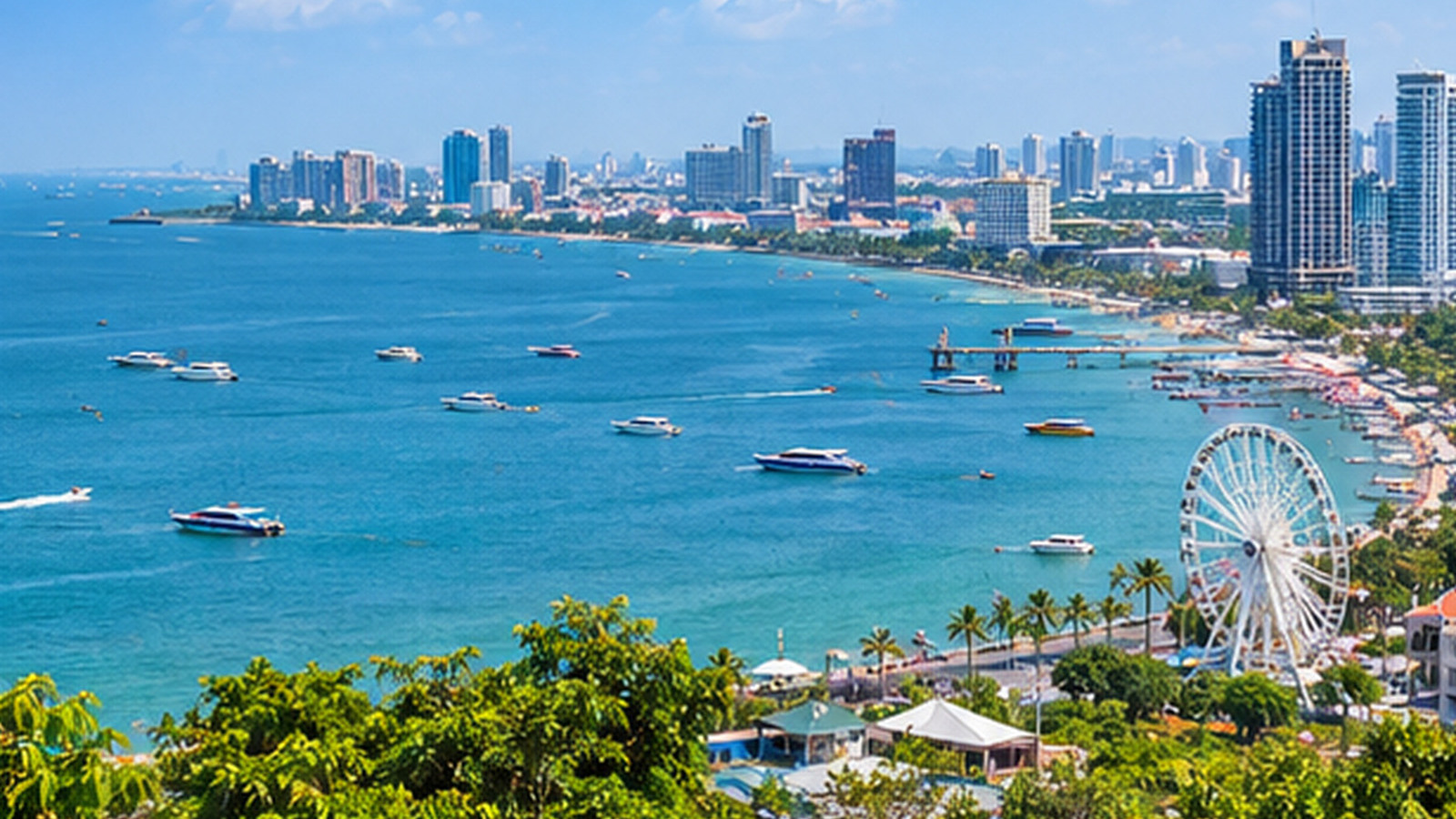
The closest beach town to Bangkok (2 hrs) — Coral Island day trips, shows and family attractions; a popular short add-on.
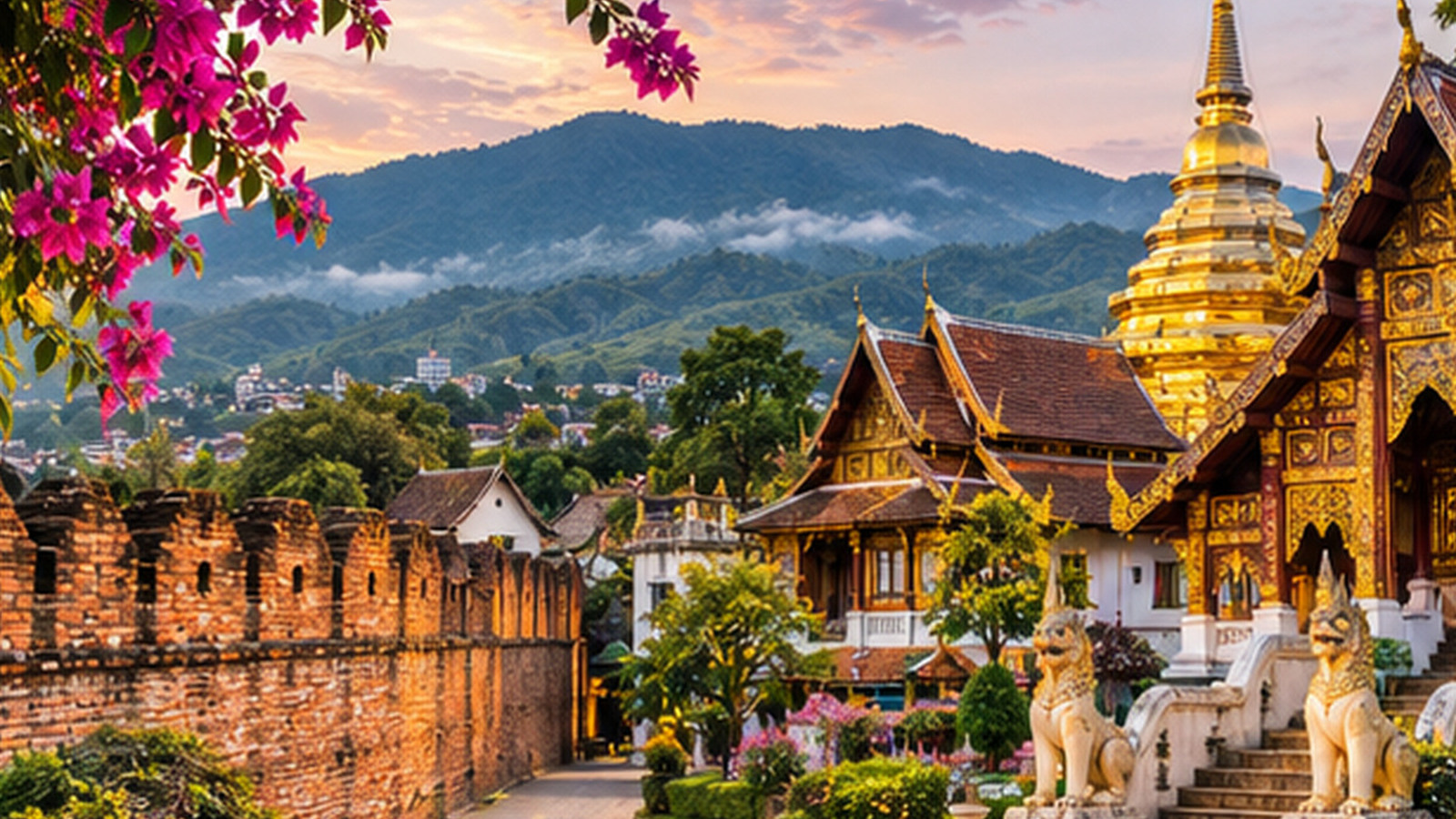
The cultural north — old-town temples, night bazaars, ethical elephant sanctuaries and cool mountain air. A calmer, greener side of Thailand.
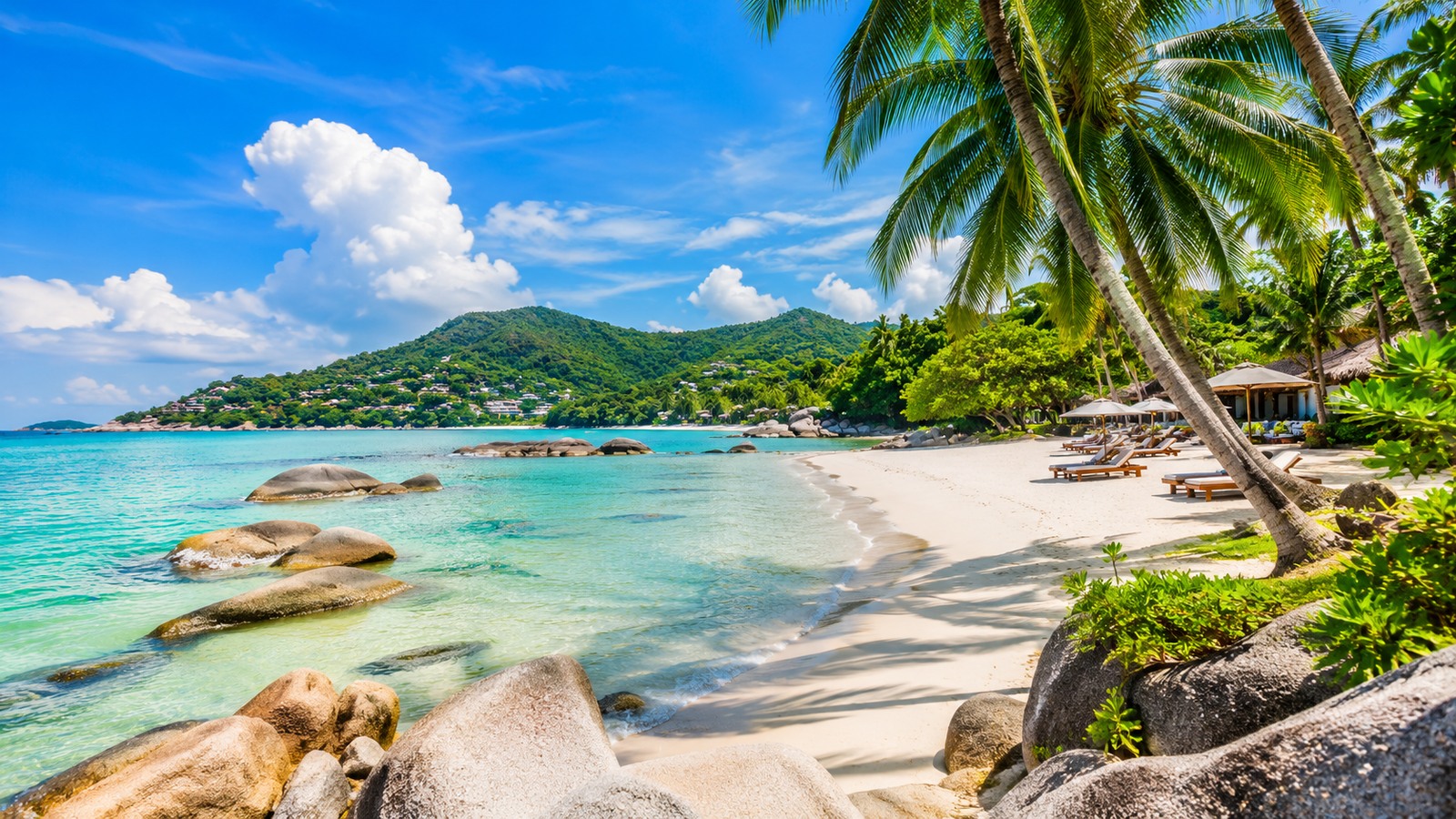
A Gulf-coast island of palm-fringed beaches and wellness resorts — drier when the Andaman coast is wet, and great for a relaxed honeymoon.
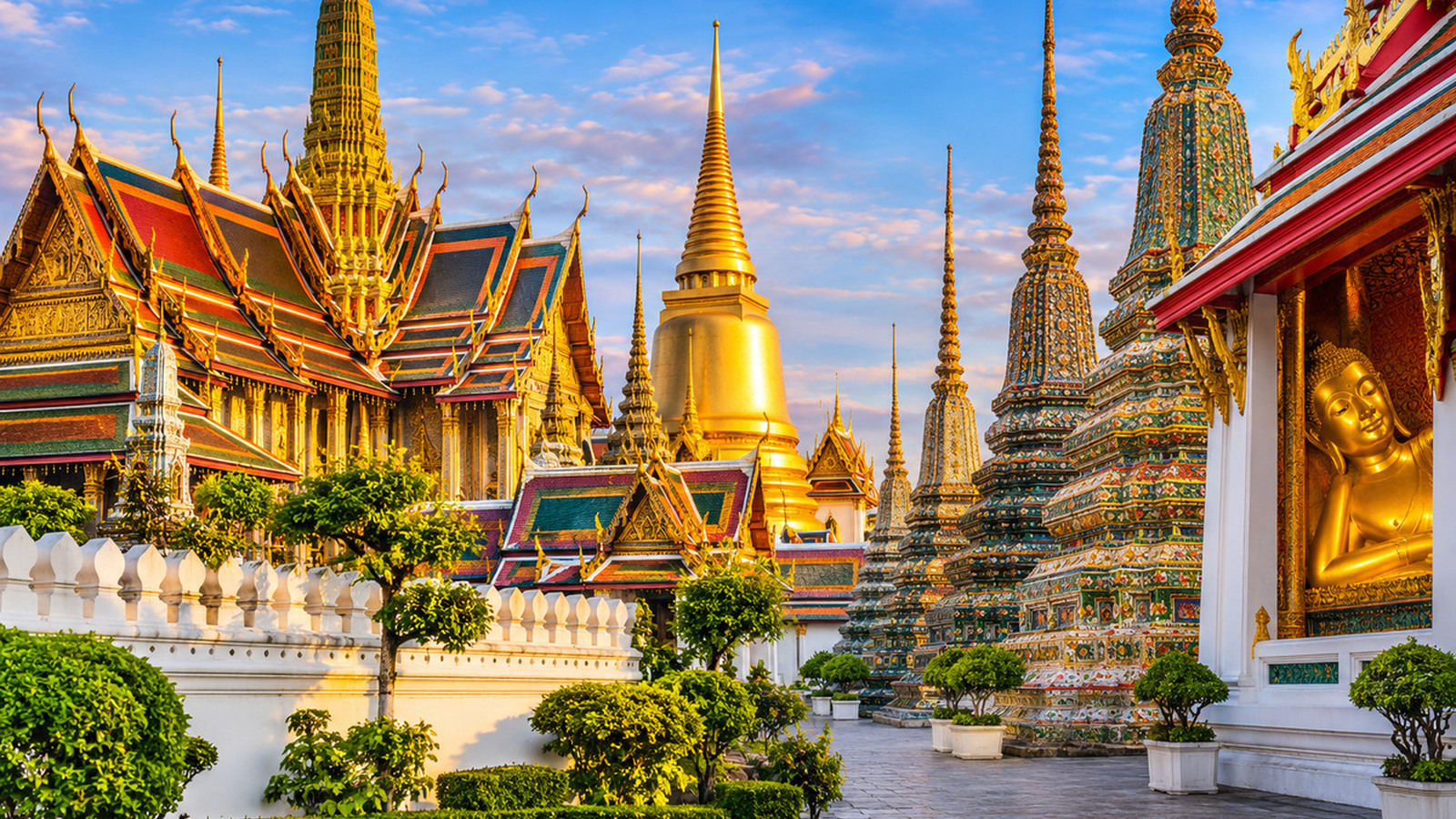
Bangkok’s dazzling royal complex and the giant Reclining Buddha next door — the must-see cultural core of any first trip.
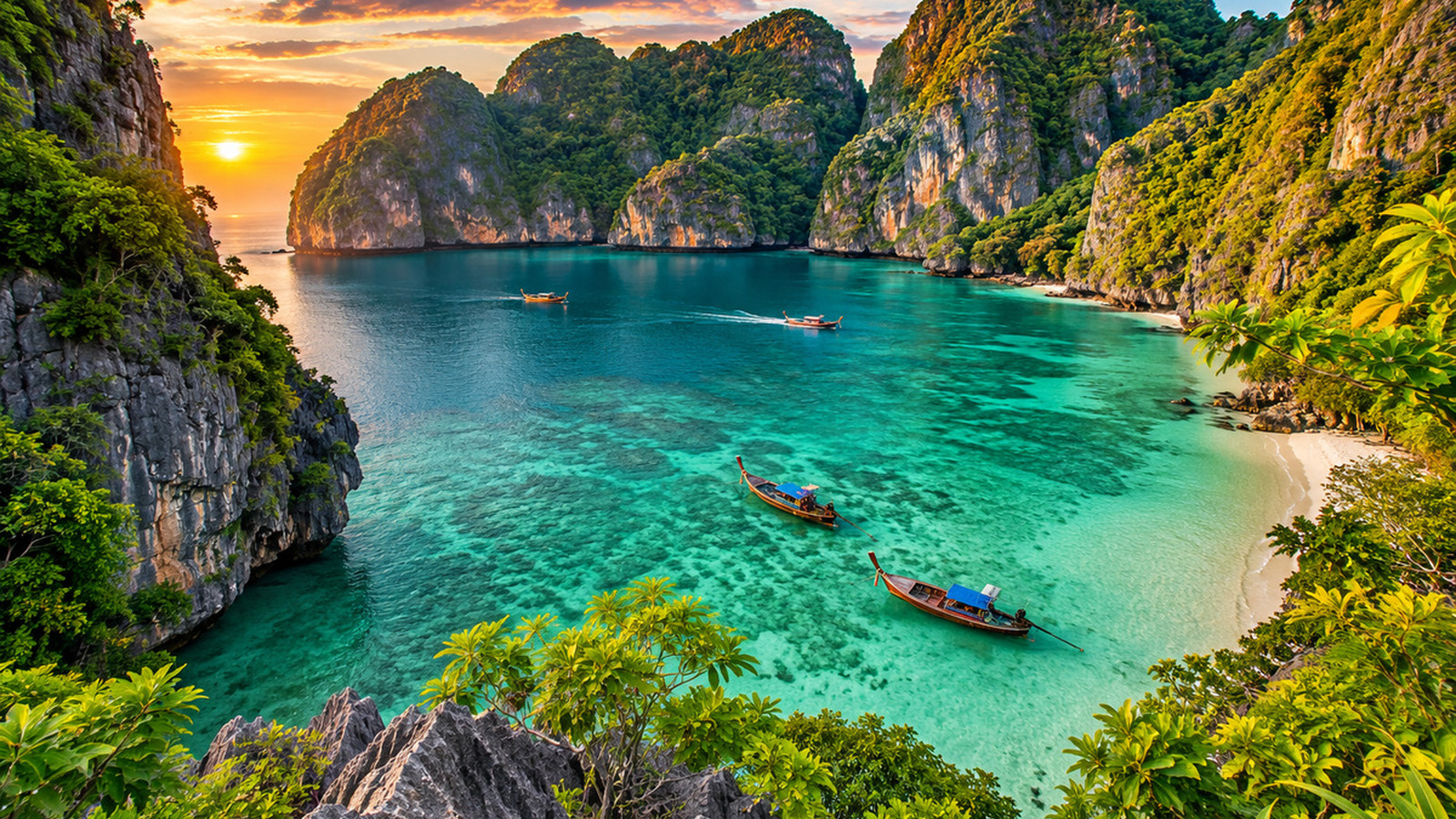
Turquoise lagoons and the famous Maya Bay by speedboat from Phuket or Krabi — the classic Thai island postcard.
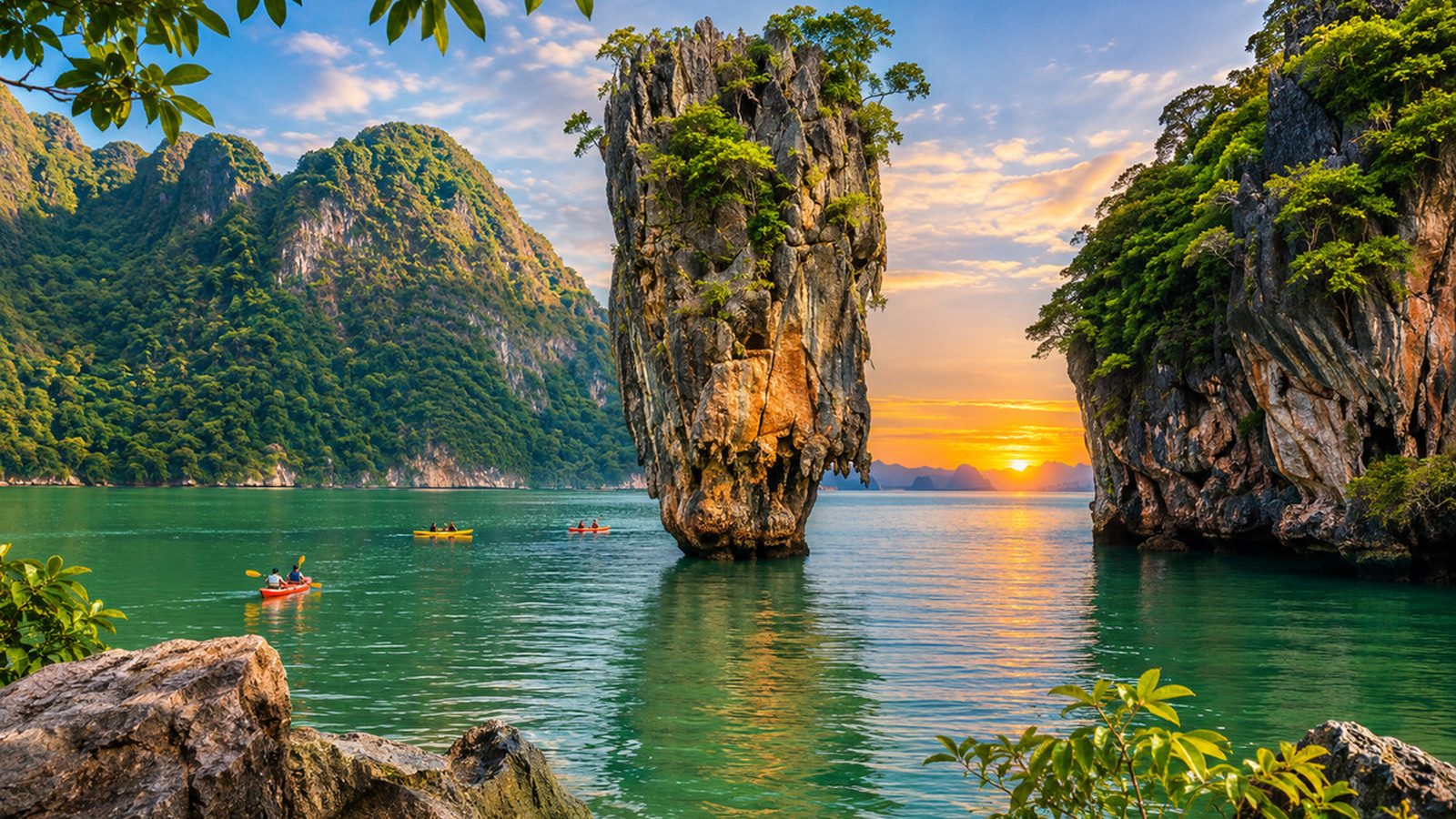
Limestone karsts rising from emerald water, explored by longtail boat and sea-cave kayak.
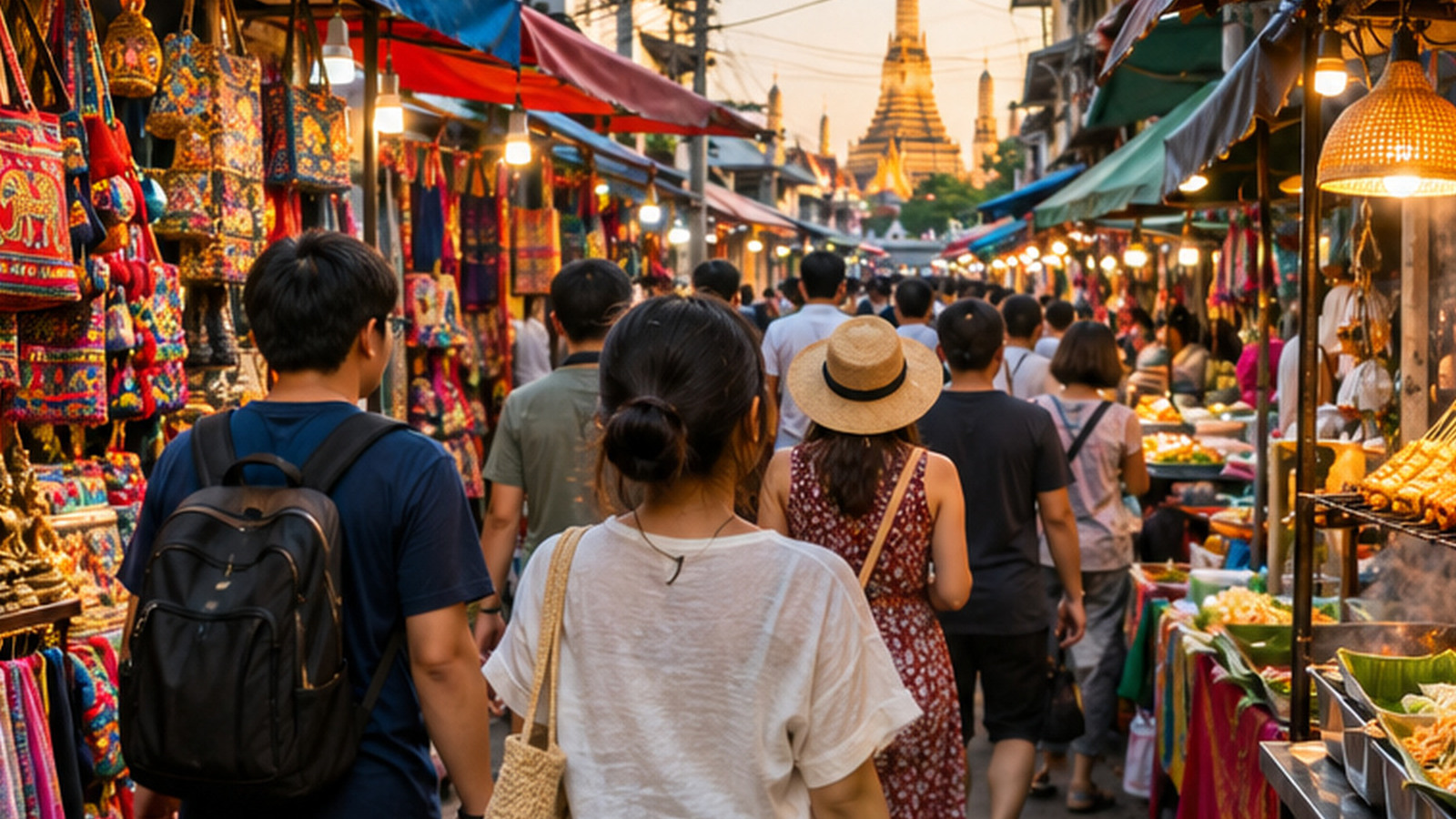
One of the world’s largest markets — some 15,000 stalls of clothes, crafts, art and food in Bangkok.
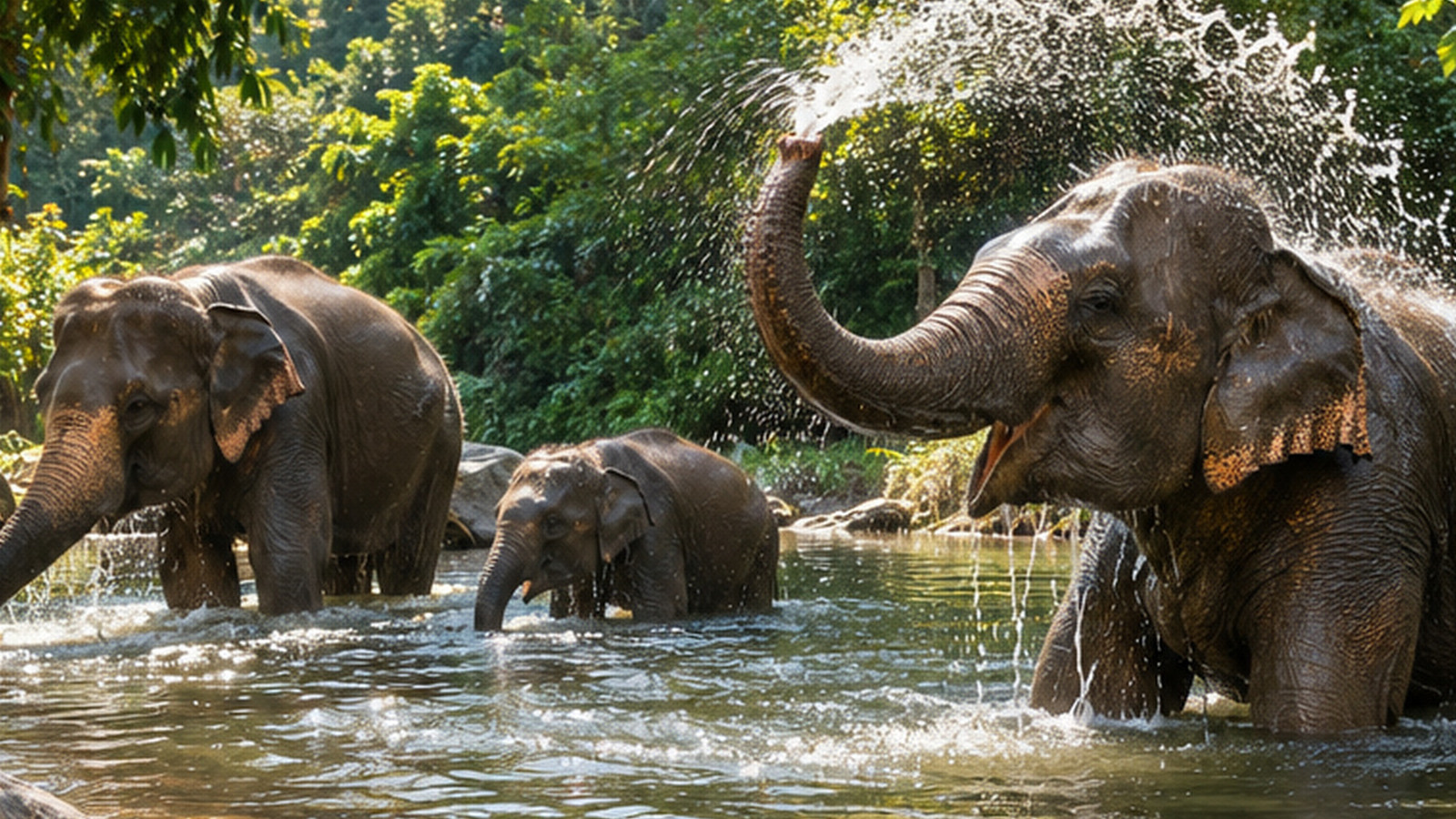
No-riding sanctuaries where you feed, walk and bathe rescued elephants — a genuine highlight of the north.
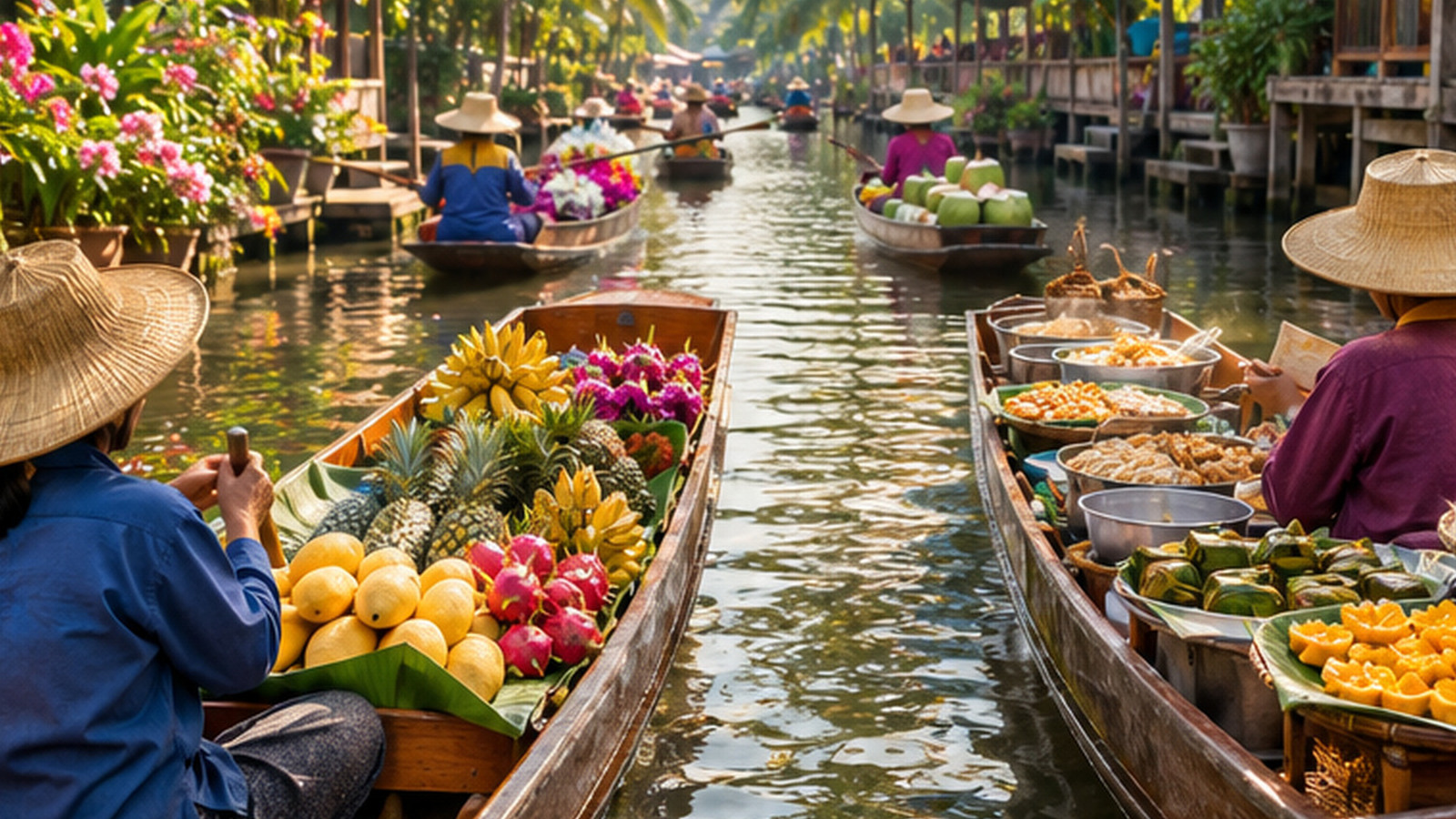
A cliff-ringed peninsula reachable only by boat — soft sand, rock climbing and sunset bars.
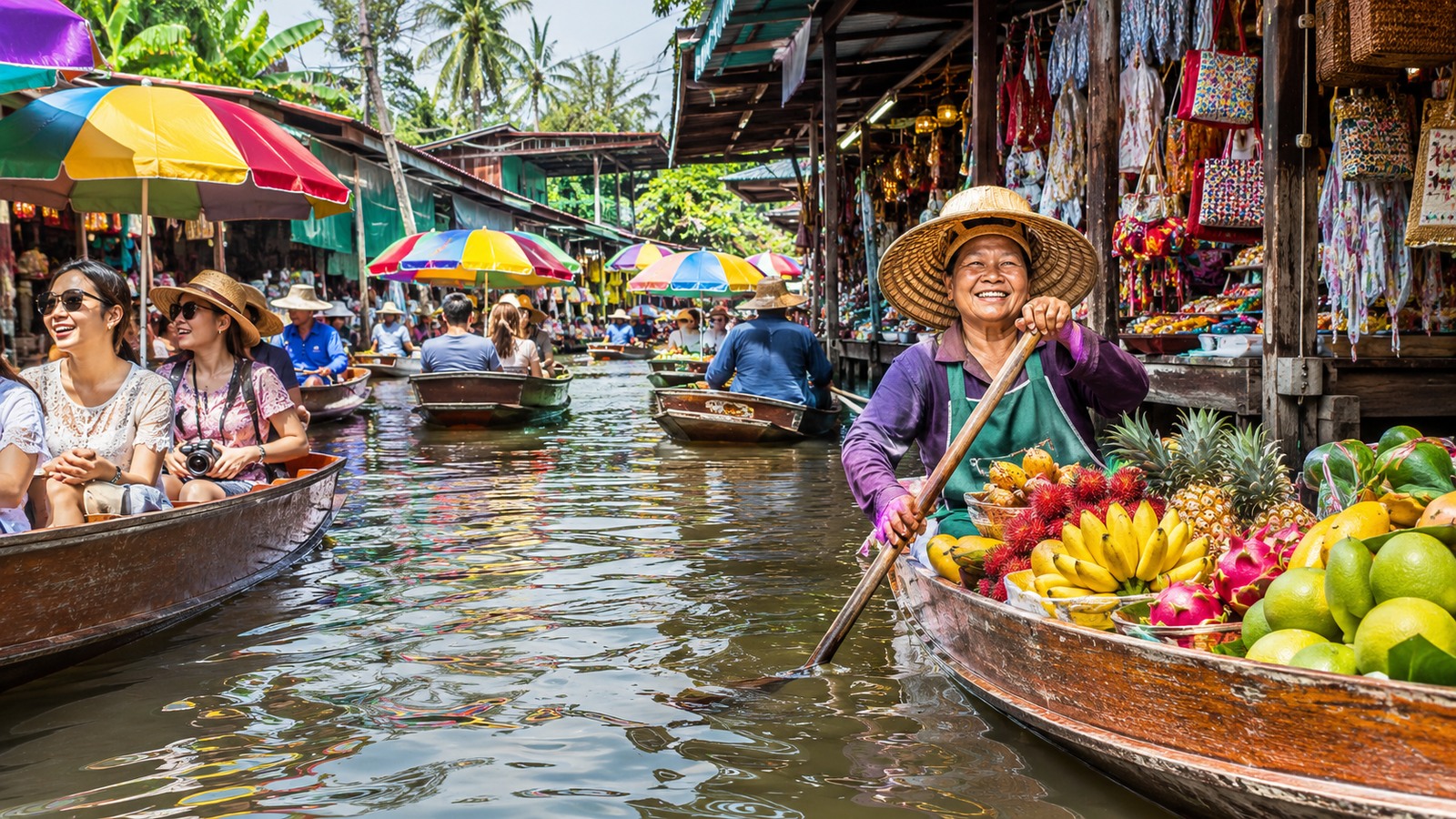
Damnoen Saduak floating market and Bangkok’s night bazaars (Asiatique, Rot Fai) — a feast for the senses and the camera.
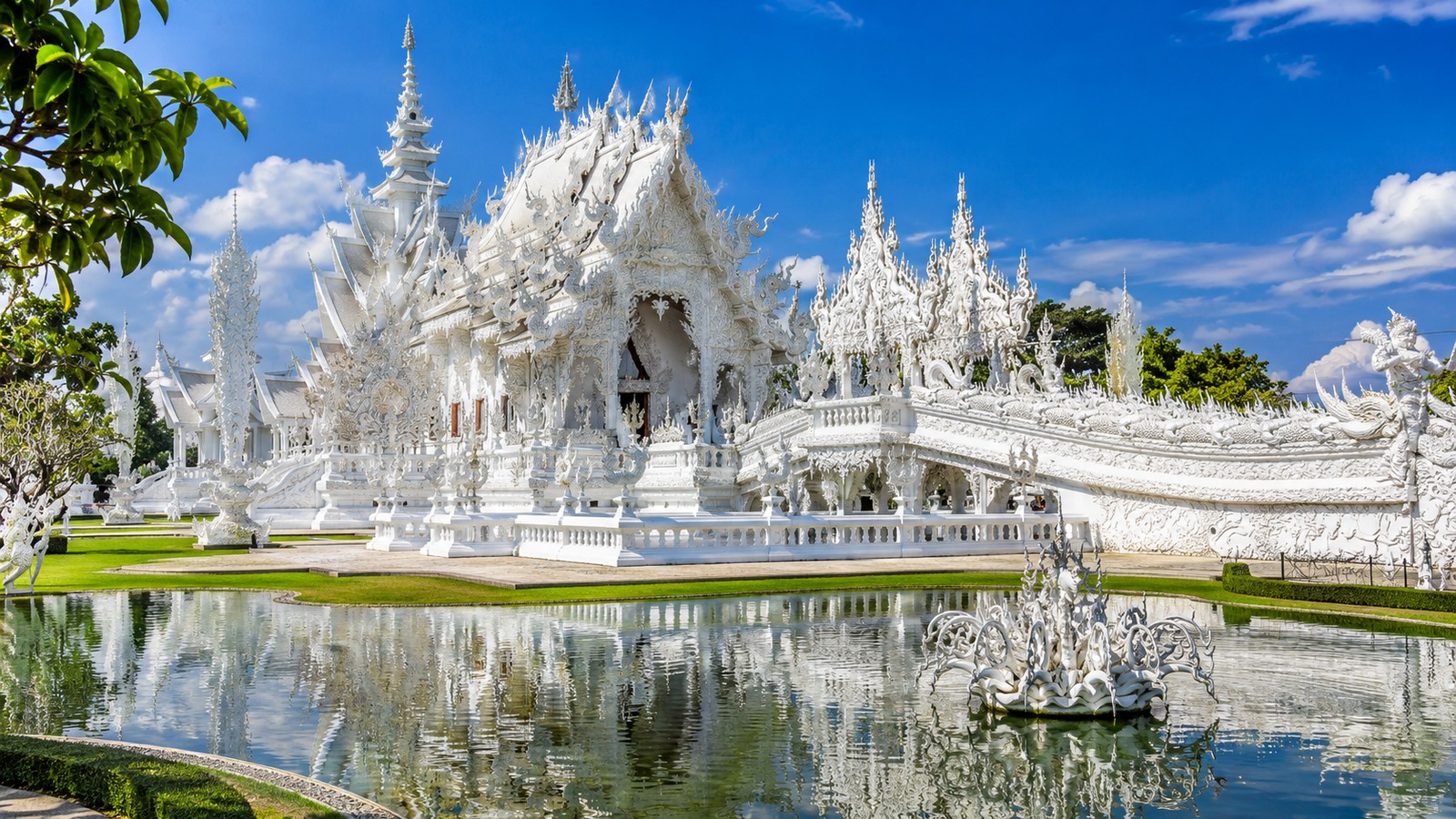
The surreal all-white temple near Chiang Rai and the lantern-lit temples of the north — a different side of Thailand.
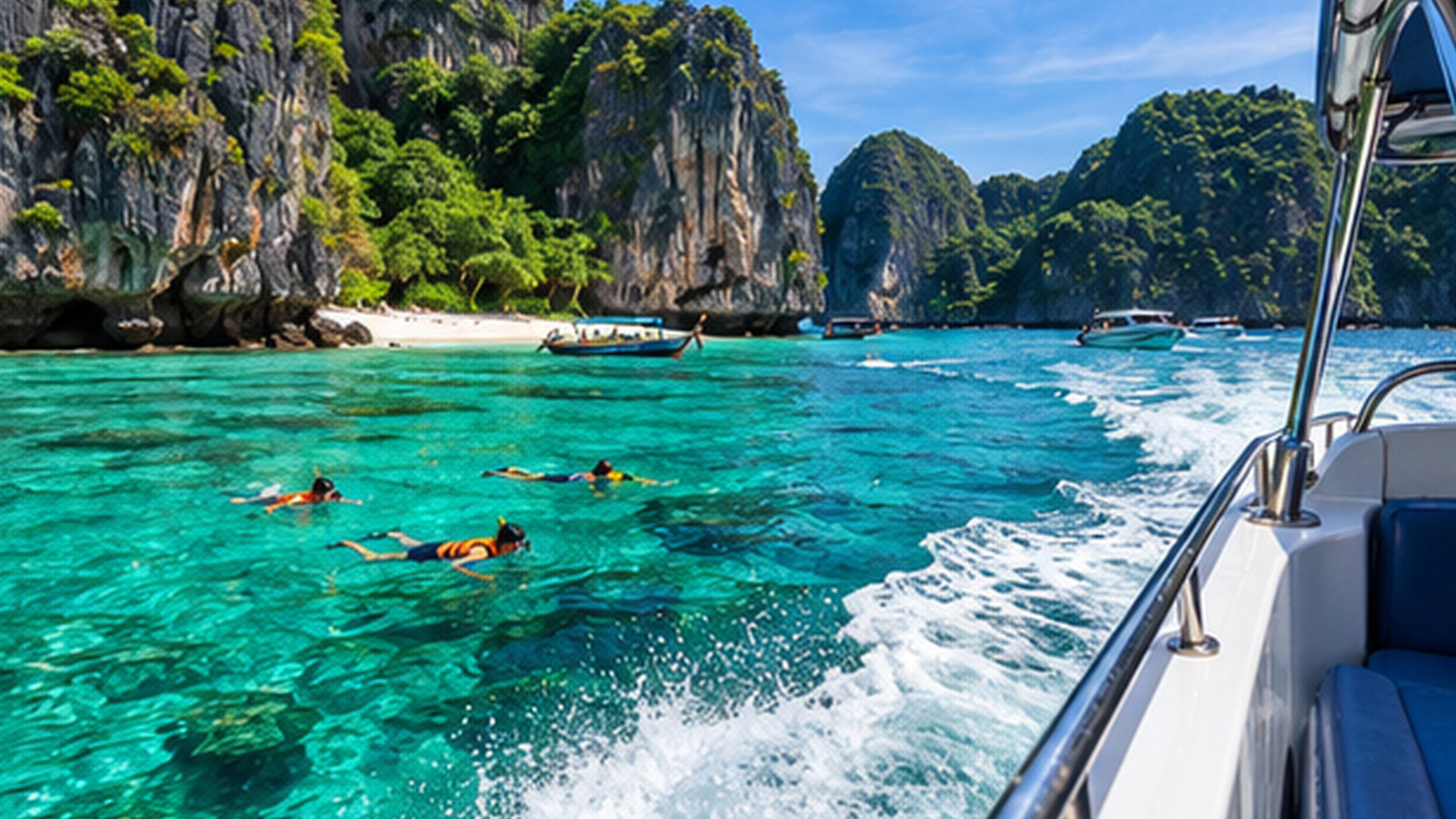
Phi Phi, Four Islands, Similan and Koh Samui’s neighbours — turquoise water, snorkelling and beach stops.
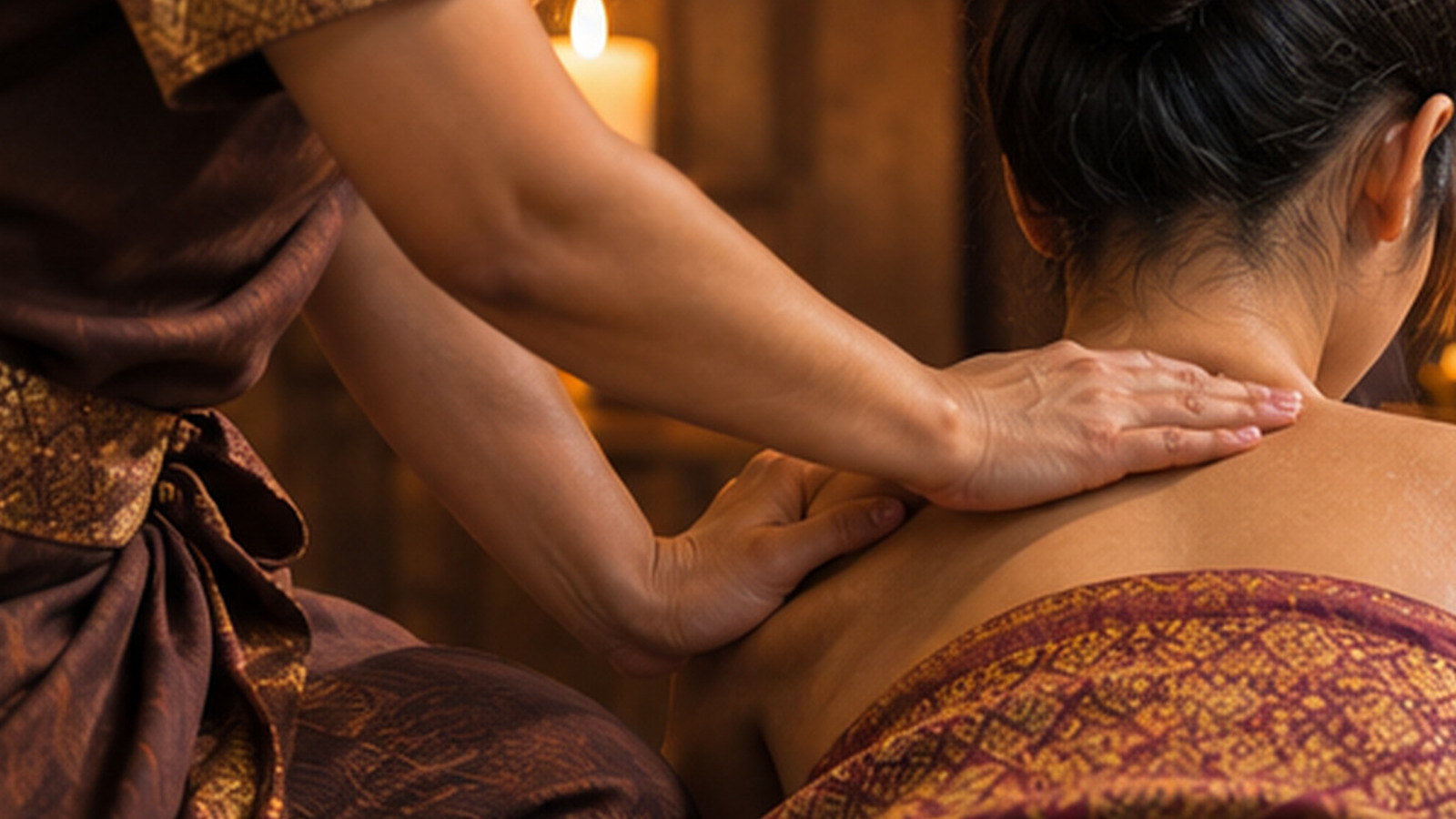
A one-hour traditional Thai or oil massage for ₹500–1,000 — a daily ritual for many visitors.
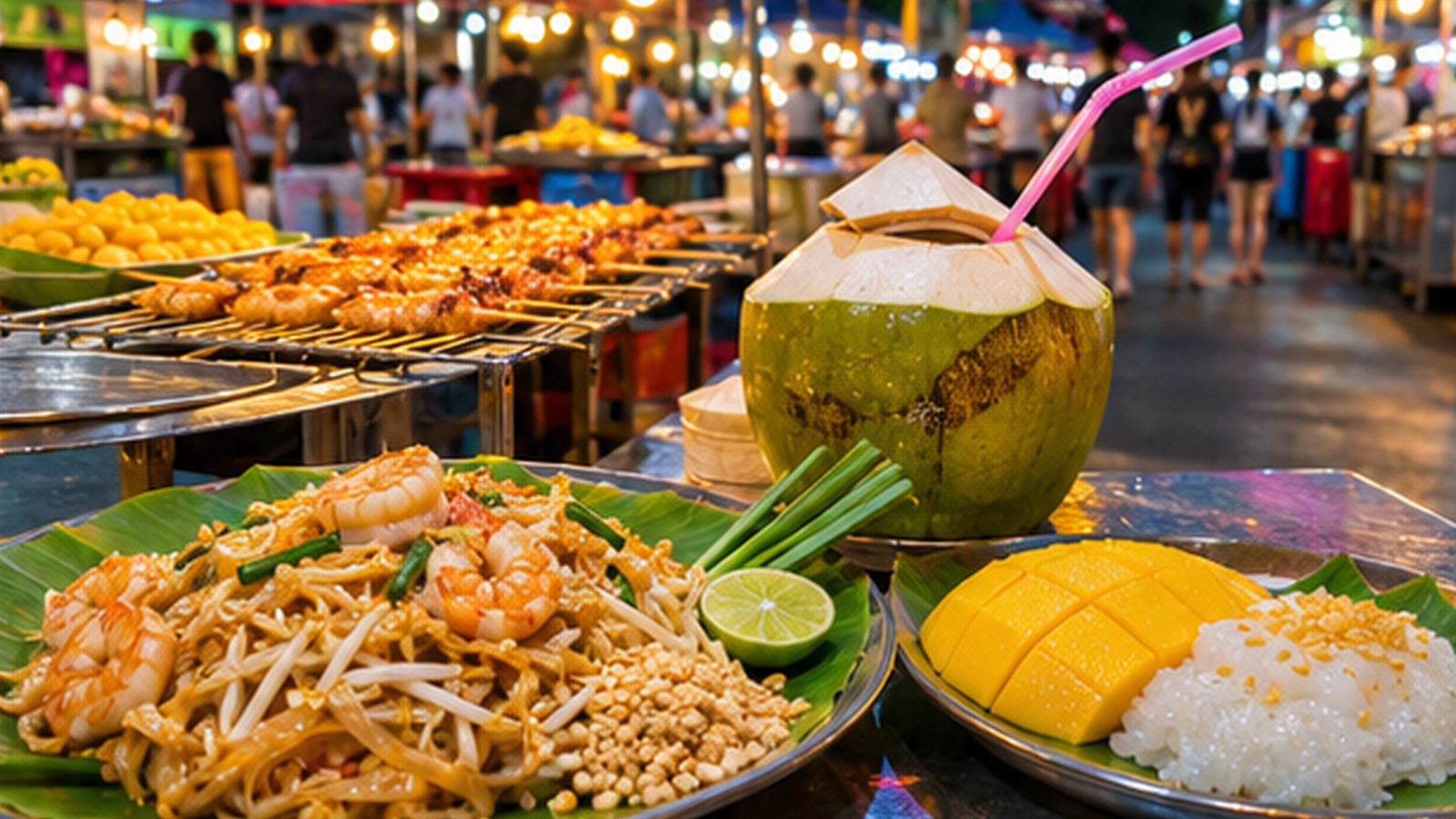
Pad thai, mango sticky rice, fresh coconuts and night-market feasts for a few hundred rupees a meal.

Bangkok and Pattaya’s famous stage shows, plus Muay Thai matches for the adventurous.
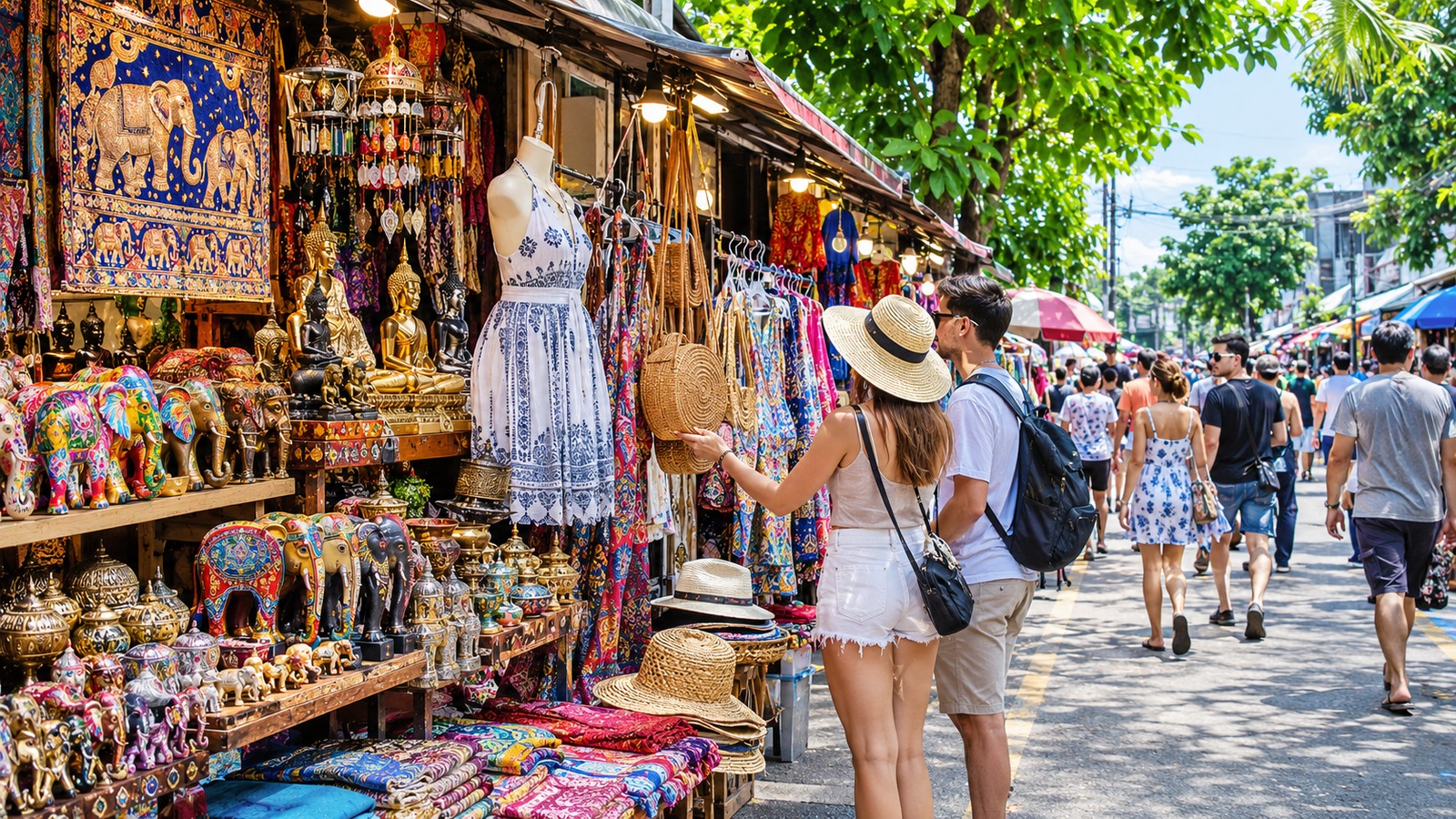
From Chatuchak and MBK to glossy malls like ICONSIAM — electronics, fashion and souvenirs at great prices.
Book tours & activities through our travel partners — see options. Bluebird Next may earn a commission from partner bookings at no extra cost to you (Affiliate Disclosure).
Thailand is one of the cheapest international trips from India once you are there — food, local transport and massages cost a fraction of Indian city prices, so flights are usually your single biggest expense. Indicative per-person figures for a 6-day trip in 2026 (prices checked Nov 2026).
| Item | Typical cost (per person) |
|---|---|
| Return flights (ex-India, direct) | ₹18,000 – ₹35,000 |
| Entry (visa-free; TDAC is free) | ₹0 |
| Hotels (3★, per night, twin) | ₹2,500 – ₹6,000 |
| Island & city tours | ₹1,500 – ₹4,000 each |
| Food (street + restaurants) | ₹800 – ₹2,000 / day |
| Local transport & massages | ₹500 – ₹1,500 / day |
| From | Typical return airfare |
|---|---|
| Delhi | ₹18,000 – ₹32,000 (direct) |
| Mumbai | ₹19,000 – ₹34,000 (direct) |
| Kolkata | ₹16,000 – ₹28,000 (direct, shortest hop) |
| Bengaluru | ₹20,000 – ₹36,000 (direct/1-stop) |
| Chennai | ₹19,000 – ₹34,000 (direct/1-stop) |
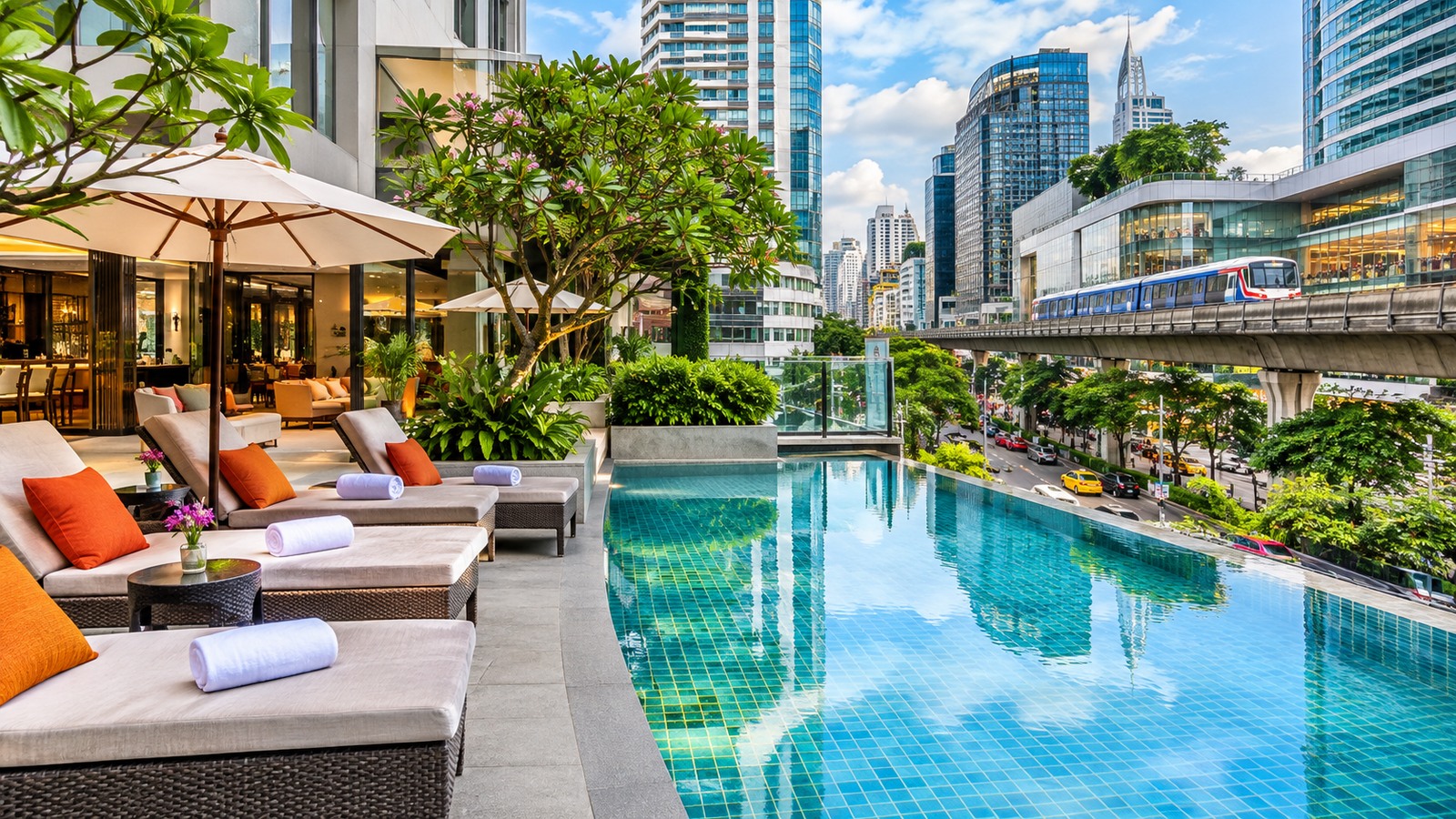
Central, on the BTS Skytrain, with malls, dining and nightlife; the best base for first-timers.
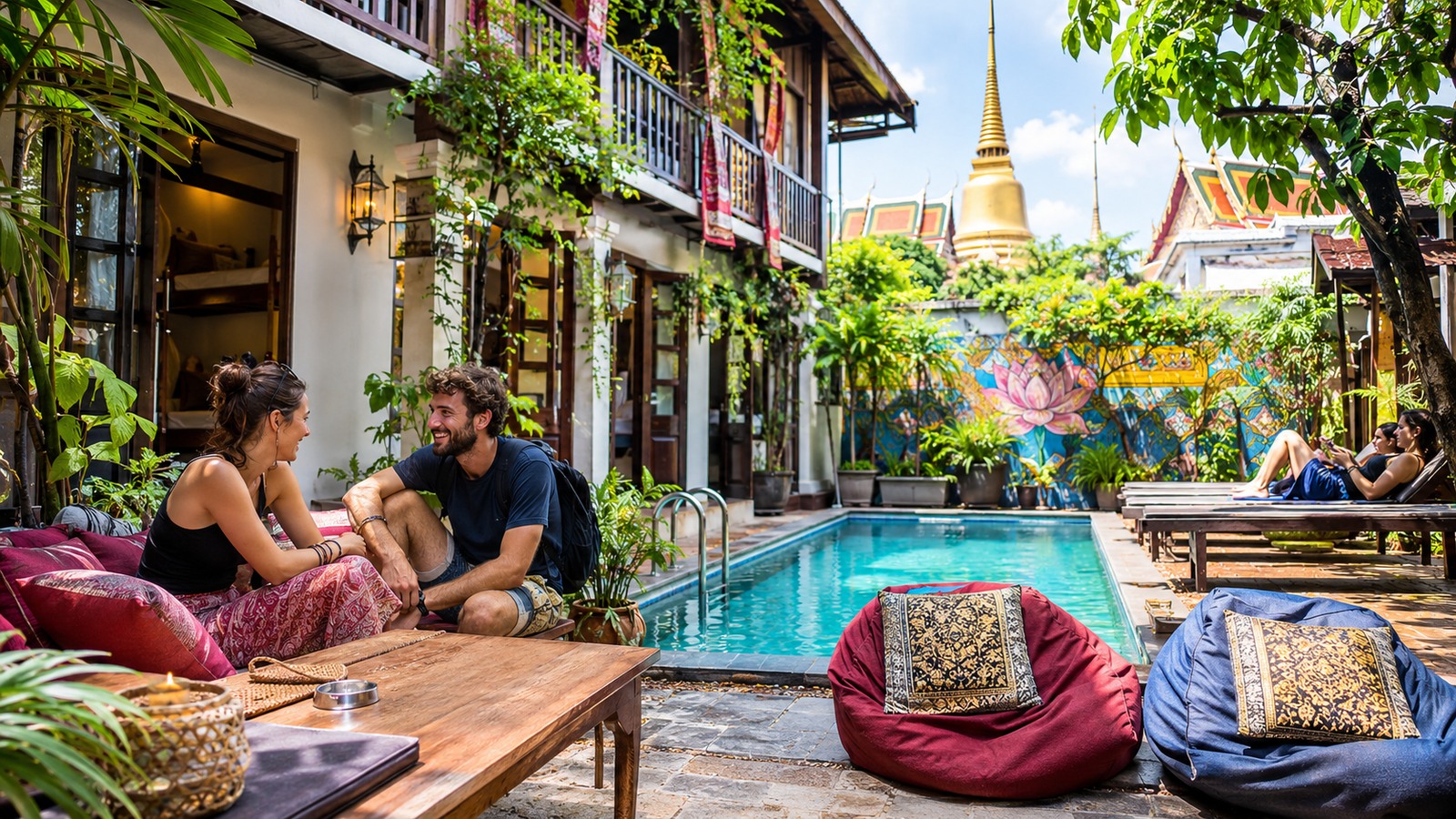
Backpacker budget zone within walking distance of the temples.
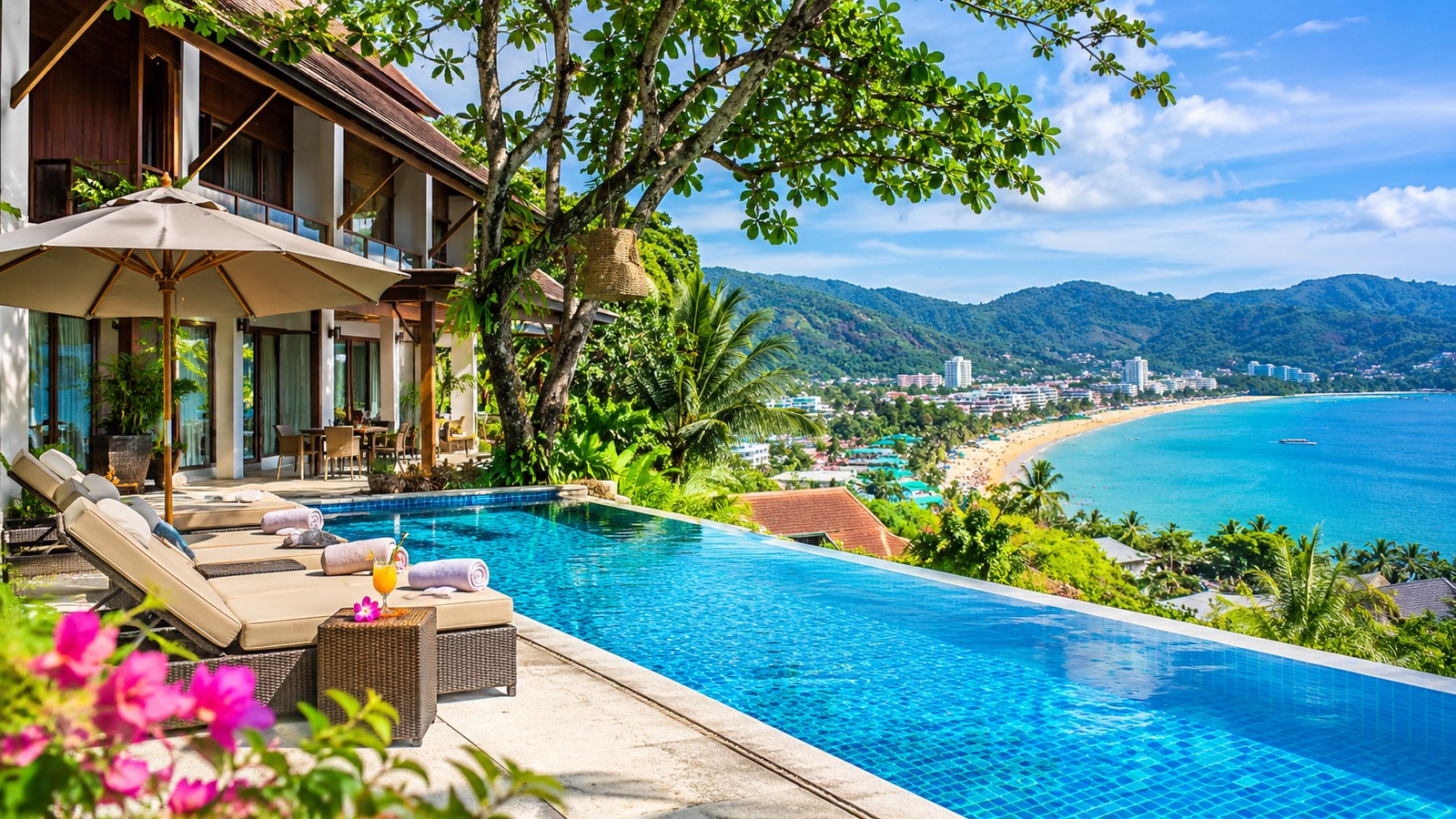
Beach and nightlife at Patong; Kata and Karon are calmer and better for families.
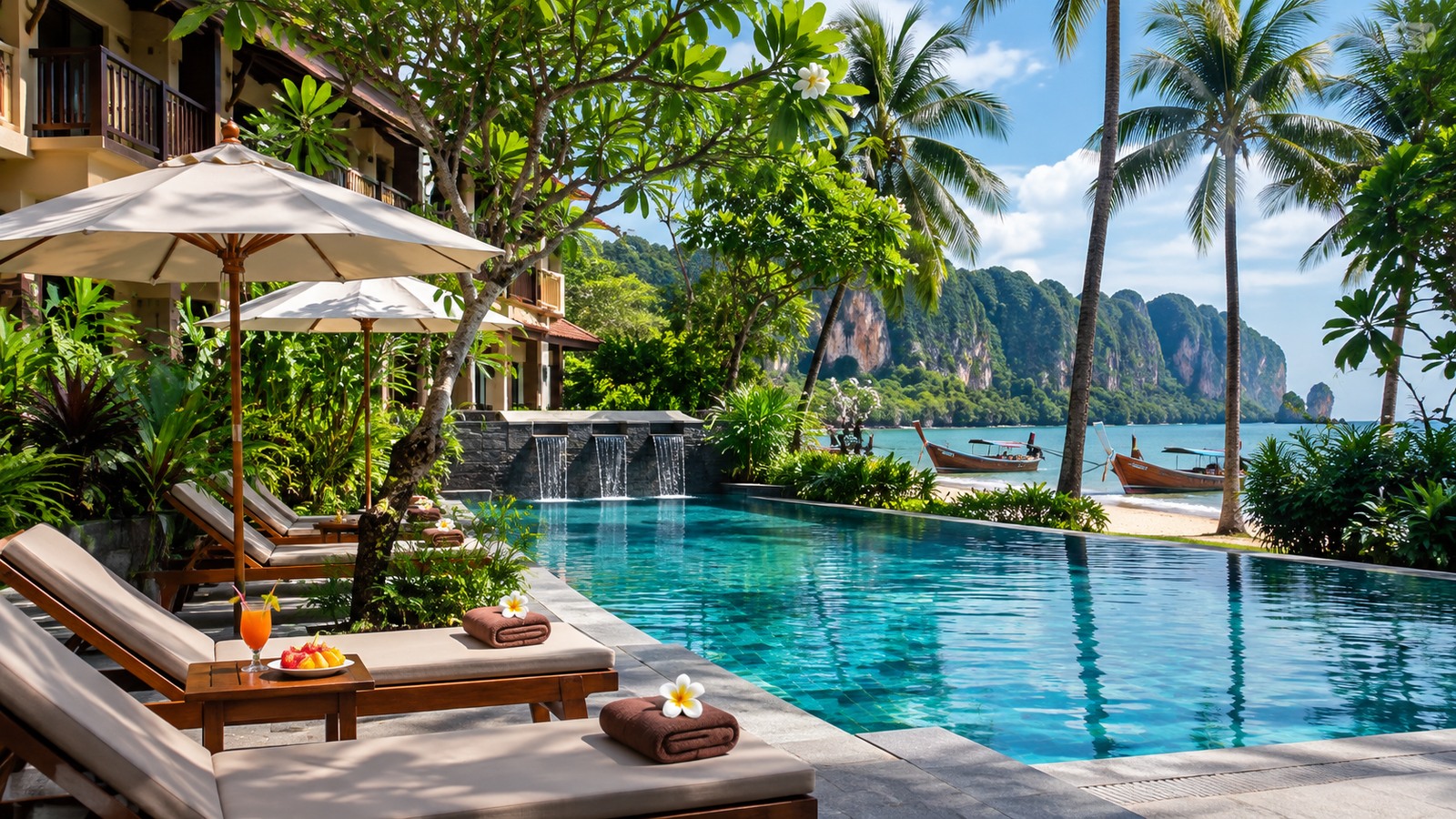
A scenic, relaxed beach base for island tours and Railay.

Palm-fringed Gulf beaches and wellness resorts for an unhurried honeymoon.
Thai food is fragrant, fresh and world-famous — pad thai, green and massaman curry, tom yum, som tam and mango sticky rice. Street food is safe, astonishingly cheap and a highlight in itself; eat where the queue of locals is longest.
Vegetarian takes a little care but is very doable. Learn to say “jay” (vegan / no animal products, shown on a bright red-and-yellow sign) or “mang-sa-wirat”, and specifically ask for no fish sauce, oyster sauce or shrimp paste. Fruit, rice, veg stir-fries, spring rolls and coconut dishes are everywhere, and pure-veg and Jain travellers can lean on the many Indian restaurants in every tourist area.
Indian food is plentiful — Bangkok’s Sukhumvit (Soi 11 and the Indian quarter around Phahurat/“Little India”), plus Phuket, Pattaya and Krabi — with thalis and North Indian meals from around ₹400. Jain food can be arranged at many of them with notice.
The baht is the only currency you will use day to day. Cards (Visa/Mastercard) are widely accepted in malls, hotels and bigger restaurants; carry baht cash for street stalls, tuk-tuks and markets. India and Thailand have linked UPI with Thailand’s PromptPay, so several Indian UPI apps can now scan Thai QR codes to pay in baht — check your app supports international payments before you rely on it, and keep cash as backup. ATMs work with Indian debit cards but charge a fixed fee (around THB 220) per withdrawal, so take out larger amounts less often.
Buy a tourist SIM from AIS, TrueMove or dtac at the airport (roughly THB 300 for a week of generous data), or install a travel eSIM (Airalo and similar) before you fly so you land connected. Free Wi-Fi is common in hotels and cafes.
Download Grab (taxis, bikes and food delivery — the single most useful app), Bolt as a backup, Google Maps, Google Translate (camera mode reads Thai menus) and LINE, which locals and many businesses use to chat.
Thailand runs on 220V with Type A, B and C sockets — most Indian two-pin chargers fit, but carry a universal adapter for three-pin plugs. It is hot and humid year-round, so pack light, breathable clothing and strong sunscreen.
Tipping is not expected but appreciated — round up the bill or leave THB 20–50. Remove your shoes before entering temples and many homes and small shops, dress modestly at temples, and never touch anyone’s head or point your feet at people or Buddha images.
The Skytrain and Metro beat the famous traffic; river boats reach the temples cheaply. Use Grab for taxis and bikes to avoid haggling.
Budget airlines (AirAsia, Nok, Thai Lion) connect Bangkok to Phuket, Krabi and Chiang Mai for a few thousand rupees — far faster and often cheaper than overnight buses.
Organised tours include hotel pickup; for independent island hops, ferries connect Phuket, Phi Phi and Krabi several times a day.
Thailand is generally very safe for tourists, including solo and women travellers in the main areas. The real risks are everyday scams, not violence: ignore anyone who says a temple or palace is “closed today” and offers a cheap tuk-tuk tour (a gem-shop trap), decline unsolicited jet-ski and motorbike rentals that later bring inflated damage claims, always use the meter or Grab, and never hand your passport to a rental shop as a deposit. Keep valuables secure in nightlife zones, drink bottled water, respect red flags and currents on monsoon-season beaches, and buy travel insurance that covers water sports and medical care.
❌ Myth: Thailand is unsafe or seedy for families.
✅ Fact: The tourist areas are very family-friendly — theme parks, aquariums, gentle islands and kid-friendly resorts abound. You simply skip the specific nightlife streets, which are easy to avoid.
❌ Myth: Vegetarians will starve in Thailand.
✅ Fact: Not at all. “Jay” vegan food, fruit, rice and veg stir-fries are everywhere, and every tourist town has Indian restaurants. A little phrase-learning goes a long way.
❌ Myth: You need a visa in advance.
✅ Fact: Indians get 30 days visa-free on arrival (from 15 Sep 2026) — you only complete the free online TDAC card before you fly. Confirm the current rule before booking.
❌ Myth: Phuket and Krabi are basically the same.
✅ Fact: Phuket has more nightlife, flights and big resorts; Krabi is quieter and more scenic with dramatic cliffs. Many travellers do both via a short ferry.
❌ Myth: Thailand is only cheap if you backpack.
✅ Fact: Even mid-range travellers find hotels, food, massages and transport far cheaper than in Indian metros. Flights are the main cost; the holiday itself is the bargain.
No — Indian passport holders get 30 days visa-free (visa exemption) on arrival, with the 30-day limit effective from 15 September 2026. You must complete the free Thailand Digital Arrival Card (TDAC) online before arrival and carry a passport valid 6+ months, a return ticket and proof of funds. Always confirm the current rule before booking.
A typical 6-day trip is around ₹45,000–₹90,000 per person including flights, and roughly ₹90,000–₹1,70,000 for a couple. Flights are the biggest expense; on the ground, food, transport and massages are very cheap.
Six to seven days lets you combine Bangkok with one beach destination (Phuket or Krabi) comfortably. Four days works for Bangkok plus Pattaya; 8–9 days suits a Bangkok, Krabi and Phi Phi honeymoon.
November to February is cool, dry and the most comfortable (and most popular). March–May is hot, with the Songkran water festival in April; June–October is the green, cheaper monsoon season, when the Gulf side (Koh Samui) stays drier than the Andaman coast.
India and Thailand have linked UPI with Thailand’s PromptPay, so several Indian UPI apps can scan Thai QR codes to pay in baht — check your app supports it first. Visa/Mastercard are widely accepted; carry baht cash for street stalls and tuk-tuks.
Once you are there, often yes — food, local transport, massages and mid-range hotels cost less than in many Indian cities. The flight is the main expense.
Phuket has more nightlife, flights and big resorts; Krabi is quieter and more scenic with dramatic limestone cliffs. Many travellers do both via a short ferry or a combined island tour.
Yes, with a little care — learn to say “jay” (no animal products), ask for no fish or oyster sauce, and rely on fruit, rice, veg stir-fries and the many Indian restaurants. Jain meals can be arranged at Indian places with notice.
Generally very safe in the main tourist areas. Take normal precautions at night, use Grab or metered taxis, avoid common scams (gem shops, “temple closed” tours, jet-ski damage claims) and keep valuables secure.
It is strongly recommended. Medical care for tourists is private and can be costly, and insurance also covers water sports, trip delays and lost baggage — essential if you are island-hopping or doing adventure activities.
Never disrespect the King or images of the Buddha (it is a criminal offence), do not touch people’s heads or point your feet at them or at Buddha statues, dress modestly at temples, and do not hand your passport to rental shops as a deposit.
Sources: Tourism Authority of Thailand · Thailand Digital Arrival Card (TDAC) · Thai e-Visa (official)
A licensed team that has guided thousands of Indians to their visas and admissions.
 Jitender SinghFounder & Managing Director
 Vikram SinghHead – Quality & Operations
 SanjayHead – Tourist Visa Operations
 TejaswaniHead – Counselling Team
 MahimaHead – Visa Filing & Processing
 Pratigya DuttaHead – Student Visa Processing
Free, no-pressure guidance from a real counsellor who handles your case end to end — from documents to decision.