
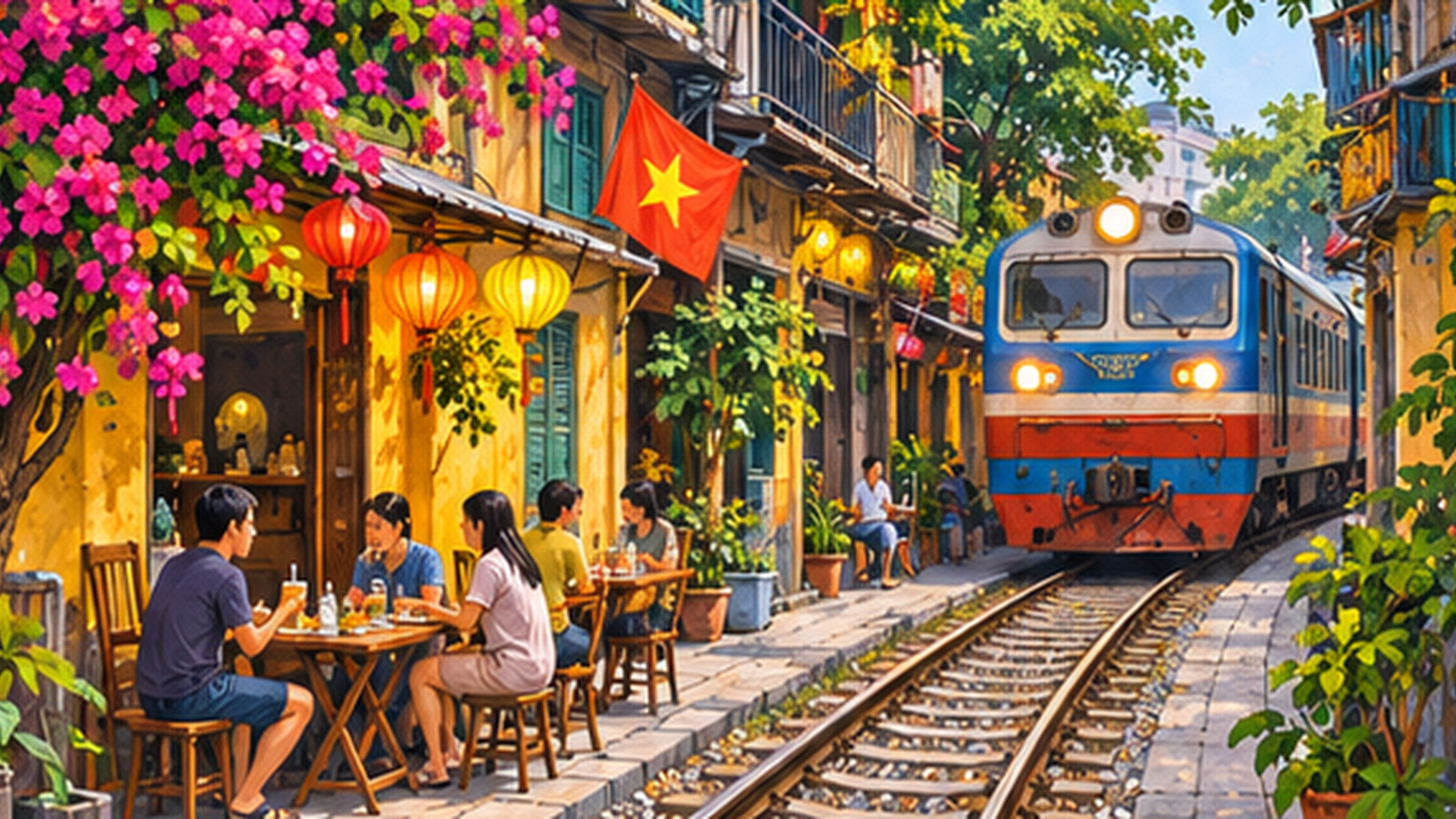
The atmospheric capital — Old Quarter chaos, street-food corners, Train Street and the gateway to Ha Long Bay and Sapa.
Emerald bays, lantern-lit old towns, motorbike-buzzing cities and some of the best-value travel in Asia — Vietnam is the adventure Indians are falling in love with.
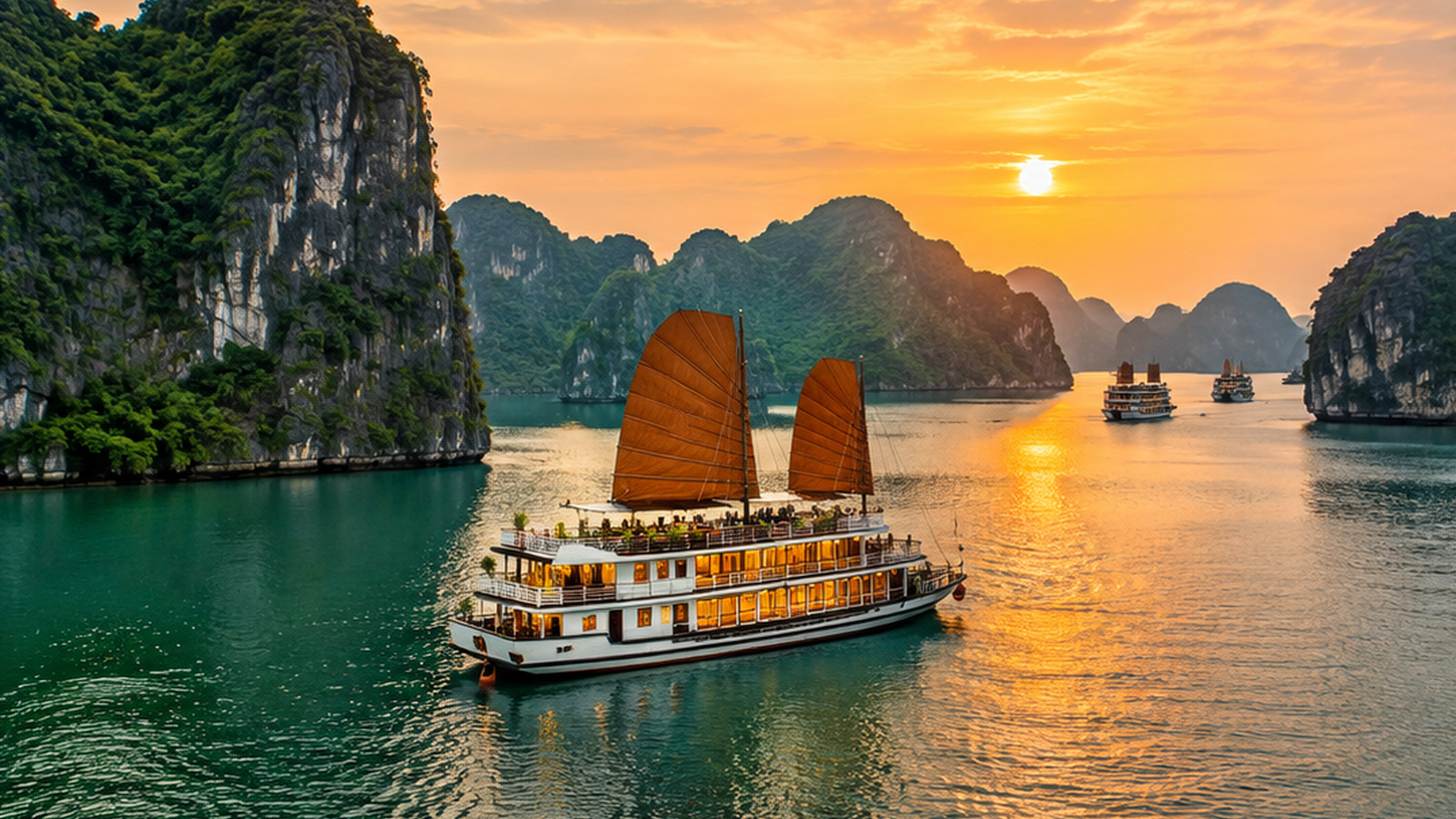
Vietnam packs an astonishing amount into one long, slender country — limestone islands rising from emerald water at Ha Long Bay, the lantern-lit heritage streets of Hoi An, the frantic motorbike energy of Hanoi and Ho Chi Minh City, cave country, highland tea terraces and a 3,000 km coastline of beaches. For Indian travellers it has become a favourite for one simple reason: it delivers jaw-dropping variety at genuinely low prices, now that entry is a quick online e-visa.
Because the country is long, most trips pick a region or ride the north-to-south route. The north (Hanoi, Ha Long, Sapa) is about scenery and culture; the centre (Hoi An, Da Nang, Hue) blends beaches with heritage; the south (Ho Chi Minh City, the Mekong Delta) is energetic and tropical. Cheap domestic flights stitch them together, so even a week can feel like three trips in one.
This guide is written for Indian travellers: the real trip cost in rupees from your city, the exact e-visa rule, where vegetarians and Jain travellers eat, how to pay and get around the famous traffic, and honest, dated advice you can plan around.
Vietnam wins Indians over with value and variety — a week here often costs less than a comparable domestic holiday, the food is cheap and plentiful (and easier than you think for vegetarians), and the sights are world-class. The online e-visa removed the last friction, making it a brilliant choice for couples, friends’ groups and adventurous families.
💡 From our visa desk: The commonest mistake is trying to see the whole country in a week — the north-to-south distances are huge. We suggest picking the north-plus-centre (Hanoi, Ha Long, Da Nang, Hoi An) for a first trip and using cheap domestic flights rather than long trains. Book a reputable Ha Long cruise; it is the one splurge worth making.
Online e-visa for Indian citizens — applied before travel, fully digital.
Indian passport holders apply online for a Vietnam e-visa (valid up to 90 days, single or multiple entry) on the official government portal — no embassy visit. Processing is usually around three working days. Carry a passport valid 6+ months and a return or onward ticket. Bluebird Next can file the e-visa for you if you prefer.
Full Vietnam tourist visa requirements & documents →Vietnam’s weather varies sharply north to south, so the best time depends on your route. Broadly, spring (Feb–Apr) and autumn (Aug–Oct) suit the whole country. See the month-by-month table below.
| Season | What it's like & who it suits |
|---|---|
| Feb–Apr (spring) | Mild and dry almost everywhere — the safest window for a north-to-south trip. |
| May–Oct | Hot; the south and centre get afternoon rains, the north is warm and green. The central coast is best Feb–Aug. |
| Nov–Jan | Cool and sometimes misty in the north (great for Sapa trekking); pleasant and dry in the south. |
| Month | Weather & what’s on (incl. Indian holiday windows) |
|---|---|
| January | Cool and dry in the south (ideal); chilly and misty in the north. Tet (Lunar New Year, late Jan/Feb) brings festivity but widespread closures — plan around it. |
| February | Spring begins — mild and increasingly dry nationwide; a good all-round month after Tet. |
| March–April | The sweet spot for a full-country trip — warm, dry and pleasant north to south. Overlaps Indian summer holidays. |
| May–June | Hot; the central coast (Da Nang, Hoi An) is at its beach best, the north is green, the south sees afternoon showers. |
| July–August | Hot and humid with southern rains; still good for the central beaches and great value. Suits the Indian summer break. |
| September–October | Autumn — pleasant and scenic; Sapa’s rice terraces turn gold (best Sep–Oct). Watch for occasional central-coast storms. |
| November | Cool, dry and clear in the north and south — an excellent month; the central coast can still see late rain. |
| December | Cool and dry in the south and north (misty Sapa); festive and good value before the Tet rush. |
The atmospheric capital — Old Quarter chaos, street-food corners, Train Street and the gateway to Ha Long Bay and Sapa.
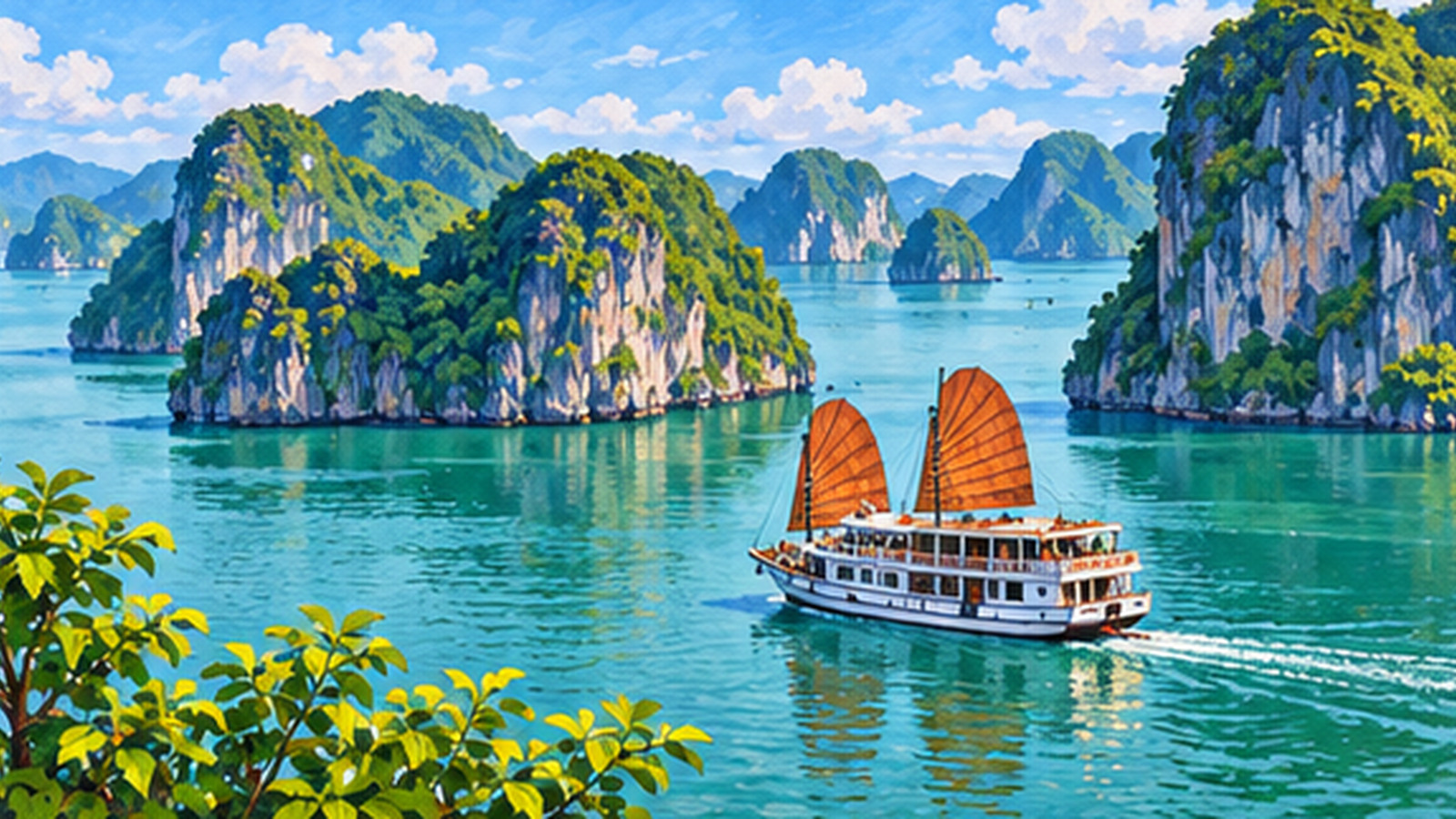
Thousands of limestone karsts in a jade sea — best seen on an overnight cruise. Vietnam’s signature view.
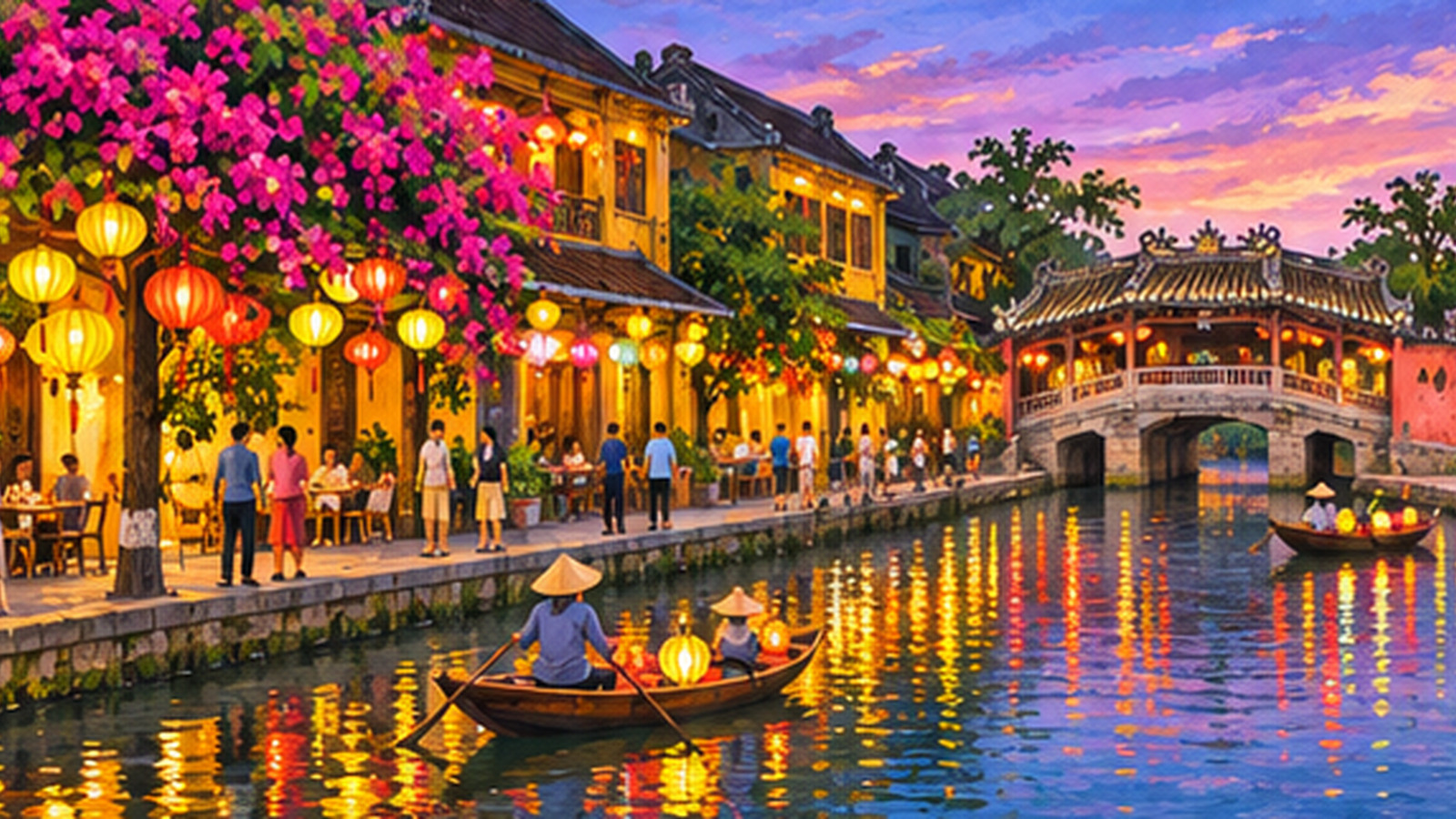
A lantern-lit UNESCO old town of tailor shops, riverside lights and nearby beaches — the most charming stop.

A beach city with the Golden Bridge (Ba Na Hills) and the Marble Mountains, next door to Hoi An.
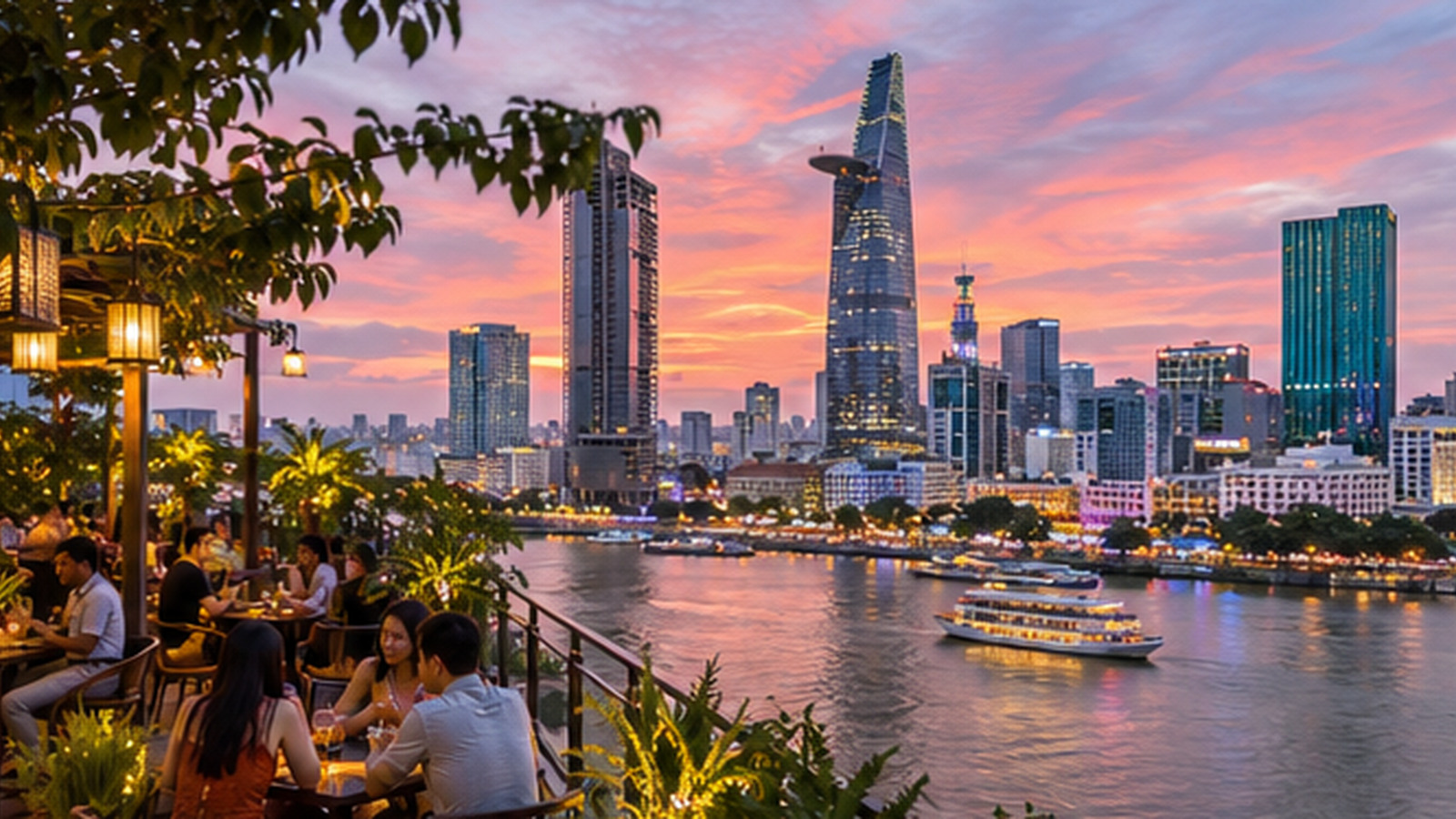
The energetic south — war history, rooftop bars, markets and day trips to the Cu Chi tunnels and the Mekong Delta.
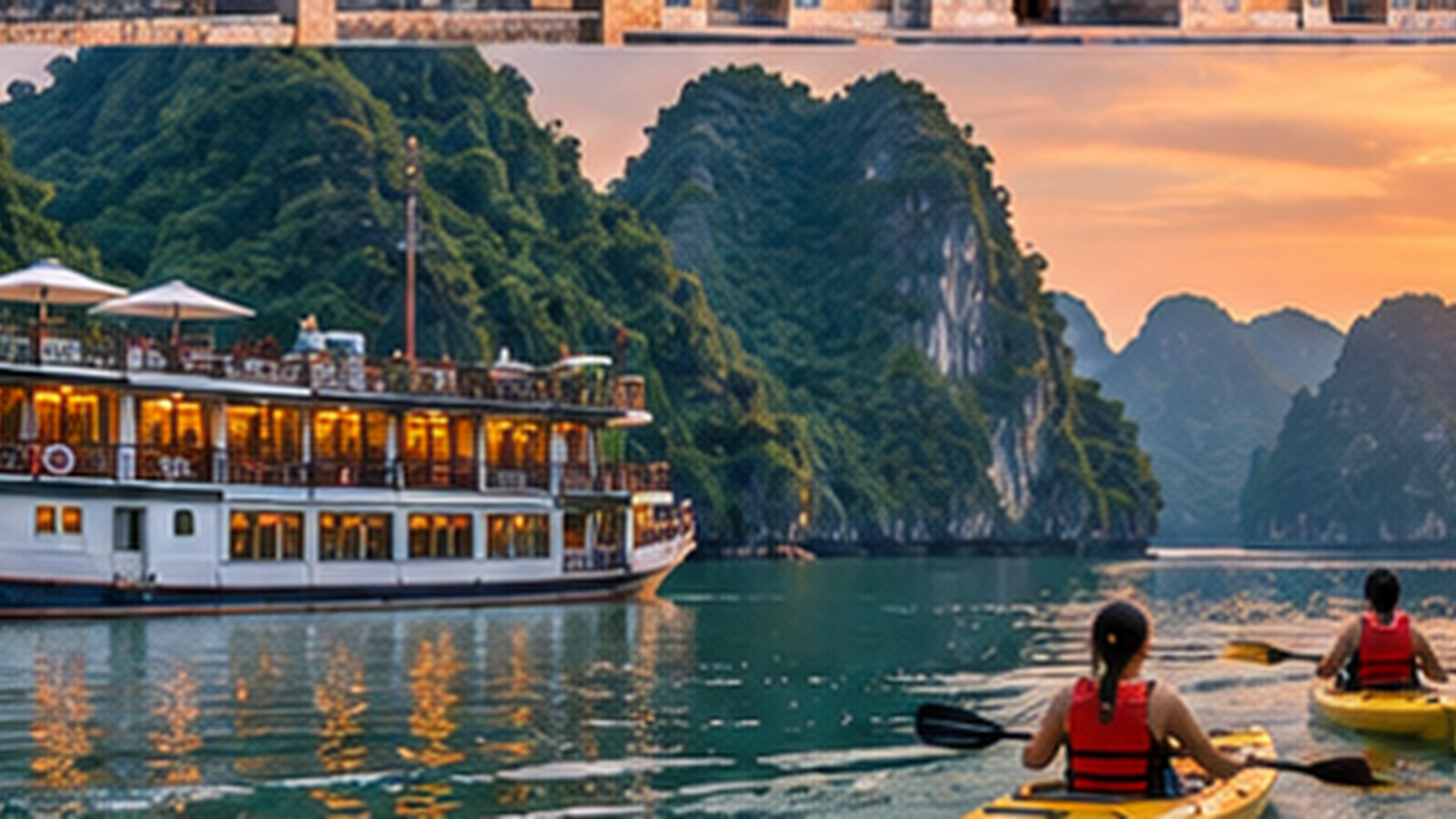
Sail between karst islands, kayak into lagoons and sleep on the water — the quintessential Vietnam experience.
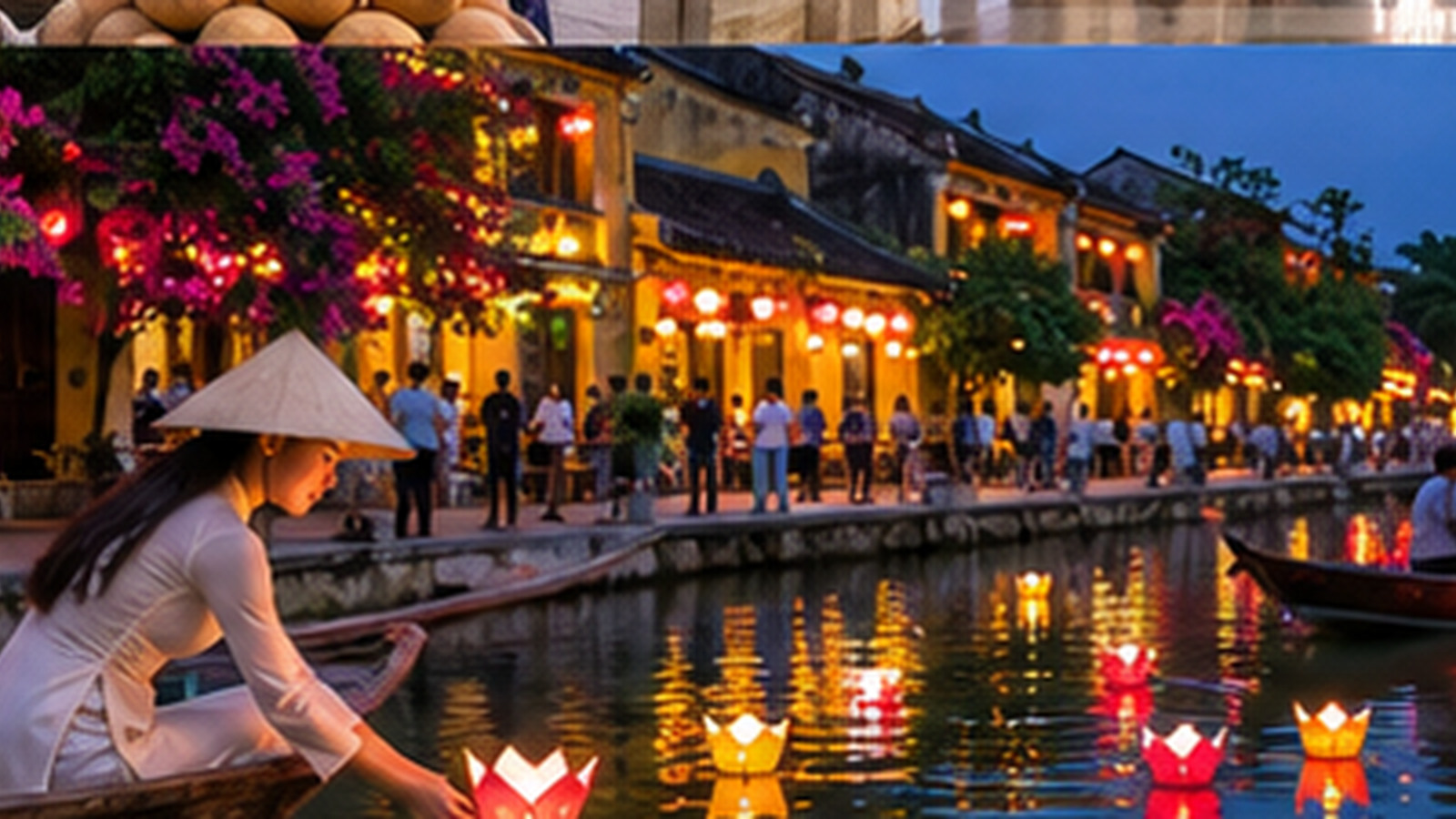
Wander car-free heritage lanes that glow with lanterns after dark, and release a candle on the river.
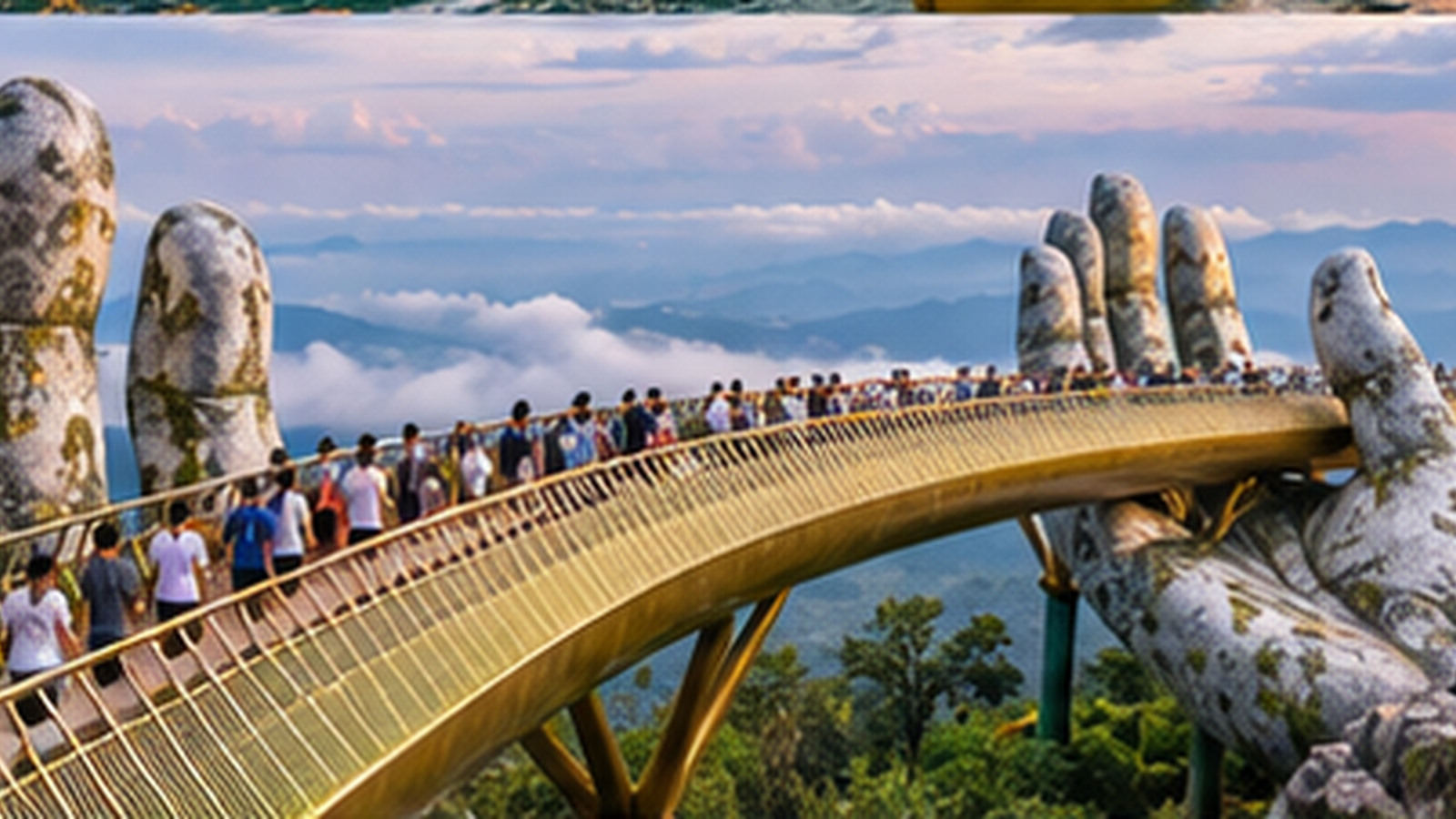
The famous bridge held by giant stone hands, reached by a long cable car near Da Nang.
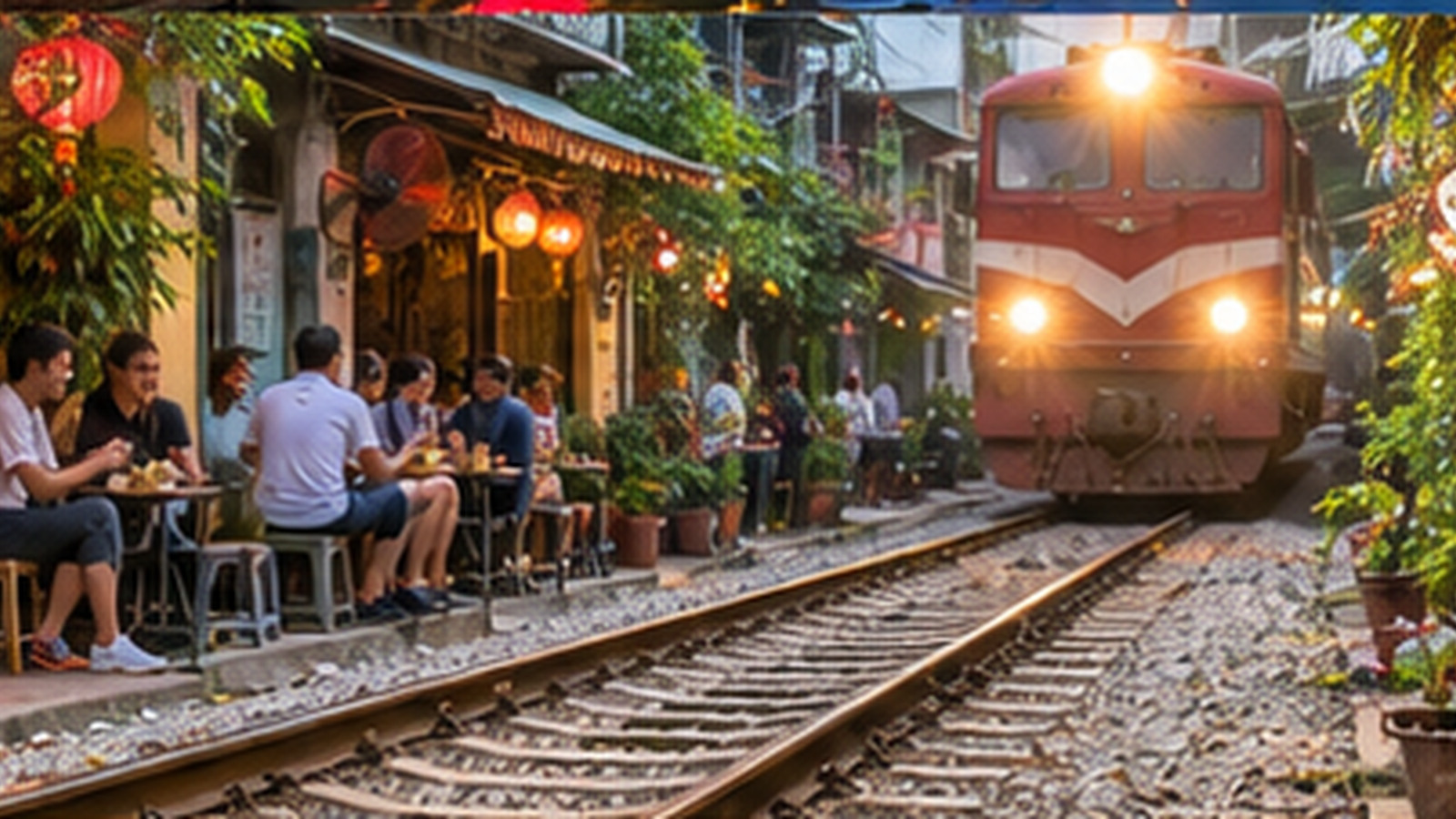
Street food, egg coffee and the railway that runs within arm’s reach of cafes.

Crawl the wartime tunnels and cruise the Mekong’s coconut-lined canals from Ho Chi Minh City.
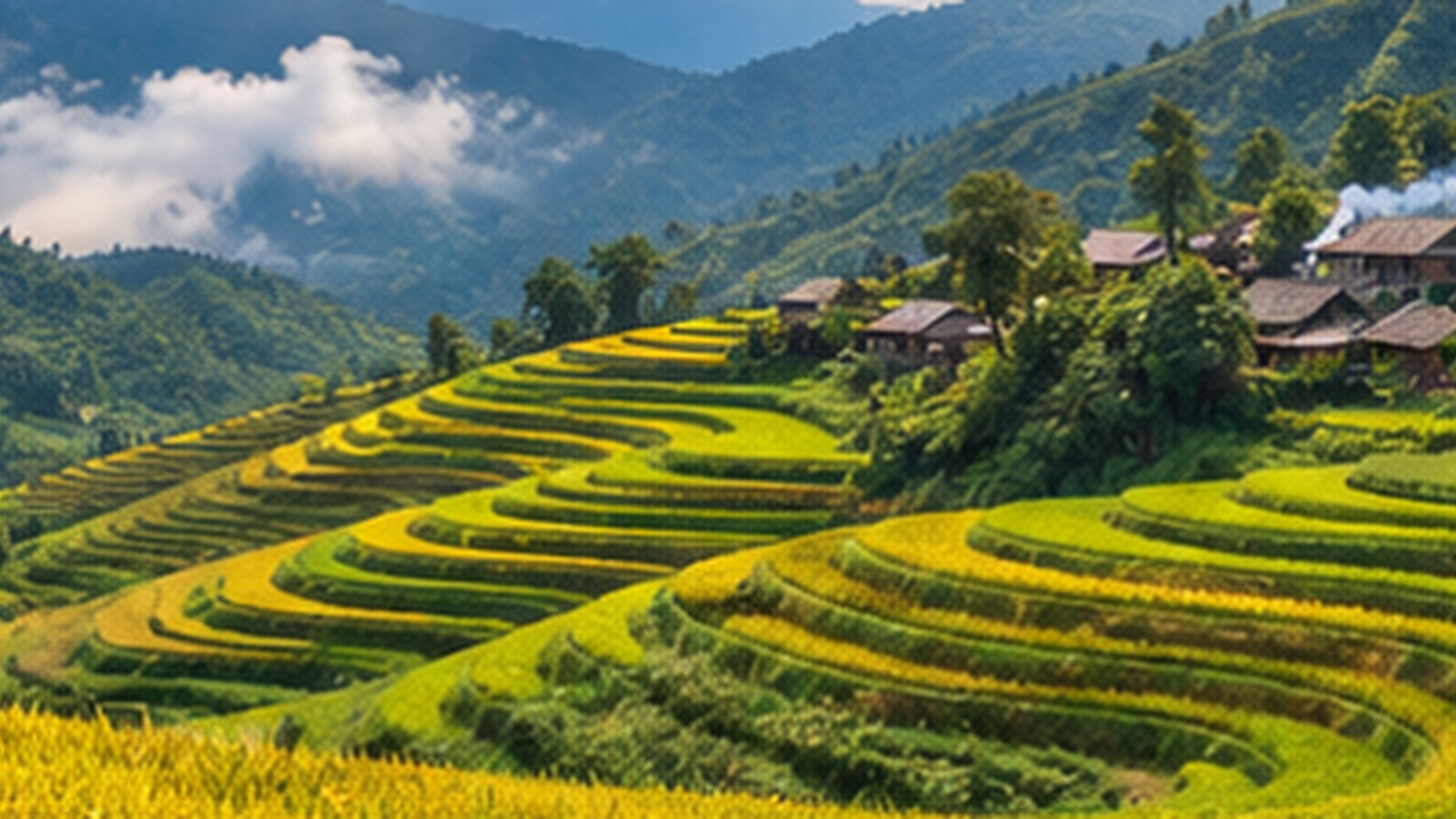
Spectacular stepped rice valleys and hill-tribe villages in the cool northern mountains.
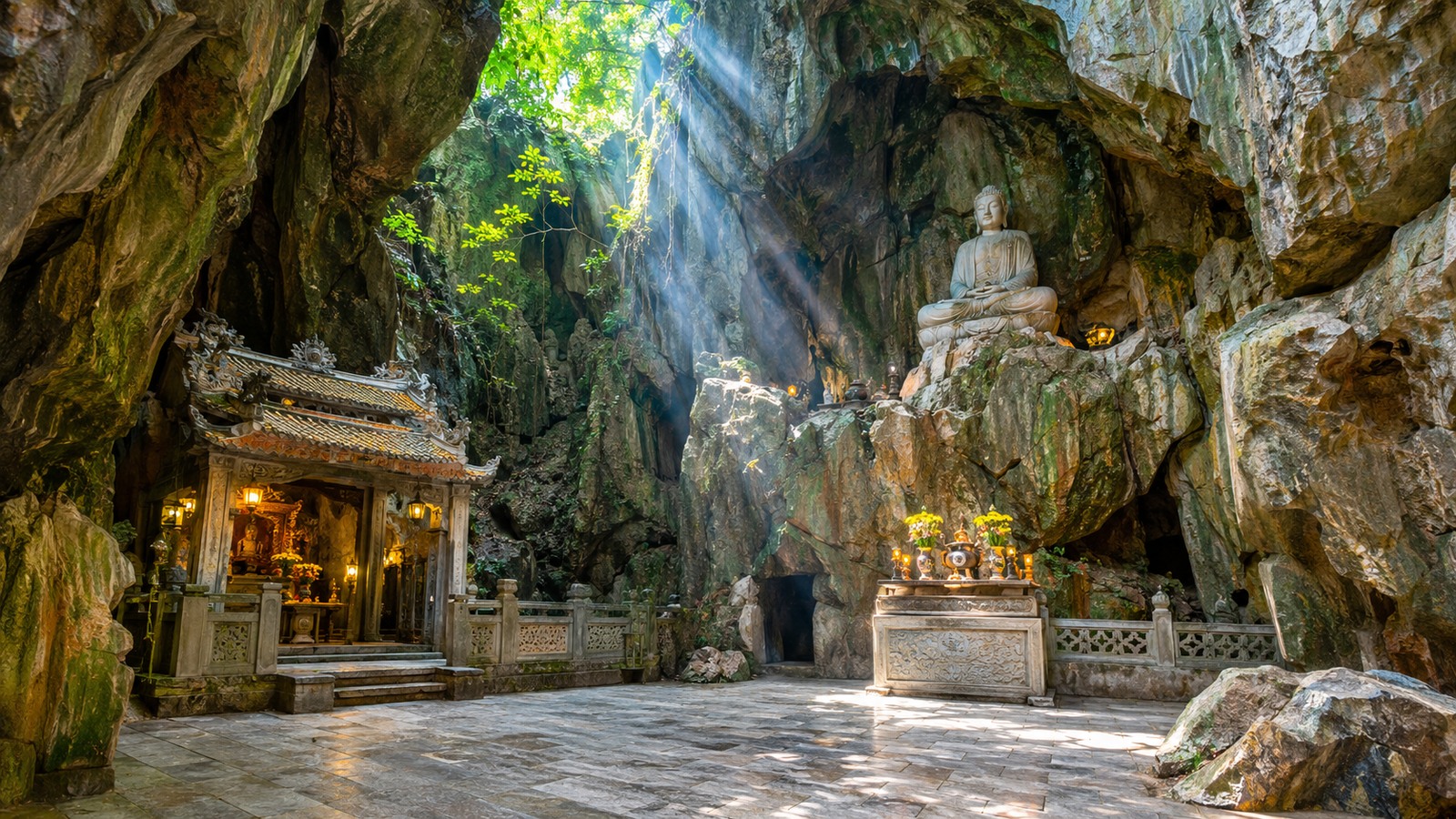
My Khe beach, the Dragon Bridge and the cave-temples of the Marble Mountains.
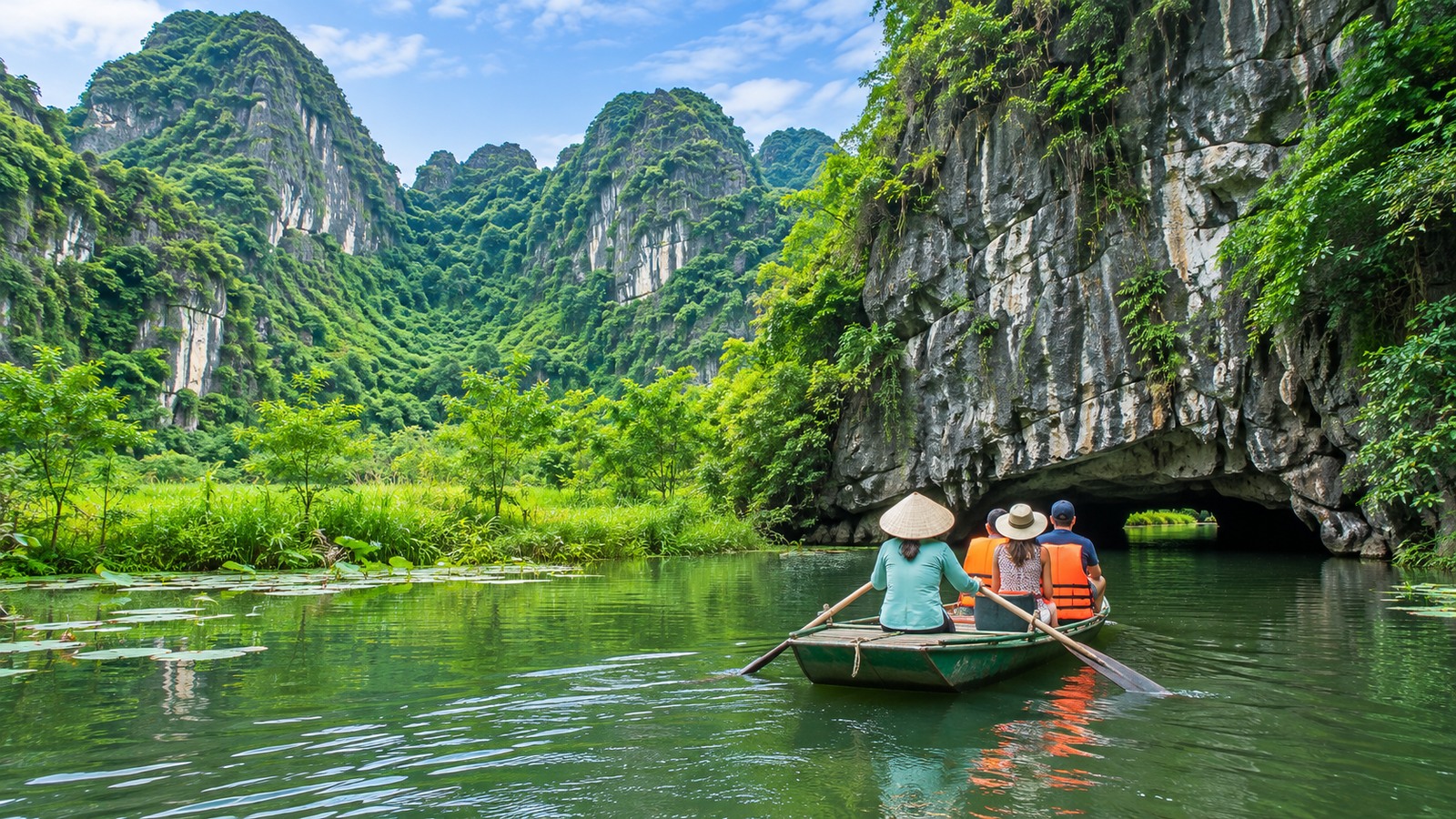
“Ha Long Bay on land” — a sampan row through karst caves and rice fields, an easy day from Hanoi.
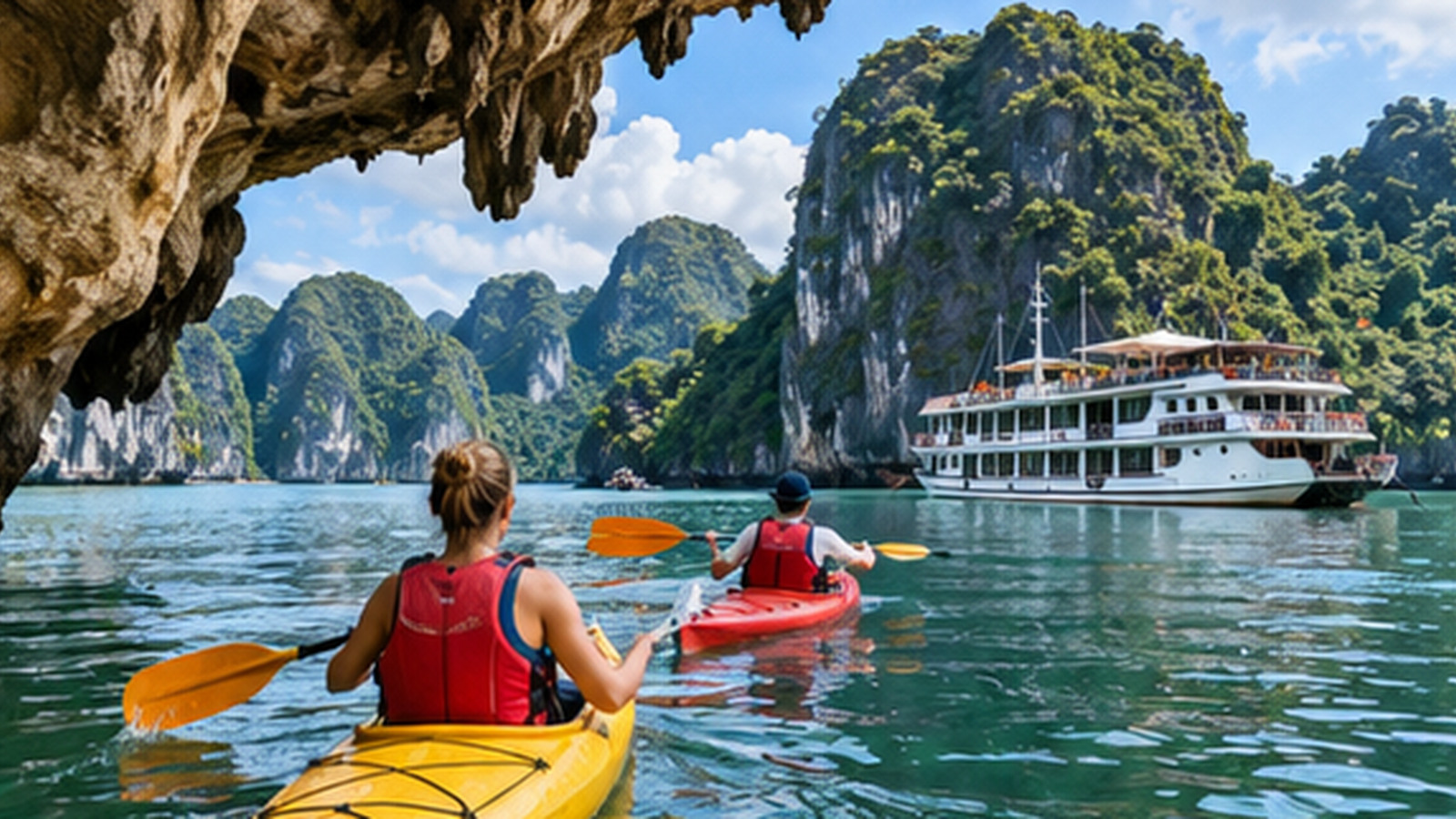
Ha Long and Lan Ha Bay overnight cruises with kayaking and cave visits.
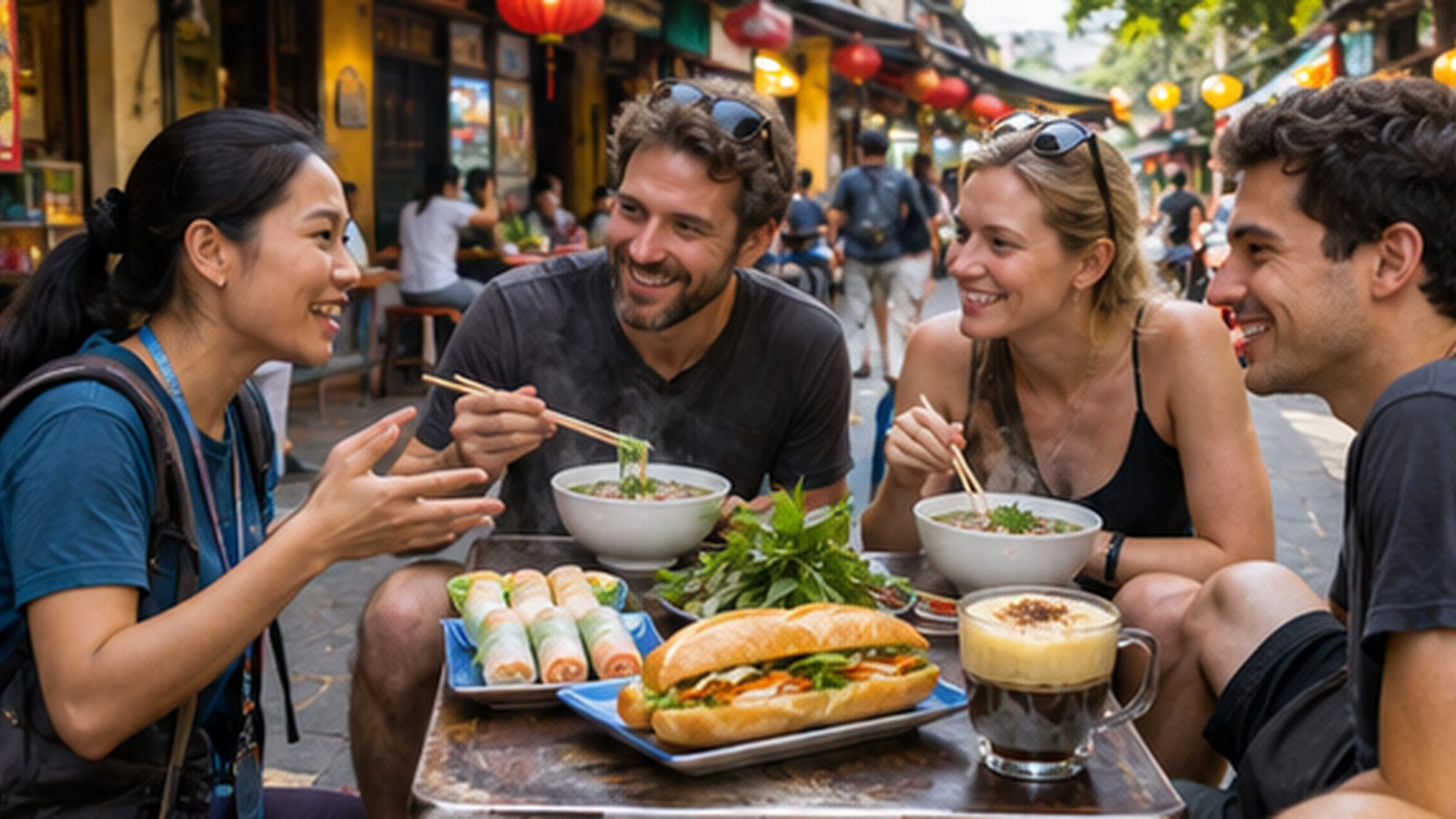
Pho, banh mi, fresh spring rolls and egg coffee — guided walks make the chaos delicious.
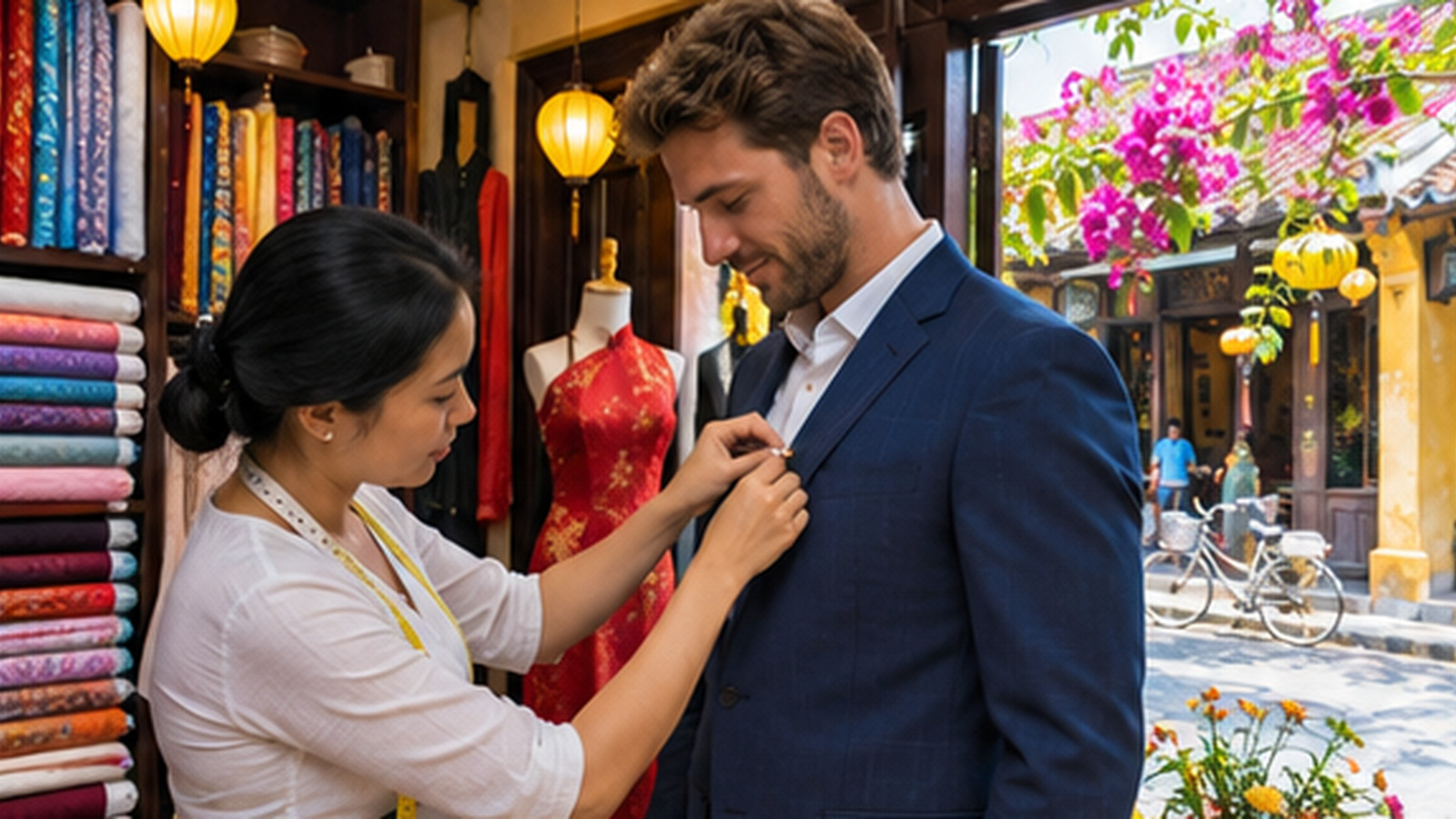
Custom suits, dresses and shoes made in a day for a fraction of home prices.
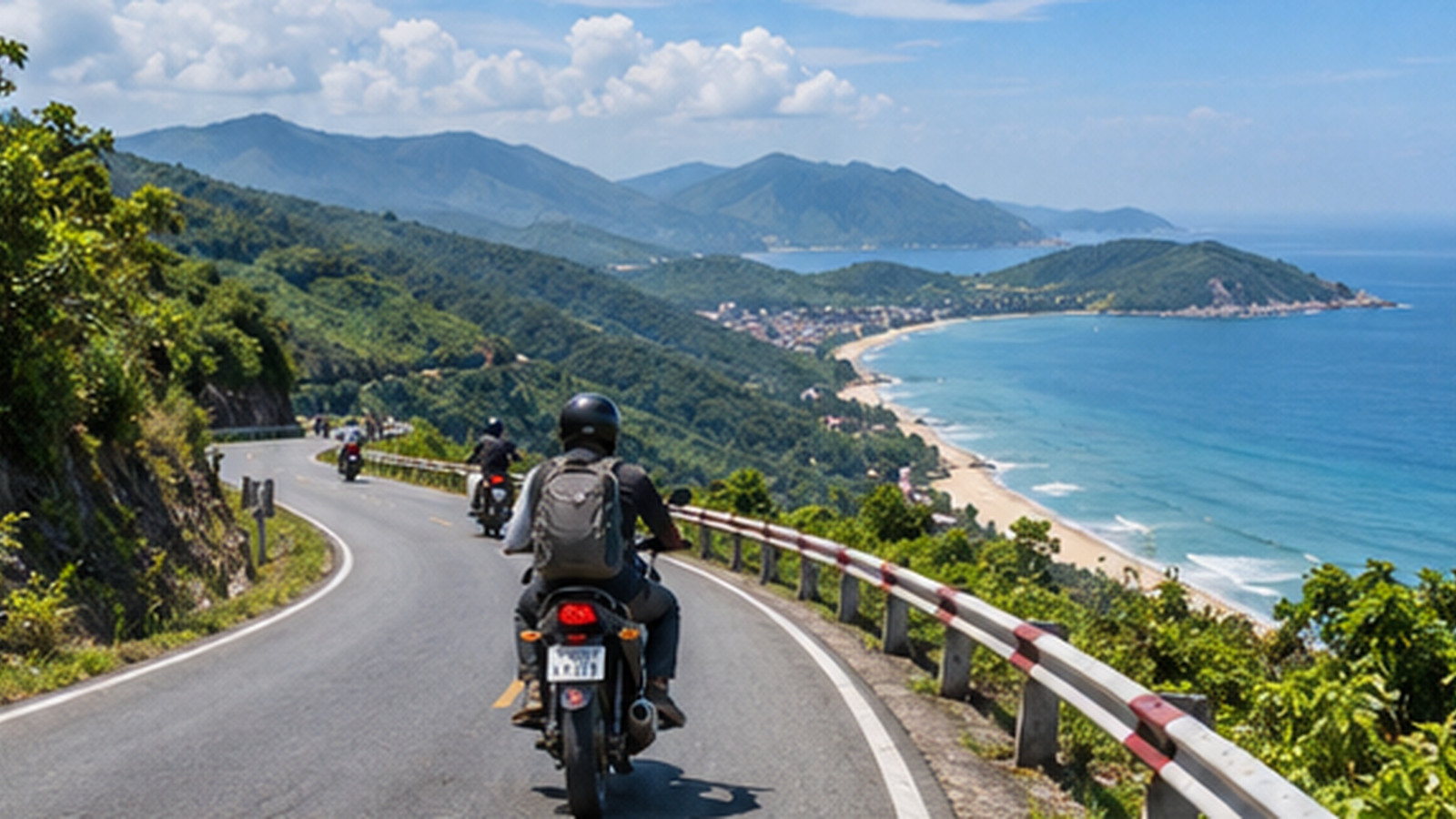
Da Nang and Nha Trang beaches, plus the famous Hai Van Pass coastal ride.
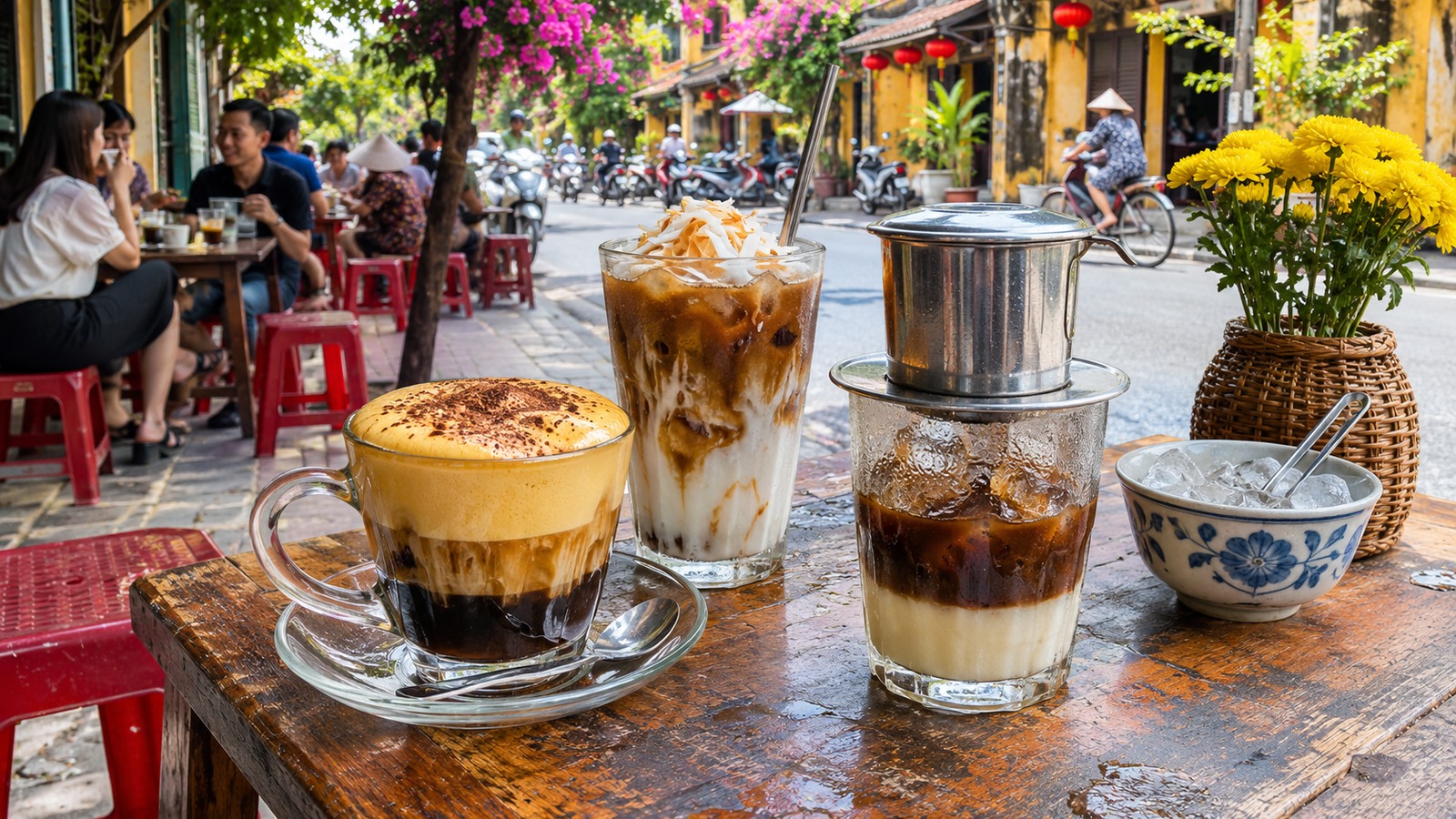
Egg coffee, coconut coffee and roadside ca phe sua da — Vietnam is a coffee lover’s paradise.
Book tours & activities through our travel partners — see options. Bluebird Next may earn a commission from partner bookings at no extra cost to you (Affiliate Disclosure).
Vietnam is one of the best-value countries in Asia — cheap food, transport and tours. Indicative per-person figures for a 7-day trip in 2026 (prices checked Nov 2026).
| Item | Typical cost (per person) |
|---|---|
| Return flights (ex-India, direct) | ₹22,000 – ₹40,000 |
| e-Visa fee | ₹2,000 – ₹4,500 |
| Hotels (3★, per night, twin) | ₹2,000 – ₹5,000 |
| Ha Long overnight cruise | ₹6,000 – ₹15,000 |
| Domestic flights (2 sectors) | ₹4,000 – ₹9,000 |
| Food & local transport | ₹800 – ₹2,000 / day |
| From | Typical return airfare |
|---|---|
| Delhi | ₹22,000 – ₹40,000 (direct) |
| Mumbai | ₹22,000 – ₹42,000 (direct/1-stop) |
| Kolkata | ₹20,000 – ₹36,000 (direct, shortest hop) |
| Bengaluru | ₹22,000 – ₹40,000 (direct/1-stop) |
| Chennai/Hyderabad | ₹22,000 – ₹40,000 (1-stop) |
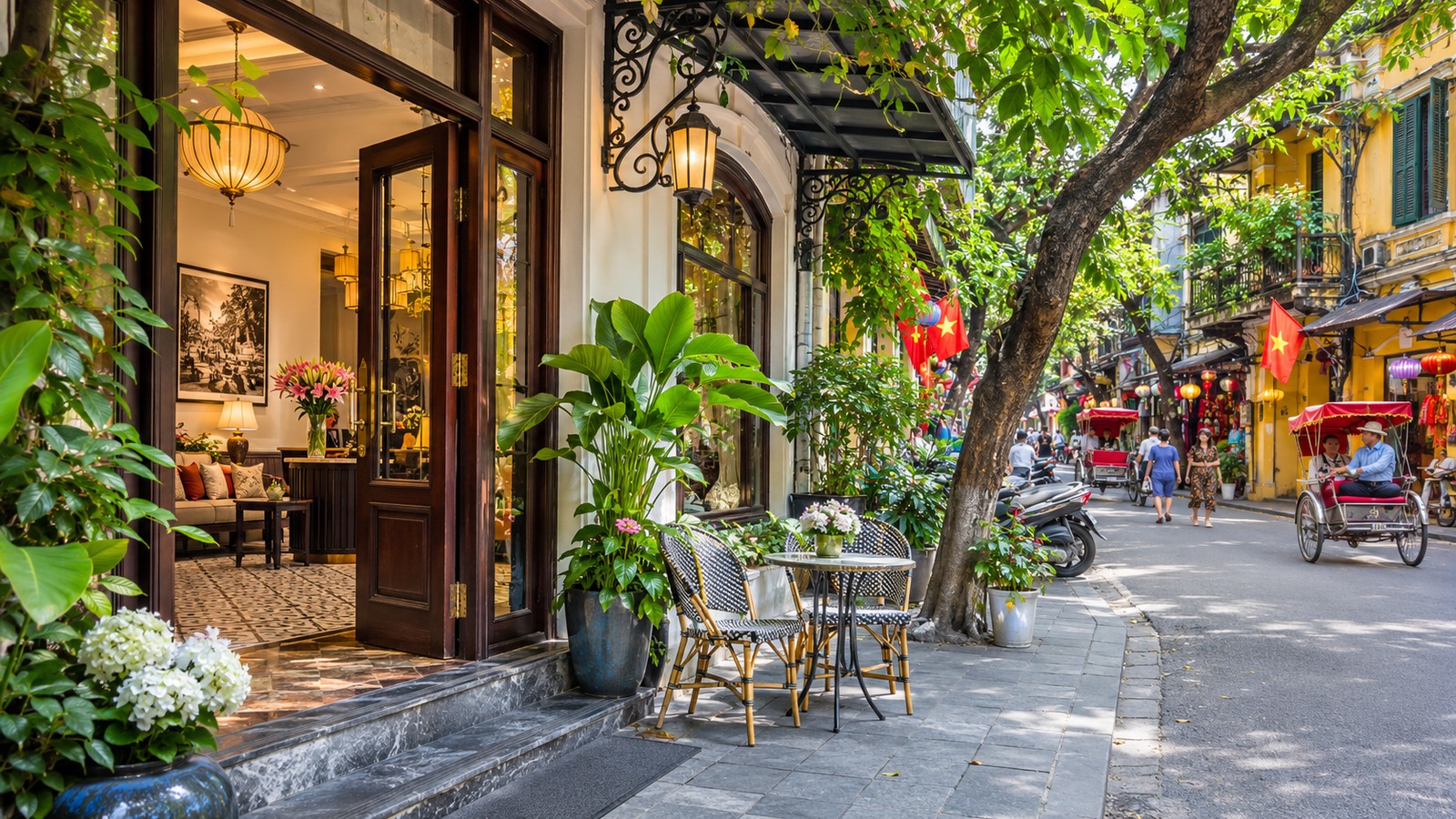
The walkable heart for food, sights and tour pickups.
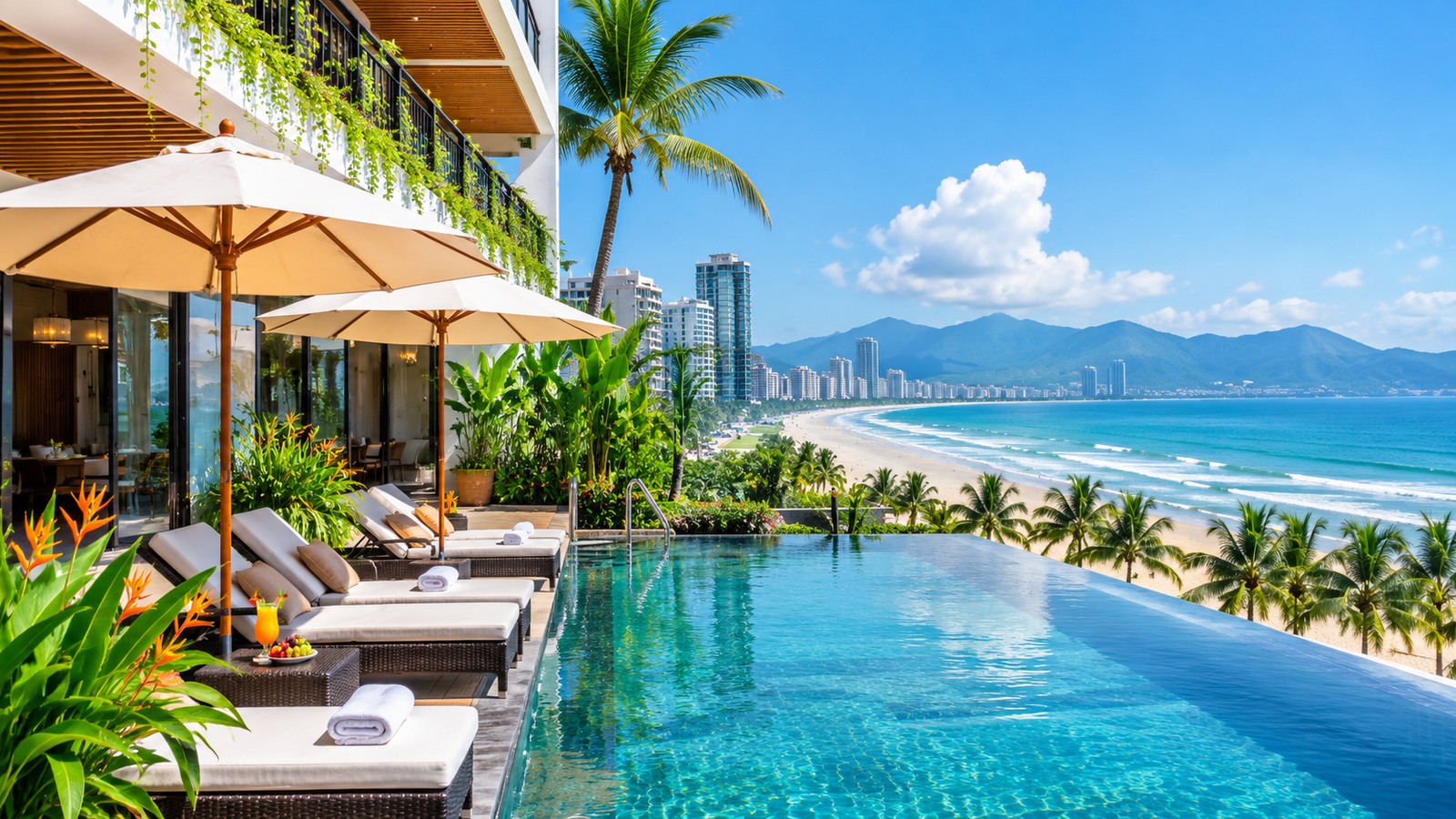
A beachfront base near the Golden Bridge and Hoi An.
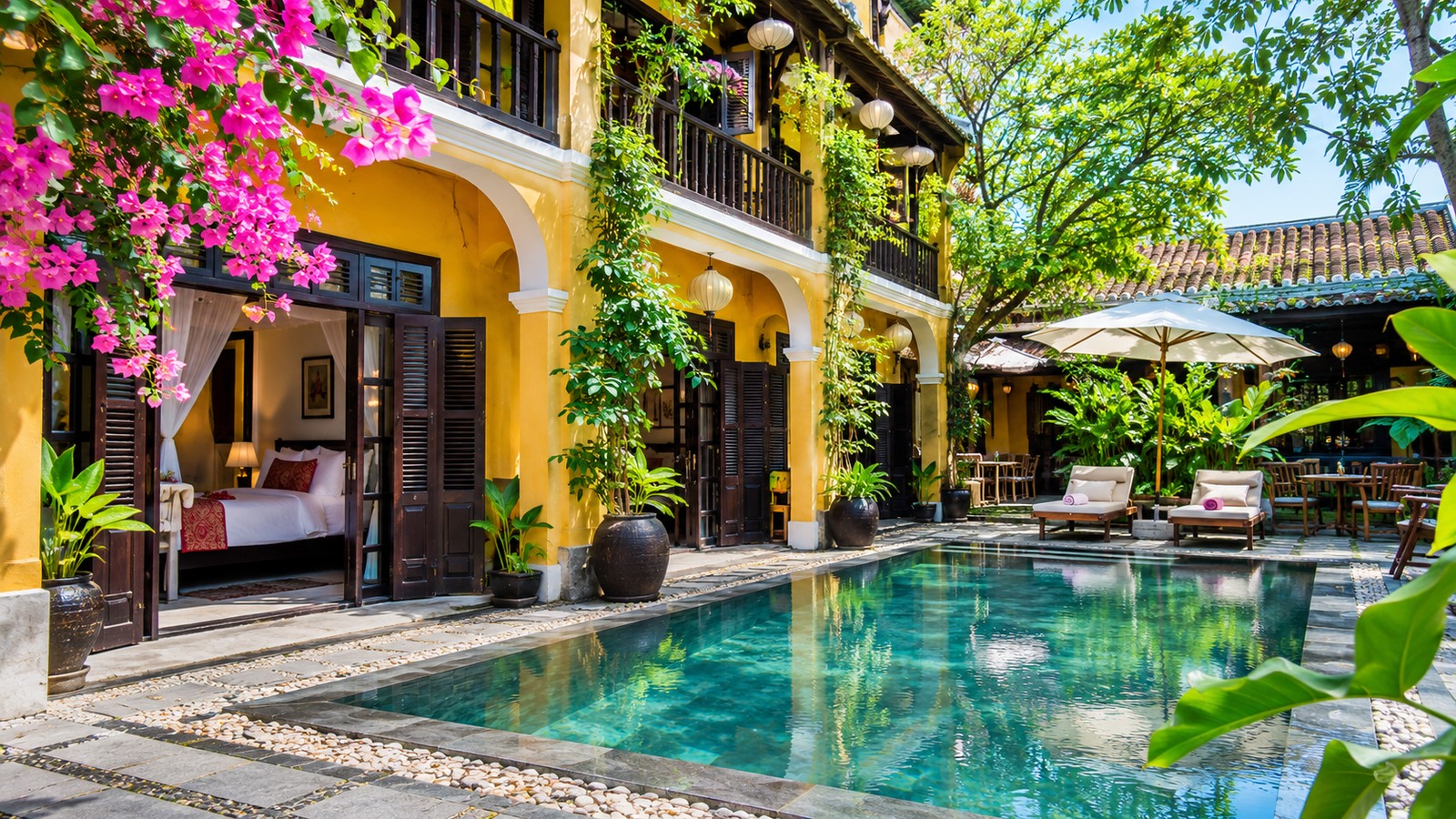
Heritage boutique hotels, or a beach stay minutes away.
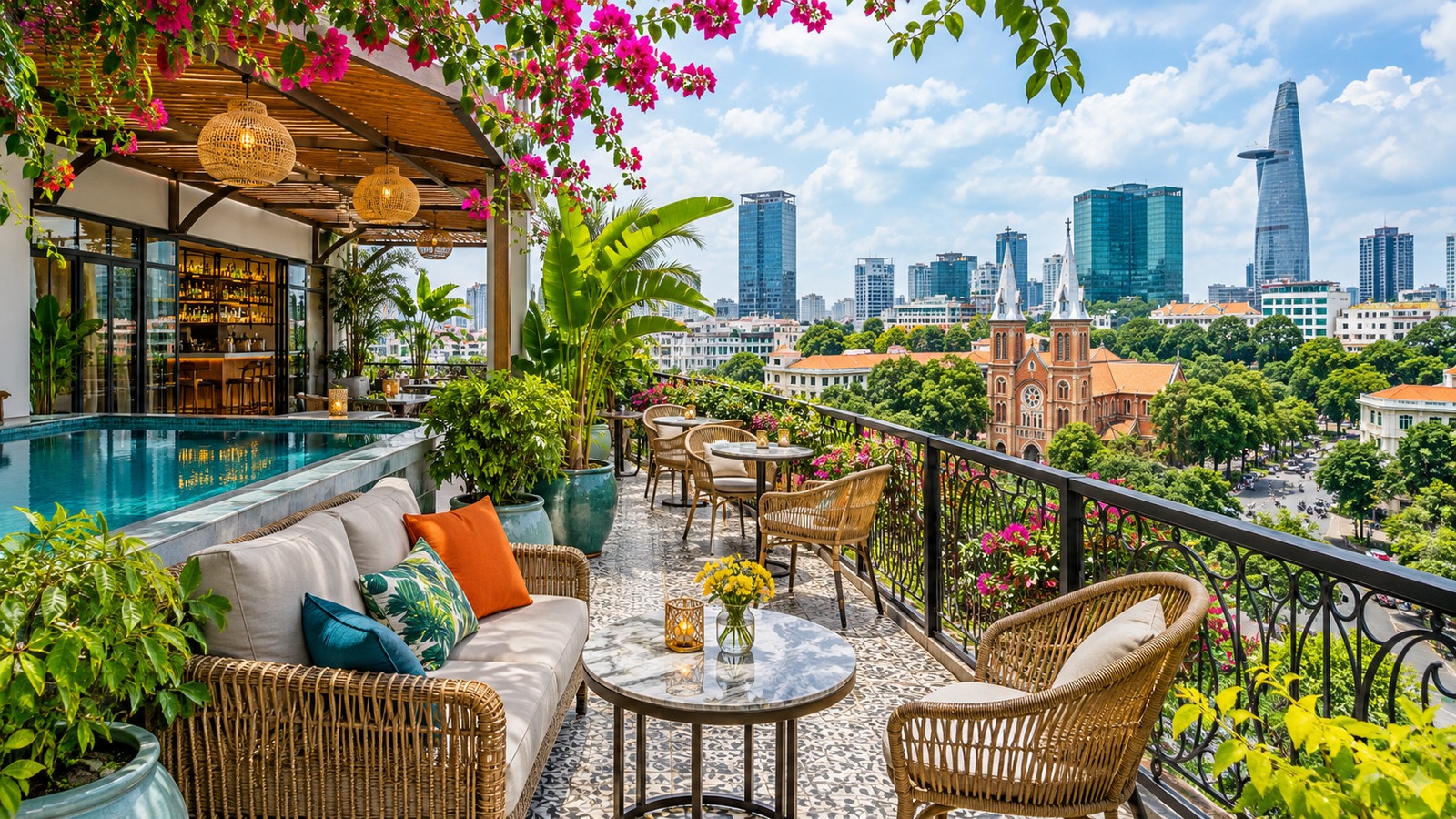
Central for history, rooftop bars and day trips.
Vietnamese food is fresh, herby and light — pho, banh mi, fresh spring rolls and the famous egg coffee. Street food is a highlight and very cheap; eat where the plastic stools are full.
Vegetarians do well — Buddhist “com chay” vegetarian eateries are common (look for the word “chay”), and you can ask for no fish sauce (“khong nuoc mam”). Fresh fruit, tofu and veg noodle dishes are everywhere, and Indian restaurants fill the gap for Jain and pure-veg travellers.
Indian restaurants operate in Hanoi, Da Nang and Ho Chi Minh City; pure-veg and Jain travellers should flag requirements and lean on com-chay eateries and Indian spots.
The dong has many zeros (₹1 is about VND 290), so a “100,000” note is roughly ₹345 — count carefully and keep small notes for street food and taxis. Cards work in hotels and bigger restaurants; carry cash for markets, cruises and rural areas. UPI is not yet widely accepted, so rely on a card and cash, and use bank ATMs (which cap withdrawals and charge a fee).
Buy a Viettel or Mobifone tourist SIM at the airport (cheap, with lots of data) or use a travel eSIM. Download Grab (cars and motorbike taxis — essential), Google Maps and Google Translate.
City traffic is intense. Use Grab to avoid haggling and overcharging; to cross roads, walk slowly and steadily and let the motorbikes flow around you. Between regions, cheap domestic flights beat long trains and buses.
Vietnam runs on 220V with Type A, C and F sockets — most Indian chargers fit, but carry a universal adapter. Pack for your route: light clothing for the south and centre, and a warm layer for the misty north and Sapa.
Dress modestly at temples and pagodas, remove shoes where asked, and bargain politely in markets (start around half the quote). A smile and a little patience go a long way.
Vietnam Airlines, VietJet and Bamboo link Hanoi, Da Nang and Ho Chi Minh City cheaply — far quicker than trains for long hops.
The Grab app (cars and motorbike taxis) is cheap and avoids haggling; it works in all major cities.
The Reunification Express train and the Hai Van Pass drive between Da Nang and Hue are experiences in themselves.
Vietnam is safe and welcoming for tourists, including solo and women travellers in the main areas. The chief hazards are traffic and petty bag-snatching in busy city districts (keep phones secure, especially near motorbikes). Use Grab, insist on metered or app fares, be careful with road-crossing, and buy travel insurance that covers cruises and adventure activities.
❌ Myth: You can see all of Vietnam in a week.
✅ Fact: The country is over 1,600 km long; a week suits the north-plus-centre. Use cheap domestic flights and save the south for a longer trip.
❌ Myth: Vietnamese food is impossible for vegetarians.
✅ Fact: Not at all — Buddhist “com chay” vegetarian eateries are everywhere, you can ask for no fish sauce, and Indian restaurants fill any gaps.
❌ Myth: The e-visa is complicated.
✅ Fact: It is a simple online application (about US$25), usually approved in around three working days. Just use the official portal, or let us file it.
❌ Myth: The traffic makes it too stressful.
✅ Fact: It looks chaotic but flows predictably; use Grab, cross roads steadily, and you will quickly find it part of the fun.
❌ Myth: Vietnam is only for backpackers.
✅ Fact: From luxury Ha Long cruises and beach resorts in Da Nang to boutique stays in Hoi An, it suits honeymooners and families just as well as backpackers — at great value.
Yes, but it is a simple online e-visa — Indian passport holders apply on the official government portal (valid up to 90 days, single or multiple entry) with no embassy visit. The fee is about US$25 (single) or US$50 (multiple), processed in roughly three working days. Bluebird Next can file it for you.
A 7-day trip is roughly ₹55,000–₹1,05,000 per person including flights, and about ₹1,10,000–₹2,00,000 for a couple. Food, transport and tours are very cheap; the Ha Long cruise and flights are the main costs.
Seven days covers the north and centre (Hanoi, Ha Long, Da Nang, Hoi An); nine or more lets you add the south (Ho Chi Minh City, the Mekong) for a full north-to-south trip.
Spring (February–April) and autumn (August–October) suit the whole country. The north is cool and misty in winter (great for Sapa); the central coast is best February–August; avoid the Tet shutdown in late January/February.
Yes — an overnight cruise is the best way to experience the bay, with kayaking, caves and sunrise among the karsts. A 2-day/1-night trip suits most itineraries; quieter Lan Ha Bay is a good alternative.
Cards work in hotels and bigger restaurants, but UPI is not yet widely accepted, so carry dong cash for street food, markets, taxis and cruises, and use bank ATMs for withdrawals.
Yes — Buddhist vegetarian (com chay) eateries are widespread, you can ask for no fish sauce, and Indian restaurants operate in the main cities for Jain and pure-veg needs.
Generally very safe. The main hazards are traffic and petty bag-snatching in busy districts rather than violent crime. Use Grab, keep your phone secure near motorbikes, and cross roads carefully.
Use cheap domestic flights (VietJet, Bamboo, Vietnam Airlines) for the long north-to-south hops, and the Grab app for cars and motorbike taxis in the cities. The Reunification Express train and the Hai Van Pass are scenic extras.
Often, yes — food, local transport and tours are inexpensive, so a week can cost less than a comparable domestic holiday. The flight and the Ha Long cruise are the main expenses.
Strongly recommended. It covers medical care, cruises, adventure activities and trip delays — worthwhile given the boating, trekking and busy roads.
Sources: Vietnam National Tourism · Vietnam e-Visa (official)
A licensed team that has guided thousands of Indians to their visas and admissions.
 Jitender SinghFounder & Managing Director
 Vikram SinghHead – Quality & Operations
 SanjayHead – Tourist Visa Operations
 TejaswaniHead – Counselling Team
 MahimaHead – Visa Filing & Processing
 Pratigya DuttaHead – Student Visa Processing
Free, no-pressure guidance from a real counsellor who handles your case end to end — from documents to decision.